Commercial EV Charging Station Business Guide › EV Charging Station Layout
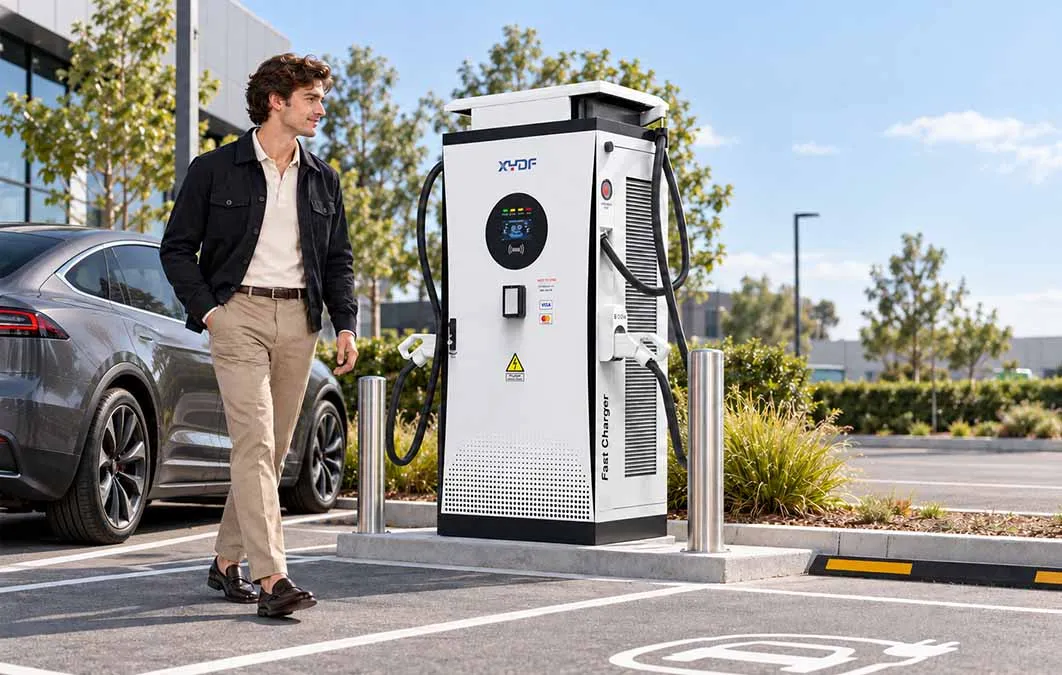
Electric Vehicles are having a major impact on the world of automobiles and are driving increased demand for Charging Stations that meet consumers’ needs for convenience and reliability; Therefore, the layout and configuration of an Electric Vehicle Charging Station are critical to meet the user requirements, safety, and customer experience. By designing an EV Charging Station with these parameters in mind, the EV Charging Station layout will establish a high-quality EV Charging Station by allowing for continued growth in the charging infrastructure. This article will highlight the factors that should be considered, followed best practices, and pitfalls that exist while designing an EV Charging Station (EVGS).
Significance of Optimum EV Charging Station Layout
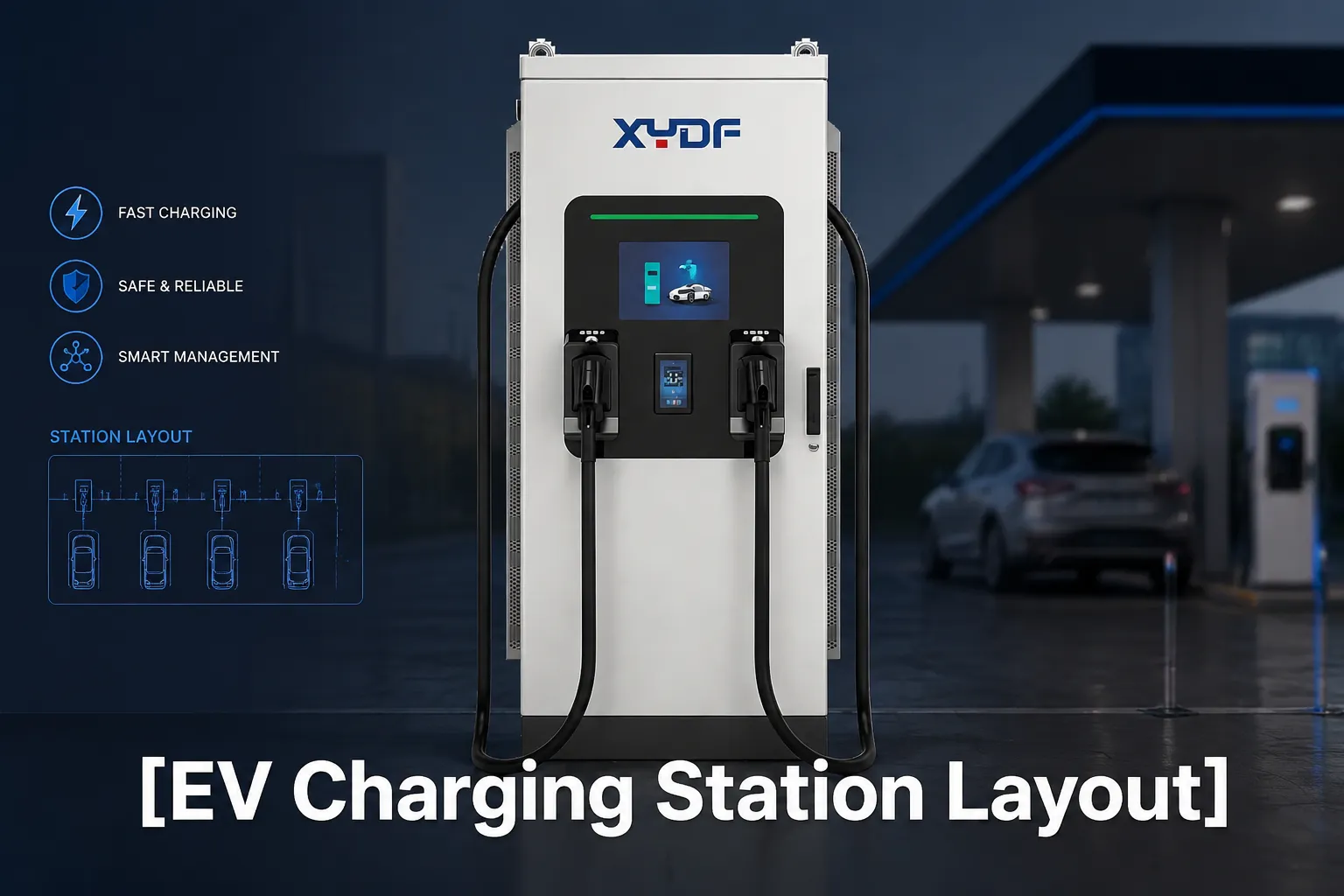
The aesthetic appeal of an EV Charging Station is a primary factor and has impact on how a consumer uses the facility including how operations take place within the facility and how easy it is for the facility to continue its effective operation over time. Poorly designed EV Charging Station facilities can produce congestion and create barriers to the acuity of consumers using the facility. In addition, improperly designed EVGS facilities can be unable to grow to keep pace with market demand. Conversely, properly designed EV Charging Stations will provide a user-friendly experience and create the ability to operate the EV Charging Station with maximum productivity and profitability.
Key Elements to Creating a Successful EV Charging Station
You will need to take into consideration many elements to develop a successful EV Charging Station. When designing EV charging stations, the location of the station will be the first major aspect to consider. Generally, the most popular places to install charging stations are those with high vehicle turnover, which can be highways, shopping centres, office buildings and garages. All users, including those with disabilities, should have access to the station; therefore it will be important to include adequate lighting and good signage that is easily readable to provide a safe, welcoming, and easy-to-navigate location for users of the EV charging station.
Charging Equipment Selection
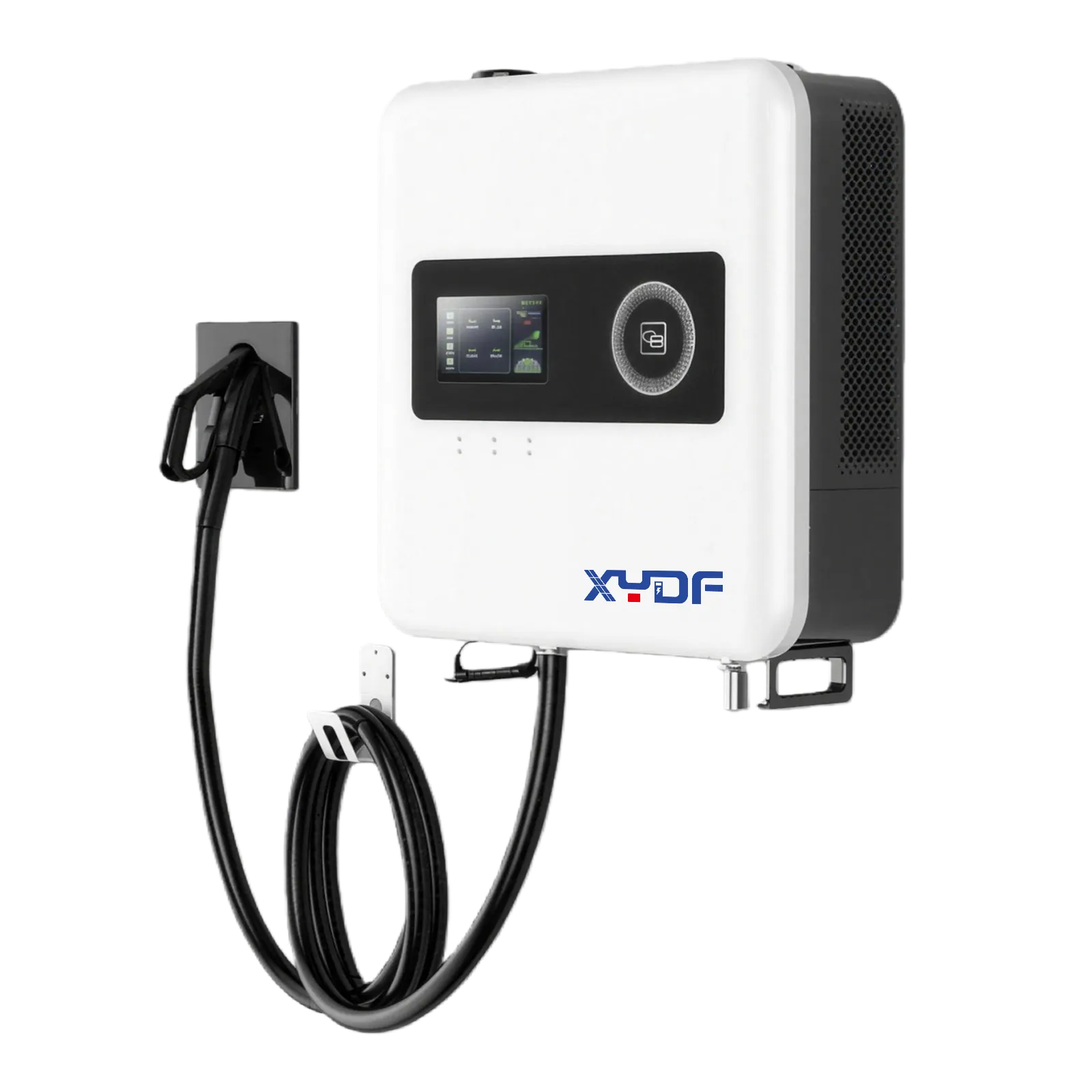
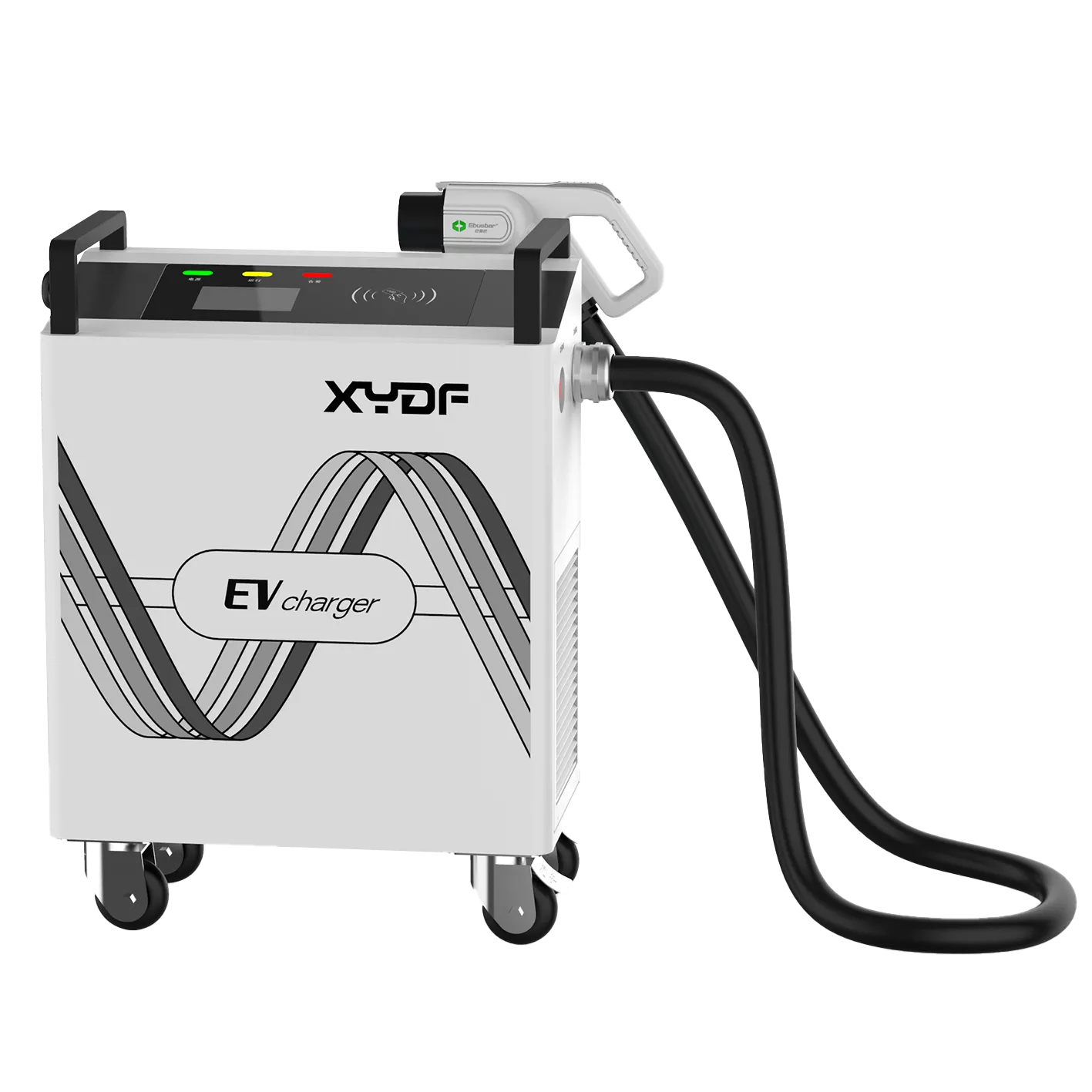
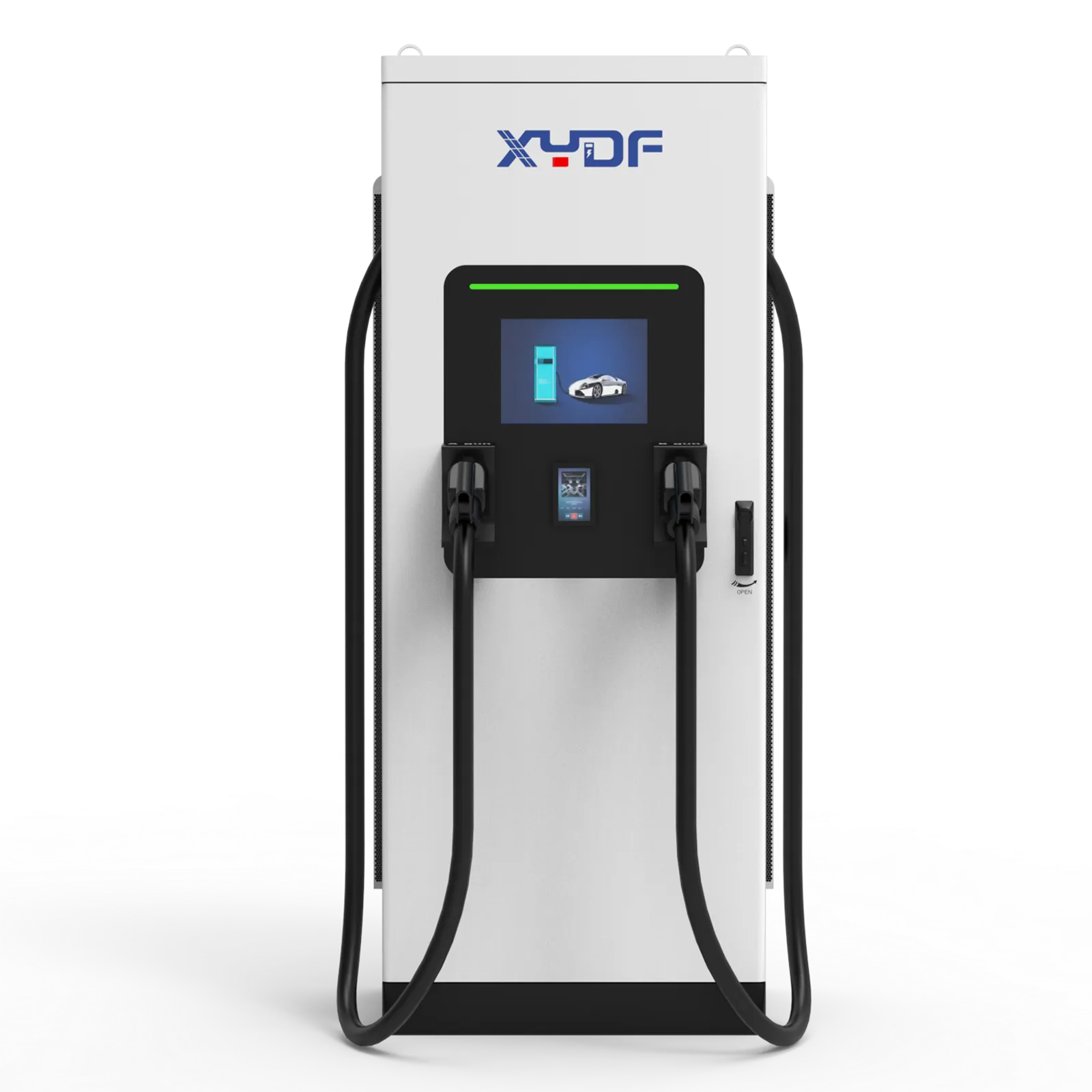
The selection of charging equipment will also need attention in the development of EV charging stations. When considering the equipment, you will need to consider the types of charges being offered, or the charging levels and technologies you will need to provide. For example, you may offer Level 2 (AC) chargers as general-use chargers and offer Level 3 DC fast chargers for those in need of a quick charge; offering both types of charging supports diversity among consumers, as they will provide for daily commuters and individuals who travel long distances.
Electrical Infrastructure
Providing electrical infrastructure to support the EV charging stations is another foundational consideration in planning for an EV charging station and/or the upgrade of an existing EV charging station. You will need to engage your utility provider to discuss how much electricity you will be able to draw from the electrical grid, whether or not you need to upgrade any transformers and to acquire consistent and reliable sources of electricity. Effective load management is a key to being able to use renewable energy sources (solar panel installation) to power your charging stations, primarily because it will increase the sustainability of your system and reduce the long-term operating expenses of those energy sources.
Scalability and Future Expansion
When the number of EVs increases, so does the need for charging facilities. Therefore, you should consider scalability when you design your EV charging stations because you will likely be expanding them in the future to provide additional charging ports or new chargers.
Additional Design Considerations for EV Charging Stations
The design of your EV charging station includes more than just the layout and while an incredibly designed charging station will attract more users, it should also integrate innovative design elements that will improve not only the user experience but also the charging station’s efficiency.
Visual Appeal
The visual appeal of your EV charging station will be very important to your users, especially in a city landscape. Utilizing modern, innovative designs creates a user-friendly environment and reflects your company’s forward-thinking philosophy.
Integration with Technology
You also want your stations to be technologically advanced and capable of being upgraded in order to provide users with a digital interface to provide real-time updates regarding wait times, charging costs, and remaining battery capacity. Additionally, use a mobile app to create reservations and notify drivers when their electric vehicle (EV) has finished charging.
Ensuring Safety
To ensure your customers feel secure using your station, add anti-slip flooring, outdoor canopies for inclement weather, and security devices (such as cameras and/or emergency buttons), to create an atmosphere of safety.
Extra Amenities
Make your charging station an attractive place to visit by providing additional amenities such as comfortable seating, restrooms, vending machines, and sufficient spacing to allow easy access to the charger.
Electrical and Safety Considerations for EV Charging Stations
To properly design an EV charging station, it’s important to understand both electrical systems and safety concerns that will affect how you build the facility. The following is a list of electrical/safety issues to address when designing your new station:
Load Calculation
When calculating the load, you must determine the total amount of electricity your station is going to need, based on the number of charging units and the requirements of each unit. Consider the possibility of expanding in the future if you are going to see a large increase in demand for charging due to a rise in the number of EVs being sold.
Voltage Requirements
When installing electrical systems for the EV chargers, be sure to follow the same criteria that have to be followed for all electrical systems so you can provide the chargers with a reliable source of electricity. Each charging unit requires different types of voltage (120V, 240V, etc.), so you’ll need to install wiring for the different levels of voltage to ensure each EV charger gets the proper level of voltage for different speed and types of electric vehicles.
Fire Safety & Ventilation
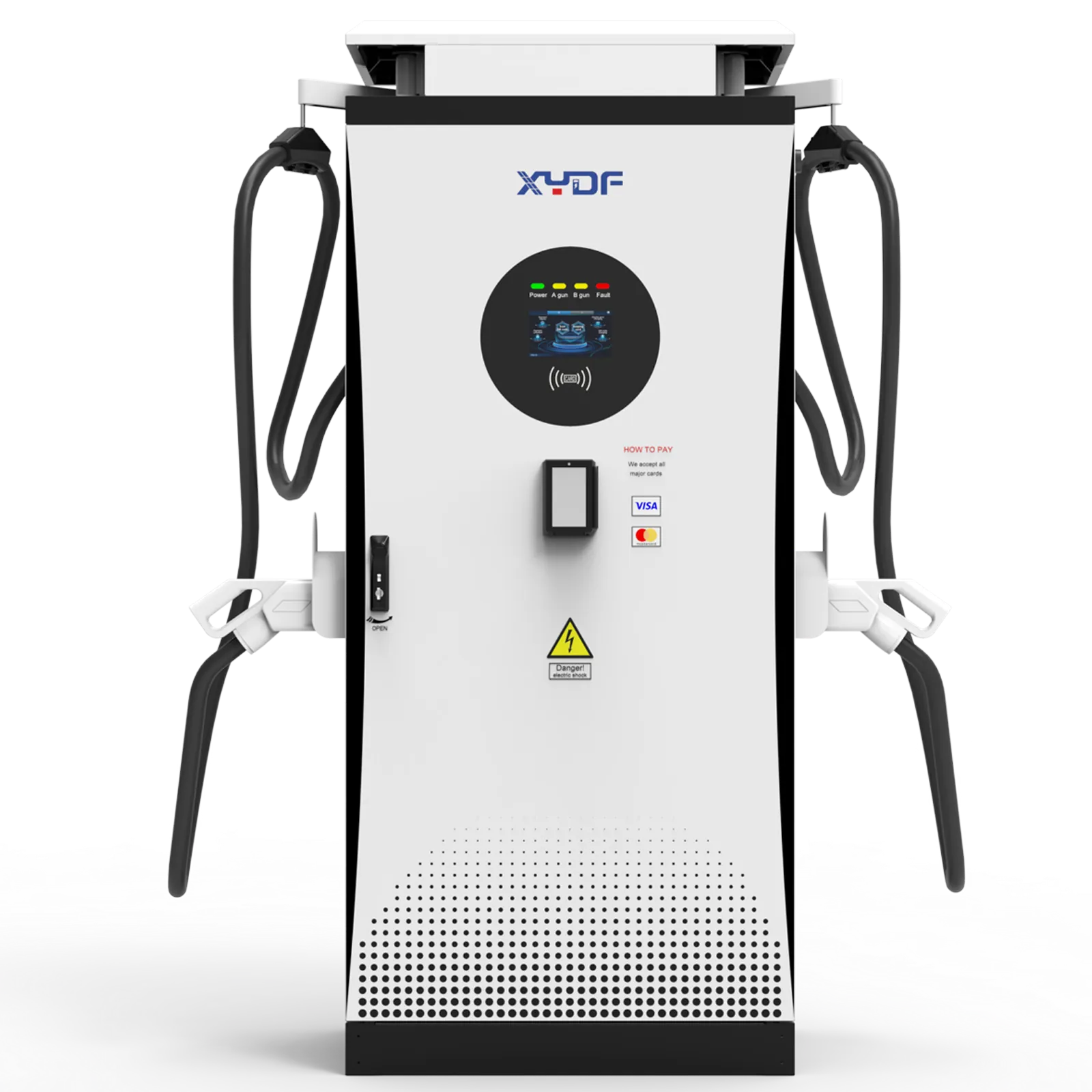
Fast chargers can generate substantial heat, and as such, you need to consider how much heat is produced when designing your charging station. To comply with various building codes and keep your EV charging station safe, you must install sufficient ventilation and fire protection measures at the installation of your charger.
Installation Compliance
Use only registered contractors with experience in your area, licensed electrical contractors who are experienced with local building codes, electrical standards, and safety regulations. Building a good quality charging station can be expensive, but you can avoid additional financial liabilities or safety violations due to incorrect installations through using licensed professionals.
Common Mistakes to Avoid in Designing an EV Charging Station
Designing an EV charging station can lead to significant negative impacts on time and cost if designers make design mistakes that impact the overall efficiency of the station. The following are common design mistakes made by many people interested in designing and constructing chargers, along with steps to help you avoid these mistakes:
Too Few Charging Ports
One of the most common mistakes is not estimating the actual number of charging ports you will need at your charger site properly. If you don’t provide enough charging ports, your customers may have to wait in line at your charging station, which will create dissatisfaction among your customers. Therefore, you should always account for future growth by providing for additional charging ports in your design and providing sufficient capacity of the electrical service feeding into the charging station so that future growth will be accommodated.
Not Following Applicable Permits and Regulations
An additional mistake made by designers is failing to comply with applicable zoning, parking, and safety regulations related to the design of their EV charging station. If there are any legal delays in the zoning or building regulations of a charging station, it will delay or stop the completion of construction as well as increase the expense of legal fees.
Poor Navigation Design
Lack of a good design for traffic circulation and flow within a charging station can also create confusion and congestion for drivers. In order to ensure proper traffic circulation and flow within the charging station, having signage that is well-positioned and has a logical layout for entry and exit points is essential.
Lack of Maintenance Plans
If regular maintenance is not completed at an EV charging station, there will be non-functioning charging units which will lead to a loss of trust in EV charging stations as reliable options to charge vehicles. Implementing a maintenance plan at the same time as purchasing equipment will help prevent such situations.
FAQs on EV Charging Station Design and Layout
What are the most important elements in designing an EV charging station?
The most important factors in EV charging station design include the location of the site and the accessibility to it; the choice of charging equipment and electrical infrastructure; the allocation/space of the site; safety features; and the ability to scale for future growth.
What are the electrical requirements for EV charging equipment?
Electrical requirements for EV charging equipment include having an adequate power supply, having the equipment properly connected to the grid, having proper cable management, having an efficient amount of load being distributed to each charging unit, and making sure that the equipment is meeting the required safety standards for these installations. The use of renewable energy sources may improve the efficiency and lower the cost of operating EV charging stations.
What are some common mistakes in EV charging station designs?
Some common mistakes to avoid in EV charging station design include not anticipating the demand for charging stations/units; not following all the required permits, safety regulations, and guidelines; designing a confusing layout; and failing to plan for regular maintenance and potential for future growth.
How do I improve the user experience at my EV charging station?
The user experience can be improved at your EV charging station through providing multiple payment methods; clearly marked directions; well-lit and clean facilities; and add-on items such as seating, wireless internet access, and easy-to-understand charging instructions.
Developing a functional and reliable EV charging station is crucial in supporting the future expansion of electric vehicles. By taking into account all elements of the location site, accessibility, power requirements, and the user experience when designing your EV charging station and avoiding common mistakes previously mentioned, you can develop an EV charging station that serves EV drivers and provides a substantial return on investment. If you are interested in providing your community with EV charging stations, you should seek assistance from an experienced EV charging station designer to help implement your plans. Designing an EV charging station that is streamlined and designed with future considerations presents a sustainable opportunity for you and solidifies your role as a leader in the rapidly growing electric vehicle industry.
 Xinya Dongfang Electricity Technology Co., Ltd.