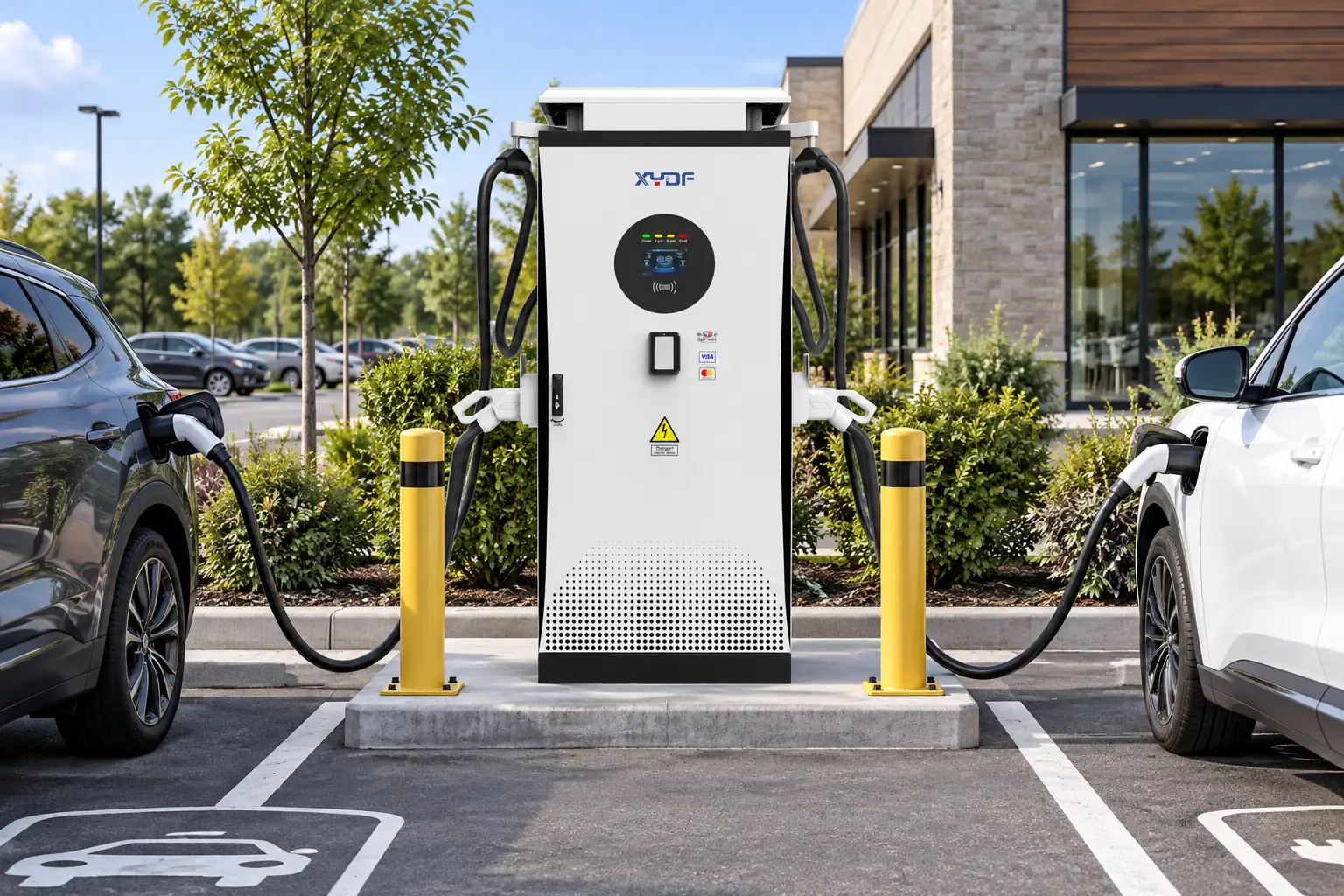
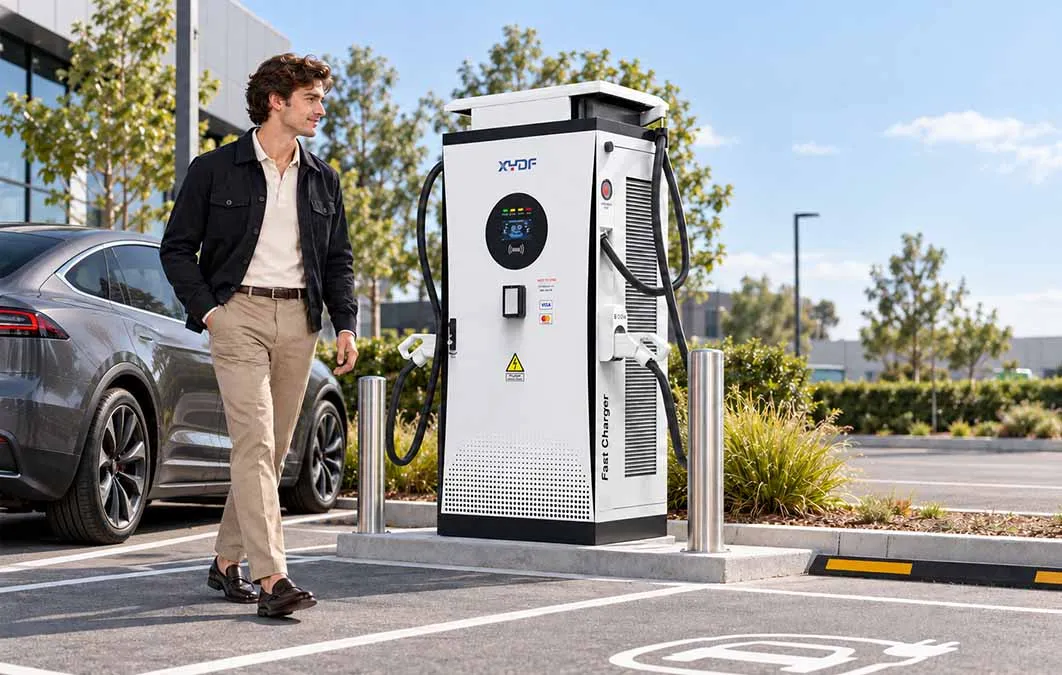
Part of the Fleet EV Charging Solution Guide
As more and more fleets transition to electric vehicles or hybrids over traditional fuel-powered vehicles, fleet operators are now reevaluating how they choose their charging solution. Instead of simply determining whether they’ll add infrastructure or upgrade existing infrastructure, fleet operators also need to consider what will best suit their long-term business objectives. Best scalable ev charging options for fleets are those that provide operators with minimal vehicle downtime, control of energy costs, daily vehicle availability, and readiness for future fleet growth. Fleet operators of last-mile delivery fleets, employee pool cars owned by corporations, public transport, and ridesharing companies can create a strategic EV planning process that provides the best opportunity for improved overall fleet performance and ROI.
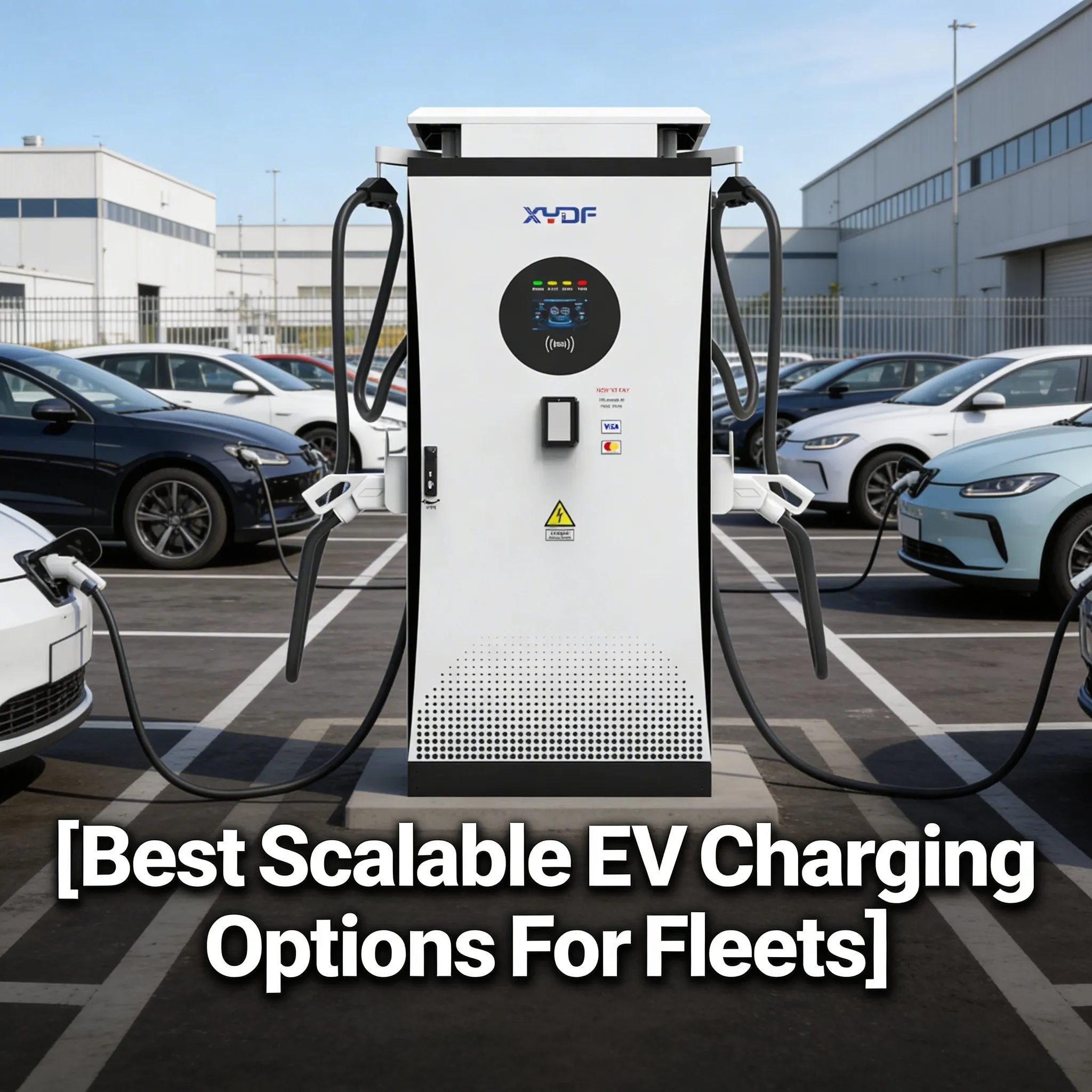
As fleet electrification continues to accelerate, expanding the availability of charging infrastructure remains one of the biggest hurdles for fleet operators. The three critical variables related to charging infrastructure’s ability to accommodate fleet operations (charging speed), locating multiple sites on an established network to offer broad coverage (site network consistency), and managing fleet charging software must work together as an integrated solution that can expand both the size of the fleet and the number of locations to charge the fleet at. This document provides specific information on the most appropriate solutions for charging electric vehicles, discusses the advantages of electrifying fleets with electric vehicles, discusses the possible problems that a fleet could face when putting in charging stations, and goes over what to consider when choosing a scalable EV charging solution for any(size) fleet.
Why do Fleets need Scalable EV Charging?
Fleet vehicle charging differs from that of personal vehicles and individuals’ occasional use of public charging stations. Fleet customers typically have a set itinerary with pre-defined routes, predetermined numbers of vehicle uses, price/cost limitations, and set operational schedules on when each vehicle will operate. Because fleets operate consistently, and therefore require, fleets with the same number of electric vehicles will be able to operate with the same amount of electric vehicle charging stations.
In order for fleet customers to have the best results from using an electric vehicle, it is critical that they implement scalable charging solutions so that they can start with the correct number of electric vehicle charging stations and create more as they need to match the increasing demand for electric vehicle charging stations by the number of current and future fleet drivers. Fleet managers will be able to make an informed decision regarding which electric vehicle charging solution is most appropriate based upon how frequently their fleet requires use and how many miles are driven per day by each of their electric vehicles, as well as the timeframe they require for each day or week between recharges of their fleet of electric vehicles. Fleet managers must consider their fleet’s size, use of electric vehicles, route miles driven between charges, time to charge each electric vehicle, available power to operate their electric vehicles, and site layout/design prior to selecting an electric vehicle charging solution(s).
Length of time for charging is one of the critical factors to consider for fleet electric vehicles. Fleets that leave their vehicles parked overnight may only require a Level 2 or Level 3 charger for overnight charging. Fleets that have tight delivery schedules will benefit by using DC Fast Charging (DCFC).
If fleet charging levels are increased without proper management, this can create problems with utilities from the added load on the electrical distribution system, which can increase costs to fleet managers. The site readiness of the charging site, the capacity of the local utility grid, and the availability of smart charging software will all be important factors to consider when determining how to charge your fleet of vehicles.
Best Scalable EV Charging Options for Fleets
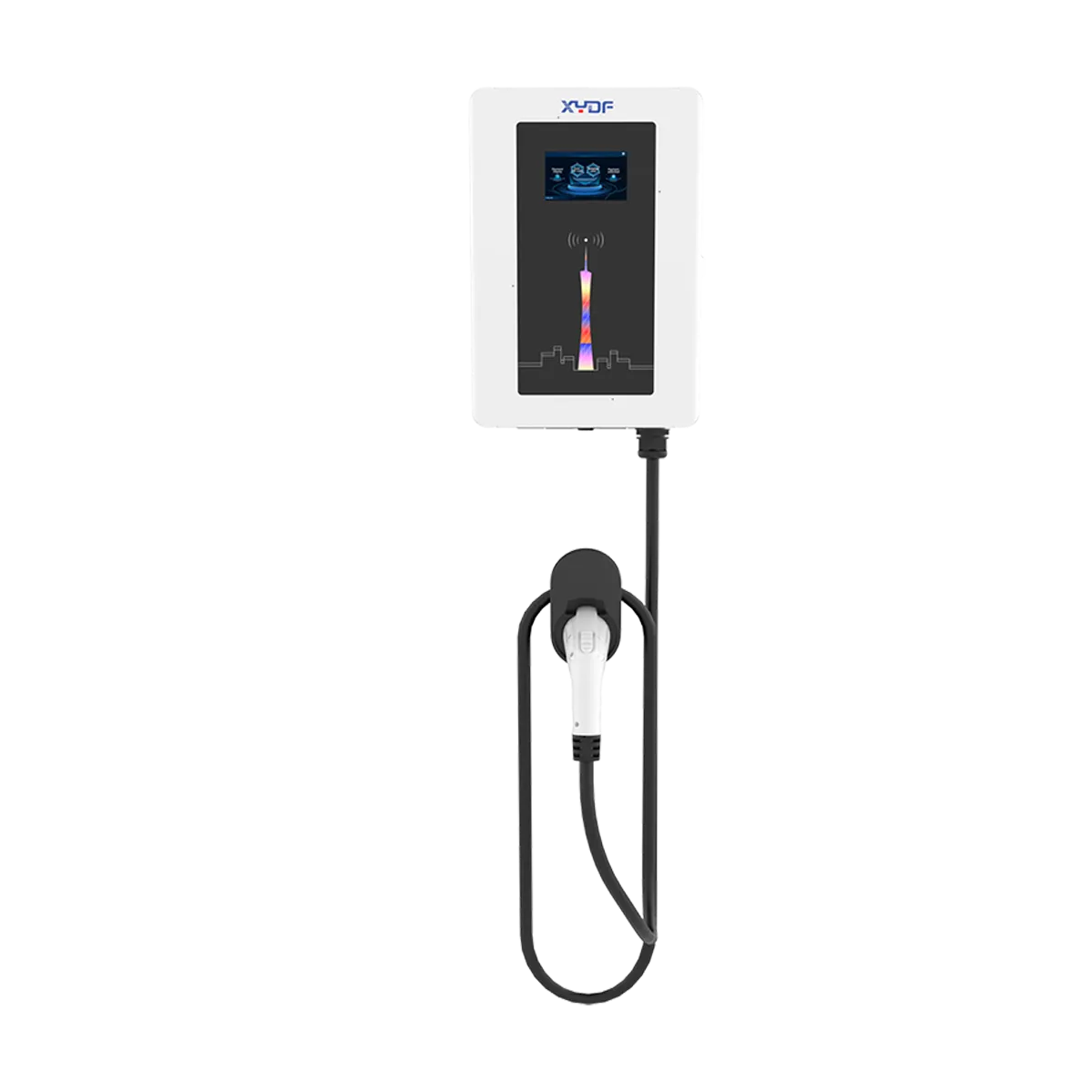
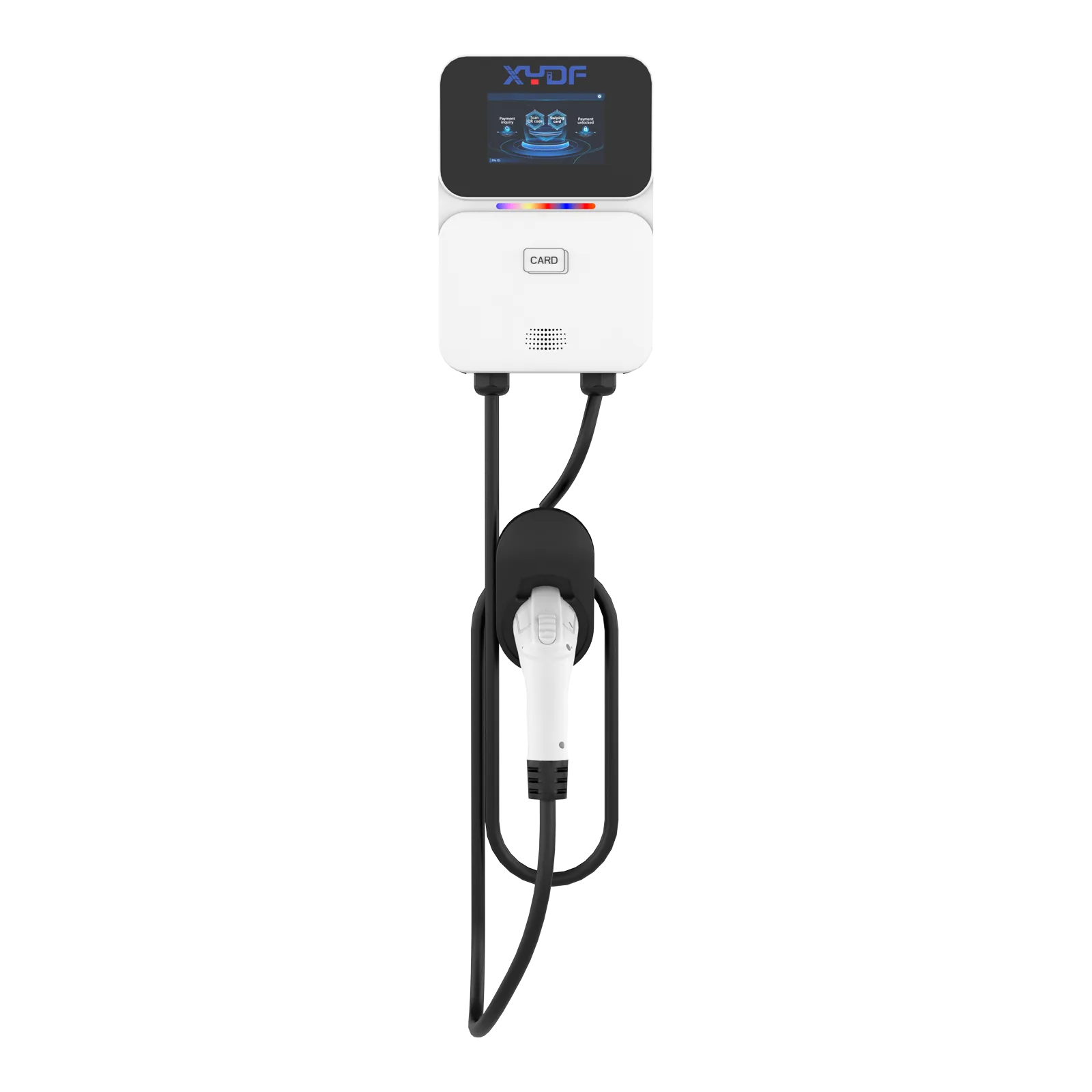
Level 2 Charging Stations for Overnight Fleet Charging
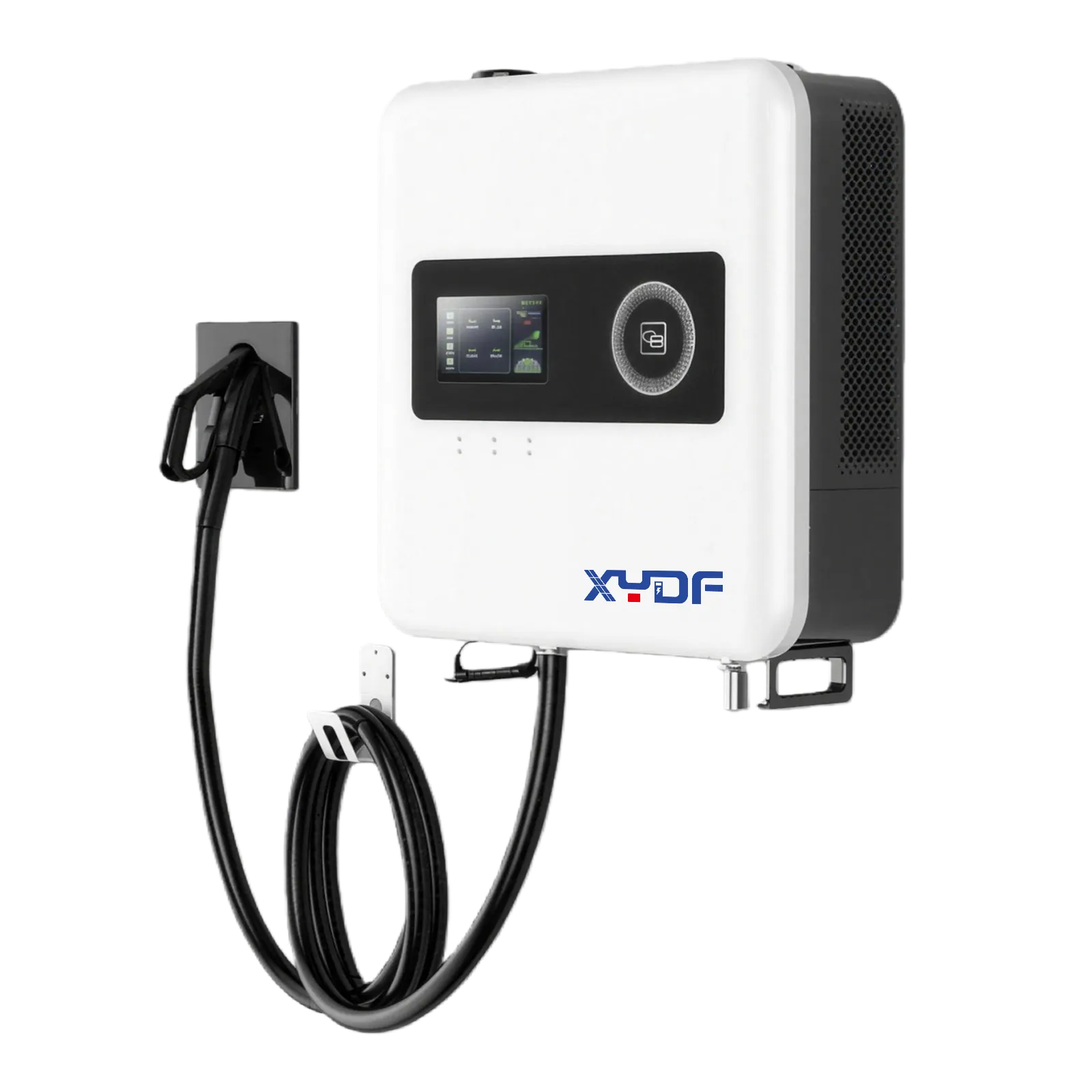
Level 2 chargers are one of the most practical and cost-effective charging options for small to mid-sized fleets. They are ideal for vehicles that return to a base and remain parked for extended periods of time (e.g., corporate fleets; municipal service/maintenance vehicles). Most of the time, using a Level 2 charger to charge your EV will provide it with a full charge overnight, making it a good option to use on a regular basis.
When considering charging scalability, Level 2 chargers are appealing because they cost less to install than DC fast chargers; therefore, they can be deployed over multiple locations/operators with a lower initial investment. When combined with software that helps manage the distribution of power throughout a facility, load management systems enable facility managers to continue to intelligently allocate power in their buildings without immediately needing to make drastic changes or upgrades to their existing infrastructures.

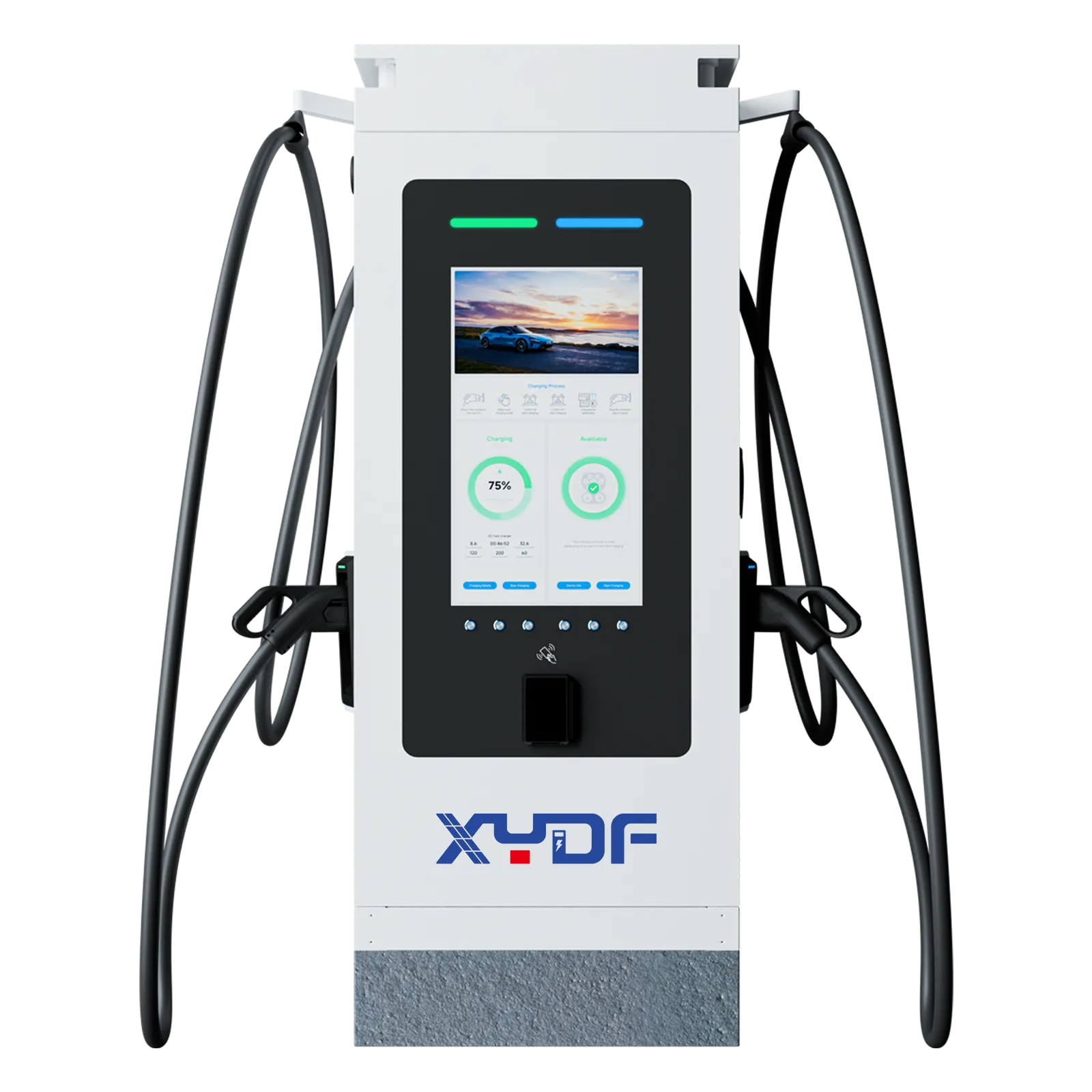
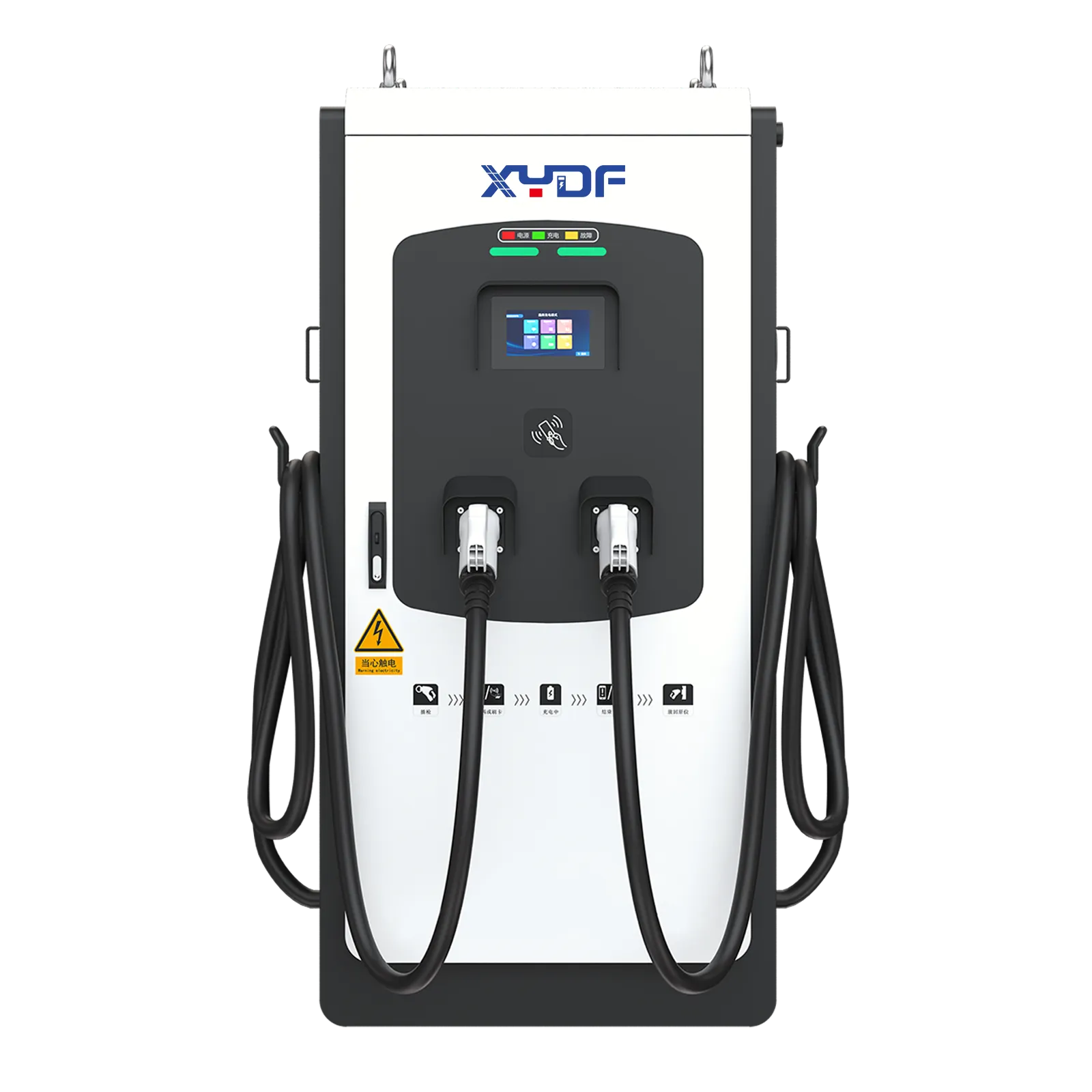
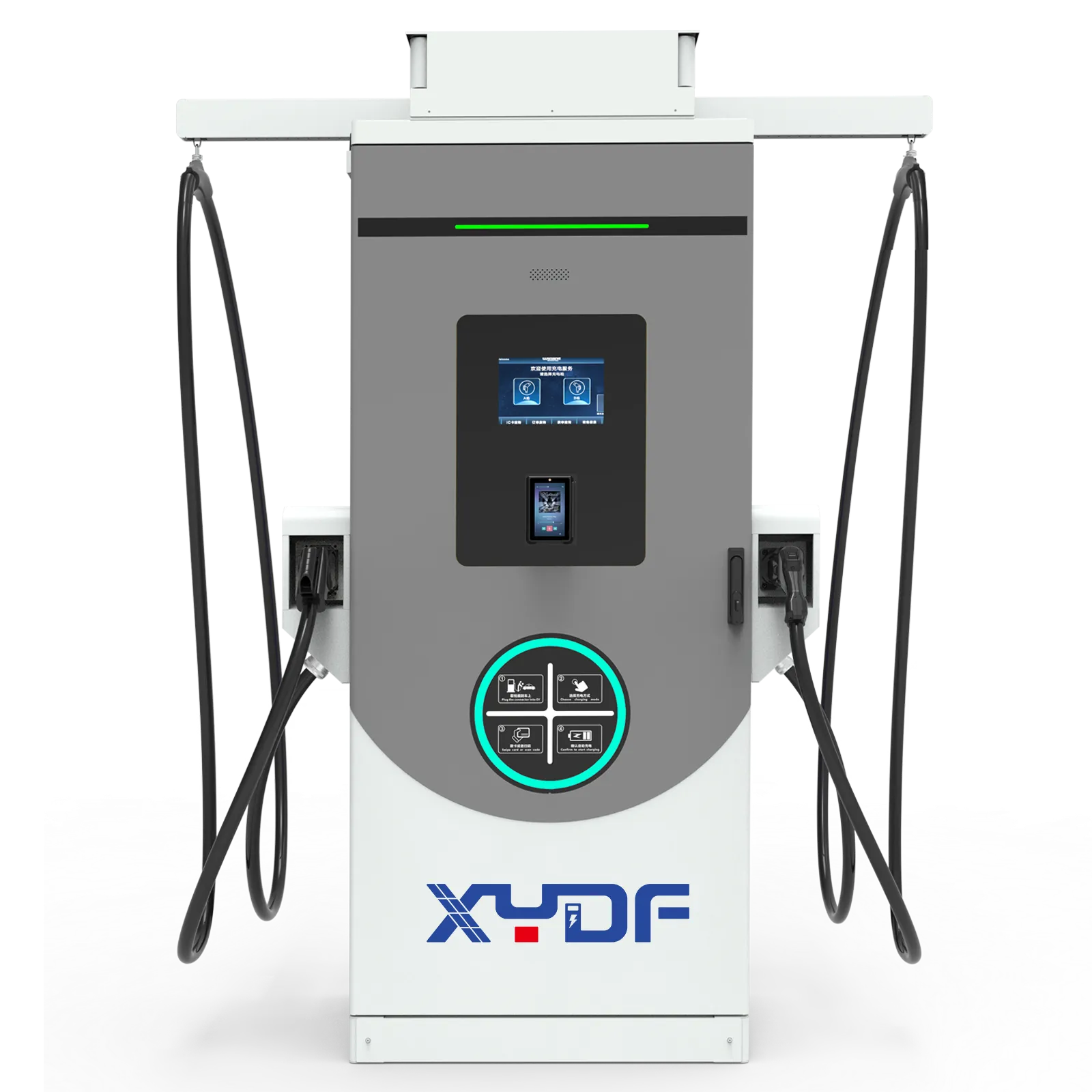
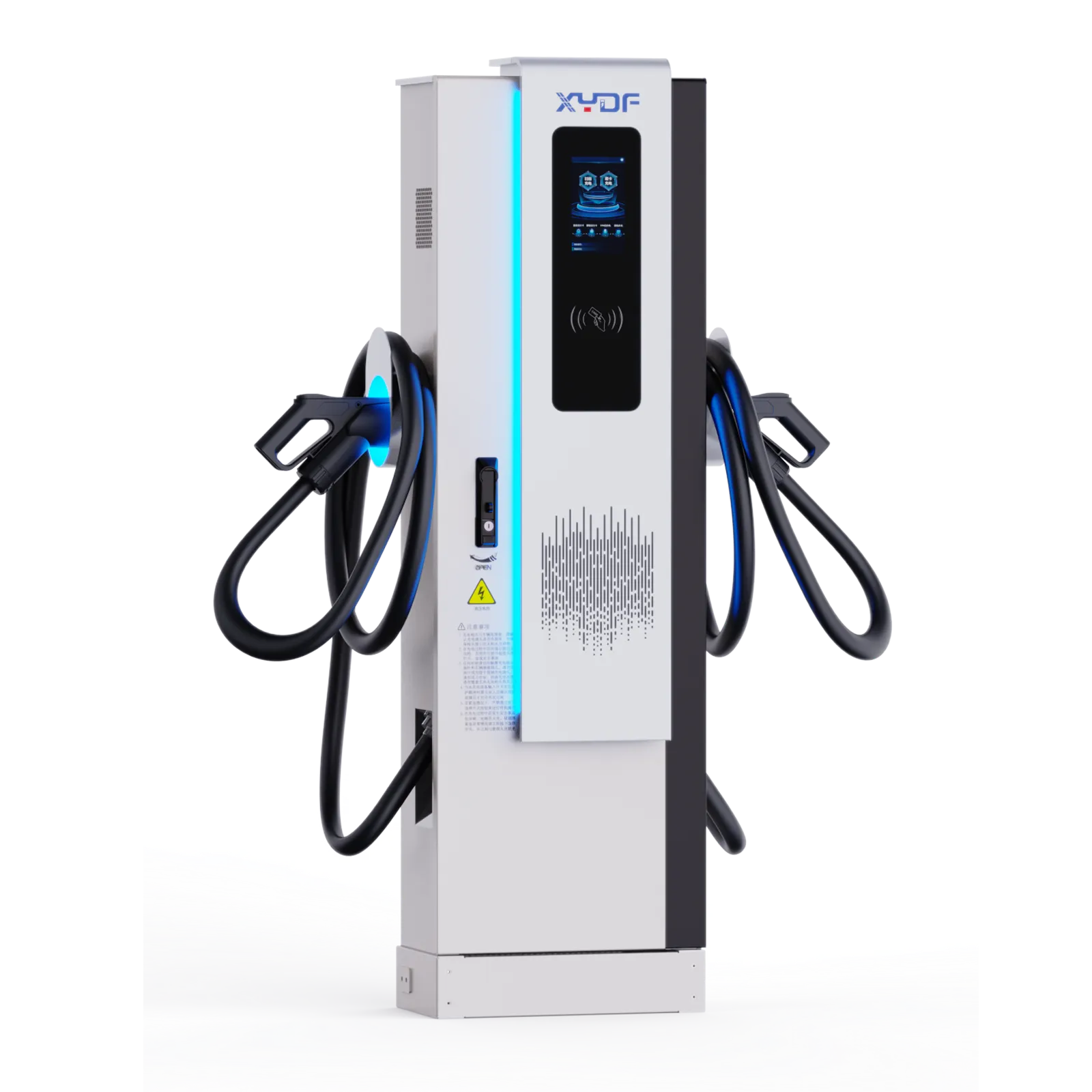
Rapid Response Requirement of DC Fast Chargers for Fleets
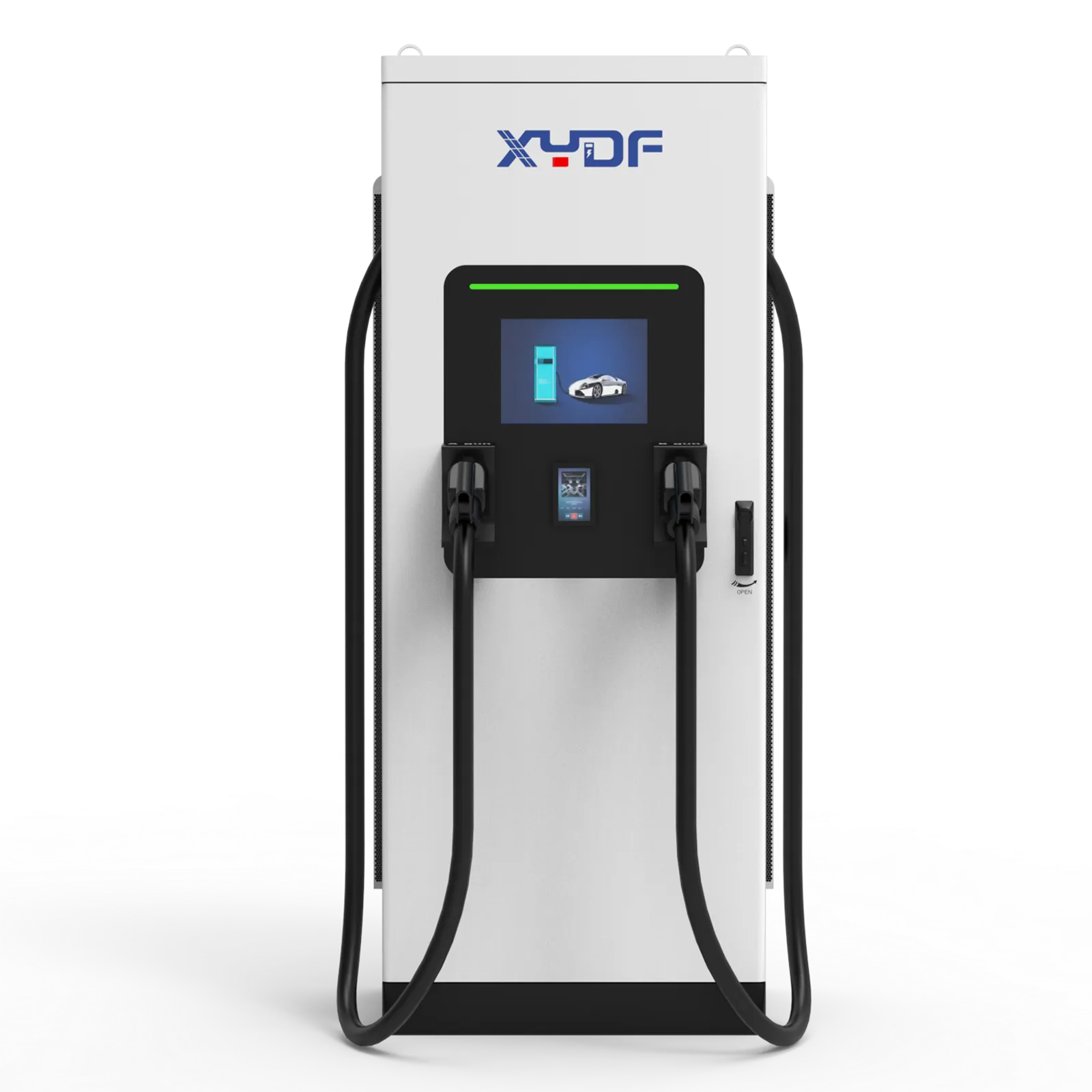
During times that require rapid response by fleets (e.g., high-mileage commercial trucks), fleets often find their reliance on traditional overnight charging very limiting. As a result, DC fast chargers are generally a necessity for fleets’ ability to respond quickly.
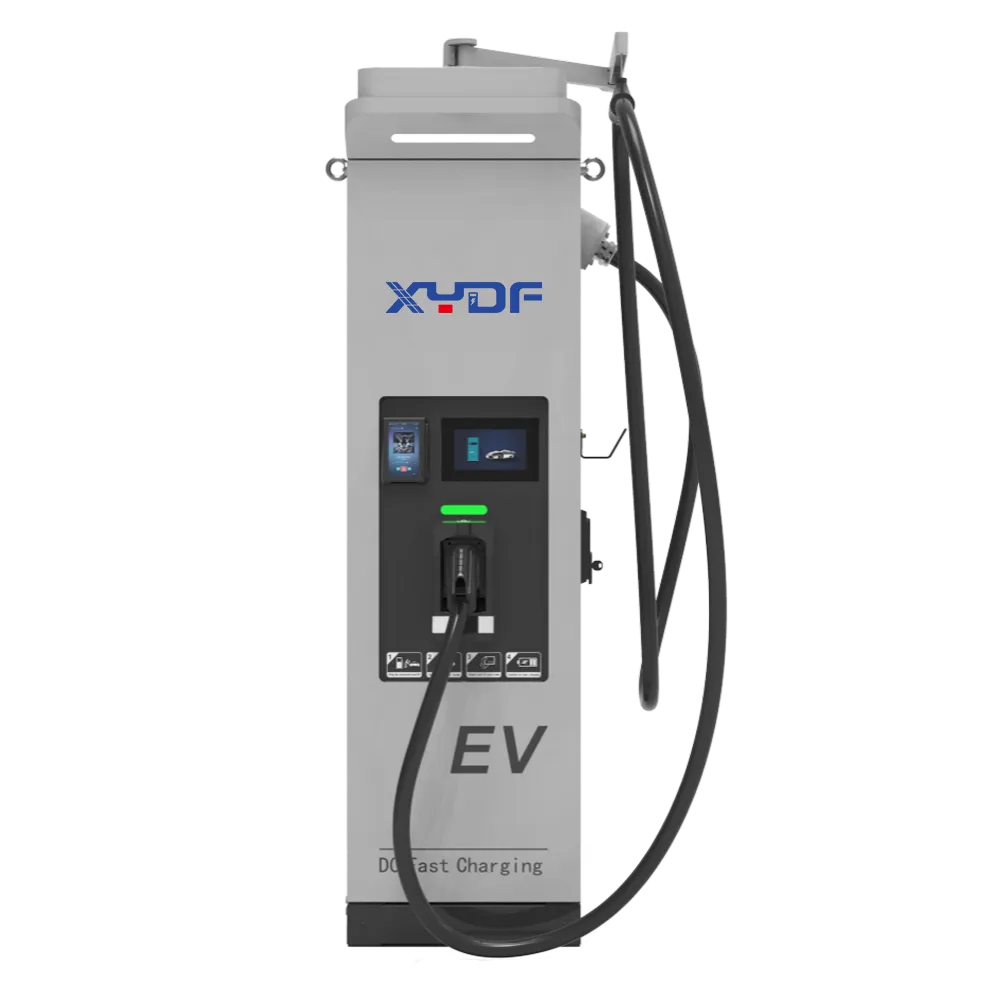
DC fast chargers are typically much more expensive to install when compared to other types of electric vehicle (EV) chargers; however, they provide significant operational benefits such as reducing the amount of time that vehicles are out of service and maximizing the usefulness of the fleet’s vehicles. Therefore, when larger fleets implement both DC fast chargers and Level 2 chargers, they will be able to balance the operational requirements with the costs associated with charging equipment.
Flexibility to Support Fleet Growth with Modular Charging Hubs
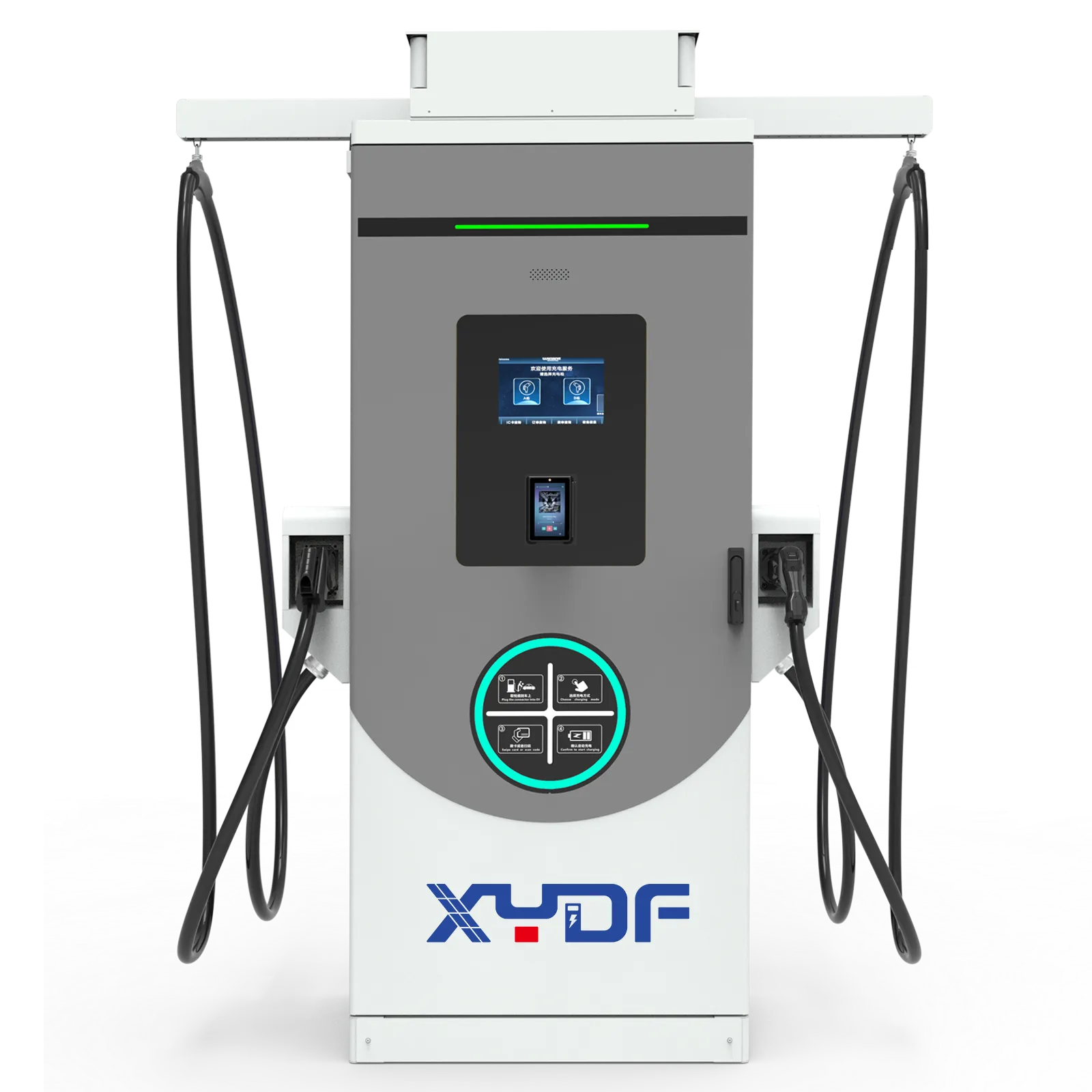
Modular charging hubs support fleet owners’ ability to deploy existing charging infrastructure incrementally. This creates less financial risk, better capital structure, and allows fleet owners to expand their charging infrastructure when charged demand is evident.
Some modular charging hubs contain advanced systems that distribute electricity to multiple charging stations simultaneously, control multiple charging stations from a single point, and have the ability to expand in terms of use capacity over time as fleets grow. As such, fleet owners who are planning to convert their fleet of vehicles to EVs gradually will find that modular charging hubs are an efficient means to achieve both scalability and operational efficiency.
Charging Management Software as a Key Component of Scalability
In addition to the importance of physical charging equipment, charging management software can optimize and improve the operational efficiencies of an electric vehicle (EV) charging system. The use of charging management software allows fleet managers to schedule charging events; evaluate and optimize time of charging; distribute power across the electrical loads; track and monitor charging infrastructure; measure energy consumption; and minimize the costs associated with charging all of the fleet’s electric vehicles.
Benefits of Scalable Electric Vehicle Charging Systems
Scalable electric vehicle (EV) charging systems offer many additional benefits beyond just providing a means to charge fleet vehicles. They also help improve efficiencies in fleets; can reduce operating costs; and help organizations plan for the future. By providing access to EV charging equipment when drivers need it most, it can lead to less downtime for operating a fleet of EVs, providing for more efficient operations.
Cost savings associated with operating EVs are also magnified when using smart charging solutions that maximize energy usage and promote reduced energy costs. Additionally, scalable solutions provide greater energy resilience, allow organizations to reach their sustainability objectives, and prepare organizations for changing emissions regulations and city regulations.
Challenges with Installing EV Fleet Infrastructure
There are obstacles to electric fleets despite their advantages. For example, small businesses may hesitate to invest in high upfront costs due to the expense associated with equipment, improvements made to existing sites, installation of equipment, or prep work before starting to electrify their fleet. Growth in electric fleet use will rapidly increase demand for electricity, so local electric grids will likely come under stress, resulting in the need for energy grid upgrades. Therefore, thoughtful planning and investment will be necessary.
In addition, installing infrastructure will have limitations due to space constraints, permitting requirements, and zoning restrictions. Reliability is also essential, as fleet services will ultimately depend on whether the equipment will remain operational and/or free of errors during the recharging process. Therefore, durability, preventive maintenance, and effective management of the infrastructure throughout the recharging process are paramount.
Different EV Charging Solutions Based on Fleet Types
Each fleet type has unique charging requirements. For delivery fleets, there may be a need for both depot-based overnight recharging and daytime DC fast-charging options, which will provide the required flexibility. Corporate fleets typically find sufficient Level 2 charging options because of the predictable use of their fleets and longer durations of parked fleet vehicles. Public transit fleets require depot-based high-power charging to accommodate their demanding schedules. Lastly, for rideshare fleets, there must be a high availability of convenient fast-charging locations that will allow for the smooth operation of that fleet type’s business operations.
When planning a fleet’s charging strategy, understanding the fleet’s everyday operational requirements is more important than just making generalized assumptions regarding charging infrastructure.
Common Elements to Scalable EV Charging Solutions
Scalable EV charging solutions designed for fleets will likely have similar characteristics. Realistic energy need assessments and future expansion suitability are the bases of fleet charging systems. Smart charging control helps enhance flexibility by managing power distribution accurately, while the integration of renewable energy and battery storage will help maximize overall costs over time.
Additionally, scalable solutions must align operationally with fleet management needs, such as scheduling support, dependability, and streamlined maintenance processes. Operators will use valid data, projected operational growth, and total cost of ownership to select optimized long-term fleet charging solutions.
FAQs: Optimizing EV Battery Efficiency Tips
How does battery management extend EV battery life?
To improve battery life, drivers should avoid frequent use of quick charge/discharge methods, keep their batteries (SOC) at mid-range, and drive smoothly. Keeping their battery level within a healthy state of charge can be accomplished by minimizing the number of times they charge and discharge their battery to extreme levels.
What is the most cost-effective charging plan for fleets?
Charging during off-peak hours is a highly effective way to reduce costs associated with electricity use. Smart charging software can automate fleet charging schedules, balance energy loads, and minimize peak-demand fees.
How can fleet managers relieve range anxiety?
Fleet managers can relieve range anxiety by planning vehicle routes based on their driving ranges and building charging stations according to operational requirements. The more fleet managers are able to properly plan fleets and create predictable charging schedules, the more efficient and confident fleet drivers will be.
Are portable EV chargers a viable option for commercial fleets?
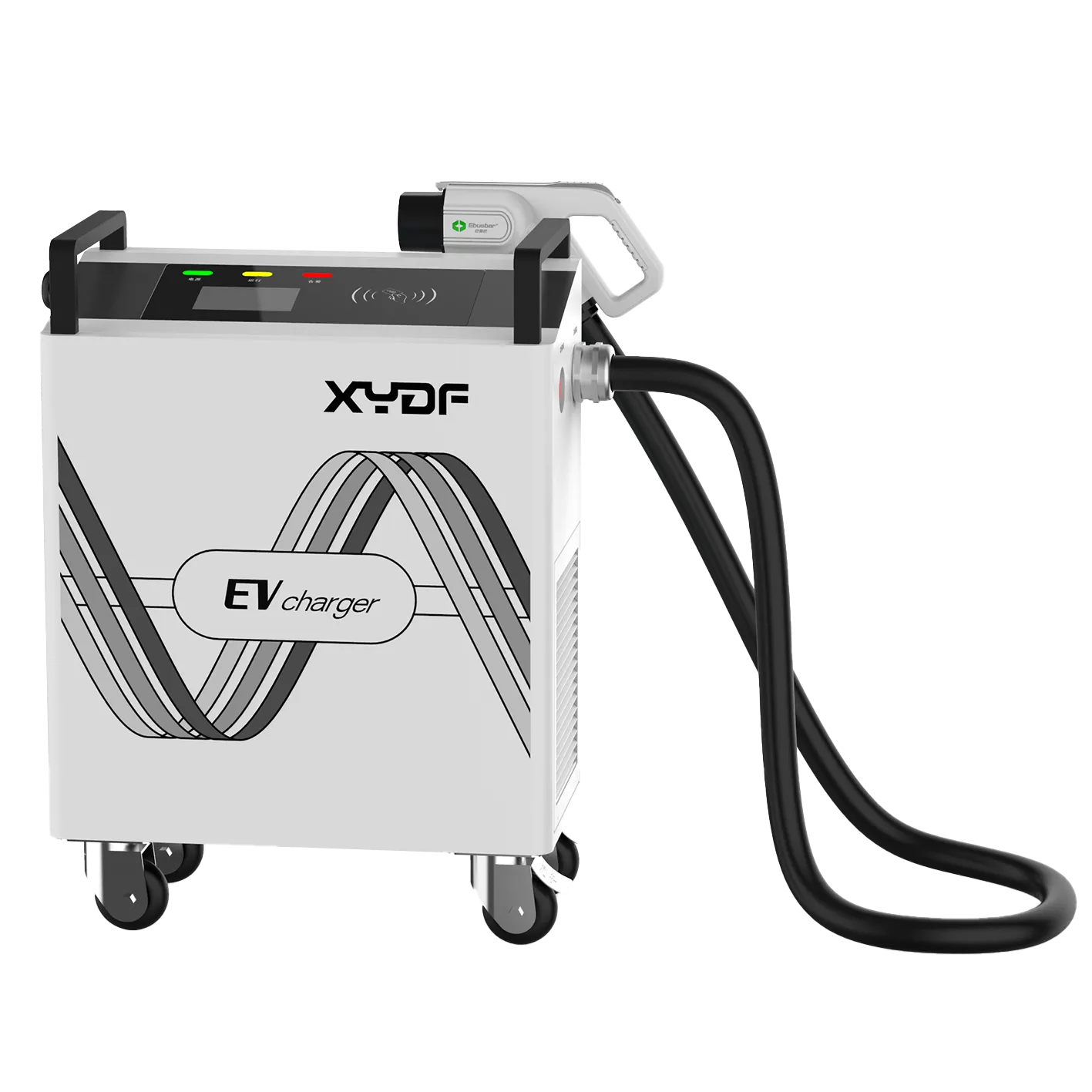
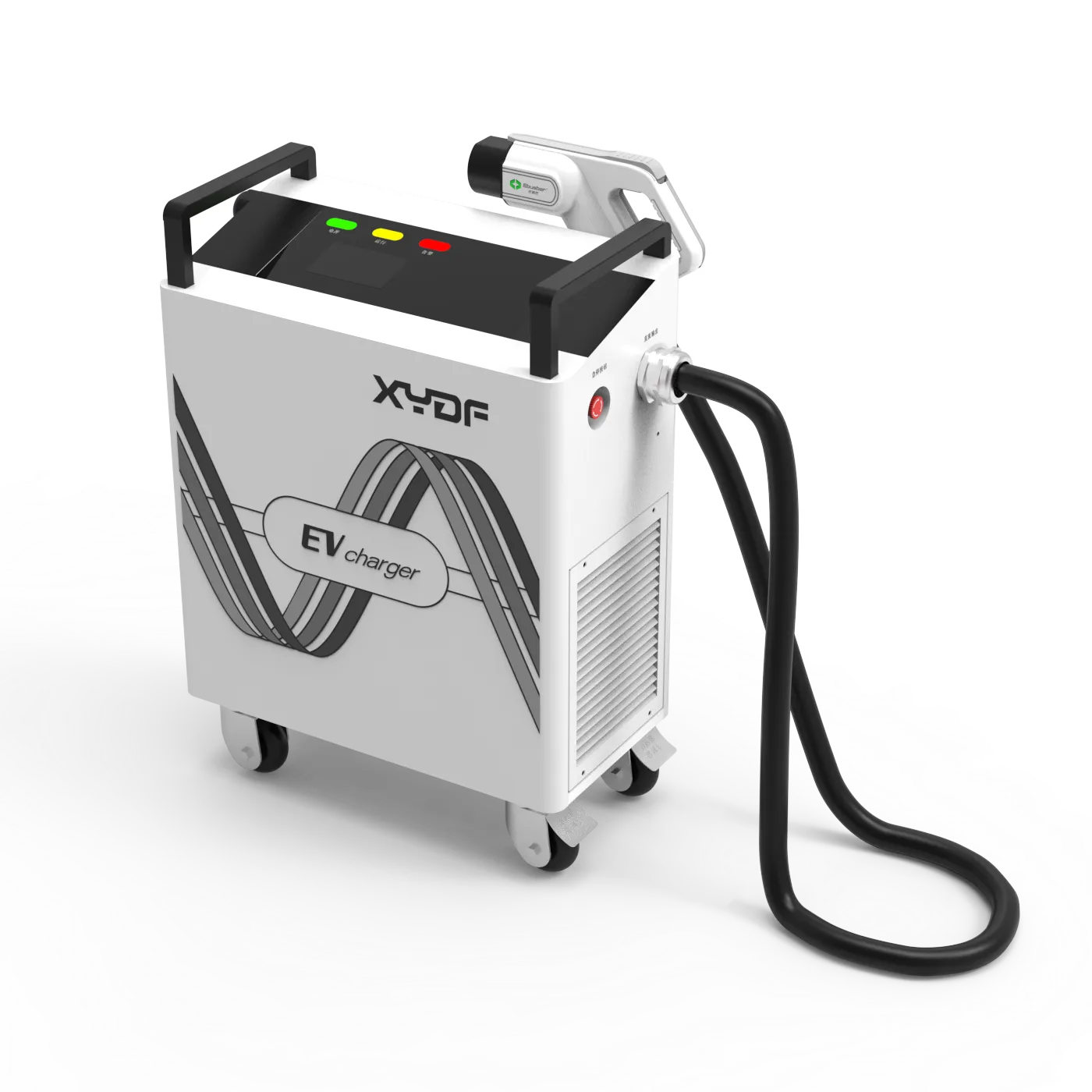
Portable chargers are an effective ancillary solution for use during emergencies and as a backup; however, they do not typically provide a viable primary charging option for larger fleets due to their slower speed and lack of dependable service compared to permanent infrastructure.
What is the most common mistake fleets make in planning for EV Charging?
Most fleets do not incorporate future fleet growth, power requirements, or software scalability when planning for charging systems. Charging solutions that may appear economical today can lead to considerable added costs due to inefficient operation or future infrastructure redesigns.
In total, building a scalable fleet charging system requires more than just adding charging stations. Through the proper mix and corresponding investments in energy, infrastructure, and software solutions, fleets can improve efficiency, reduce downtime, reduce costs, promote sustainability, and build a sound foundation for transitioning to electric fleets.
 Xinya Dongfang Electricity Technology Co., Ltd.