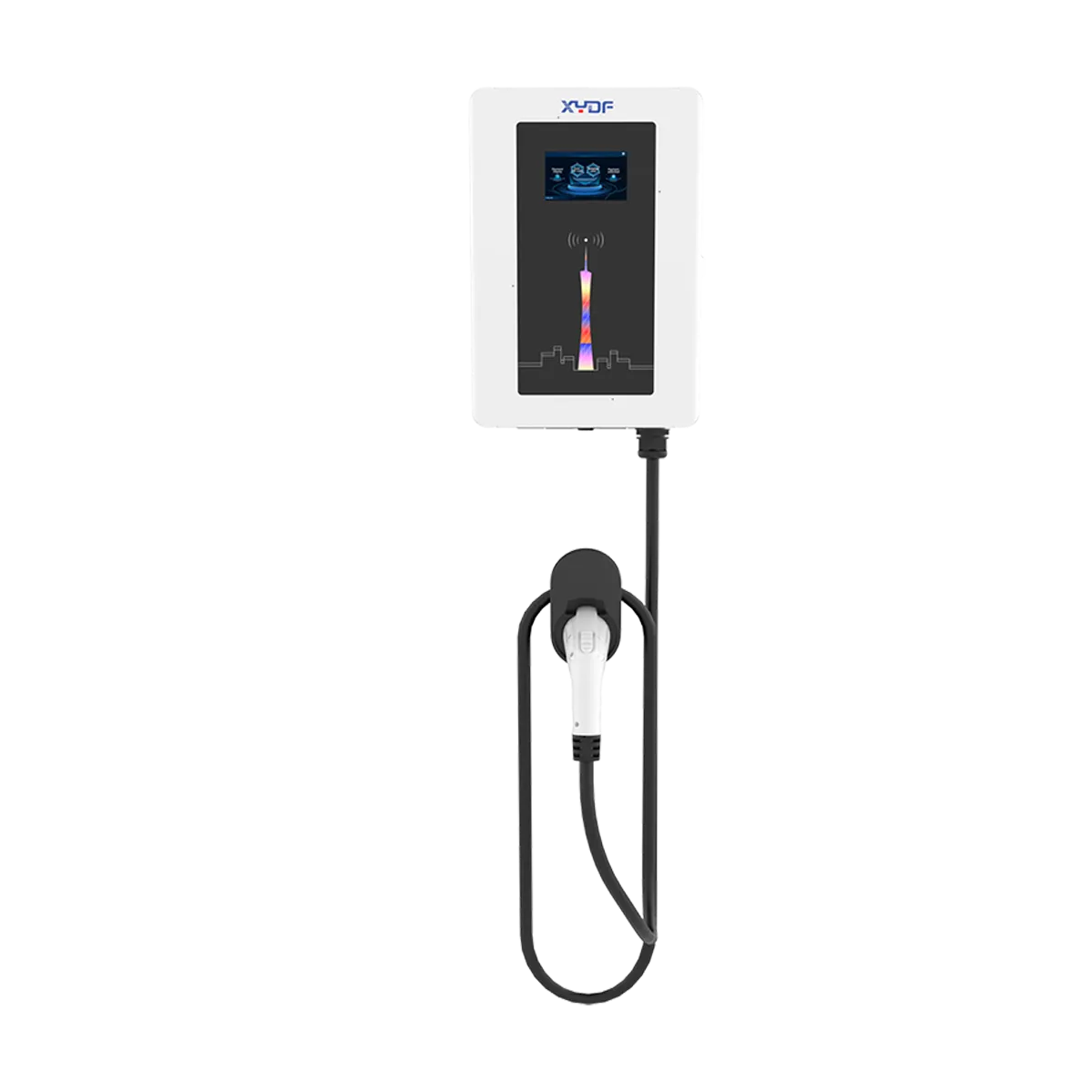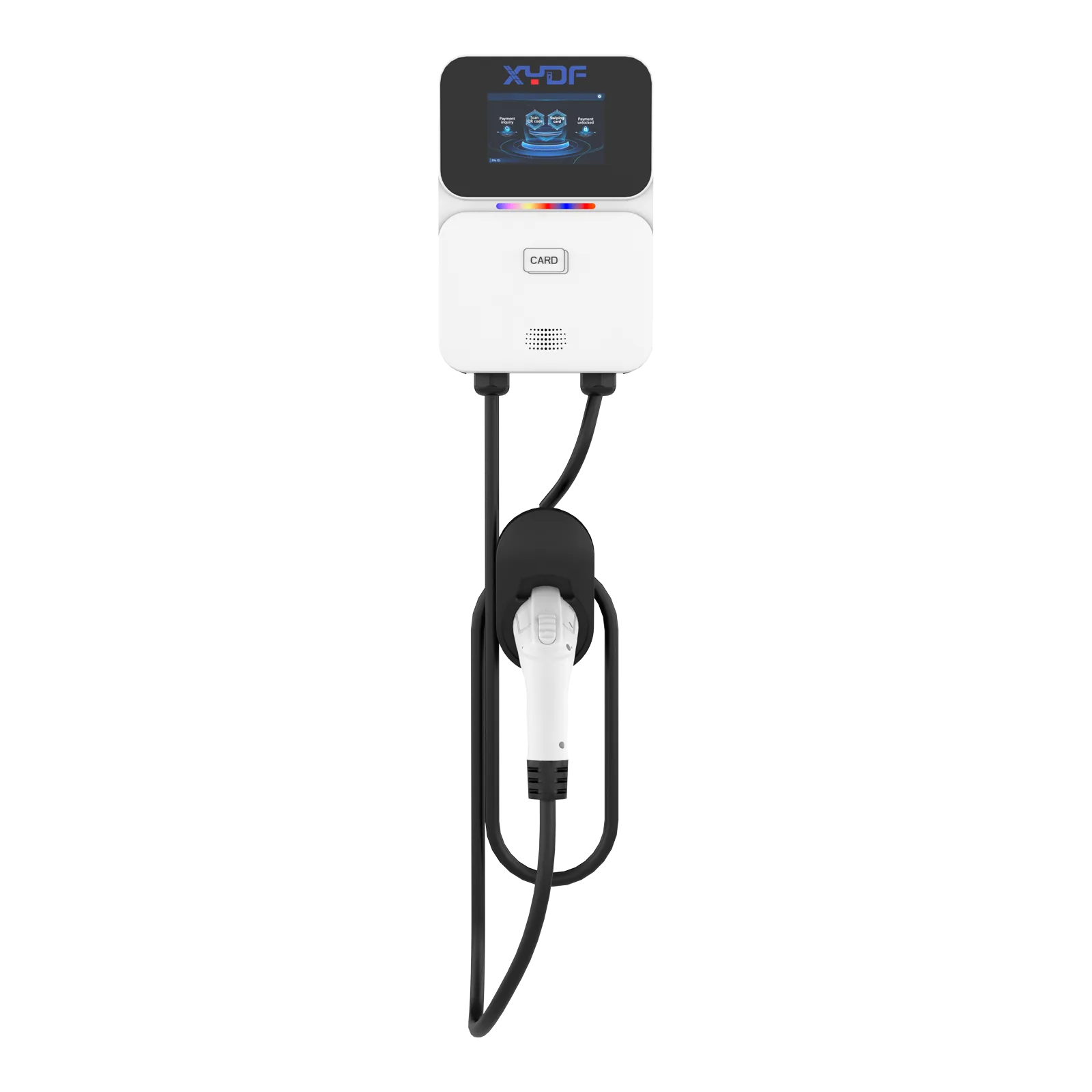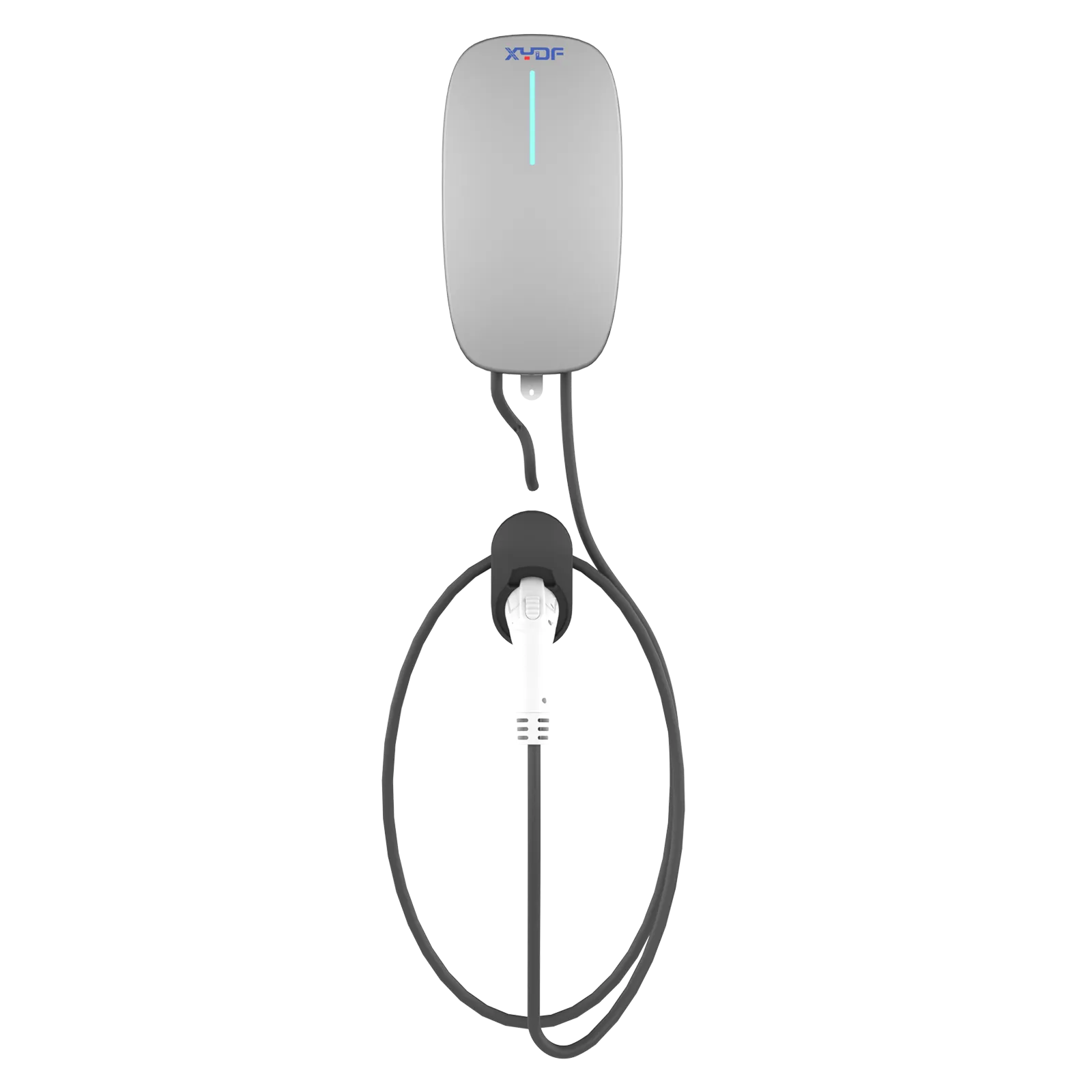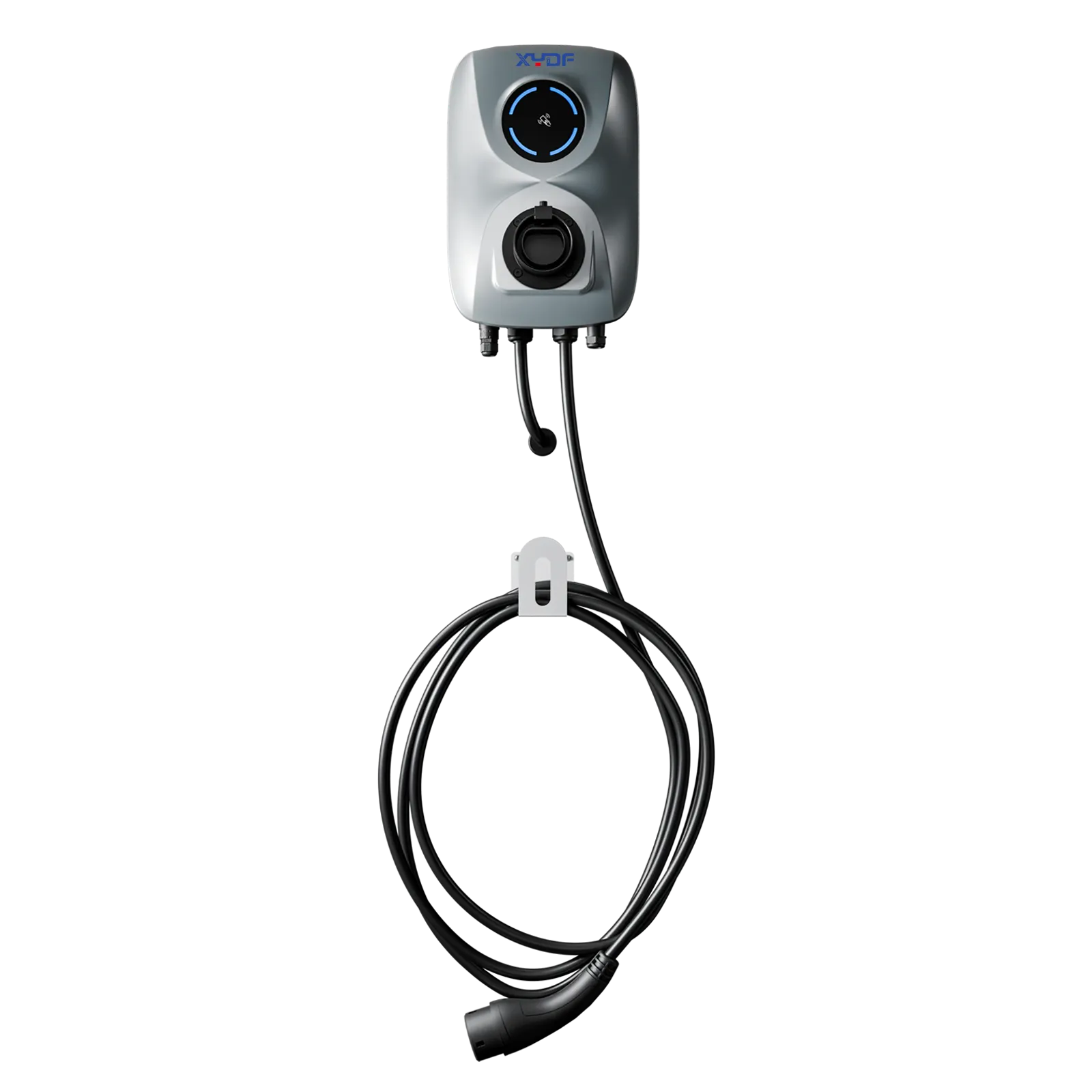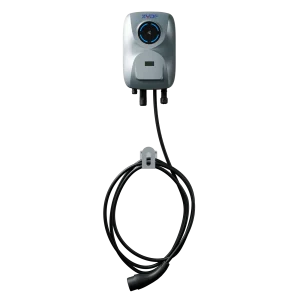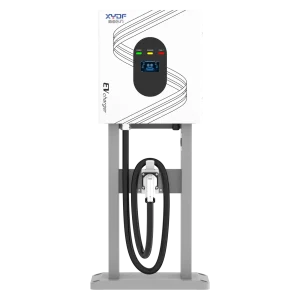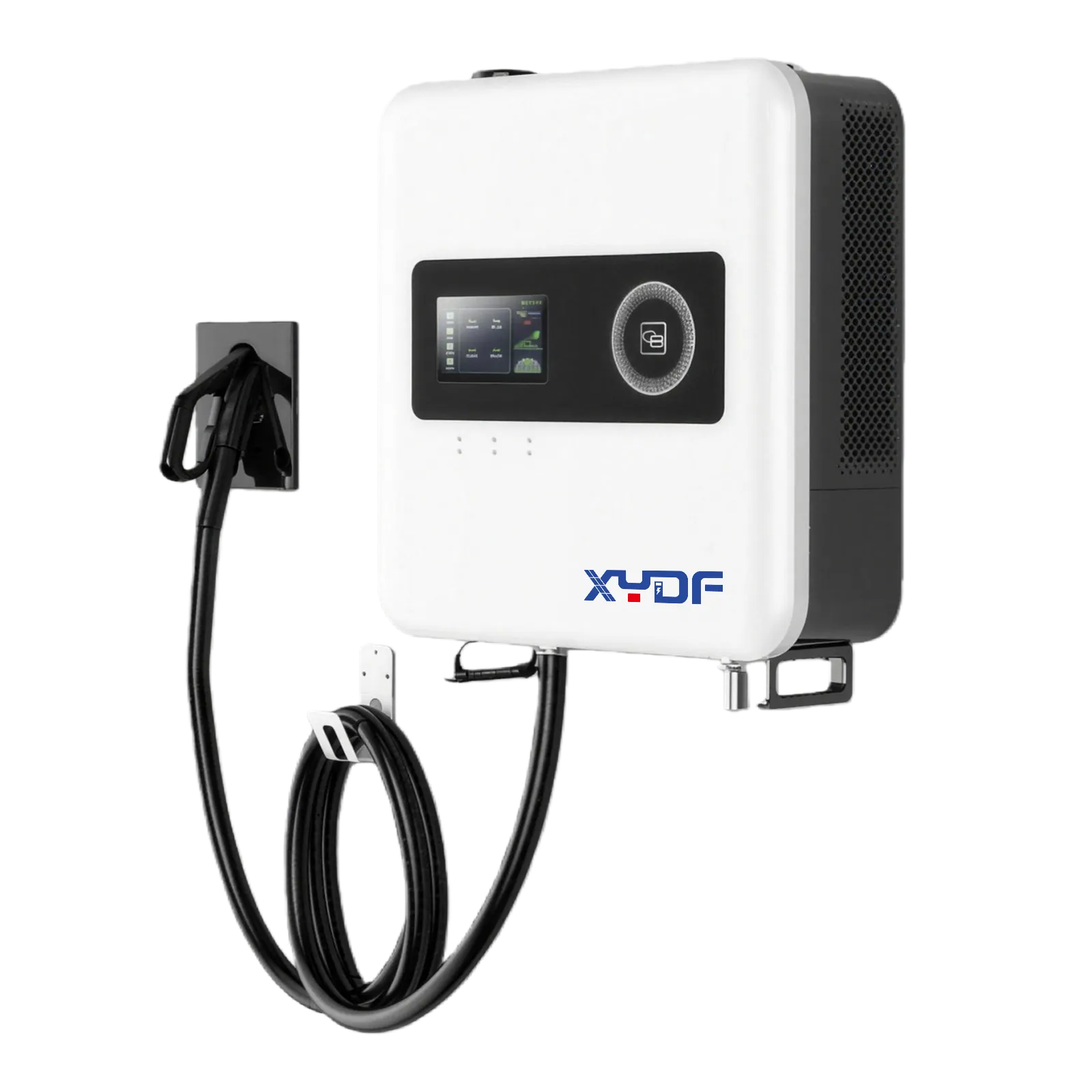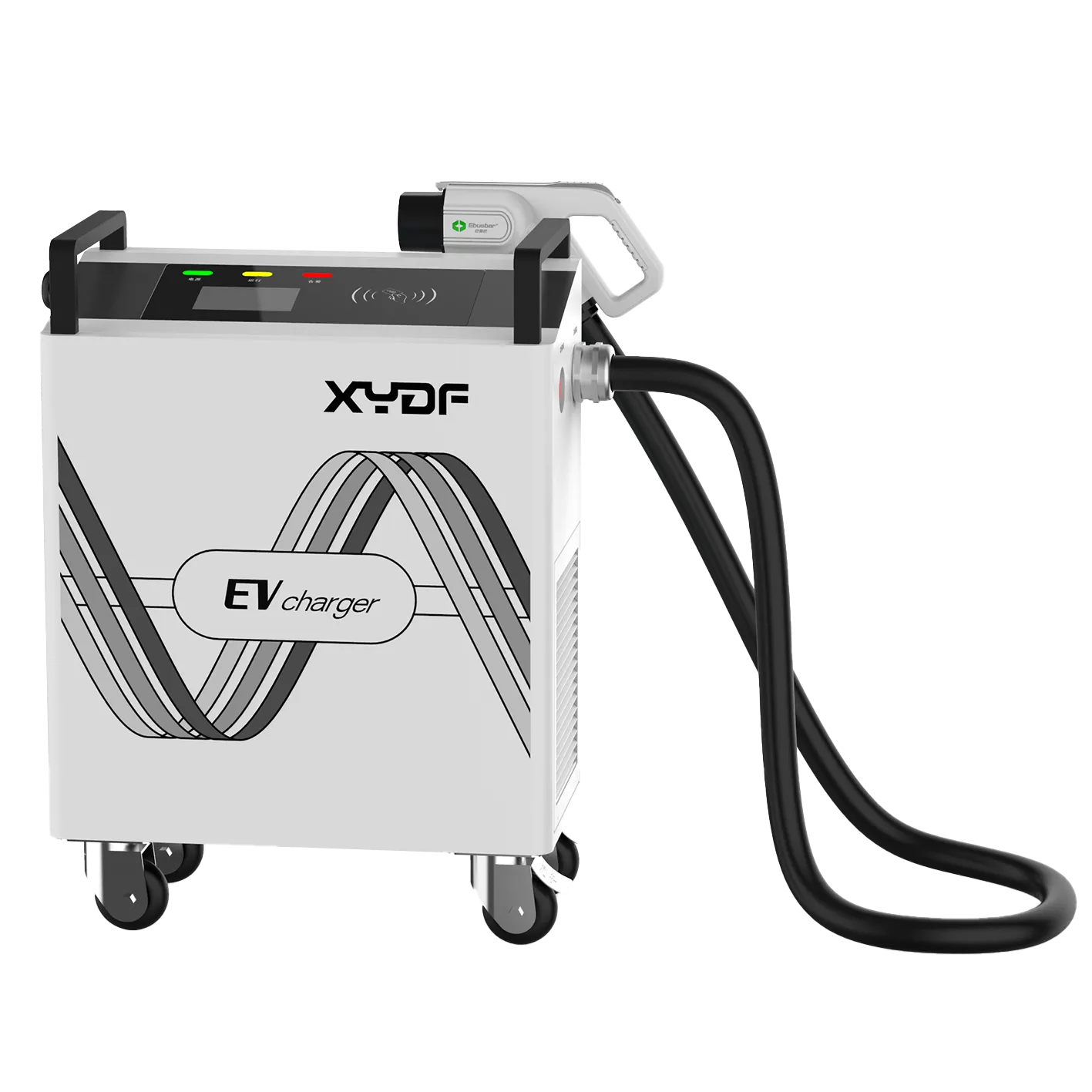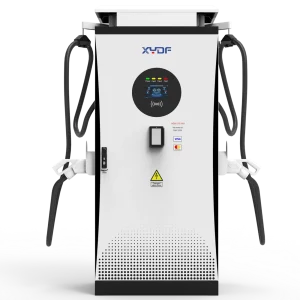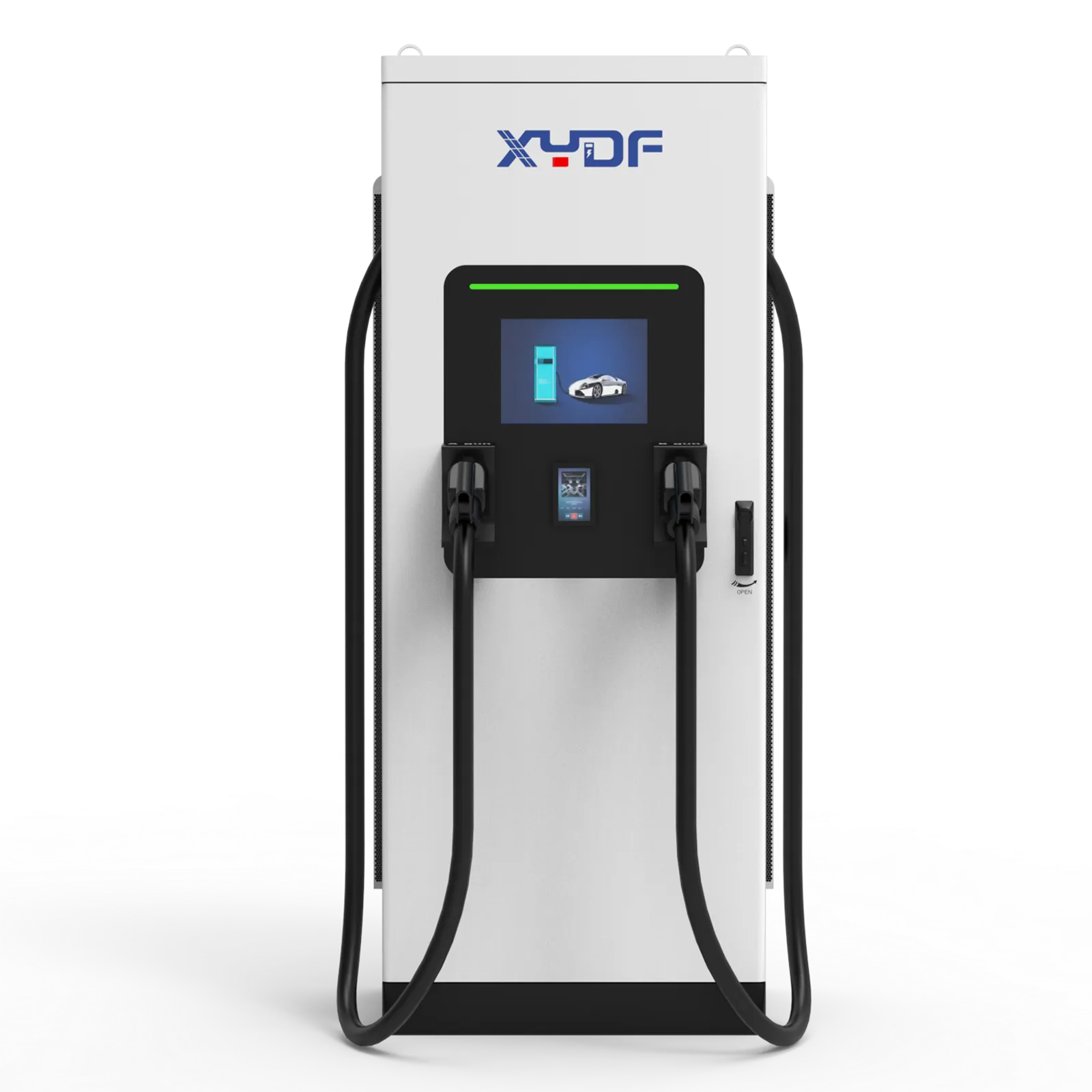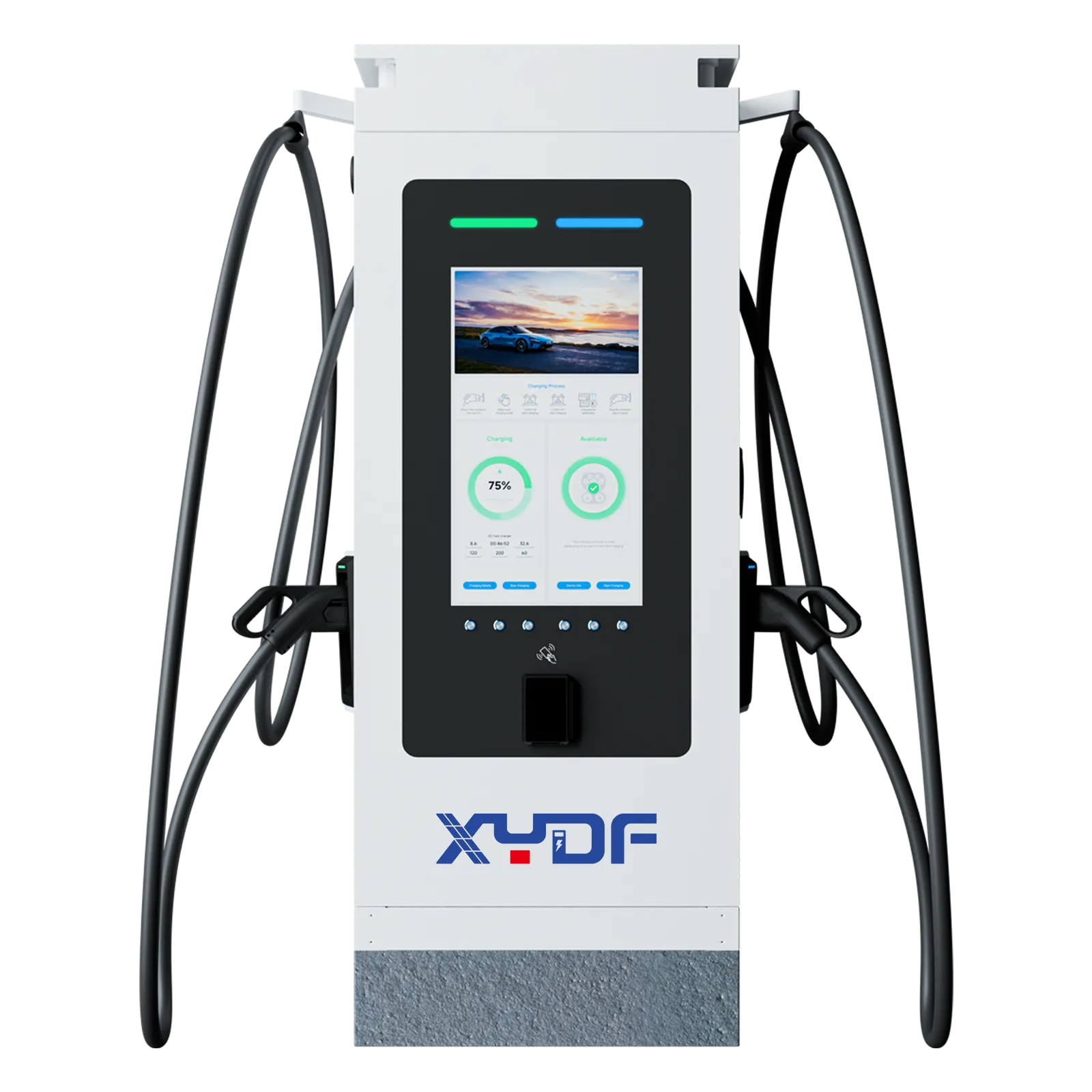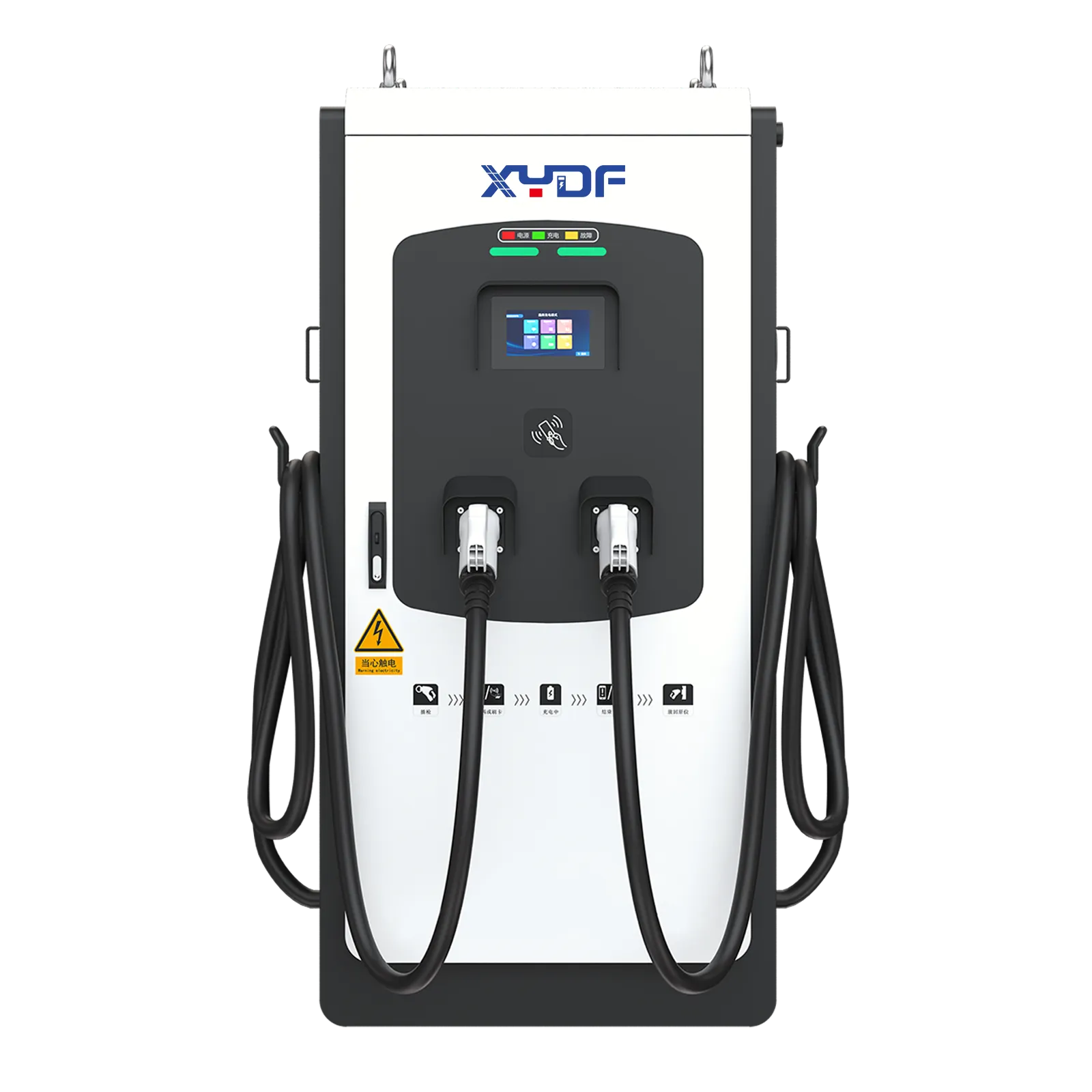
If you are planning to purchase EV chargers, whether for personal use or commercial deployment, you need to pay attention to the OCPP version listed in the specifications; This directly affects whether your chargers can connect to a CSMS(Charging Station Management System), qualify for public EV charging tenders, or even meet government subsidy requirements.
OCPP is a communication protocol that connects EV charger with a Charging Station Management System(CSMS) . It helps you better manage your EV chargers. Read the OCPP Protocol Guide.
OCPP 1.6 is still widely used in many EV charging projects and is usually enough for basic charging, monitoring, and payment functions. OCPP 2.0.1 is a newer version designed for more advanced charging networks, with better security, improved device management, smarter charging control, and stronger support for ISO 15118. OCPP 2.0.1 usually costs more to implement than OCPP 1.6 from a manufacturer’s perspective, mainly because it requires more complex firmware development, stronger security design, and more compatibility testing. For cost-sensitive projects with basic charging needs, OCPP 1.6 may still be enough.
| Item | OCPP 1.6J | OCPP 2.0.1 |
|---|---|---|
| Release status | Mature and stable (2015) | Current mainstream for new deployments (2019/2020) |
| Standard body | Open Charge Alliance | Open Charge Alliance |
| Communication | WebSocket / JSON | WebSocket / JSON |
| Protocol architecture | Single device model | EVSE / connector hierarchical model |
| Security | Optional TLS + basic authentication | TLS + X.509 certificate system |
| Smart charging | Basic charging control | Standardized charging profiles |
| Transaction model | Start/Stop + MeterValues | Event-driven TransactionEvent |
| Device model | Simple structure | Standardized component model |
| ISO 15118 | Not supported | Supports ISO 15118-2 (Plug & Charge) |
| V2G capability | Not supported | Limited support |
| Backward compatibility | — | Not compatible with 1.6 |
| CSMS support status | Legacy systems | Mainstream new deployments |
In OCPP 1.6, security measures are optional. You can enable TLS and authentication, but most OCPP deployments did not implement them. Chargers simply trusted all devices on the local network, because the main focus at the time was interoperability first — enabling EV chargers to quickly connect to backend systems.
OCPP 2.0.1 makes security mandatory. Every connection uses TLS encryption. Chargers and CSMS authenticate each other using X.509 certificates. Firmware must be signed — any modified code will not be executed by the charger.
This is the version that convinced regulators that OCPP can be used for public infrastructure.
For B2B buyers, this is essentially not a discussion point anymore. If a tender requires “IEC 63584 compliance”, OCPP 1.6 is already out of scope. The only question is whether the additional features of OCPP 2.1 are useful for your use case.
OCPP 1.6 is essentially a closed-loop authorization system. Fleet members or users subscribed to a platform can access charging via RFID cards or apps; others cannot.
Some vendor-specific solutions can implement Plug & Charge, but they cannot identify vehicles and handle payment in a standardized way.
OCPP 2.0.1 adds full Plug & Charge per ISO 15118-2, enabling automatic authentication and payment. This significantly improves user experience. However, it still requires a contractual relationship between the driver and the operator.
No. OCPP 1.6 and all 2.x versions use completely different device models, security architectures, and message formats. Chargers or CSMS systems that support both are essentially running two independent protocol stacks at the same time.
OCPP 1.6 and any 2.x versions are not compatible, so OCPP 1.6 EV chargers are not always directly upgradeable to OCPP 2.0.1. In many cases, the upgrade depends on the charger hardware, firmware, and CSMS compatibility.
Are you looking for EV charging hardware that supports OCPP 1.6 / 2.0.1 and IEC compliance certification?
We provide matching pre-certified solutions based on your target market. Contact us with your project requirements, and we will propose a suitable solution.
 Xinya Dongfang Electricity Technology Co., Ltd.