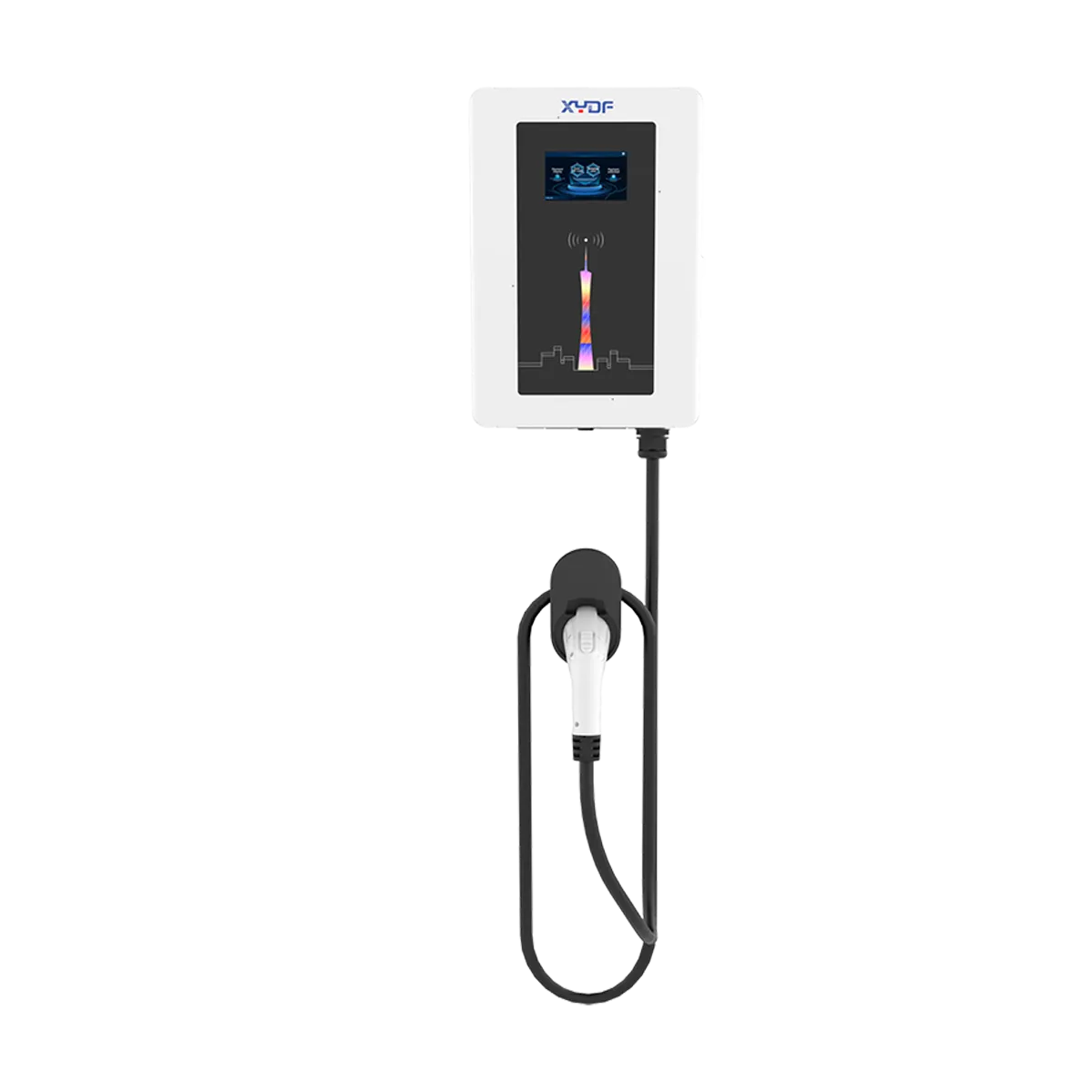
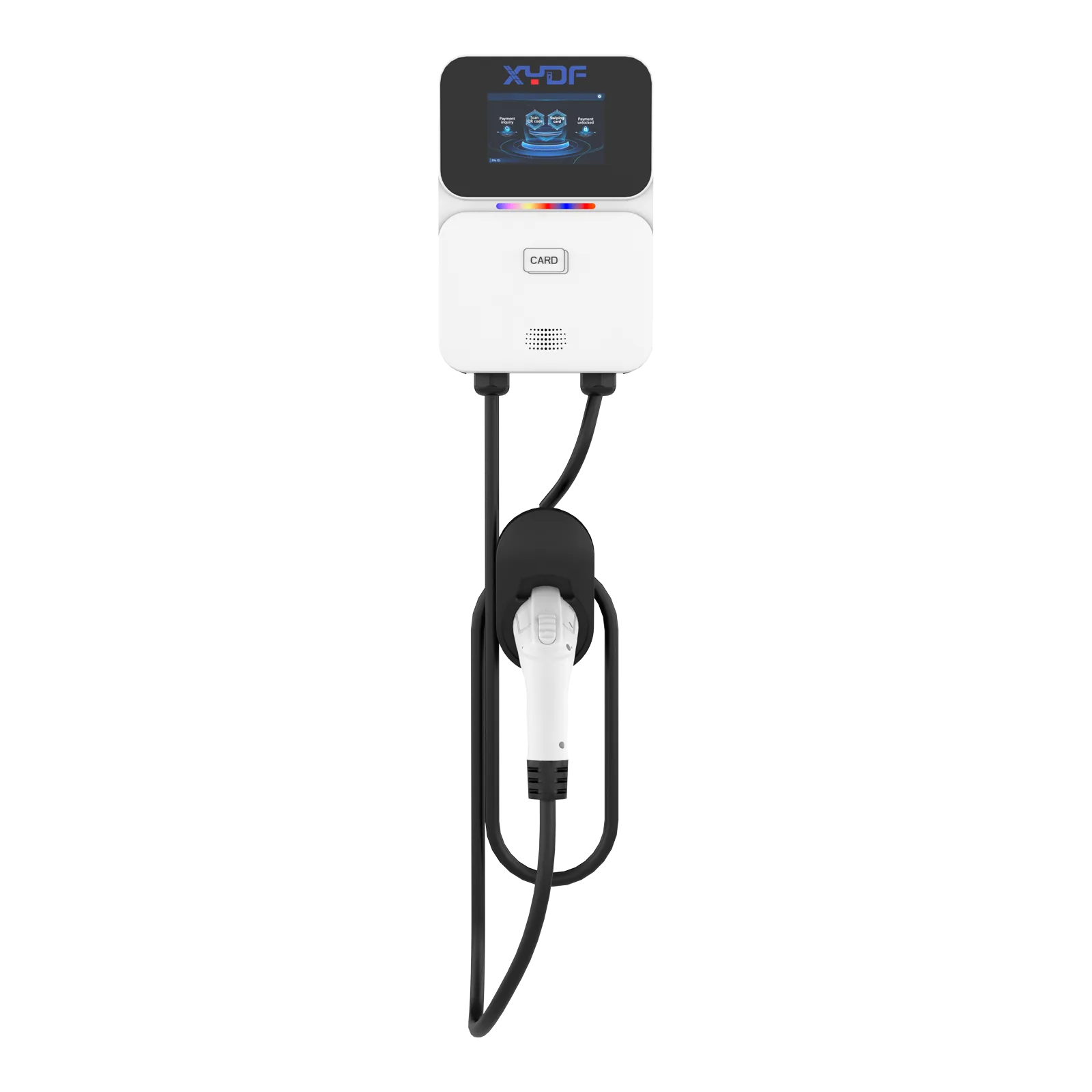
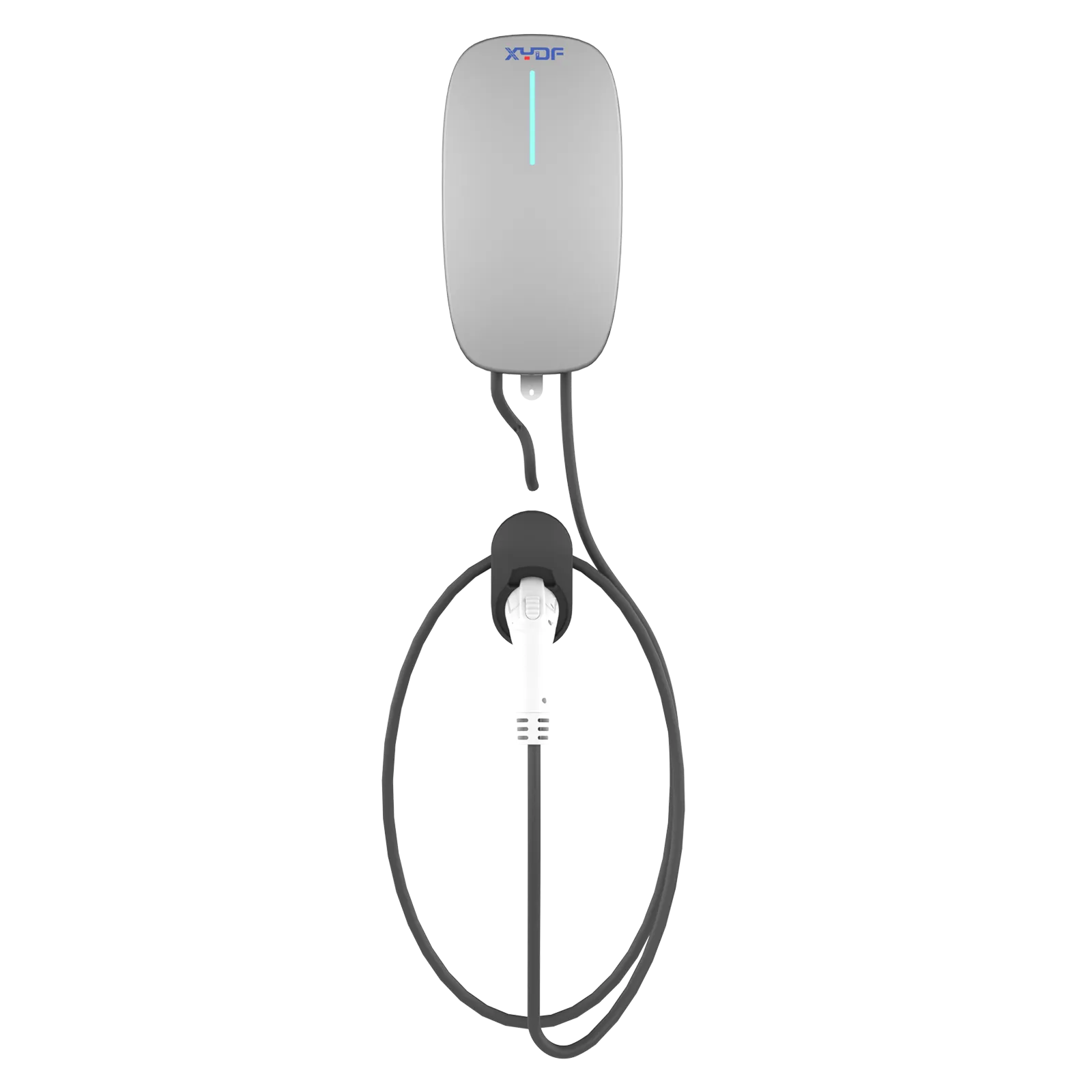
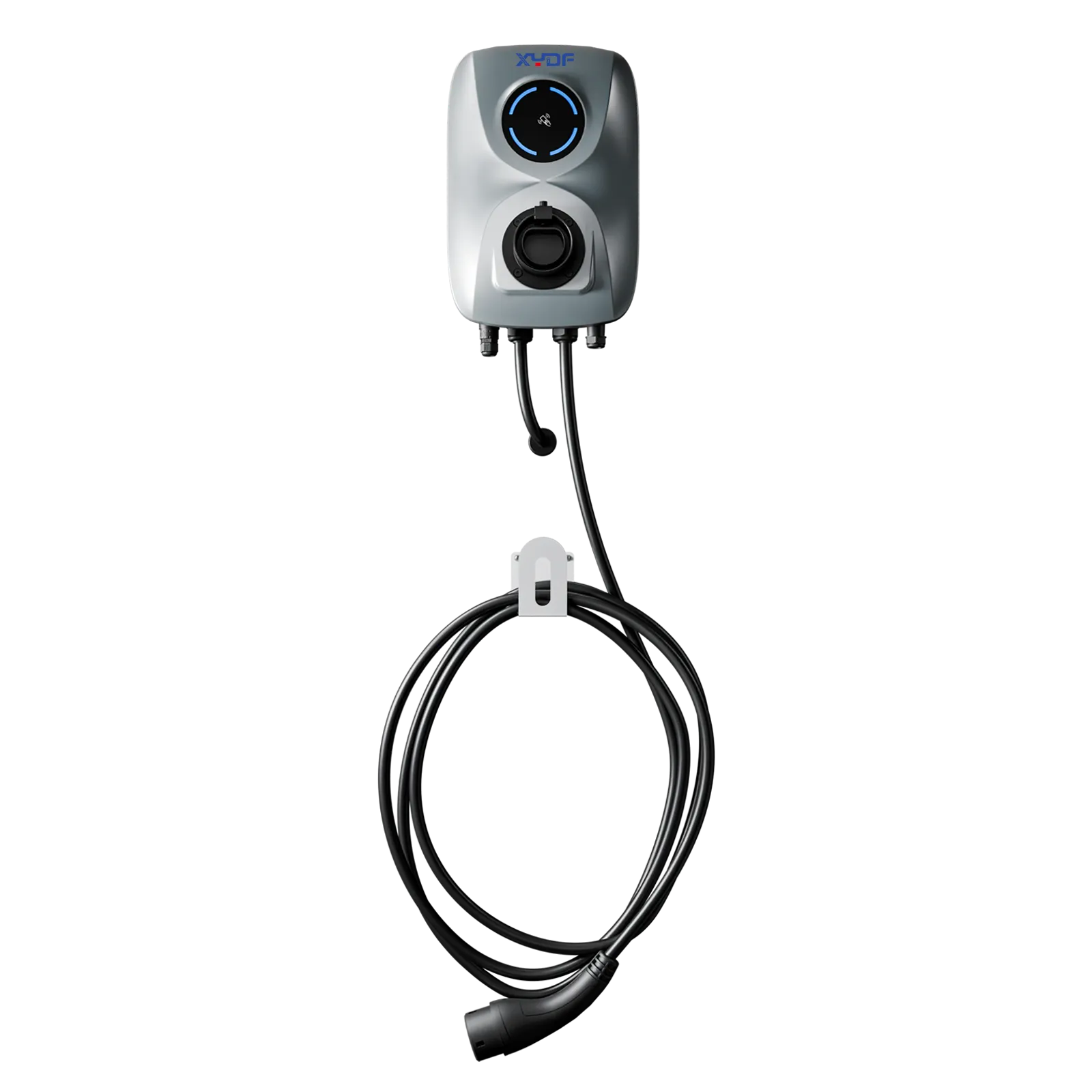
As electric vehicles (EVs) are growing in interest by more drivers, it will lead many people to need to navigate the unique challenges of EV ownership and the changes that occur when charging your EV in cold weather. When you charge your EV battery in cold weather, there can be a significant loss of capacity (range), charging time, and battery performance. EV drivers in cold climates will face these issues, and below will contain some valuable information about how cold weather affects EV charging, tips on improving your charging efficiency (how to gain maximum charge), and some frequently asked questions such as “How long should I let my vehicle warm up in order to charge the battery in cold weather?”
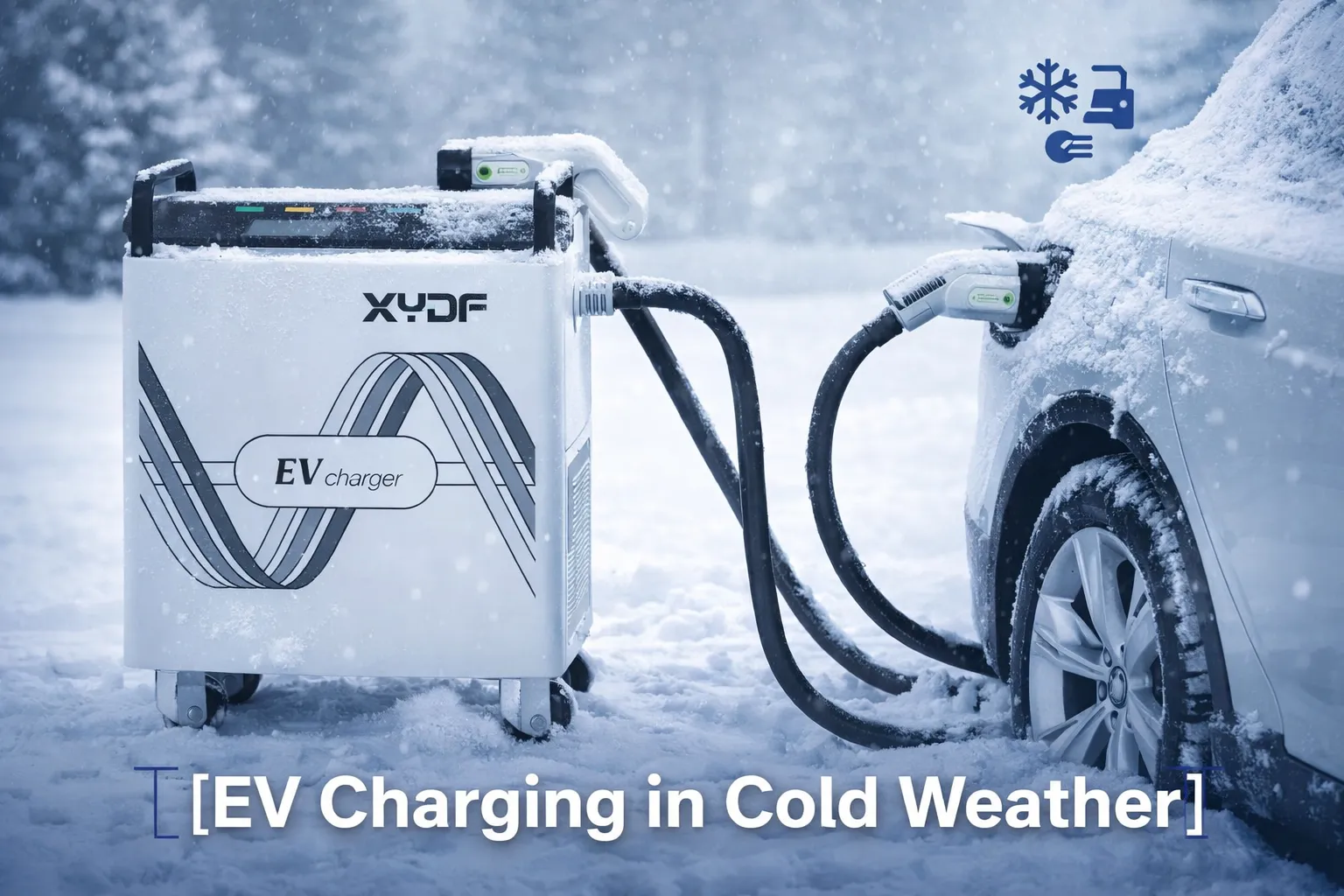
How Cold Weather Impacts EV Charging
When the temperature drops, there are challenges that EV batteries have to overcome when charging and/or operating. The original (and most common) chemistry used for EV batteries is lithium-ion battery packs, which use internal chemistry to store and release the electricity needed for operating the EV and charging the EV batteries. When temperatures are low, the chemical reactions inside the lithium-ion battery packs will slow down. As a result, both the amount of electricity produced and usage will decrease as the battery is charged, and there will be an increase in charging time, an overall decrease in range, and the time it takes to preheat the battery prior to starting or charging the EV.
Another factor that contributes to the overall decrease in battery performance (charging efficiency) when trying to charge an EV battery in the winter months is additional energy requirements from the EV’s heating system. Additional energy will be used to heat the passenger and driver cabin, defrost the front windshield, and heat the battery to ensure proper battery temperature in cold conditions.
Ways to Improve Charging Efficiency of EV Batteries
Since the weather is something we cannot control, there are some practical things you can do to help charge your EV battery and improve your EV driving experience during the winter months. The following list provides some helpful tips to consider:
1. Preconditioning the EV Battery: Many EVs have preconditioning capabilities that allow proper warming of the battery prior to use or charging. Connect your electric vehicle (EV) to a charging station and set the preconditioning feature before you start driving. This way you will not use any battery power, reducing how much energy you are using from the battery once you start driving.
2. Charge When the Battery Is Warm: When charging your EV, do so while the battery is still warm from driving. If you wait too long after driving, the battery will cool and you will not be able to charge it as fast, especially if the temperature outside is low.
3. Store Your EV in a Garage: If possible, keep your EV in a garage that has a temperature control or keeps it insulated. The warmer you keep your EV, the better your battery will perform, and will require less energy to be charged.
4. Drive Conservatively: You can drain your battery faster when driving in cold weather, due to aggressive acceleration, excessive use of climate controls (heat/AC), and/or driving at higher speeds. By driving conservatively during the winter months, you will get the most out of your battery.
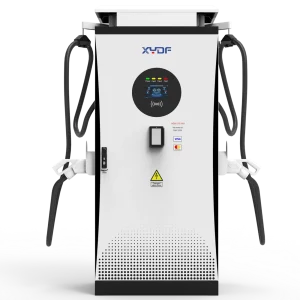
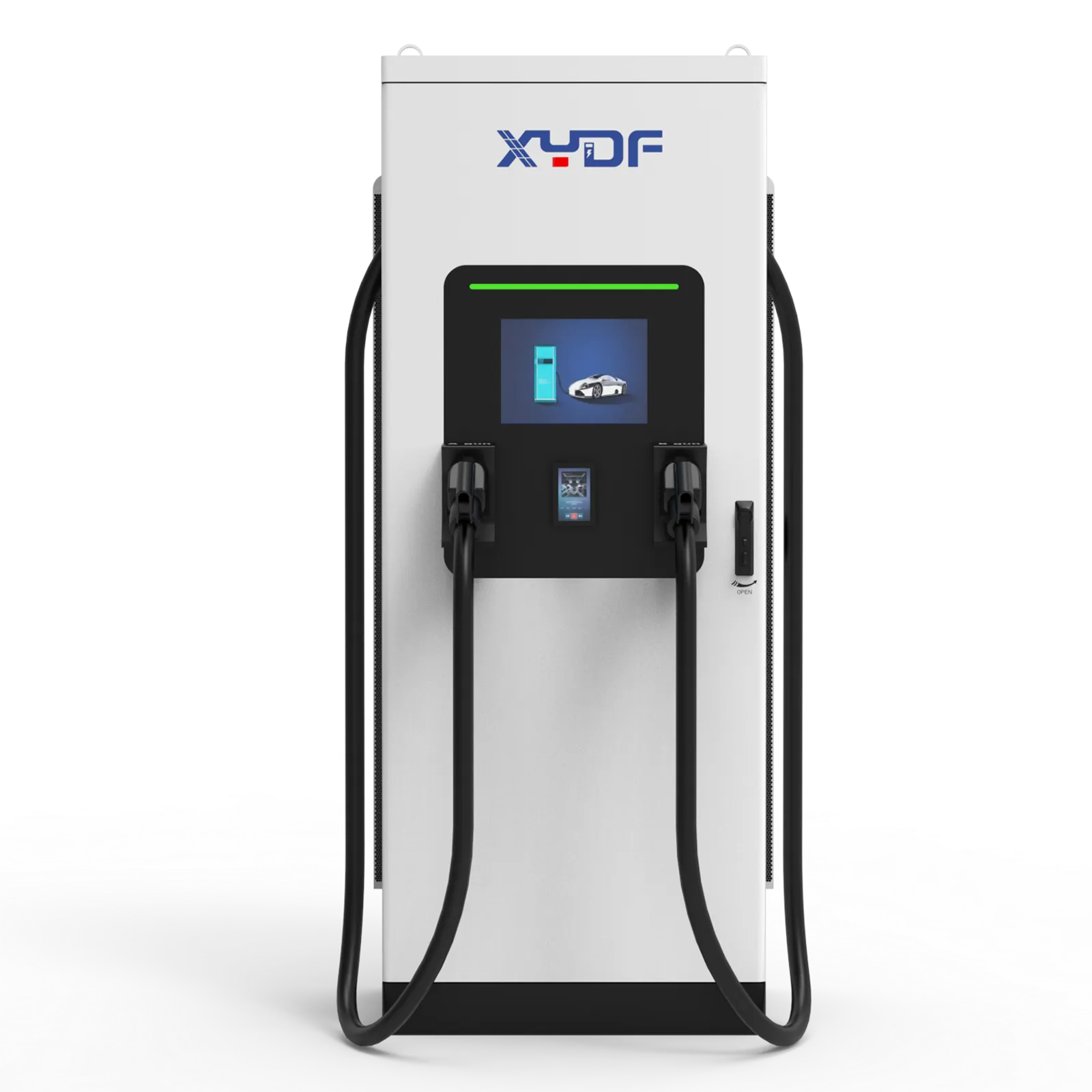
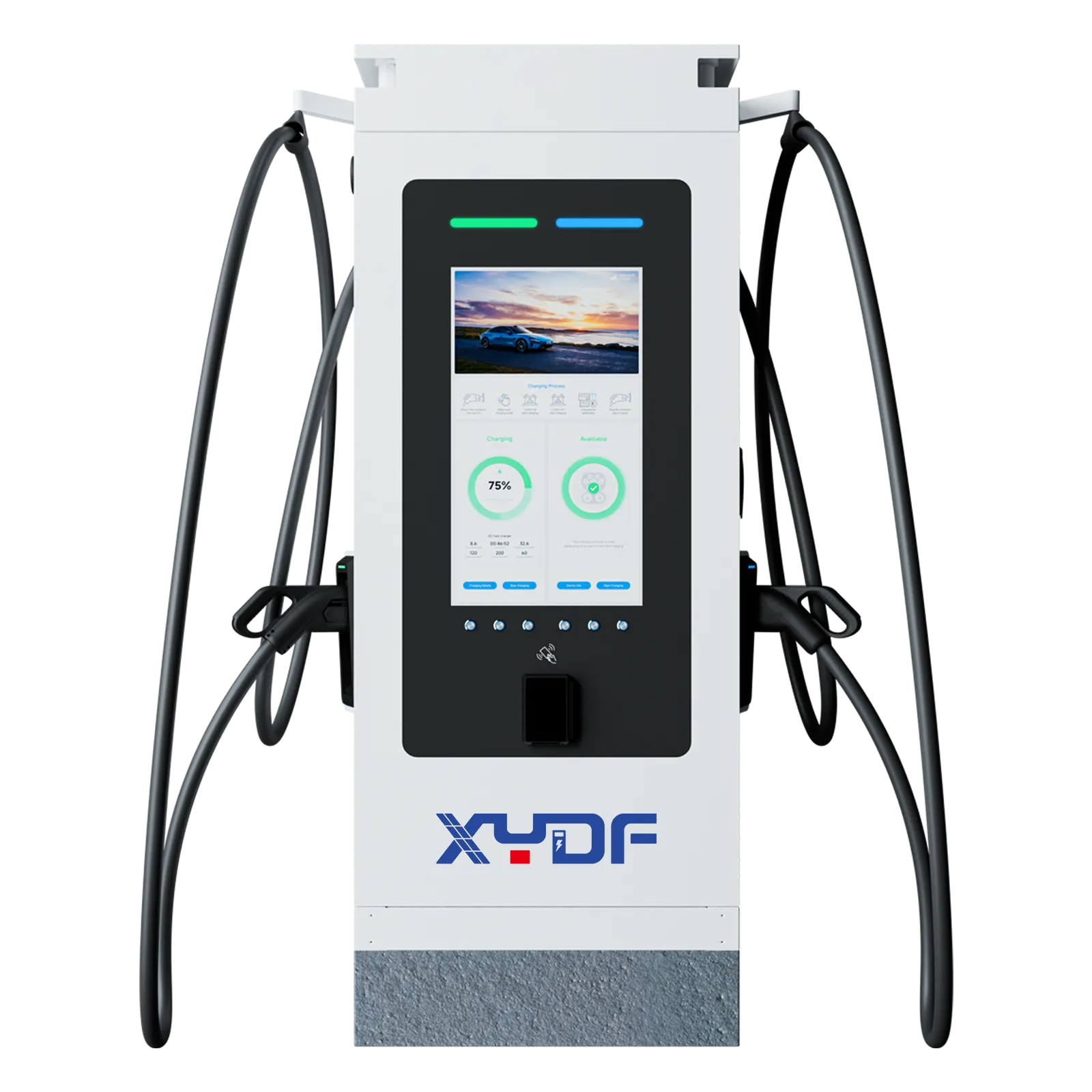
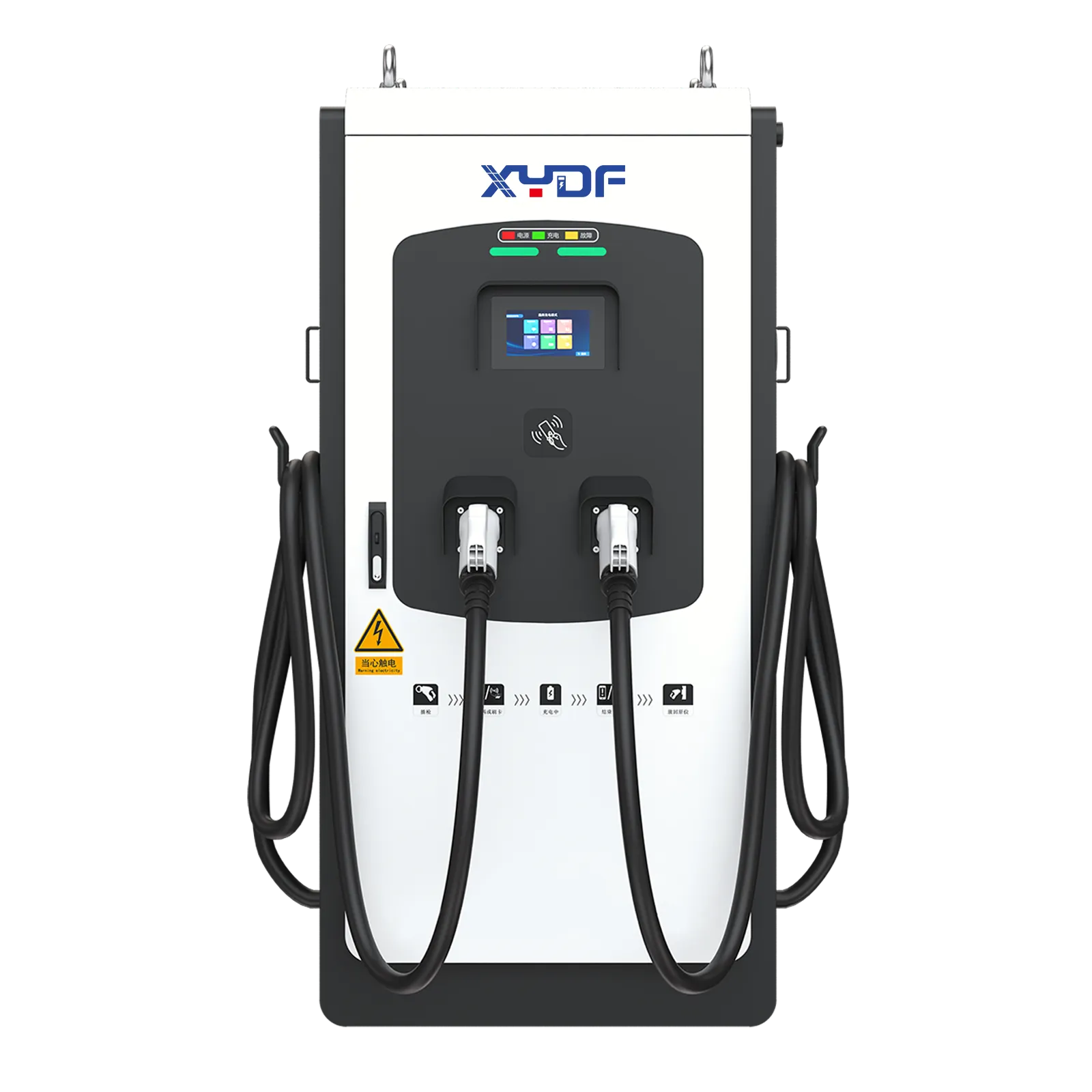
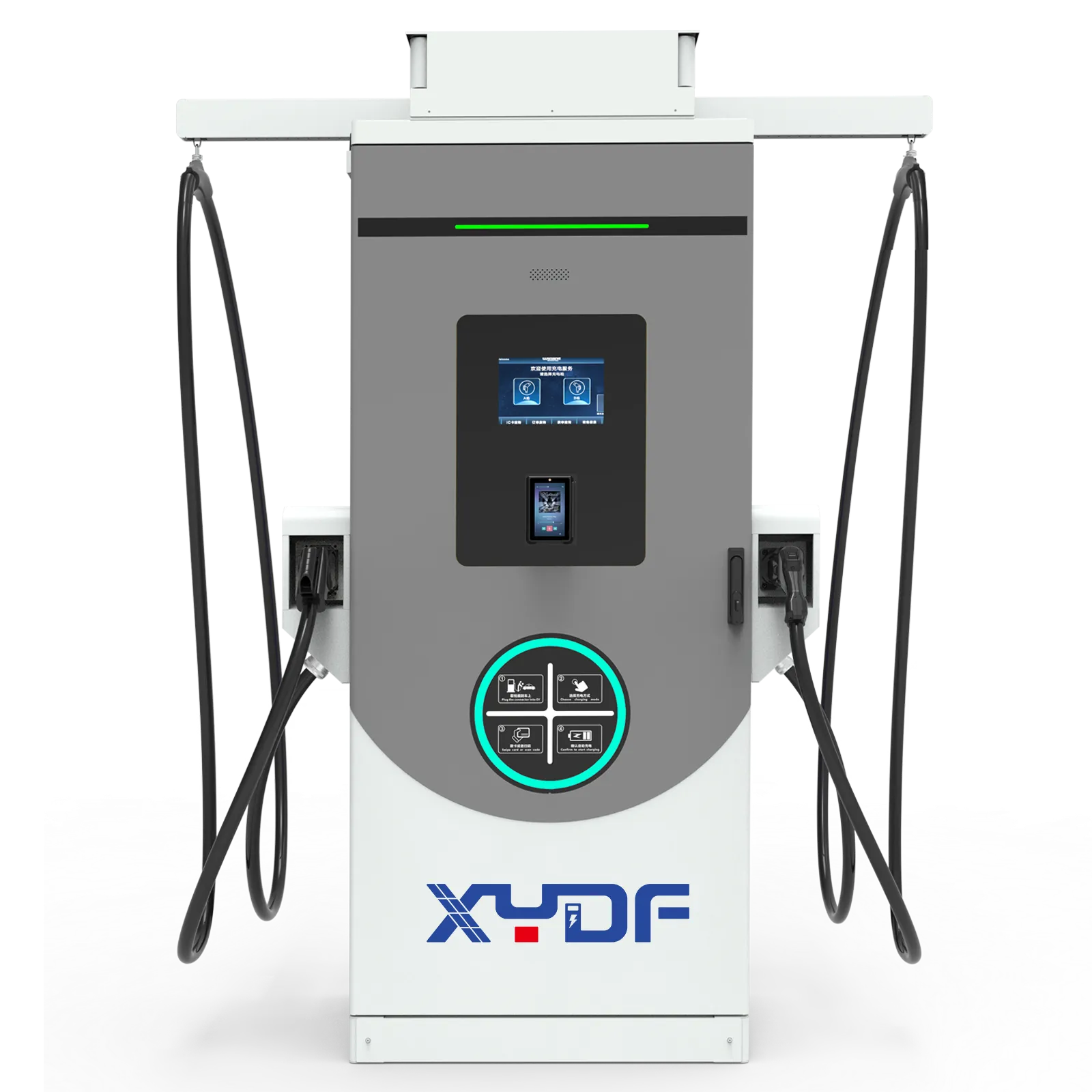
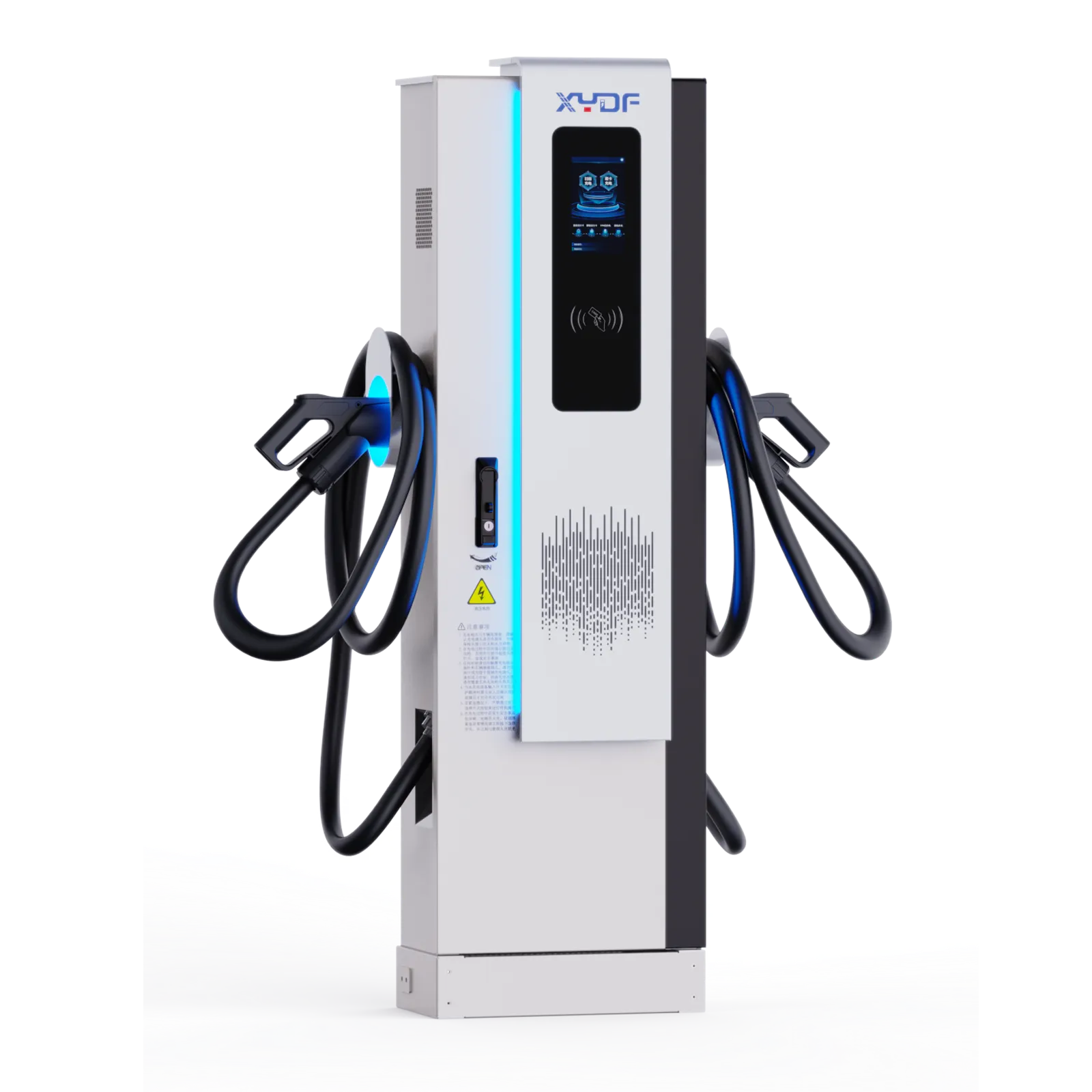
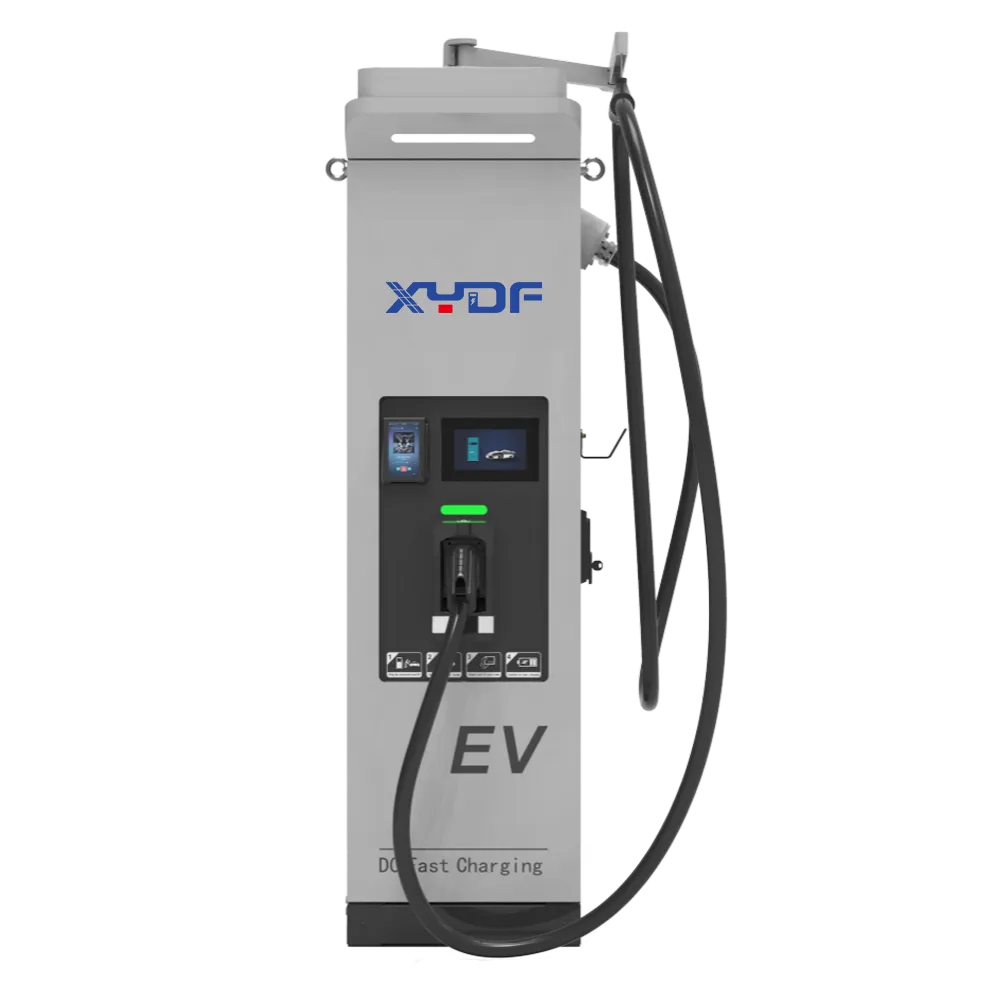
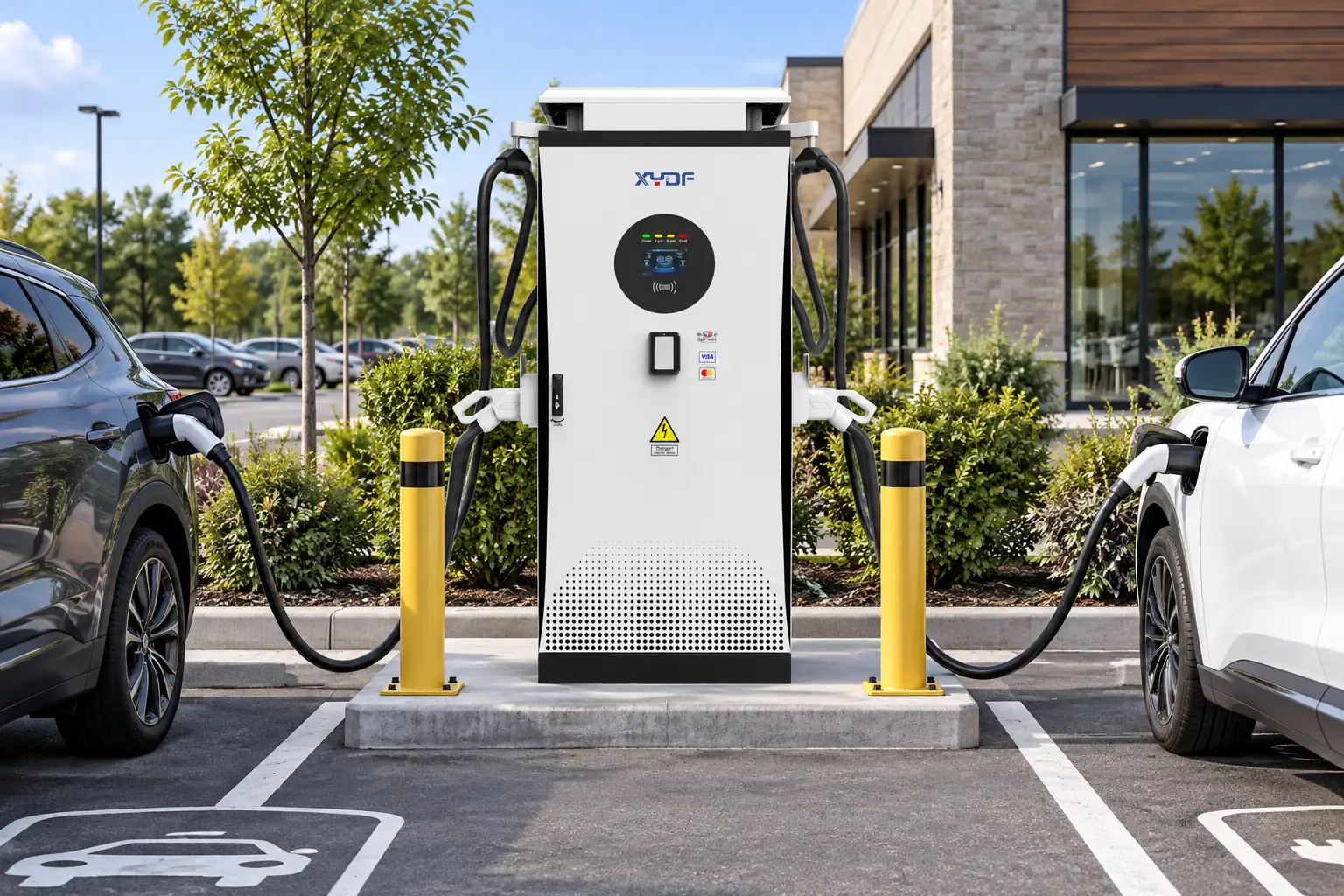
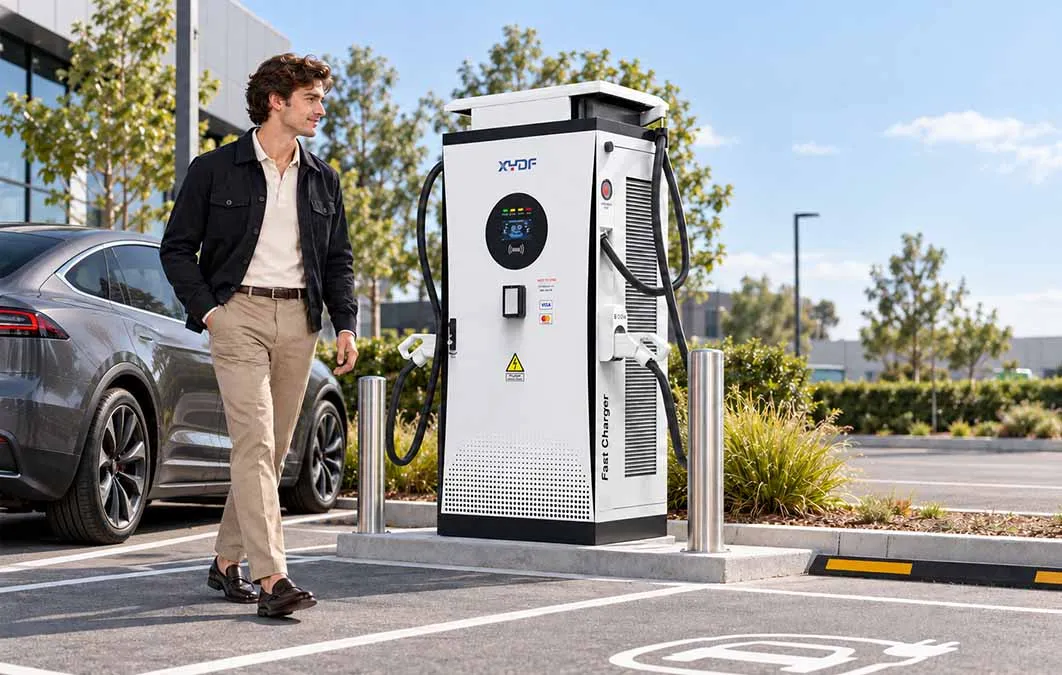
5. Use a Fast Charger: Use a fast charger (DC) to charge your EV in cold weather, as they are a more efficient option than using a Level 1 or Level 2 charger. If you are concerned about having to wait for long periods of time while utilizing a public charging station during extreme temperature drops, then you may want to consider preconditioning your electric vehicle (EV) prior to charging it at a public charging station.
How Long to Let My Car Run in Cold Weather to Charge the Battery?
Unlike gas-engine vehicles (ICE), electric vehicles (EVs) do not require time or idling in order to warm the batteries up enough for them to charge. Rather, you will be able to precondition your electric vehicle (EV) using the preconditioning feature on your EV provided by the manufacturer.
Certainly, your overall charging time will also be affected by other factors such as the size of your battery pack and the type of charger used, which means that a Level 1 charger will take significantly longer to charge than a Level 2 or a Level 3 DC fast charger. As a guideline, always consult your EV owner manual for manufacturer-specific charging recommendations.
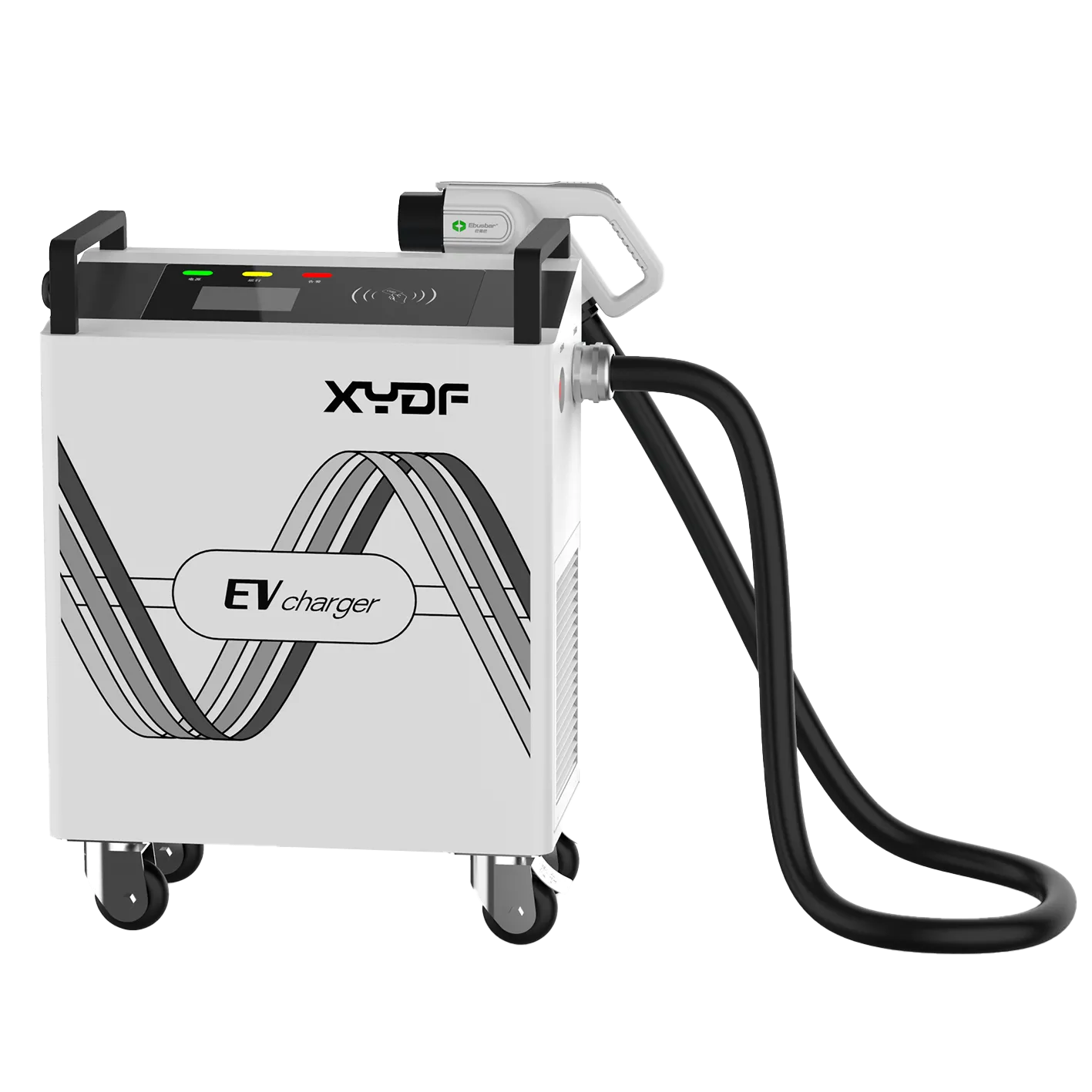
Ways to Avoid Damage to Charging Cables in Cold Weather
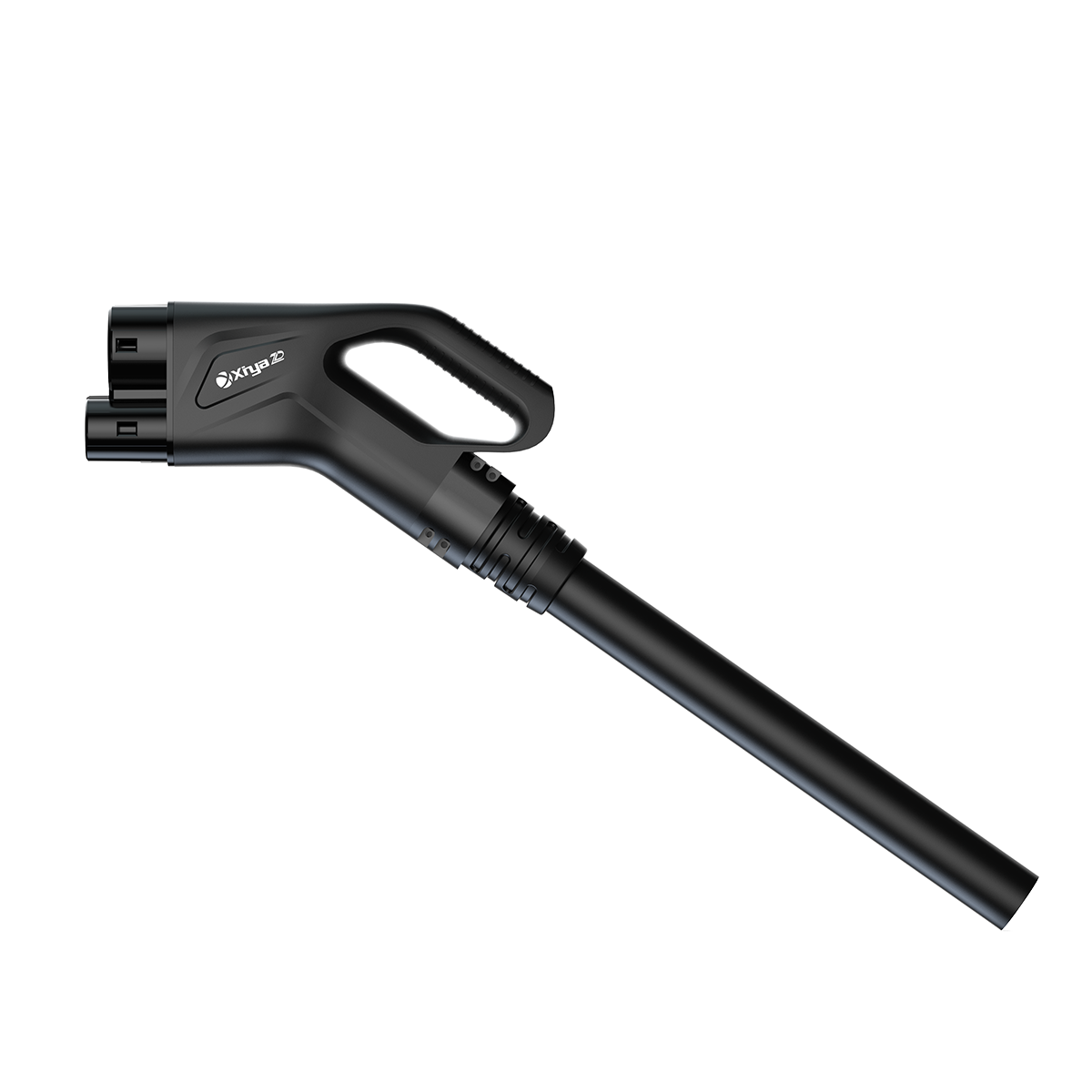
When temperatures drop, EV charging cables have a tendency to become brittle and fragile and can easily be damaged through use. Therefore, to prevent damage to your EV chargers, store them in the proper location whenever possible and avoid exposing them to unnecessary weather elements.
– Store cables properly: After disconnecting them, keep the cables in a dry, enclosed place, such as your car trunk or garage.
– Be careful with stiff cables: Cold cables can become rigid and brittle. Move and handle them cautiously to prevent damage.
Will Cold Weather Continue to Affect EV Batteries?
New technologies in battery development are constantly being developed to help solve battery issues related to extreme weather conditions. An example of this is current research and development of solid-state batteries and related technologies that improve EV thermal management and energy use. As new technologies continue to evolve, it will eventually create better access to reliable and efficient charging and potentially reduce the adverse effects of cold temperatures on EV battery operations.
More Things EV Owners Should Note About Winter Driving
In addition to the previous list of suggestions, here are some more things that can be done by EV owners to enhance their winter driving experience:
– Keep your battery above 20%. Prevent deep cycling, as it can reduce overall battery efficiency and lifespan.
– Use seat heaters for warmth. These are typically more energy-efficient than running the cabin’s heating system.
– Monitor your range closely. Be aware of charging stops along your route so you don’t run out of power during your journey.
– Regularly check your tire pressure. Cold weather can decrease tire pressure, leading to reduced efficiency and range. Inflate your tires to the recommended levels to maintain optimal performance.
Winter presents unique challenges to EV owners, especially regarding the challenges related to charging an EV in winter weather. By understanding how cold weather affects your EV battery, using strategies to maximize energy use and optimize EV charging, drivers can ensure they’ll have a safe, efficient, and reliable driving experience no matter how cold it gets. Ongoing advances in technology ensure that all EV drivers will benefit from continued improvements in the use of EVs globally, regardless of climate, while allowing environmentally conscious EV owners to use fewer resources without compromising EV performance. Stay informed and take appropriate steps to ensure winter driving in EVs continues to provide the same level of satisfaction as summer driving.
 Xinya Dongfang Electricity Technology Co., Ltd.