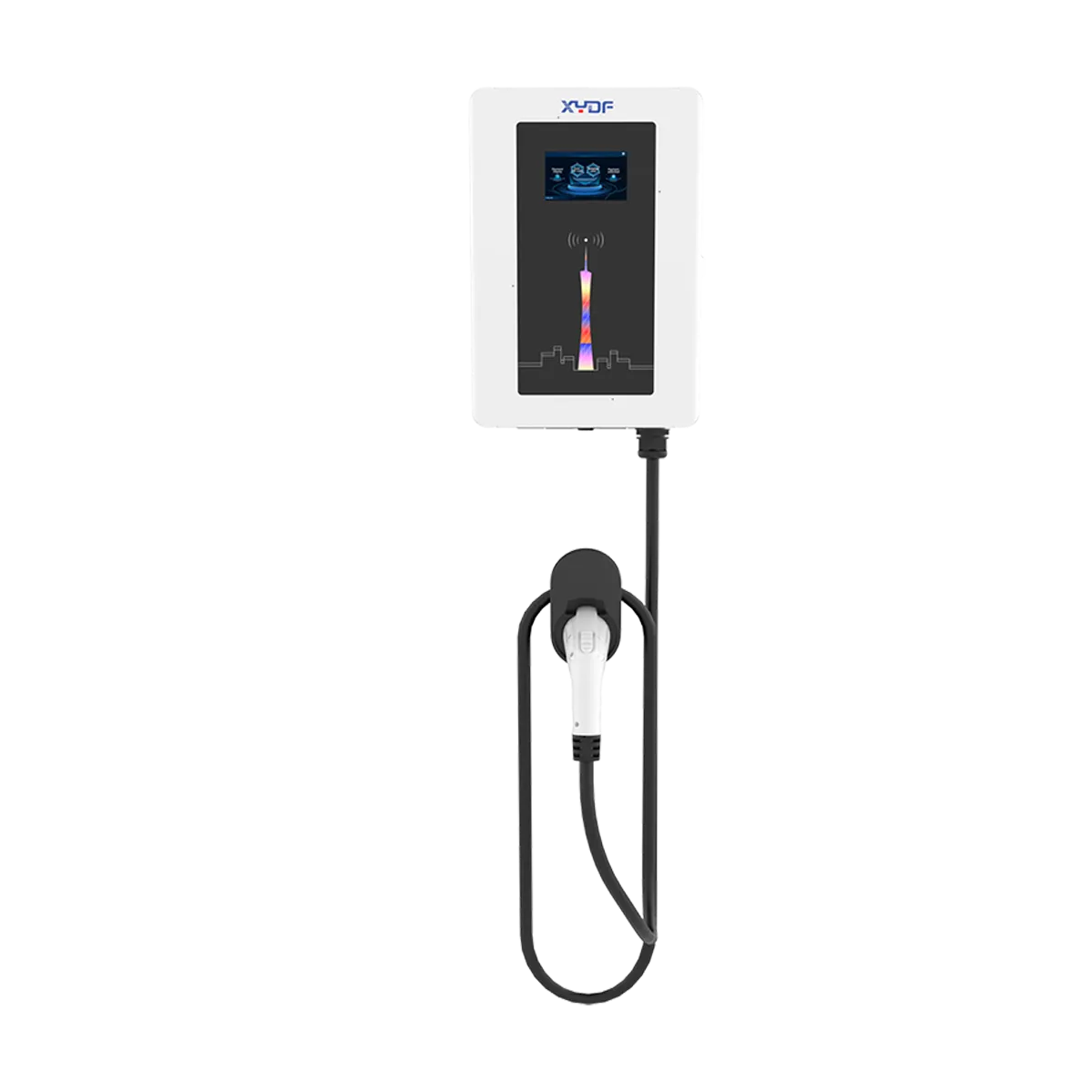
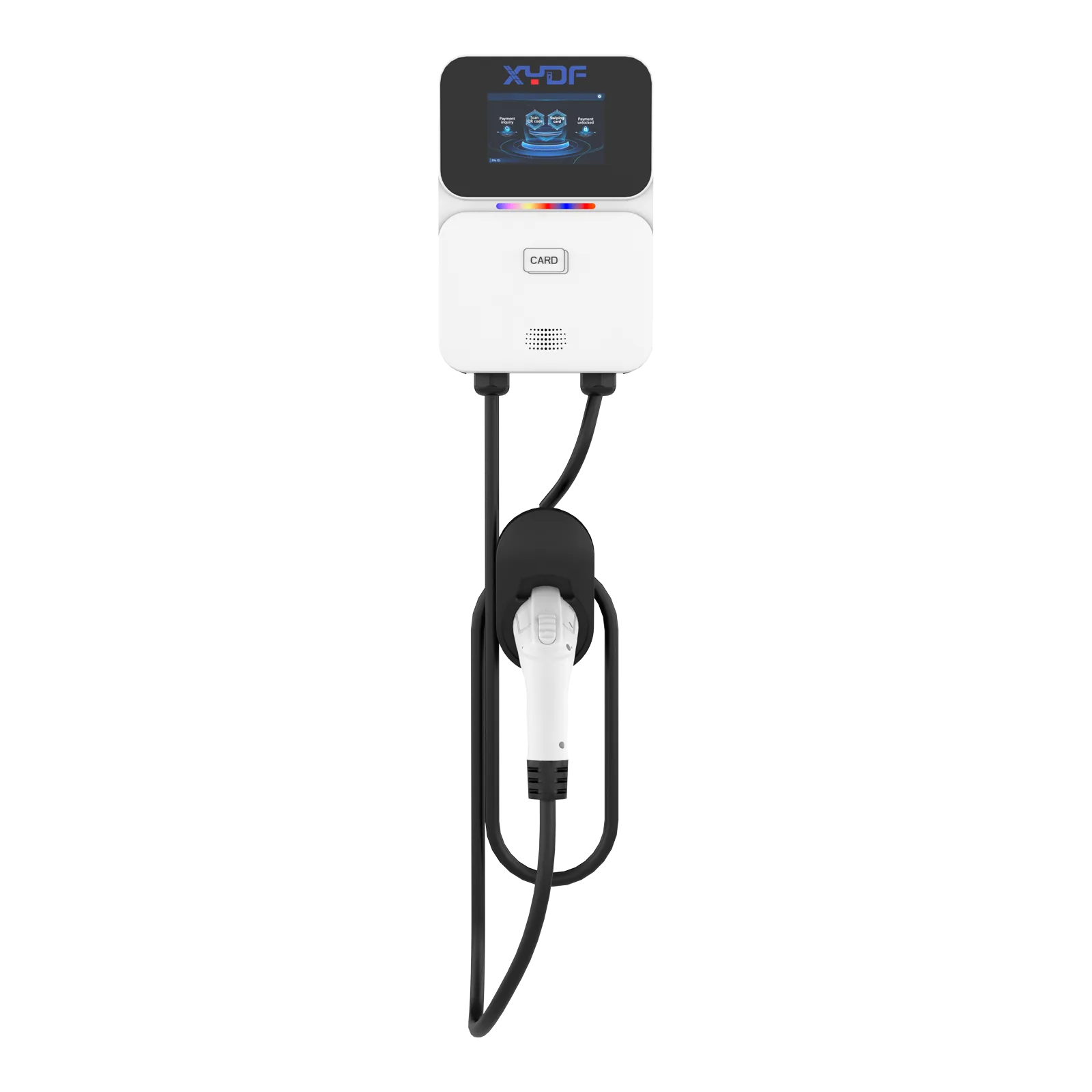
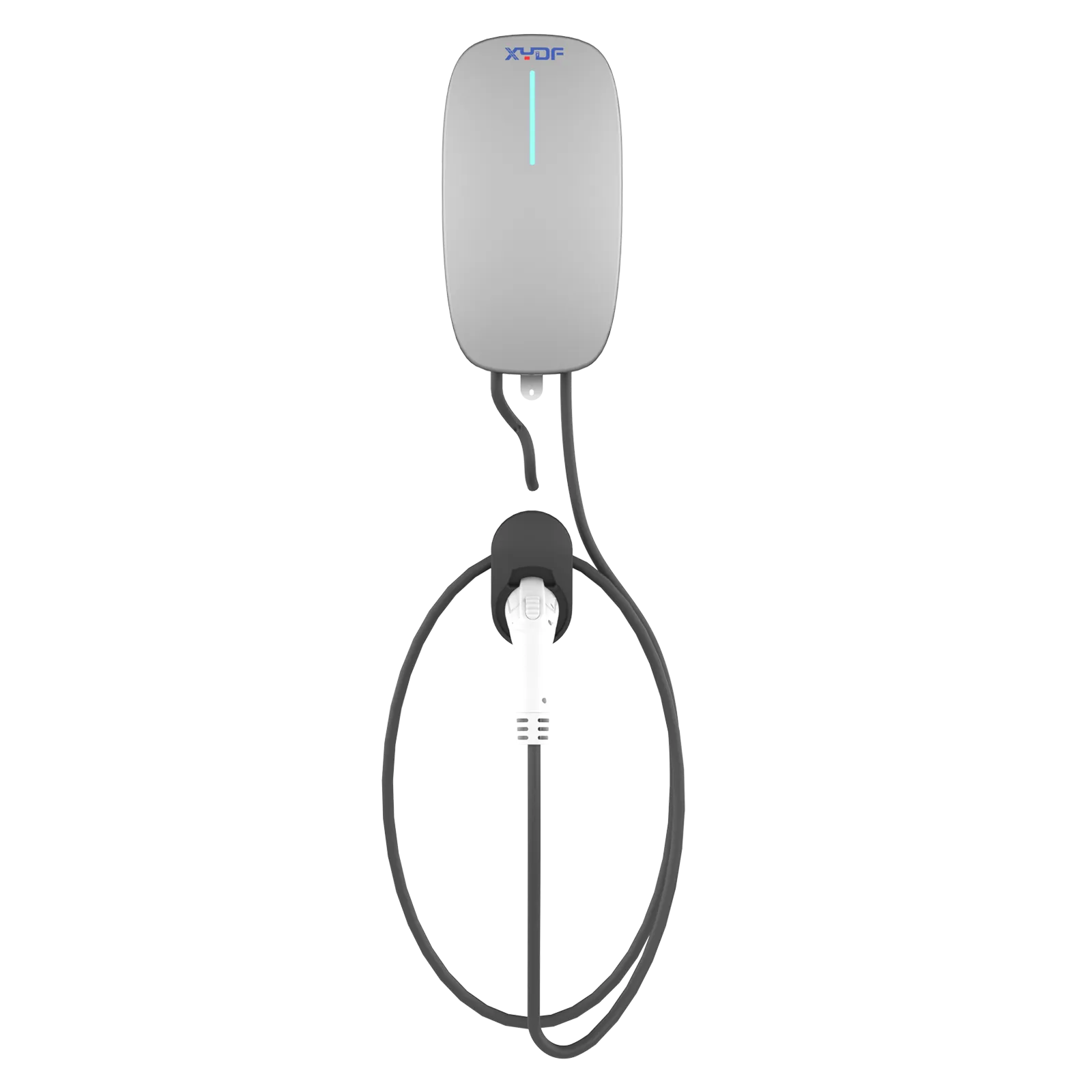
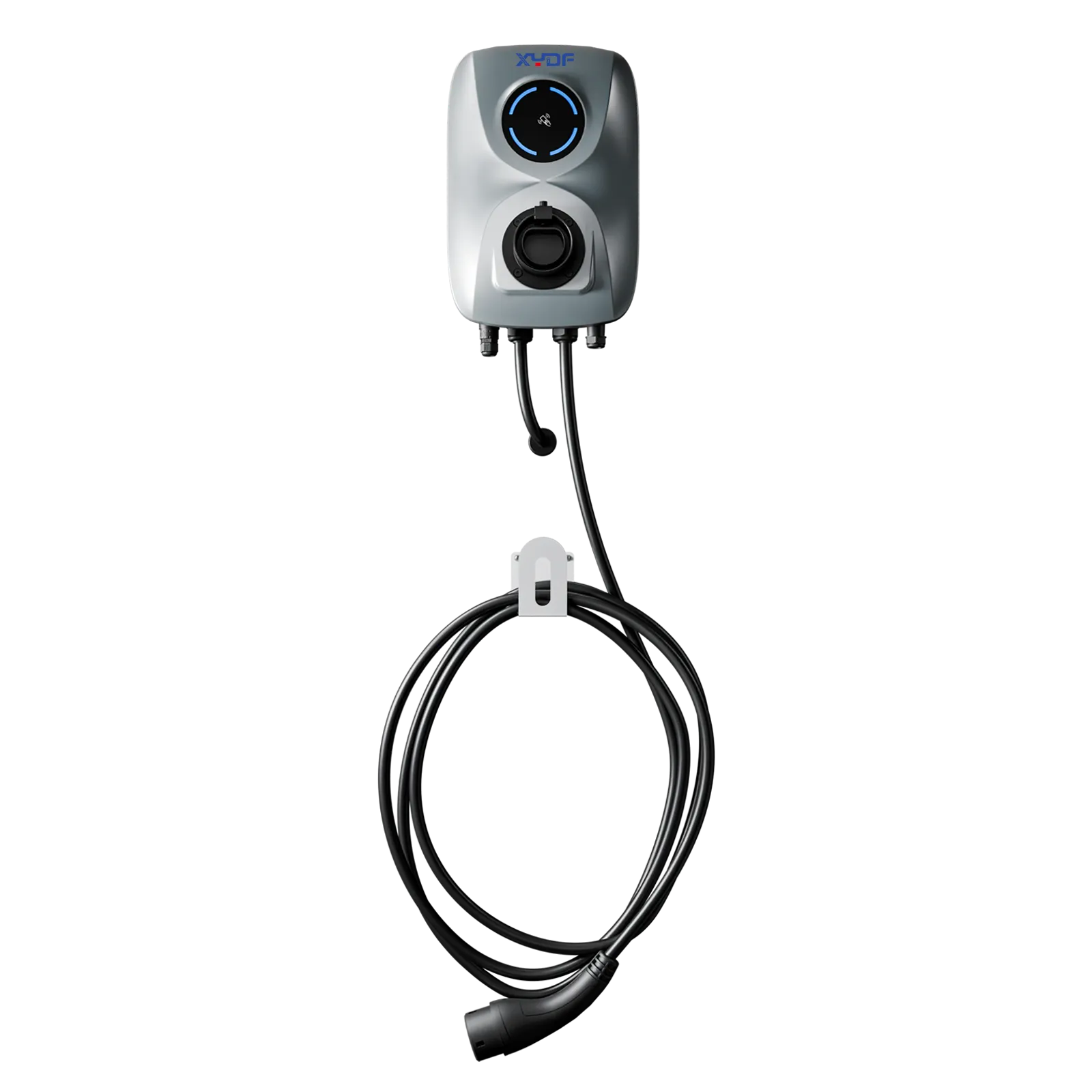
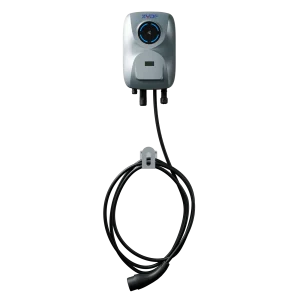
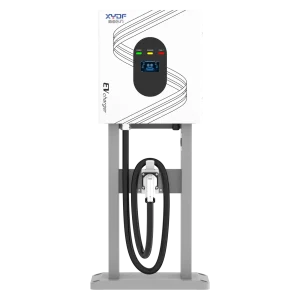
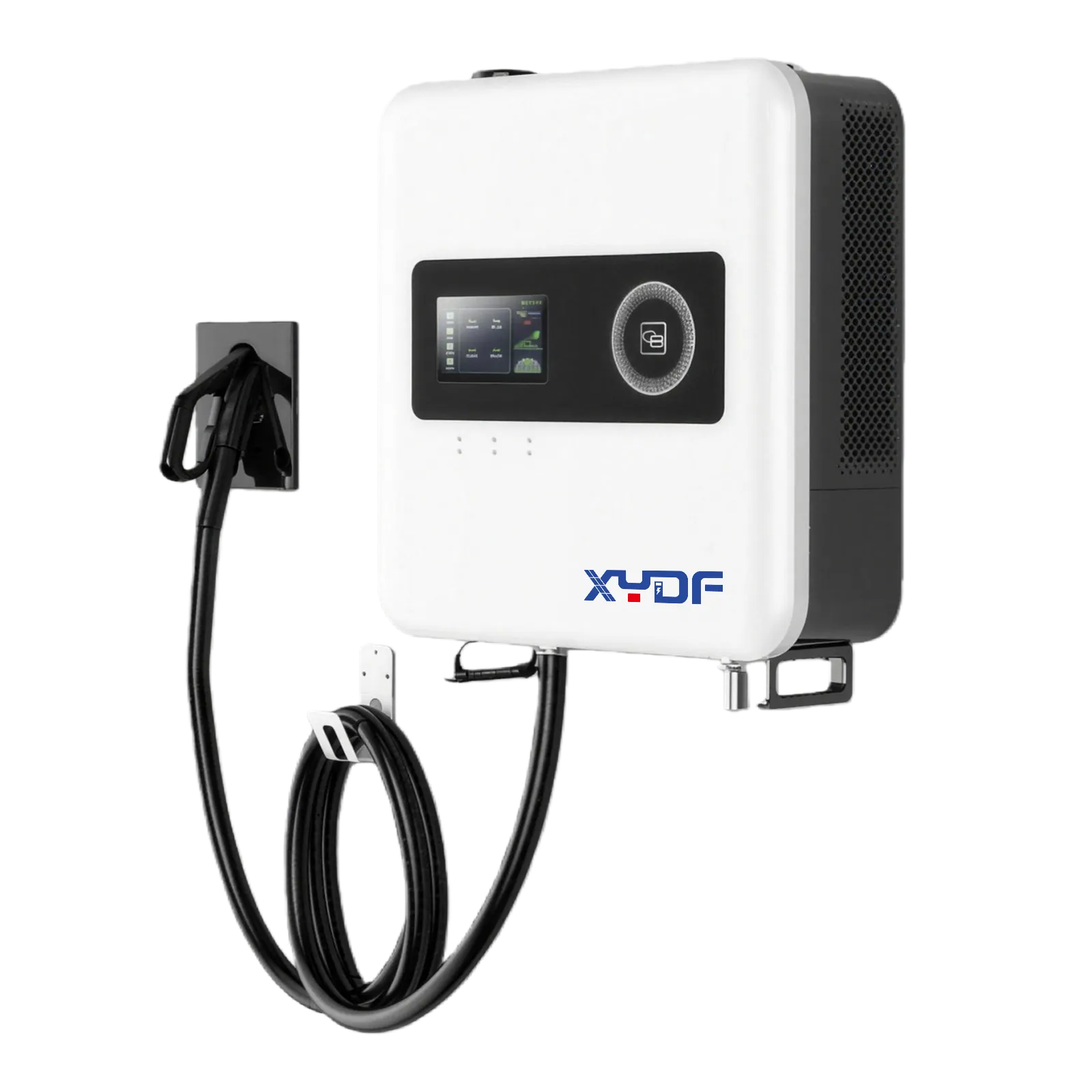
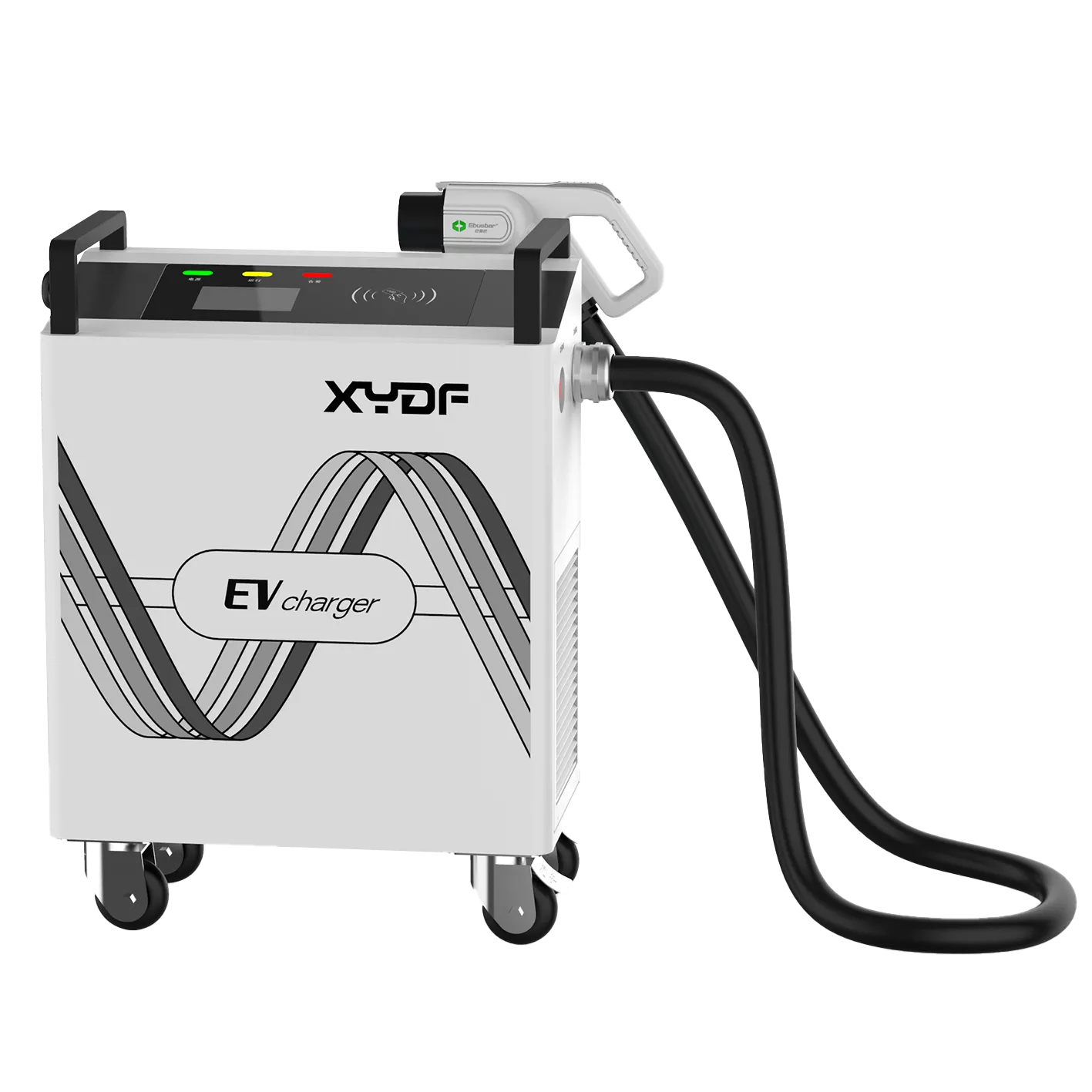
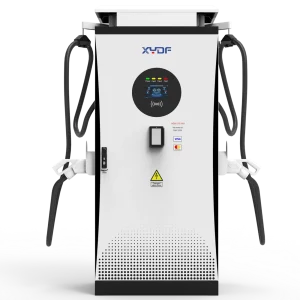
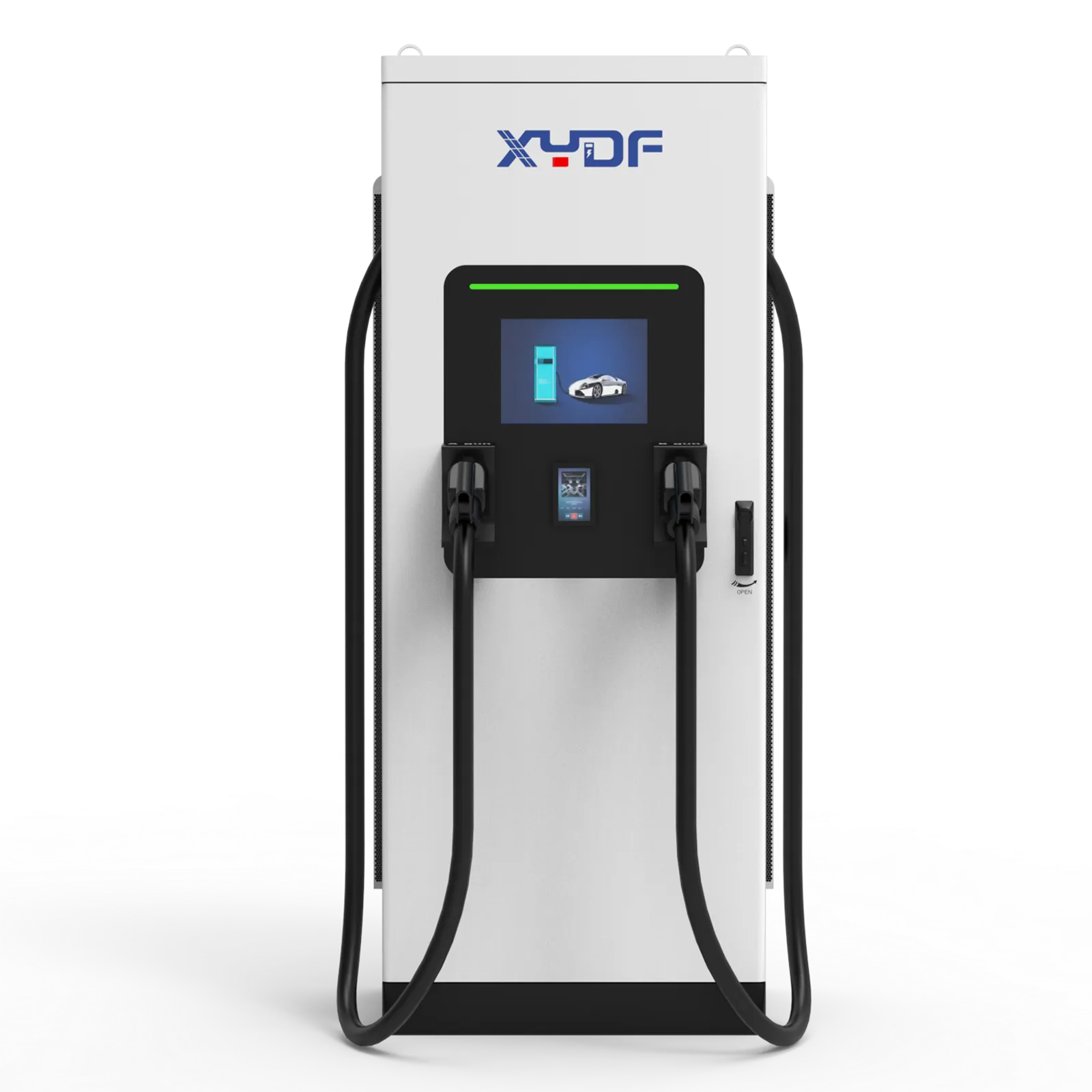
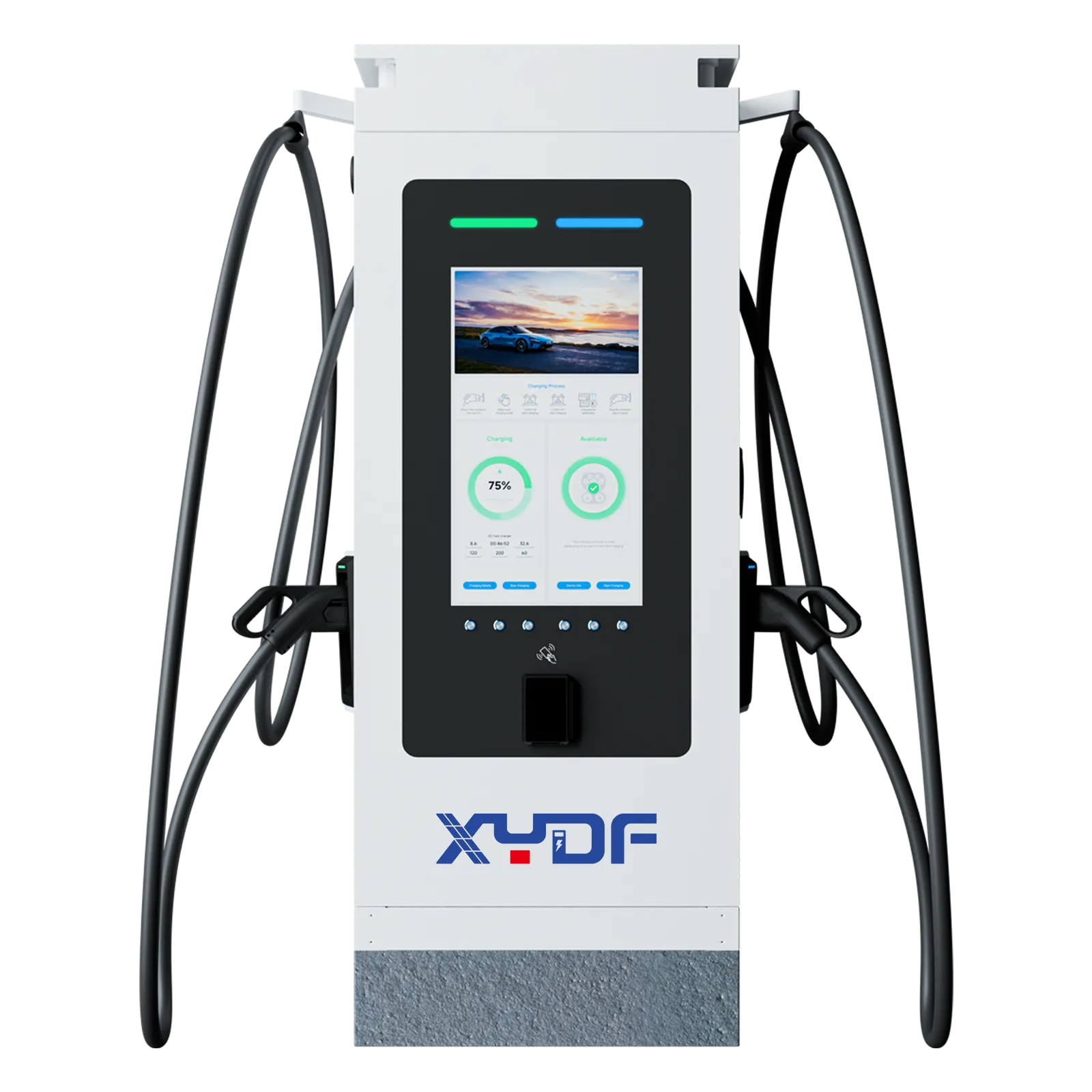
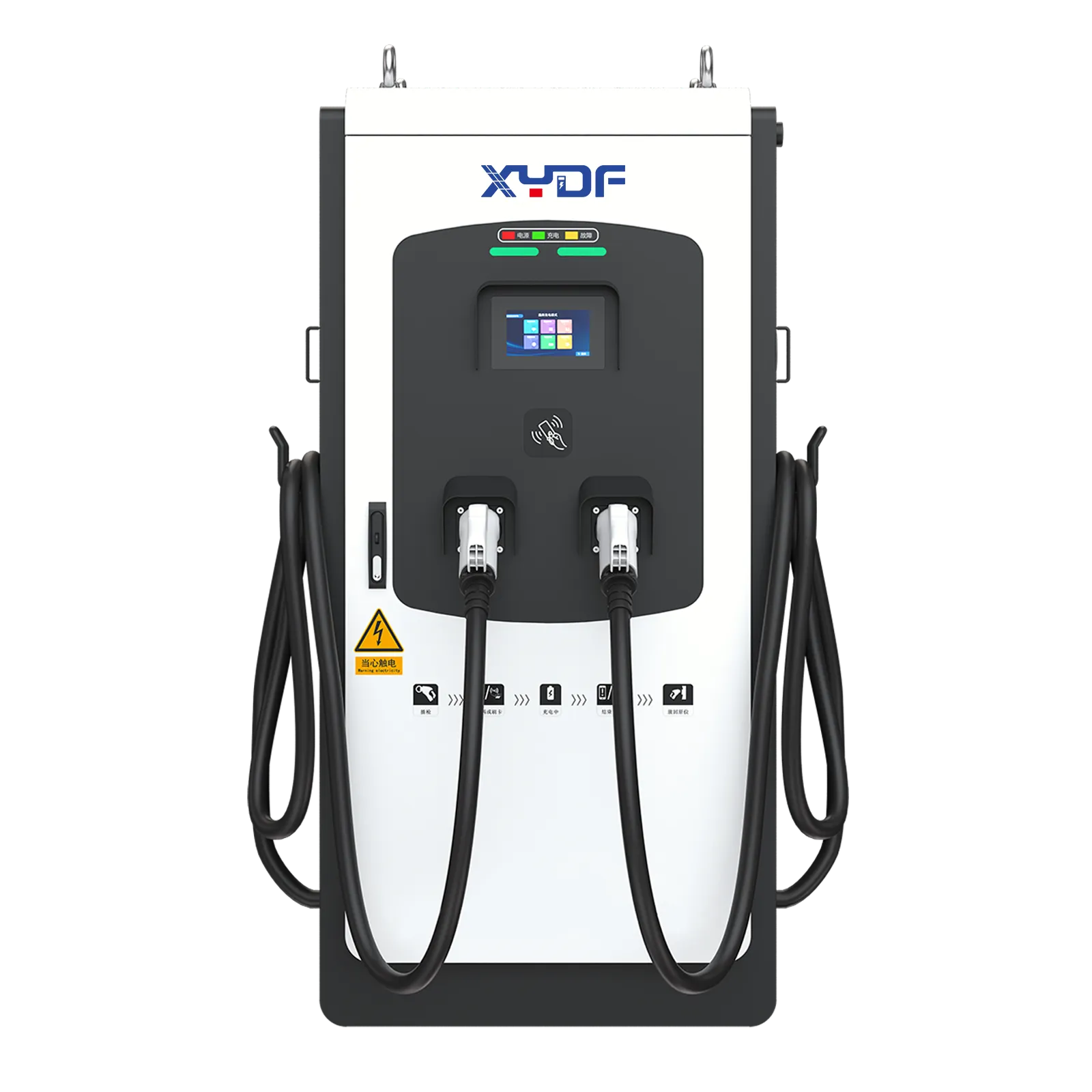
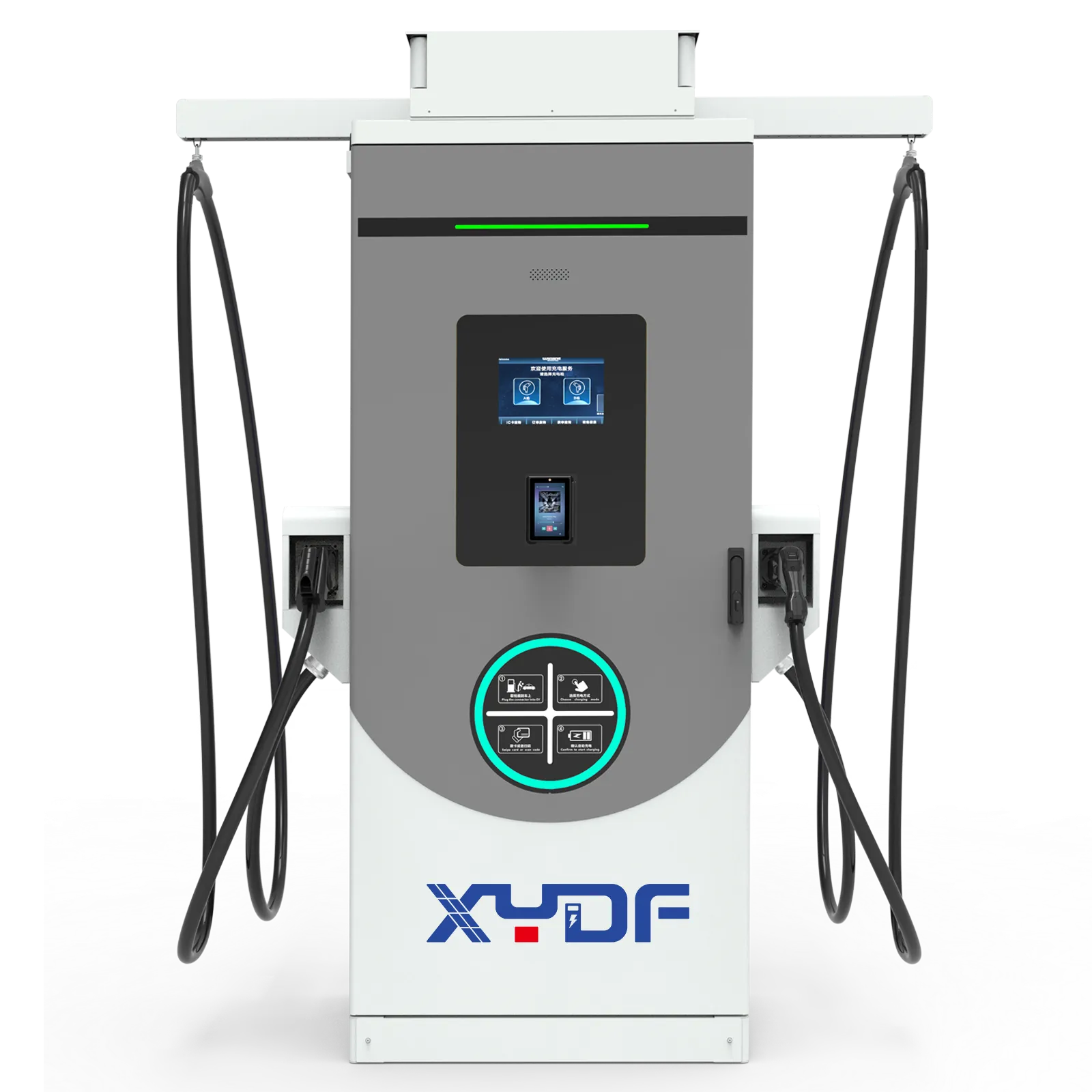
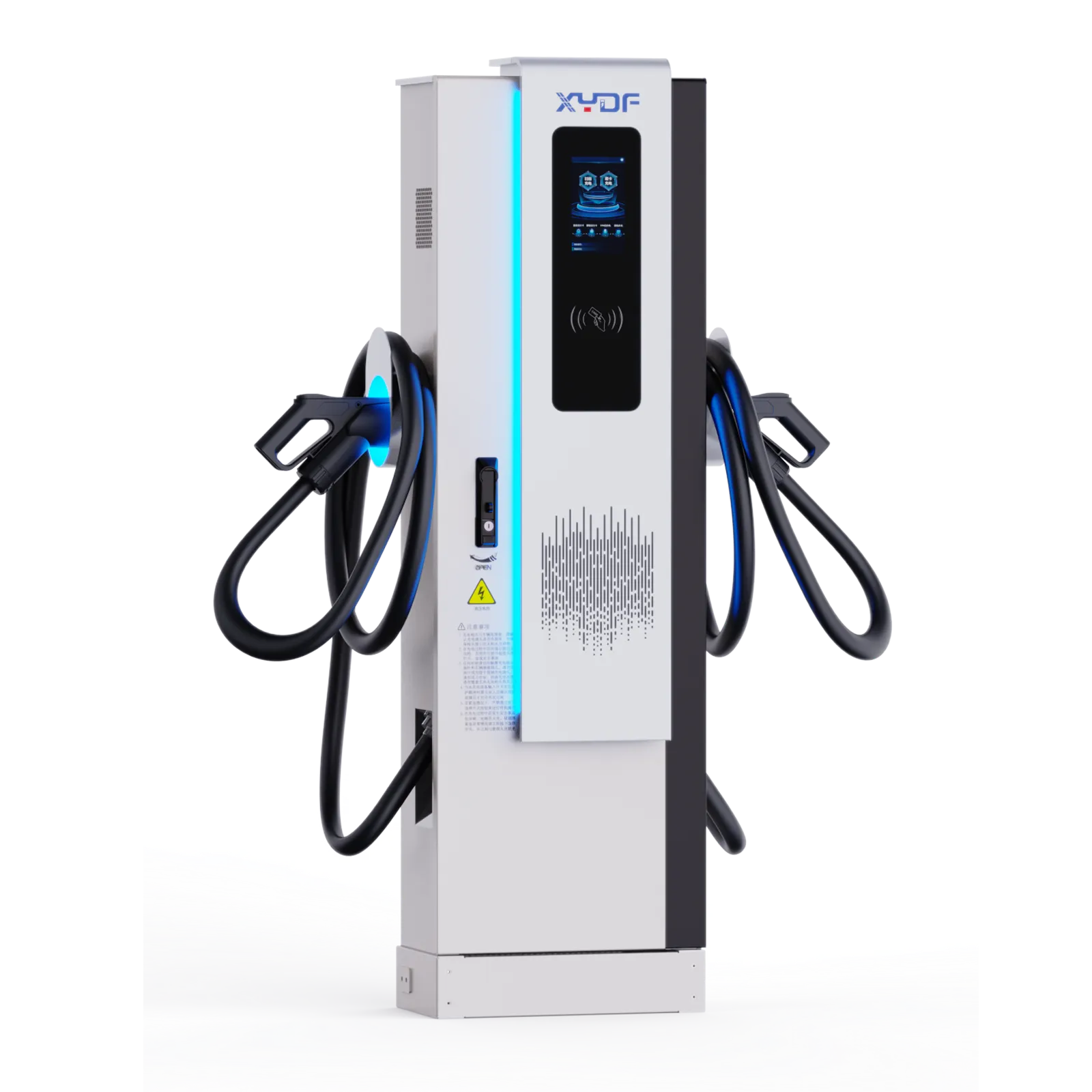
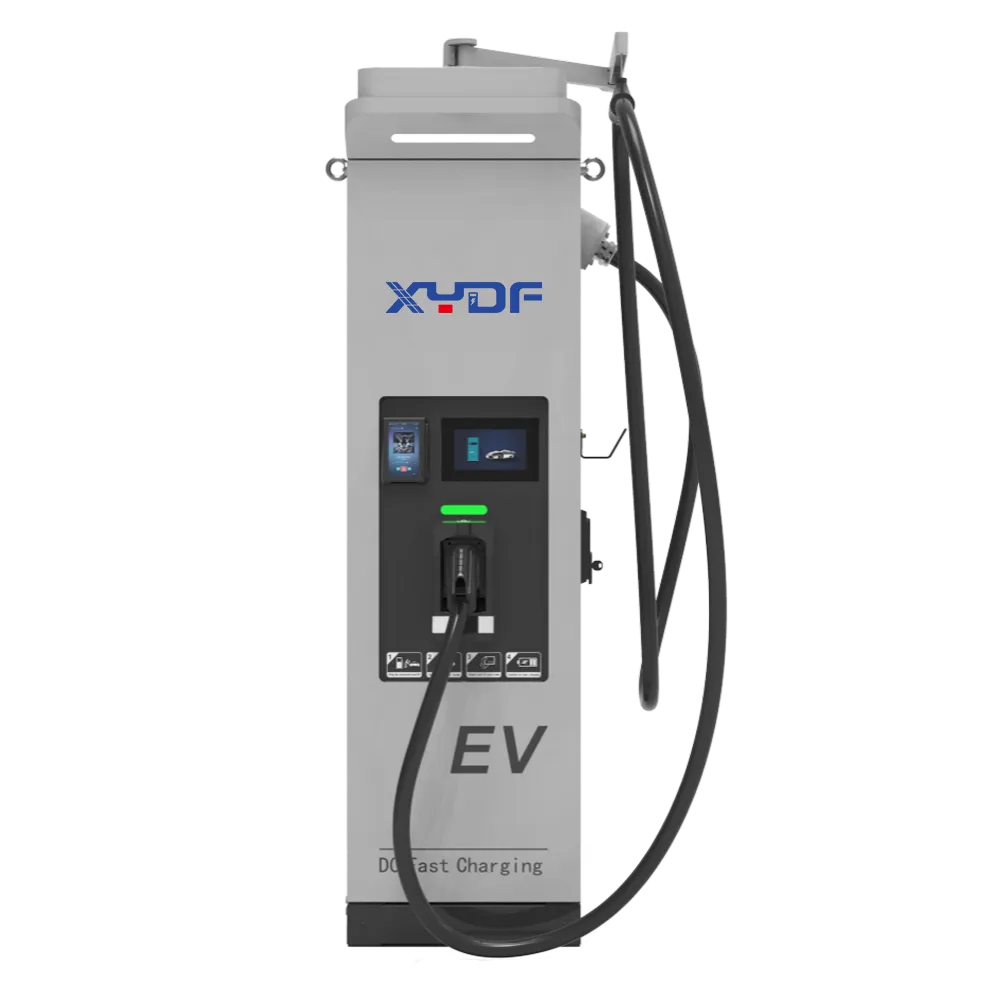
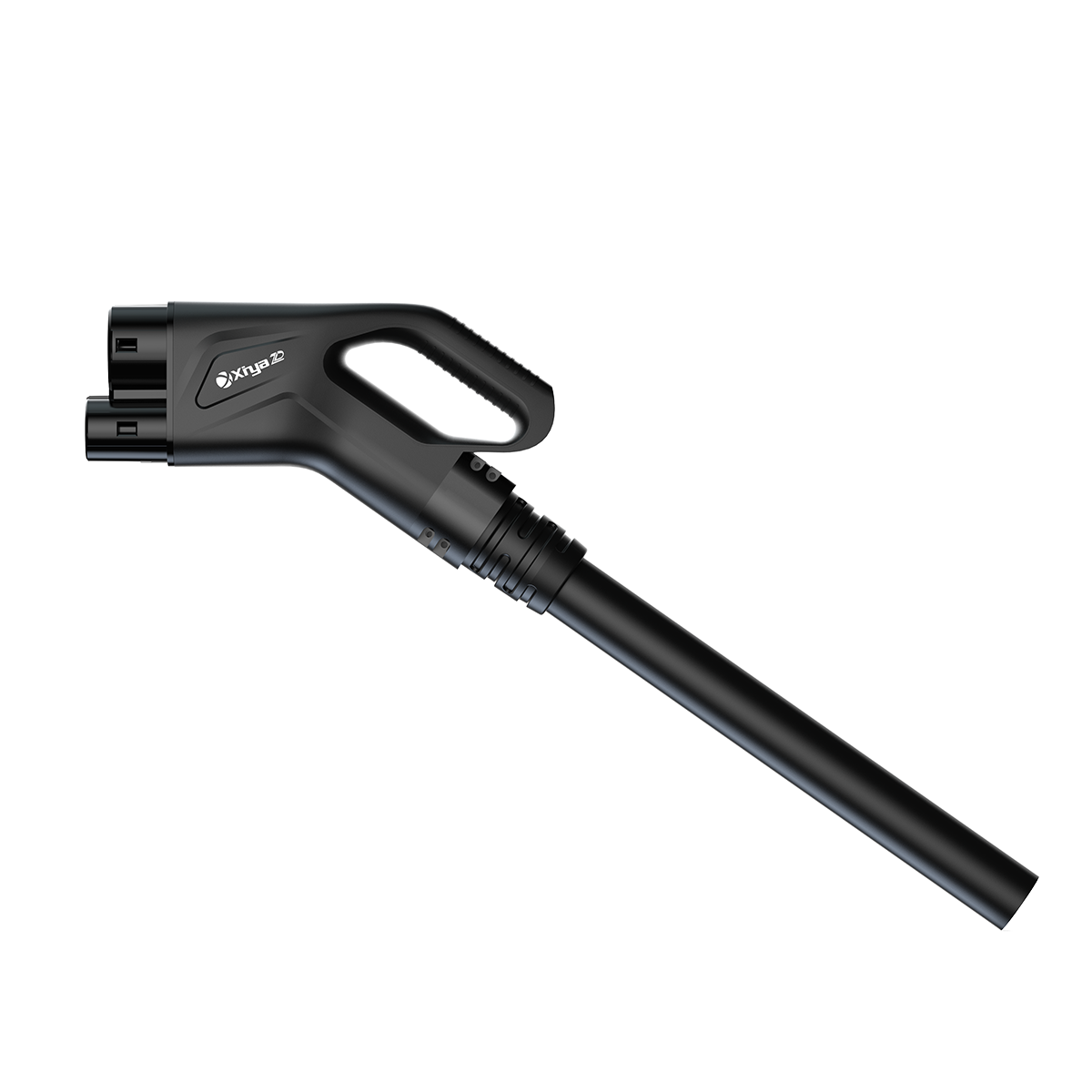
As electric vehicle continues to evolve, 3-phase EV charger have become the mainstream AC charging option for drivers looking for faster recharging speeds. How well do you know 3 phase EV charger?
As the name implies, a 3-phase EV charger runs on a 3 phase power supply: three live wires (L), one neutral wire (N) and one protective earth (PE) wire.
Most 3-phase car charger deliver 11kW to 22kW of power, and can top up an 80kWh EV battery from 20% to 80% in 3–5 hours — enough for roughly 200–300km of driving range.(Learn more about charging time calculations)
Compact and versatile, 3-phase charger support both wall-mounted and pole-mounted installation. They also charge three times faster than single-phase charger, while costing less and being simpler to install than rapid DC chargers. This balance makes them an ideal solution for commercial AC charging applications.
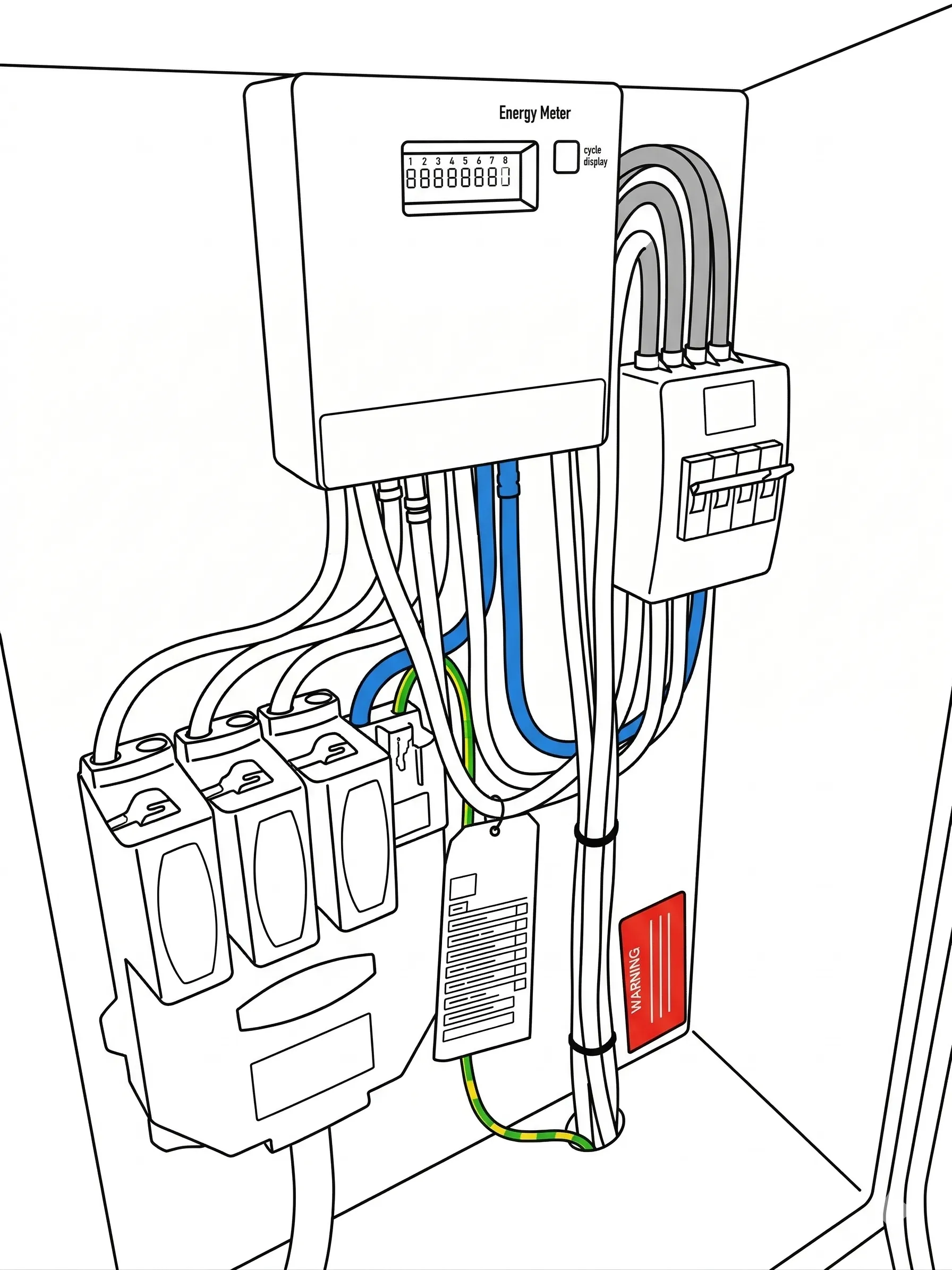
The European Union enforces strict and mandatory installation standards for 3-phase EV charger(IEC 61851). The installtion work must be performed by a certified electrician: carry out a full circuit assessment and wiring installation.
Typical costs include:
With many variables affecting total cost, we recommend a professional installation company for an on-site evaluation and quote.
TIP: Many European countries offer dedicated subsidies for EV charger installation — be sure to check local eligibility requirements.
Trade-Offs: 3-phase EV charger have higher upfront purchase and installation costs than single-phase units. Additional time may also be required for administrative approvals.
Benefits: You can charge your EV faster and boost your property’s value. And when you upgrade your wiring to install a 3 phase electric car charger, you’ll be able to use other high-power equipment too.
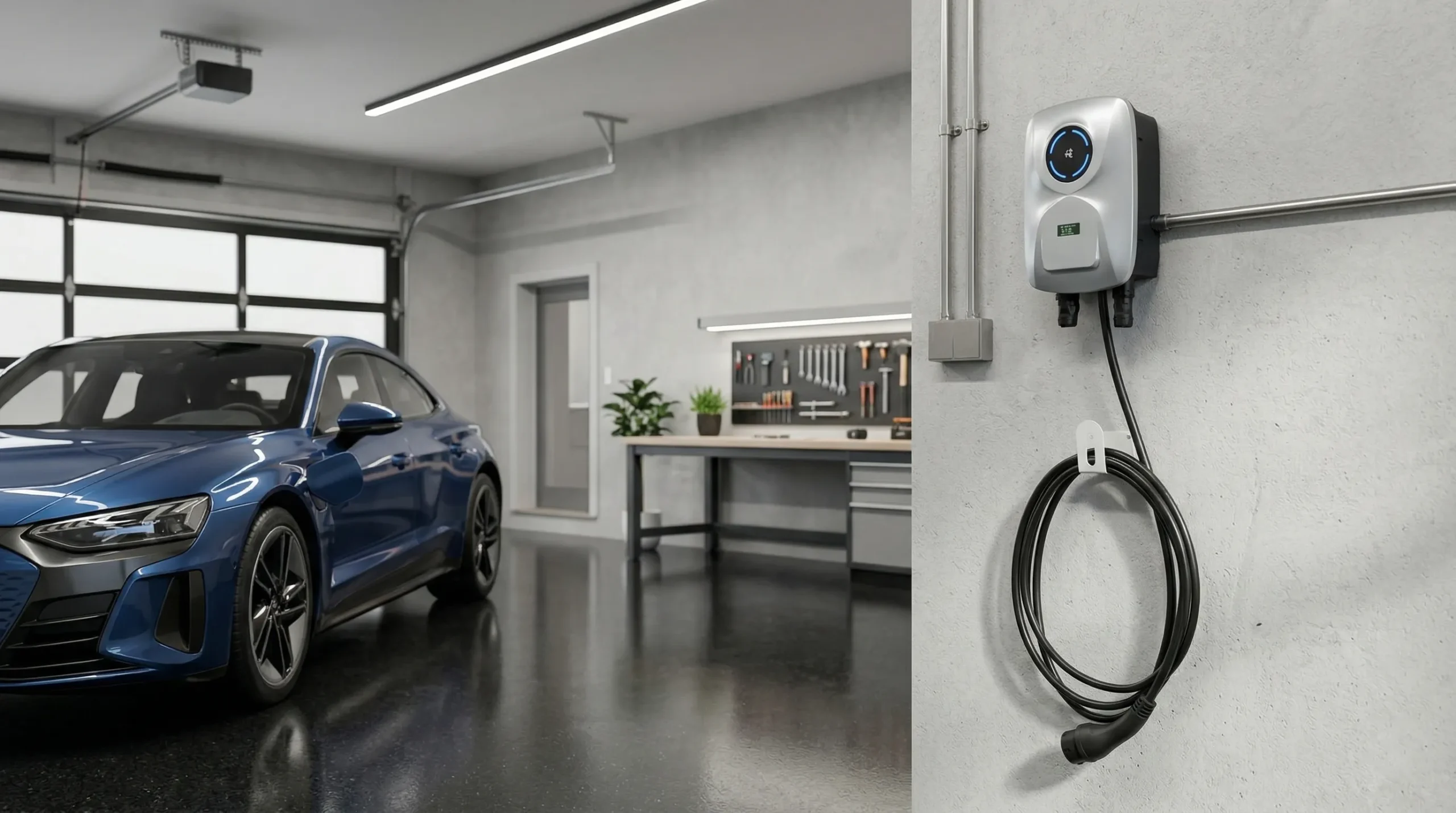
How do I install a 3-phase EV charger?
You will need to hire a certified electrician, who will handle circuit assessment, wiring, charger installation and full commissioning.
Do I need three-phase power for my electric vehicle?
If you are unhappy with single-phase charging speeds and understand the full cost of 3-phase installation, a 3-phase charger is a worthwhile choice.
A 22kW charger will not charge faster if your vehicle only supports 11kW input. If you charge multiple EVs, a dual-gun 22kW charger is a practical option
A 3-phase EV charger is a high-upfront investment with strong long-term rewards. Before upgrading to a three-phase setup, we strongly recommend you consulting a professional sales engineer for a 3-phase charging solution.
We wish you a smooth, efficient charging experience!
 Xinya Dongfang Electricity Technology Co., Ltd.