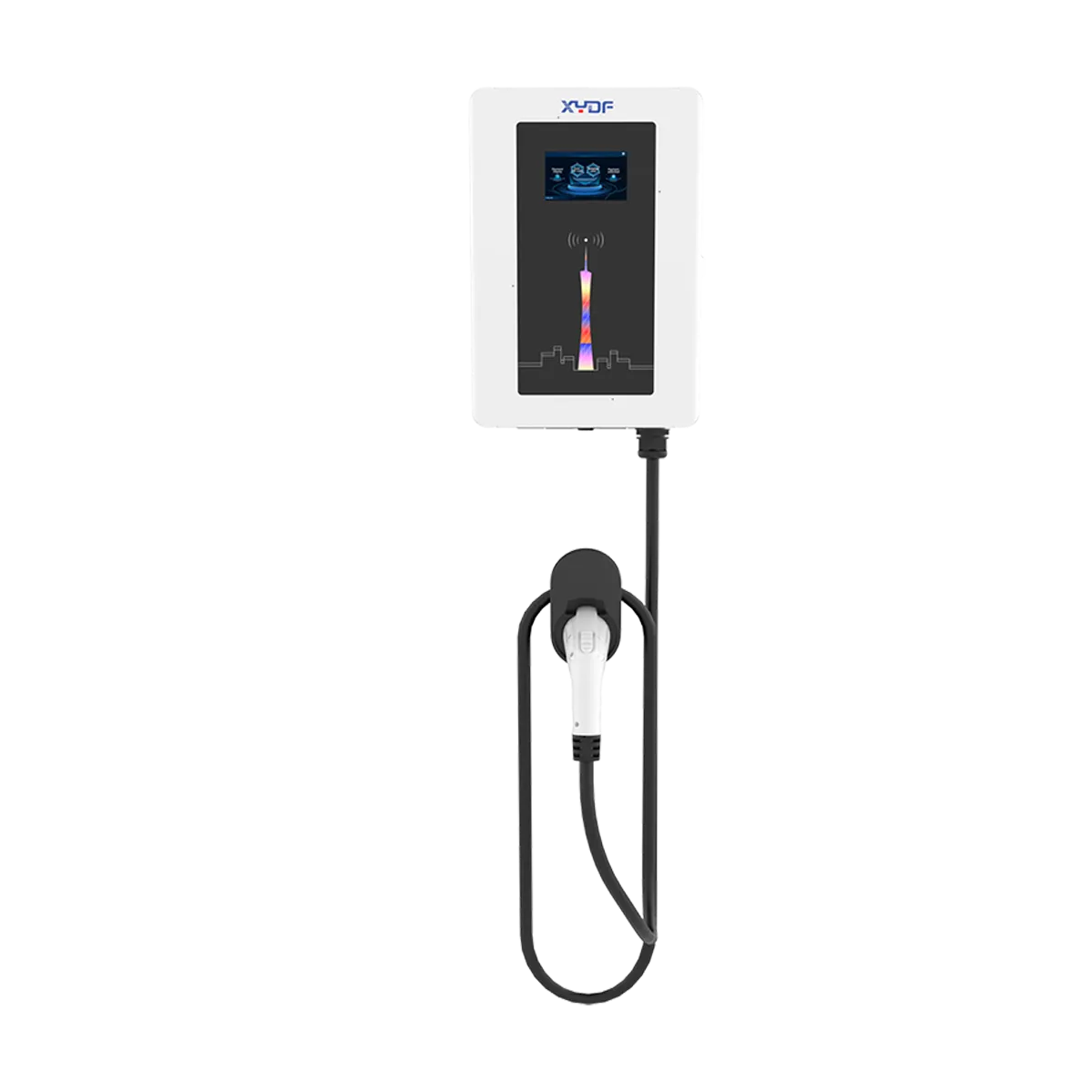
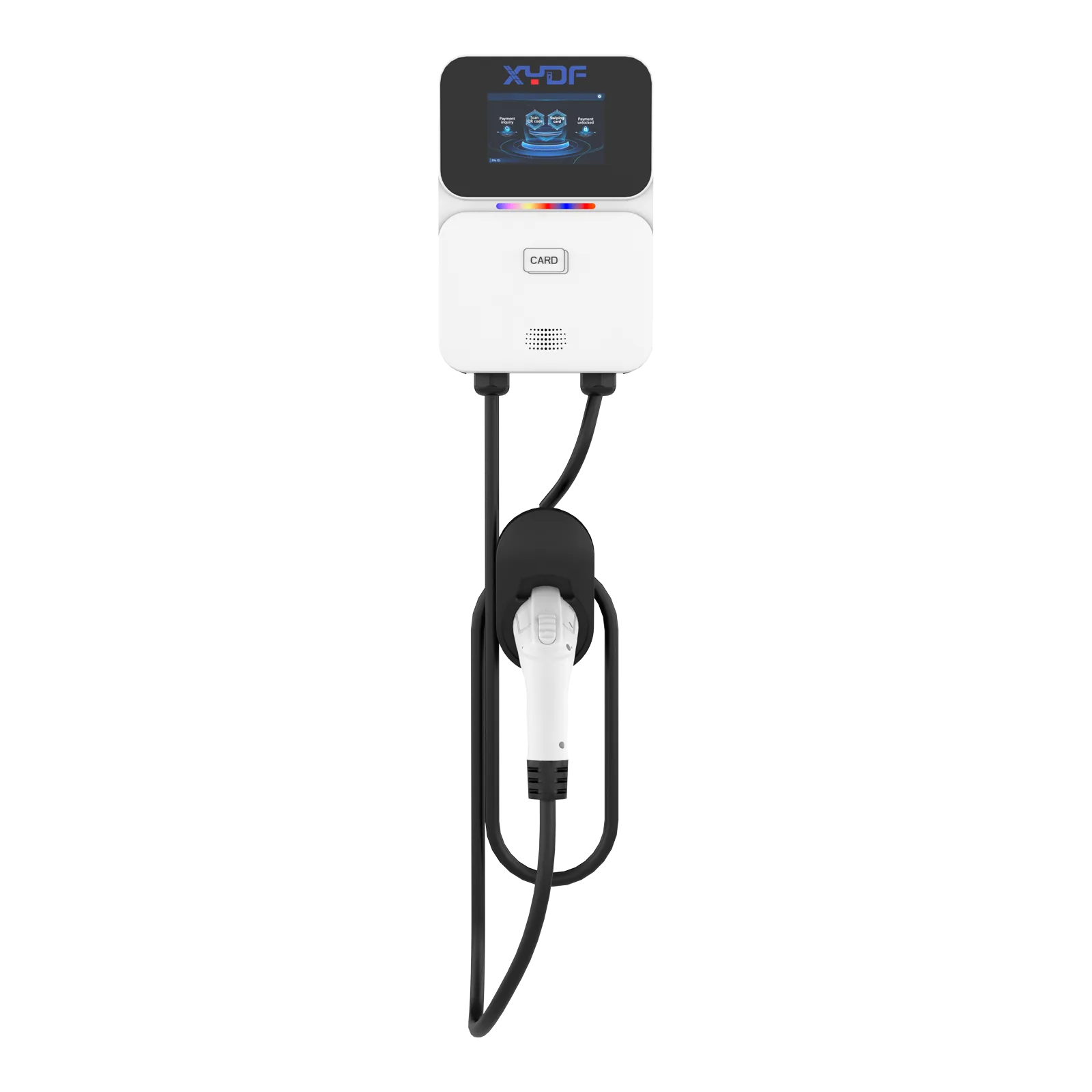
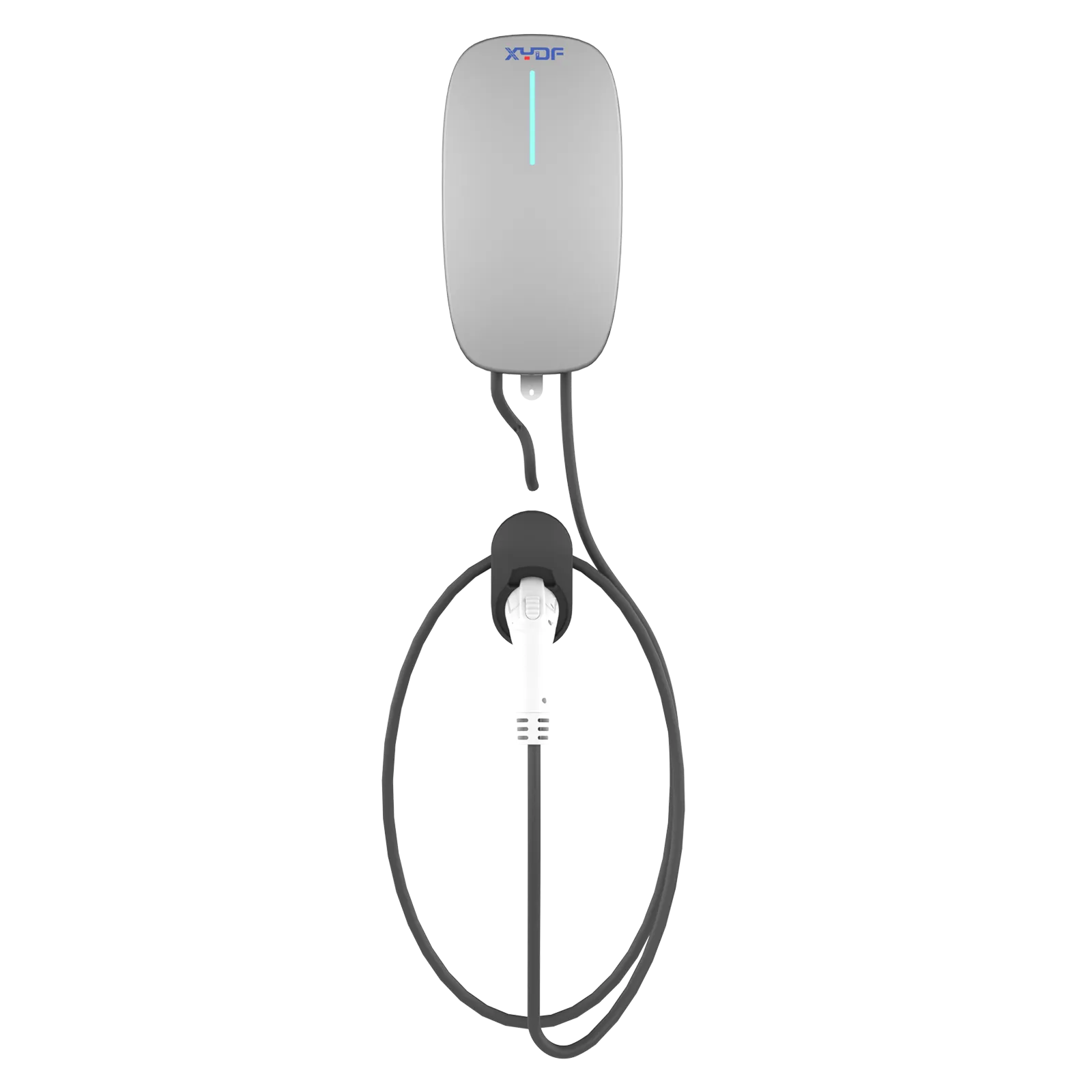
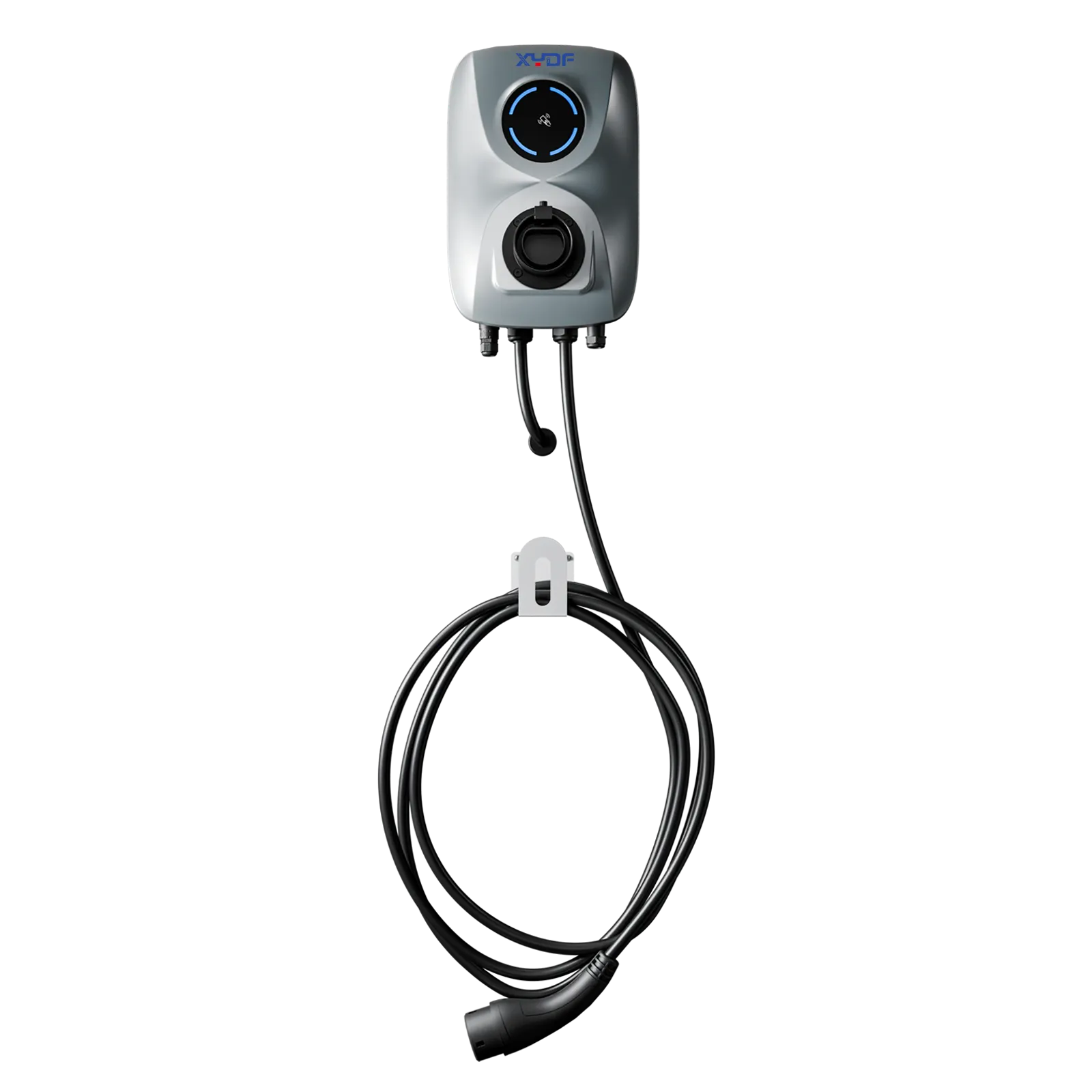
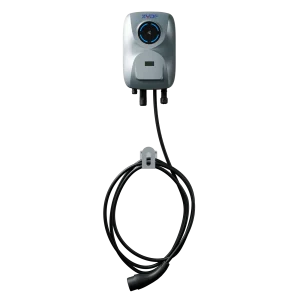
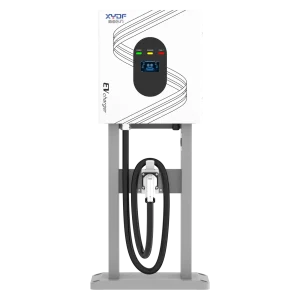
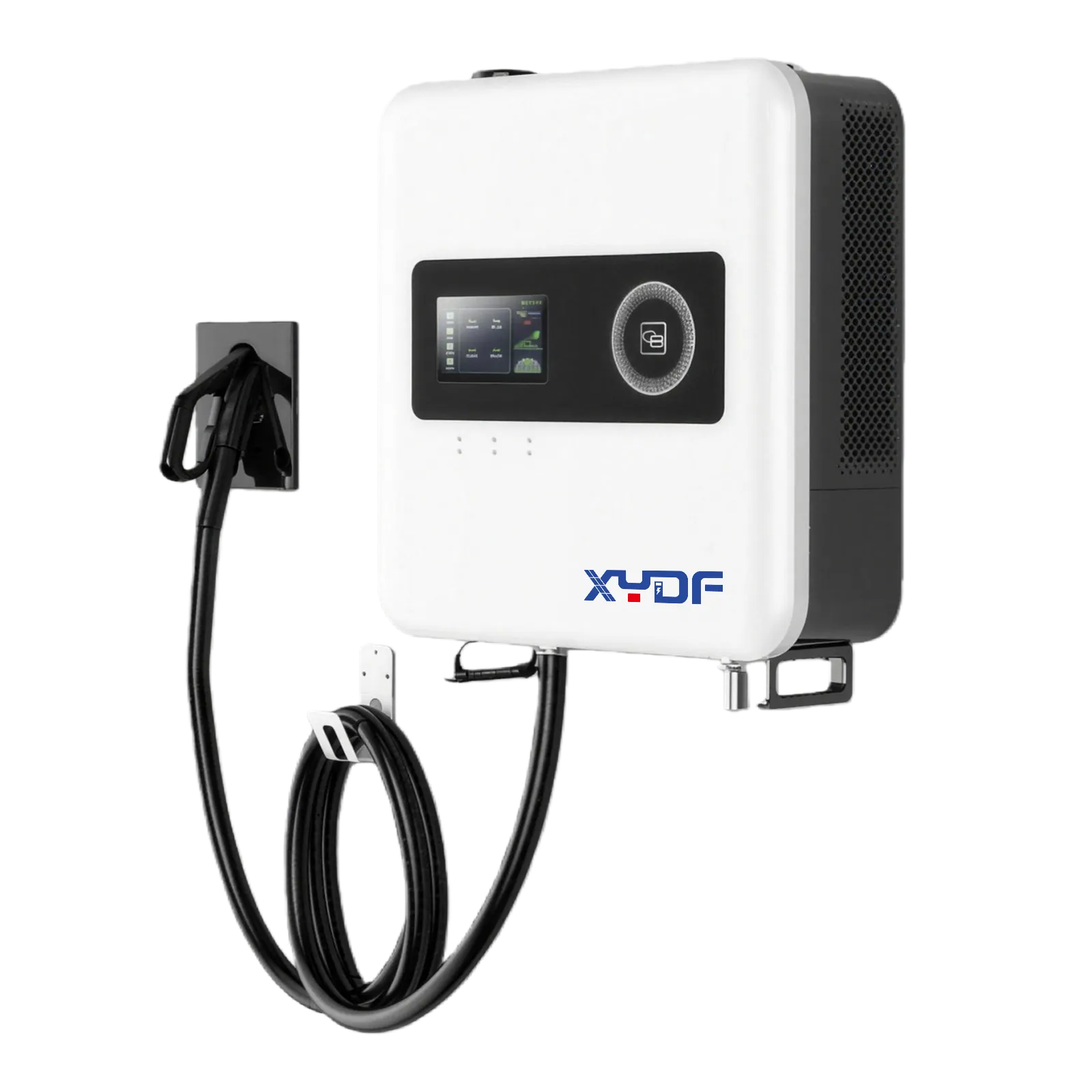
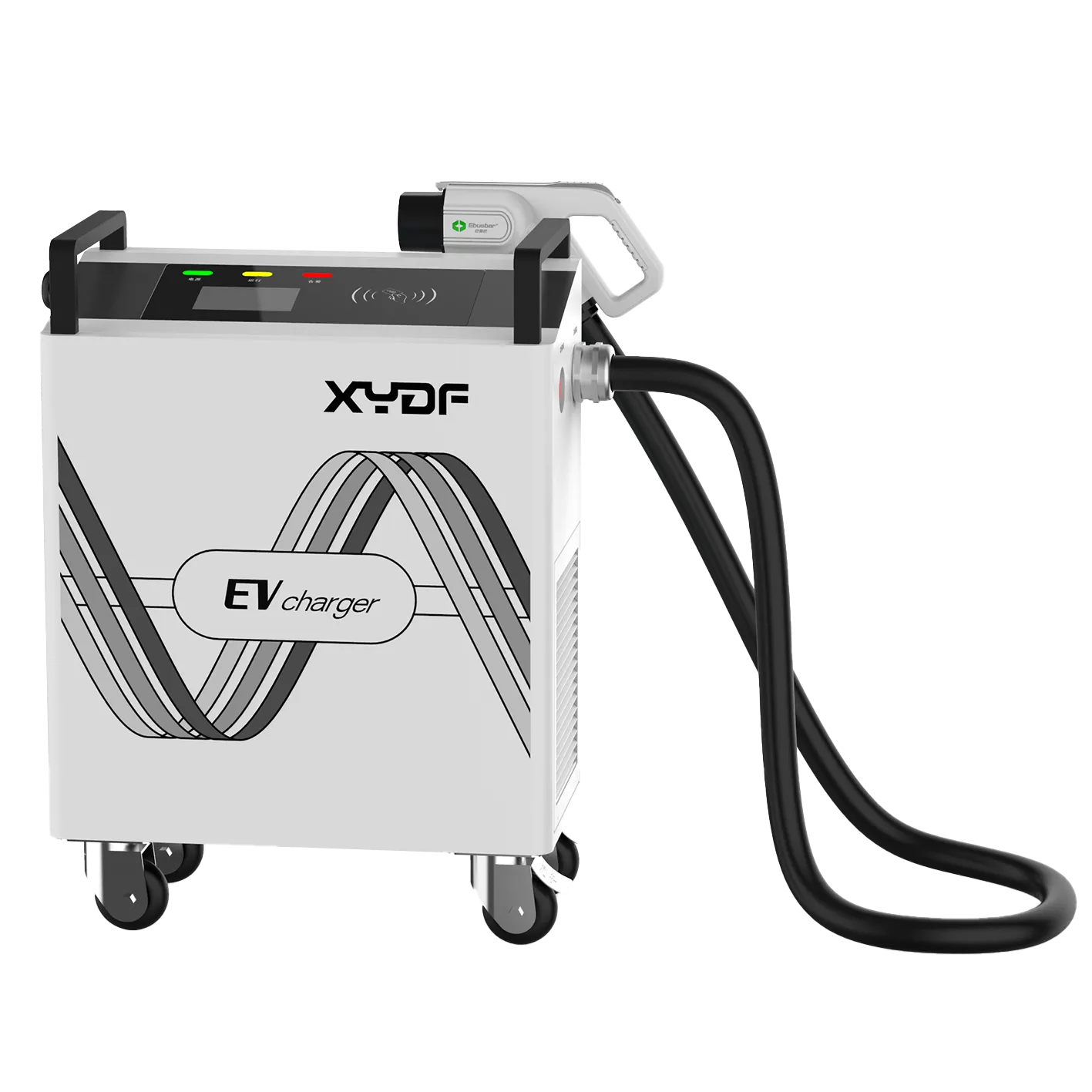
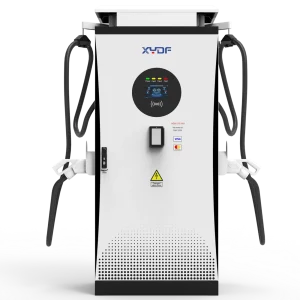
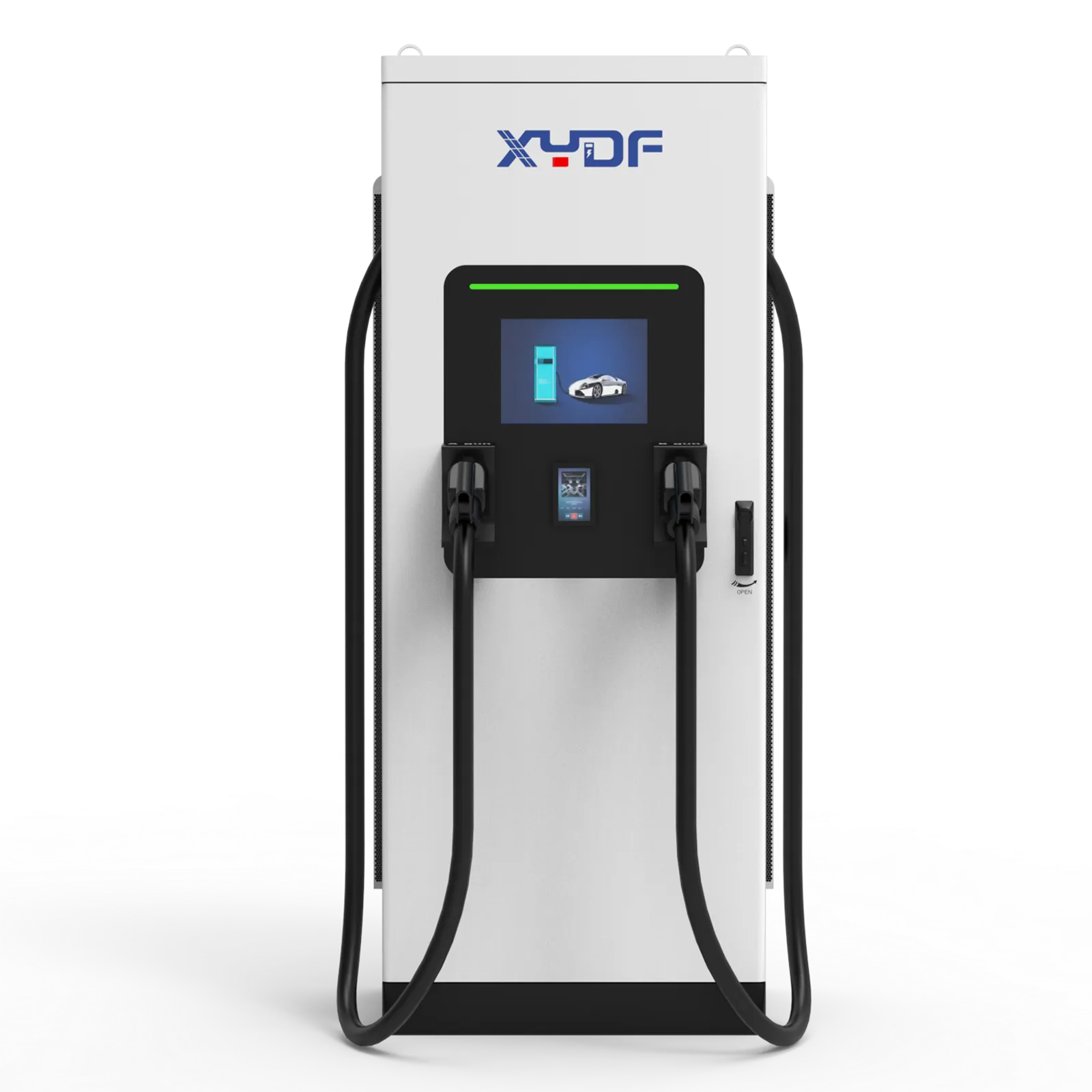
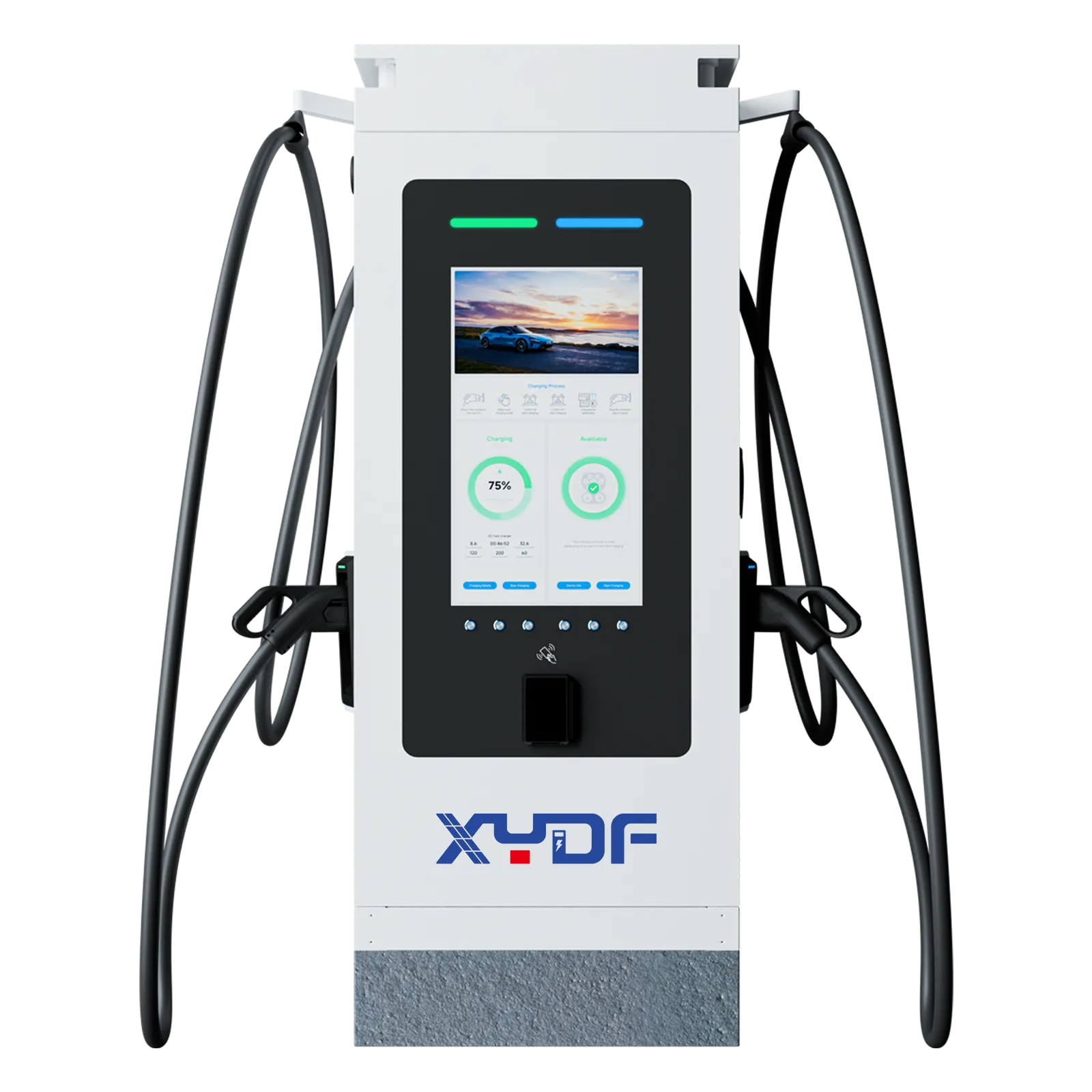
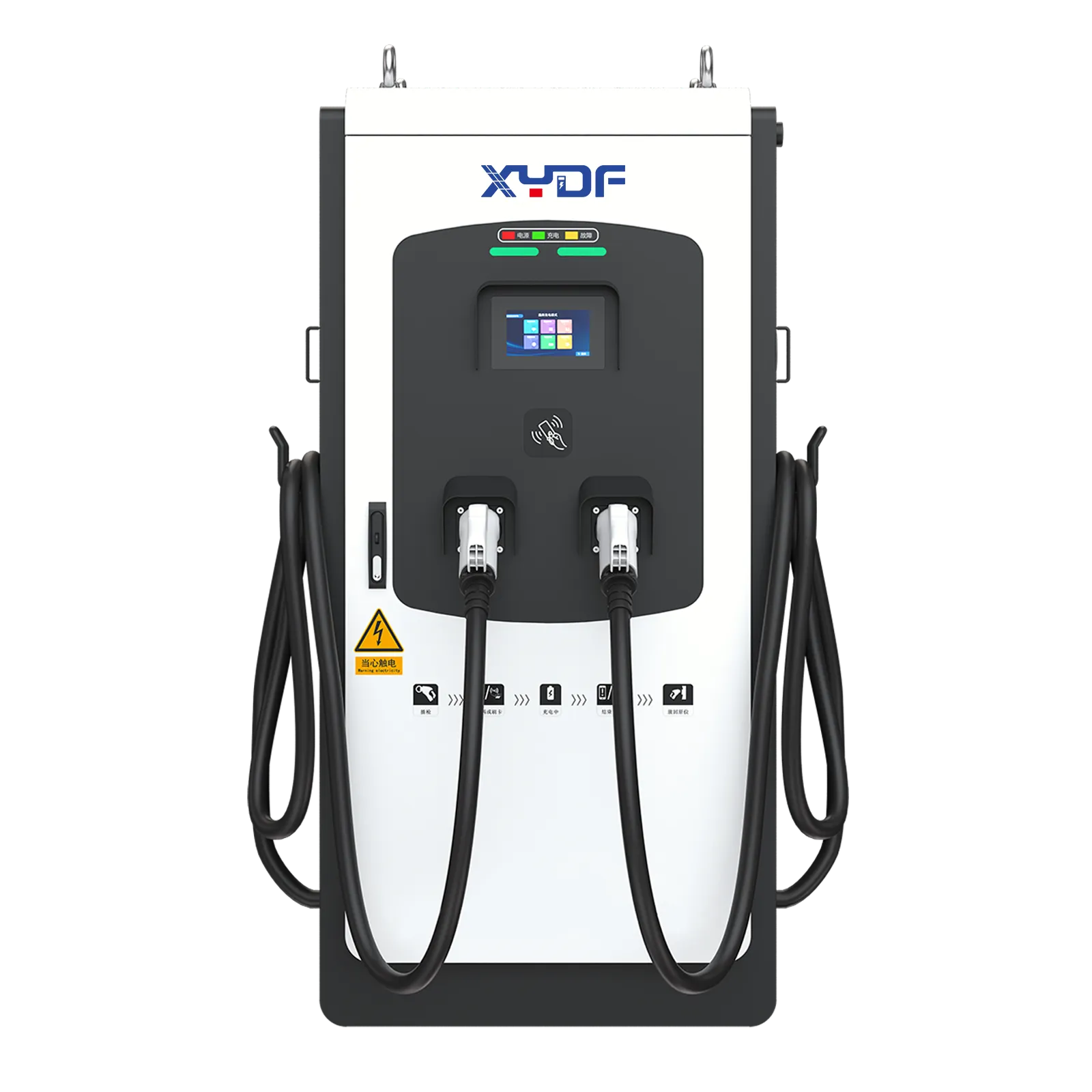
EVs have experienced a rapid increase in popularity due to their low emission characteristics. Consequently, EV charger options have become plentiful as well, providing different charging methods for all EVs out there today. Therefore, it is important that you take the time to find and purchase the best option for you to make your EV experience as simple as possible, while also saving you money through efficient charging practices over time. This article will do a great job of providing you with an overview of various types of EV chargers, along with essential considerations when exposing yourself to the multitude of available solutions. Whether you’re new to the EV world or want to upgrade your current charger solution, this article will provide you with the necessary information to make an informed purchase in the marketplace for EV chargers.
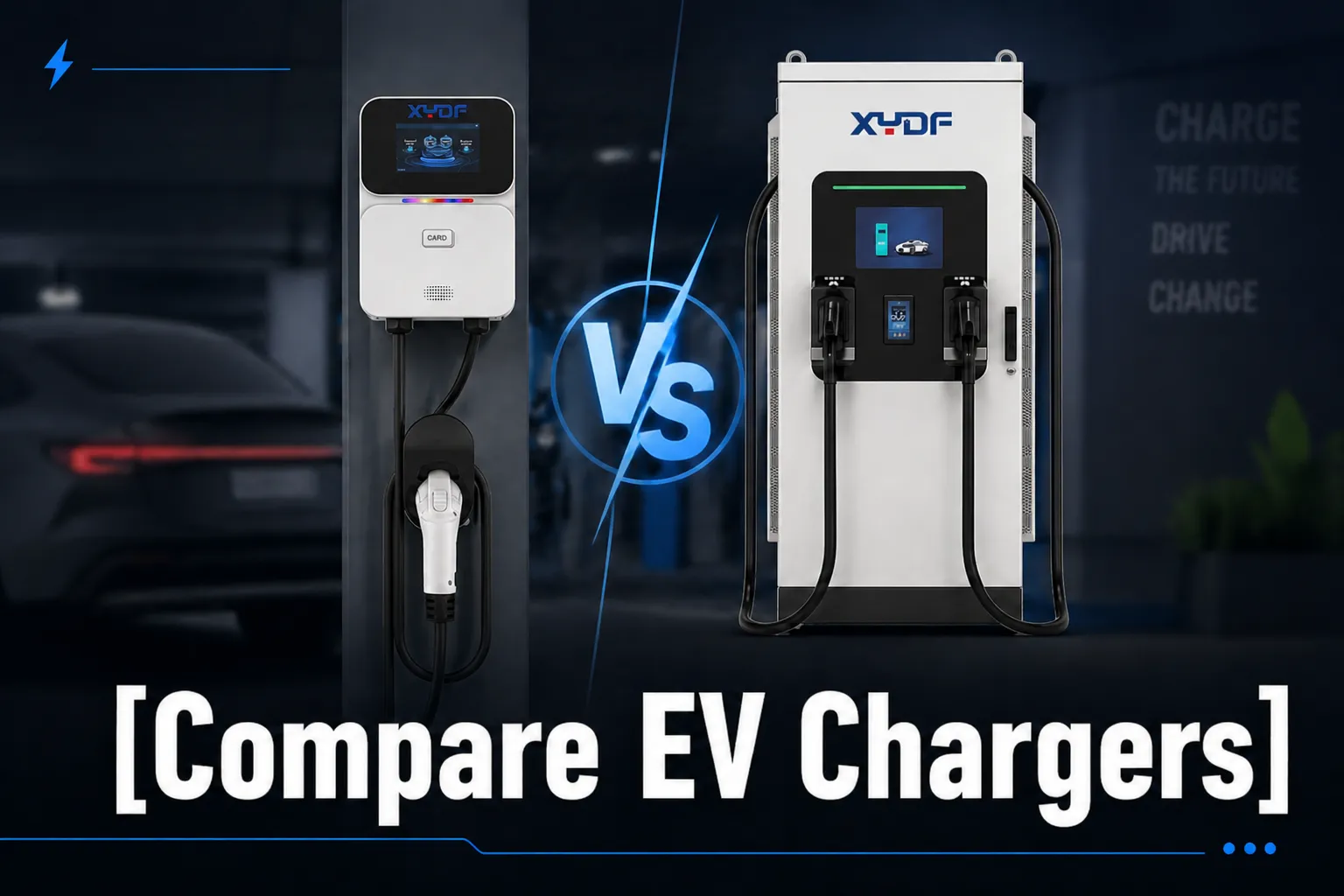
One reason you might want to compare and contrast EV chargers is because of the different types; it will be necessary to compare the chargers to one another before making an impulse purchase. This will help prevent having a charger that doesn’t properly connect to your car, charging at slower rates, or charging your car at a greater expense due to how much electricity is used while charging. A proper comparison of EV chargers will ensure that you invest in an option that is appropriate for your vehicle’s specs, sufficient to meet your charging needs, and can be purchased within your budget.
The following are the factors to consider when comparing classes of EV chargers:
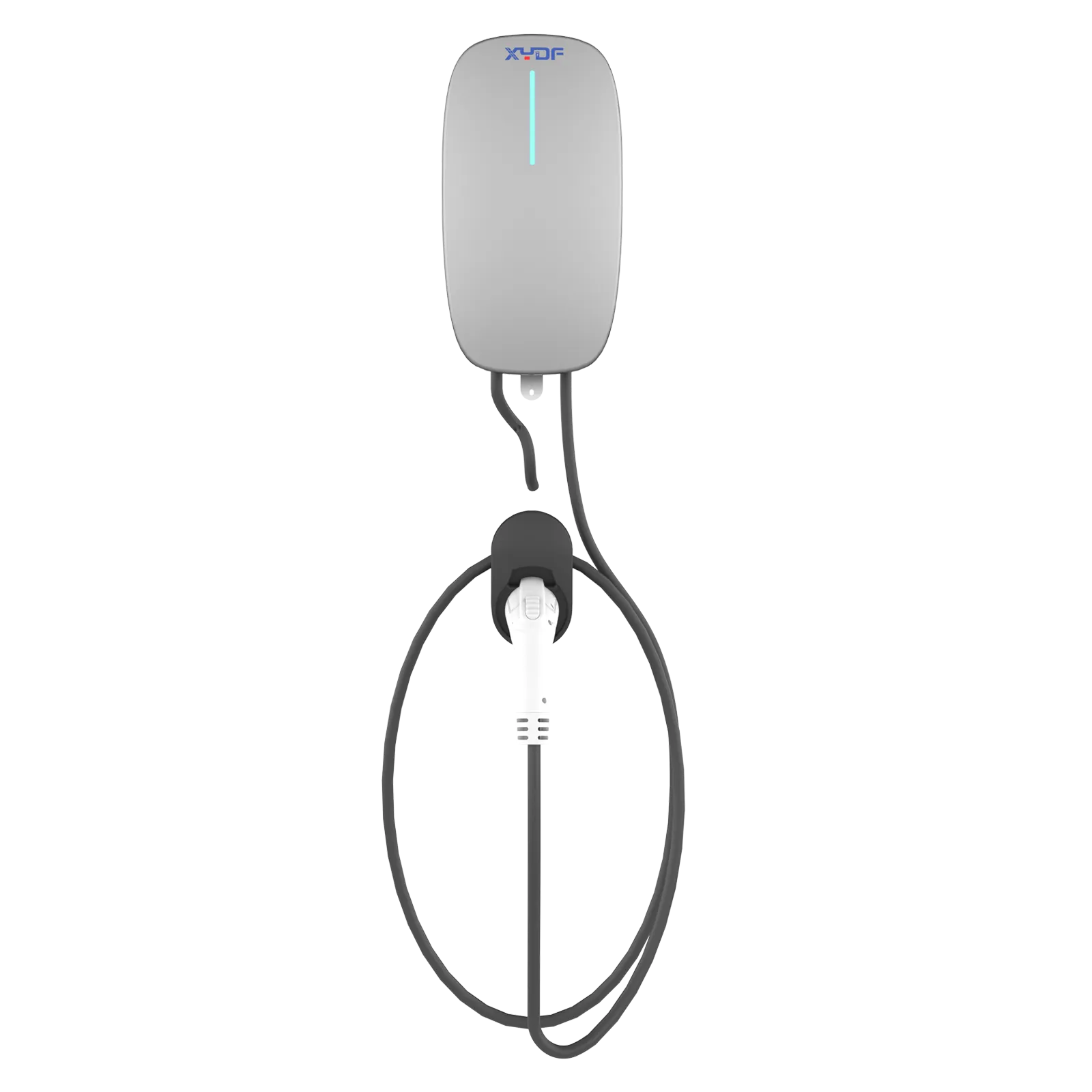
In choosing EV chargers, you will find five areas of comparison that should influence your selection:
1. Connector Type and Compatibility
It is extremely important that EV chargers are compatible with the vehicle’s charging port. The majority of EVs made in North America utilize the J1772 connector; however, Teslas require an adapter in order to plug into non-Tesla EV chargers.
2. Charging Speed and Power Output
Charge speed is a critical element of the selection. A charger that delivers electricity at an optimal charge-speed can usually be measured in kilowatts (kW). For example: Level 1 chargers operate on 120 volts and take the longest to fully charge a battery. Level 2 charging stations run on 240V and have a considerably faster charging rate than other station types. DC fast charging is only available in public locations; at home, you cannot charge your vehicle quickly with DC fast charging stations.
3. Cost and Available Incentives
The cost of purchasing an EV charge station varies greatly by feature set, but generally, they range in price from $500 to $5,000 before your local utility rebate or program. When comparing EV chargers, it’s important to figure out how much you can afford to spend and what can be redeemed through rebates or incentives for any EV charger you purchase.
4. Installation Requirements and Access
Some chargers can require specific installation requirements, including permits, based on the type of charger you purchase and where you will install it. Before installation, consult with your local building department or electrical inspector to make sure that any installation requirements apply to your charger installation.
5. Smart Features
Some EV chargers offer smart features such as WiFi connectivity, mobile applications for monitoring battery power, energy usage, and tracking of EV energy used. You should also try to incorporate smart features into your EV charger connection, as they will save you time and energy by allowing you to track and manage how much your vehicle is using through your home charge port.
Most new model electric vehicle chargers include additional features such as:
When considering functionality and technology, select a smart EV Charger for your convenience!
When installing a Level 2 charger in your home (120V to 247V), you will typically need either an existing 240V outlet or an electrically accessible circuit, or you may require the professional installation of a new charger. You will need to contact your local building authority to determine what permits or inspections are necessary. Additionally, renters or partners should obtain written permission from property owners before starting any work.
Some of the above manufacturers (e.g., ChargePoint, JuiceBox, Wallbox) have excellent reputations for producing quality products that last a long time and offering outstanding customer support. Reviewing the warranty on chargers provides buyers with peace of mind, protecting them against any defects that may arise from the product.
We’ve done our research and compiled a listing of the most popular home-use electric vehicle chargers so you can make an informed buying decision:
| Charger | Power Output | Smart Features | Approx. Price Range (USD) |
ChargePoint Home Flex | Up to 50 Amps | WiFi, app control, Alexa integration | $700 – $800 |
JuiceBox 40 | 40 Amps | WiFi, energy tracking, app scheduling | $600 – $750 |
Consider whether the electric vehicle charger is compatible with your vehicle and connector type first. Once this is established, start thinking about charging speed, installation, whether you will benefit from smart features, and finally, price and warranty, which will also impact your decision.
With charging speeds nearly 4 times quicker than Level 1 chargers, Level 2 chargers are typically recommended for any EV owner. While Level 2 chargers generally involve higher initial purchase and installation costs, they ultimately offer savings in time and energy costs over the life of the vehicle. Therefore, yes, Level 2 chargers are worth it.
If you plan to install multiple Level 2 chargers, you will likely need to hire a licensed electrician to ensure your home’s electric service can handle the added load and to manage any necessary breaker replacements. For a single Level 2 charger, DIY installation may be possible, but hiring a professional ensures correct installation and operation.
Yes, it is possible to install multiple chargers, but you should first confirm that your home’s electrical system can support the additional demand. If upgrades to the electrical panel are needed, consult with an electrician before installation.
Finding the proper charger and connector for your electric vehicle may seem like a daunting task, but by identifying your needs and understanding the available options, the process becomes much more manageable. Key factors to consider include power output, charging speed, electrical service requirements, and whether to choose a smart charger for advanced functionalities. Regardless of your preferences, there is an ideal electric vehicle charger to suit your needs. Take the time to conduct thorough research and invest in a charger that makes your transition to electric driving seamless and efficient.
 Xinya Dongfang Electricity Technology Co., Ltd.