Concerns about EV chargers availability are increasing as more and more people use EVs worldwide every day. The lack of charging station infrastructure is a significant concern for EV buyers; many buyers do not know if they will be able to utilize their EVs adequately once they purchase them, and this fact becomes a major obstacle for buyers when making a decision to purchase an EV. This article will provide you with a brief overview of the existing obstacles when obtaining enough chargers to allow for an adequate number of EVs to be on the road, and the ways that you can overcome these challenges to become a prospective EV buyer and have access to all the information you need to make an informed EV purchase.
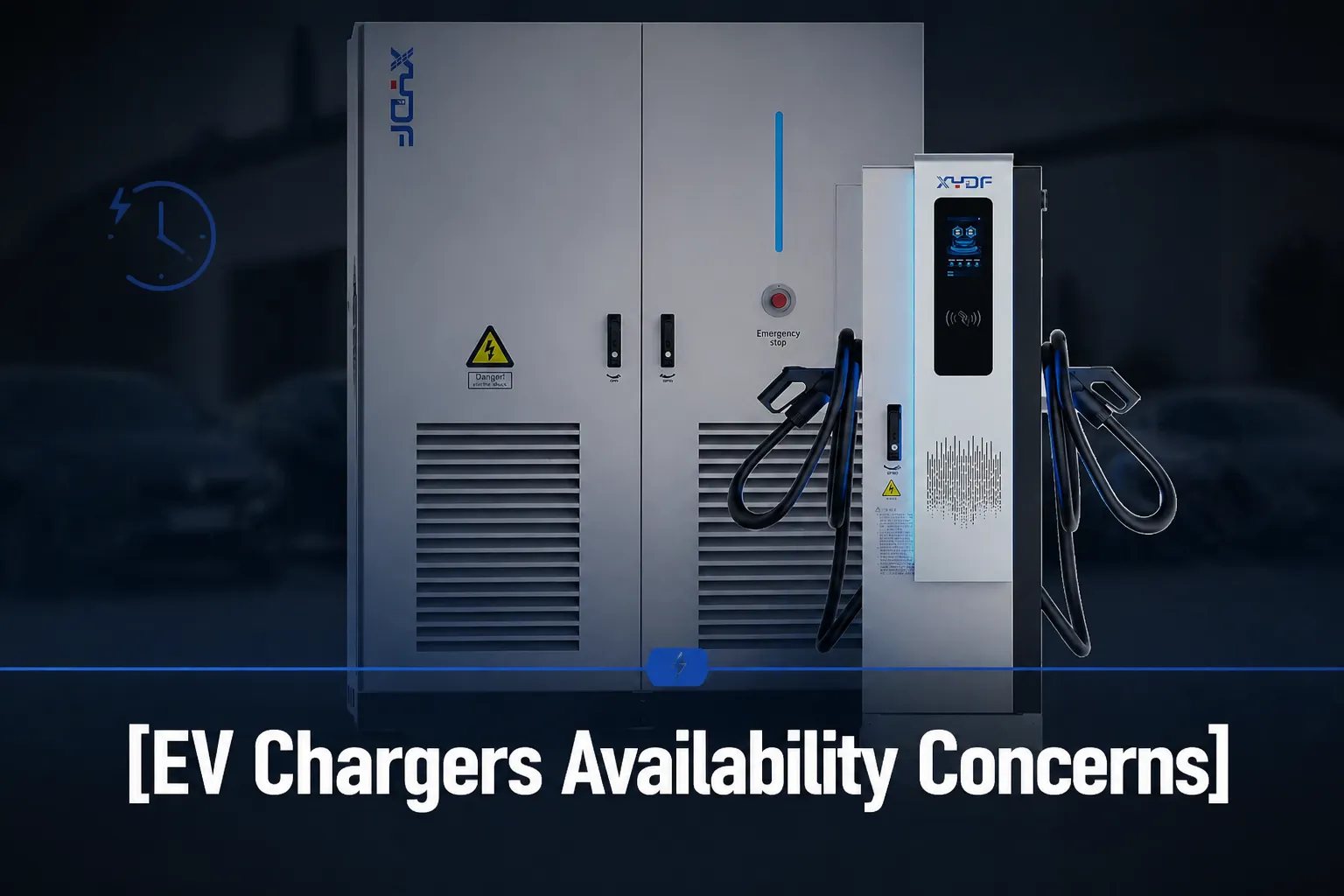
The state of the EV charging infrastructure is evolving rapidly. Currently, there are millions of EVs worldwide, and the growth of the EV market has created one of the most frequently asked questions by prospective EV buyers. For example, “Will there be enough charging stations as the number of EVs on the road continues to increase?” There are a lot of responses to this question, but let’s focus on what China, the US, and Germany are doing to expand their EV charging network.
The federal government has invested heavily in EV charging infrastructure, which will result in significantly more charging stations throughout the US. For example, as of January 2022, there are more than 140,000 public charging stations for EVs in the US, with numerous federal government initiatives in place to further expand that number. Public charging stations tend to have a high concentration in urban areas, but there are many more rural areas in the US that do not have an adequate amount of EV charging stations.
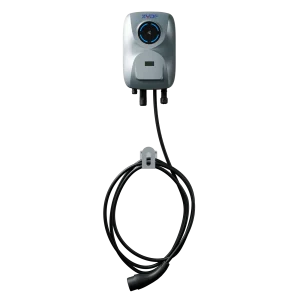
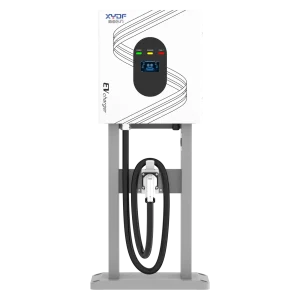
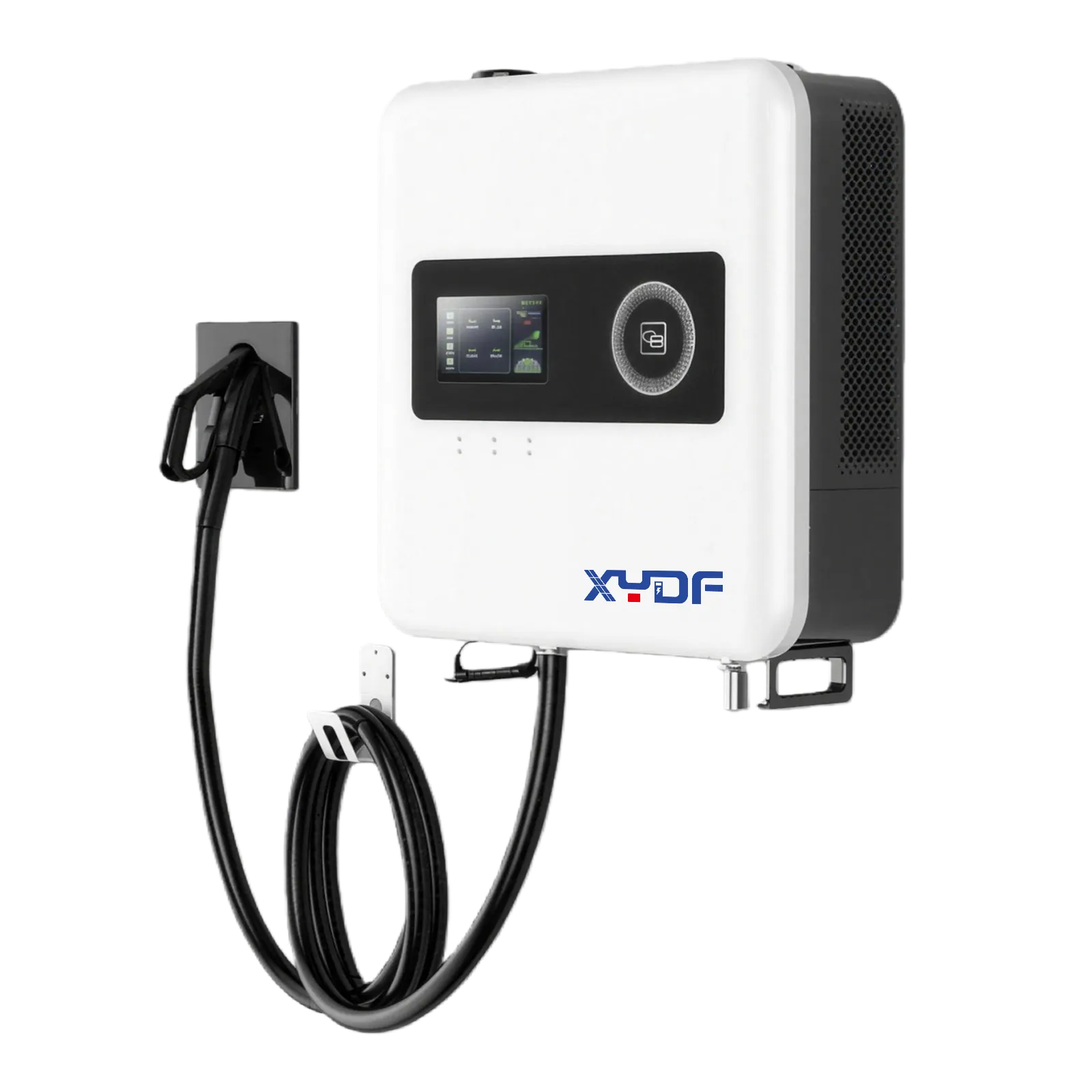
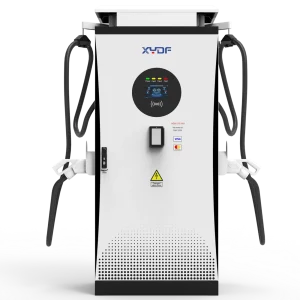
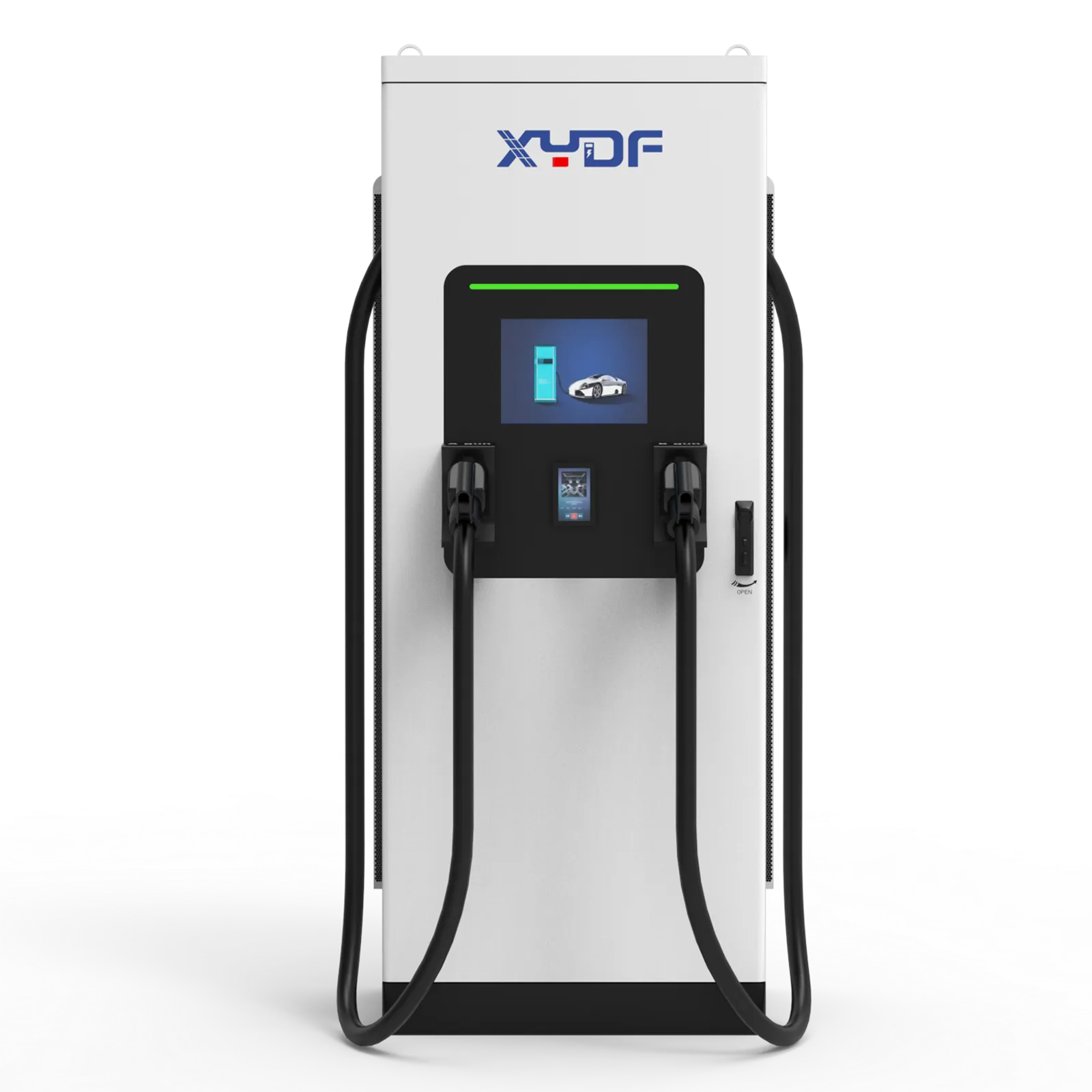
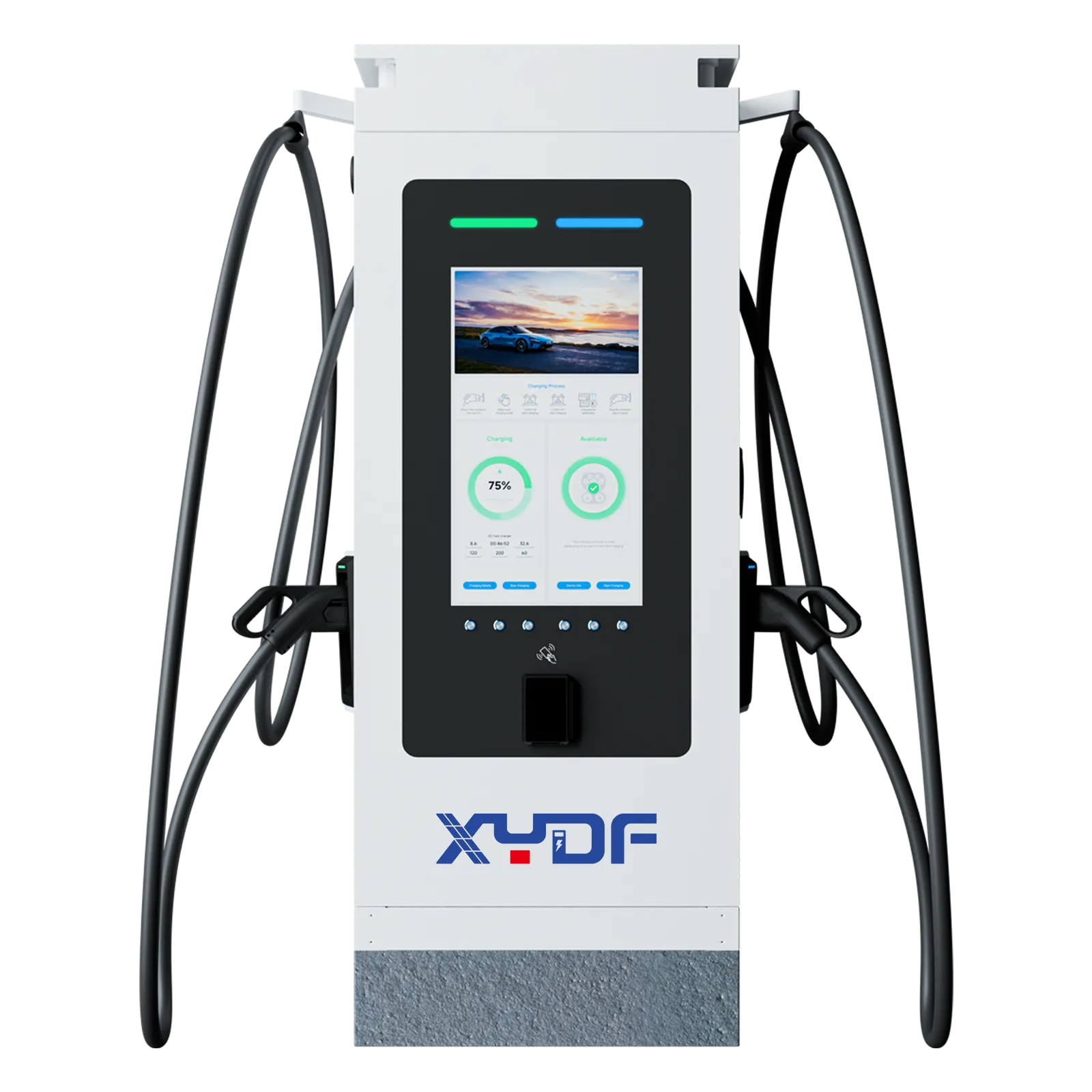
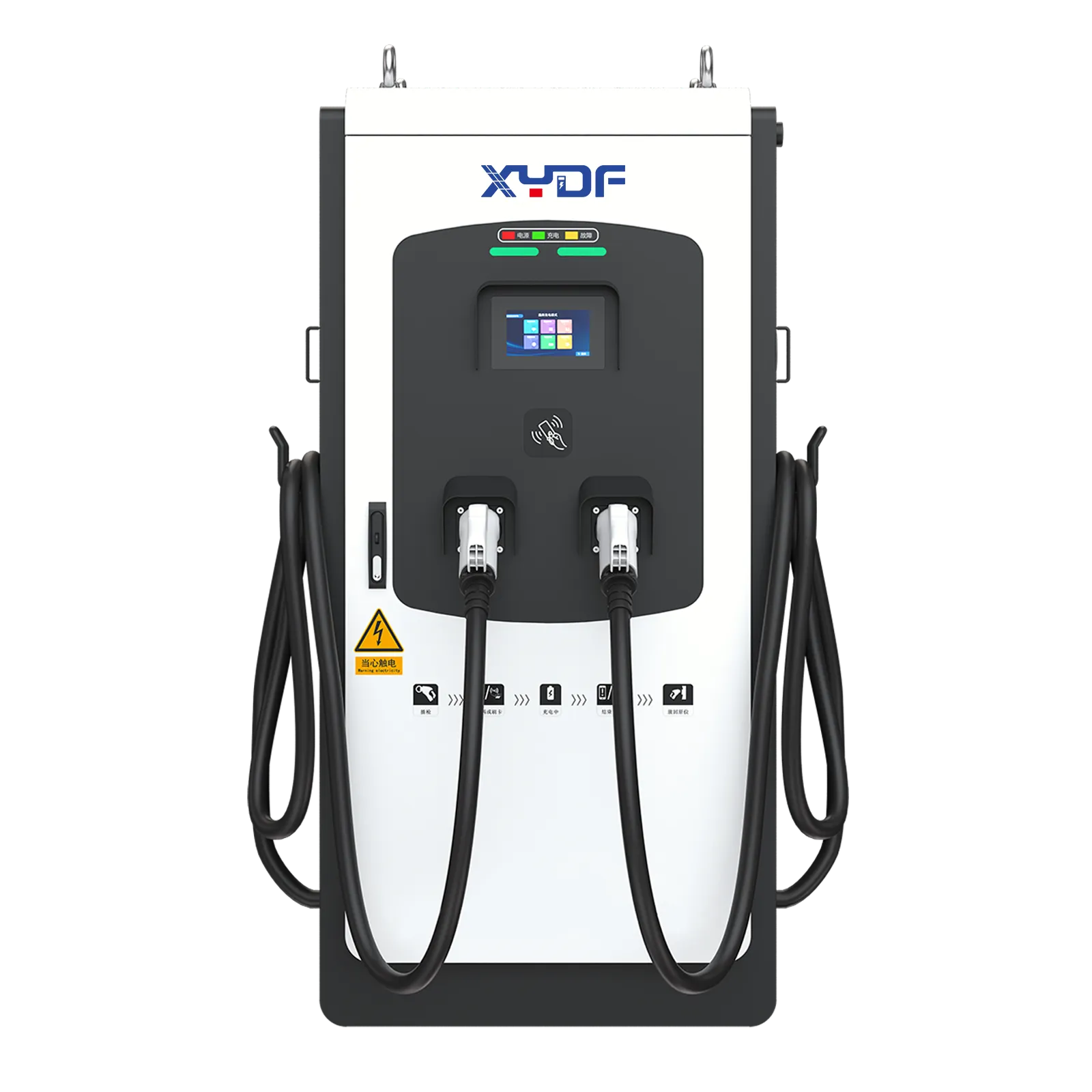
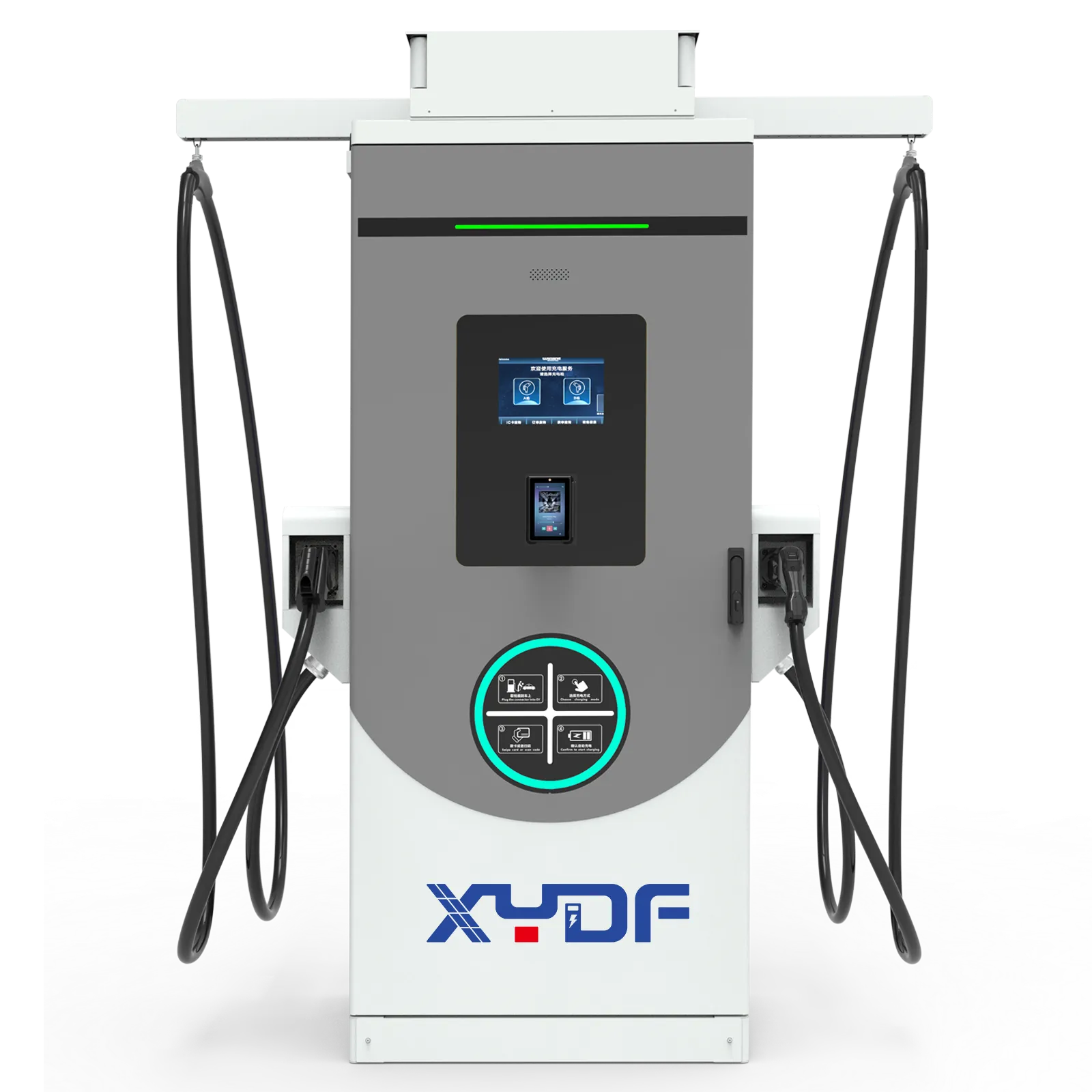
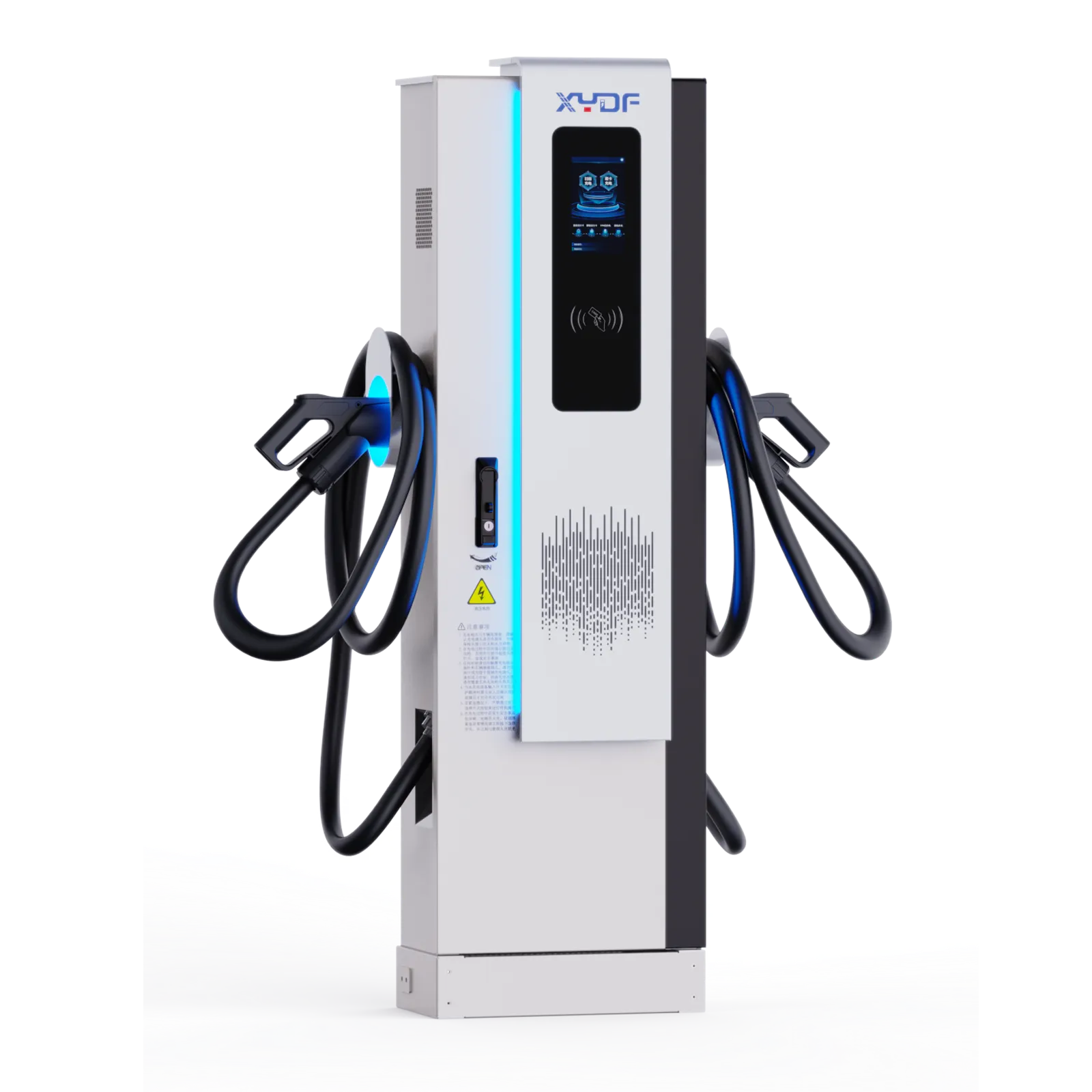
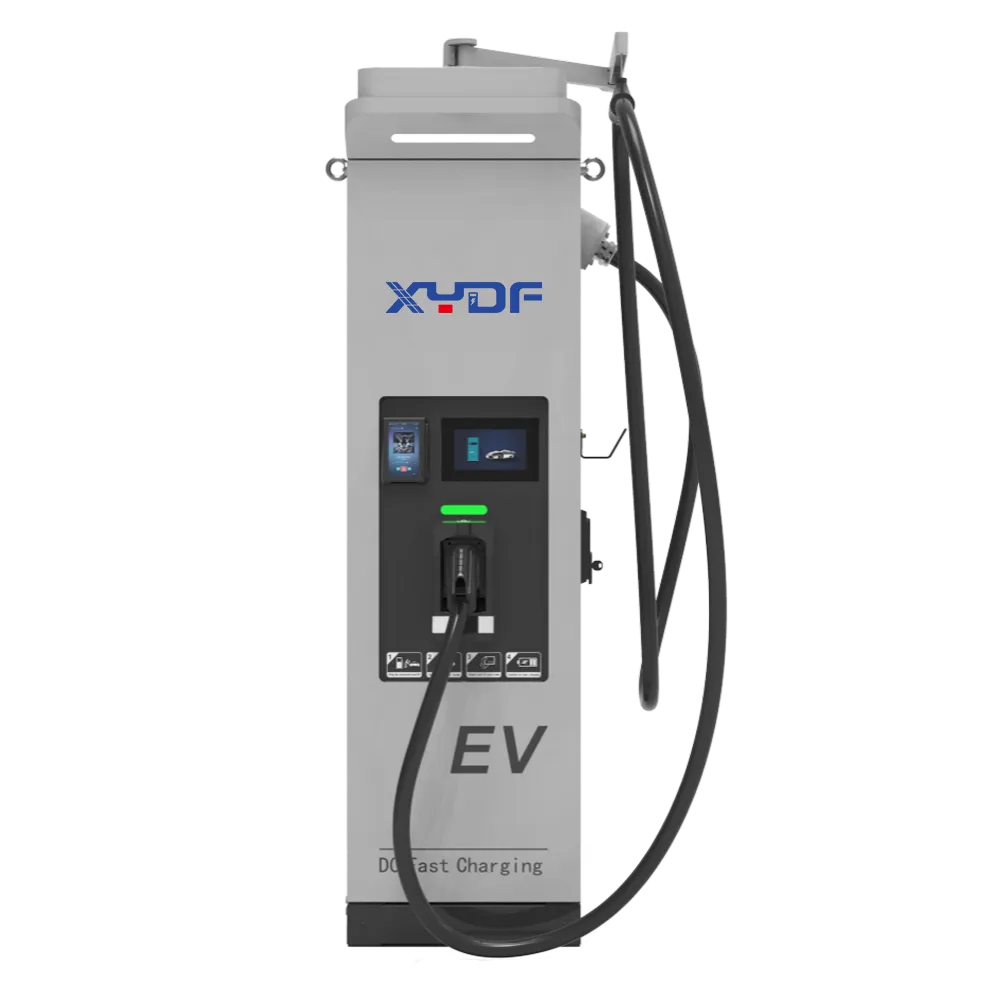
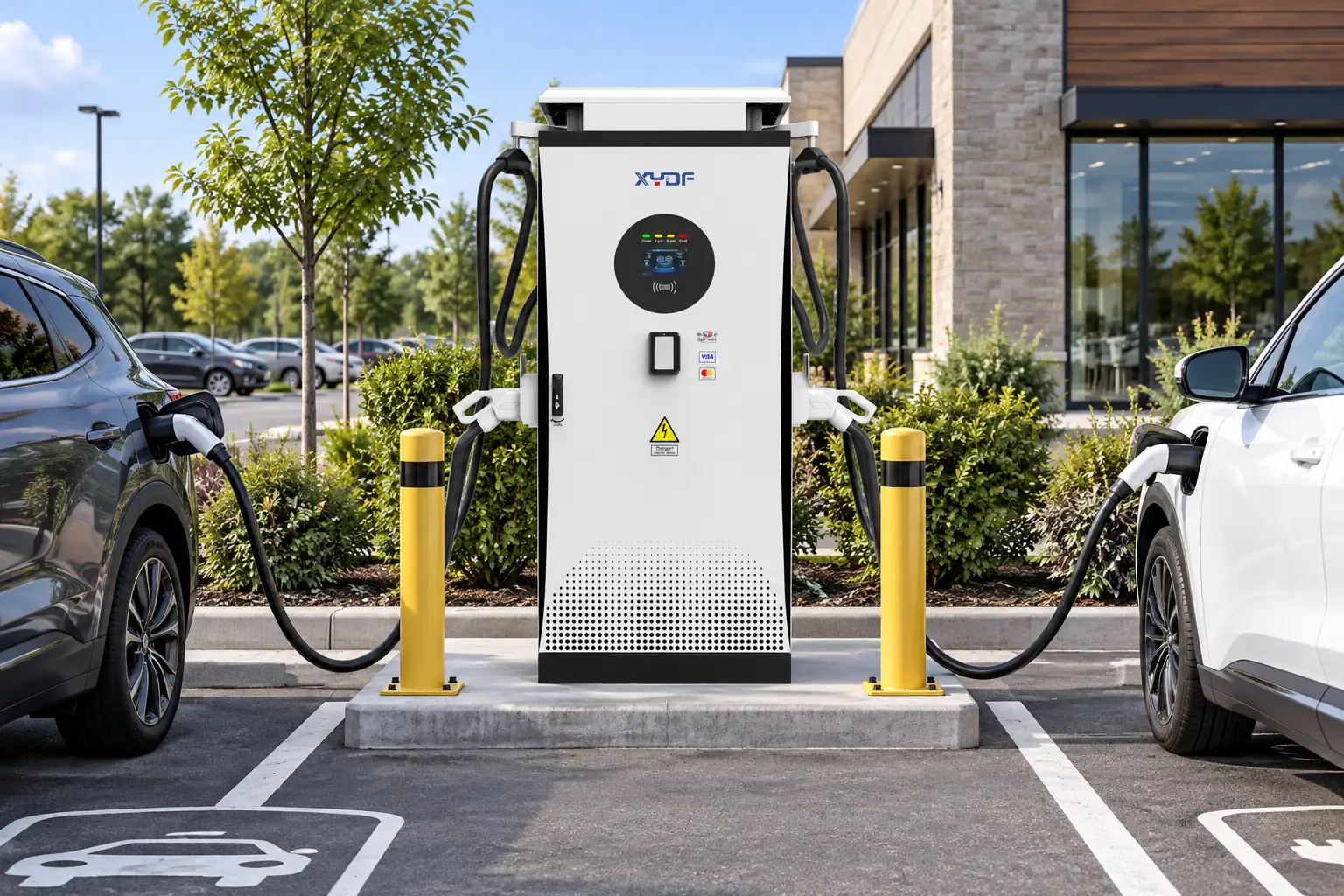
The charging stations vary in size. Electric vehicle charging stations can be divided into three major categories:
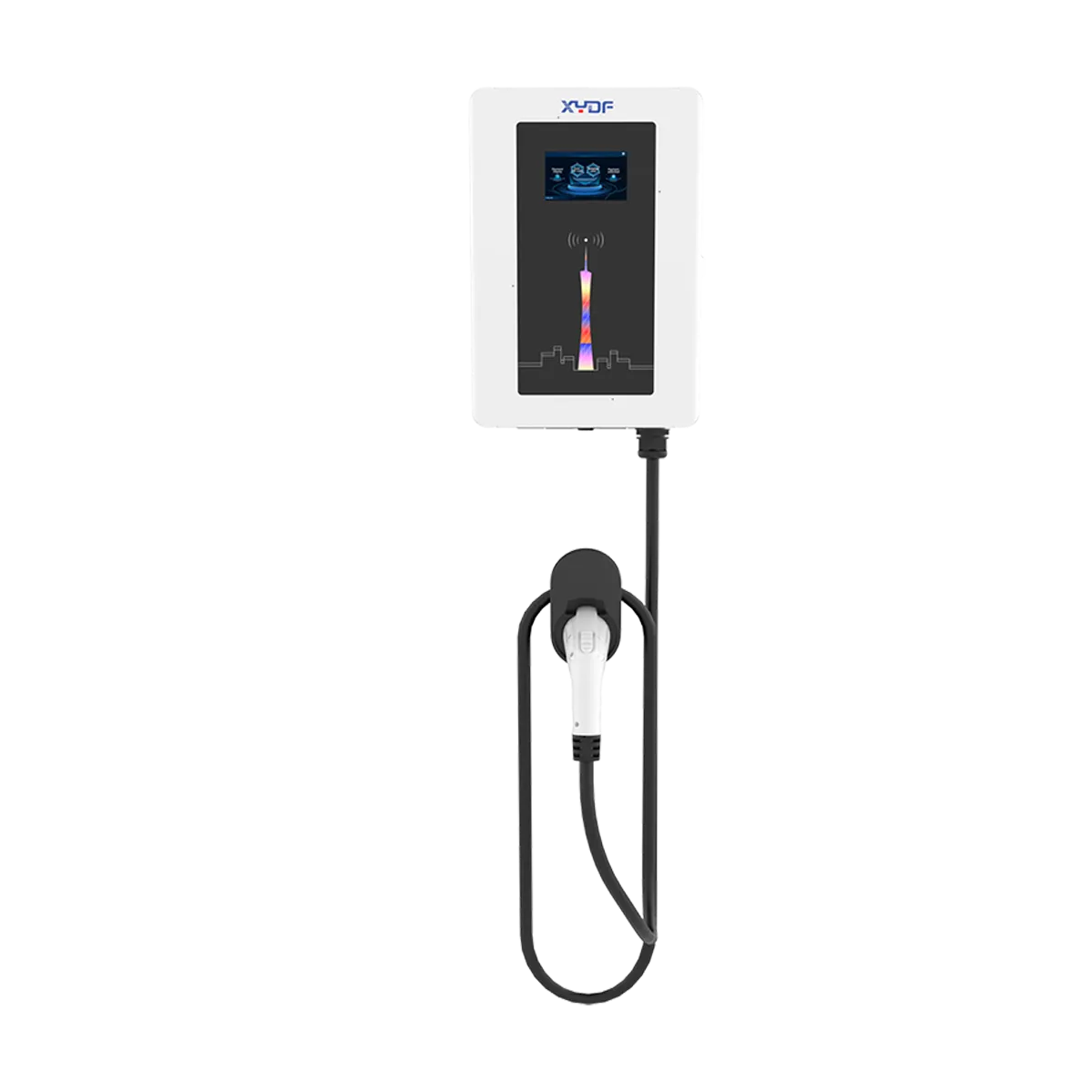
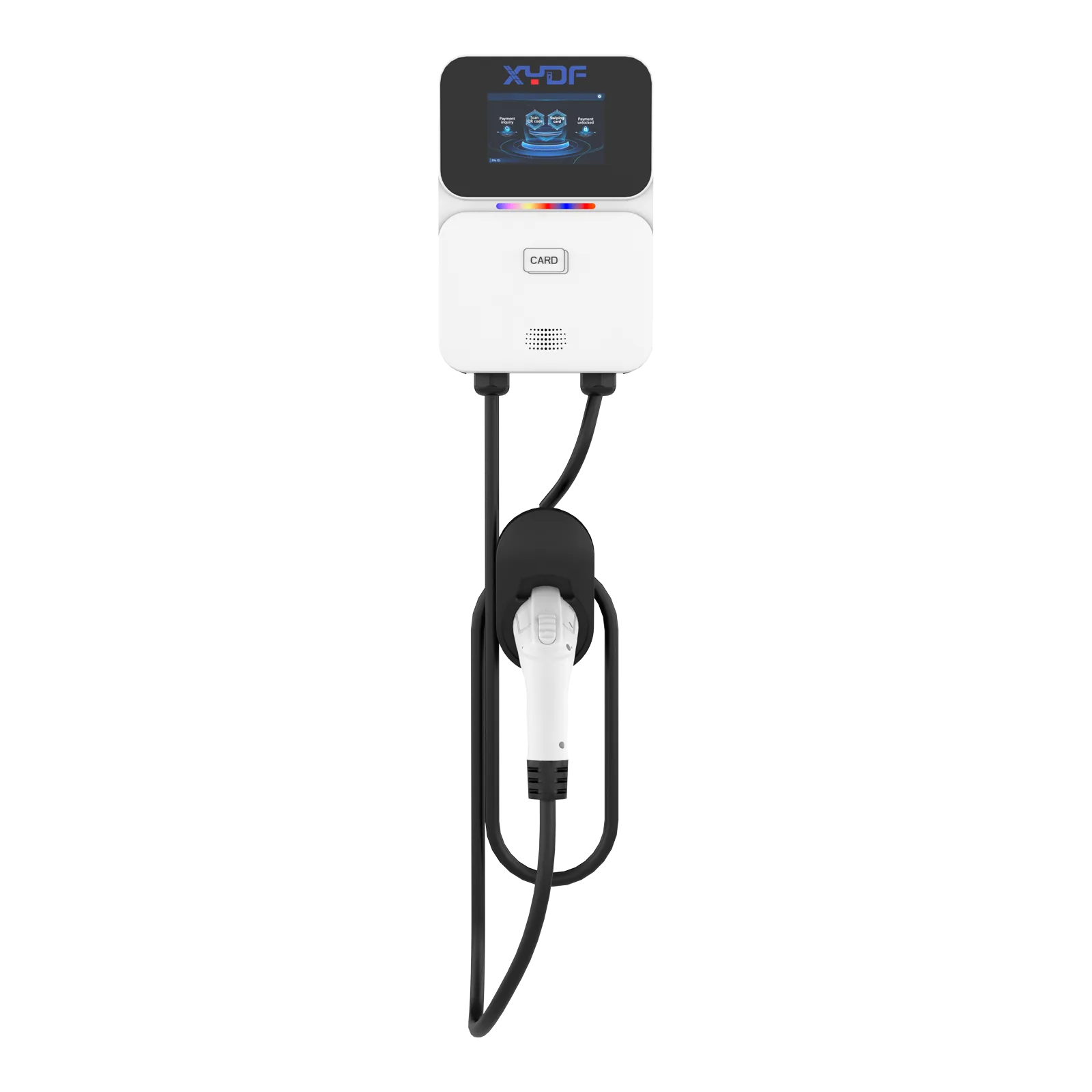
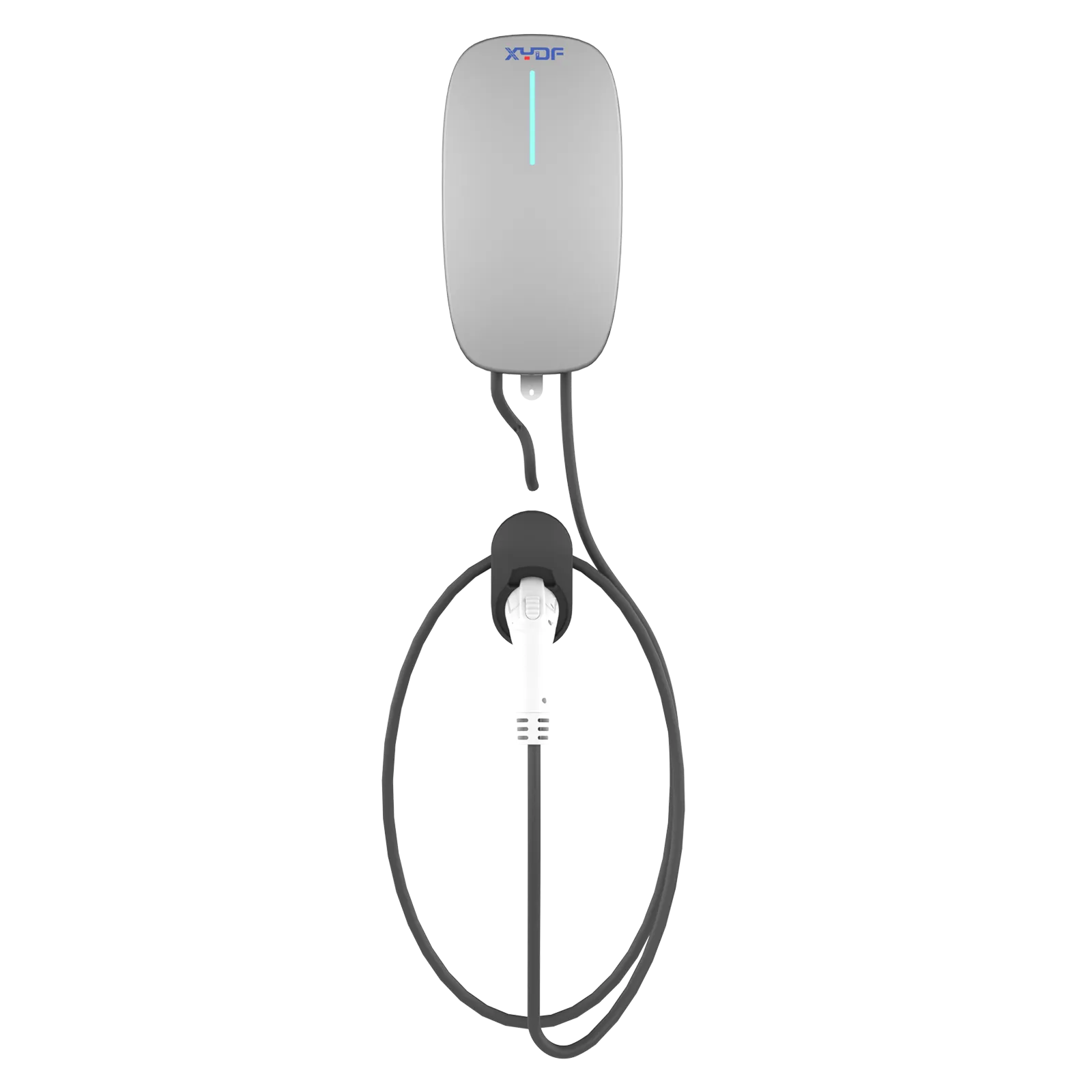
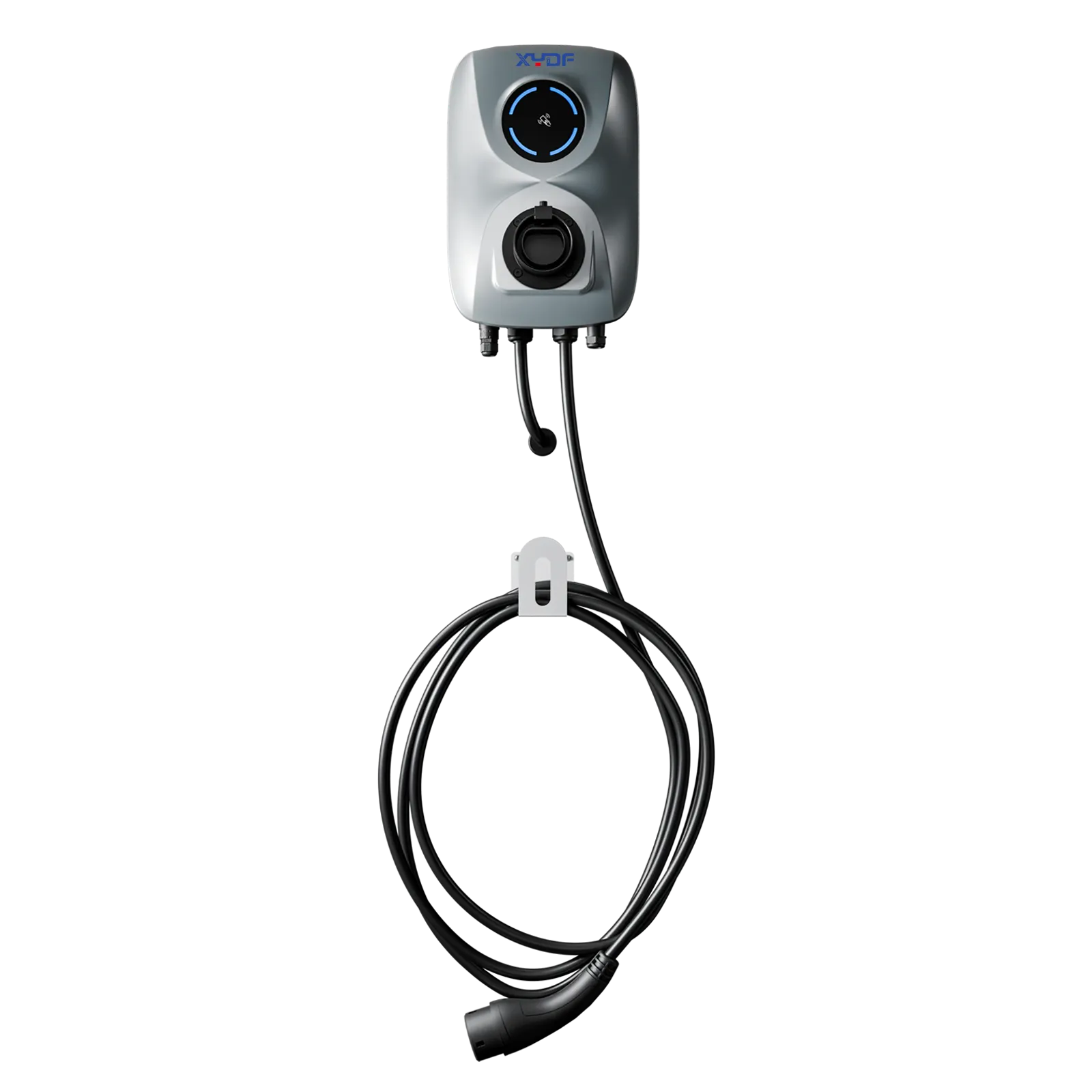
Will using a home EV charging unit solve the issue of having access to an electric charging station? One option that can alleviate some of the anxiety about having no access to a public charging facility is by utilizing a home electric vehicle charging system. Having an electric vehicle charging station installed in your residence enables overnight charging for your electrical vehicle, ensuring that you have access to the vehicle each time you need it in the morning.
Generally, most families can meet their requirements with both a home charger and an occasional public charge.
If you plan to purchase your own electric vehicle home charger, consider:
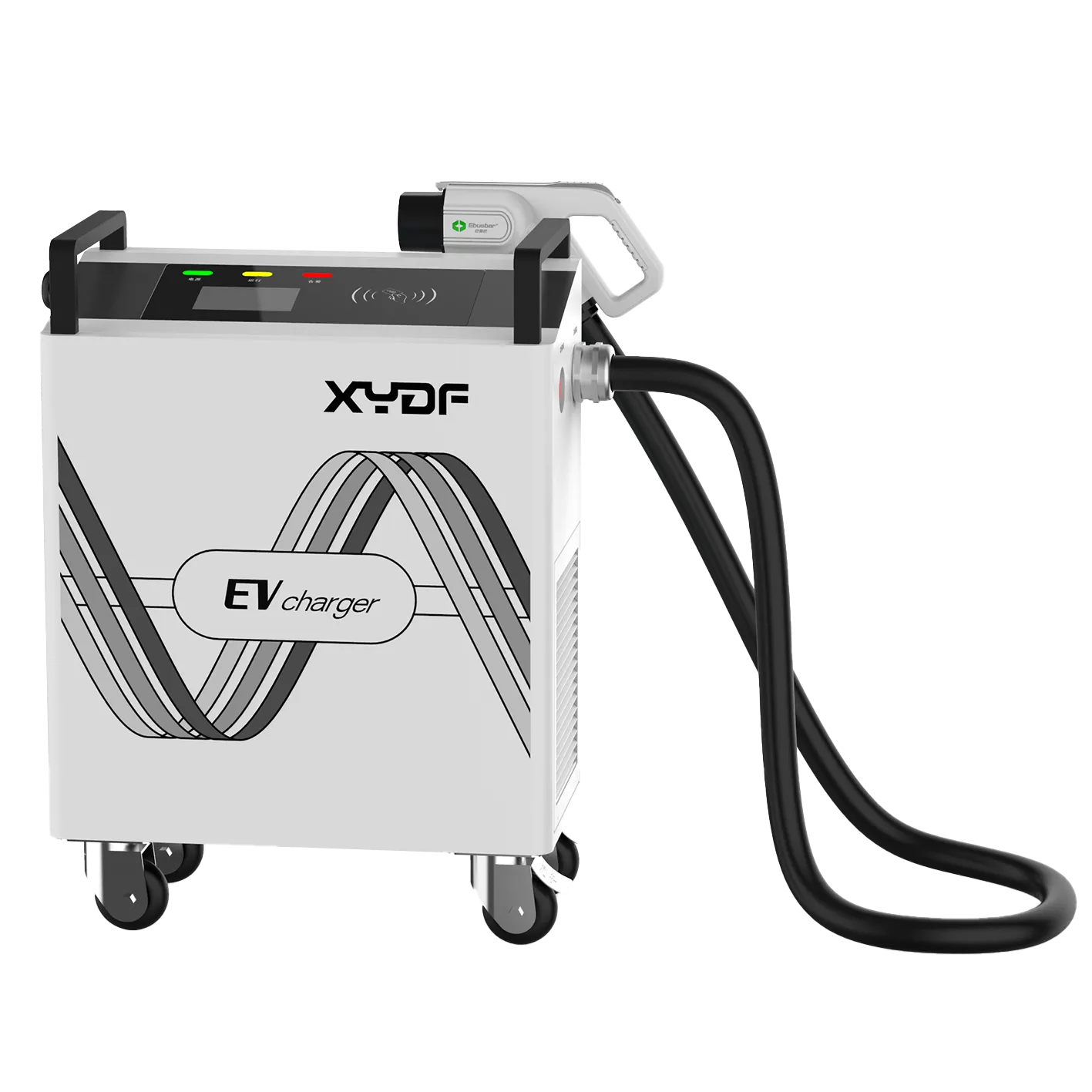
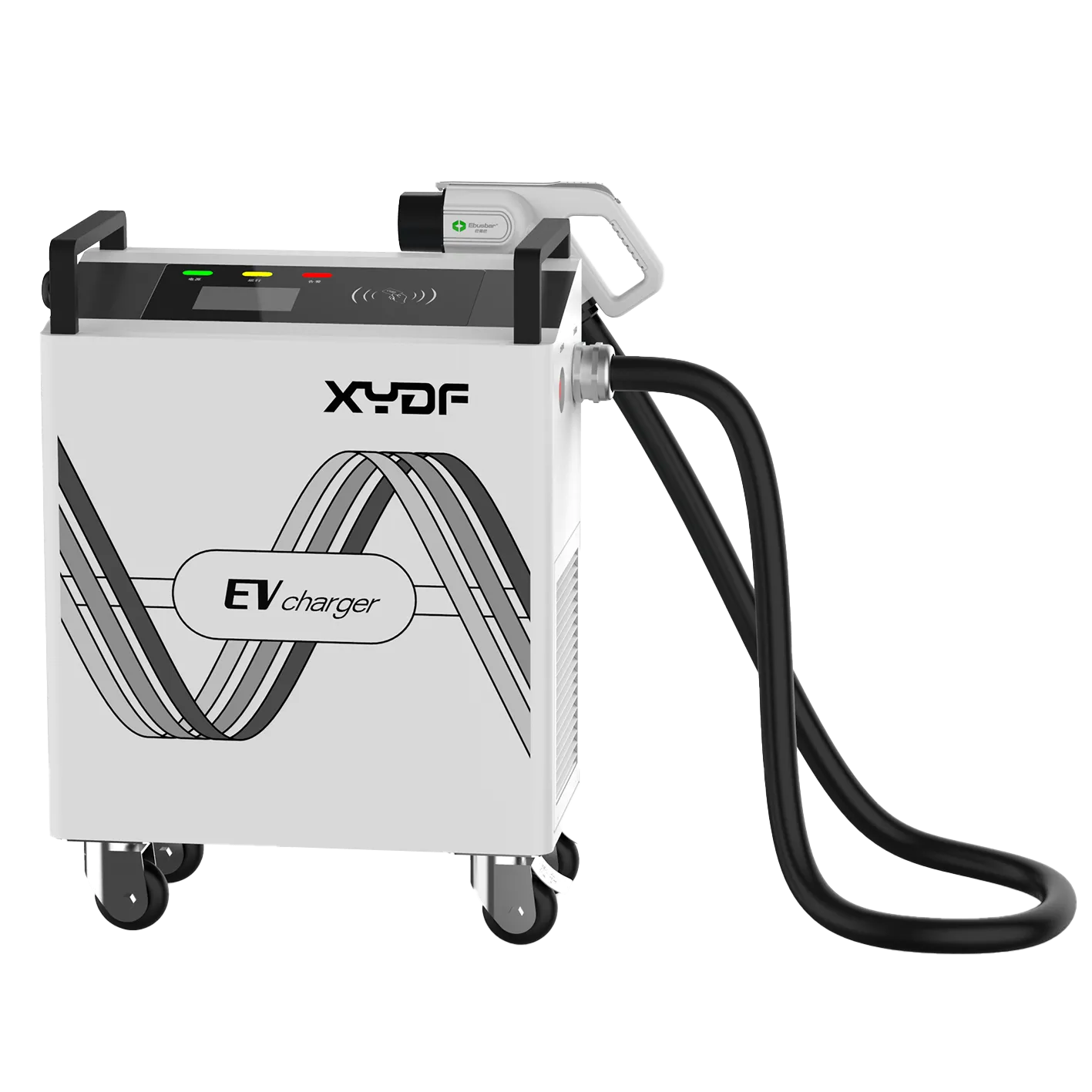
Portable electric vehicle chargers have increasingly become a viable solution for addressing your charging needs for your electric vehicle. In fact, many people utilise their portable charger when they travel, providing a back-up for charging and a portable means of charging their electric vehicle whenever they do not have direct access to a permanent charging location.
Portable electric vehicle chargers are compact, can be moved easily, and can be plugged into numerous different types of power supplies; therefore, they are a great back-up in the event of an unexpected issue with charging. Mobile chargers may be slower than DC Fast Chargers, but their ease of use makes them a viable alternative.
Improving the availability of electric vehicle (EV) chargers means increasing the availability of charging options. This means the government and private industry must work together to spread out public EV charging stations better, providing EV chargers to unserved areas. Additionally, we can expect that new technologies, such as ultra-fast chargers and wireless chargers, will transform the EV charging market.
In addition to technological improvements, another vital aspect of improving EV charging is providing education to users. Those thinking of buying an electric vehicle must understand their options, how much these options cost, and how to use at-home, public, and mobile chargers as a seamless charging experience.
There are currently 2 million public EV charging stations worldwide. It is projected that this number will continue to rapidly increase through 2030 as governments adopt environmentally friendly transportation plans.
It is possible to rely entirely on public chargers for your day-to-day driving; however, having a home EV charger is a very straightforward way to ensure your vehicle is always charged. This is particularly helpful if you have a predictable commute or set daily schedule.
Most mobile EV chargers have similar charging rates as Level 1 or lower-end Level 2 chargers, depending on the power source you are using. Additionally, because mobile EV chargers are portable, they are an excellent option for emergency use.
The charging infrastructure in many rural areas is less developed than in urban centres; however, many government entities are actively working on initiatives that will allow for better statewide and national access to charging for EVs.
The issues surrounding charger availability for all types of electric vehicles are real and continue to be worked upon by government organisations; however, consumers will be able to overcome these challenges by using all the various charger types available to them, considering using a home charger, and investigating newer technologies, such as mobile chargers, and will enjoy the benefits of owning an EV. The expansion of the EV market results in a bright future for sustainable transportation. Consumers have many options today and should take the time to understand them, make educated choices, and help to create a greener world, one EV at a time.
 Xinya Dongfang Electricity Technology Co., Ltd.