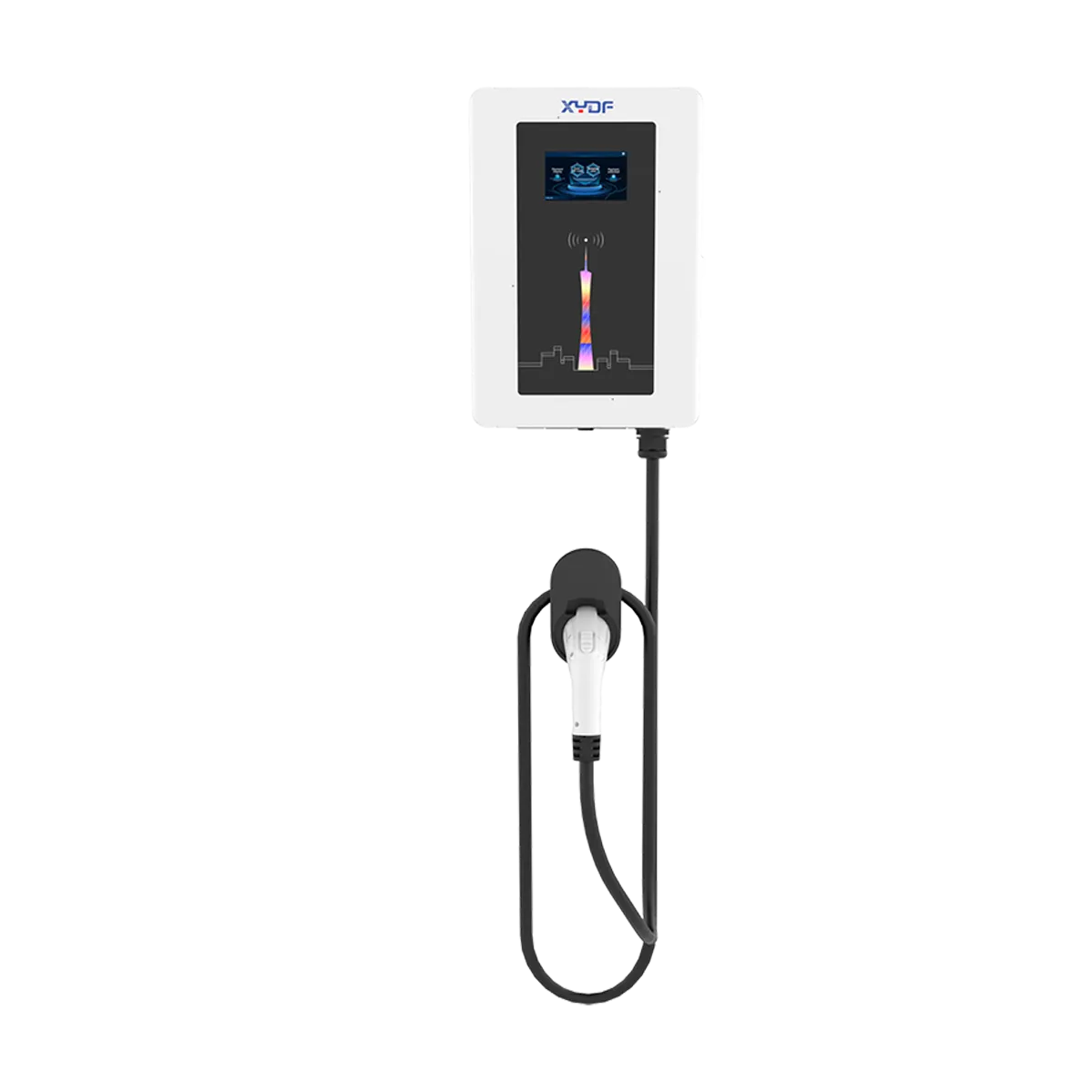
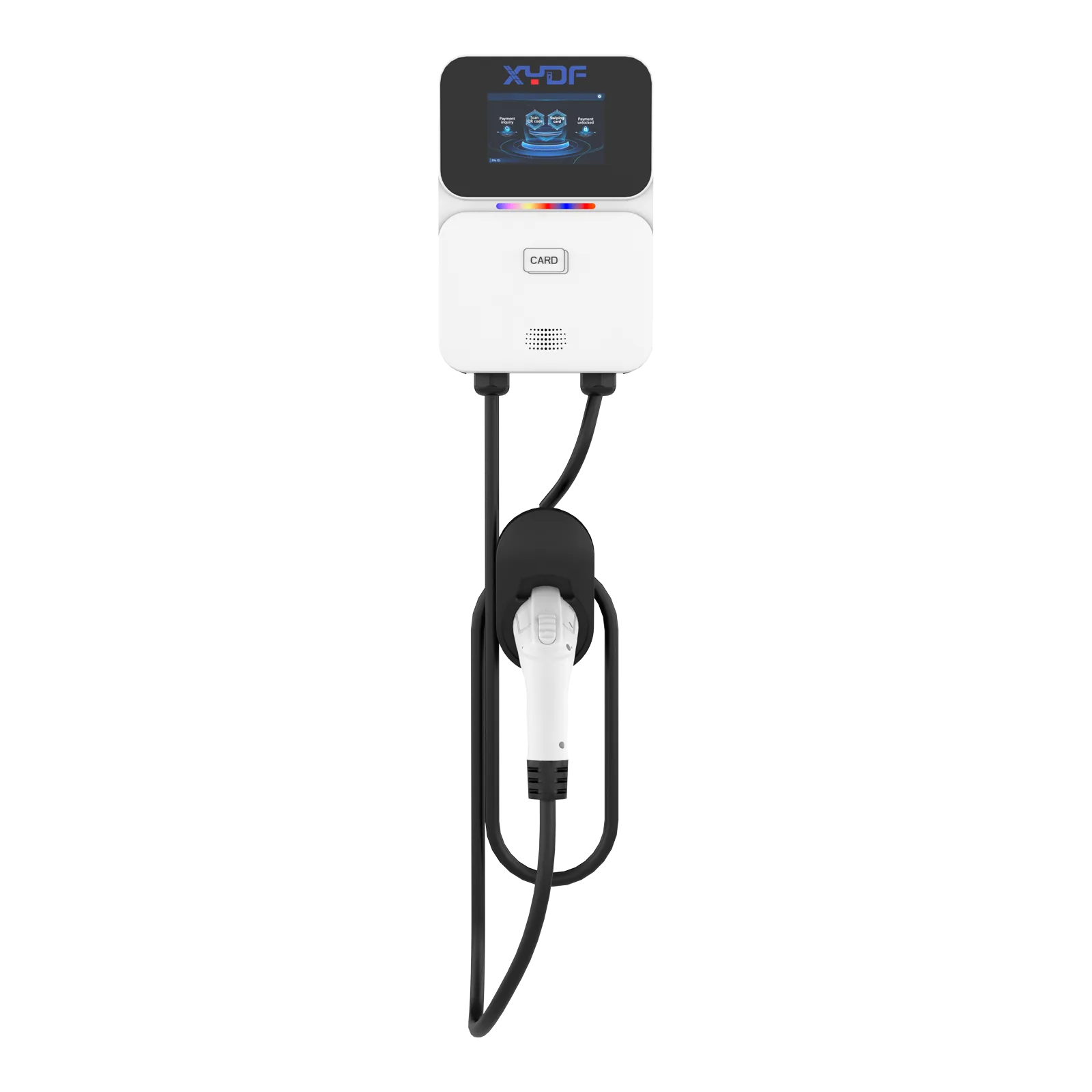
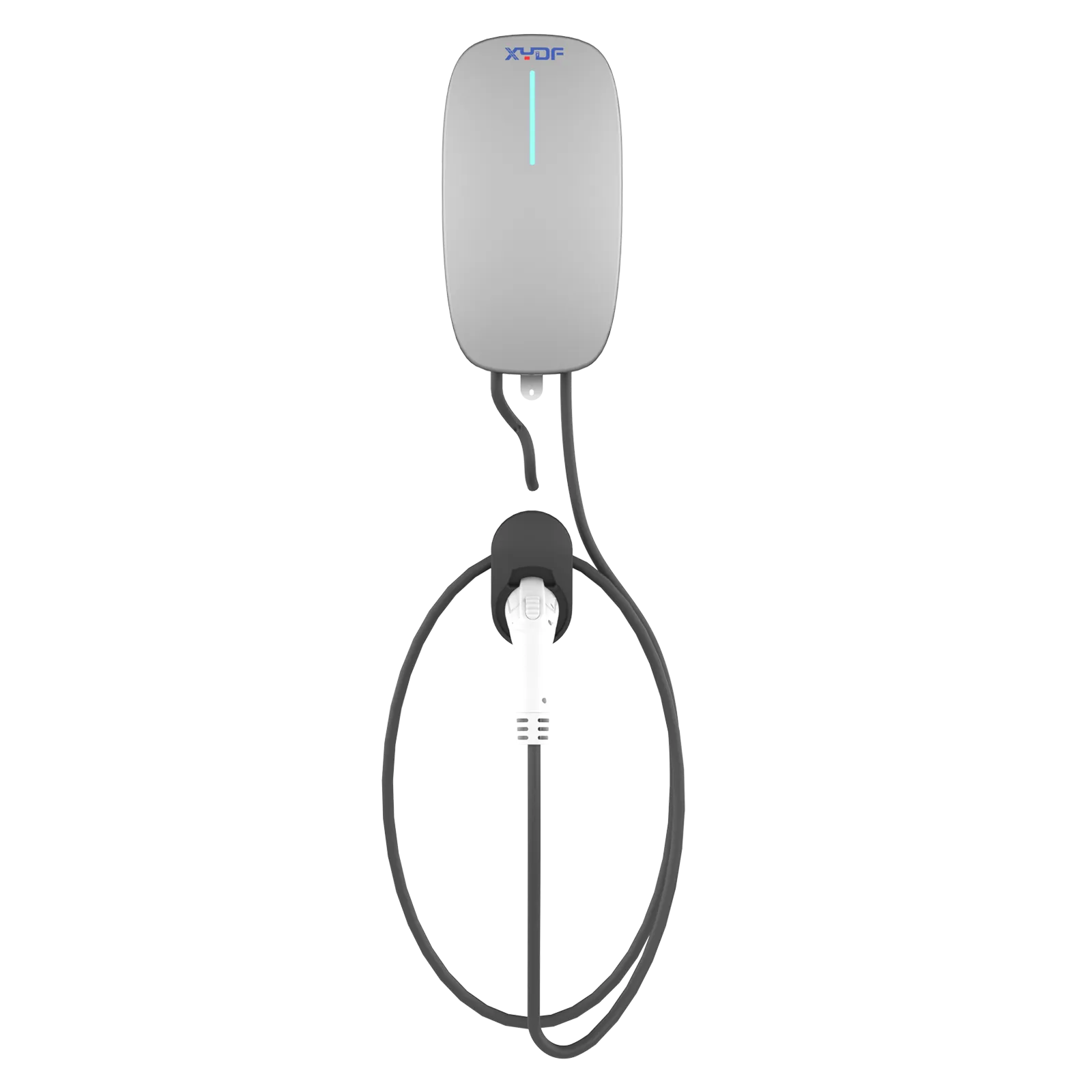
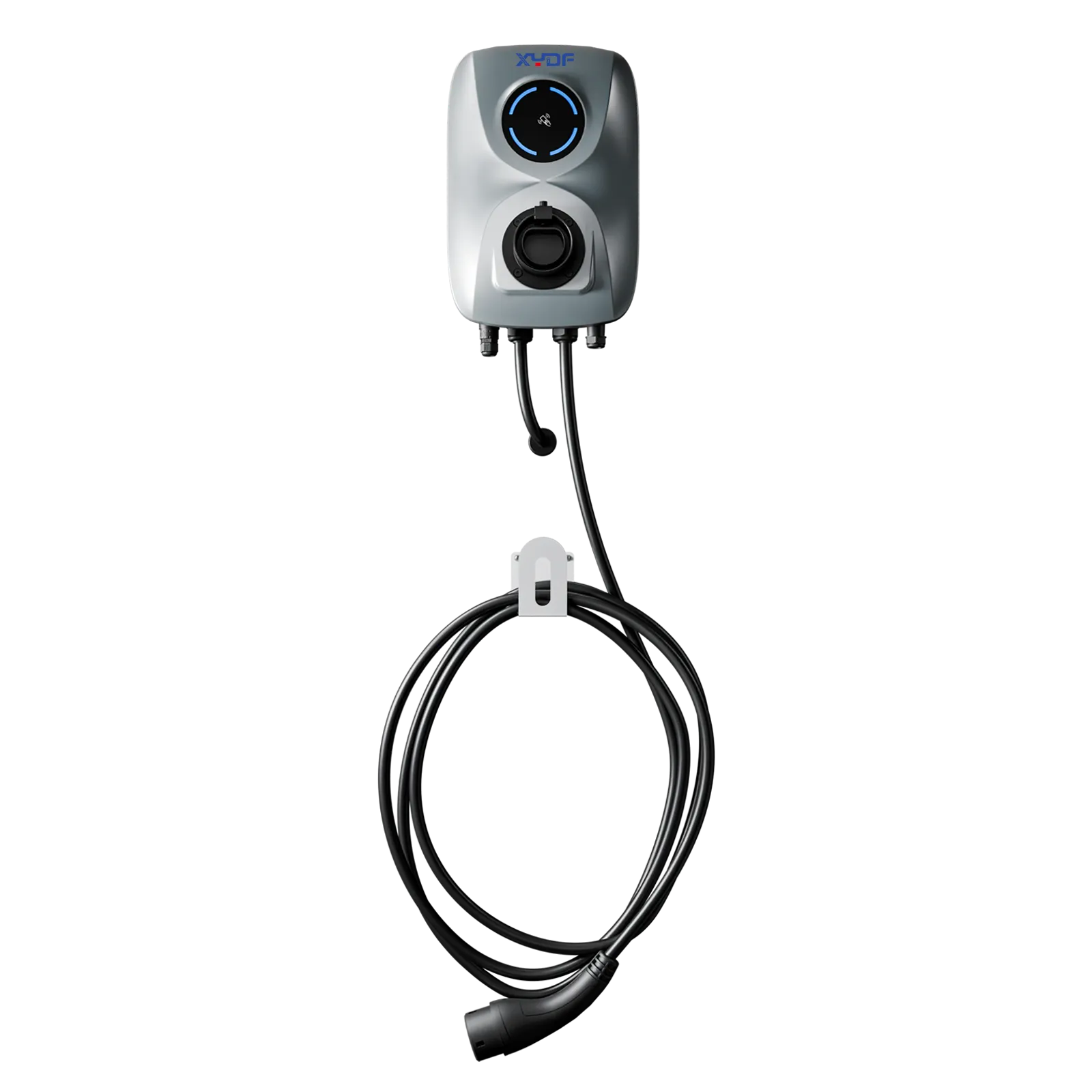
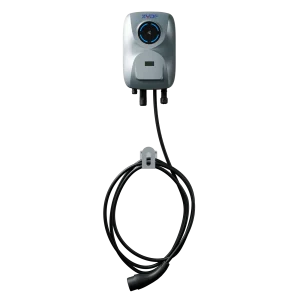
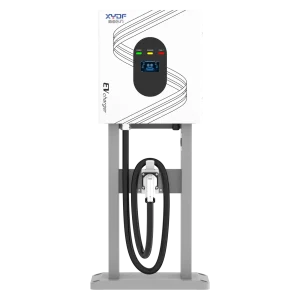
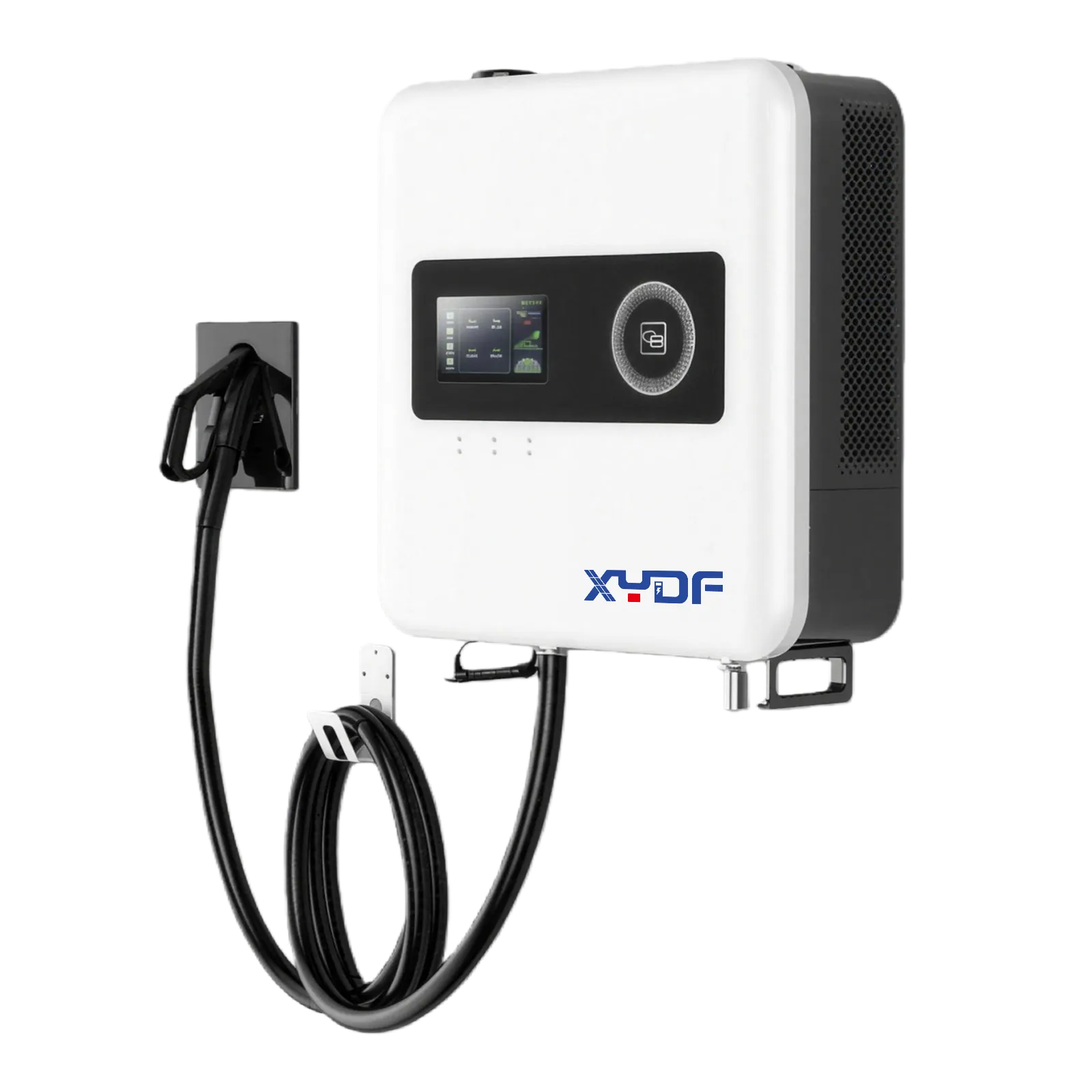
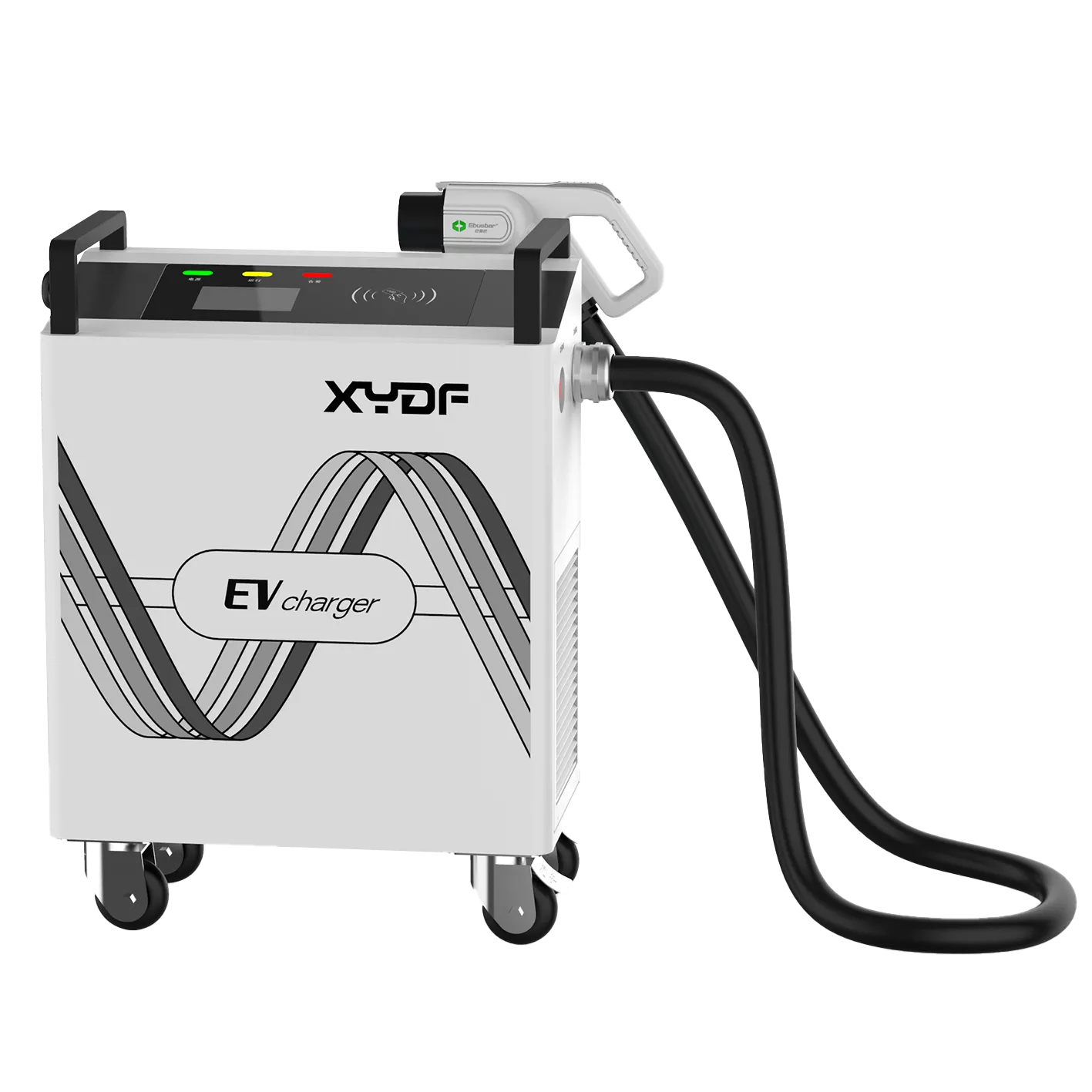
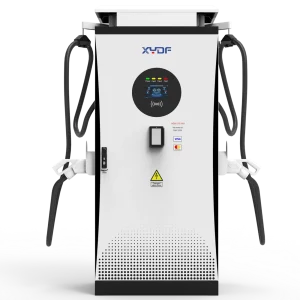
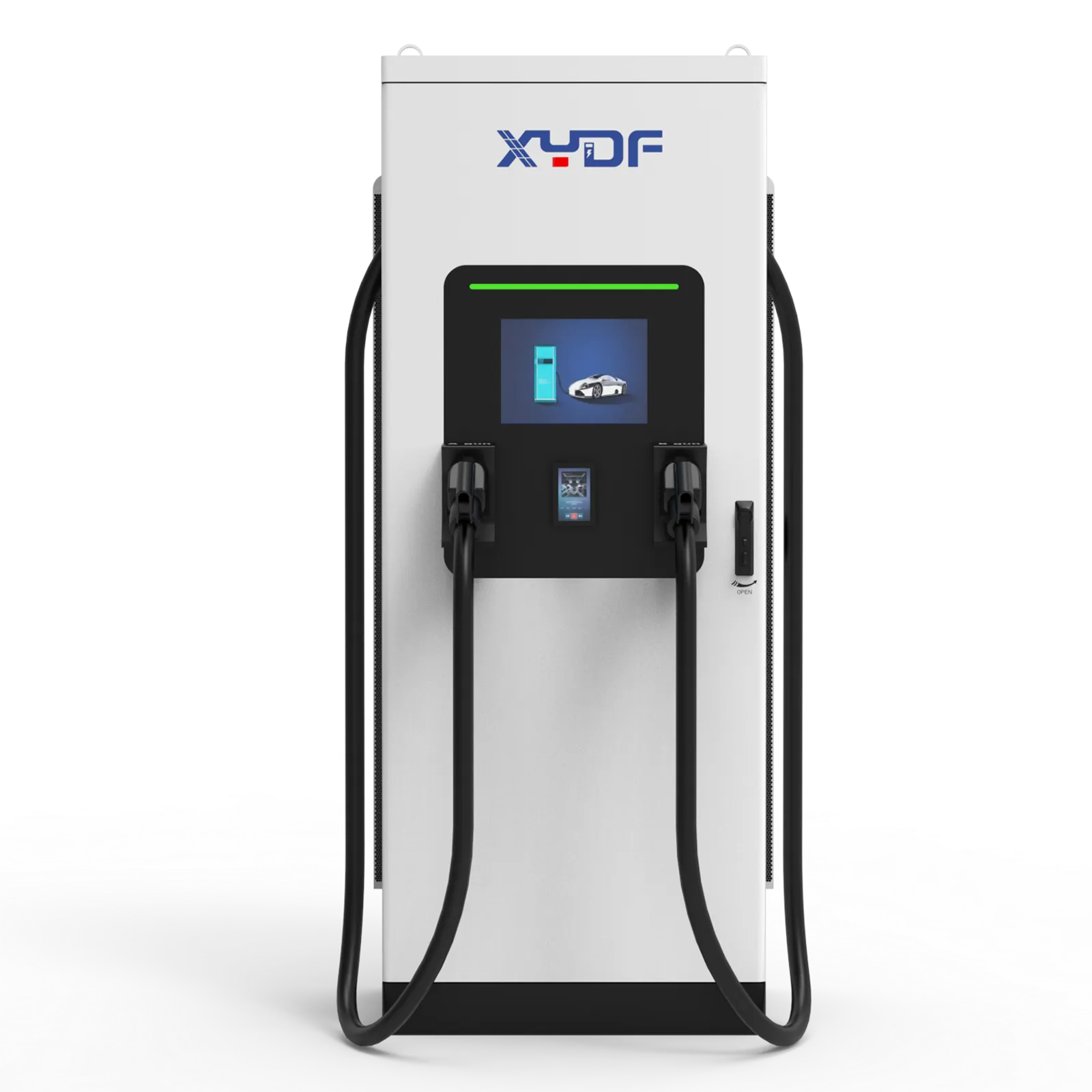
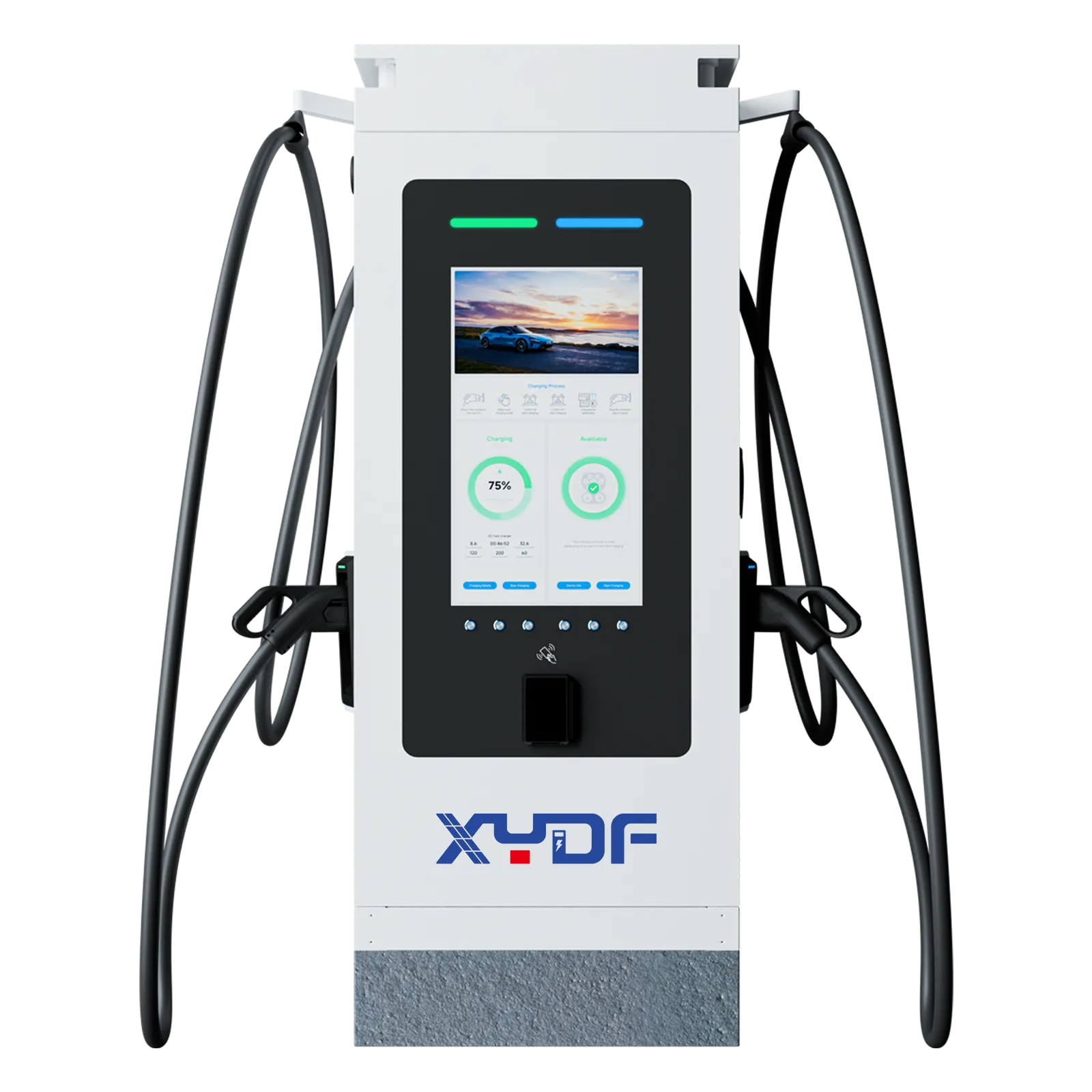
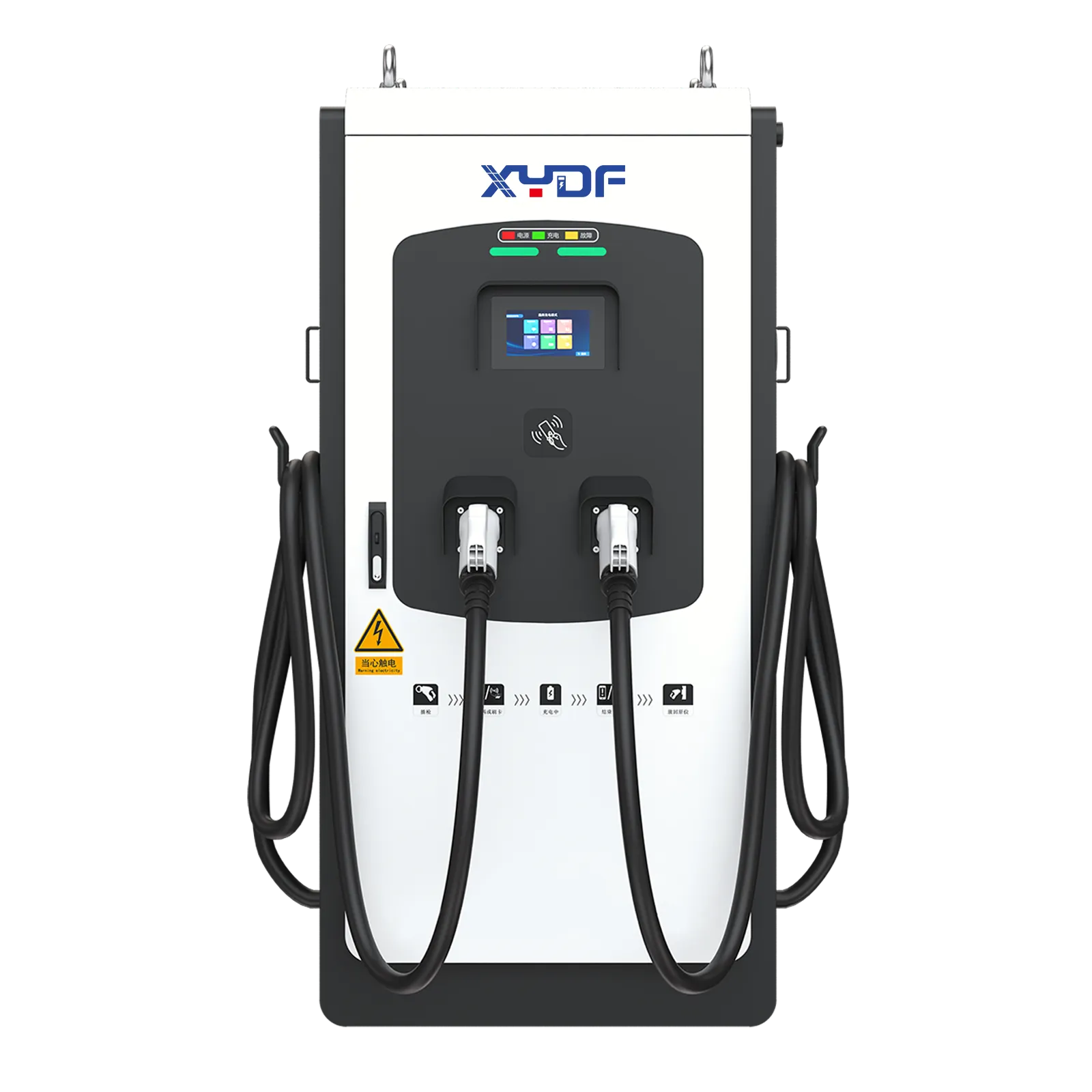
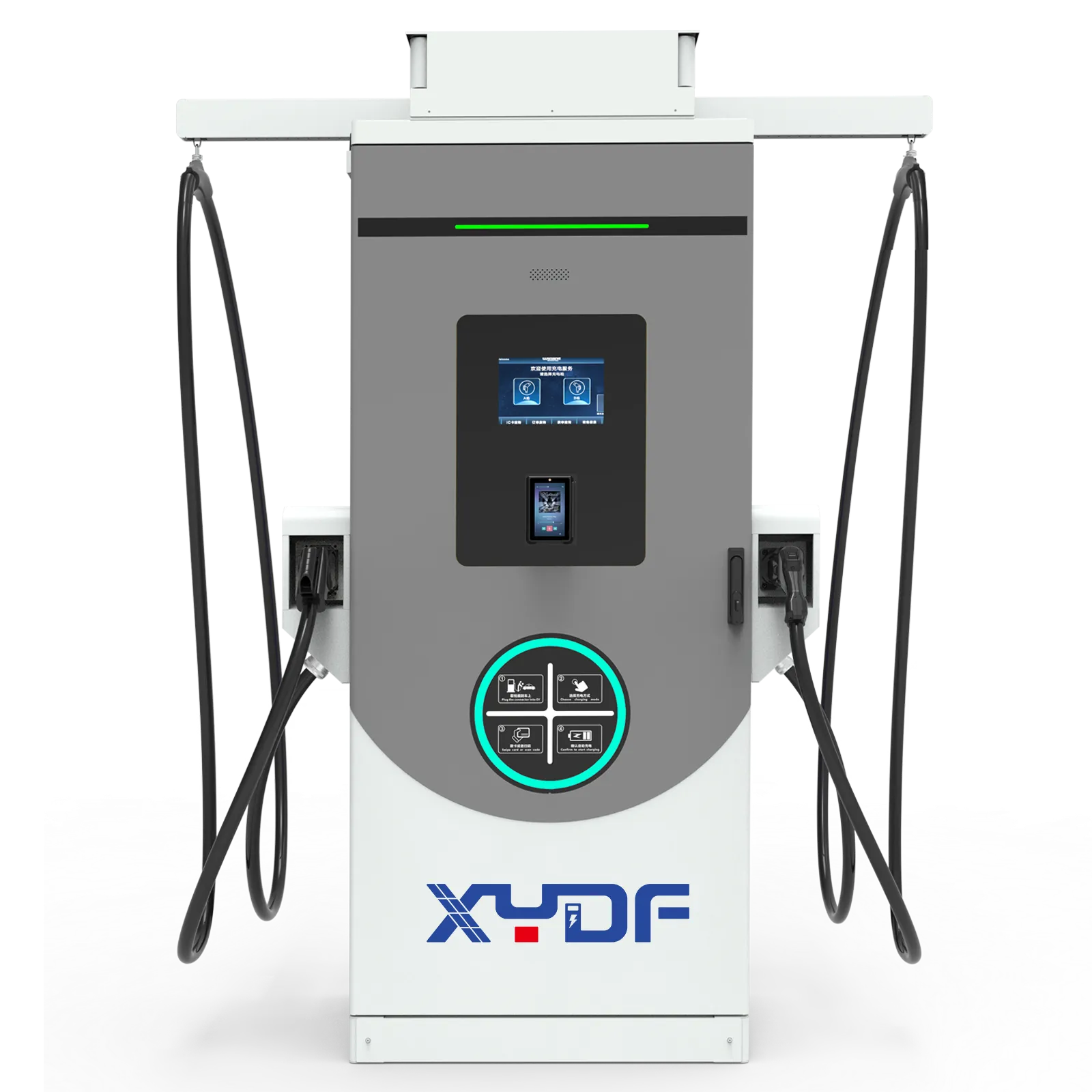
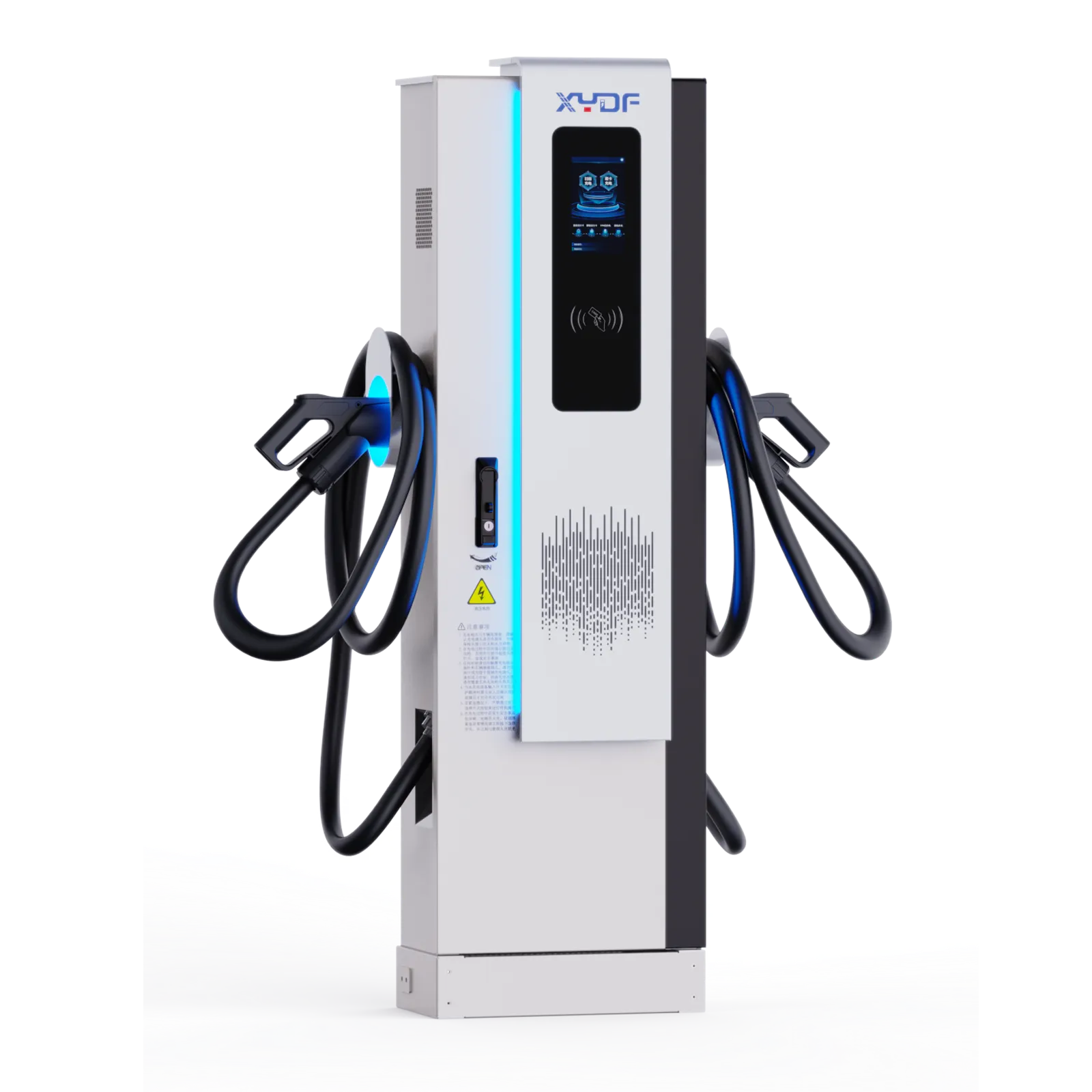
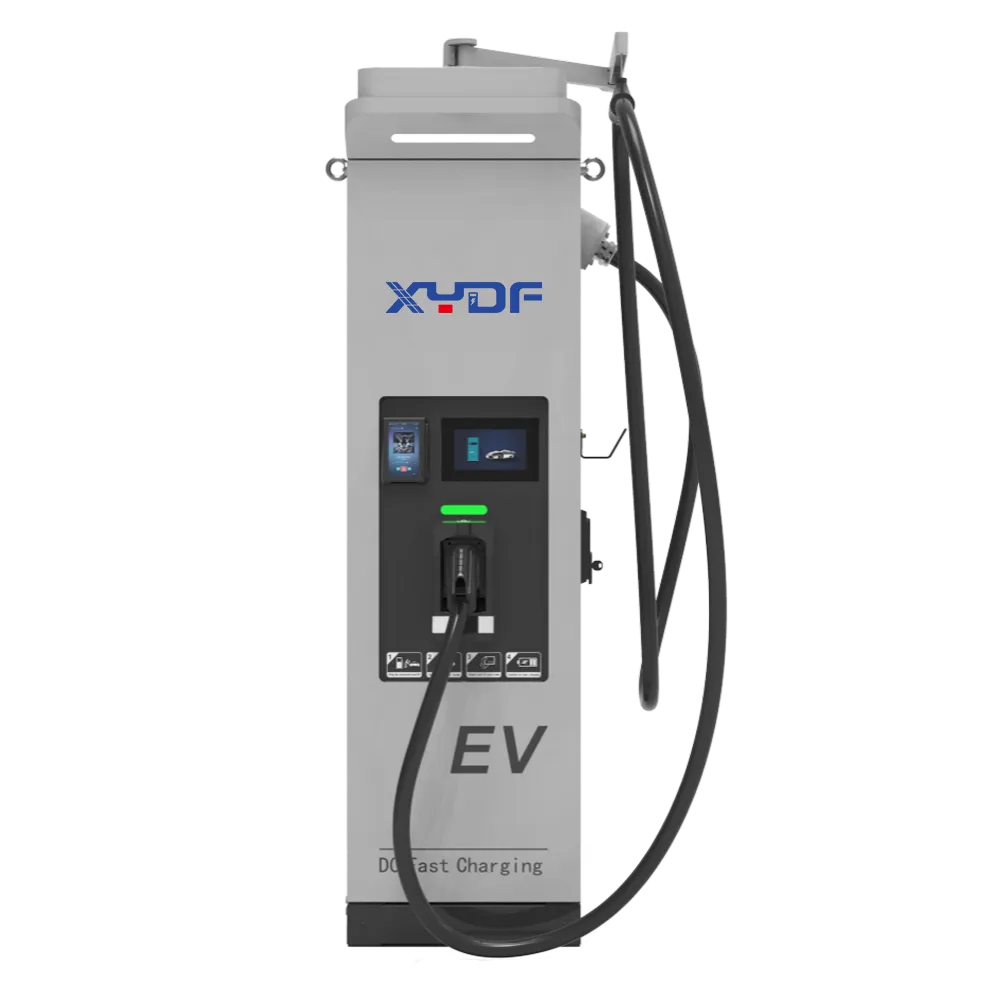
A home EV charging station utilizes wifi to communicate with your electric vehicle and your home’s wifi network. This enables communication between the two for real-time updates on charging progress along with the ability to program when you want to charge your vehicle and resolve issues with your wifi EV charger remotely from the wifi network in your home. The convenience and efficiency of charging with wifi-enabled chargers enhances your overall charging experience with your electric vehicle.
Besides being good at charging your electric vehicle, wifi-enabled EV chargers provide services that are not available on conventional chargers, which include the ability to control the chargers remotely with a mobile device, as well as keep a record of energy consumption and integrate with other smart devices in the home. If you’re a tech-savvy electric vehicle (EV) owner looking for the best use of your EV charger, you’ll be pleased with the option of Wi-Fi EV chargers for home use.
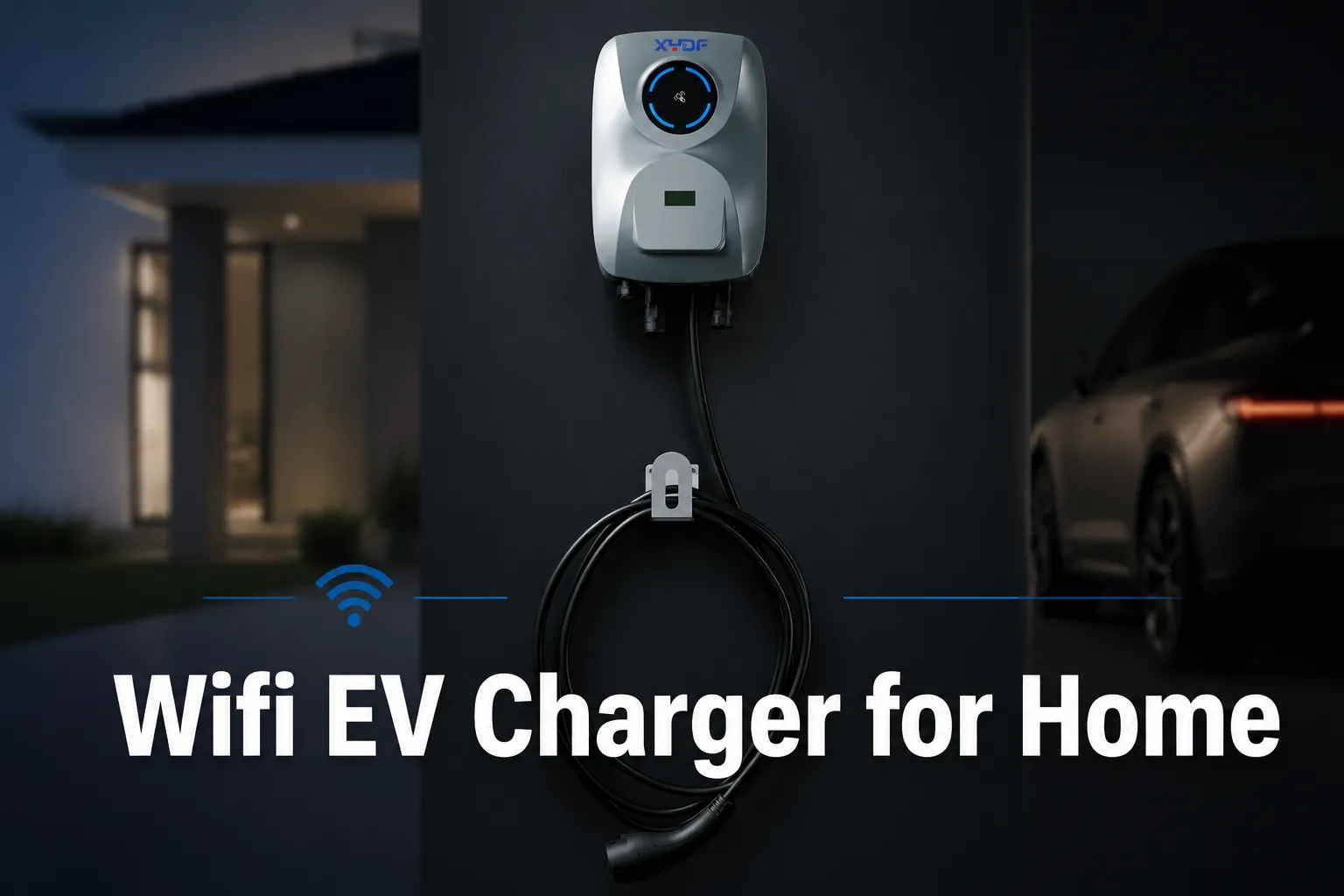
Below are several reasons an EV Charging Station with Wi-Fi is worth the expense.
There are obviously many things an EV charger connected to the Internet can do as opposed to just a standard charger.
While the above items are simple functions on a charger not connected to the Internet, Wi-Fi chargers allow for a much greater degree of control and efficiency relative to chargers not connected to the Internet.
Some EV chargers allow users to connect via a cell phone’s 4G network, rather than using Wi-Fi. Here are the key differences:
Wi-Fi EV Chargers: All home chargers require a Wi-Fi connection and are good for residential settings. Both Wi-Fi and cellular are cost-efficient and fast ways to transmit data.
Cellular EV Chargers: These chargers can be installed in commercial and outdoor areas where Wi-Fi is unavailable. However, users will likely incur additional costs based on the mobile data service plans associated with the charger.
Generally speaking, a wireless electric vehicle charger that is Wi-Fi enabled is cheaper and more convenient when used at home.
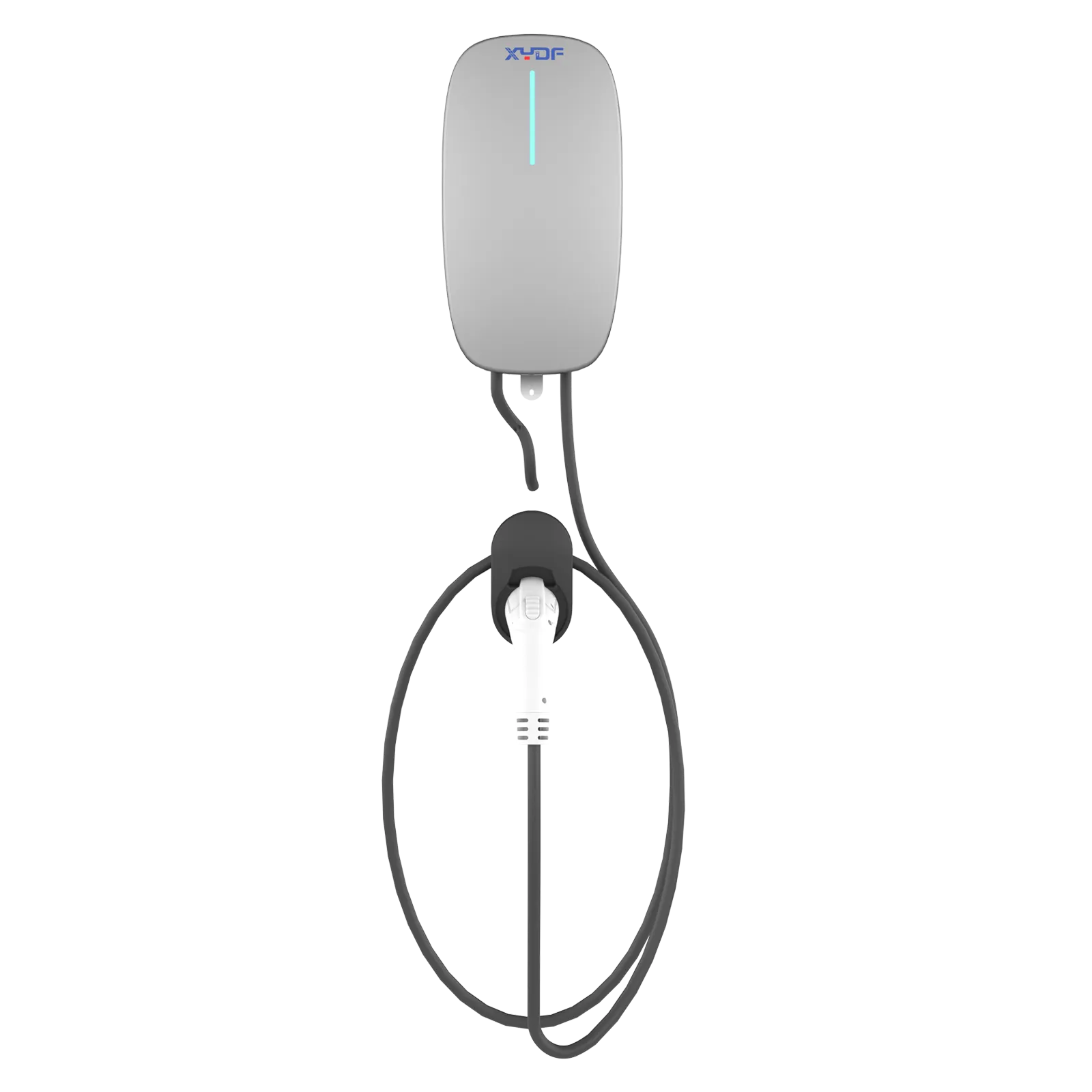
When selecting the appropriate Smart EV Charger, consider these 5 facets:
If you are looking for the best Wi-Fi electric vehicle chargers, then take a close look at these top models:
A plug-and-play option does exist for some models, however, most require you to have them installed by a licensed electrician. This is particularly important if you are hardwiring the charger. Hiring a licensed electrician will help guarantee you are safe and compliant with any local codes.
Almost every charger will still work as a regular charger without the internet. Although you will not have access to any of the features of the charger that require you to be connected to the internet until the Wi-Fi connection is re-established, your charger will continue to function.
Most chargers are compatible with a variety of EVs, however, it is crucial that the cord you purchase (J1772 or Tesla) matches the charging standard of your EV. A Tesla will require an adapter to be able to charge on a J1772 charger.
Most reputable brands of Wi-Fi-enabled chargers feature security standards, such as encryption protocols, to protect the user’s data as well as prevent unauthorized access to the charger. It is also highly recommended that you use a strong password for your home Wi-Fi network to avoid exposing your charger to unwanted access.
On average, the cost of Wi-Fi chargers ranges from $500 to $1200, depending on the features and capabilities of the charger. Installation costs can range from $200 to $1000. There are a number of rebate, incentive, or grant programs available in various regions to lower the total cost of purchasing and installing an EV charger.
Do you want to make your EV charging more convenient, efficient, and intelligent? If you are thinking of upgrading to a Wi-Fi Charger, then purchase one now. Optimizing your energy costs is very important when considering that there are many advanced technologies, such as remote monitoring, scheduling of charging, and integration with smart home systems.
To make a wise purchase decision, you must understand the difference between Wi-Fi and cellular functionalities. Many Wi-Fi-connected chargers will provide you with a reliable, long-term solution for your current and future needs as an EV owner whether you are looking for an economical model or a premium model.
 Xinya Dongfang Electricity Technology Co., Ltd.