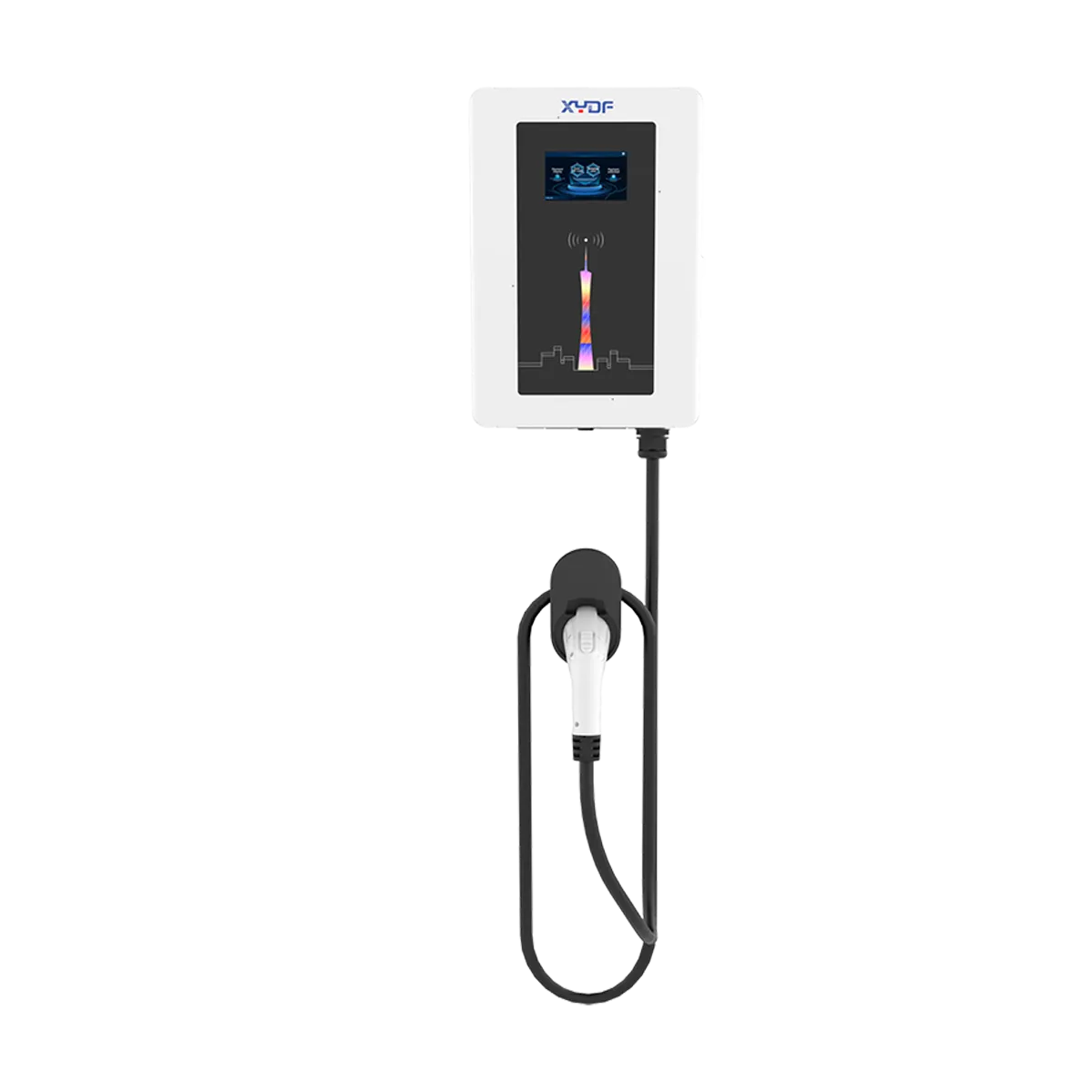
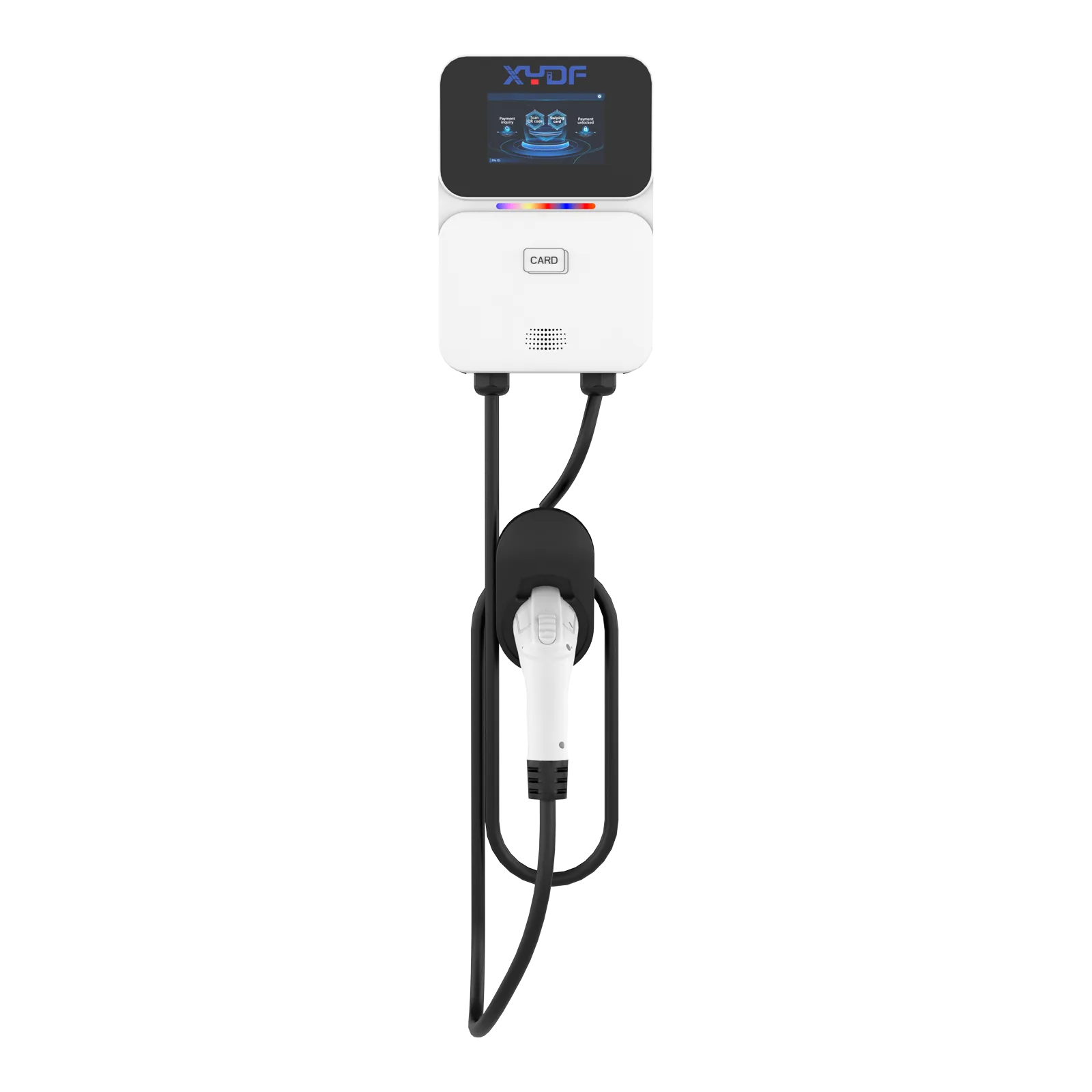
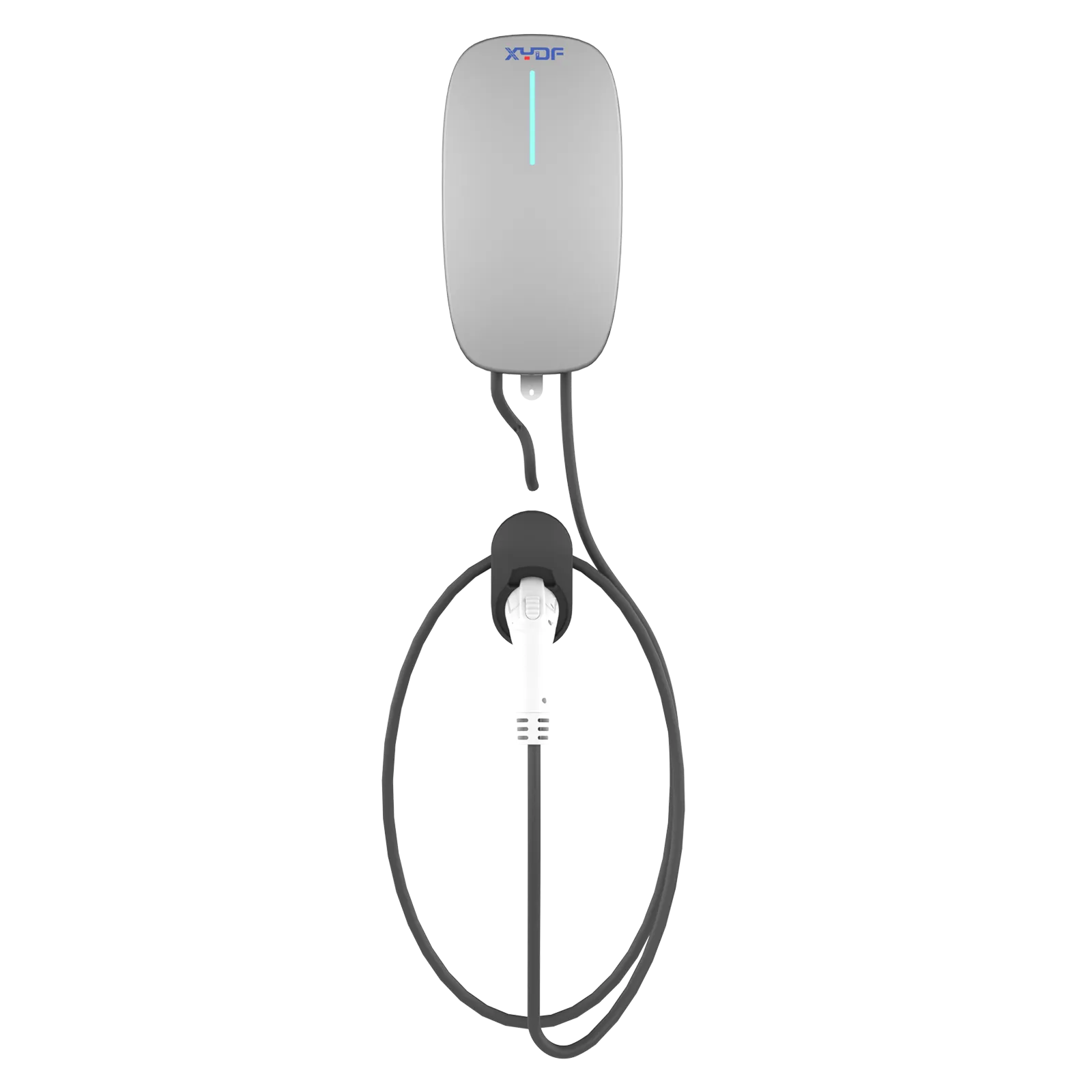
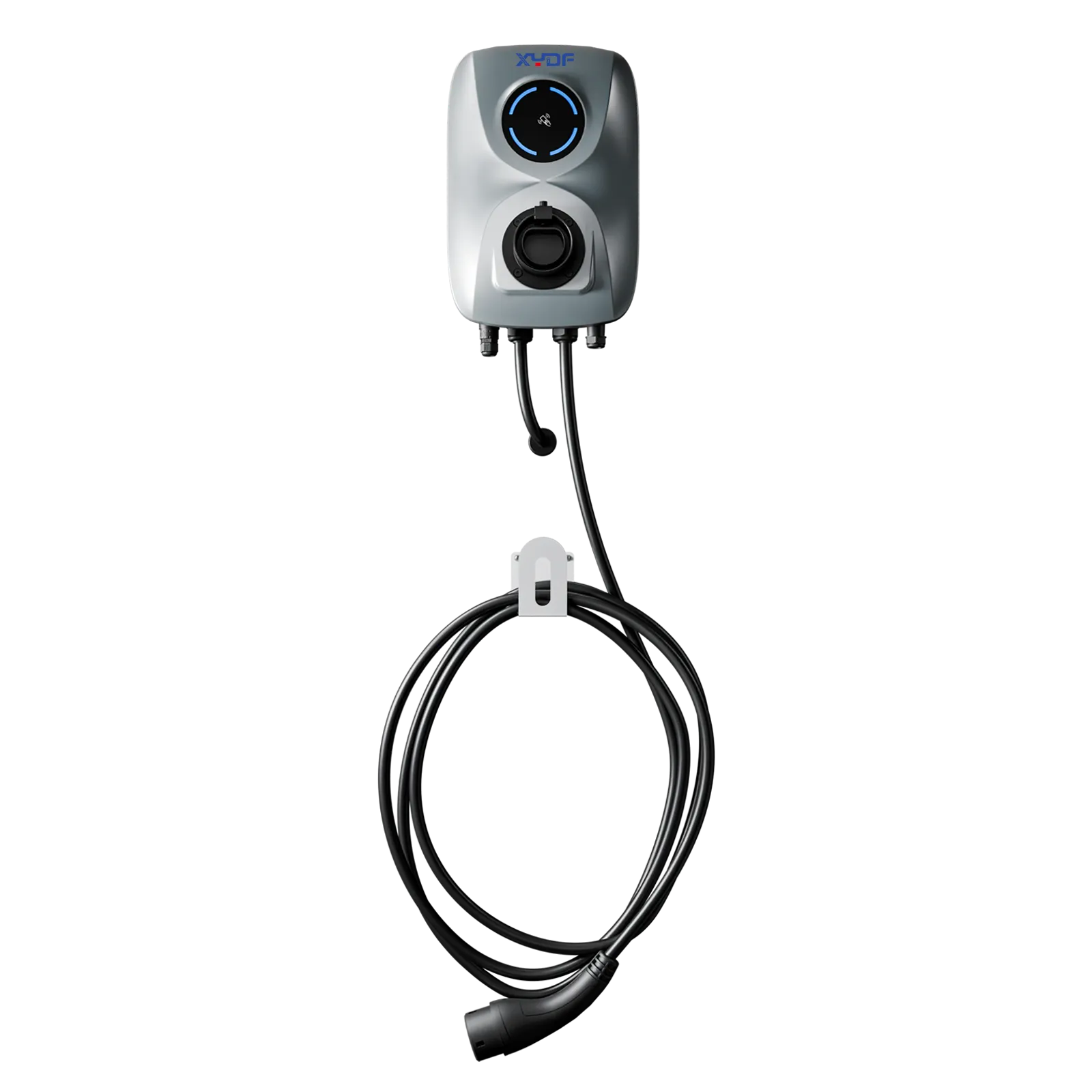
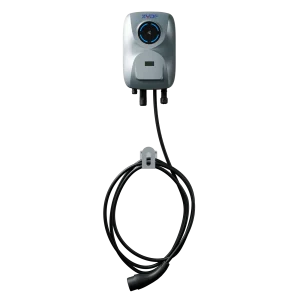
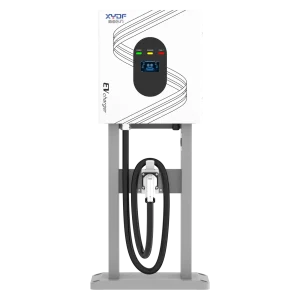
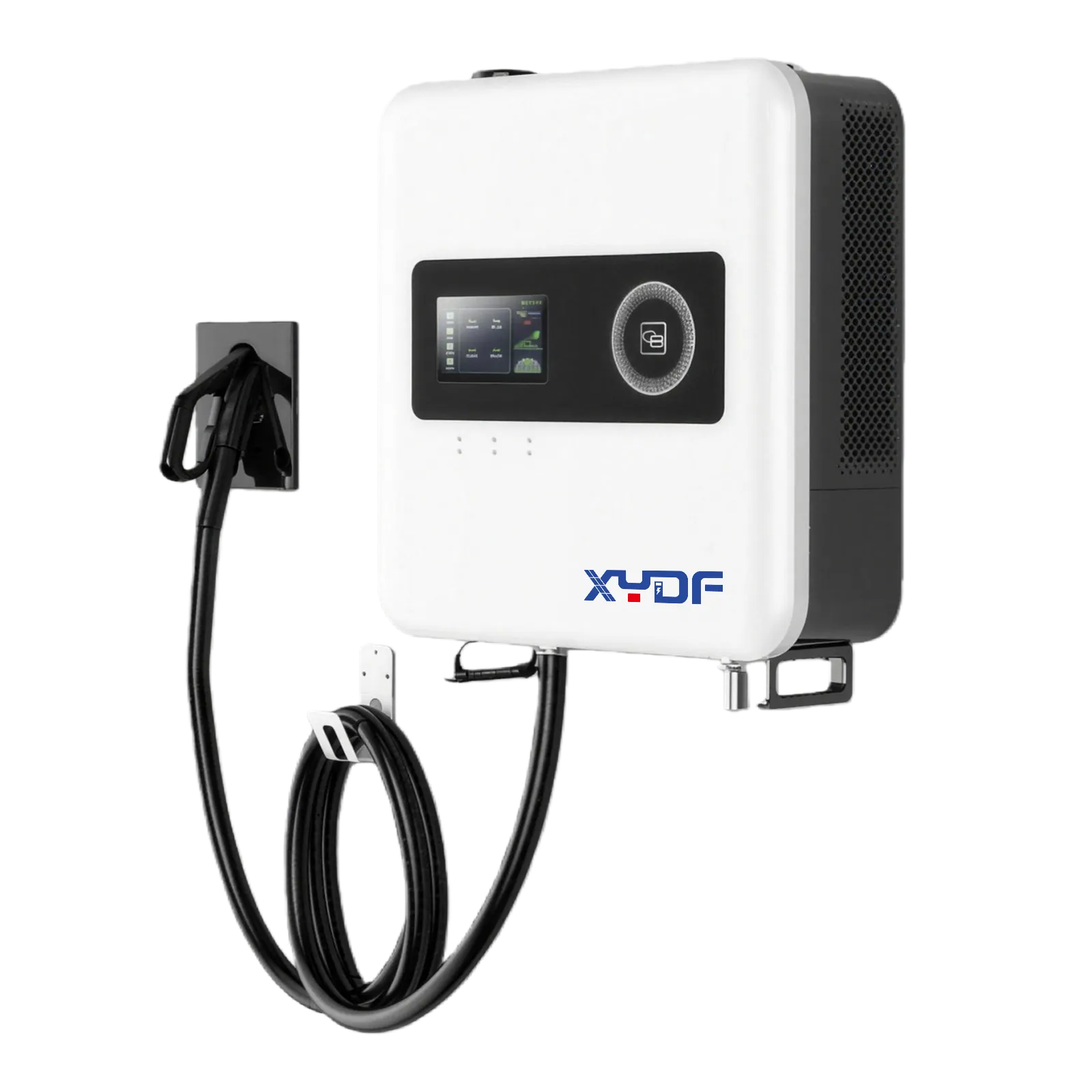
With the increase of interest in electric vehicles (EV) over time, an important part of owning an EV is knowing what your charger needs to successfully charge your EV. The amount of electrical current, called amperage, is important when determining how quickly you are able to charge your EV at home or at a public charging station. This article will help guide you through how many amps are needed for an EV charger, focusing on the 16 amp charger specifically.
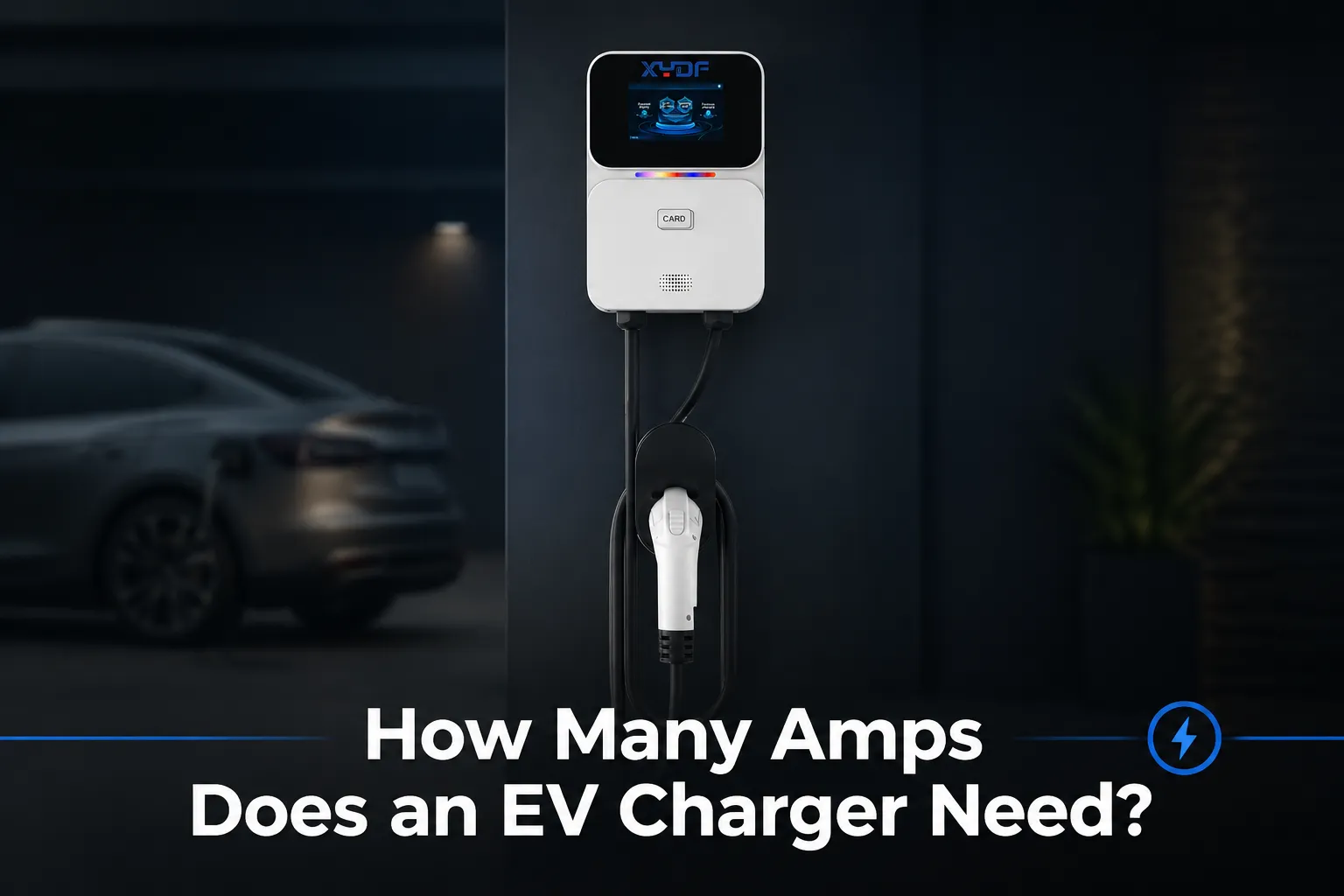
“Amps” is a way of describing the amount of electrical current that will be sent to the EV for charging. The higher the amperage, the faster the vehicle will charge; however, the vehicle and the EV charger must be rated for the same level of amperage to be able to utilize it. An example would be a 16-amp charger compared to a 32-amp charger; a 32-amp charger will allow for much faster charges than a 16-amp charger; however, if an EV uses more than an EV can handle, it doesn’t matter how quickly the charger charges your EV.
Amps alone do not tell you how fast or how quickly you will charge an EV, voltage needs to be taken into consideration as well. An EV charger for an home will usually have a 240-volt electrical system for charging purposes; therefore, the power that you are charging (the total amount of current in kilowatts (kW) is determined by multiplying ampere x voltage. Thus, if you were charging your EV at home with a 240-volt electrical system you would need to know how many amps to be able to determine how many kilowatts that would be. An EV charger that can deliver power to a 240-volt outlet and draws 16 amps capable of providing 3.8 kW.
When comparing a 16 amp charger vs. 32 amp charger, there are several factors that influence the choice.
Your choice will come down to your specific needs and budget. If you regularly drive less than your vehicle’s range each day, then a 16 amp EV home charger would provide all the charge that you’d require.
Before installing your EV charger, it is best to evaluate your home’s electric system. More than likely, your standard home has the capability to provide a 16-amp EV charging station without major modifications, as this type of service runs on a continuous circuit at 240 volts and requires less electricity than higher rated EV chargers do.
If you decide to upgrade to a higher-rated EV charger 32, 40, or even 80-amp chargers, you may have to perform additional electrical modifications to your home to meet the additional load requirements imposed by the higher charging capacity. Depending upon how your existing electrical service is wired, you may need to upgrade your main electrical panel, and/or install an additional circuit breaker specifically for your EV chargers. These added costs must be included in your budget when deciding what type of EV charger to purchase.
Always consult with a licensed electrician who has experience installing EV chargers, as they can determine whether your existing electric service is capable of supporting whichever type of EV charger you choose and will identify any modifications you will need to make to your existing electric service.
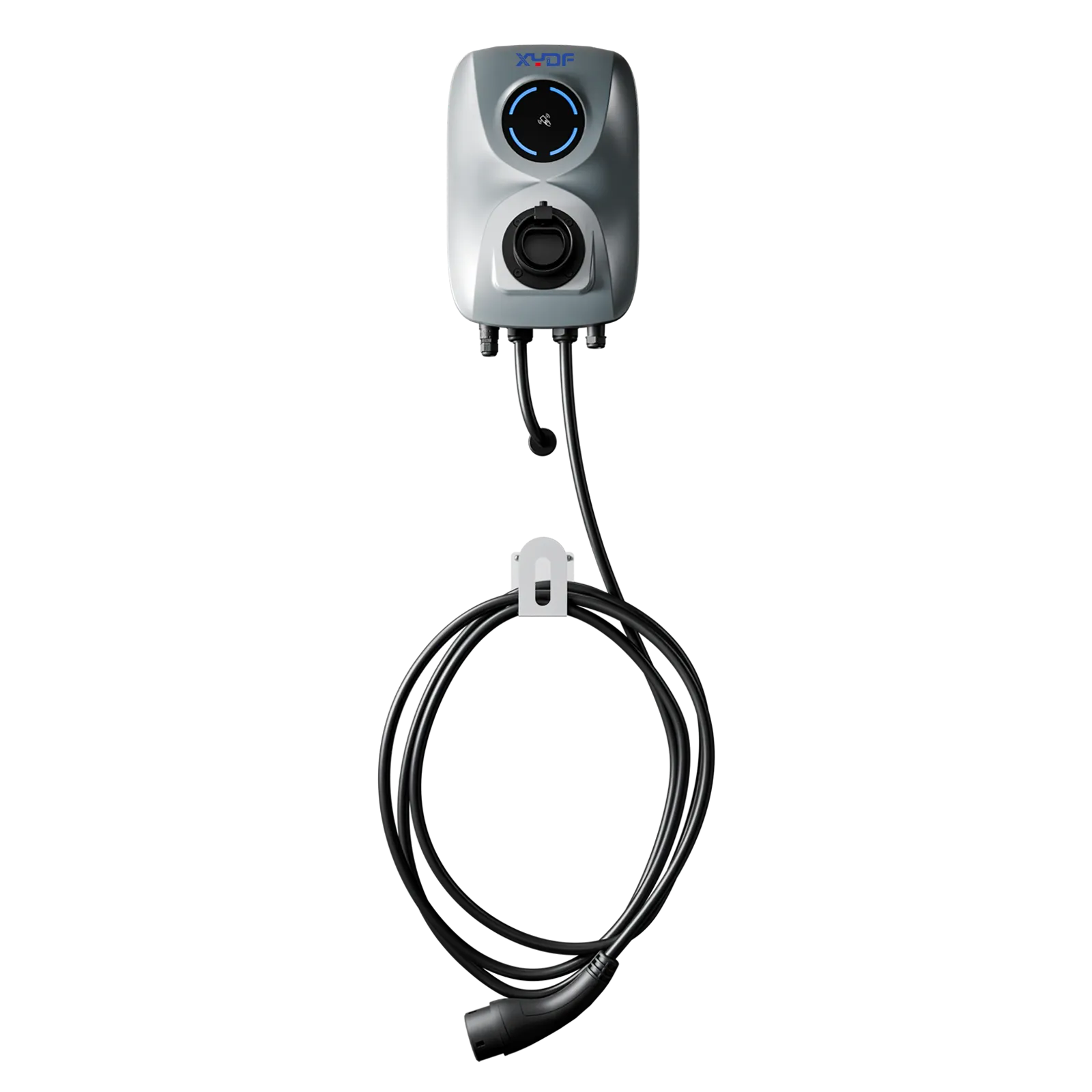
When determining the amperage your EV charger requires, you will need to consider the following factors:
To “future-proof” your installation, you might consider getting a higher-amperage charger now if you are planning on eventually upgrading to a more capable EV in the future. This way, you will save on the cost of upgrading your charger when you do so.
Yes, typically, a 16 amp EV charger with 3.8KW will charge your EV overnight if you do a moderate amount of driving each day. For example, if your EV uses 15 KWH of battery power per day, then it will take approximately four hours to fully charge from a 16 amp charger.
In most cases, upgrading to a charger with a higher amperage will help reduce the amount of time it takes to charge your EV and will provide an overall better experience for you, especially if you require frequent very short charges. Oftentimes, this will pose an electrical upgrade to your home, and therefore it would be a good idea to consult with your electrician for an estimate of what that would cost.
Typically an 80 amp EV charger is too high amperage for most residential customers to benefit from the speed of charging. Most EVs cannot charge at those high amperage rates, and it is also likely that your home electrical system cannot handle the high amperage from an 80 Amp EV charger without you completing an expensive upgrade to your electrical system. Unless you own a high-performance EV capable of using 80 amps and require rapid charging frequently, you probably don’t need to consider an 80 amp EV charger.
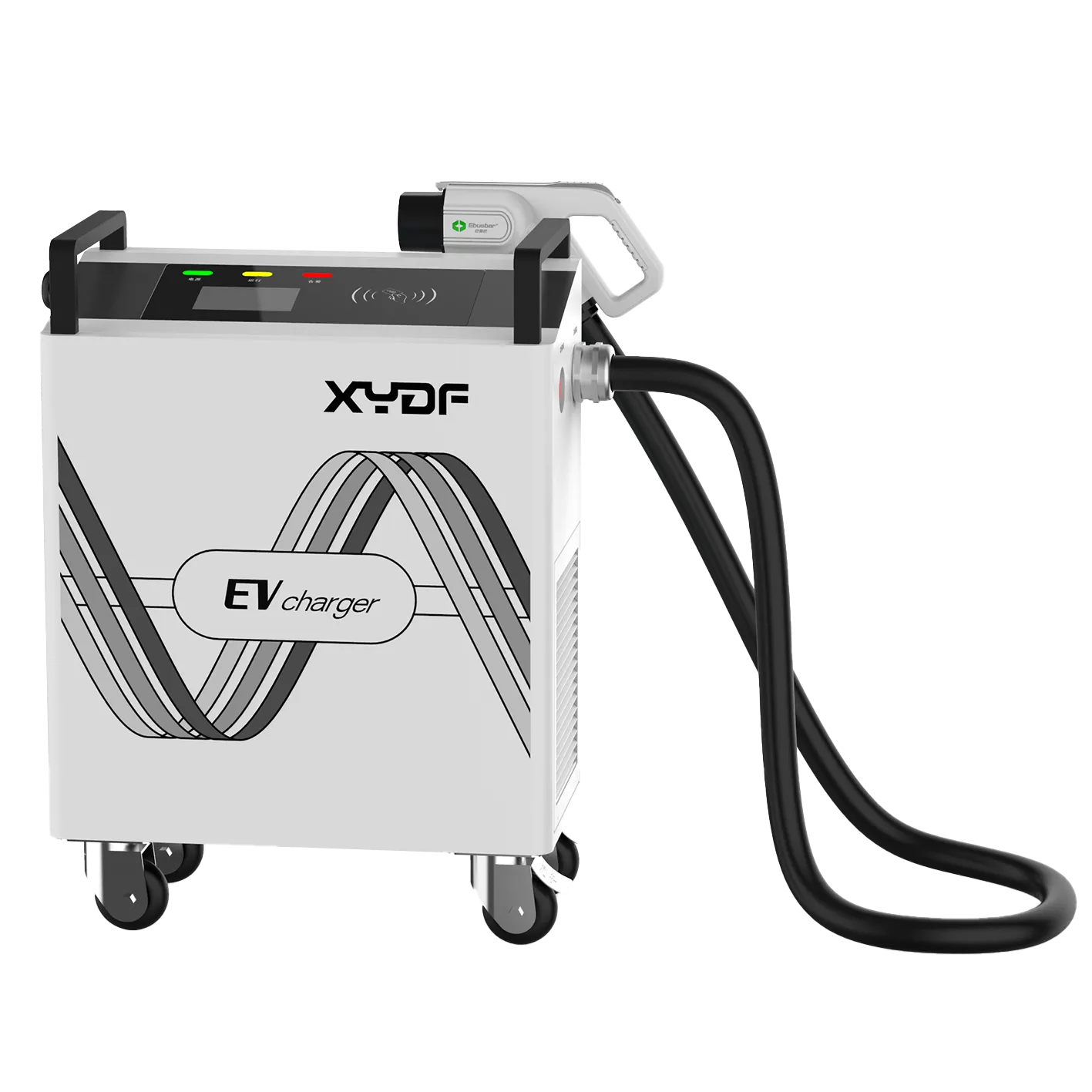
Yes, there are many manufacturers producing portable 16 amp charging EV stations that you can take with you and plug into any compatible outlet. These are especially useful if you travel frequently, or require flexibility in the locations that you charge.
How much amperage you need for your EV charger will depend upon your EV charging requirements, your typical driving behavior, and the capacity of your home’s electrical infrastructure to support your charger. In many instances, based on EV driver experience, a 16-amp EV charger will provide an appropriate cost-effective solution for EV drivers with moderate charging demand. In addition, if you are looking for quicker charging, or you are planning to eventually upgrade your EV, you may want to consider higher amperage chargers, such as a 32 amp, 40 amp, or even an 80 amp charger. Be sure to consult with an electrical contractor to determine whether your home is prepared for the amperage of the charger you purchase.
 Xinya Dongfang Electricity Technology Co., Ltd.