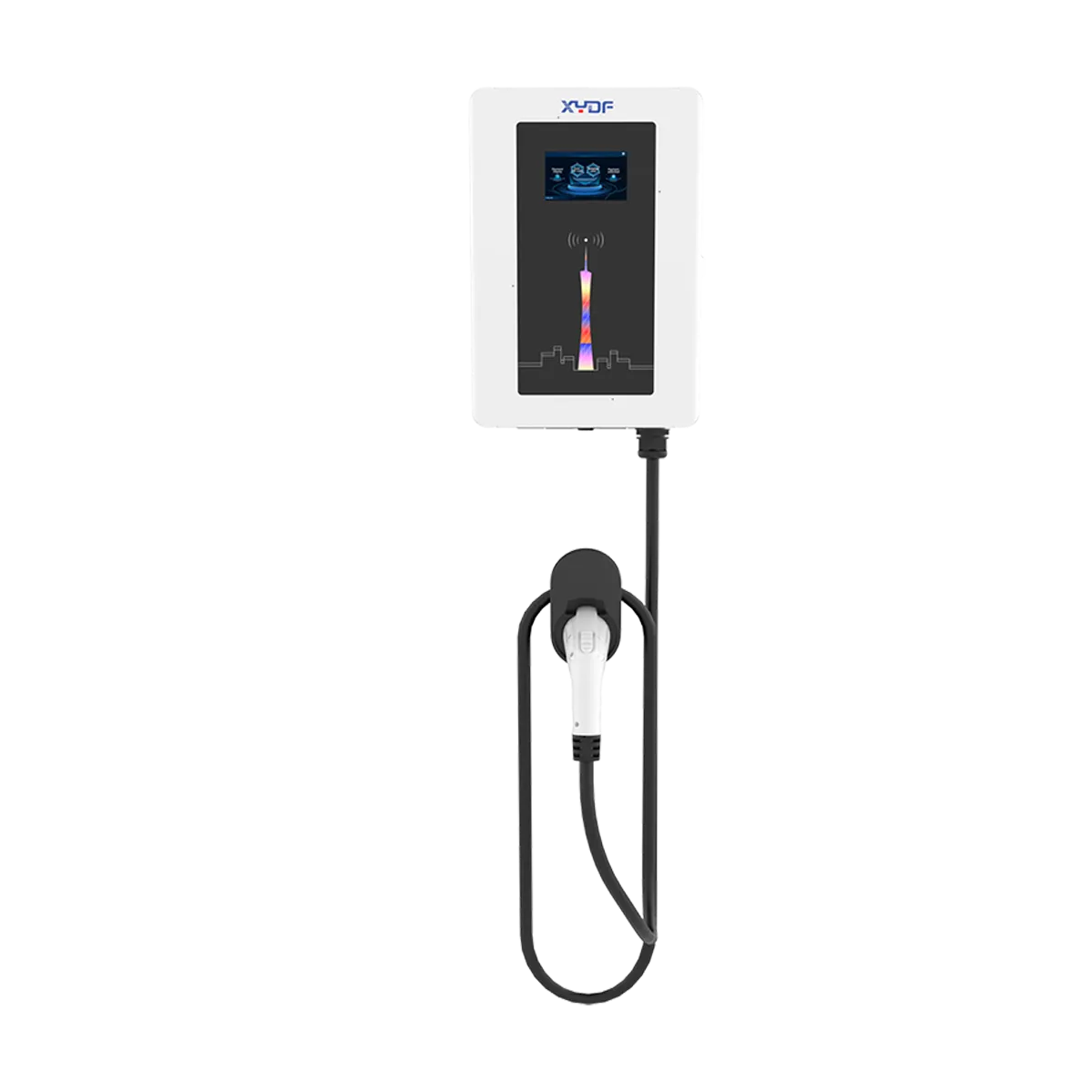
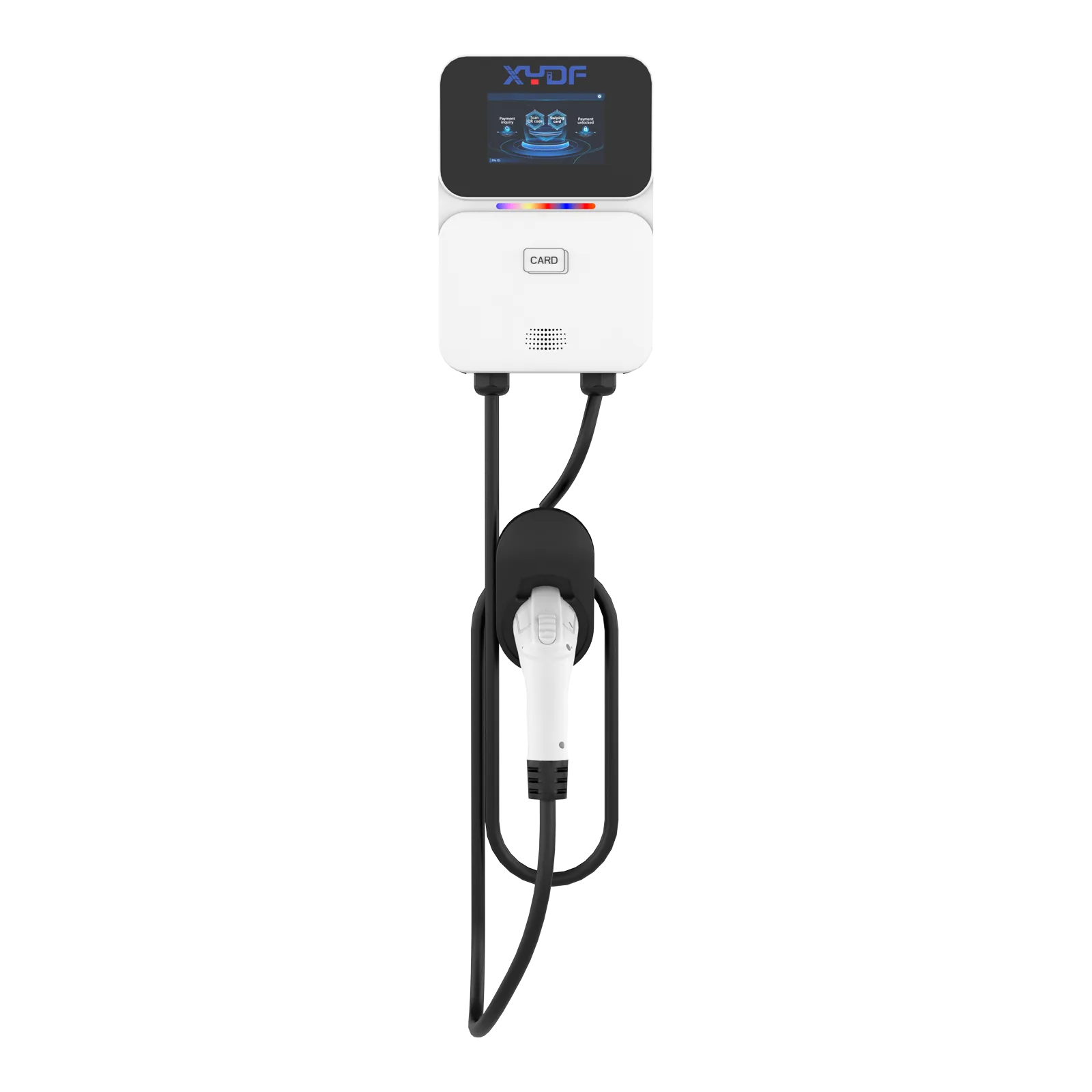
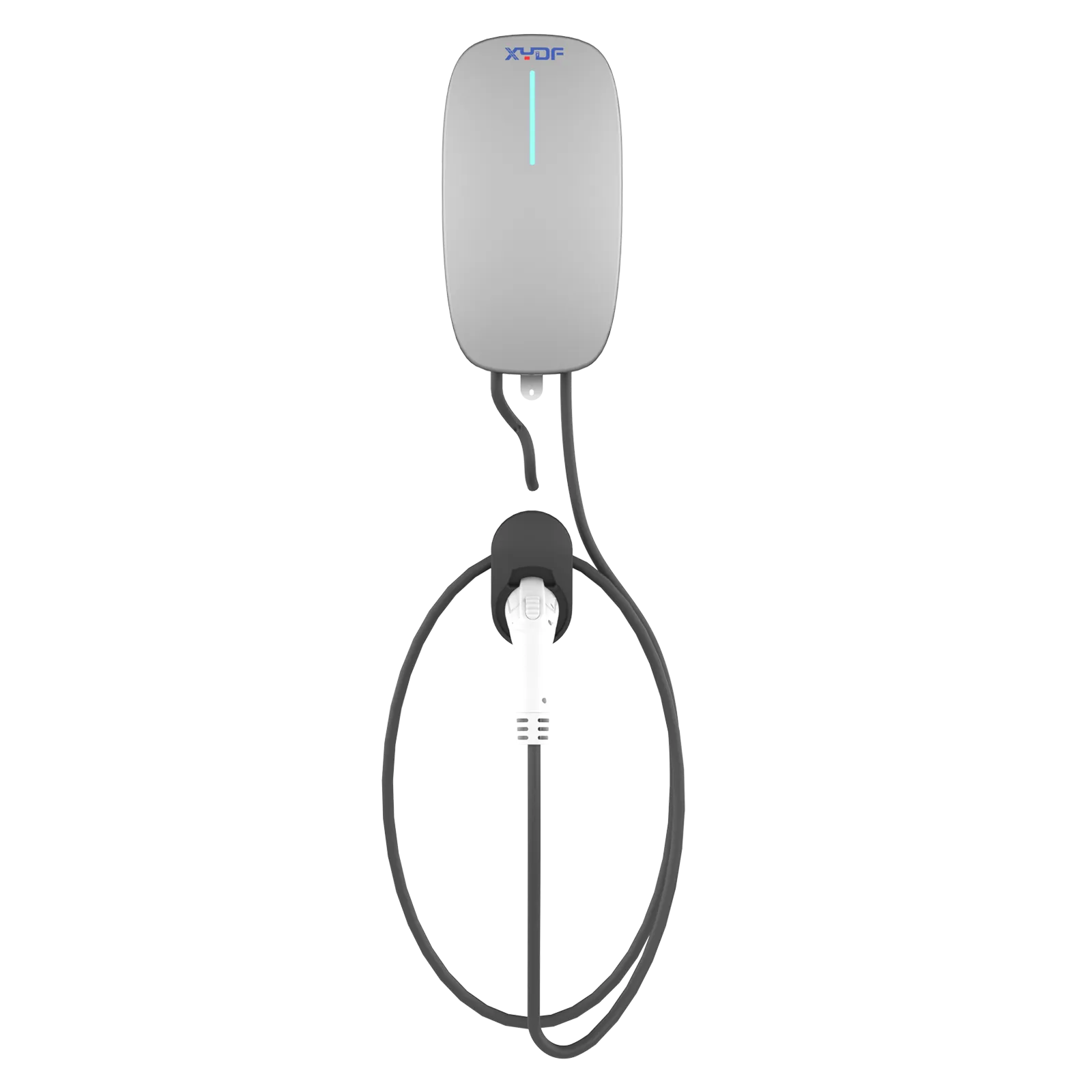
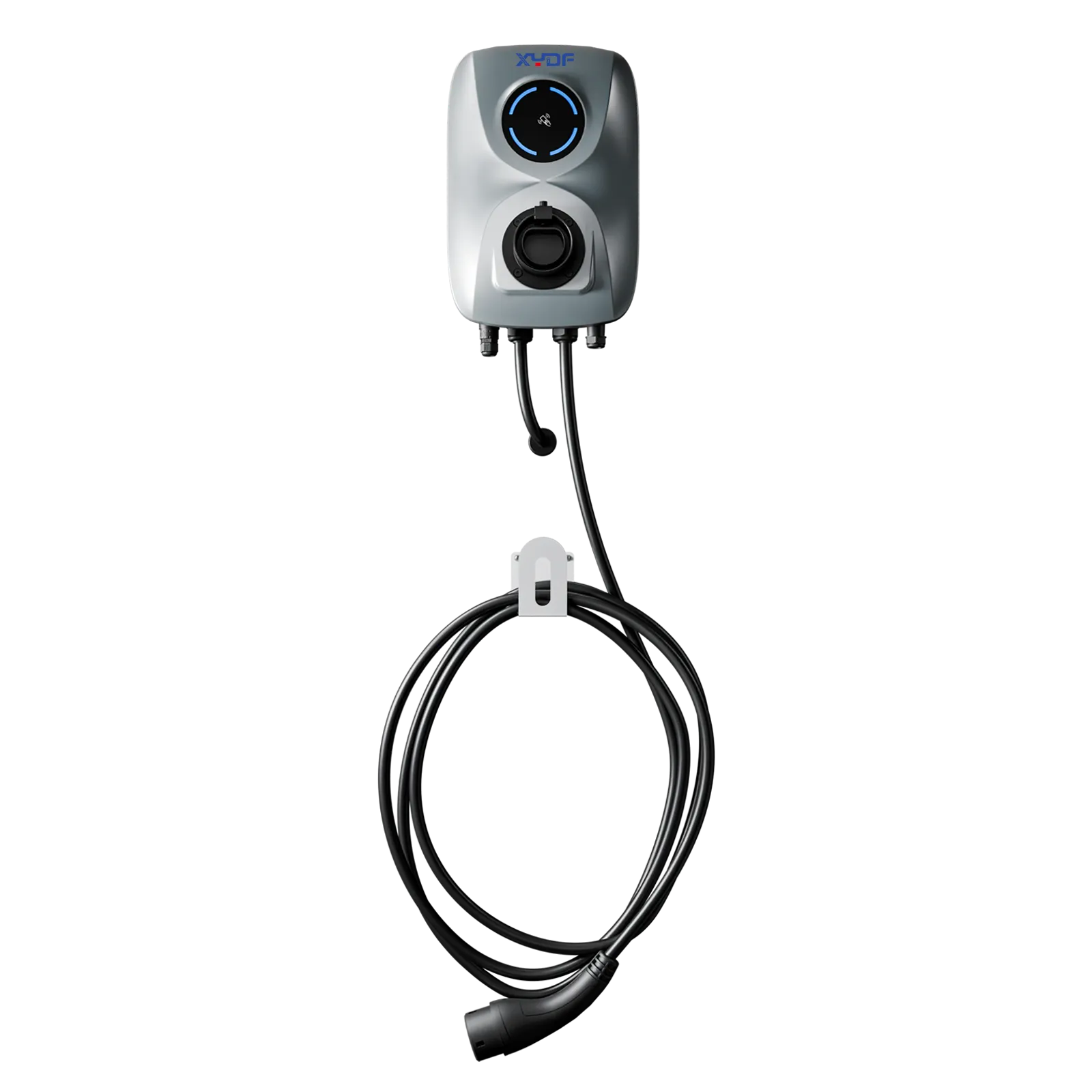
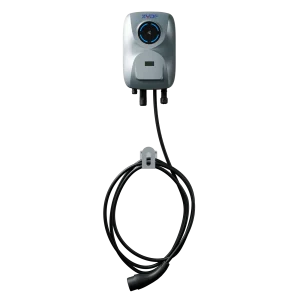
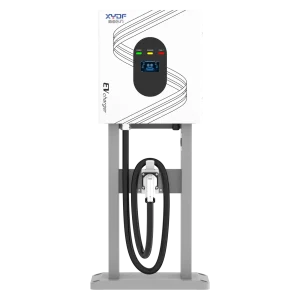
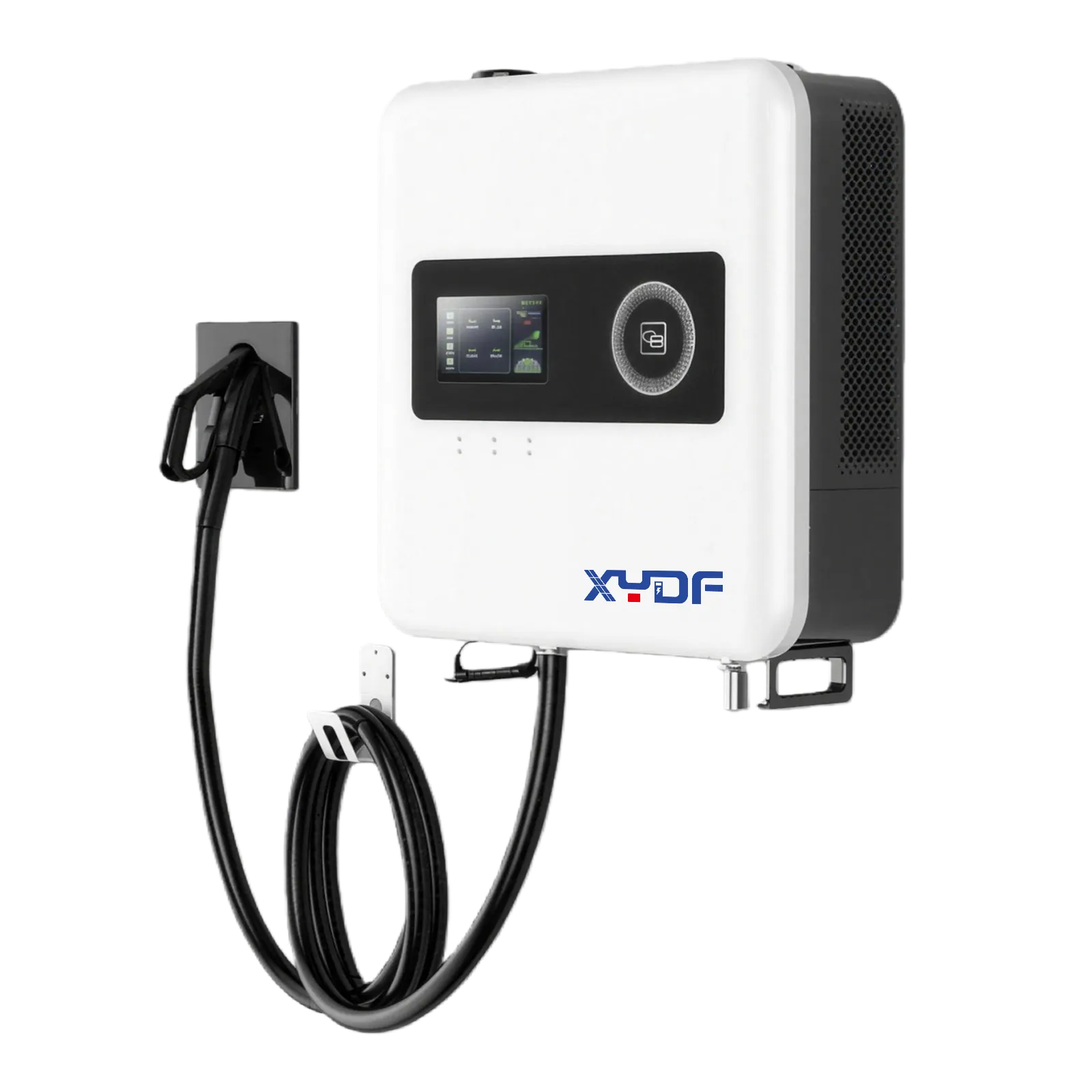
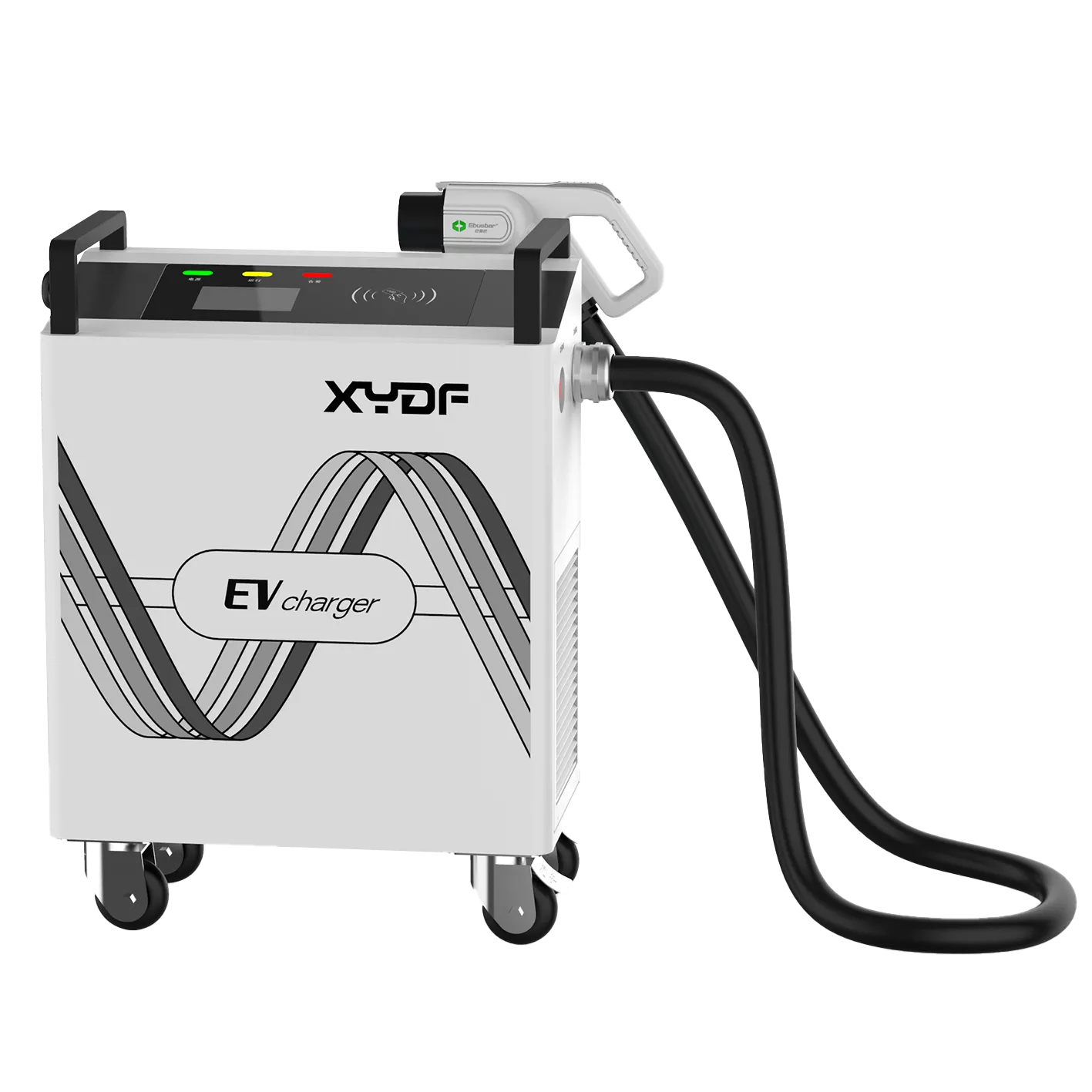
In recent years, electric vehicle (EV) use has escalated, and there is an ever-increasing need for drivers who have purchased EVs to learn how to properly use EV charging stations. The act of charging an electric vehicle can certainly be a daunting task for those who have never charged their own electric vehicle (e.g., charging at home, charging with public charging infrastructure, and utilizing EV fast charge stations), but it really isn’t all that complicated! This article will go over all of the information you need in order to successfully charge your electric vehicle so that you can continue on your journey!
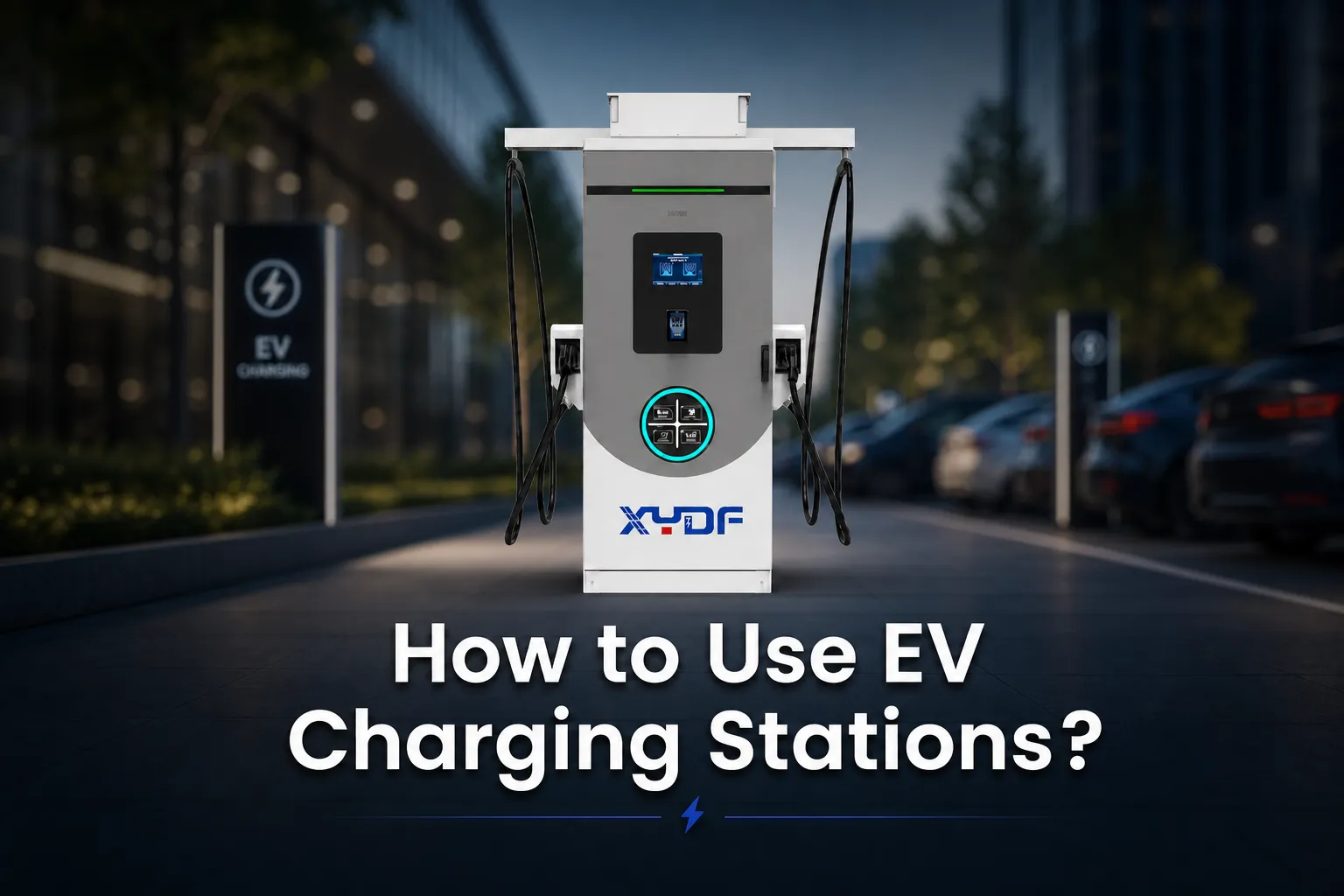
Types of EV Charging Stations
Before we get into how to use an EV charging station, let’s first go over the three different types of EV chargers that can be used to charge your electric vehicle. The charger you choose depends upon aspects such as your electric vehicle make and model, your preference for how quickly you would like to charge your vehicle, and your specific geographical location.
Level 1 Charging: These are the simplest chargers available for your electric vehicle and can be plugged into a regular household outlet. You can expect to add 4 to 5 miles to your vehicle’s range for every hour it is plugged in and will probably take you between 8 and 12 hours to fully charge your vehicle, depending upon its usage and how much battery charge is remaining in your vehicle when you begin to charge it.
Level 2 Charging: These chargers are commonly used by homeowners and businesses and require a 240-volt outlet. Level 2 chargers allow you to gain anywhere from 15 to 30 miles of driving range from every hour of charging time.
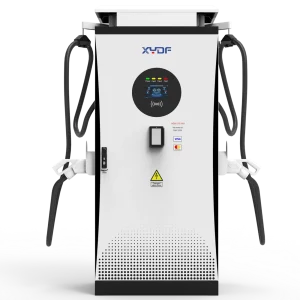
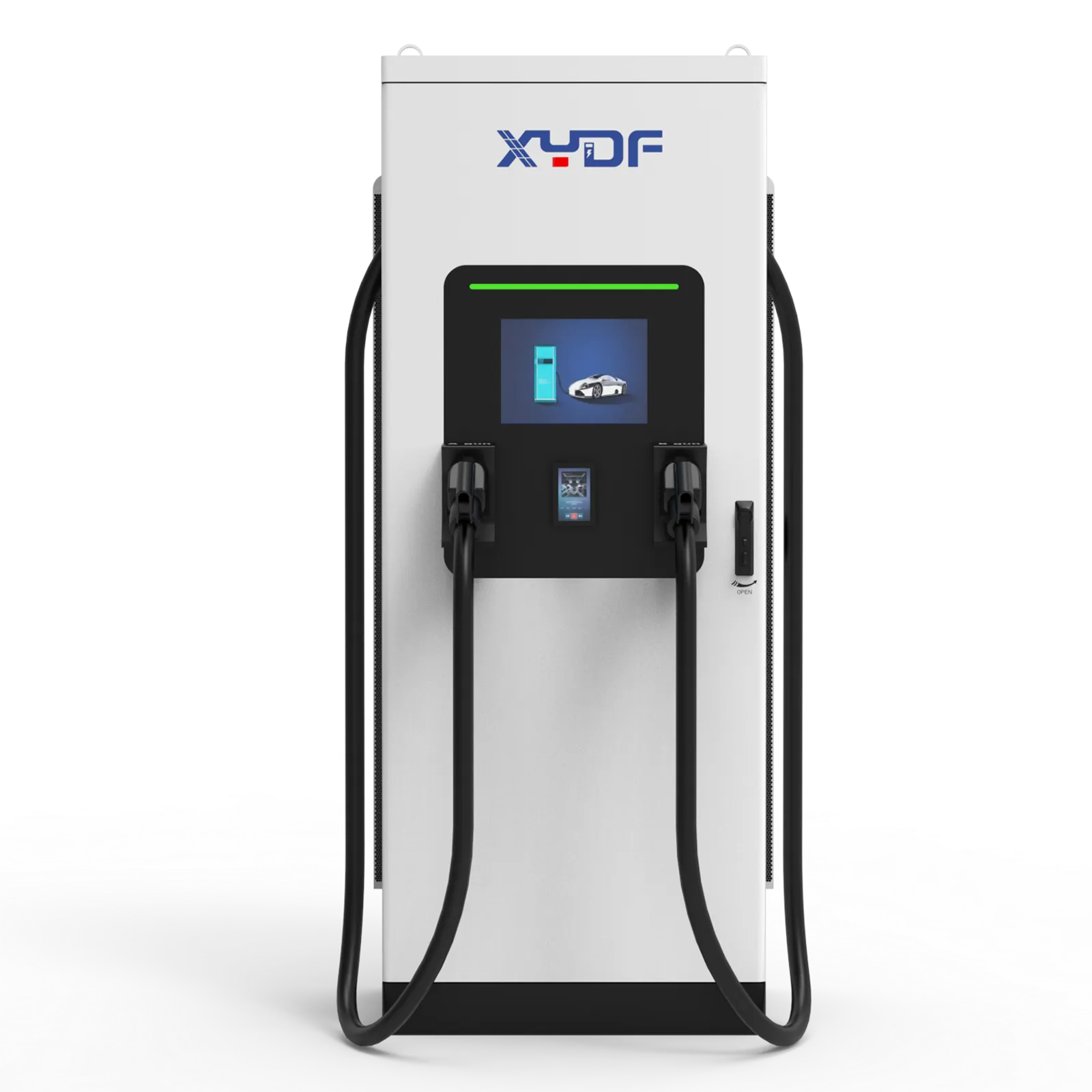
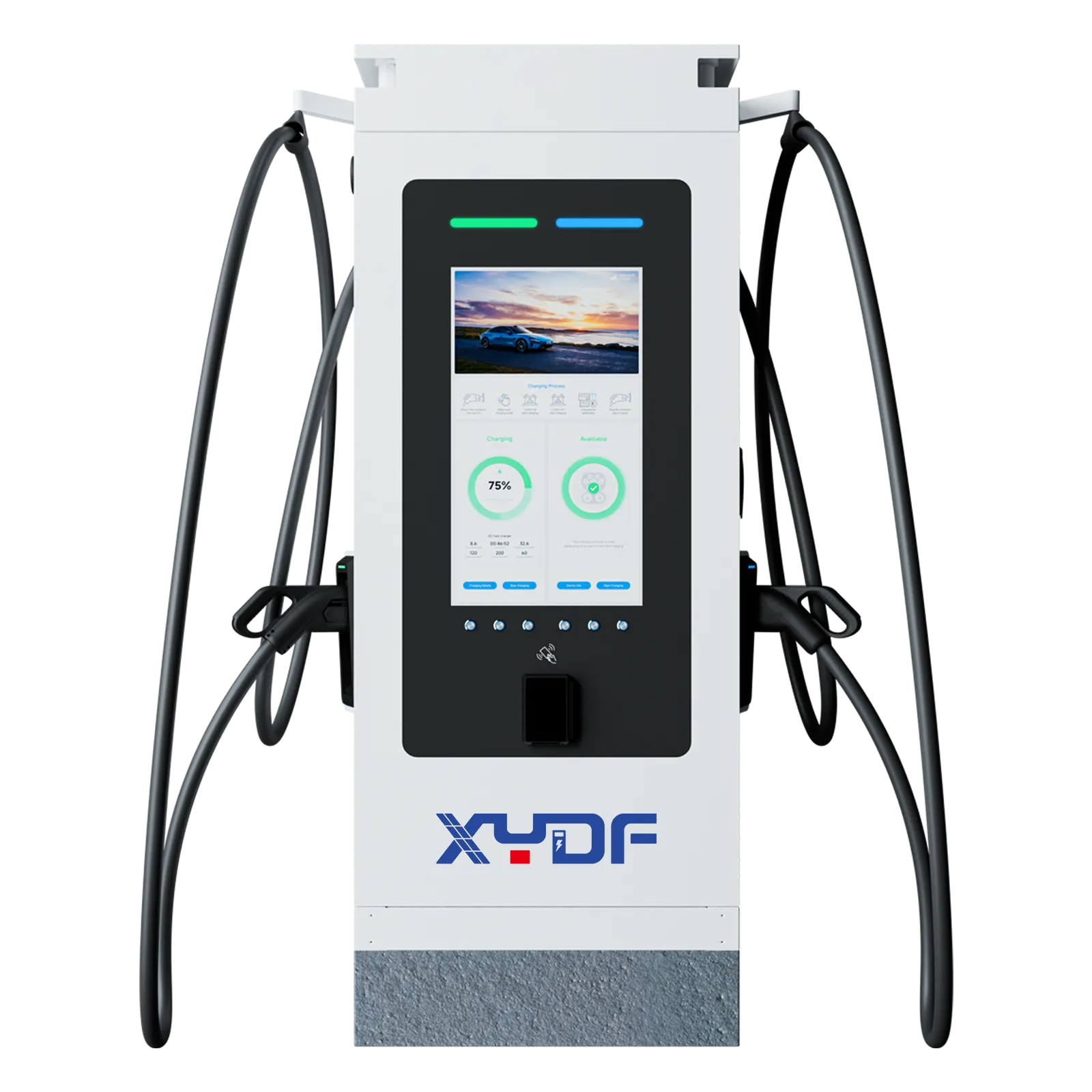
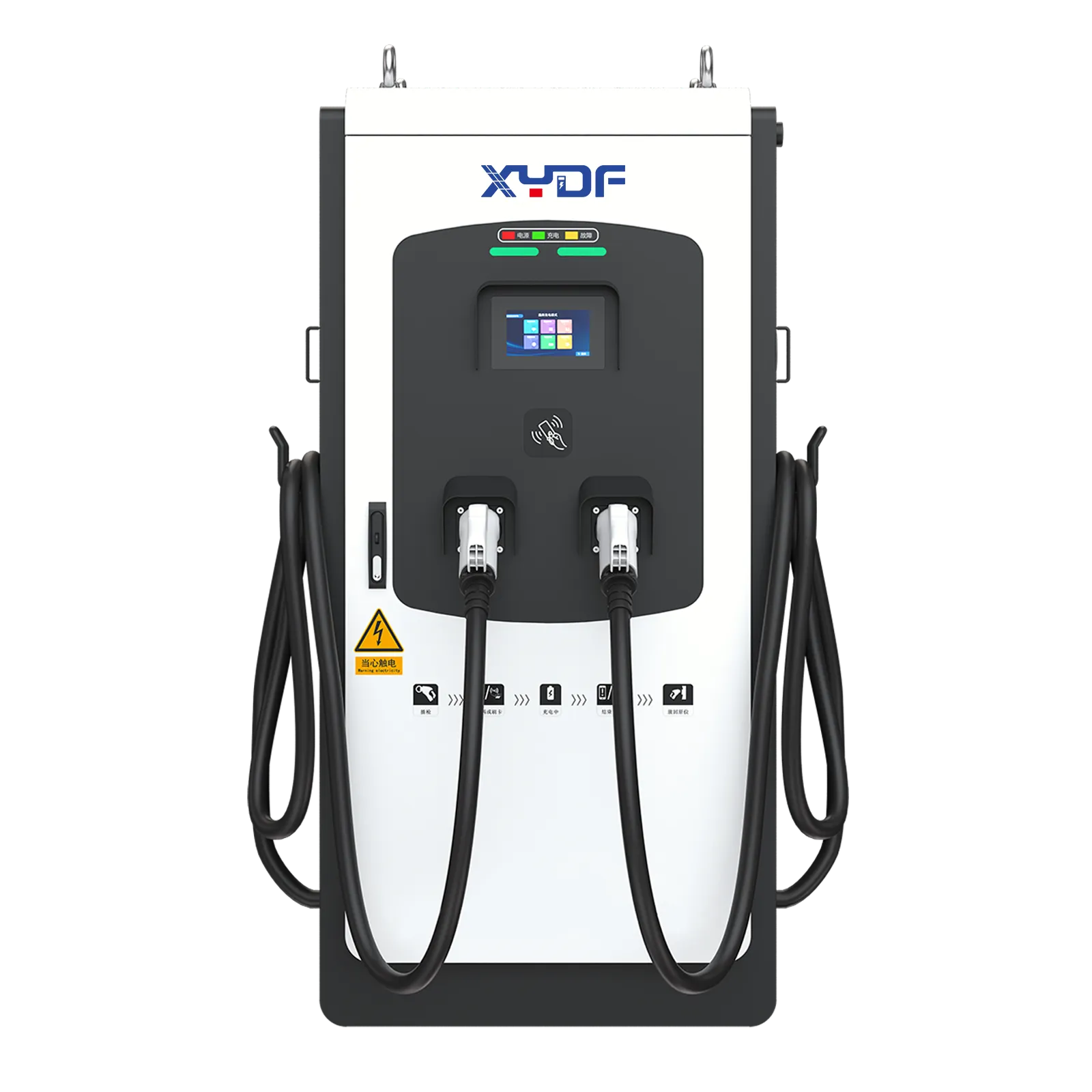
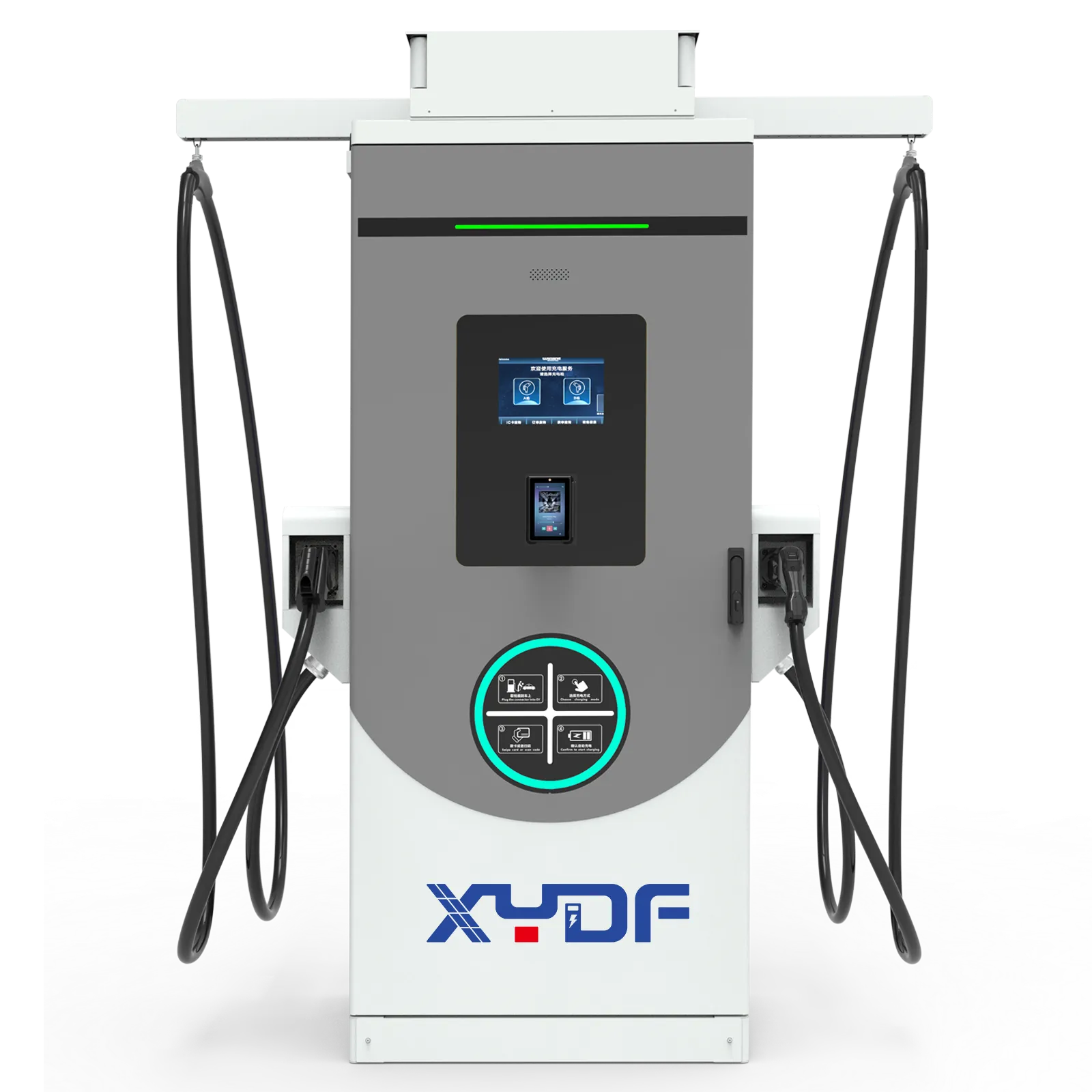
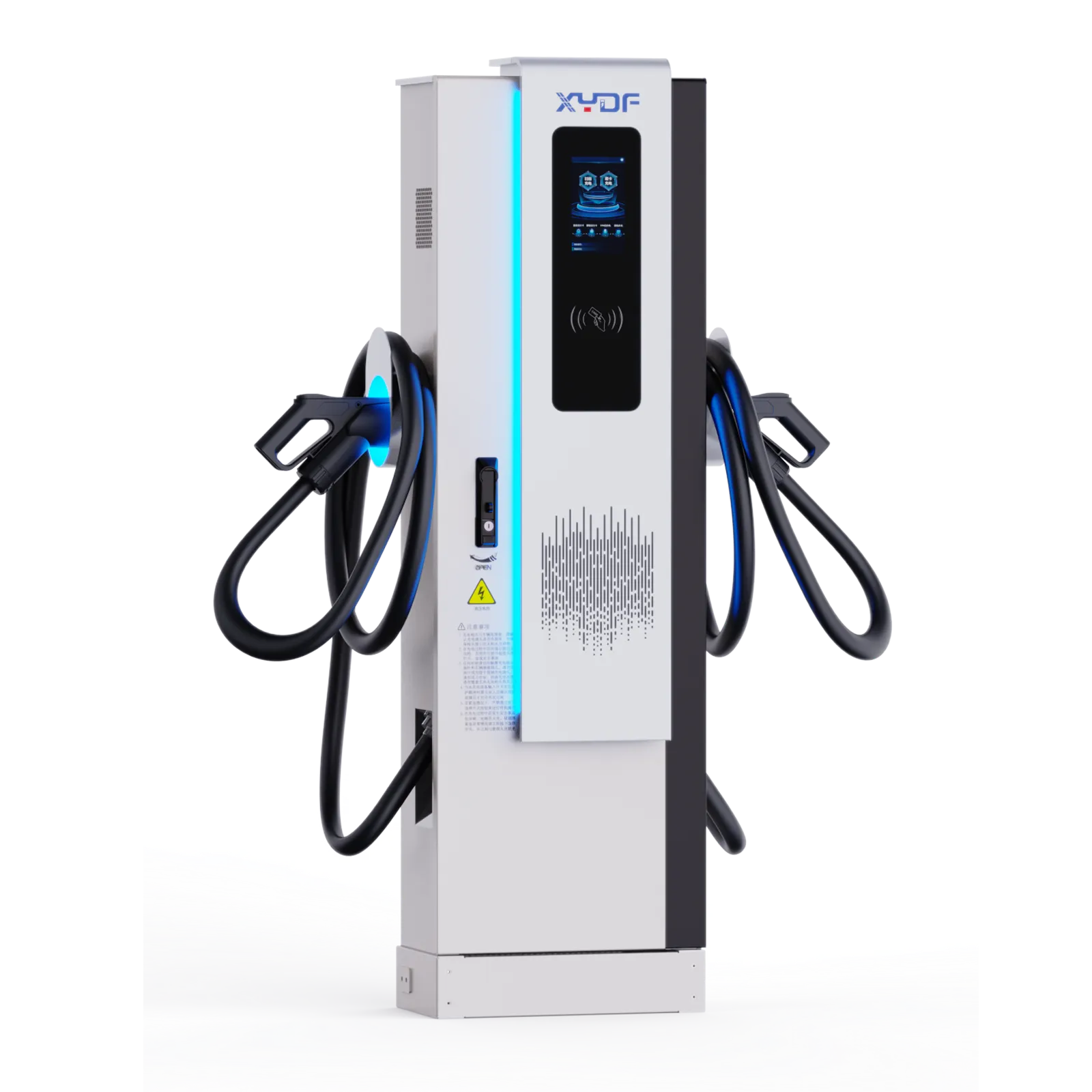
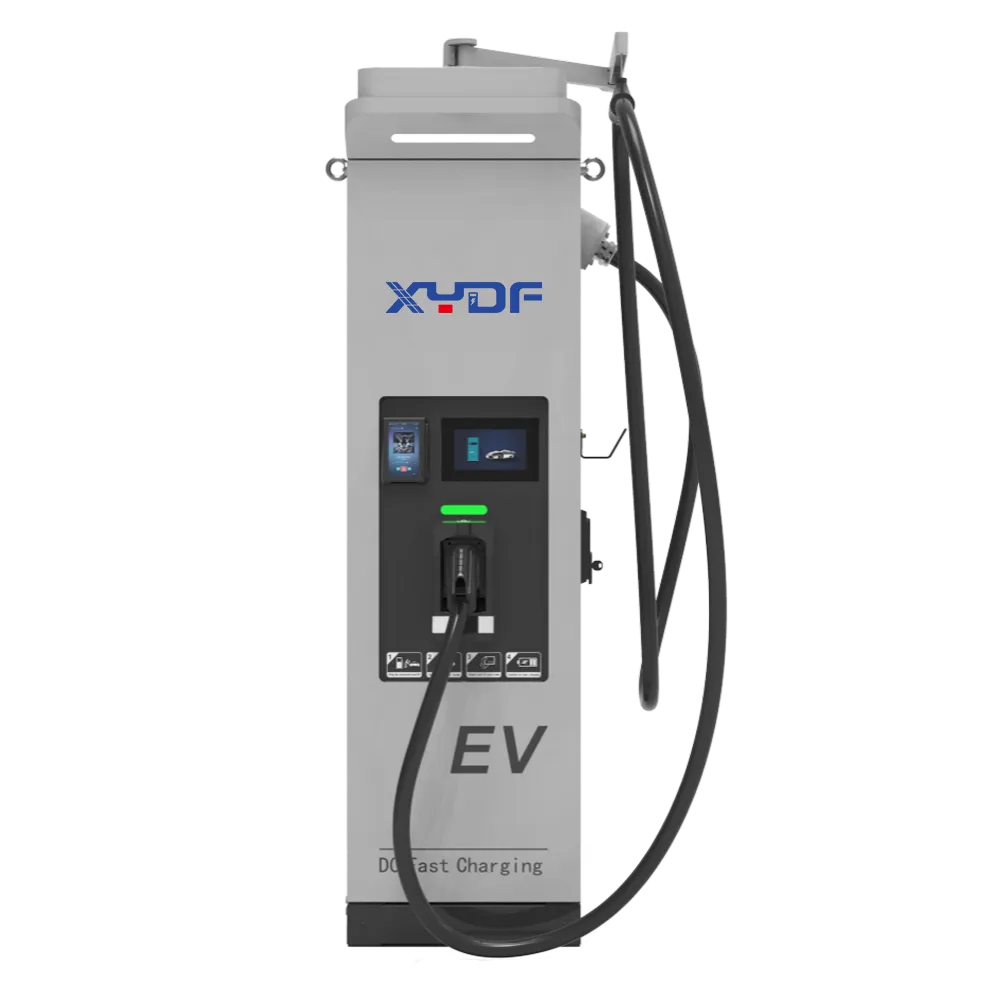
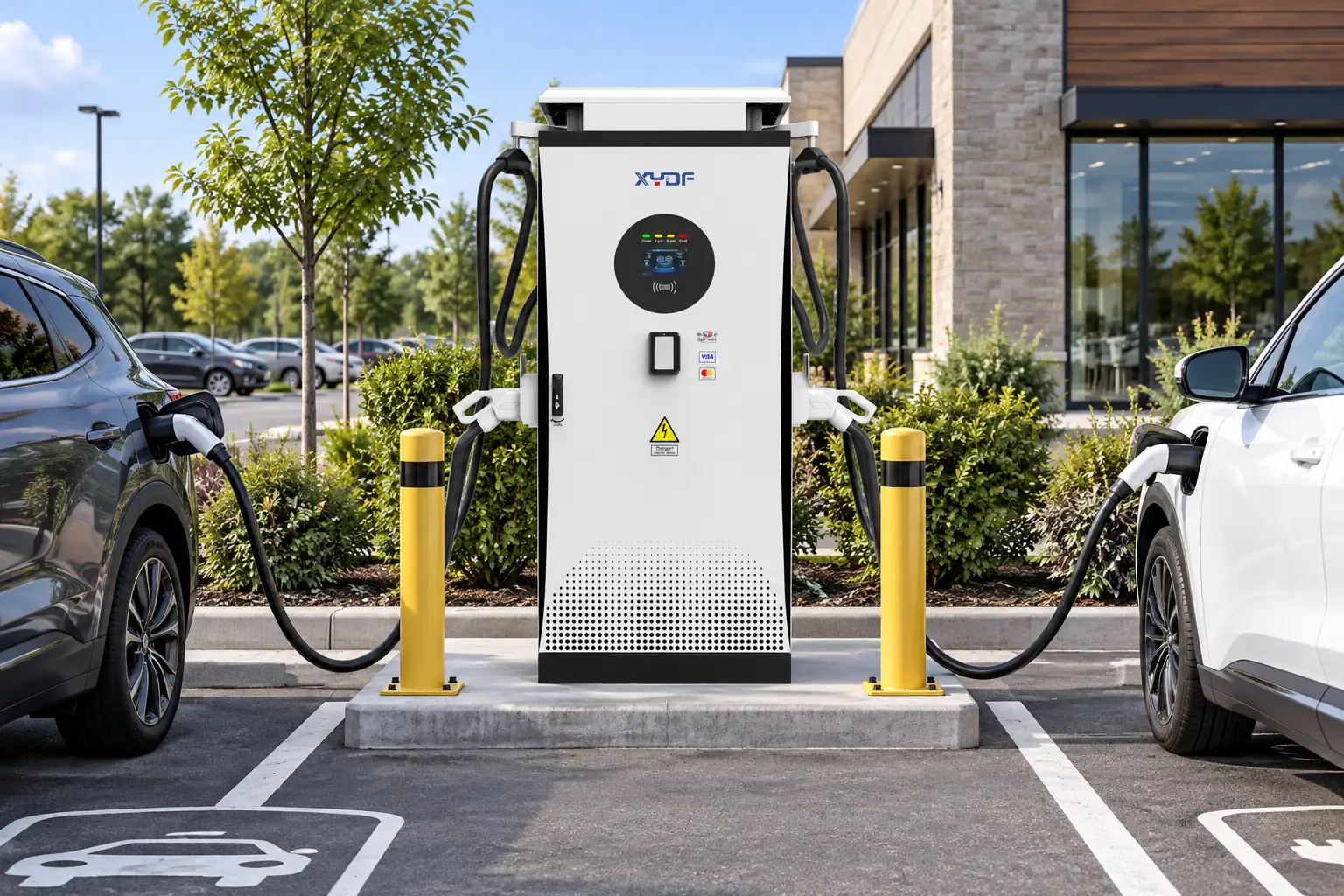
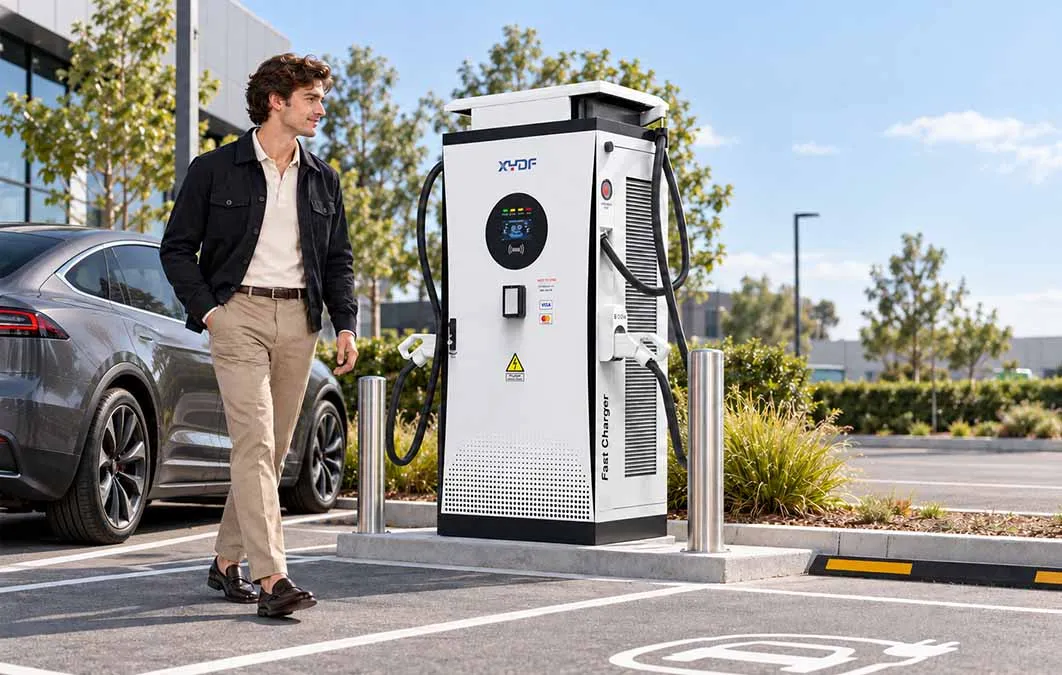
DC Fast Charging: Electric vehicle (EV) Fast Charge Stations provide you with direct current (DC) charging power at fast rates. The majority of fast-charge stations can be found in public facilities. EVs receive alternating current (AC) from the charging station; however, once the battery has received AC power, the EV will convert the AC power into DC power and that power will be used to charge the battery. Depending upon the specifications of your EV, it may only take approximately 30 minutes to fully charge your battery to 80%.
How to Charge Your EV with Ease
By taking the following steps, you will find charging your vehicle is a straightforward and uncomplicated experience wherever you go.
- Use an app: Use apps like PlugShare or ChargePoint, or your in-car navigation system to find EV charging stations. Most of these apps will indicate which stations are available to use at the time; therefore, you will not find yourself waiting for a spot to open.
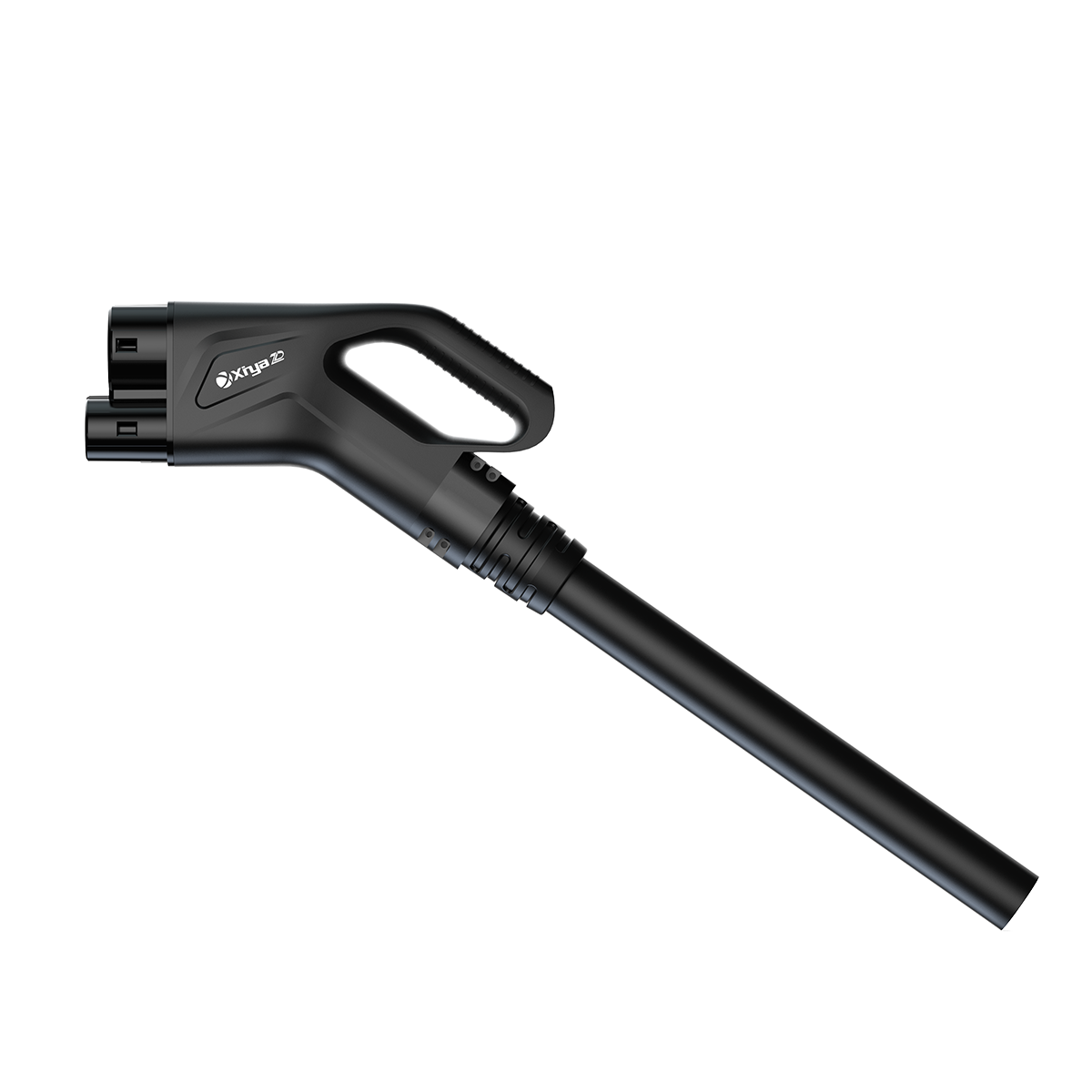
- Verify compatibility: Verify that the EV charging station you have selected will be compatible with the connector used by your EV (J1772, CCS, or CHAdeMO). If you own a Tesla, you will charge your EV at Tesla Supercharging stations; however, you will also be able to charge at non-Tesla stations using a J1772 adapter.
- Park and connect: Park your EV so that the charging cord can easily be connected to your EV charging port. When you’ve positioned your vehicle correctly, connect the charging connector to your vehicle’s charge port and make sure it is firmly seated in place.
- Authenticate and start charging: You must authenticate your identity before you can use many charging stations to charge your vehicle. You can do this by scanning a QR code, using a mobile app, RFID card, or credit card. Follow the instructions provided to start charging your vehicle.
- Monitor status: Many stations have a display to show the user their current charge status, as well as to show them how much charge will still be available when their vehicle is fully charged. You can verify your vehicle’s total charge via an application or onboard display.
- Unplug and drive: Once your vehicle is charged to the level you desire, remove the charging connector from your vehicle’s charge port, then you are free to drive away.
Selecting the Right Charger
To choose the correct charging connector for you, the following information will be useful:
- How much you drive each day.
- Whether you plan on charging at home or outside of your home.
- What kind of electric vehicle you own.
For people that don’t drive long distances and are able to plug in their vehicle overnight to charge, the best option would be a Level 1 charger. Upon upgrading to a Level 2 home charger, charging becomes faster.
If you live far or out of town, install a Level 2 charger at home and utilize EV fast-charging stations for quicker charging on the road.
For first-time EV owners, look into the fast-charging capabilities of your vehicle when shopping, as well as EV fast-charging stations for sale for your home.
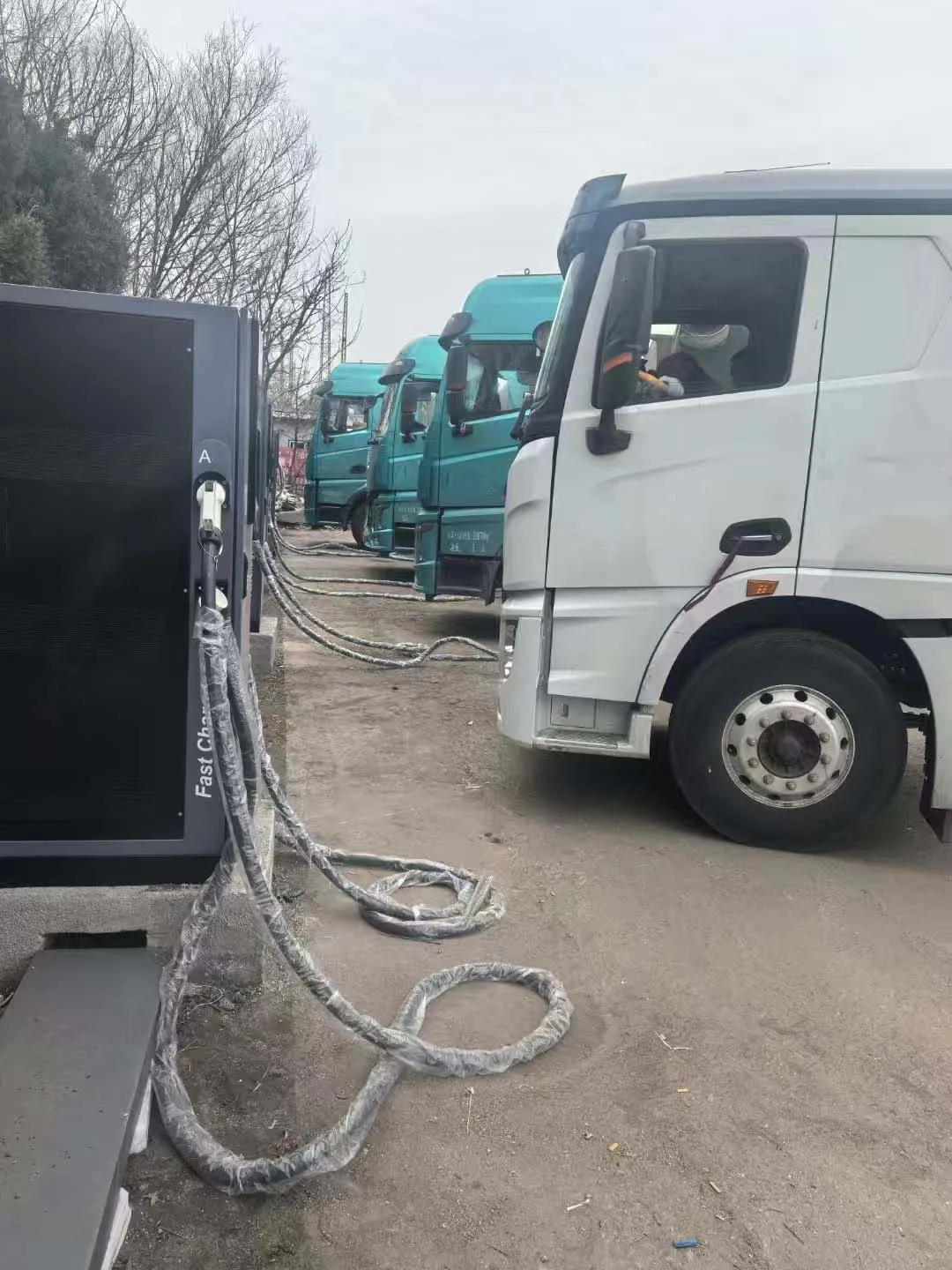
Ways to Eliminate Charging Hesitancy with Electric Vehicles:
By keeping several different items in mind, you can optimize your EV charging experience:
Plan your journey: Before heading out, find EV charging locations before leaving on a trip.
Charge during low demand: Generally speaking, you can save money by charging at night if you are on a time-of-use billing plan from your electricity provider.
Do not overcharge: All EVs have built-in safety functions for overcharging, but the best rule of thumb is to unplug the charger once the battery has completely charged.
Frequently Asked Questions
Is there a way to charge an EV with solar energy?
Yes! When you set up a solar installation on your property, you can actually use the solar electricity being made at your property to charge your electric vehicle (EV) and you’ll also save money by not having to charge your EV using the grid and reduce your overall impact on global warming.
Are there membership options for public charging networks?
Many charging network companies, such as ChargePoint and Electrify America, have membership options available that allow you to reduce your cost of usage at public charging stations.
How much does public EV charging cost?
Many times the cost of public EV charging is different for different companies and at different charging locations. However, as a general rule, most public EV charging companies charge between $0.20 and $0.60 per kWh. It’s important to recognize that there are charging stations that allow for free charging—typically subsidized by nearby businesses or local municipalities.
How long does it take to charge an EV?
The length of time it takes to charge an electric vehicle varies based on the type of charger that you are using and the amount of charge your vehicle can receive. Level 1 Charging Station chargers should fully charge an electric vehicle in approximately 12 to 24 hours, Level 2 Charging Station chargers should fully charge an electric vehicle in approximately four to eight hours, and Rapid Charging Stations should provide an 80% charge in approximately 30 minutes.
Can I leave my EV plugged in overnight?
Yes, you can leave your electric vehicle plugged in overnight. Your Level 1 or Level 2 chargers will charge your electric vehicle while you sleep, and most electric vehicles are manufactured to stop charging once the vehicle is at full charge.
As an electric vehicle owner, it’s important to consider the availability of public EV charging stations, the rapid advances being made in EV fast charging technology, and the accessibility of economically-priced EV charging stations that are readily available for sale on the open market. In addition to saving you money by converting to the use of electric vehicles and using well-thought-out charging options, you will also help contribute to the reduction of greenhouse gases being released around the world.
For additional information related to setting up a public Charging Station at your home, please contact us as soon as possible to assist in creating an environmentally-friendly and sustainable transportation infrastructure. We look forward to hearing from you and providing you with assistance to promote a cleaner future.
 Xinya Dongfang Electricity Technology Co., Ltd.