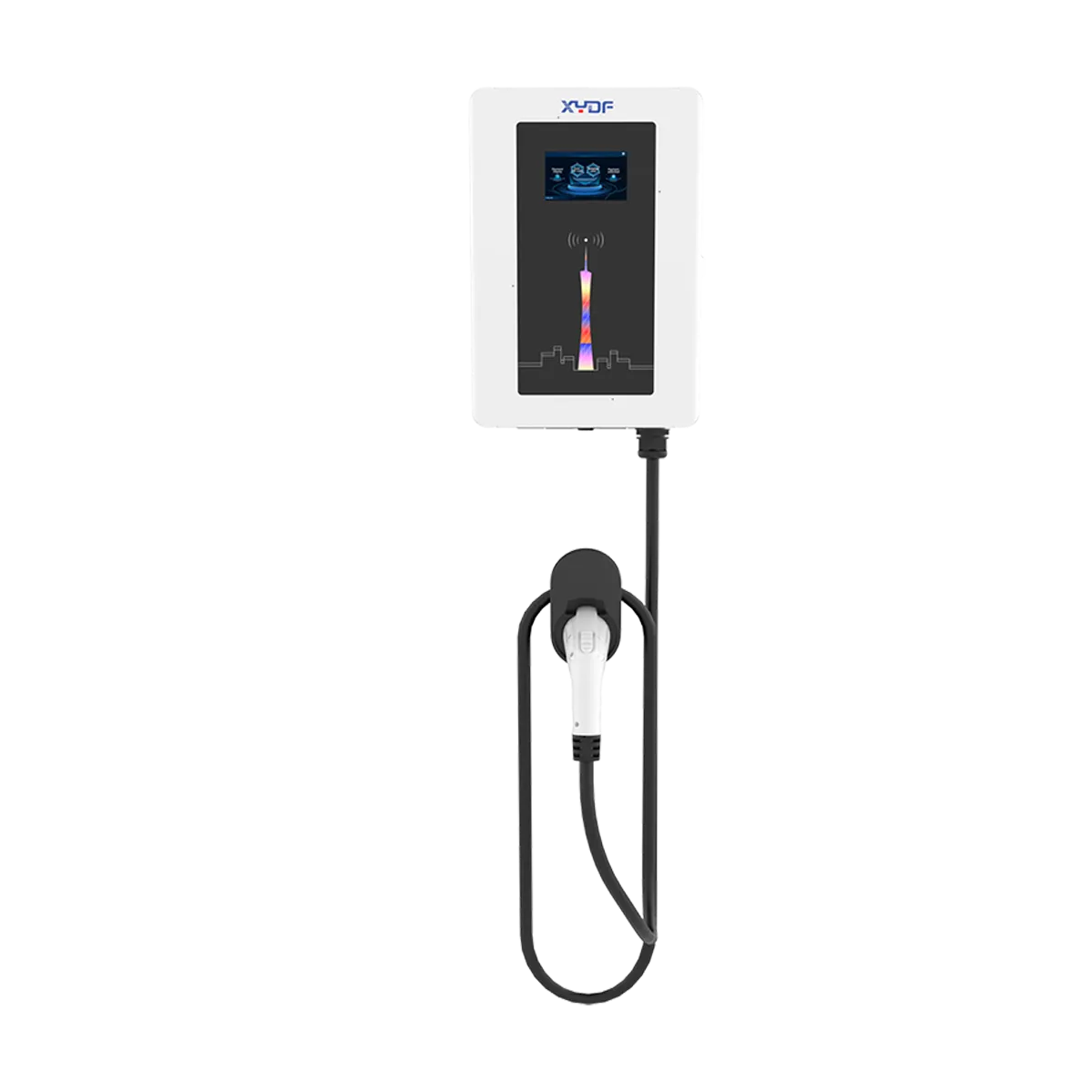
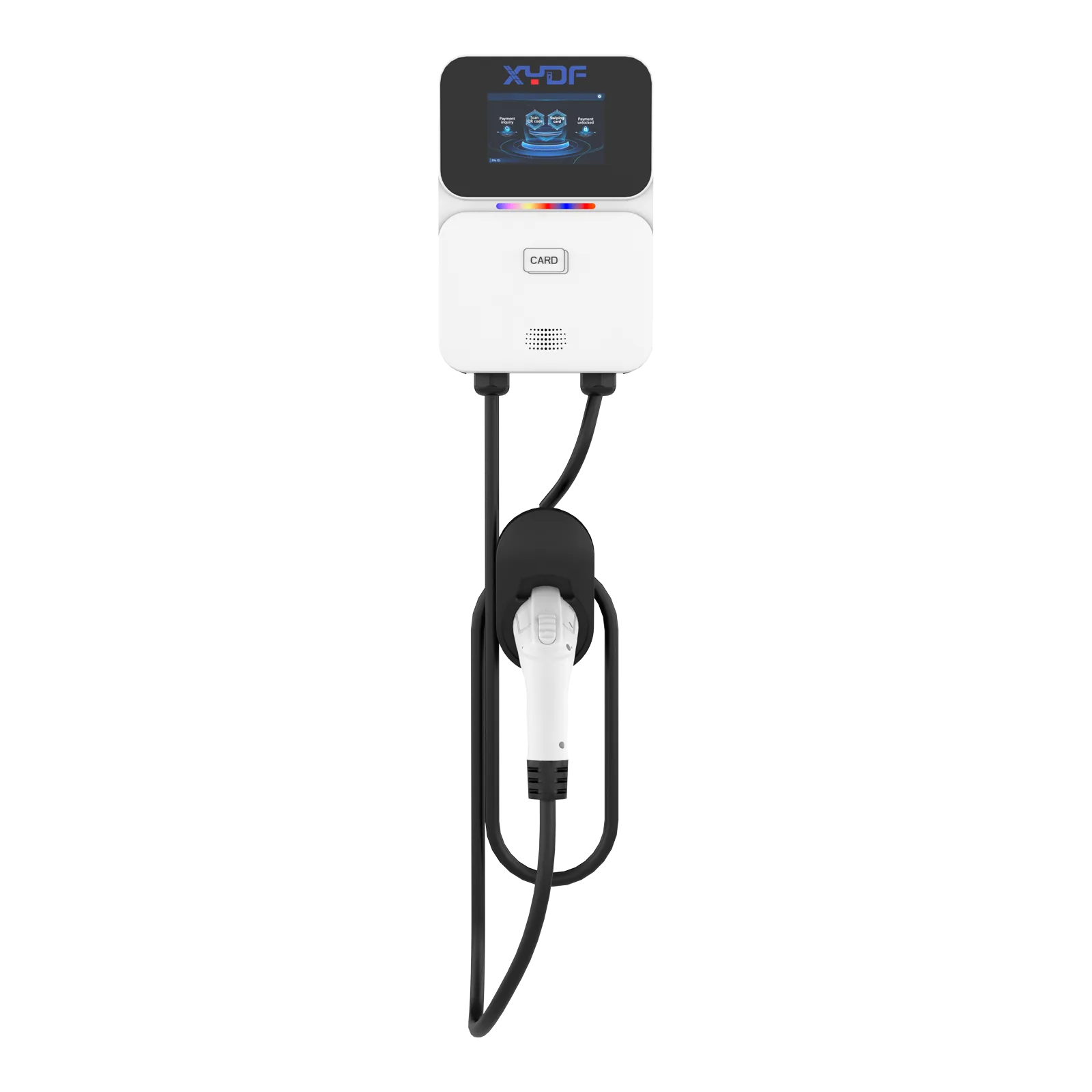
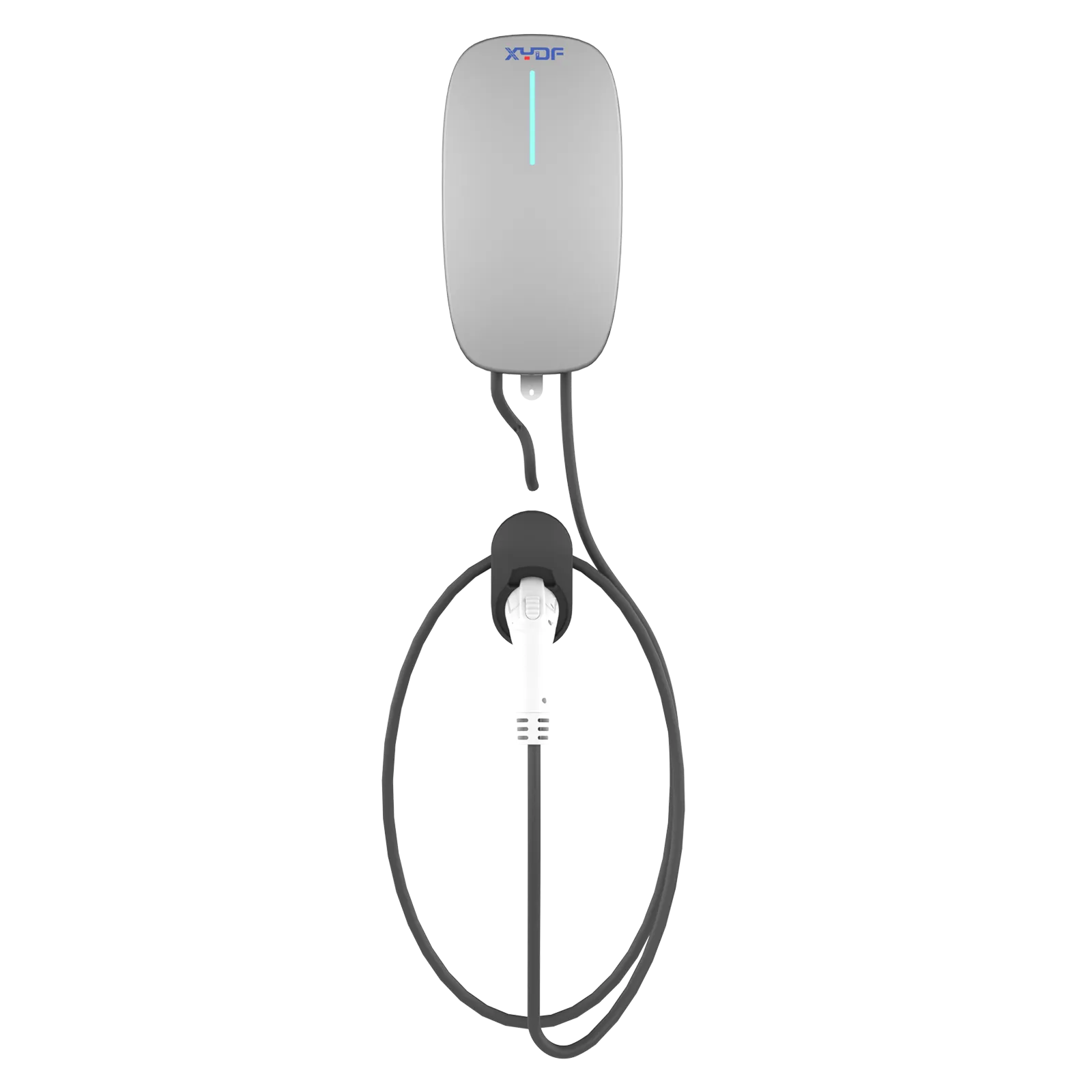
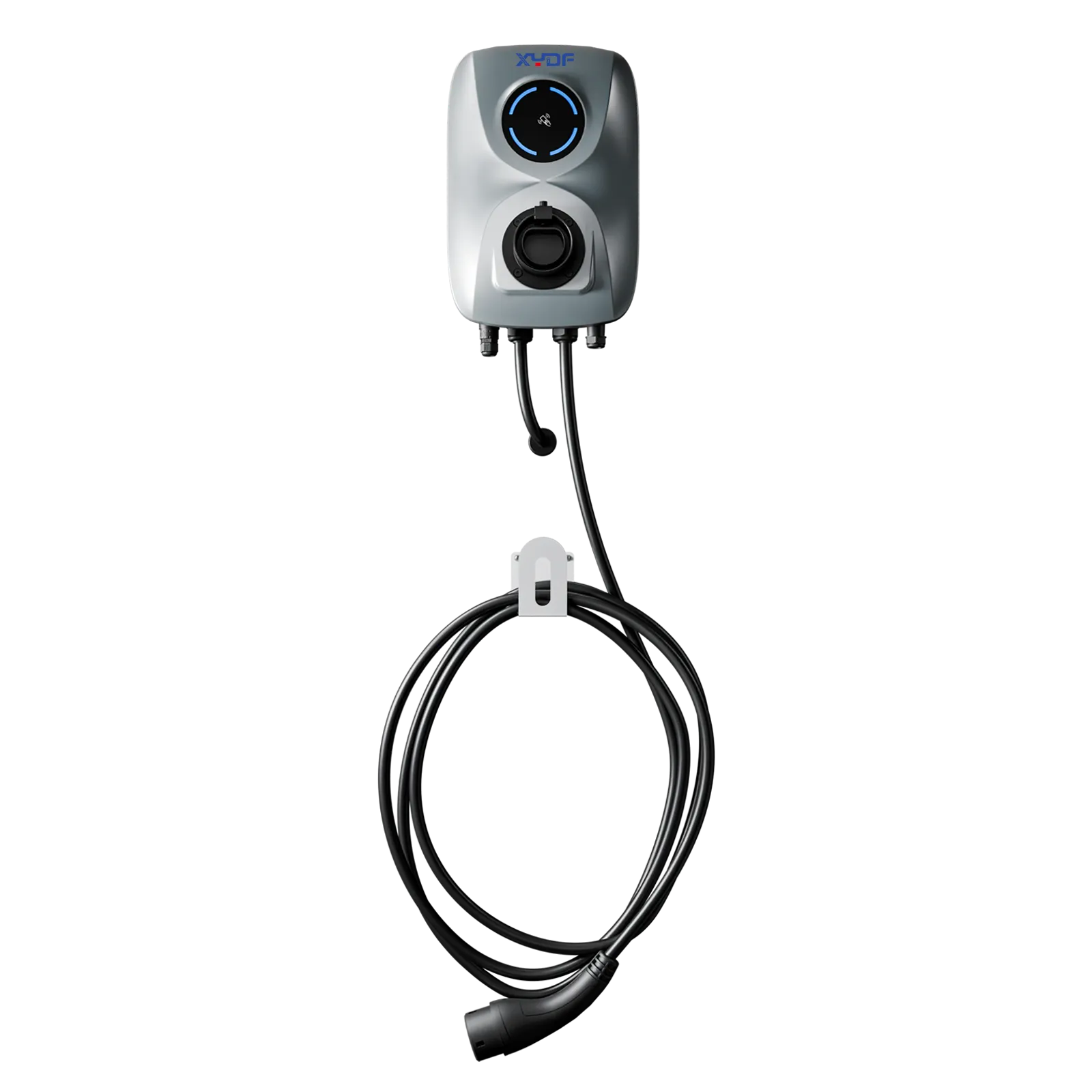
The growth of electric vehicles (EV) usage has led to a growing number of questions surrounding amperage of EV chargers, including how many amps you may need to install a home EV charging station, if you’re looking to upgrade to a Level 2 EV charger or are simply trying to determine what the proper # of amps would be for charging an electric car. Either way, this guide will help you understand the basics.
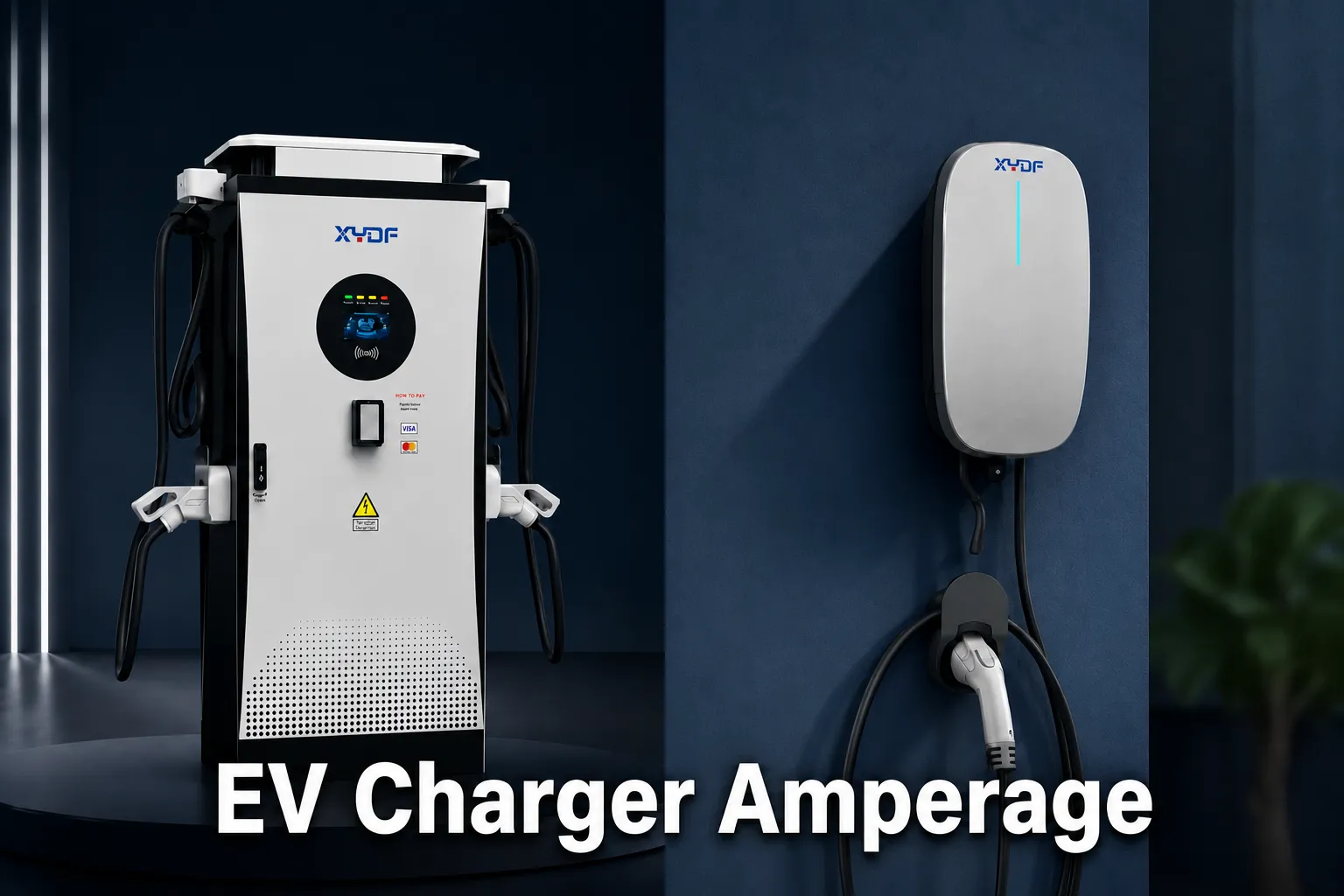
Amperage or “amps,” is a way to quantify the amount of electrical current being supplied through the EV charger to your EV. In other words, the rating on your EV charger dictates how quickly an EV can be charged. The higher the amperes for EV charging, the faster the vehicle battery can be recharged (provided that your vehicle can accept the power).
In addition to having an EV charger capable of providing the desired amperage, the electrical system of your house should also be able to support that amperage level safely and effectively. In order to achieve safe and effective charging of an EV, the EV charger, vehicle, and circuit breaker should all be properly matched.
How many amps you will need depends on how much power your EV charger uses, how large the battery in your EV is, and what your personal preference is for charging rate. Let’s look at them individually:
The Level 1 charging stations that come with most EVs typically utilize the same standard 120-volt outlets found in most homes. A Level 1 charging station typically draws between 12-16 amps and is well suited for plug-in hybrids or electric vehicle owners with short daily commutes. However, a Level 1 charger has a pretty low charging speed that would only give you roughly 3 to 5 extra miles of range per hour.
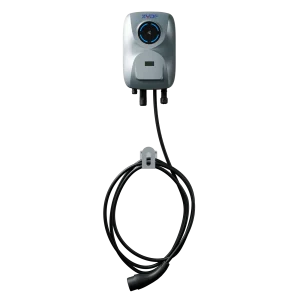
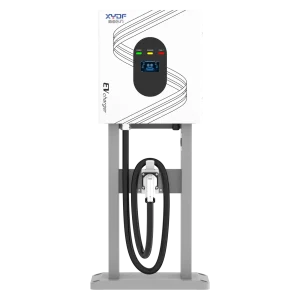
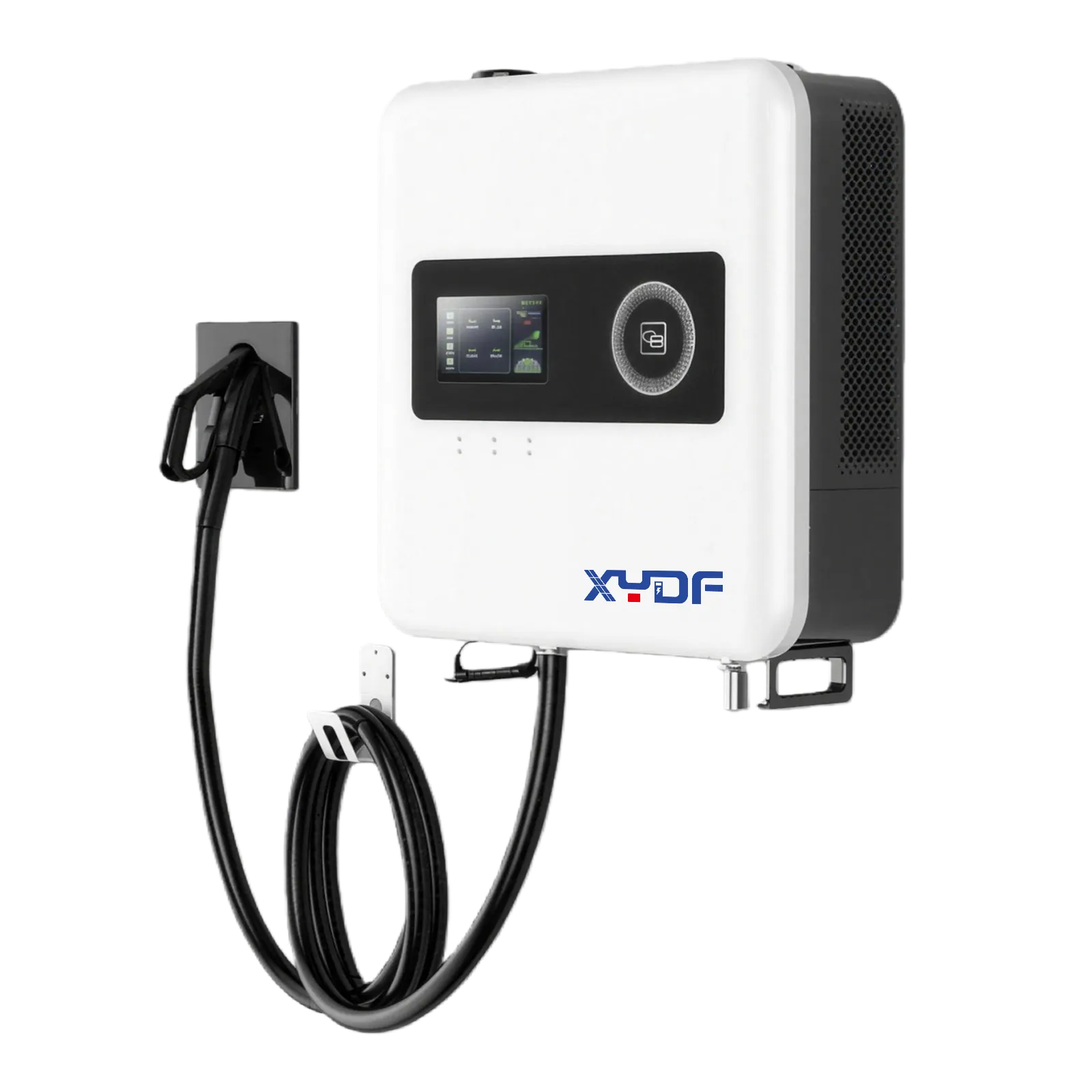
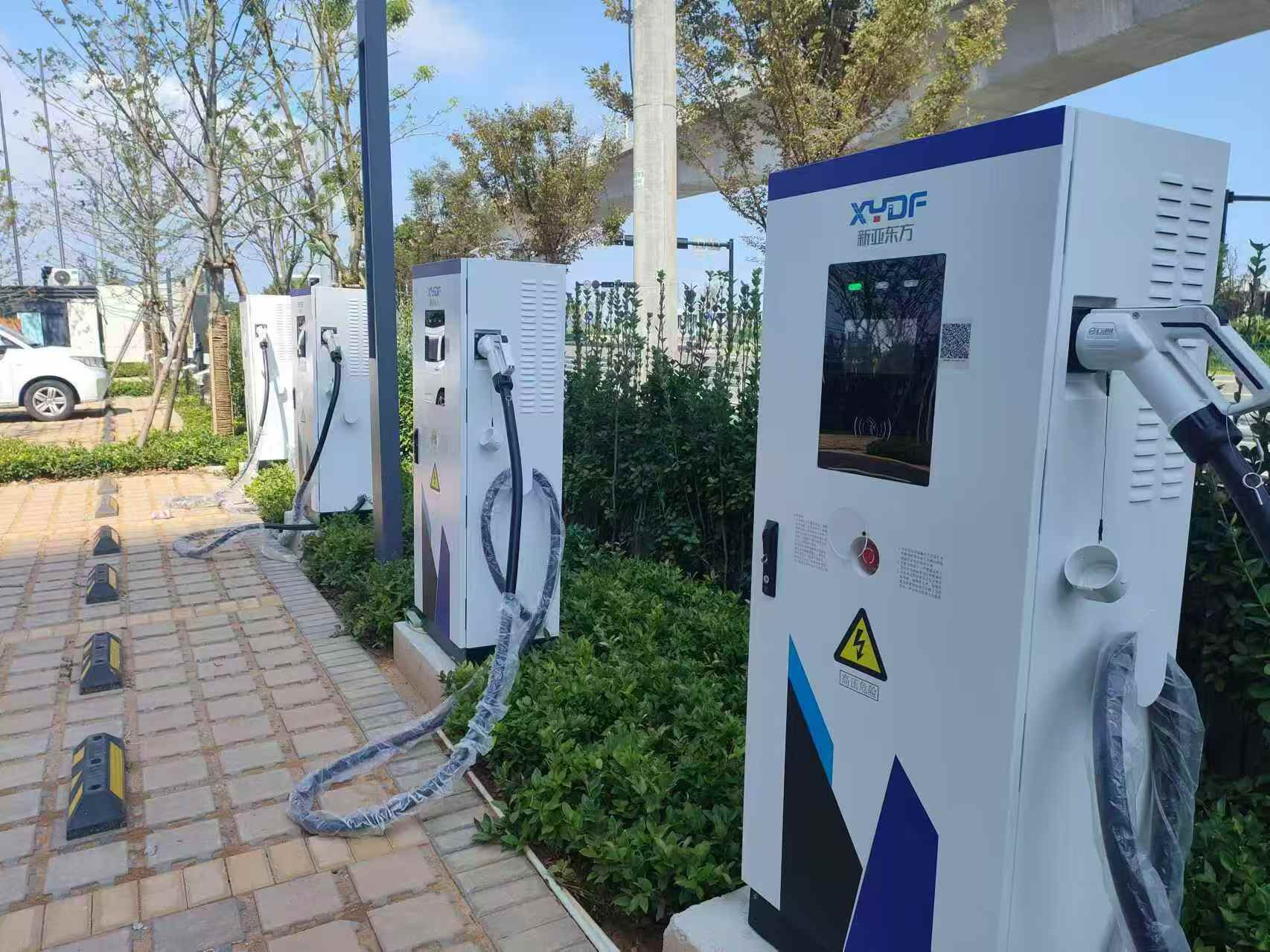
If you’re looking for more options in terms of better charging speeds, then a Level 2 charging station operates on 240 volts and typically draws between 16 and 50 amps of electricity. Each level 2 EV charger amperage required will vary based on the charger manufacturer and the battery capacity for each vehicle you are charging. A 32-amp Level 2 EV charger can provide up to 25 additional miles of range in one hour of charging, while a 50-amp Level 2 EV charger gives you about 37 additional miles in one hour. Level 2 chargers are great for overnight charging at home or longer-duration charging.
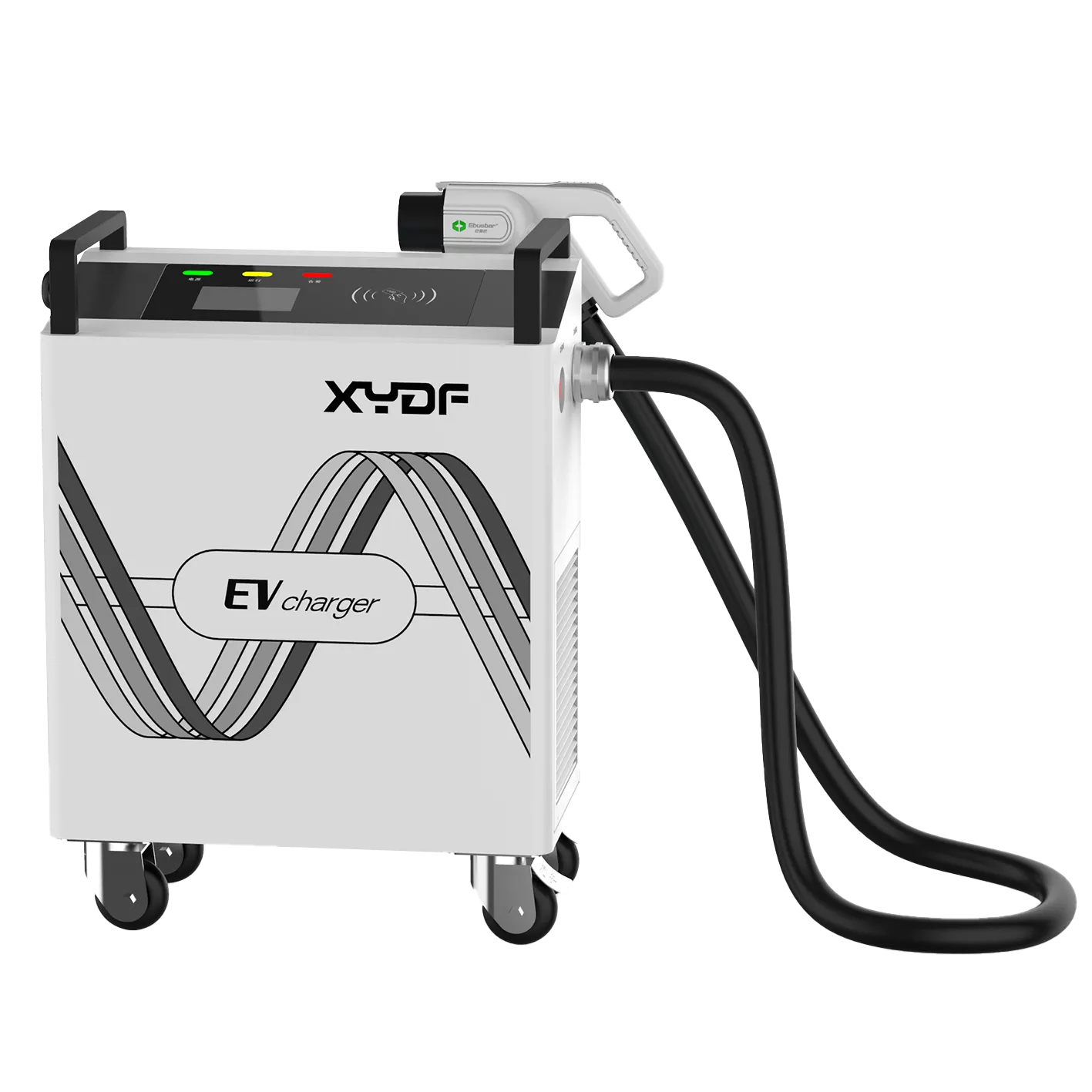
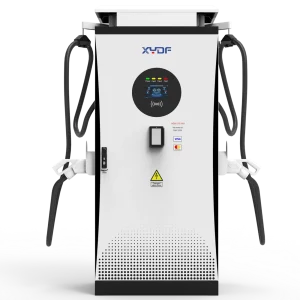
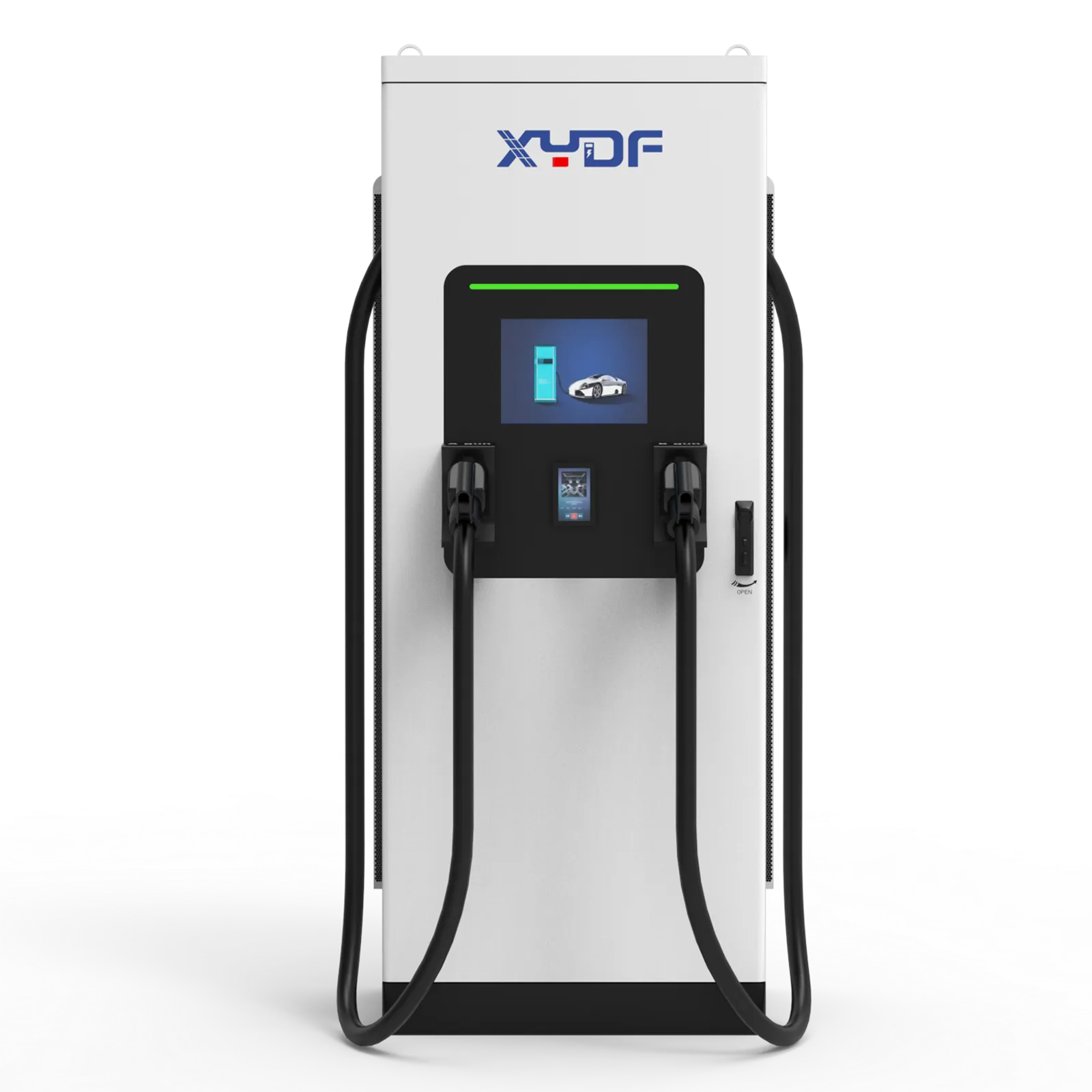
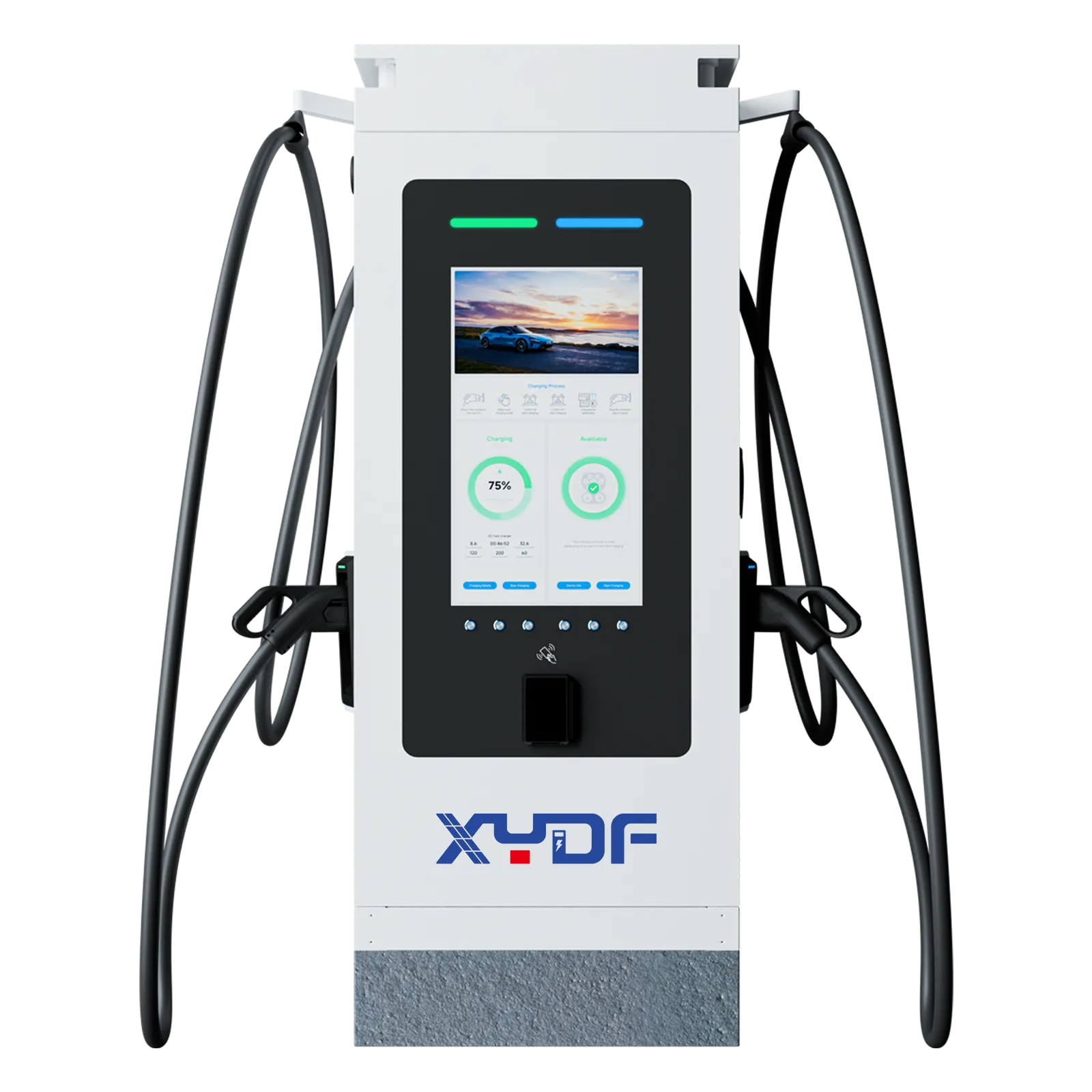
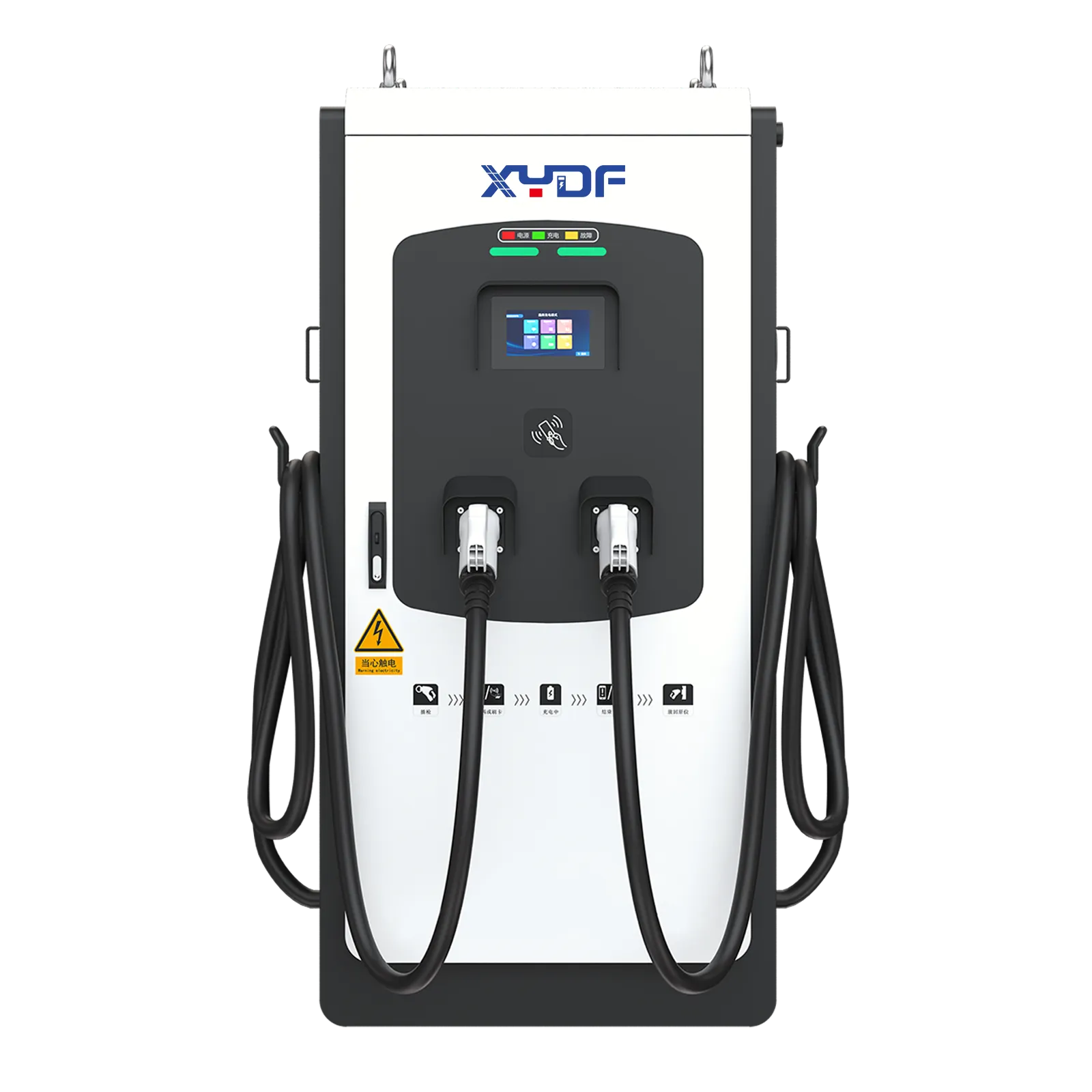
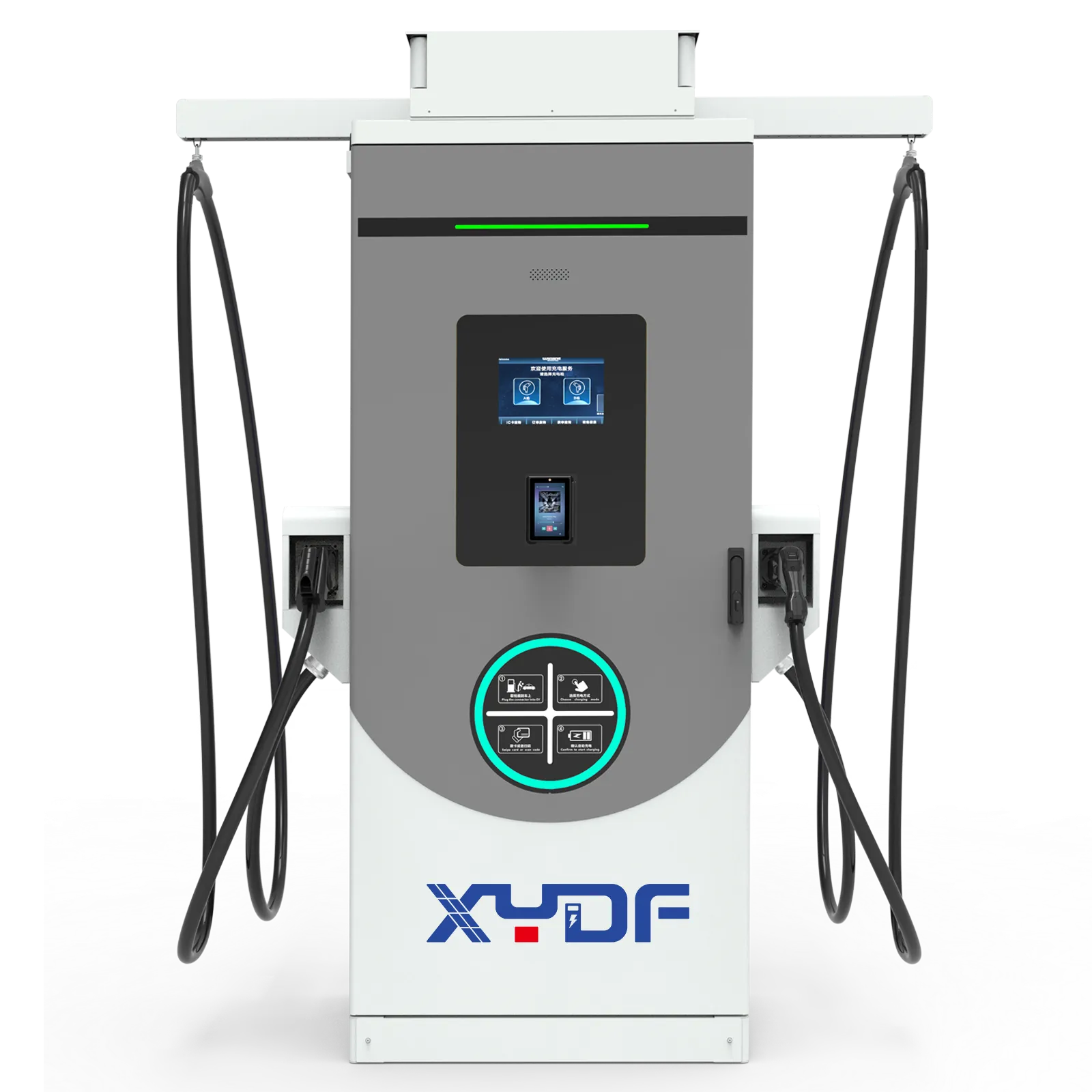
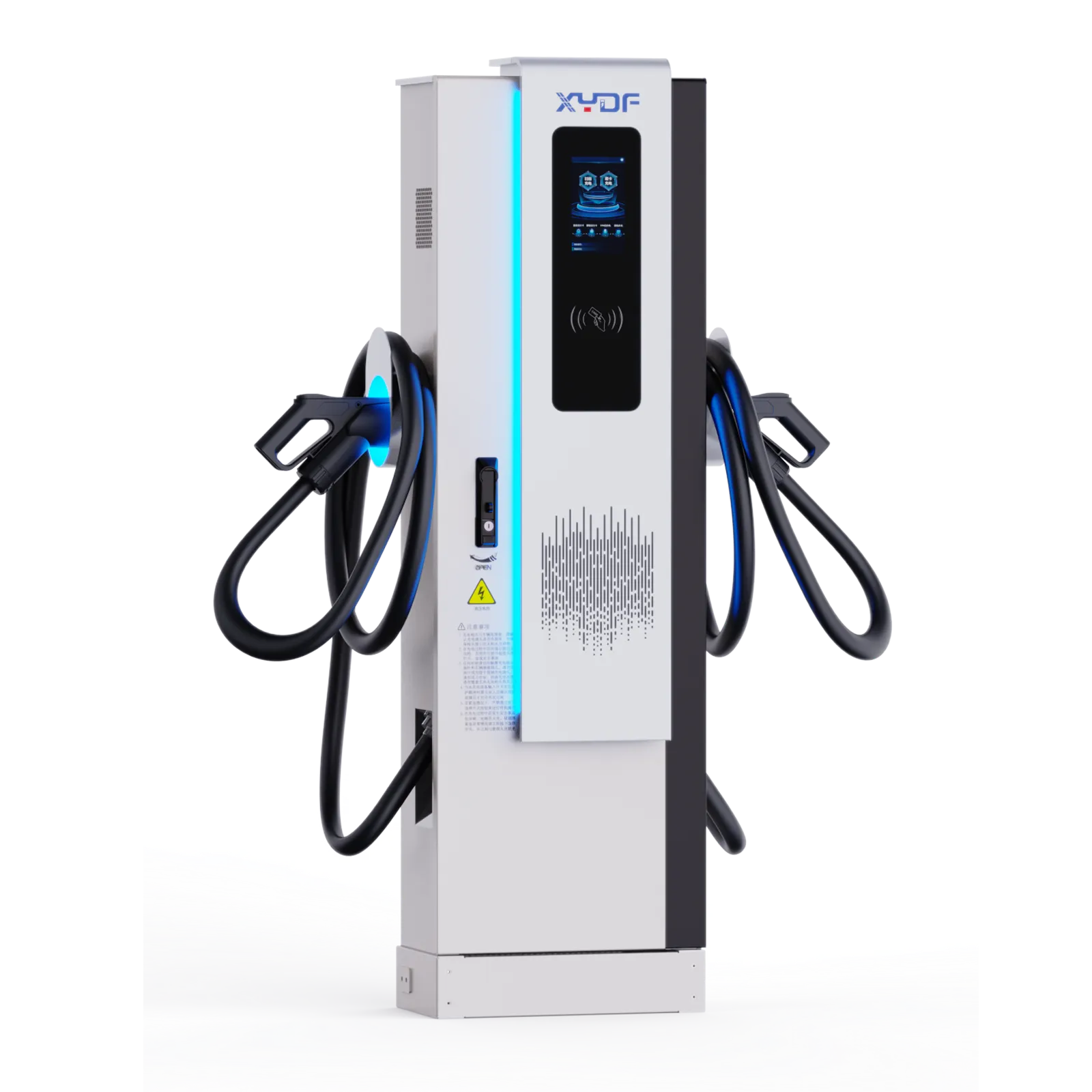
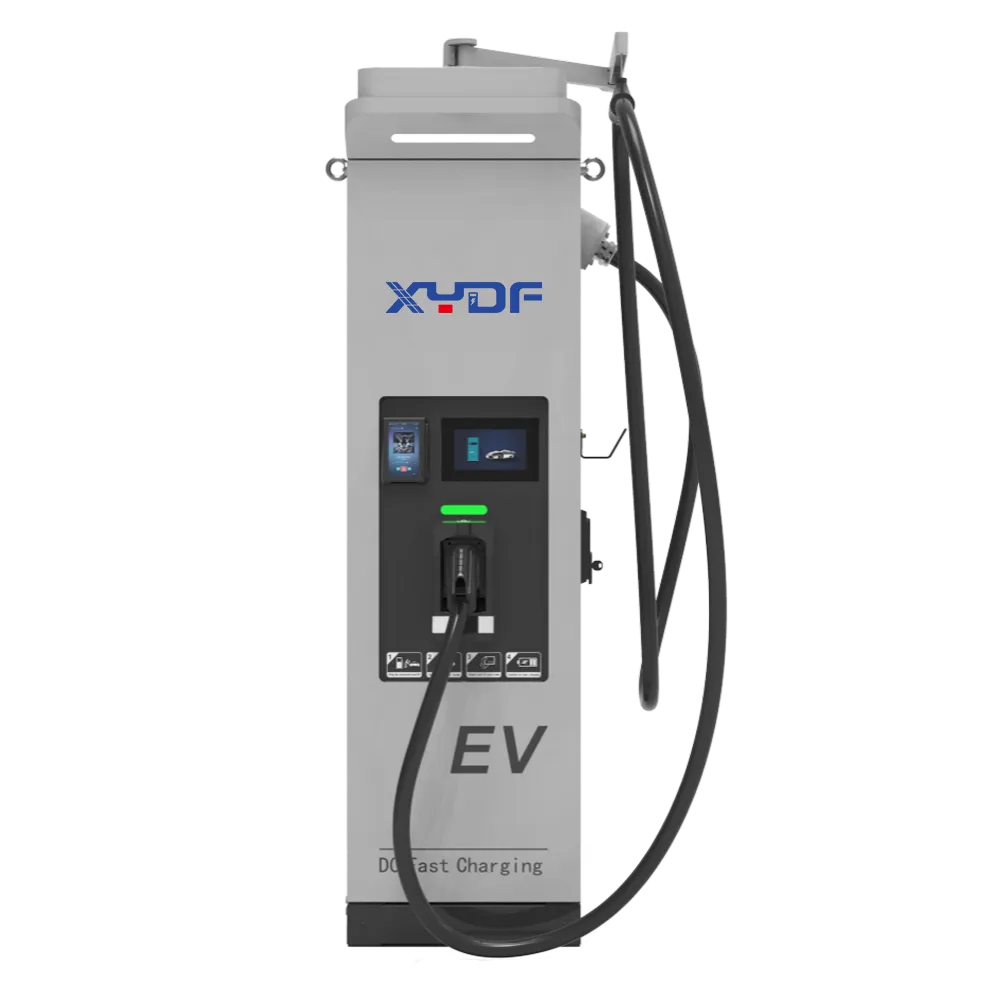
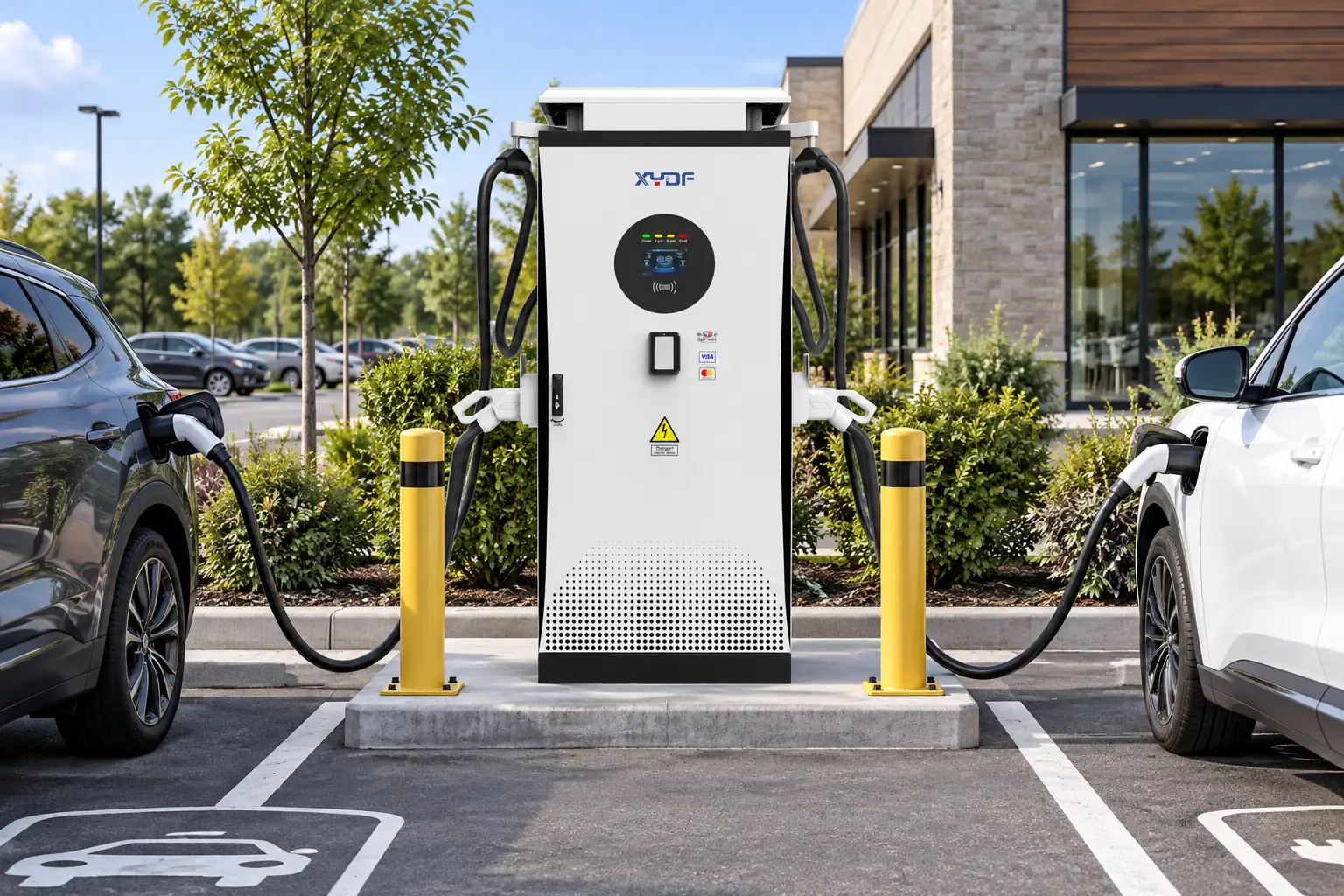
DC fast charging stations, which are commonly found at public EV charging stations, are capable of supplying a very large amount of power (100 amps or more) very quickly (in under one hour). However, due to how expensive they are, as well as how much infrastructure is necessary to support them, they are usually not an option for installation in a residential setting.
When installing a home EV charger, you need to choose the correct amperage for your charger. Here are some things to consider when making your decision:
1. Compatibility of Your Vehicle: Make sure you understand the standards set forth by the onboard charger of your EV. What your electric vehicle (EV) can safely take in terms of amperage is based on how many kilowatts your vehicle can be charged with and how many volts are typically provided by home and business electrical systems. For instance, the maximum charging rate of your electric car is measured in kilowatts (kW). The following formula will allow you to calculate the amp usage of the EV charger that you will be buying:
Amps = Kilowatts / Voltage
Let’s say you had a Level 2 (220-240 volt) charger and you’re charging your electric vehicle at 7.2 kilowatts (kW); for a Level 2 charger of 220-240 volts:
Amps = 7,200 watts / 240 volts = 30 amps
This means you would need a minimum of a 30-amp charger or higher for maximum charging speed.
1. Do I really need a 32-amp EV charger?
Yes, but if you have an electric vehicle with a long range and the battery is larger than the EV with a short range, you may want to consider a 40- or 50-amp EV charger.
2. How many amps does a Level 2 EV charger draw?
Normally Level 2 EV chargers will draw between 16 and 50 amps; the average Level 2 EV charger will draw 30-32 amps.
3. If I have a 50-amp EV charger, can I install it without upgrading my electrical system?
No, you must ensure that your home’s electrical panel supports the additional load, and you will need to have an electrician evaluate your current system to verify your needs.
4. Are higher-amps chargers better?
No, not in all cases. Higher-amps chargers will not be as cost-effective, but they will charge faster; however, if your electric car can only charge at 32 amps, you will get no benefit from purchasing a higher-amp charger.
The most important consideration in selecting the correct EV charger for your electric vehicle is to establish whether you have enough electrical capacity in your home to accommodate the new EV charger. Understanding EV Charger Amps is an important part of ensuring that you will maximize your experience of driving an electric vehicle. You need to understand the specifications of your electric vehicle, the amperage capacity of your electrical panel, and the charging habits of your electric vehicle in order to be able to select the correct charger for your needs. A good rule of thumb is to go with a Level 2 EV charger at 32 amps or greater or to purchase a Level 2 EV charger with at least 50-amp capacity to future-proof your purchase.
 Xinya Dongfang Electricity Technology Co., Ltd.