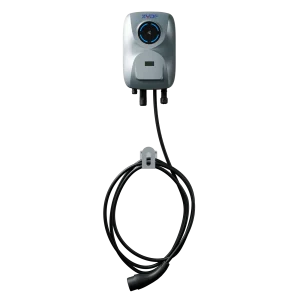
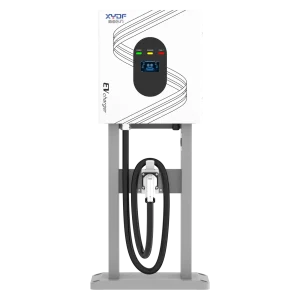
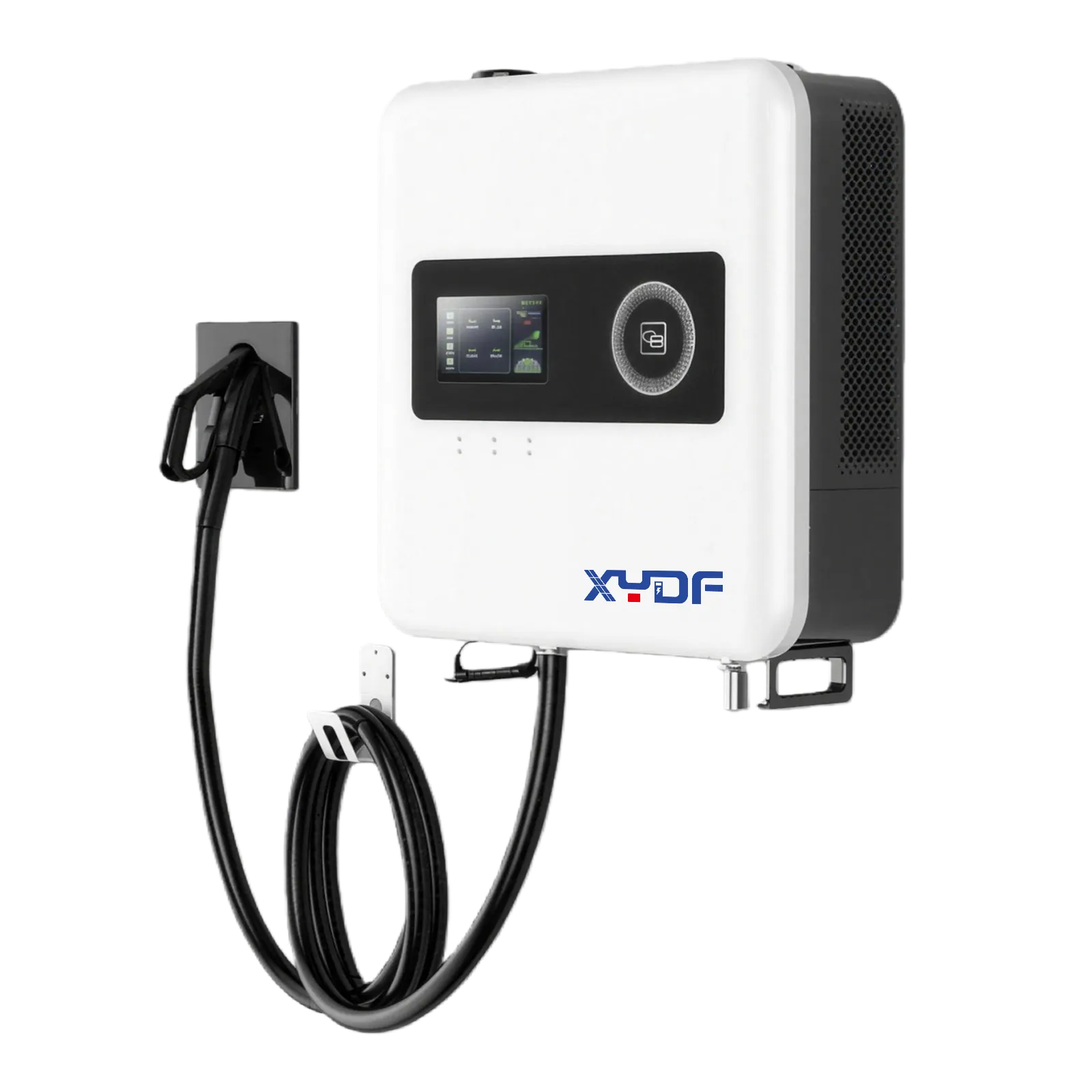
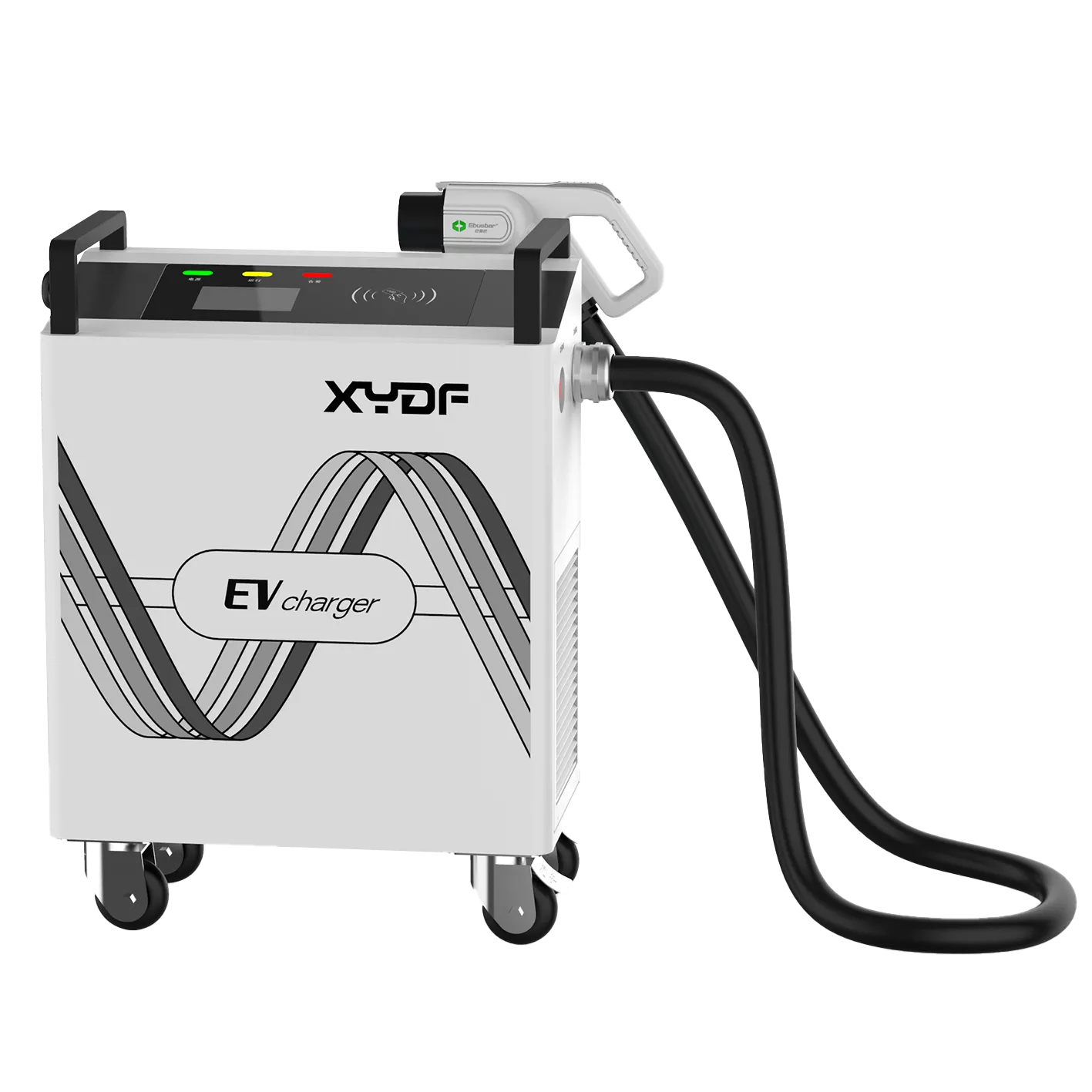
The mass adoption of electric vehicles (EVs) means that EV owners must choose the best EV charging station for their needs. Two of the most popular types of EV chargers are 16 amp EV chargers and 32 amp EV chargers. But how do the two types of EV chargers differ and which one will meet your requirements? This article examines the major differences between 16 amp and 32 amp EV chargers so that you can make an informed choice.
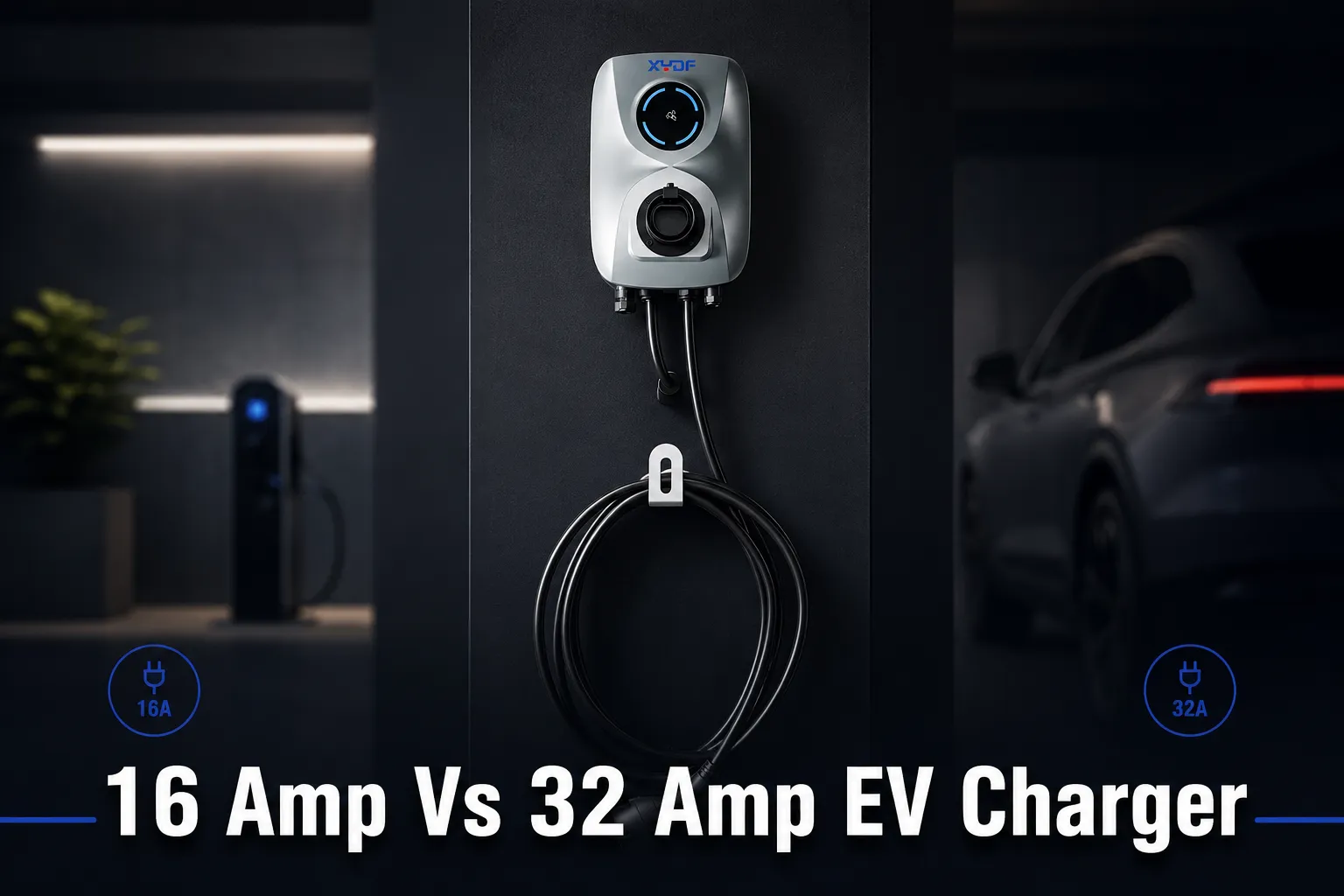
The numbers 16 and 32 refer to the number of amps or the amount of electricity delivered from the electric vehicle charging station to the electric vehicle. As a general rule, the 32 amp EV charger will charge the electric vehicle at a higher charge rate than a 16 amp EV charger.
There is a formula to find out how much electricity is flowing from one point (in this case, the EV charger to the electric vehicle) to another point: Electricity (kW) = Voltage (V) x Amps (A).
So, if you’re using a standard 240V outlet for most of your home’s charging needs:
Using a 32A charger will charge an EV about twice as fast as a 16A charger would, assuming the EV can take advantage of the faster speeds.
| Features | 16 amp EV Charger | 32 amp EV Charger |
|---|---|---|
| Power Output | 3.7 kW | 7.4 kW |
| Charging Speed | Slow (e.g., takes 10-12 hours to fully charge a 40 kWh battery) | Fast (e.g., takes 5-6 hours to fully charge a 40 kWh battery) |
| Best For | Occasional trips and overnight charging | Frequent trips and need for faster charging |
| Installation Cost | Lower (no significant electrical upgrades required) | Higher (potentially requires upgrade of electrical panel) |
| EV Compatibility | Older EV models and Plug-In Hybrid Electric Vehicles (PHEVs) | Newer EVs with higher capacities |
| Home Electrical Requirements | Normal home electrical system | Greater capacity electrical system (may need inspection and upgrades) |
| Charger Price | Lower initial cost | More expensive initial cost |
When deciding whether to use a 16 amp or a 32 amp EV charger, it usually comes down to what you’re going to use it for.
The following examples represent different applications for each type of charger, with details about how they can be appropriate based on an individual’s specific situation:
1) Works well when the daily driving range is less than 20 miles; therefore, overnight charging will provide the voltage needed to fully recharge within 24 hours.
2) May be used for older model electric vehicles or those classified as plug-in hybrids that have a smaller battery capacity.
3) It is a viable option for budget-conscious consumers who wish to pay less overall for their charging station installation rather than incur additional costs associated with upgrading their home’s electrical system to provide adequate service to the charging station.
1) Best suited for drivers who regularly take extended road trips because quicker charge time allows them to fit into their busy schedules.
2) Works well for homes that have a new electric system capable of delivering more than enough current (power) to support the higher voltage output at the charging location.
3) Suitable for modern-day electric vehicles using larger batteries and charging capabilities than those found in more traditional models.
According to Tesla, most models are designed with maximum charging rates of up to and including 32 amps. Therefore, unless you have limited daily driving needs (20 miles or less) and only charge at night, you should select a 32 amp EV charger. Your Tesla will charge faster and be more convenient, reducing the overall time spent charging your vehicle. Before purchasing an EV charger that is 32 amps, take some time to consider your driving habits, charging schedule, and budget to make the best decision.
If you are confident that a Level 2 charger (32 amps) is the right EV charger for your needs, there are many reputable products on the market today, such as:
Additionally, before purchasing the charger, you may want to consider if these products are compatible with your EV vehicle and fit within your budget.
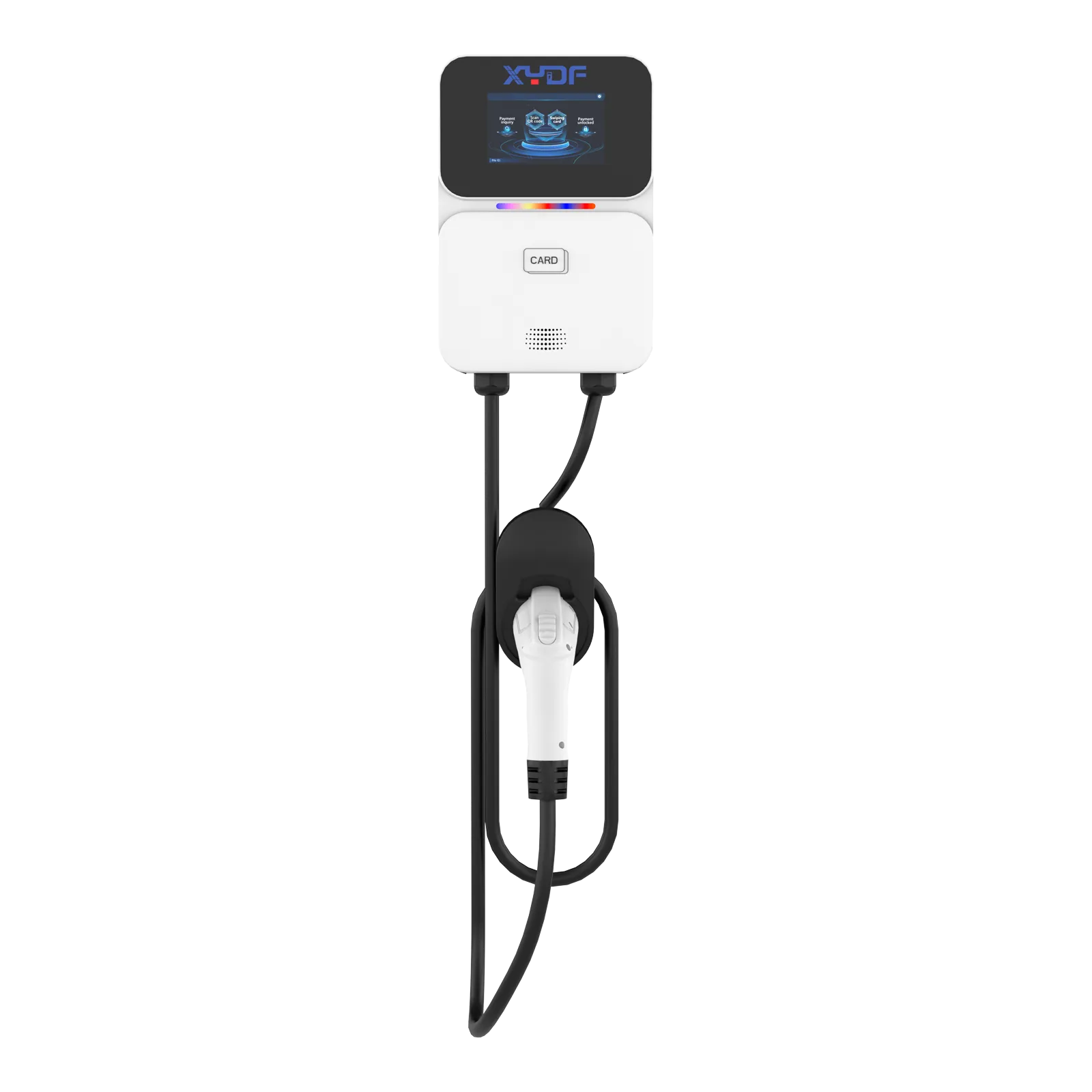
Yes, you can use a 32 amp EV charger with a car that only supports 16 amps, as the charger will automatically limit the power output to match your car’s capabilities. However, you won’t benefit from the faster charging speeds offered by the 32 amp charger, so a 16 amp charger might be a more cost-effective option in this case.
To find out whether your home is capable of supporting this type of charger, you need to determine if your electrical panel can support that level of current. The main electrical panel includes the current measurement range of the circuit breakers that fit into the panel. If your electrical panel does not have enough capacity to add a 32A charger, it is likely that additional upgrades will be required to your electrical system. A licensed electrician can provide a more detailed inspection to determine if your home meets the necessary requirements for the EV charger you want to install.
If you are not a licensed electrician or professionally trained in electrical installations, it is not a good idea for you to install an EV charging station on your own. There are numerous electrical requirements necessary for any EV charging stations, which include proper electrical connections, proper and safe grounding connections to the charging station, and compliance with local electrical codes. A licensed electrical contractor can safely and efficiently install an EV charging station.
In most workplaces or public charging stations, the number of EVs charging throughout the day dictates that the preferred options are 32 amp chargers, which provide the fastest charge time per vehicle and allow the maximum number of vehicles to charge in a shorter time. However, if an EV will be parked for extended periods at the office, using a 16 amp charger might be more economical.
Both 16 amp EV chargers and 32 amp EV chargers have their benefits depending on your circumstances. A 16 amp charger is ideal for EV owners with moderate charging needs and a limited budget. On the other hand, a 32 amp charger supports faster charging and is appropriate for newer, long-range EVs. When deciding which charger fits your needs, evaluate your vehicle’s charging capabilities, driving habits, and home electrical infrastructure. Choosing the right EV charger will ensure a seamless charging experience and help you enjoy the advantages of owning an electric vehicle.
 Xinya Dongfang Electricity Technology Co., Ltd.