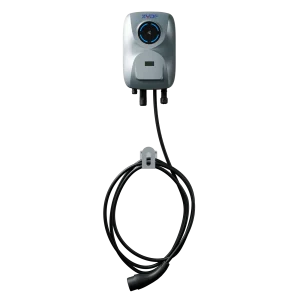
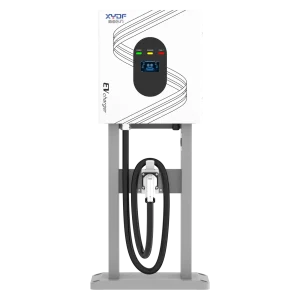
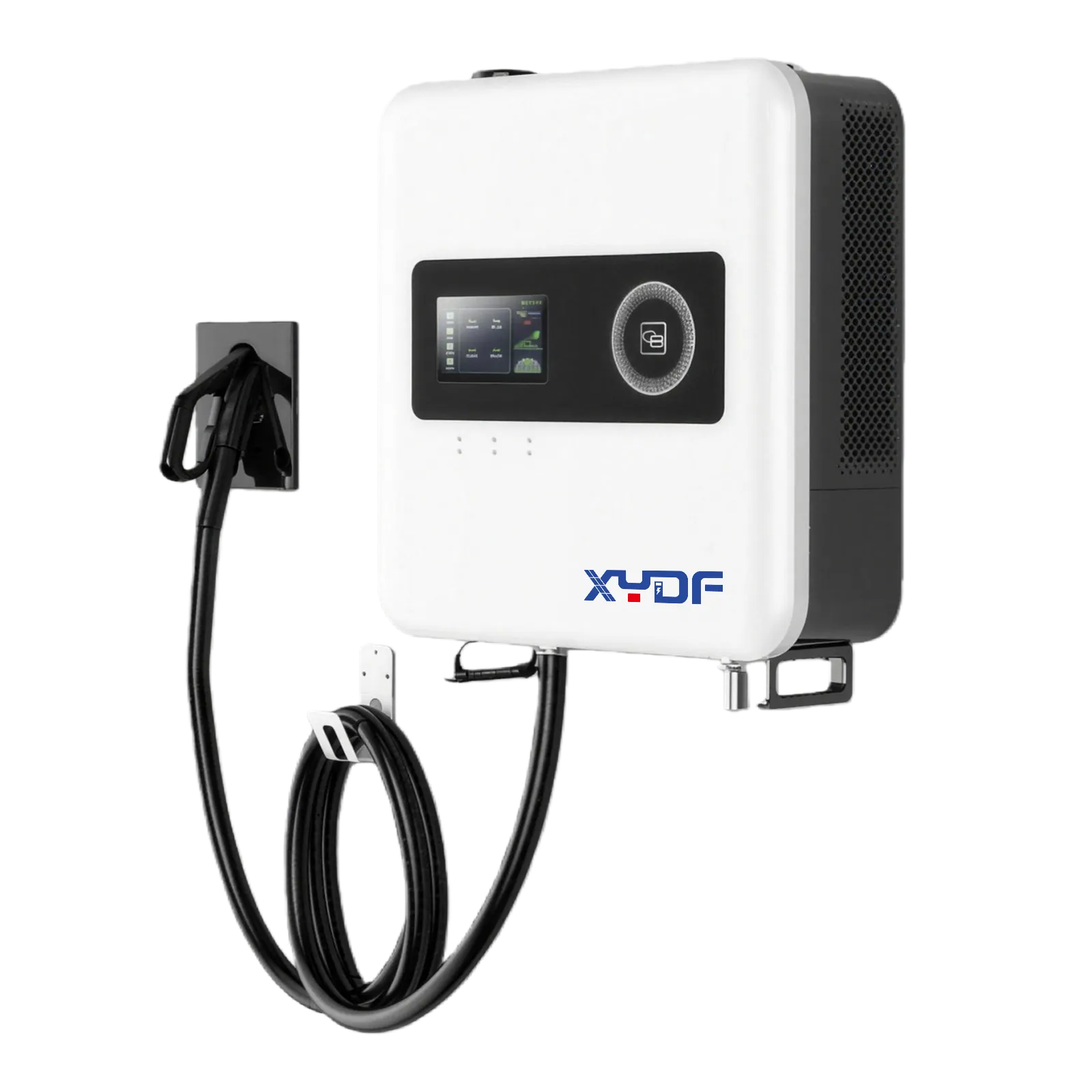
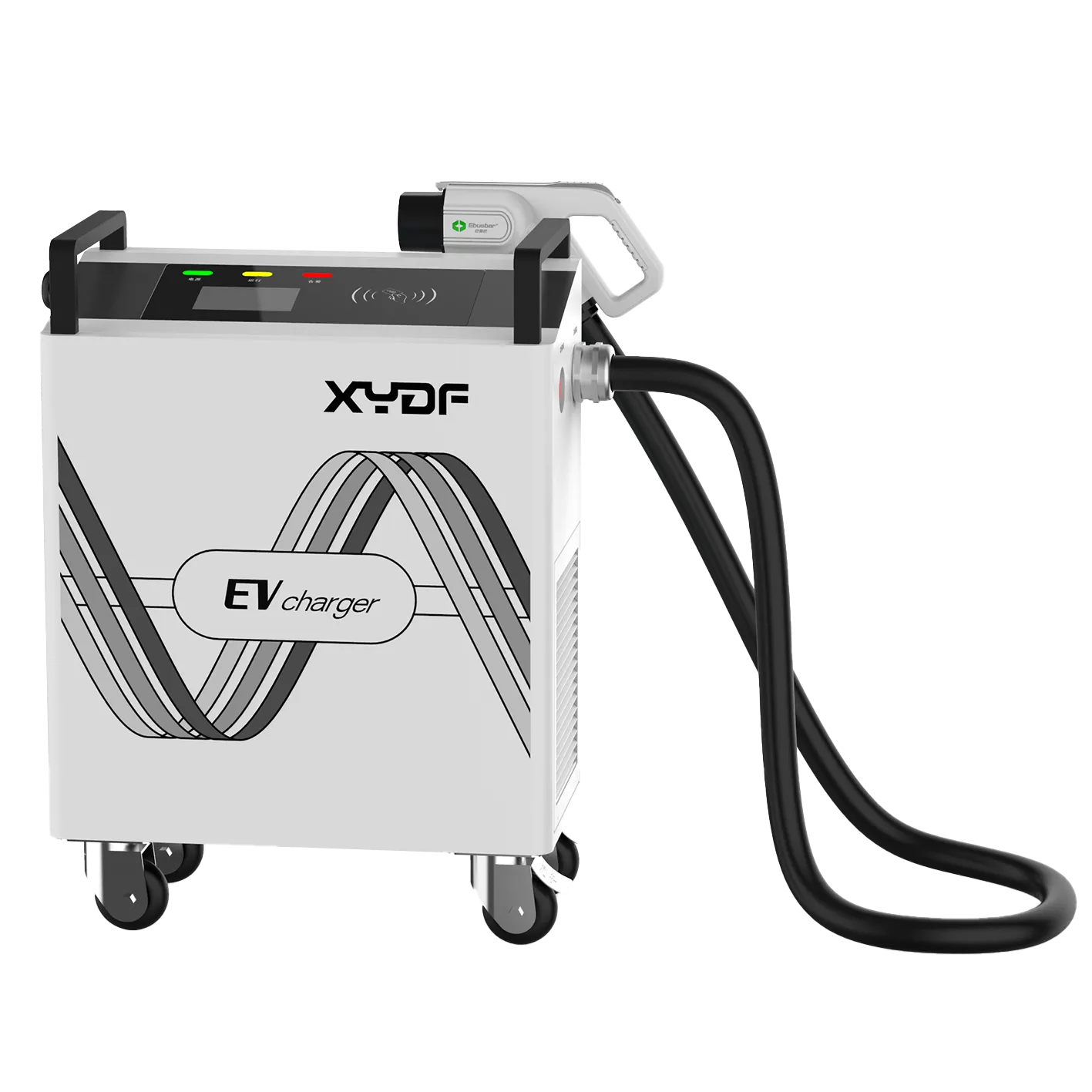
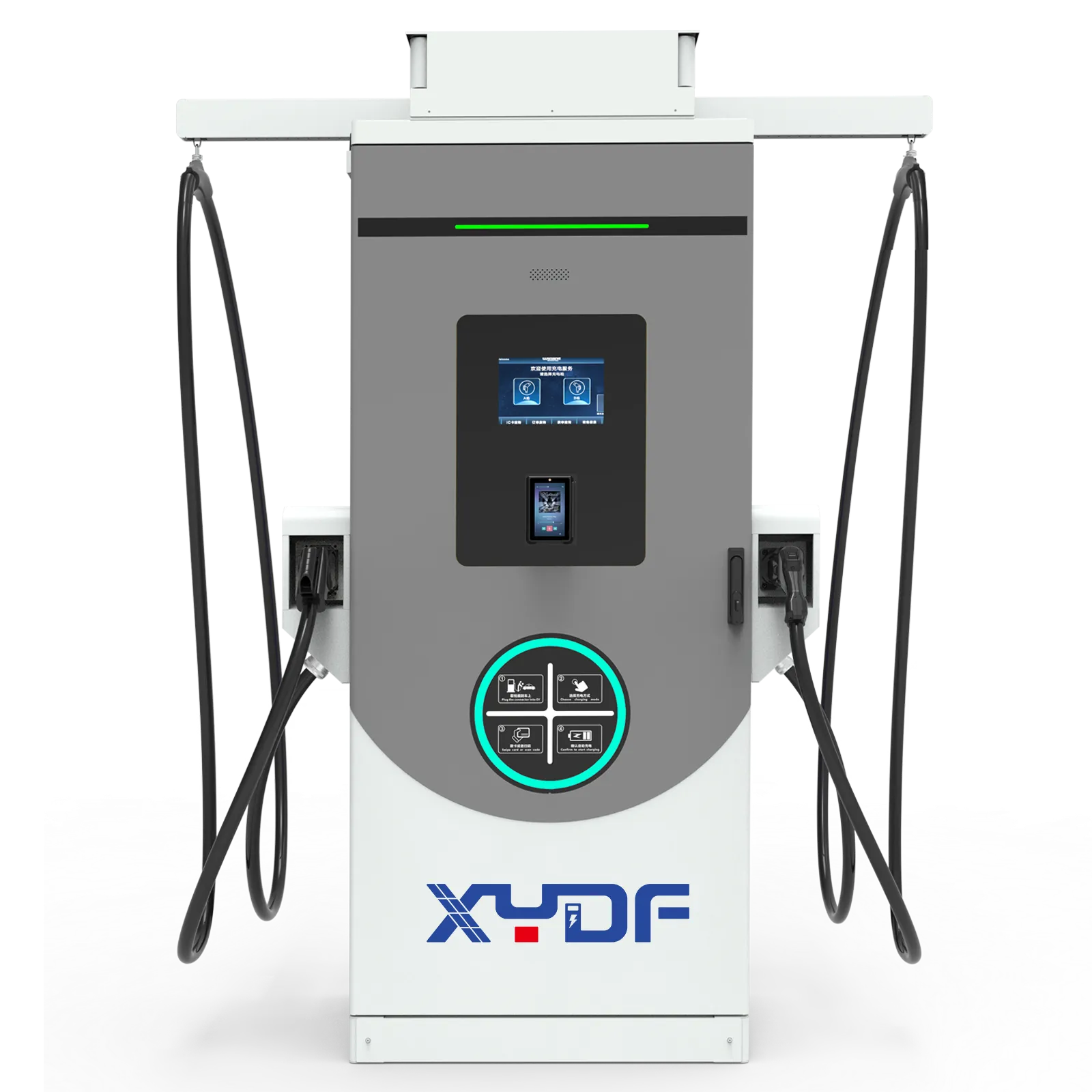
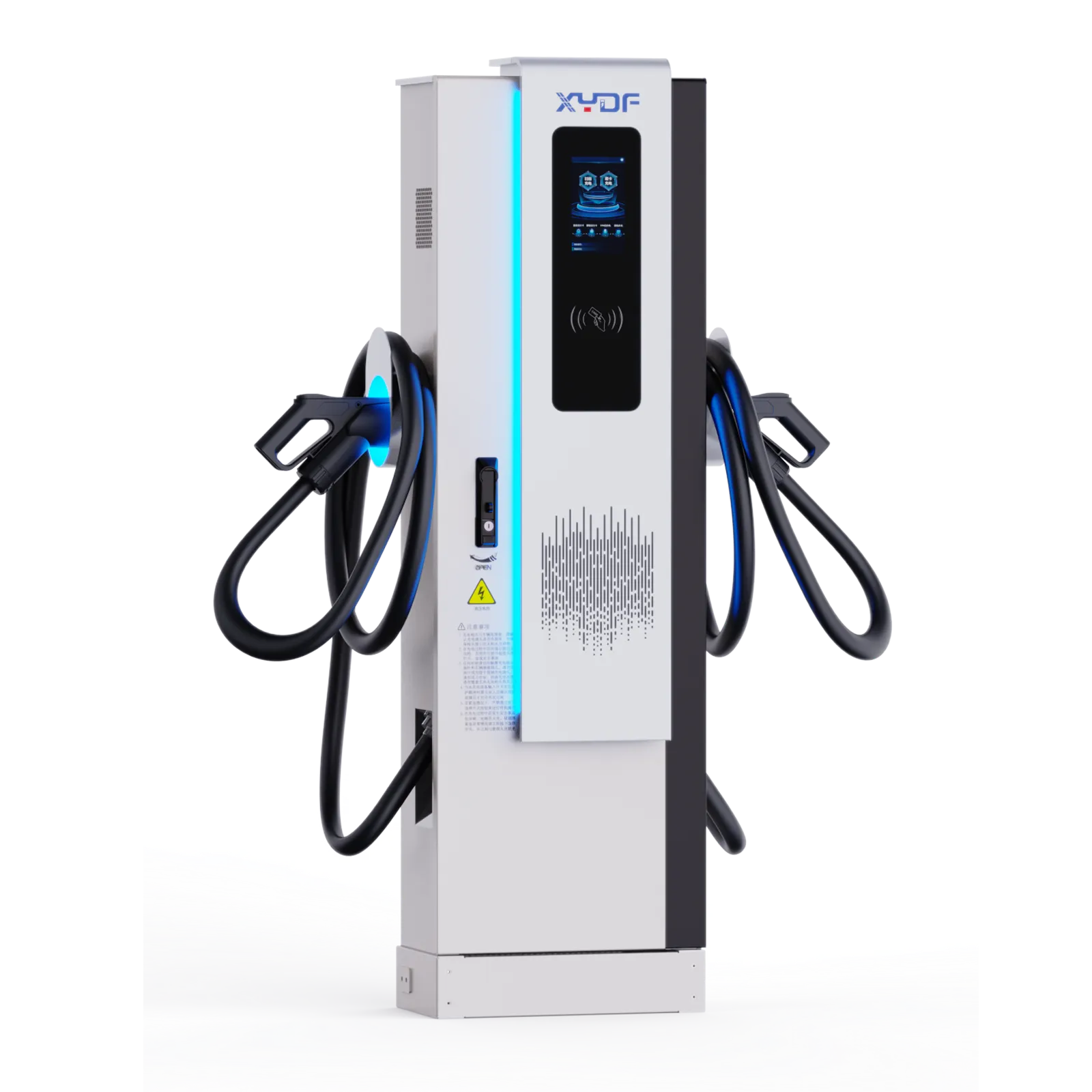
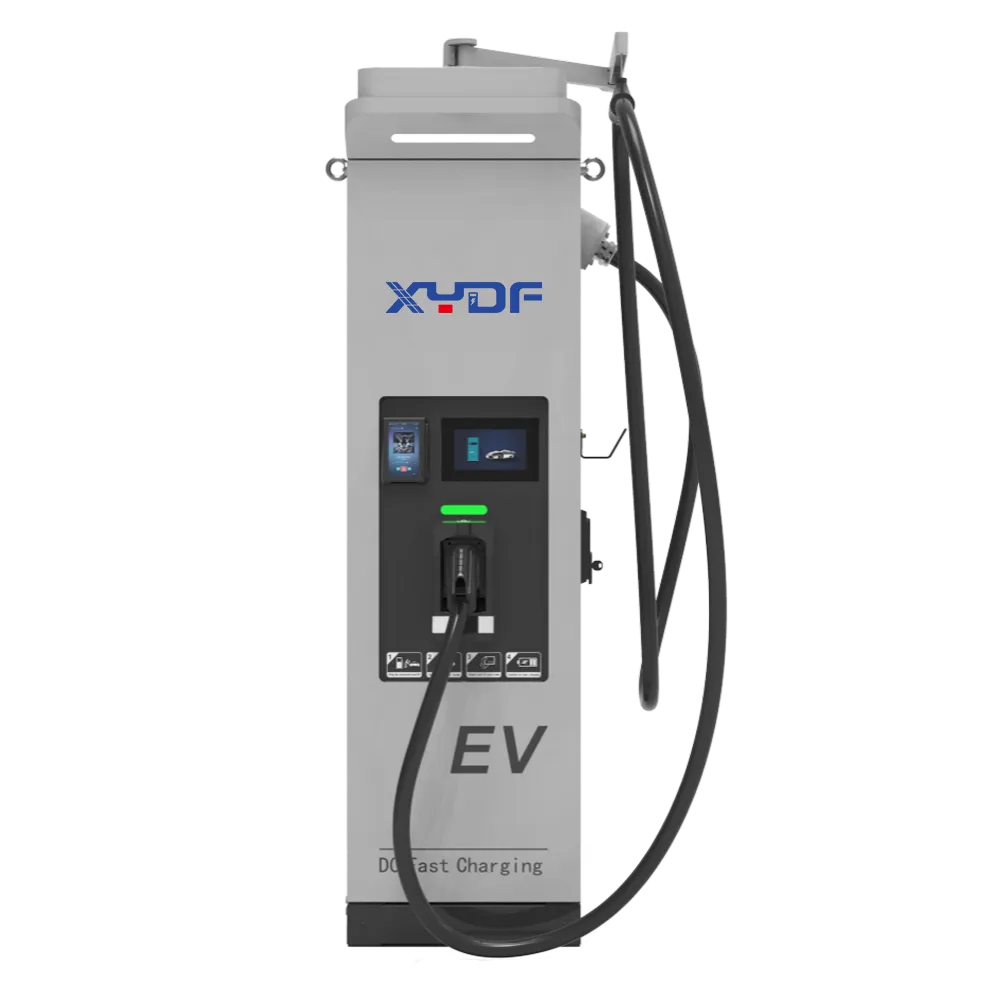
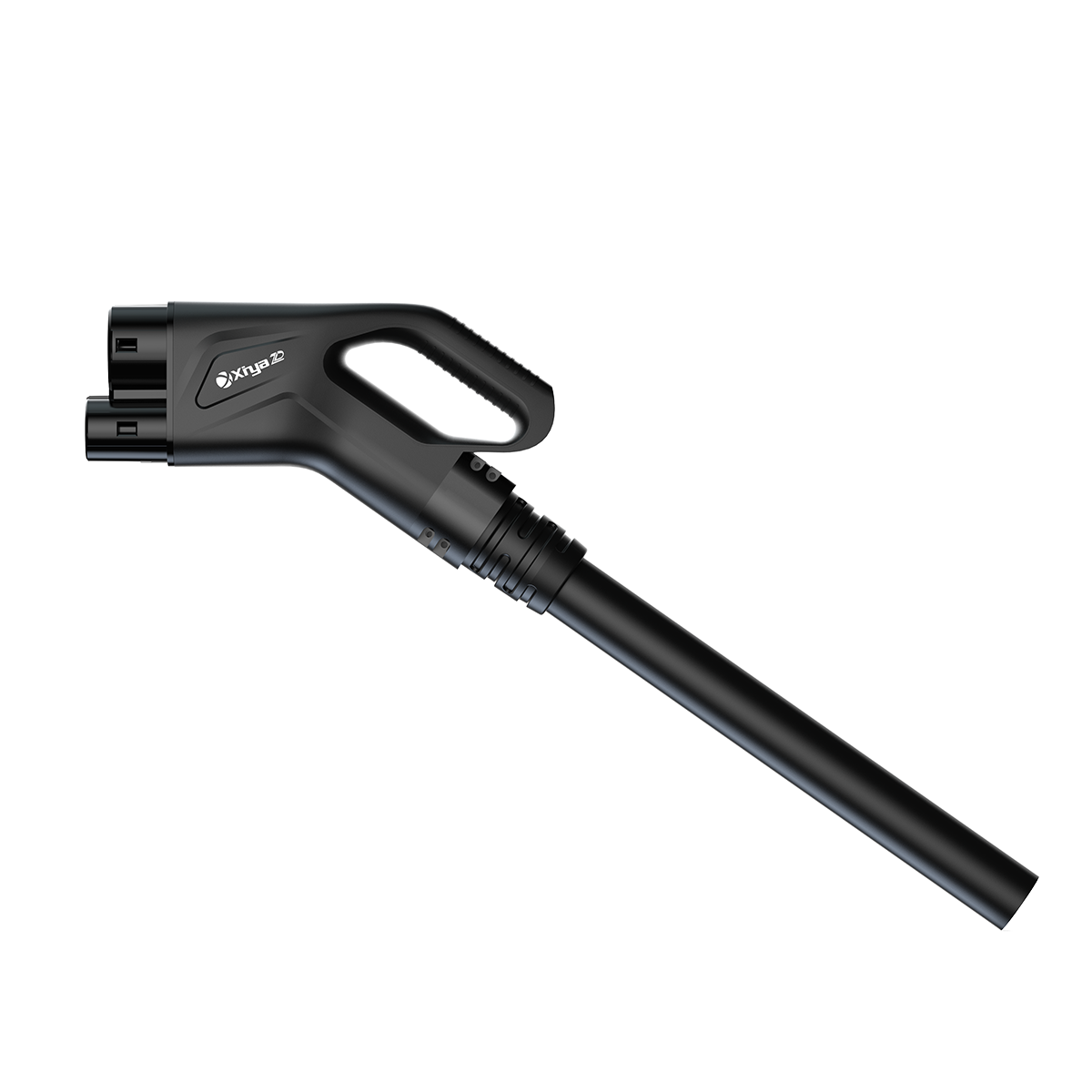
Purchasing an electric vehicle or upgrading the way you charge your electric vehicle and buying chargers has become very much like buying a car. More and more electric vehicles are being produced and sold every day, so it is more important than ever to know the difference between level 2 chargers and level 3 chargers (also known as DC Fast Chargers or Super Chargers). While both the level 2 and level 3 chargers provide your electric vehicle with energy to power it, they are made for two different reasons and to match up with two different types of driving habits. Use this guide to find the appropriate charging solution for your electric vehicle.
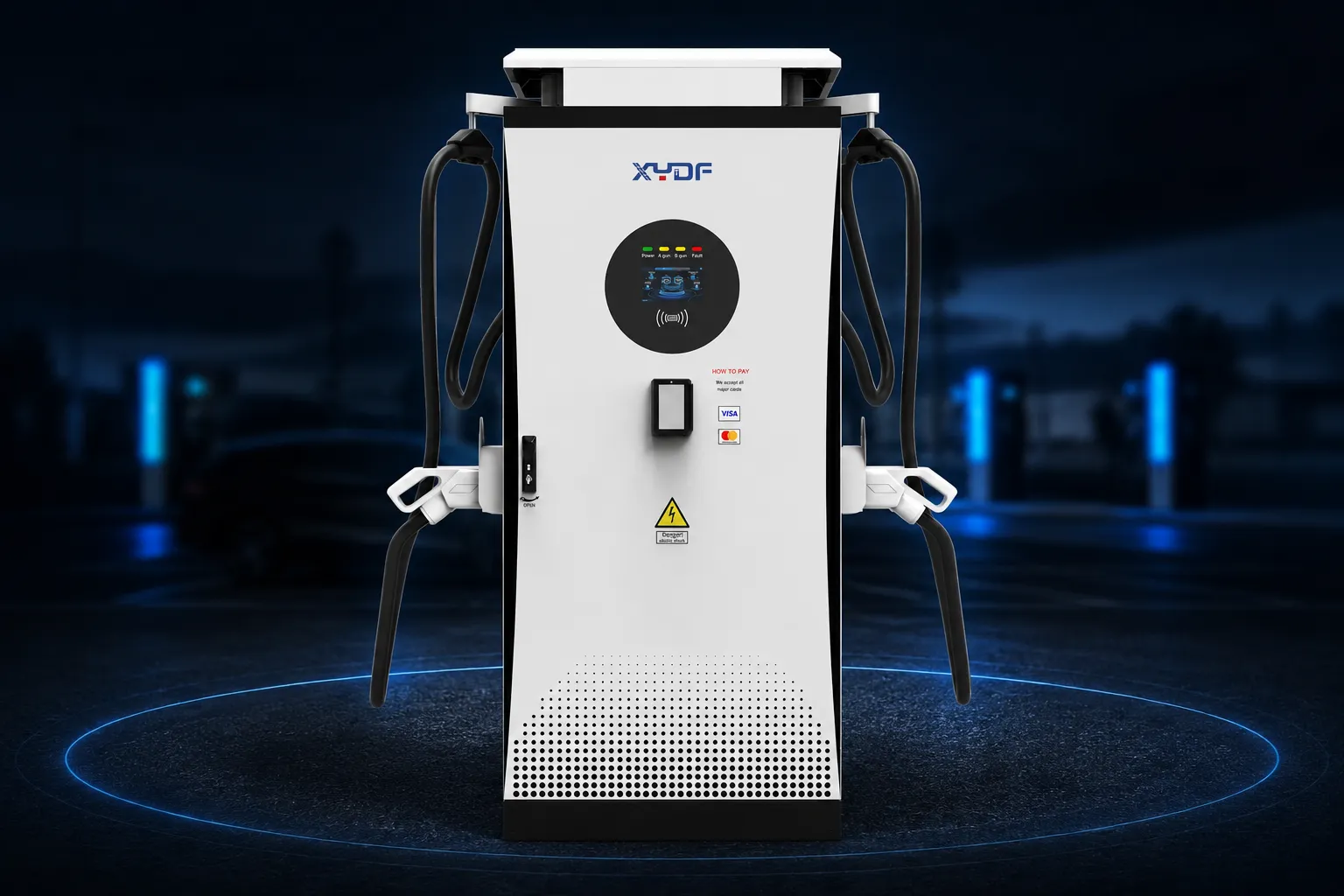
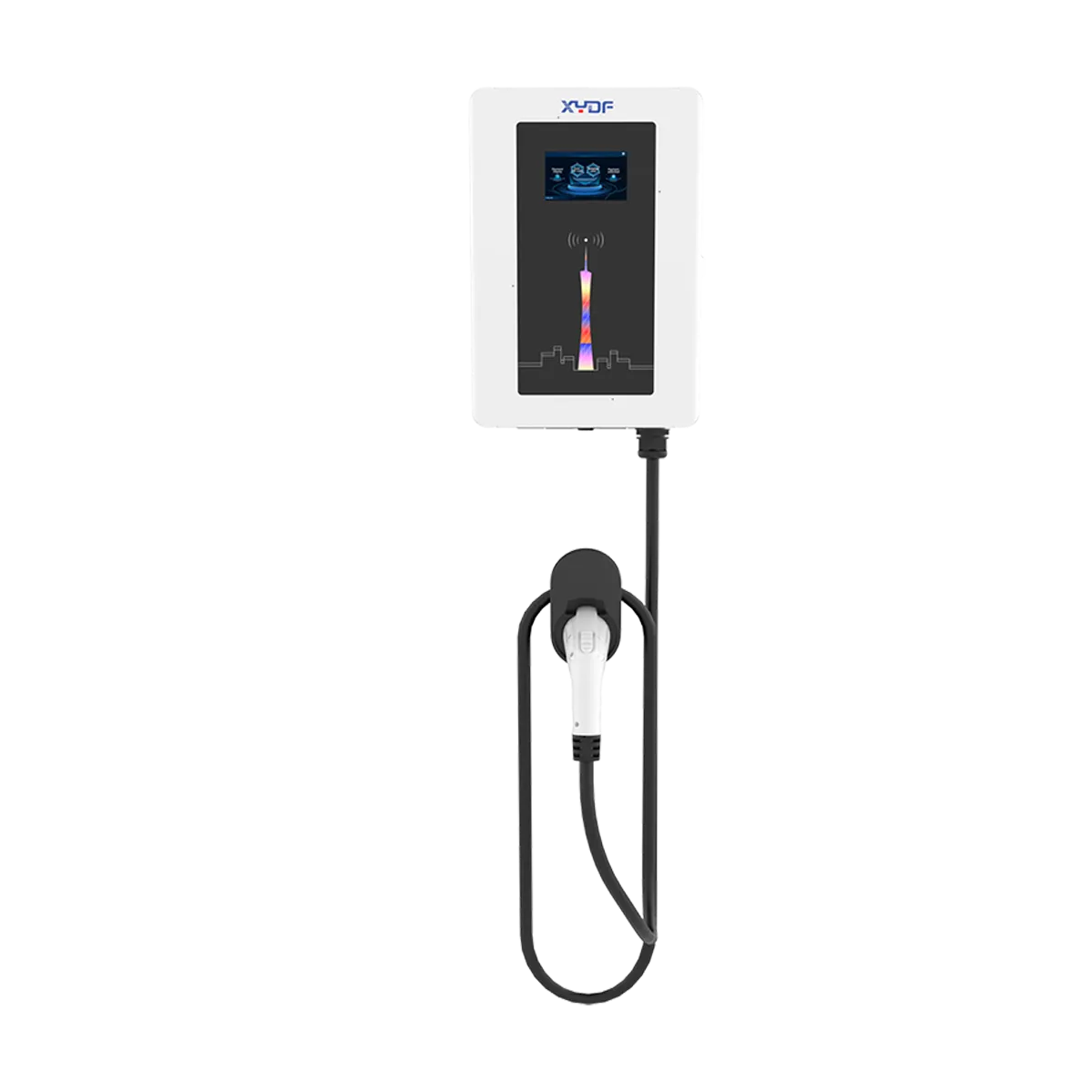
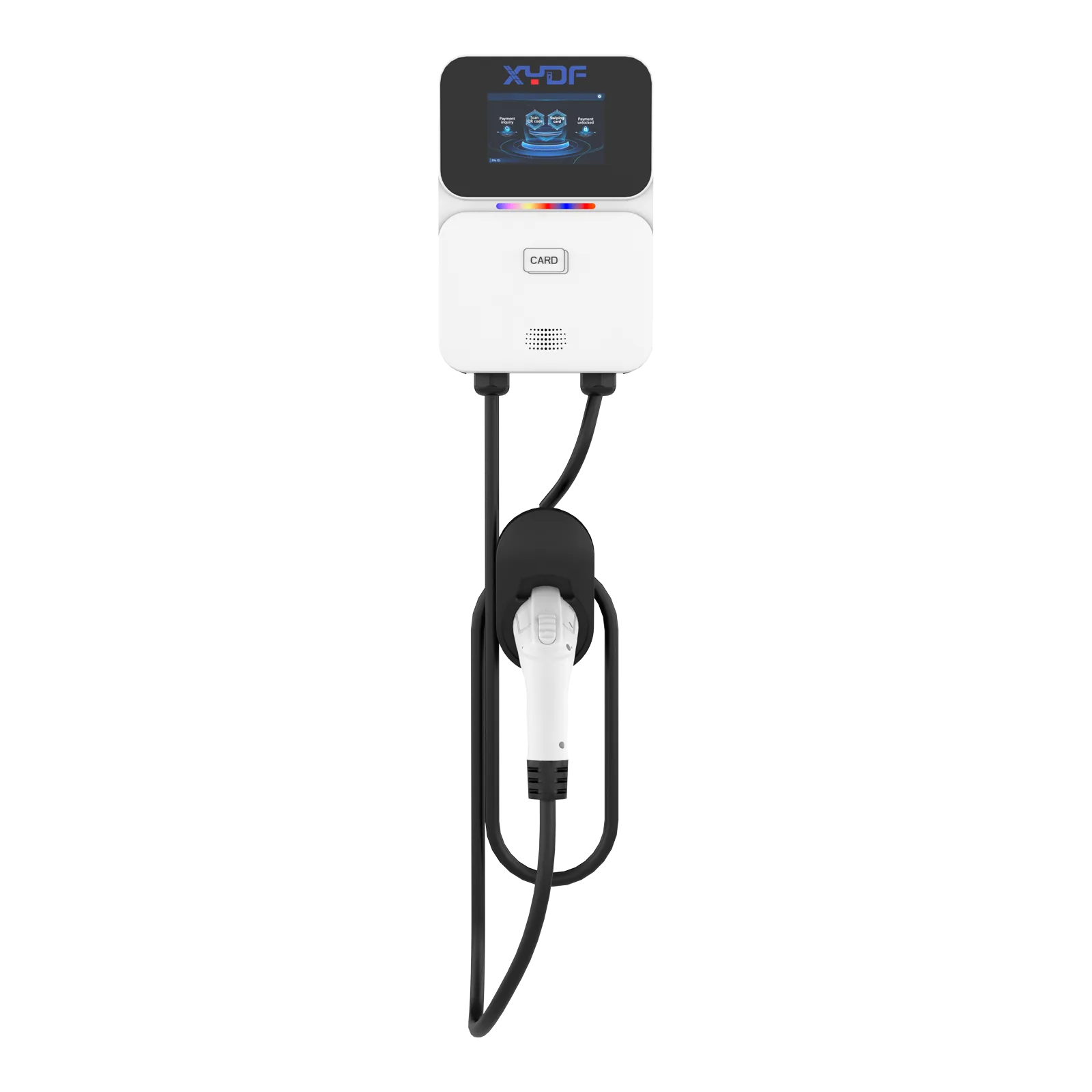
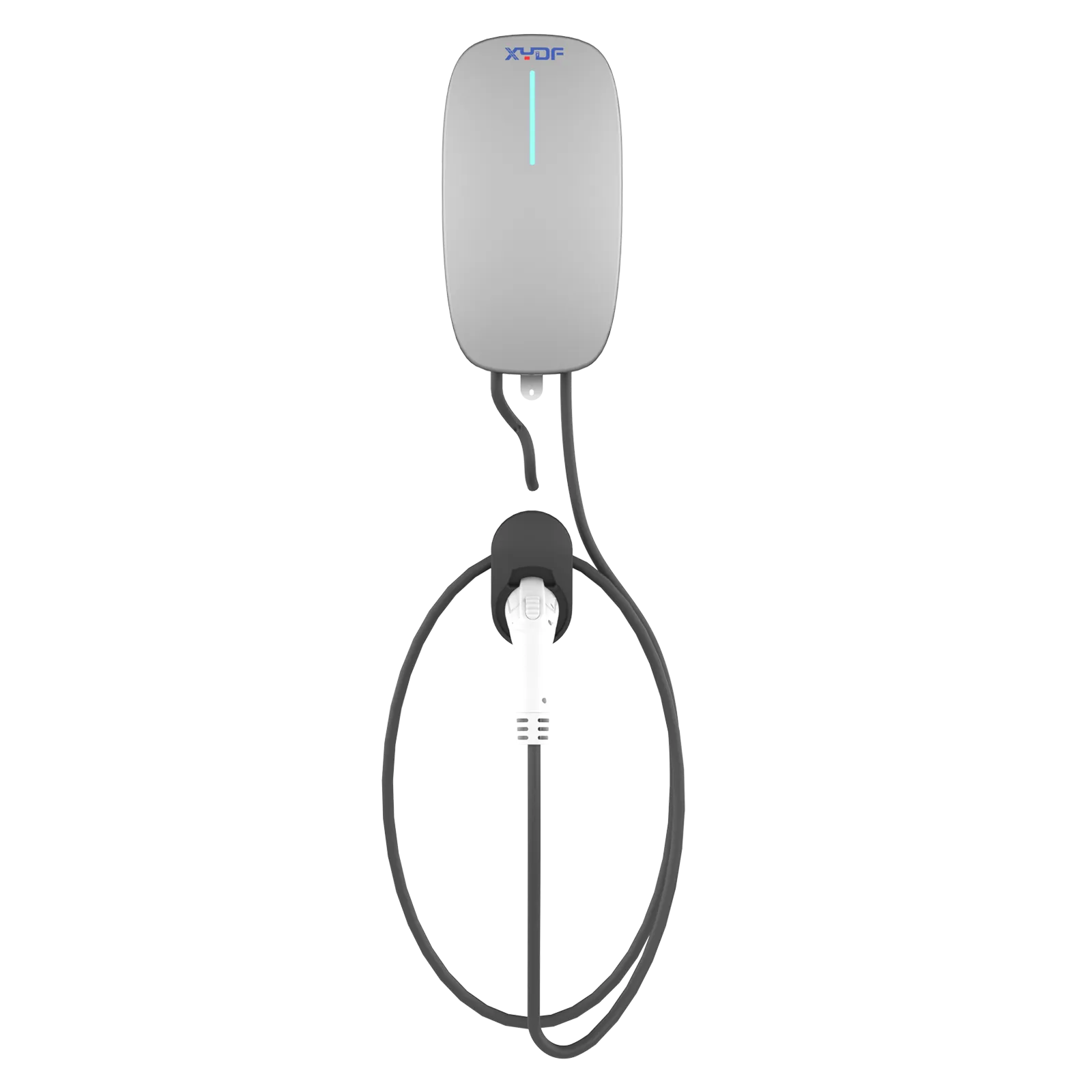
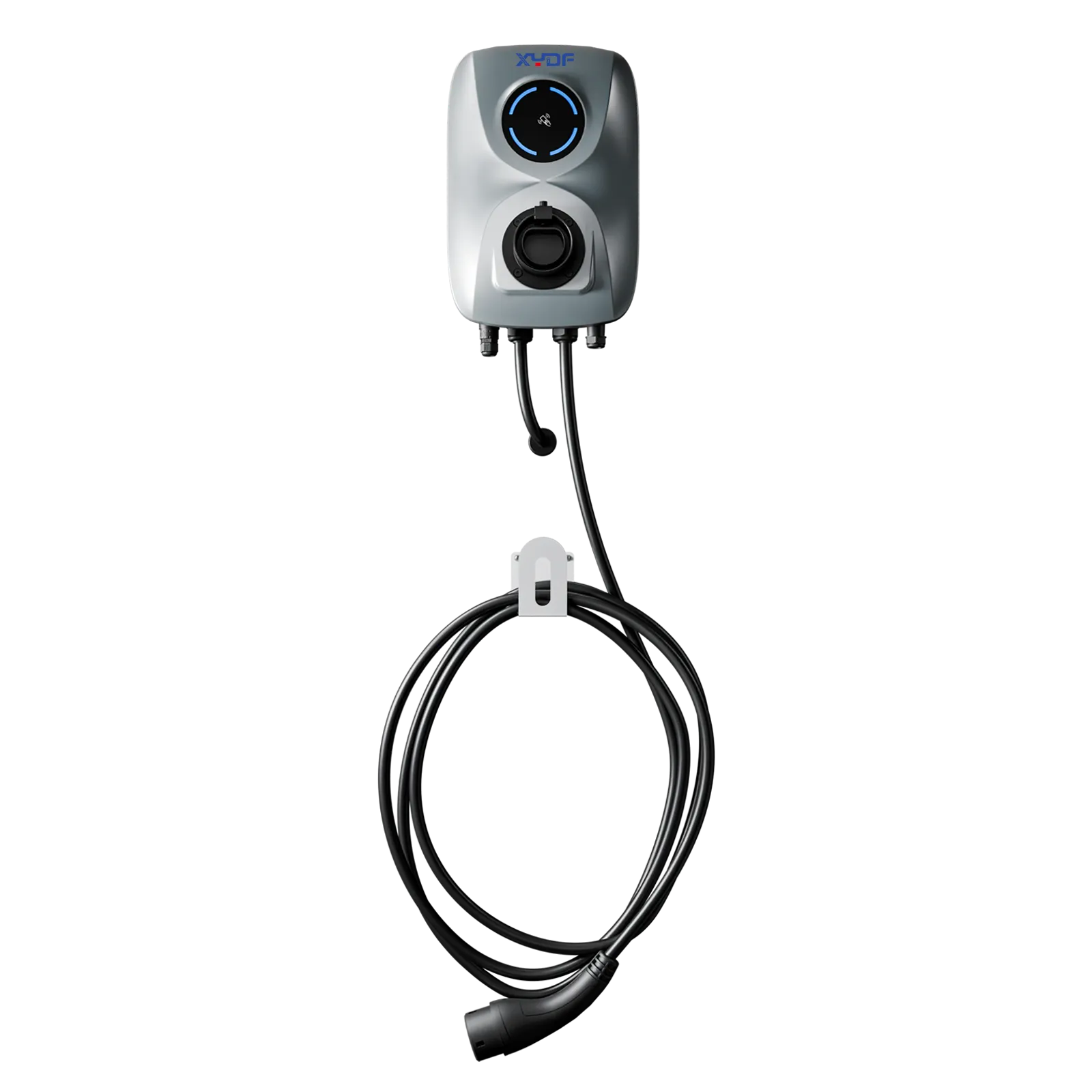
A Type 2 electric vehicle or plug-in hybrid electric vehicle (PHEV) charger runs on alternating current (AC) and is rated at 240 volts, meaning it can provide a significantly quicker charging solution than the standard 120-volt AC Level 1 charger. Level 2 charging stations are widely available in residential, workplace, and public charging locations for long-term EV parking (e.g., overnight or all day). Match Level 2 charging requirements to the vehicle’s AC acceptance, the electrical supply and the available parking time.
Charging Speed:
Depending on how big the battery is in your vehicle and how much power is available from the charger, you can expect to gain between 10 km (6 miles) and 60 km (37 miles) of range in one hour using a Level 2 charging station. The cost of a Level 2 charging station is also generally lower than that of other charging stations, making Level 2 charging stations an easy and convenient way to charge your electric vehicle on a daily basis.
Advantages:
Affordable
Easy to install
Compatible with most EVs
Level 2 charging can be done every day but the time it takes to charge to full does mean that they are not going to provide an optimal fast charging option if you’re on a long haul because a full charge on this kind of charger can take multiple hours, so they aren’t going to be the best option for long-distance travel.
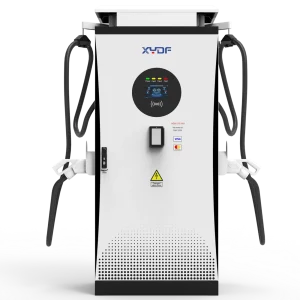
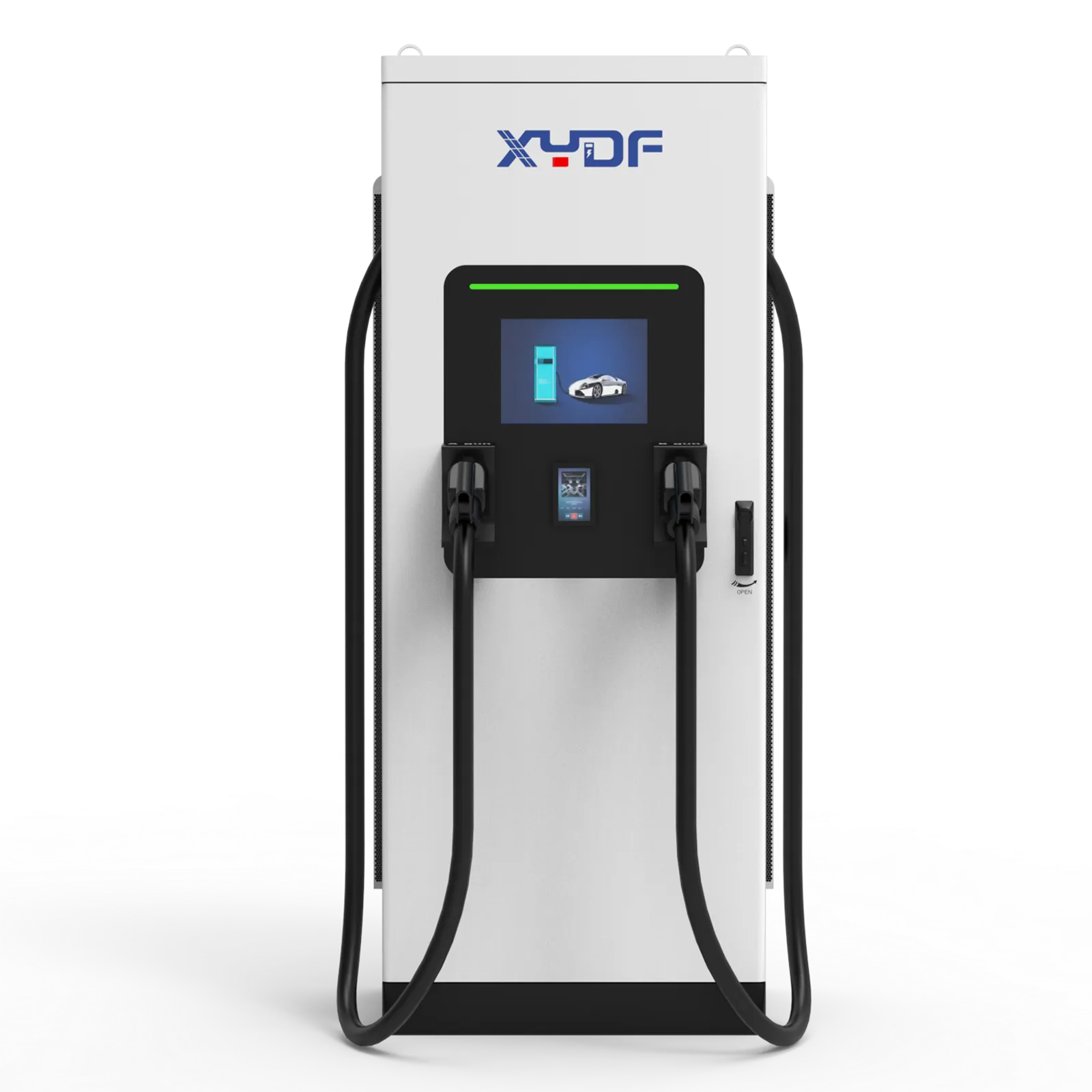
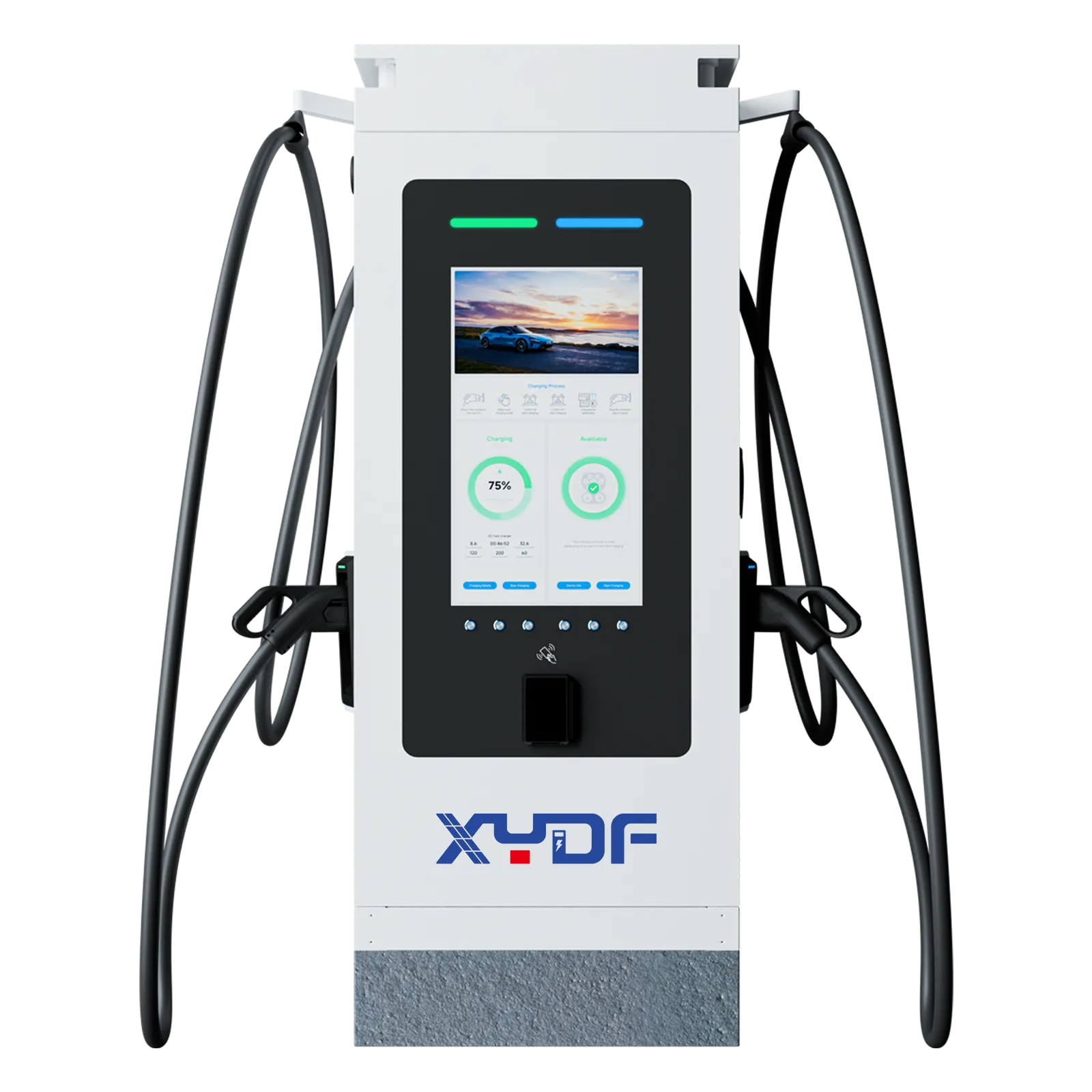
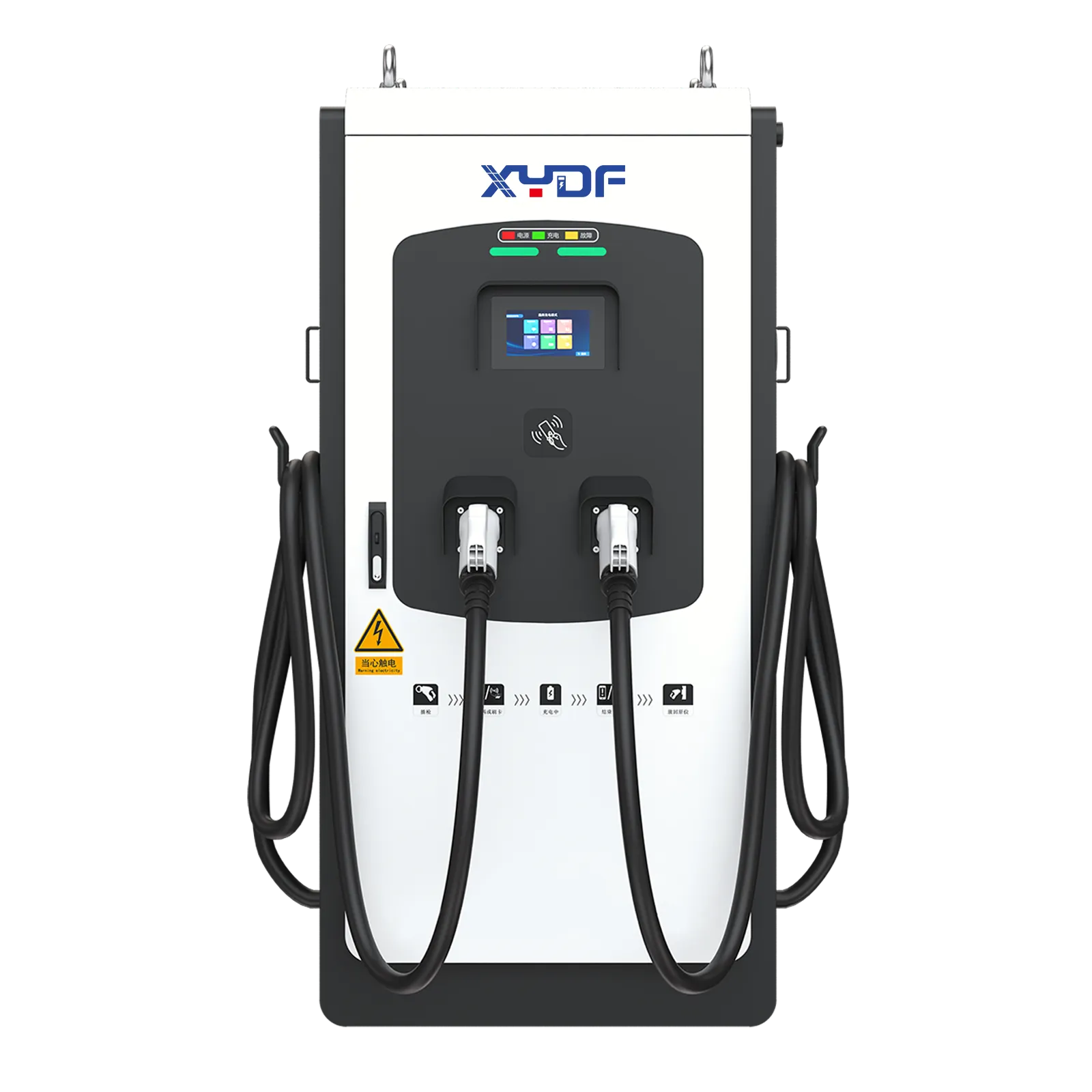
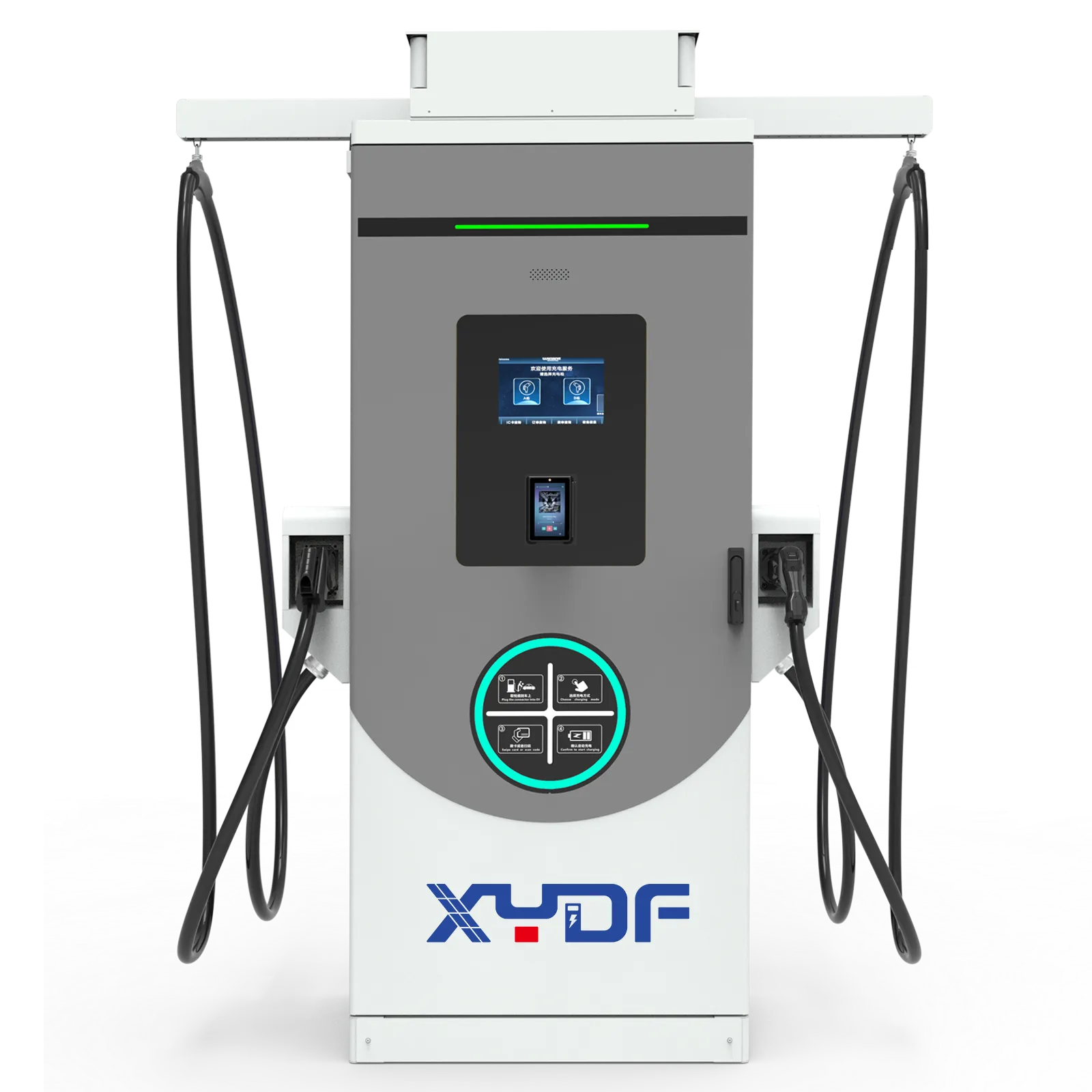
Level 3 (known as DC Fast) Charging sends direct current to electric vehicle (EV) batteries before they undergo a internal battery charging conversion from alternating current (AC) to direct current (DC). All level 3 chargers have an operating voltage of at least 400 volts, with some exceeding 800 volts.
Rate of Charging:
The Level 3 stations give you an estimated range of somewhere between 3-20 miles of additional distance per minute when charging to 80% battery in 20-30 minutes. This makes them an excellent option for either long-distance travelling, or simply to top off your charge quickly when required.
Advantages:
Fastest charging option available
Ideal for road trips or urgent charging needs
Commonly found at commercial charging hubs along highways and in cities
Considerations:
Expensive to install
Not all EVs are compatible
Generally unsuitable for home installation
| Feature | Level 2 | Level 3 |
|---|---|---|
| Voltage | 240 volts AC | 400+ volts DC |
| Charging Speed | 10–60 miles/hour | 3–20 miles/minute |
| Location | Home, workplace, public stations | Commercial hubs, highways, urban centers |
| Installation & Cost | Affordable, easy to install | Expensive, specialized infrastructure |
| Best Use | Daily commuting, overnight charging | Long trips, rapid charging needs |
No, the home installation of Level 3 Charging Stations is not feasible. The installation is not only an expensive and impractical endeavor, due to the required 400+ volts of electrical systems, but someone will need to install a new electrical system in their home. A Level 2 Charging Station is also available for home charging at a faster pace.
Using Level 3 charging often can potentially degrade your battery life over time because of the high voltage and the heat produced through the charging process. Nonetheless, most new electric vehicles (EVs) should be able to handle occasional levels of fast charge without suffering significant damage. For regular charging/discharging of your EV, using Level 2 charging is recommended instead.
No! Only specific EVs will use DC fast (Level 3) charging. You need to check with the EV manufacturer to see their specifications for DC fast charging and any compatibility requirements.
Commercial Level 3 EV chargers can be purchased at a price between $10,000 – $40,000+ and are mainly intended for business use.
Charging Rates for Level 2 Charge Point Stations (CPSs) have lower costs than Level 3 Charge Point Stations (CPSs). In addition to taking less time to fully charge an electric vehicle with Level 3 than it takes with Level 2 (due to the higher energy consumption of Level 3), the additional cost of charging via a Level 3 CPS as opposed to a Level 2 CPS will depend on the cost of the electricity consumed and at what rate the CPS charges customers for the electricity supplied to them.
A lot of electric vehicle owners explore Charging at home with a Level 2 Charger daily, and while traveling between two locations far apart they use Level 3 Chargers. After evaluating your driving style, your budget, and what’s available for types and/or style of charging stations within your area, you will know which type of charger is ideal for your lifestyle.Changes to improve the writing by increasing clarity, increasing organization, and improving readability while not eliminating any relevant information.
 Xinya Dongfang Electricity Technology Co., Ltd.