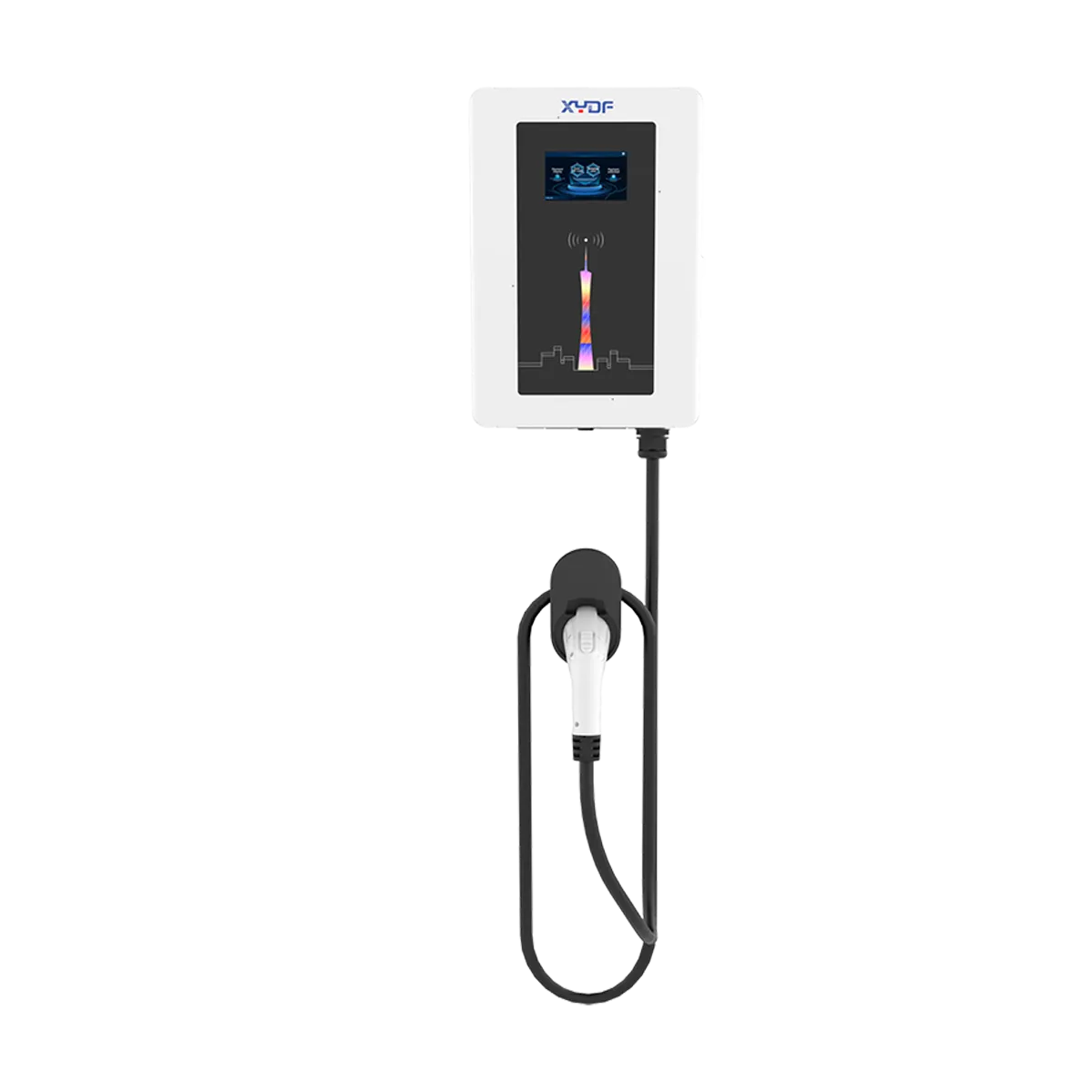
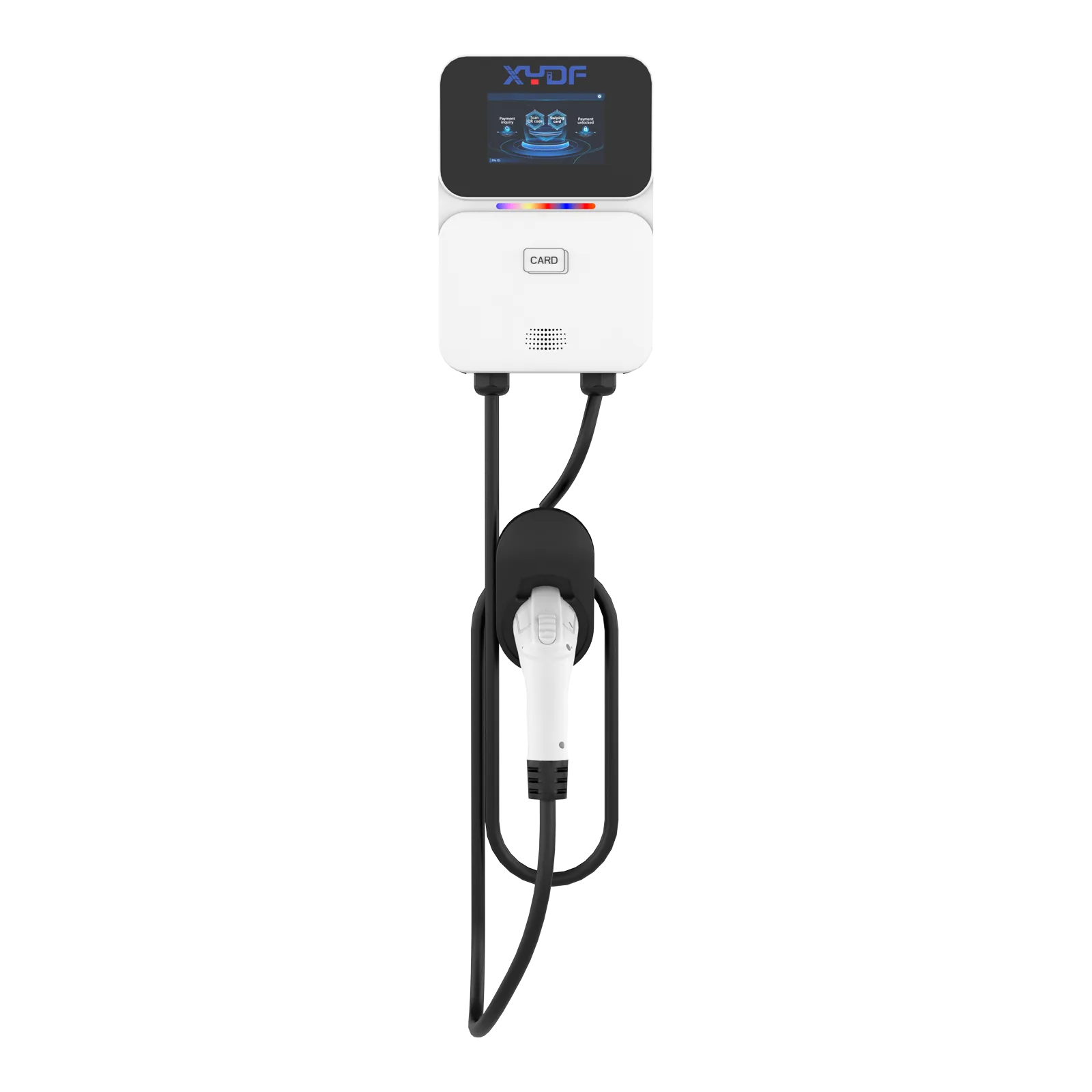
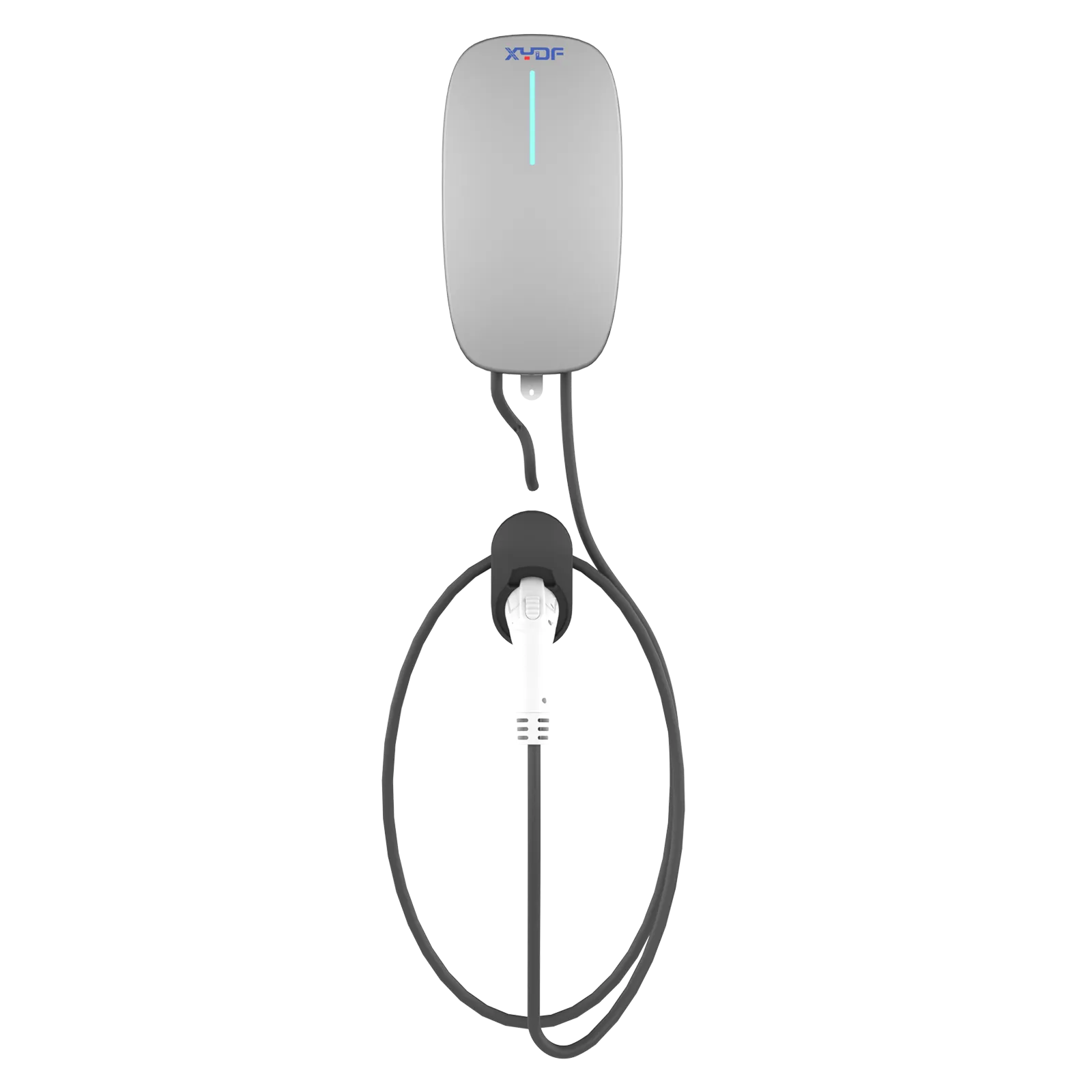
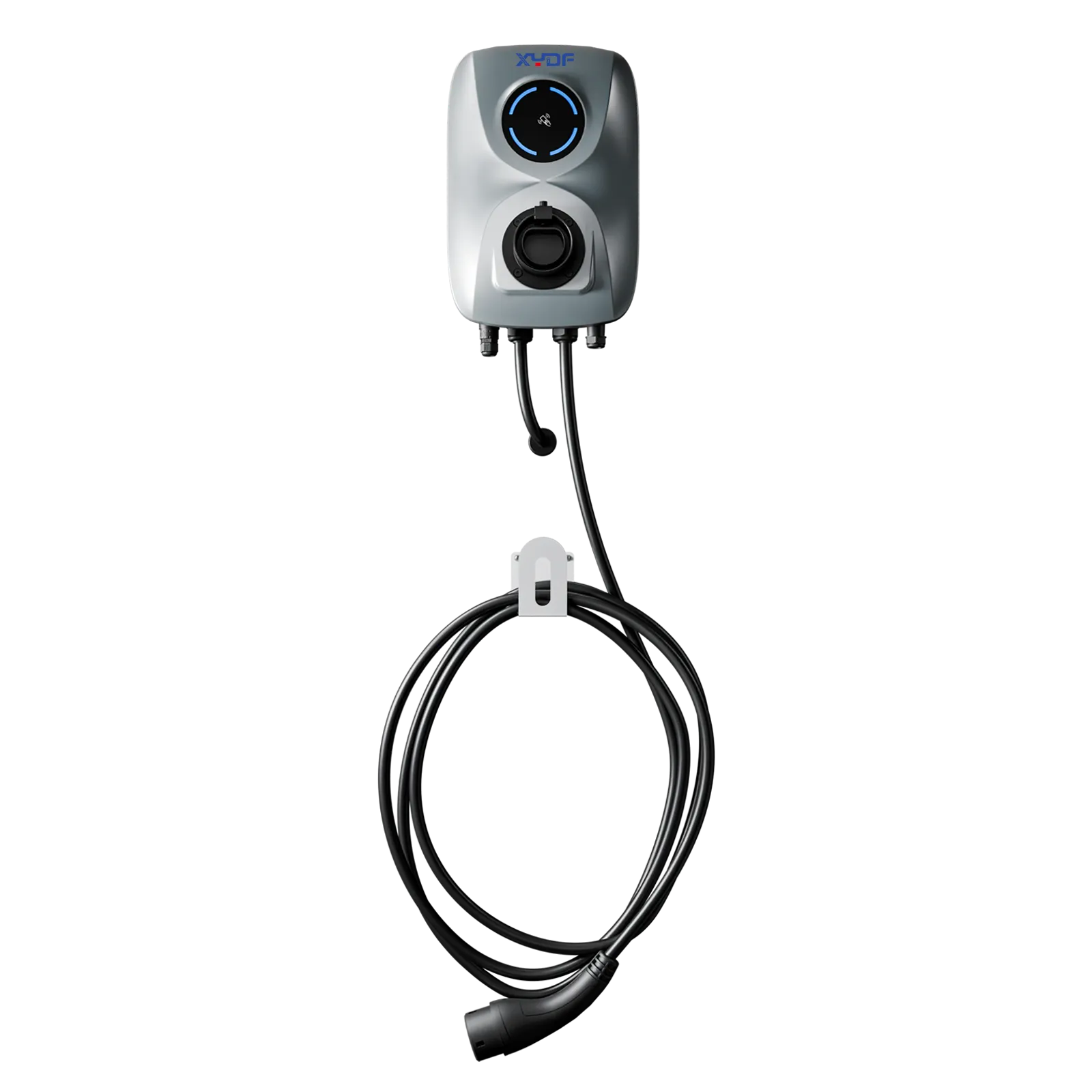
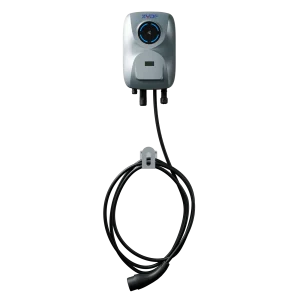
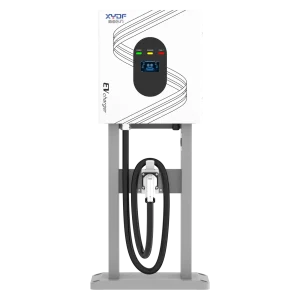
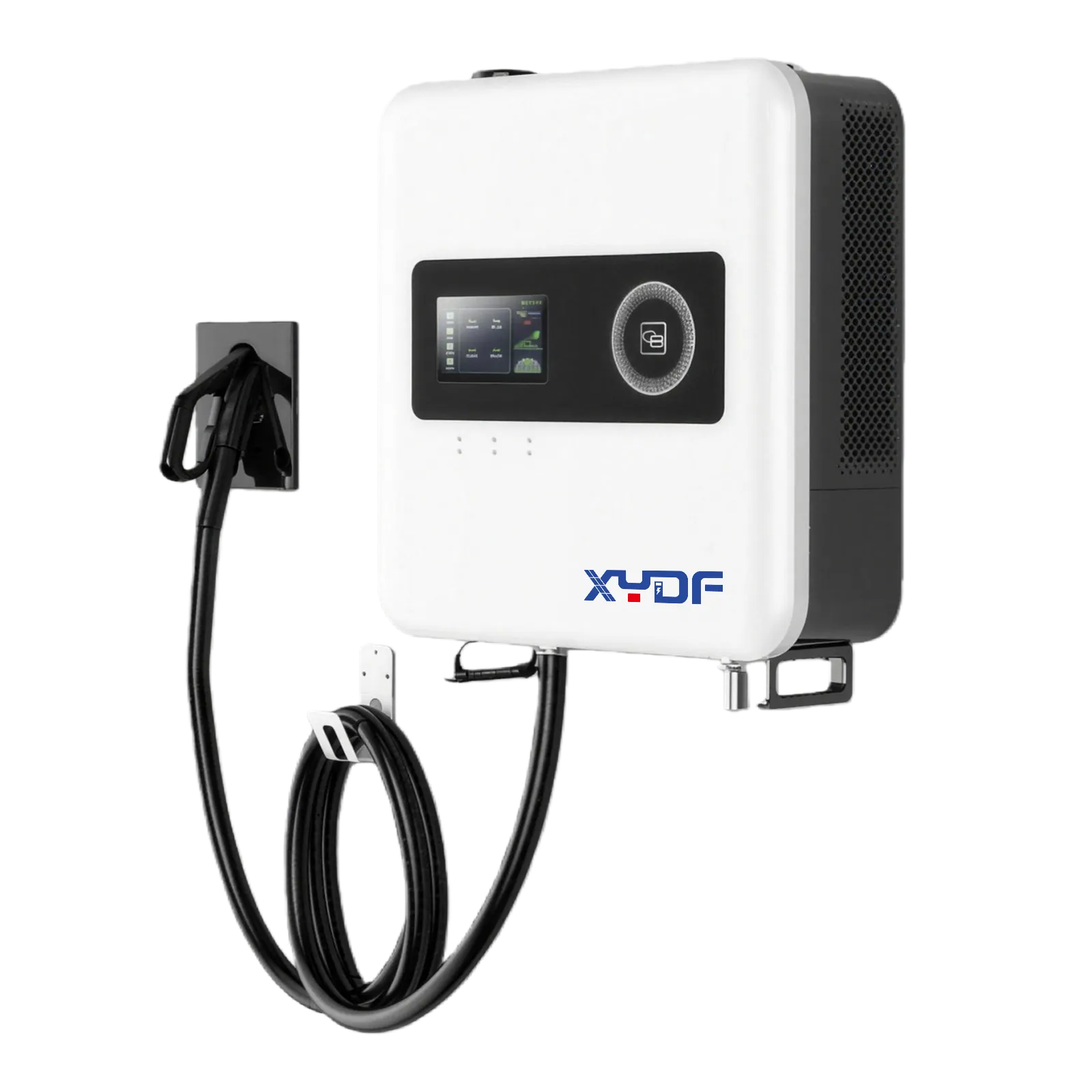
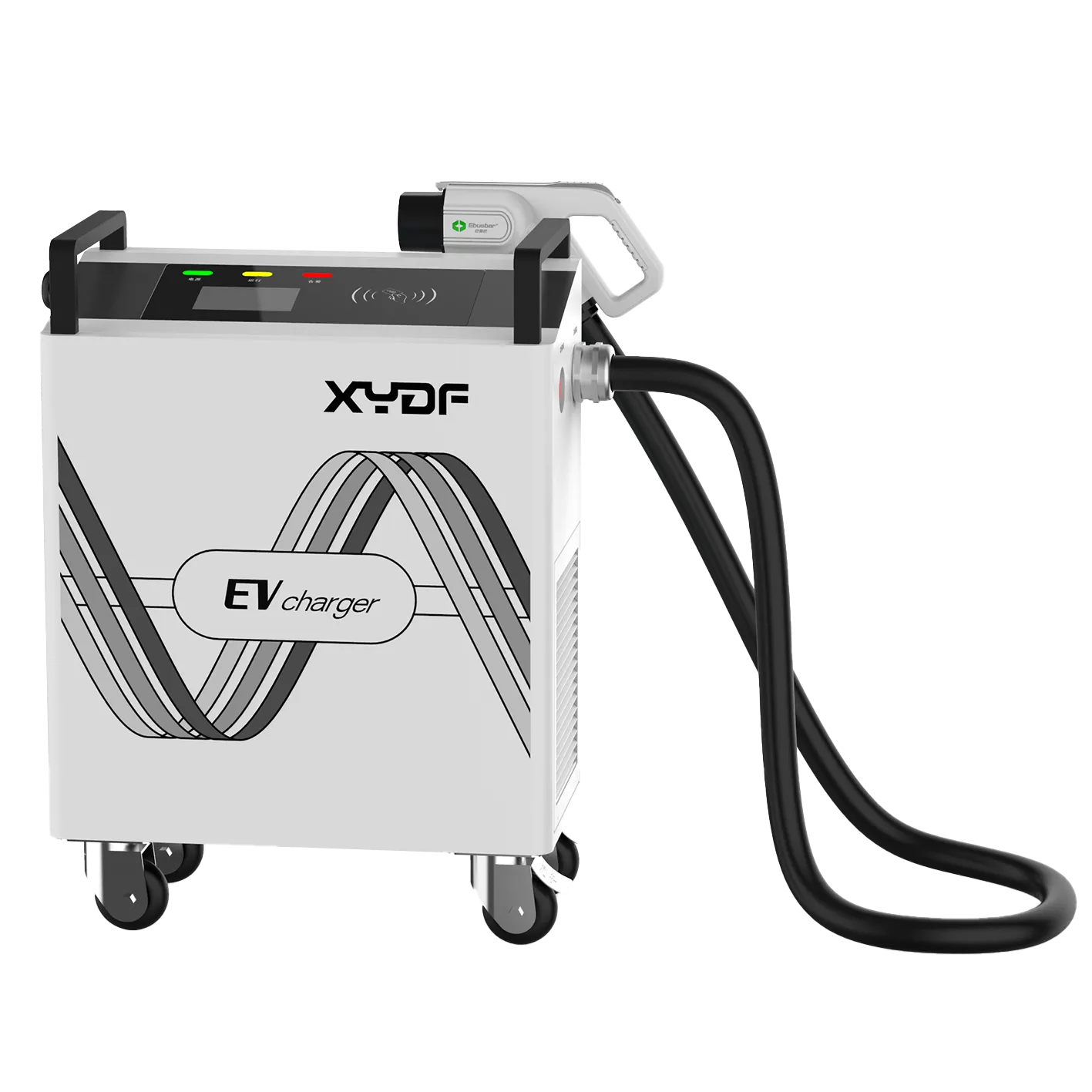
When selecting an electric vehicle charger for home usage, it is essential to take into account many elements such as available charging speeds, proper power cords and plugs, and installation costs. Prices can change dramatically from one model to another, based on aspects such as intended use, type of charger, and level of difficulty with the installation of each device. For example, basic level 1 chargers usually do not have any additional costs associated with their installation because they accept standard electrical outlets as input; however, level 2 chargers are ideal for faster charging times but will cost between $500-$2,000 to install depending on the home’s current electrical system. Finally, DC fast chargers, which are typically used for commercial applications or for those who need an enormous amount of power to charge their car quickly, can be extremely expensive and usually exceed $10,000. The guide below will help provide you with ample information to make an informed choice when selecting an EV charging station by providing comparisons between the three types of home EV chargers, describing the benefits of each type, and breaking down the costs associated with the installation of every one of them so that you can make an educated decision regarding which type of charger is best suited for your situation.
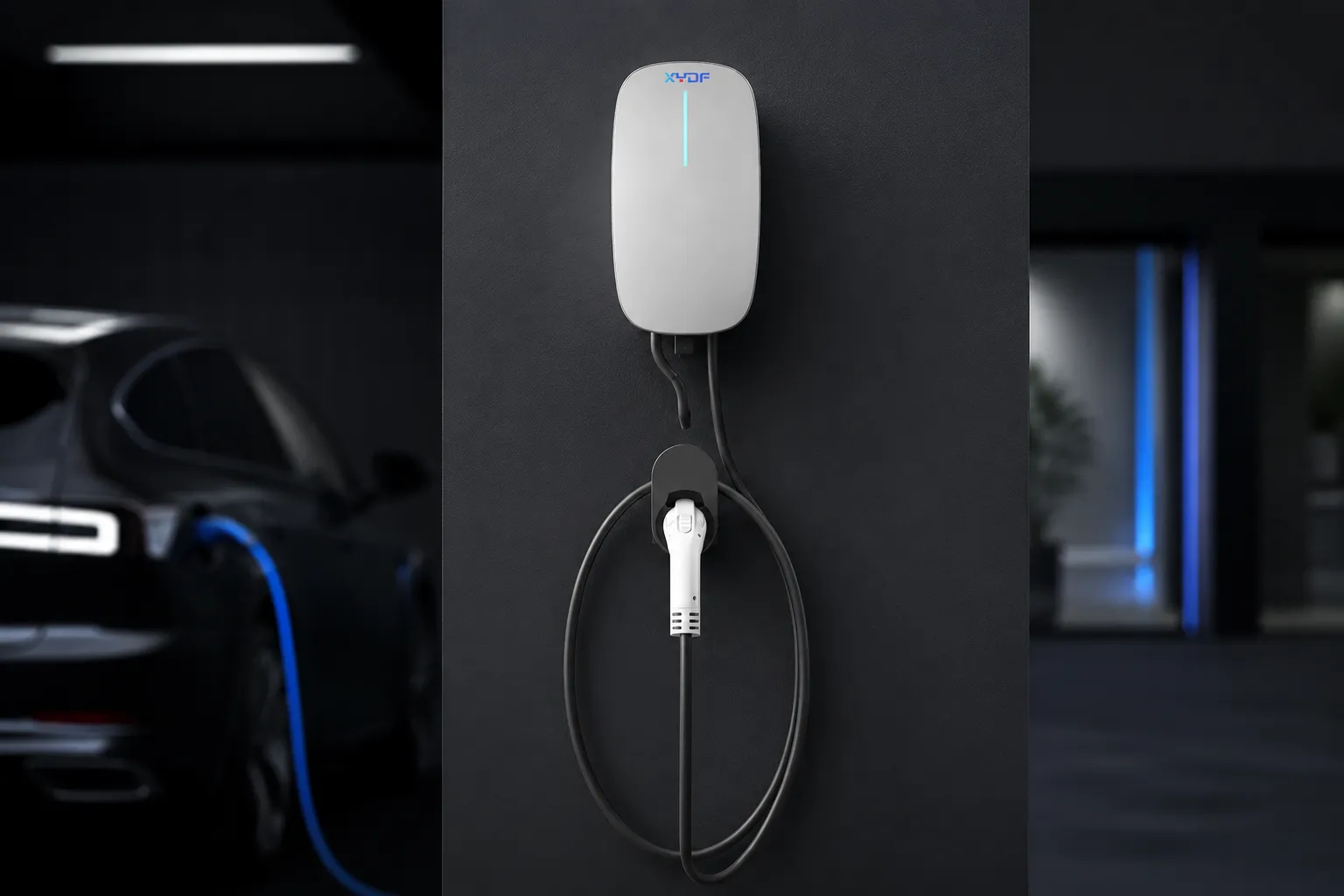
Home EV Chargers come in three basic levels: Level 1, Level 2, and DC Fast Charger. The type of charger that works best for you depends on several factors including your driving habits, vehicle type, and personal finances.
The following table gives a general comparison of charger types in order to help you understand their characteristics:
| Charger Type | Voltage | Charging Speed | Installation Cost | Best For |
|---|---|---|---|---|
| Level 1 | 120V | 3-5 miles/hour | Low (~$0-$100) | Short daily commutes |
| Level 2 | 240V | 10-60 miles/hour | Moderate (~$500-$2,000) | Home charging stations |
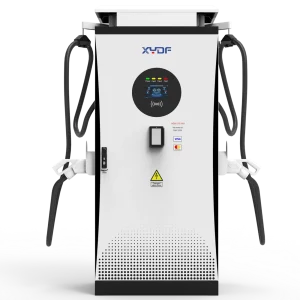
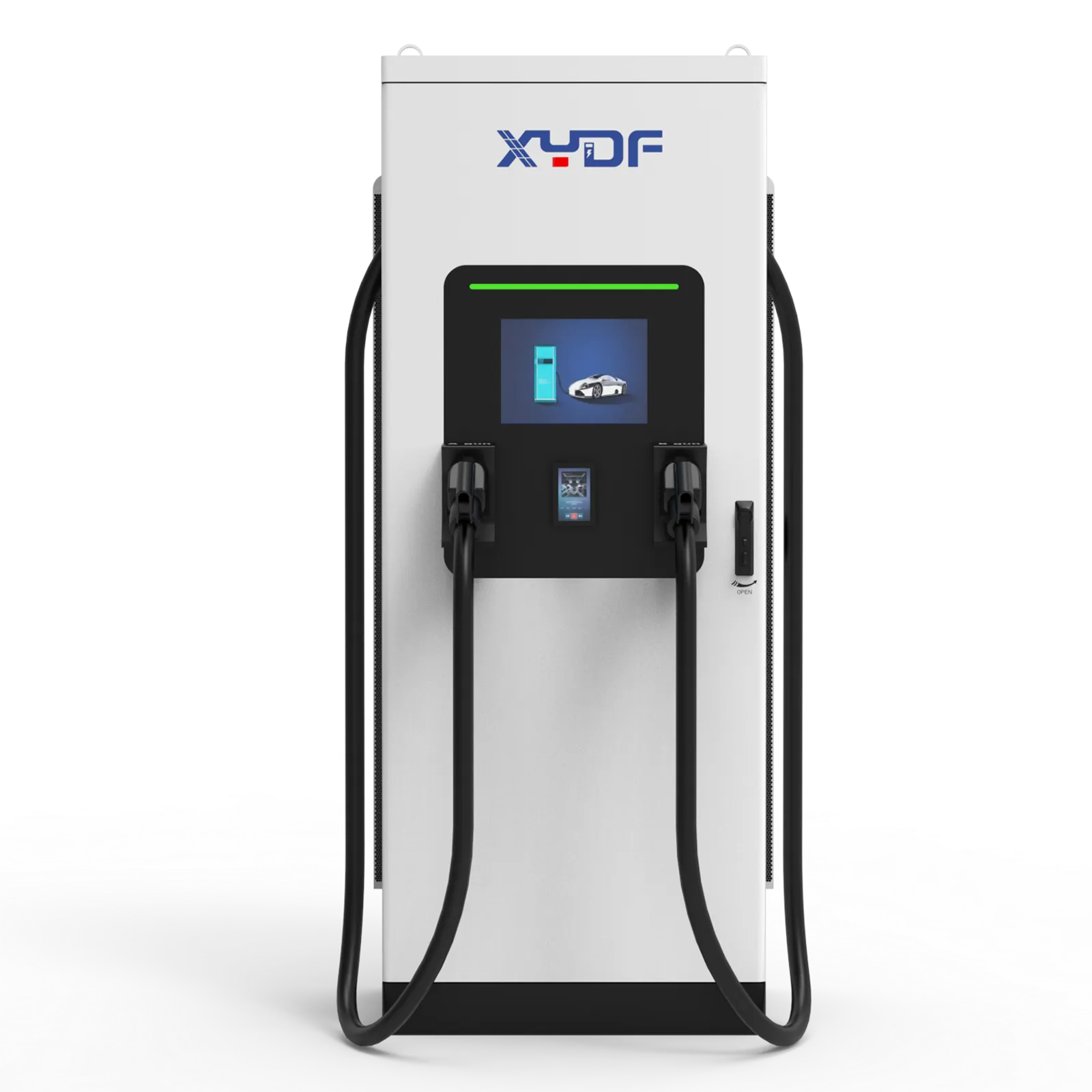
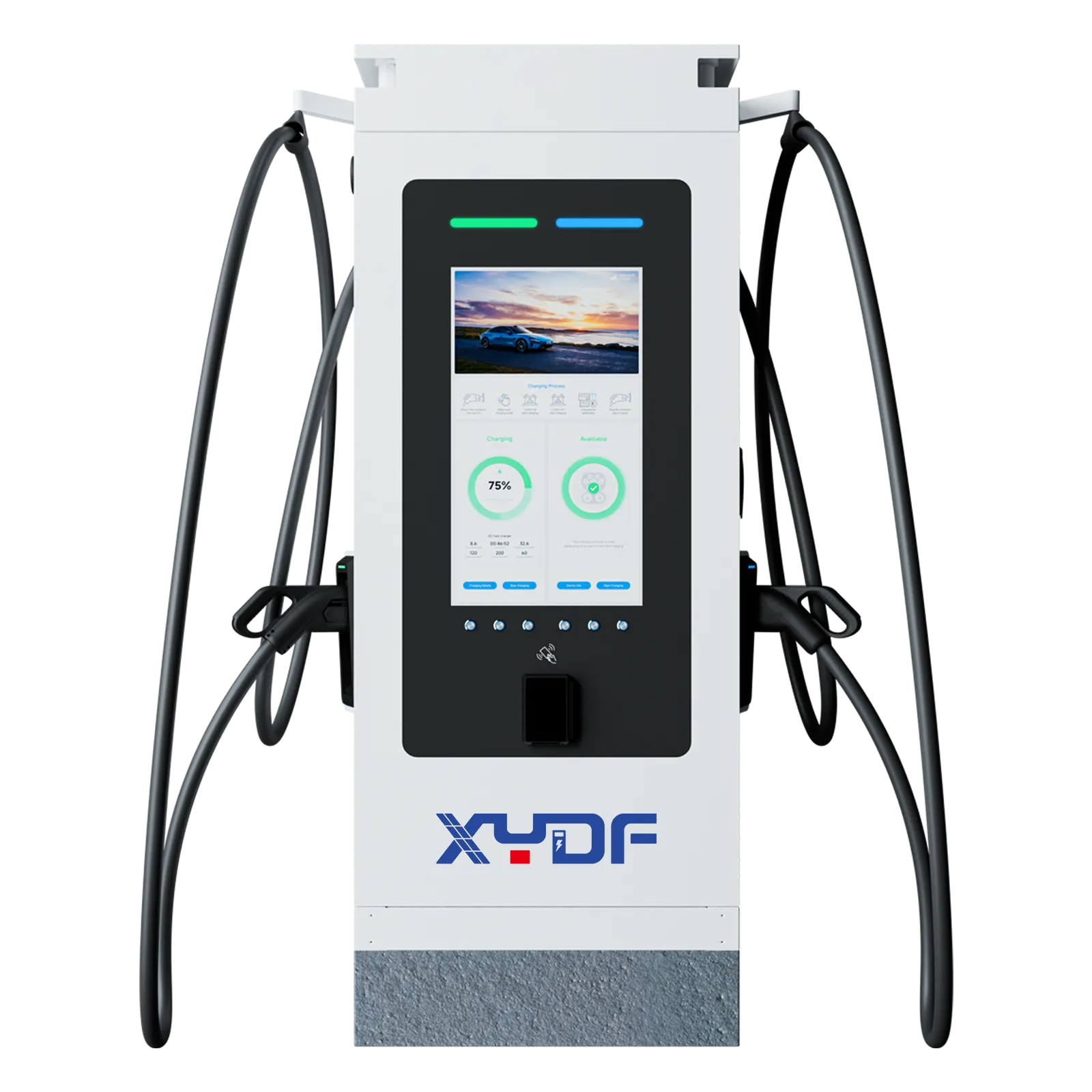
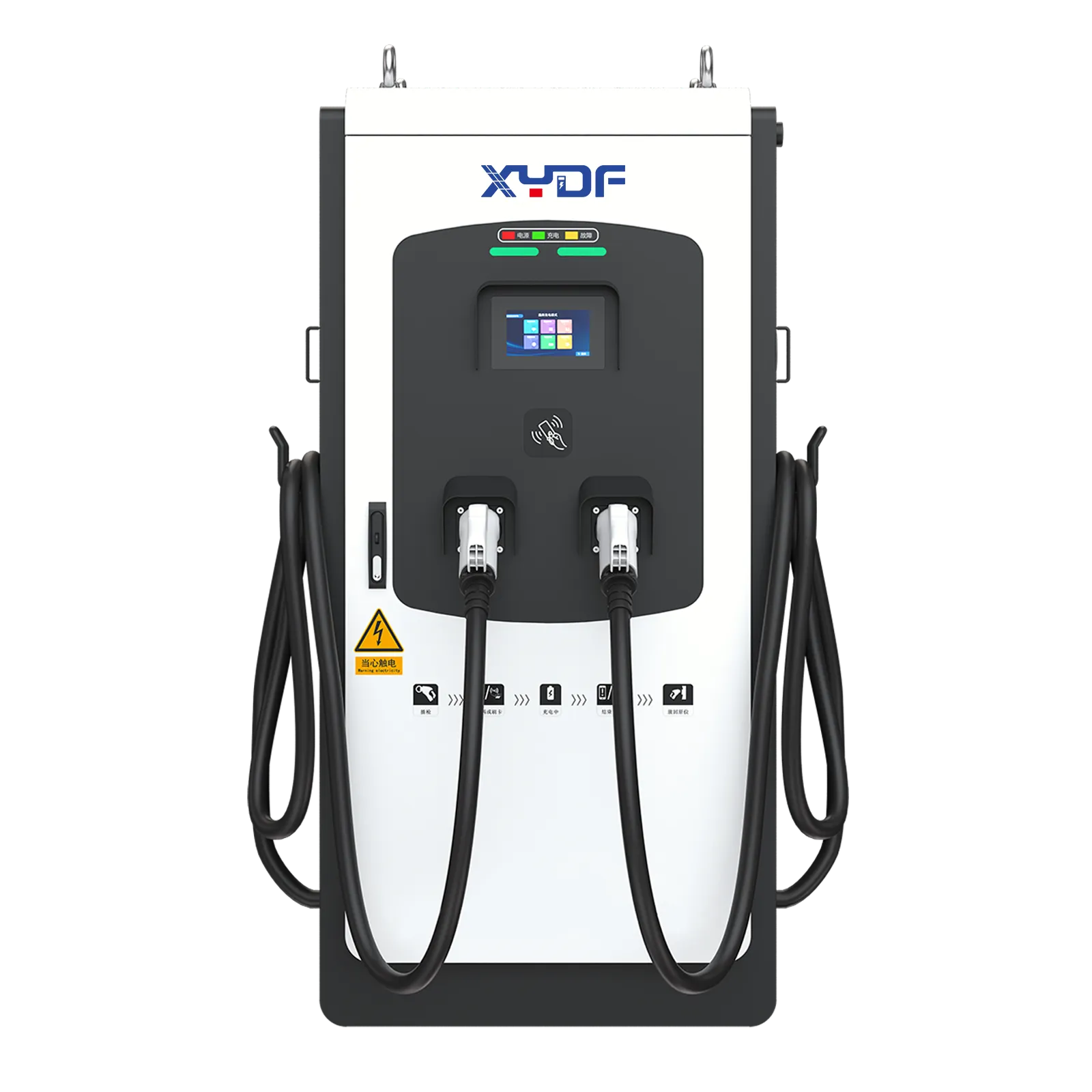
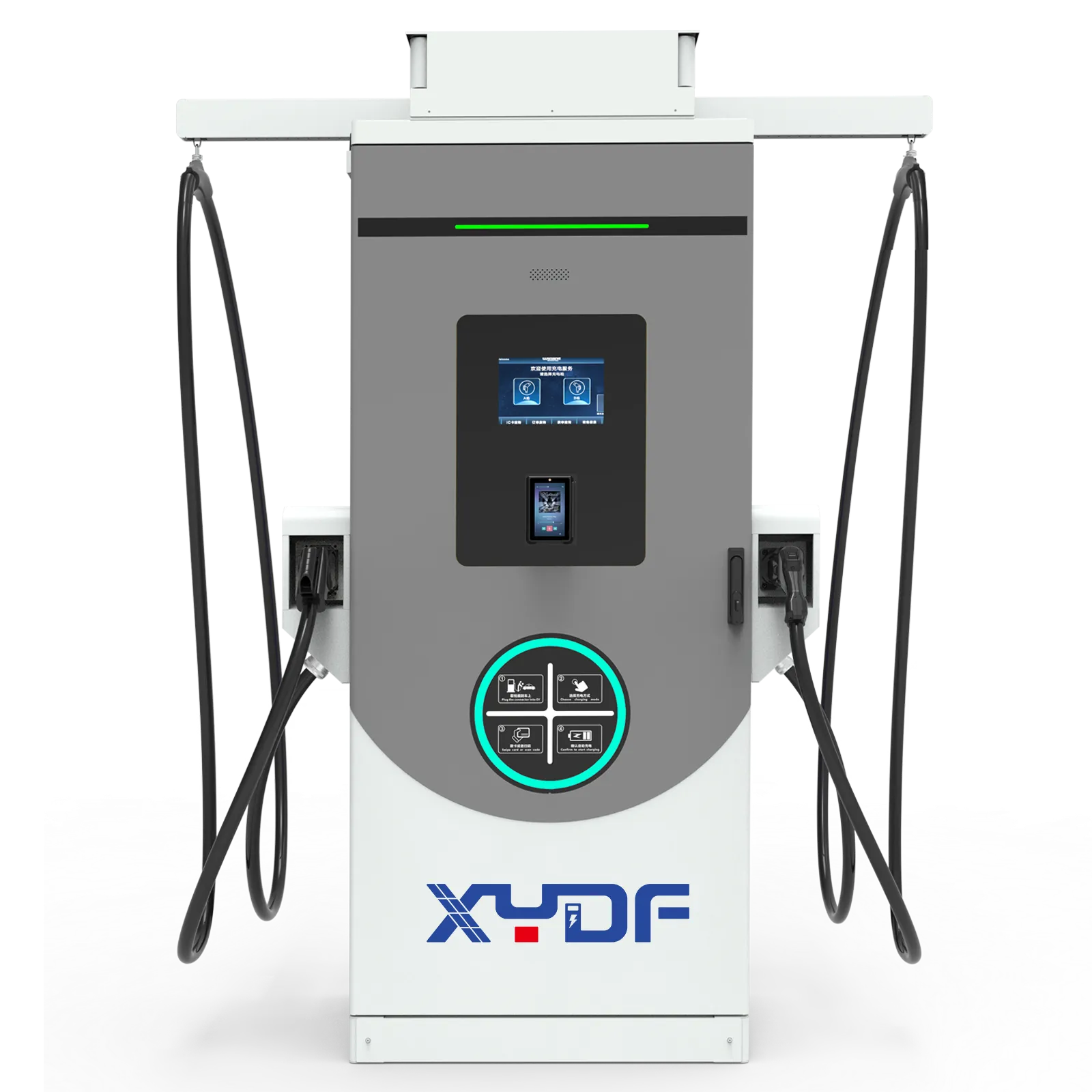
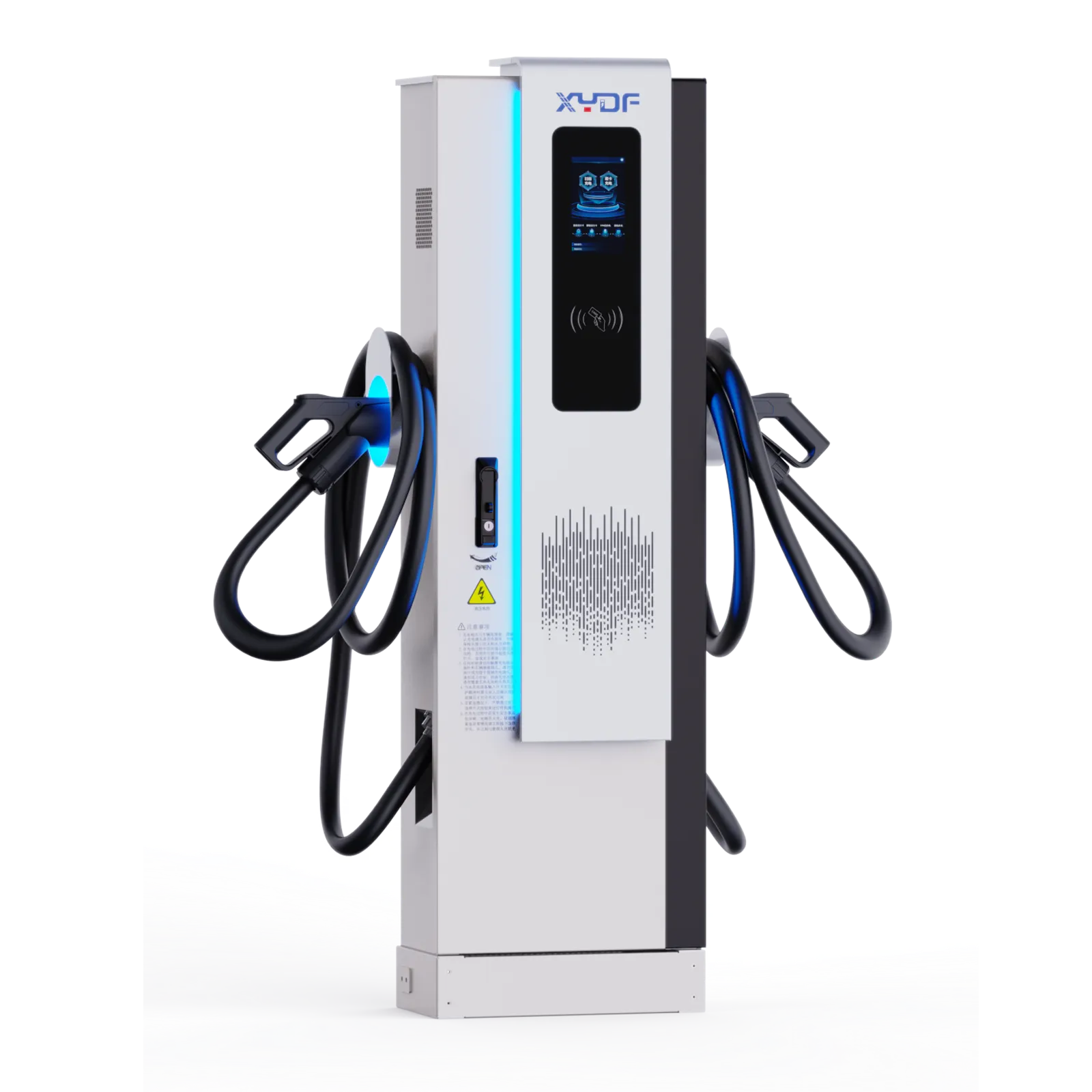
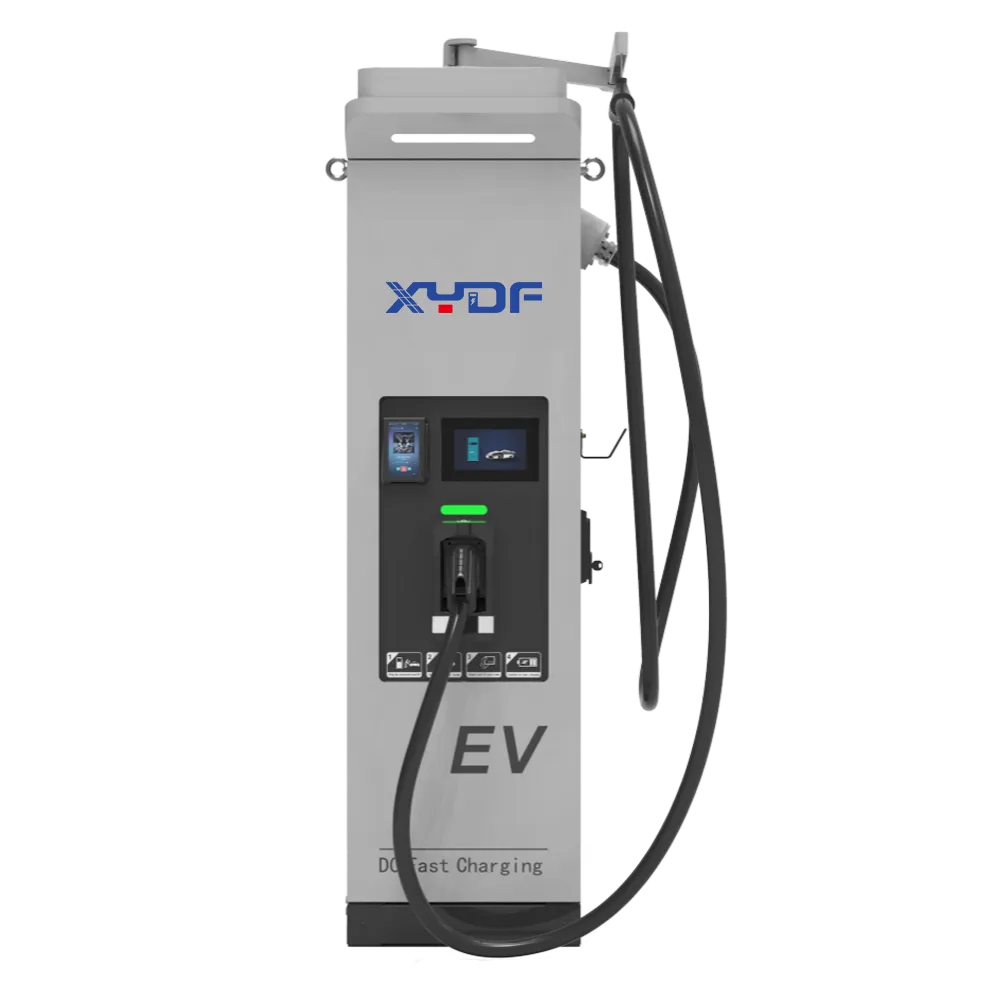
| DC Fast | 400V+ | ~80% in 20-30 minutes | High (>$10,000) | Commercial or fleet use |
Home EV Charger Compatibility
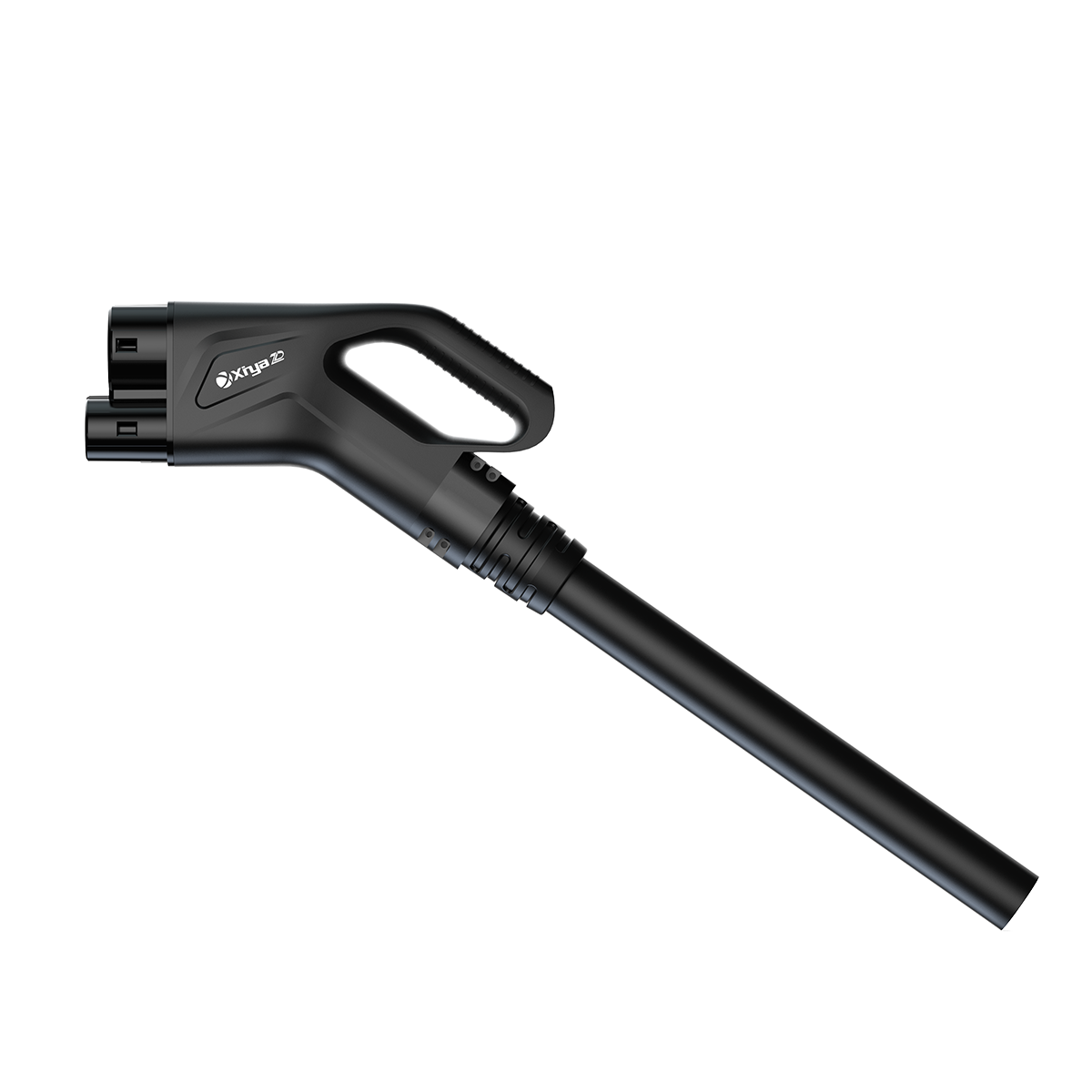
Different types of EV chargers connect differently to various types of EVs and therefore some chargers will not work on all electric vehicles (EVs). You’ll want to reference your specific vehicle’s specifications for the type of charging port it uses (e.g., J1772, CCS, or CHAdeMO) before selecting a charging station for your EV at home. There are many prominent manufacturers that provide adapters! Some examples are Tesla and Chevrolet Bolt, both of which sell add-on adaptors for use with a wider range of charging outlets.
Installation Costs
Installation costing can be variable based on your electrical installation (type of electrician) and the type of charger you install. Here’s a general guide:
Energy Efficiency and Usage
Opting for smart charging solutions is a great way to improve energy efficiency. A smart charger has an adjustable charge schedule and gives you access to real-time billing data as well as remote monitoring so that you can get the greatest savings possible.
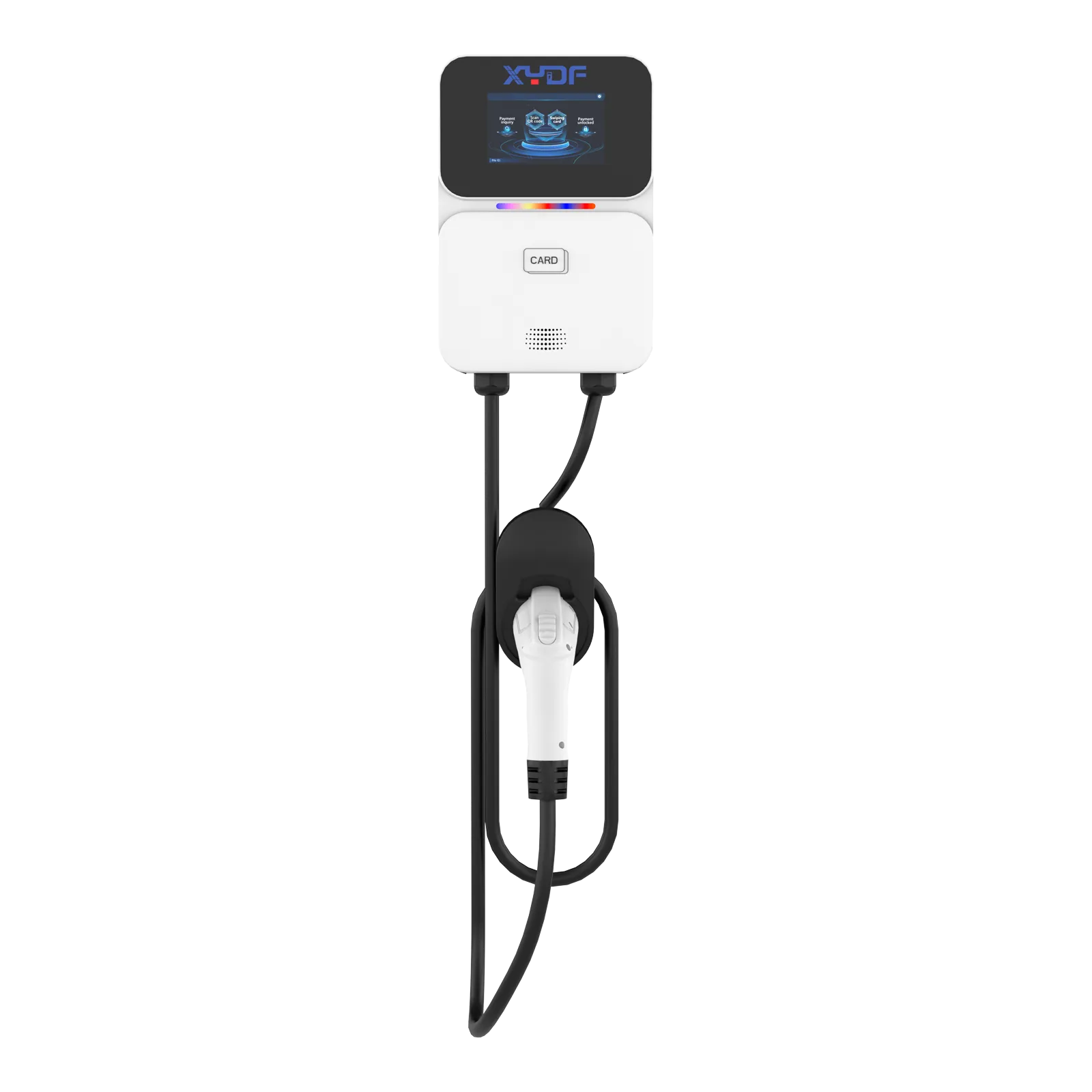
The cost to install a charger is determined by the type and the complexity of the electrical work needed to install it. For example, a Level 1 charger does not require any special installation costs. Conversely, Level 2 chargers can range from $500 – $2,000. The cost for a DC fast charger can be over $10,000.
Absolutely! There are a number of government and Electric Utility programs that can assist you with the purchase of your Electric Vehicle by providing incentives. Check to see if there are any Rebates, Tax Credits, and/or Energy Savings Programs where you reside that will lower the cost of purchase.
You’ll want to consider what charger works best for you when making your decision. In general, Level 2 chargers are the best overall charger for most home users because they offer a good balance between cost, speed and energy efficiency, while Level 1 chargers are better for light users. Conversely, the DC Fast Charger would typically be used at either a commercial location or by someone driving many miles per day.
Level one electric vehicle (EV) chargers usually connect straight to the regular home electrical supply outlets and don’t need any professional skills to get connected. Level 2 EV chargers require additional power sources (240 volts/30 amps) and, in almost every municipality, require a professional installation by a licensed electrician. Therefore, only trained personnel that have the correct qualifications and/or experience should perform this type of work because a DIY (do-it-yourself) installation may void the manufacturer’s warranty on the equipment and create dangerous safety conditions.
Regularly maintaining your charger will help it function properly and also prolong the life of your charger. Make sure that you periodically clean all of the wires and connectors on your charger, making sure there are no obstructions or damage. Many smart chargers also have built-in self-diagnosis tools that can inform you about potential issues before they become significant issues.
Level 2 and DC Fast Chargers are an excellent source of charging, but using them as a primary source of power can slightly shorten the life of the battery when charged too often. To extend the battery’s life, time-of-use charging methods such as Level 1 or at home by slowing down your charge should be used whenever possible while you are away from the vehicle for long periods of time.
To sum up, investing in a home EV charger provides you with the flexibility and reliability to support your electric vehicle while also allowing you to take advantage of the convenience of using a public charging station. Use this guide to help you locate the charger that fits your specific needs and budget, lifestyle, and to enjoy the benefits of electric transportation.
 Xinya Dongfang Electricity Technology Co., Ltd.