EV Charger Enclosure Materials and Weather Resistance for Outdoor Sites
Jul 24,2026
Blog
For a coastal charging project, an ingress rating alone does not show whether the cabinet is suitable. Buyers also need the coating system, fastener materials, impact resistance, and maintenance assumptions because these factors determine lifecycle risk.
outdoor EV charger enclosure materials should be selected from the site’s corrosivity, UV, thermal, impact, cleaning, and handling exposure. Powder-coated steel can fit sheltered or moderate sites when the coating system and edges are controlled; stainless steel suits higher corrosion exposure; polycarbonate is appropriate for selected covers, windows, or small housings when UV and impact performance are documented. IEC 60529 covers IP ingress, IEC 62262 covers IK impact classification, and ISO 9227 defines salt-spray testing; none alone proves ten-year field life.
Enclosure material affects how a cabinet survives ten years of sun, rain, salt, and handling, and the choice starts from the site rather than the catalog. Classify the exposure first, then match the substrate and coating system to that class; a material that is economical inland can become a recurring source of failure two hundred meters from a harbor.
Classify the site exposure before selecting a material
Corrosion risk is classifiable. ISO 9223 classifies atmospheric corrosivity from site factors such as humidity, chloride, and pollution exposure. Select the material and coating system against that classification, not a generic “outdoor” label.
Material is one of three protection decisions that must work together. Ingress protection—how far water and dust are kept out—is a separate classification under IEC 60529, covered in the EV charger IP-rating selection guide. The substrate and finish must keep the enclosure intact while the seals do their work.
Use a climate matrix to document the starting point
Site exposure
Material/finish starting point
Evidence and design action
Sheltered indoor or canopy
Powder-coated steel; polycarbonate for non-structural covers
Check coating adhesion, edge treatment, ventilation, and cleaning chemicals
General outdoor, moderate pollution
Powder-coated steel or stainless, based on service access and weight
Specify UV-stable topcoat, sealed joints, and drainage; verify thermal derating
Coastal or road-salt splash
Stainless steel with compatible hardware; coated steel only with a documented system
Control galvanic couples, inspect seams, and review the salt-spray method
Industrial pollutants
Stainless or engineered coated metal selected to the corrosivity class
Map chemicals, wash-down, and deposits; test the finish after cleaning exposure
High sun and heat
Metal cabinet with reflective/UV-stable finish; polycarbonate only where qualified
Review solar load, thermal cycling, polymer UV aging, and internal derating
Compare materials and finishes against outdoor failure modes
Outdoor suitability is a system requirement, not a single enclosure label. Separate ingress protection from impact, corrosion, vibration, foundation, cable routing, drainage, emergency isolation, access, and inspection evidence. The procurement package should state the actual exposure and the acceptance checks, because an IP code or material description does not prove that the whole installation will remain serviceable at the site. For the public planning context, see IEC 60529 enclosure ingress protection standard; the site-specific acceptance record still controls the final decision.
Unlike sheltered indoor cabinets, outdoor charger enclosures face UV, condensation cycles, and contact wear at the same time. The fabricator comparison at Topcabinet summarizes the practical trade-offs:
Material
Strengths outdoors
Watch-outs
Coated mild steel
Low cost, strong, easy to fabricate
Rust at seams and cut edges once coating is breached; better sheltered
Aluminum
Light, natural oxide layer, good heat conduction
Galvanic corrosion at contacts with steel fasteners; needs isolation hardware
Stainless 304
Good general corrosion resistance
Chlorides such as salt air and de-icing chemicals can pit it
Stainless 316
Molybdenum addition resists chlorides
Cost premium; heavier fabrication
Polymer / composite
Non-conductive, no rust, cost-effective
Needs UV stabilization or it embrittles and discolors
Topcabinet, a cabinet fabricator serving DC fast-charger builders, states that “exposed outdoor mild steel will show rust at panel seams within 3-5 years no matter how good the paint job,” while 304 stainless suits coastal sites within a few kilometers of saltwater and “316 is overkill for most charger applications unless you’re truly oceanfront.”
Ask what evidence sits behind each practical option
Option
Strengths
Use with caution
Buyer evidence
Powder-coated steel enclosures
Rigid, familiar fabrication, repairable panels
Cut edges, seams, and scratches can initiate rust
Substrate grade, pretreatment, primer/topcoat, adhesion, and edge protection
Stainless steel (304/316 as site dictates)
Corrosion resistance and durable mechanical surface
Chlorides can pit 304; mixed-metal contact can cause galvanic attack
Grade, weld finish, fastener compatibility, and cleaning method
Polycarbonate (selected parts)
Electrical insulation, light weight, no rust
UV embrittlement, discoloration, creep, and impact limits vary by formulation
UV stabilization, IK result where relevant, temperature range, and chemical compatibility
Specify the coating system with the substrate
An outdoor EVSE coating system matters as much as the substrate under it. Outdoor EVSE specifications typically call for a multi-coat system—a corrosion-inhibiting primer plus a UV-stable topcoat—selected against the site’s corrosivity class. The Topcabinet EVSE enclosure guide treats the coating system specification as a headline item alongside material and ingress rating.
Sunlight deserves explicit attention for polymer parts and painted finishes alike. UV exposure embrittles unstabilized polymers and chalks unprotected finishes over time, so screens, cable holsters, and closures need the same review as the cabinet skin. Heat is the other side of the same exposure; the thermal-management guide for high-temperature sites covers how solar load affects the equipment inside the enclosure.
Coastal, road-salt, and industrial sites need extra corrosion planning
Chloride-rich and polluted atmospheres attack faster and in more places. A harbor fleet charging station described by ZDS Chemical “struggled with recurring failures” until root-cause analysis found galvanic corrosion at the aluminum mainframe and copper grounding bars; the fix combined 316 stainless fasteners, epoxy-polyurethane coatings, and gasketed modular enclosures.
Three practical rules follow:
Never leave dissimilar metals in wet contact; isolate aluminum from steel and copper with the right fasteners and washers.
Specify fastener and hinge materials explicitly because hardware can fail before panels do.
Plan inspection access for seams, gaskets, and drain paths because corrosion starts where water sits.
De-icing chemicals create coastal-grade chloride exposure at inland sites. If the region salts roads in winter, treat splash zones around ground-mounted cabinets as chloride exposure when classifying the site under ISO 9223 corrosivity classification.
Test each aspect of weather resistance separately
Keep IP ratings and EV charger weather resistance separate: a sealed door can meet an IP test while an unprotected coating or fastener corrodes outside the seal. For a deeper ingress decision, use the EV charger IP-rating selection guide.
EV charger weather resistance testing under IEC 60529 confirms resistance to specified solids and water entry in a defined configuration. Record mounting orientation, glands, doors, and drain paths.
IK under IEC 62262 classifies impact energy against the enclosure. It does not prove vandalism resistance for every installation or component behind the panel.
Corrosion testing under ISO 9227 uses salt-spray exposure to compare finishes under a defined method; it is not a direct prediction of a site’s atmospheric life. Pair it with ISO 9223 corrosivity classification and post-test function and adhesion checks.
For UV and thermal performance, request the polymer or coating UV method, color and embrittlement criteria, thermal-cycling range, solar-load assumptions, and charger derating behavior. The high-temperature thermal-management guide connects enclosure choices to internal heat.
Write evidence and lifetime cost into the RFQ
Write the environment into the request so suppliers answer with evidence instead of adjectives:
Buyer should provide
Why it matters
Coastal distance, industrial pollution, road-salt use
Sets the corrosivity class the material must survive
Sun exposure and ambient range
Drives UV stability and finish requirements
Mounting type and public-contact level
Changes mechanical-wear and coating assumptions
Cleaning regime, including pressure wash and chemicals
Affects gaskets, fasteners, and finish selection
Required documents: material grade, coating system, test reports
Makes the delivered specification verifiable
Ask suppliers to state the substrate grade, coating system, and evidence behind both for the exact model quoted. A generic “weatherproof” answer is a gap the buyer may pay for at year three.
Include maintenance and total cost of ownership
Record a baseline condition at commissioning: coating, seams, gaskets, drain paths, hinges, fasteners, cable holsters, and labels. Set inspection intervals from exposure and cleaning practice, not a generic calendar. Budget for touch-up materials compatible with the original system, replacement gaskets and fasteners, corrosion cleaning, and safe access; an inexpensive cabinet can carry higher labor and downtime cost when panels seize or water paths clog.
Use a simple total-cost-of-ownership model: purchase price + installation adaptations + planned inspection and cleaning + replacement parts + unplanned outage and site-visit cost. Label assumptions as estimates, and test sensitivity to coastal exposure, vandalism, and wash-down frequency.
Use an outdoor enclosure procurement checklist
Describe climate, corrosivity, UV, ambient and solar temperatures, impact risk, wash-down chemicals, and mounting orientation.
Specify substrate grade, coating and pretreatment stack, fastener metals, gasket material, and allowable dissimilar-metal contacts.
Request IEC 60529 IP and IEC 62262 IK reports for the exact configuration; ask for the ISO 9227 method and acceptance criteria where salt exposure matters.
Review UV, thermal-cycle, adhesion, drainage, and post-test functional evidence; confirm power derating at the site condition.
Define inspection, cleaning, touch-up, spare-part, warranty, and service responsibilities. The EV charger procurement guide can structure the wider RFQ.
Before release, send the completed exposure matrix to the supplier and retain the approved revision with the project file.
Verify the selected XYDF model against the site
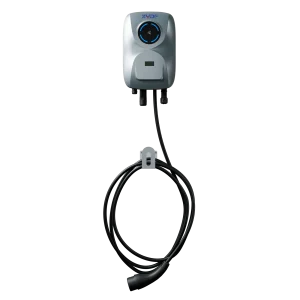
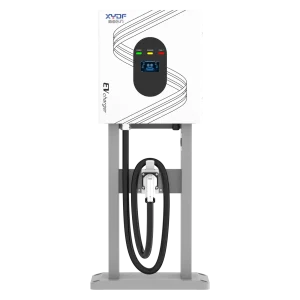
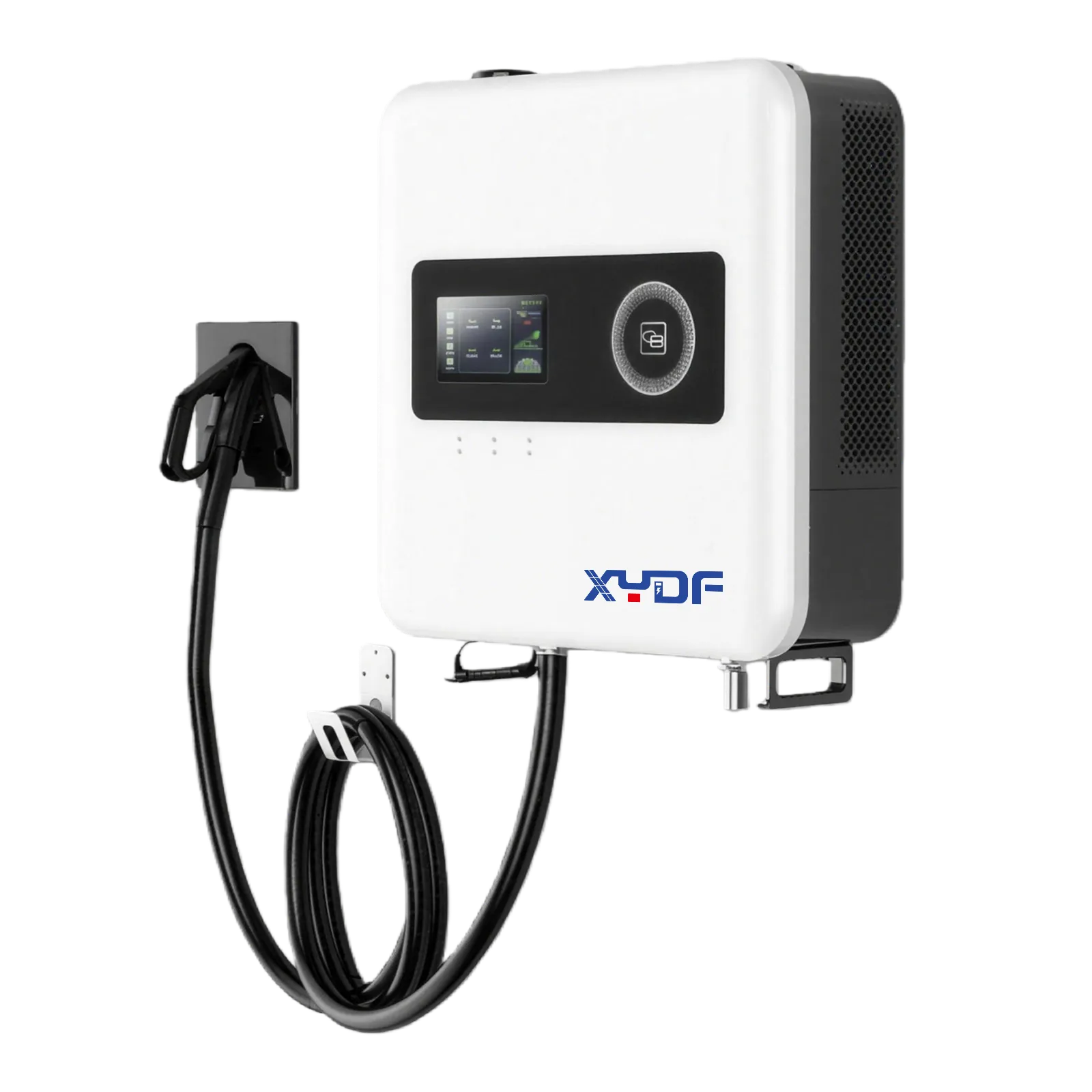
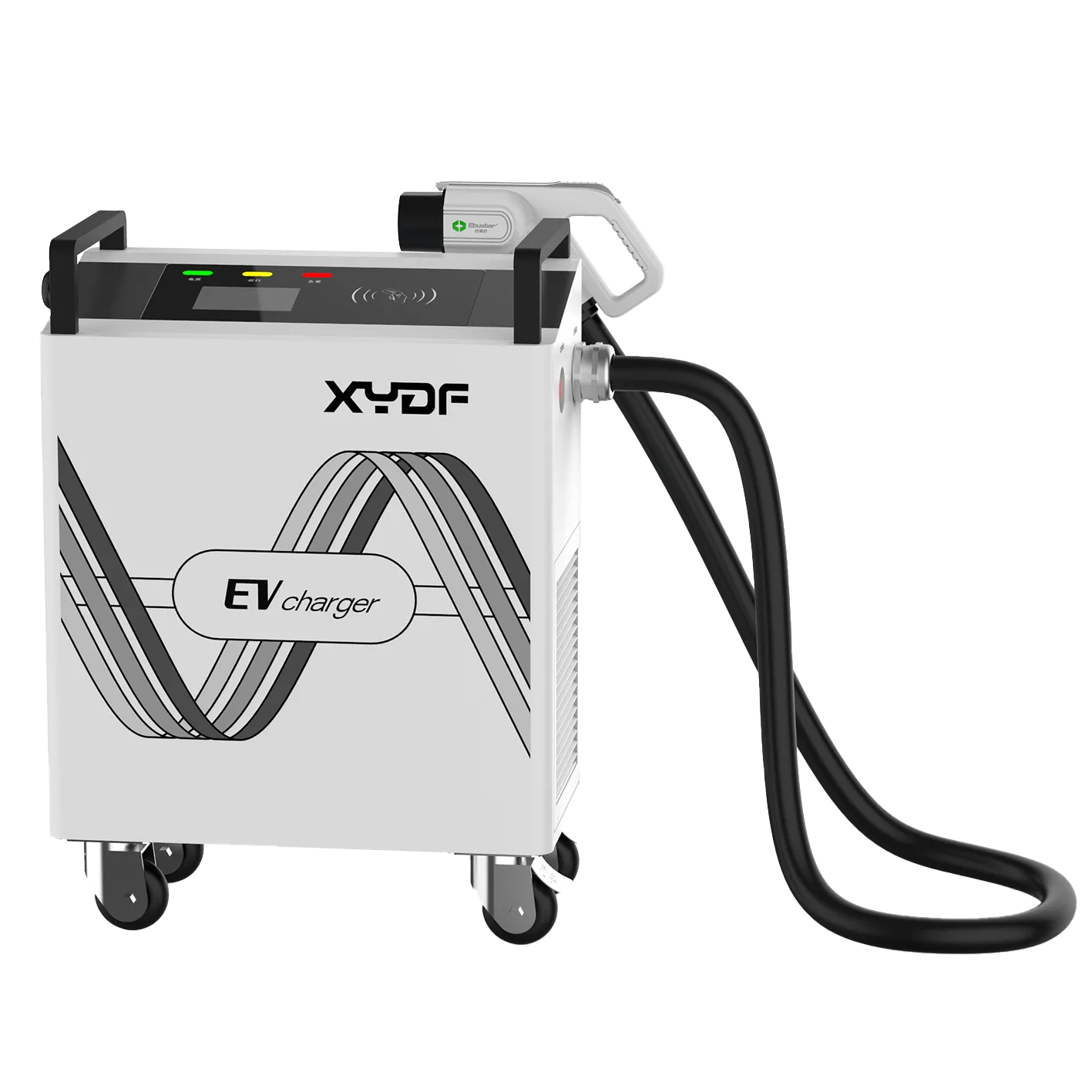
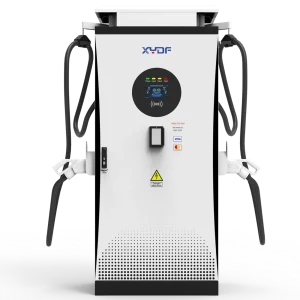
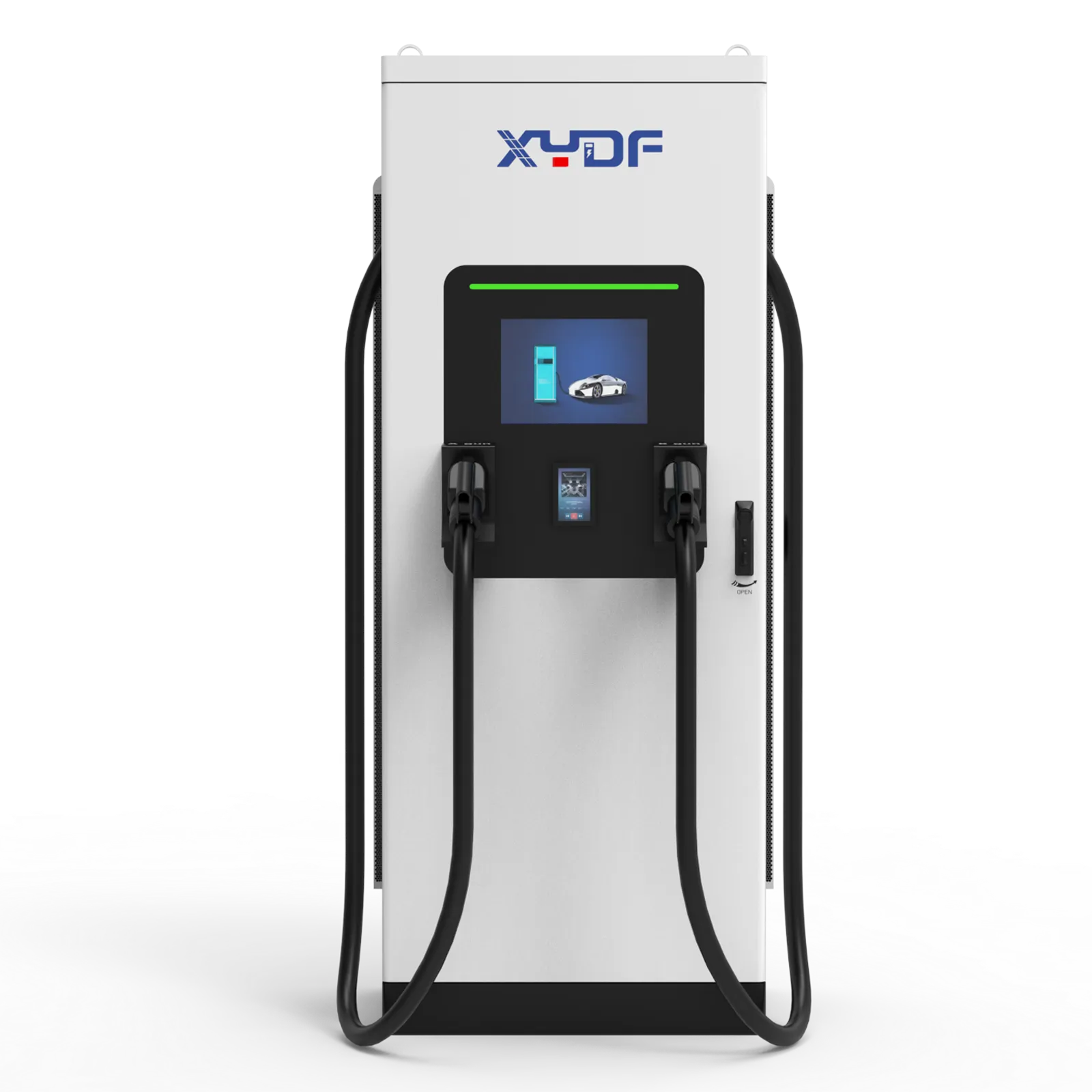
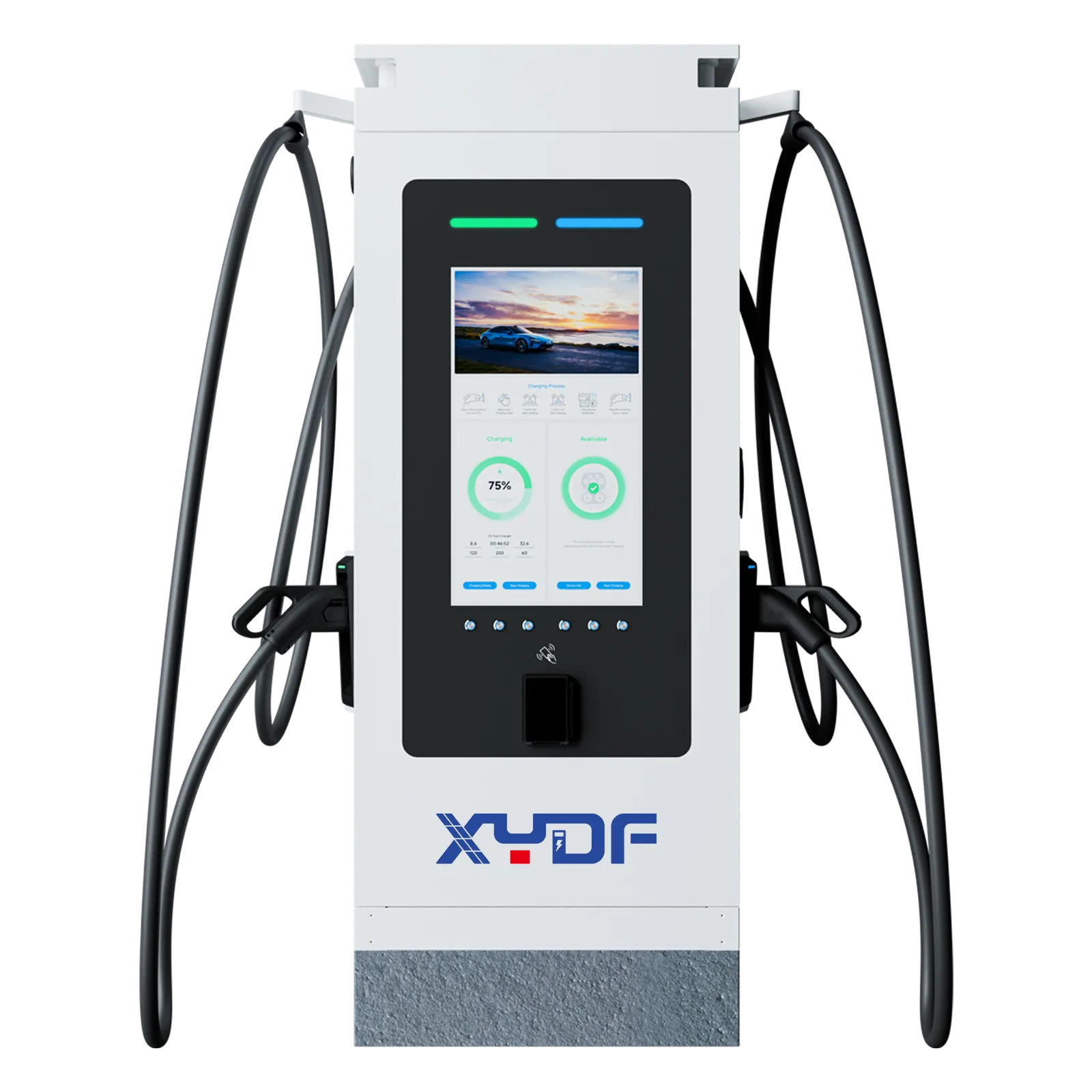
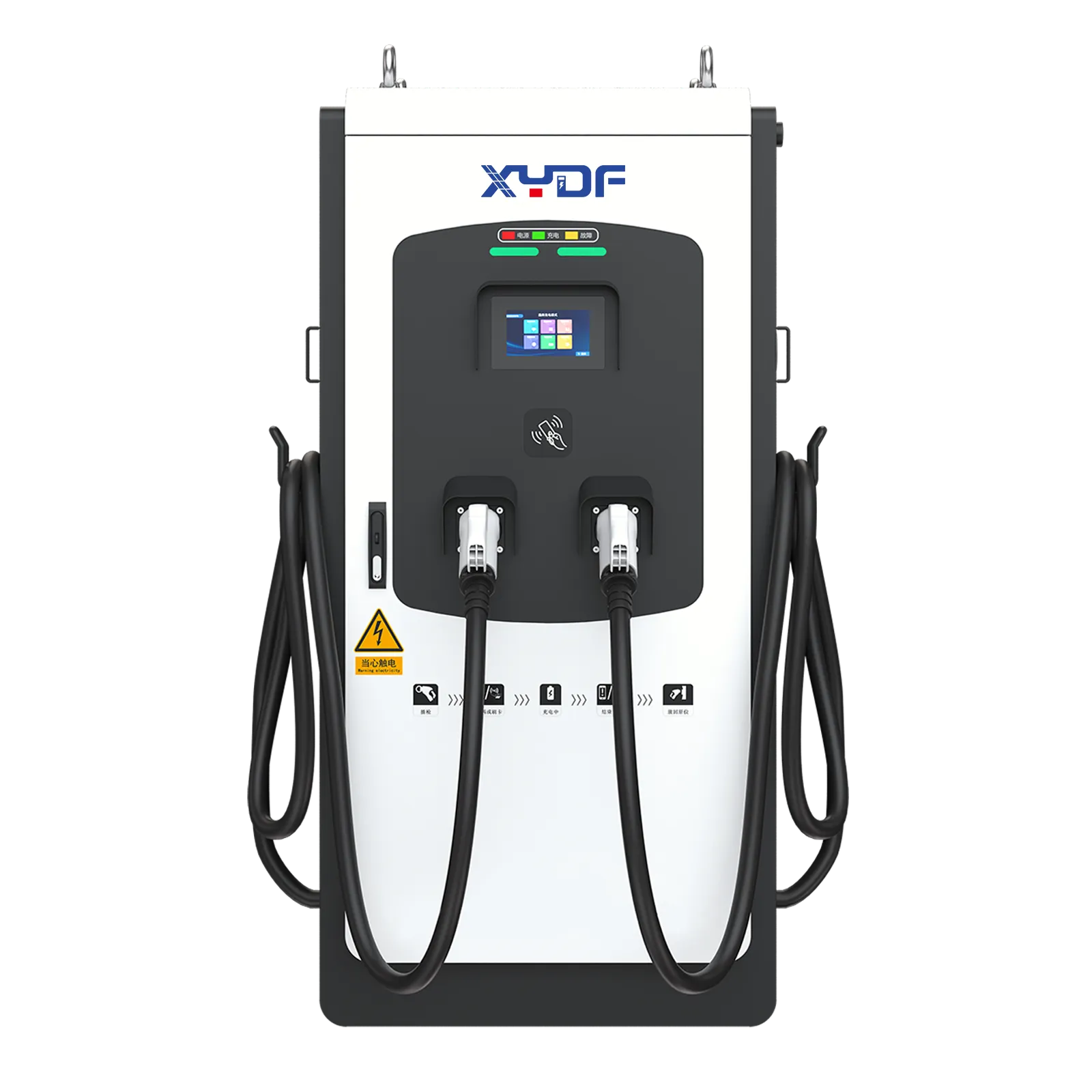
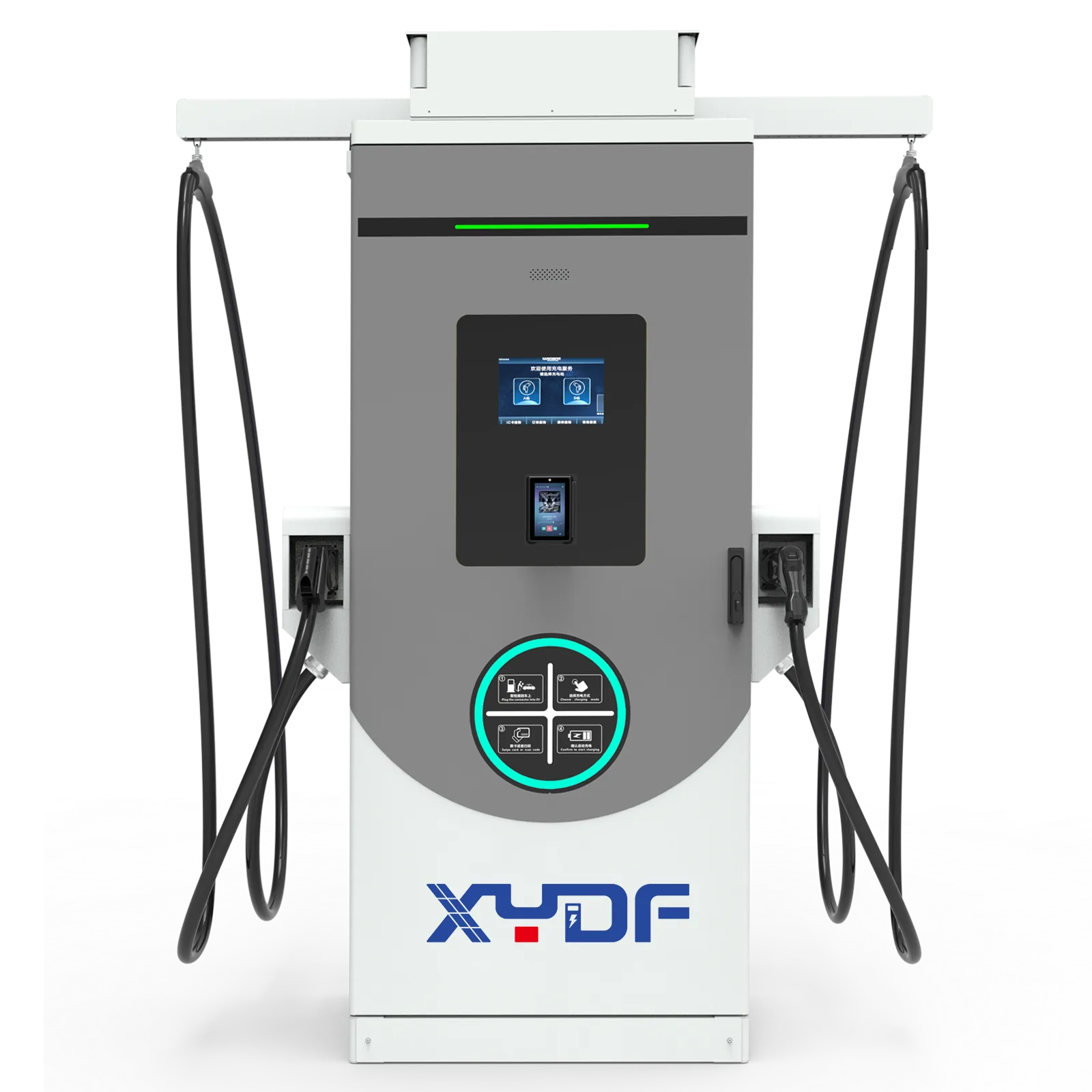
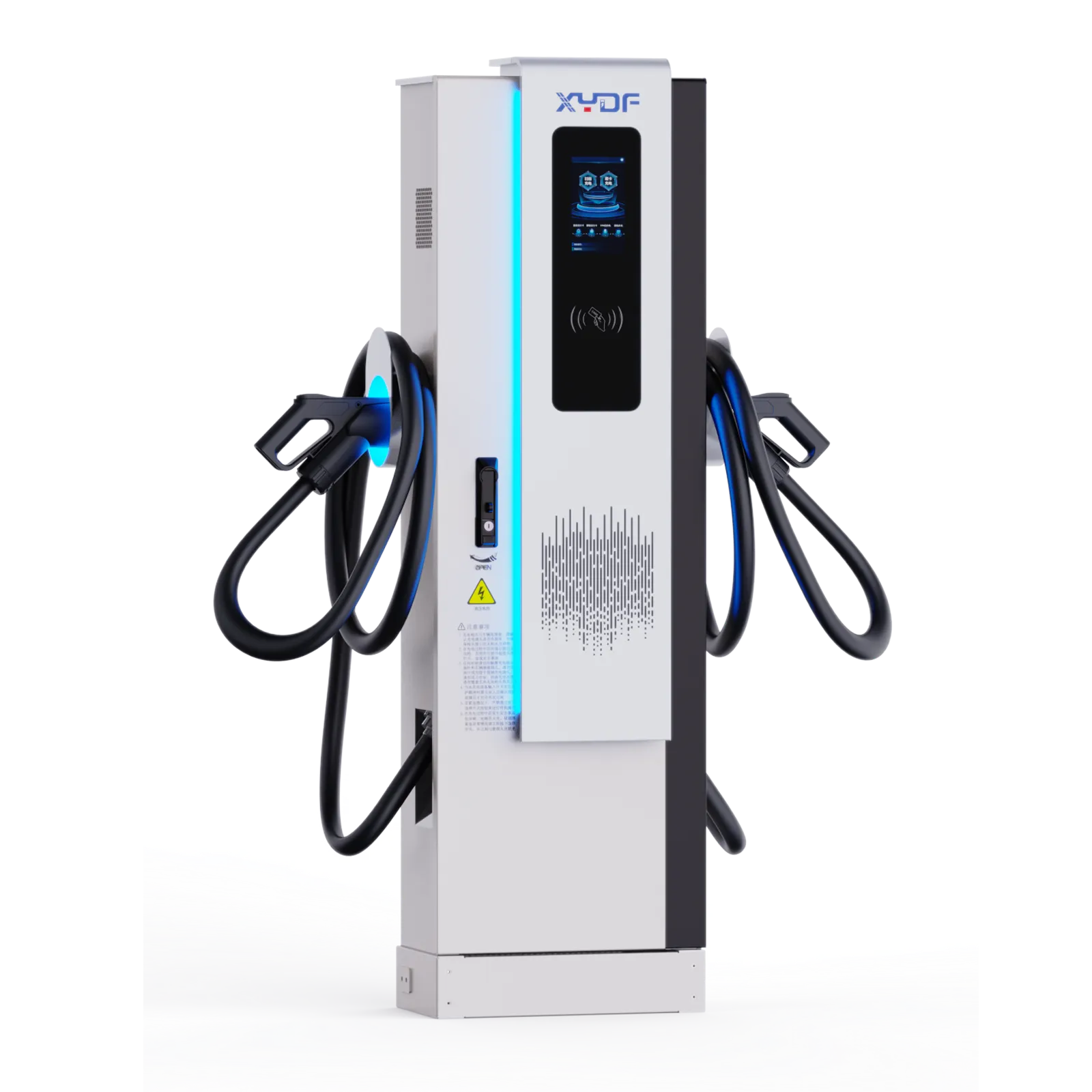
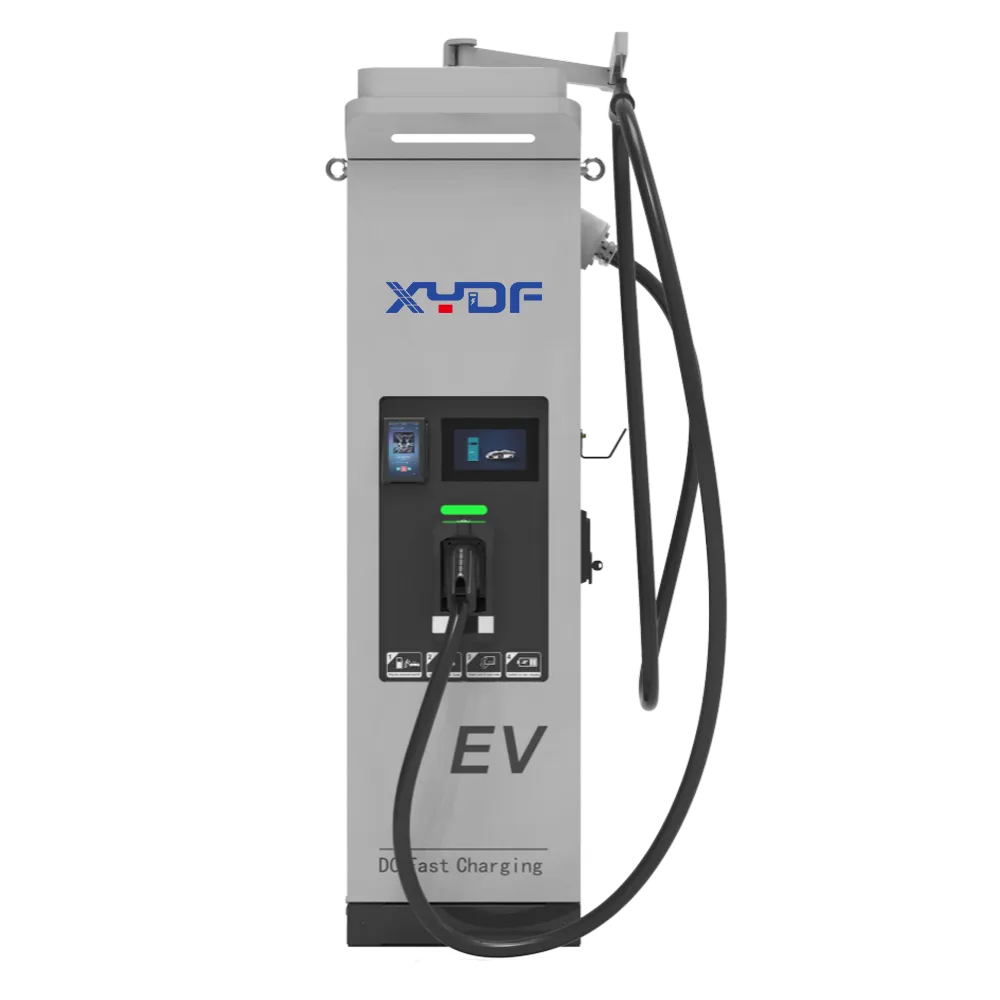
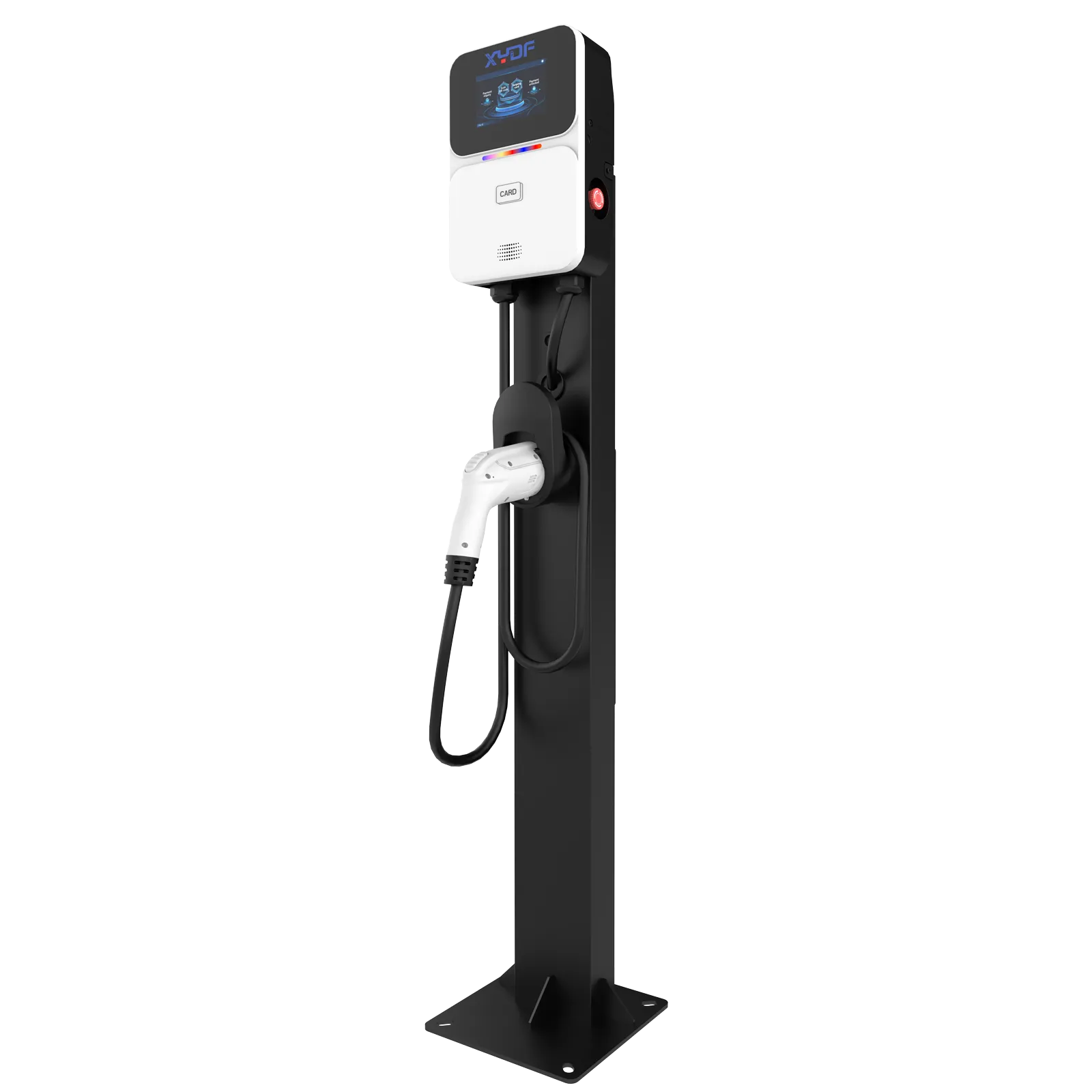
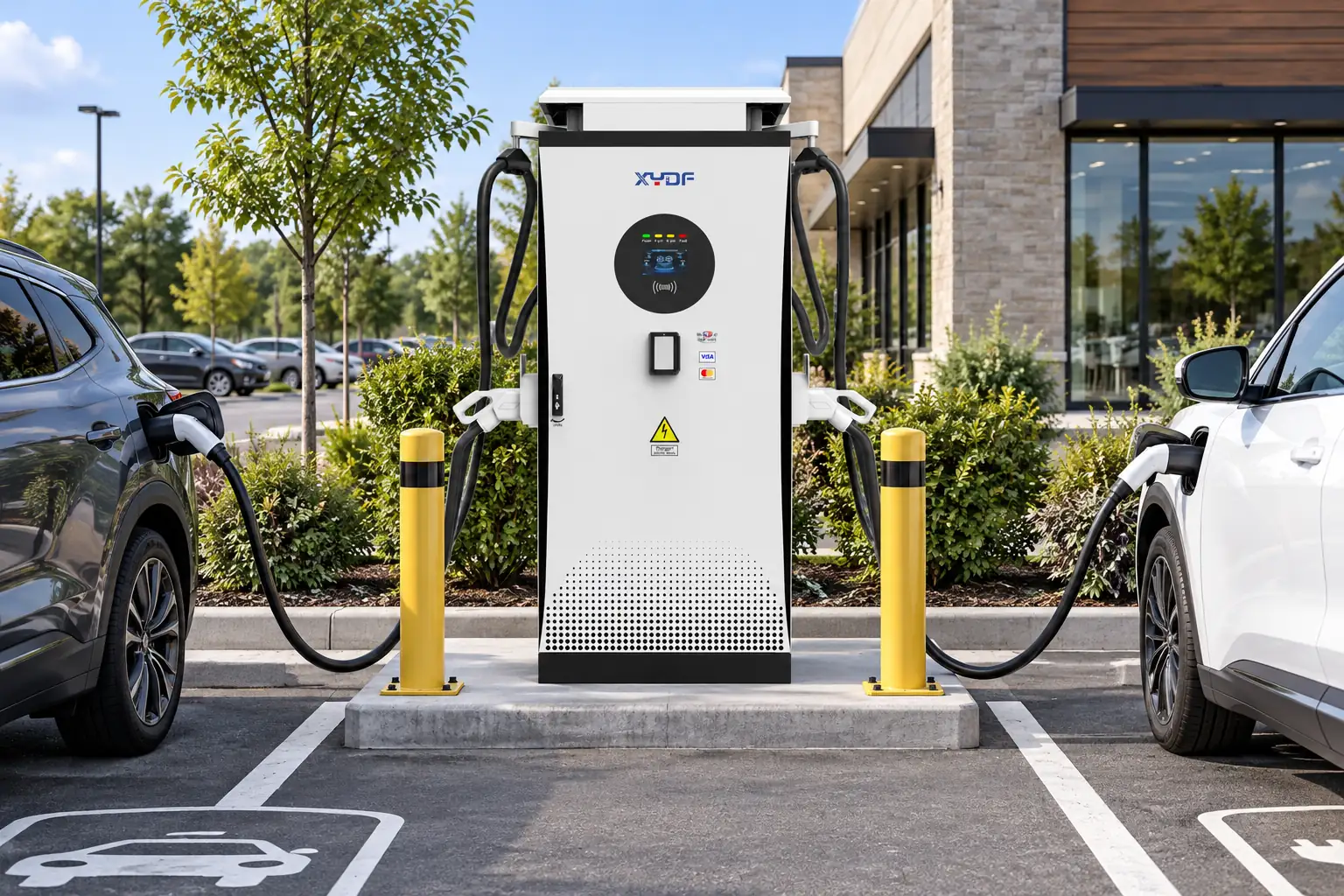
For destination and workplace projects, XYDF’s AC line includes models marketed with IP65 protection on their product pages; see the EC7 IP65 7kW AC charger and the wider AC charger range. For outdoor commercial fast charging, the DC fast-charger range covers cabinet-format equipment whose site exposure should be documented with the RFQ inputs above.
A published ingress rating is not a material datasheet. Verify the enclosure substrate, coating system, and corrosion testing for the specific model and site class before contract. Send the climate, mounting, cleaning, and exposure inputs to XYDF through the contact page, and request that documentation with the quotation. This guide supports outdoor hardware specification; it does not replace the model manual, site engineering, or the ingress-rating decision.
Frequently asked questions
What enclosure material is best for outdoor EV chargers?
There is no universal best. Coated steel suits sheltered sites, aluminum balances weight and corrosion resistance for general outdoor use, and 316-grade stainless earns its cost where chloride exposure is real.
Is powder-coated steel suitable for an outdoor EV charger?
It can be, when pretreatment, primer, topcoat, edge protection, drainage, and maintenance match the site’s corrosivity. Coastal splash, road salt, or severe industrial pollution may justify stainless or a more robust documented coating system.
When is 316 stainless worth it over 304?
When chlorides are present—salt air near coasts, de-icing chemicals, or some industrial atmospheres. The molybdenum in 316 resists the pitting that attacks 304 in those conditions.
When should stainless steel be chosen over coated steel?
Choose stainless when corrosion exposure, cleaning, or impact makes coating damage likely; select 304 or 316 based on chloride and process conditions. Verify weld finish, fastener compatibility, and the supplier’s evidence rather than relying on the grade name alone.
Do aluminum charger cabinets corrode?
Aluminum forms a protective oxide layer and performs well outdoors, but it is vulnerable to galvanic corrosion where it touches steel or copper in wet conditions. Isolation hardware prevents that failure.
Can polycarbonate be used for a charger enclosure?
Use it selectively for covers, windows, or small housings where its UV, temperature, creep, chemical, and impact performance is documented. It is not an automatic substitute for a structural metal cabinet in high-sun or high-impact sites.
How does sunlight degrade plastic charger housings?
Ultraviolet exposure embrittles and discolors unstabilized polymers and degrades finishes. Outdoor polymer parts should be specified with UV stabilization and reviewed alongside the coating system.
How is galvanic corrosion prevented at charging sites?
Keep dissimilar metals out of wet contact: use compatible fastener materials, isolating washers, and coatings, and inspect joints and grounding connections where different metals meet.
Is an IP rating enough to prove weather resistance?
No. An ingress rating classifies protection against dust and water entry; it says nothing about corrosion, UV aging, or coating life. Specify material and finish evidence separately.
What is the difference between IP and IK ratings?
IP under IEC 60529 addresses ingress from solids and water; IK under IEC 62262 addresses impact energy. A charger may need both ratings, plus separate corrosion, UV, and thermal evidence.
How often should an outdoor charger enclosure be inspected?
Set the interval from exposure, cleaning, public-contact risk, and the manufacturer’s maintenance instructions. Inspect seams, gaskets, fasteners, drain paths, coating damage, and cable hardware, and log findings so intervals can be adjusted from evidence.
Why is an IP rating not enough to approve an outdoor EV charger?
An IP code addresses ingress protection under defined test conditions; it does not by itself prove impact resistance, corrosion control, vibration endurance, foundation stability, cable protection, drainage, or maintenance access. Approve the installation only after those separate requirements are matched to the site’s exposure and verified in the design or acceptance records.
Outdoor EV charger procurement works best when substrate, finish, seals, hardware, tests, and maintenance all agree with the site. Send the completed exposure matrix with the RFQ, retain the approved revision, and procure only after the supplier’s evidence matches the installation.
We use cookies to keep this website working and, with your permission, to measure how visitors use our EV charging site. See our Privacy Policy for details.
 Xinya Dongfang Electricity Technology Co., Ltd.