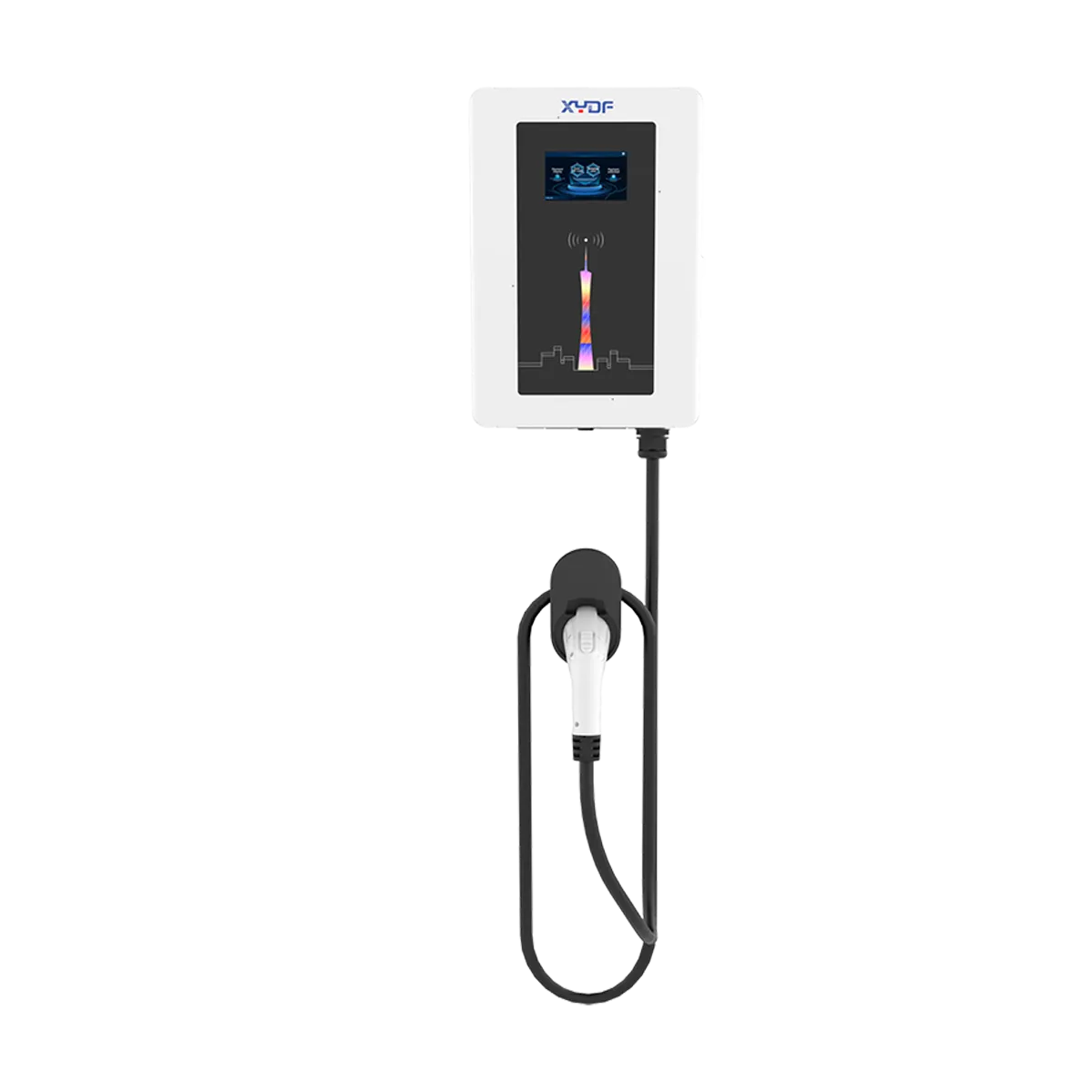
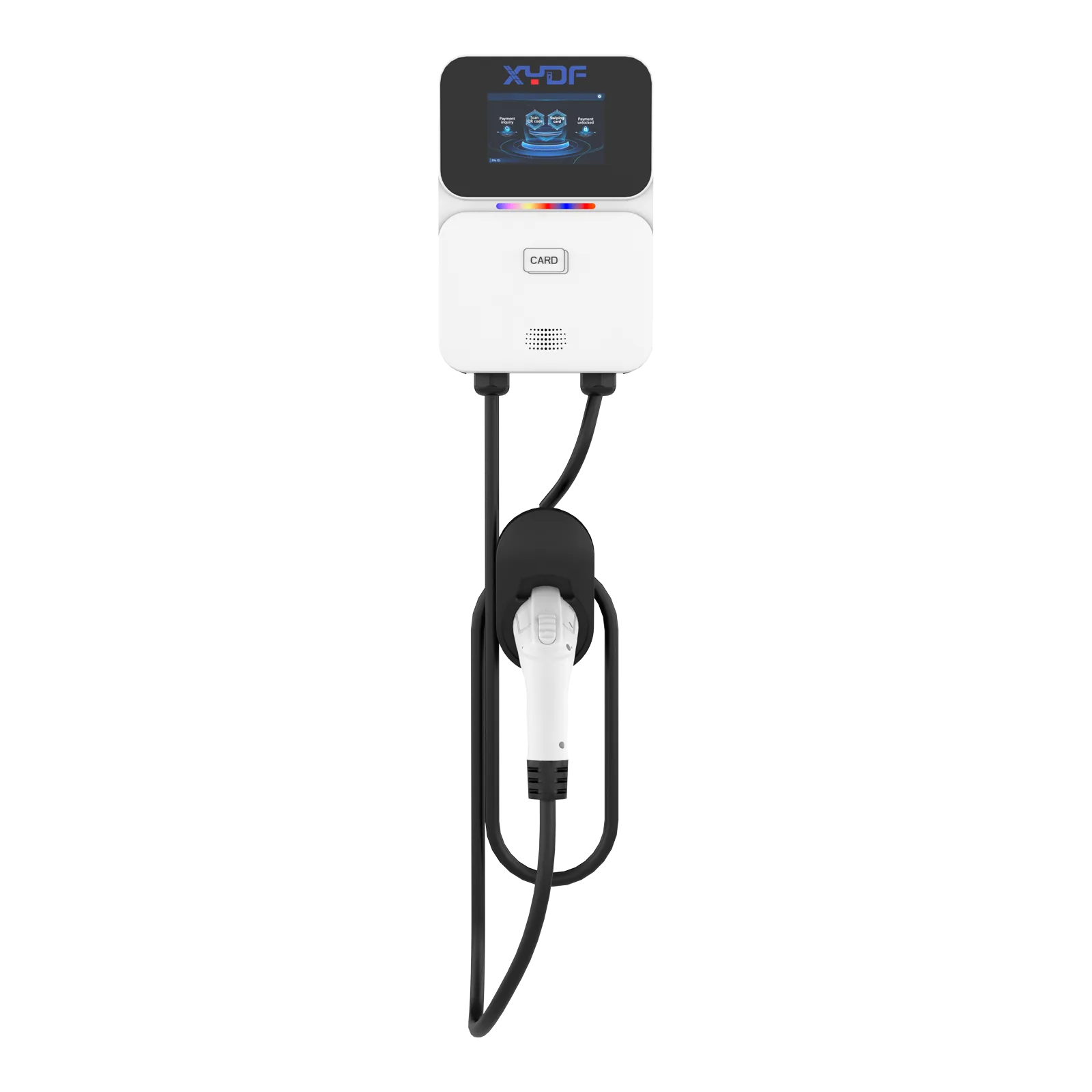
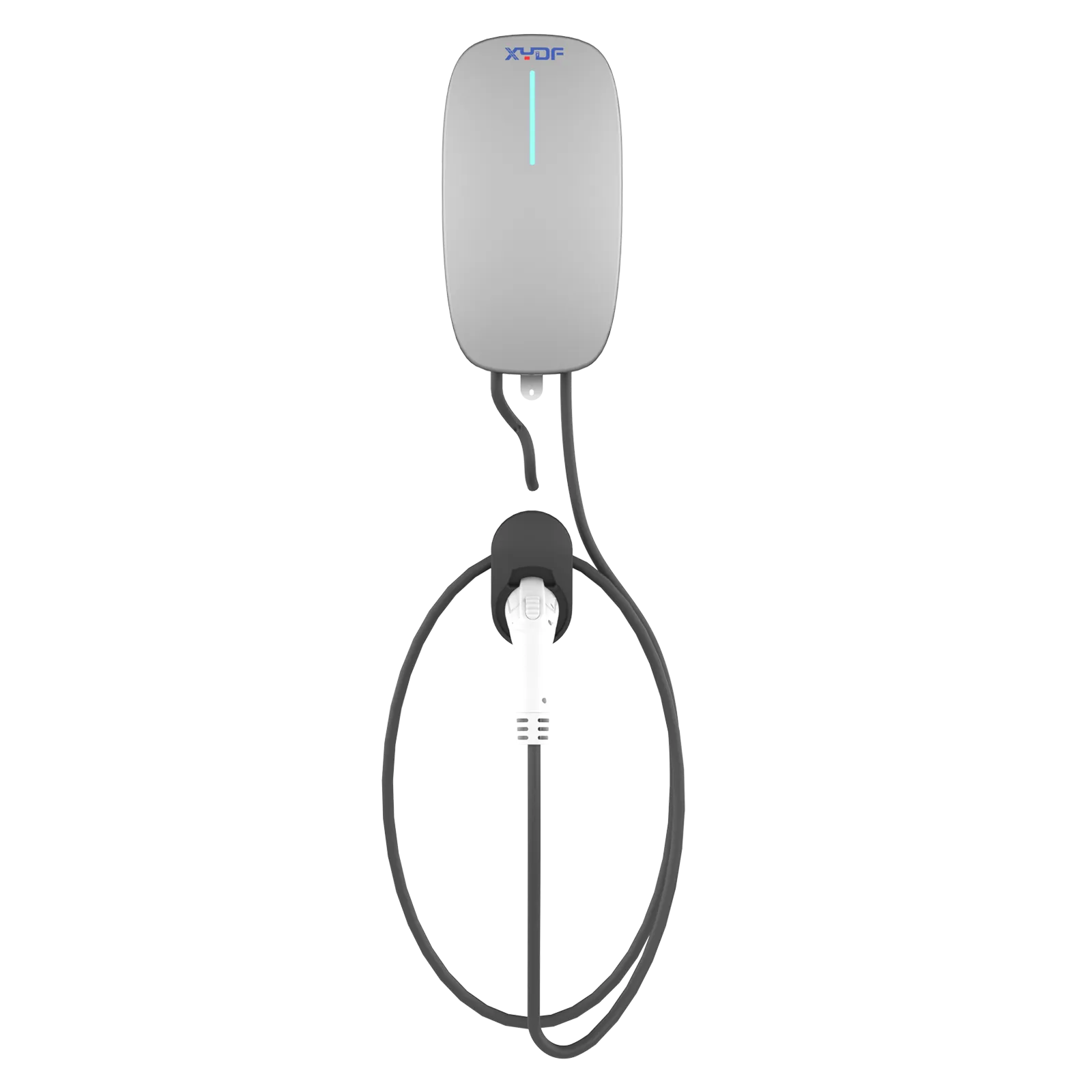
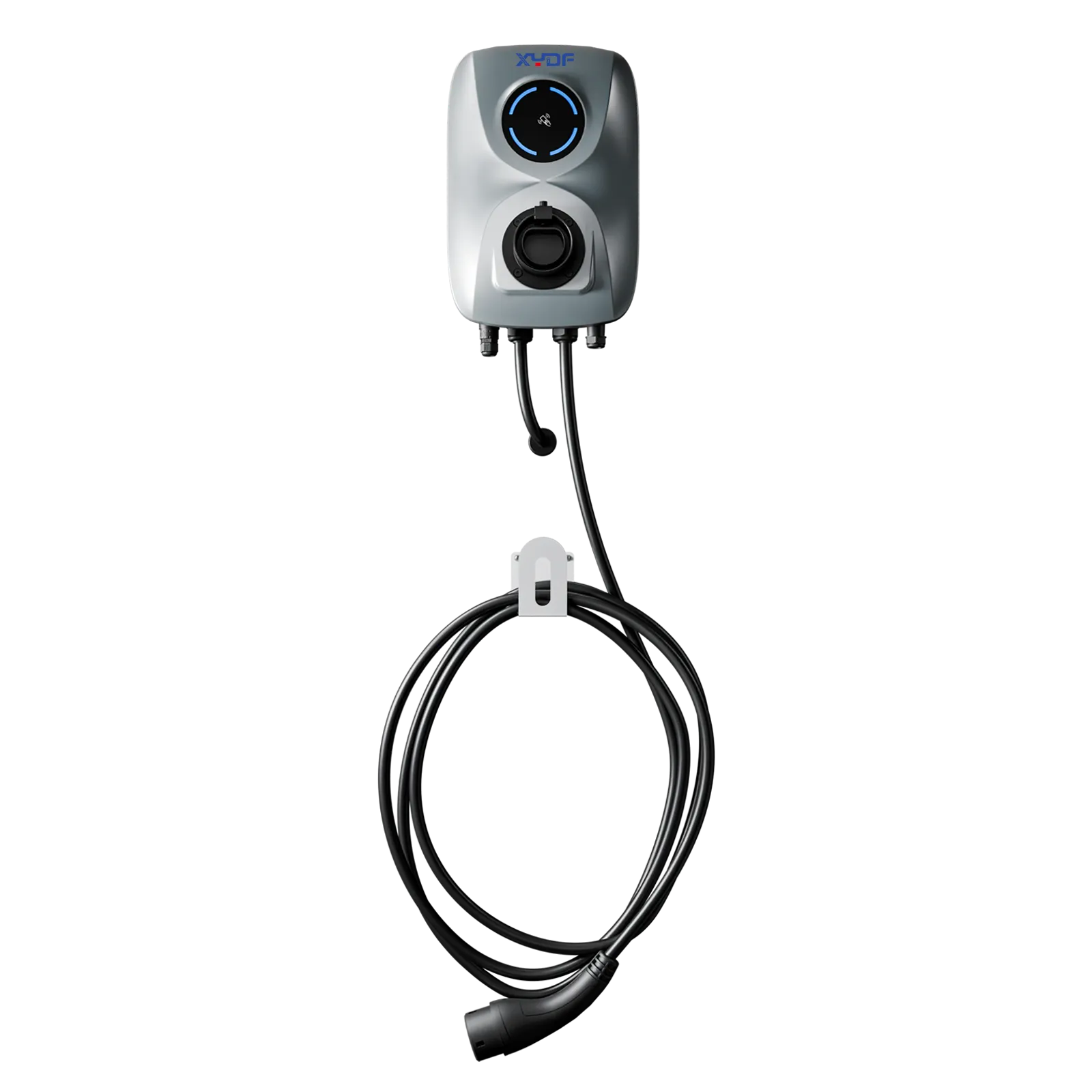
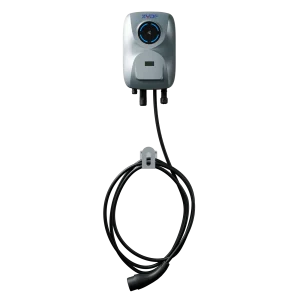
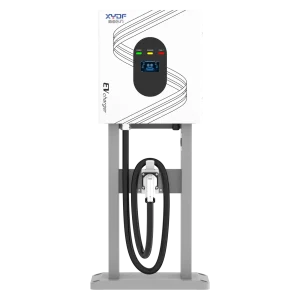
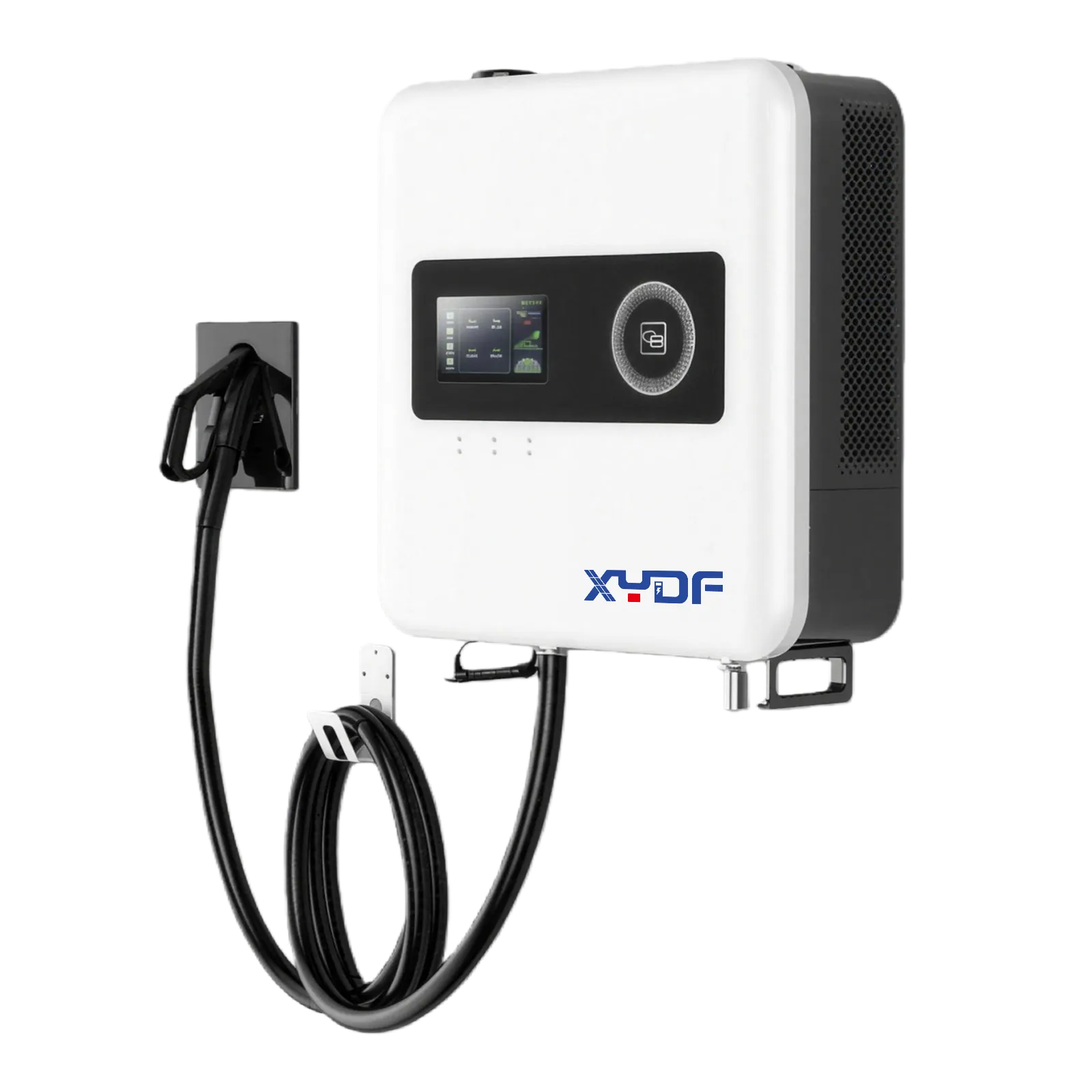
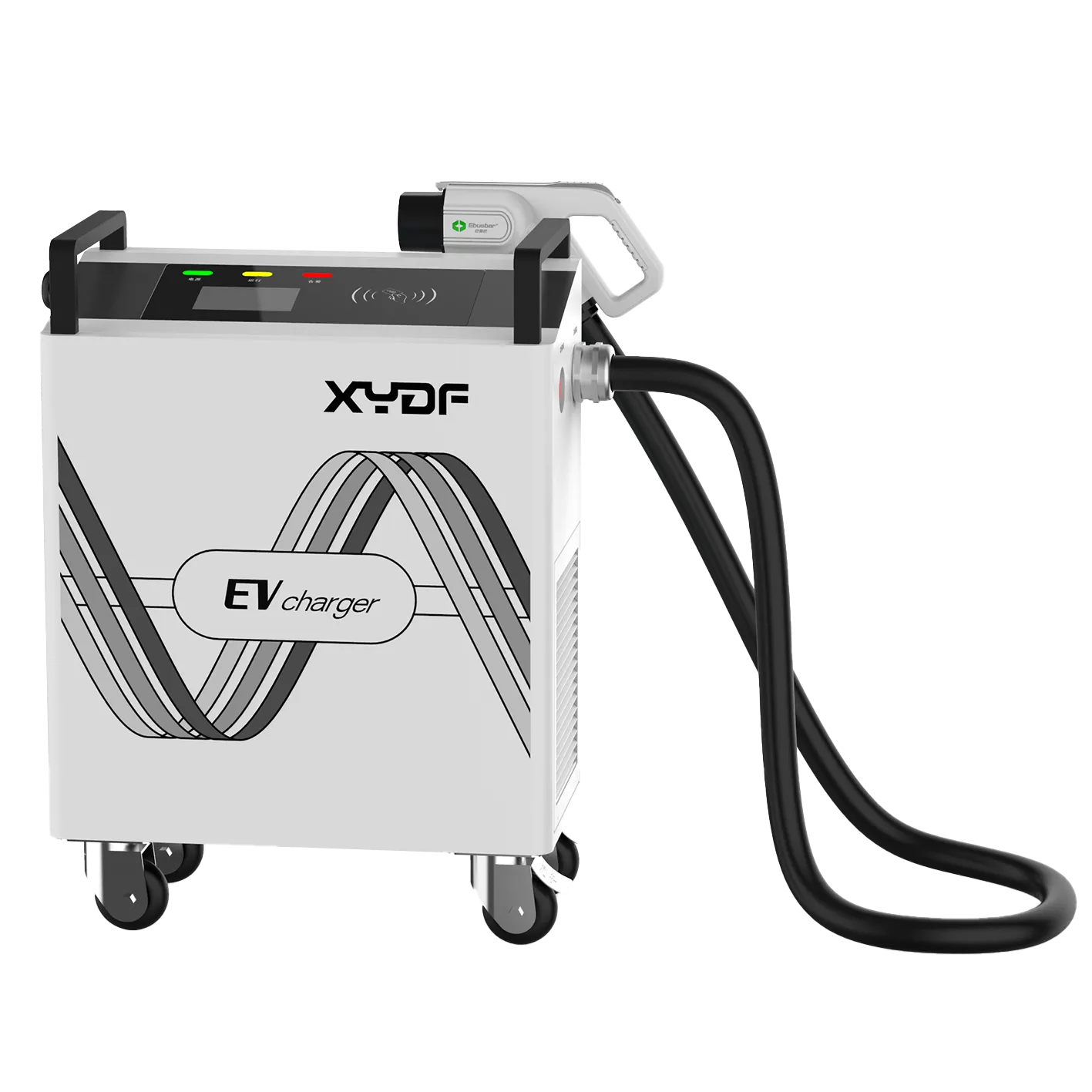
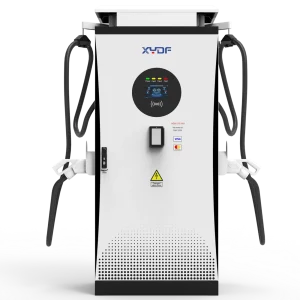
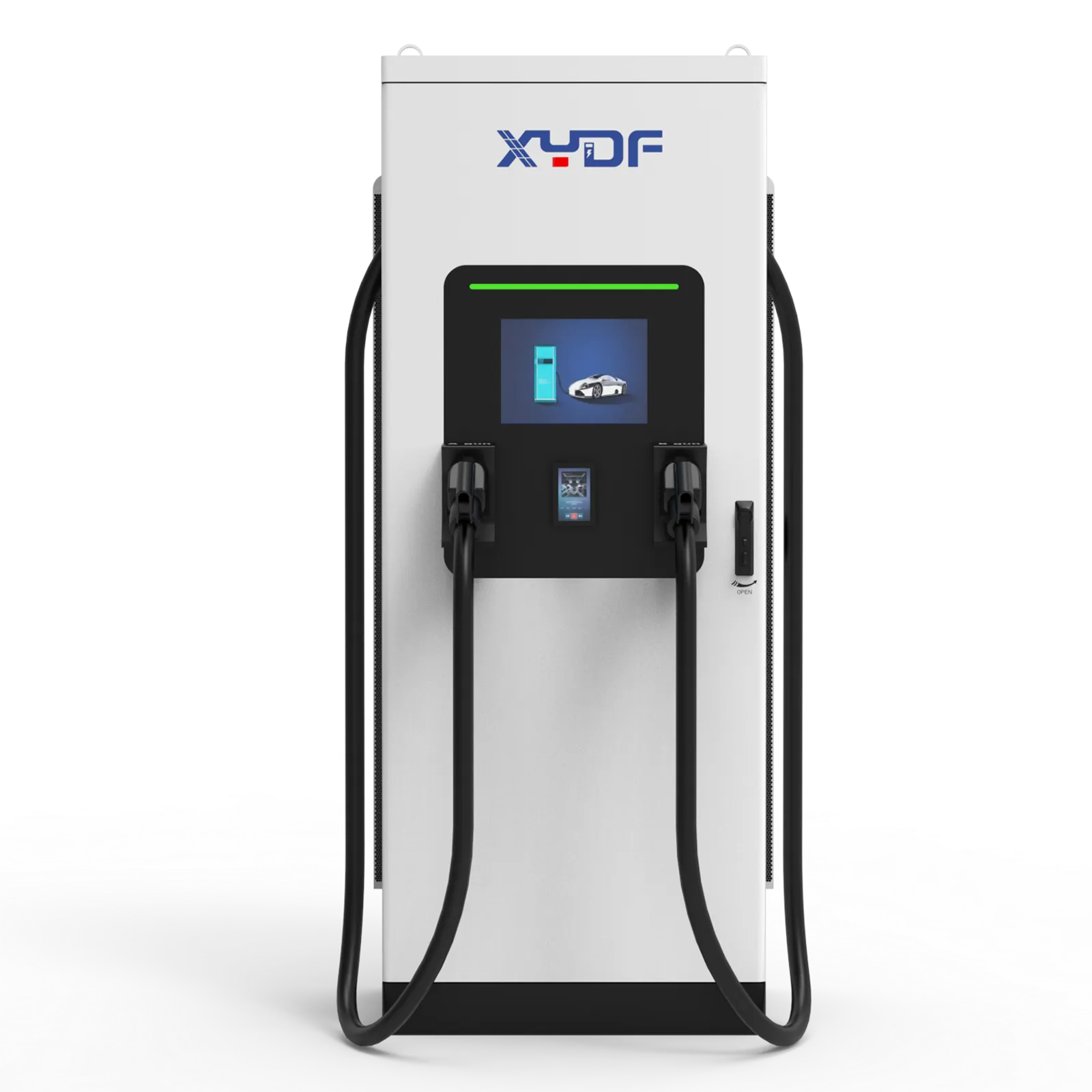
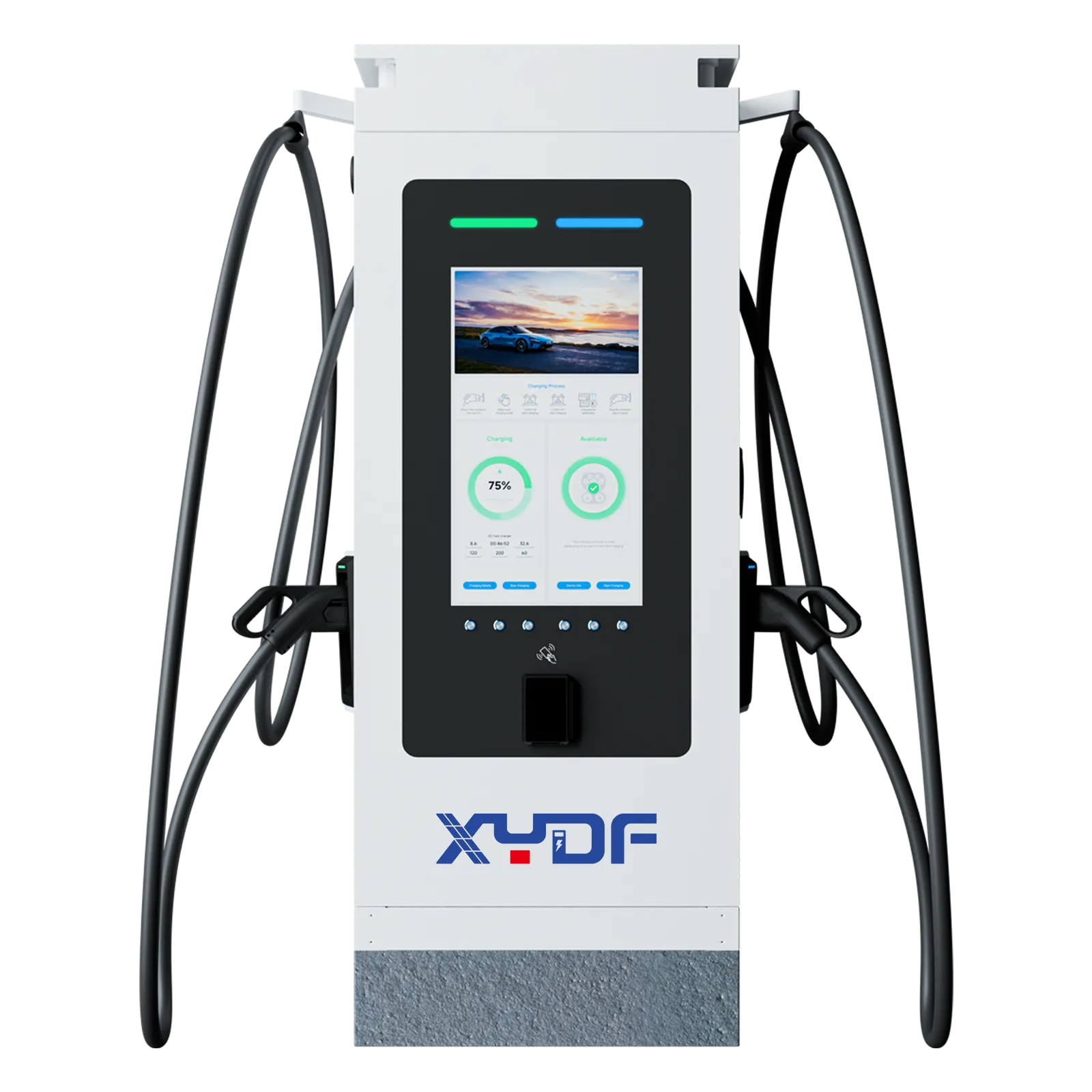
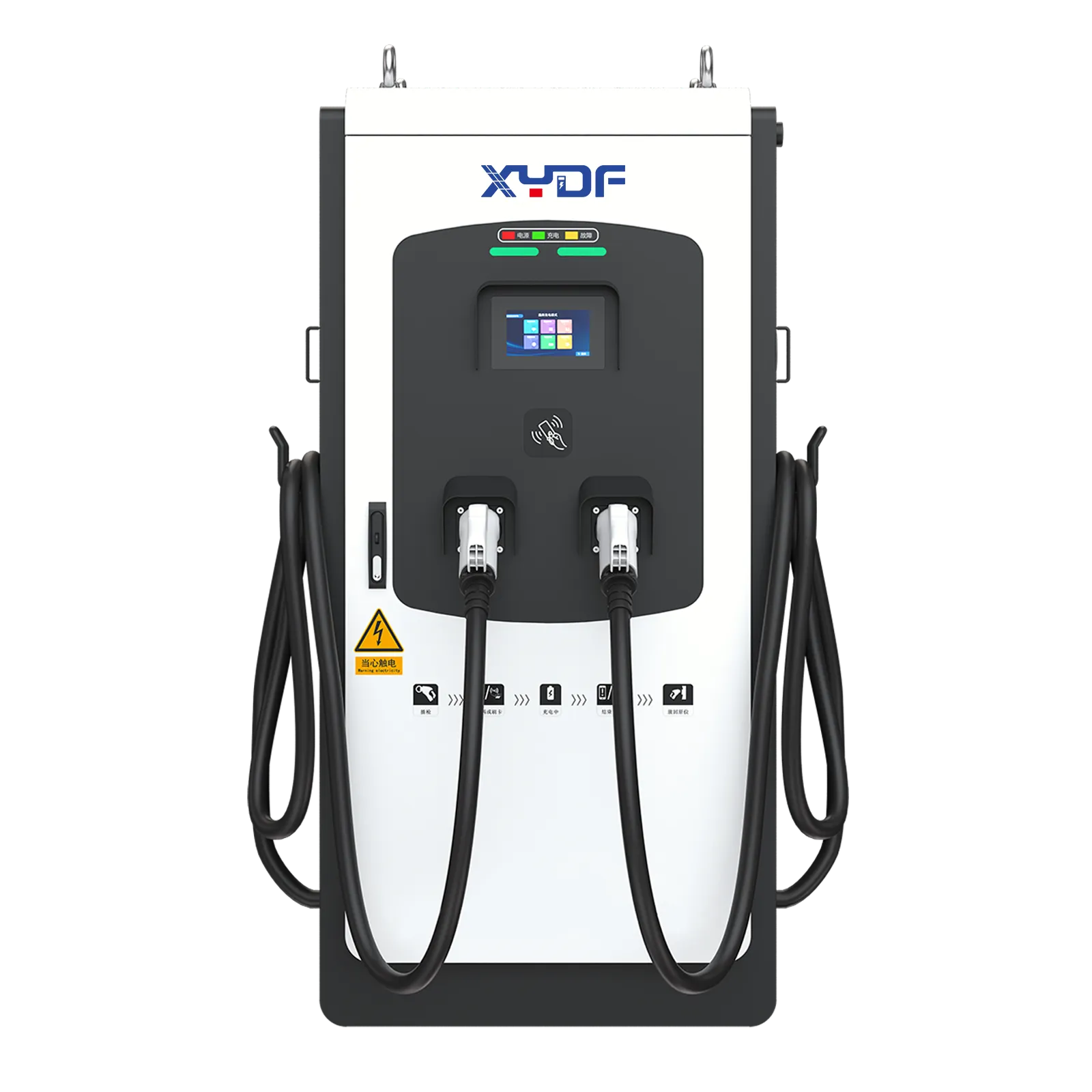
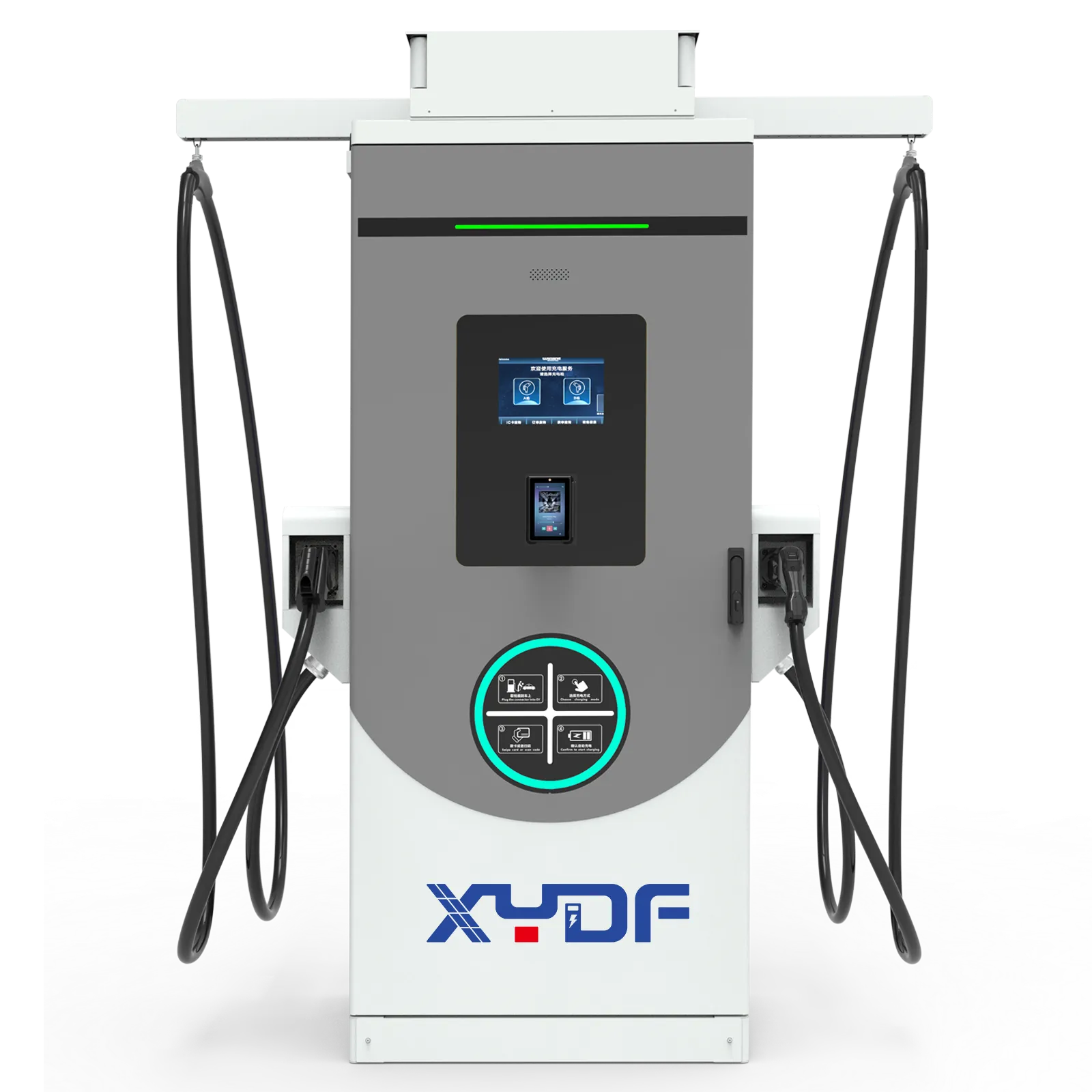
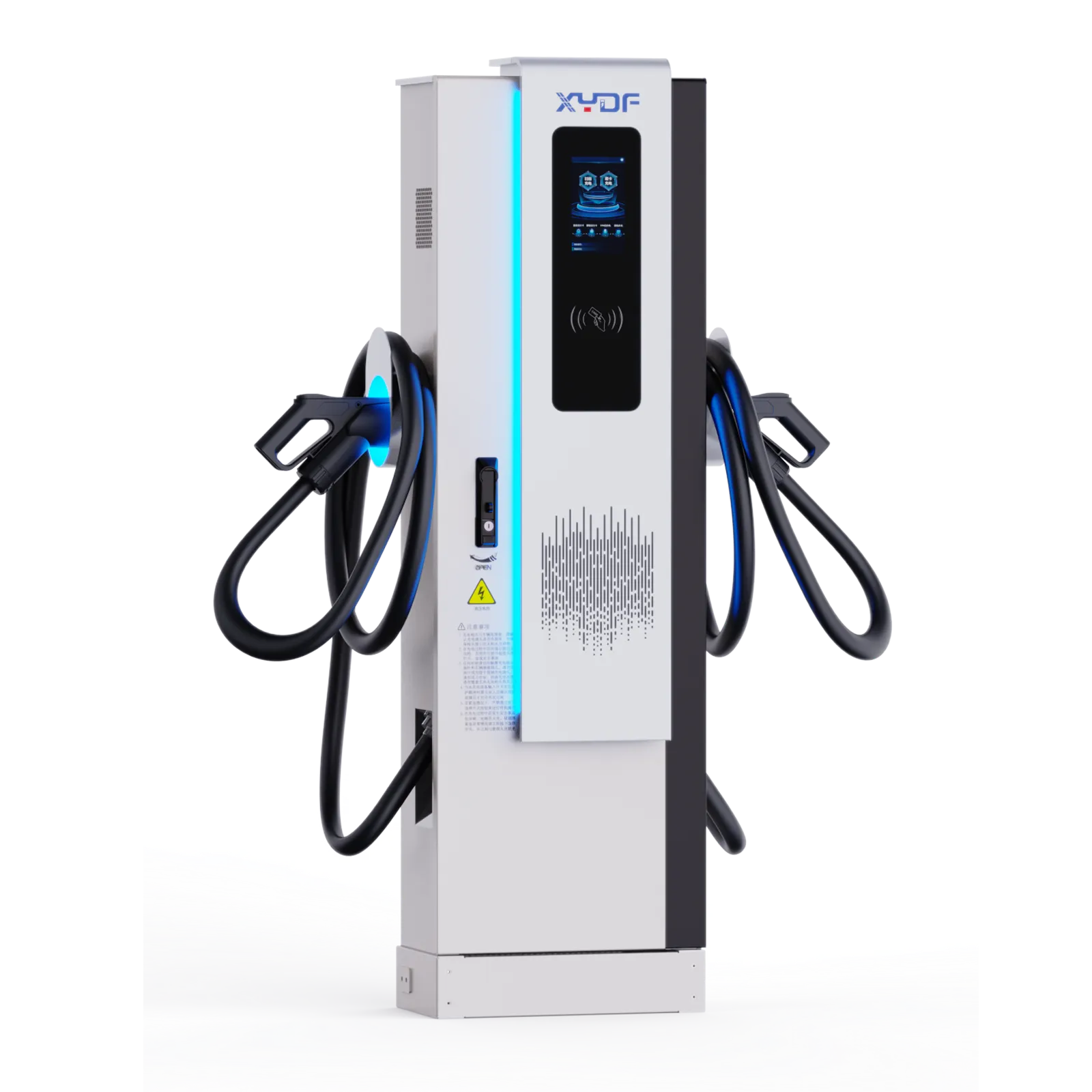
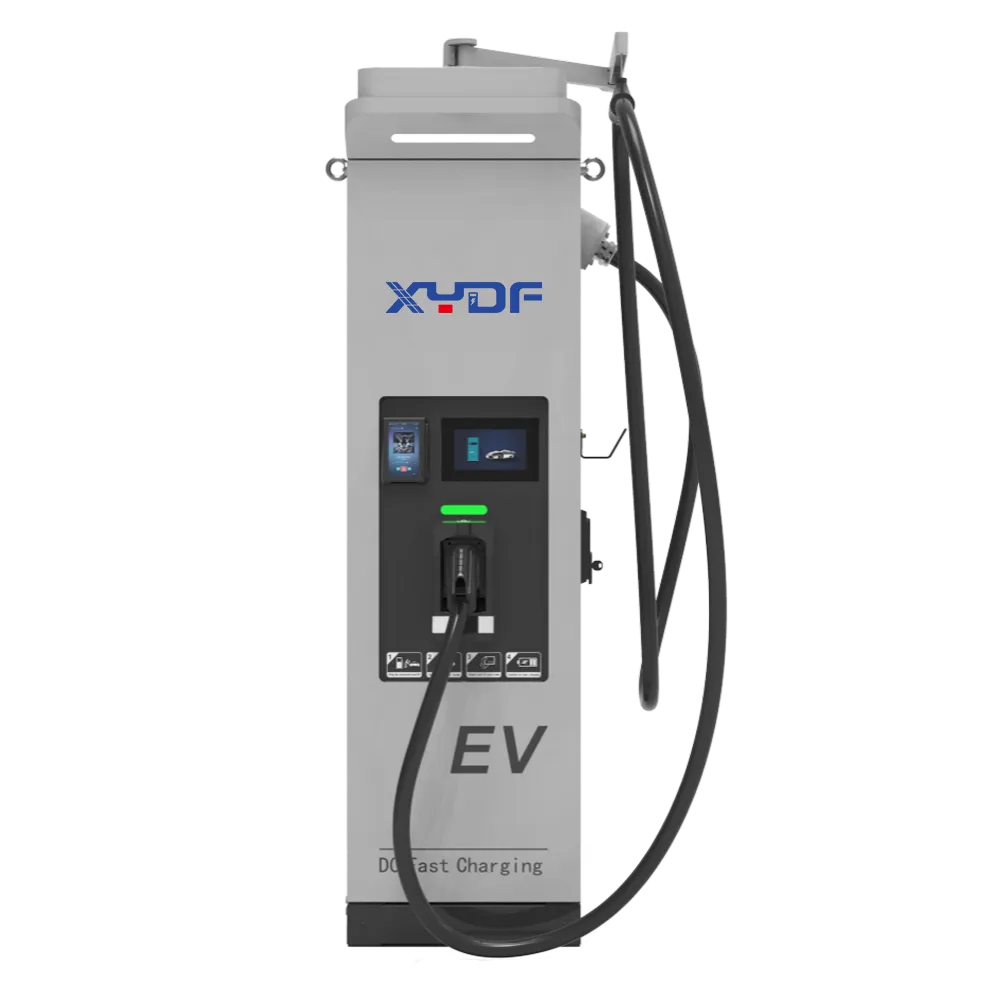
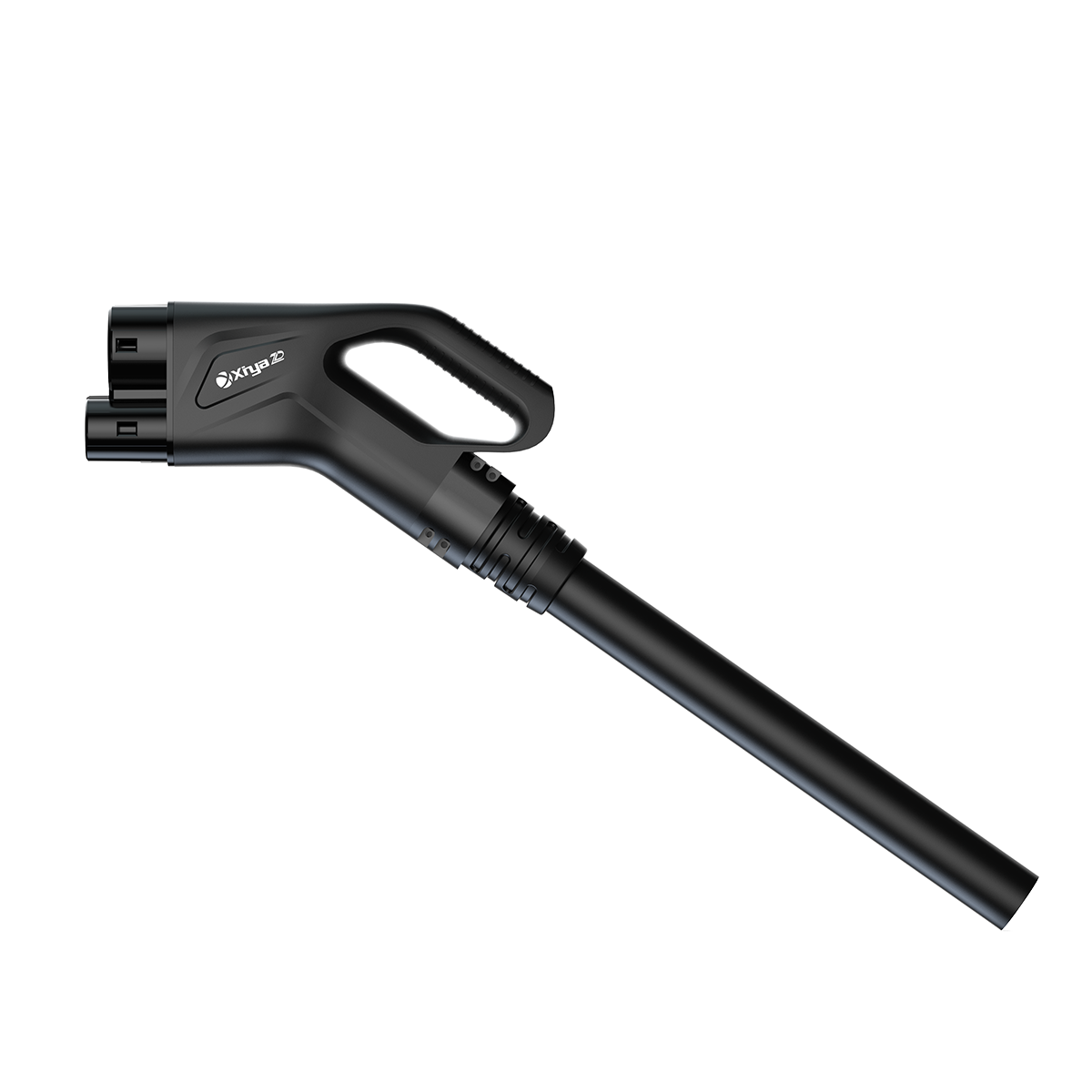
Electric vehicles have a big effect on the car business, but they raise the issue of how and where to charge the car. If you are installing a level 3 charger at home, you’re looking for the best chance of charging quickly and easily. We’ll discuss whether it’s affordable to build a level 3 charger at your home and what considerations you should consider in advance before proceeding with the installation of a level 3 charger at your home; and we’ll also explain how the process might work for you individually.
Is it Possible for Someone to Install a Level 3 Charger at Home?
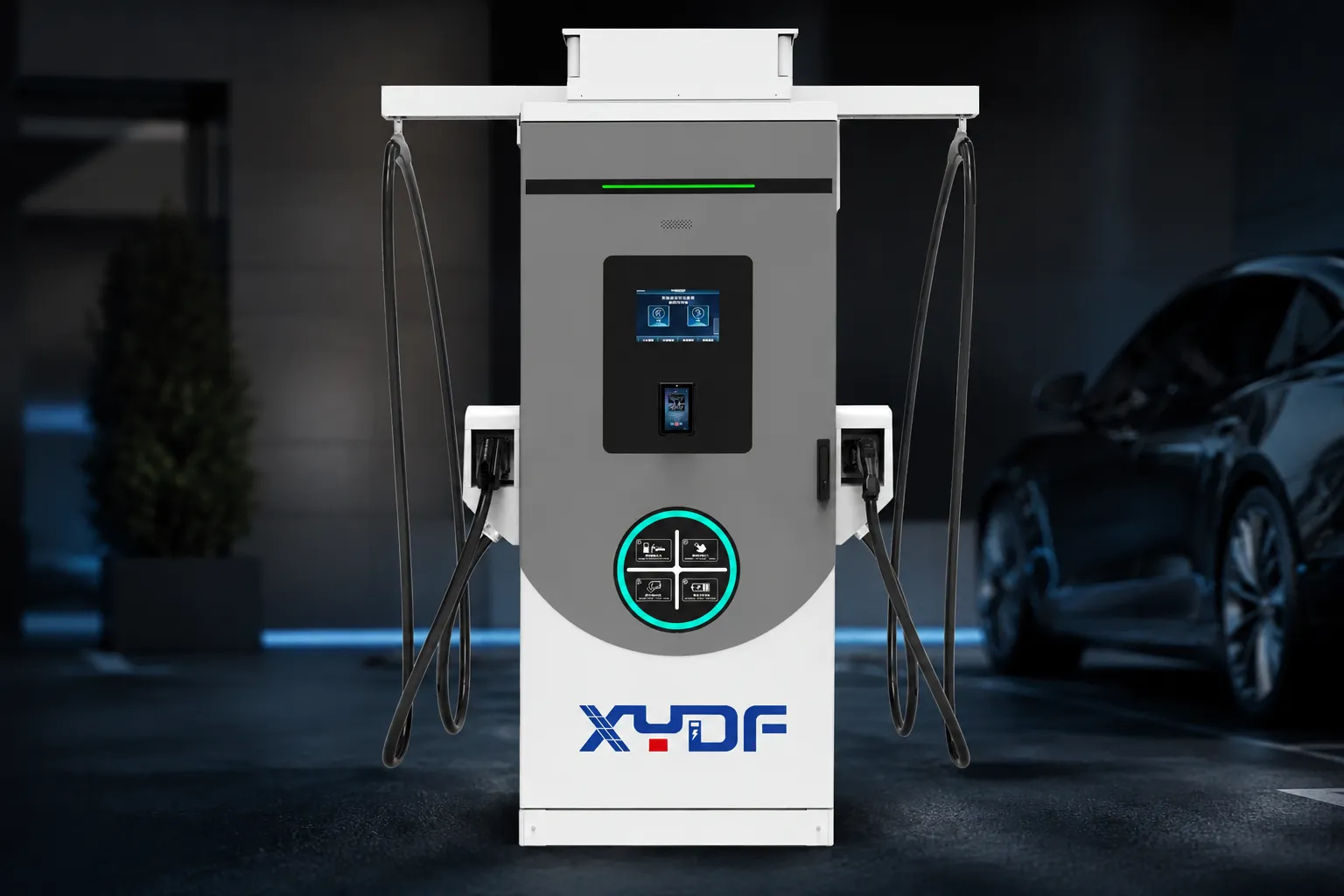
The short answer is ‘Yes’, but there are many complications associated with it. Unlike level 1 and level 2 chargers, which can be easily installed in homes, a level 3 charger, often called a ‘DC fast charger’, has to be installed according to specialized electrical codes. A level 3 charger requires access to a 480 voltage 3 phase electrical supply which is something typically only found in commercial or industrial buildings. The installation of a level 3 charger at home would likely require a major upgrade to the home electrical service, with associated costs and time involved. However, these challenges can be overcome by utilizing proper planning and specialized assistance.
What You Need to Understand About a Level 3 Charger for Your Home
1. The Electrical Service Requires a 3 Phase 480 Volt Supply
Most homes are supplied with a basic standard residential single phase 120 volt or 240 volt system. Upgrading to a level 3 charger will require both coordination with your local utility company, considerable rewiring of your electrical system in the home, and an increase in your utility bill.
2. Installation Costs
The cost of a level 3 home charger varies significantly depending on the brand and features; prices generally range from about $10,000 to $40,000. In addition to the cost of the level 3 charger, the installation of upgrades to your home’s electrical infrastructure to accommodate the level 3 charging system can also be very costly. Depending on the complexity of the upgrade and existing electrical system, the installation can cost from $5,000 to $20,000.
3. Energy Consumption
Level 3 charging stations pull an immense amount of electricity (typically up to 90kW or greater). This means that any homeowner who uses a level 3 charger frequently can expect to pay increased amounts for their electricity. Many homeowners attempt to mitigate their high energy costs by installing energy savings products like solar panels or taking advantage of off-peak rates on their electricity.
4. Usability
Although the speed of level 3 chargers is an advantage to many EV users, they were designed primarily for commercial use, delivery/fleet use, and public charging use. For the average EV driver who uses only one vehicle to commute daily, they are better suited to use level 2 chargers overnight. However, for those that drive greater distances, or desire to charge multiple EVs quickly, it makes sense to install a level 3 home charger.
Level 3 Home Charging Success Story
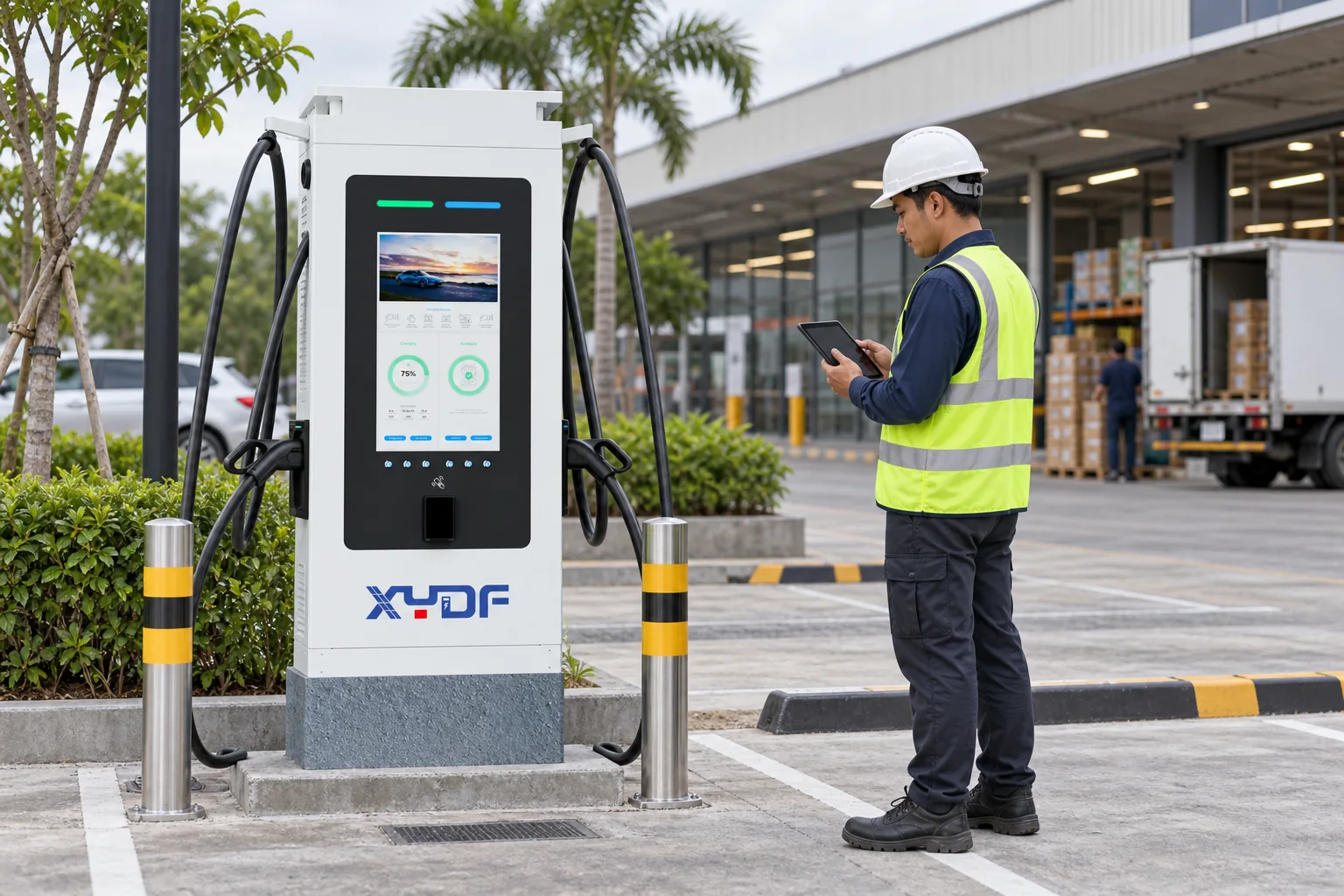
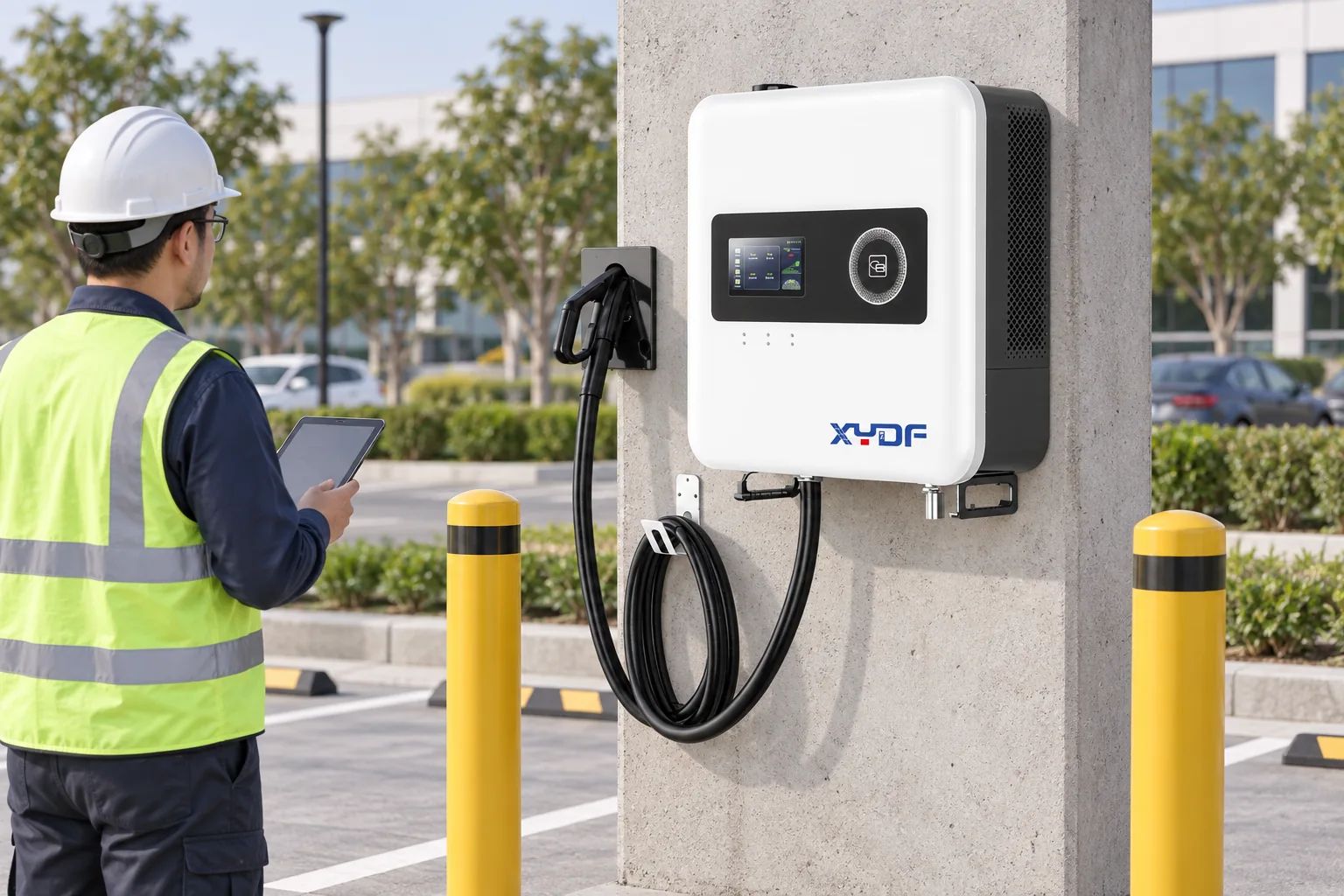
Recently, we at XYDF assisted a California homeowner by installing a level 3 EV charging station at their residence. This customer has a small transportation company and required a low-power solution for the fast charging of two electric vans that they used all day long. The project was completed using the following approach:
- Energy Audit: We began with an energy audit for the site to identify the property’s electrical capacity and potential energy requirements.
- Electrical System Upgrade: Upgrading the electrical service from the existing electrical service to a 480-volt three-phase supply. This included working with the utility company to develop, engineer, purchase, install and connect the new utility lines and to install a heavy-duty transformer.
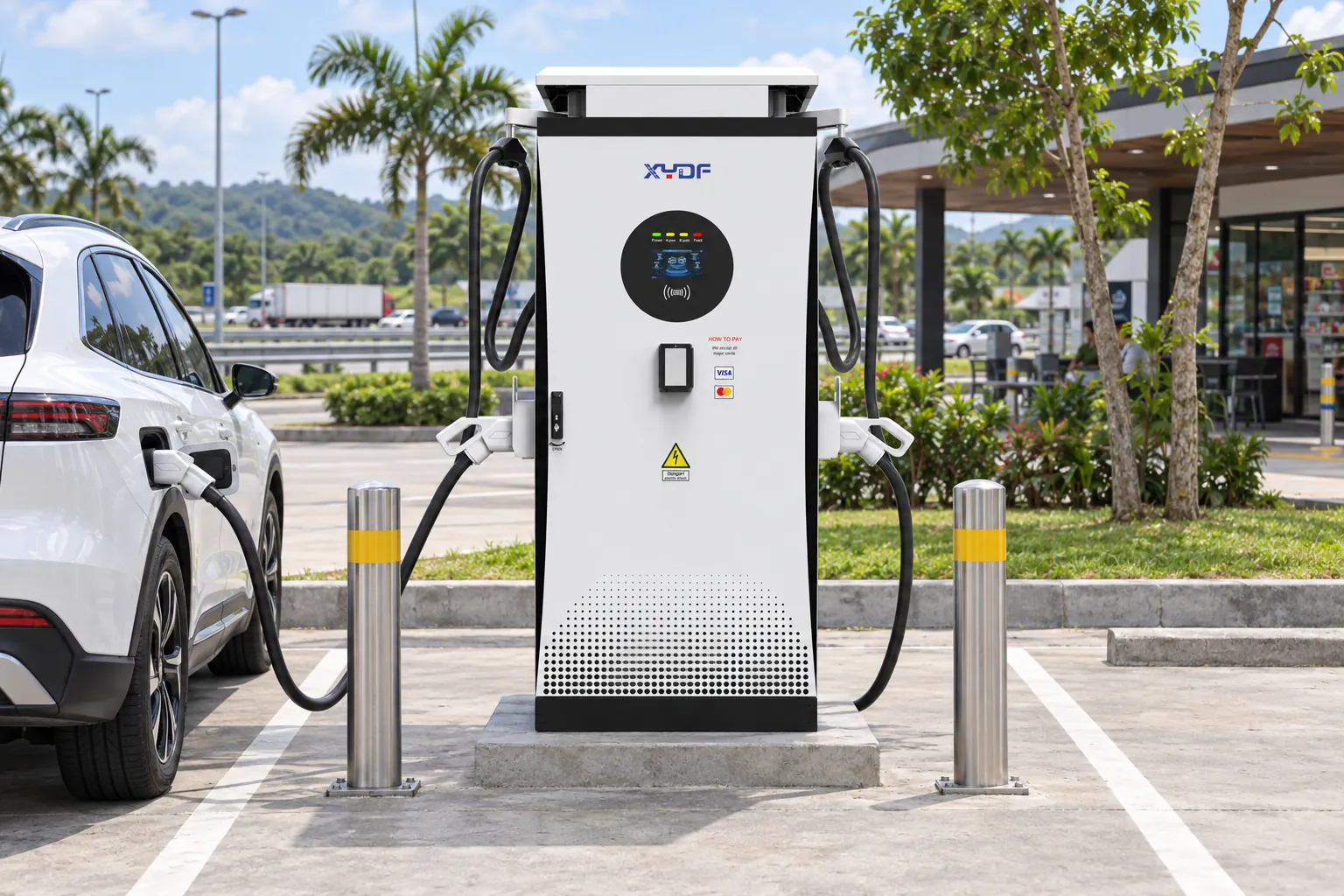
- Installation of the Charger: We installed a commercial grade level 3 EV charger. The charger has been configured with smart features to monitor energy usage and to schedule charging during off-peak hours to reduce costs.
- Result: The total completion of this project took approximately two months. Successful outcome is the customer’s reliance and convenience in being able to fully charge their vehicles in 30-40 minutes each day; minimizing downtime for the customer.
The following outlines the necessary step-by-step timeline of the installation process:
| Task |
Time Required |
Cost |
| Permitting & Site Assessment |
2 Weeks |
$1,500 |
| New Electrical Upgrade |
4 Weeks |
$15,000 |
| Installation of Level 3 Charger Unit |
1 Week |
$12,000 |
| Total Time & Cost |
7 Weeks |
$28,500 |
Overall, although this process takes a large upfront time and monetary investment, the long-term benefits realized will outweigh these costs.
Common Questions Regarding Level 3 Chargers
Can I put a level 3 EV charger in my home?
While some people could put a level 3 EV charger in their home, it would require a specific type of electric service and possibly major costs.
How much can I expect to pay for a level 3 charger for my home, including the installation costs?
The cost of the charger unit by itself could range from $10,000 to $40,000. Once you add in installation charges and the electrical upgrades needed to use it, you could easily exceed $25,000. Costs vary widely across different areas of the country and depend on the existing electric services provided.
Will level 3 chargers reduce my EV battery life?
Using a level 3 charger on an EV regularly can lower your battery life over time somewhat due to the amount of current being drawn. But most manufacturers have incorporated advanced battery management systems to mitigate any potential battery damage caused by this high level of current.
What is the difference between level 2 and level 3 chargers?
Level 2 chargers utilize AC power, and can typically provide 10 to 20 miles of range in one hour of charging time. Level 3 chargers (also called DC fast chargers) utilize direct current, and can provide as much as 20 miles of range charge for your vehicle in one minute.
Will I need permits to install a level 3 charger in my home?
Most likely, yes. Permitting is typically required when doing substantial electrical work so you will be able to comply with local Electrical and Building codes.
Installing a level 3 EV charger in your home is a substantial decision. Even with its terrific speed and convenience, it requires a fair amount of financial investment in both the equipment and modifying the necessary electrical components to support the charger. However, if you have certain charging requirements (like continuous long distance driving or owning multiple EV vehicles) than this may be an ideal solution for you. If you have decided that purchasing a level 3 charger for your home is appropriate for you, then please contact XYDF for a detailed consultation with your specific requirements as well as installation solutions tailored to your needs. Let us help make your experience with powering your EV lifestyle easy and efficient by contacting us today!
 Xinya Dongfang Electricity Technology Co., Ltd.