Charging for EV: A Complete Guide to EV Charger Types, Applications, and Solutions
Jun 23,2026
Blog
As electric vehicles become the mainstream option for personal transportation, commercial fleets, and public green mobility worldwide, charging for EV has rapidly evolved from a niche demand into an essential daily necessity. Whether you are an EV owner seeking safe and efficient home charging solutions, an investor planning commercial charging station projects, or a cross-border buyer sourcing professional charging equipment, mastering EV charger knowledge is critical for making cost-effective and long-term reliable purchasing decisions.
Many beginners and new buyers often misunderstand charging principles, equipment types, application scenarios, and regional compatibility, resulting in improper selection, low charging efficiency, and even equipment failures. This guide provides a comprehensive explanation of charging for EV, covering its definition, core functions, mainstream EV charger types, application scenarios, and professional selection criteria, as well as reliable brand and solution options. Featuring a detailed FAQ section, this article helps beginners quickly understand EV charging fundamentals and choose the most suitable equipment with confidence.
What Is Charging for EV?
Charging for EV refers to the complete process of replenishing power to electric vehicle batteries through professional charging equipment, supporting daily commuting, commercial operation and long-distance travel energy demands. Unlike traditional fuel refueling, EV charging is an intelligent, safe and compliant energy supplementation system that relies on professional EV charger hardware and systematic programs to complete grid power conversion, battery adaptation and safety protection.
A qualified EV charger is far more than a simple power connector. It is an industrial energy supply system integrating power conversion, intelligent communication, multi-layer safety protection and remote operation management. Its core value lies in converting unstable grid power into stable, battery-compatible power, avoiding battery damage and potential charging safety risks. It adapts to household, commercial and industrial high-frequency charging scenarios, ensuring safe, efficient and low-consumption operation for all types of electric vehicles.
Main Types of EV Chargers
To adapt to different application scenarios, power requirements and operational standards, charging for EV mainly relies on two types of EV charger equipment: AC slow chargers and DC fast chargers. With independent working principles, power ranges and target users, these two types form a full-scenario charging system for global EV users.
1. AC EV Charger (Slow Charging)
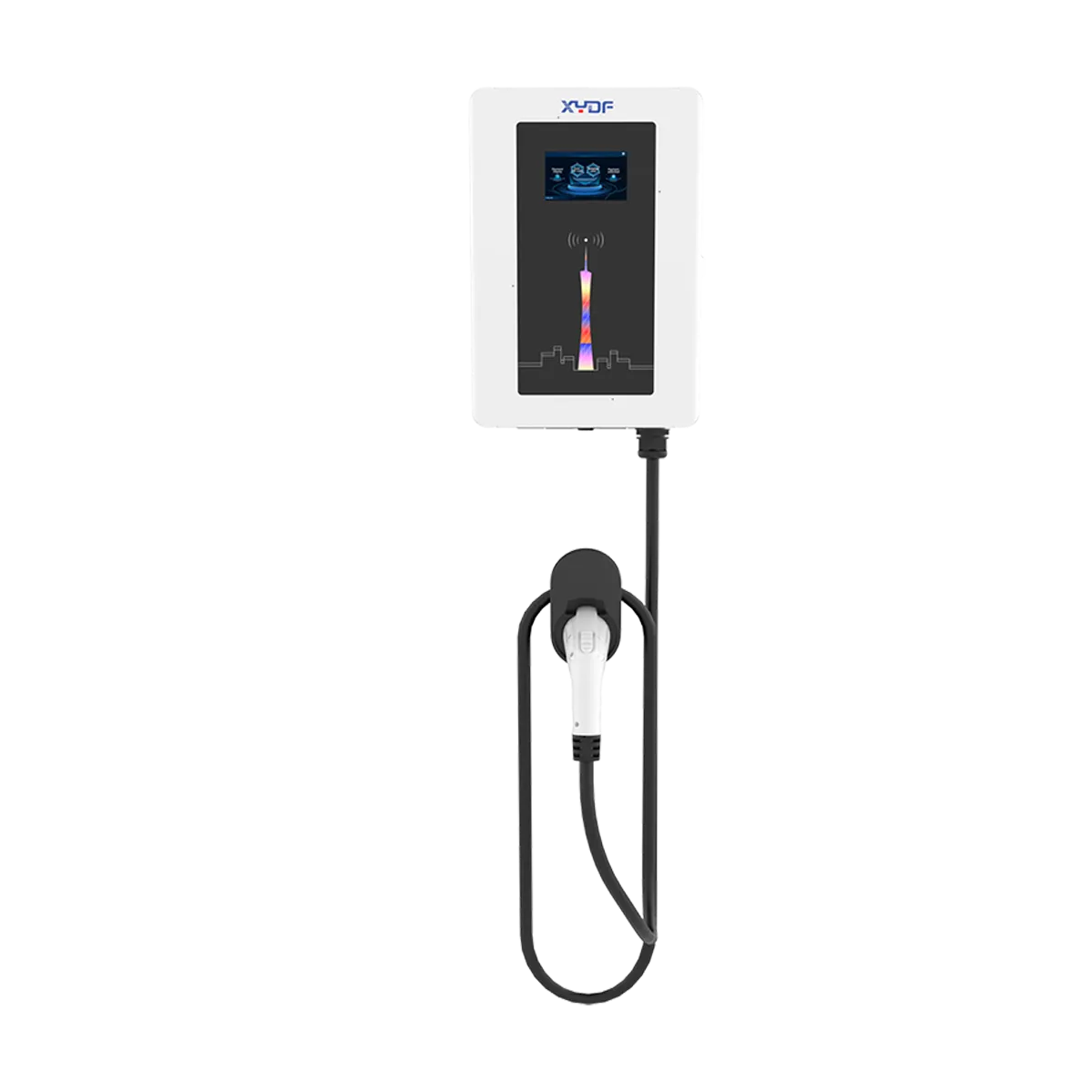
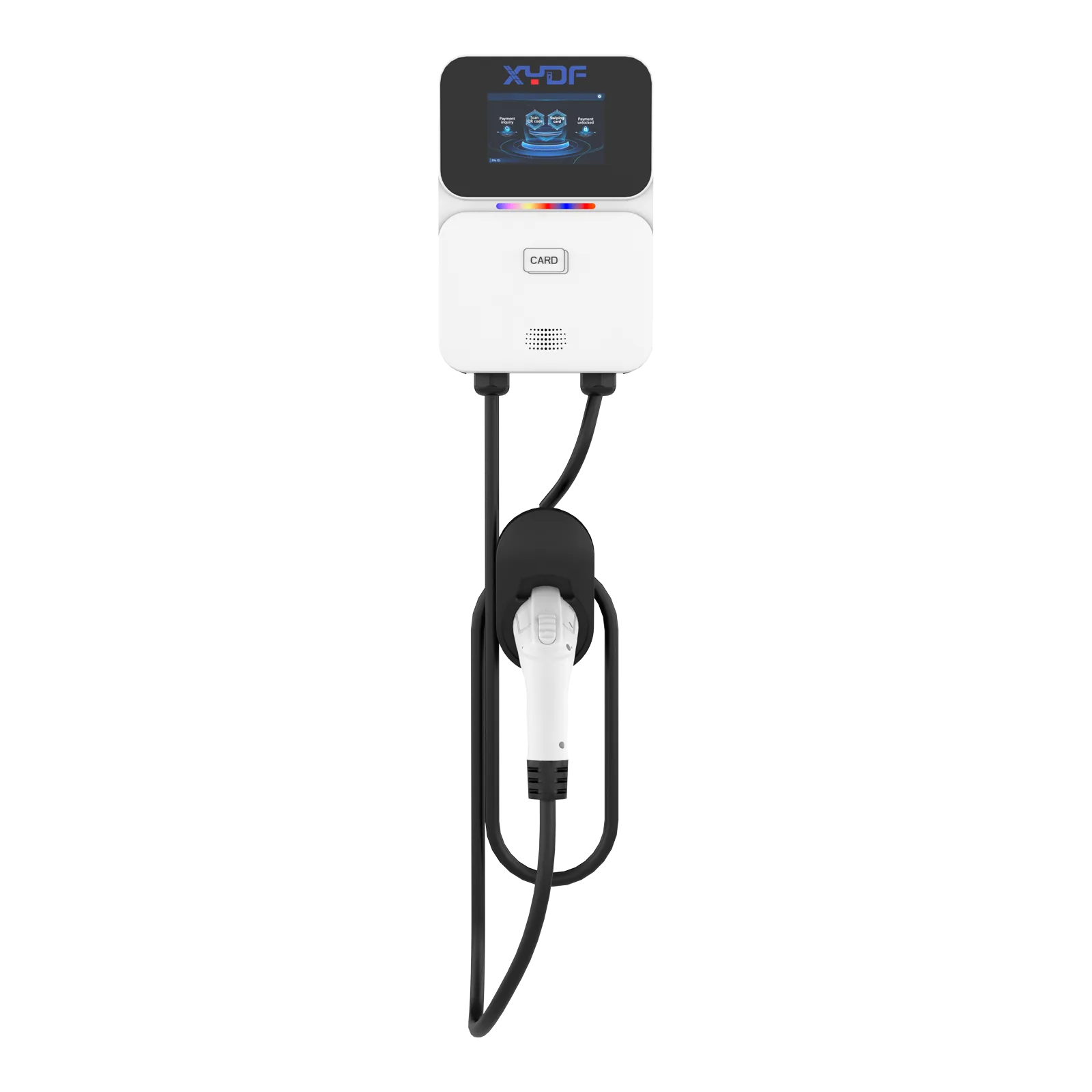
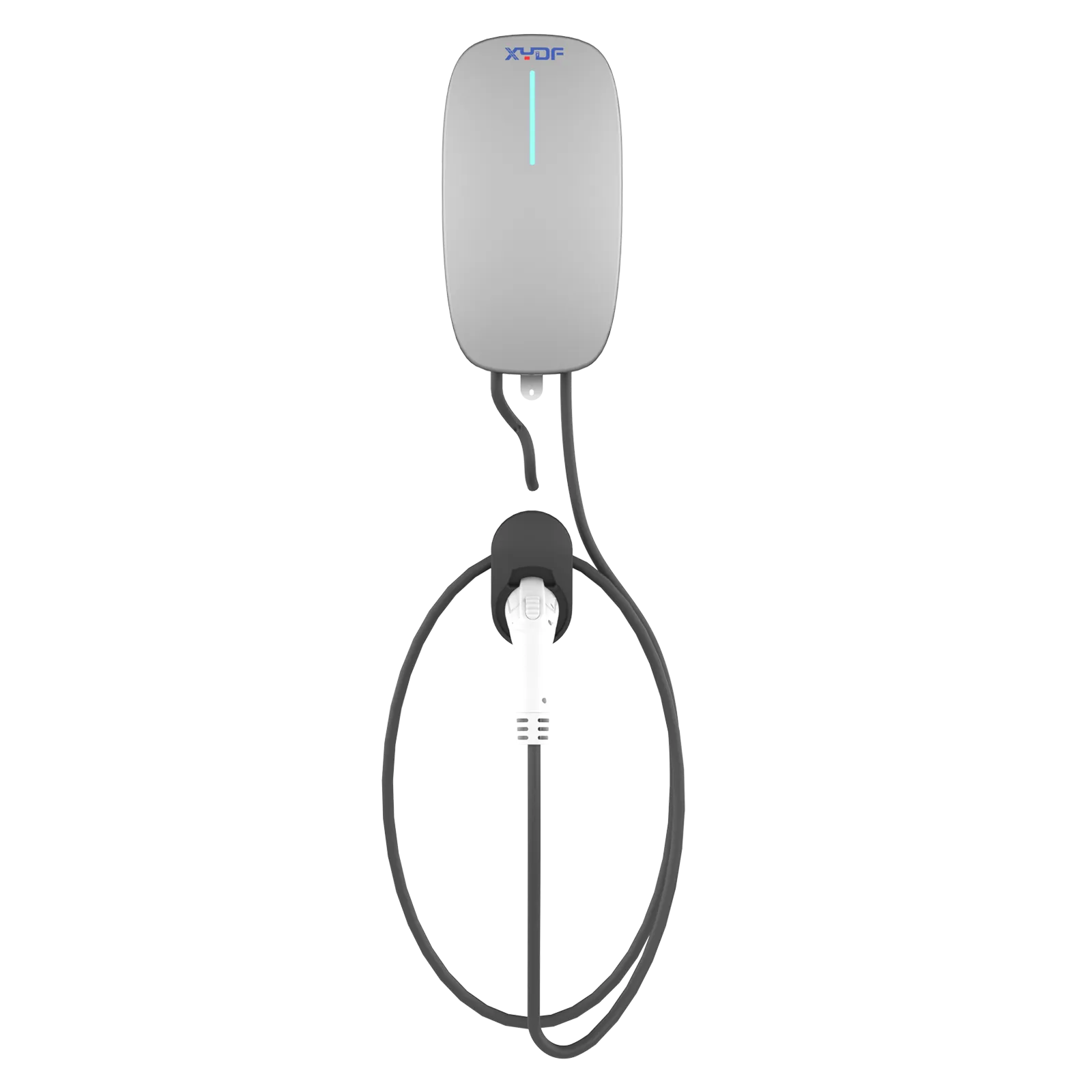
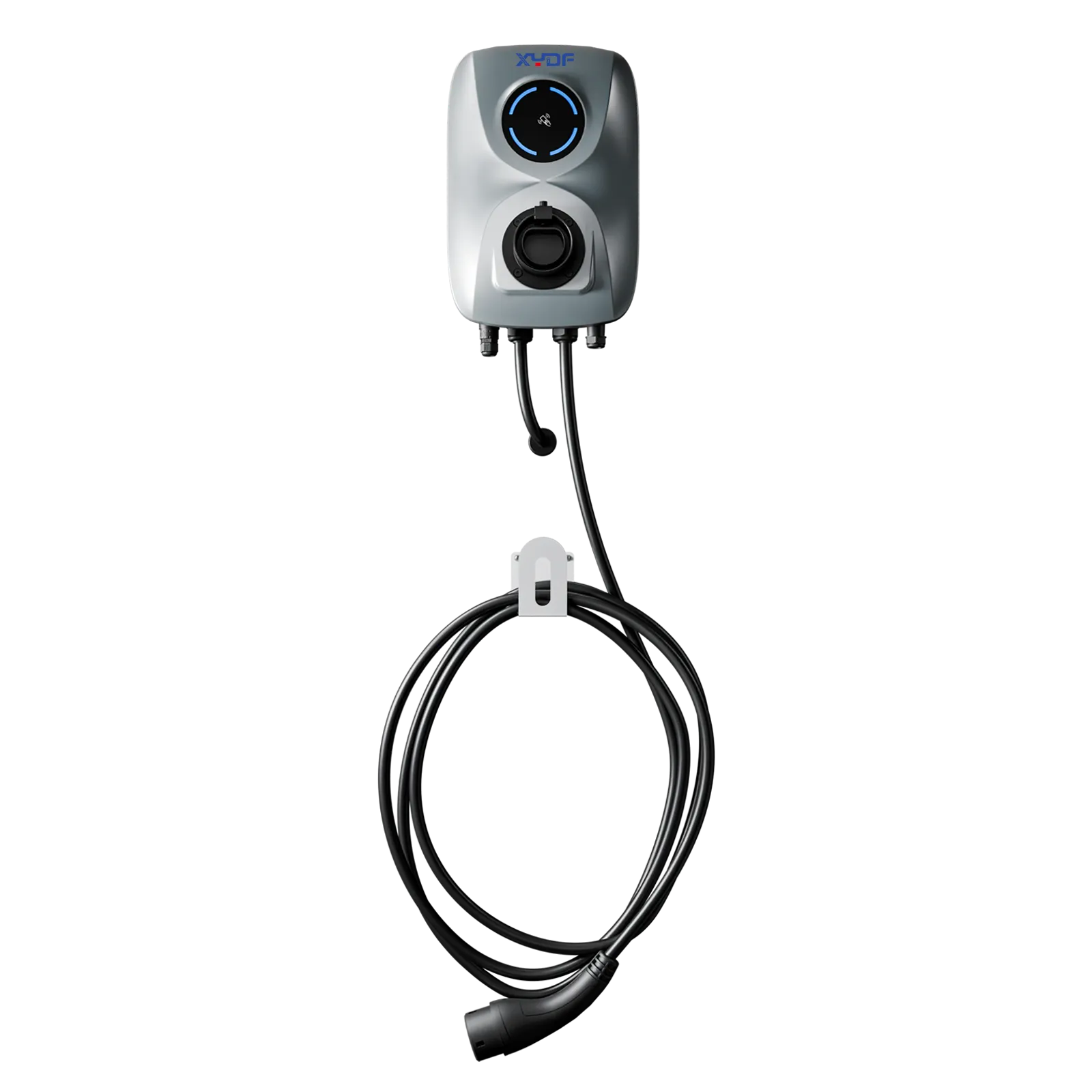
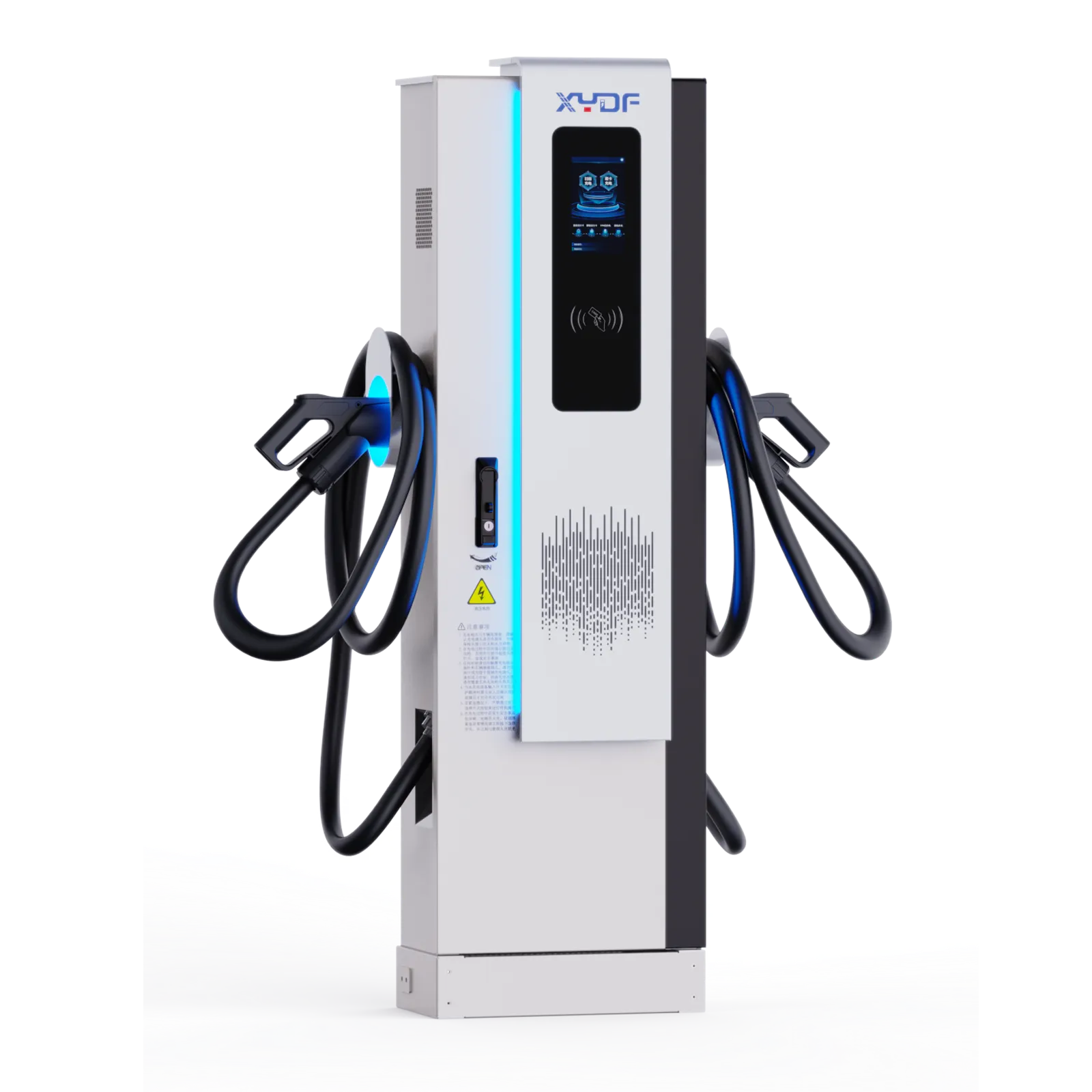
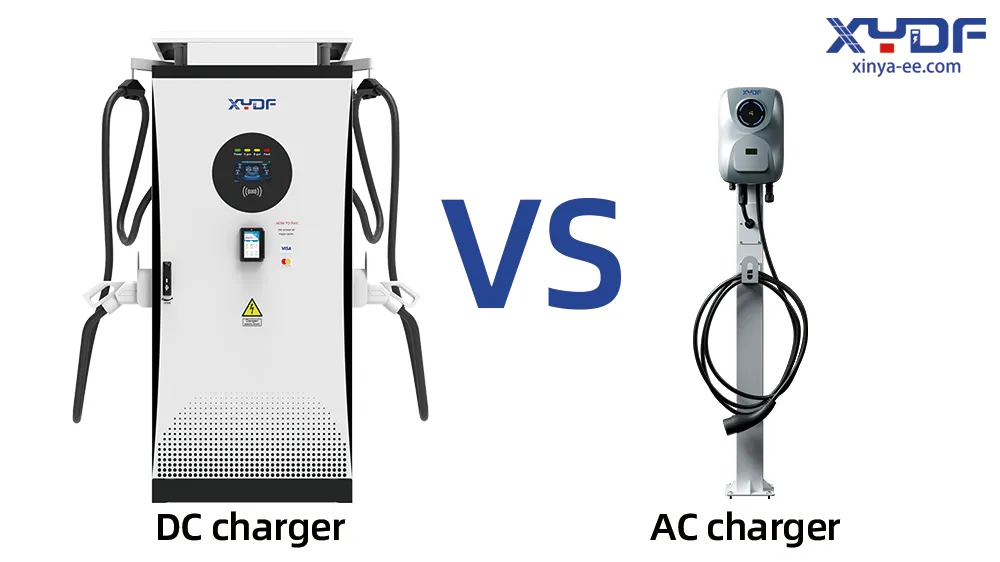
AC chargers are the most fundamental and widely used EV charger for household and civilian charging for EV. Featuring simple structure, low failure rate and low installation cost, AC chargers do not complete AC-DC power conversion independently. They only transmit grid alternating current, while the power conversion and battery charging process are completed by the vehicle’s built-in on-board charger.
AC chargers generally work within a power range of 7kW to 22kW, requiring 5 to 12 hours for a full charge. The charging process is stable and gentle with minimal battery loss, making it ideal for overnight static charging in private garages, residential parking spaces and corporate campuses. For individual users with fixed parking spots and sufficient charging time, AC EV charger is the most cost-effective and durable long-term charging solution.
2. DC EV Charger (Fast Charging)
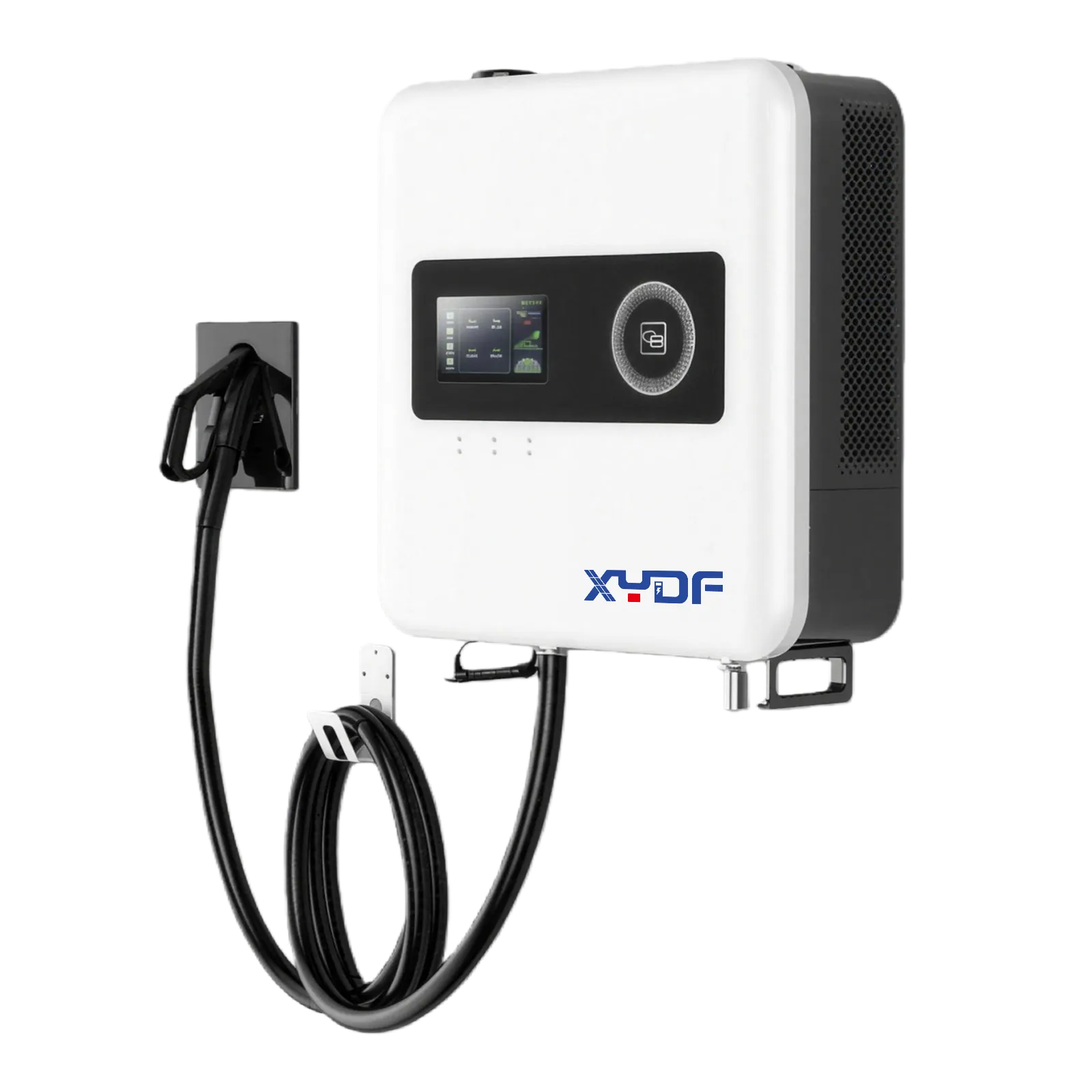
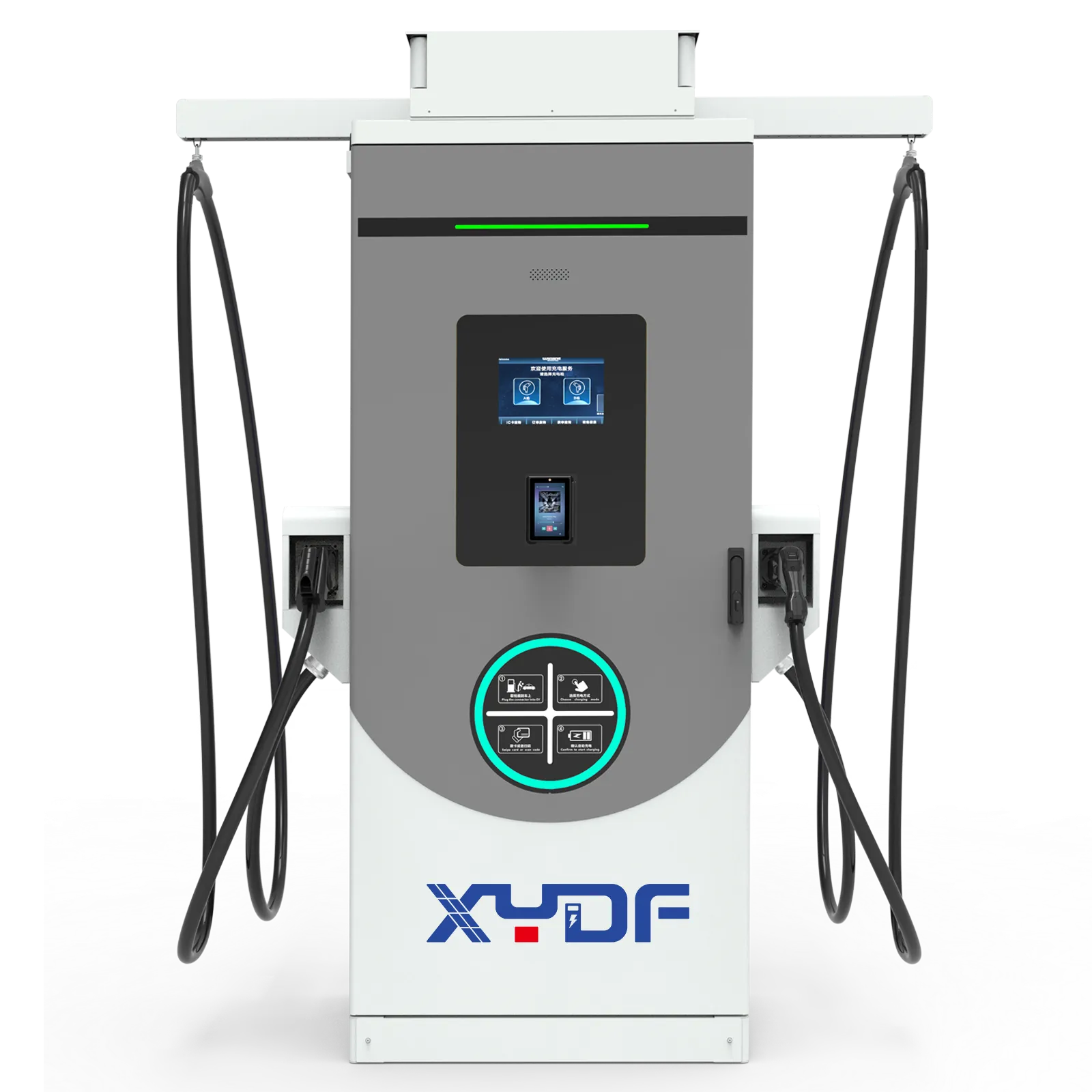
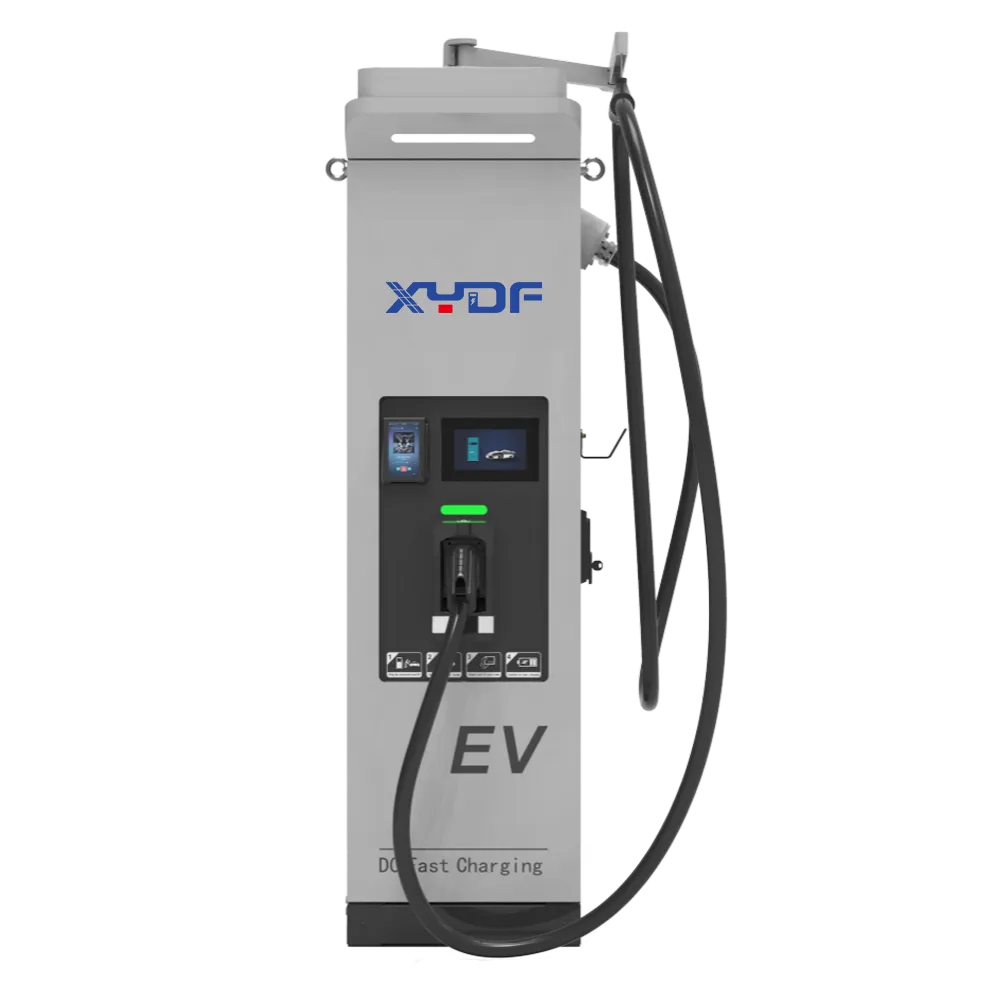
DC chargers are commercial high-power devices designed for high-efficiency charging for EV. Different from AC chargers, DC EV charger integrates built-in high-power rectifier modules that directly convert grid AC power into battery-usable DC power, completely breaking the power limitation of vehicle on-board equipment.
Commercial DC chargers cover a power range of 60kW to 480kW to realize ultra-fast energy replenishment. Most electric vehicles can be charged from 20% to 80% in only 30 to 60 minutes, greatly improving charging efficiency and vehicle turnover rate. Industrial DC chargers support 24/7 non-stop high-load operation and adopt professional waterproof, dustproof and anti-corrosion structures, perfectly adapting to high-frequency commercial scenarios and complex outdoor environments worldwide.
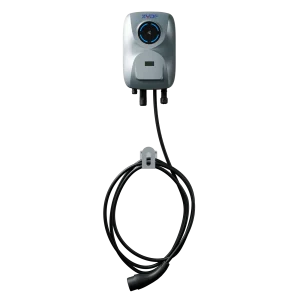
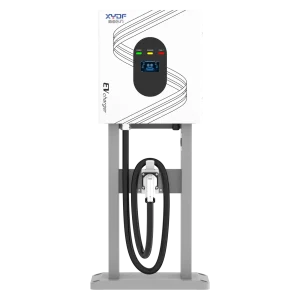
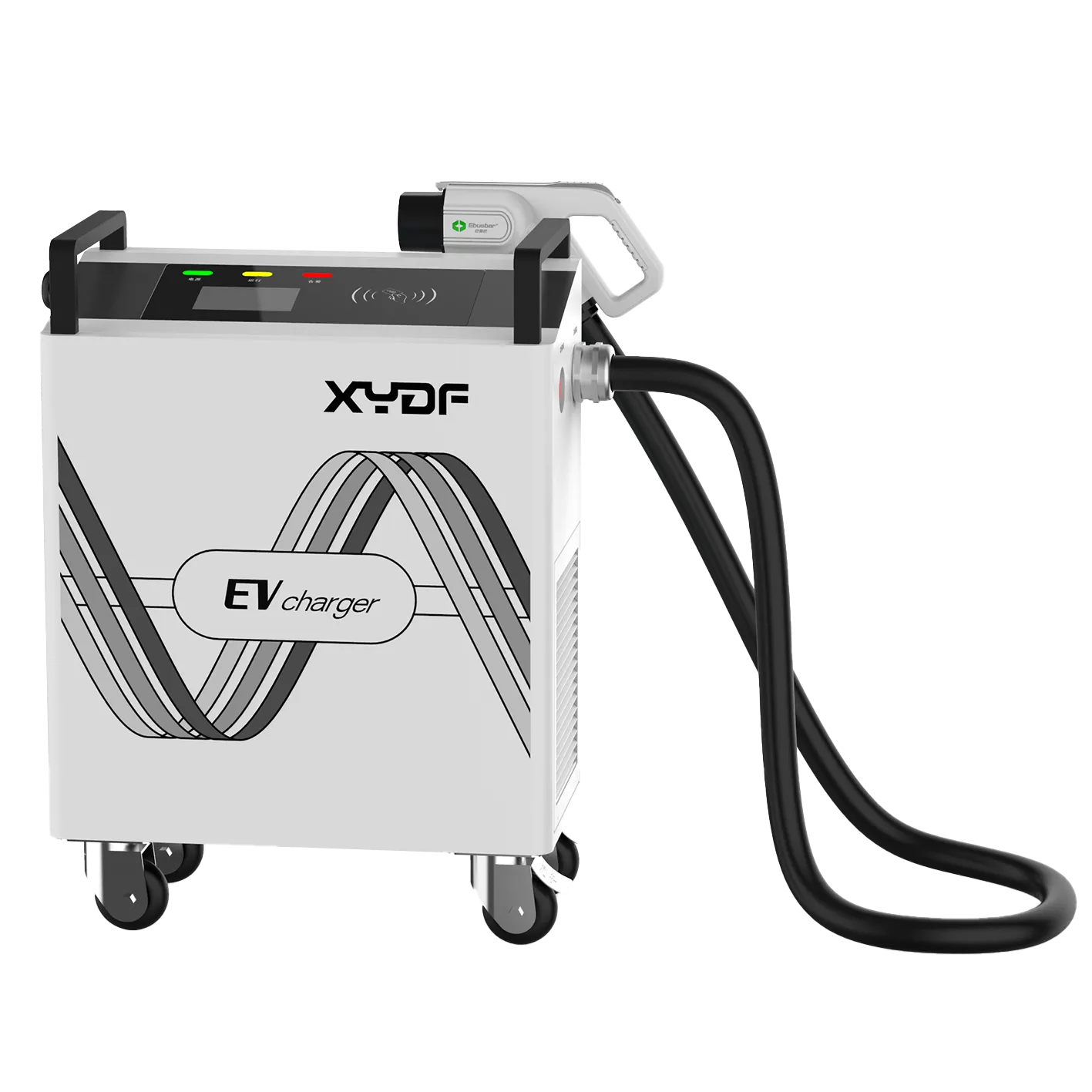
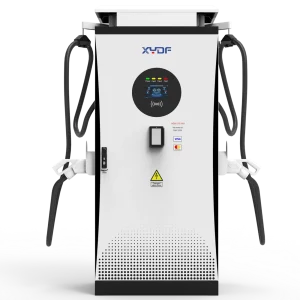
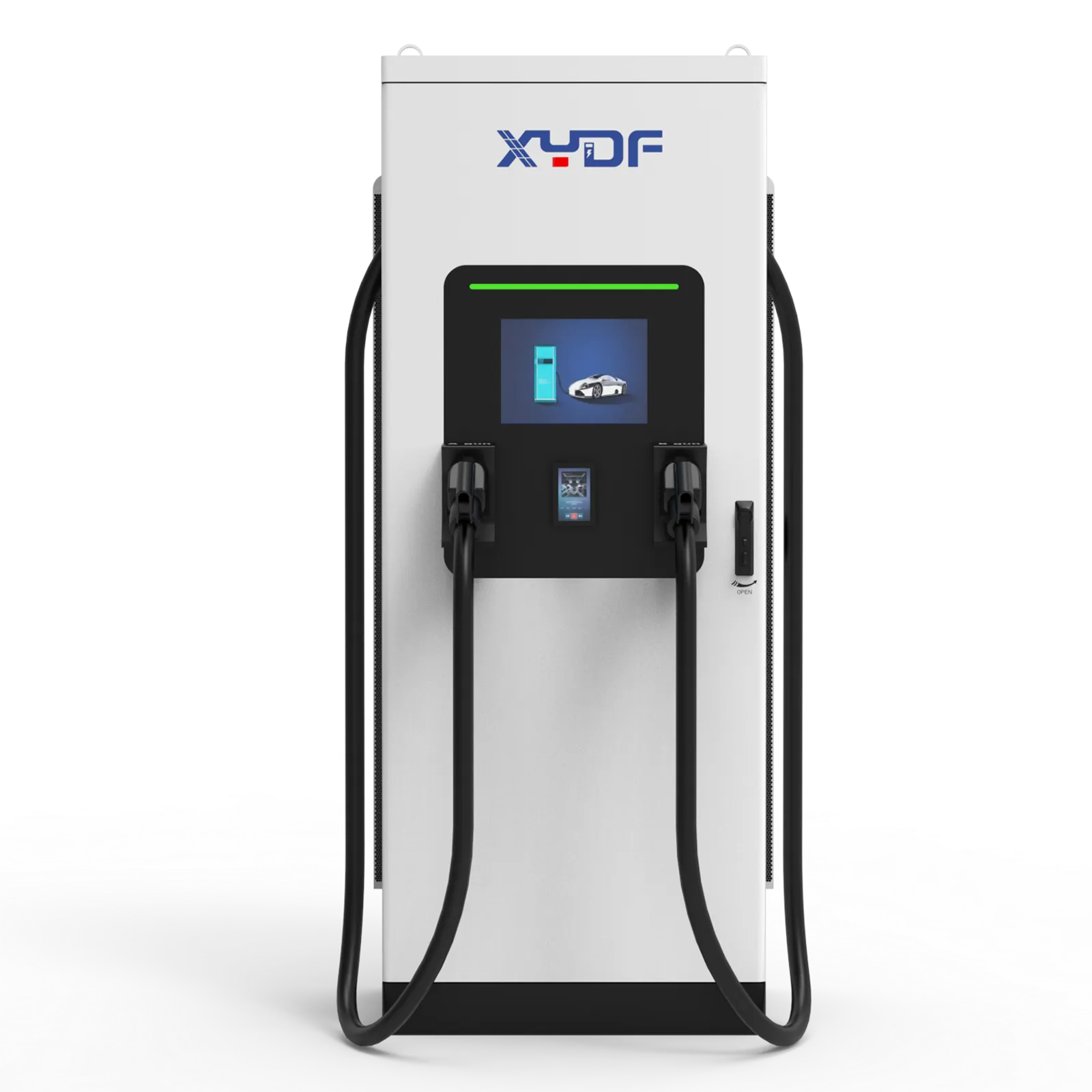
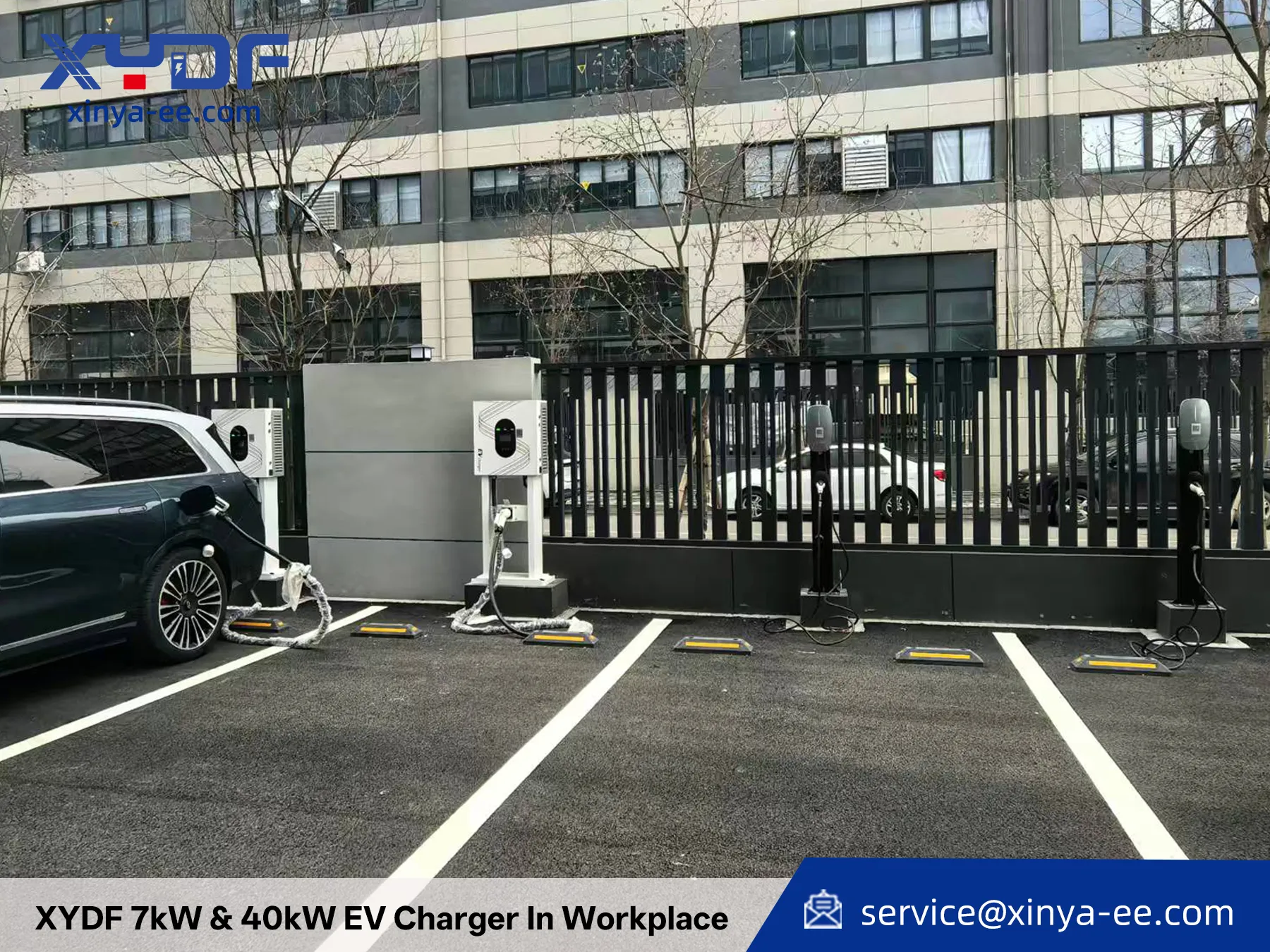
XYDF DC charger and AC charger
Core Application Scenarios of Charging for EV Solutions
Reasonable matching of charging for EV equipment according to application scenarios is the key to improving equipment utilization and reducing operational costs. Different EV charger models cover four core fields: civilian private use, public commercial use, transportation infrastructure and industrial fleet operation:
Private Residential Scenarios: Wall-mounted and floor-standing AC EV charger units are widely installed in family garages and community parking lots. Featuring quiet operation, stable performance and low energy consumption, they perfectly meet daily slow-charging demands for private vehicles.
Public Commercial Scenarios: High-power DC fast chargers are deployed in shopping malls, hotels, scenic spots, urban parking lots and service areas, providing fast energy replenishment for floating vehicle owners and generating stable commercial profits.
Highway & Transportation Hub Scenarios: Driven by global new energy policies such as the EU AFIR and U.S. Electric Highway initiatives, DC fast charging equipment has become standard infrastructure for highway service areas, solving the long-distance travel energy supplement dilemma.
Industrial Fleet Operation Scenarios: Customized high-power cluster charging solutions adapt to logistics fleets, online car-hailing fleets and corporate official vehicle fleets, supporting centralized batch charging and refined operational management.
Core Selection Criteria for High-Quality EV Chargers
Whether for personal household use or commercial investment, selecting high-quality equipment is the core guarantee for safe and stable charging for EV. Many buyers only focus on low prices while ignoring key performance indicators, which leads to frequent equipment failures, poor compatibility and high long-term maintenance costs. Professional purchasers evaluate EV charger products based on the following critical standards:
Global Protocol Compatibility: Premium charging equipment supports mainstream global protocols including CCS1, CCS2, CHAdeMO and GB/T, ensuring full compatibility with electric vehicles of all brands worldwide and avoiding matching failures.
Regional Environmental Adaptability: Export EV chargers adapt to unstable grid voltage and frequent power fluctuations, while resisting extreme conditions such as high temperature, high humidity, salt spray, sand and frost, ensuring stable year-round outdoor operation.
Comprehensive Safety Protection Mechanism: Equipped with multi-layer protection against over-voltage, under-voltage, over-current, short circuit, lightning strike, electric leakage and overheating, eliminating potential charging safety hazards.
Intelligent Operation & Upgrade Capability: Supports OCPP international protocol docking, remote equipment monitoring, automatic billing and long-term OTA firmware upgrades to adapt to evolving vehicle standards and industry specifications.
Complete After-Sales Service System: Reliable manufacturers provide full-lifecycle services including installation guidance, technical training, long-term warranty and remote troubleshooting to solve operational difficulties of overseas projects.
XYDF: Professional Manufacturer of EV Chargers
XYDF is a global professional manufacturer deeply engaged in charging for EV equipment. It focuses on the R&D, production and cross-border export of industrial EV charger products, serving dozens of countries and regions across Europe, America, Southeast Asia, Africa and the Middle East.
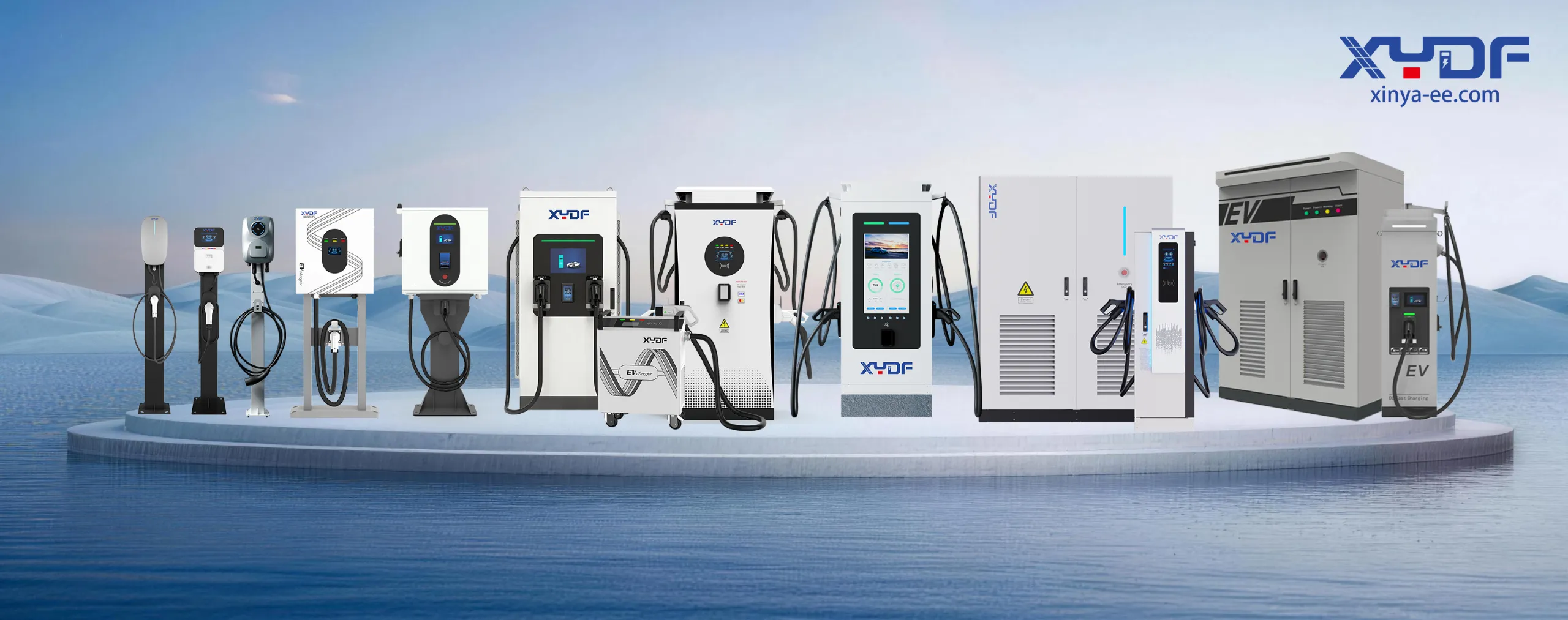
XYDF owns a complete product portfolio, covering full-series AC residential chargers and DC commercial fast chargers to fully meet civilian slow-charging and public fast-charging market demands. All products adopt industrial optimized design and are equipped with high-quality universal power modules, precise temperature control and efficient heat dissipation systems. The equipment maintains stable power output and controllable power derating in extreme and complex environments, perfectly adapting to unstable grid conditions and diverse climates in overseas markets.
In terms of compatibility and intelligence, XYDF EV charger supports long-term OTA remote firmware iteration, synchronizing the latest vehicle handshake protocols and industry standards to prevent premature equipment elimination. The built-in dynamic load balancing system intelligently allocates power under fixed grid capacity, effectively improving grid utilization and overall project revenue without grid renovation.
In terms of compliance and services, all XYDF charging equipment meets international export certification standards and supports OCPP 1.6/2.0.1 protocol docking. The brand provides one-stop full-lifecycle services, including pre-project grid assessment, customized solution design, on-site installation guidance, remote technical training, long-term warranty and lifelong technical upgrades, helping global customers reduce project risks and long-term operational costs.
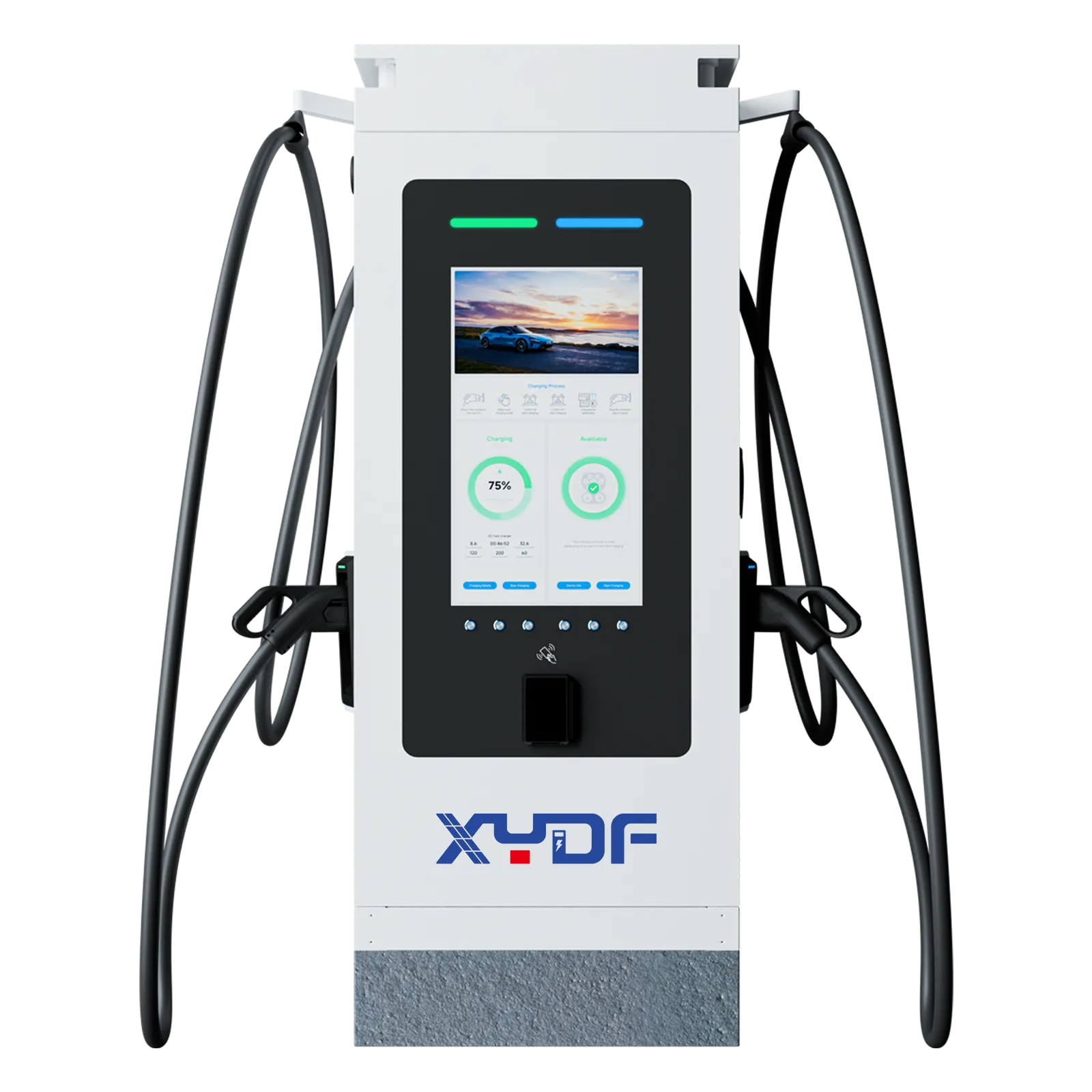
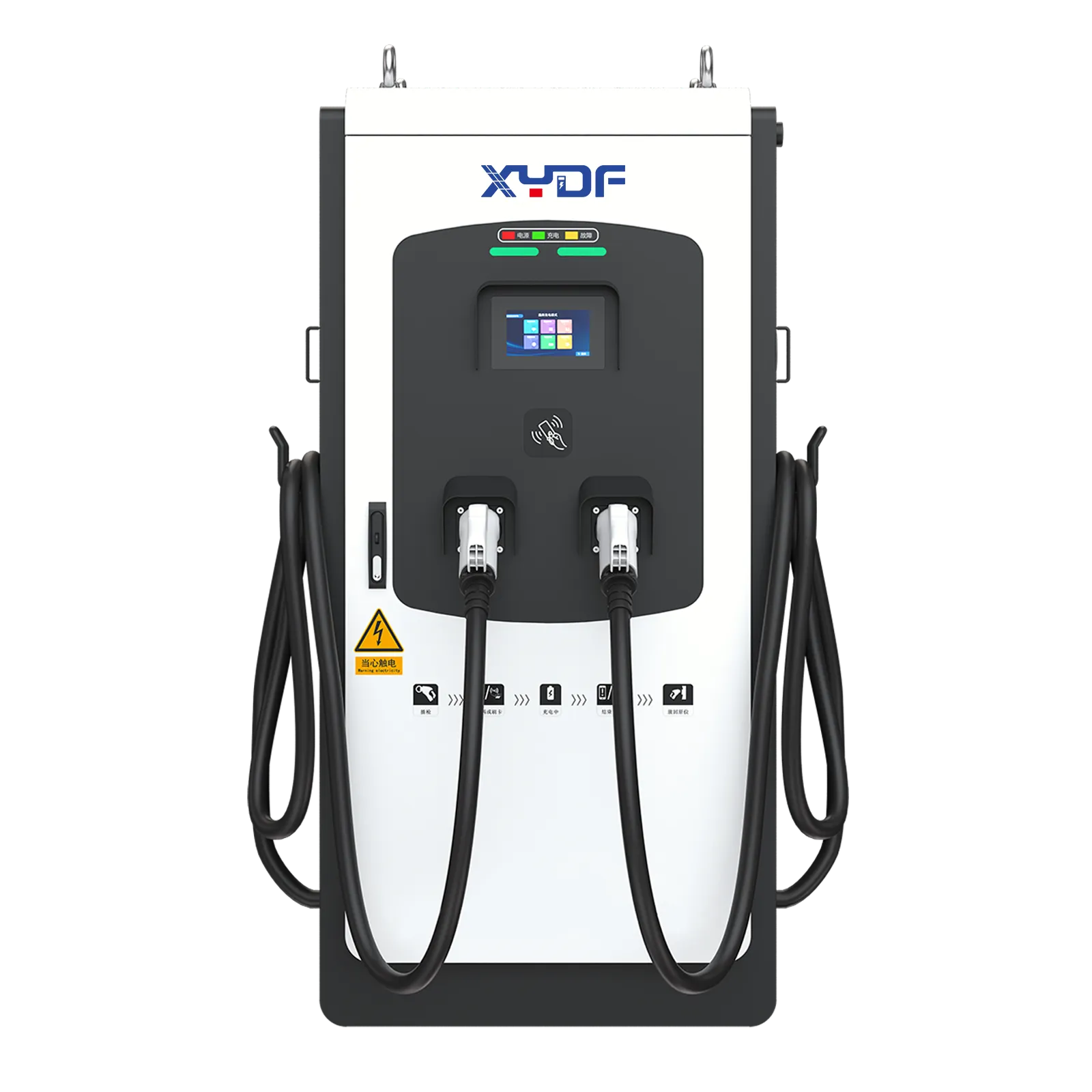
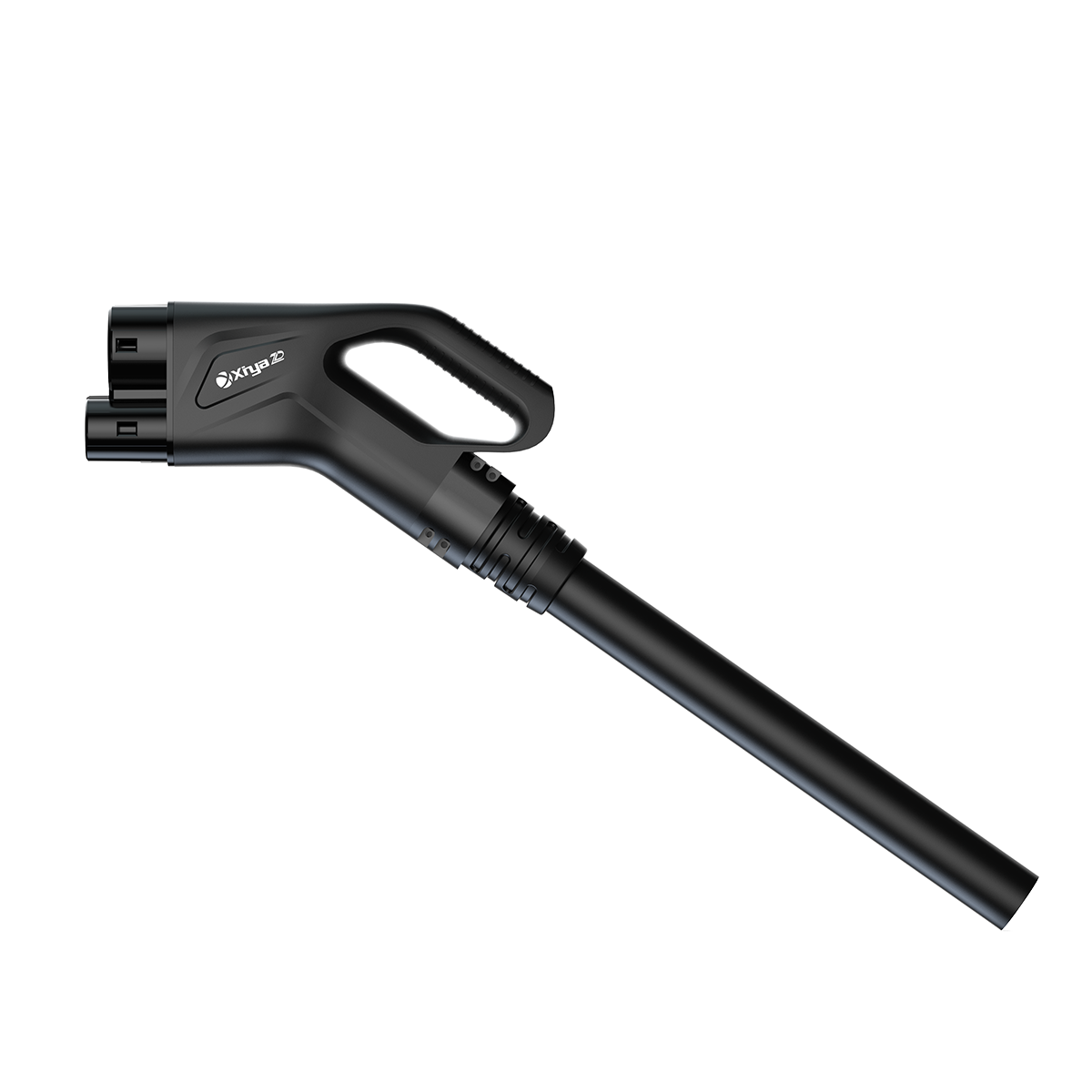
XYDF EV charger
FAQs About Charging for EV & EV Chargers
Q1: What is the difference between AC charging and DC charging for EV?
AC charging relies on the vehicle’s built-in on-board charger for power conversion, featuring low power and slow speed, suitable for household static charging. DC charging completes power conversion through external professional EV charger equipment, delivering high power and fast energy replenishment, mainly applied in public and commercial fast-charging scenarios.
Q2: Does fast charging damage EV batteries?
Standard and compliant DC fast charging will not damage EV batteries. Professional EV chargers intelligently interact with the vehicle BMS (Battery Management System) to dynamically adjust current and voltage according to real-time battery status. The late-stage trickle protection mode balances charging efficiency and battery safety, effectively extending battery service life.
Q3: Which EV charger is suitable for home and commercial use?
For household use, low-power AC chargers are preferred for their cost-effectiveness, stable operation and low battery loss. For commercial charging stations, highway hubs and fleet projects, high-power DC fast chargers are more suitable due to high operational efficiency and strong market adaptability.
Q4: Can EV chargers work normally in extreme climates?
Professional export-grade EV chargers such as XYDF adopt industrial-grade weatherproof design, featuring high temperature resistance, frost resistance, moisture proof, salt spray resistance and dust proof capabilities. They operate stably in extreme climates and unstable grid environments, meeting global outdoor deployment requirements.
Q5: Do commercial EV chargers support remote intelligent management?
High-quality commercial EV chargers support OCPP international open protocols, enabling remote equipment monitoring, real-time fault early warning, automatic billing settlement and OTA remote upgrades. They fully adapt to overseas unattended commercial operation modes and greatly reduce manual management costs.
Final Thoughts
Scientific and reasonable charging for EV solutions rely on accurate scenario matching and high-quality EV charger equipment. AC slow charging meets daily civilian energy replenishment demands, while DC fast charging supports high-efficiency commercial charging. Complementing each other, they form a complete EV energy supplement system. Whether for household private charging layout or global commercial charging station investment and construction, selecting compliant, stable and highly adaptable charging equipment is the key to safe operation and long-term profitability. As a professional global EV charger exporter, XYDF delivers industrial stability, full vehicle compatibility, intelligent operation system and comprehensive cross-border services. We provide cost-effective and reliable charging solutions for global individual users, fleet operators and project investors, supporting the sustainable development of global new energy charging infrastructure.
We use cookies to keep this website working and, with your permission, to measure how visitors use our EV charging site. See our Privacy Policy for details.
 Xinya Dongfang Electricity Technology Co., Ltd.