 Xinya Dongfang Electricity Technology Co., Ltd.


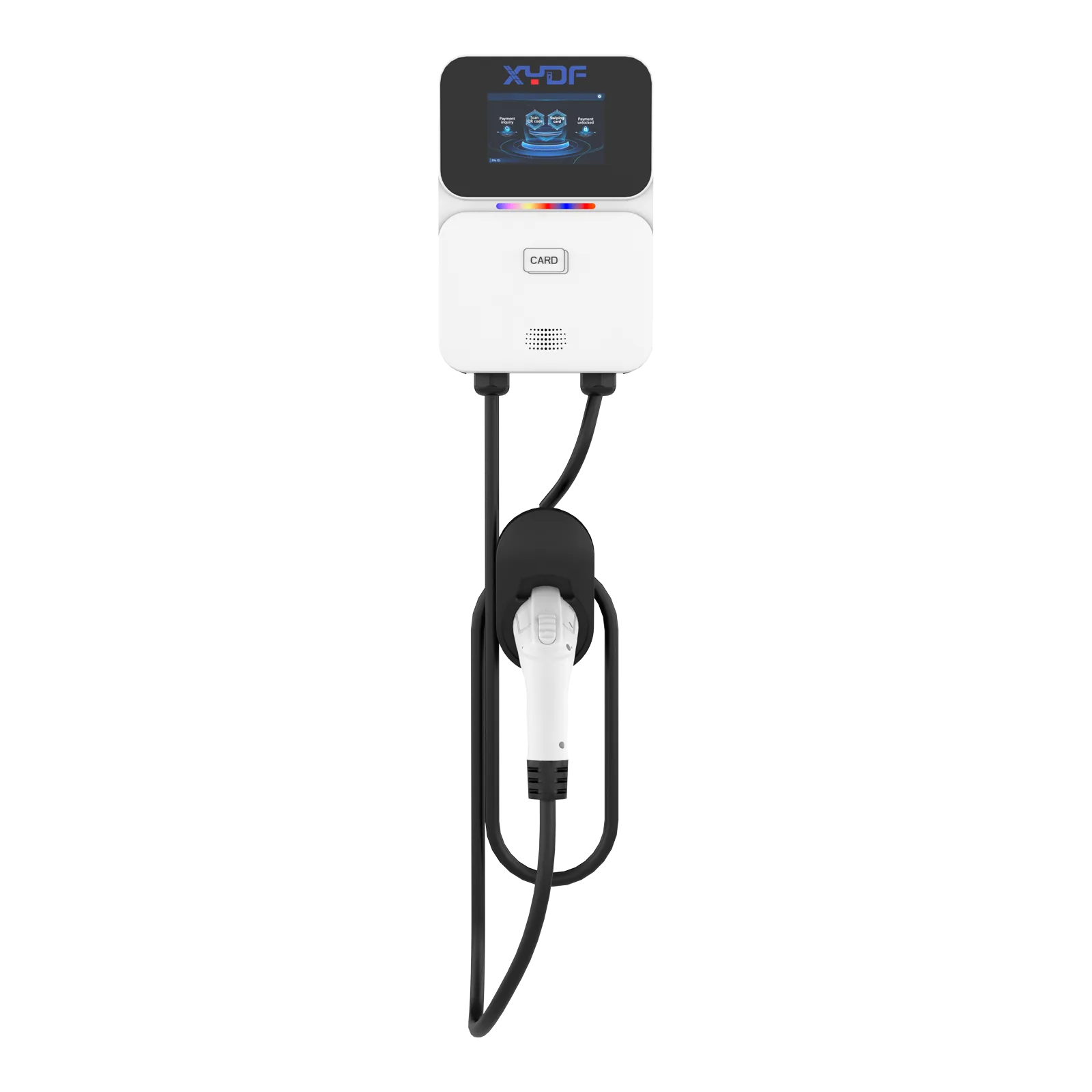
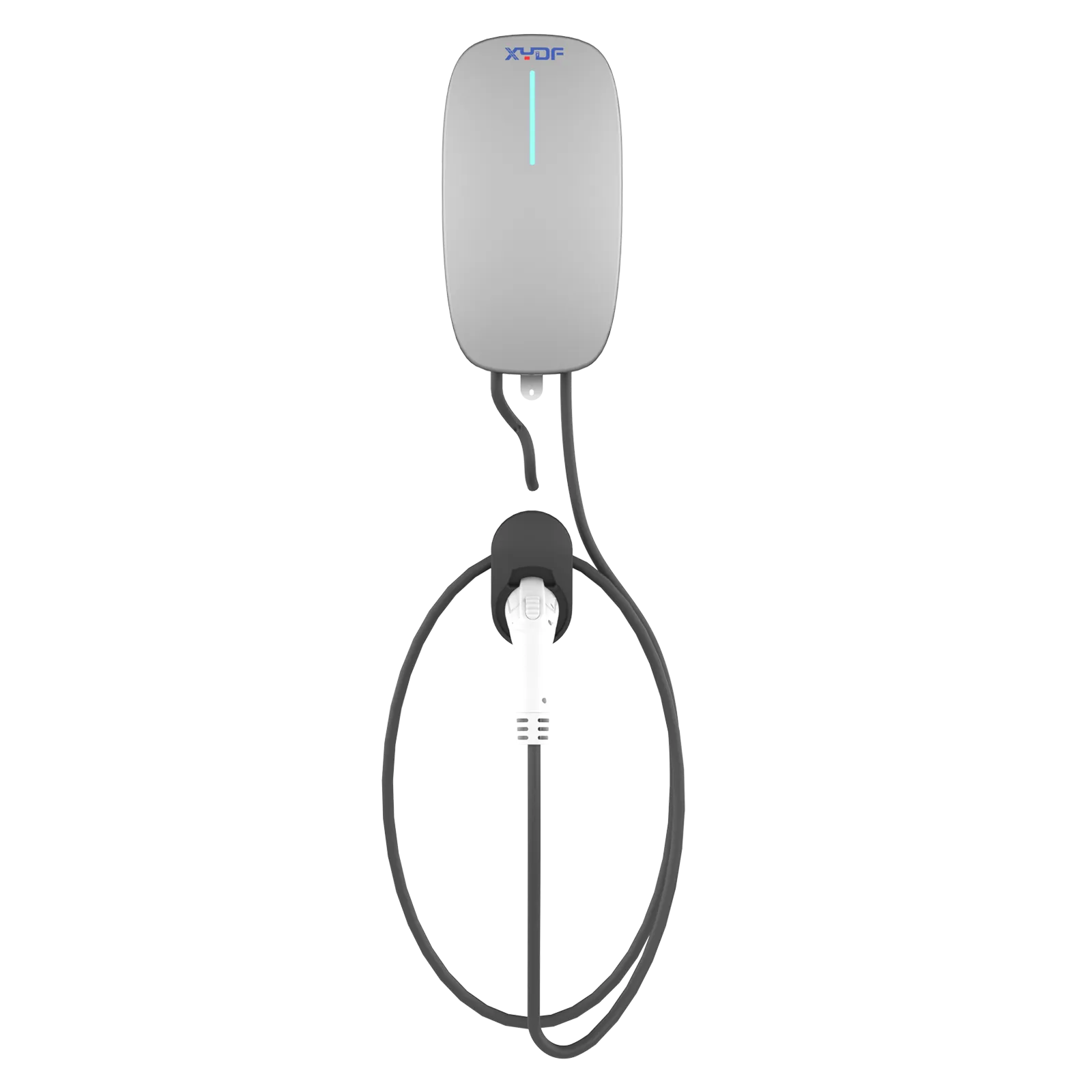
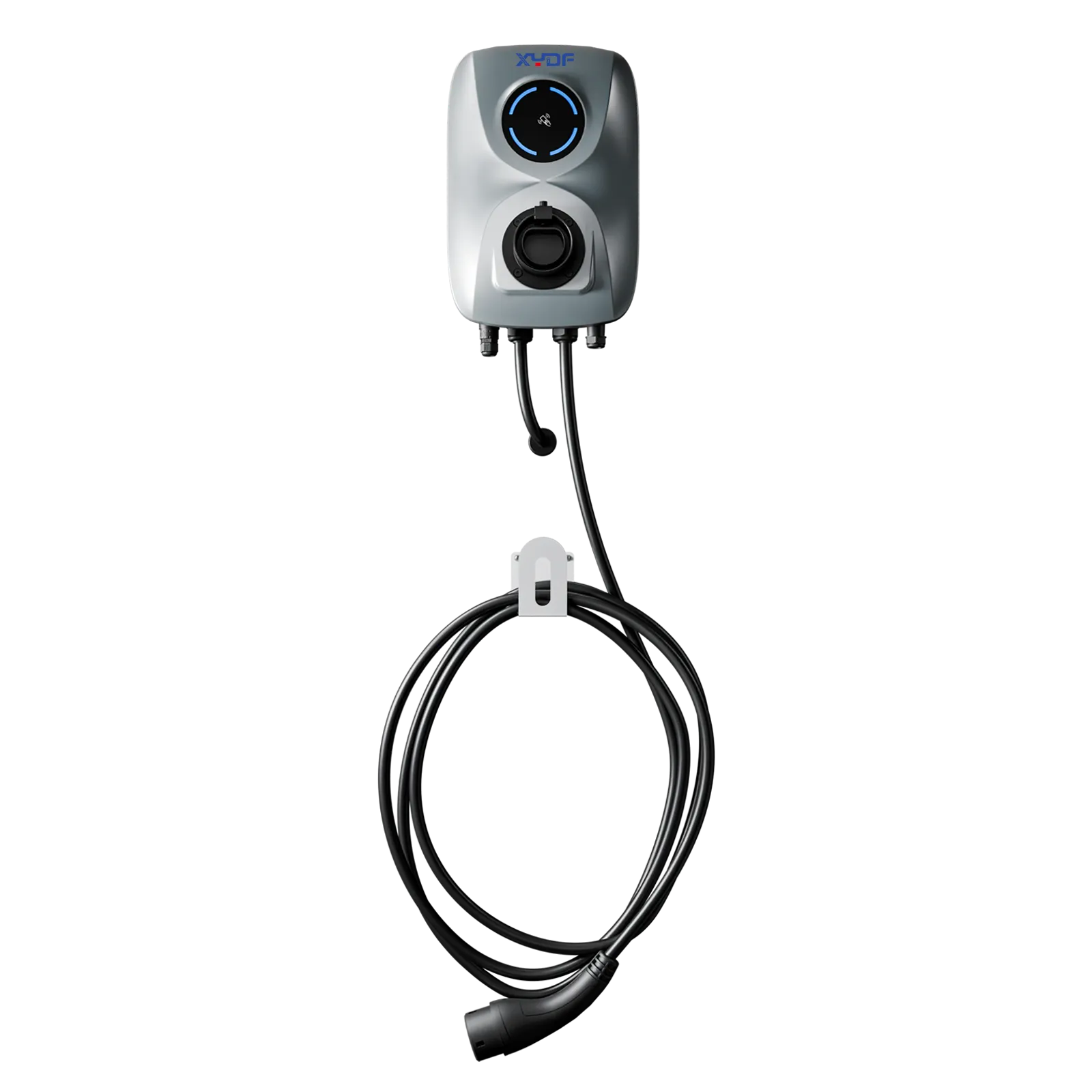
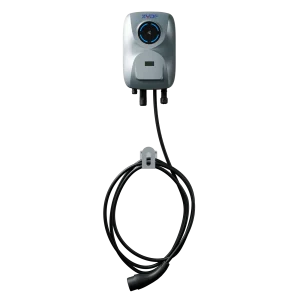
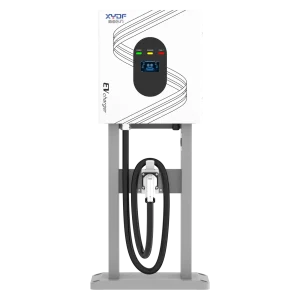

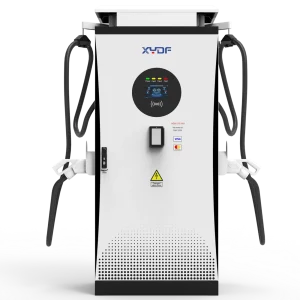
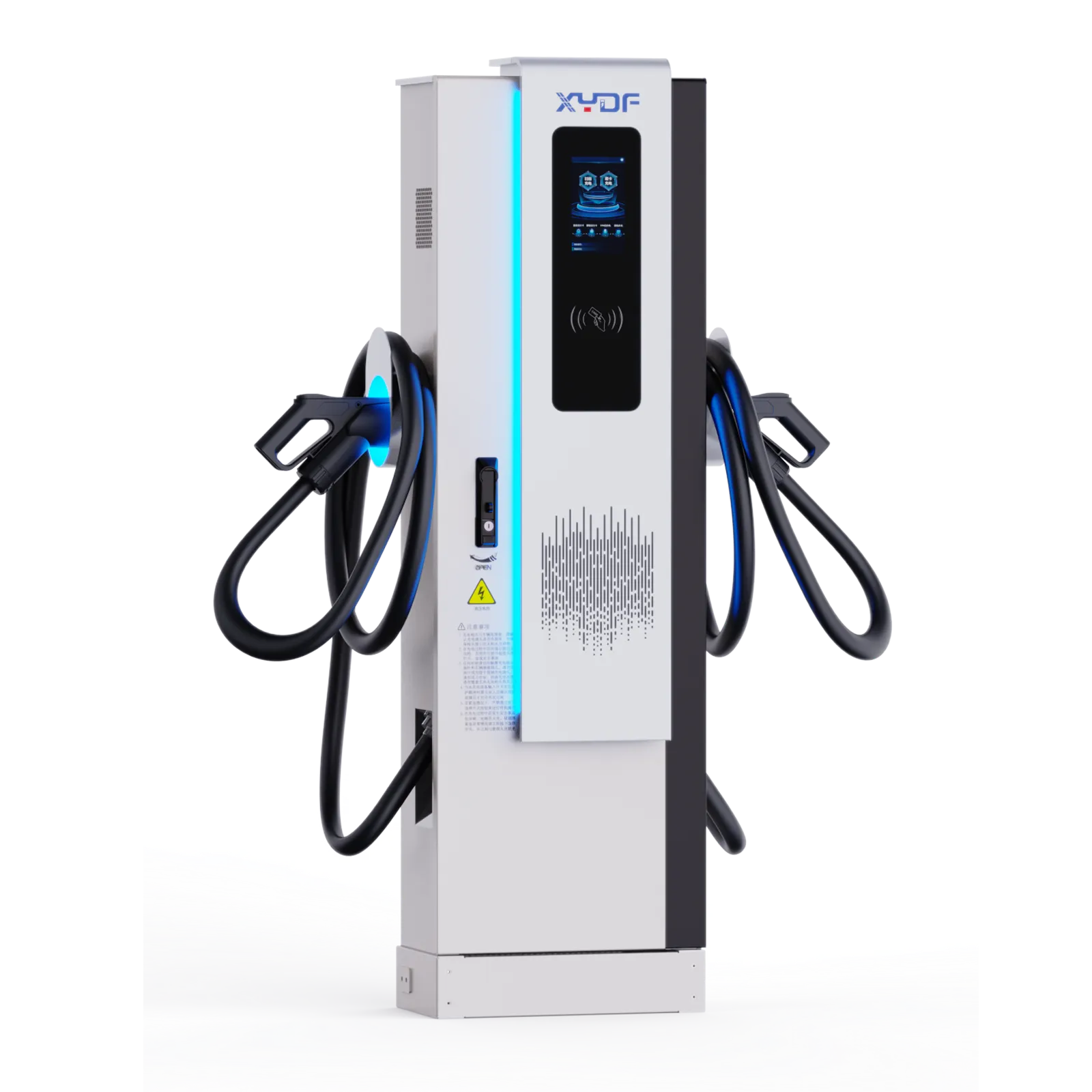
Home & Private
Use a compliant charger for the destination market and follow local electrical installation, protection and inspection rules.
Choose the market where your EV charger will be sold or installed. This hub gives buyers a practical first view of the EV charger certification & compliance route, application-specific checks and documents to request.
Select a market card to jump directly to its compliance overview.
More country guides are being added. Need requirements for another destination?
Product compliance is normally tied to placing equipment on a market. Installation, metering and public-charging rules depend on how the charger will be used.
Use a compliant charger for the destination market and follow local electrical installation, protection and inspection rules.
Product and installation compliance still apply. Billing, energy settlement, backend or site-specific requirements may add further checks.
Public access can introduce payment, pricing, metering, accessibility, interoperability and operator obligations beyond product certification.
EV chargers placed on the EU market generally require CE marking. Buyers should confirm that the complete charger model is covered by the EU Declaration of Conformity and the applicable technical documentation.
Additional requirements depend on product functions and use. Wireless communication, regulated billing and publicly accessible charging can introduce requirements beyond the basic product route.
EU product compliance provides the common baseline. National installation, metering, permitting and public-charging rules still need to be checked for the project location.

EU baseline plus German electrical installation, legal metrology and public-charging requirements where applicable.

EU baseline plus French installation, installer-qualification and infrastructure requirements where applicable.

EU baseline plus Spanish low-voltage installation and charging-infrastructure requirements.

EU baseline plus Italian electrical installation, connection and local project requirements.

EU baseline plus Dutch installation, grid-connection and metering requirements where applicable.
Start with the EU compliance baseline, then verify national installation, metering and public-charging rules.
Request local researchEV charging equipment is commonly evaluated and listed by a Nationally Recognized Testing Laboratory. UL and Intertek’s ETL mark are two familiar routes; the required standard depends on charger design and application.
Installation must also meet the adopted electrical code, permits, utility requirements and the local Authority Having Jurisdiction.
The route depends on whether equipment is placed on the Great Britain or Northern Ireland market. For relevant electrical equipment in Great Britain, current rules allow CE or UKCA marking when the applicable conditions are met.
Smart charging, electrical installation and public-charge-point rules should be checked separately from product marking.
The Regulatory Compliance Mark is used for applicable electrical safety and communications compliance. A local Responsible Supplier, supporting evidence and EESS registration may be required according to the equipment classification and jurisdiction.
Project installation must follow Australian electrical and EV charging installation requirements.
The six GCC markets share regional standards work, but an EV charger does not enter every country through one universal approval. G-Mark and the Gulf low-voltage framework should be checked for applicability, followed by the destination country’s conformity and import route.
Wireless approvals and installation permissions remain national. The exact path depends on charger rating, connectivity, billing functions and whether the site is residential, commercial or publicly accessible.
Start with the product configuration, then confirm the national market-access, radio and installation route for the country where the charger will be supplied.






South African market access should be checked against applicable SANS standards and NRCS compulsory specifications. An NRCS Letter of Authority may apply where the product falls within a regulated scope.
SANS is a standards framework rather than one universal certificate, and local installation approval remains a separate project requirement.
Usually managed by the manufacturer, importer or responsible supplier before the equipment is placed on the market.
Usually managed by the designer, electrical contractor, installer, operator and local approving authority.
A logo on the product page is not enough. Match the documents to the exact charger, configuration and destination market.
Confirm the correct document type for the market route.
Check that the ordered model and rated configuration are listed.
Review the applied standards and supporting test evidence.
Verify the responsible company, laboratory and certification body.
Do not treat a certified component as certification of the full charger.
No. CE is a European market conformity route. Other destinations can require their own product approval, registration, labelling and installation processes.
Yes, when it is placed on a regulated market. Home use may avoid some public-charging rules, but product and local electrical installation requirements still apply.
It is a technical standards series commonly used in testing and conformity assessment. The market-access route is determined by the destination country’s regulatory system.
Only when the certification or declaration clearly covers the model family and relevant configurations. Buyers should verify model numbers, ratings and options.
Define the destination country, charger type, power rating, connector, wireless functions, billing method and installation scenario, then confirm the applicable product and site rules.
Share the country, charger type and project scenario. XYDF can help organize the product documents and compliance questions to confirm before procurement.