 Xinya Dongfang Electricity Technology Co., Ltd.



Buying a charger does not establish who must pay if a driver trips over its cable, a vehicle strikes the cabinet, or a network failure stops transactions. A site host may own the land while an operator owns the equipment and a contractor maintains it. Each business can face a different loss from the same incident. Choosing commercial EV charging station insurance therefore starts with the actual installation, operating responsibilities and financial exposure. This guide explains which coverage to discuss with an insurer, how liability differs from ownership, and which records help a business respond when something goes wrong.
The short answer is to review public or general liability, property and equipment breakdown, business interruption, and cyber exposure as separate questions. Product liability and contractor coverage may also matter, depending on whether a business supplies, installs or services chargers. There is no single policy or universal limit that suits every charging site. A charger warranty does not replace liability insurance, and a maintenance contract does not guarantee that an insurer will pay. Before opening, give a licensed commercial insurance adviser the equipment schedule, site layout and contracts, then obtain written confirmation of the relevant cover and exclusions.
Which insurance policies should a commercial charging business review?
The useful starting point is the loss a business could suffer, rather than a product described simply as EVSE insurance. The U.S. Small Business Administration distinguishes general liability, product liability and commercial property insurance in its business insurance guidance. Those categories help organize a review, but local compulsory coverage and the actual policy wording still govern.
| Coverage to discuss | Exposure to describe | Question to resolve before buying |
|---|---|---|
| Public or general liability | Third-party injury or damage arising from the site’s operations | Are the charging activity, public access and relevant locations declared? |
| Property and equipment breakdown | Damage to owned or leased chargers, cables and associated equipment | Which insured events apply, and how are electrical or mechanical breakdowns treated? |
| Business interruption | Lost income or extra operating expense after a disruption | What event must trigger cover, and which waiting periods, limits and restoration terms apply? |
| Cyber coverage | Connected devices, accounts, payment services and incident response | Are charger operations and relevant outsourced services within the agreed scope? |
| Product liability | Allegations that a supplied product caused injury or damage | Which manufacturer, importer, distributor or other supplier has the relevant exposure? |
| Installation or service contractor coverage | Claims arising from installation, inspection or repair work | Does the contractor’s declared work include the proposed charger and activities? |
These are coverage questions, not a promise that any listed event is insured. A packaged business policy may combine several sections, while a specialist placement may use separate policies. Compare the exclusions, deductibles, limits and territorial scope across the whole arrangement. A low premium does little for a loss excluded by the policy.
Who is liable if a person or vehicle is injured at an EV charger?
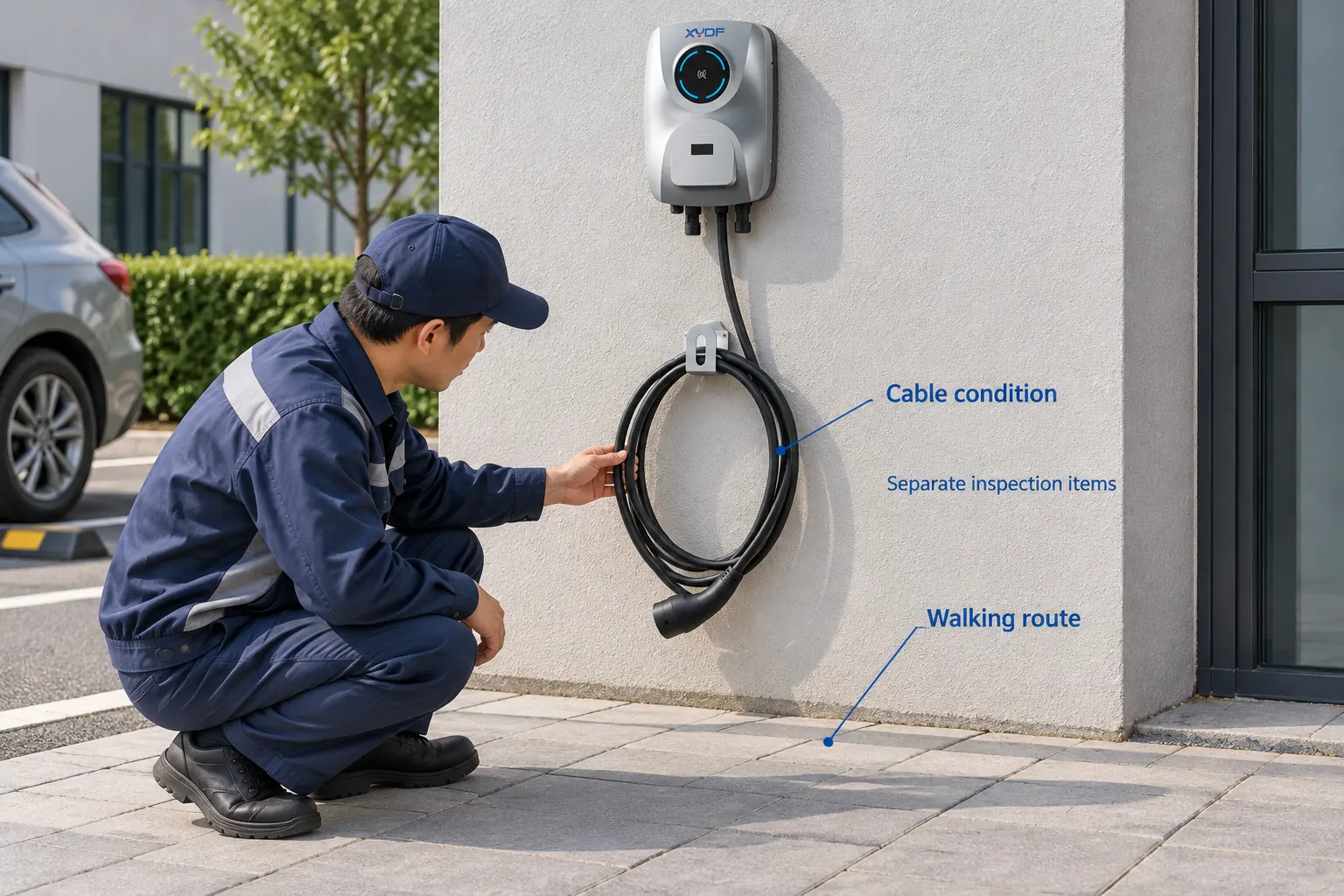
Liability depends on the facts, applicable law and the duties of the parties involved. Ownership alone does not settle the issue. A host may control lighting and walking surfaces, an operator may control cable management and fault response, and an installer may be responsible for defective installation work. More than one party can be named in a claim.
For EV charger liability insurance, describe who can inspect, isolate, maintain and reopen the equipment. Give the insurer the actual host agreement and service arrangements. Contractual indemnities allocate obligations between parties, but should not be assumed to eliminate duties owed to third parties or to be covered automatically by an insurance policy.
The allocation should follow control in practice. A host that receives a damaged-cable report needs a clear way to reach the operator. An operator that can disable a charger remotely still needs someone responsible for securing the physical area. Agree who handles initial notifications, preserves evidence and communicates with drivers, without requiring a frontline employee to decide legal fault.
Which risks should the site host and charging operator separate?
Put the responsibility schedule beside the insurance schedule and check that they describe the same operation. Useful issues include who owns equipment during the contract, who pays for replacement, who inspects the walking route, and who has authority to suspend charging. The site-host agreement should also explain maintenance response, access for repairs and what happens when the relationship ends.
| Issue | Responsibility to agree | Record to retain |
|---|---|---|
| Vehicle impact or vandalism | Who secures the site, reports damage and authorizes replacement | Equipment inventory, photographs and incident timeline |
| Damaged cable or obstructed route | Who inspects, restricts access and arranges corrective work | Inspection record, driver report and repair completion record |
| Charger or electrical fault | Who can isolate equipment and engage a competent service provider | Fault history, work order and return-to-service record |
| Payment or network disruption | Who manages service providers, customer communication and recovery | Transaction exceptions, support tickets and restored-service time |
| Contract expiry or asset transfer | Who bears risk during removal, transfer and reinstatement | Asset transfer or removal agreement and effective coverage dates |
The U.S. Department of Energy’s charging infrastructure operation and maintenance guidance recommends establishing who pays maintenance costs and defining response, repair and uptime terms. Those operational agreements support a workable insurance review; they are not themselves insurance.
Does property insurance cover damaged chargers and lost charging income?
Charging station property insurance should identify the assets and their location clearly. Include the charger, connector assemblies, payment equipment and any separately owned associated assets that need to be insured. Disclose whether the equipment is outdoors, leased, shared with a landlord or connected to a wider site electrical installation. Ask how rebuilding, removal, disposal and reinstatement costs are valued.
Do not group every outage under one cause. A stolen cable, gradual deterioration, an internal failure, flooding and a utility interruption can receive different treatment. Likewise, the fact that equipment needs replacing does not establish that lost revenue is covered. Ask which insured event must occur before business interruption cover responds, whether a waiting period applies, and whether an off-site supplier or communications outage falls within its terms.
Estimate exposure from the site’s own records. Separate expected charging income from the margin actually lost, and account for saved electricity costs and any continuing charges. Document alternative charging arrangements or temporary operating expenses. These figures help a broker discuss suitable limits; they are not a guaranteed method of settling a claim.
Commercial EV charger maintenance, a manufacturer warranty and an insurance policy serve different purposes. Maintenance reduces avoidable deterioration. A warranty addresses the defects and remedies stated in its terms. Insurance responds to covered losses subject to its wording. Review how the three interact instead of treating any one as a replacement for the others.
What should be disclosed about connected chargers and equipment changes?
A connected charger can depend on remote accounts, communications, a management platform and payment providers. Explain those dependencies and who administers access. Ask the insurer which incident-response costs, liabilities or service interruptions are contemplated, and which security conditions must be maintained. Outsourcing a platform does not by itself establish that every affected business has coverage.
For physical equipment, retain the installed model, configuration, commissioning documents and subsequent changes. A conformity mark is not an insurance policy, and a change to a previously evaluated product may require further review. UL Solutions’ field evaluation guidance explains that modifications can affect existing certifications and that site-specific evaluation can assist code authorities. Whether an evaluation is required depends on the equipment, alteration and jurisdiction.
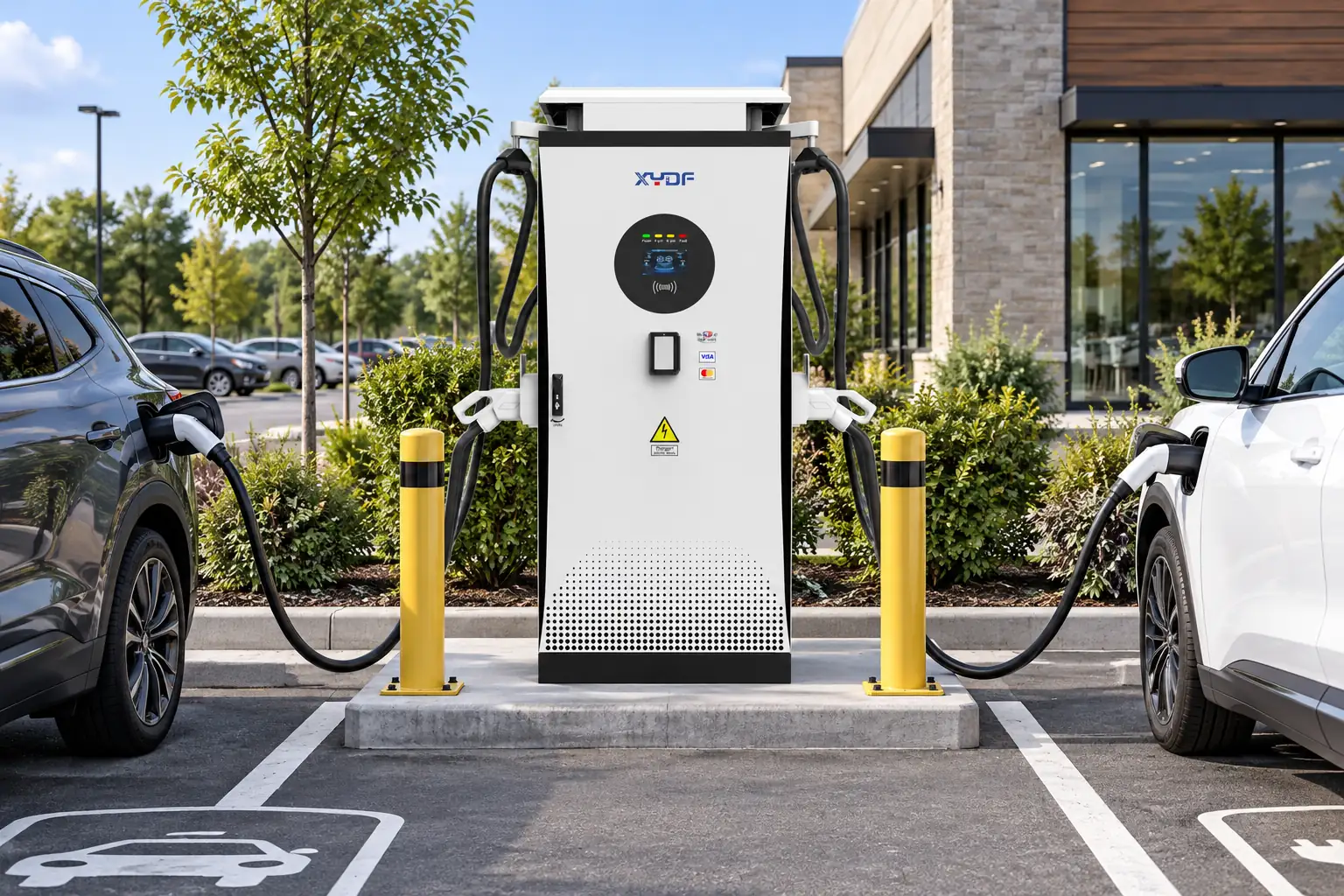
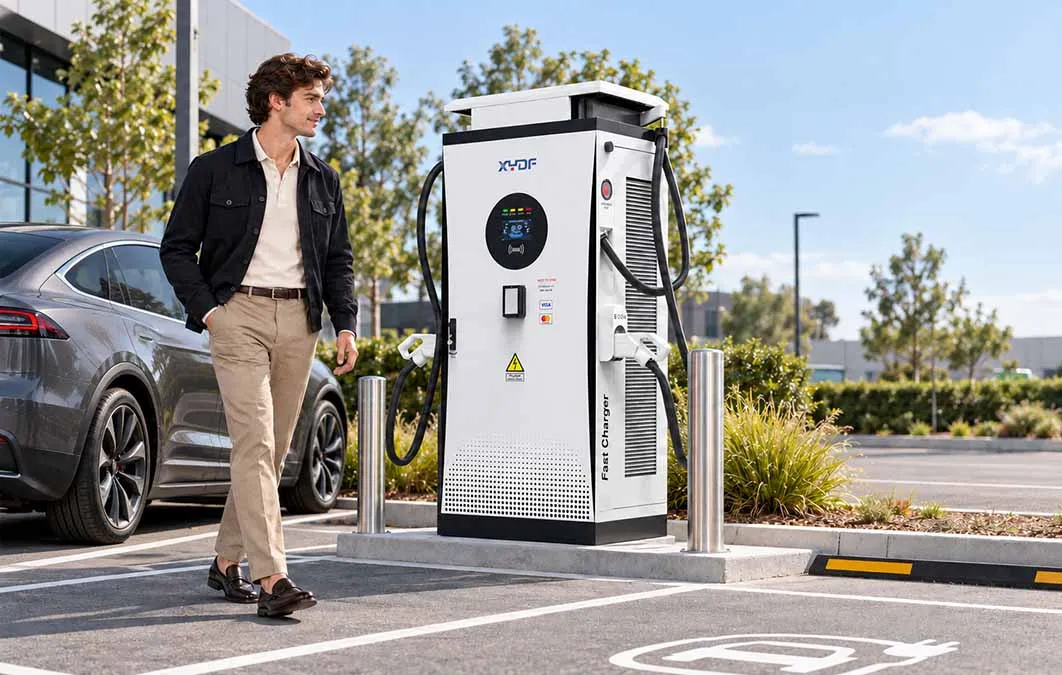
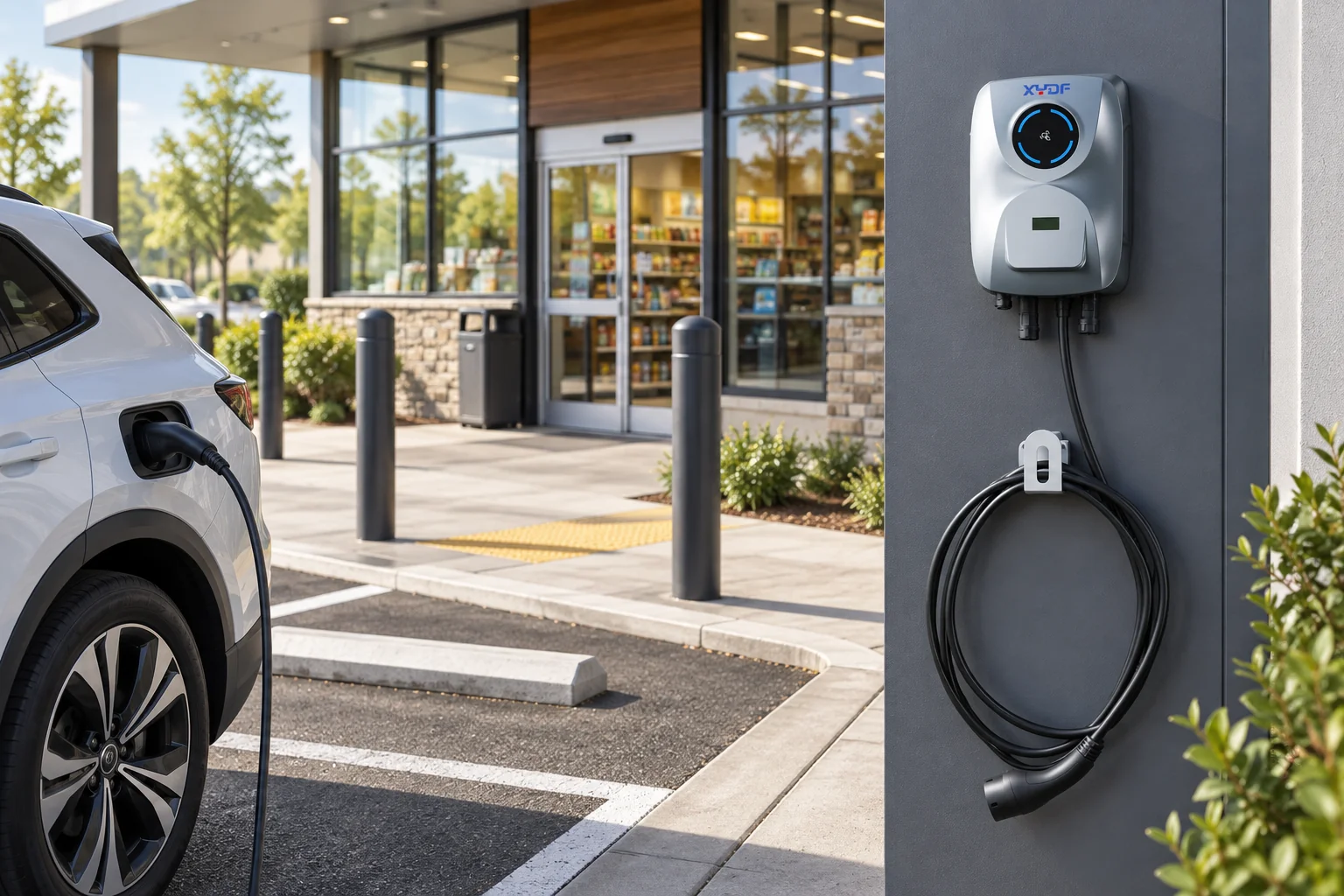
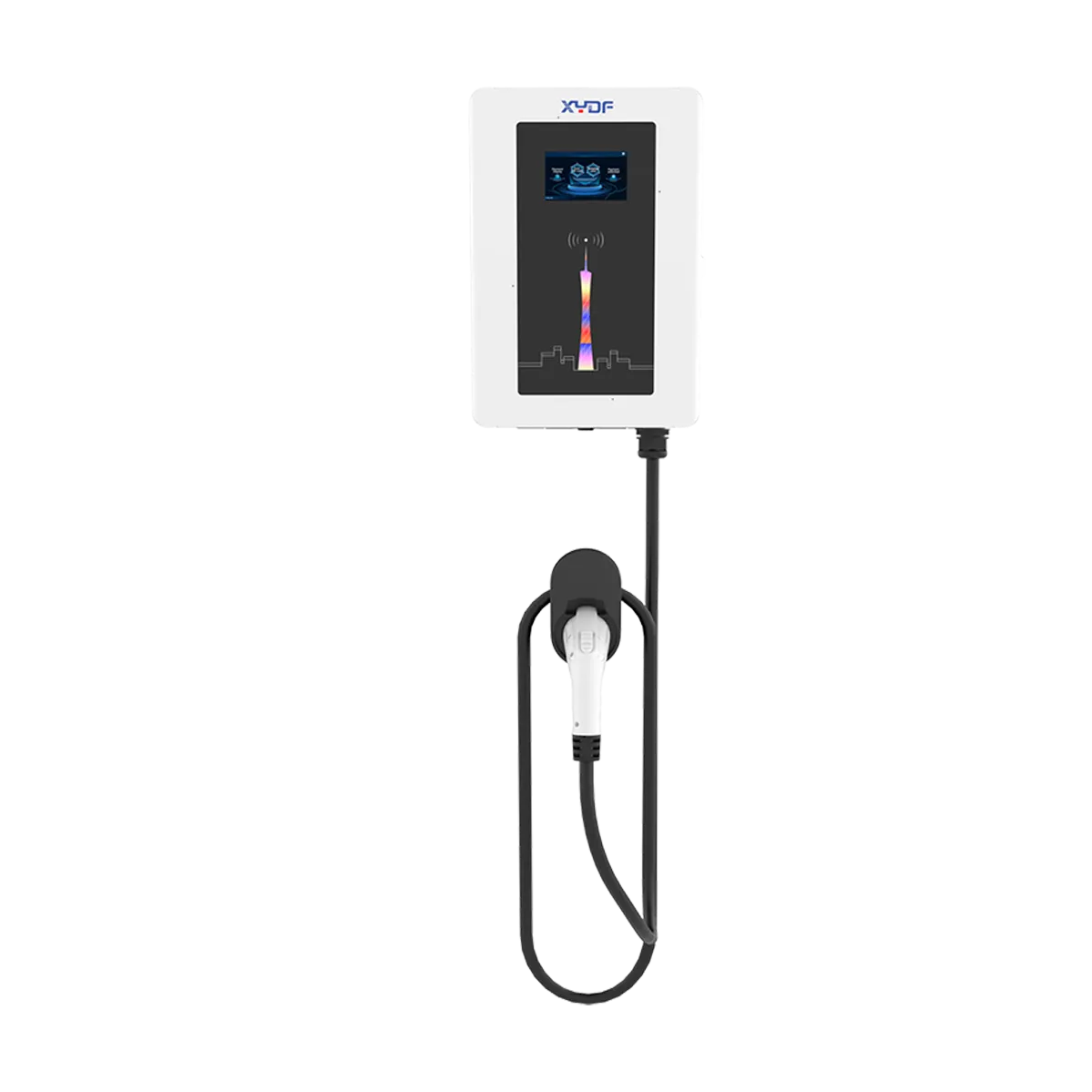
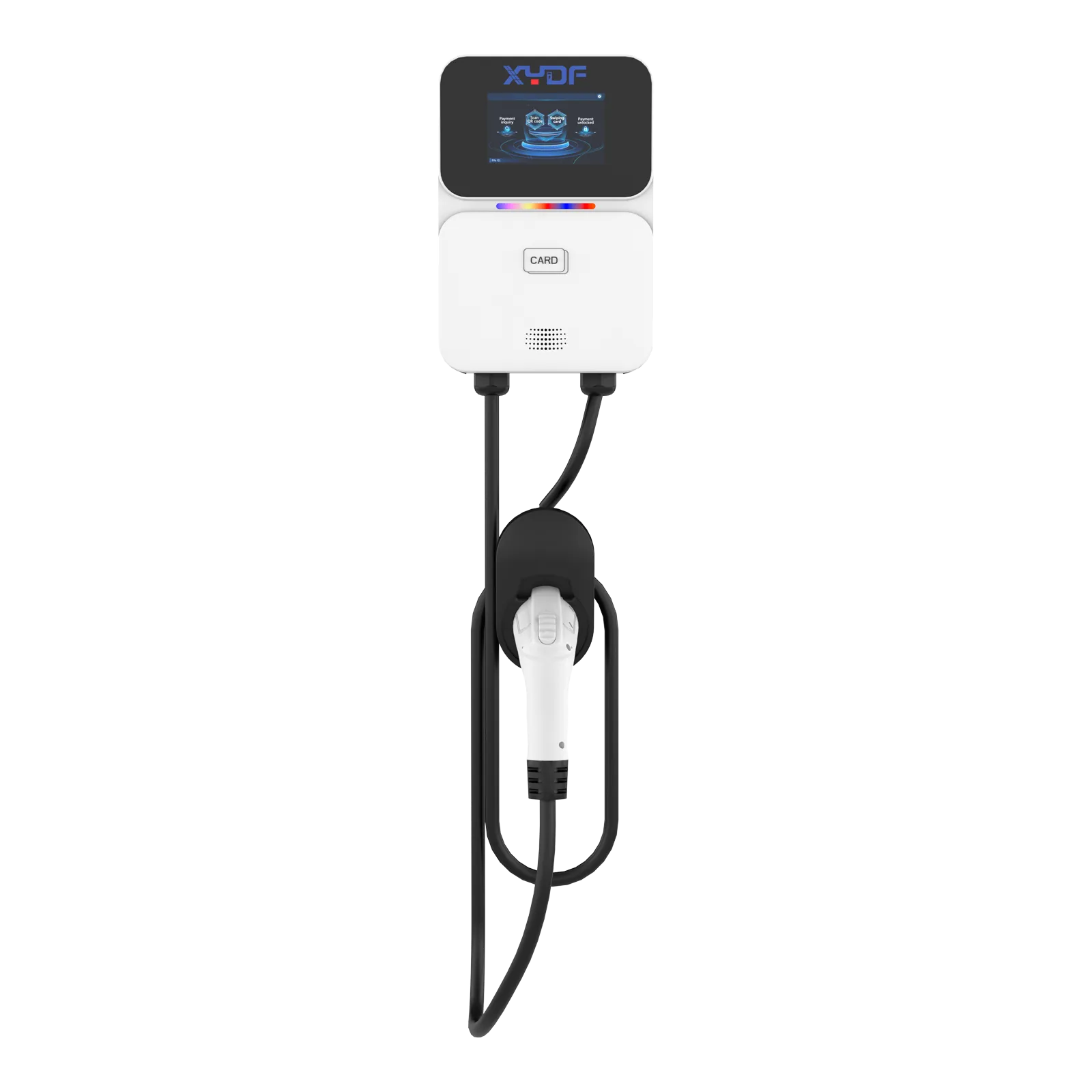
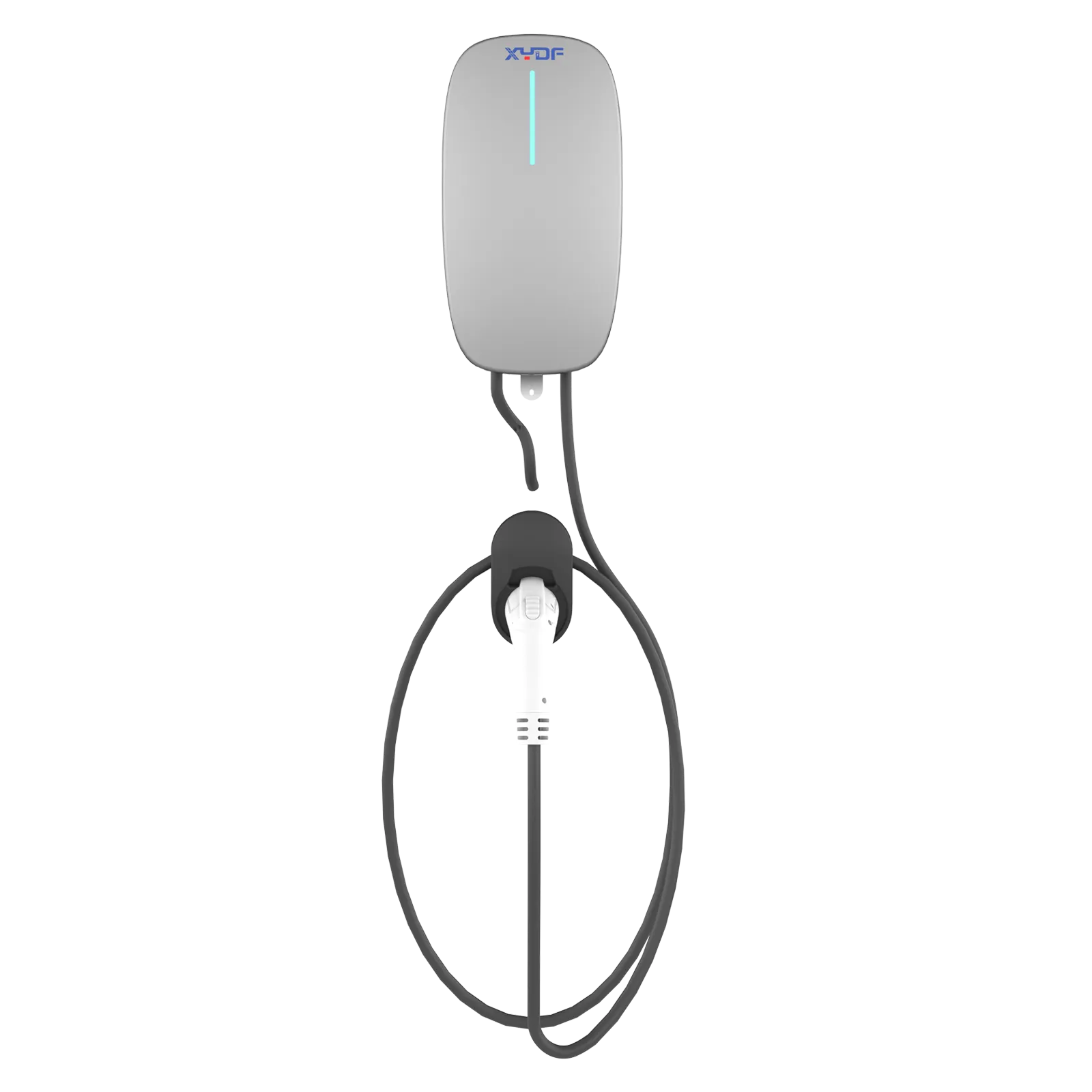
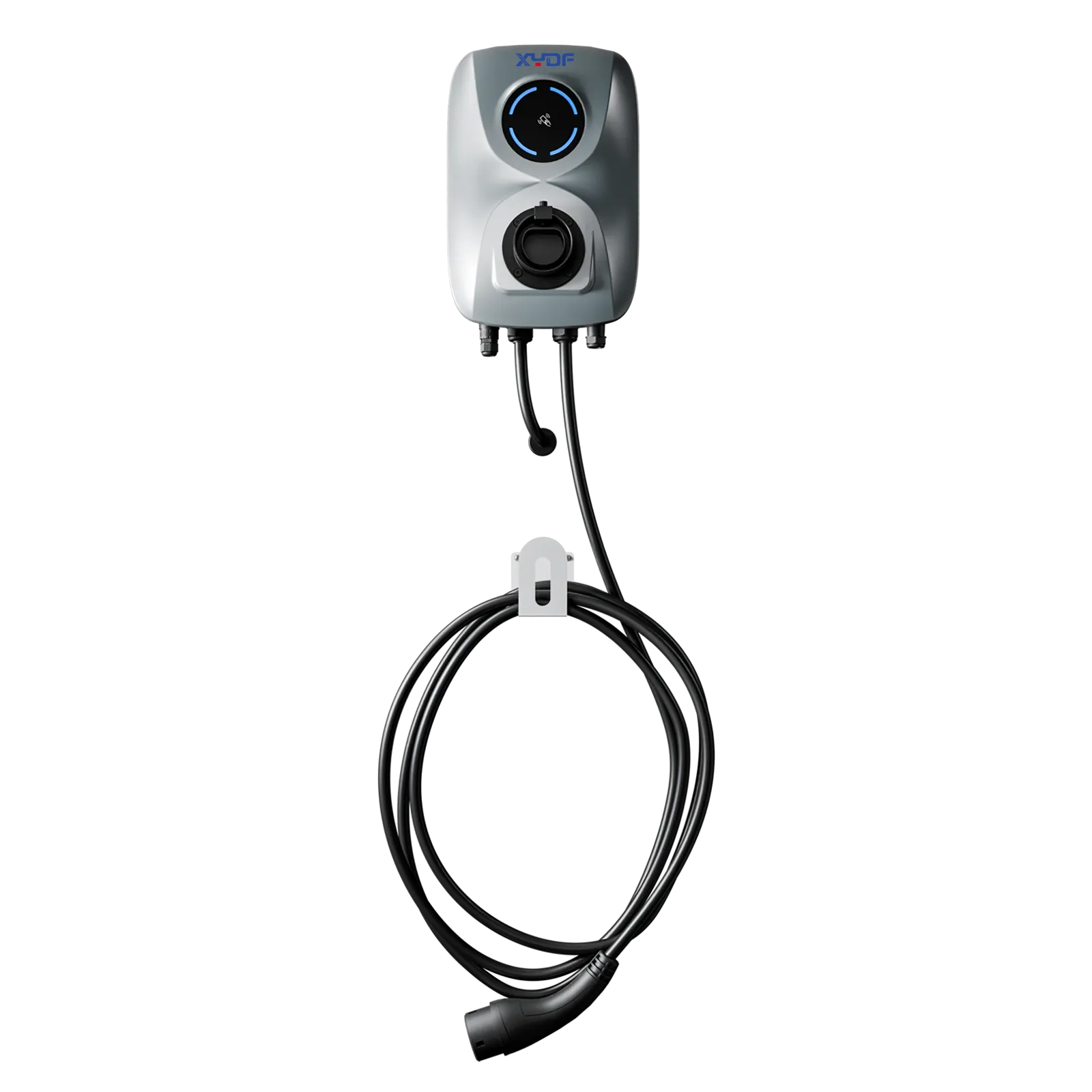
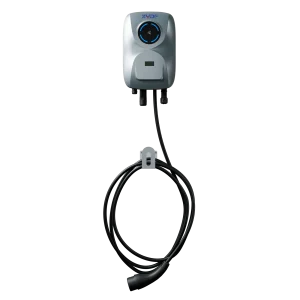
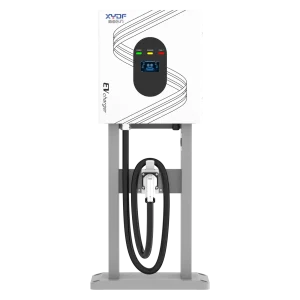
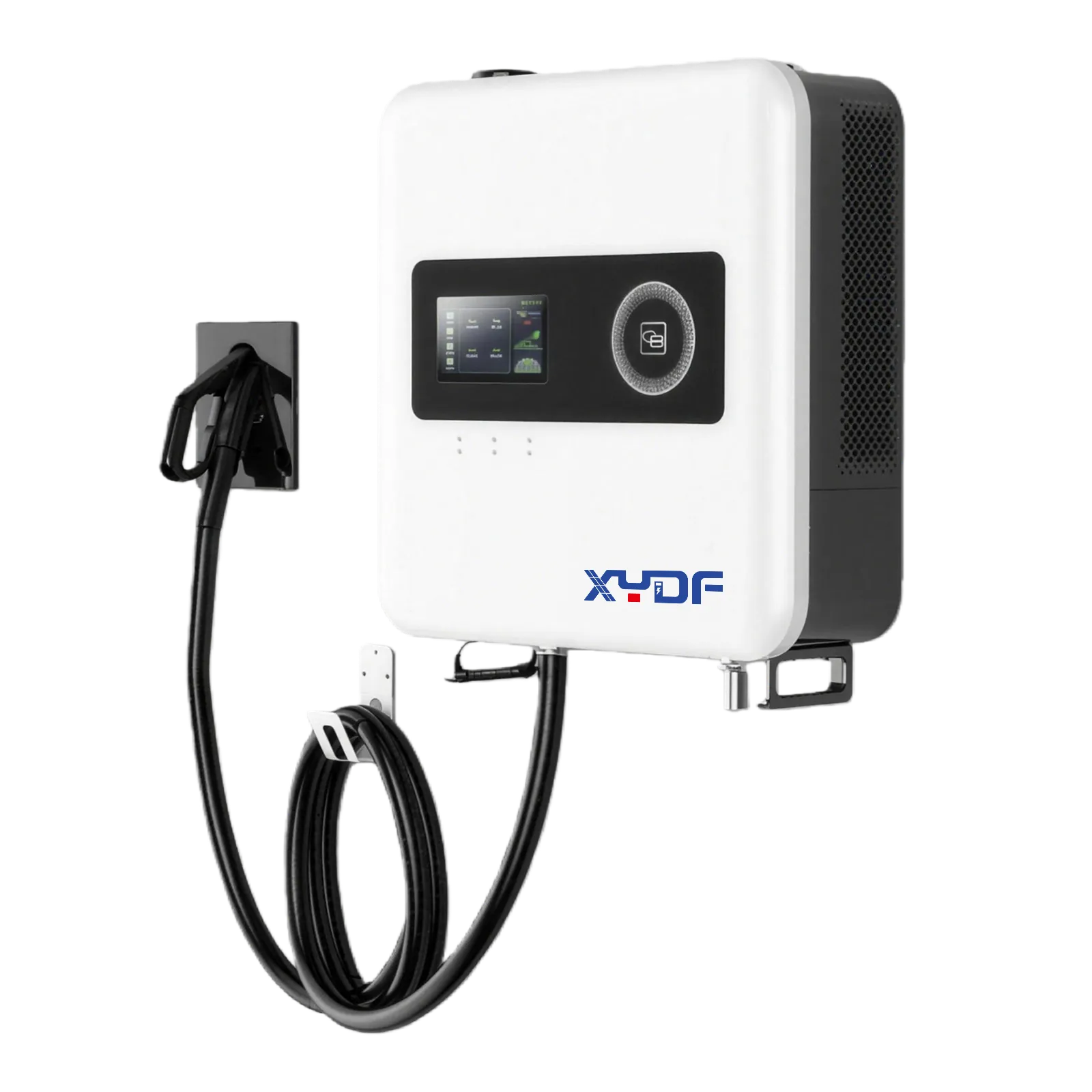
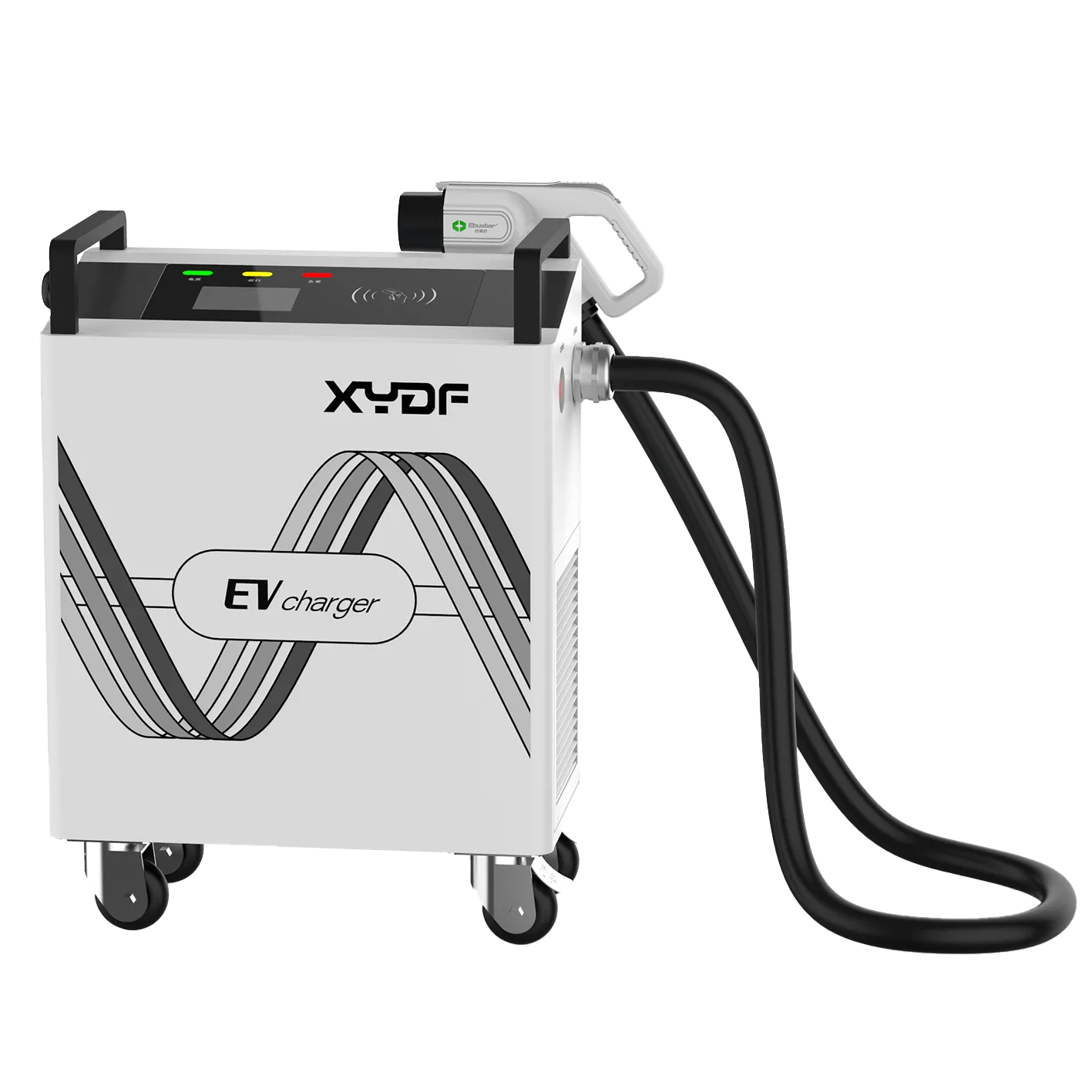
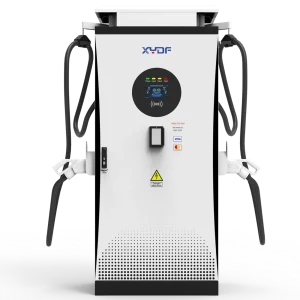
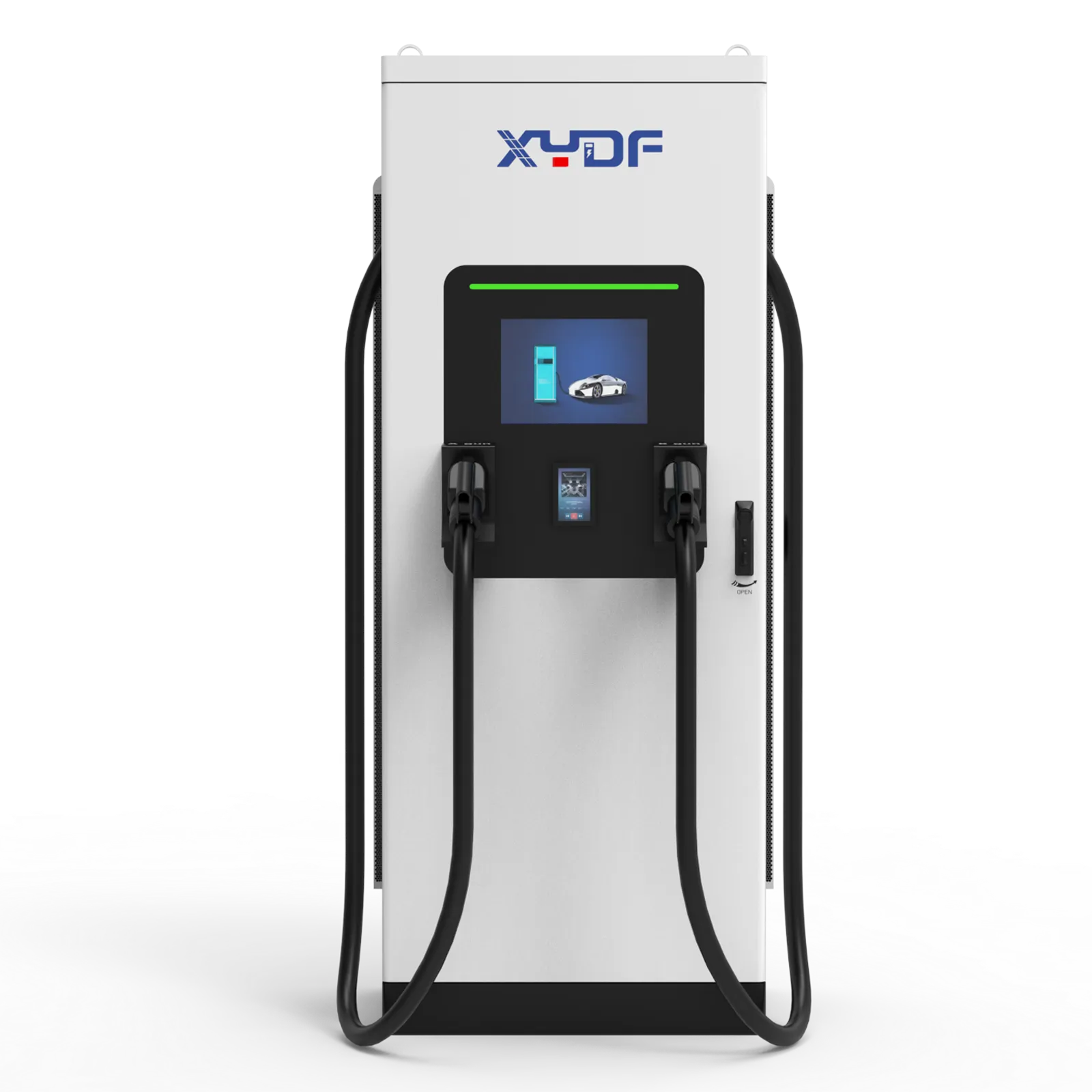
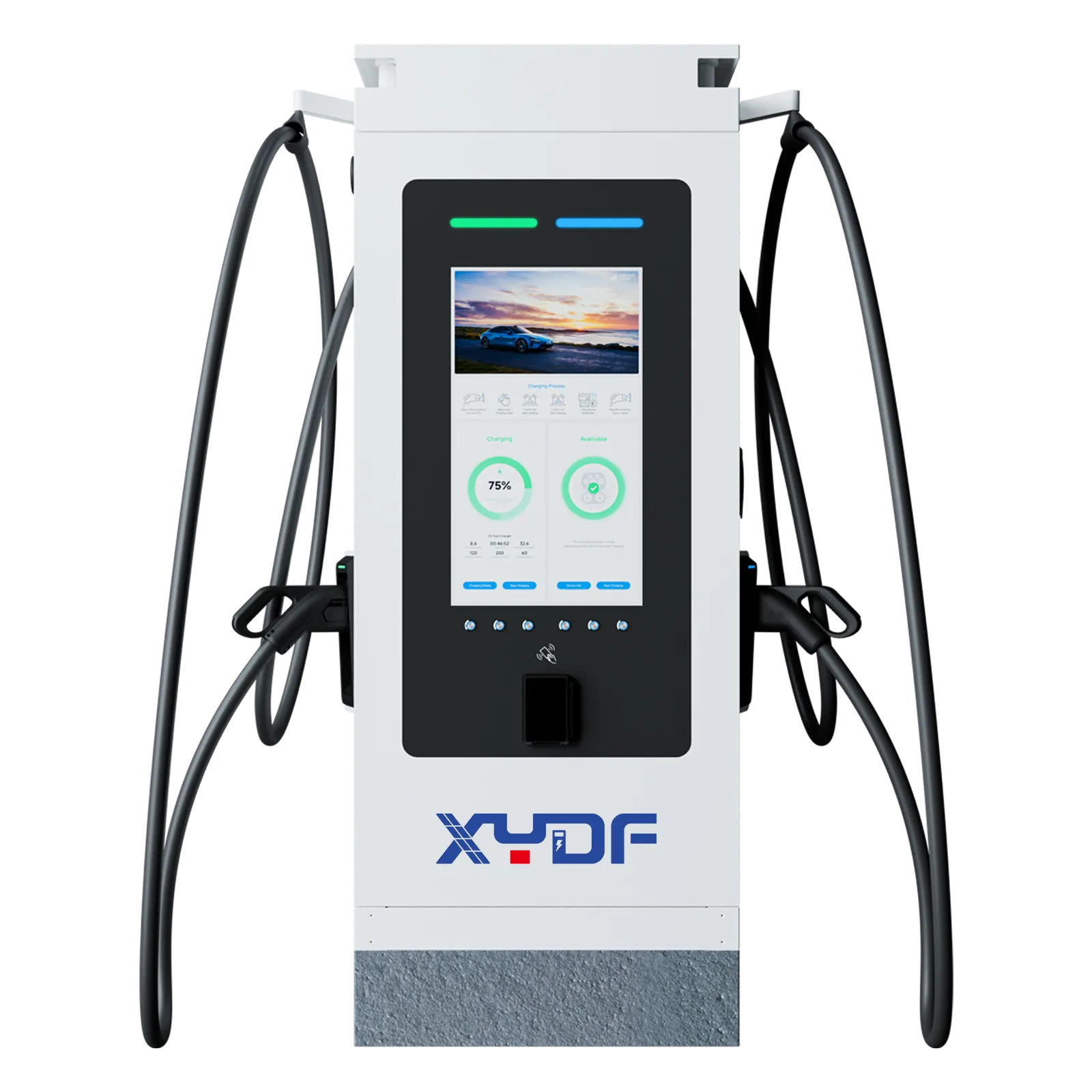
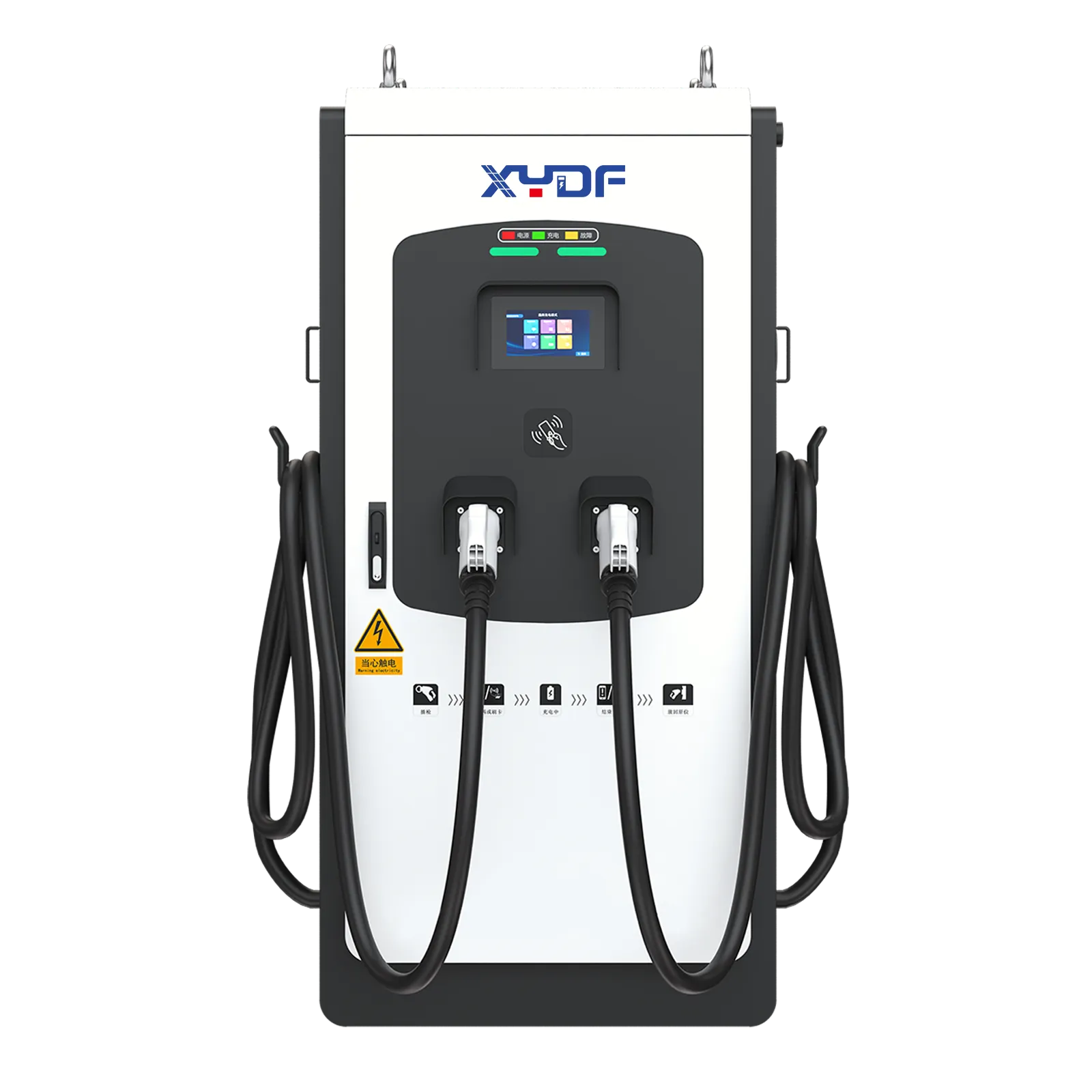
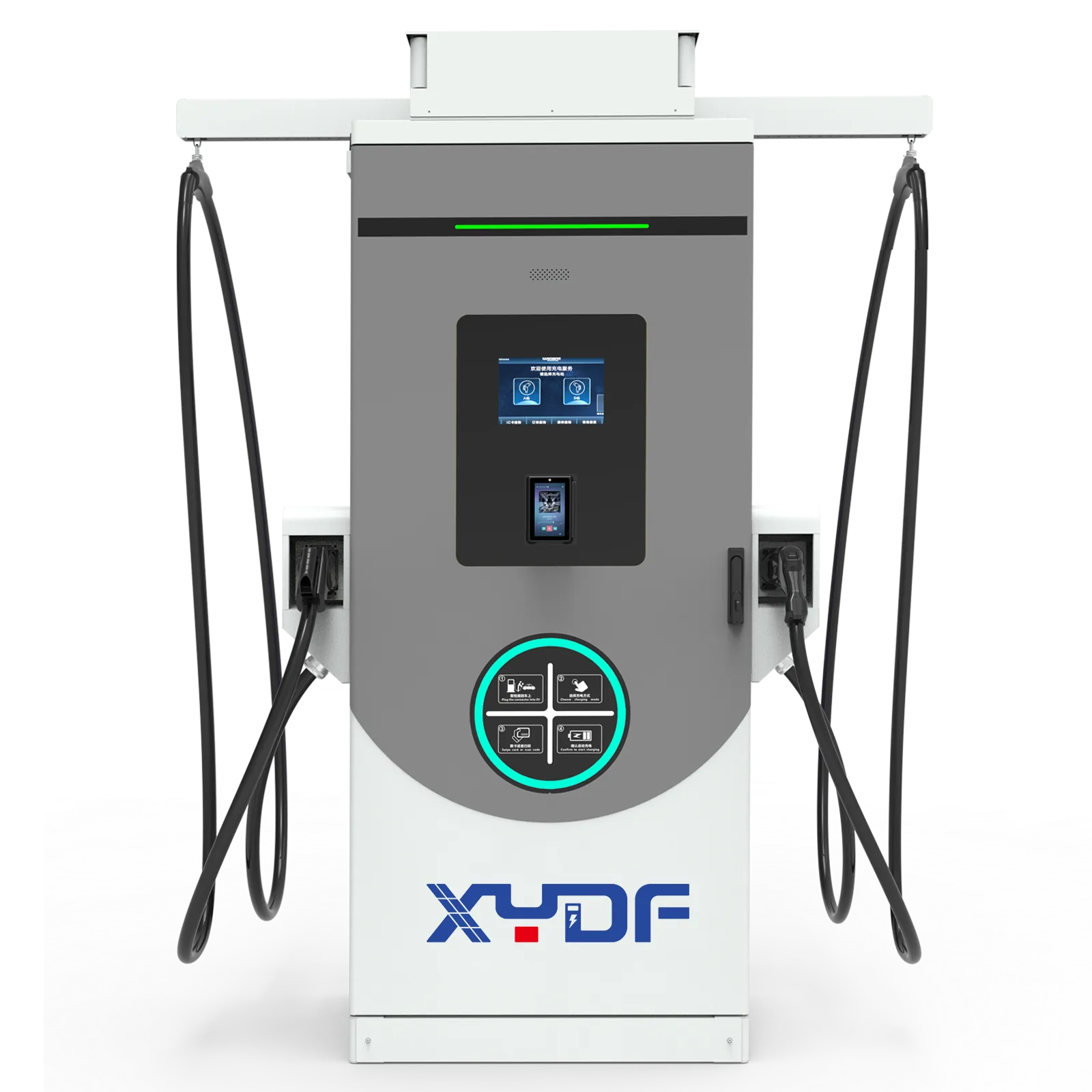
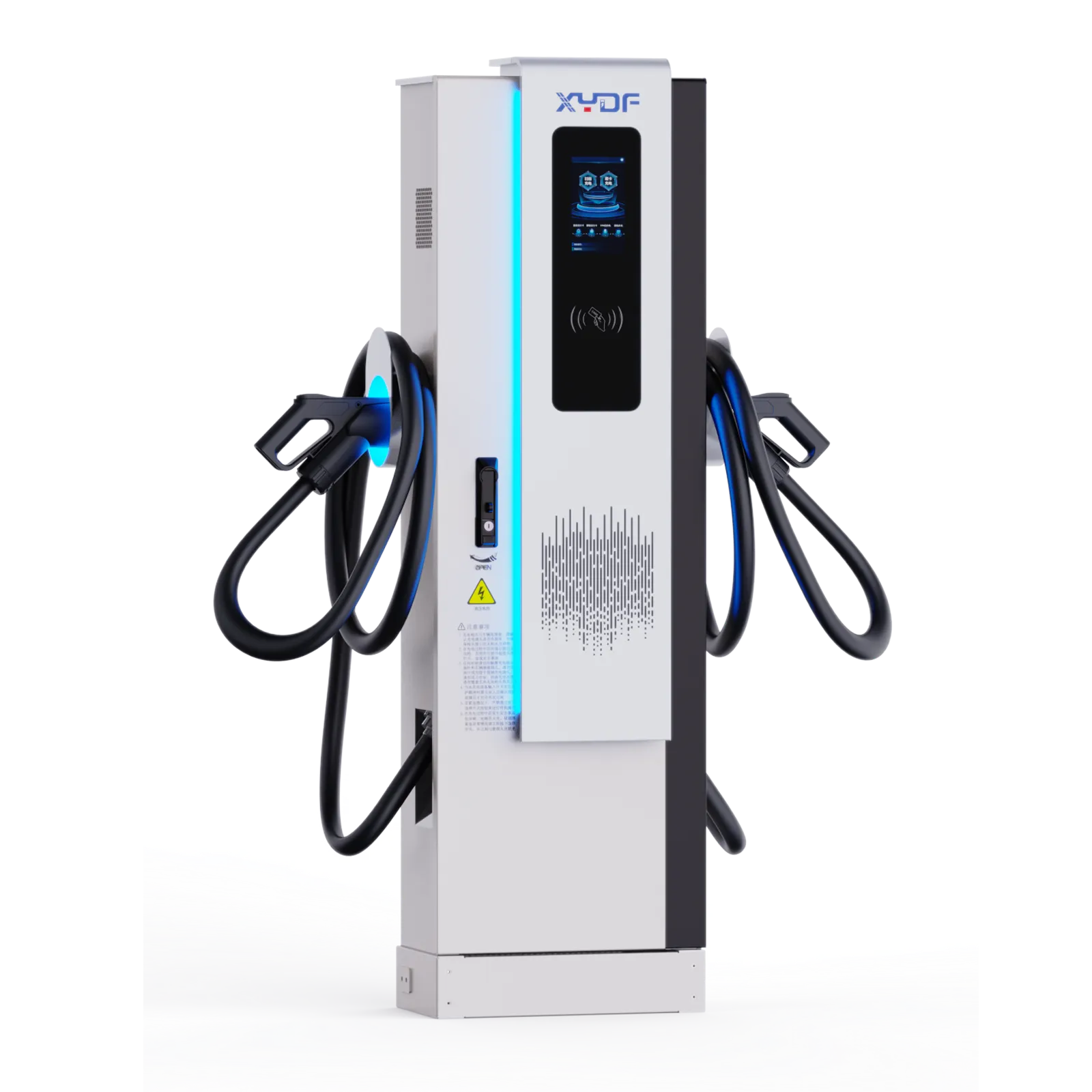
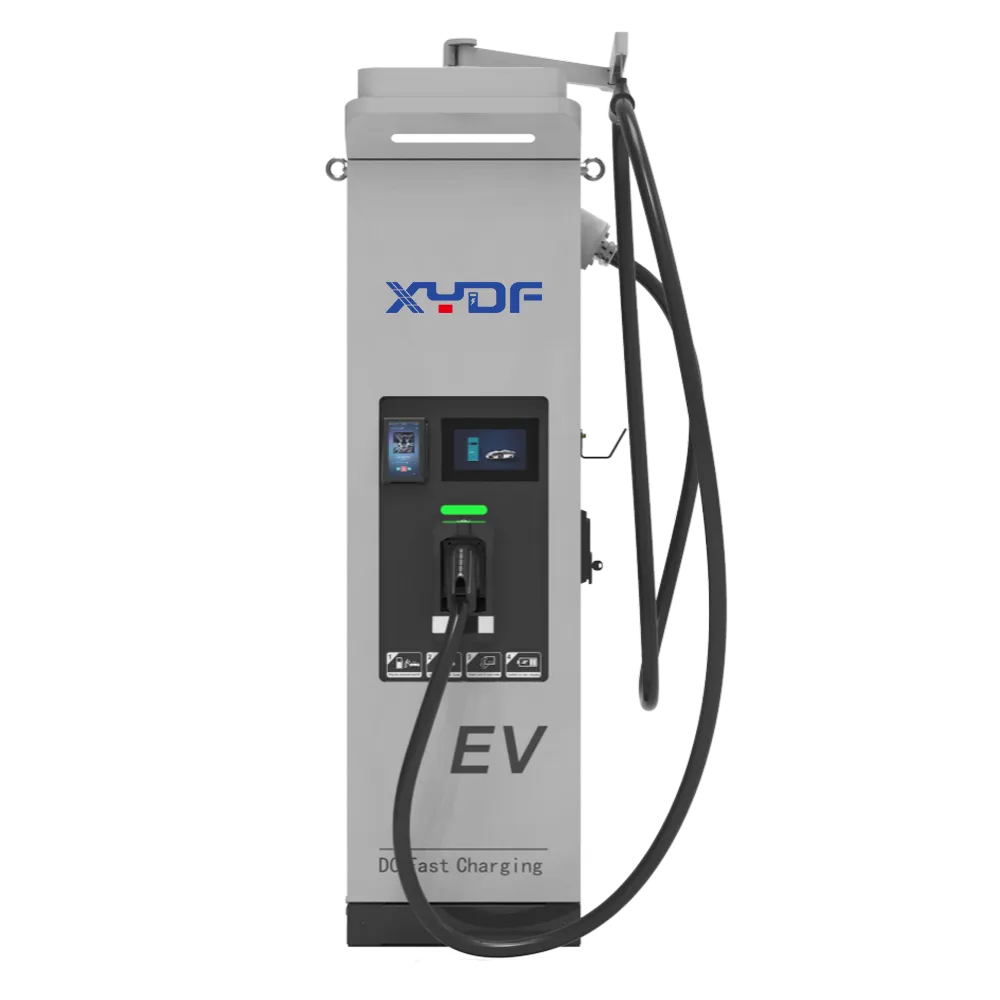
A supplier discussion should identify the actual product rather than rely on a generic charger description. For example, record the selected AC EV charger or DC fast charger, its installation documentation and the responsible service organization. XYDF’s product pages can help identify the proposed equipment; model-specific documents and contractual terms still need to be agreed for the project.
Which records help support an EV charging insurance claim?
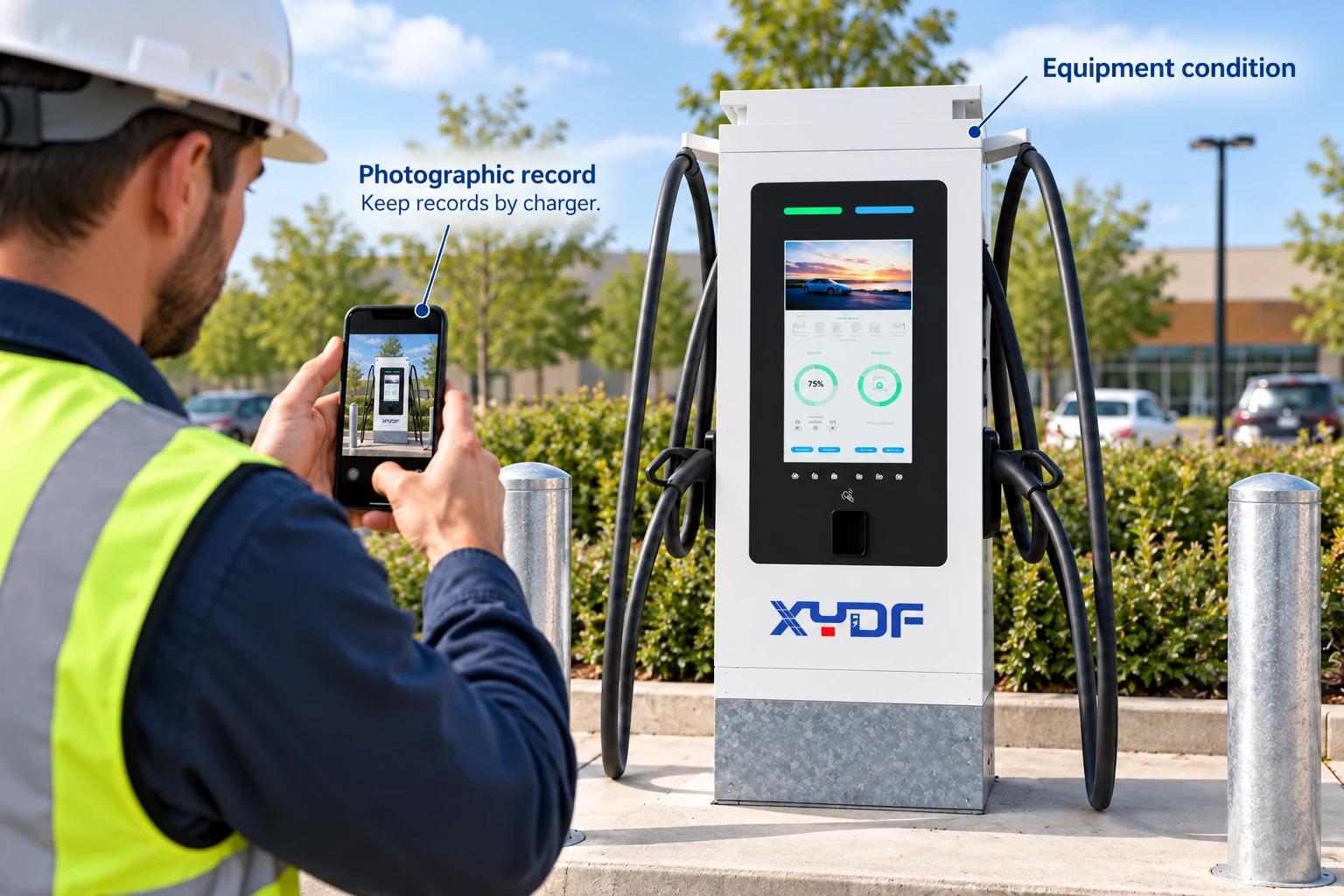
Useful EV charging risk management keeps the evidence needed to explain what happened, what was affected and what action was taken. Start with the asset register, purchase documents, policy details, host agreement and commissioning record. Maintain inspection results, faults, software-change records and service work orders during operation.
After an incident, protect people and have the equipment secured by the appropriate competent personnel. Follow the policy’s notification requirements, preserve relevant photographs and logs, and record when the site stopped and resumed service. Avoid dismantling or disposing of affected components before the insurer or investigator has provided any required instructions, unless an immediate safety need requires action. Document that action and its reason.
Retain only the personal information needed for the incident and handle it under applicable privacy rules. A clear chronology and consistent asset identifiers are more useful than a folder of unrelated screenshots. Keep emergency work, permanent repair and revenue records distinct so the circumstances and costs can be traced.
What else do charging site owners ask about insurance?
What insurance does a commercial EV charging station need?
Review liability, property, equipment breakdown, business interruption and cyber exposure against the actual site and operating model. Manufacturers, suppliers, installers and employers may have additional obligations. The required cover and limits depend on local law, contracts and policy terms.
Who is liable if a vehicle or person is injured at an EV charger?
Liability follows the circumstances and legal duties of the parties involved. The site host, operator, supplier or contractor may have different responsibilities, and more than one can face a claim. Ownership or a contract label alone does not determine the outcome.
Does commercial property insurance cover EV charging equipment?
It may, if the equipment, location and relevant risks are within the policy’s scope. Confirm leased equipment, outdoor installations, breakdown, theft and reinstatement costs explicitly. Do not assume a building policy automatically covers a separately owned charger.
What liability risks should a site host and charging operator separate?
Agree responsibility for access routes, inspection, cable condition, fault isolation, repairs, incident reporting and asset replacement. Ask the insurance adviser to review that allocation alongside indemnities and any additional-insured requirements. The arrangements should match who actually controls each task.
Does insurance cover charger vandalism, cable damage, or business interruption?
Some policies may cover specified losses, but causes, exclusions and deductibles differ. Business interruption also has its own trigger and settlement conditions. Obtain confirmation for each exposure rather than infer cover from a general policy title.
Which records help support an EV charging insurance claim?
Keep asset and purchase records, contracts, commissioning documents, inspection and repair histories, incident photographs and a dated timeline. Preserve relevant transaction and outage information when income is affected. Follow the insurer’s notification and evidence-preservation instructions.
References
U.S. Small Business Administration: Get business insurance. Insurance categories, risk assessment and working with a licensed agent.
U.S. Department of Energy, AFDC: Operation and Maintenance for Electric Vehicle Charging Infrastructure. Maintenance responsibilities, service terms and operational records.
UL Solutions: Field Evaluation Services. Evaluation of installed or modified equipment and the role of code authorities.
How should a charging business choose its cover?
The right insurance arrangement follows the site’s risks and responsibilities, rather than the charger price alone. First identify who owns each asset, controls daily operation and responds to a fault. Then describe credible losses, including third-party injury, equipment damage and disruption, and compare policy terms against those exposures. Resolve exclusions, valuation, waiting periods and contractual obligations before relying on a certificate of insurance. Keep model-specific equipment records and maintenance evidence current, especially after a modification or change of operator. These steps make the coverage discussion clearer without confusing compliance, warranty and insurance. XYDF can help identify the proposed charging equipment and relevant product information for that discussion; contact the team with the intended site and configuration while the insurance adviser determines the appropriate cover.