 شركة شينيا دونغفانغ لتكنولوجيا الكهرباء المحدودة.


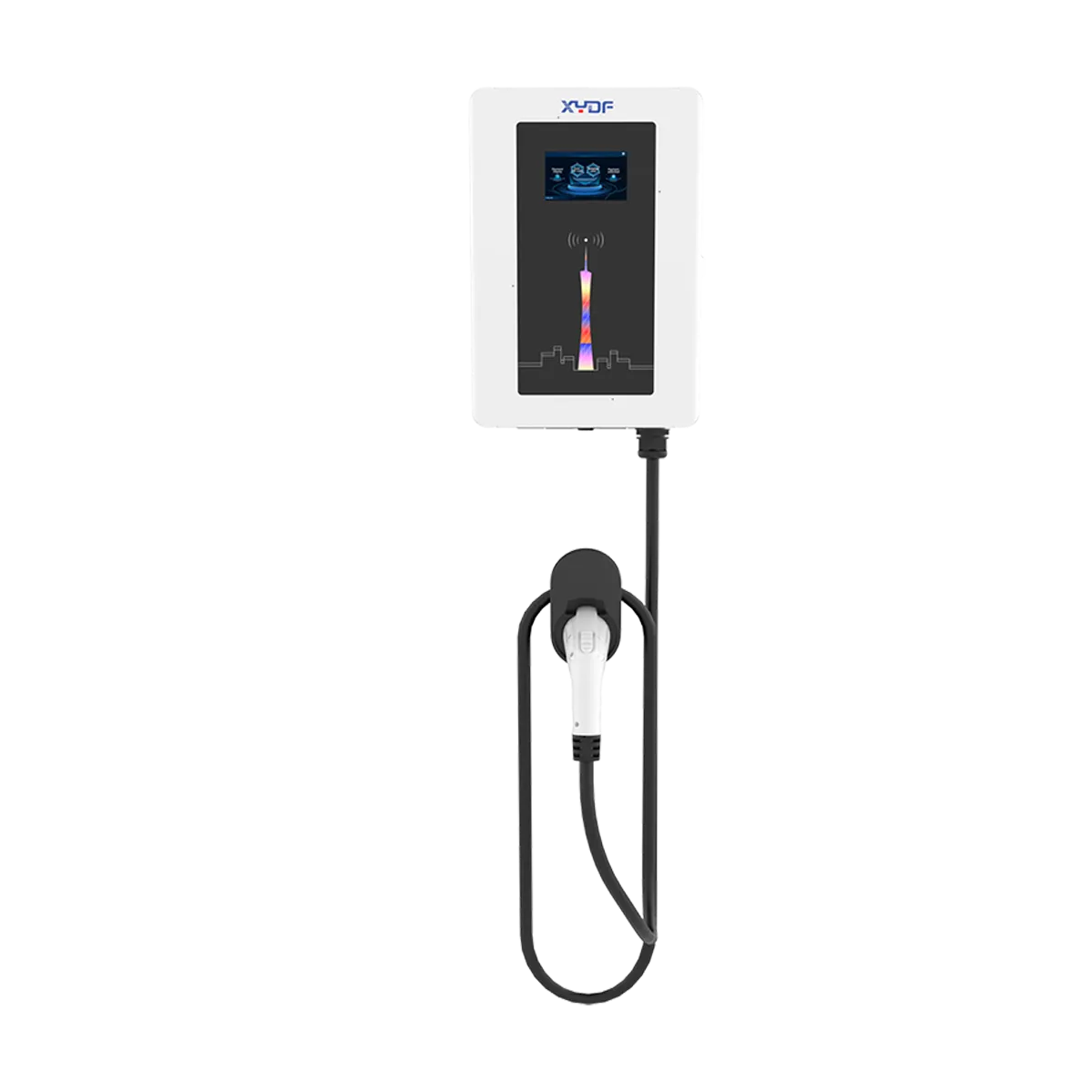
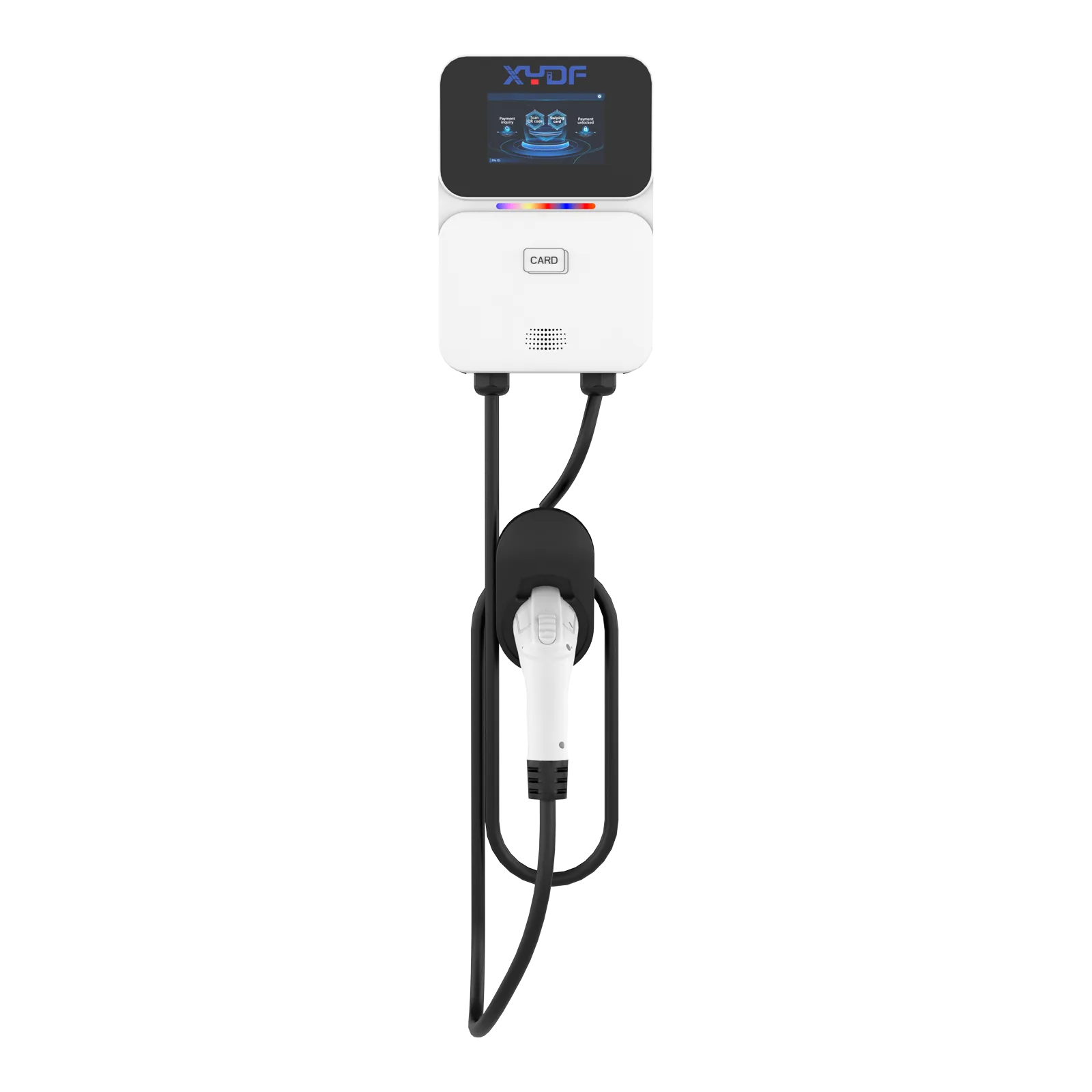
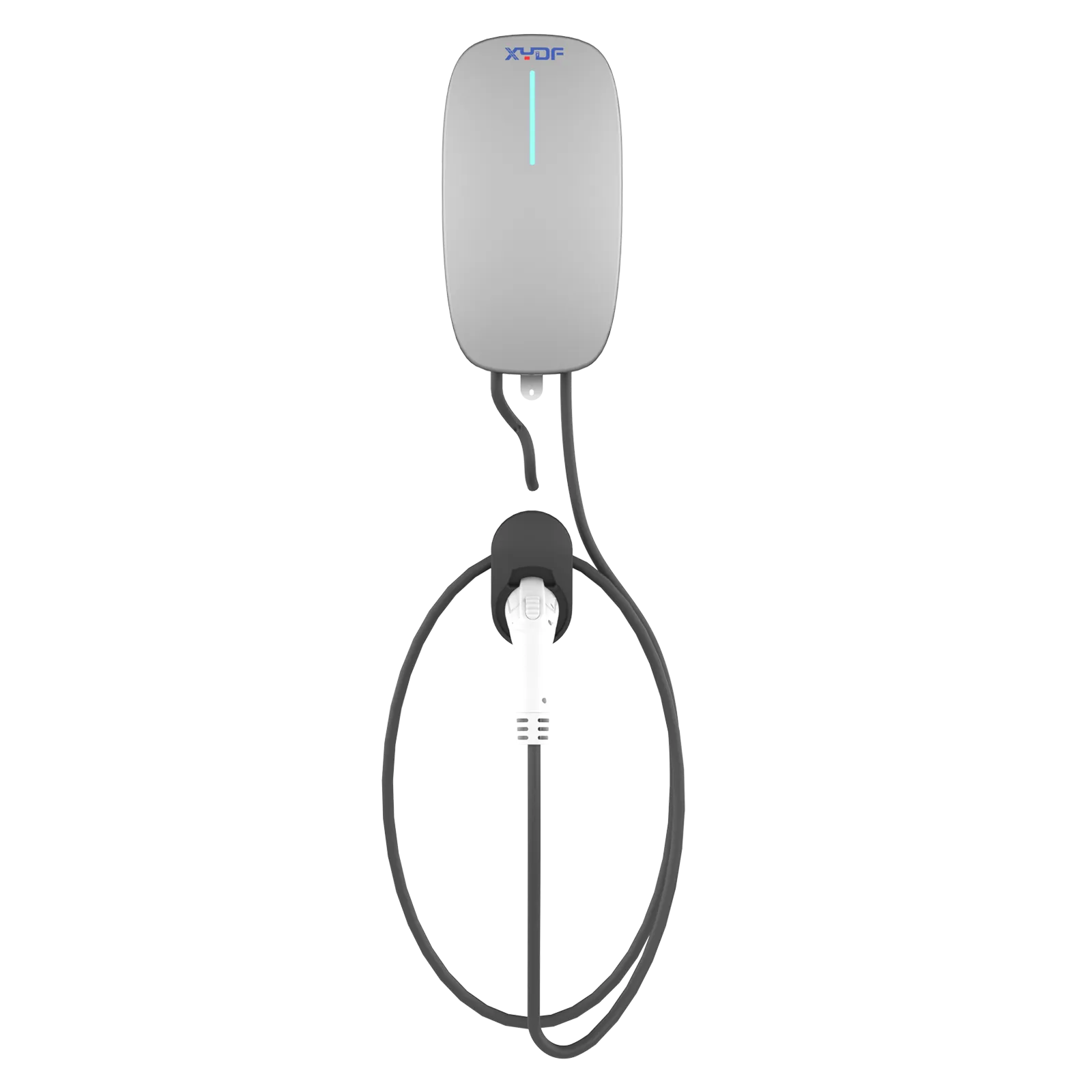
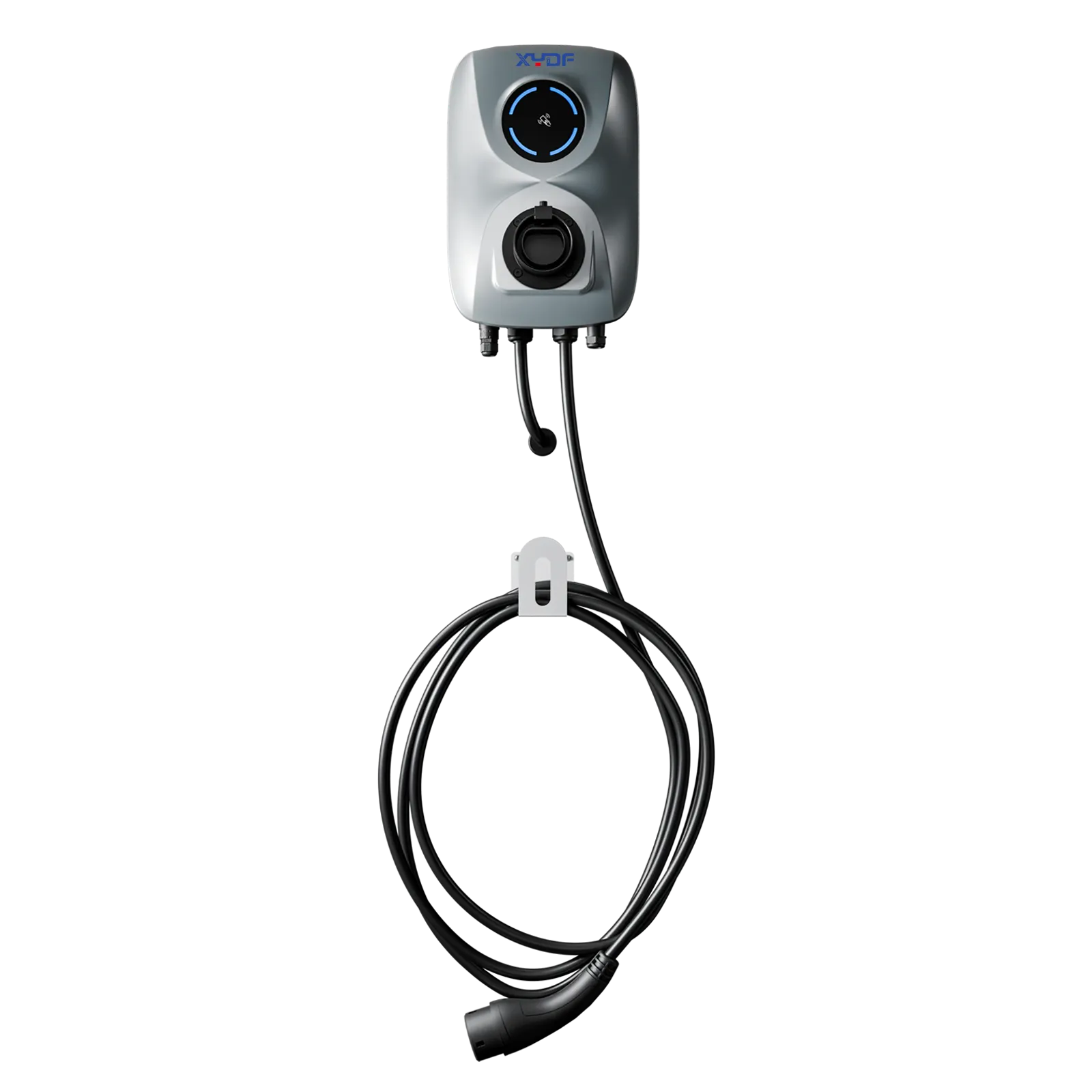
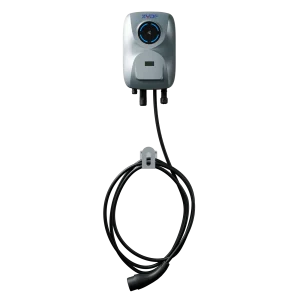
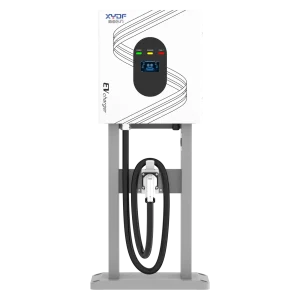

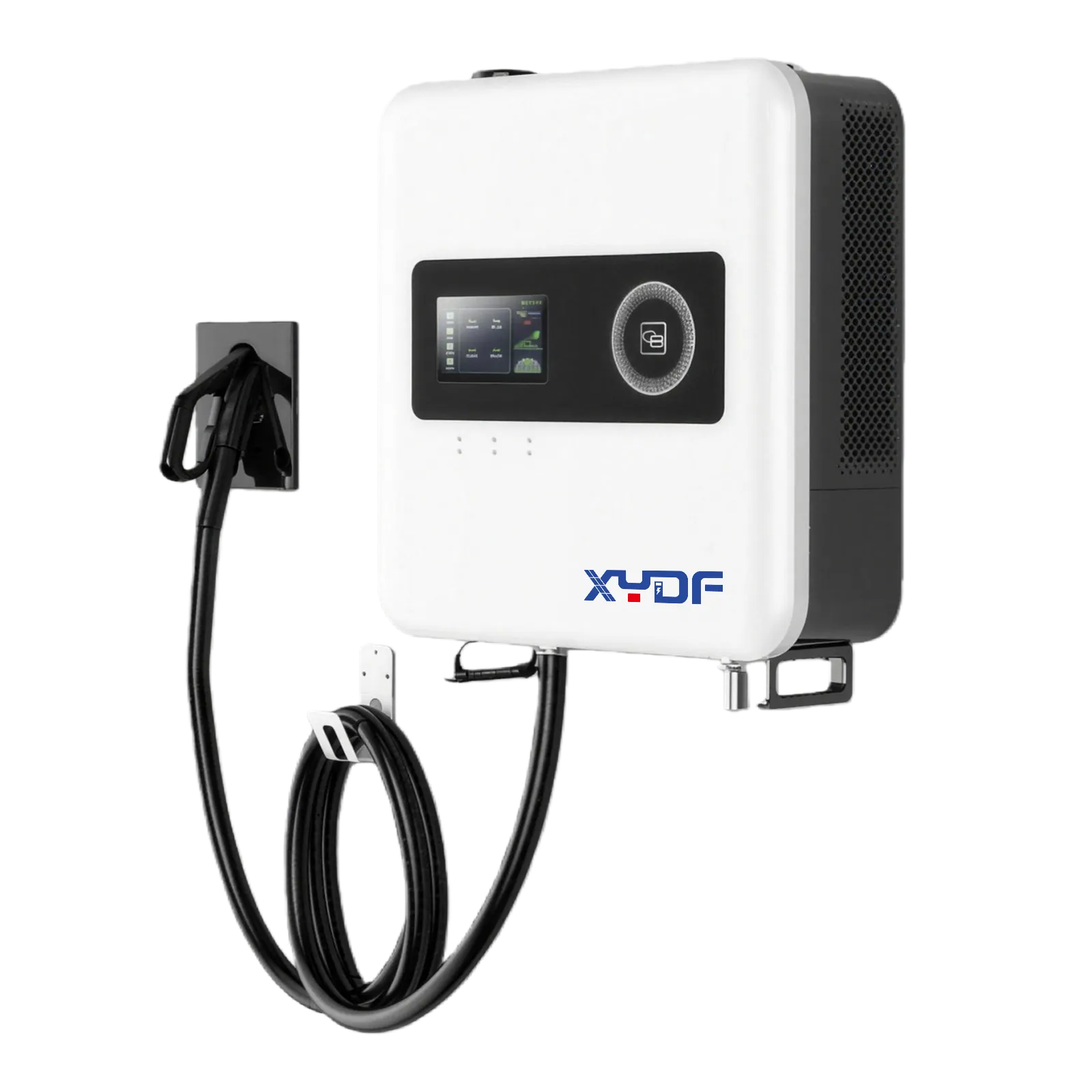
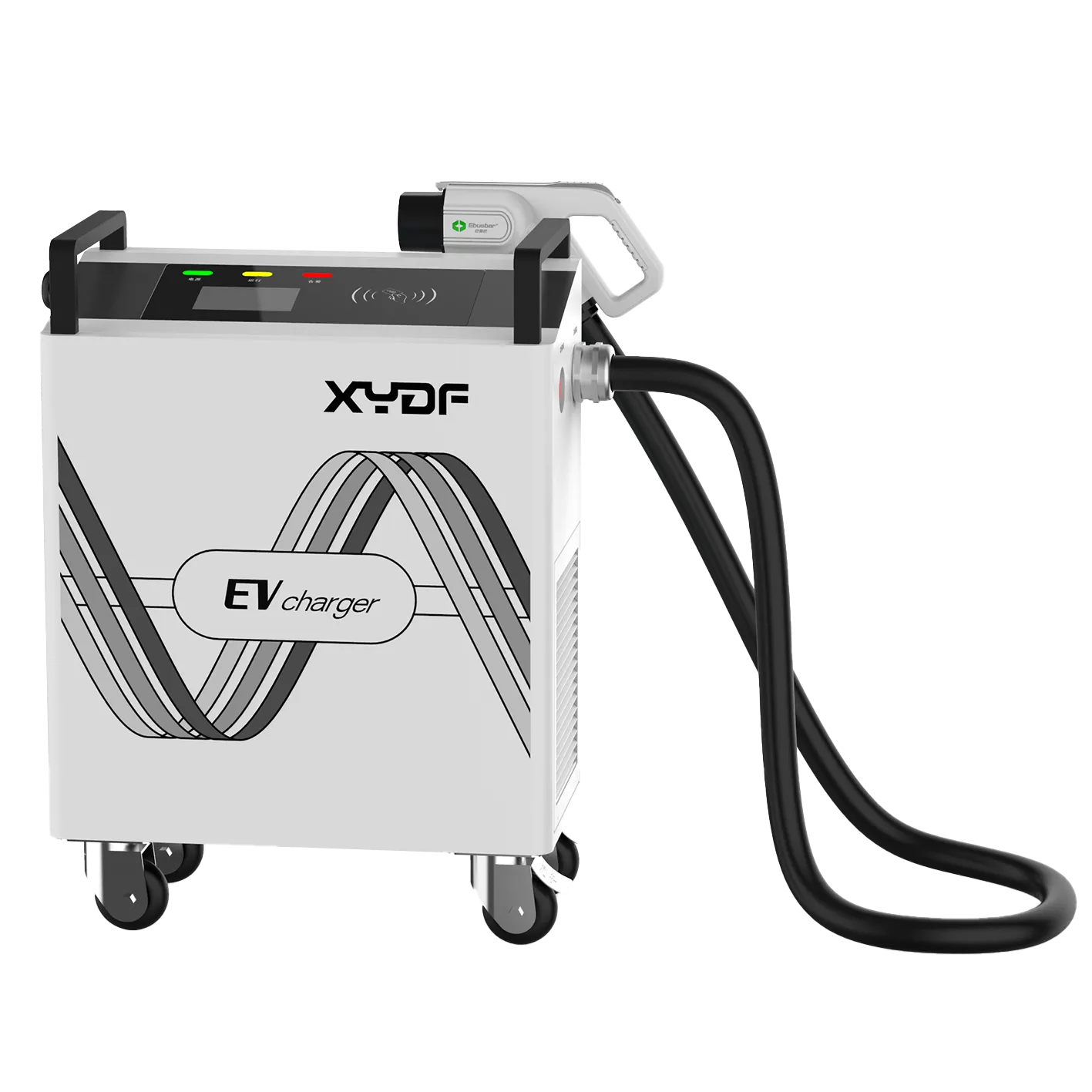
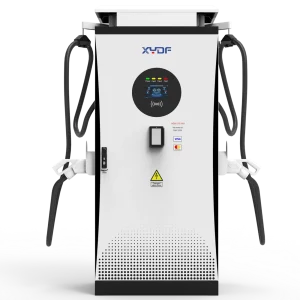
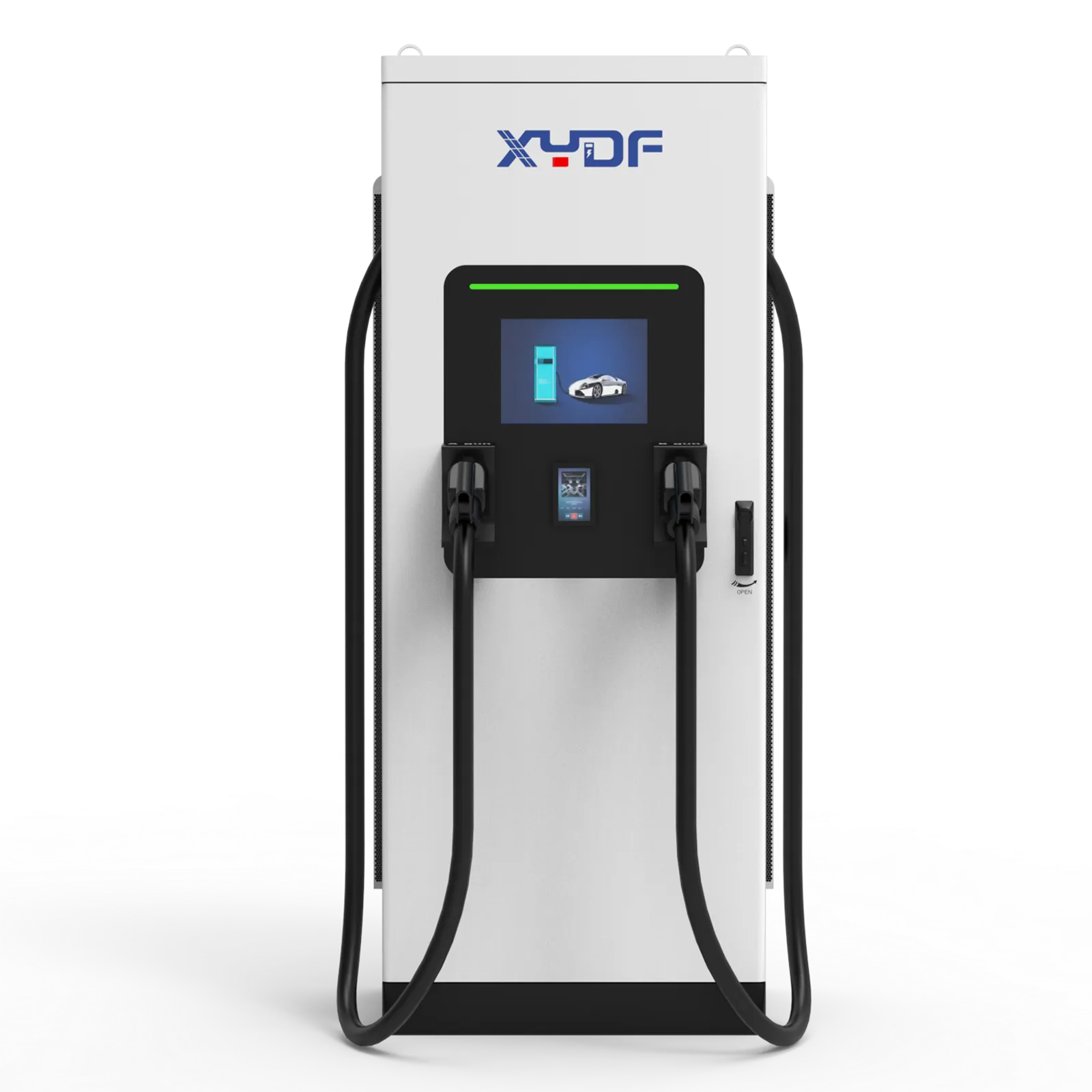
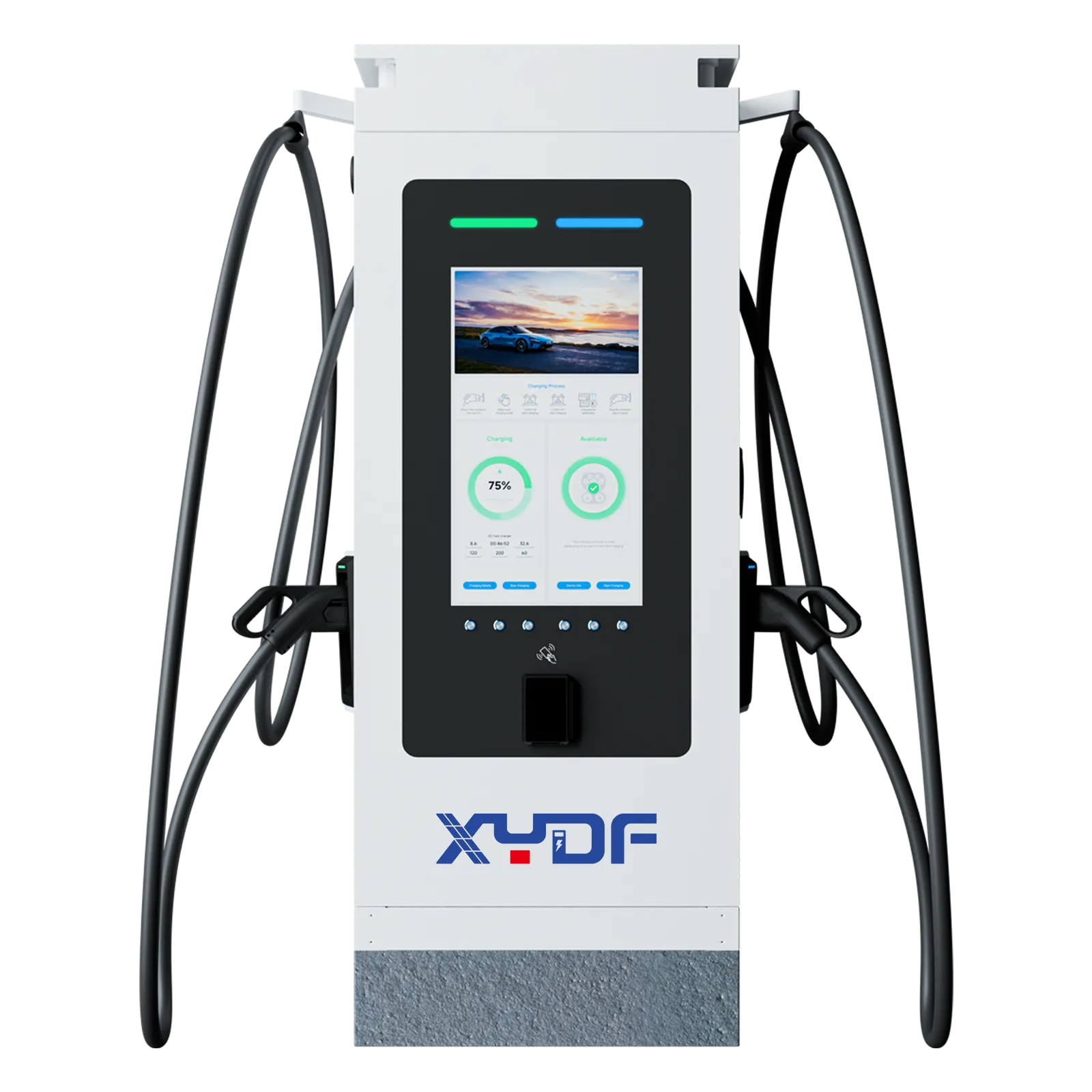
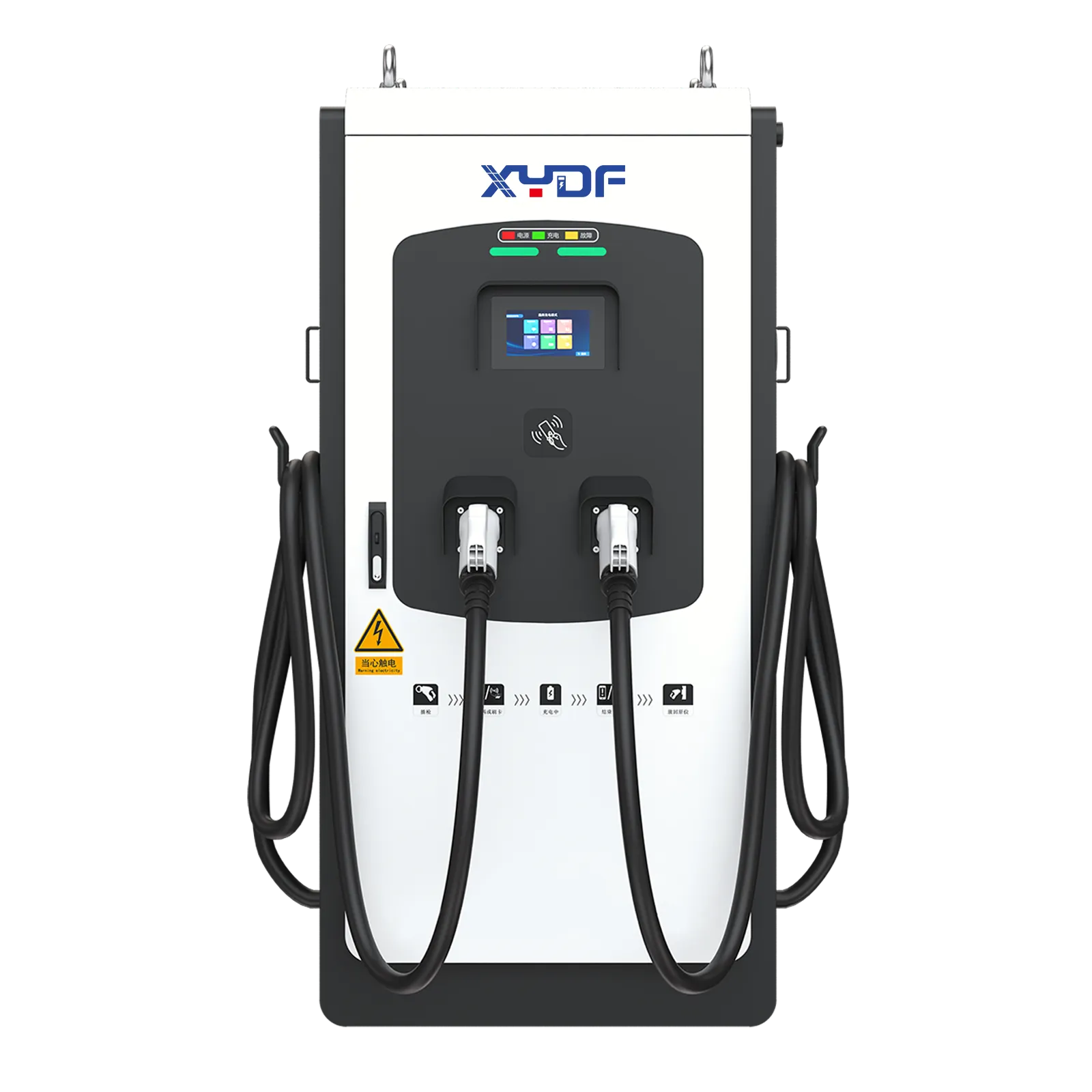
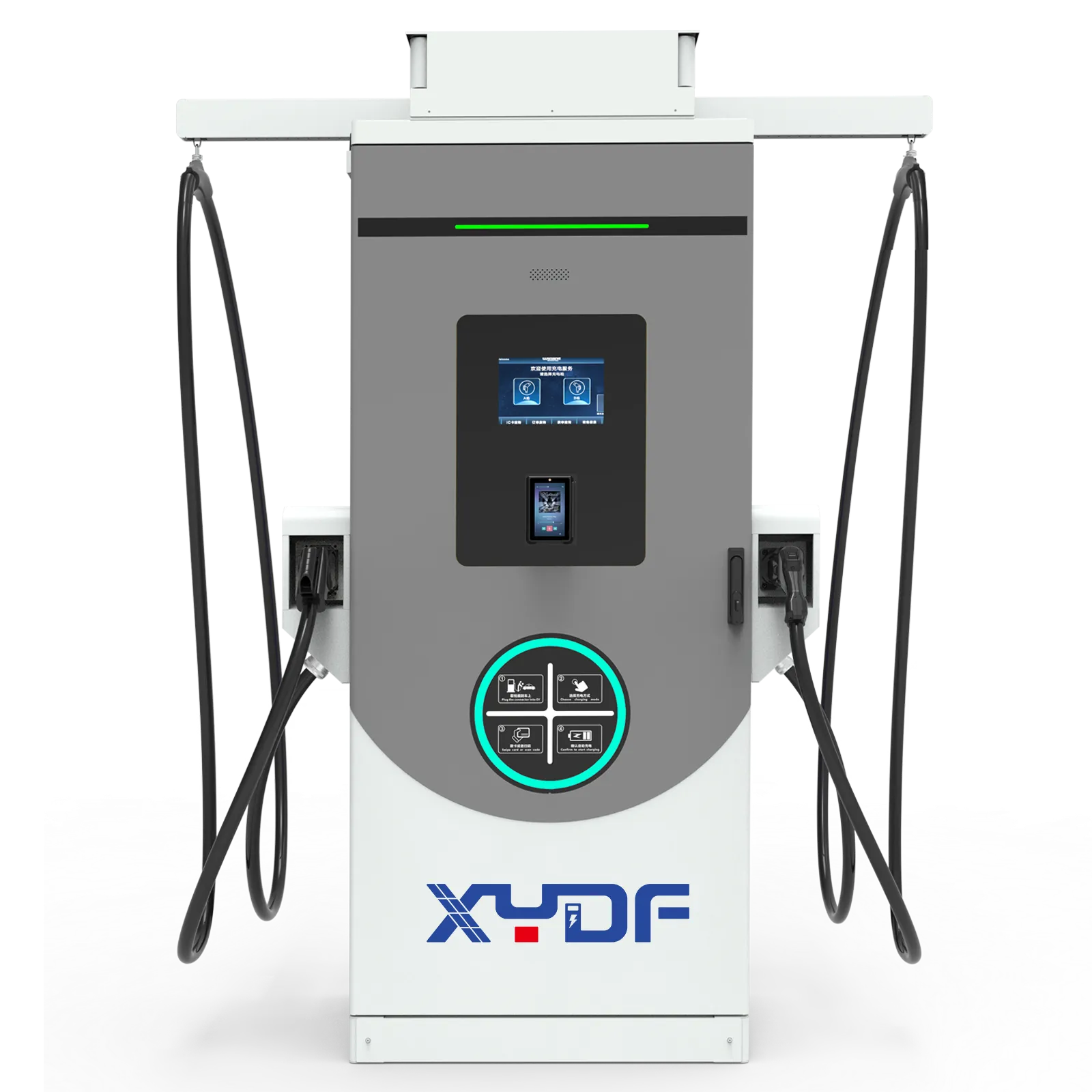
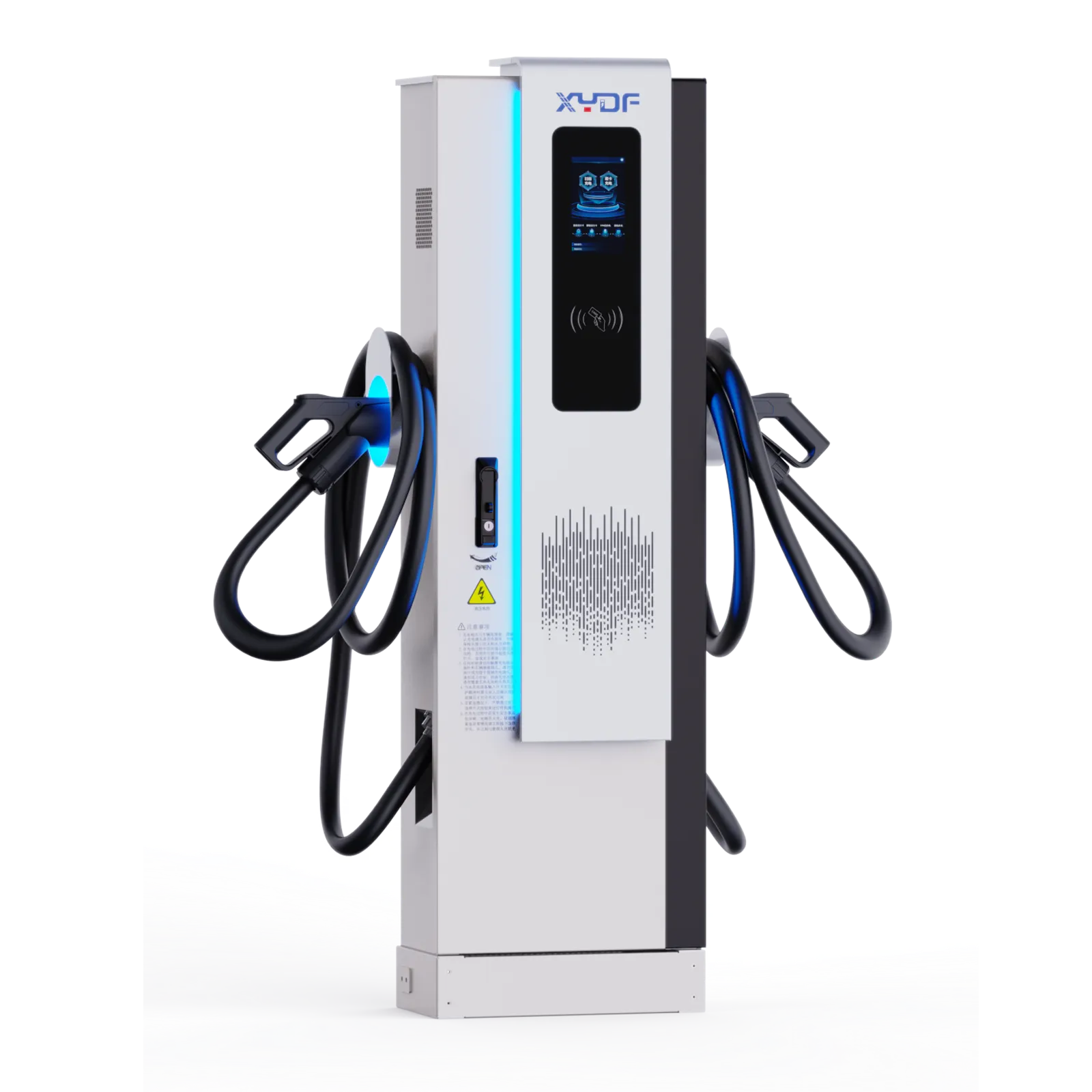
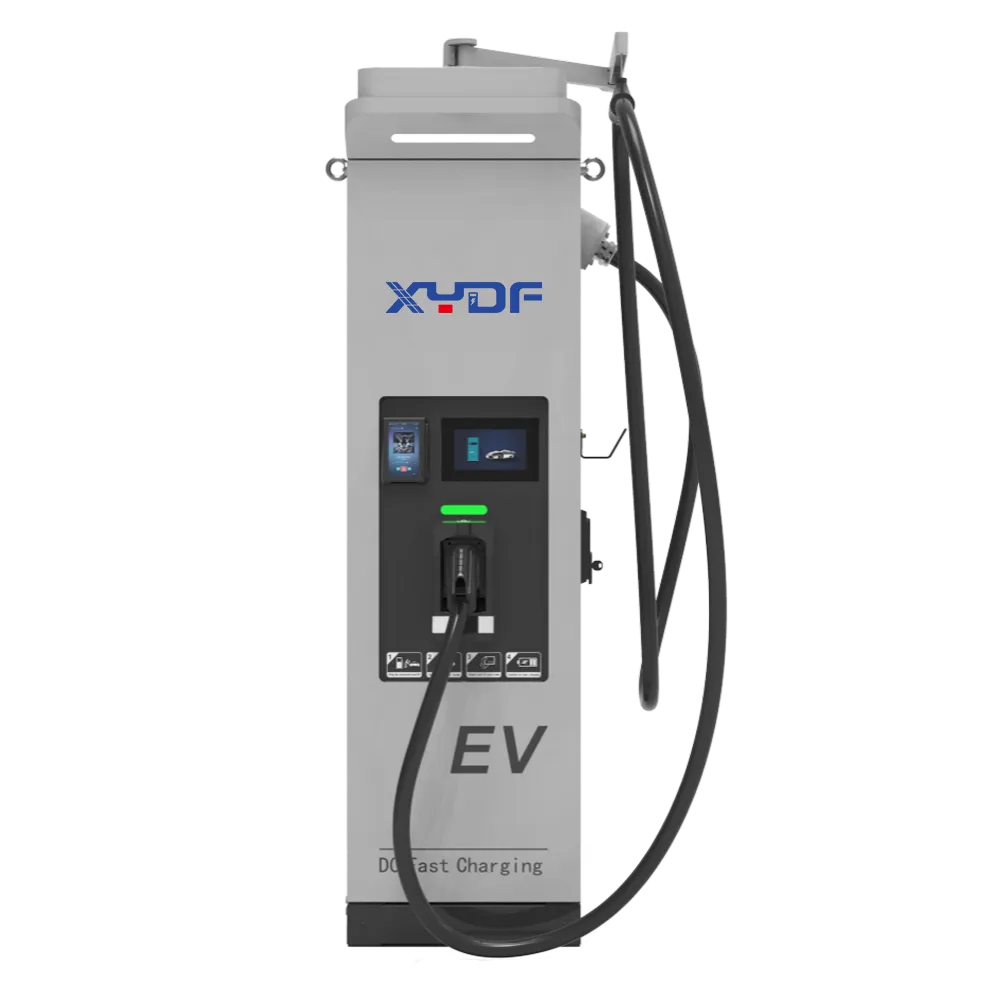
أن EV charger reliability claim is useful only when the failure definition, operating conditions and recovery evidence are visible. An impressive uptime percentage can hide unavailable payment, repeated resets or excluded outages, while a long warranty may cover parts but not field labor. Buyers should compare the exact service duty and evidence before deciding that one supplier is more reliable.
The short answer is to define the vehicle and site duty, verify relevant electrical and environmental tests, review comparable field records, then contract the data access and recovery responsibilities. Reliable EV charging equipment needs both service readiness and successful charging; neither an MTBF estimate nor a protocol badge proves those outcomes. Require a clear uptime formula, denominator, exclusions and measurement period alongside response, restoration and warranty terms.
What must a supplier prove before bids can be compared?
Request a model-specific evidence pack that connects the offered configuration to its test conditions, comparable field population and service responsibilities. The IEC 61851-1 scope concerns charging-system requirements, not an uptime guarantee. Ask separately for the period, raw counts and exclusions behind each availability claim.
Record missing information as an unresolved condition, rather than scoring an unsupported percentage as equivalent to an audited operating record. The next step is to make the site’s duty and failure criteria explicit so each bidder answers the same questions.
Which duty cycle and failures should the tender define?
Write the operating profile first: AC or DC topology, rated current, sessions per day, idle time, cable handling, payment or RFID method, OCPP version, and expected service hours. Add site stresses such as salt mist, dust, direct sun, freezing rain, wash-down, vibration, and grid disturbances.
Then define what counts as a failure: a safety trip, an unavailable connector, a session that ends early, loss of network heartbeat, or power below an agreed tolerance. This definition keeps laboratory results, field incidents, and service-level terms tied to the same operating outcome.
What can MTBF tell a buyer, and what can it not prove?
EV charger MTBF is a statistical estimate for a defined population and test profile. It is not a warranty period and does not predict the next failure of an individual charger. Request the sample size, operating hours, censoring method, confidence level, and whether infant mortality and planned maintenance were included. An unspecified number is a prompt for more evidence, not a basis for ranking suppliers.
Which electrical and environmental test evidence matters?
Electrical and thermal tests should represent the complete charger
Ask for test records showing protective-device operation, insulation or dielectric checks, control-pilot behavior, connector temperature rise, derating, and restart after an over-temperature event. IEC 61851-1 is the baseline reference for conductive charging-system safety and control; confirm which edition and national deviations apply in the destination market. Thermal cycling should reflect the enclosure, power modules, cable, and seals together, not a circuit board in isolation.
Ingress ratings do not cover every climate risk
Use IEC 60529 IP codes to verify protection against solids and water, but read the test scope and mounting orientation. An IP rating is not a promise of corrosion resistance, impact strength, UV life, or successful operation while a door is open. For coastal or high-dust sites, request the supplier’s salt-mist, humidity, UV, and dust methods, plus post-test functional checks; specify the exact installation configuration.
How can uptime and field records be compared fairly?
Measure مدة تشغيل محطة الشحن as usable connector-hours divided by scheduled connector-hours, and publish the formula. Separate planned maintenance, site-power outages, communications outages, vehicle-side faults, and charger faults. Report session-success rate, mean time to detect, mean time to restore, repeat-fault rate, and spare-part turnaround by month or quarter. A dashboard that labels every unavailable minute is more useful than a rounded annual percentage.
A contractual connector-hour KPI must not be presented as a regulatory formula. Where a funding program or local rule imposes an availability duty, confirm its current scope, calculation, data and exclusions separately. A numerical threshold from one program is not a universal charger warranty.
Keep outage classifications auditable. Excluding utility, vehicle, network or planned-maintenance time requires the evidence and definition specified by the agreement or applicable rule. Track documented attempts and successful sessions separately: a time-based percentage cannot reveal how often drivers fail to start or complete charging.
Request anonymized field data from a comparable duty cycle: installed base, months in service, climate, software version, and denominator. Look for cohort trends after firmware releases and repeat failures on the same component. If a supplier cannot share raw records, ask for a signed data dictionary and an audit trail showing how incidents were classified.
What must an uptime guarantee and service commitment define?
| Contract item | Required definition | أدلة للطلب |
|---|---|---|
| Measurement unit | Port, charger or site, with operating hours and period | Raw timestamps and asset IDs |
| Up state | The agreed usable service, not only a connected controller | Availability and session outcomes |
| Exclusions | Named causes, allowed evidence and approval process | Classified events and retained records |
| Response | Acknowledgment or diagnostic action, with working-hours scope | Support ticket timestamps |
| Restoration | Validated service return, not simply a first reply | Repair timeline and test-session record |
| Remedy | Credit, replacement or other agreed response to a breach | Written terms and claims process |
Agree who owns the data, who validates exclusions and how disputes are resolved. Do not compare percentages until both bidders use the same definition and denominator.
Who restores service, and what does the warranty cover?
Reliability includes recovery. Check whether technicians can replace a contactor, fan, cable, or payment module without replacing the whole cabinet; verify diagnostics, remote-log access, spare-part stock, firmware rollback, and escalation hours. Map promised response and restoration times to the site’s operating risk, including weekends and multiple time zones.
Compare the warranty start date, coverage by subsystem, labor and freight, return-material authorization, software support, battery or cable exclusions, and remedies for repeated failure. This B2B warranty-terms comparison helps when bids use different definitions of “defect” or “availability.” ISO 9001 can support process discipline and corrective action; it is a quality-management-system standard, not proof that a charger will achieve a target uptime.
Compare each form of reliability evidence by what it can prove
| الأدلة | What it can answer | Limitation | Procurement use |
|---|---|---|---|
| IEC 61851 test record | Whether charging control and protection functions were assessed | Does not set the site’s uptime target | Make edition, scope, and deviations explicit |
| IEC 60529 IP test | Resistance to specified dust/water exposure | Not corrosion, UV, impact, or open-door operation | Match code and mounting to the installation |
| MTBF estimate | Reliability model under stated assumptions | Highly sensitive to profile and sample size | Require method, confidence, and failure definition |
| Field uptime report | Observed availability and restoration performance | Can hide exclusions or denominator changes | Audit raw events and cohort boundaries |
| Warranty and service schedule | Who pays and how faults are recovered | Commercial protection is not physical reliability | Score exclusions, spares, and response commitments |
Which procurement checks should be completed before volume release?
| Risk dimension | أدلة للطلب | Acceptance question |
|---|---|---|
| Climate and enclosure | Temperature/humidity profile, IP report, corrosion and UV methods | Was the complete, installed configuration tested? |
| Power quality | Surge, brownout, restart, and protective-trip records | Does it recover safely without a technician? |
| العمليات | Connector-hour uptime, session success, MTTR definitions | Are planned and third-party outages separated? |
| Serviceability | Service manual, diagnostic access, spare-part and training plan | Can a local technician restore one connector? |
| Commercial terms | Warranty matrix, SLA, exclusions, RMA workflow | What happens after a repeat failure? |
Use a repeatable workflow from specification through pilot operation
- Set site-specific duty-cycle, climate, uptime, and restoration requirements.
- Issue a common evidence template so every bidder reports the same denominator and test scope.
- Witness or independently review thermal, ingress, protective, and communications tests.
- Pilot a representative number of units; monitor connector-hours, session outcomes, alarms, and service tickets through a defined season.
- Contract data access, spare-part availability, firmware support, and warranty remedies before volume release.
When documentation, configuration, or pilot support is the differentiator, an OEM/ODM partner such as XYDF can be evaluated against the same evidence checklist as any supplier. Review its factory-testing and incoming-inspection workflow, then verify claims against the project’s own acceptance plan. For enclosure decisions, see the IP-rating selection guide.
الأسئلة الشائعة
What is a good MTBF for an EV charger?
There is no universal pass number. Compare MTBF only when the duty cycle, environment, sample size, confidence level, and failure definition are equivalent; pair it with field uptime and restoration data.
Does a higher IP rating mean a more reliable charger?
Not by itself. IEC 60529 addresses specified ingress tests, while corrosion, UV, impact, thermal cycling, and maintainability require separate evidence. Match the rating and test setup to the actual installation.
How should a buyer calculate charger uptime?
Use usable connector-hours divided by scheduled connector-hours, and show exclusions. Report planned maintenance, site power, network, vehicle, and charger faults separately so suppliers cannot improve the percentage by changing the denominator.
Which standards should be in an EV charger tender?
Reference the applicable edition of IEC 61851 and relevant national electrical rules; use IEC 60529 where an IP claim matters. ISO 9001 may describe process controls, but it is not a product-performance certification.
What warranty clauses protect fleet operators?
Specify coverage by subsystem, labor and freight, response and restoration times, software support, repeat-failure remedies, and data access. Align exclusions with the climate and duty cycle, and document the RMA path before commissioning.
ما هي أدلة الموثوقية التي ينبغي على مشتري شاحن للسيارات طلبها؟
تطلب تعاريف حالات الفشل، وسجلات توافر الجلسات، وتاريخ التنبيه وإعادة الضبط، وأوقات الاستجابة والتعافي، واختصاصات قطع الغيار أو خدمات الصيانة الخاصة بالتكوين المحدد. قم بمقارنة الأدلة حسب حالة التشغيل وفترة القياس؛ لا تعامل قيمة MTBF الفردية أو ادعاء وقت التشغيل الممنوح من المورد كدليل على استمرارية التشغيل في الموقع في المستقبل.
المراجع
- IEC 61851-1:2017 — المتطلبات العامة لتشغيل الشحن الكهربائي
- IEC 60529: tested enclosure protection
- U.S. DOE AFDC: maintenance contracts and responsibilities
- Open Charge Alliance: protocol certification scope
خاتمة
Evaluate reliability as a documented operating result and recovery process. Define the duty, failure criteria and measurement period, verify the complete configuration’s relevant tests, then compare field records using consistent denominators and exclusions. Pair availability with session success so a connected controller does not conceal a failed charging experience. An MTBF estimate is not a warranty period, and a warranty is not proof of physical reliability; service acknowledgment is also different from restoration. Require approved spares, diagnostic access and a recorded test before closing a repair. XYDF can be assessed against the same evidence requirements as other suppliers; request a reliability evidence review with the duty cycle, destination market and required service outcomes.