كيفية إنشاء خطة صيانة وقائية لمحطات شحن المركبات الكهربائية العامة
20 يوليو 2026
مدونة
A خطة الصيانة الوقائية لمحطات شحن المركبات الكهربائية العامة يعرّف المسؤولية، ويتبع الإرشادات المعتمدة من شركة تصنيع المعدات، ويجمع بين الفحص الروتيني ومراجعة الأعطال عن بُعد، ويُرسل أعمال الكهرباء إلى موظفين مؤهلين. مركز بيانات الوقود البديل يحدد تخزين الكابلات بشكل آمن، والتحقق الدوري من الحالة وتنظيفها كأدوات أساسية لصيانة البنية التحتية الخاصة بالبطاريات.
الجزء الأول: ما الذي ينبغي أن يسيطر عليه خطة الصيانة الوقائية للتشغيل العام للبطاريات؟
ينبغي وصف الموثوقية بأنها دليل تشغيلي ملموس بدلاً من مجرد رقم تسويقي واحد. اسأل عن تعريفات حالات الفشل، وتوافر الجلسات، وتاريخ الإنذارات، وسجلات الاستجابة والتعافي، وفترات التفتيش، وتغطية قطع الغيار، والظروف التي تم فيها جمع الأدلة. قد يكون مؤشر MTBF أو رقم الطاقة الموصى به جزءًا من الاستعراض، لكن لا يحل أي منهما محل عملية واضحة لإدارة حالات الفشل والصيانة. للاطلاع على السياق العام للتخطيط، انظر متطلبات نظام الشحن السلكي IEC 61851-1; لا يزال سجل القبول المخصص للموقع يحدد القرار النهائي.
يحتوي الخطة المفيدة على أكثر من مجرد جدول زمني. فهو يحدد قائمة الأصول، والجهات التي تراقب الظروف، والجهات التي تستعرض الأعطال البعيدة عن المنشأة، والوظائف التي تتطلب خدمات كهربائية مؤهلة، وكيفية تأمين العطل، وكيفية تسجيل الإصلاحات المنجزة.
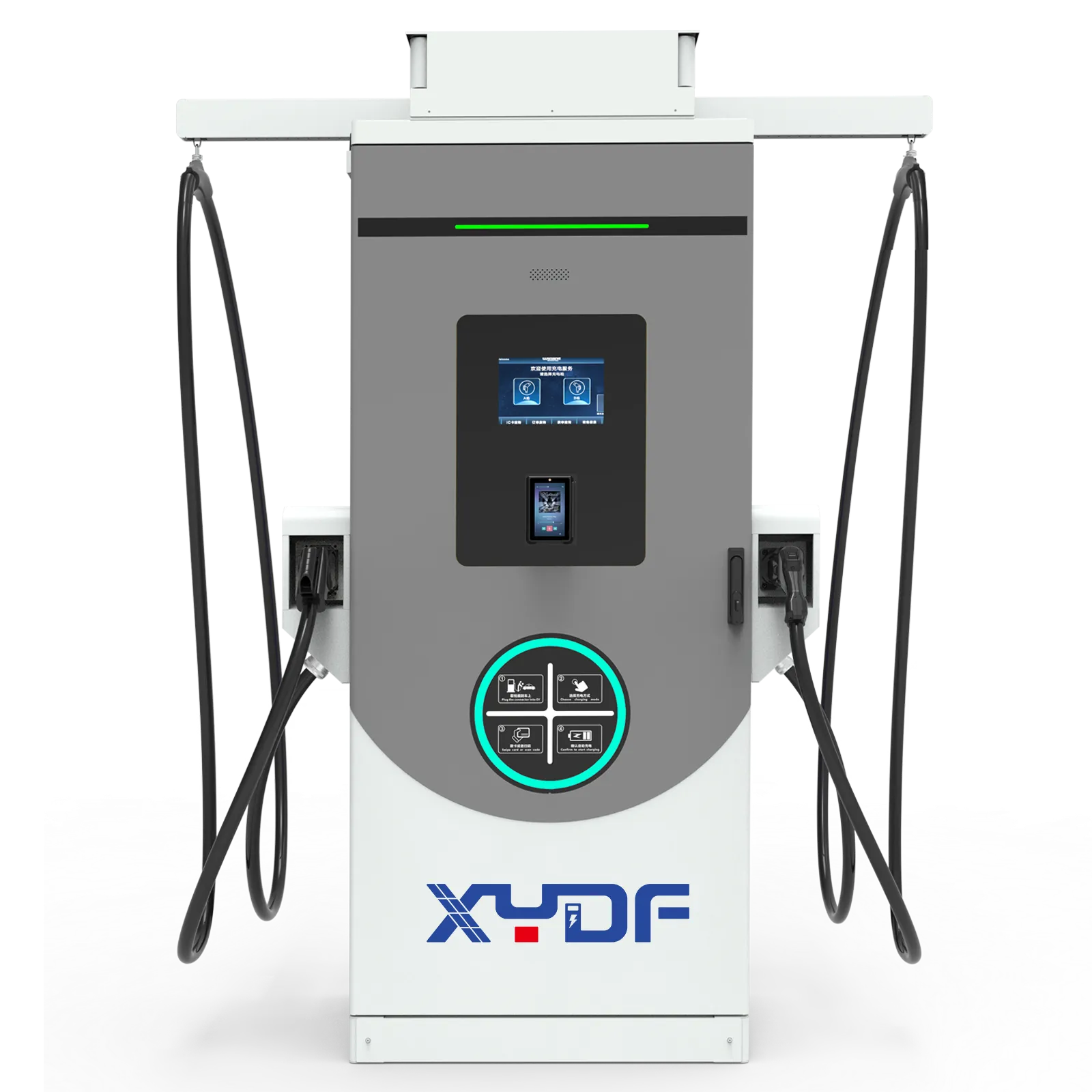
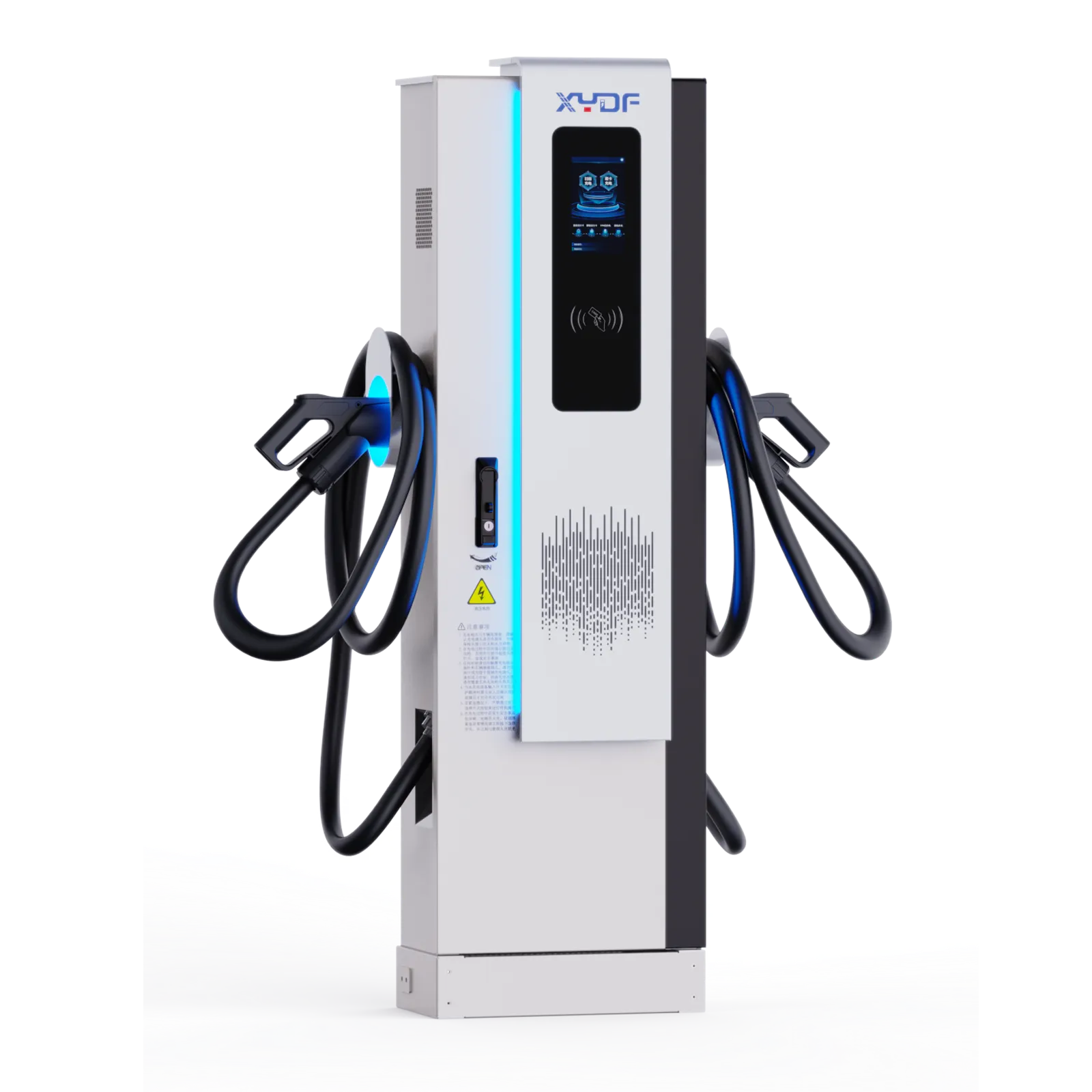
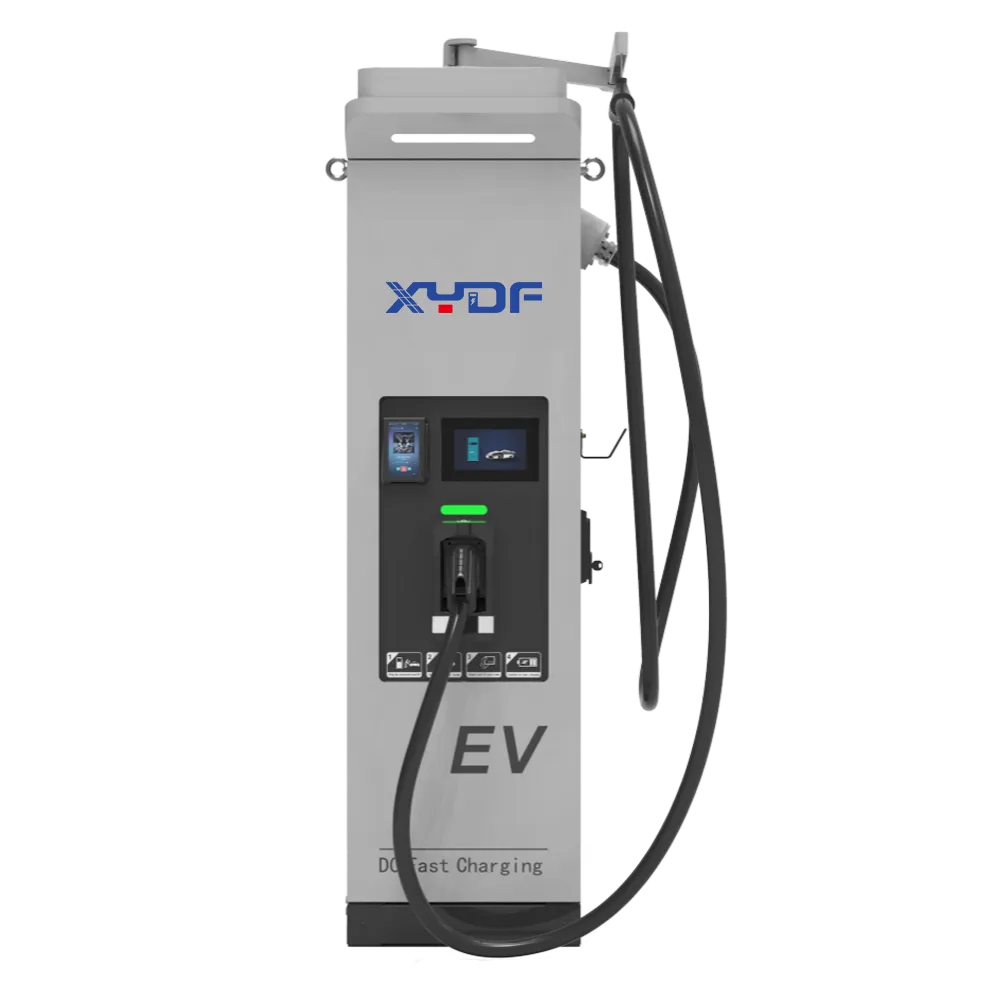
تجمع محطات الشحن العامة معدات الطاقة والكابلات والوصلات التي يديرها المستخدم، والشاشات، ومنافذ الدفع أو الوصول، والاتصالات الشبكية، ومحيط منطقة التخزين. يوصي دليل المشغل الخاص بمحطة الشحن العامة التابعة لـ NREL باتباع إرشادات الشركة المصنعة واستخدام دعم شركة كهرباء مؤهلة عند الحاجة إلى عمليات التفتيش الدوري والاختبار والصيانة الوقائية.
تحديد ملكية العمل قبل أول أمر عمل:
يقوم موظفو الموقع بإجراء عمليات المراقبة البصرية غير التطفلية وتقديم تقارير عن العيوب؛;
يقوم موظفو العمل بمراجعة مدى التوافر وبيانات الإنذار والمعاملات؛;
تُجري مؤسسة الخدمة المأذون لها الخدمة التي يوجهها المصنع؛;
يوافق مالك الموجودات على إغلاق المنشأة فقط بعد استكمال الوثائق والأدلة على استئناف التشغيل.
يجب أن يحدد برنامج الصيانة الوقائية لمحطات شحن المركبات الكهربائية العامة فترات زمنية بناءً على ظروف التشغيل والبيئة ونتائج الأعطال، وليس على أساس جدول شهري عام. قم بدمج قائمة مرجعية مرئية، وأجهزة إنذار عن بُعد، وتفتيش على الموصلات والكابلات، وأدلة حرارية، وتغييرات في البرنامج الثابت يتم التحكم فيها، وهدف قياسي لمدى التشغيل، بالإضافة إلى طرق عزل المسارات واختبارات الكهرباء من قبل موظفين مؤهلين وفقًا لإرشادات الشركة المصنعة والقواعد المحلية.
الجزء الثاني: ما هي الأصول والإشارات إلى الفشل التي ينبغي إضافتها إلى قائمة المراجعة؟
ابدأ بالبنود التي يلمسها المستخدمون والظروف التي قد تمنع نجاح الجلسة. يجب أن يكون لكل عنصر من هذه العناصر نقطة تفتيش محدّدة اسمه: الكابلات، ومكونات الموصلات، والمسامير، والأحزمة، والشاشات، وأضواء الإشارة، ومنافذ الدفع، والأطقم، والختمات، وأبواب التهوية، ومكونات التركيب، واللوازم الأمنية القريبة.
الممتلكات أو الإشارة
التقاط الصور دون فتح الجهاز
تسجيل أو تصعيد عند
الأسلاك وتخفيف الضغط
التقطيع، والخدش، والتشوه، والمواد المعرضة للخطر، أو الكابلات غير المستقرة
أي تلف أو تقرير عن ارتفاع درجة الحرارة غير الطبيعي أو الموصل الذي لا يمكن تثبيته بشكل آمن
وصلة وفتحة
الغبار والرطوبة والأزرار المتضررة وتغيُّر اللون وفشل اللمسة أو التلوث
تالفت البراغي أو المقبض أو الغلاف؛ لا تعتمد على إعادة الضبط.
التخزين والتثبيت
العفناتين والتآكل والأدوات الميكانيكية المتقطعة، والماء المتسرب، والخدوش أو التخريب
قد يتعرض الغلاف للخطر أو قد لا يكون التصنيف مستقرًا بعد الآن
الشاشة والضوء ومنافذ الدفع/الوصول
عدم وضوح النص، رسائل غير طبيعية، عدم وجود حالة نشاط، فشل في تدفق المعاملات
تؤثر خلل متكرر في وصول الشحن أو الدفع.
فعاليات الشبكة والبطاريات
حالة عدم الاتصال، وأخطاء متكررة، وخطوات بدء غير ناجحة أو جلسات غير كاملة
إن الاتجاه أو تكرار حدوثه أو تقرير العميل يشير إلى وجود مشكلة متكررة.
يحدد المشغلون باستمرار تعب الكابلات، وإصابة الموصلات، ومشاكل الشاشة، والتخريب، والتنبيهات المتعلقة بالعيوب كظروف أولية تتطلب استجابة موثقة. مناقشة خطة صيانة SMRP يُستخدم هنا كدليل على لغة المشترين، وليس كدليل فني.
فحص الموصلات والكابلات والمحاصرات
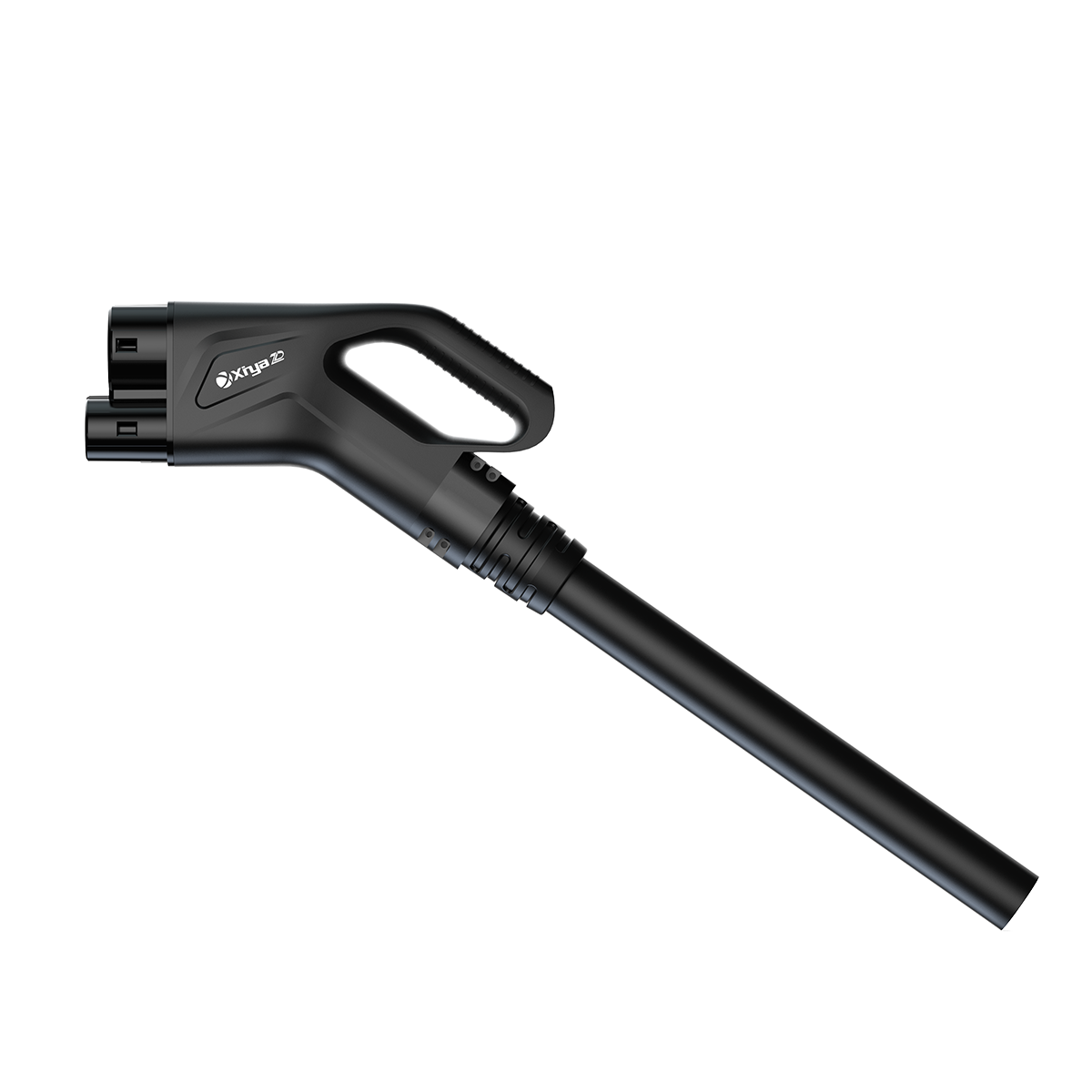
أن قائمة المراجعة اللازمة لصيانة شاحن السيارات الكهربائية يجب أن يغطي كل كابل يتم التعامل معه من قبل المستخدم ضد التكسير والتسطيح والربط المعرض للخطر وتغير اللون الحراري والتحرك الناجم عن الإجهاد؛ ويجب فحص مسامير الموصلات والمسامير والغطاء والختمات ضد التدخلات الخارجية دون استخدام مواد كاشطة أو مواد كيميائية غير معتمدة. ويجب تسجيل ما إذا كانت المشكلة إما جمالية أو تتعلق بمخاطر تتعلق بالسلامة من اللمس أو خلل كهربائي. يمكن للكاميرا الحرارية أن تساعد في تحديد ارتفاع درجة الحرارة غير الطبيعي في المحولات أو المرشحات، لكن يجب على شخص مدرب فقط تفسير الصور وفتح الأجهزة. ويجب إبقاء مسارات التهوية نظيفة والتحقق من أن العلامات والإشارات والأبراج وأنابيب الصرف لا تزال تحمي الأجهزة بعد الانتهاء من أعمال الموقع.
الجزء 3. كيف ينبغي أن تختلف فترات التفتيش بالنسبة للمولدات الكهربائية ومولدات التيار المستمر؟
استخدم مصفوفة تخطيط قائمة على المخاطر بدلاً من نسخ نطاق زمني واحد لجميع الأصول. يمكن أن يقلل الاستخدام والتعرض البيئي وتاريخ التخريب وعدد الموصلات ومعدات التبريد ومتطلبات الشركة المصنعة والقواعد المحلية من نطاق زمني ما أو يضخمه.
تخطيط الفترة الزمنية
خط الأساس لشاحن التيار المباشر العام
مستوى التشغيل القياسي لشاحن التيار المباشر السريع
مالك المهمة
في كل يوم تشغيل أو دورة استعراض عن بُعد
استعراض مدى توافر الإشارات المتعلقة بالتوفر والإنذارات والإشارات المتعلقة بالفشل المتكرر للحصول على البيانات عبر الشبكة.
استعرض مدى توافر التنبيهات المتعلقة بالبرودة، والتحذيرات المتعلقة بالتبريد، والإشارات المتعلقة بالفشل المتكرر في جلسة الاستخدام، حيث توجد بيانات.
العمليات
التجول الأسبوعي أو الموقع
تحقق من تخزين الكابلات وحالة الموصلات وحاوية الكابلات وشاشة الكابلات ومساحة الوصول والأضرار التي تظهر.
استخدم نفس عملية الفحص المرئي، مع إيلاء اهتمام لعدّة موصلات ومعدات لإدارة الكابلات.
موظفو الموقع
خدمة منتظمة موجهة من قبل الشركة المصنّعة
تحقق من نظافة الجهاز وسلامة الموصلات/الكابلات، واستعراض البرنامج الثابت، والتحقق من الوظائف وفقًا للإطار الزمني المعتمد.
تضمّن العناصر نفسها بالإضافة إلى عمليات فحص التهوية أو الفلتر أو التبريد المخصصة لنوع السيارة، عند اللزوم.
فني معتمد
خدمة كهربائية دورية
قم بإجراء الاختبارات والتفتيشات الموجهة من دليل النموذج والاحتياجات المحلية فقط.
قم فقط بإجراء الاختبارات والتفتيشات الموجهة من دليل النموذج، وتصميم الموقع، والاحتياجات المحلية.
موظفون كهربائيون مؤهلون
ال دليل تشارج بونت إكسبرس 280 O&M يشرح لماذا لا يمكن تطبيق الخطة بشكل عام: فهي تتكيف مع النموذج المحدد لها. جدول صيانة شاحن السيارات الكهربائية يتضمن هذه الفئات المكونات مثل الموصلات والكابلات وإدارة الكابلات وتدفق الهواء ومبردات الحرارة. قد يكون لدى نموذج مختلف جدول زمني مختلف.
الفترات والسجلات المستندة إلى المخاطر
إنشاء سجل للمعدات مع رقم التسلسل ونوع الموصل وتاريخ التركيب ونوعية الخدمة، ومستوى الحمل، والتعرض للحرارة والتعرض للماء، وصاحب الضمان. استخدام فحص مرئي قصير في كل زيارة لموقع؛ وتحديد مراجعة عن بُعد أسبوعيًا أو شهريًا حسب حجم الحركة؛ ووضع جدول زمني لخدمة شاملة يجرى بموافقة الشركة المصنعة كل ثلاثة أشهر أو نصف شهر؛ وحملة فحص فورية بعد حدوث حادثة الكابل أو تسرب الماء أو إنذار الحرارة أو فشل اختبار RCD أو إنهاء الجلسة المتكررة. هذه هي فترات التخطيط، وليست متطلبات قانونية عالمية—استبدلها بكتيب الخدمة الخاص بالنموذج ودورة التفتيش المحلية من قبل السلطة الكهربائية المحلية. هذه هي الطبقة التنظيمية التي تجعل خطة الصيانة الوقائية لمحطة شحن المركبات الكهربائية العامة قابلة للتدقيق.
علامة الخطر
أدلة كافية
الارتفاع في التصعيد
وصلة مشقوقة، أو غلاف مكسور، أو موصل ساخن
الصور والسلسلة وحالة العزل وطلب العمل
إلغاء الخدمة؛ فحص مؤهل
الرسائل المتكررة أو الأخطاء في الدفع
رمز الإنذار ووقت التوقيتات الزمنية، وبرامج التشغيل وحالة الشبكة
توفير دعم تذاكر المشكلة وإمكانية الرجوع إلى الوضع السابق/الاختبار
إنذار حراري أو تهويدي
قراءة في بيئة خالية من الضوضاء، حالة تدفق الهواء، صور حرارية إذا تم السماح بها
تعديل أو عزل الجهاز يدويًا؛ مراجعة الخدمة
الجزء 4. كيف ينبغي إدارة التنبيهات عن بُعد وبرامج التشغيل وجلسات الاختبار؟
يجب أن يؤدي الرصد عن بُعد إلى إنشاء قائمة انتظار لتصنيف الحالات، وليس أن يحل محل عمليات التفتيش الميداني. قم بتجميع الأحداث حسب الشاحن أو الموصل أو نوع العطل أو وقت اليوم وتكرارها؛ ثم قم بتحديد ما إذا كان إجراءً عن بُعد أو استجابة من دعم المستخدم أو زيارة مُخطط لها أو تصعيد لحالة السلامة الفورية مناسبًا.
تركز أبحاث ChargeX في NREL على التشخيص وتحديد الأخطاء الشائعة وعملية تحديد الأسباب الجذرية، لأن الموثوقية ليست مجرد حالة في الصندوق. كما تُظهر عملية إعادة التشغيل السلسة في ChargeX أيضًا لماذا تستحق أن يتم مراجعة أنماط جلسات التشغيل المتعثرة حتى عندما يعود المحول لاحقًا للعمل.
للكافة تغييرات البرامج الثابتة أو التكوينات المعتمدة، يجب الاحتفاظ بالنسخة المعتمدة، ومراجع الموافقة، وقائمة الأصول المتأثرة، ووقت التنفيذ، ونتائج الاختبار، ومسار الإرجاع. ويجب أن يتبع الاختبار الوظيفي بعد التغيير إجراءات الشركة المصنعة؛ فهو ليس سبباً لتعديل الإعدادات على شاحن عام مباشر أثناء التشغيل.
برامج التشغيل والتشغيل والإدارة التغييرية
اعتبر تشغيل البرنامج الثابت وتكوين OCPP والرسوم واللوائح الخاصة بالوصول تغييرات قابلة للتحكم فيها. سجل الإصدارات القديمة والجديدة، والموافقين عليها، والمولدات التجريبية، وطريق الإرجاع، ووقت الجلسة؛ ثم تحقق من بدء التشغيل/الوقف الناجح، وقيمة المتر، واستعادة الحالة بعدة جلسات قبل التوسع الشامل. ولا يزال من الممكن أن تحدث تغييرات تُحسن من الاتصال، مما قد يؤثر في سلوك التخصيص أو الفواتير، لذا لا يُقترح إغلاقه إلا بعد أن تتوافق العمليات والموارد المالية على معاملة اختبارية.
قياس وقت التشغيل وتحديد عتبات التصعيد
نشر المؤلف قبل الإبلاغ مدة تشغيل محطة الشحن. واحد من مؤشرات الأداء المرئية هو التوفر = (عدد ساعات الوصل المقرر - عدد ساعات الوصل غير المتاحة) ÷ عدد ساعات الوصل المقرر × 100. قم بتحديد ما إذا كانت الصيانة المخططة وانقطاعات الشبكة والأضرار التي تسببها المستخدمين مشمولة أم لا؛ وإلا، يمكن لمتعددة من المشغلين الإبلاغ عن نسب غير متوافقة. قم بتعيين عتبات إجراء في اتفاقية الخدمة – على سبيل المثال، إن حدوث رحلة أمان متكررة أو أي موصل متهالك يشكل عزلًا فوريًا، في حين أن اتجاه الانقطاعات المتكررة يطلق عملية مراجعة الأسباب الجذرية قبل أن يصبح الأمر انقطاعًا. ينبغي لبرنامج الصيانة الوقائية لمحطات شحن المركبات الكهربائية العامة أن يظهر هذا المؤشر في كل موقع ونوع من المنافذ.
الجزء الخامس: متى يجب أن يتطور الخطة إلى خدمة كهربائية مؤهلة؟
يجب على أي مشتبه في تعرض موصل أو اتصال موصل مكسور، أو وجود أدلة على وجود مياه داخل الجهاز، أو رائحة حرق، أو حرارة غير طبيعية، أو حدوث فشل حماية متكرر، أو تركيب غير صحيح، أو خطأ متكرر لم يتم حلّه، أن يترك قائمة المراجعات الروتينية ويذهب إلى عملية التصعيد الأمني المعتمدة. ولا ينبغي لموظفي الموقع فتح المعدات الموصلة للتيار الكهربائي “لمشاهدة سريع” لها.”
قبل إجراء أي أعمال داخلية أو كهربائية، اتبع إجراءات العزل والحظر والخدمة المعمول بها. دليل تشارجونج CT4000 O&M يتطلب فصل التيار الكهربائي قبل أداء مهام الصيانة الوقائية له؛ استخدم دليل المعدات المتاح بالفعل ومتطلبات الموقع المحلي.
ينبغي أن يحدد سجل الإغلاق الأصول المعنية، والمؤشر على الأعراض، والحالة الآمنة، والجهة أو الشخص المعينين، والعمل المنفذ، والأجزاء المستخدمة عند الاقتضاء، وأدلة الاختبار، ووقت العودة للعمل، وأي حالة متابعة. هذا يخلق تاريخًا قابلًا للتدقيق ويُفصل بين الحادث الفردي المعالج ومثال فشل متكرر.
السلامة والحدود المتعلقة بالقواعد المحلية
تنظم إجراءات المصنع الحد الأقصى لضغط العزم، والتنظيف، والفحص، والاختبارات الخاصة بالنموذج. وتحدد القواعد الكهربائية المحلية من من هم الذين يمكنهم إجراء عمليات عزل أو اختبار أو إصلاح؛ وتتضمن قاعدة إغلاق/إخراج العمال من الموقع الخاصة بشركة OSHA مثالاً أمريكياً، بينما تتناول معيار IEC 60364-7-722 أحكام تركيب إمدادات الطاقة الكهربائية. ولا يمنحان أي من المصدرين تصريحاً غير مؤهل للعمل على الأجهزة الكهربائية. احتفظ بالتصاريح، وبالتحقق من الفصل، وأدوات الاختبار، وتأكيد إمكانية إعادة التشغيل مع أمر العمل.
الجزء السادس: ما الذي يجب على المشترين طلبه عند اختيار المعدات والدعم؟
تبدأ تخطيط الصيانة أثناء عملية الشراء. بالنسبة لمشروع الشحن العام، قارن بين مجموعة شواحن DC السريعة و مجموعة شواحن AC فقط بعد تحديد وقت الإقامة، وتصميم الطاقة، وتدفق المستخدمين، والتعرض، ونموذج التشغيل. محطة شحن سريع للبطاريات الكهربائية (EEC2) هو صفحة لطلب وثائق خاصة بالمشروع، وليس دليلًا على مستوى الخدمة الموعود به.
يناسب هذا النهج المالكين الذين يحتاجون إلى عملية أساسية للممتلكات العامة أو التجارية. ولكنه لا يناسب المشروع الذي يسعى إلى فترة فحص عالمية، أو ضمان وقت التشغيل غير المؤكد، أو استنتاج موافقته المحلي، أو بديل لرسوم رسم الخرائط المخصصة للموقع وللكتيبات الخاصة بخدمة المعدات.
ضع هذه الطلبات ضمن طلب التوريد أو حزمة التخطيط:
نماذج الشواحن الدقيقة، وعدد المقابس، ووظيفة التيار المستمر/التيار المتناوب؛;
كتيب الصيانة المعتمد، فترات التفتيش ومتطلبات الوصول للخدمة؛;
حدد أدلة الصيانة المطلوبة في طلب التوريد: حقول سجل الأصول، وأهداف الاستجابة والتعافي، ومسؤولية قطع الغيار، وسجلات البرامج الثابتة/التغييرات، وصور الفحص، وسياسة المسح الحراري، وصيغة وقت التشغيل، ومسؤوليات التنسيب. دليل الصيانة, قائمة المنتجات و مسار الاتصال بالمورد يمكن استخدامه لتنسيق محادثة الدعم؛ ويظل النموذج المختار والجهة الحكومية المحلية يسيطران على الأمر.
قبل بدء جدول الخدمة، حدد مستوى المخاطر، وخطوة العزل الآمنة، وسجل فحص الموصلات والكابلات، ومسؤولية اختبار العزل، ووقت انقطاع الخدمة، وصيغة وقت التشغيل.
كم من المرات ينبغي فحص محطات الشحن العامة للسيارات الكهربائية؟
حدد الفترة الزمنية حسب دليل المعدات المعتمد، ونوع الشاحن، والاستخدام، والتعرض البيئي، والمتطلبات المحلية. تُعد عمليات التفتيش الشاملة أسبوعيًا وخدمات فنيين مُجدَّدة بشكل منتظم طبقات تخطيطية شائعة، لكن لا يُستبدل جدول زمني عام بمُدوَّد الموديل.
استخدم جدولًا قائمًا على المخاطر: استعراض التنبيهات عن بُعد وفقًا لجدول زمني تشغيلي، والتحقق البصري أثناء زيارات الموقع، والخدمة المباشرة وفقًا للفترات المسموح بها من قبل الشركة المصنعة والسلطات المحلية. زيادة التواتر عند وجود حركة مرور كثيفة أو طقس قاسٍ أو حدوث أعطال متكررة، وتسجيل سبب كل فترة زمنية.
ما الذي يجب أن يتضمنه الفحص البصري؟
فحص الكابلات والوصلات والخزانات والتركيبات والإضاءات والمؤشرات والمنطقة المتاحة للوصول والتلوث أو الأضرار المرئية. تسجيل الأصول والظروف الملاحظة.
لماذا تحتاج الكابلات والموصلات إلى فحص منفصل؟
تتم معالجة هذه الأجهزة بشكل متكرر من قبل المستخدمين وقد تتعرض للتلف أو التلوث أو مشاكل في الإمساك بغض النظر عن خزانة الشحن. ويتم التعامل مع حالتها كبند فحص مستقل في الخطة الآمنة.
هل تستخدم شواحن التيار المتردد والتيار المستمر نفس خطة الصيانة؟
يمكنهم تبادل مبادئ تسجيل الأصول والتفتيش والتقييم، لكن معدات DC قد تحتوي على أنظمة إضافية خاصة بالنموذج، مثل مكونات تبريد أو تدفق الهواء. استخدم وثائق كل شركة مصنّع.
هل يجب جدولة مراجعة البرنامج الثابت والشبكة؟
نعم، حيث يتم توصيل المعدات بالشبكة. الاحتفاظ بنسخ برامج التشغيل المعتمدة، ومراجعة حالة الإنذارات، وصحة الاتصالات، وأدلة الاختبار في سجل الصيانة.
من يمكنه إجراء الاختبارات الكهربائية؟
يجب أن يقوم فقط الموظفون المؤهلون بموجب القواعد المحلية المعمول بها وإجراءات شركة تصنيع المعدات بإجراء عمليات العزل أو العمل الداخلي أو الاختبار الكهربائي.
ما هي السجلات التي يجب على المشغل الاحتفاظ بها؟
احتفظ بقائمة الأصول ونتائج الفحوصات والأخطاء والصور حيث يكون ذلك مفيدًا، وأوامر العمل وأعمال الصيانة، والأجزاء، والتغييرات المعتمدة في البرامج، وأدلة الاختبار، وتاريخ التصعيد في حالة الطوارئ وإغلاق الملف.
ما الذي ينبغي أن يحددّه اتفاق الصيانة؟
تعريف ملكية المراقبة الروتينية، والرصد عن بُعد، والخدمة المأذون بها، وموافقة الإصلاح، والتواصل في حالات الاستجابة، وقطع الغيار، واجهة الضمان، والإبلاغ، وأدلة العودة إلى الخدمة.
ما الذي يجب تضمينه في طلب توريد المعدات؟
تقديم قائمة بالموديلات، واختصاص الشاحن، والوصلات، والبيئة، والاستخدام، والمراجع التصميمية الكهربائية، وملكية الشبكة، ومستندات الصيانة، ودور الخدمة والوثائق المطلوبة للمشروع.
ما هو هدف التشغيل المستمر الذي ينبغي أن يضعه المشغل في اتفاقية الخدمة؟
ضع إعدادات الهدف فقط بعد تحديد ساعات التشغيل، والاستثناءات، ومصدر القياس. ويُعد الصيغة الواضحة والتقييم بناءً على شدة المشكلة (التقييد الفوري للعيوب الأمنية، ومراجعة الاتجاهات للتعطلات المتكررة للجلسات) أكثر فعالية من النسبة الإجمالية غير المدعومة.
تتم صيانة المحطات الموثوقة بالدليل: قم بفحص نقاط اللمس، وضبط التغييرات، وقم بإبلاغ الأمر قبل أن يصبح الأمر نقطة انقطاع في العمل.
ما هي أدلة الموثوقية التي ينبغي على مشتري شاحن للسيارات طلبها؟
تطلب تعاريف حالات الفشل، وسجلات توافر الجلسات، وتاريخ التنبيه وإعادة الضبط، وأوقات الاستجابة والتعافي، واختصاصات قطع الغيار أو خدمات الصيانة الخاصة بالتكوين المحدد. قم بمقارنة الأدلة حسب حالة التشغيل وفترة القياس؛ لا تعامل قيمة MTBF الفردية أو ادعاء وقت التشغيل الممنوح من المورد كدليل على استمرارية التشغيل في الموقع في المستقبل.
نستخدم ملفات تعريف الارتباط (الكوكيز) لضمان عمل هذا الموقع، وبإذنك، لقياس كيفية استخدام الزوار لموقع شحن المركبات الكهربائية الخاص بنا. انظر إلى سياسة الخصوصية للتفاصيل.
 شركة شينيا دونغفانغ لتكنولوجيا الكهرباء المحدودة.