Temporary EV Charging at Construction Sites: Safety and Power Planning
أغسطس 11,2026
مدونة
Temporary EV charging at a construction site should be treated as part of the temporary electrical distribution system, not as an extension-cord convenience. Confirm the available source and load allocation first, then install, protect, inspect and operate the charging area through the site’s responsible electrical process.
This guide addresses the planning boundary. Local rules, permits, protection methods and inspection requirements vary, so the responsible qualified electrical professionals and local authority must determine the final installation.
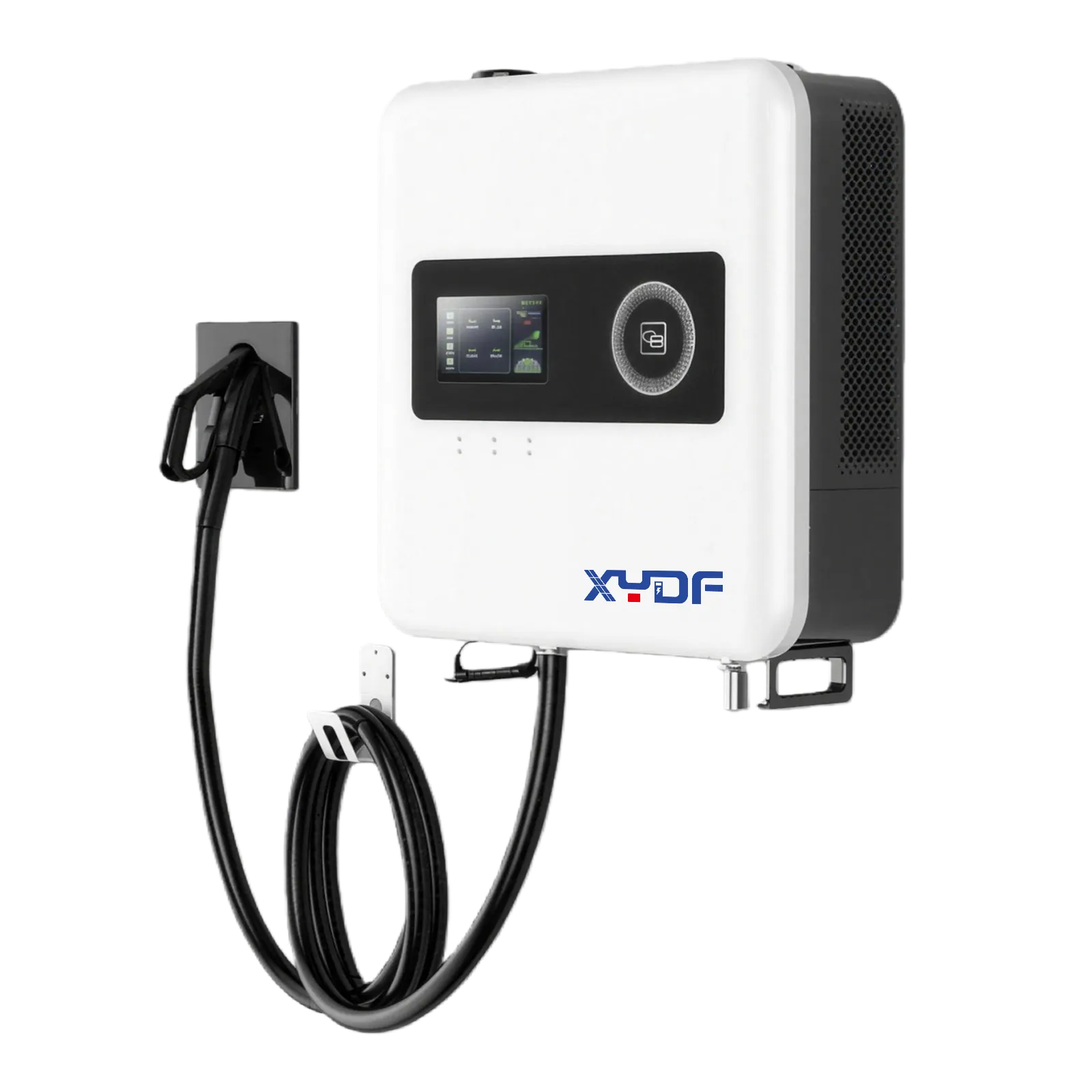
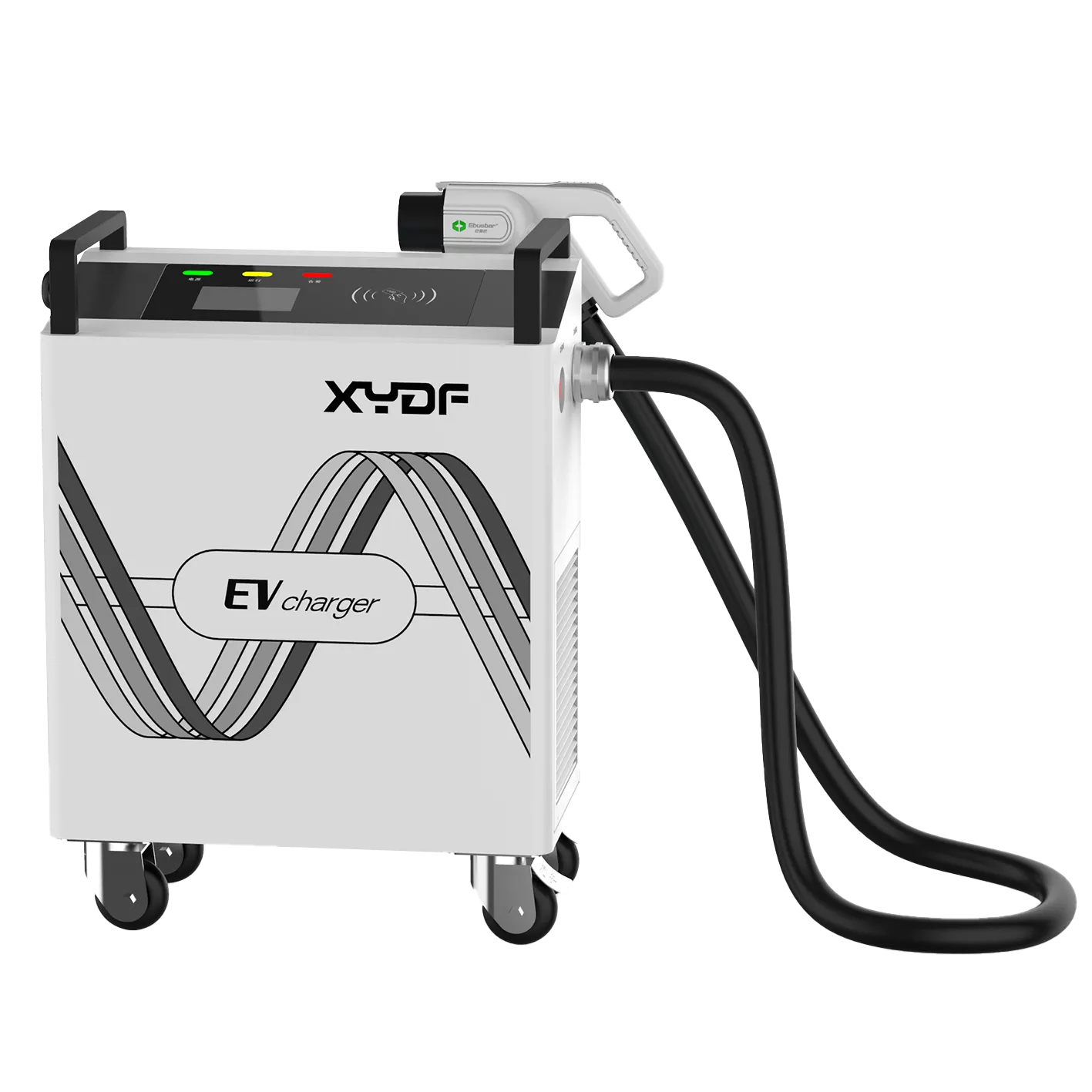
Equipment context only; project-specific temporary-site suitability and safety requirements must be confirmed.
Part 1. When does a construction site need temporary EV charging?
Temporary charging can support electric work vehicles, site management vehicles, rental fleets or electrified equipment during a project phase before permanent infrastructure is available. It is different from a permanent parking installation because vehicle access, load profile, weather exposure, traffic routes and work activity can change quickly.
First decide whether the need is temporary or whether the project is actually ready for permanent infrastructure. A temporary setup fits a compound or changing work zone with a known end date. It becomes a poor fit when the site has stable long-term demand that warrants a permanent electrical design.
لأجل construction site EV charging, the project phase is an electrical design input. Excavation may bring pumps and dewatering loads; structural work can add cranes, hoists and welding; fit-out can shift demand toward temporary lighting and portable tools. Update the load schedule and layout at each planned phase gate instead of assuming the capacity and cable route approved for mobilization will remain suitable until handover.
The existing temporary EV charging solutions guide covers the broader temporary-use case. This article focuses on the construction-site controls that prevent charging from becoming an unmanaged extra load.
Part 2. Which temporary power source fits the site phase?
The first decision is the available energy source: an established temporary utility service, a controlled generator arrangement, a battery energy-storage system, or a combination. The source is not automatically suitable just because it can energize a connector.
Source approach
Planning advantage
مسألة تحتاج إلى حل
Temporary utility supply
Can support repeated use where capacity exists
What capacity is available after site loads?
Generator-based supply
Can serve remote or early phases
How are fuel, noise, protection and operating hours controlled?
تخزين طاقة البطارية
Can support constrained or off-grid periods
What charging, output and recovery profile is required?
Hybrid arrangement
Can combine site supply and stored energy
Who controls transfer, priority and safe isolation?
Generator and battery options have limits a connector rating does not reveal. A generator must sustain charging beside site loads; its voltage/frequency behavior, neutral/earthing, fuel, exhaust, noise and maintenance remain design issues. A battery energy-storage system must be checked for usable energy, inverter output, recharge time, temperature limits, fire strategy and the consequence of minimum charge. In a hybrid system, define transfer, isolation and anti-backfeed behavior; stored energy shifts demand but does not create unlimited capacity.
Network Rail’s EV infrastructure guidance emphasizes early assessment of incoming supply and consultation on increased demand. Apply that principle to temporary work: treat the construction program, not the charger brochure, as the starting input.
Part 3. How should EV charging fit into temporary power distribution?
Create one load schedule covering welfare units, offices, lighting, tools, pumps, cranes or other plant, and EV charging. It should identify expected simultaneous demand, operating periods, protected circuits, the controller of each load and the priority when supply is constrained.
لأجل temporary power distribution, calculate the charging allowance from verified supply capacity minus the worst credible coincident non-EV demand and required reserve; do not total nameplates and then apply an unexplained diversity factor. Test shift start, pumping during rain, lifting and several vehicles returning together. If dynamic allocation is used, document the monitored point, current limits, priorities, communications-failure state and who may override it. Allocation should reduce or pause charging before essential site loads are compromised, while circuit and protective-device ratings remain valid without software.
مدخل
لماذا هذا مهم
Poor assumption to avoid
Existing temporary-service rating
Defines the real distribution boundary
Adding charger nameplate power to a rough estimate
Work-shift schedule
Reveals charging and tool coincidence
Assuming vehicles charge only after work
Plant and welfare loads
May already consume the available capacity
Treating EV charging as electrically separate
Priority rule
Defines what reduces or stops first
Leaving a site team to improvise during overload
Dynamic allocation can be useful where a compatible control system is engineered for the site, but it is not a substitute for the load assessment. In a Black & Veatch construction-fleet example, controls were used to divert surplus power from jobsite loads; that is an operating strategy tied to a particular project, not a universal outcome.
Important: Do not energize charging from improvised distribution or chained extension leads. The IDE temporary-charger guidance highlights the need for appropriate protection and maintainability; the safe arrangement, protective devices, earthing/bonding and cable method must be selected for the actual jurisdiction and site conditions.
RCD/GFCI selection and earthing are jurisdiction-specific design duties, not accessories to choose from a generic checklist. For Hong Kong installations, EMSD’s 2015 technical guidelines require a separate radial final circuit, individual overcurrent protection and earth-leakage protection for each EV charging final circuit; the document specifies a type A RCD or RCBO with residual operating current not exceeding 30 mA for that scope. Those figures should not be exported to another market: the responsible designer must apply the current local electrical and fire rules, the supply earthing arrangement, charging mode and any required DC residual-current detection.
Equipment context only; confirm distribution, protection, and operating requirements for the actual worksite.
Part 4. What safety and physical-layout controls matter on an active site?
Construction sites add vehicle movement, uneven ground, changing traffic routes and potential cable damage. The charging area needs a defined parking position, a protected equipment location, pedestrian separation and a cable path that does not become a trip or crush hazard.
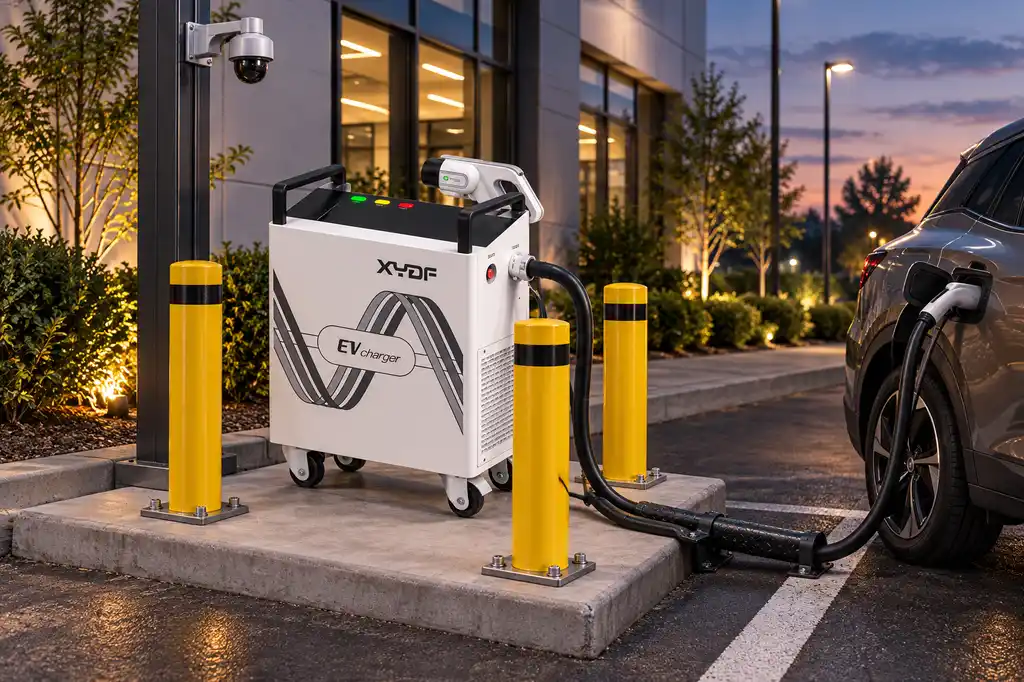
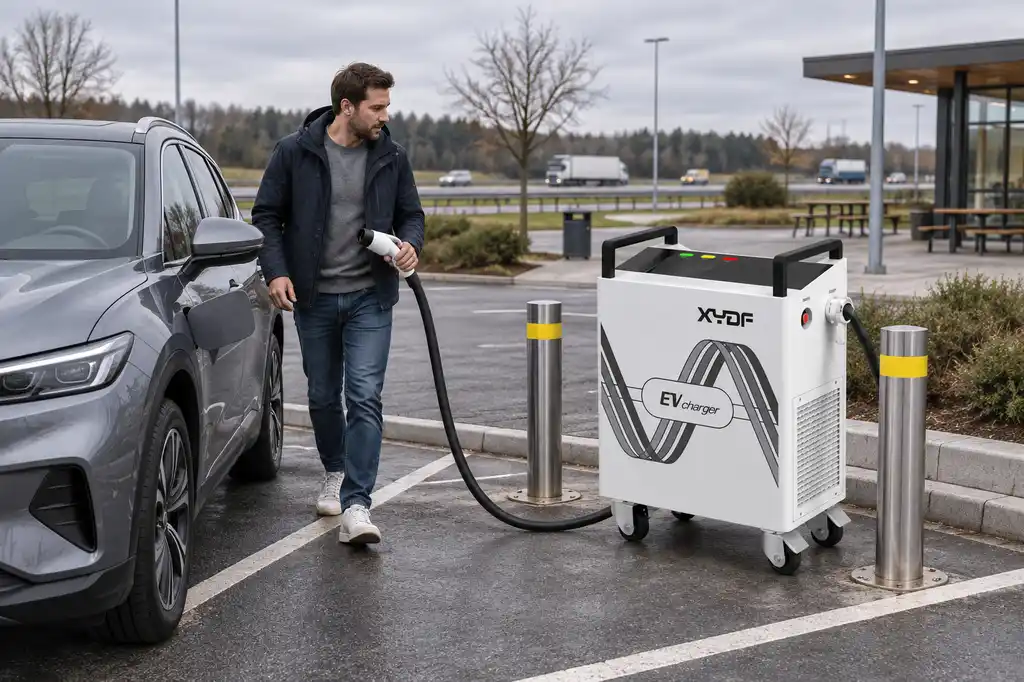
Good site charging safety starts by keeping flexible charging cables out of haul roads and pedestrian desire lines. Where a crossing cannot be avoided, the site designer should specify a load-rated protective method for the actual vehicles and surface; a loose mat is not automatic drive-over protection. Place equipment beyond reversing and slewing zones or add impact protection that does not block ventilation, access or emergency isolation. Keep connectors and joints out of standing water and mud, preserve the enclosure’s intended seals, and stop use after crushing, abrasion, impact or water ingress until a competent person assesses the equipment.
IDE’s temporary-charger guidance identifies the need for equipment designed for temporary conditions, appropriate protection and maintainability. That does not establish any product’s suitability; buyers still need to verify enclosure, connection, protection and environmental requirements with the responsible parties.
Use a site walk to document:
vehicle approach and departure path;
cable routing, crossings and protection;
clearance from moving plant and storage;
lighting, signage and access control;
water, mud, excavation and flood exposure;
emergency isolation and the escalation contact.
Part 5. How should teams commission and operate a temporary charging area?
Commissioning should prove the intended arrangement, not just that a vehicle begins charging. The project record should identify the source, distribution point, equipment, protection arrangement, isolation method, inspection responsibility and operating restrictions.
Before first use, and again after equipment is relocated or its supply is altered, treat the arrangement as changed work: verify circuit identity, protective conductor and earthing continuity, polarity or phase sequence where applicable, protective-device operation, isolation, load-control response and safe charging with the intended vehicle interface. The exact tests and acceptance records belong to the qualified electrical contractor under local rules. In Hong Kong, for example, HK Electric’s temporary-supply guidance addresses supply connection, main-switch protection and earthing for construction sites; it is not a universal installation specification.
During operation, inspect the accessible equipment and cable condition at the frequency required by the responsible site process. Record damage, abnormal trips, changes in load, movements of the compound and any temporary alterations. A changed traffic route or a new high-demand tool can invalidate the original layout or load assumptions.
Add a documented pre-use check to the daily site routine. The user can look for enclosure or barrier damage, loose mounting, contaminated or wet connectors, cuts and flattening in the cable, exposed parts, blocked access to isolation, warning indications and unexplained protective-device trips. The check is visual and operational; users should not open electrical enclosures or repeatedly reset a tripping device. Tag the affected point out of service and escalate defects to the named electrical contact.
Set simple user rules: which vehicles may charge, when charging is permitted, who can change a priority, where faults are reported and when equipment is taken out of service. Drivers should not be asked to make electrical decisions in the field.
Part 6. When should a temporary arrangement be changed or removed?
Review the arrangement whenever the project phase, vehicle count, site source, major plant load or traffic route changes. A temporary solution may need redesign if charging starts competing with essential work loads, the source becomes unstable, equipment is repeatedly damaged or the site moves toward permanent operation.
Make that review a formal change-control trigger rather than an informal observation. The temporary-works or electrical plan should name who can approve continued use and require a stop-and-review when the charger or distribution board moves, available supply changes, the coincident-load case grows, a cable route becomes a vehicle crossing, protective devices trip repeatedly, water or impact damage occurs, or the temporary end date is extended. The decision must be recorded as continue, relocate, resize, redesign or remove; relocation or circuit modification requires inspection and recommissioning before the point returns to service.
Remove or decommission it through the appropriate process when the work it supports ends or permanent infrastructure replaces it. Temporary status does not remove the need for documented isolation and safe removal.
Part 7. What information belongs in a temporary-charging RFQ?
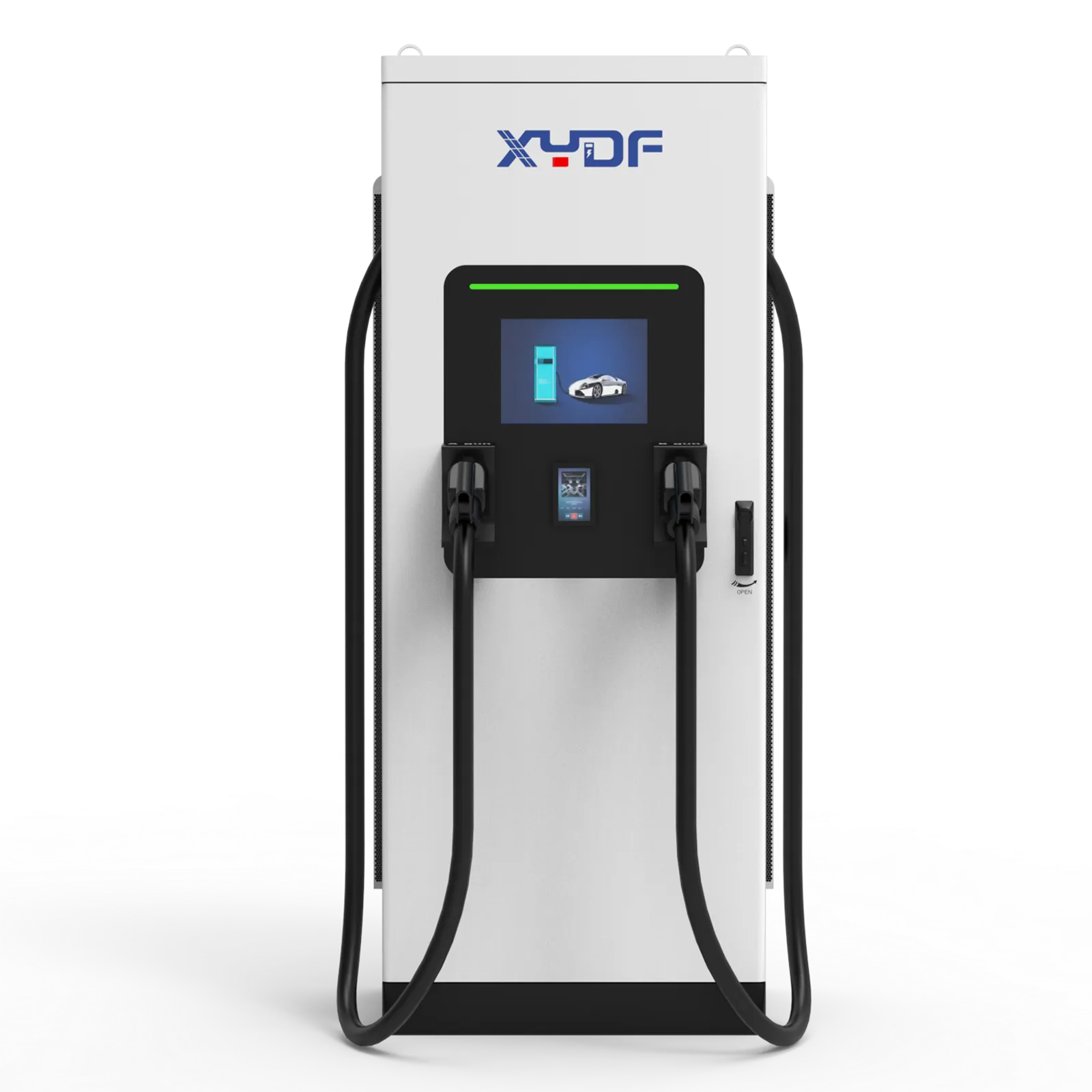
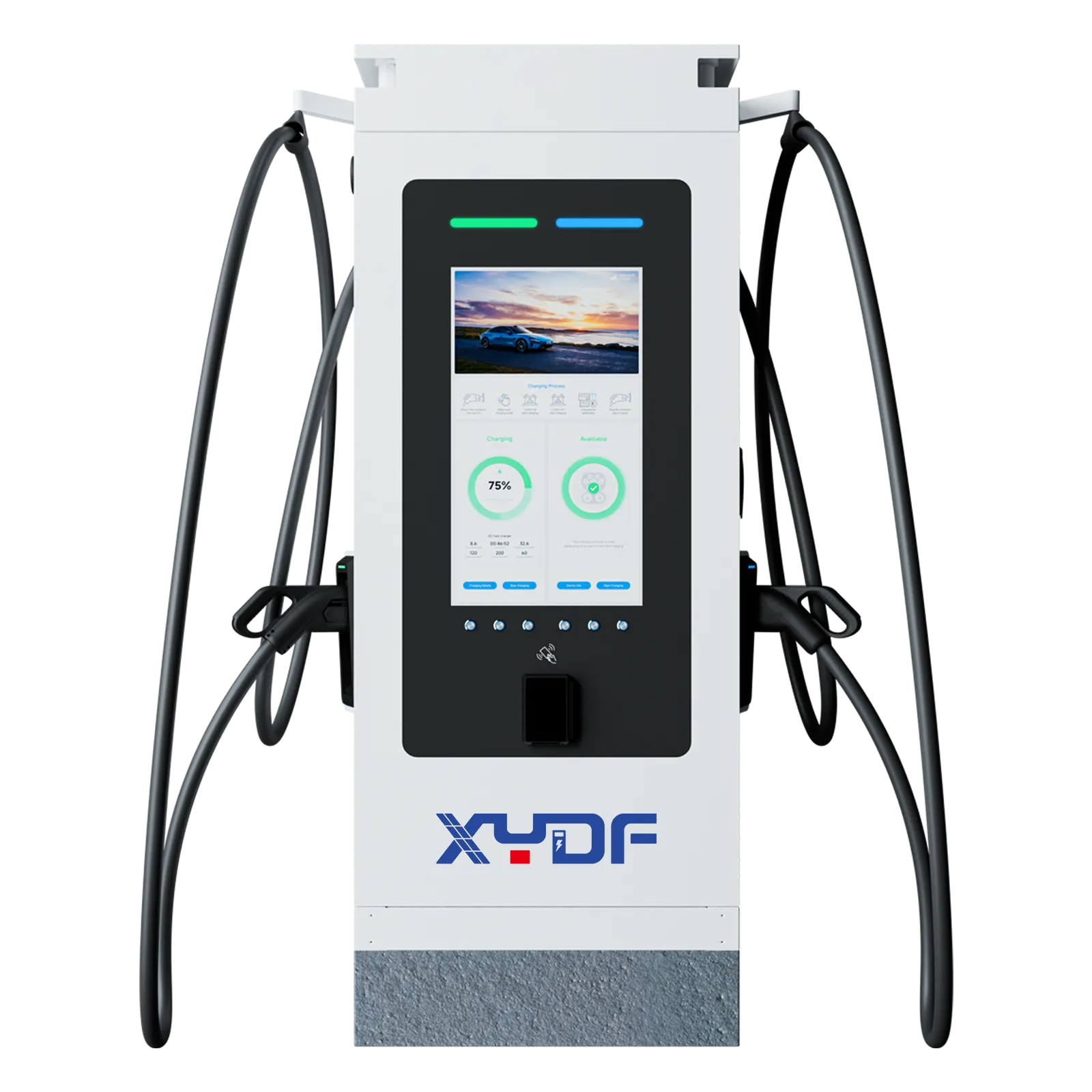
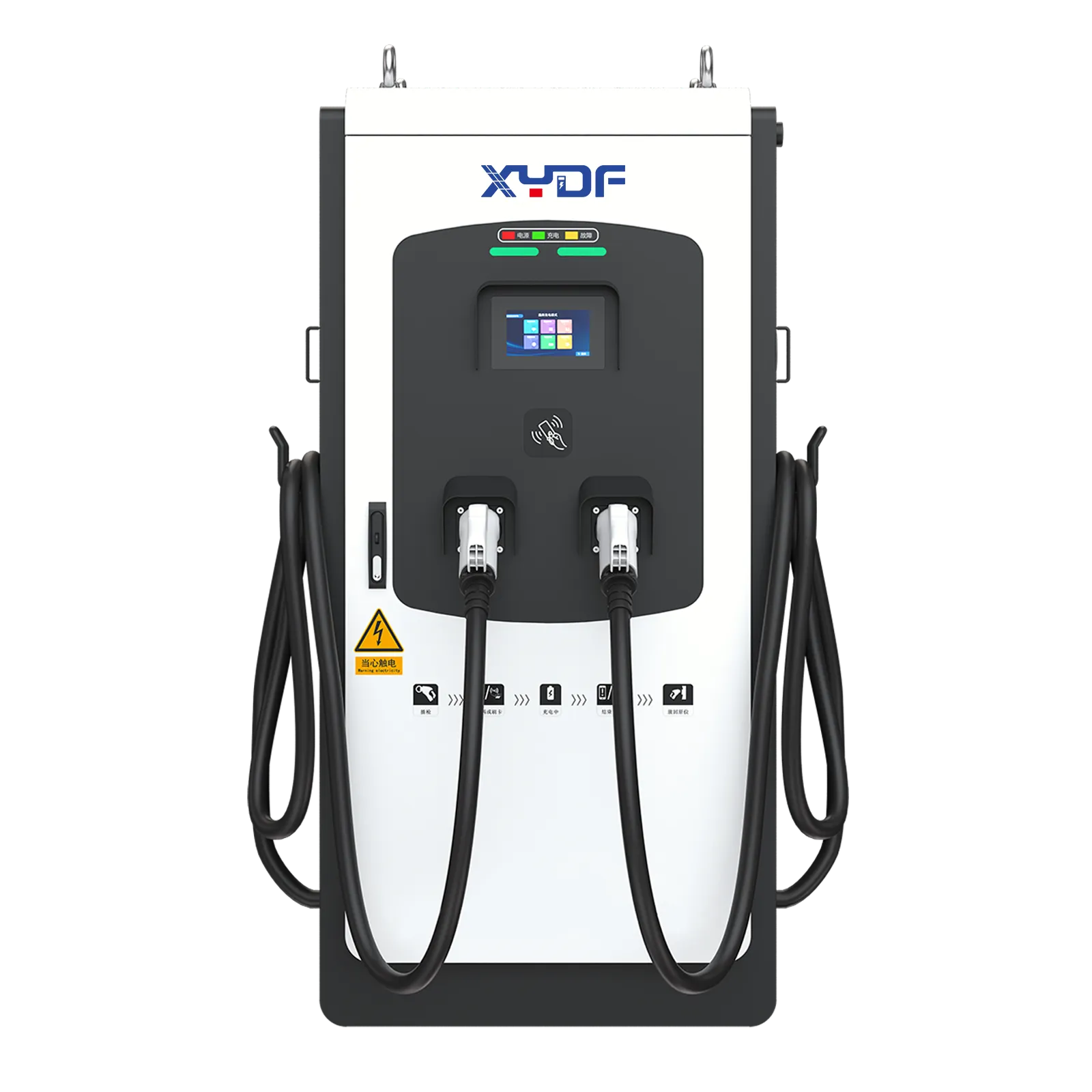
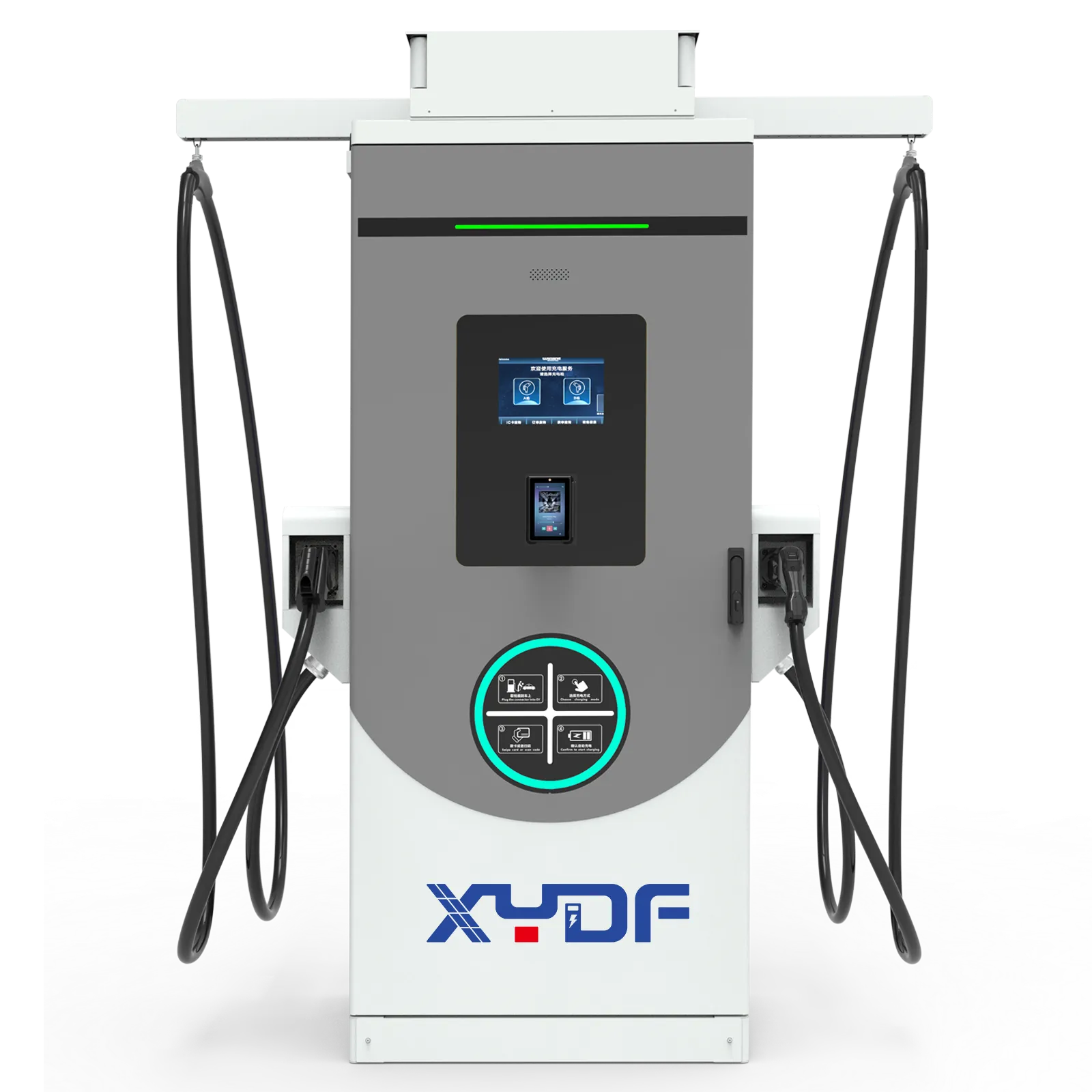
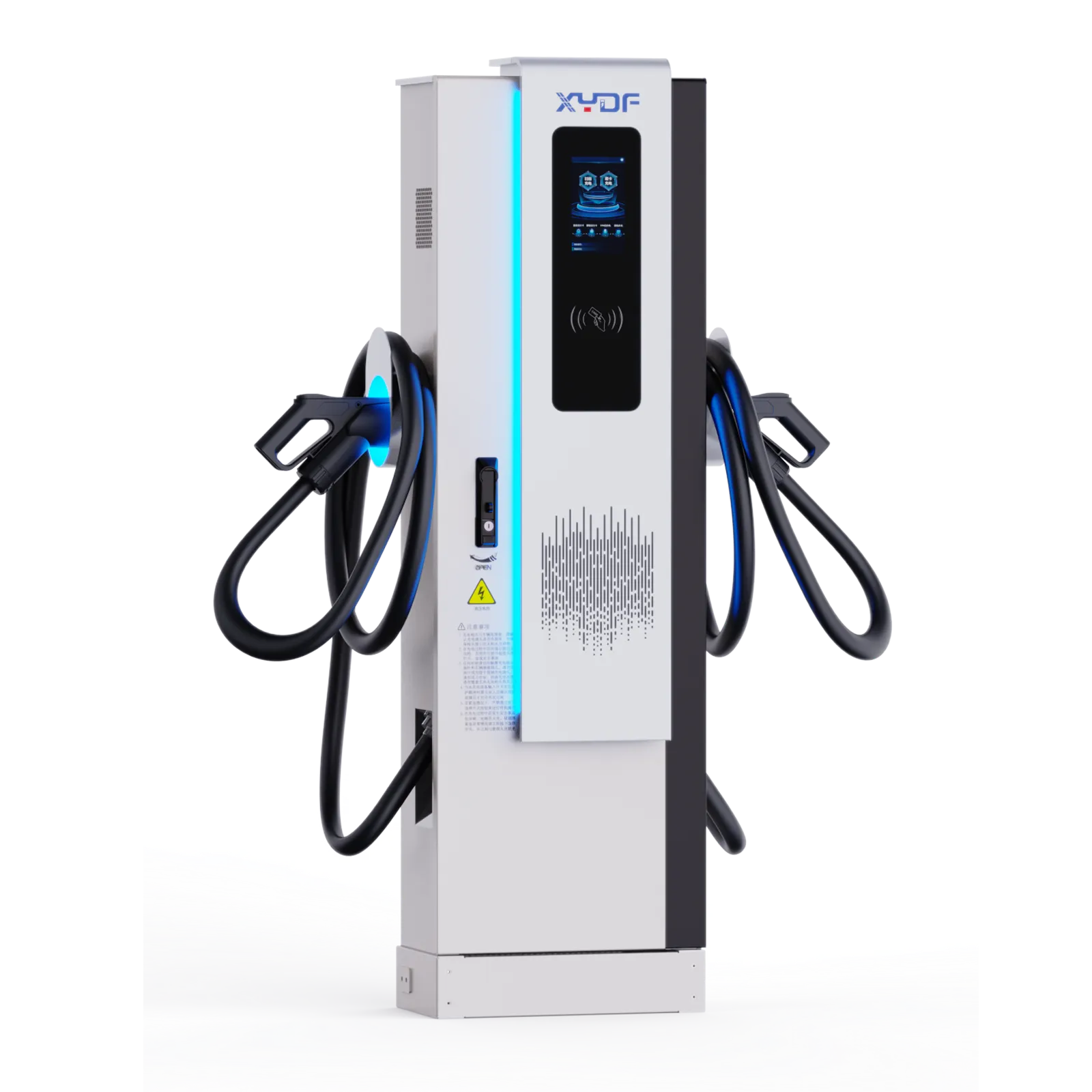
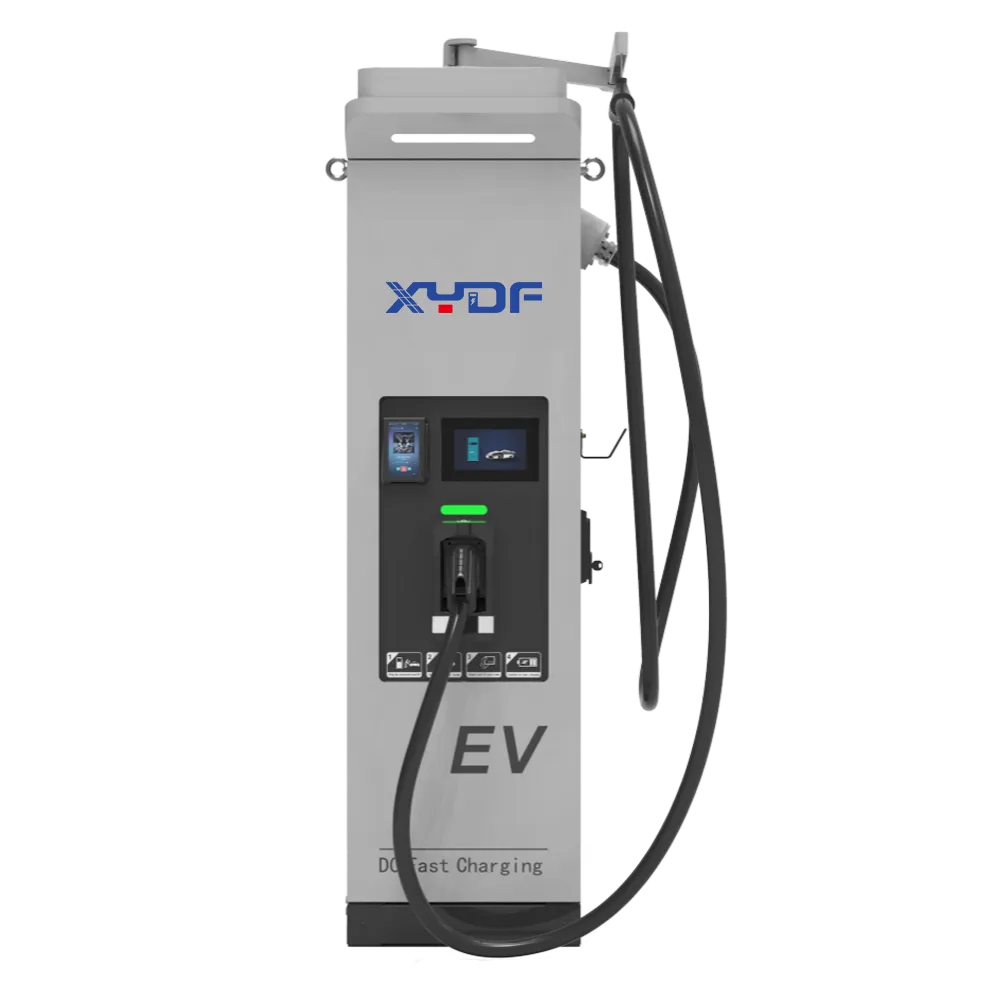
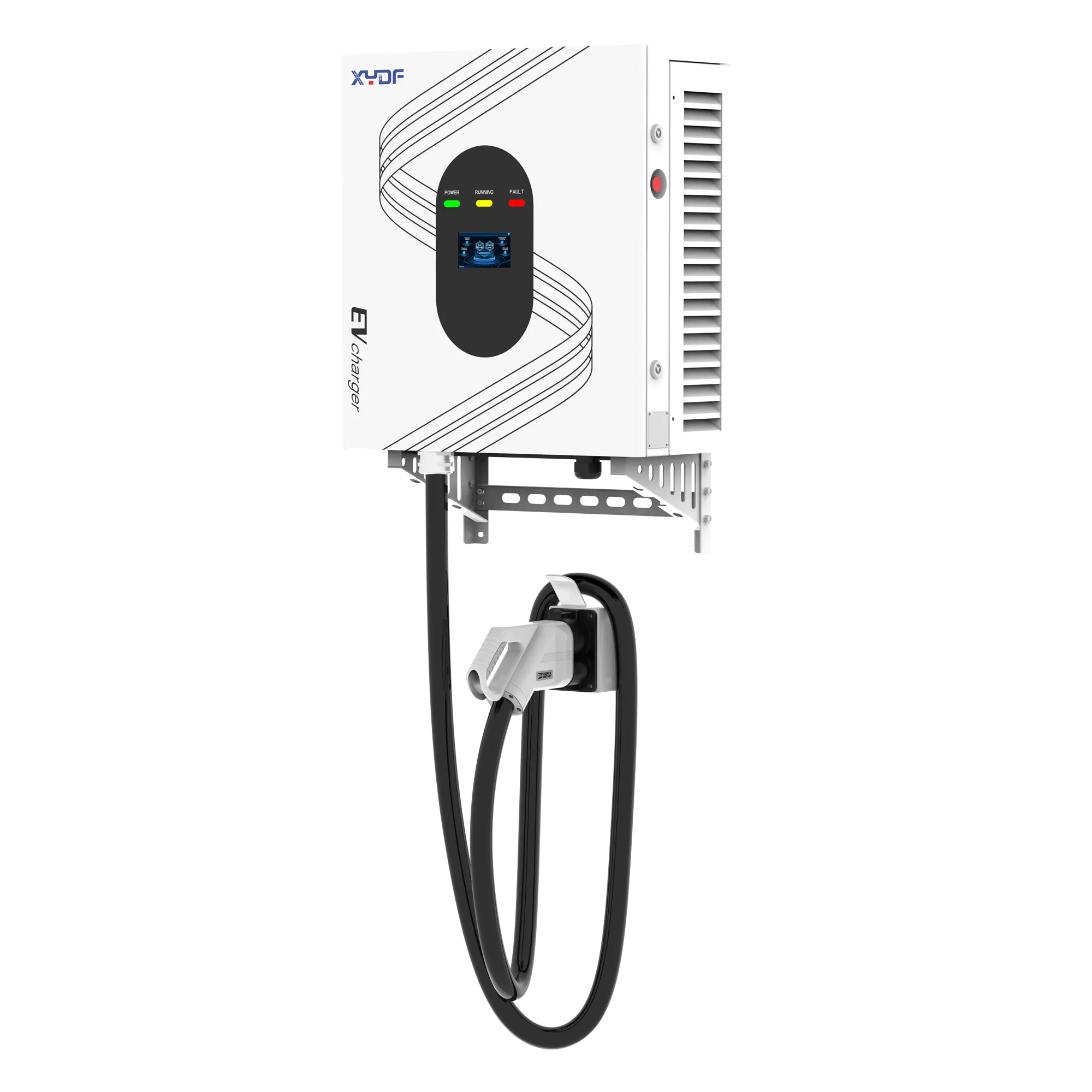
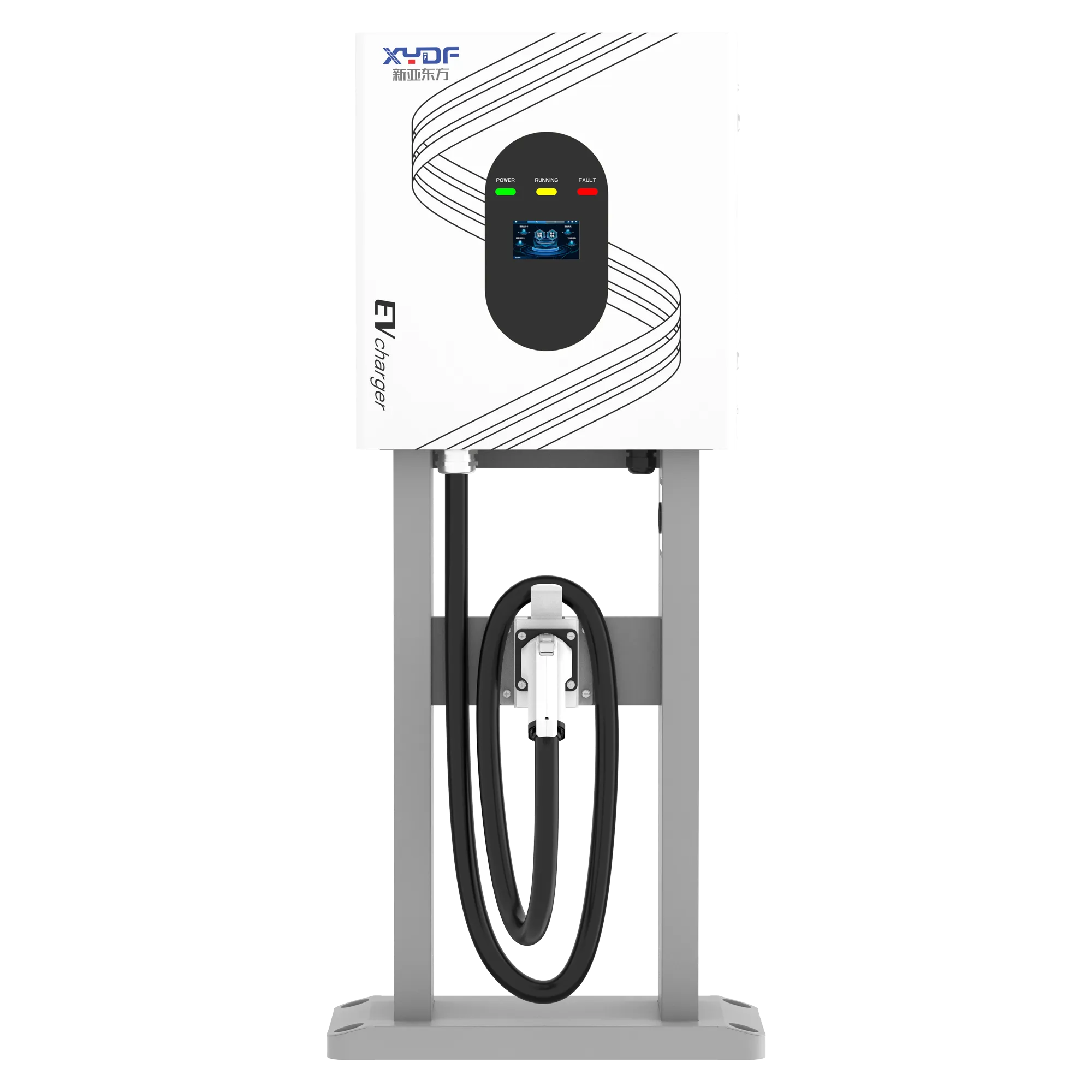
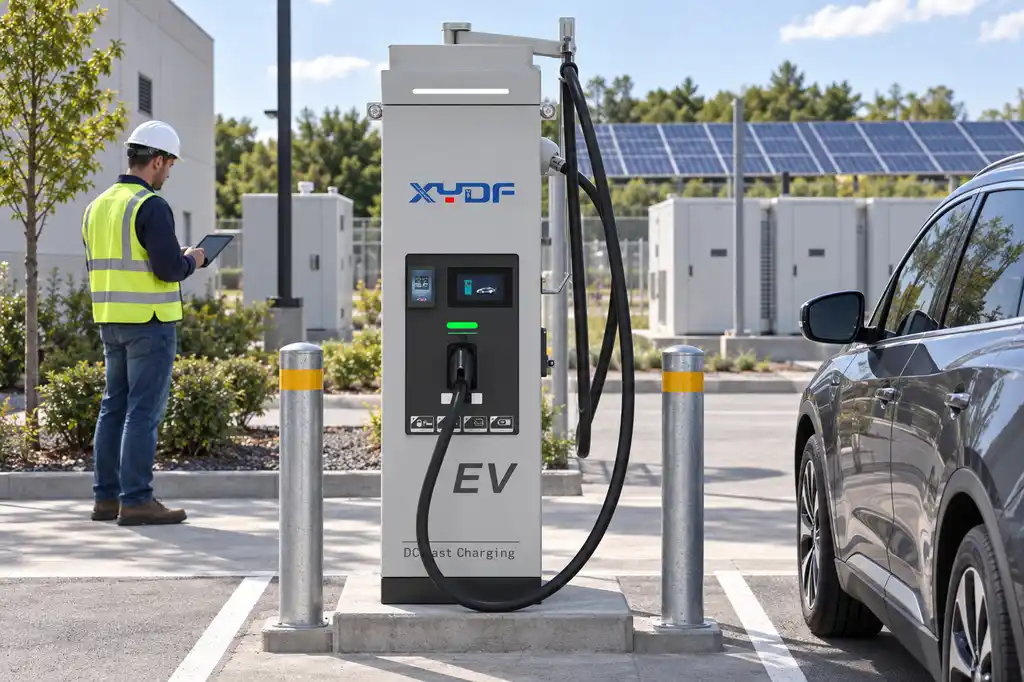
The published مجموعة شواحن DC السريعة can start an equipment discussion, but this article does not establish the suitability of any XYDF model for a construction location. The correct equipment discussion follows the site inputs below.
For a project discussion, provide those inputs to the responsible electrical team and اتصل بـ XYDF for available product-line information. Do not request a site-specific safety or compliance commitment without the required project evidence.
أسئلة متكررة
Can a temporary EV charger share the construction-site power supply?
Only after the load schedule and distribution design show how charging fits alongside site loads. Shared supply is an engineering and operating decision, not an assumption.
What is the safest temporary source for EV charging?
There is no single safest source. Suitability depends on capacity, location, protection, environment, operating control and applicable local requirements.
Can charging be connected through extension leads?
Do not use chained or improvised leads as the primary distribution method. Use an arrangement selected and installed for the actual temporary electrical system.
Why separate EV charging from tools and welfare loads?
Separating and prioritizing loads makes demand, protection and fault response easier to control. The required circuit arrangement is site- and jurisdiction-specific.
What should be checked before energizing?
Confirm the approved source, distribution, protection, grounding/bonding, equipment condition, physical layout, isolation method and responsible operator.
When is battery storage useful on a construction site?
It can be considered when grid access is constrained or unavailable and the project needs a managed temporary source. Its output and recovery profile must match the actual demand.
Is a temporary charger suitable after construction ends?
Not automatically. Reassess whether the end use requires a permanent installation and associated design, approvals and operating arrangements.
نستخدم ملفات تعريف الارتباط (الكوكيز) لضمان عمل هذا الموقع، وبإذنك، لقياس كيفية استخدام الزوار لموقع شحن المركبات الكهربائية الخاص بنا. انظر إلى سياسة الخصوصية للتفاصيل.
 شركة شينيا دونغفانغ لتكنولوجيا الكهرباء المحدودة.