EV Charger Cable Wear: Inspection and Replacement Guide
أغسطس 17,2026
مدونة
EV charger cable inspection often finds wear before a charger cabinet fault: a cracked jacket, distorted handle, loose holster or damaged latch can change how safely a driver connects. A practical inspection plan records what is visible, removes unsafe equipment from use through the site procedure, and gives qualified personnel a controlled replacement brief.
Part 1. What cable wear means for an operating site
Reliability should be described as observable operating evidence rather than a single marketing number. Ask for failure-mode definitions, session availability, alarm history, response and restoration records, inspection intervals, spare-parts coverage, and the conditions under which the evidence was collected. MTBF or a rated power figure can be part of the review, but neither replaces a clear failure-recovery and maintenance process. For the public planning context, see متطلبات نظام الشحن السلكي IEC 61851-1; لا يزال سجل القبول المخصص للموقع يحدد القرار النهائي.
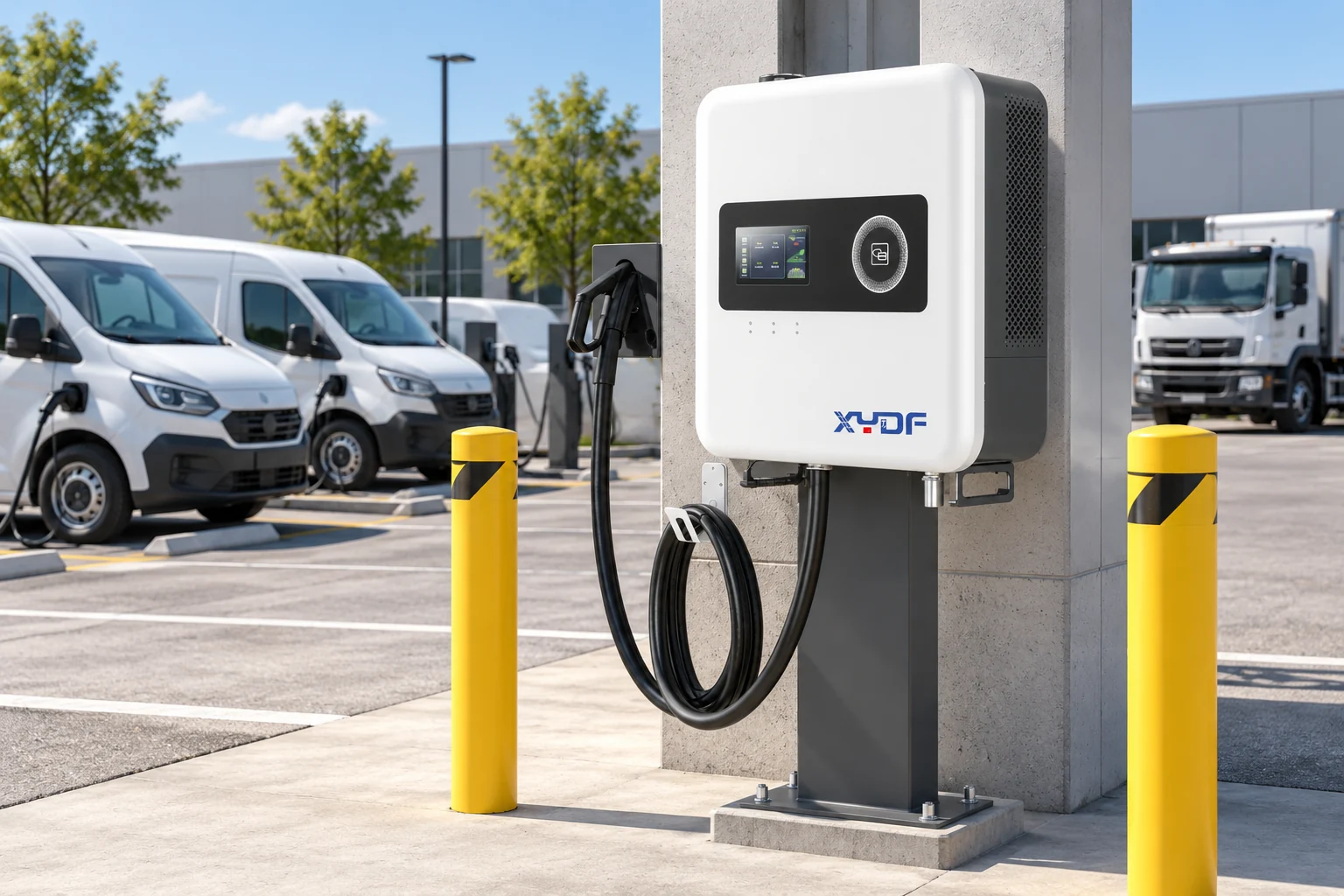
Charging cables are handled, bent, parked and exposed to weather more often than many cabinet components. Wear can be cosmetic, or it can affect insulation, strain relief, connector fit, latch action or the cable’s ability to stay off traffic lanes. The correct response depends on the observed condition, the equipment manual and the site safety procedure.
AFDC maintenance guidance calls for periodic inspection and attention to cable storage and visible condition. It does not create a universal replacement interval; use the actual equipment documentation and qualified-person requirements (AFDC guidance).
Part 2. How to inspect accessible cable and connector surfaces
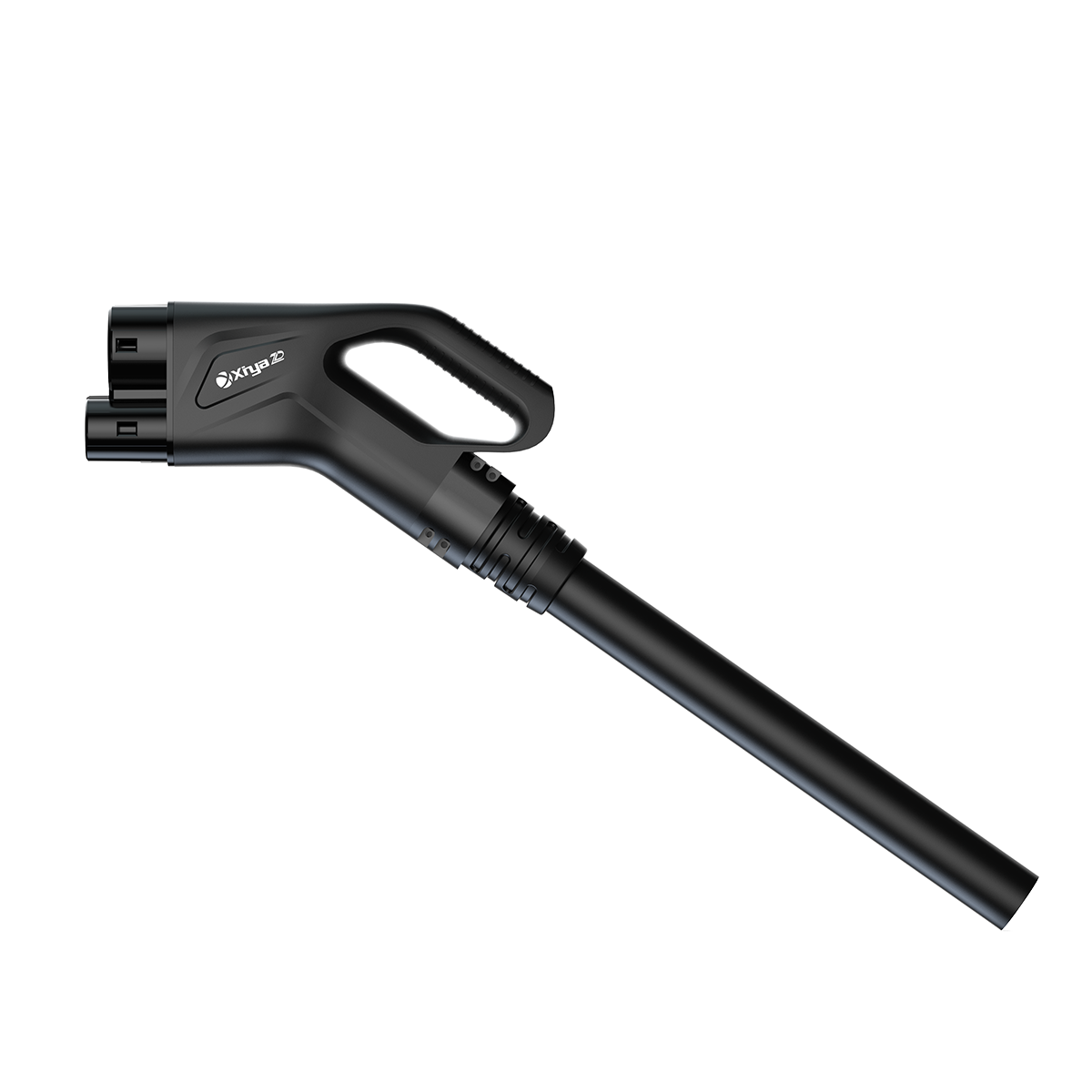
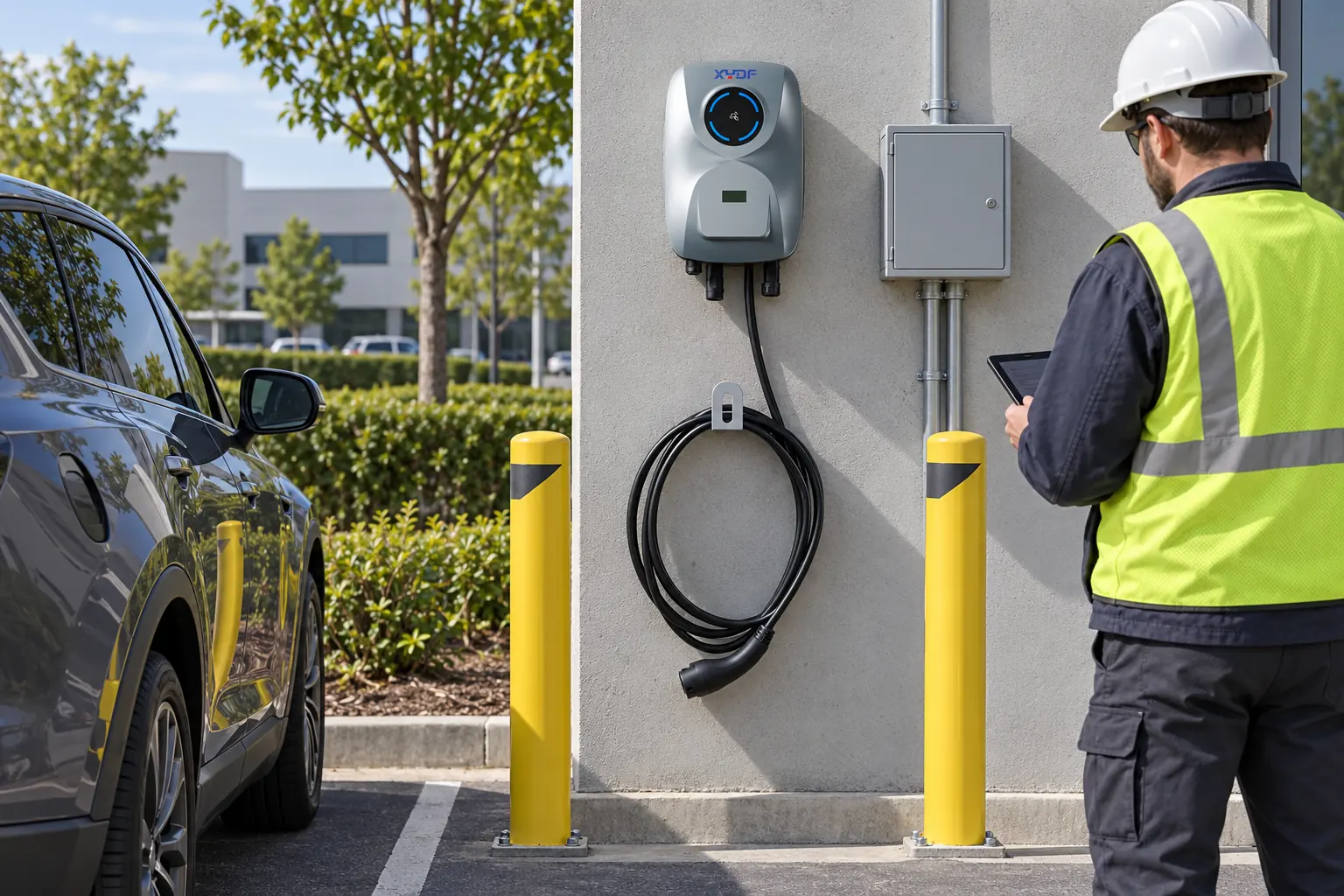
Start with the equipment in its normal safe state and follow the site’s isolation or stop-use process. Inspect only accessible external surfaces. Look for cuts, cracks, bulges, flattening, exposed braid or conductor, heat discoloration, contamination that will not clean under the approved procedure, loose strain relief, damaged connector housing, latch failure and a holster that does not retain the handle.
Record the asset ID, connector position, date, operating context and a clear description. A photograph can support the work order when the site policy permits it. Do not pull, flex aggressively, open the connector or test live equipment as part of an operator visual check.
Do not assume the network will report every physical defect. In a Joint Office reliability webinar, operators noted that a connector’s plastic housing can be damaged by being dropped or driven over while remote monitoring may not detect the damage. This makes an on-site check and driver or customer report essential for identifying connector damage that has not produced a useful remote alarm.
Part 3. How to classify findings and stop unsafe use
Use three practical classes: monitor, service review and stop-use. Monitor is limited to a documented, non-safety-critical observation that remains within the manual’s acceptance guidance. Service review covers recurring stiffness, damaged storage hardware, uncertain connector fit or a condition that needs a qualified assessment. A stop-use decision applies when there is exposed conductor, severe jacket damage, burn evidence, liquid ingress, failed retention, sharp deformation or any condition that creates a credible touch or trip hazard.
Finding
Operator action
Qualified handoff
Surface dirt with no damage
Clean only under approved site procedure and record
confirm return-to-service check
Crack, cut, bulge or exposed material
stop use if safety may be affected; tag asset
inspect against model manual
Burn mark, overheating evidence or smell
isolate through site procedure
electrical and equipment assessment
Latch, holster or strain-relief failure
prevent normal use
determine component or assembly scope
Part 4. How to record evidence and escalate a defect
Good records make a replacement decision reviewable. Capture the charger and connector ID, location, date and time, session or use context if available, visible symptom, photo reference, immediate control, person notified and the work-order number. Note whether the defect is repeatable, whether another connector is affected and whether the holster or cable-management path contributed to the condition.
Escalate through the site owner, maintenance contractor or manufacturer channel defined in the operating plan. Close the loop from the field finding to access control, a work order, qualified field service, the charger’s network-status update where applicable, spare-part replacement and a recorded return-to-service decision. The operator’s role is to preserve evidence and control access; internal electrical work, disassembly and testing belong to personnel qualified under applicable rules and the equipment procedure.
Part 5. How to define a replacement scope without guessing
Do not order a cable from a photograph or nominal power alone. The replacement scope should state the charger model and revision, connector family, cable length and routing constraints, environmental exposure, mounting/holster arrangement, observed defect, required documents, inspection evidence and return-to-service owner. Confirm spare-part compatibility and support status as well: a stored cable is not useful if its connector, termination or approved procedure no longer matches the installed revision. The maintenance plan should account for lead time and obsolescence risk without imposing a universal replacement interval.
Replacement-scope field
لماذا هذا مهم
Model, serial or asset ID
prevents an incompatible assembly being selected
Connector and cable arrangement
confirms mechanical and electrical fit
Length, routing and storage
addresses bend, reach and strain conditions
Environment and duty
lets qualified reviewers apply the correct manual
Defect evidence and photos
supports root-cause and acceptance review
Return-to-service evidence
closes the work order with an accountable owner
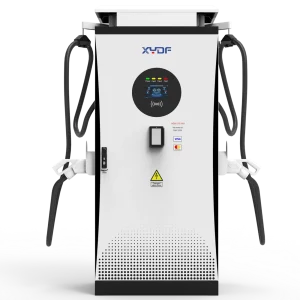
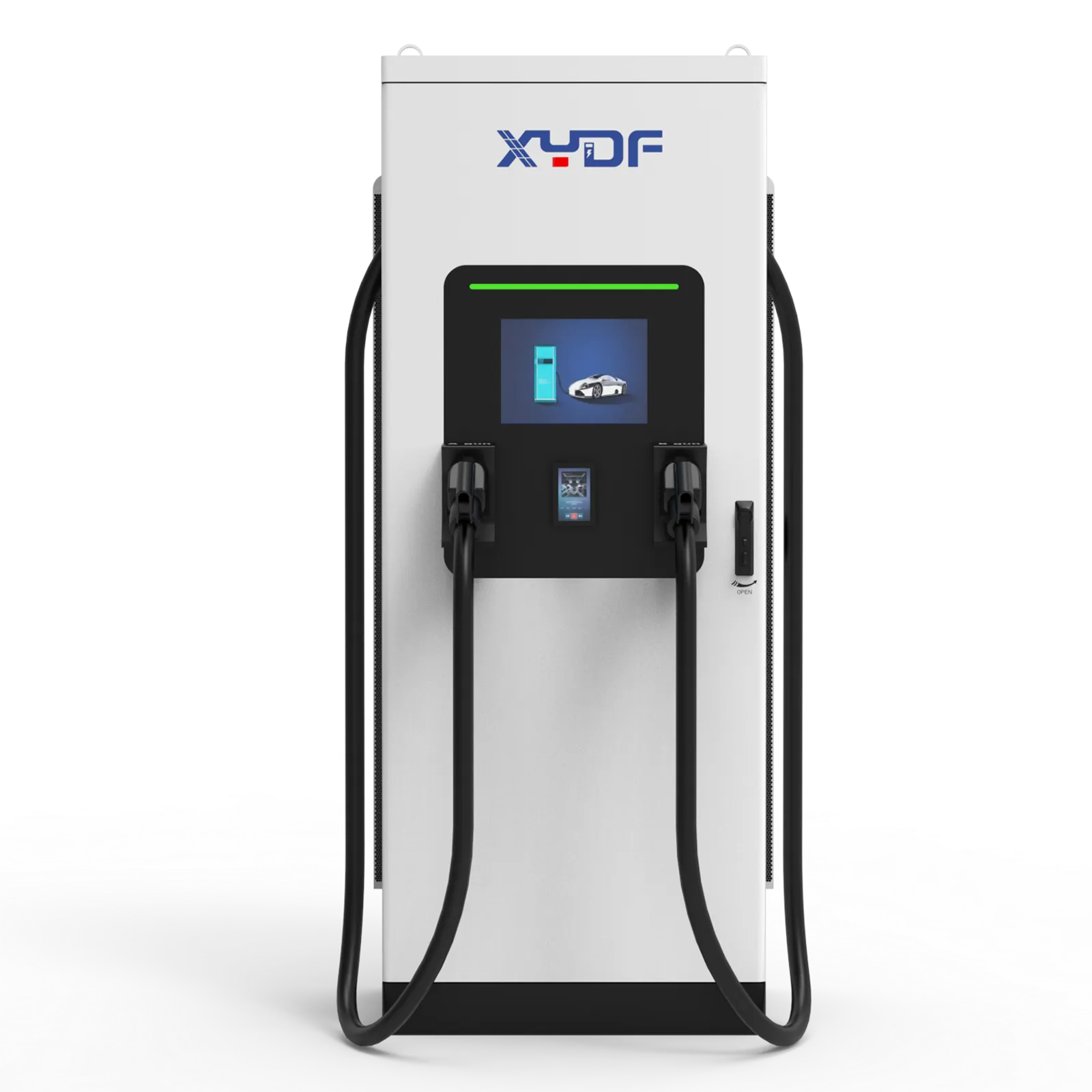
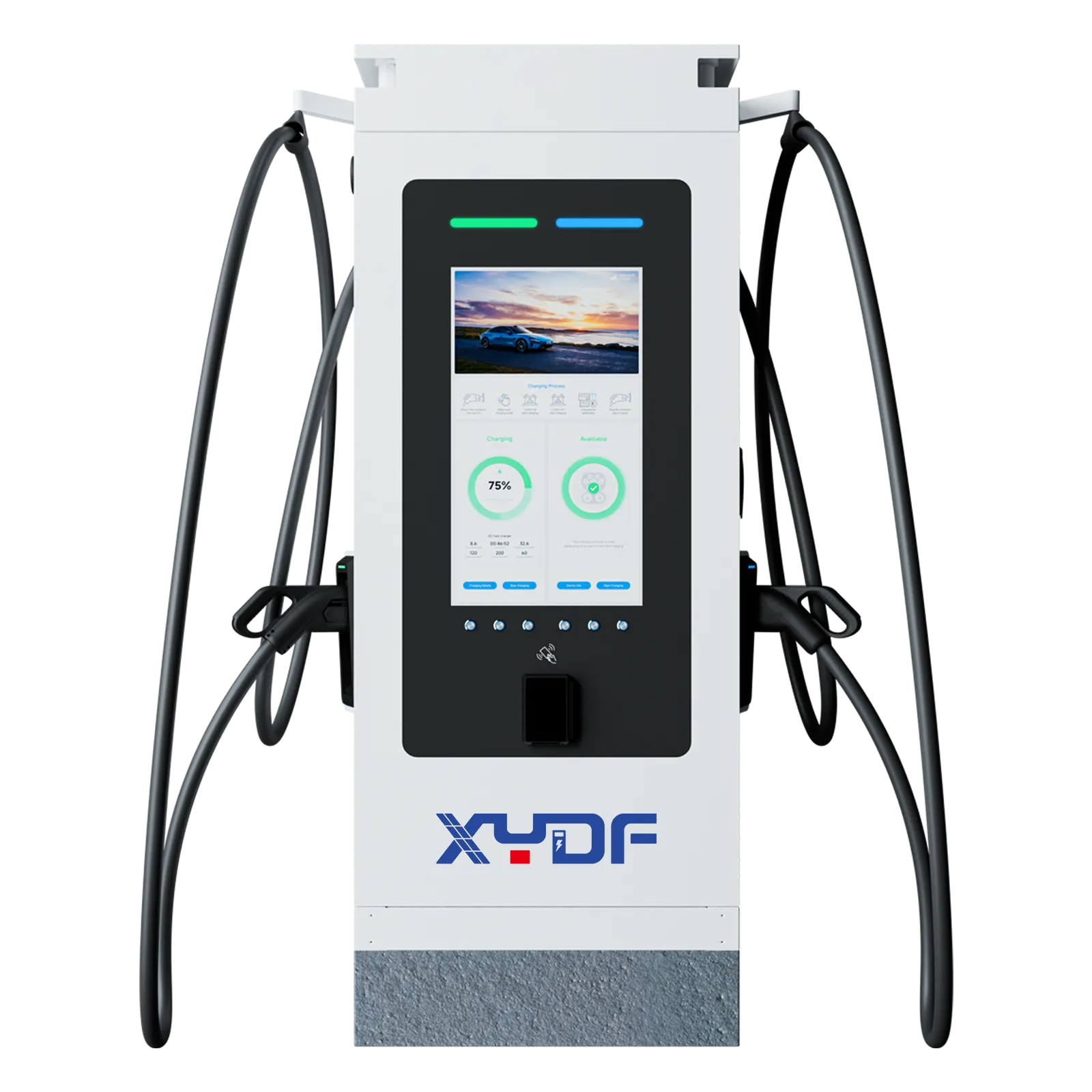
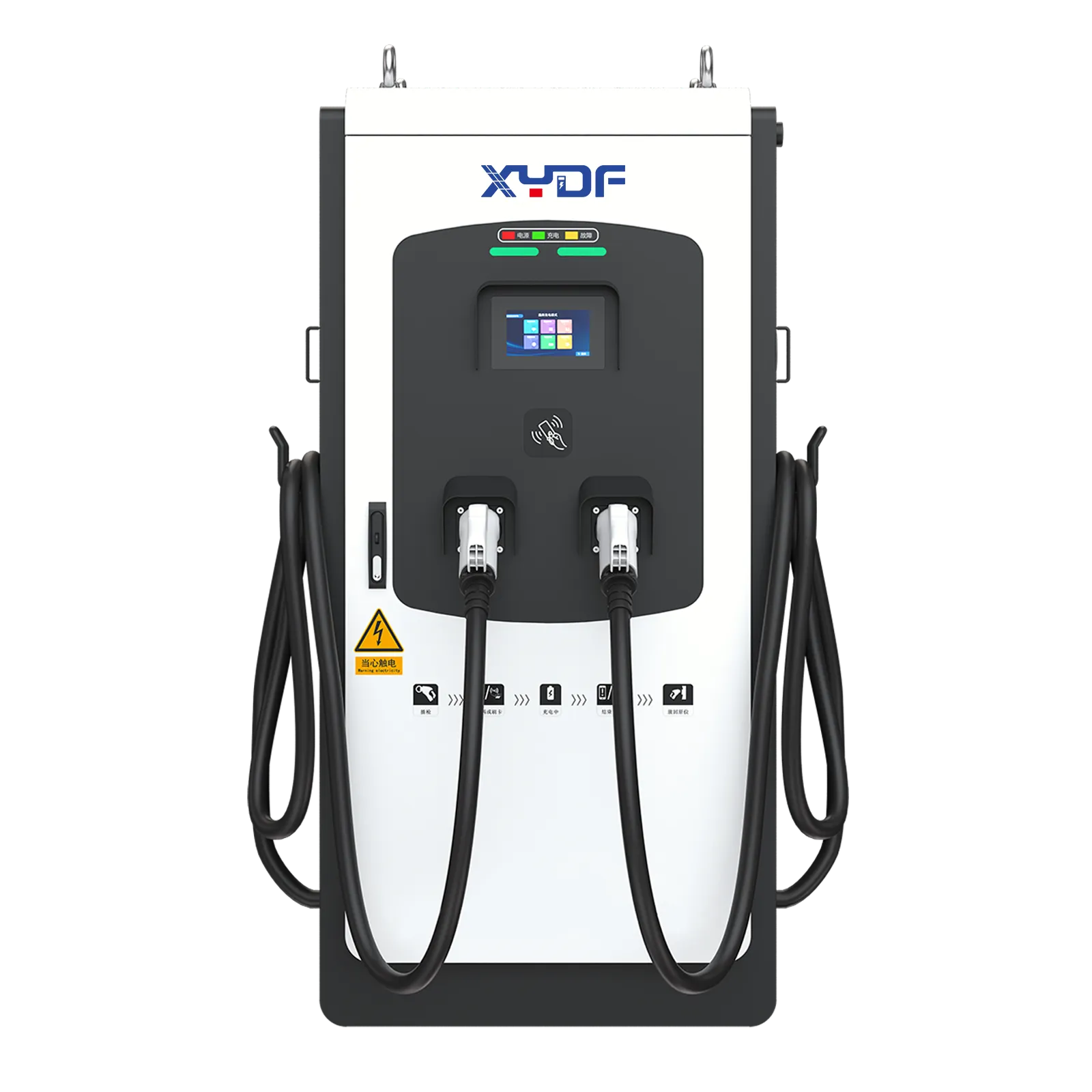
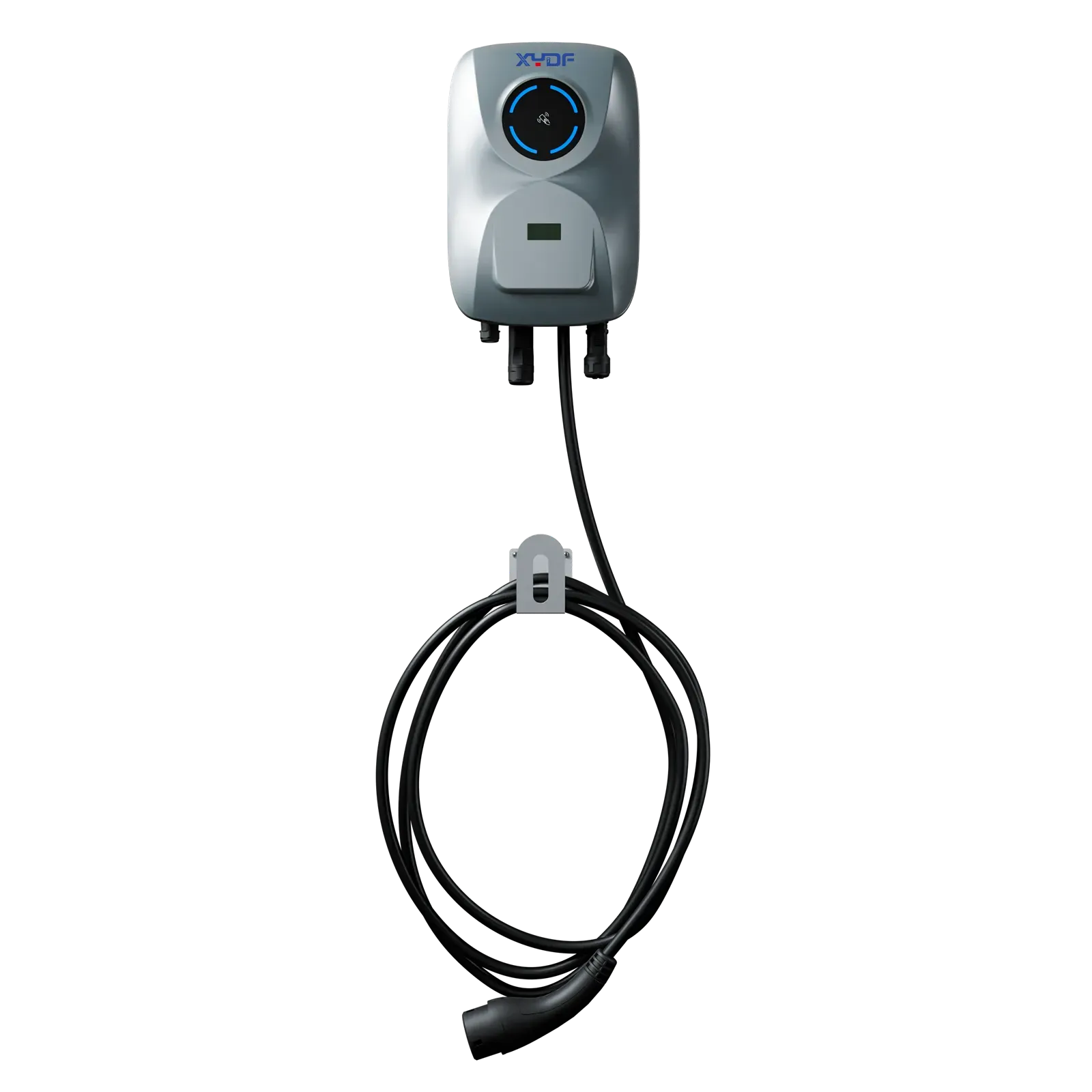
ال مجموعة منتجات XYDF can be a starting point for a compatibility discussion, but the final replacement decision must match the actual equipment documentation and site approval.
Part 6. How to align the handoff with product selection
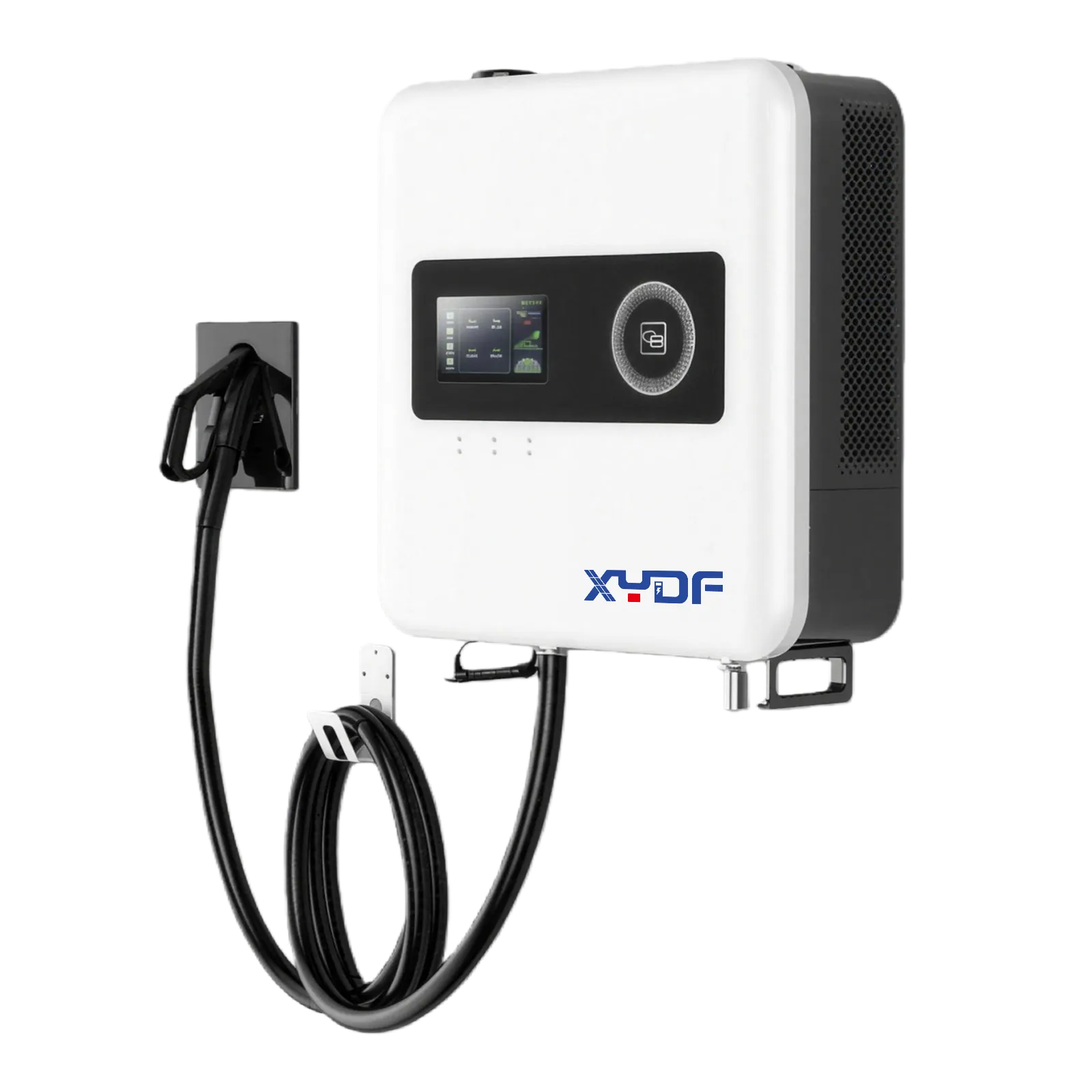
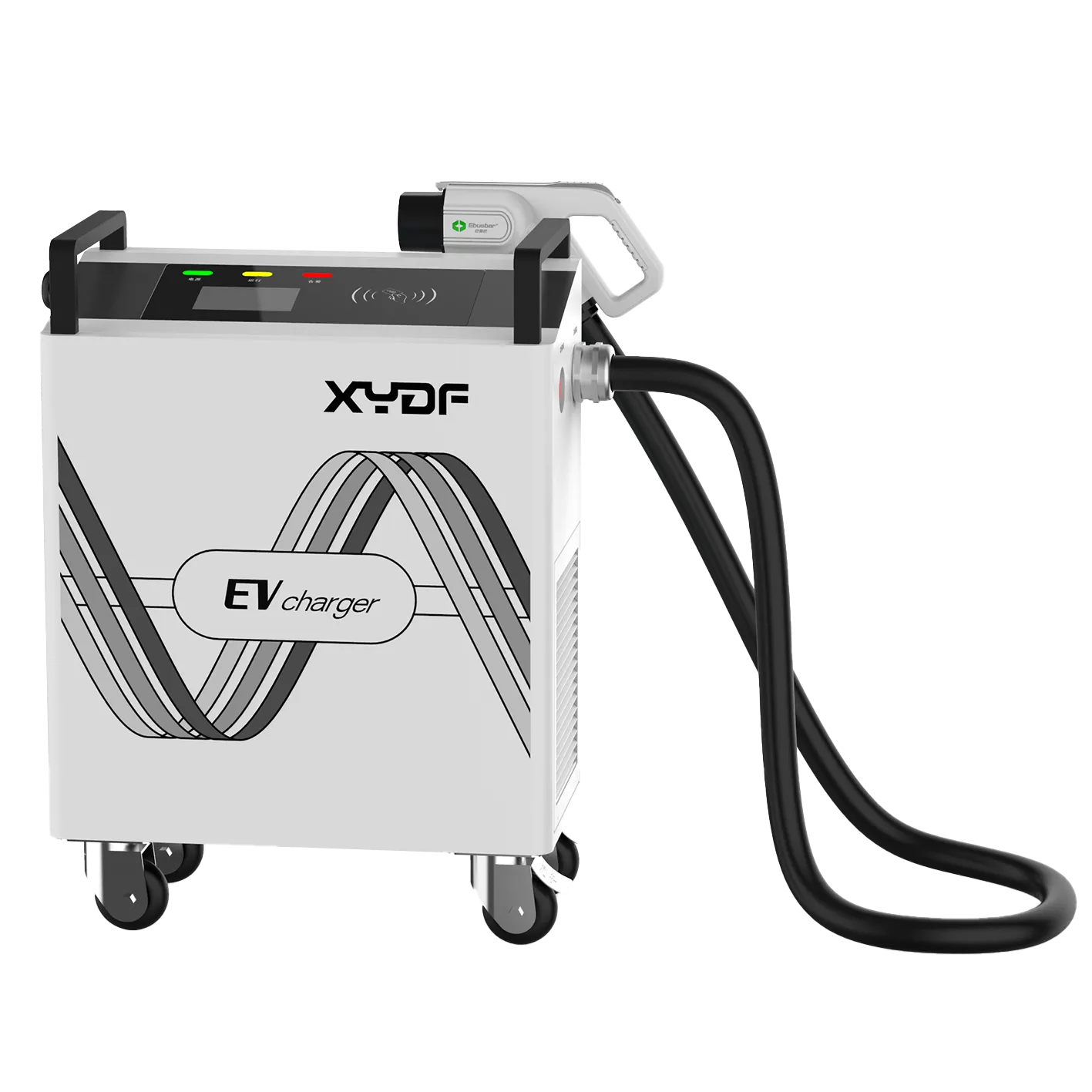
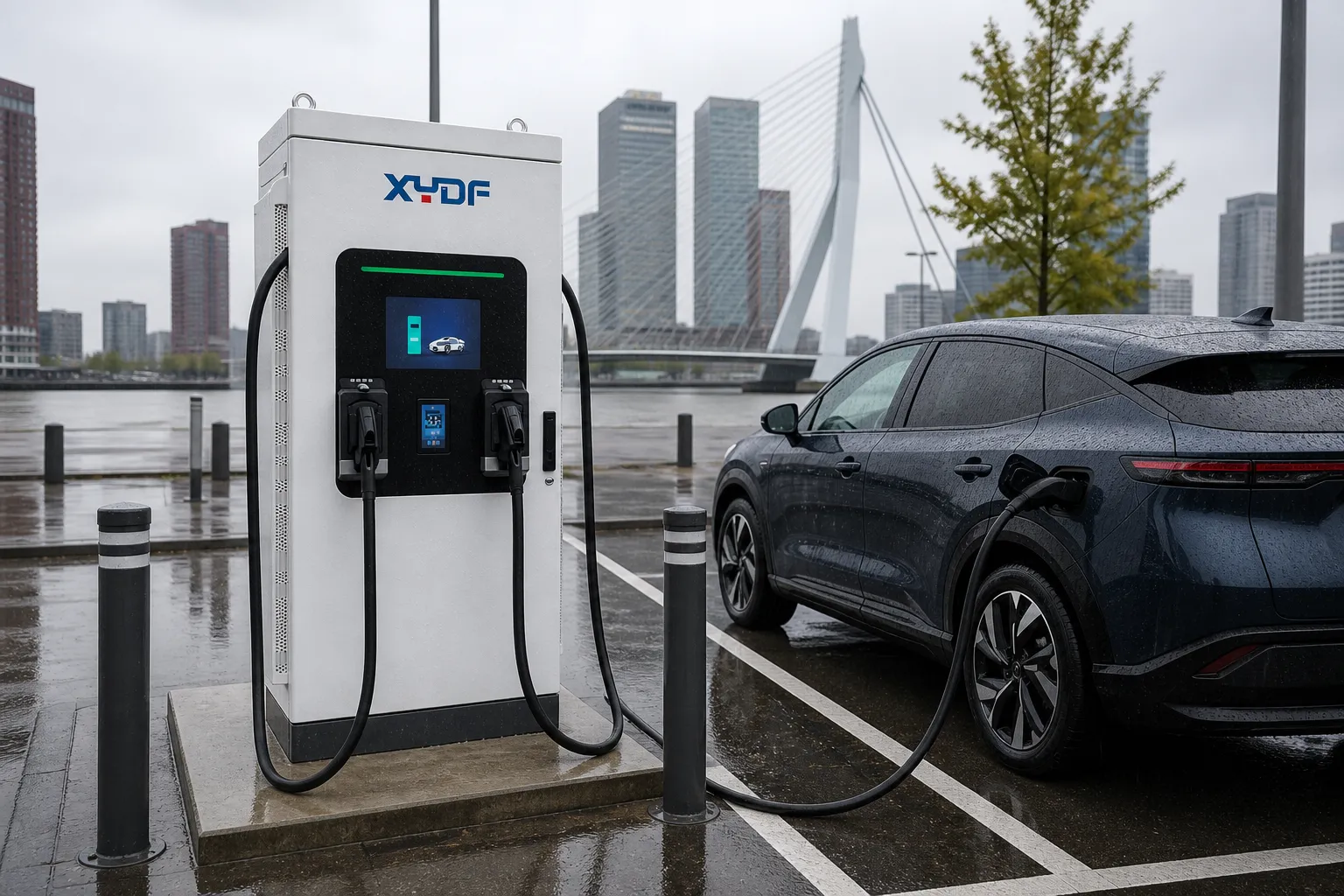
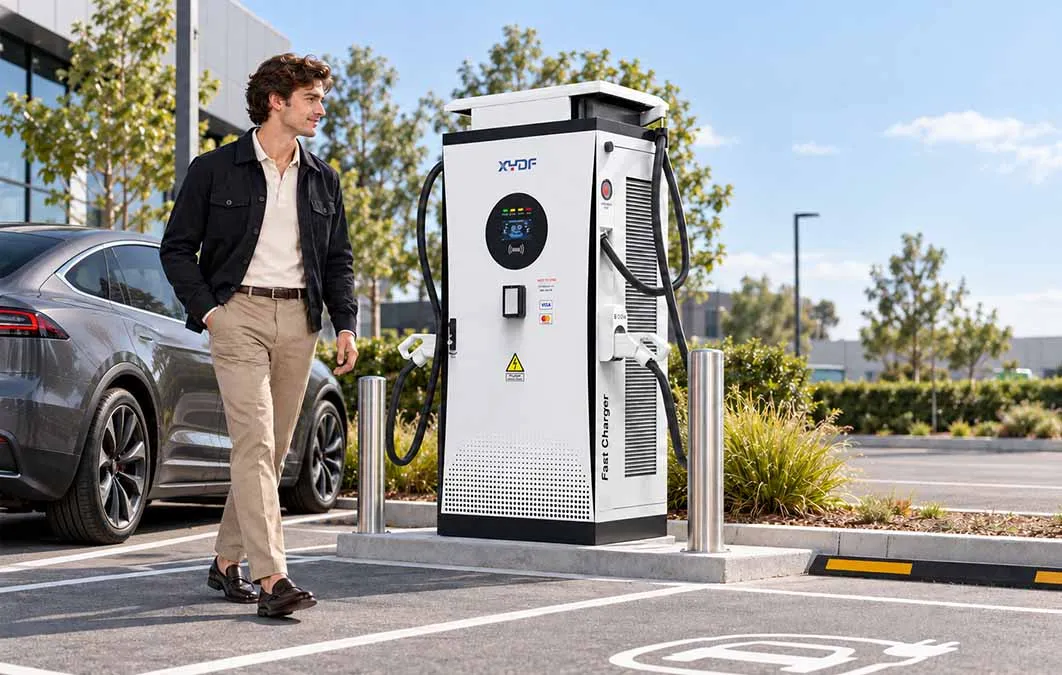
When a site is reviewing new or replacement equipment, connect cable inspection data to the duty: connector type, user handling, reach, parking geometry, temperature and contamination exposure. Use the XYDF DC fast charger range as a product-review path only after those inputs are confirmed. The product recommendation is conditional, and no model should be promised as compatible from a generic cable description.
For a documented review, send the asset details, photos, model information and required operating context to اتصل بـ XYDF. Keep the unsafe asset unavailable until the responsible qualified party records the release decision.
أسئلة متكررة
How do I know if an EV charging cable is damaged?
Look for cuts, cracks, bulges, flattening, exposed material, heat marks, loose strain relief, connector housing damage, latch failure or a holster that cannot retain the handle. Record the observation and follow the site escalation rule.
Can a frayed EV charging cable be repaired?
Do not improvise a field repair. Remove it from use when safety may be affected and refer the assembly to qualified personnel using the manufacturer’s procedure.
When should a charging connector be taken out of service?
Take it out of service when there is exposed conductor, burn evidence, liquid ingress, severe deformation, failed retention or another condition that could create touch, thermal or connection risk.
How often should EV charger cables be inspected?
Set the interval in the site maintenance plan using the equipment manual, usage, environment and incident history. There is no responsible universal interval for every model and site.
Who can replace a commercial EV charging cable?
Use personnel qualified under applicable local rules and the selected equipment procedure. The operator should control access, provide the asset record and verify documented return to service.
What should an operator record after finding cable wear?
Record asset ID, location, connector, date, symptom, photo reference, immediate control, notification, work order, repair or replacement scope and release decision.
What reliability evidence should an EV charger buyer request?
Request failure-mode definitions, session-availability records, alarm and reset history, response and restoration times, preventive-maintenance intervals, and spare-parts or service coverage for the exact configuration. Compare the evidence by operating condition and measurement period; do not treat an isolated MTBF value or a supplier uptime claim as proof of the site’s future availability.
Add cable and connector condition to the site’s controlled inspection record, then route any safety-significant finding to the qualified party named in the operating plan.
نستخدم ملفات تعريف الارتباط (الكوكيز) لضمان عمل هذا الموقع، وبإذنك، لقياس كيفية استخدام الزوار لموقع شحن المركبات الكهربائية الخاص بنا. انظر إلى سياسة الخصوصية للتفاصيل.
 شركة شينيا دونغفانغ لتكنولوجيا الكهرباء المحدودة.