EV Charger Cable Wear: Inspection and Replacement Guide
Ago 17,2026
Blog
EV charger cable inspection often finds wear before a charger cabinet fault: a cracked jacket, distorted handle, loose holster or damaged latch can change how safely a driver connects. A practical inspection plan records what is visible, removes unsafe equipment from use through the site procedure, and gives qualified personnel a controlled replacement brief.
Part 1. What cable wear means for an operating site
La fiabilidad debería describirse como evidencia operativa observable en lugar de como un único número comercial. Solicite definiciones de los modos de fallo, la disponibilidad de las sesiones, el historial de alarmas, los registros de respuesta y restauración, los intervalos de inspección, la cobertura de piezas de repuesto y las condiciones en que se recopilaron las pruebas. El MTBF o una cifra de potencia nominal pueden formar parte de la revisión, pero ninguno de ellos reemplaza un proceso claro de recuperación y mantenimiento de fallos. Para el contexto de planificación pública, véase Requisitos del sistema de carga conductor del IEC 61851-1; El registro de aceptación específico del sitio sigue siendo el factor determinante de la decisión final.
Charging cables are handled, bent, parked and exposed to weather more often than many cabinet components. Wear can be cosmetic, or it can affect insulation, strain relief, connector fit, latch action or the cable’s ability to stay off traffic lanes. The correct response depends on the observed condition, the equipment manual and the site safety procedure.
AFDC maintenance guidance calls for periodic inspection and attention to cable storage and visible condition. It does not create a universal replacement interval; use the actual equipment documentation and qualified-person requirements (Orientación de AFDC).
Part 2. How to inspect accessible cable and connector surfaces
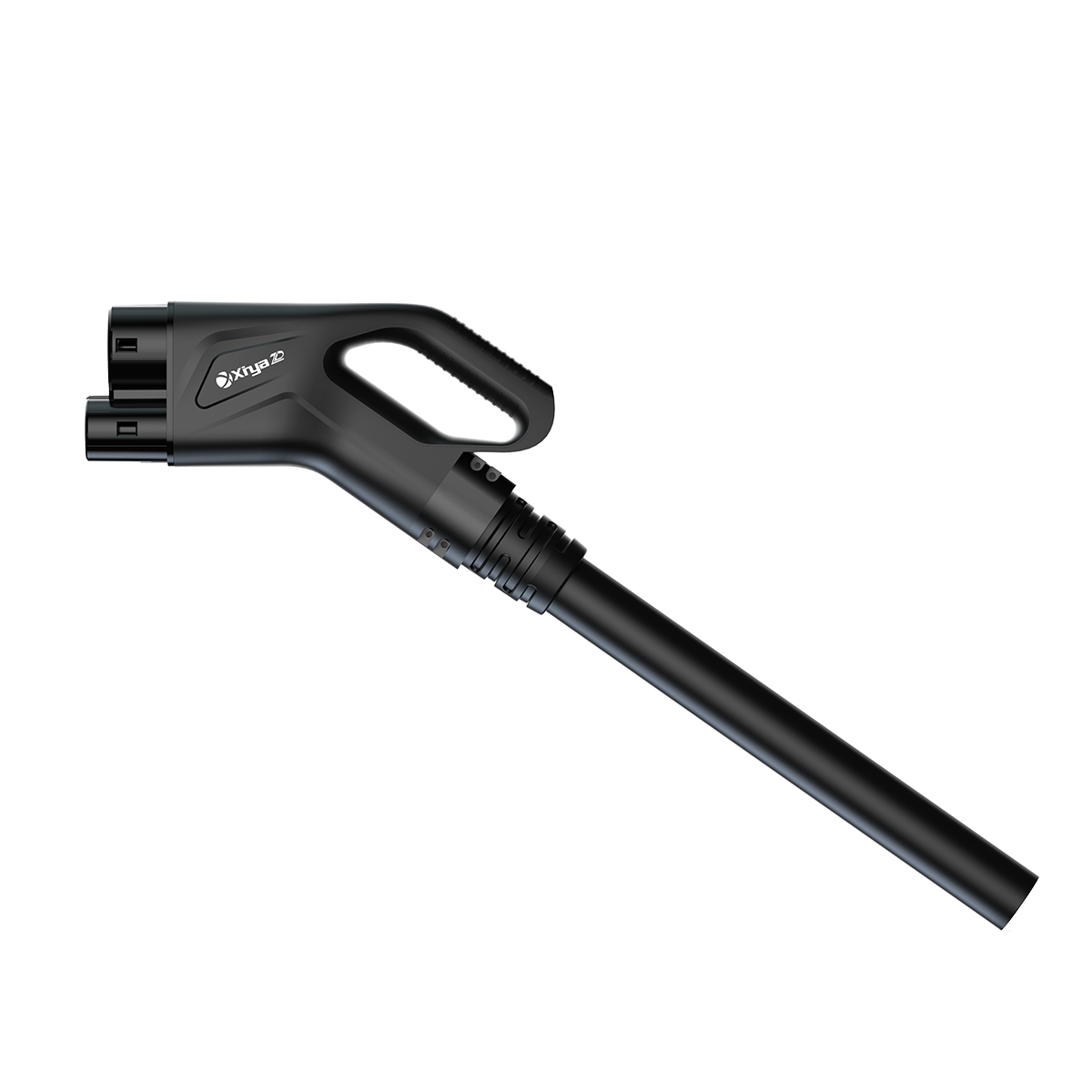
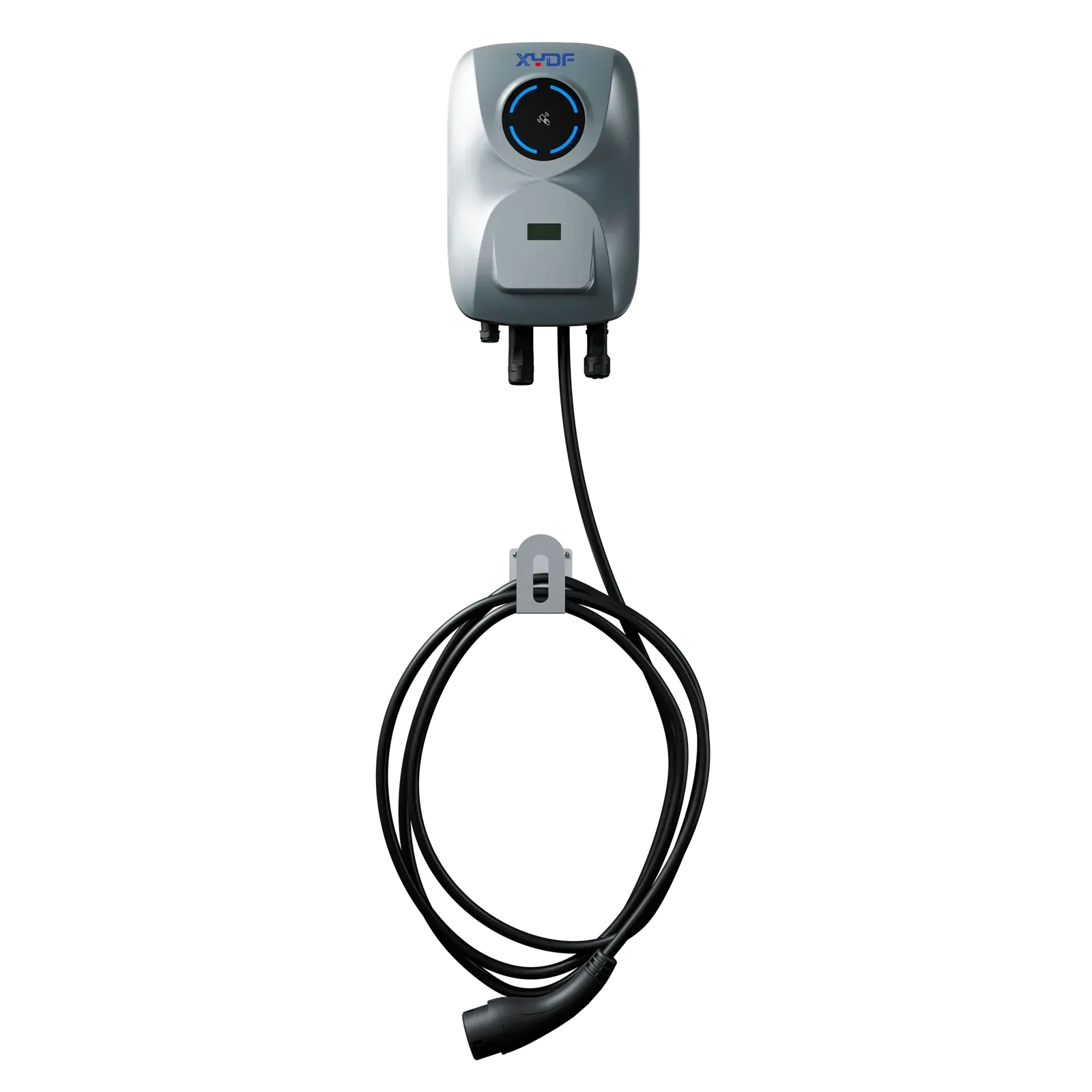
Start with the equipment in its normal safe state and follow the site’s isolation or stop-use process. Inspect only accessible external surfaces. Look for cuts, cracks, bulges, flattening, exposed braid or conductor, heat discoloration, contamination that will not clean under the approved procedure, loose strain relief, damaged connector housing, latch failure and a holster that does not retain the handle.
Record the asset ID, connector position, date, operating context and a clear description. A photograph can support the work order when the site policy permits it. Do not pull, flex aggressively, open the connector or test live equipment as part of an operator visual check.
Do not assume the network will report every physical defect. In a Joint Office reliability webinar, operators noted that a connector’s plastic housing can be damaged by being dropped or driven over while remote monitoring may not detect the damage. This makes an on-site check and driver or customer report essential for identifying connector damage that has not produced a useful remote alarm.
Part 3. How to classify findings and stop unsafe use
Use three practical classes: monitor, service review and stop-use. Monitor is limited to a documented, non-safety-critical observation that remains within the manual’s acceptance guidance. Service review covers recurring stiffness, damaged storage hardware, uncertain connector fit or a condition that needs a qualified assessment. A stop-use decision applies when there is exposed conductor, severe jacket damage, burn evidence, liquid ingress, failed retention, sharp deformation or any condition that creates a credible touch or trip hazard.
Finding
Operator action
Qualified handoff
Surface dirt with no damage
Clean only under approved site procedure and record
confirm return-to-service check
Crack, cut, bulge or exposed material
stop use if safety may be affected; tag asset
inspect against model manual
Burn mark, overheating evidence or smell
isolate through site procedure
electrical and equipment assessment
Latch, holster or strain-relief failure
prevent normal use
determine component or assembly scope
Part 4. How to record evidence and escalate a defect
Good records make a replacement decision reviewable. Capture the charger and connector ID, location, date and time, session or use context if available, visible symptom, photo reference, immediate control, person notified and the work-order number. Note whether the defect is repeatable, whether another connector is affected and whether the holster or cable-management path contributed to the condition.
Escalate through the site owner, maintenance contractor or manufacturer channel defined in the operating plan. Close the loop from the field finding to access control, a work order, qualified field service, the charger’s network-status update where applicable, spare-part replacement and a recorded return-to-service decision. The operator’s role is to preserve evidence and control access; internal electrical work, disassembly and testing belong to personnel qualified under applicable rules and the equipment procedure.
Part 5. How to define a replacement scope without guessing
Do not order a cable from a photograph or nominal power alone. The replacement scope should state the charger model and revision, connector family, cable length and routing constraints, environmental exposure, mounting/holster arrangement, observed defect, required documents, inspection evidence and return-to-service owner. Confirm spare-part compatibility and support status as well: a stored cable is not useful if its connector, termination or approved procedure no longer matches the installed revision. The maintenance plan should account for lead time and obsolescence risk without imposing a universal replacement interval.
Replacement-scope field
Por qué importa
Model, serial or asset ID
prevents an incompatible assembly being selected
Connector and cable arrangement
confirms mechanical and electrical fit
Length, routing and storage
addresses bend, reach and strain conditions
Environment and duty
lets qualified reviewers apply the correct manual
Defect evidence and photos
supports root-cause and acceptance review
Return-to-service evidence
closes the work order with an accountable owner
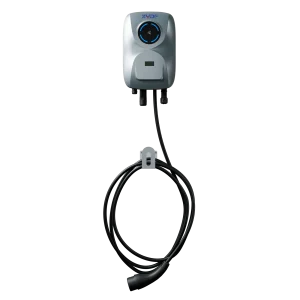
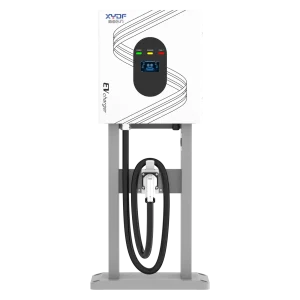
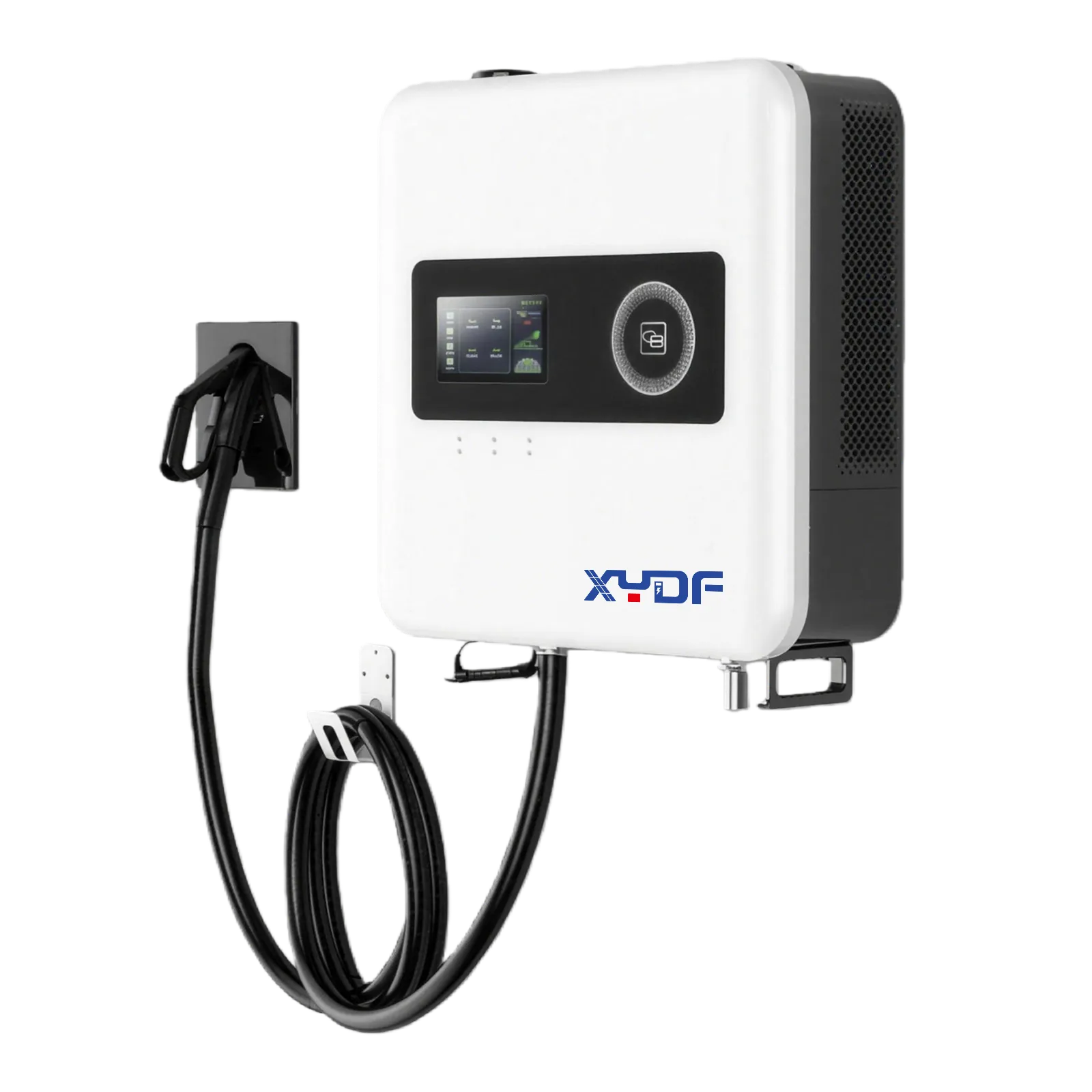
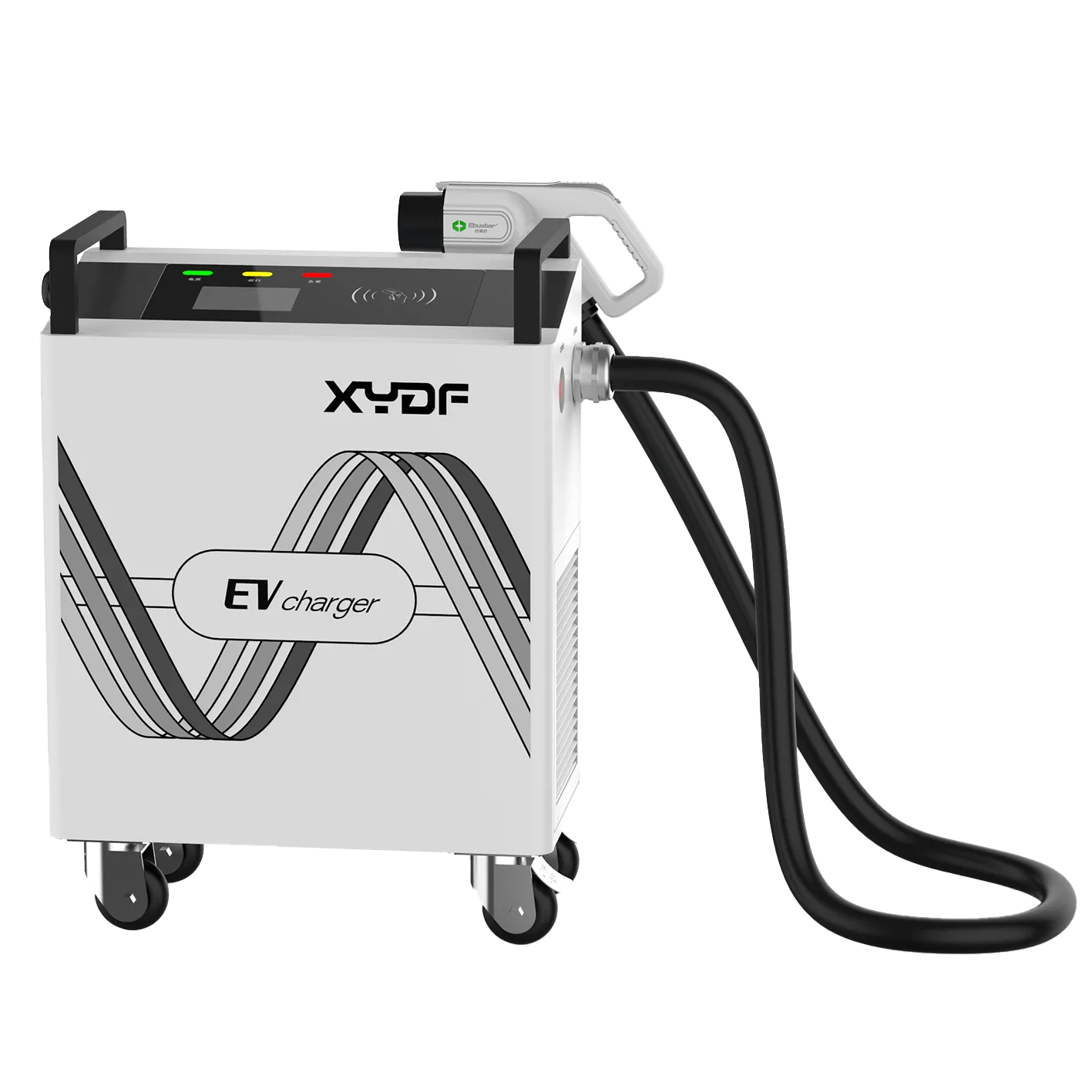
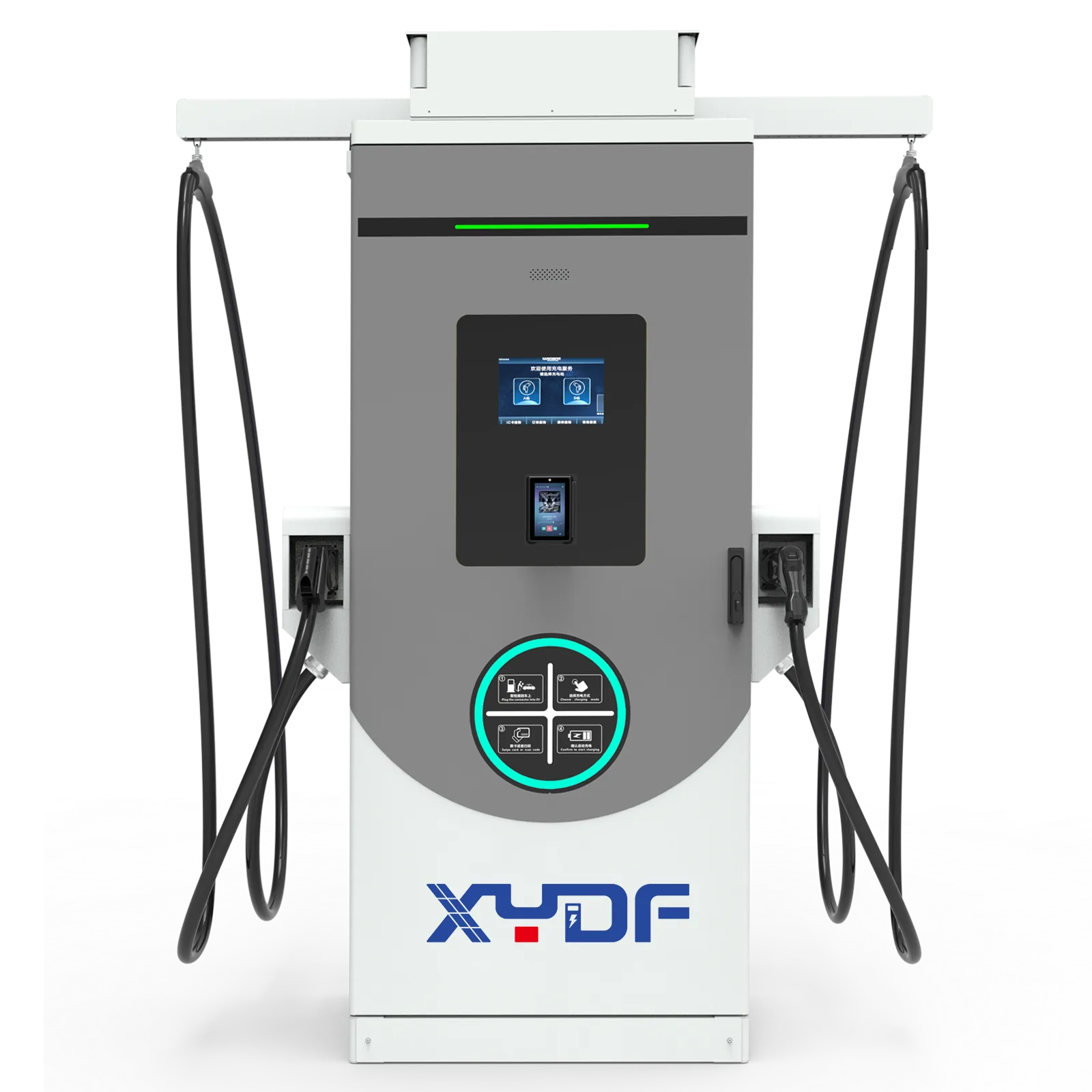
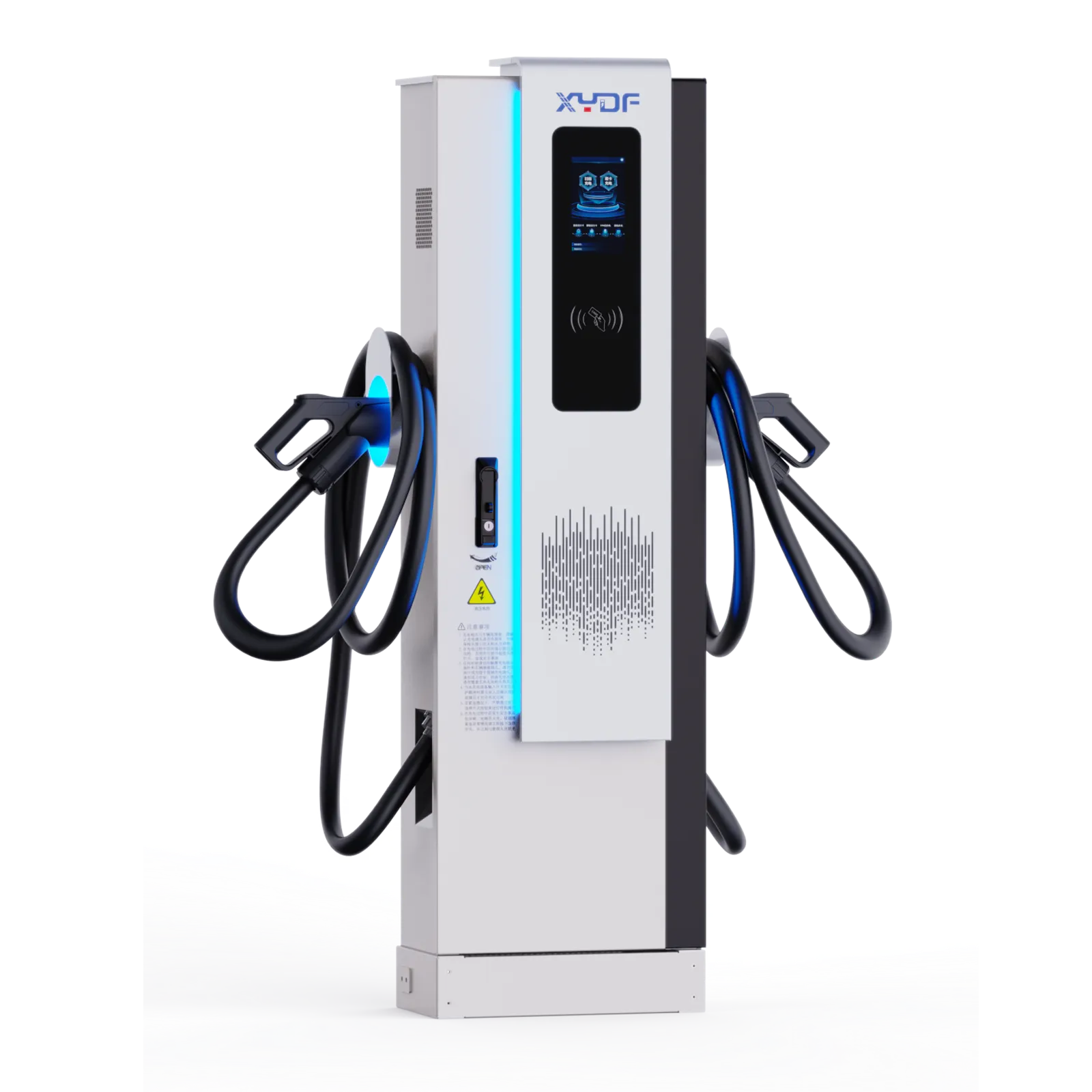
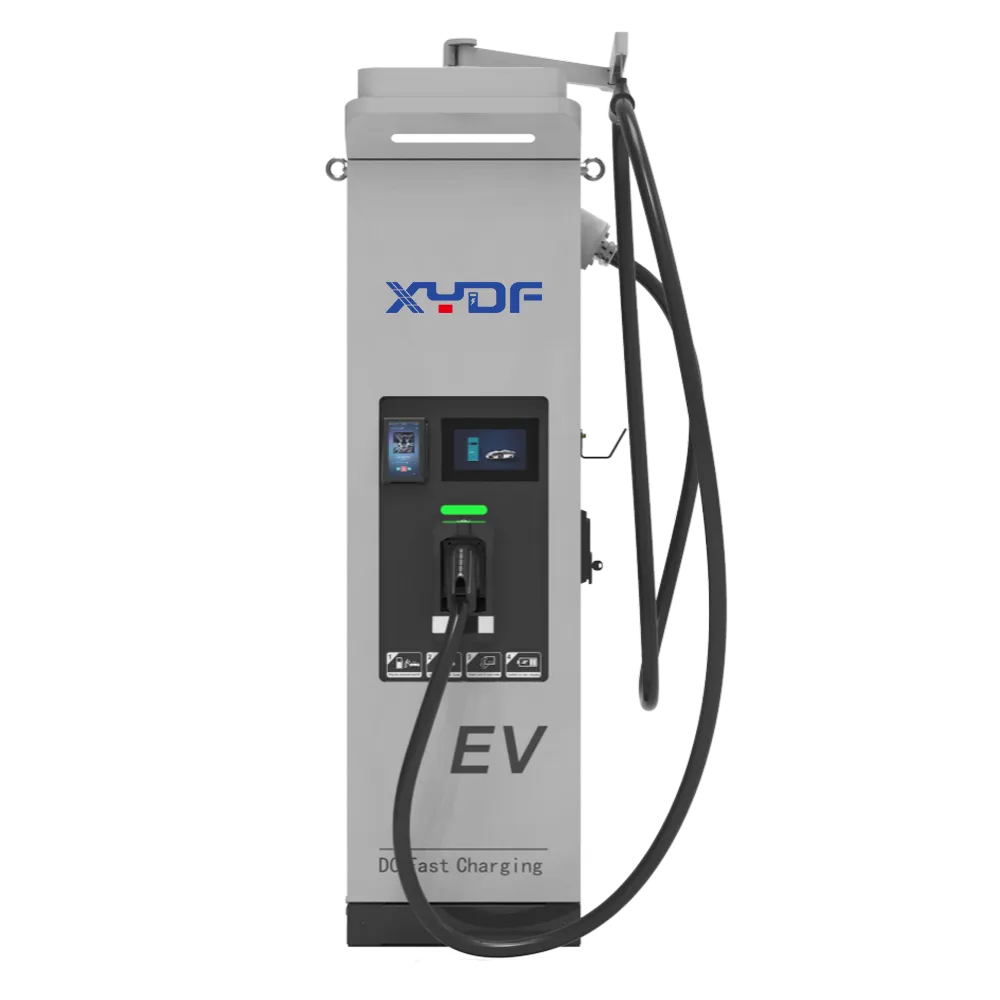
El La gama de productos XYDF can be a starting point for a compatibility discussion, but the final replacement decision must match the actual equipment documentation and site approval.
Part 6. How to align the handoff with product selection
When a site is reviewing new or replacement equipment, connect cable inspection data to the duty: connector type, user handling, reach, parking geometry, temperature and contamination exposure. Use the Gamma de cargadores rápidos XYDF DC as a product-review path only after those inputs are confirmed. The product recommendation is conditional, and no model should be promised as compatible from a generic cable description.
For a documented review, send the asset details, photos, model information and required operating context to Contacto de XYDF. Keep the unsafe asset unavailable until the responsible qualified party records the release decision.
Preguntas frecuentes
How do I know if an EV charging cable is damaged?
Look for cuts, cracks, bulges, flattening, exposed material, heat marks, loose strain relief, connector housing damage, latch failure or a holster that cannot retain the handle. Record the observation and follow the site escalation rule.
Can a frayed EV charging cable be repaired?
Do not improvise a field repair. Remove it from use when safety may be affected and refer the assembly to qualified personnel using the manufacturer’s procedure.
When should a charging connector be taken out of service?
Take it out of service when there is exposed conductor, burn evidence, liquid ingress, severe deformation, failed retention or another condition that could create touch, thermal or connection risk.
How often should EV charger cables be inspected?
Set the interval in the site maintenance plan using the equipment manual, usage, environment and incident history. There is no responsible universal interval for every model and site.
Who can replace a commercial EV charging cable?
Use personnel qualified under applicable local rules and the selected equipment procedure. The operator should control access, provide the asset record and verify documented return to service.
What should an operator record after finding cable wear?
Record asset ID, location, connector, date, symptom, photo reference, immediate control, notification, work order, repair or replacement scope and release decision.
¿Qué pruebas de fiabilidad debería solicitar un comprador de un cargador para vehículos eléctricos?
Solicite definiciones de fallos, registros de disponibilidad de la sesión, historial de alarmas y restablecimientos, tiempos de respuesta y restauración, intervalos de mantenimiento preventivo y piezas de repuesto o cobertura de servicio para la configuración exacta. Compare la evidencia según las condiciones operativas y el periodo de medición; no considere un valor MTBF aislado ni una afirmación de tiempo de actividad del proveedor como prueba de la futura disponibilidad del sitio.
Add cable and connector condition to the site’s controlled inspection record, then route any safety-significant finding to the qualified party named in the operating plan.
Fábrica de la sede en Zhejiang:
N.º 2, Calle Changjiang, Parque Industrial del Puente de Wenzhou, Ciudad de Beibaixiang, Ciudad de Yueqing, Ciudad de Wenzhou, Provincia de Zhejiang
Sucursal de Shenzhen:
1.er piso, Edificio A, Parque Industrial Shenkai, Comunidad Tangtou, Subdistrito Shiyan, Distrito de Bao'an, Shenzhen
Utilizamos cookies para que este sitio web funcione y, con su permiso, para medir cómo los visitantes utilizan nuestro sitio de carga de vehículos eléctricos. Consulte nuestra Política de Privacidad para más detalles.
 Xinya Dongfang Electricity Technology Co., Ltd.