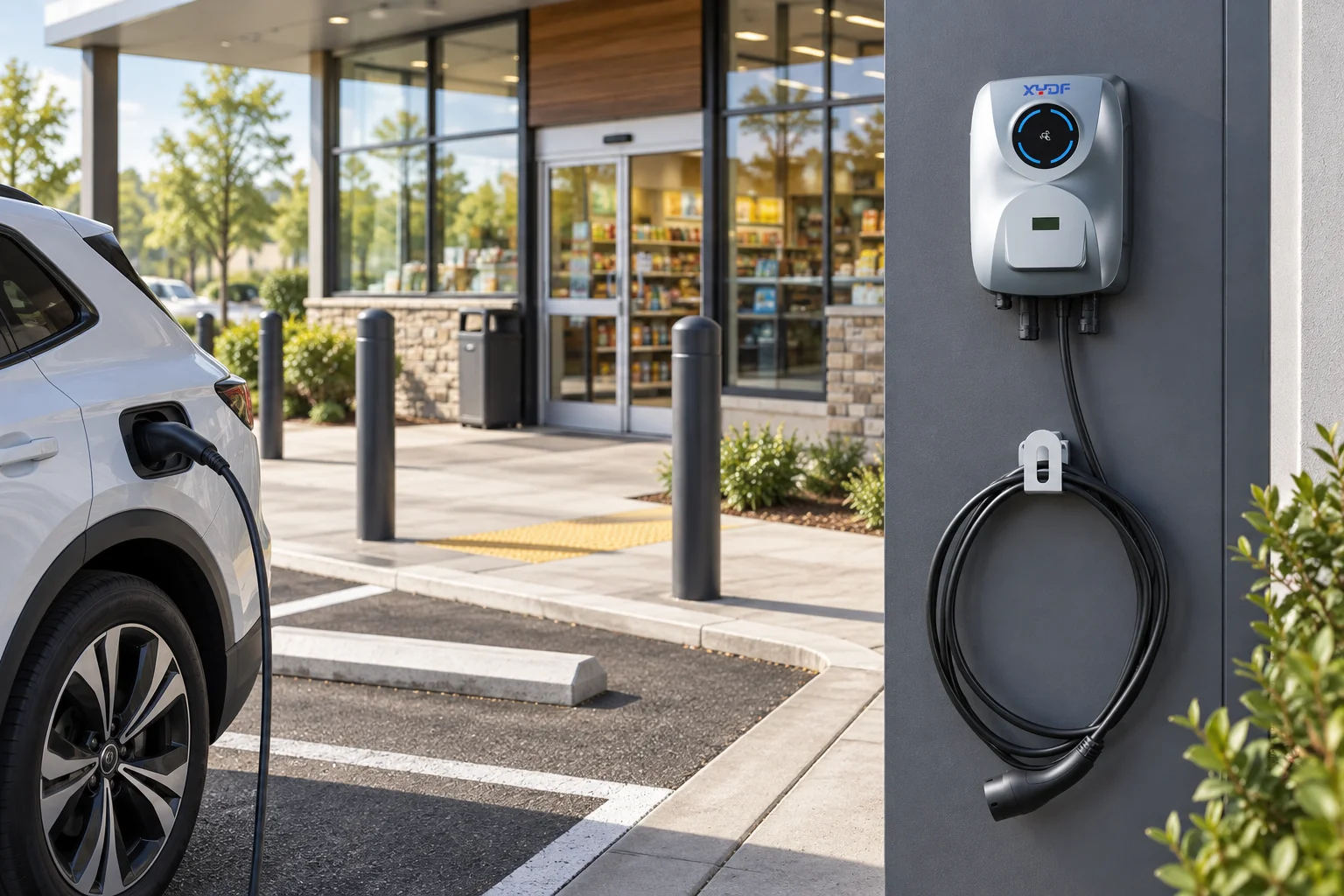
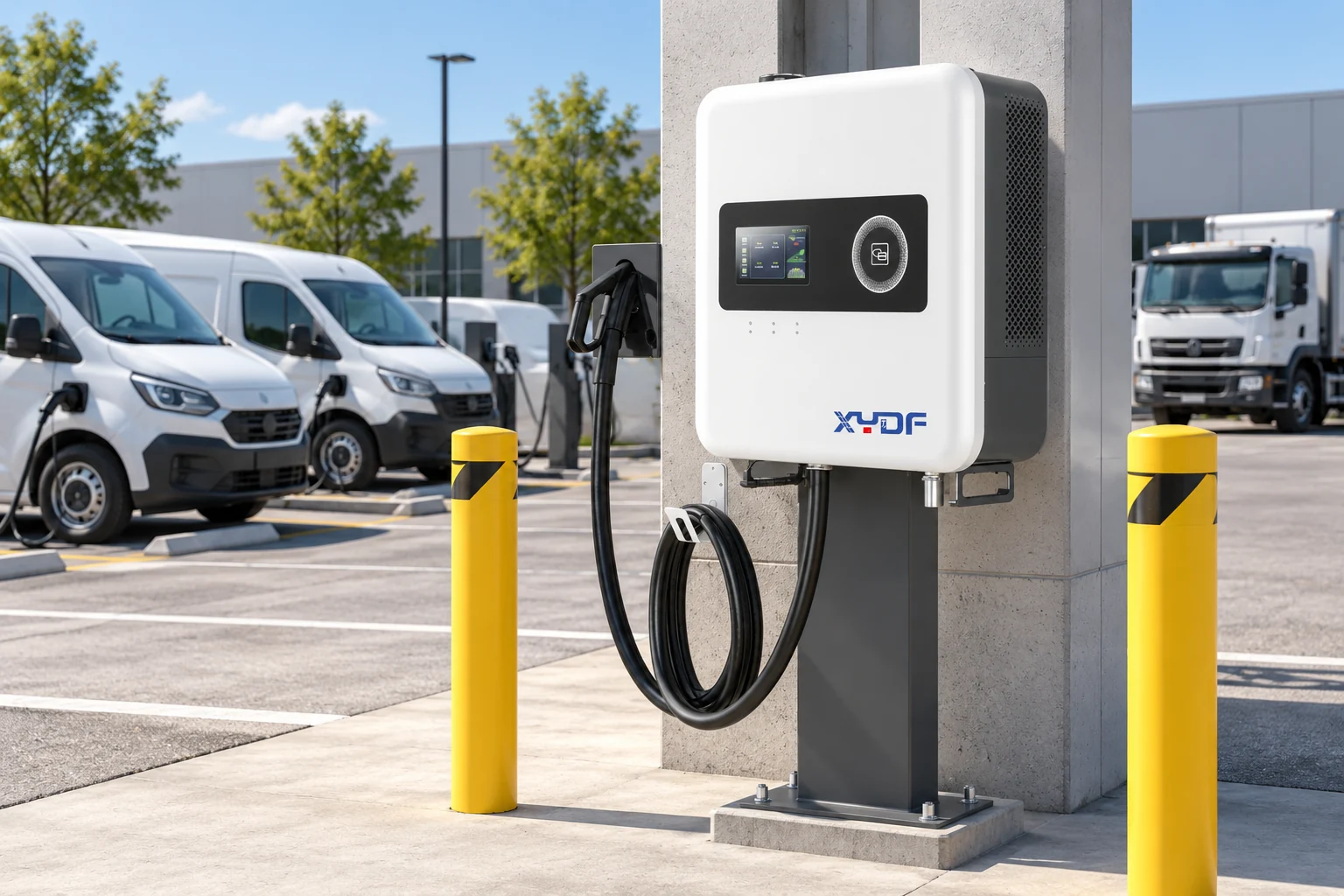
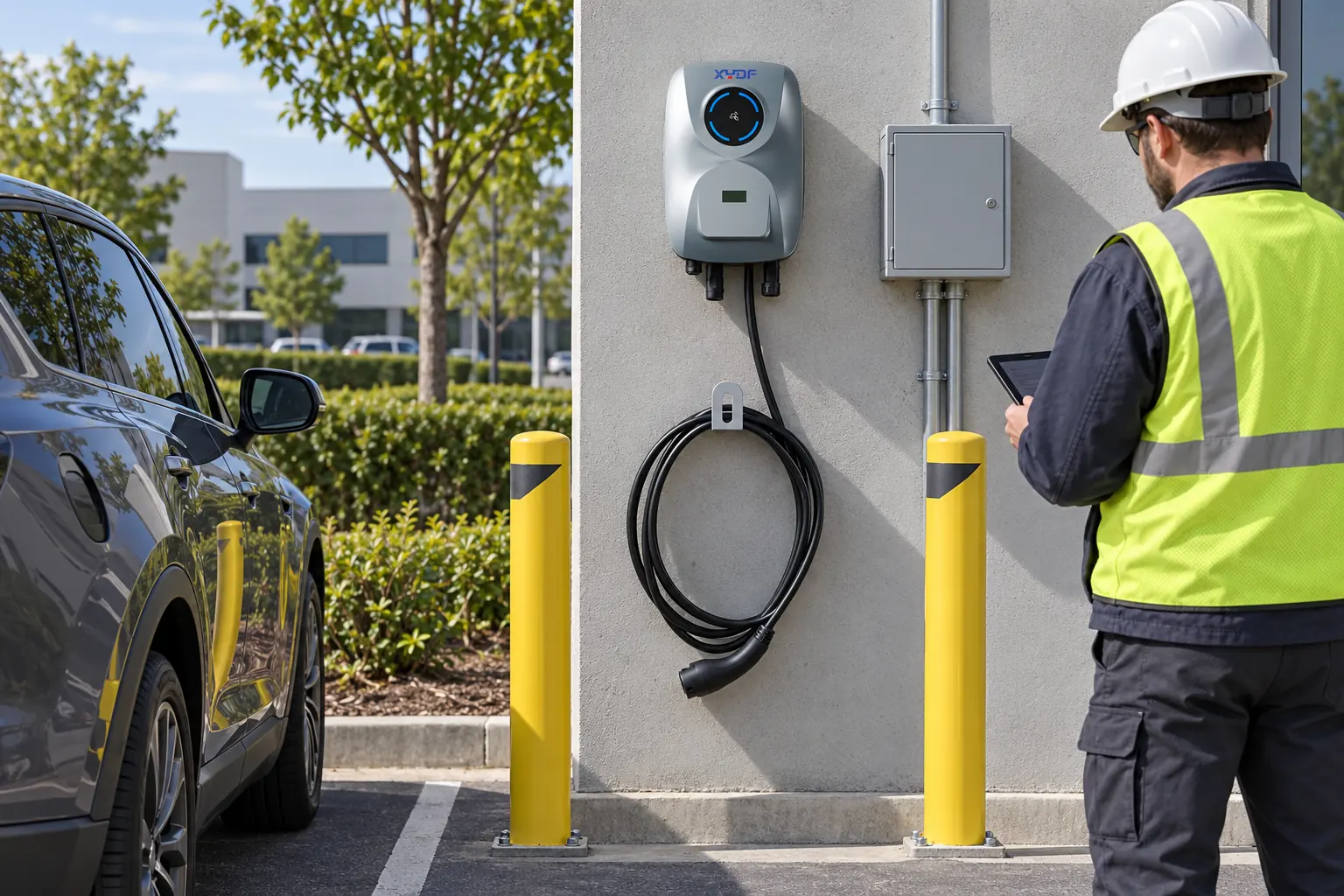
شهادة شحن السيارات الكهربائية: ما هي الشهادات التي تحتاج إليها شواحن السيارات الكهربائية؟
25 أغسطس 2026
مدونة
مع تزايد شعبية المركبات الكهربائية في جميع أنحاء العالم، تواصل الزيادة في الطلب على بنية تحتية موثوقة لتشغيل السيارات الكهربائية. بالنسبة لمصنّعي شواحن السيارات الكهربائية والموزعين والمشترين، فإن الحصول على شهادة المنتج يعدّ عاملاً مهماً عند دخول الأسواق المختلفة.
لكن ما هي الشهادات التي تحتاجها بالفعل شواحن السيارات الكهربائية؟ الجواب يعتمد على عدة عوامل، منها السوق المستهدف ونوع الشاحن ومستوى الطاقة ووظائف الاتصال واللوائح المحلية المعمول بها. شهادة شاحن السيارات الكهربائية يشكل متطلبات الاختبار خطوة مهمة قبل تطوير أو شراء أو نشر معدات الشحن.
تشمل الشهادات والاحتياجات التنظيمية الشائعة ما يلي: م.م, CB، UL، UKCA، TÜV، FCC، CQC، و RCM. ومع ذلك، لا يشير جميع هذه المصطلحات إلى نفس نوع الشهادة. فهم الاختلافات بينها يمكن أن يساعد المشترين في اختيار شاحن السيارات الكهربائية المناسب وتجنب المشكلات المتعلقة بالامتثال عند استيراد أو نشر معدات الشحن.
لماذا تحتاج شواحن السيارات الكهربائية إلى شهادة؟
تتولى شواحن السيارات الكهربائية التعامل مع طاقة كهربائية عالية وتوصيلها مباشرة بالمركبات الكهربائية، مما يجعل السلامة والموثوقية أمراً بالغ الأهمية. تساعد عمليات التصديق واختبار الامتثال في التحقق من أن معدات الشحن تفي بالمتطلبات المعمول بها لسلامة الكهرباء، والتوافق الكهرومغناطيسي، والمواصفات التقنية الأخرى.
بالنسبة لمصنّعي شواحن السيارات الكهربائية، فإن الحصول على الشهادات المناسبة يمكن أن يساعد:
ضمان السلامة الكهربائية: تساعد الشهادات في التحقق من الحماية من الصعق الكهربائي، والتوتر الكهربائي، والحرارة المفرطة، والاتصالات الكهربائية القصيرة، وغيرها من المخاطر المحتملة.
تلبية متطلبات EMC: يجب أن تعمل شواحن السيارات الكهربائية بشكل موثوق دون أن تسبب تدخلًا كهرومغناطيسيًا مفرطًا في المعدات الأخرى.
الوصول إلى الأسواق الدولية: لدى مختلف البلدان والمناطق متطلبات تنظيمية خاصة بها. وغالباً ما يكون تلبية هذه المتطلبات ضروريًا قبل أن يتمكن المنتج من الدخول قانونيًا إلى السوق.
تعزيز ثقة العملاء: توفر الشهادات وتقارير الاختبار المعترف بها للمشترين دليلاً على أن المنتج تم تقييمه وفقًا للمتطلبات ذات الصلة.
دعم مشاريع الشحن العام: قد تتطلب مشاريع الشحن الحكومية والخدمية والمركبة والخاصة شهادات محددة أو معايير أو تقارير اختبارات النوع كجزء من متطلبات المشتريات الخاصة بها.
ما هي متطلبات شهادة وملاءمة شاحن السيارات الكهربائية الرئيسية؟
لا توجد شهادة واحدة تسمح ببيع شاحن للسيارات الكهربائية في كل بلد. بدلاً من ذلك، يحتاج المصنعون إلى تحديد المتطلبات المطبقة لكل سوق مستهدف.
الشهادة / المتطلبات
السوق الرئيسي
الغرض الرئيسي
م.م
الاتحاد الأوروبي/ المنطقة الاقتصادية الأوروبية
يشهد الامتثال للمتطلبات السارية في الاتحاد الأوروبي
سي بي
الدولي
نظام الاعتماد الأمني الدولي القائم على معيار IEC
أول
الولايات المتحدة/كندا
اختبار سلامة المنتجات والاعتماد عليها
شهادة المطابقة البريطانية
المملكة المتحدة
علامة مطابقة السوق في المملكة المتحدة
TÜV
أوروبا / عالمياً
اختبارات وشهادات الجهات الخارجية
FCC
الولايات المتحدة
التوافق مع إم سي إي وإشارات الراديو
CQC
الصين
شهادة المنتجات وتقييم المطابقة
RCM
أستراليا / نيوزيلندا
الامتثال للمعايير الكهربائية ومعايير السلامة الكهرومغناطيسية
BIS
الهند
متطلبات مطابقة المنتجات الهندية
تخدم هذه الشهادات ومتطلبات الامتثال أغراضًا مختلفة ولا يمكن استبدالها.
على سبيل المثال،, CE هو في الأساس علامة مطابقة أوروبية, في حين يستخدم UL على نطاق واسع لتصديق سلامة المنتجات في أمريكا الشمالية. CB هي نظام تصديق دولي قائم على معايير IEC، بينما يشير TÜV إلى منظمات الاختبار والاعتماد المستقلة مثل TÜV Rheinland وTÜV SÜD.
بالنسبة لسوق الصين، قد يتضمن معدات شحن السيارات الكهربائية شهادة CQC ومعايير GB/T واختبارات النوع المناسبة، وذلك وفقًا لمتطلبات المنتج والمشروع.
إلى جانب الشهادات المخصصة للسوق، قد تحتاج شواحن السيارات الكهربائية إلى الامتثال لمعايير تقنية مثل IEC 61851 وIEC 62196 وISO 15118. قد تشكل هذه المعايير جزءًا مهمًا من شهادة شاحن السيارات الكهربائية تختلف عملية التصنيع اعتمادًا على السوق المستهدف وتكوين المنتج.
كيف تختار شركة تصنيع شاحن للسيارات الكهربائية المعتمدة؟
ينبغي أن يكون التصديق أحد أهم العوامل عند اختيار شركة تصنيع لشاحن للسيارات الكهربائية، لكن يجب على المشترين أن ينظروا إلى ما وراء شعارات التصديق التي تظهر على موقع الويب أو في كتيب المنتج.
قبل الشراء، ضع في اعتبارك ما يلي:
1. تحقق من نموذج المنتج المحدد
ينبغي أن يتوافق النموذج الموضح في الشهادة أو تقرير الاختبار مع الشاحن الفعلي الذي سيتم شراؤه.
لا يغطي تصنيف واحد لمنتج ما تلقائياً كل المنتجات من نفس الشركة المصنعة.
2. تحقق من المعايير المنطبقة
اسأل الموزع عن المعايير التي تم استخدامها لاختبار المنتجات والتحقق من مطابقتها.
بناءً على السوق والمنتج، قد تتضمن هذه المواصفات IEC وEN وUL وCSA وGB/T وغيرها من المعايير المعمول بها.
3. تحقق من نطاق الشهادة
وهذا مهم بشكل خاص لمشاريع OEM وODM.
قد تؤثر التغييرات في القيمة المقدرة للطاقة، والمكونات الكهربائية، والحافظة، والوصلة، ومكونات الاتصال، أو المكونات الرئيسية الأخرى، على نطاق الشهادة.
لذلك، ينبغي للمشترين التأكد مما إذا كان شاحن السيارات الكهربائية المخصص سيظل خاضعًا للشهادة الحالية.
4. طلب تقارير الاختبارات وشهاداتها
ينبغي أن يكون لدى الشركة المصنعة الموثوقة القدرة على توفير الوثائق التقنية المناسبة، والشهادات، وتقارير الاختبارات الخاصة بالسوق المستهدف.
لا تعتمدوا فقط على شعار CE أو UL أو TÜV.
5. فكر في السوق المستهدف
تختلف متطلبات الشهادات من بلد إلى آخر. على سبيل المثال:
الاتحاد الأوروبي: CE والمتطلبات الأوروبية المعمول بها
الولايات المتحدة: متطلبات UL ومتطلبات FCC المعمول بها
المملكة المتحدة: UKCA أو متطلبات المملكة المتحدة الأخرى المعمول بها
الصين: معايير CQC و GB/T واختبارات النوع المناسبة
أستراليا/نيوزيلندا: RCM والمعايير المطبقة
لذلك ينبغي تحديد استراتيجية الاعتماد الصحيحة قبل تطوير المنتج والإنتاج الضخم.
6. اختر شركة تصنيع تتمتع بخبرة في مجال التصديق
في مشاريع شحن السيارات الكهربائية الدولية، يجب على الشركة المصنعة ذات الخبرة أن تفهم ليس فقط كيفية تصنيع الشاحن، بل أيضًا كيفية تلبية المتطلبات التنظيمية والتقنية للسوق المستهدف.
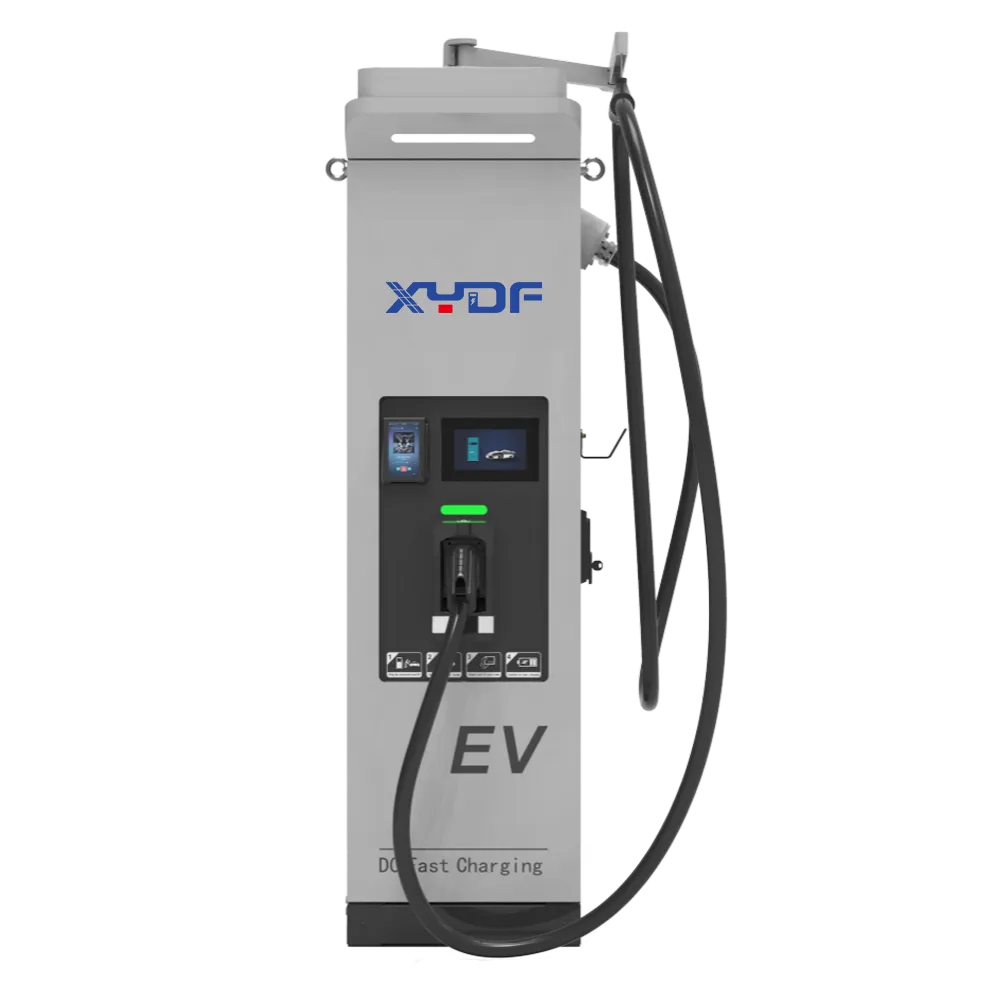
توفّر XYDF خدمات مخصصة حلول شحن السيارات الكهربائية بالبطاريات الجافة والبطاريات الدورية للمناطق الدولية المختلفة، دعم تطوير المنتجات وتخصيص OEM/ODM والالتزام بالمتطلبات المتعلقة بالشهادات والامتثال. من شواحن التيار المتردد وشواحن التيار المباشر السريعة إلى أنظمة الشحن عالية الطاقة، تعمل XYDF مع العملاء لتطوير حلول الشحن بناءً على متطلبات المشروع والسوق المحددة.
خواطر أخيرة
لا يشكل تصريح شحن السيارات الكهربائية عملية واحدة مناسبة لجميع الأجهزة. تعتمد المتطلبات على السوق المستهدف ونوع الشاحن ومستوى الطاقة ووظائف المنتج واللوائح المعمول بها.
تلعب كل من CE وCB وUL وUKCA وTÜV أدوارًا مختلفة في صناعة شحن السيارات الكهربائية. فهم هذه الاختلافات يمكن أن يساعد المصنعين في إعداد المنتجات للمناطق الدولية، كما يساعد المشترين في اختيار معدات الشحن المتوافقة والموثوقة.
بالنسبة للشركات التي تخطط لشراء أو تخصيص محولات شحن للسيارات الكهربائية، فإن أفضل نهج هو تحديد السوق المستهدفة والمعايير المطبقة أولاً، ثم التأكد من أن نموذج المنتج المحدد من الشركة المصنعة ونطاق الشهادات وتقارير الاختبار تتوافق مع متطلبات المشروع.
نستخدم ملفات تعريف الارتباط (الكوكيز) لضمان عمل هذا الموقع، وبإذنك، لقياس كيفية استخدام الزوار لموقع شحن المركبات الكهربائية الخاص بنا. انظر إلى سياسة الخصوصية للتفاصيل.
 شركة شينيا دونغفانغ لتكنولوجيا الكهرباء المحدودة.
 30-40 كيلوواط
 30-40 كيلوواط
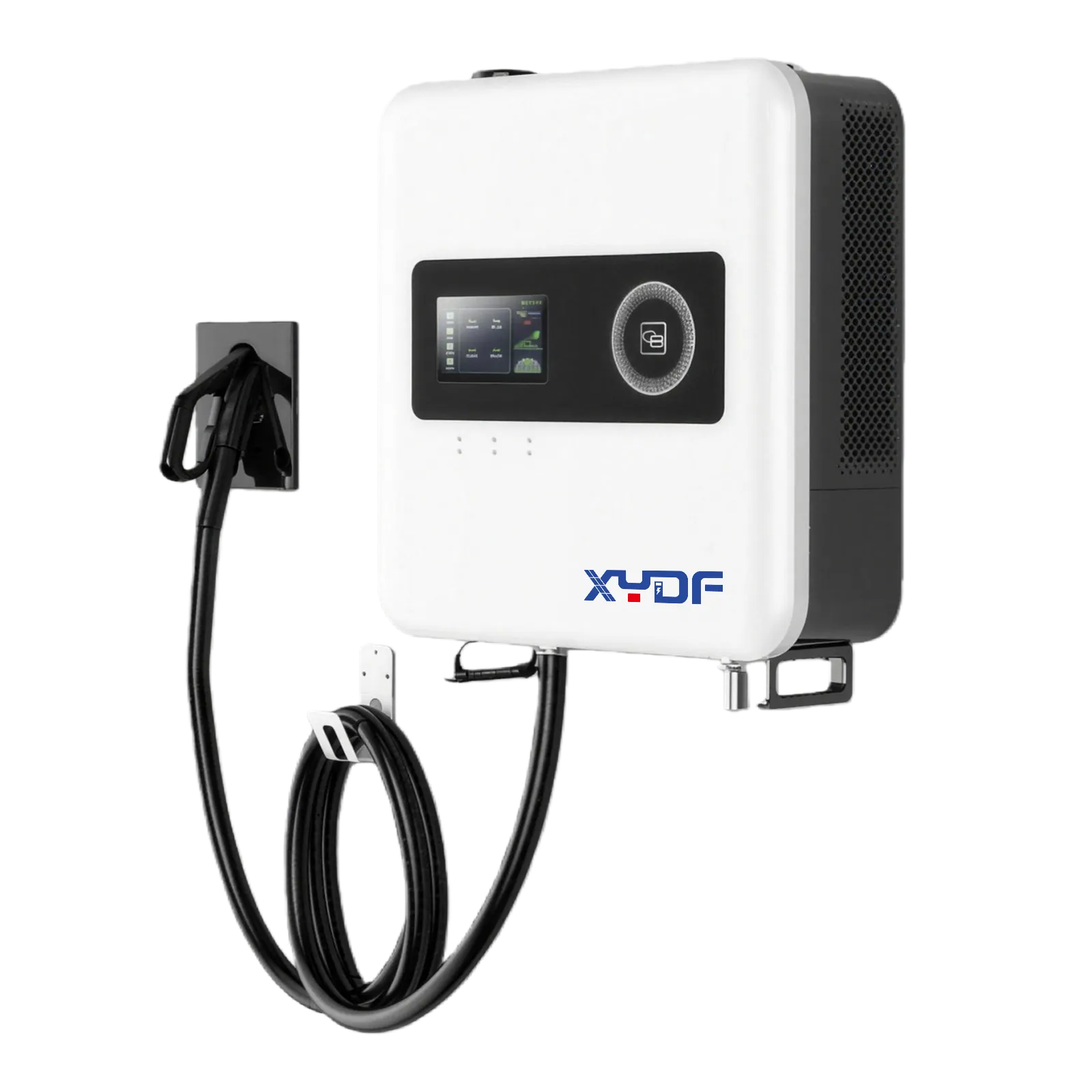 30 كيلوواط
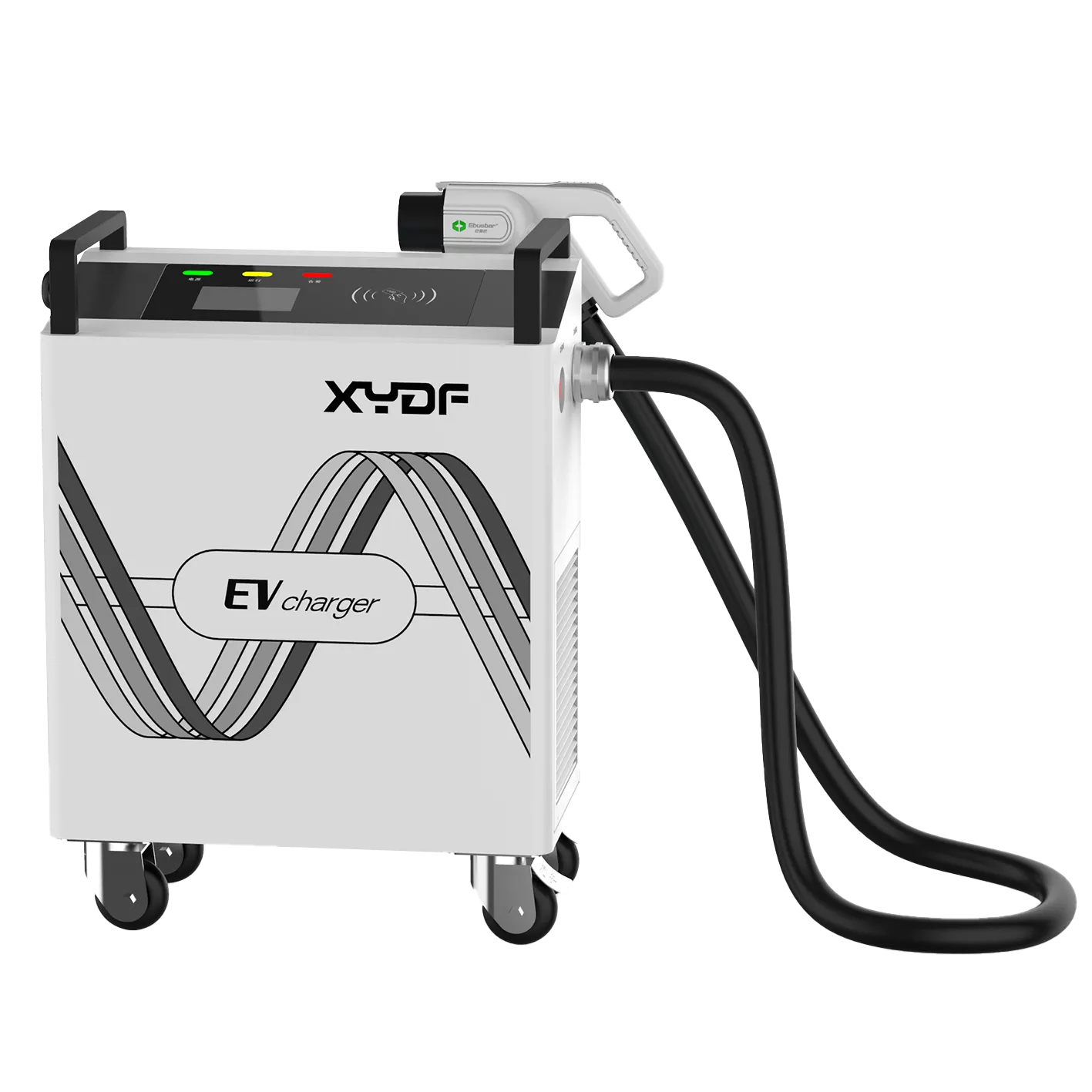 30-40 كيلوواط
 80 كيلو واط - 240 كيلو واط
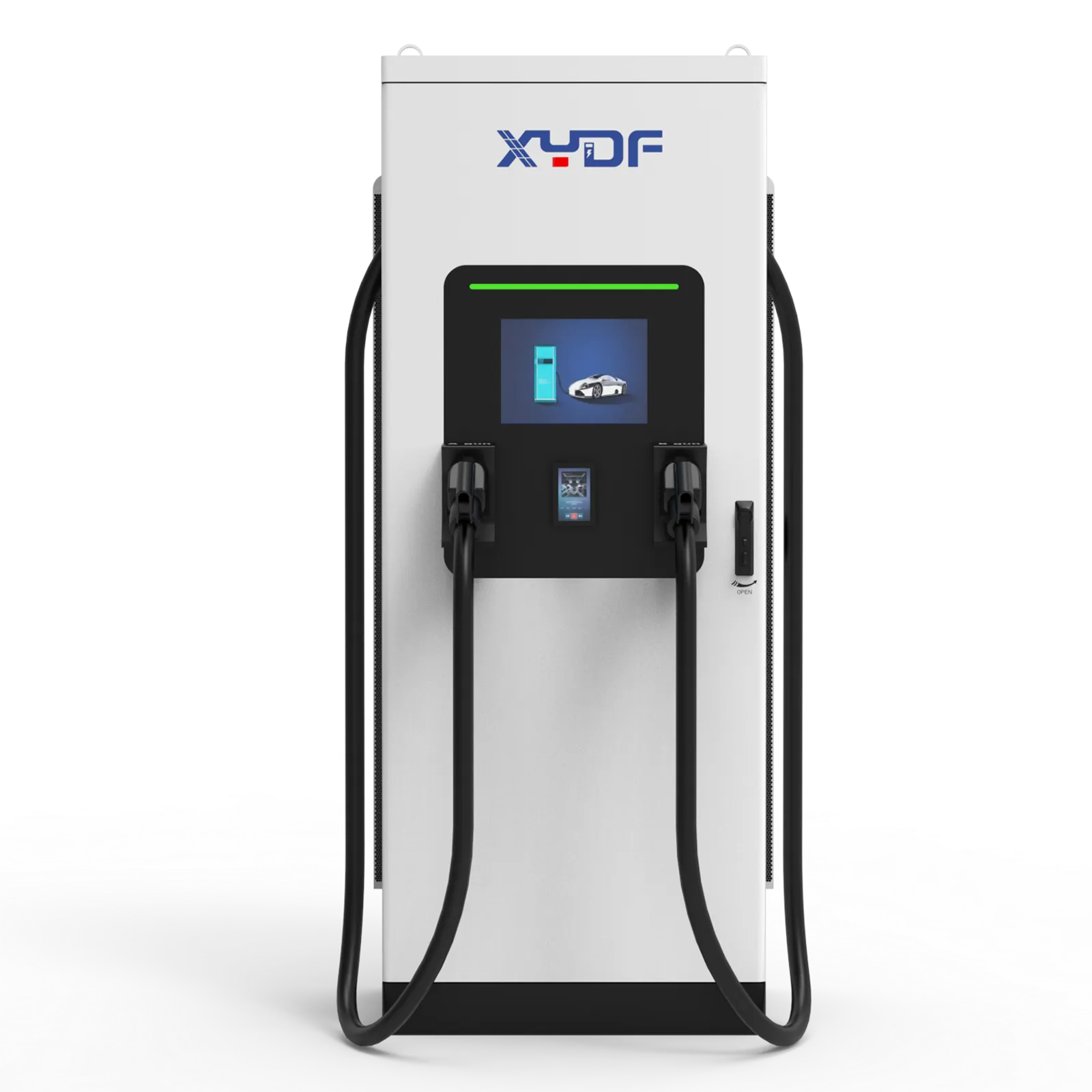 60-240 كيلوواط
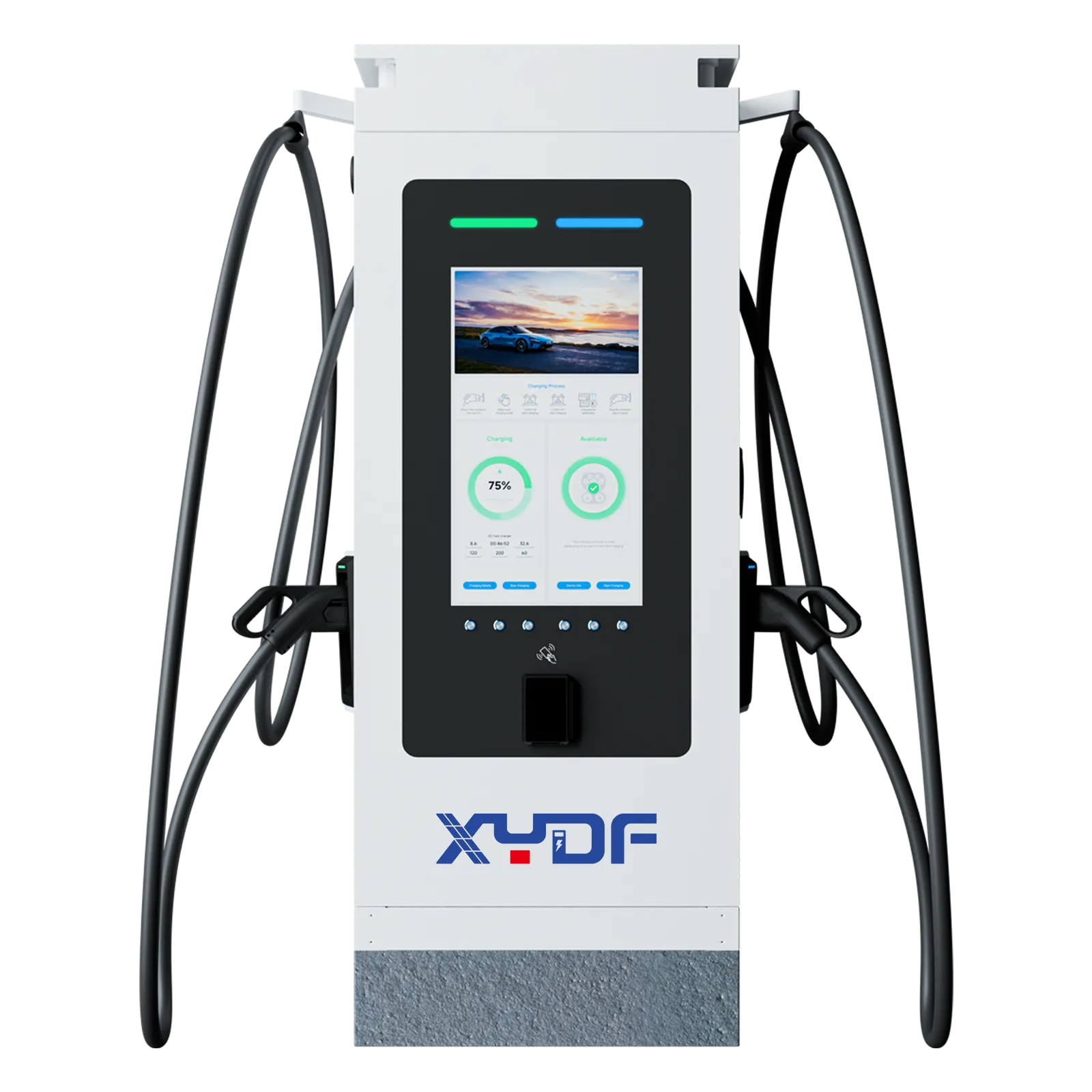 60 كيلوواط - 240 كيلوواط
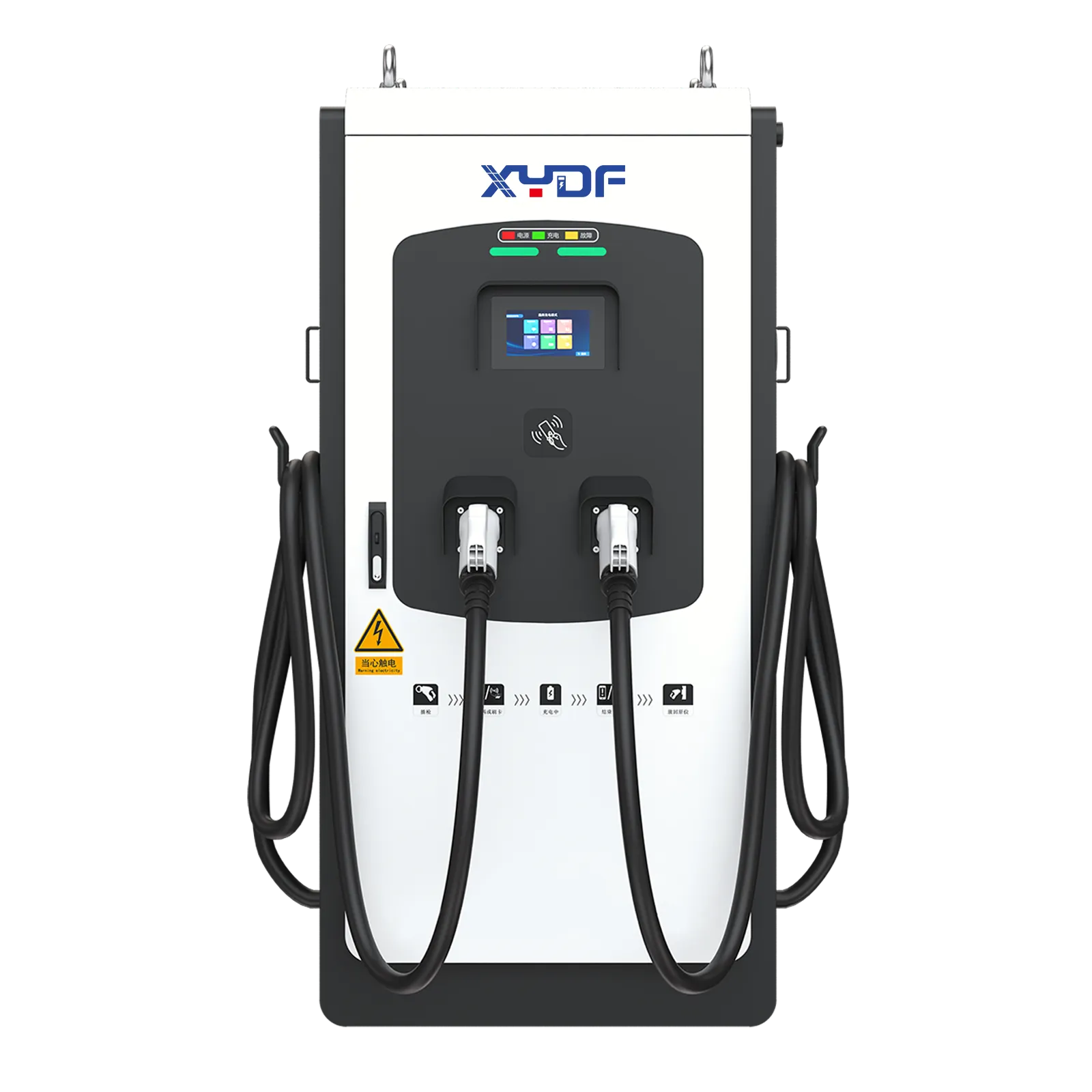 400-520 كيلوواط
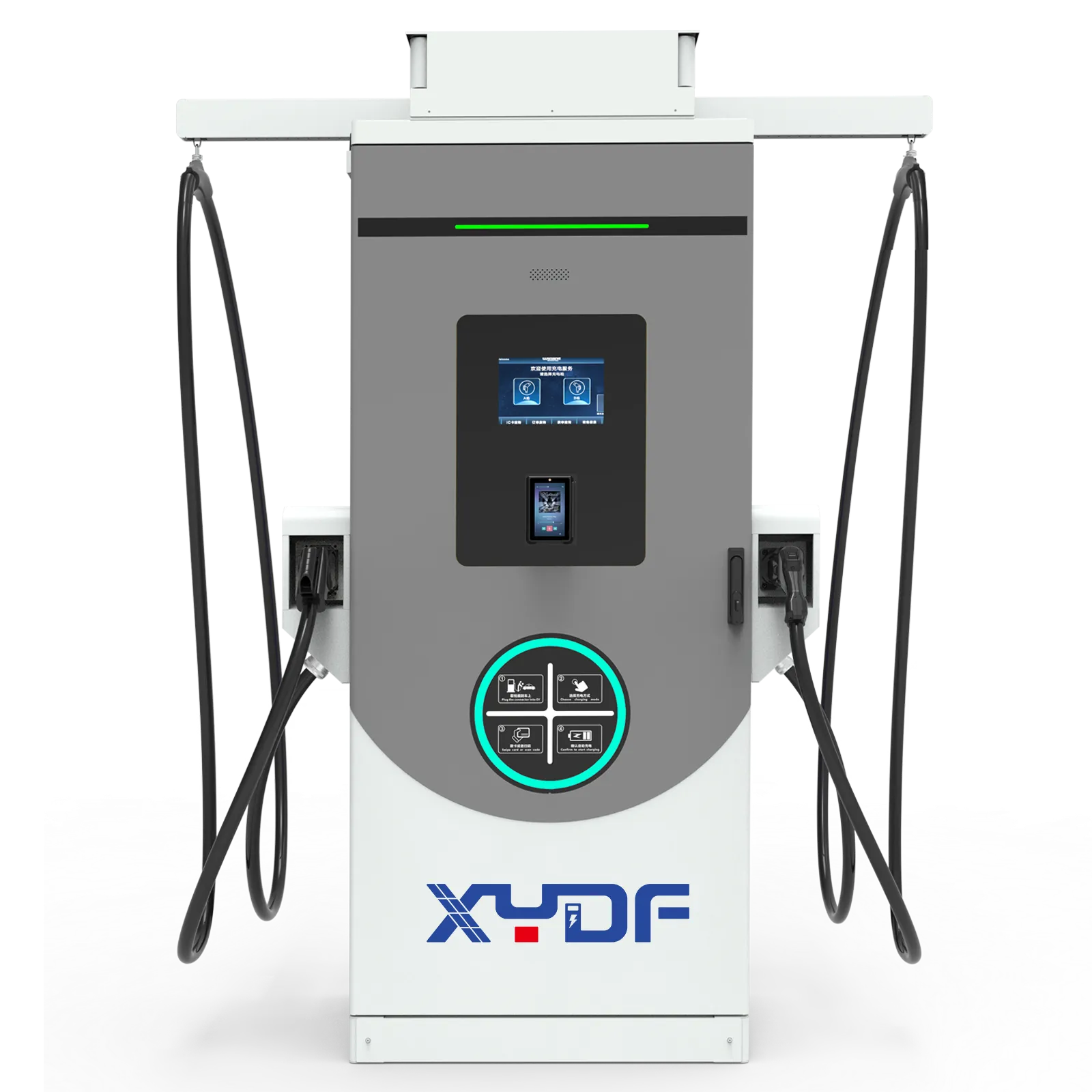 320-400 كيلوواط
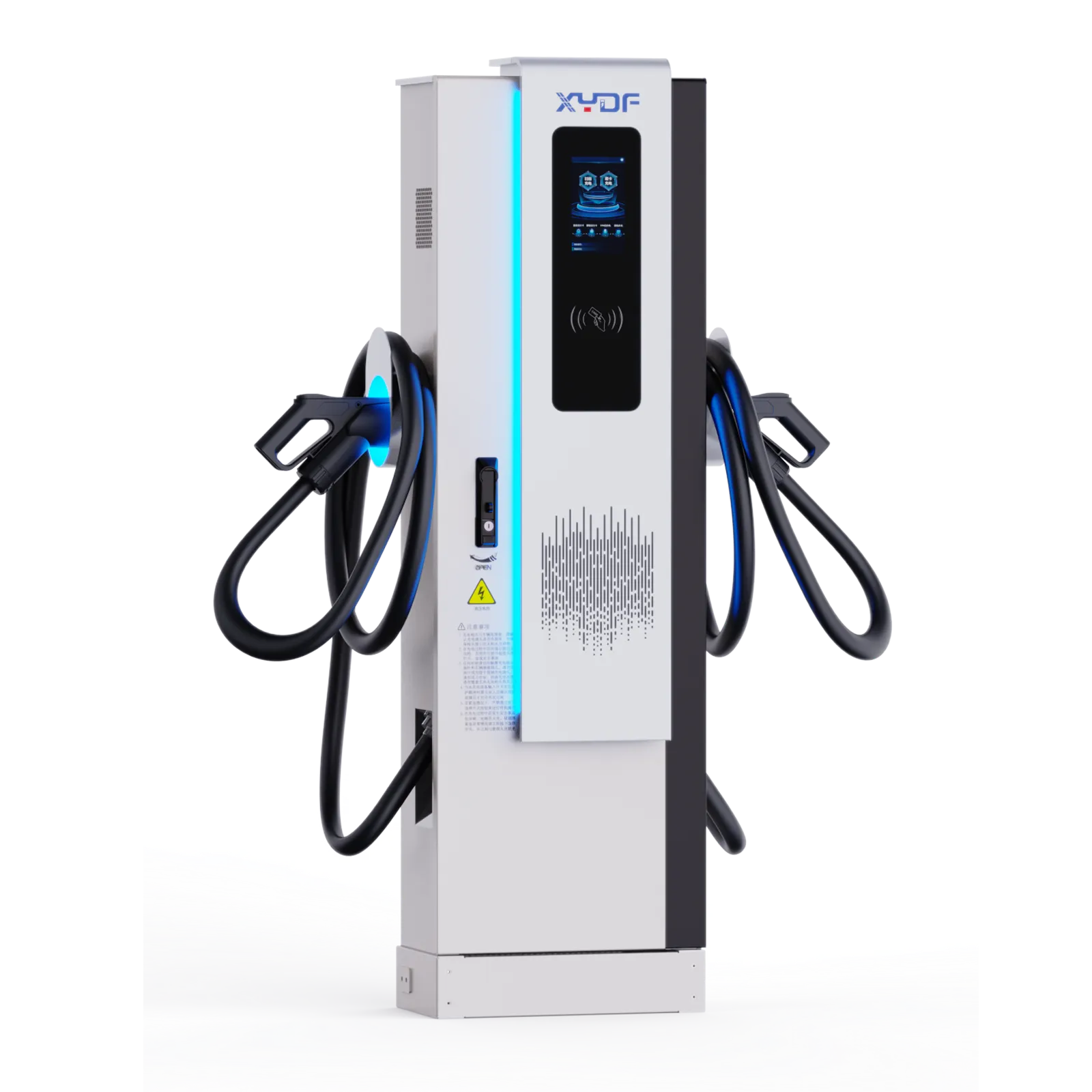 480 كيلوواط - 960 كيلوواط
 360 كيلوواط - 600 كيلوواط