 شركة شينيا دونغفانغ لتكنولوجيا الكهرباء المحدودة.



When a fleet operator asked why its depot charger had not energized, the equipment supplier was ready but the utility file was incomplete. The application omitted a transformer location, the civil drawing showed an unconfirmed trench route and the requested peak load changed twice. The delay was a coordination problem, not a charger failure. Grid connection starts with a credible site and load package.
Grid connection for an EV charging station is a shared schedule between the utility, civil contractor, electrical designer and charger supplier. Submit a consistent load study, service drawing and site plan before ordering long-lead equipment. Utility timelines vary by voltage, reinforcement work and permitting; no supplier can guarantee approval without the utility’s written scope.
Which documents let the utility review the proposed load?
Most utilities need the site address, ownership or lease evidence, requested service voltage, charger count, maximum demand, operating hours and a single-line diagram. Add transformer and switchgear locations, metering, protection, grounding, communications and future expansion assumptions. A credible EV charging grid connection request explains whether charging is simultaneous, managed or staged; a single headline power number can misrepresent the actual operating profile.
Ask for a written point of connection, fault-current information, service conditions, cost responsibility and expected study milestones. The U.S. Department of Energy and AFDC describe the infrastructure context, but each utility uses its own forms and engineering criteria. Keep one controlled revision of the load schedule so the utility, EPC and supplier are reviewing the same version.
Include equipment data sheets and protection details, not just a charger count: connector output, efficiency assumptions, power factor, harmonic information where requested, communications controls and the intended operating schedule. A document register should show the revision sent, the reviewer and the response date.
How do transformer work, civil approvals and easements create delay?
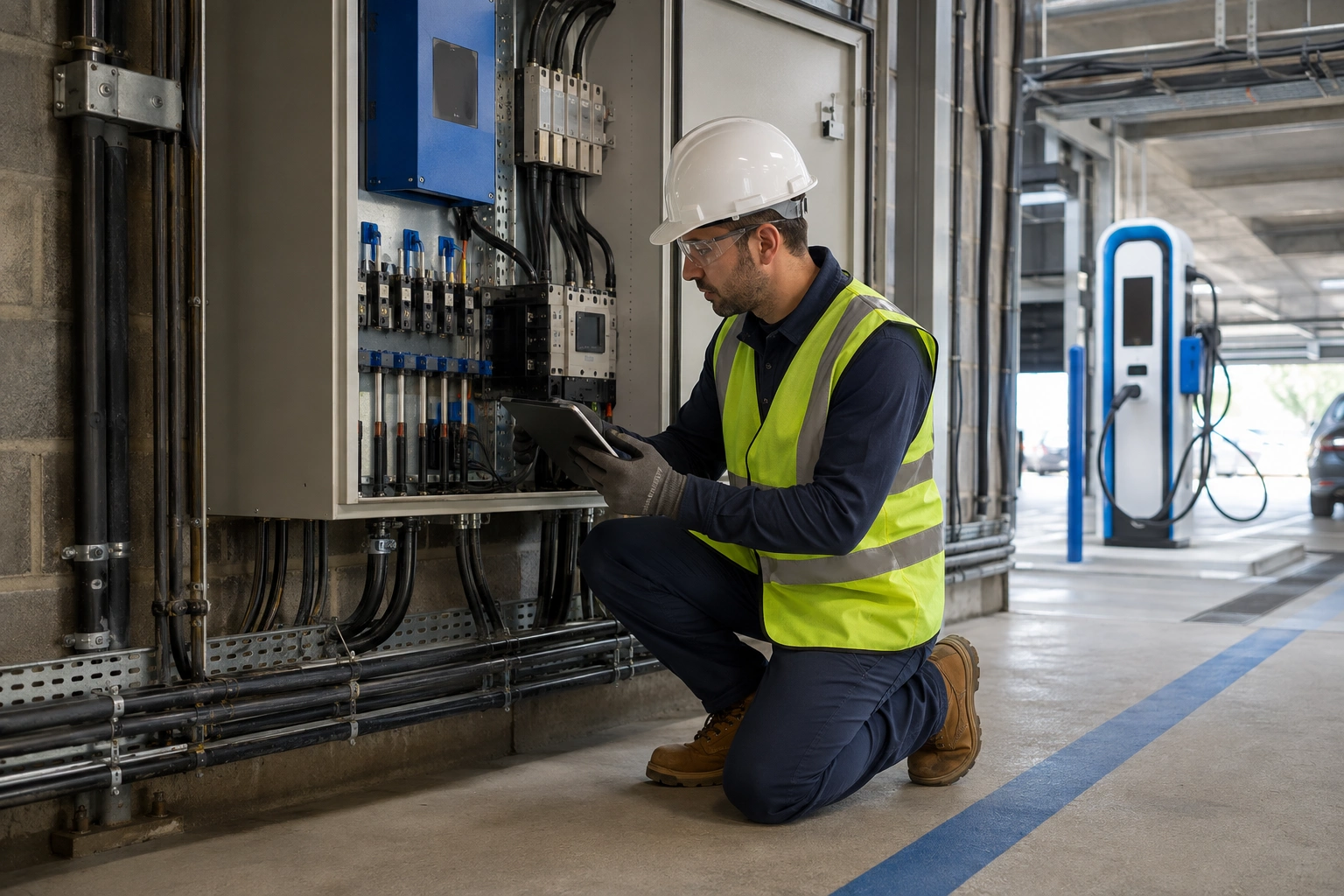
A service upgrade can require a transformer, new conductors, a switchboard, protection changes or a utility-owned cabinet. Lead times depend on regional equipment availability and the utility’s construction queue. Identify the equipment footprint and access before finalizing parking spaces. Reserve clear working space for inspection and future maintenance, and coordinate outage windows with fleet operations.
Trenching, directional boring, pavement restoration, drainage and easements can run on a different approval track from the electrical application. Confirm property boundaries and the right to cross a neighboring parcel. A charger cannot energize if the conduit route is still waiting for a road-opening permit. Include survey, geotechnical and environmental constraints when they are relevant to the site.
Maintain a delay-risk register for transformer lead times, easement signatures, road-opening windows, inspection rework and resubmittals. Give each risk an owner and a decision date; utility approval does not automatically release civil work or equipment procurement.
When can managed charging or storage change the connection path?
Managed charging can reduce coincident peak demand by scheduling vehicles or sharing power among ports. It does not erase the utility’s safety and fault requirements, and the controls must be specified, commissioned and monitored. Model the operating policy with real fleet arrival and departure assumptions; label any savings estimate as illustrative.
On-site batteries may defer or reduce a service upgrade in some designs, but they add space, controls, fire review, maintenance and a separate interconnection question. Compare the total scope, tariff and operating risk rather than treating storage as a universal shortcut. The utility should confirm whether export, import limits or protection changes apply.

What must be witnessed before the service is energized?
Prepare a witness-test plan covering insulation, continuity, grounding, protective devices, emergency shutdown, communications and network authorization. The utility may require inspection certificates, as-built drawings and test results before closing the service. The charger supplier should provide settings and manuals, while the EPC records the installed cable sizes, torque values and equipment identifiers.
Schedule a dry run of the first charging session with the utility, operator and support team. Confirm meter registration, demand-management behavior, payment or fleet authorization, fault reporting and a safe stop. Do not energize an unverified trench, open cabinet or temporary cable. Capture the final redlines for future expansion and troubleshooting.
Obtain the utility’s sign-off record, inspection certificate and accepted as-built set before handover. Store witness-test results with protection settings, serial numbers and the charger configuration so a later fault can be traced to the approved design.
Which connection path fits the site’s load and schedule?
| Path | Best fit | Main dependency | Delay risk |
|---|---|---|---|
| Existing spare capacity | Small staged deployment | Verified load and protection | Hidden peak demand |
| Service upgrade | Higher-power depot or hub | Transformer and utility works | Equipment and construction queue |
| Managed charging | Fleets with predictable schedules | Controls and operating discipline | Incorrect load assumptions |
| Battery-assisted site | Constrained service or staged expansion | Storage, fire and interconnection review | Added complexity |
How should one owner control documents and handoffs?
- Appoint one coordinator and create a controlled utility document register.
- Confirm the site lease, survey, property rights and point of connection.
- Prepare load schedules, single-line diagrams, civil plans and protection details.
- Separate utility, permit, procurement and construction milestones.
- Test controls and charging authorization before the energization appointment.
- Store as-builts, settings, serials and support contacts for operations.
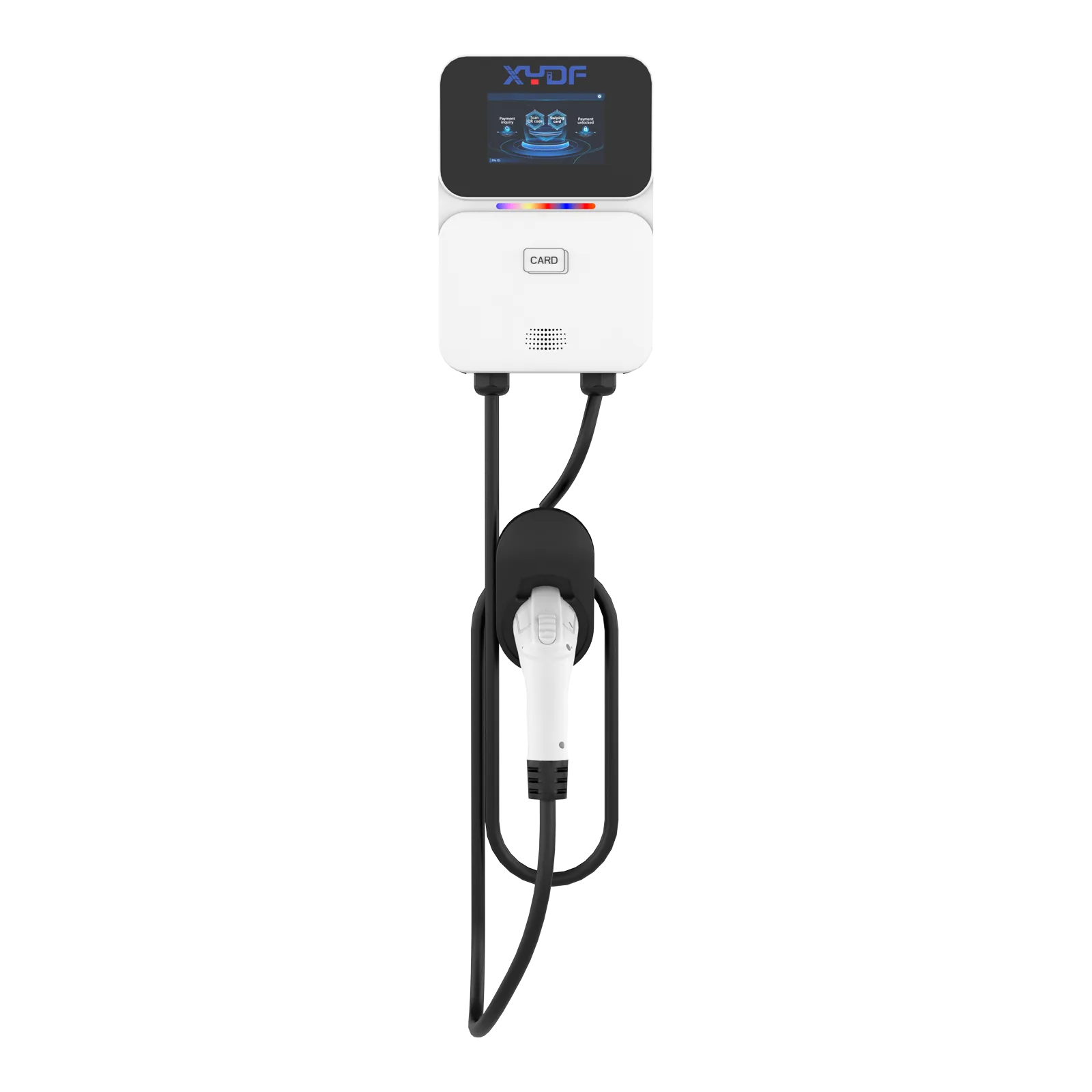
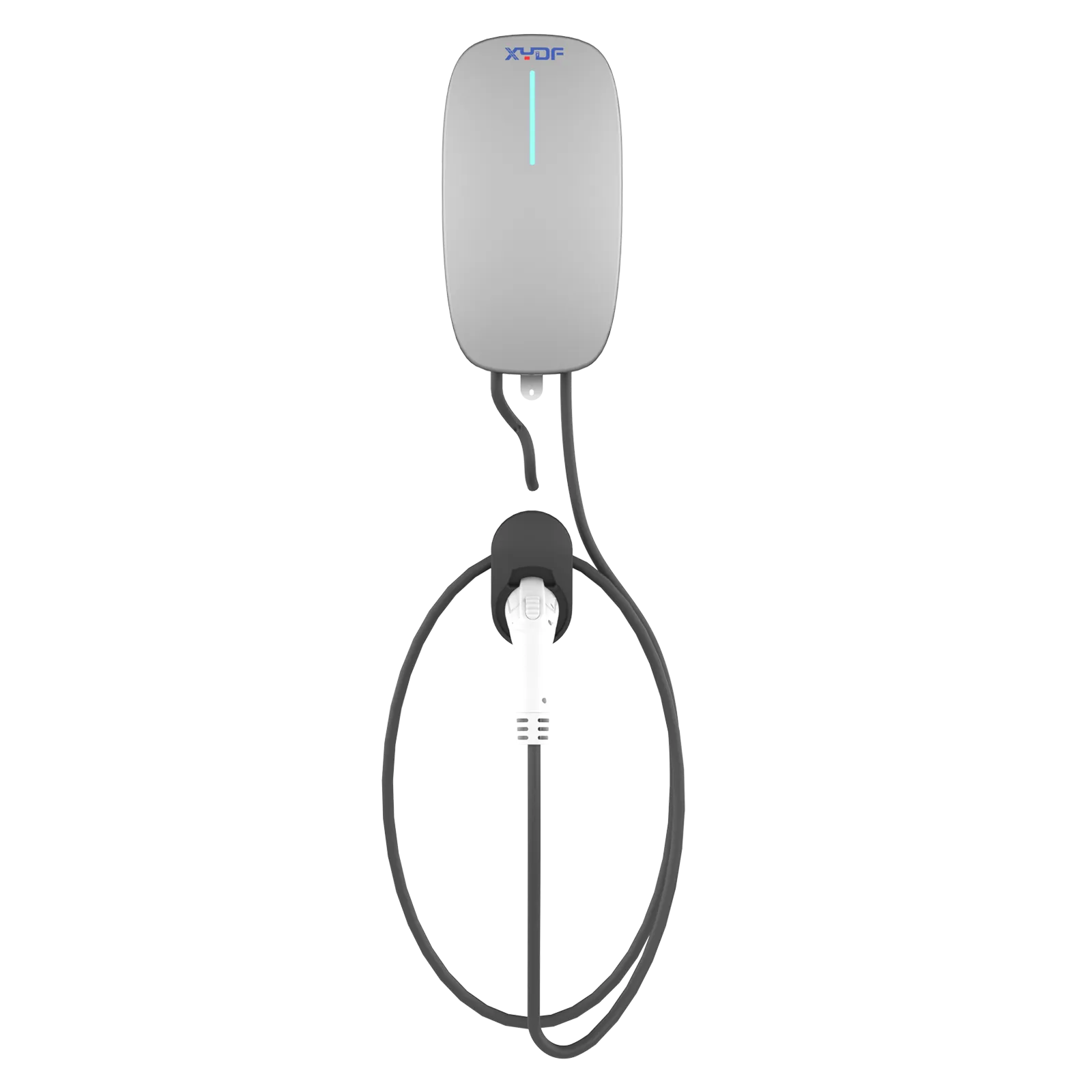
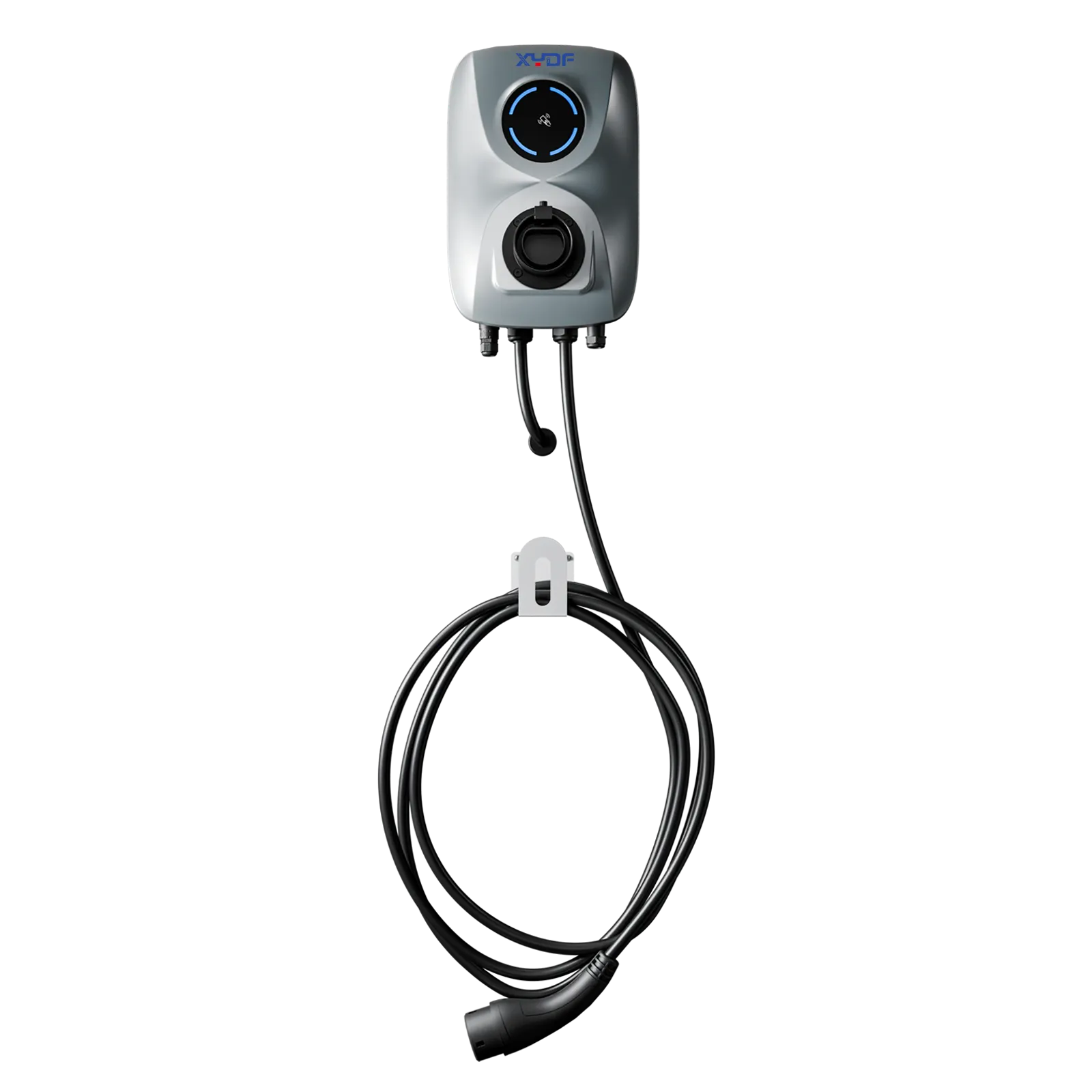
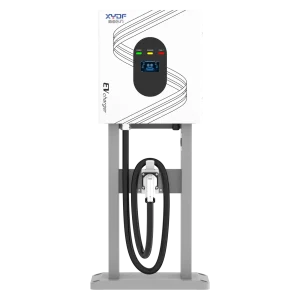
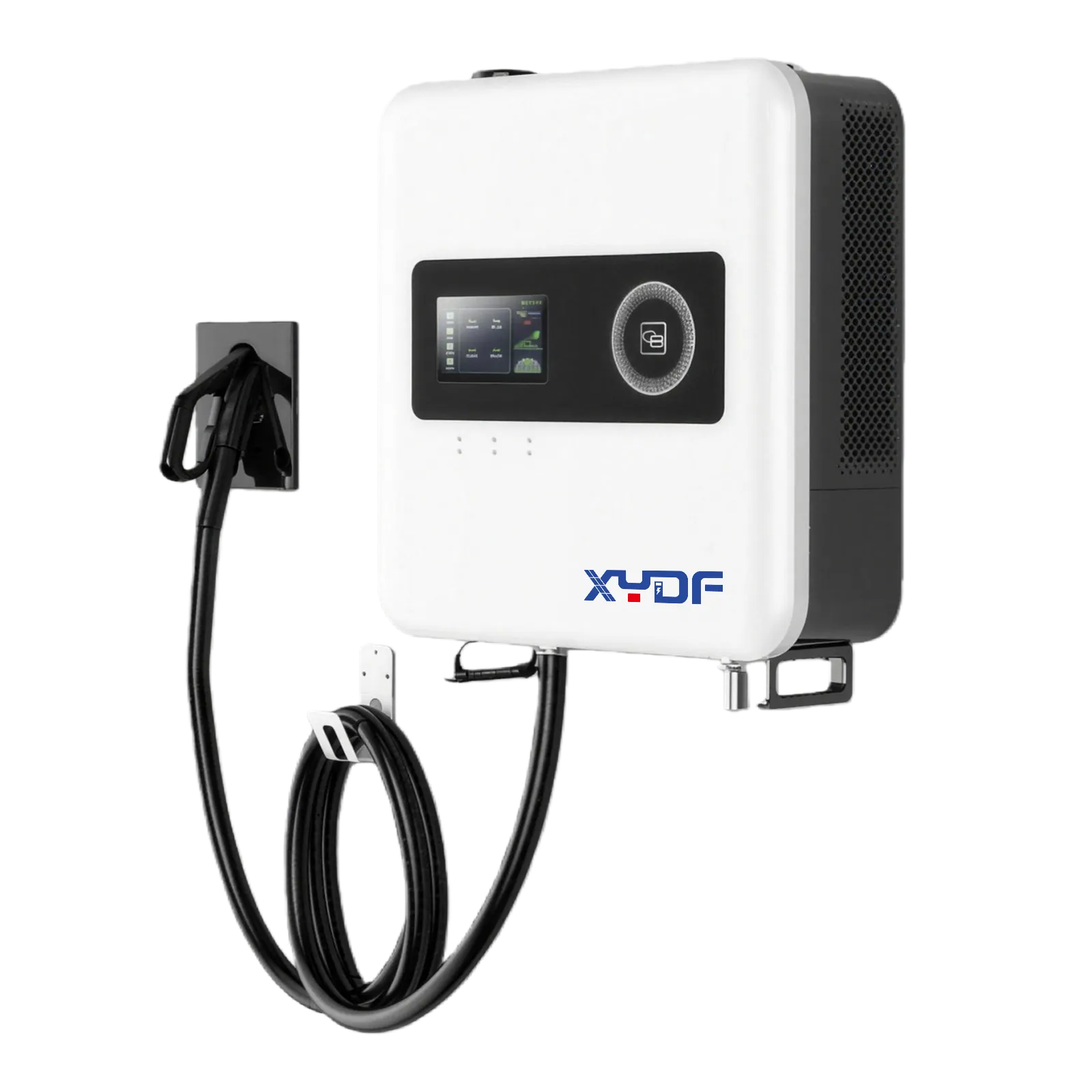
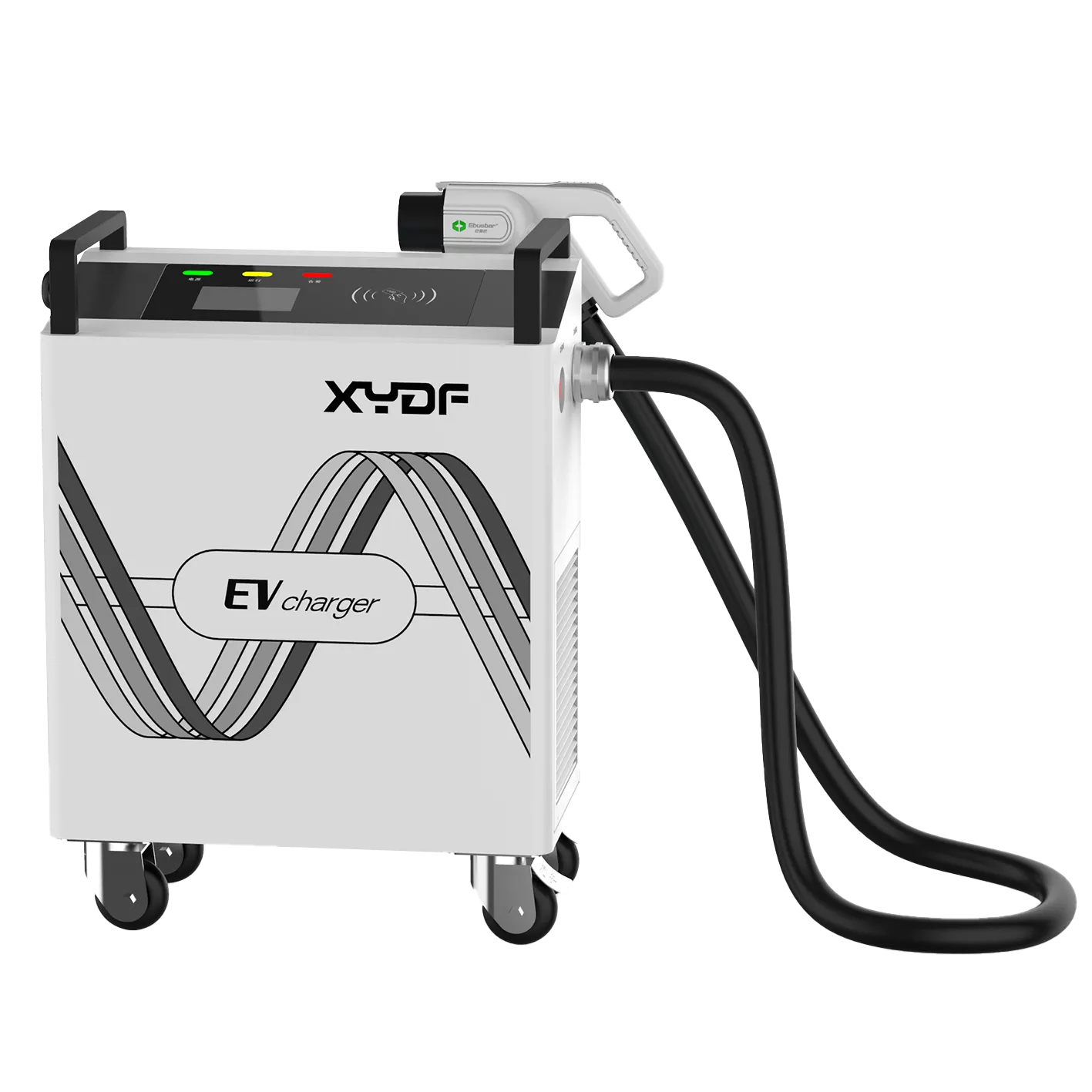
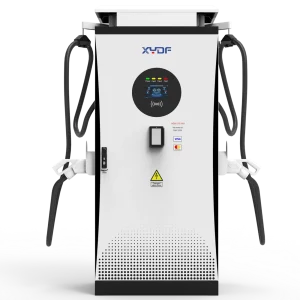
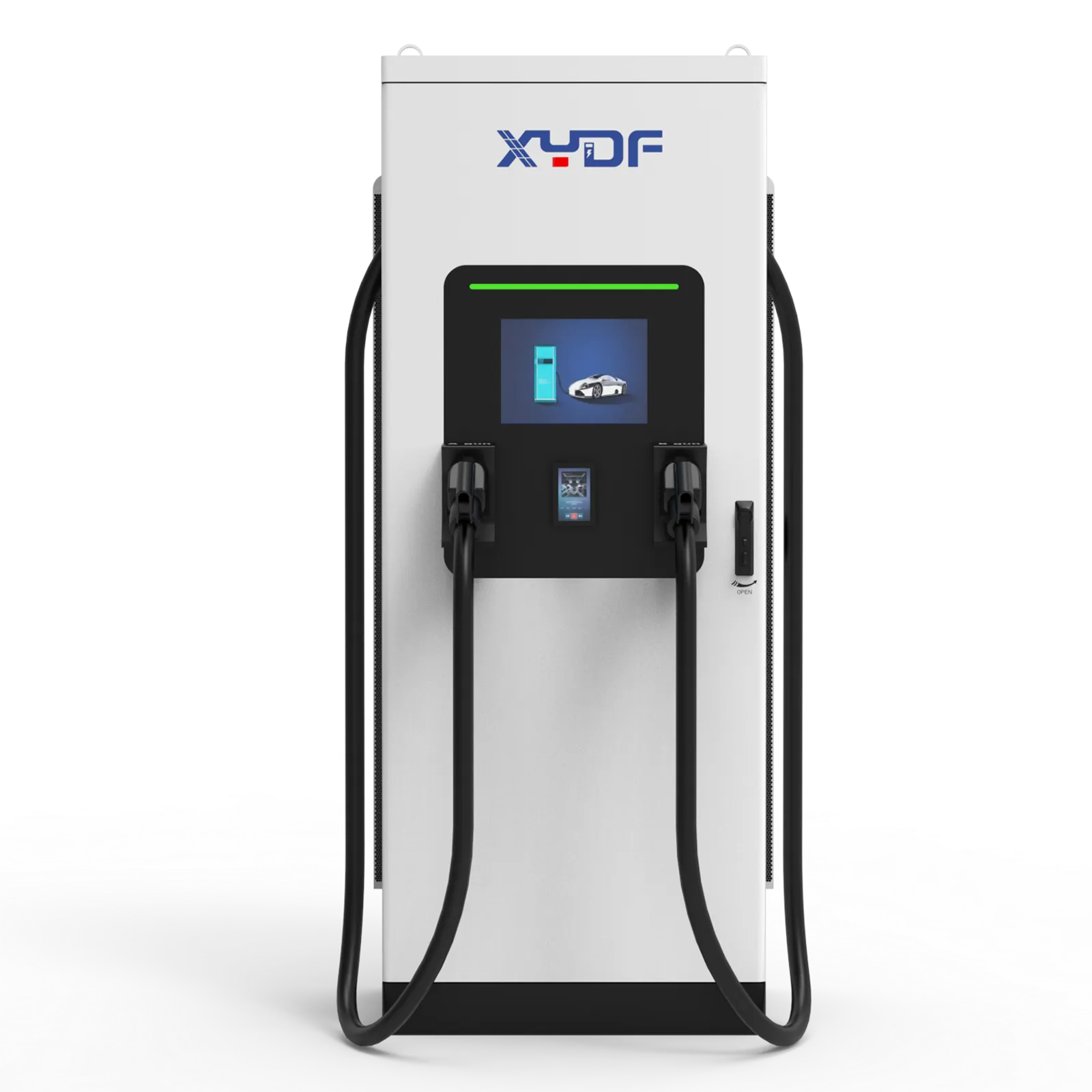
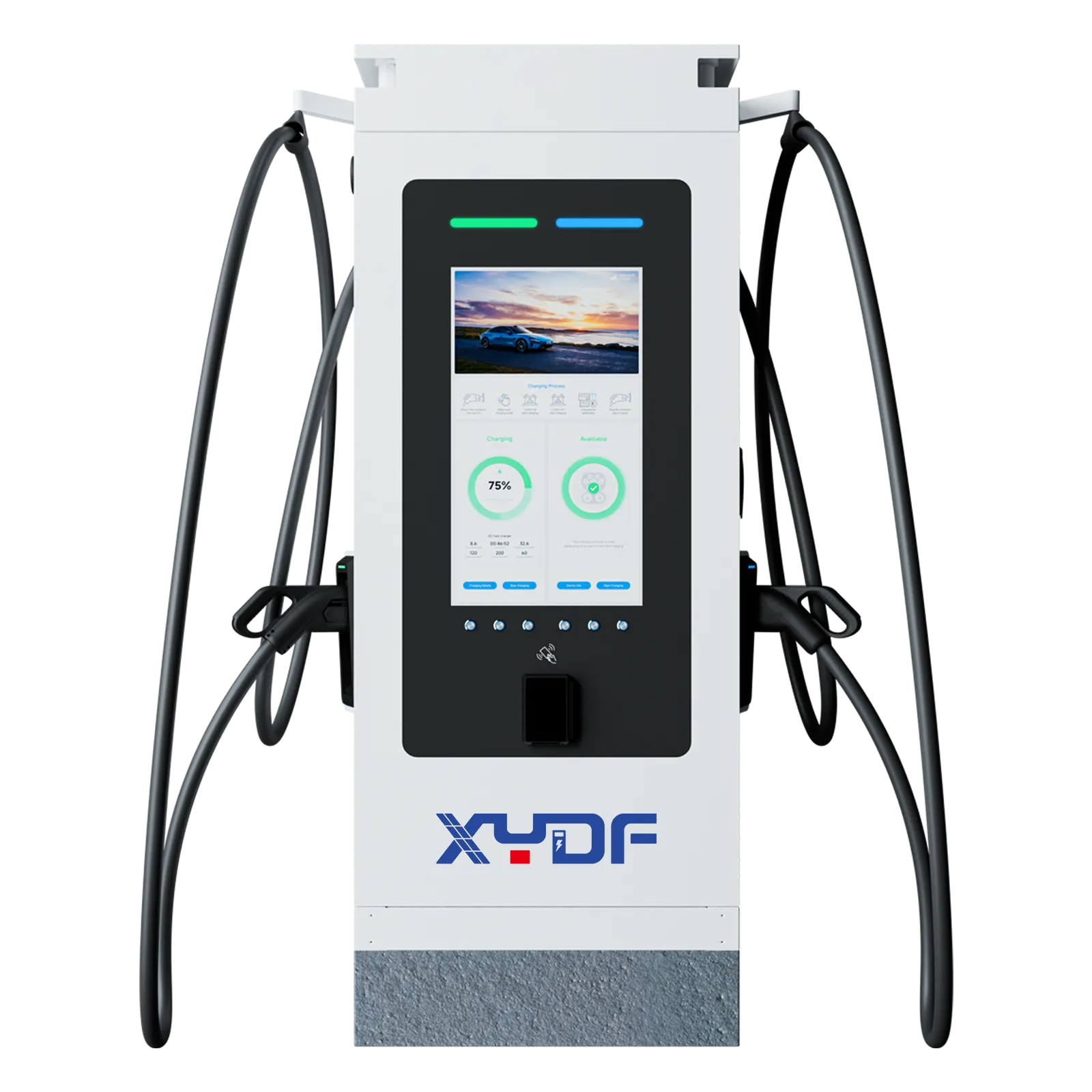
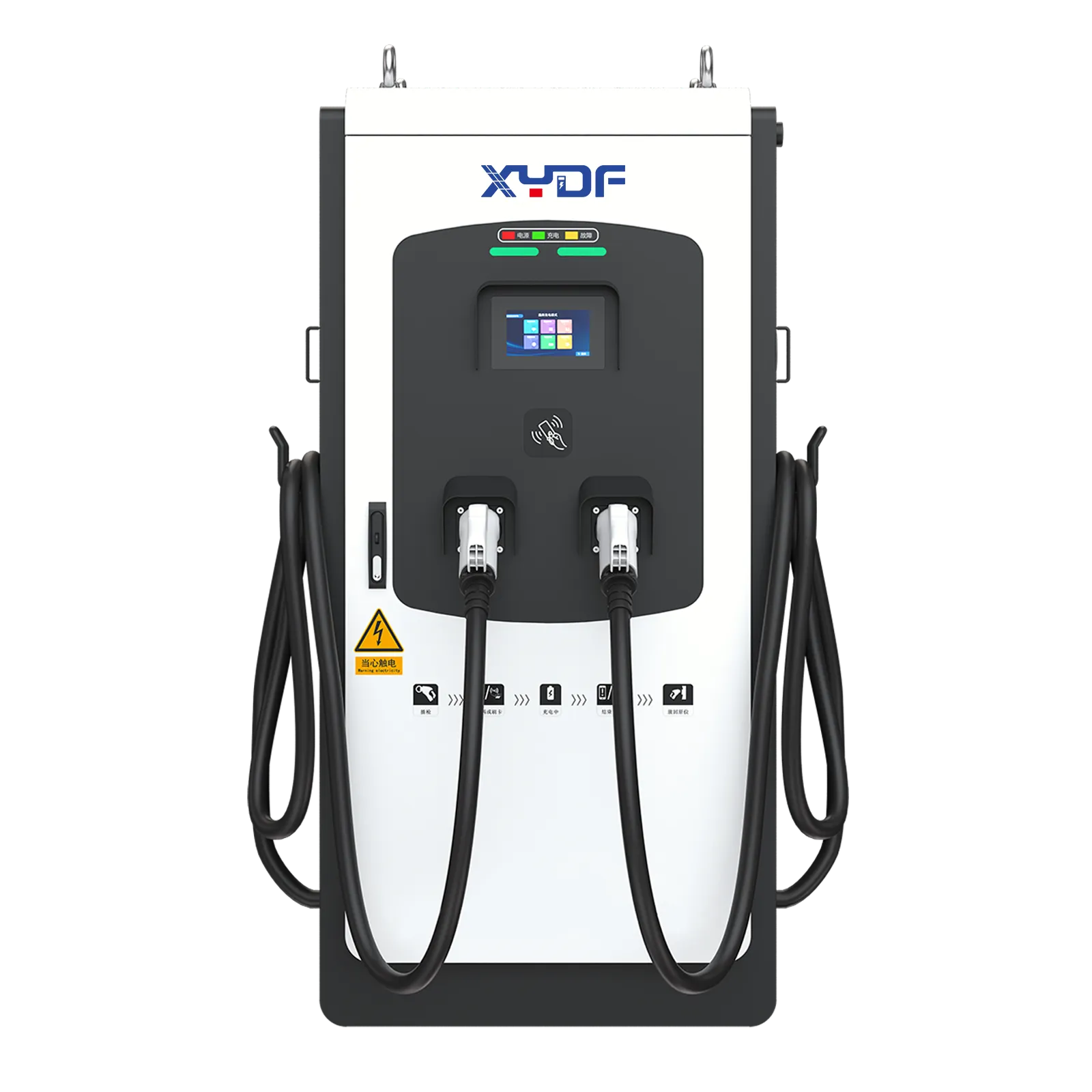
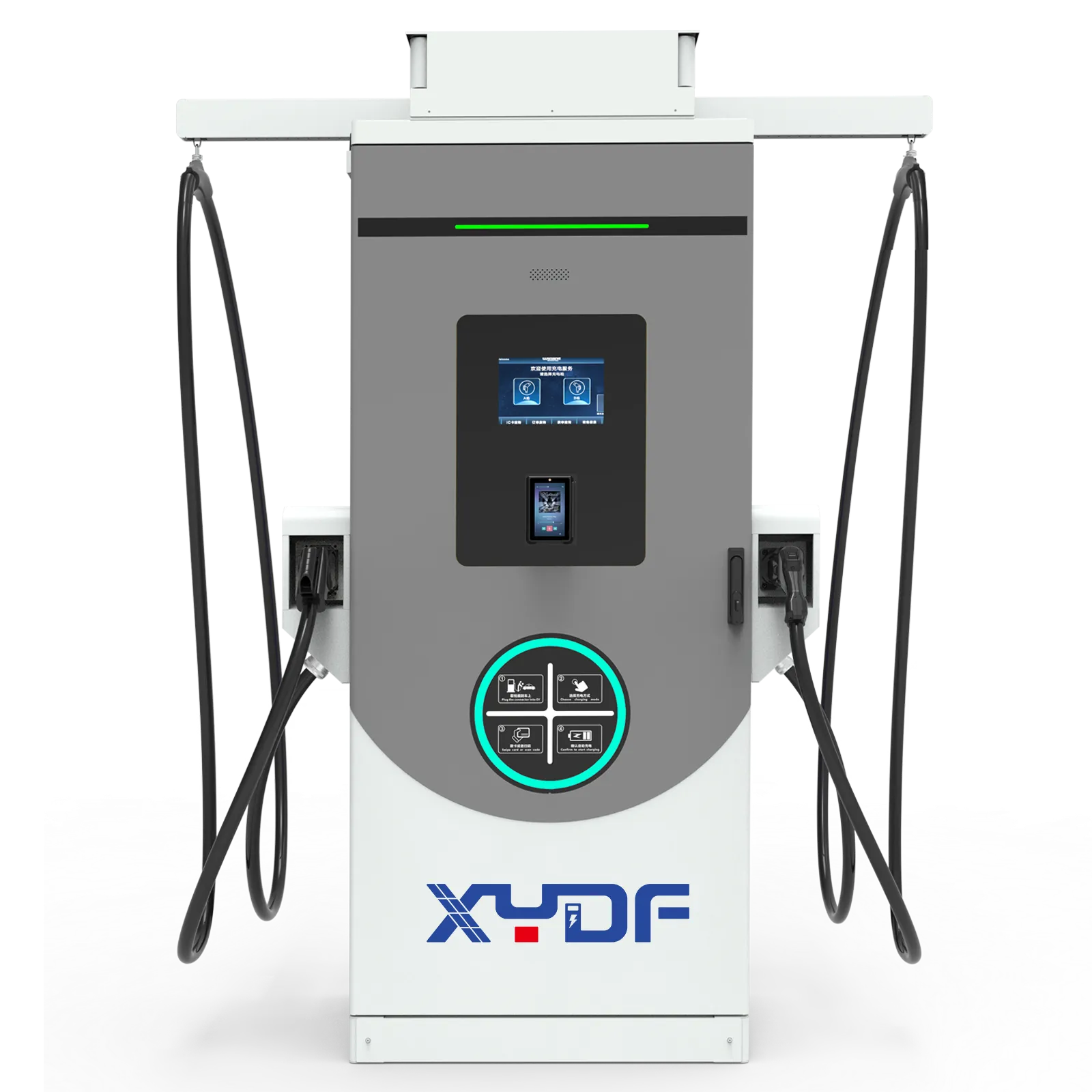
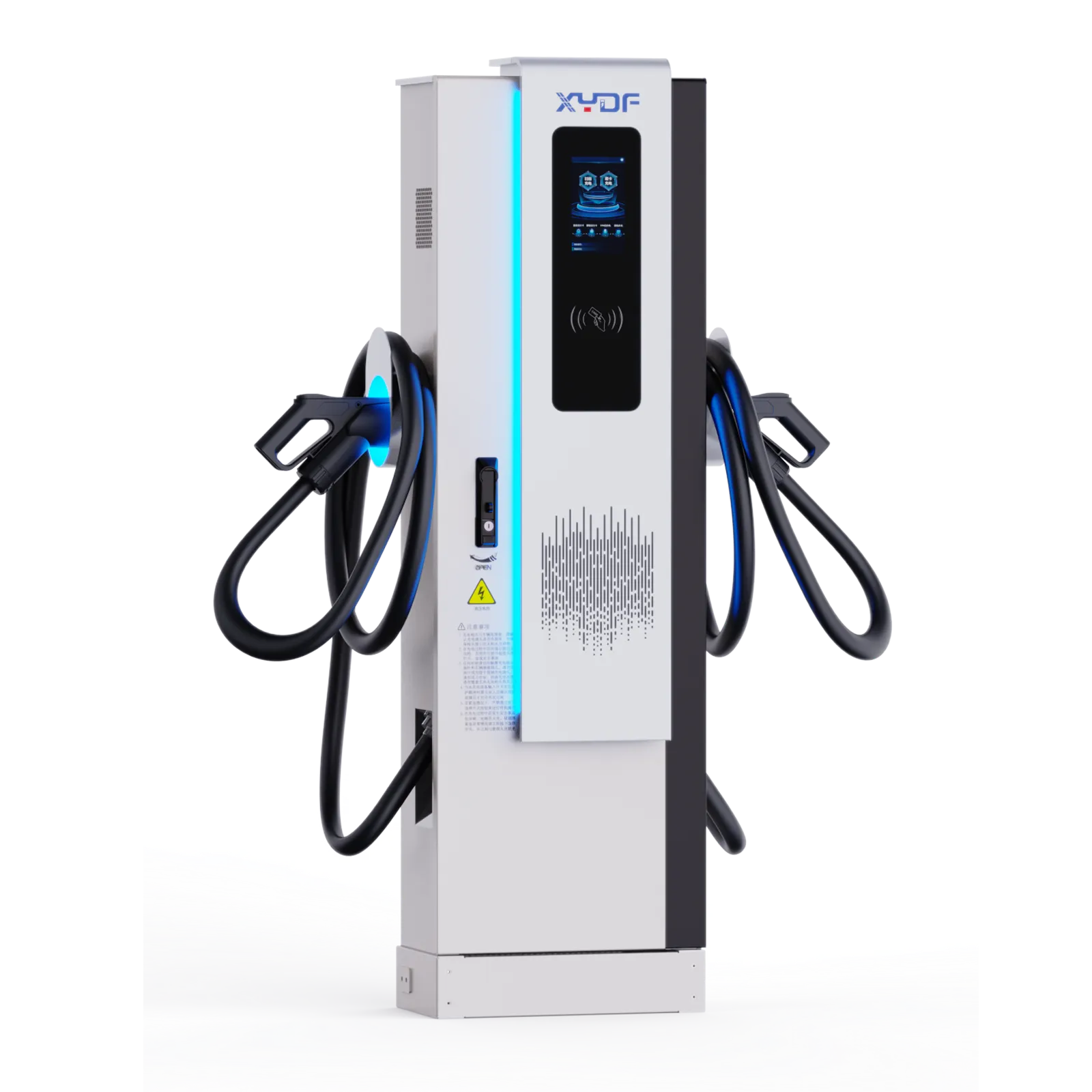
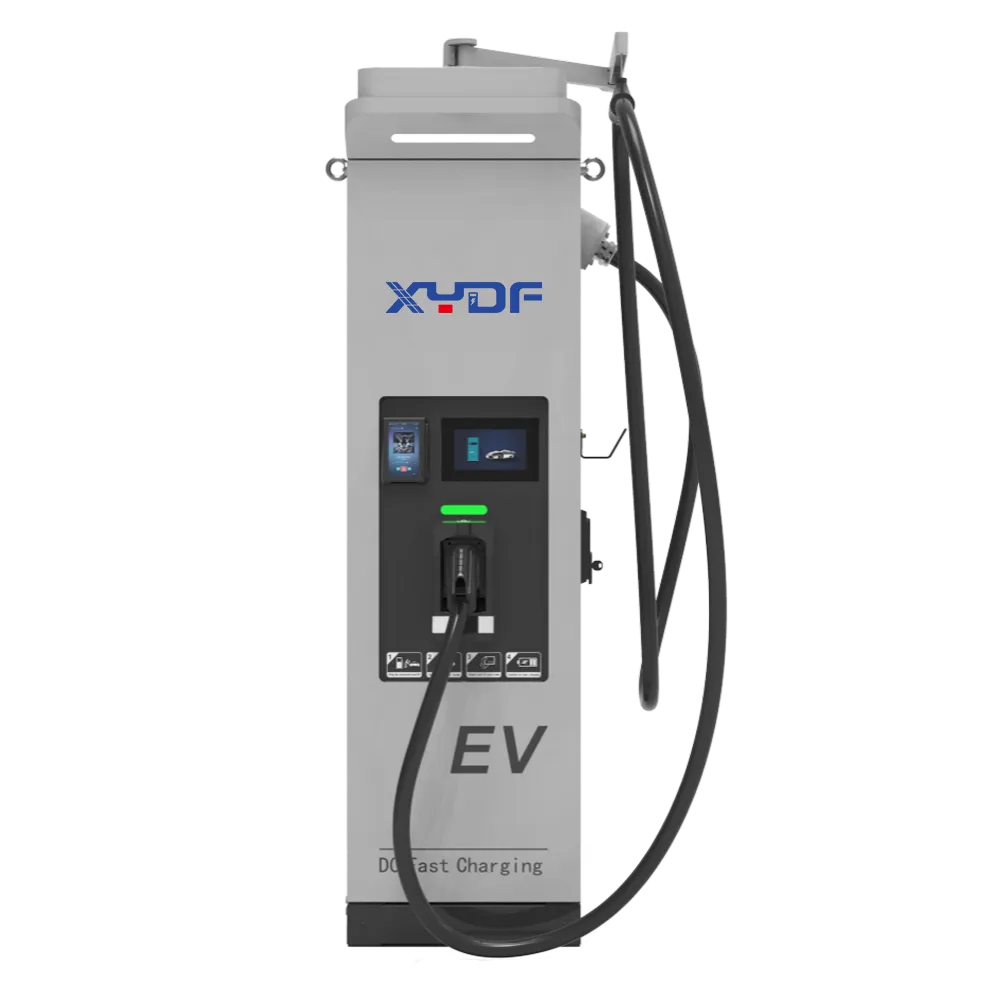
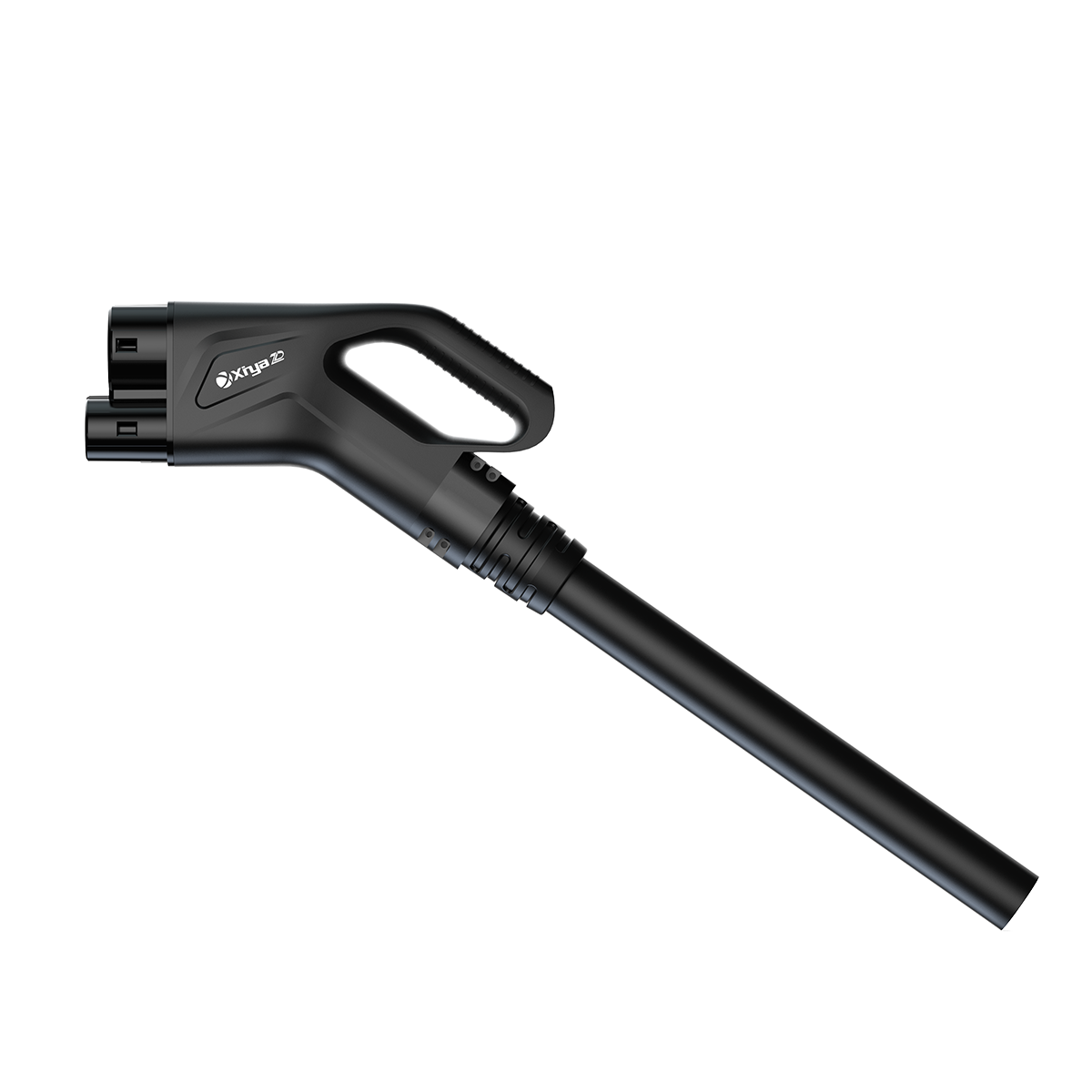
For the equipment package, compare منتجات شحن السيارات الكهربائية against the approved load and site drawing. The DC fast charger range can be evaluated with managed-power assumptions, and the XYDF engineering and support team can help the EPC align manuals and commissioning records.
What do teams ask while an EV connection is under review?
Which documents does a utility usually require for EV charging?
Utilities commonly request a site plan, load schedule, single-line diagram, equipment data, ownership details and protection information. The final list and format are utility-specific, so obtain its checklist before design freeze.
How long does utility approval for an EV charging station usually take?
Timelines range from a routine review to a major construction program. Transformer availability, studies, easements, permits and changing loads are frequent drivers; ask for milestone dates instead of relying on a generic number.
How much electrical capacity does a commercial EV charger need?
It depends on charger configuration, vehicle demand, simultaneous operation and controls. Use the approved load study and utility service conditions, not only the nameplate output.
What causes delays in an EV charger grid connection?
Incomplete drawings, inconsistent load figures, transformer lead times, right-of-way approvals and civil rework are common. A shared document register and one coordinator reduce avoidable loops.
Can battery storage or load management reduce the required grid upgrade?
Sometimes, if the utility accepts the control strategy and the operating profile supports it. Both options add engineering, commissioning and maintenance obligations that belong in the total-cost comparison.
Who should coordinate the utility, civil works and charger supplier?
Name a project lead with authority to control revisions and decisions. The utility, EPC, civil contractor, charger supplier and site operator should each own a dated deliverable.
المراجع
- AFDC electricity infrastructure overview
- U.S. Department of Energy: EV charging infrastructure
- National Renewable Energy Laboratory transportation research
Connection delays are usually visible in documents before they appear in the field. Use the approved utility package to shape your منتجات شحن السيارات الكهربائية decision, then ask XYDF to support the next engineering review.