 شركة شينيا دونغفانغ لتكنولوجيا الكهرباء المحدودة.


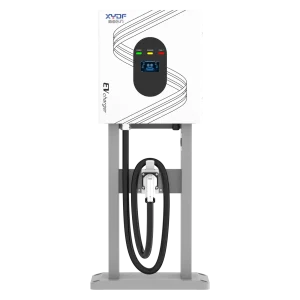

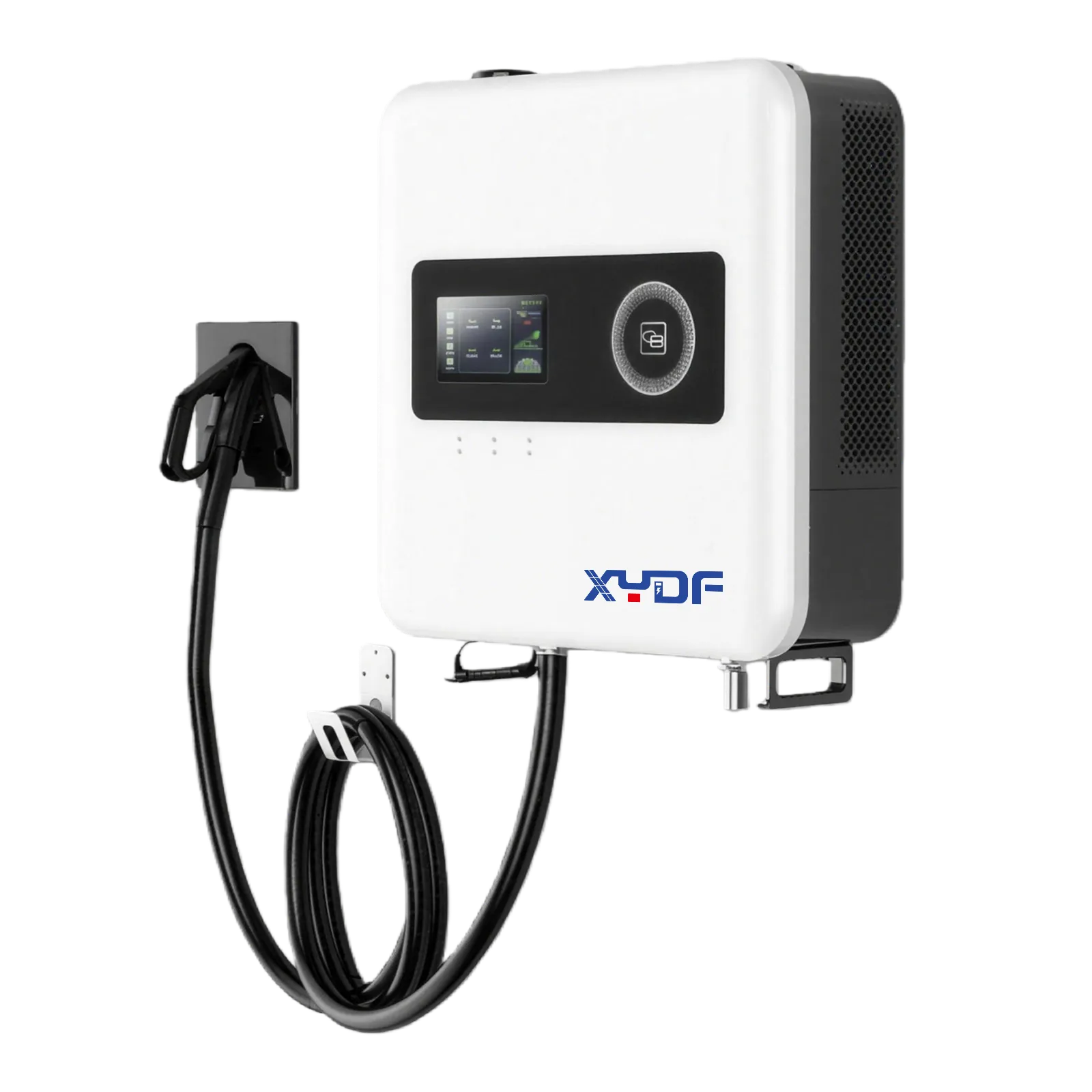
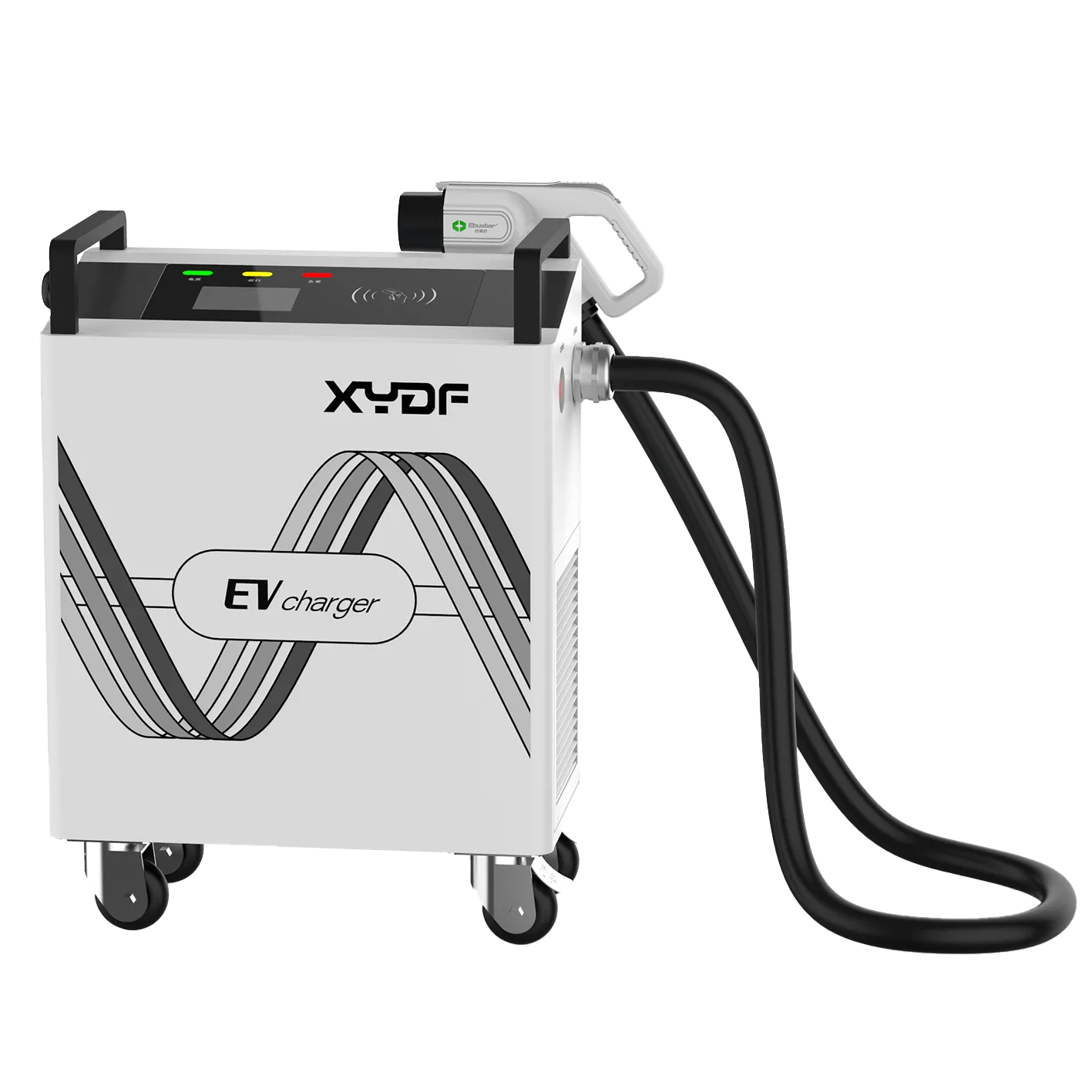
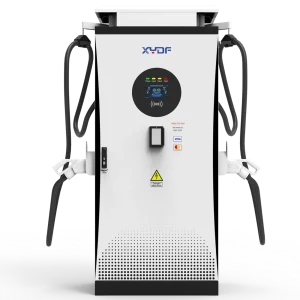
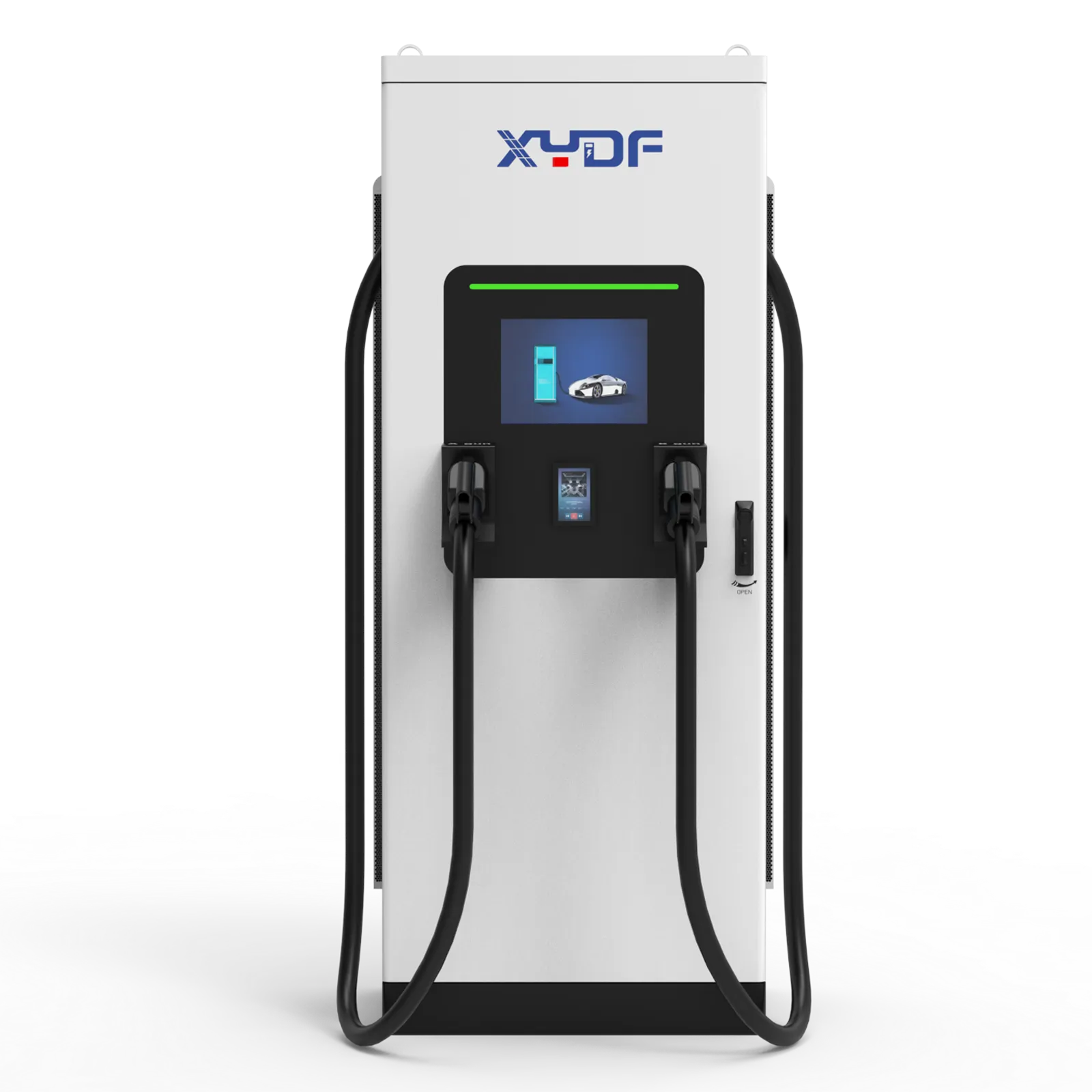
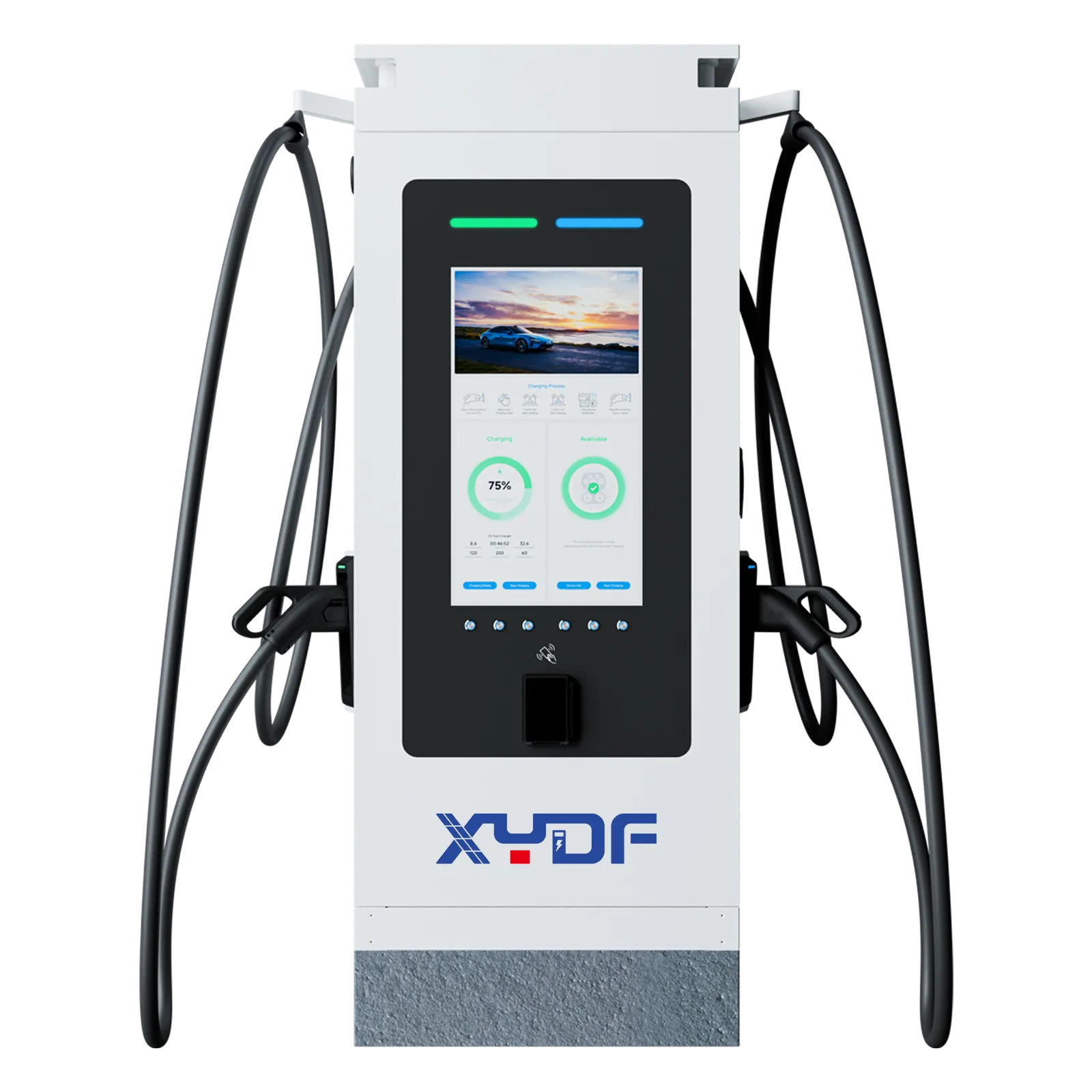
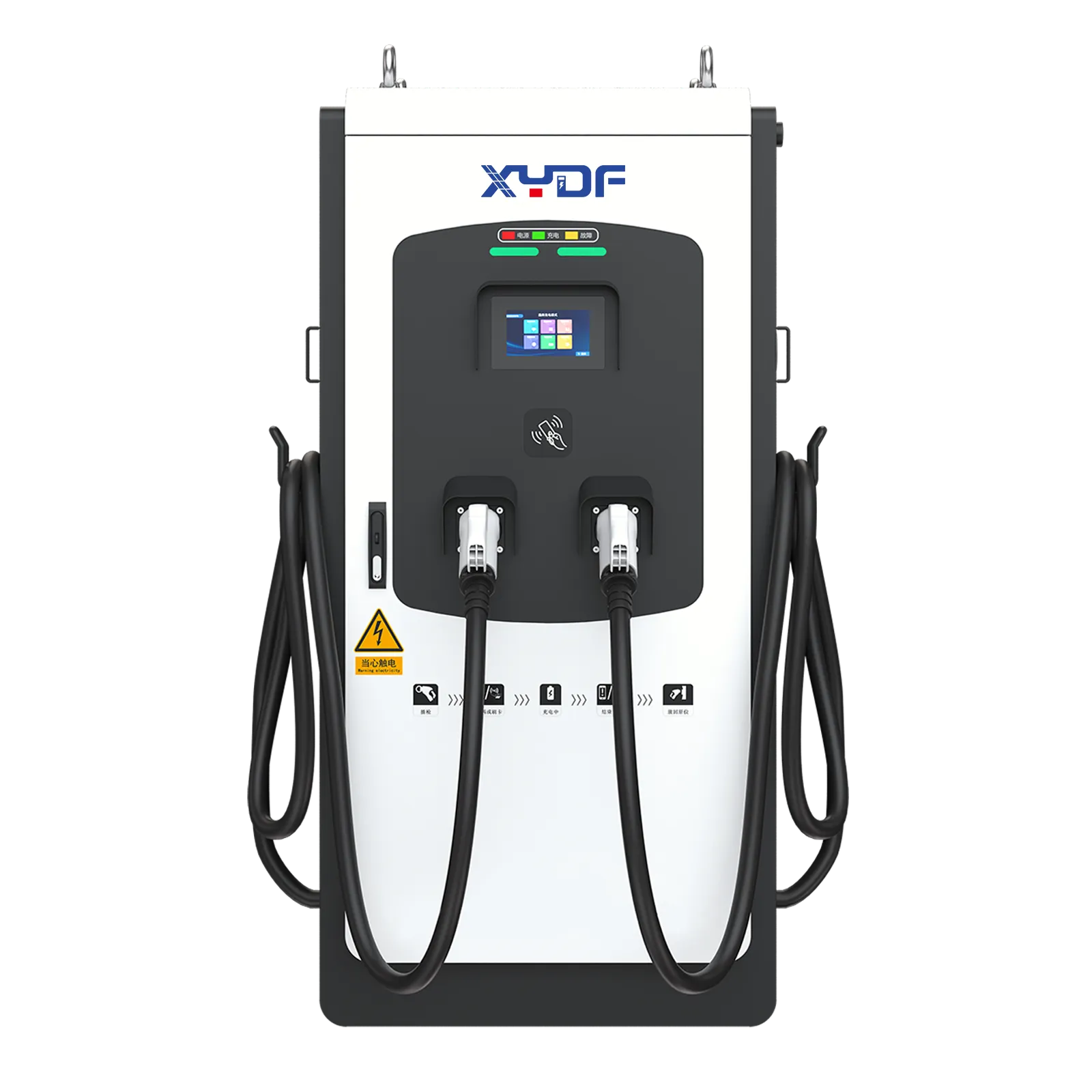
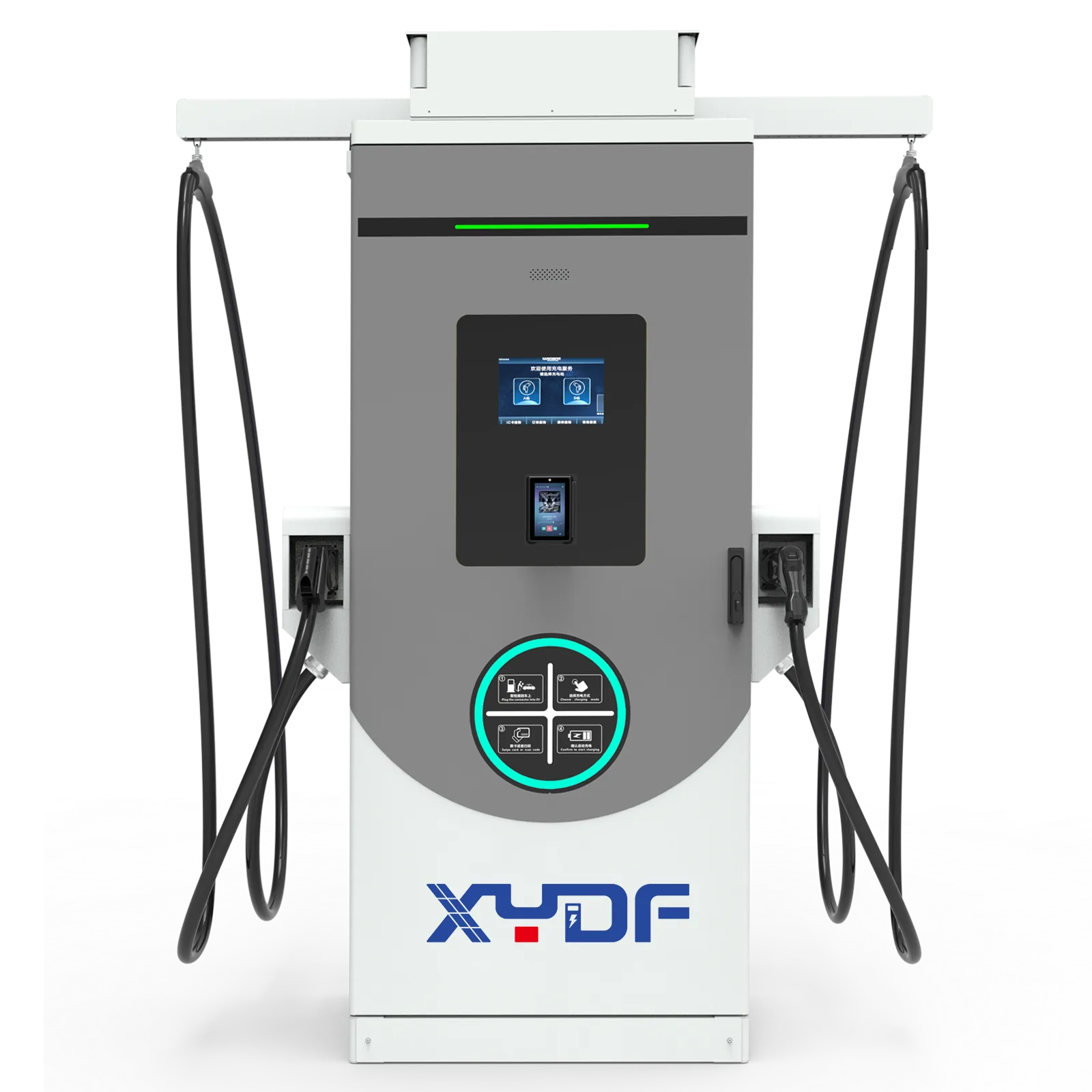
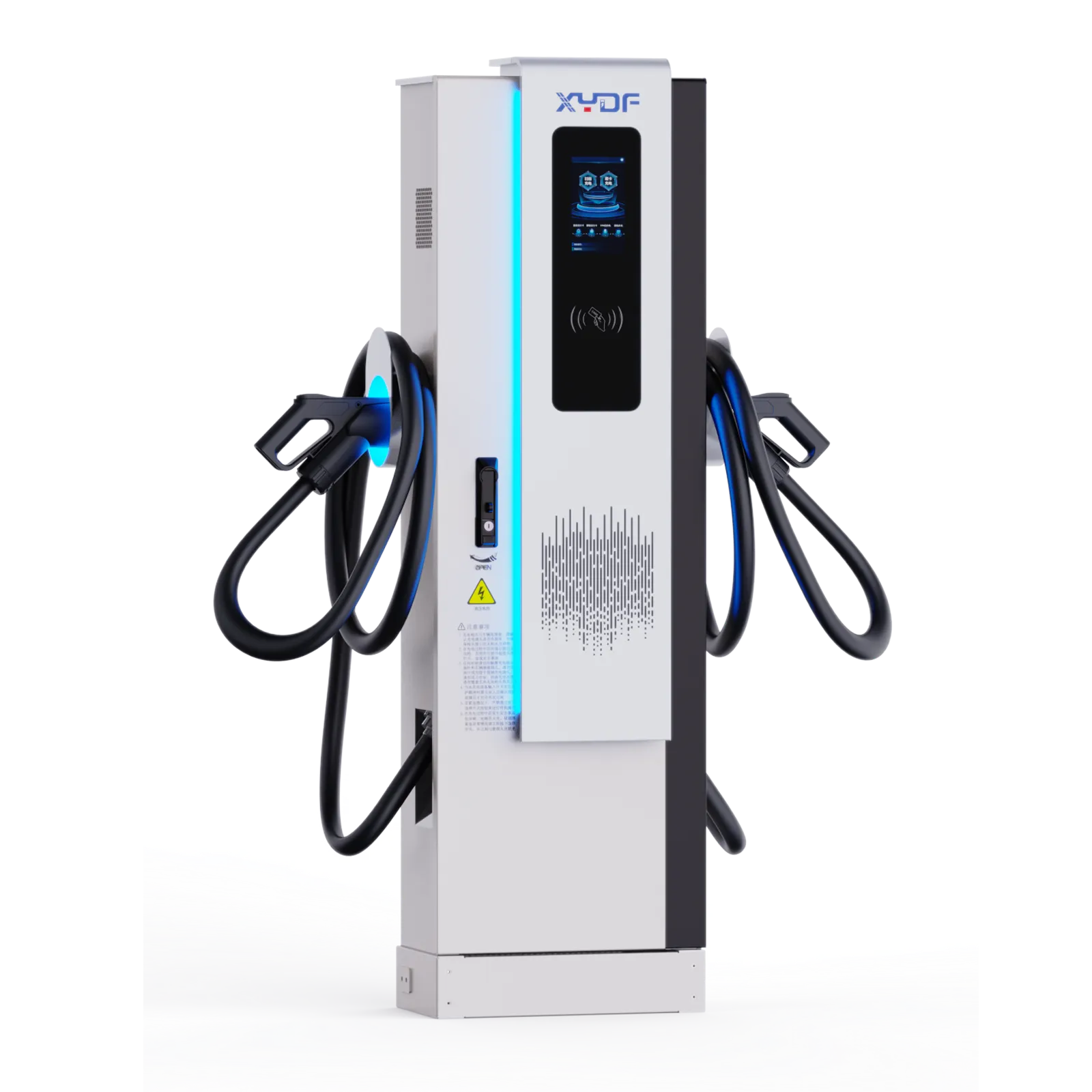
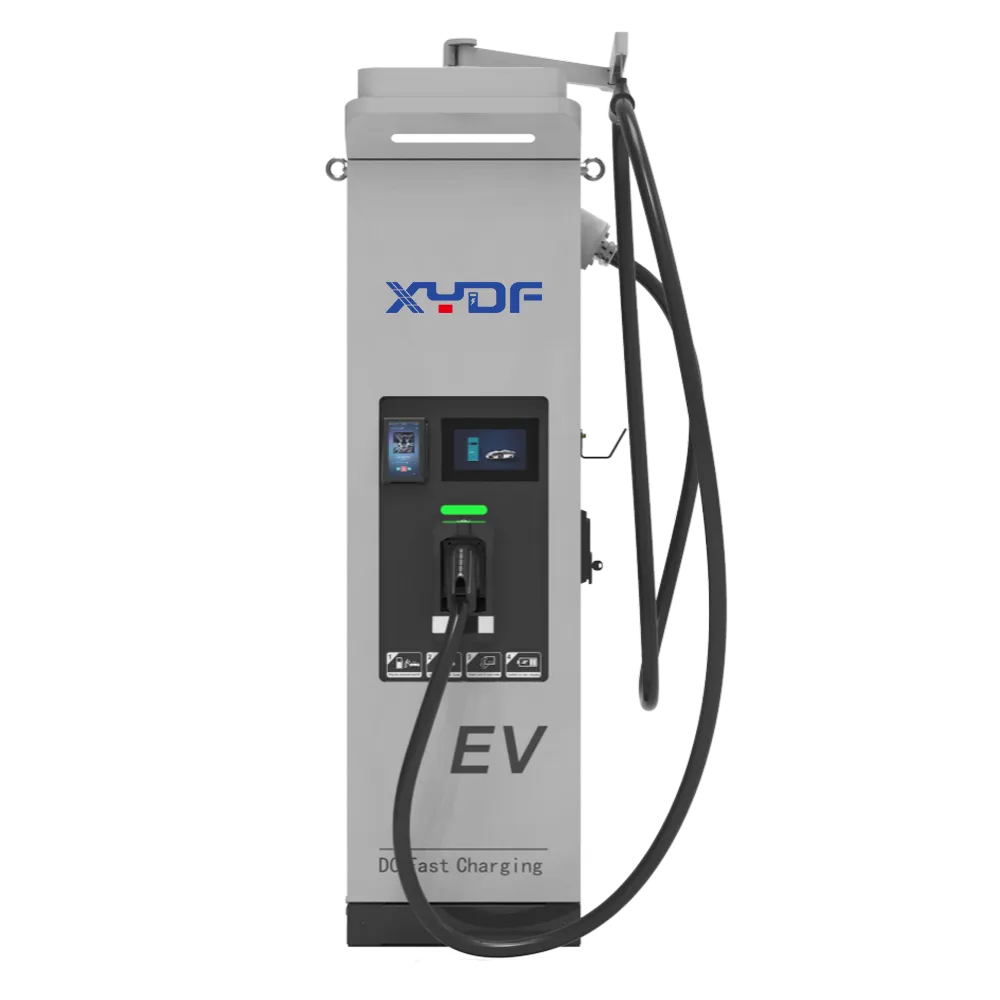
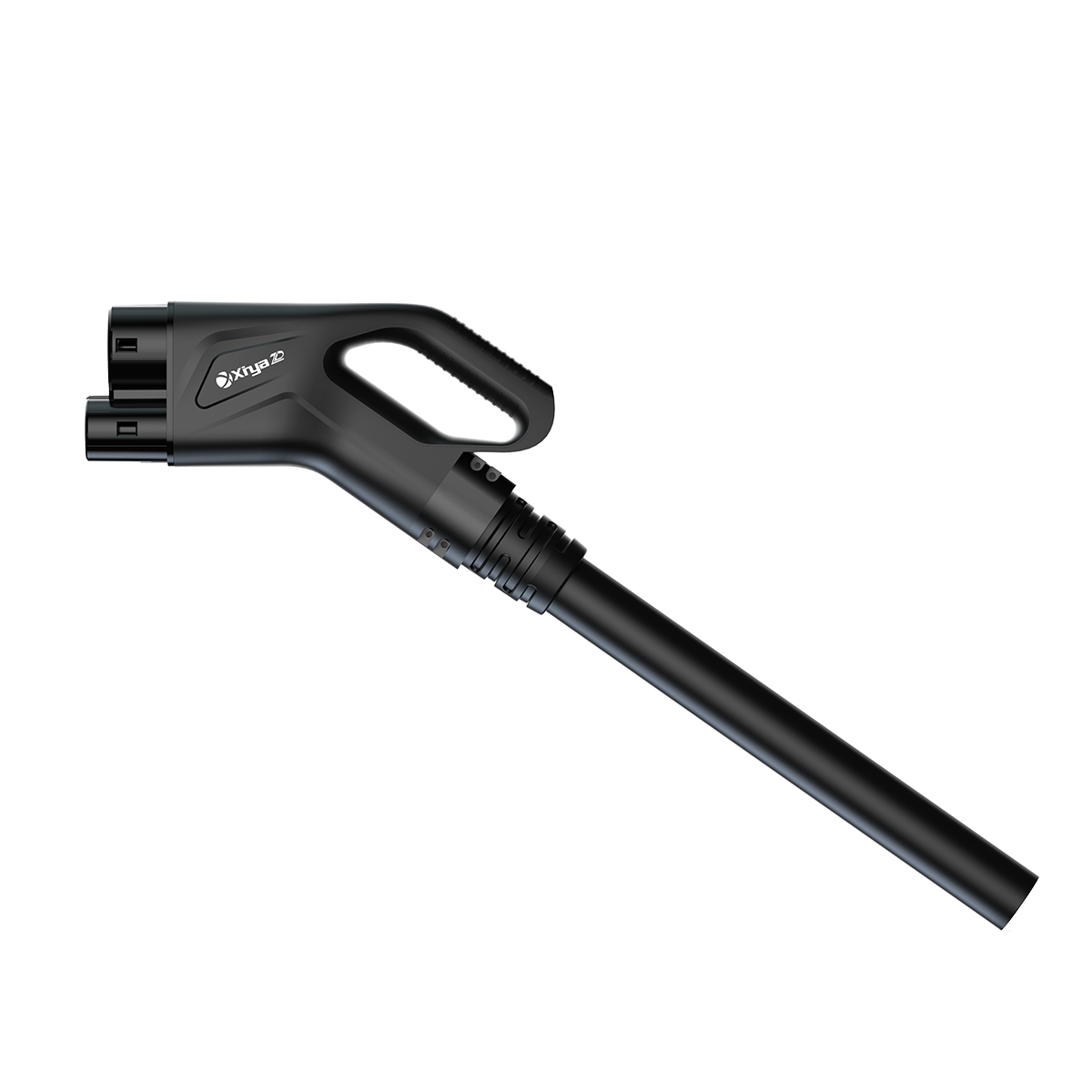
Protecting EV charging stations from vandalism and cable theft requires controls that match the actual failure paths at the site. Cable routing, connector storage, vehicle impact, lighting, camera coverage, access control, alarm response, safe isolation and spare-part recovery each address a different exposure. A lock or protocol setting cannot replace a visible layout and an owned service process. This guide explains how operators can write layered physical-security requirements into an RFP, verify them at handover, and connect incident response and maintenance records to a safe return-to-service decision.
العلاج EV charging station vandalism and cable theft as a layered operations problem. Use four practical layers—physical protection, visible deterrence, remote detection and fast recovery—then assign each layer to an owner in the contract. The Open Charge Alliance describes OCPP as a communication protocol for charger-to-management-system exchange; it does not prescribe a physically tamper-proof design. Specify the charger, site layout, monitoring and service response together, and record the condition of every device at handover.
How can the charger bay make cable theft harder?
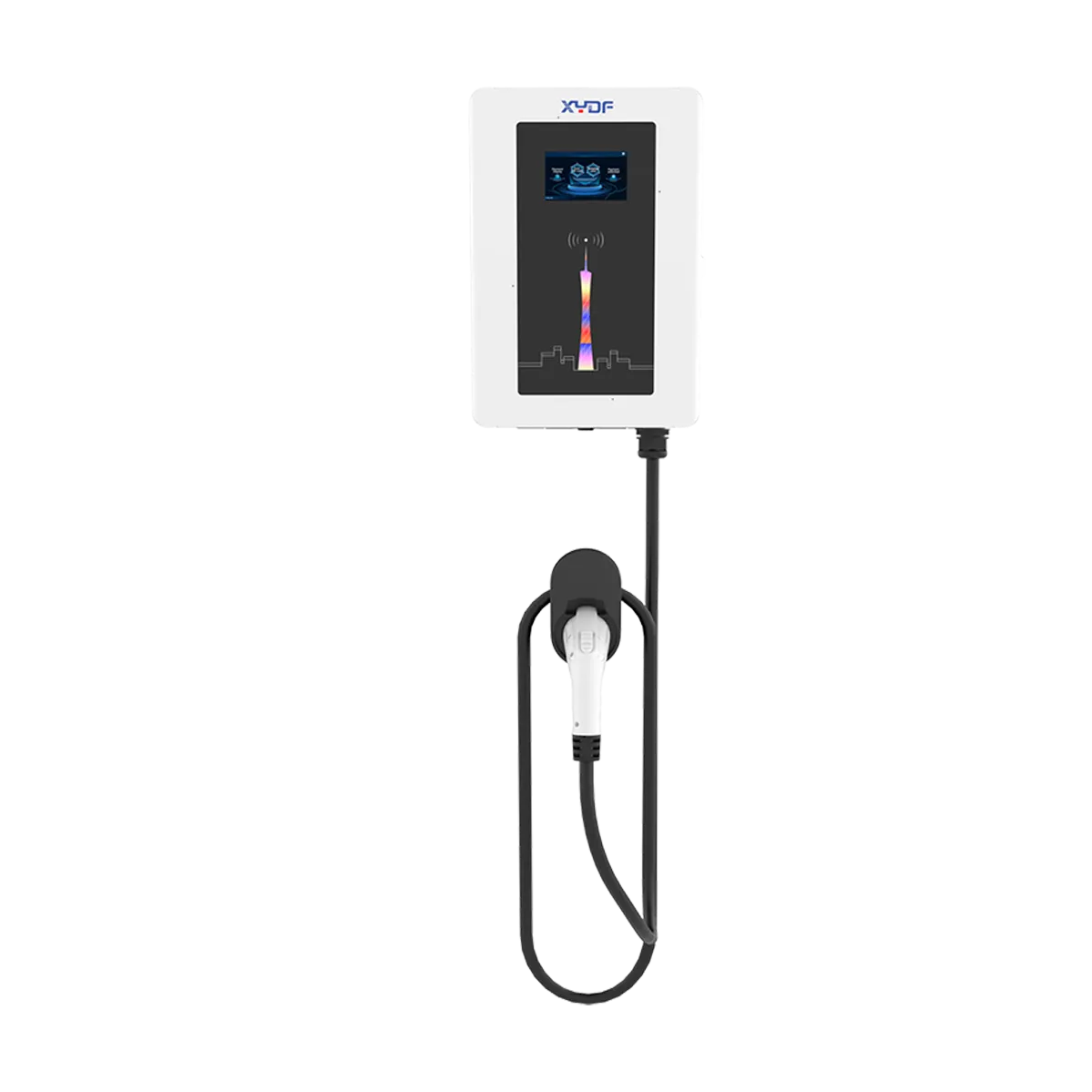
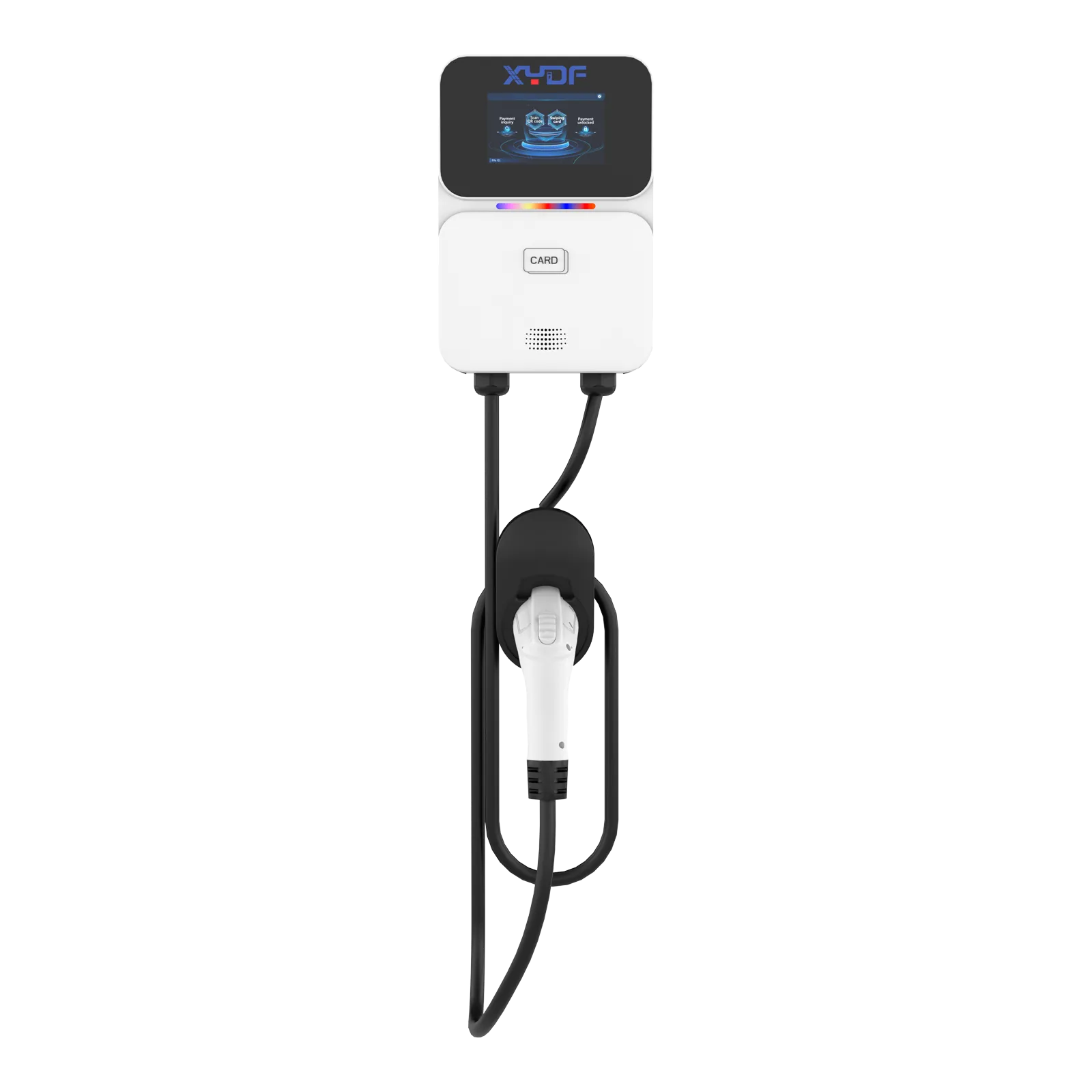
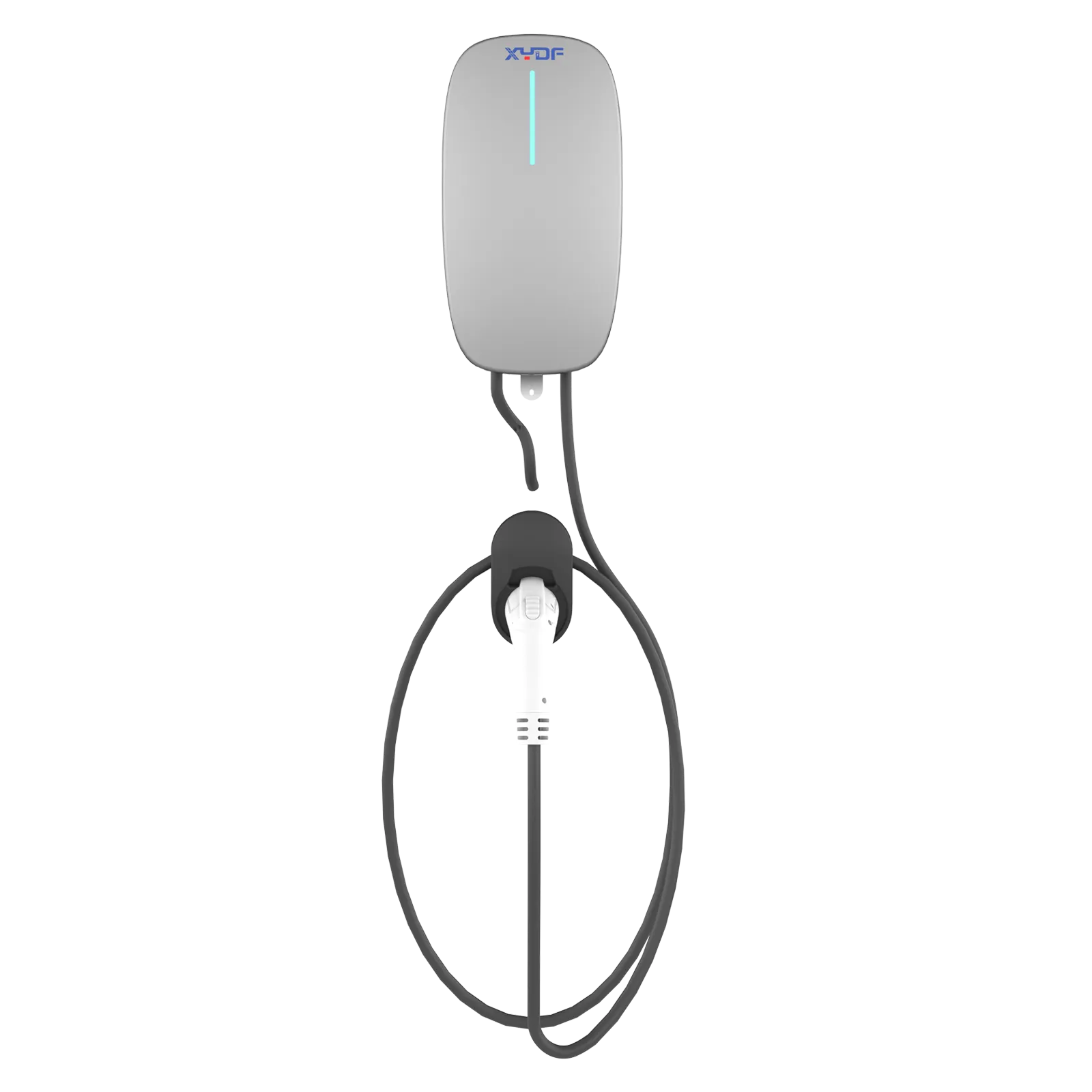
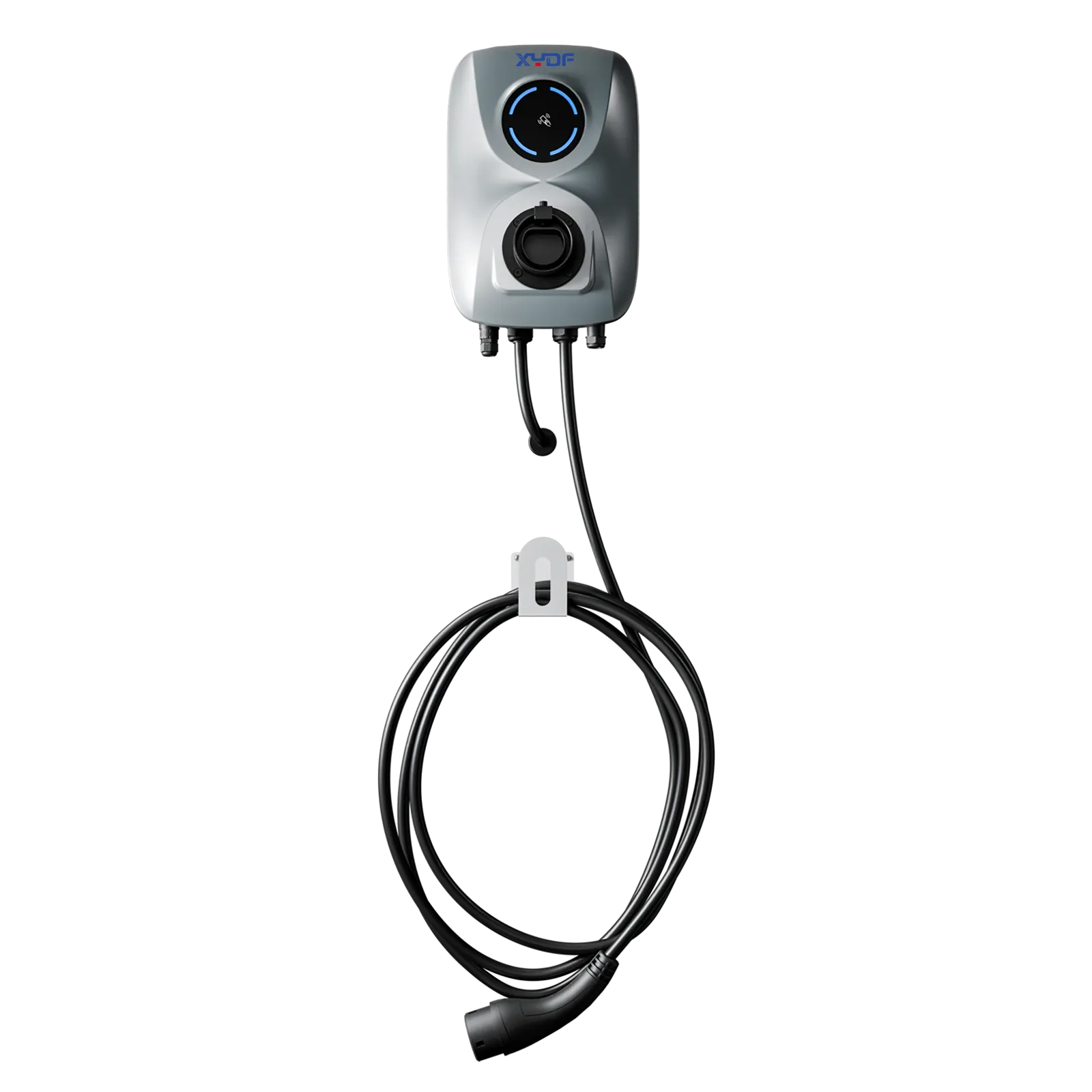
Start with reachable parts. A steel cable protection path keeps a lead off sharp edges and vehicle wheels, while a retractable holster reduces loose loops that invite pulling, cutting or trips. This directly addresses EV charger cable theft without treating a lock as the entire solution. Specify supported connectors and inspectable, replaceable mounts.
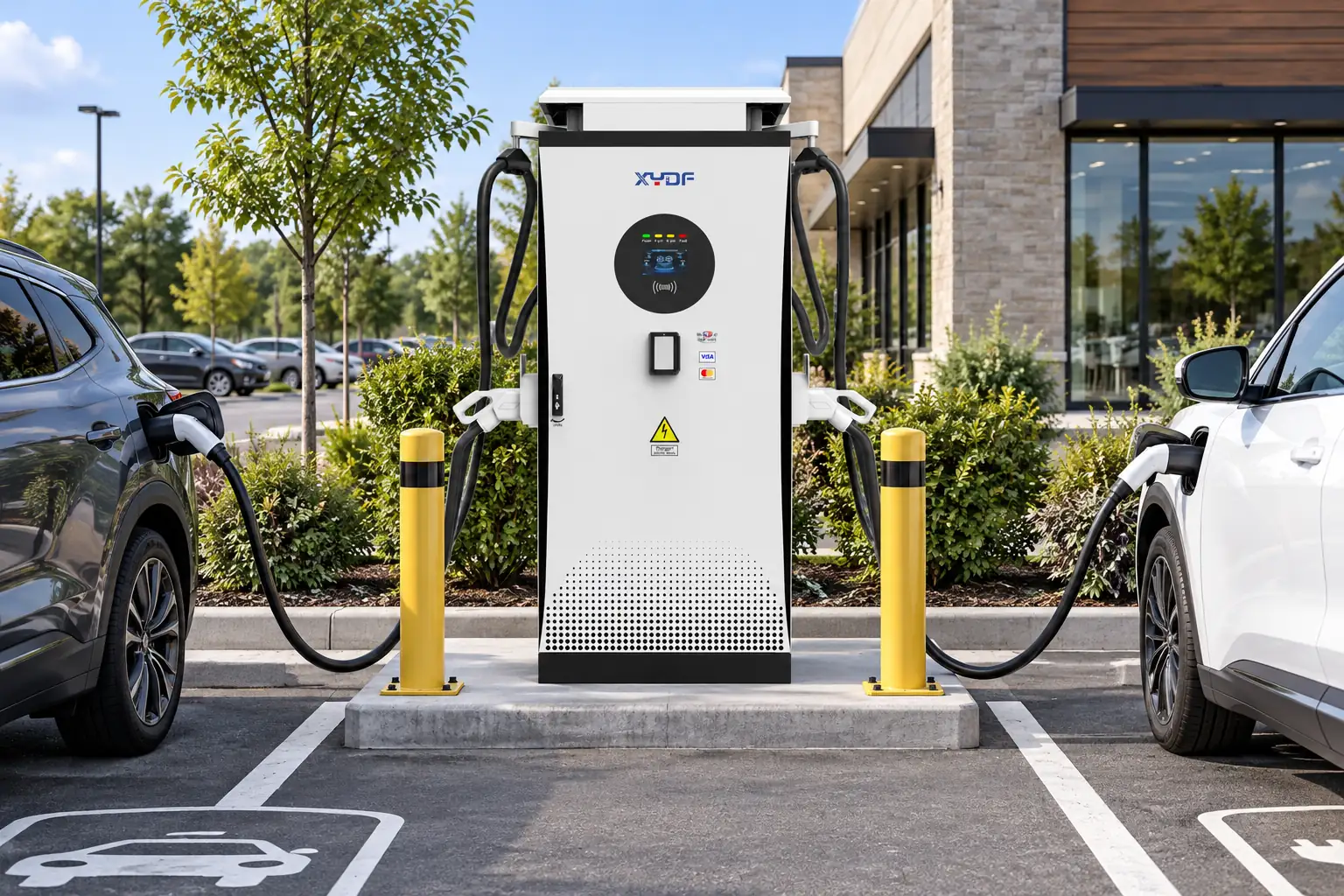
A tamper-resistant connector lock is one control, not a guarantee. Ask how it is released during an emergency, whether release can be logged, and how staff replace a damaged latch without opening unrelated energized compartments. Use bollards, kerbs or a protected island to separate the charger from reversing vehicles while preserving required cable reach. Put the charger where it is visible from a staffed desk or patrol route; avoid tall plant, advertising boards and storage that create hiding places.
Coordinate cameras, lighting and alarms
Lighting should reveal hands, connectors and plates without glare. Aim cameras at the connector and approach route, then verify the night view. Link camera, access-control and charger events so an operator can distinguish a legitimate release from forced entry or an offline cable.
Define the alert recipient, acknowledgement time, escalation path and evidence-retention period. If the charger uses OCPP, use management-system events for status while keeping physical-security decisions in the site plan; OCPP is not a security certification or a substitute for local response. The U.S. Department of Energy’s مركز بيانات الوقود البديل supports location records but does not certify anti-theft arrangements.
| Control | Failure addressed | Verify at handover | Trade-off |
|---|---|---|---|
| Steel protection and holster | Cuts, abrasion, run-over | Anchors, bend, drainage | Inspect hardware |
| Connector lock | Forced removal | Release and access log | Controlled service step |
| CCTV and lighting | Poor detection or evidence | Night view and retention | Power and network |
| Remote alarm | Slow awareness | Owner and escalation test | Tune alerts |
What is the fastest safe way to recover a damaged charger?
Assume one connector or cable may be unavailable while the rest of a site remains open. Identify the asset, inhibit that outlet under service instructions, apply local lockout/tagout rules and record authorization. Never open an energized cabinet or improvise a bypass.
Keep spare cables and connectors matched to the installed configuration, with asset references and controlled storage. That is essential after EV charging cable theft. A repair SLA should distinguish triage, safe isolation, dispatch, parts approval and return-to-service testing. Link the work order to photos, alarm history and inspection records.
Before an incident, retain commissioning photographs, asset values, serial numbers, invoices, patrol records, lawful camera clips, police reports and repair invoices. Local security, insurance and contract responsibilities vary, so state who reports loss, approves replacement and carries business-interruption exposure.
Which security measures fit a public charging site?
Score the whole site rather than selecting a lock in isolation. An all-night public forecourt needs a different response model from a gated depot. Record traffic, staffing, cable length, connector type and network availability in the request for proposal.
| حالة الموقع | أولوية | Ask | Retain |
|---|---|---|---|
| Open site, overnight use | Visibility | Who acts on an alert? | Night survey and test |
| Controlled fleet depot | Access | Who may release connectors? | Access list and logs |
| High-turnover parking | Cable routing | Can vehicles snag it? | Flow drawing and photos |
| Remote, lightly staffed | Recovery | How fast can parts and a technician arrive? | Stock record and SLA |
Why maintenance belongs in the anti-vandalism plan
Inspect cables, holsters, locks, bollards, seals and cabinet doors on schedule and after impact or alarm. Look for cuts, exposed conductors, crushed insulation, unusual heating, missing fasteners and water entry. Keep damaged equipment out of service until assessed by a competent person.
Use a simple checklist at each visit:
- Photograph the connector, holster, cable route and cabinet condition.
- Confirm lighting and camera views after dark or after any layout change.
- Test the alarm acknowledgement and escalation contacts.
- Reconcile spare cables, locks and fasteners with the asset register.
- Close the work order only after safe isolation is removed and service is tested.
For broader preventive routines, see this قائمة المراجعات اللازمة لصيانة الشواحن السريعة ذات المبرد السائل; adapt the inspection frequency to the installed equipment and local requirements.
How should physical-security controls be written into an EV charger RFP?
Write security requirements around observable failures: cable cuts, vehicle impact, forced connector release, poor night visibility, unauthorized access and slow recovery. For each control, name the handover evidence, the response owner and the service limit. For example, a protected cable path should be checked for anchors and drainage; a camera requirement should include night coverage and retention; an alarm requirement should include acknowledgement and escalation testing.
Keep physical-security requirements separate from protocol claims. The Open Charge Alliance OCPP information describes charger-to-management-system communication, but OCPP alone does not prove that a cabinet, cable or site is tamper-resistant. The RFP should therefore test the physical layout, monitoring workflow and safe isolation procedure as one operating package.
Questions operators ask about charger vandalism and cable theft
Are EV charging stations being vandalized more often?
Vandalism and cable theft are operational risks, but rates vary by location and reporting. Use site-specific incident, alarm and repair records to set controls.
How can operators protect an EV charger cable from theft?
Combine steel protection, a retractable holster, a tamper-resistant lock, lighting and monitored response. This layered approach is more practical than relying on one measure against charging station cable theft; keep a compatible spare and replacement SLA.
Which charger designs reduce vandalism and tampering?
Supported connectors, serviceable fasteners and separation from vehicle impact are easier to protect. Choice still depends on connector type, cable length and visibility; no design eliminates vandalism.
Should charging stations use cameras, lighting or access control?
Usually, use them together: lighting supports images, cameras provide evidence, and access control limits authorized actions. Apply local privacy rules and name the response owner.
How can a damaged charger be isolated without shutting down the whole site?
Use asset-level controls and the manufacturer’s service procedure to inhibit the affected outlet, then apply local lockout/tagout. A qualified technician should verify isolation; never bypass protection.
Who pays for repairs after vandalism or cable theft?
It depends on the lease, operating agreement, insurance policy and local law. Define reporting, deductibles, replacement approval, interruption and evidence before opening.
Authoritative references and next steps
- مركز بيانات الوقود البديل التابع لوزارة الطاقة الأمريكية — station information.
- NIST Physical Security — physical-security resources.
- CISA Physical Security — protective planning resources.
- تحالف الشحن المفتوح OCPI — management protocol information.
Protecting an EV charging station from vandalism or cable theft requires a connected operating plan, not a long list of add-on devices. Start with the bay layout and cable path, then check visibility, physical retention, monitoring, isolation, spare parts, and the service response that returns equipment safely to use. A camera or lock can help, but neither removes a trip hazard, an unstaffed blind spot, or an unclear repair responsibility. The practical sequence is exposure review, layered controls, documented inspection, and a rehearsed recovery decision. Operators should verify the manufacturer’s isolation procedure and local lockout requirements before any damaged connector or cable is handled. When comparing a new public charging installation, the Xinya EE EV charging equipment range can be reviewed together with the site’s security and maintenance brief.
{
"@context": "https://schema.org",
"@type": "FAQPage",
"mainEntity": [
{"@type":"Question","name":"Are EV charging stations being vandalized more often?","acceptedAnswer":{"@type":"Answer","text":"Vandalism and cable theft are operational risks, but rates vary by location and reporting practice. Do not use an unverified trend rate in a business case; use site-specific incident, alarm and repair records to set controls."}},
{"@type":"Question","name":"How can operators protect an EV charger cable from theft?","acceptedAnswer":{"@type":"Answer","text":"Combine steel cable protection, a retractable holster, a tamper-resistant connector lock, good lighting and a monitored response. Route the cable so it is visible and cannot be trapped under a vehicle, then keep a compatible spare and a documented replacement SLA."}},
{"@type":"Question","name":"Which charger designs reduce vandalism and tampering?","acceptedAnswer":{"@type":"Answer","text":"Designs that keep connectors supported, fasteners serviceable and cabinets separated from vehicle impact are easier to protect. The right choice depends on connector type, cable length, traffic flow, visibility and maintenance access; no design alone eliminates vandalism."}},
{"@type":"Question","name":"Should charging stations use cameras, lighting or access control?","acceptedAnswer":{"@type":"Answer","text":"Usually, the controls work best together: lighting supports usable images, cameras provide detection and evidence, and access control limits authorized actions. Apply privacy, retention and local security rules, and confirm who monitors and responds to alerts."}},
{"@type":"Question","name":"How can a damaged charger be isolated without shutting down the whole site?","acceptedAnswer":{"@type":"Answer","text":"Use asset-level controls and the manufacturer’s safe service procedure to inhibit the affected outlet or unit, then apply local lockout/tagout requirements. A qualified technician should verify isolation and document the repair; never bypass a protection device to keep a damaged outlet running."}},
{"@type":"Question","name":"Who pays for repairs after vandalism or cable theft?","acceptedAnswer":{"@type":"Answer","text":"The answer depends on the lease, operating agreement, insurance policy and local law. Define responsibility for reporting, deductibles, replacement approval, business interruption and evidence before the site opens, and keep records that support the agreed process."}}
]
}