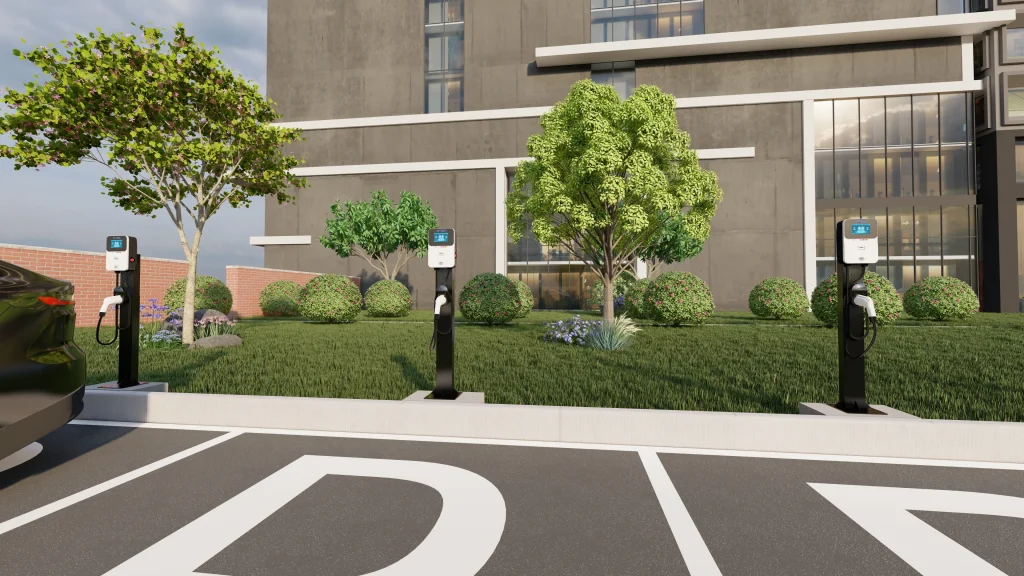
الشاحن السريع الذي يعمل بالتيار المتردد مقابل الشاحن السريع الذي يعمل بالتيار المستمر: أي حل شحن هو الأفضل لموقعك؟
12 يونيو 2026
مدونة
إذا كنت تخطط للبنية التحتية لشحن السيارات الكهربائية لعمل تجاري، أو أسطول، أو فندق، أو مجمع سكني، أو موقف سيارات، أو وجهة عامة، فسوف يطرح سؤال شائع بسرعة: هل هذا الموقع مناسب أكثر لـ شحن التيار المتردد, أو لـ شحن سريع بالتيار المستمر?
ملخص سريع
تشحن كلتا شفرات التيار المتردد وشفرات التيار المستمر السريعة الطاقة إلى المركبات الكهربائية، لكنهما تناسبان سيناريوهات تجارية مختلفة.
الشحن المتردد مناسب للمواقع التي تبقى فيها المركبات لعدة ساعات، مثل المباني المكتبية والفنادق والشقق والمجتمعات السكنية والمواقف طويلة الأمد. عادة ما يكون تركيبه أسهل، وأكثر قابلية للإدارة للتوسع، ويتوافق بشكل أفضل مع الحاجة للشحن أثناء وقوف المركبة.
الشحن السريع للتيار المستمر (DC) هو الأنسب للمواقع ذات حركة المرور الكثيفة، ومستودعات الأساطيل، والممرات السريعة، ومناطق الخدمة، والمتاجر الصغيرة، والوجهات التجارية. يتطلب استثمارًا أعلى في التركيب وسعة كهربائية أكبر، لكنه يمكن أن يوفر دورانًا أسرع لمواقف السيارات، ووضوحًا أكبر للموقع، وإمكانات إيرادات شحن أكبر.
بالنسبة لمعظم مالكي المواقع، يجب أن تكون نقطة البداية هي وقت بقاء السيارة. إذا بقي المستخدمون لفترة كافية، فقد تكون شواحن التيار المتردد أكثر فعالية من حيث التكلفة. إذا احتاج المستخدمون إلى إعادة شحن سريعة وأرادوا المغادرة في أقرب وقت ممكن، فإن شاحن التيار المستمر السريع يستحق المزيد من الاعتبار.
الفرق الجوهري بين شحن التيار المتردد والتيار المستمر: أين تحدث عملية تحويل الطاقة
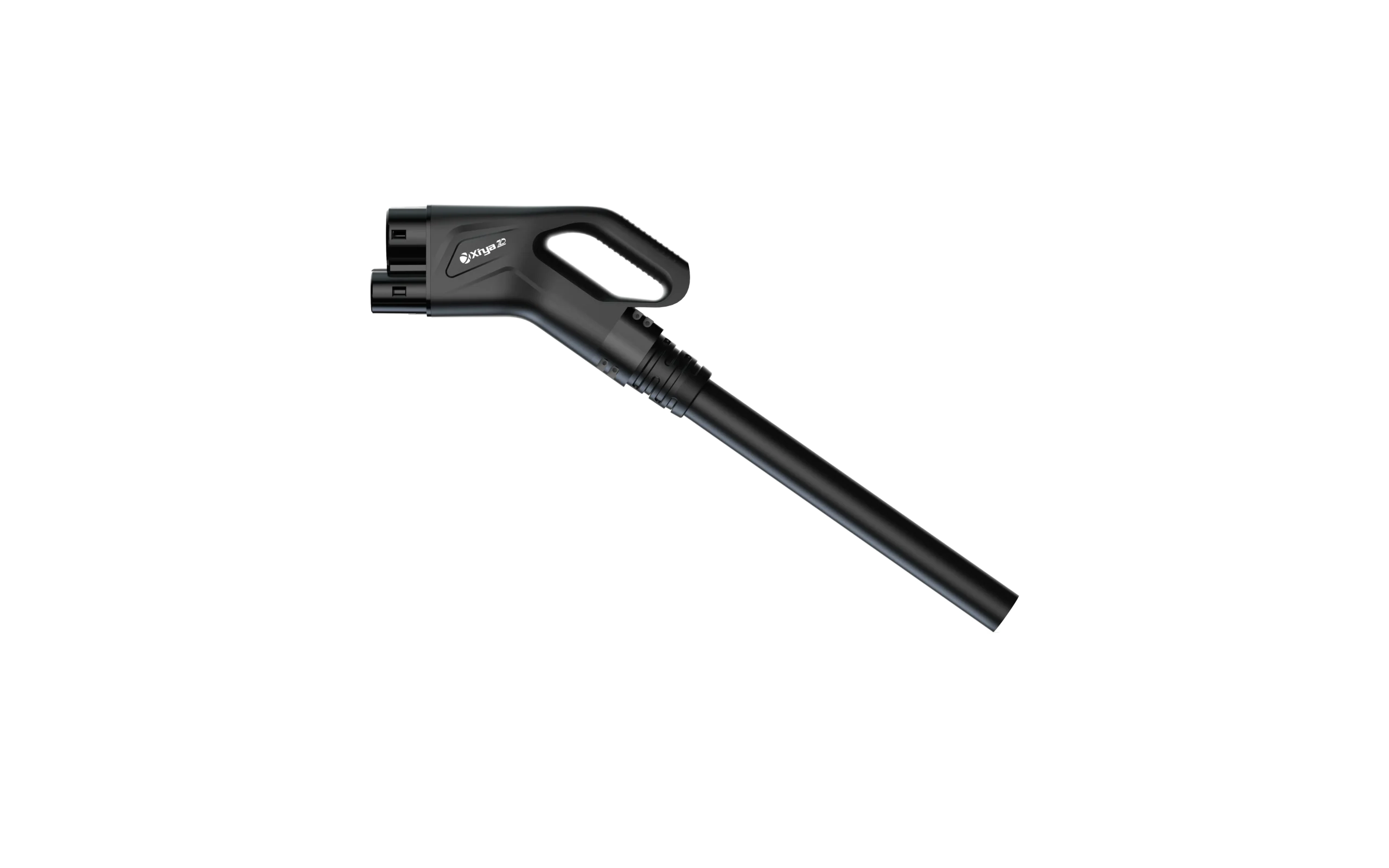
كل بطارية سيارة كهربائية تخزن تيارًا مباشرًا، أو DC. ومع ذلك، فإن الطاقة التي يوفرها التيار الكهربائي عادة ما تكون تيارًا مترددًا، أو AC. قبل أن تدخل الكهرباء إلى البطارية، تحتاج إلى تحويلها. مع شحن التيار المتردد, يحدث هذا التحويل داخل المركبة. يقوم الشاحن بتزويد المركبة بالطاقة المترددة (AC)، ويقوم الشاحن الموجود على متن المركبة بتحويل التيار المتردد إلى تيار مستمر (DC) قبل إرساله إلى البطارية. لهذا السبب، غالبًا ما تكون سرعة الشحن الفعلية محدودة بقدرة تقييم الشاحن الموجود على متن المركبة. مع شحن سريع بالتيار المستمر, ، تتم عملية التحويل داخل معدات الشحن. يقوم الشاحن أولاً بتحويل طاقة التيار المتردد من الشبكة إلى تيار مستمر، ثم يرسلها مباشرة إلى بطارية السيارة. نظرًا لأنه يتجاوز مرحلة التحويل الداخلية للتيار المتردد إلى تيار مستمر في السيارة، يمكنه توفير طاقة شحن أعلى بكثير. في الأساس، يعتمد شحن التيار المتردد (AC) على السيارة، بينما يعتمد الشحن السريع بالتيار المستمر (DC) على معدات توريد المركبات الكهربائية (EVSE). فهم هذا الاختلاف يساعد في تفسير سبب اختلاف أداء الخيارين في المواقع الواقعية.
الشحن بالتيار المتردد أفضل لسيناريوهات ركن السيارات لفترات طويلة
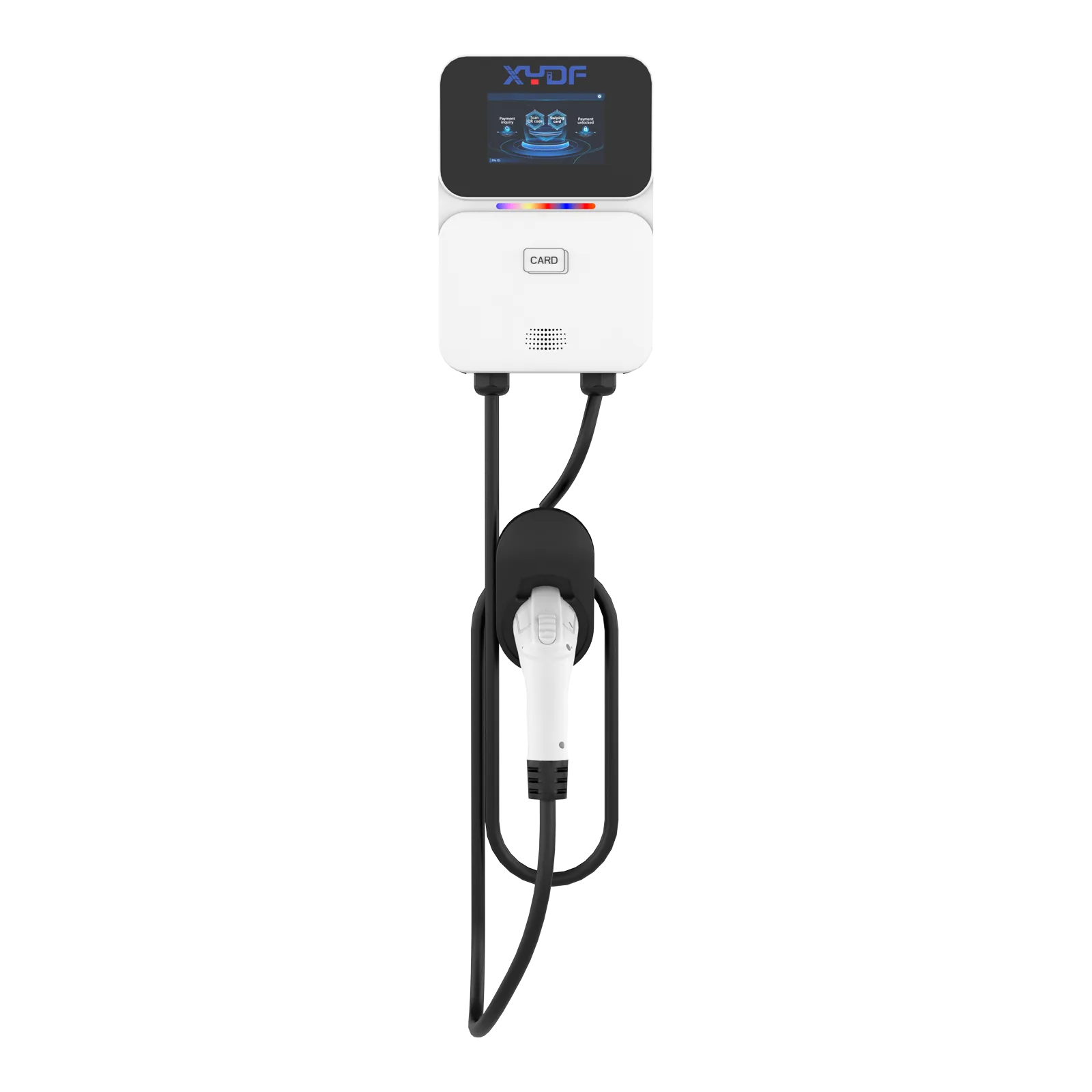
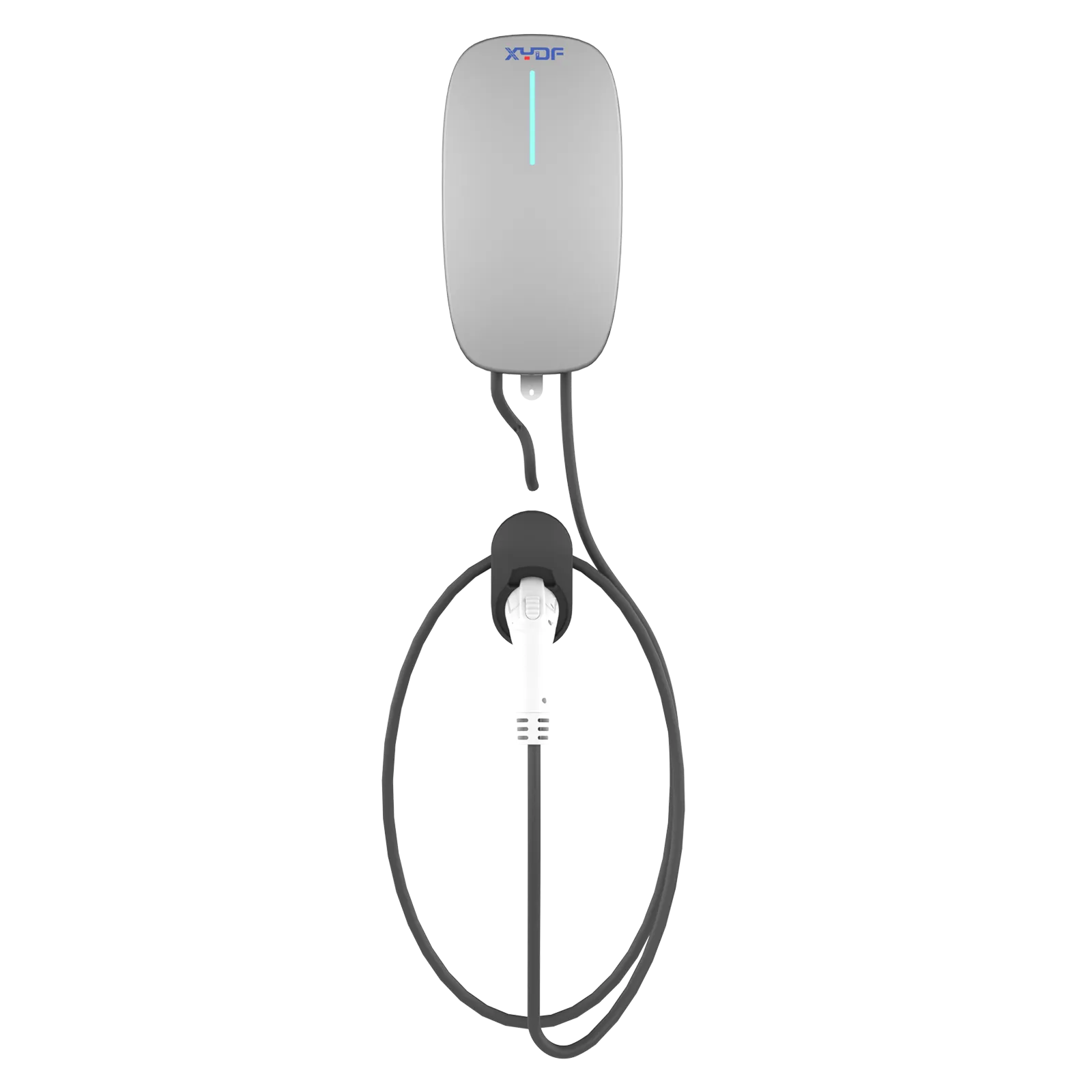
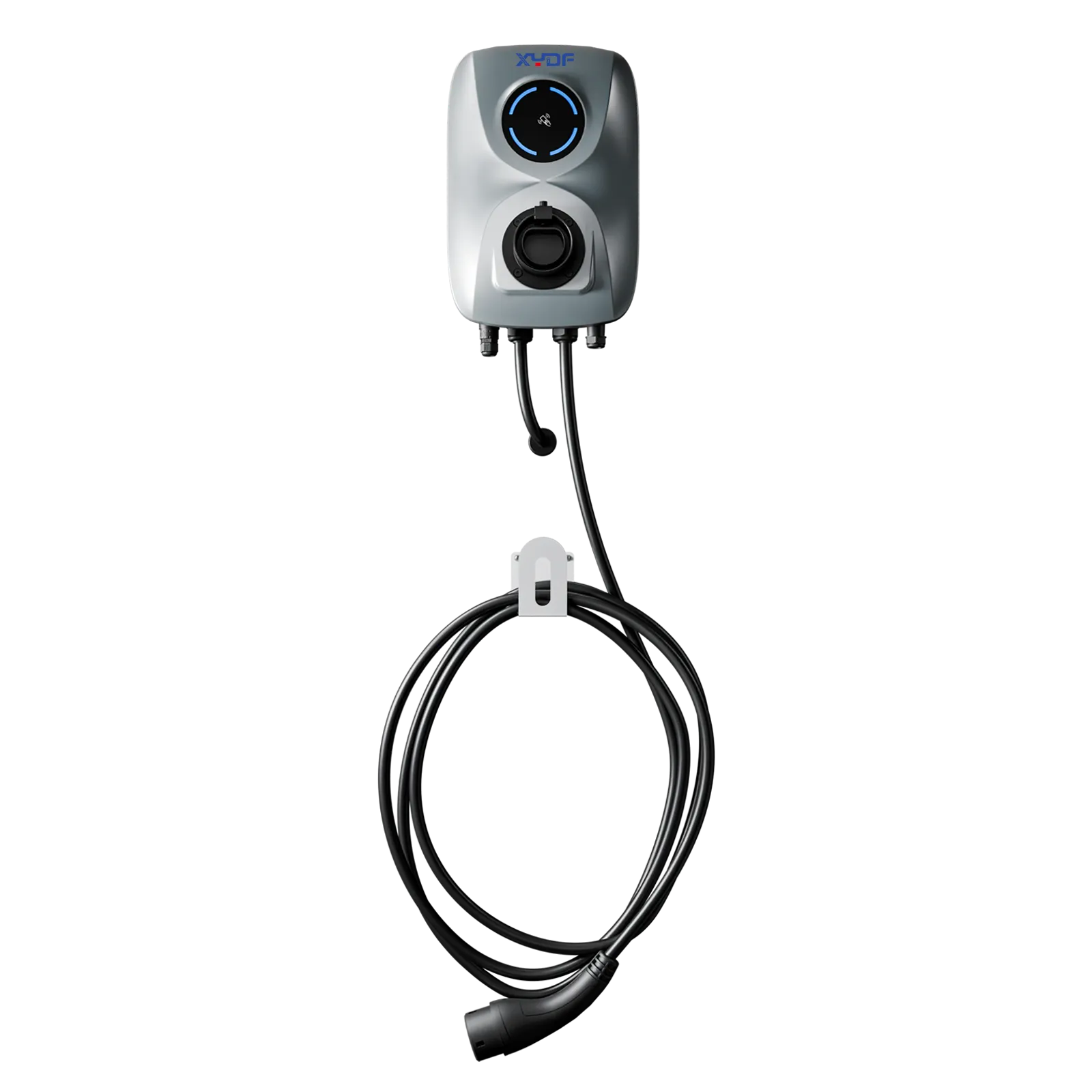
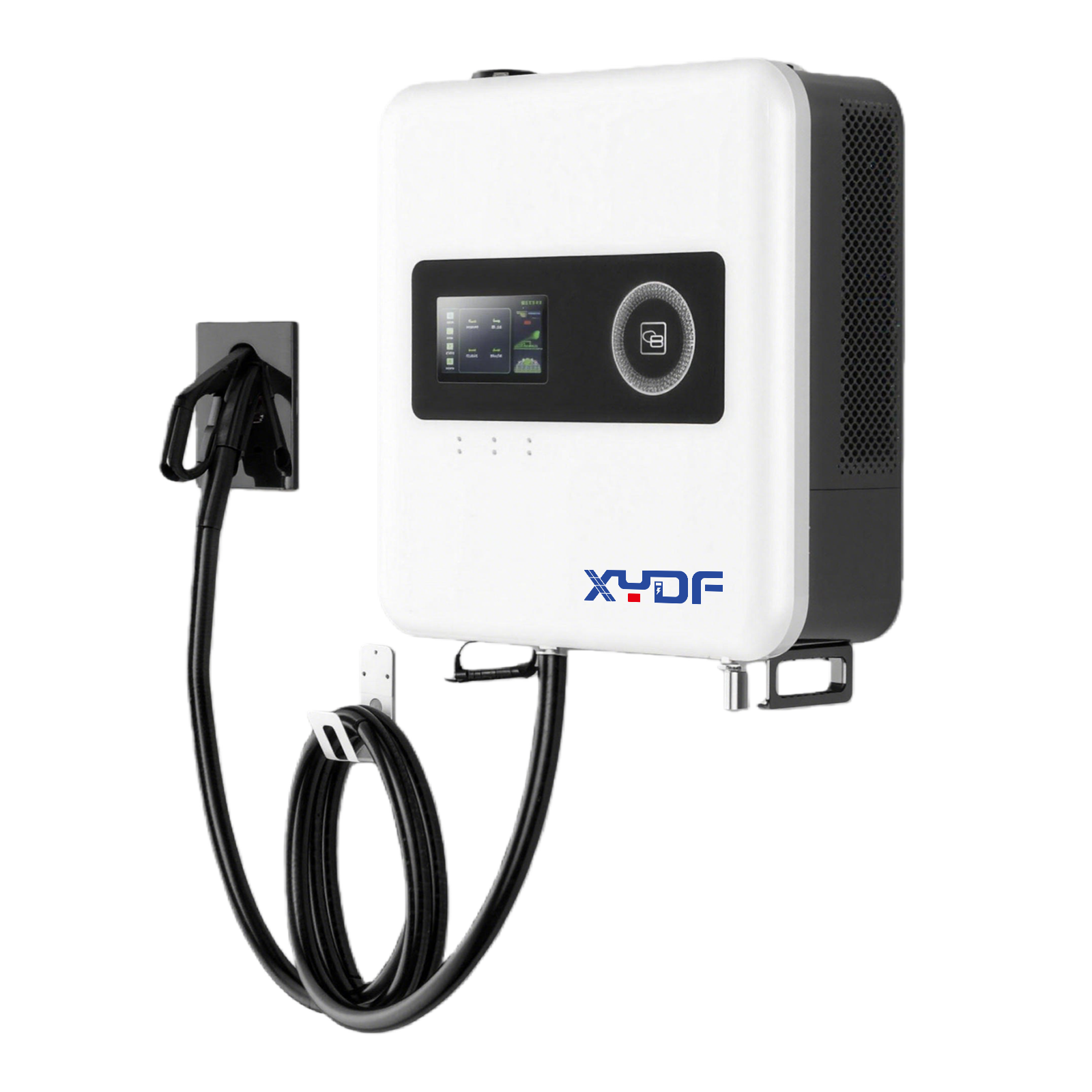
شاحن السيارة الكهربائية بتيار متردد هي الطريقة الأكثر شيوعًا للشحن في المنازل والمباني المكتبية والشقق والفنادق والحرم الجامعي ومراكز البيع بالتجزئة والعديد من مواقف السيارات العامة. بالنسبة للعديد من المواقع، يعد شحن التيار المتردد عمليًا لأنه يتناسب بشكل طبيعي مع سلوكيات ركن السيارات الحالية. إذا كان السائقون سيقومون بالفعل بركن سياراتهم لعدة ساعات، فإنهم لا يحتاجون عادةً إلى أسرع سرعة شحن ممكنة. إنهم بحاجة إلى شحن مستقر ومريح وبأسعار معقولة وقادر على إضافة نطاق كافٍ قبل مغادرتهم. الشحن المتردد مناسب بشكل خاص لـ:
مواقف السيارات في الشقق والمجمعات السكنية
شحن مكان العمل
الفنادق والوجهات السياحية
مواقف عامة طويلة الأجل
مناطق مواقف البلدية
مراكز التسوق أو مواقع البيع بالتجزئة التي يبقى فيها المستخدمون لفترات أطول
الميزة الأكبر للشحن بالتيار المتردد هي كفاءتها من حيث التكلفة. مقارنة بـ شحن سريع بالتيار المستمر, عادةً ما تكون موصلات التيار المتردد أقل تكلفة في الشراء، وتشغل مساحة أصغر، ولها متطلبات تثبيت أبسط، وتكاليف تشغيل يمكن التحكم فيها. كما أنها تضع ضغطًا أقل على النظام الكهربائي للموقع، لذلك لا تتطلب العديد من المشاريع بالضرورة ترقيات كهربائية كبيرة. ومع ذلك، فإن شحن التيار المتردد غير مناسب لكل موقع. إذا كان المستخدمون لديك يتوقعون إضافة نطاق كبير في غضون 20 إلى 40 دقيقة، فقد يبدو شحن التيار المتردد بطيئًا جدًا.
الشواحن السريعة للتيار المستمر أفضل للسرعة وعامل الاسترداد السريع
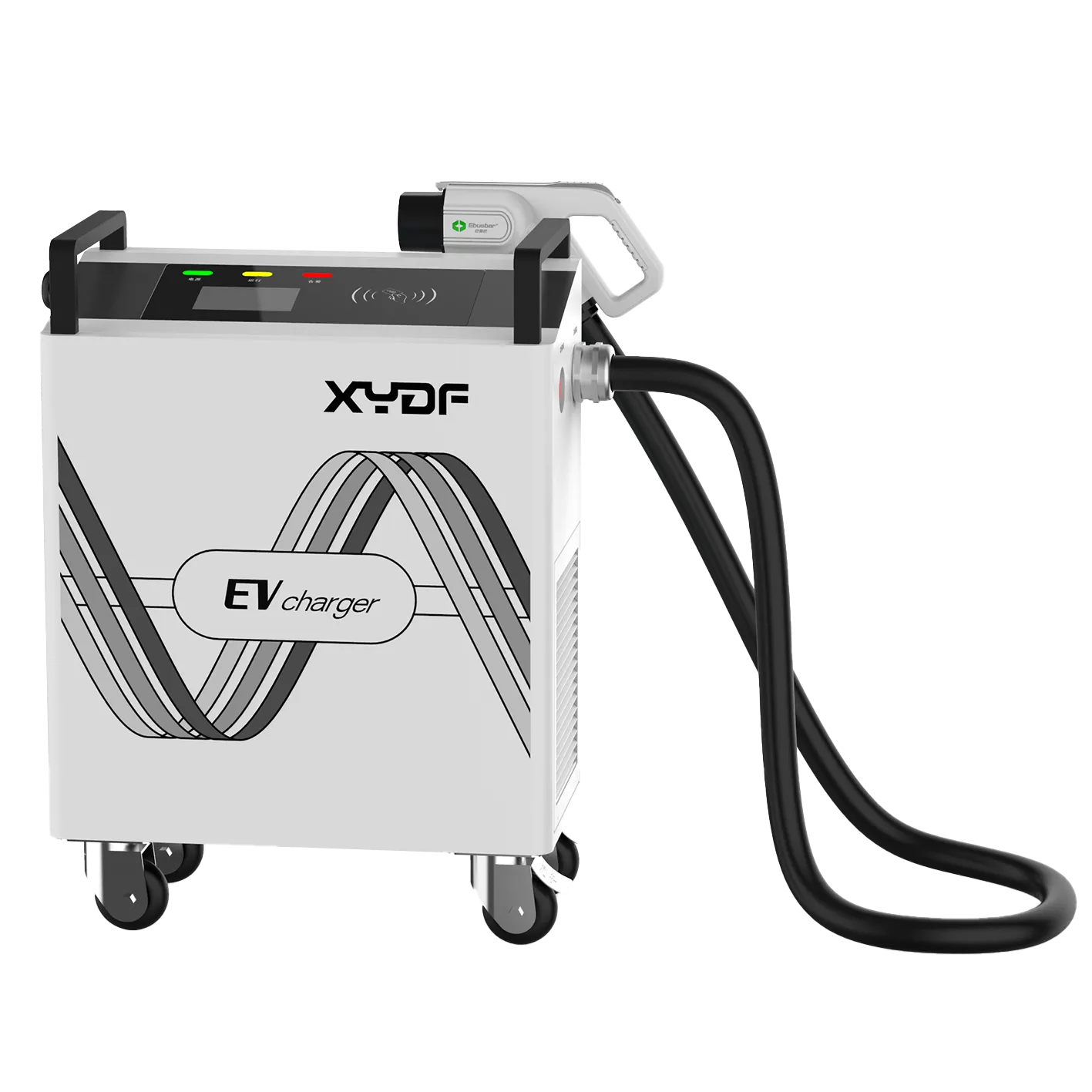
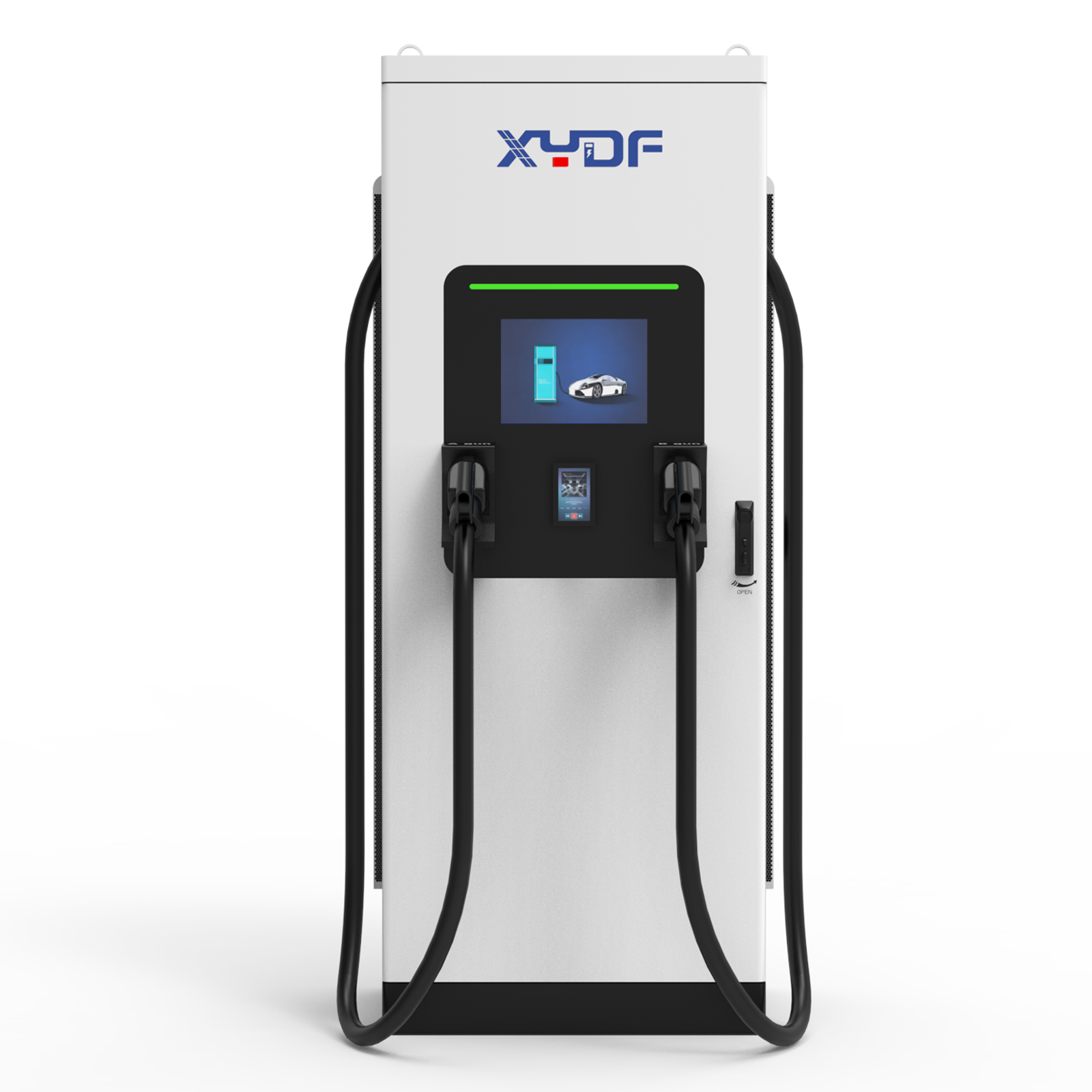
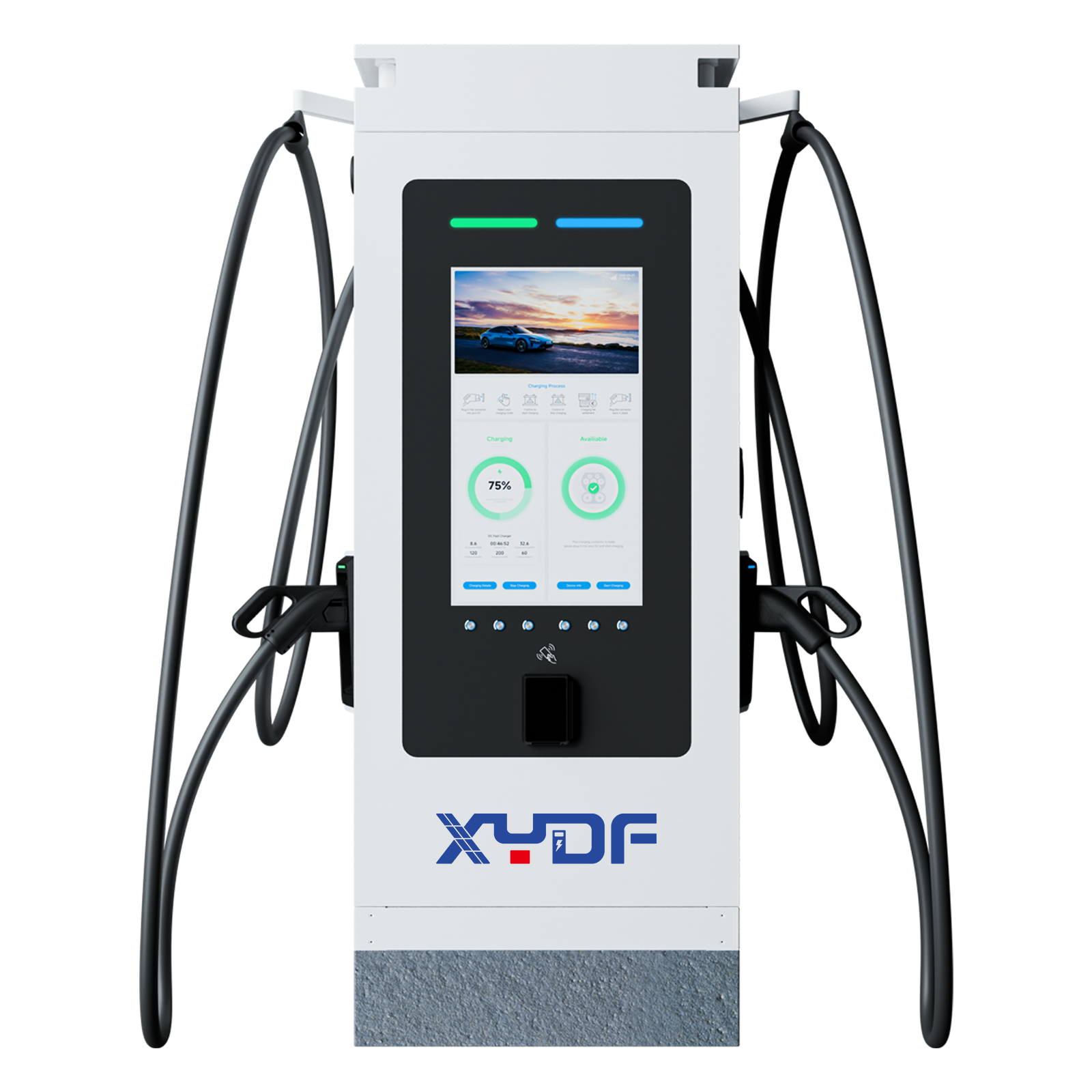
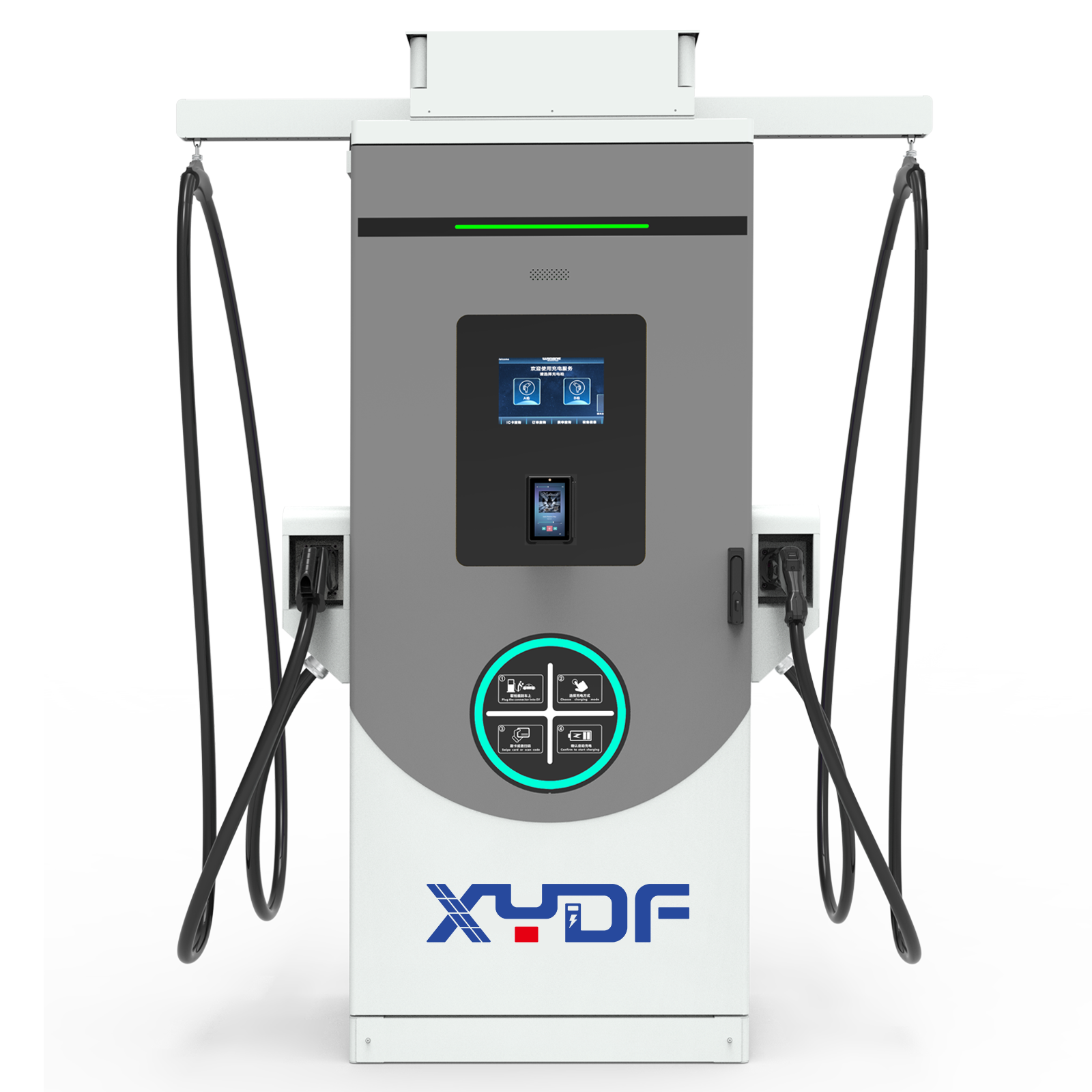
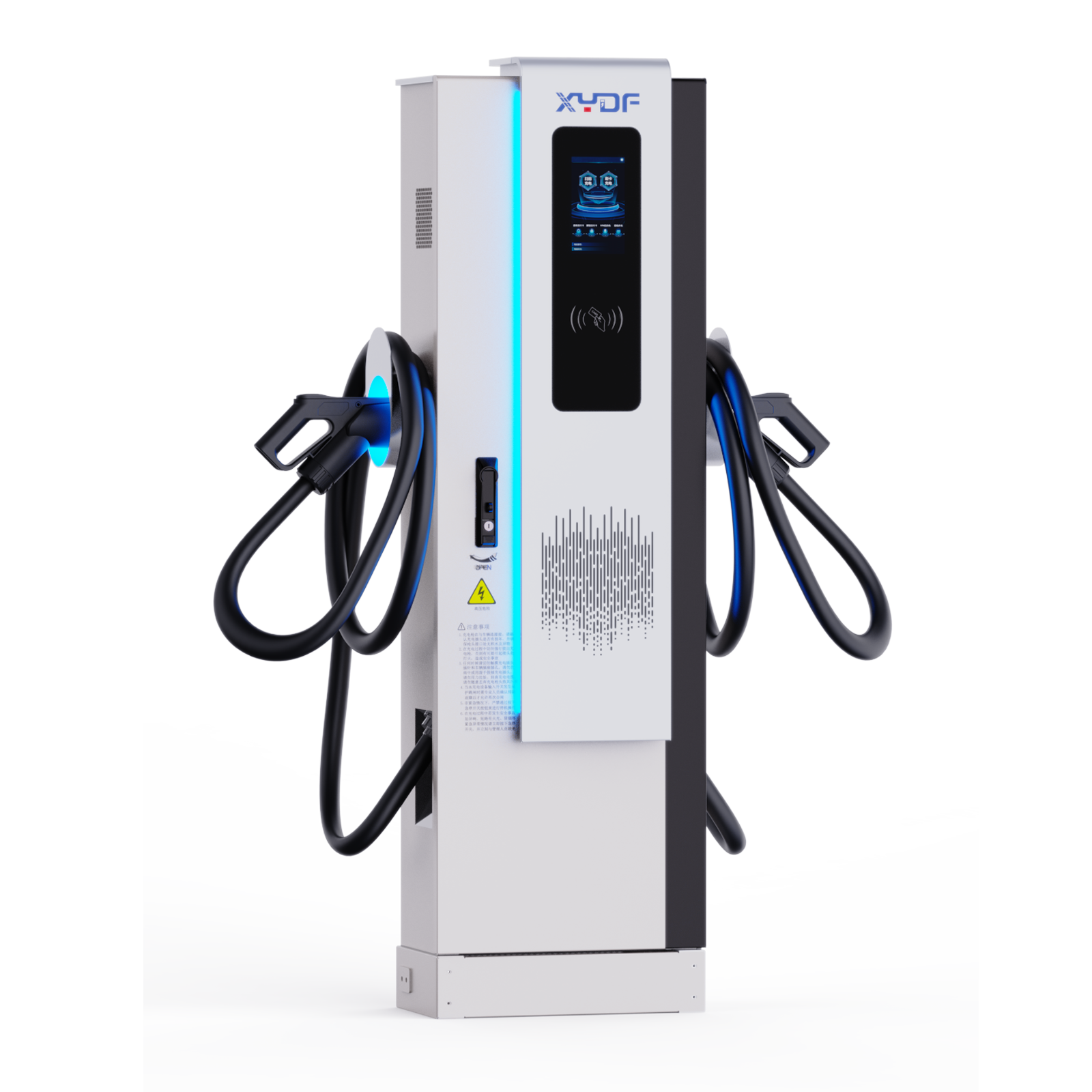
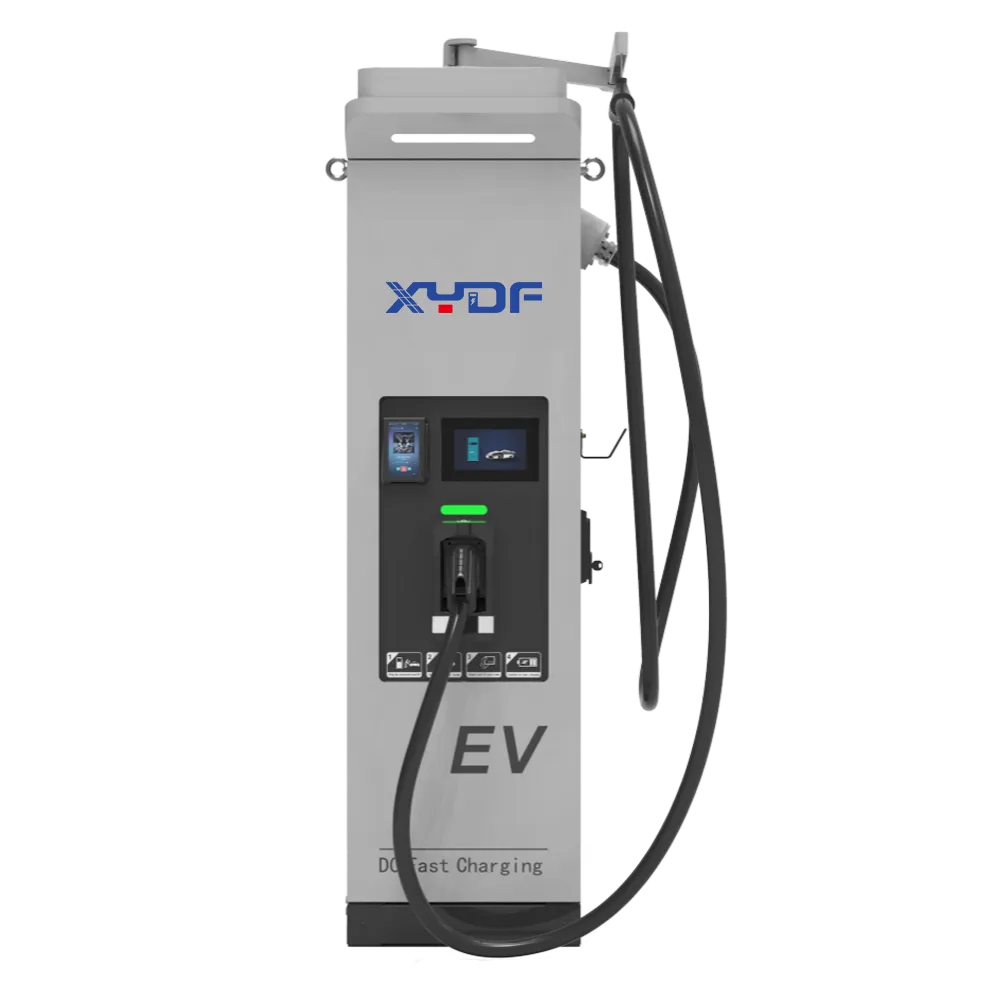
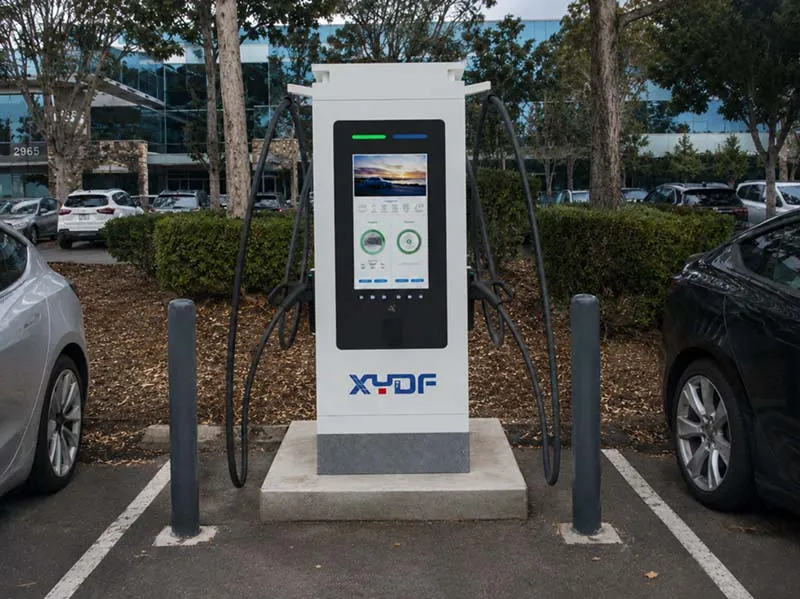
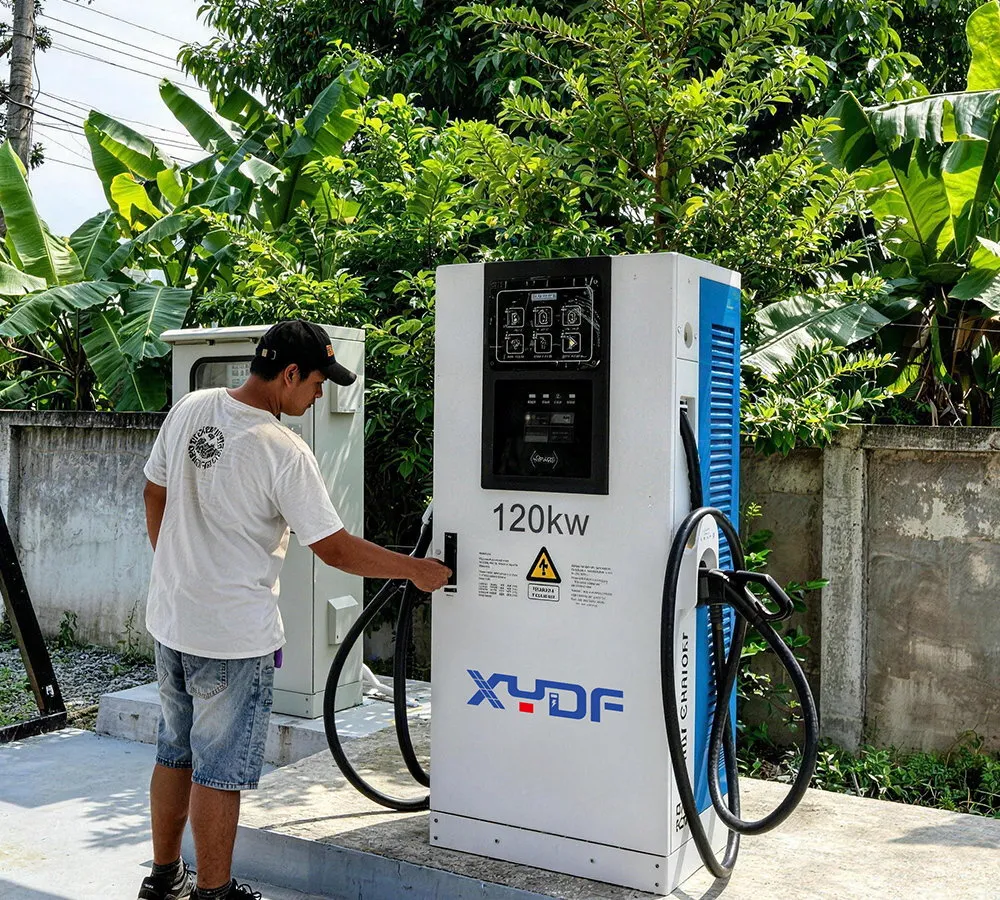
A شاحن DC سريع وهو مصمم للمواقف التي يكون فيها الوقت مهمًا. بدلاً من إضافة الطاقة ببطء على مدى عدة ساعات، يمكنه توفير نطاق مفيد في فترة زمنية قصيرة نسبيًا. تتأثر سرعة الشحن الفعلية بطراز السيارة، وحالة شحن البطارية، وقوة الشاحن، ودرجة الحرارة، وعوامل أخرى. الشحن السريع ذو التيار المستمر مناسب أكثر لـ:
المناطق القريبة من مخارج الطرق السريعة ومناطق الخدمات
محطات الوقود
متاجر البقالة والمطاعم السريعة
مستودعات الأسطول ذات الاستخدام العالي
سيارات الأجرة، ومركبات النقل التشاركي، ومركبات التوصيل
وجهات البيع بالتجزئة ذات الحركة المرورية العالية
مواقع عامة يحتاج فيها السائقون بوضوح إلى شحن سريع
بالنسبة للسائقين، الفائدة واضحة: توقف، اشحن بسرعة، وواصل رحلتك دون الحاجة للتخطيط لجلسة وقوف طويلة. بالنسبة لأصحاب المواقع، تتجلى القيمة أيضًا بوضوح. يمكن للشحن الأسرع أن يؤدي إلى زيادة معدل دوران مواقف السيارات. قد يخدم شاحن DC سريع واحد عددًا أكبر من السائقين يوميًا، خاصة في المواقع ذات الحركة المرورية العالية. يمكن أن يساعد ذلك في زيادة إيرادات الشحن، وتحسين الظهور على خرائط وتطبيقات الشحن، وجذب سائقي المركبات الكهربائية لإنفاق الأموال بالقرب منهم. المقايضة هي التكلفة والتعقيد. يتطلب الشحن السريع بالتيار المستمر إلكترونيات طاقة أكثر تعقيدًا، وسعة كهربائية أعلى، وتخطيطًا أكثر تفصيلاً للموقع، وعادةً ما مزيدًا من التنسيق مع المرافق.
شاحن تيار متردد مقابل شاحن تيار مستمر سريع - جدول
عامل المقارنة
شاحن تيار متردد
شاحن سريع تيار مستمر
موقع تحويل الطاقة
داخل المركبة
داخل الشاحن
حالة استخدام نموذجية
مواقف طويلة الأمد
استعادة الطاقة بسرعة
سرعة الشحن
أبطأ، وعادة ما يُقاس بالساعات أو طوال الليل
أسرع، وغالباً ما تكون قادرة على تلبية احتياجات النطاق الأساسية في 20-40 دقيقة
تكلفة التركيب
خفض
أعلى
الطلب الكهربائي
أسهل لمعظم المواقع لدعم
قد يتطلب ترقيات كهربائية
أماكن مناسبة
منازل، مكاتب، فنادق، شقق
الطرق السريعة، الأساطيل، مواقع البيع بالتجزئة، محطات الخدمة
توقع السائق
اشحن براحتك أثناء الوقوف
اشحن بسرعة وغادر
القيمة التشغيلية
تكلفة أقل وتغطية عبر المزيد من المساحات
دوران أسرع وإمكانات إيرادات أعلى
إذًا، لا ينبغي اتخاذ القرار بناءً على السرعة وحدها. الأهم هو المدة التي يقضيها المستخدمون بالفعل في موقعك وسبب تجمدهم هناك.
متى يقدم شحن المركبات الكهربائية بالتيار المتردد قيمة تجارية أكبر؟
الشحن بالتيار المتردد هو عادةً الخيار الأذكى عندما يمكن أن يحدث الشحن بشكل طبيعي خلال فترة وقوف السيارة. إذا كان الزوار أو المستأجرون أو الموظفون أو مركبات الأسطول يظلون بالفعل لعدة ساعات، فقد يوفر شحن التيار المستمر السريع طاقة أكثر مما يتطلبه الاستخدام الفعلي.
على سبيل المثال، لا يحتاج موظفو المكاتب الذين يركنون سياراتهم من الساعة 9 صباحًا حتى 5 مساءً بالضرورة إلى شحن فائق السرعة. غالبًا ما يمكن لنزلاء الفنادق الشحن طوال الليل، لذلك قد لا يحتاجون أيضًا إلى شحن DC السريع. بالنسبة لمشروع سكني، قد يخدم تركيب العديد من أماكن شحن التيار المتردد عددًا أكبر من السكان مقارنة بالاستثمار في شاحن سريع واحد باهظ الثمن.
هذه إحدى نقاط قوة الشحن المتردد (AC): بنفس الميزانية، يمكنه غالبًا خدمة المزيد من السائقين. فبدلاً من تركيز الميزانية على وحدة واحدة عالية الطاقة، يمكنك توزيع خدمة الشحن على المزيد من أماكن وقوف السيارات.
شحن التيار المتردد أسهل أيضًا في التوسع تدريجيًا. يمكنك نشر عدد قليل من الشواحن أولاً، ومراقبة الاستخدام، وإضافة المزيد مع نمو الطلب. إذا تم أخذ سعة المجاري الكهربائية واللوحة وتصميم مواقف السيارات في الاعتبار خلال مرحلة التخطيط المبكر، يمكن أن يكون التوسع اللاحق أقل تكلفة وأقل تعطيلًا.
متى يكون الشحن السريع من دي سي استثمارًا جديرًا بالاهتمام؟
عندما يكون لدى موقعك أوقات بقاء قصيرة للمركبات ، أو حركة مرور عالية ، أو مركبات تجارية تحتاج إلى العودة إلى الخدمة بسرعة ، تصبح القيمة الاستثمارية لشحن التيار المستمر السريع أكثر وضوحًا.
إذا كنت تدير أسطولًا، فإن وقت الشحن ليس مجرد مسألة ملاءمة. إنه يؤثر على توفر المركبات، وتوظيف الموظفين، وتخطيط المسارات، ووقت التشغيل الإجمالي. إذا ظلت مركبة التوصيل متوقفة لعدة ساعات بسبب الشحن، فقد تكون التكلفة التشغيلية أعلى من الفرق في الاستثمار بين معدات التيار المتردد والتيار المستمر.
إذا كنت تدير موقف سيارات عام أو موقعًا تجاريًا، فإن شحن DC السريع يمكن أن يساعد أيضًا في تحويل موقعك إلى وجهة شحن واضحة. السائقون الذين يبحثون بنشاط عن الشحن السريع عادة ما يكون لديهم بالفعل نية للتوقف والشحن. إذا كان موقعك يوفر شحنًا موثوقًا به، وسهولة الوصول، وخدمات إضافية، يصبح من الأسهل تحويل وقت انتظار الشحن إلى فرص إنفاق.
ولكن، ما إذا كانت الشحن السريع بالتيار المستمر مناسبة يعتمد أيضًا على ما إذا كان الموقع يمكنه دعمه. قبل التركيب، يجدر تقييم:
قدرة الشبكة، قدرة المحولات، ومتطلبات معدات التوزيع
ظروف موقع البناء
تصميم مساحة وقوف السيارات وحماية الشاحن
أنظمة الدفع والاتصال الشبكي
الوصول للصيانة
خطط التوسع المستقبلية
هذه التفاصيل مهمة لأن الشاحن هو جزء واحد فقط من المشروع. سواء كان موقع شحن سريع بالتيار المستمر يمكنه العمل بشكل موثوق على المدى الطويل يعتمد على ظروف الموقع الكاملة وتصميم التشغيل.
من وجهة نظر مشغل نقاط الشحن: لا تقارن السرعة وحدها
أفضل شاحن سيارات كهربائية ليس بالضرورة أسرع شاحن سيارات كهربائية. إنه حل شحن السيارات الكهربائية الذي يتناسب بشكل أفضل مع المستخدمين والموقع ونموذج العمل.
الهدف الأساسي لشحن التيار المتردد هو غالبًا التغطية. تريد مساحات شحن كافية لخدمة المستخدمين الذين يتركون سياراتهم لفترة طويلة بالفعل. قد يكون التناوب في كل مساحة فردية أبطأ، ولكن تكلفة التركيب يمكن التحكم فيها بشكل أكبر، ويمكن للخدمة تحسين رضا المستأجرين، أو مزايا الموظفين، أو راحة العملاء.
الهدف الأساسي للشحن السريع بالتيار المستمر هو غالبًا دوران المستخدمين. تريد أن يجد السائقون موقعك، ويبدأوا الشحن بسرعة، ويكملوا الدفع بسلاسة، ويحصلوا على تجربة سهلة. موثوقية المعدات، تدفق حركة المرور، اللافتات، الإضاءة، وسهولة الدفع لا تقل أهمية عن ناتج الطاقة.
عامل آخر يسهل التغاضي عنه هو رسوم الطلب. يمكن للشحن السريع بتيار مستمر أن يزيد من ذروة الطلب على الكهرباء خلال فترة زمنية قصيرة. بموجب هياكل معينة لأسعار الكهرباء، يمكن أن يؤدي ذلك إلى زيادة تكاليف التشغيل. يمكن أن تساعد الإدارة الذكية للطاقة، أو الشحن المدعوم بالبطارية، أو التصميم المختلط للتيار المتردد/المستمر في تخفيف هذا الضغط.
هذا هو السبب في أن العديد من المواقع لا تحتاج إلى اختيار خيار واحد فقط. يمكن لاستراتيجية الشحن المختلطة أن تسمح لشحن التيار المتردد بخدمة المستخدمين ذوي الإقامة الطويلة بينما يخدم الشحن السريع بالتيار المستمر المستخدمين ذوي الدوران السريع. هذا يحسن المرونة ويساعد على تجنب الاستثمار المفرط في السرعة حيث لا تكون السرعة مطلوبة. ومن الجدير بالذكر أيضًا أنه بالإضافة إلى الإيرادات المباشرة من الشحن المدفوع، يمكن لراحة الشحن تحسين ولاء المستخدمين أو خلق المزيد من فرص التحويل.
كيفية اتخاذ خيار عملي بين التيار المتردد (AC) والتيار المستمر (DC)
إذا كنت لا تزال غير متأكد، فابدأ بوقت بقاء المركبة.
إذا بقيت معظم المركبات لأكثر من 4 ساعات، فقد يكون شحن التيار المتردد كافياً بالفعل. إذا بقي معظم السائقين لأقل من ساعة وتوقعوا إضافة نطاق مفيد، فمن المرجح أن يكون شحن التيار المستمر السريع مناسبًا.
ثم ضع أهداف موقعك في الاعتبار.
إذا كان هدفك هو توفير وسائل راحة، أو دعم الموظفين، أو خدمة السكان، أو الاستعداد لتبني السيارات الكهربائية مستقبلاً، فإن شحن التيار المتردد (AC) عادة ما يكون نقطة انطلاق عملية. أما إذا كان هدفك هو تحقيق إيرادات من الشحن، أو دعم المسارات التجارية، أو جذب حركة المرور على الطرق السريعة، أو الحفاظ على تشغيل أسطول المركبات، فقد يوفر الشحن السريع بالتيار المستمر (DC) قيمة أكبر.
وأخيراً، انظر إلى السعة الكهربائية. المواقع ذات الظروف الكهربائية المحدودة قد لا تزال قادرة على دعم شحن التيار المتردد أولاً دون الحاجة إلى ترقيات واسعة النطاق. المواقع المجهزة لنشر الشحن السريع بالتيار المستمر تحتاج إلى تقييم أعمق للبنية التحتية الكهربائية، والتصاريح، وتخطيط الإنشاءات، وتكاليف التشغيل.
نقطة غالبًا ما يتم تجاهلها: تصميم تجربة الشحن
تركز العديد من مقارنات التيار المتردد مقابل التيار المستمر فقط على خرج الطاقة. هذا المنظور مفيد، لكنه ليس كاملاً.
لا يواجه السائقون رقمًا مستقلًا لـ "كيلوواط". إنهم يواجهون العملية الكاملة للشحن. هل الشاحن سهل العثور عليه؟ هل مساحة وقوف السيارات سهلة الدخول والخروج منها؟ هل الكابل سهل التعامل معه؟ هل الدفع سلس؟ هل الموقع آمن ليلاً؟ هل توجد دورات مياه أو طعام أو خدمات أخرى قريبة؟
بالنسبة لمشغلي مواقع الشحن، تؤثر هذه التفاصيل بشكل مباشر على معدل الاستخدام. قد لا يكون الشاحن السريع بقدرة 150 كيلوواط والموجود في زاوية منعزلة بعلامات غير واضحة أفضل أداءً من شاحن بقدرة أقل في موقع مناسب مع إضاءة جيدة وتدفق مروري واضح.
هذا مهم بشكل خاص للشحن السريع بالتيار المستمر. عادةً ما يكون السائقون الذين يختارون الشحن السريع بالتيار المستمر هناك لأنهم يهتمون بالسرعة. كل دقيقة من الاحتكاك التشغيلي تؤثر على التجربة. التصميم الجيد، والتسعير الواضح، ووقت التشغيل الموثوق، والدفع البسيط يمكن أن يحول معدات الشحن إلى أصل تجاري حقيقي، بدلاً من مشروع سطحي تم بناؤه فقط للاستجابة لمتطلبات السياسة أو الحصول على إعانات.
أسئلة متكررة
هل الشحن السريع بالتيار المستمر أفضل دائمًا من الشحن بالتيار المتردد؟
ليس بالضرورة. شحن التيار المستمر السريع أفضل عندما تكون السرعة مطلوبة، لكن شحن التيار المتردد غالبًا ما يكون أكثر ملاءمة لمواقف السيارات الطويلة، وتكلفة التركيب المنخفضة، والنشر على نطاق واسع. المفتاح هو المدة التي تبقى فيها المركبات في موقعك.
هل سيؤدي شاحن DC السريع إلى إتلاف بطارية السيارة الكهربائية؟
عادةً ما تكون السيارات الكهربائية الحديثة مزودة بأنظمة إدارة بطاريات يمكنها التعامل بأمان مع الشحن السريع بالتيار المستمر. ومع ذلك ، يمكن للشحن المتكرر عالي الطاقة أن يولد المزيد من الحرارة وإجهاد البطارية. يتمثل النهج الأكثر توازنًا في استخدام الشحن السريع بالتيار المستمر عند الحاجة إلى السرعة وشحن التيار المتردد عندما ستتوقف السيارة لفترة أطول.
هل يمكن لموقع واحد تركيب شواحن تيار متردد وتيار مستمر؟
نعم. بالنسبة للعديد من المواقع، فإن استراتيجية شحن مختلطة تكون أكثر عملية. تعمل شواحن التيار المتردد (AC) على خدمة المستخدمين في مواقف السيارات طويلة الأمد، بينما تخدم شواحن التيار المستمر السريعة (DC) المستخدمين الذين يحتاجون إلى إعادة شحن سريعة للطاقة. يمكن لهذا أن يحسن مرونة الموقع ويساعد في التحكم في تكاليف البنية التحتية.
ومكيف الهواء شحن سريع بالتيار المستمر لكل منهما أدوار واضحة في البنية التحتية للمركبات الكهربائية. الشحن بالتيار المتردد (AC) يمكن التحكم في تكلفته بشكل أكبر ويسهل توسيعه، مما يجعله مناسبًا للمواقع التي تبقى فيها المركبات متوقفة لفترات أطول. الشحن السريع بالتيار المستمر (DC) أسرع وأكثر قوة، مما يجعله أفضل للمواقع ذات الحركة المرورية الكثيفة، والأسطول، والسائقين الذين يحتاجون إلى العودة إلى الطريق بسرعة.
يجب أن تبدأ استراتيجية الشحن الصحيحة من موقعك، وليس من نوع معين من المعدات. بمجرد فهمك لوقت إقامة السائق، والقدرة الكهربائية، والاستخدام المتوقع، وأهداف العمل طويلة الأجل، يمكنك اختيار حل شحن يخدم مستخدمي اليوم مع دعم النمو المستقبلي أيضًا.
 شركة شينيا دونغفانغ لتكنولوجيا الكهرباء المحدودة.