 شركة شينيا دونغفانغ لتكنولوجيا الكهرباء المحدودة.


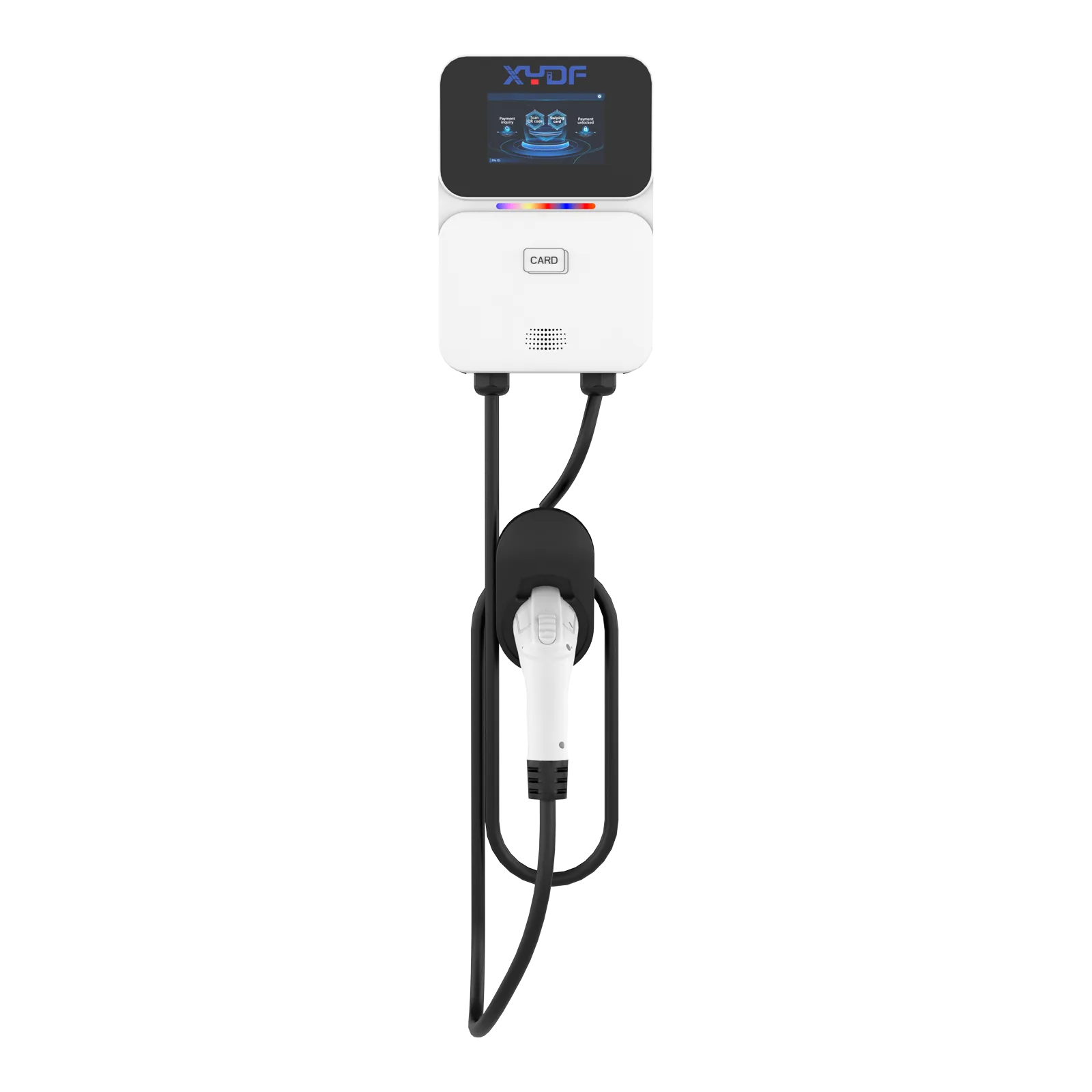
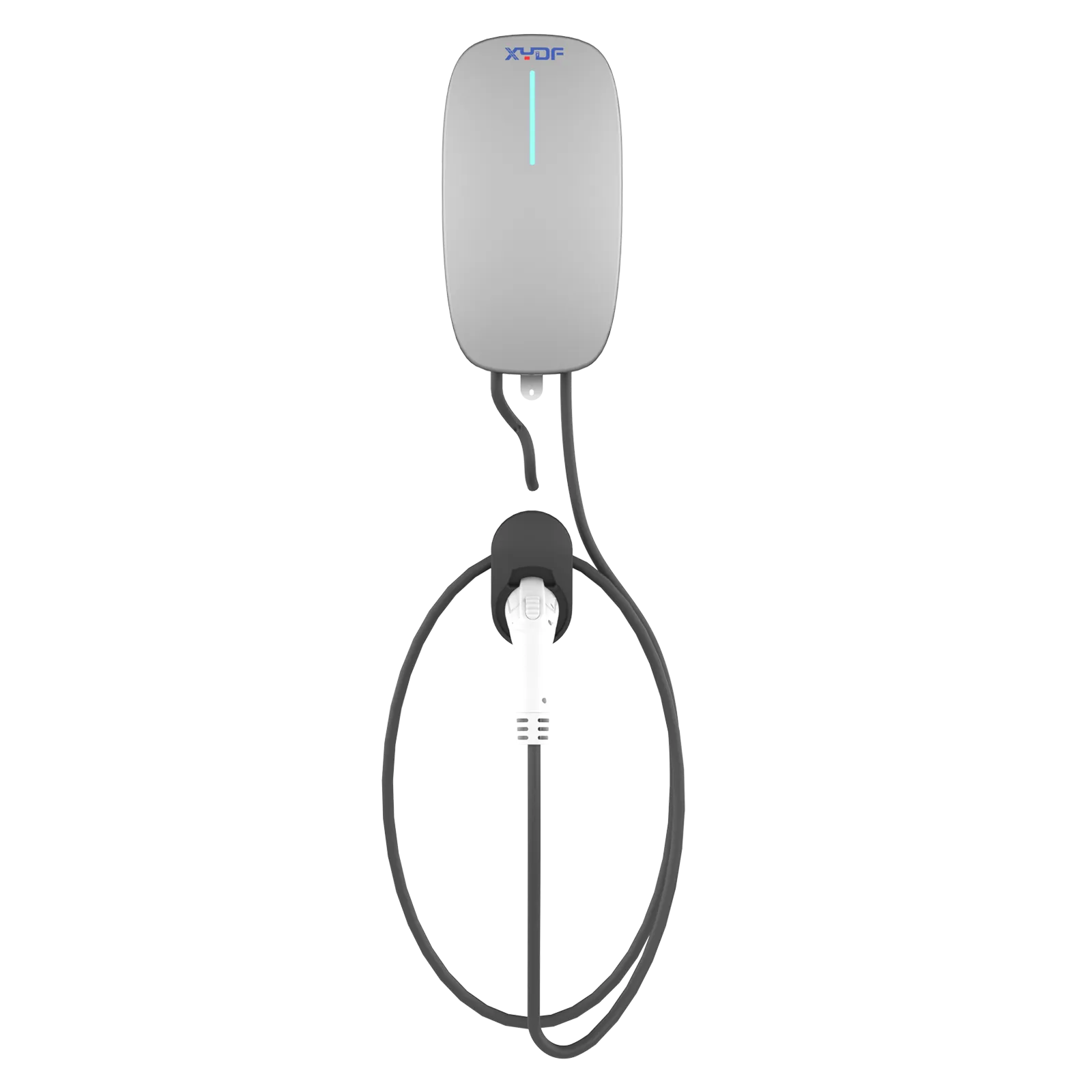
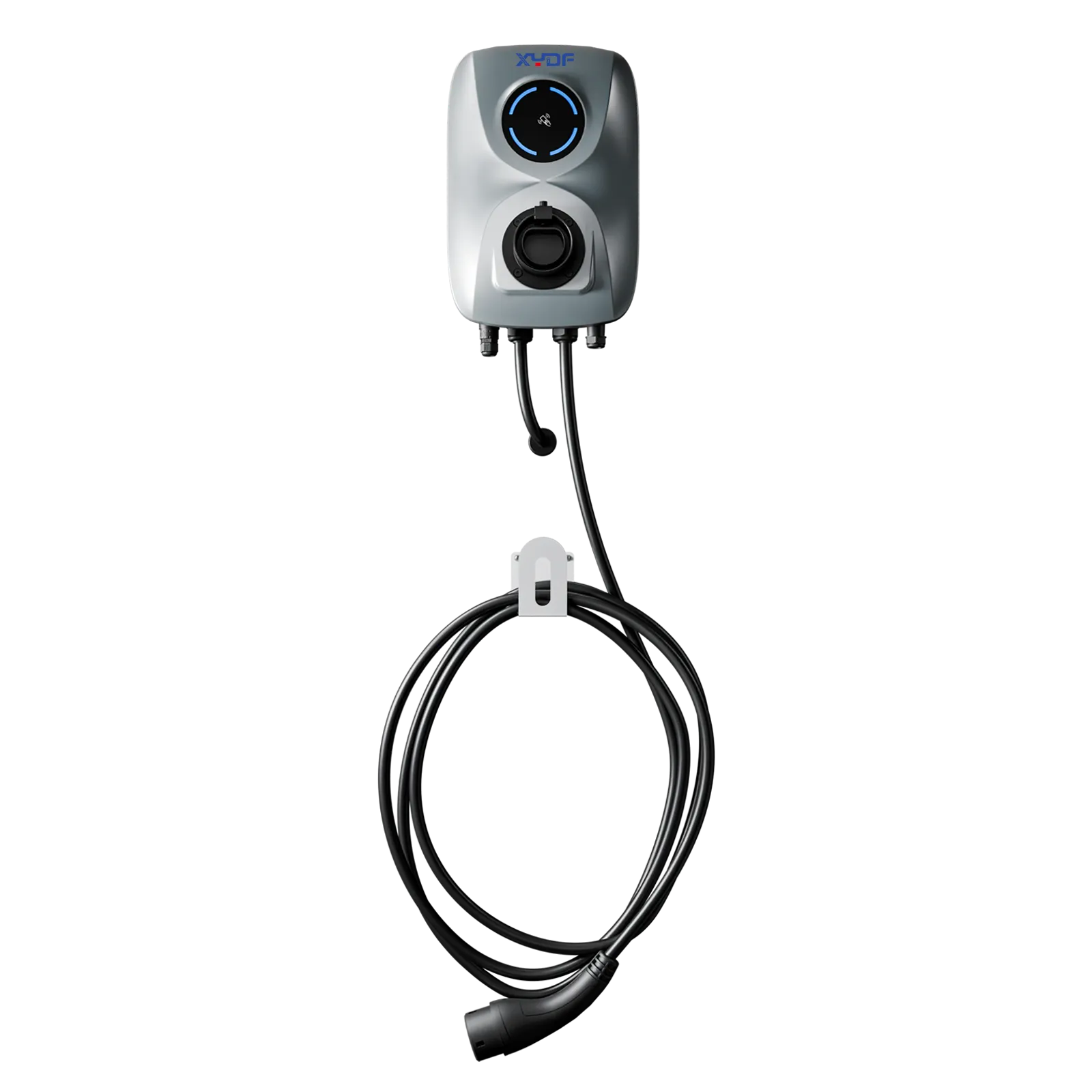

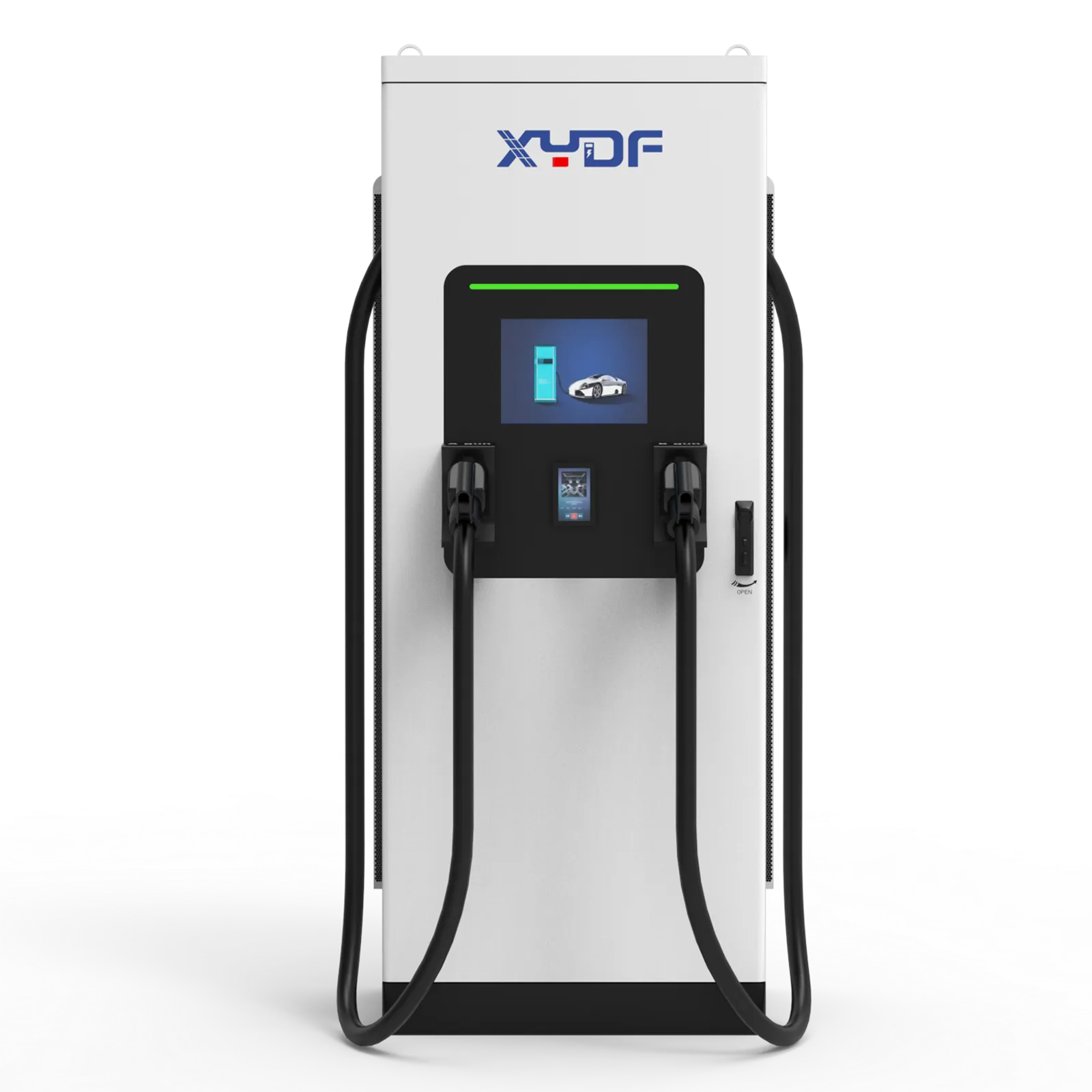
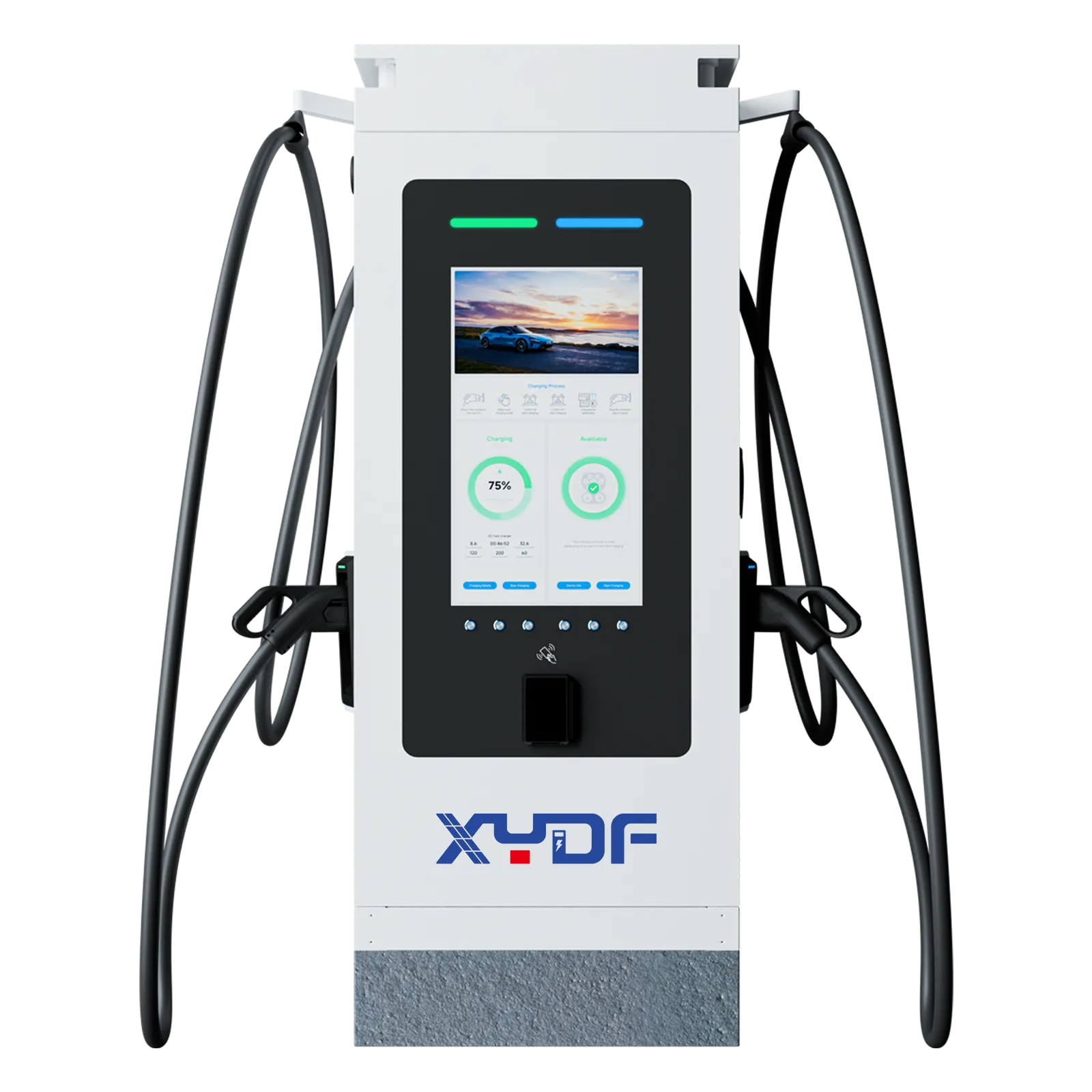
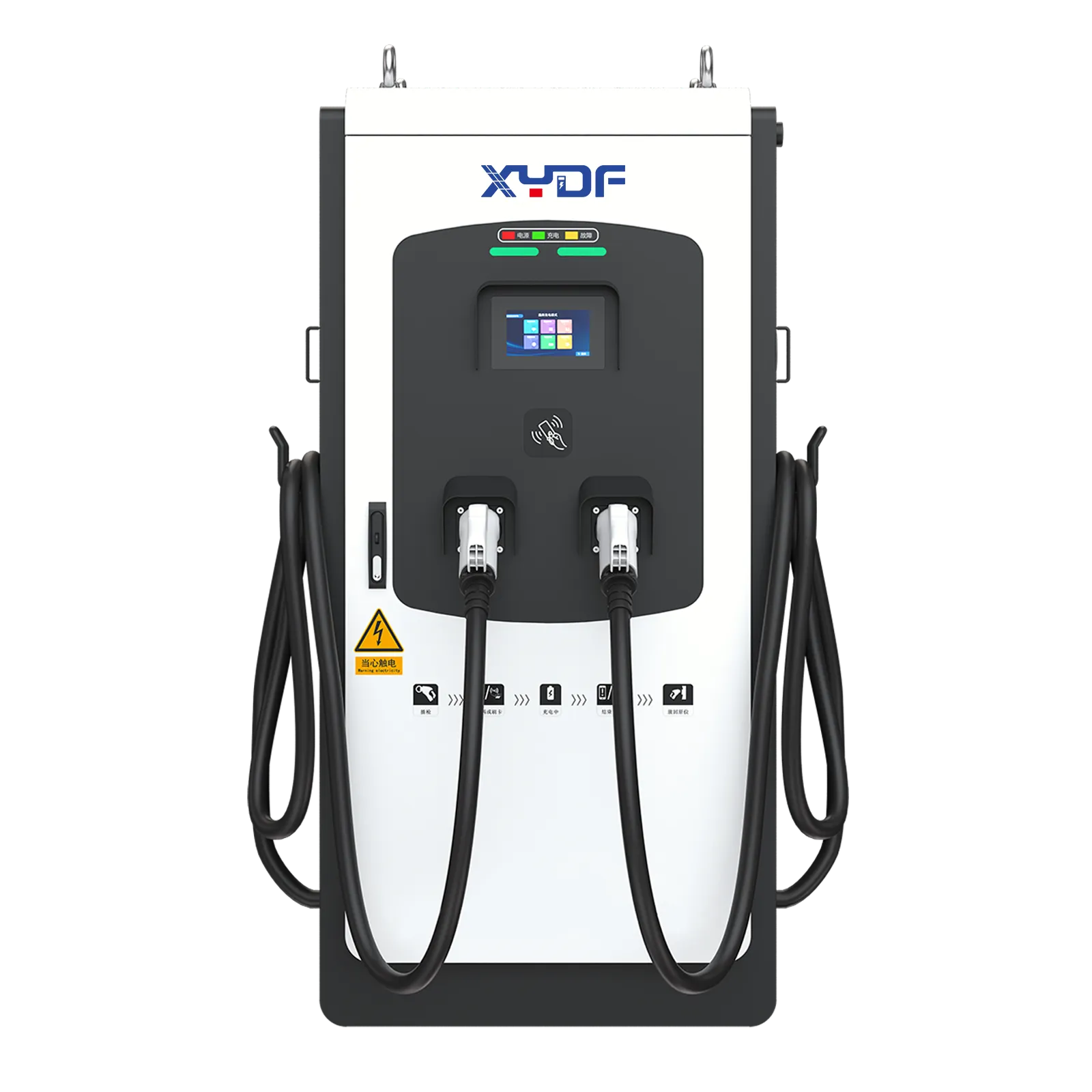
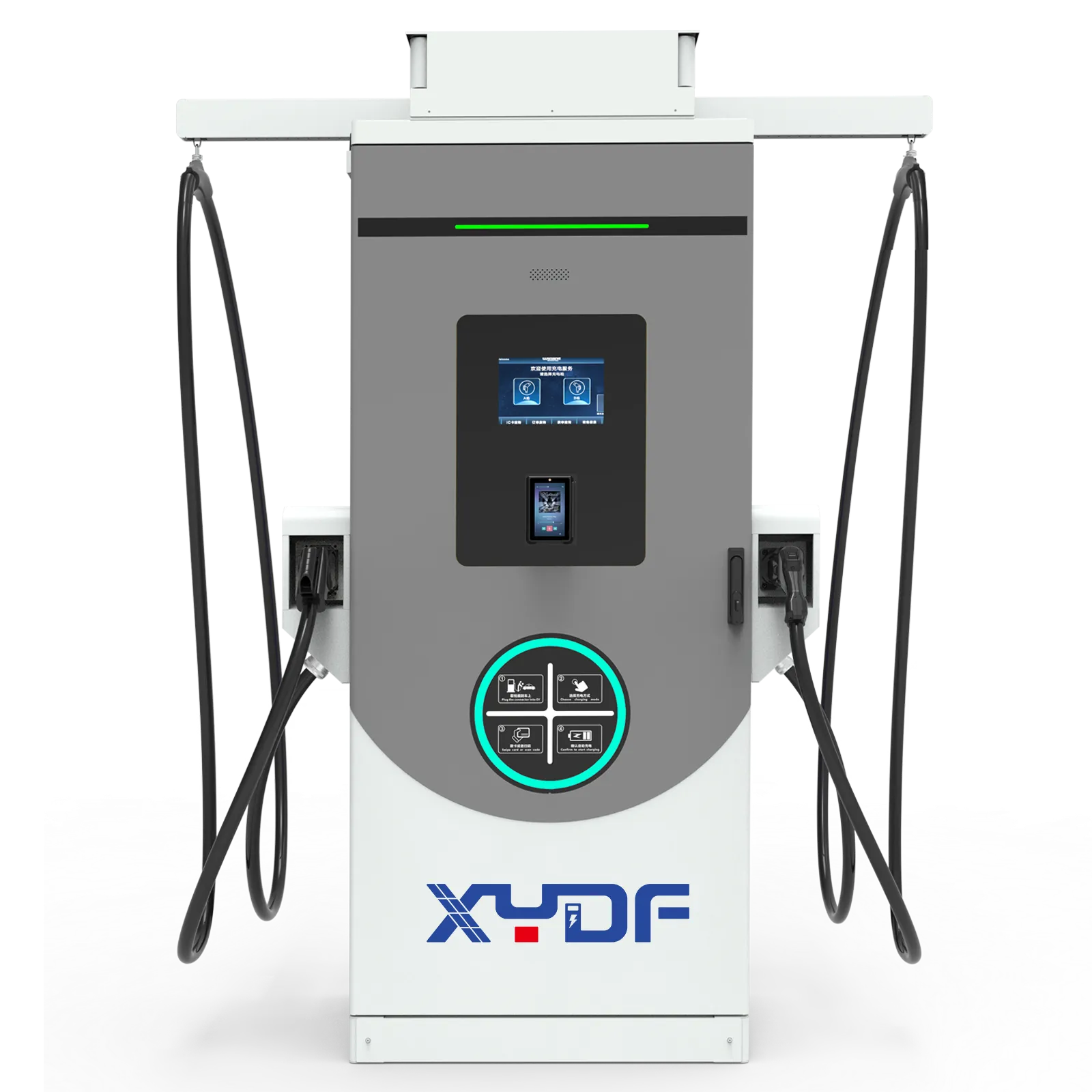
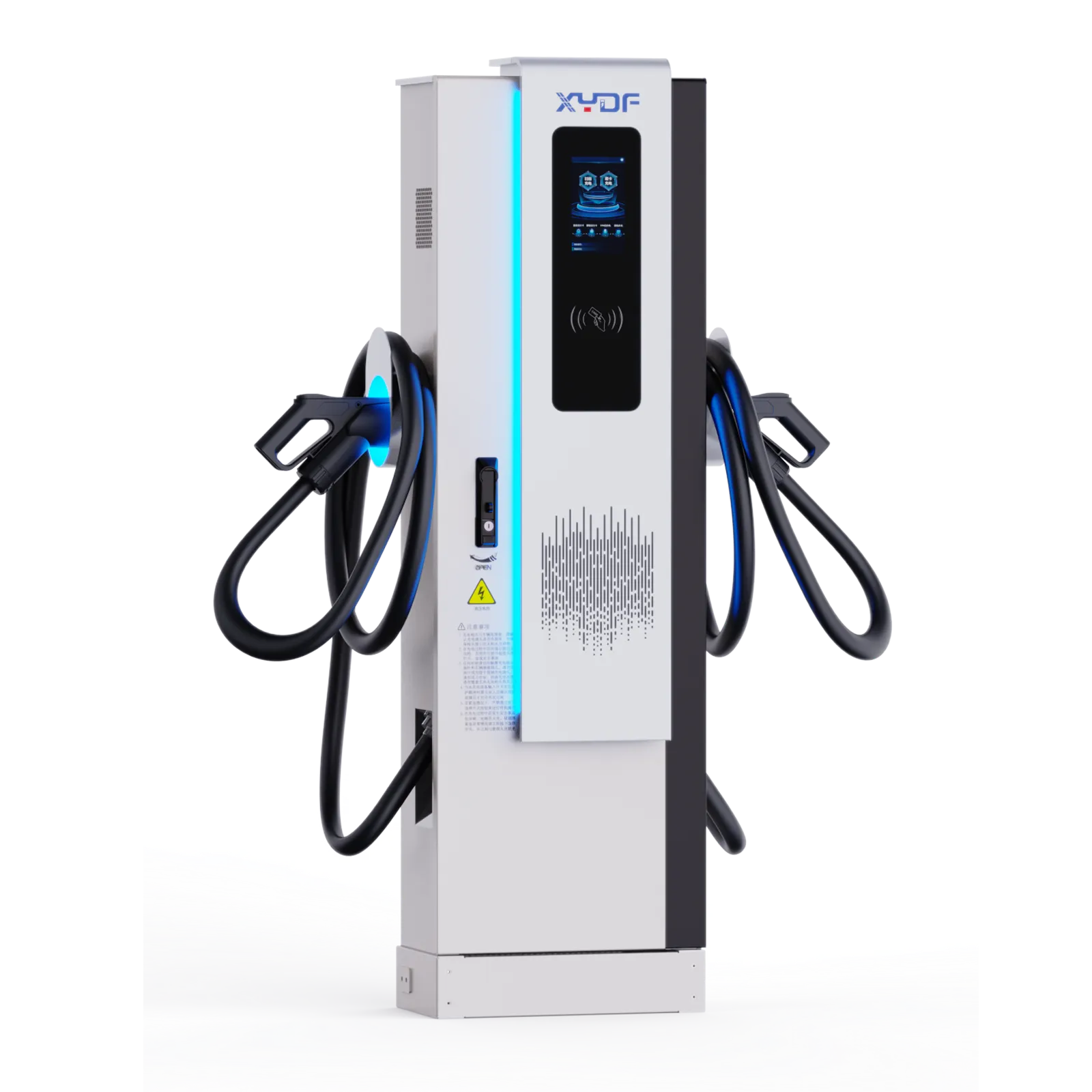
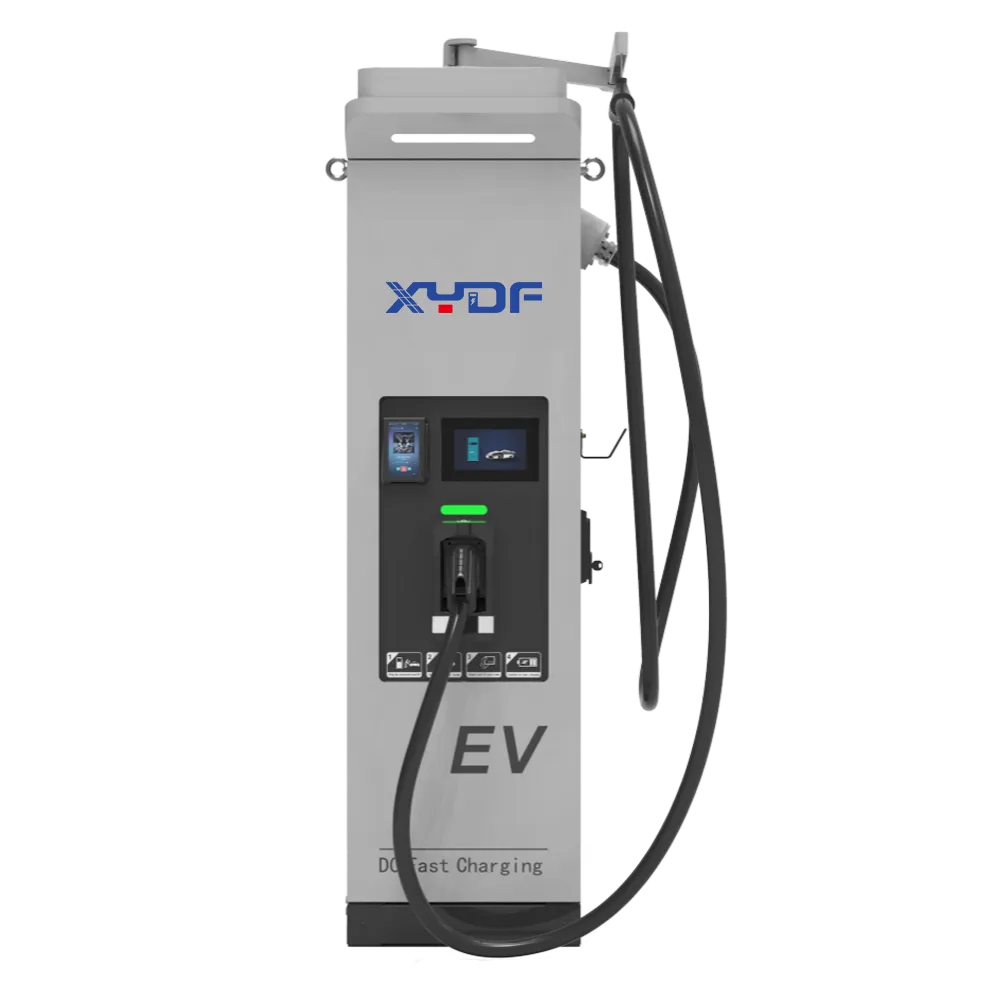
Charging-as-a-Service and CapEx are different ways of allocating ownership, capital, operating work and long-term risk. The cheaper-looking option can change once energy, demand charges, civil works, software, maintenance, financing, early termination and equipment replacement are included. A sound comparison therefore starts with the site’s measured load, utility schedule, expected period of control and internal ability to operate the chargers. This guide provides a practical framework for testing both models against the same utilization, expansion and responsibility assumptions instead of comparing headline monthly cost with purchase price alone.
The short answer is that Charging-as-a-Service (CaaS) usually converts much of a site’s upfront equipment, installation, software, and service burden into recurring operating payments, while CapEx ownership concentrates cost and control with the buyer. Neither is inherently cheaper. The U.S. Department of Energy’s Alternative Fuels Data Center describes Level 2 charging as a lower-power category than DC fast charging, so duty cycle, electrical capacity, and tariff design shape the economics. Forecast utilization and peak demand first; then compare the same horizon, energy assumptions, service scope, and exit obligations. This article separates technical delivery from financing and sets out the contract questions that CPOs, site owners, finance teams, and procurement should resolve before signing.
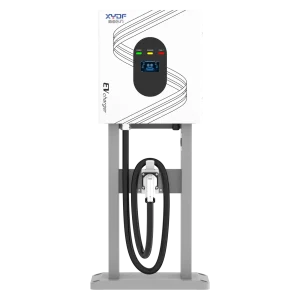
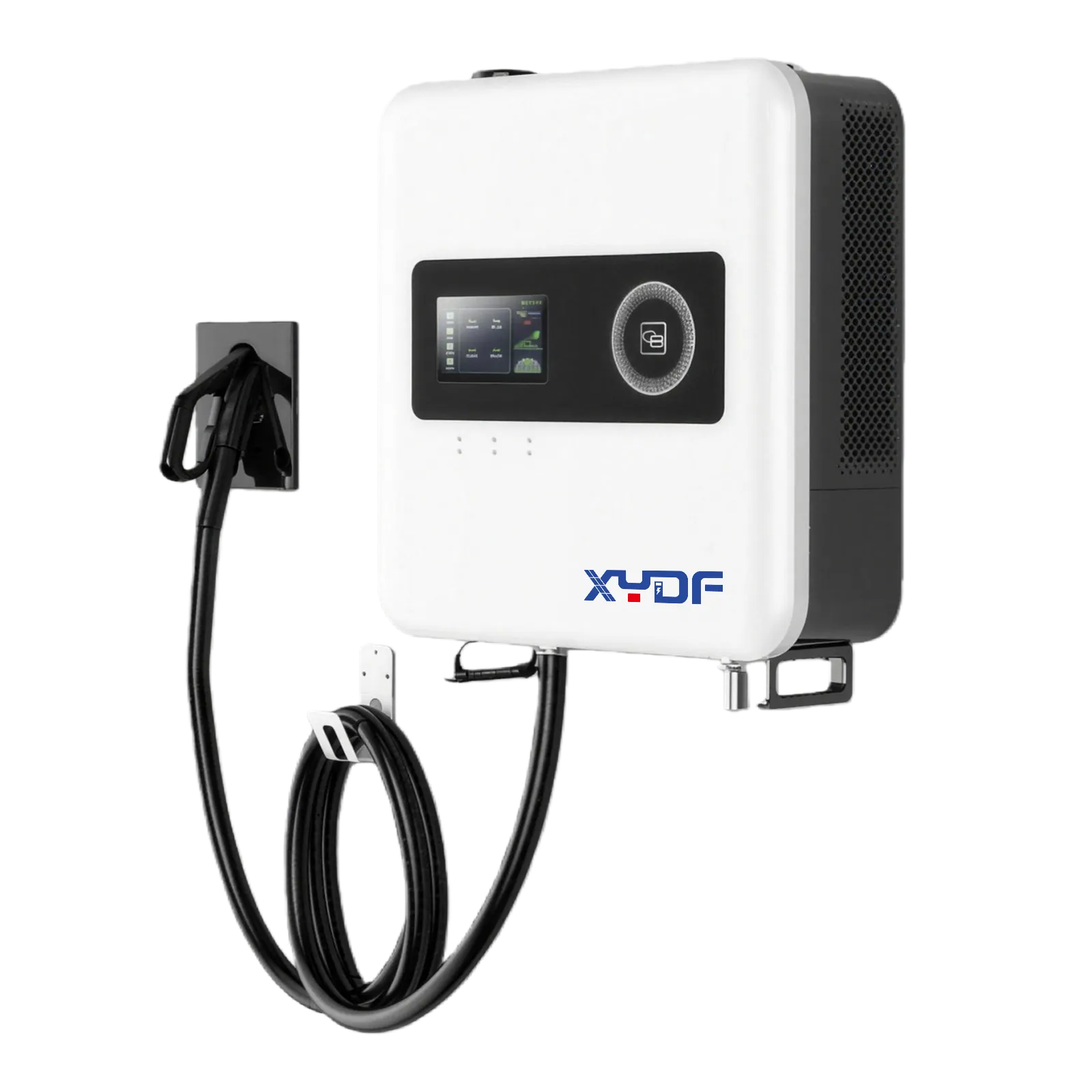
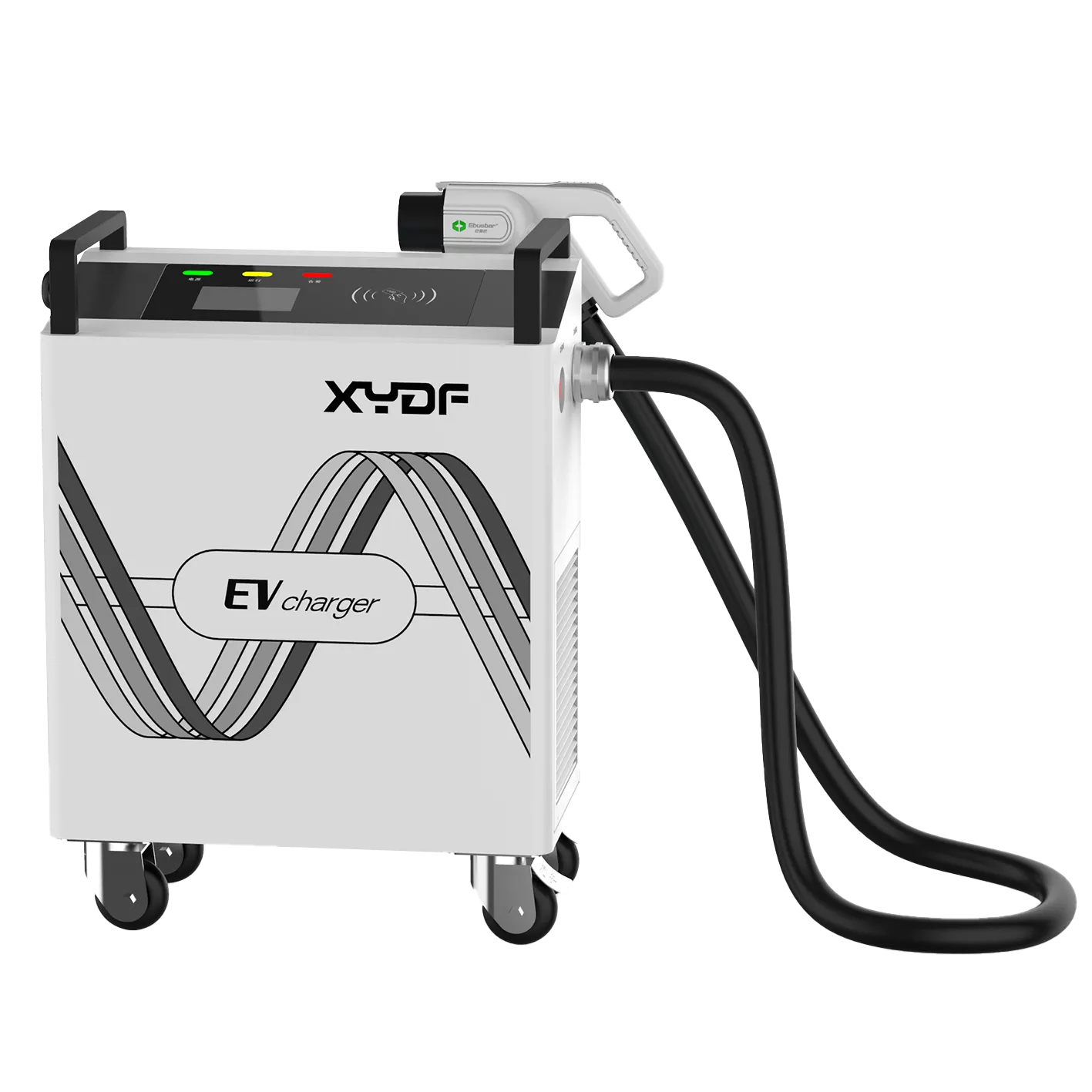
For CPOs, property teams, fleet operators, and EPCs, حلول شحن المركبات الكهربائية are an operating system: equipment, electrical works, software, service, utility coordination, and energy management. A service model packages some elements; CapEx leaves the buyer owning assets and contracting for support separately.
Start with the site, load profile, and utility timeline
Begin with vehicles, dwell time, route returns, transformer capacity, and the tariff, not a funding preference. A 7.2 kW AC port suits long dwell; a 150 kW DC fast charger can serve fast turnaround but may create a very different peak. Ratings are not delivered-power promises, because upstream capacity and controls can constrain output.
For a workplace or destination محطة شحن المركبات الكهربائية التجارية, forecast sessions, kWh per session, simultaneous charging, and seasonal peaks. For fleets, map route-return windows and required state of charge. Managed charging can shift flexible load, making schedule design a financial input. The International Energy Agency’s النظرة العالمية للسيارات الكهربائية 2025 also treats charging deployment as an infrastructure and utilization question, not only a hardware count; use its market context as a planning reference, not as a site-specific forecast.
Grid upgrades are a delivery risk, not a footnote
Available capacity at the service point does not settle the grid question. A project may need a utility study, a transformer or switchgear change, new metering, or civil works before charging can be energized. Those steps can sit on a different timeline from equipment delivery and may be controlled partly by the utility. In both models, identify who owns the interconnection application, the utility relationship, design changes, deposits, upgrade costs, and the risk if the energization date moves.
That distinction matters when comparing offers. A provider can coordinate utility work without assuming its cost or schedule risk; equally, a CapEx buyer can appoint an EPC while retaining the commercial exposure. Put the assumed electrical headroom, utility milestones, and contingency owner in the bid comparison before treating an installation date as committed.
Demand charges can change the model
Many commercial tariffs include demand charges based on a site’s highest measured demand during a billing period, alongside energy charges. They are utility- and tariff-specific, so they must not be treated as a universal penalty. An illustrative depot with a 300 kW coincident charging peak may face a materially different monthly bill from one that sequences the same energy across off-peak hours. CaaS providers may include demand-charge management in their offer; CapEx owners may procure it through software, controls, or an energy-services partner.
The useful comparison is therefore “cost per reliable operating outcome,” not simply monthly service fee versus purchase price. Treat التكلفة الإجمالية للملكية as a modeled range with documented assumptions. It should include interconnection work, switchgear, trenching, network subscriptions, preventive maintenance, downtime response, payment processing where relevant, and residual asset value.
CapEx ownership: control, capital commitment, and retained responsibility
تصبح الشروط التجارية مفيدة فقط عندما ترتبط بتسلسل يمكن التحقق منه من مراحل التسليم والقبول. قم بتنسيق التكوين المطلوب، ونقطة مراقبة التغييرات، ومراحل الإنتاج والتفتيش، ومسؤوليات التعبئة والنقل، ومعايير Incoterms، وبدء فترة الضمان، والتزامات قطع الغيار، والسبل العلاجية في حالة عدم الامتثال. لا يمكن مقارنة السعر الفردي المنخفض أو المدة الزمنية المحددة قصيرة عندما تختلف النطاق والوثائق الداعمة للتسليم. للاطلاع على السياق العام للتخطيط، انظر إرشادات الطاقة الكهربائية من مركز بيانات الوقود البديل التابع لوزارة الطاقة الأمريكية; لا يزال سجل القبول المخصص للموقع يحدد القرار النهائي.
Under CapEx, the site buys equipment and normally funds installation before commissioning. The owner can select hardware, set access rules, retain tariff savings, and decide asset-refresh timing. This can suit a mature charging station business with stable utilization or a fleet operating a depot for years.
The trade-off is responsibility. The buyer must coordinate engineering, permits, utility milestones, warranty terms, network software, maintenance, spare parts, and incident escalation. IEC 61851 addresses conductive charging-system requirements, while the OCPP protocol addresses communication between a charge point and a management system; neither standard by itself guarantees that a particular project has been designed, installed, or supported correctly. Procurement should distinguish interface compatibility from lifecycle accountability.
CapEx introduces timing risk: capacity can be underused at first, or too small for growth. Test base, conservative, and growth utilization cases before committing.
Charging-as-a-Service: operating expenditure with defined service scope
Charging-as-a-Service structures infrastructure as recurring operating expense. A provider may finance or own equipment, coordinate installation, operate software, monitor availability, maintain hardware, and report performance. It can reduce the initial capital call for an EV charger for business project and create one accountable counterparty.
“As a service” is not a standard contract. One offer may cover only financing and software; another may include civil work, maintenance, parts, optimization, and uptime terms. Review ownership, term, escalation, exit, data access, performance measurement, and responsibility for upstream upgrades. A fixed monthly charge need not shield a customer from every energy, demand, or expansion cost.
A public example shows how that scope can influence the decision. In its November 8, 2024 Forrestal report, DOE described leasing 24 Level 2 charging ports for a 2022 garage project after a five-year ownership-versus-lease cost analysis. The comparison considered upfront purchase costs, cloud and warranty costs, and expected near-term technology improvements. Leasing bundled installation and configuration with warranty repairs, monitoring, payment processing, and upgrades, while allowing reassessment after five years.
DOE acknowledged potentially higher long-term lease costs but weighed them against those bundled services and flexibility. Existing electrical capacity could support the charging load, an important limit on transferring this example to other sites. A project needing a larger connection or utility upgrades must assess those costs and risks separately before drawing the same conclusion.
What should finance teams confirm about the accounting treatment?
Do not assume that a recurring invoice is automatically an operating expense, or that an owned charger is automatically treated the same way in every market. Under IFRS 16, the accounting outcome depends on whether a contract contains a lease, the identified asset and substitution rights, the customer’s control of use, and the applicable exemptions; local GAAP can differ. A managed charging agreement may also bundle a lease, software, energy, maintenance, and construction elements that need separate analysis. The U.S. and other jurisdictions apply their own tax, lease, and capitalization rules. Finance should ask the provider for a component schedule, renewal and termination terms, indexation, and any purchase option, then have the organization’s accounting and tax advisers document the conclusion. This is a jurisdiction-specific caveat, not a promise of tax treatment.
Make the operating terms as visible as the monthly payment
Contract length can be a better indicator of flexibility than the label “CaaS.” Ask what happens if a lease ends, a fleet relocates, utilization is lower than forecast, or the site needs a larger connection. The agreement should identify early-exit charges, who can approve a transfer, whether equipment can be purchased, and who pays to remove chargers, restore parking areas, or make safe any remaining electrical works.
Commercial control also needs its own schedule. A host may receive a revenue share yet have limited control of public tariffs, promotions, payment processing, or driver accounts. The parties should state who sets the tariff, who receives charging revenue and energy costs, what session and user data each party can access, and whether the host can export it in a usable form. These terms affect customer experience and reporting even when the equipment is off the balance sheet.
Ask what “uptime” actually measures
An uptime promise is meaningful only with a measurement method. A useful SLA states whether availability is measured per connector or per charger, the reporting interval and data source, the service hours included, and whether a charger must complete a session rather than merely appear online. It should also identify exclusions, such as planned maintenance, utility outages, telecom failures, vandalism, vehicle-side faults, or inaccessible parking bays, and explain the escalation path and any remedy. In the United States, the federally funded NEVI program uses a 97% annual uptime requirement for each charging port; that is a program rule, not a universal CaaS benchmark, so other jurisdictions and privately financed sites need their own definition.
For a fleet, “available before departure” may be the relevant outcome; for a public host, a successful payment and charging session may matter more. Do not assume that a dashboard availability percentage captures either. Compare the definition, reporting rights, response and repair targets, and exclusions alongside the quoted service fee.
| Decision dimension | CapEx ownership | Charging-as-a-Service |
|---|---|---|
| Initial cash requirement | Usually higher before commissioning | Often spread through operating payments |
| Asset control | Owner typically controls equipment and refresh timing | Defined by contract and ownership structure |
| صيانة | Owner manages vendors or internal service | May be bundled; verify scope and response terms |
| Utilization risk | Owner bears more of underuse or growth risk | Can be shared, priced, or retained by the customer |
| Demand-charge management | Buyer selects and operates controls | May be included as a managed service |
| Grid-upgrade and utility risk | Owner usually contracts and funds the work directly | Coordination or funding may be included; confirm both separately |
| Tariffs, revenue, and charging data | Owner can retain control, subject to its selected platform | Revenue share, tariff approval, and data rights are contract terms |
| End of term | Owner plans renewal, disposal, or refresh | Transfer, removal, buyout, and reinstatement need explicit terms |
| Total cost of ownership | Depends on capital, operations, renewal, and residual value | Depends on fees, included services, term, and exclusions |
Compare total cost of ownership over the operating horizon
A defensible business case uses the same horizon for both options, often five to ten years, and separates known costs from variable assumptions. Do not compare a hardware quotation with only the first service payment. Include design, utility and electrical upgrades, software, maintenance, repairs, energy, demand charges, staffing, financing, verified incentives, contract exit, removal, and end-of-term obligations.
Illustrative economics can clarify the decision without implying universal pricing. A retail site with uncertain public utilization may value a service contract that limits operational surprises. A depot with predictable overnight routes may find that owned AC infrastructure and managed charging create a lower modeled lifetime cost. The conclusion can reverse if vehicles, tariffs, or transformer capacity change.
| Site pattern | Likely technical priority | Model questions to test | Decision tendency, subject to analysis |
|---|---|---|---|
| مواقف السيارات في مكان العمل | Moderate AC power and user access | Employee adoption, dwell time, expansion allowance | Either model; service can simplify administration |
| مستودع الأسطول | Energy delivery before departure and load control | Route schedule, coincident peak, resilience | CapEx may fit stable, high-utilization operations |
| التجزئة أو الضيافة | Guest experience and variable public demand | Session turnover, tariff structure, payment operations | CaaS can reduce operating complexity |
| Highway-adjacent site | Fast turnaround and grid capacity | Interconnection timeline, peak demand, utilization ramp | Risk-sharing merits close contract review |
Decision matrix: separate site ownership from service ownership
“The site owns it” and “the provider operates it” are separate choices. Use a responsibility matrix to expose gaps before comparing total cost or signing a service agreement.
| منطقة القرار | If the site owns the asset | If a service provider owns the asset | Question that still needs an answer |
|---|---|---|---|
| البنية التحتية الكهربائية | The site normally funds and retains the connection and enabling works | The provider may fund or coordinate elements, subject to contract | Who owns utility upgrades and assumes a delayed energization date? |
| Charger operations | The site appoints the network and maintenance providers | The provider may operate the network and field service | Which party is accountable for the defined availability outcome? |
| Pricing and revenue | The site can set policy through its chosen platform | Pricing may be provider-led or subject to approval and revenue sharing | Who controls tariffs, receives revenue, and bears energy cost changes? |
| Data and backend | The site selects data access and platform terms | The provider may supply the platform and reporting | Can the host export operational data and migrate backend services? |
| Refresh and end of life | The site chooses replacement and disposal timing | The provider may retain refresh and removal duties | What happens at expiry, early exit, relocation, or site redevelopment? |
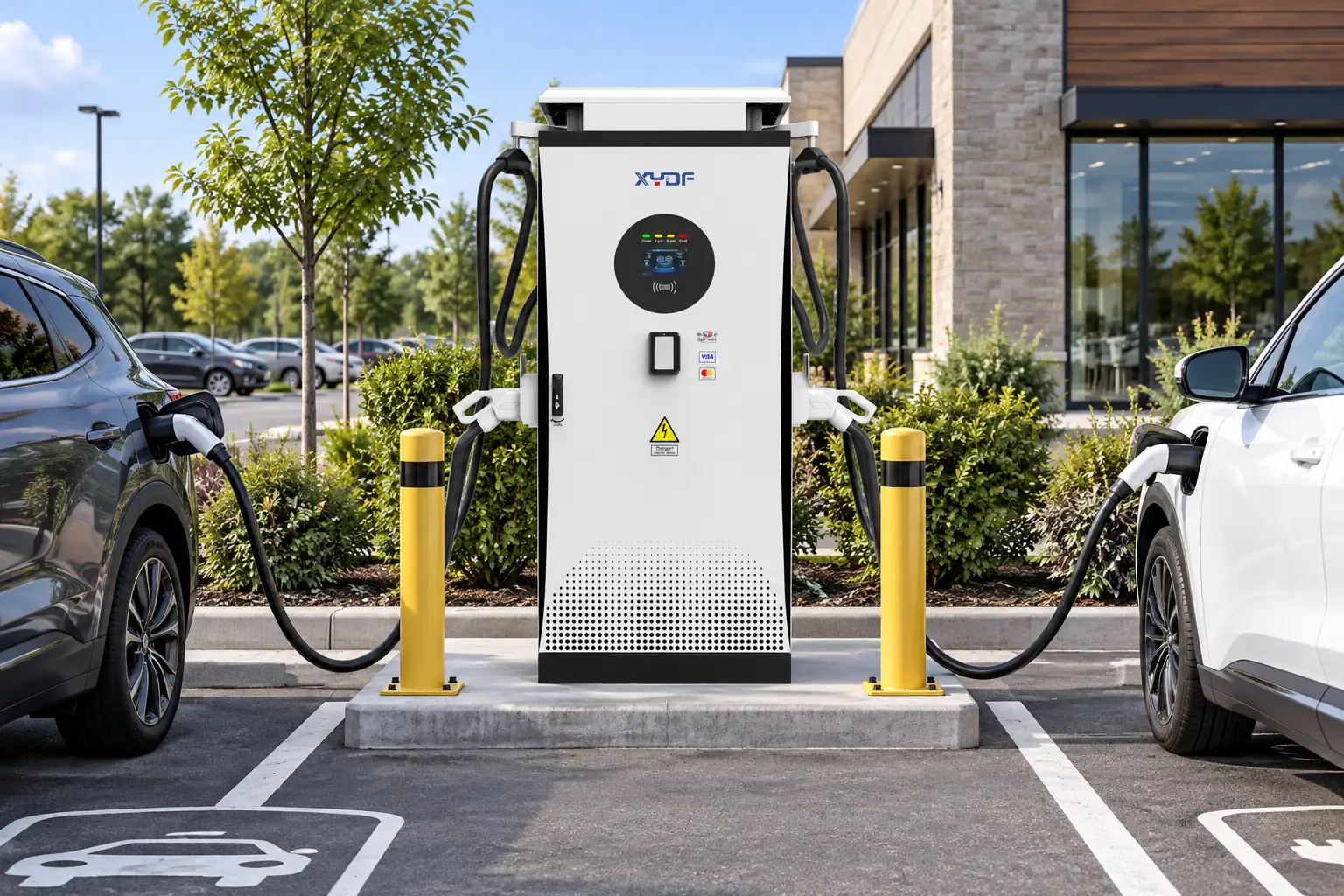
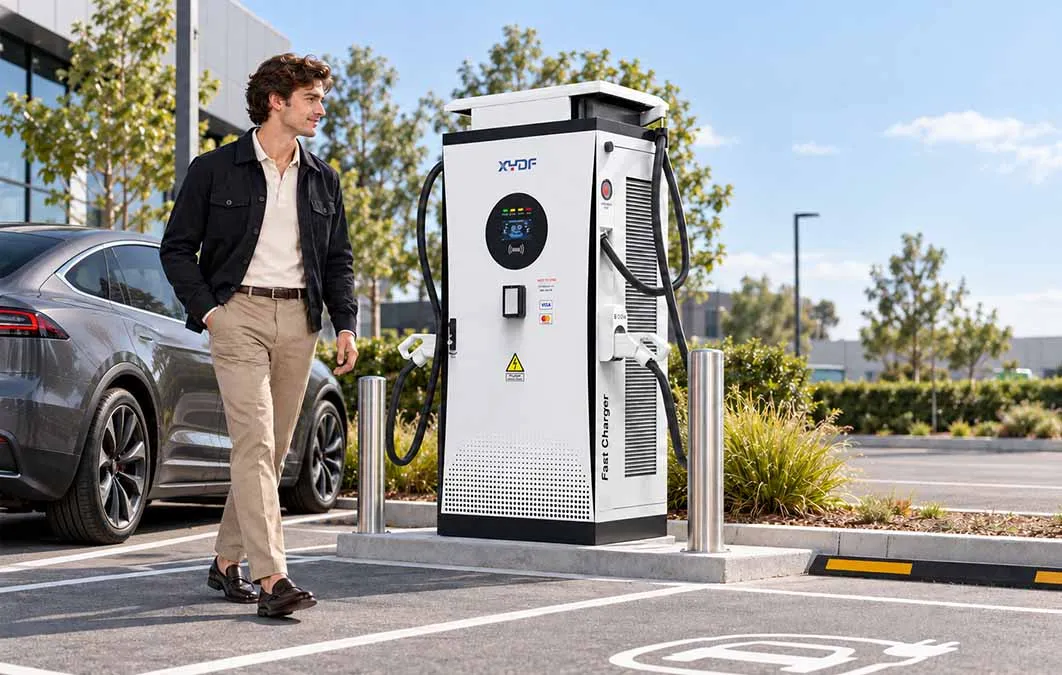
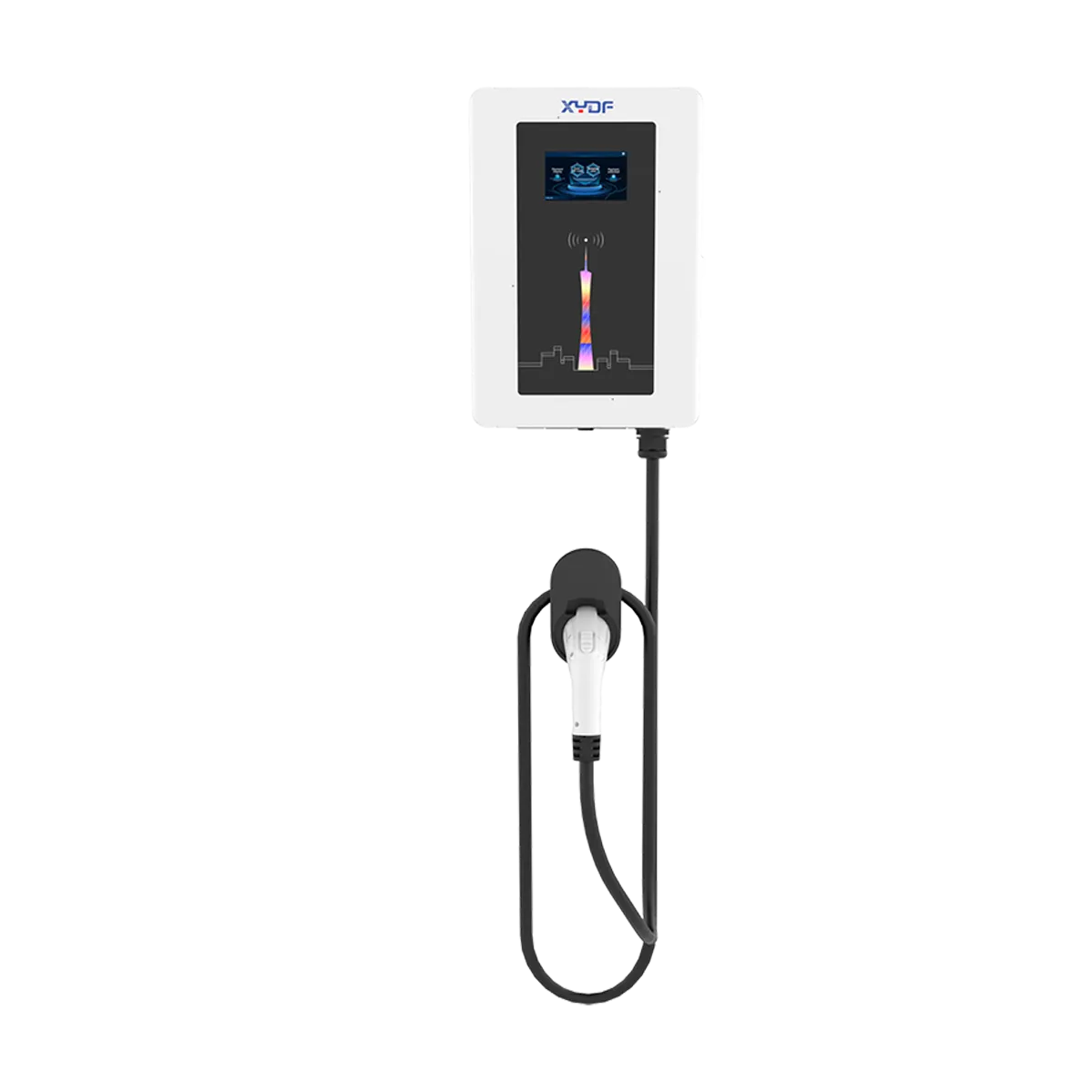
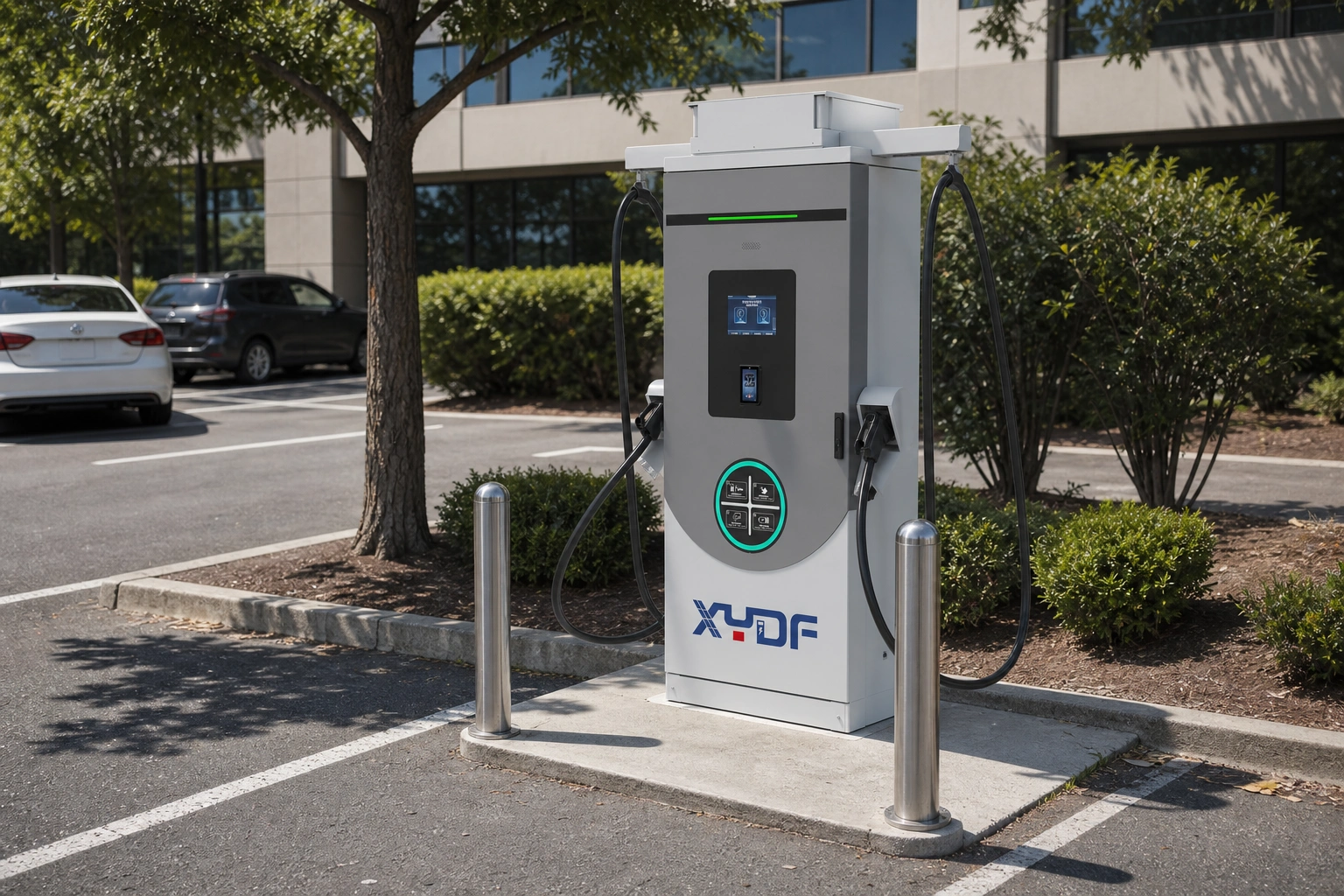
For sites needing short dwell times, a شاحن DC سريع should be specified from actual traffic, energy need, and available capacity. For long-dwell settings, an شاحن تيار متردد may support lower-power scheduling and more ports within the same electrical envelope.
Standards, interoperability, and claims that need careful scope
Standards guide compatibility and safety, but applicability depends on market and configuration. IEC 61851 covers the EV conductive charging system; IEC 62196 covers plugs, socket-outlets, and connectors; OCPP is a communication protocol between charge points and management systems. Electrical codes, utility interconnection, accessibility, and payment rules can add obligations.
Interoperability also has a commercial life beyond commissioning. Ask which protocol version and functions are supported, whether the backend can be changed, which data and configuration can be exported, and who pays for migration, retesting, or a hardware refresh. OCPP can support a defined interface, but it does not by itself guarantee feature parity, migration support, or a portable operating relationship.
Buyers should ask suppliers which exact edition, product variant, test report, installation condition, and destination-market requirement applies. A protocol specification is not a certification, and a component’s conformance statement is not automatically a certification of the complete commercial charging station. Unsupported claims can delay approvals, complicate EPC handover, and undermine warranties or customer commitments.
Choose the operating model with a procurement scorecard
- Measure 15-minute site load, electrical headroom, and the applicable tariff before fixing charger power or port count.
- Build conservative, expected, and growth utilization cases; assign an owner to update them when fleet routes or tenant demand changes.
- Request a contract matrix that distinguishes included service, pass-through costs, utility-delay risk, uptime definitions and exclusions, data rights, remedies, and end-of-term asset treatment.
- Test tariff control, revenue-sharing, and data-export terms against the host’s operating and customer-service responsibilities.
- Confirm an interoperability, backend-migration, and hardware-refresh path before selecting a platform or signing a long term.
- Compare bids on delivered energy, availability, and full lifecycle cost, not only equipment kW or an introductory monthly fee.
- Preserve an expansion path for switchgear, communications, parking layout, and managed charging controls.
This scorecard turns EV charging solutions from an equipment decision into an operating-model decision.
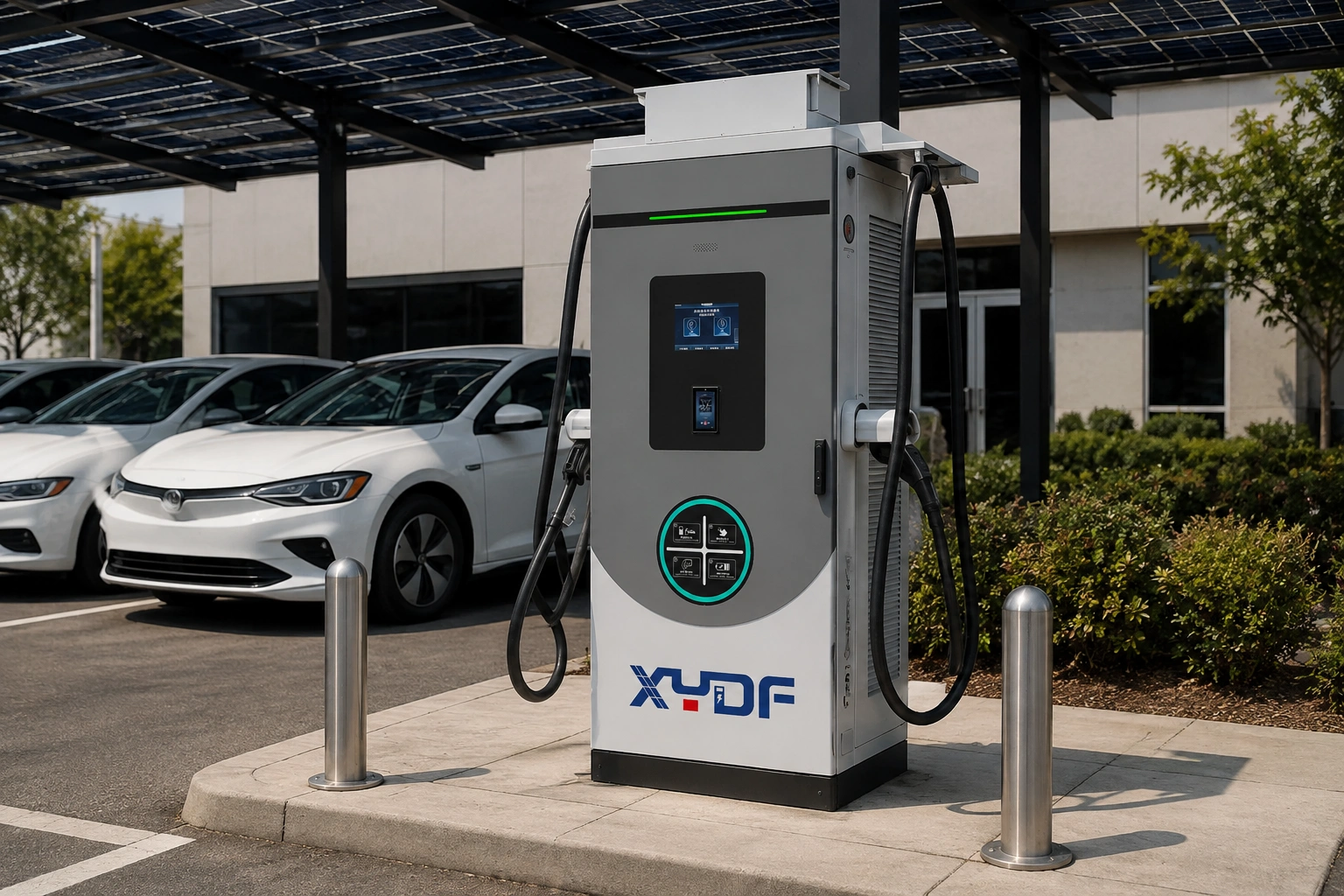
For buyers evaluating configurable EV charging solutions, XYDF can be considered as a manufacturing and project-support option for AC chargers, DC fast chargers, high-power chargers, and charging-station configurations. Its role should be evaluated against the project’s documented electrical design, service model, and destination-market requirements; readers can review the company background here.
الأسئلة الشائعة
ما هي الوثائق التي تجعل عرض مورّد شاحن المركبات الكهربائية متساوياً؟
اطرح على كل مورد نفس ورقة التكوين، ومراحل التسليم، وخطط التفتيش والقبول، والتعبئة والشحن، ومواصفات Incoterms، وشروط الضمانات، وعملية التحكم في التغييرات، ومعالجة حالات عدم المطابقة. تتطلب عروض أسعار مماثلة نطاقاً مماثلاً؛ فالسعر أو المدة الزمنية دون هذه الوثائق لا يشكل مقارنة تجارية قابلة للتدقيق.
What is charging as a service for a commercial site?
Charging as a service is a recurring-payment arrangement for some combination of equipment, financing, installation, software, operation, and maintenance. The site should confirm ownership, inclusions, performance measures, and excluded utility or construction costs.
How does charging as a service differ from CapEx ownership?
CapEx places more upfront investment and asset control with the buyer, while CaaS shifts costs into operating payments and can bundle lifecycle responsibility. The better option depends on capital, internal capability, utilization certainty, and risk allocation.
Which businesses benefit most from a charging as a service model?
Sites with limited capital, uncertain utilization, small facilities teams, or a need for one counterparty may benefit from CaaS. Model the full term: lower upfront cost does not automatically mean lower lifetime cost.
Does charging as a service include maintenance and software?
It can include both, but there is no universal scope. The contract should separately identify monitoring, software, preventive visits, repairs, parts, network fees, cybersecurity, and response-time commitments.
How do demand charges affect the cost of fleet EV charging?
Where they apply, demand charges can make coincident charging disproportionately important to the bill. Obtain the tariff, test managed schedules, and treat savings estimates as site-specific rather than guaranteed.
Who pays if a grid upgrade or utility delay changes the project schedule?
There is no universal answer: the site, EPC, utility, or service provider may hold different parts of the responsibility. Before signing, identify the interconnection owner, included upgrade scope, contingency process, and the commercial treatment of a delayed energization date.
References and the decision moment
- U.S. Department of Energy Alternative Fuels Data Center: Electricity and EV charging (U.S. power and infrastructure reference; accessed 30 September 2026)
- وكالة الطاقة الدولية: توقعات السيارات الكهربائية العالمية 2025 (global deployment context; accessed 30 September 2026)
- Federal Highway Administration: National Electric Vehicle Infrastructure Formula Program (U.S. program context and uptime requirements; accessed 30 September 2026)
- IFRS Foundation: IFRS 16 Leases (international accounting scope; local GAAP may differ; accessed 30 September 2026)
- International Electrotechnical Commission و التحالف المفتوح للشحن: بروتوكول نقطة الشحن المفتوح (standards and communications scope; accessed 30 September 2026)
The soundest choice is the one that matches capital structure to physical load and assigns every operating duty to a named party. Start with the site load, route or dwell pattern, utility milestones, and tariff; model conservative, expected, and growth cases over the same horizon; then compare equipment, civil work, software, energy, maintenance, financing, data rights, and exit costs. Before signing, test the uptime definition against real customer or fleet outcomes, confirm who controls the backend and can export data, and obtain jurisdiction-specific accounting and tax advice for any bundled lease or service. Do not treat a protocol, an uptime percentage, or a monthly fee as a guarantee of project performance. When the scope is documented, XYDF can support configuration and sourcing discussions; review its حلول شحن المركبات الكهربائية and contact the team for a project-specific next step.