 شركة شينيا دونغفانغ لتكنولوجيا الكهرباء المحدودة.


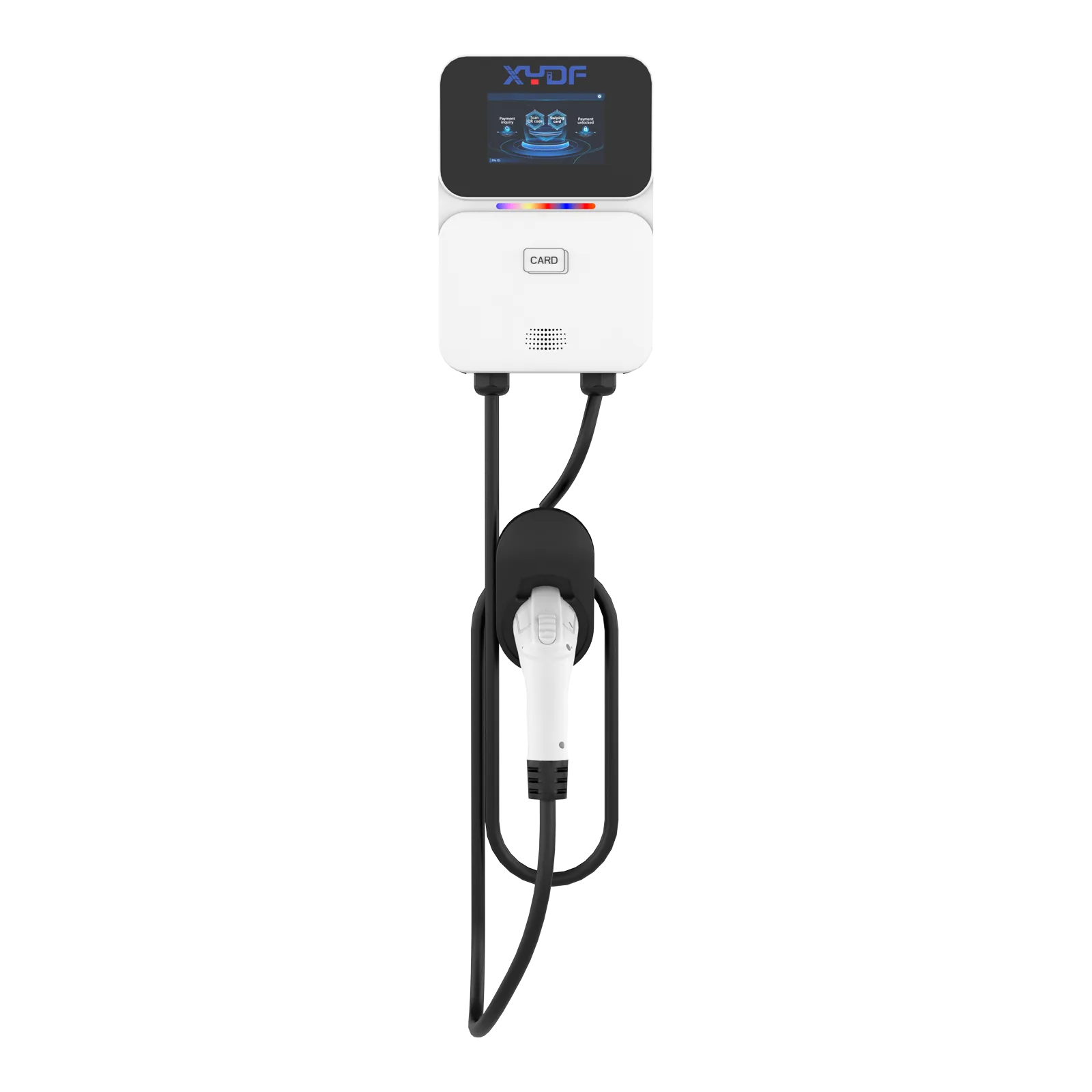
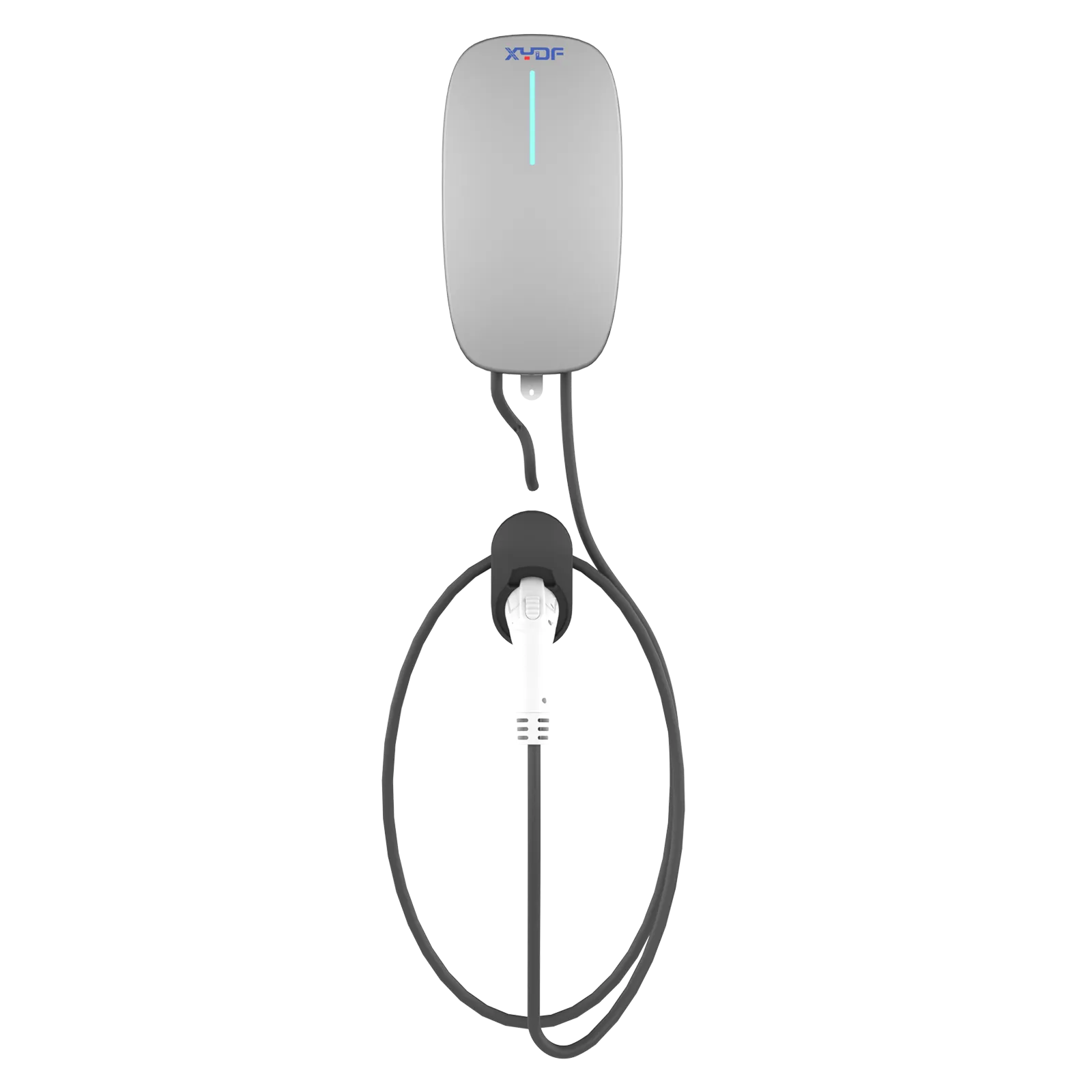
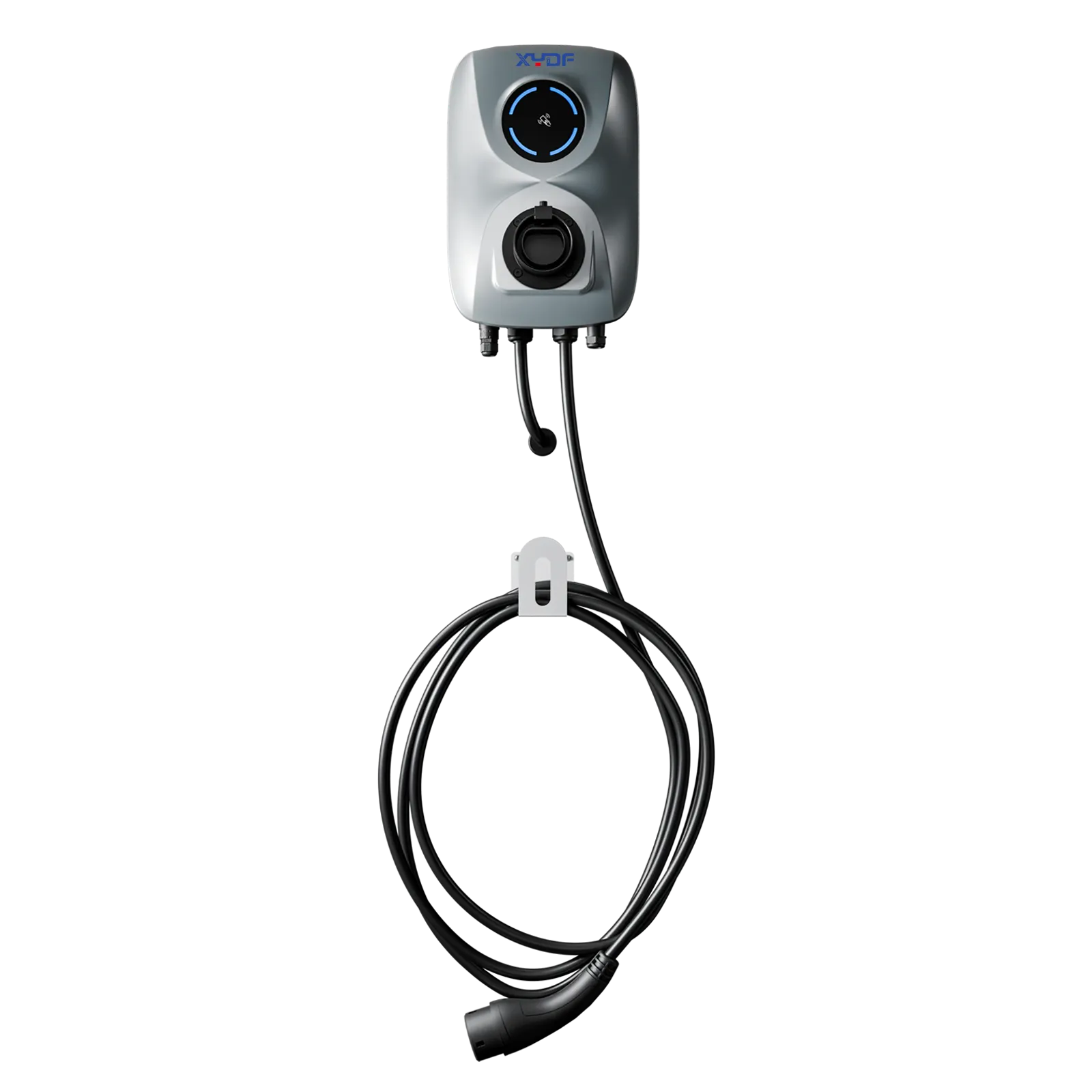
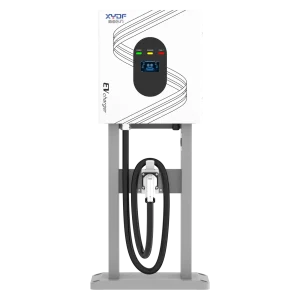

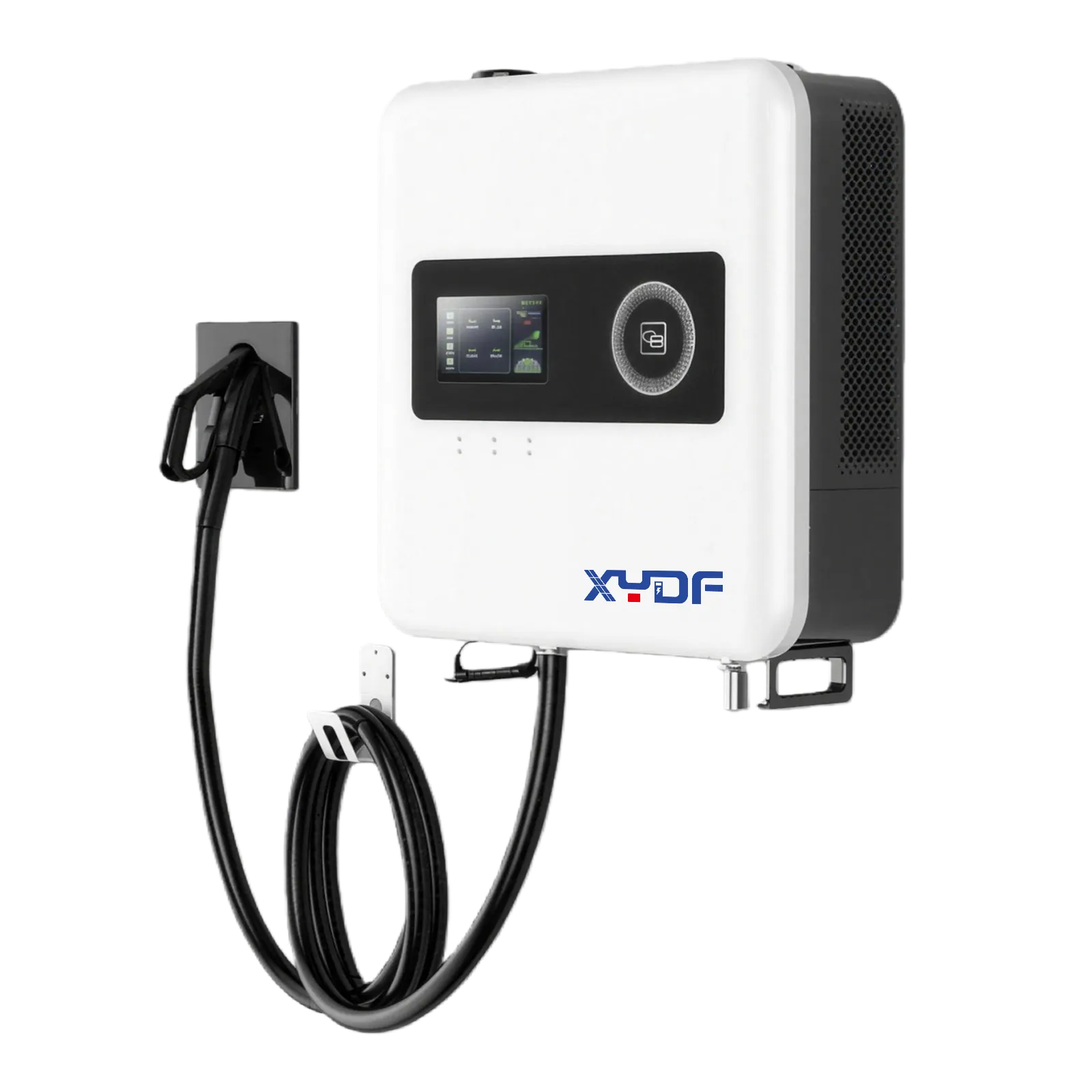
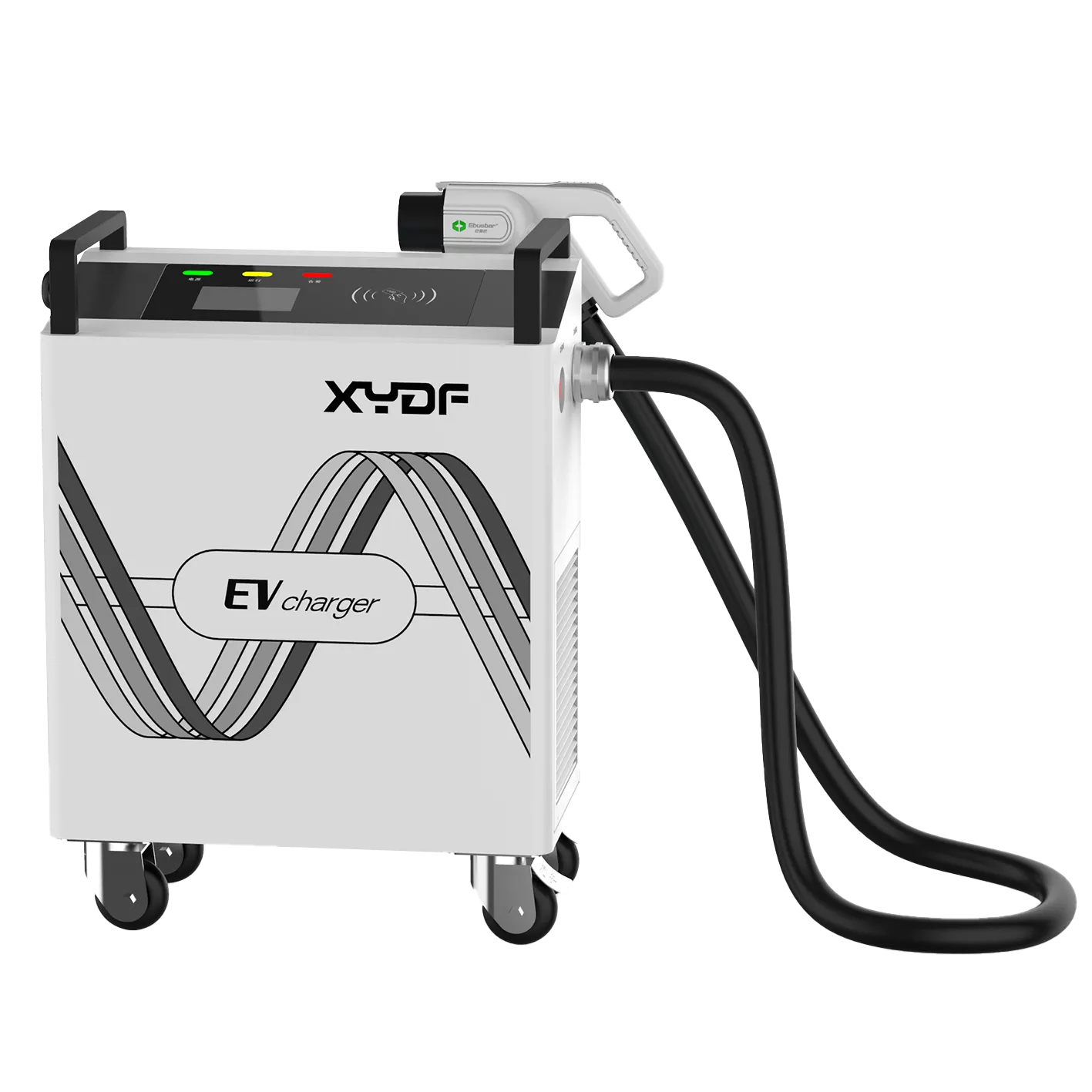
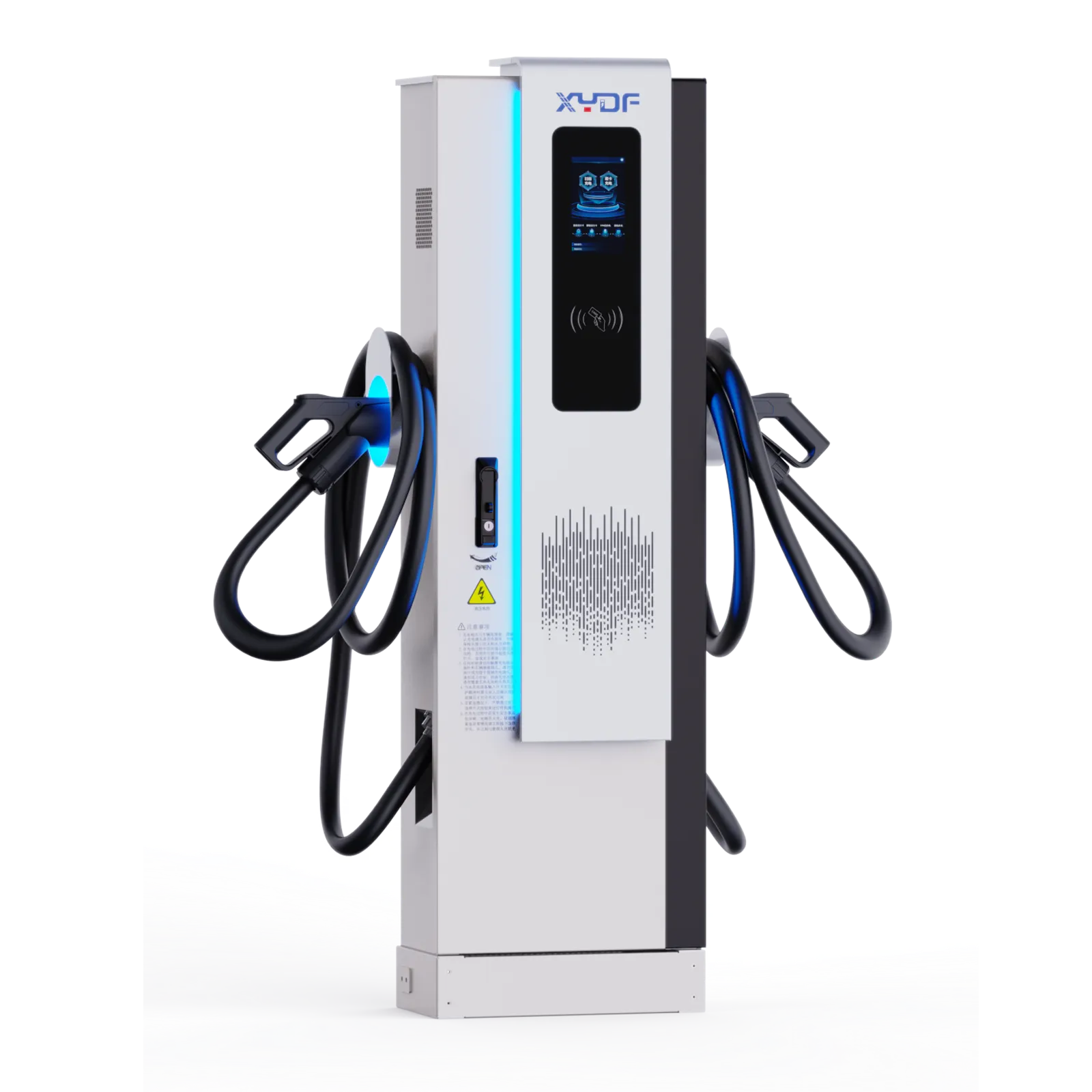
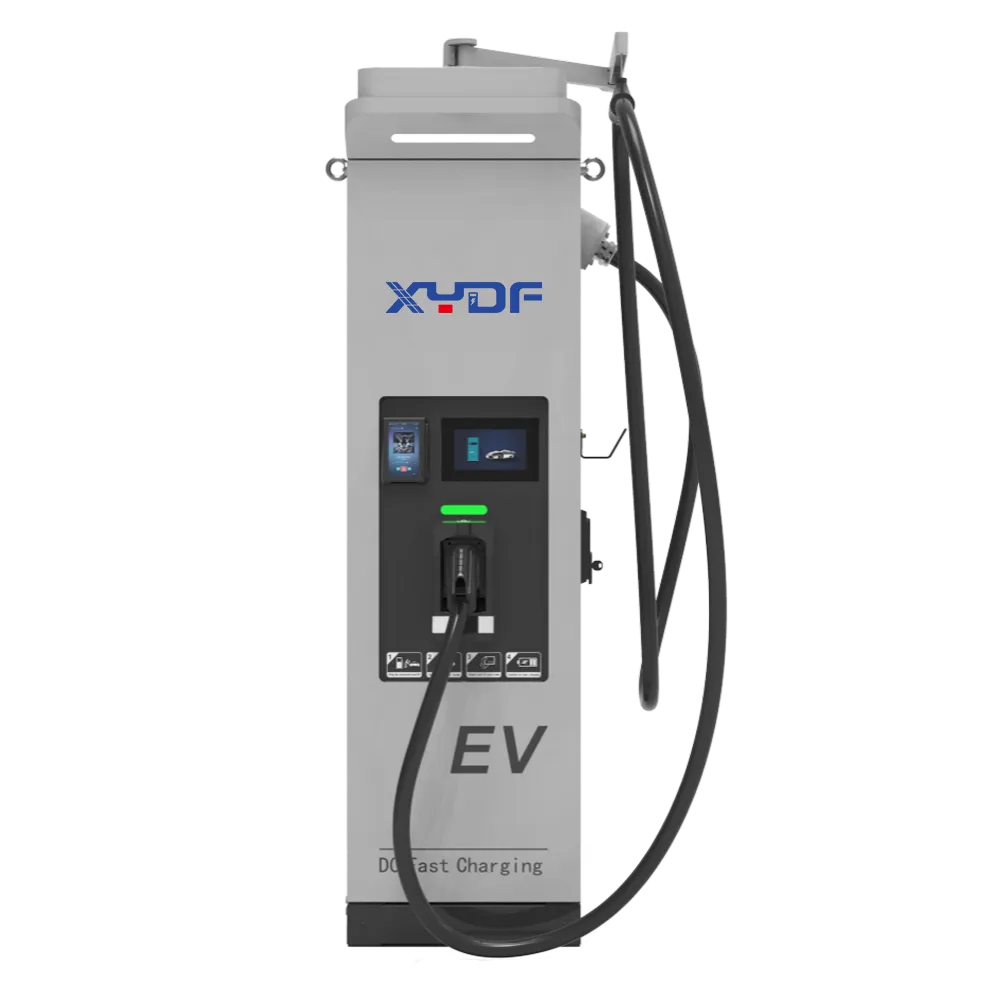
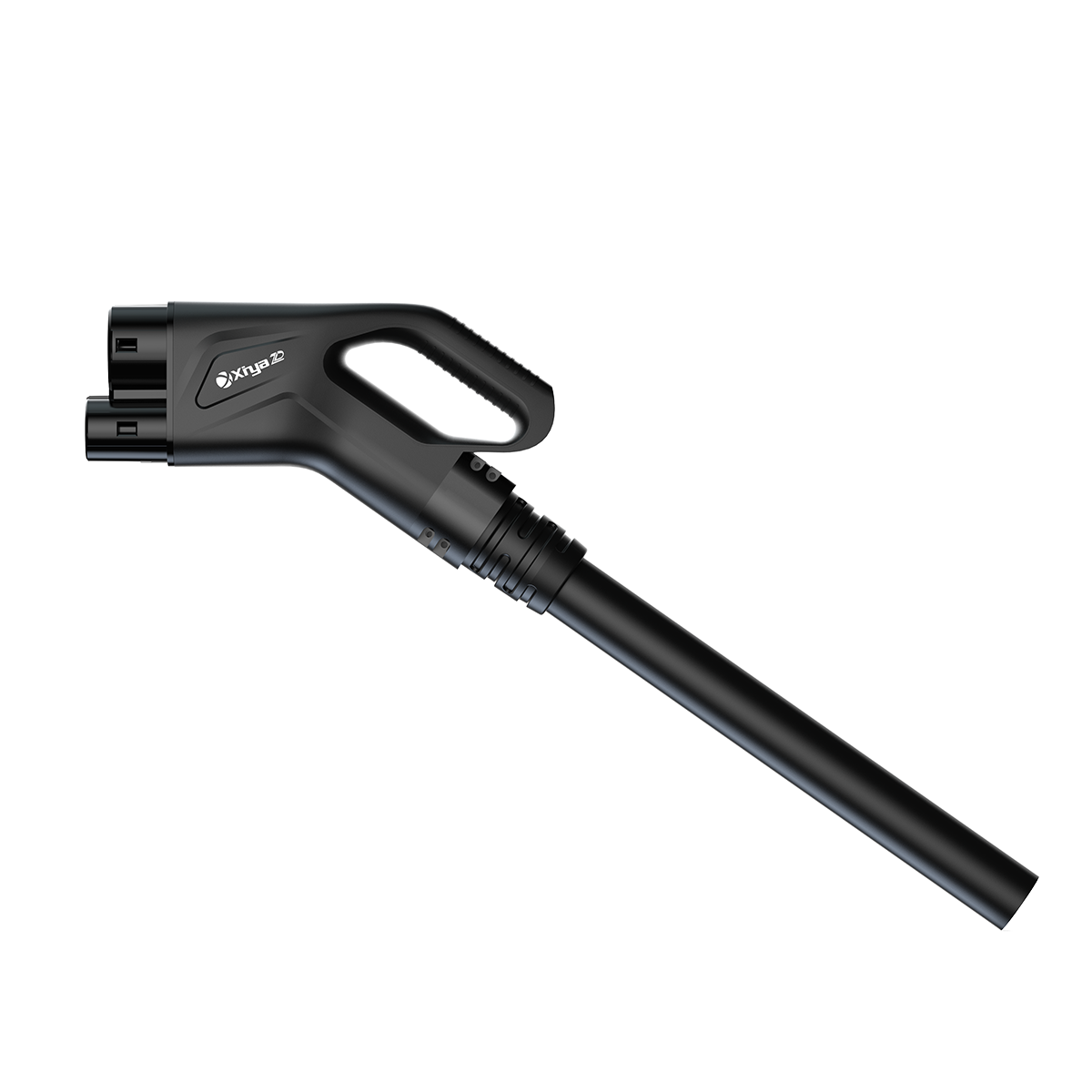
MOQ, payment terms and Incoterms become material risks when an EV charger purchase involves a customised connector, cable, enclosure, label, firmware or packing method. A low minimum order quantity does not protect the buyer if the configuration, acceptance evidence and delivery point remain unclear. The practical approach is to freeze the bill of materials, define what each payment milestone proves, and assign transport risk at the correct handover. This guide explains how first-time importers can align product scope, inspection, payment, shipping documents and Incoterms before committing a deposit.
The short answer is to negotiate the order as one evidence chain. A 7 kW, 11 kW, or 22 kW AC unit and a 60–180 kW DC system can have different components, tests, packaging, and service parts, so quantity should follow the actual configuration. Request a SKU-level MOQ, approve a revision-controlled proforma invoice, and tie later payment to agreed production, inspection, and shipment-ready records. Under Incoterms 2020, the rule allocates delivery tasks, costs, and risk; it does not set the price, payment timing, title, technical acceptance, warranty, or destination-market compliance. Those boundaries must remain in the sales contract.
International trade guidance makes the same distinction. The U.S. Department of Commerce describes payment methods as a spectrum of risk between exporter and importer, while its Incoterms guidance explains that the rules allocate logistics responsibilities but do not cover every condition of sale. The International Chamber of Commerce publishes the Incoterms 2020 rules as eleven trade terms. These sources support a disciplined review, not a universal “safe” deposit percentage or guaranteed lead time.
What should a buyer freeze before negotiating EV charger MOQ?
EV charger MOQ is usually a production breakpoint, not a number that can be separated from the product. Custom housings, connector families, cable lengths, artwork, labels, firmware, cartons, power modules, and test fixtures can each create a different purchasing threshold. A standard configuration may share parts with another order; a private-label combination may not. The supplier should identify those breakpoints by SKU instead of presenting one unexplained figure for an entire catalogue.
Start with a configuration sheet that names the destination market, AC or DC power class, input supply, connector and cable, communications, enclosure, branding, firmware, packaging, manuals, spare parts, and required documents. It should also state what is intentionally excluded. Ask which items are standard, which are made to order, and which can be consolidated across genuinely compatible models. This converts MOQ negotiation from a price discussion into a change-control discussion.
Can a pilot order reduce the first-order risk?
A paid sample or pilot can be useful when the buyer is testing a new supplier or a new configuration. The request should define whether the sample uses the proposed production bill of materials, the same firmware and labels, the tests to be witnessed, and the freight responsibility. If a sample or tooling charge may be credited against a later order, the credit rule belongs in writing; it should not be inferred from a sales conversation.
Buyers can also ask whether compatible models may share a consolidated MOQ, whether standard colours and destination connectors are available, and whether a repeat-order threshold differs from the first production release. Consolidation only helps when service parts, firmware control, labels, and records remain traceable by SKU. A low quantity that creates an isolated part family may be harder to support than a slightly larger order built from repeatable components.
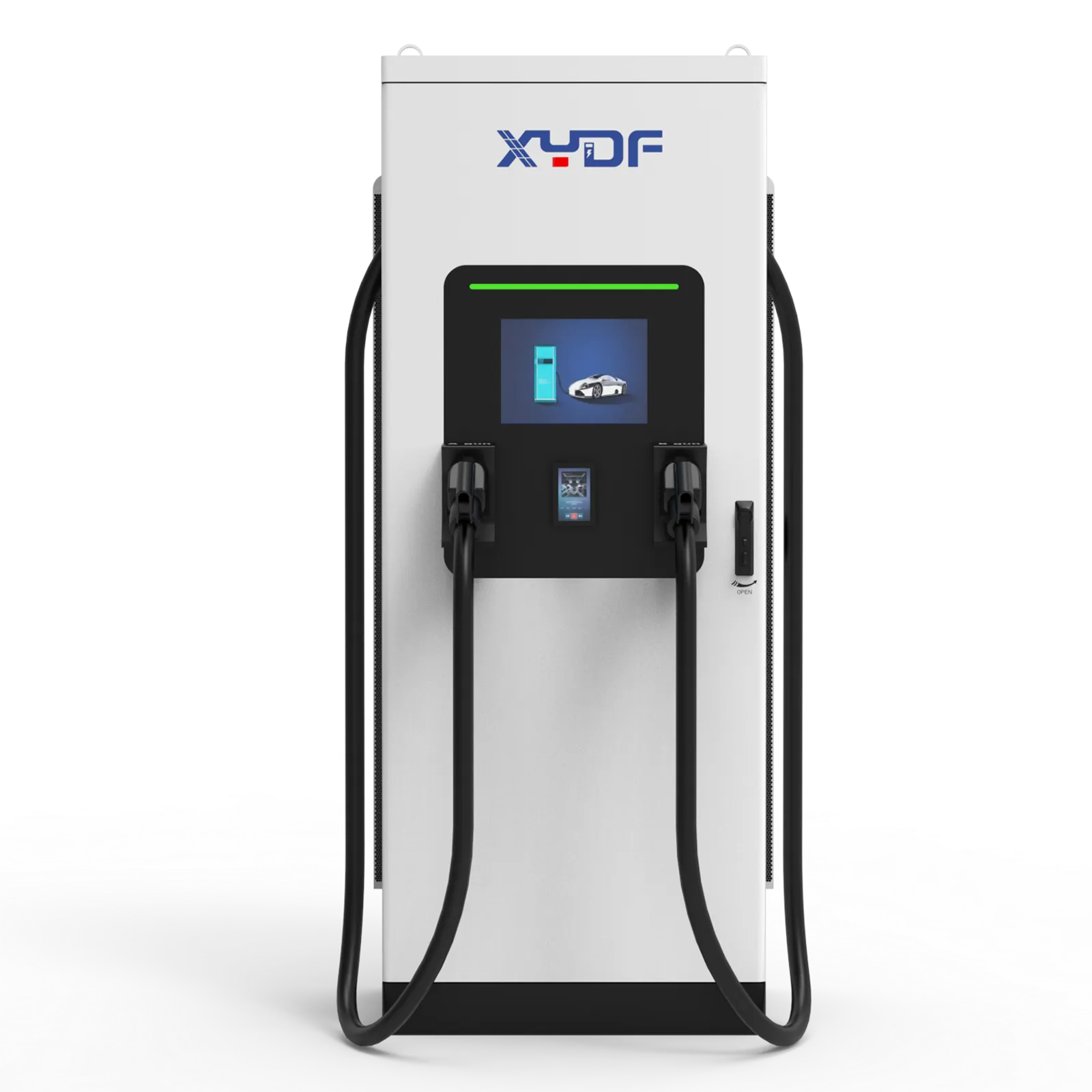
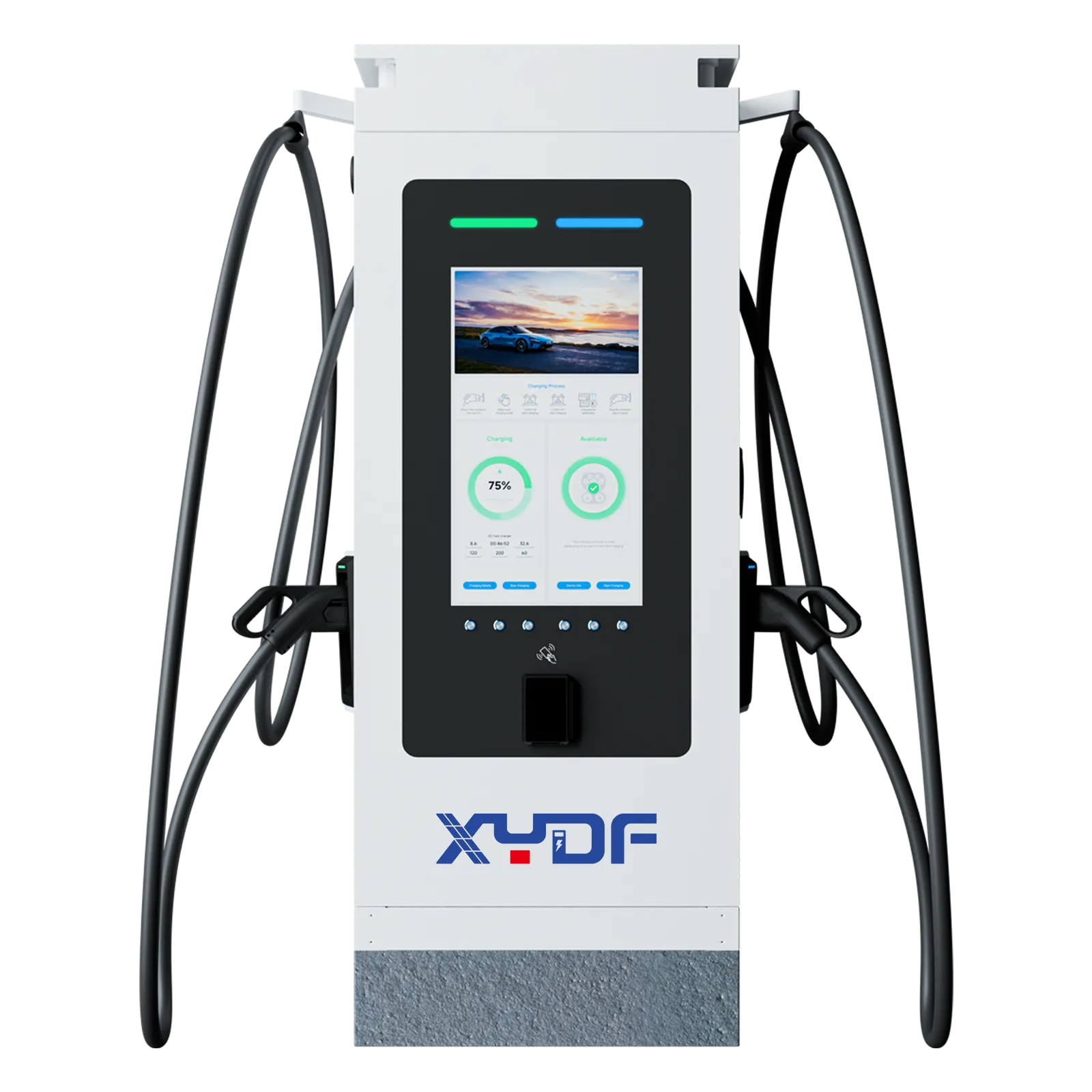
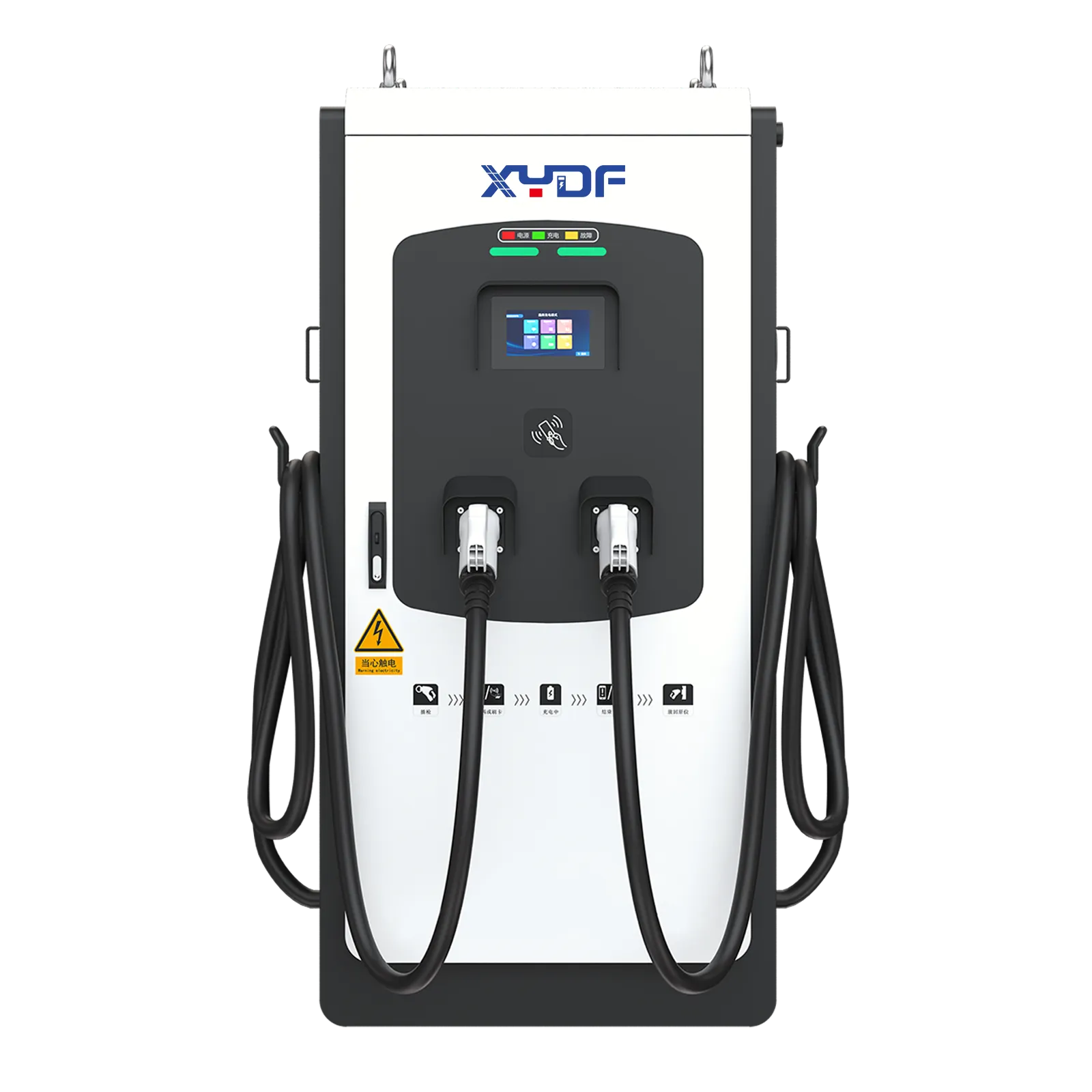
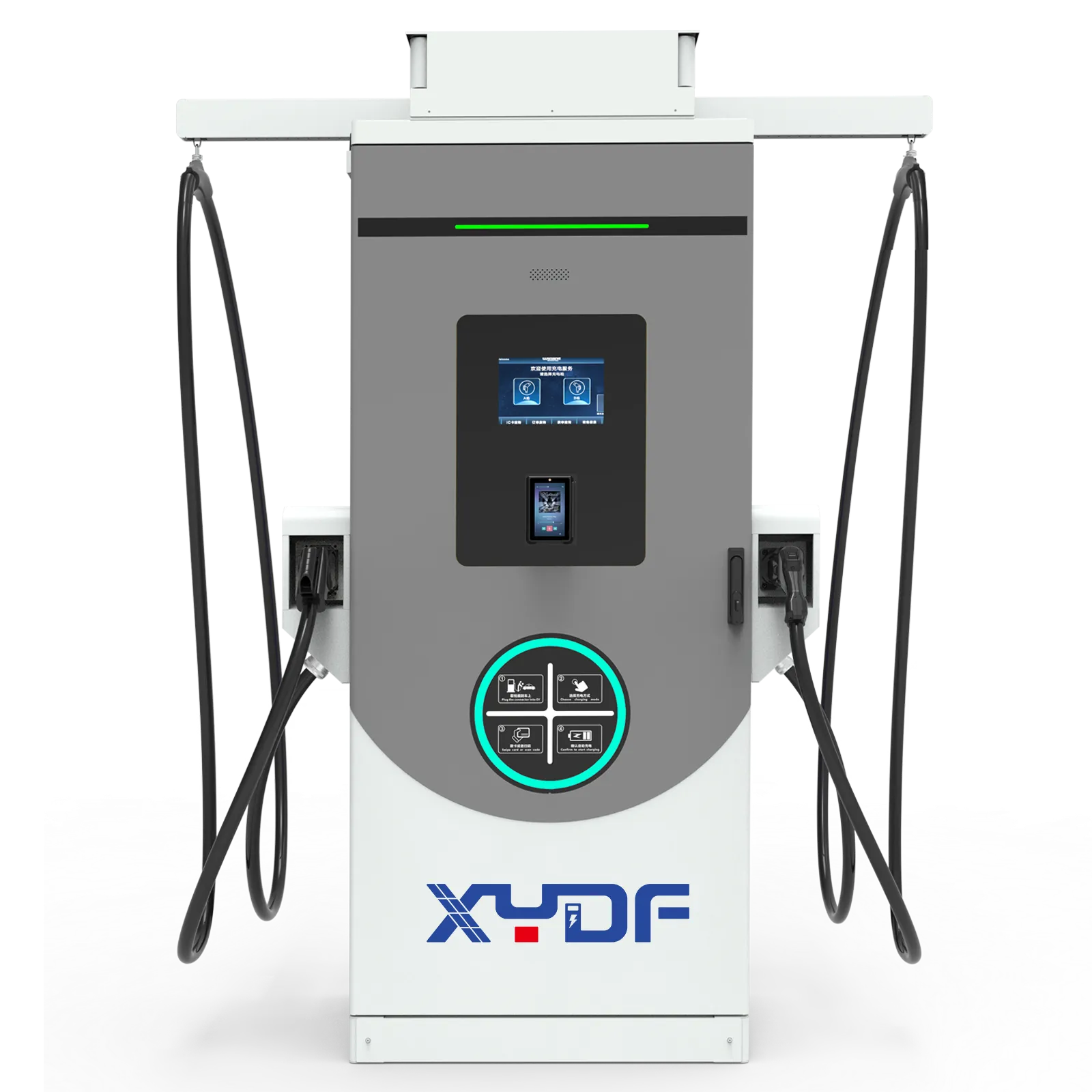
For a DC proposal, the request should identify rated output, simultaneous outputs, input requirements, connector configuration, network protocol, cabinet versus dispenser scope, and commissioning documents. A مجموعة شواحن DC السريعة can be a useful route for product comparison, but a category page cannot replace model-specific confirmation of the frozen configuration.
How can payment milestones be tied to evidence?
Payment milestones should answer one question at each stage: what has been verified, by whom, and what does the payment authorize? There is no universal safe formula. Order value, customization, relationship history, bank controls, inspection access, and the supplier’s material commitments all change the risk balance. The Department of Commerce notes that international payment methods distribute risk differently between seller and buyer; a staged structure should therefore be designed around the transaction rather than copied from another order.
What belongs in an accepted proforma invoice?
Before funds are transferred, reconcile the legal seller and buyer, SKU and quantity schedule, value and currency, beneficiary, delivery rule and named place, schedule trigger, packing scope, document list, warranty wording, and technical attachments. The invoice should point to the approved specification revision, not only a generic product name. Verify the legal counterparty and bank details independently through a trusted channel. A change to beneficiary information should trigger a separate verification step.
The accepted proforma invoice, purchase order, and specification should agree on what is being bought. If the quotation says “charger,” while the attachment omits a cable, communication module, bracket, or document, the dispute has already been designed into the order. State which document controls if wording conflicts and identify who may approve a deviation.
Should the final balance wait for FAT or inspection?
For equipment tested before dispatch, define the factory acceptance test (FAT) scope, test records, pass/fail criteria, test date, configuration revision, and attendee or remote-witness arrangement before production starts. If an independent inspection company is used, specify its inspection window, checklist or sampling method, access to serial numbers and packing, and the process for recording and closing a nonconformity. A pre-shipment inspection is evidence against an agreed specification; it is not a substitute for the specification.
| Commercial approach | أدلة للطلب | Exposure if unclear | When it may fit |
|---|---|---|---|
| Sample or pilot | Sample scope, test record, freight responsibility, credit rule | Sample differs from later production | New supplier or configuration |
| Deposit and pre-shipment balance | Approved invoice, milestone record, inspection point, packing list | Balance is due without visible shipment evidence | Documented relationship and repeatable SKU |
| Staged production release | Frozen bill of materials, artwork approval, deviation log | Custom parts become difficult to reassign | Private label or complex DC order |
| Letter of credit or bank instrument | Document conditions reviewed by both parties and bank | Discrepancies add time and bank cost | Higher-value order where both sides accept the process |
Write the release condition precisely. It may require passed FAT records, an accepted third-party report, shipment-ready packing evidence, or a defined combination. Also state what happens when the evidence shows a deviation: correction before balance, documented acceptance, partial release, or escalation to a named owner. This is a commercial control, not a claim that an inspection automatically gives the buyer a legal remedy.
Which Incoterm fits the handover and transport mode?
Incoterms 2020 rules clarify who arranges transport, insurance, export and import formalities, documents, and the delivery event at which risk transfers. They do not identify the goods, set the contract price, determine payment timing, transfer title, define technical acceptance, or resolve non-conforming goods. The U.S. Department of Commerce specifically warns that these matters remain outside the Incoterms rules. The sales contract must cover them separately.
Choose the rule by the actual handover point and transport mode. EXW makes goods available at the agreed premises and leaves the buyer to organize collection and export handling; the parties should confirm whether the buyer’s forwarder can manage local export formalities. FOB is for sea or inland-waterway transport and delivers when goods are on board at the named loading port. CIF is also limited to those modes: the seller arranges carriage and minimum insurance to the named destination port, while risk transfers at the shipment point defined by the rule.
“FOB China” is incomplete. State the port, “Incoterms 2020,” packing scope, cargo-ready date, and excluded terminal or destination charges. If the shipment is by air, road, rail, or multimodal transport, confirm whether a rule for any mode, such as FCA or DAP, better describes the handover. Do not select a sea-only rule merely because it appears on an old quotation.
| المسمى الوظيفي | Seller’s practical scope | Buyer’s main task | توثيق الحدود |
|---|---|---|---|
| EXW | Makes goods available at the named premises | Collection, export process, carriage, import and delivery | Who loads, clears export, and records handover? |
| FOB | Delivers on board at the named loading port | Main carriage, insurance, destination handling and import | Which port, cargo-ready date and shipment evidence apply? |
| CIF | Arranges freight and minimum insurance to named destination port | Destination charges, import, taxes and local delivery | What insurance scope and local charges remain? |
| FCA or DAP | Uses a named carrier handover or destination delivery as agreed | Receives the goods and handles the remaining import boundary | Is the named place physically precise and operationally reachable? |
List export clearance, loading, main carriage, cargo insurance, destination terminal charges, import clearance, duties, taxes, inspection, and final delivery as separate cost lines. Confirm who is importer of record where applicable. Customs authorities can impose market-specific filing, classification, valuation, security, and document requirements; U.S. Customs and Border Protection’s importer guidance illustrates why the importer should establish the process and records before cargo arrives. A delivery rule does not transfer responsibility for destination-market product, radio, metering, labeling, grid-connection, or installation compliance.
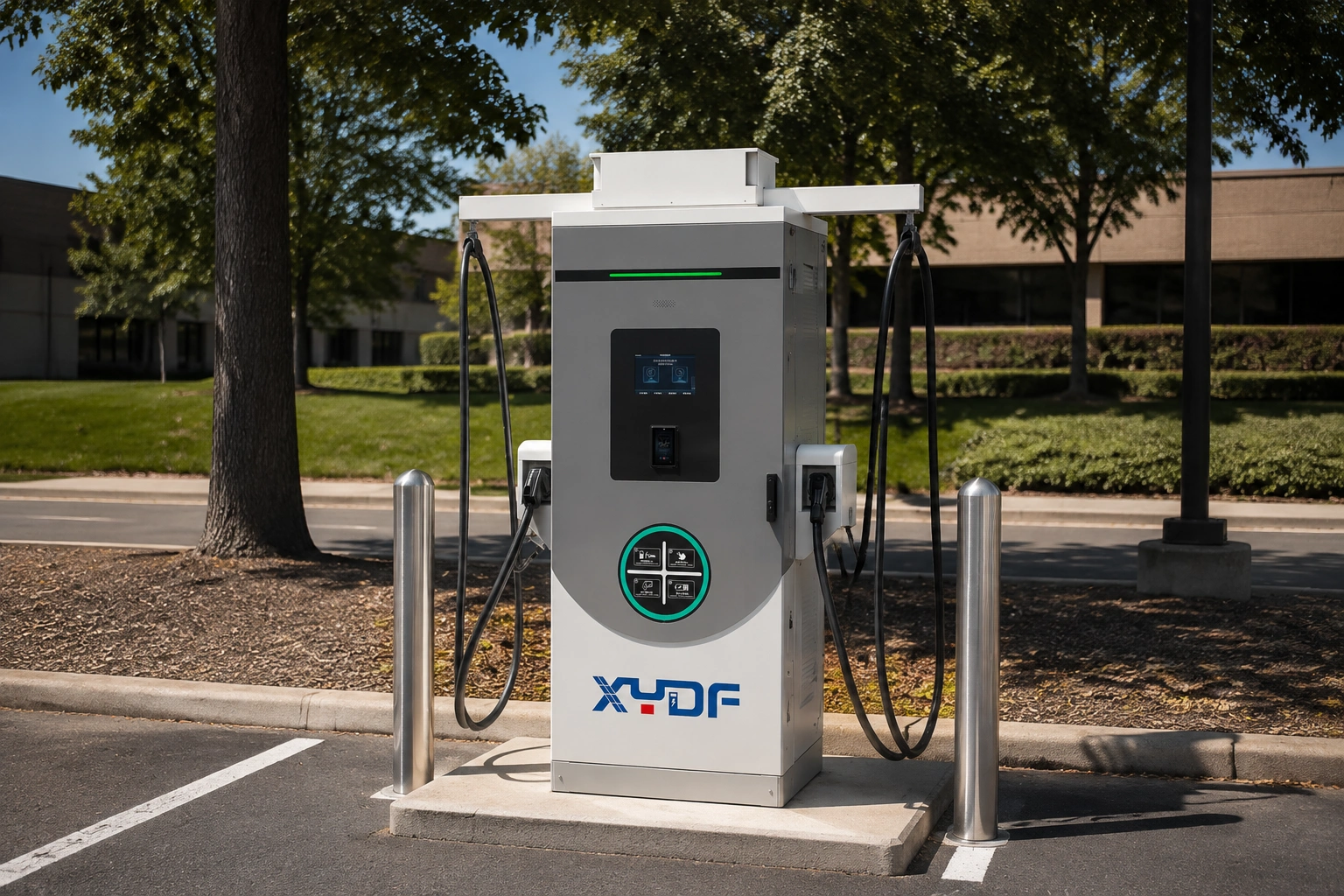
How should lead time, inspection, warranty, and landed cost be documented?
تصبح الشروط التجارية مفيدة فقط عندما ترتبط بتسلسل يمكن التحقق منه من مراحل التسليم والقبول. قم بتنسيق التكوين المطلوب، ونقطة مراقبة التغييرات، ومراحل الإنتاج والتفتيش، ومسؤوليات التعبئة والنقل، ومعايير Incoterms، وبدء فترة الضمان، والتزامات قطع الغيار، والسبل العلاجية في حالة عدم الامتثال. لا يمكن مقارنة السعر الفردي المنخفض أو المدة الزمنية المحددة قصيرة عندما تختلف النطاق والوثائق الداعمة للتسليم. للاطلاع على السياق العام للتخطيط، انظر إرشادات الطاقة الكهربائية من مركز بيانات الوقود البديل التابع لوزارة الطاقة الأمريكية; لا يزال سجل القبول المخصص للموقع يحدد القرار النهائي.
Quote production time from a defined trigger, not from the day a message is sent. The trigger might require deposit receipt, approved artwork, released drawings, confirmed firmware, or another written condition. Then separate factory production from FAT, third-party inspection, booking, transit, customs clearance, site delivery, and commissioning. A supplier should identify dependencies and decision dates rather than promise an unexplained guaranteed lead time.
Change control is part of the schedule. A revised connector, label, software feature, or document can restart an approval loop. The order should state who approves changes, whether the date moves, how obsolete components are handled, and what evidence is needed before release. This protects both parties from treating an informal revision as a harmless request.
After-sales documentation should be agreed before the first shipment. Request serial traceability, recommended service spares, part numbers, firmware and compatibility control, troubleshooting records, escalation contacts, and the route for warranty claims. Define when warranty begins—shipment, delivery, commissioning, or another agreed trigger—and what evidence the buyer must provide for a claim. Do not describe a warranty period, response time, or spare-parts availability unless the contract and model documentation state it.
Landed cost is more useful than an ex-works unit figure. Build a worksheet for equipment, packaging, inspection, export handling, freight, insurance, destination terminal charges, customs brokerage, duties and taxes, storage, local delivery, installation interfaces, commissioning, and service spares. The exact tax and duty treatment depends on classification and destination, so the worksheet should identify the party responsible for obtaining a local customs determination rather than inventing a percentage.
| تطبيق | Planning focus | Cost driver to test | Lead-time risk |
|---|---|---|---|
| Workplace or residential AC | 7–22 kW rating, cable length, access control | Small customized lots and packaging | Artwork or regional connector changes |
| Fleet depot AC/DC mix | Load management, site input, uptime support | Switchgear and installation interfaces | Multi-model coordination |
| Public DC fast charging | Power allocation, connector count, networking | Modules, cooling, cabinet/dispenser logistics | Custom system integration |
| Distributor inventory | Repeatable SKUs and service spares | Stock breadth versus consolidation | Forecast changes after approval |
What should the acceptance pack and compliance review contain?
IEC 61851 and IEC 62196 are relevant families for conductive charging systems and connectors, but a reference to a standard is not automatically a destination-market approval. Ask for the exact edition and scope of each test report, declaration, marking, and traceability record. Map the destination’s electrical-safety, radio, metering, installation, labeling, and grid-connection requirements to the intended use. The importer and local advisers must verify what is required in the actual market.
ISO 9001 describes a quality-management system; it is not product certification and does not prove that a charger meets every destination requirement. It can be a due-diligence question alongside serial records, calibration status, corrective-action handling, inspection reports, and document control. Unsupported certification or compliance claims can delay clearance or create an acceptance dispute.
The acceptance pack should identify the configuration revision and serial numbers, approved drawings, bill of materials or deviation list, FAT results, inspection report, packing photos or list, manuals, declarations, warranty trigger, spare-parts list, and shipping documents. For a first order, replay at least a normal unit, a failed test, a recorded deviation, a damaged-packing scenario, and a missing-document scenario against the agreed escalation process. Acceptance is strongest when the evidence, owner, and closure status are visible.
What should a buyer ask before releasing the first deposit?
- Freeze destination, electrical input, charging output, connector, communications, enclosure, branding, firmware, packing, documents, and installation assumptions in a signed specification.
- Request a SKU-by-SKU MOQ and a written explanation of standard parts, custom parts, tooling, artwork, and consolidation limits.
- Check that the proforma invoice, purchase order, specification, warranty trigger, named place, and payment evidence use the same revision and legal parties.
- Define FAT, independent inspection access, sampling or checklist, packing evidence, nonconformity closure, and the exact condition for each release of funds.
- Confirm importer of record, customs data, transport mode, Incoterm named place, insurance scope, destination charges, and local compliance owner.
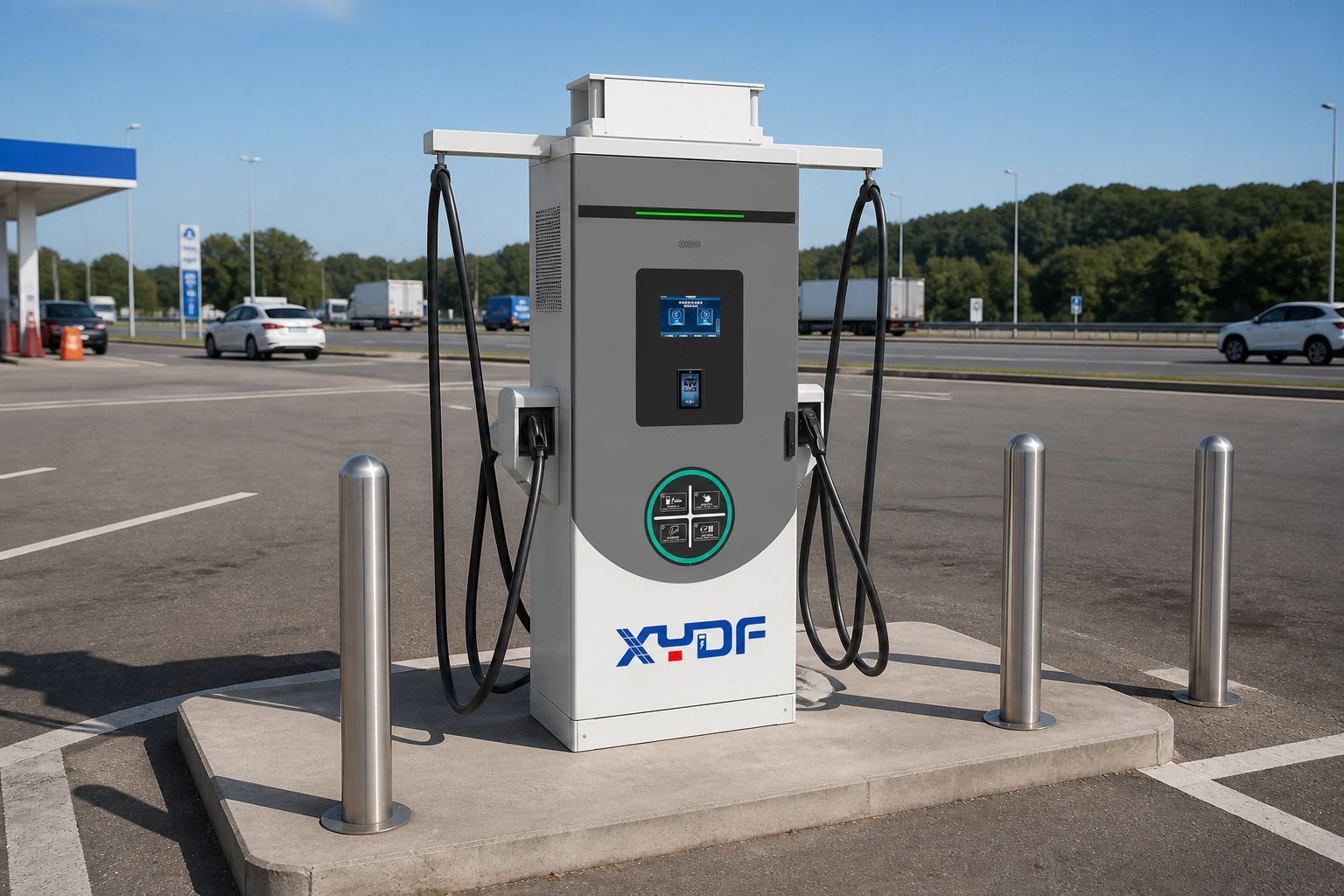
For buyers comparing configurable equipment, a commercial AC charger range and the DC route should be evaluated with the same evidence request. A China EV charger manufacturer can be considered as a supplier after the buyer has defined the project scope; the company background and stated capabilities can be reviewed through XYDF’s company information, while the importer still verifies model, market, and contract boundaries.
What questions do first-time EV charger importers ask?
What is the typical MOQ for an EV charger manufacturer?
There is no dependable universal MOQ. It varies with power class, connectors, casing, labeling, firmware, packaging, and whether components are standard or made for the order. Ask for a SKU-level quantity and a separate explanation of tooling, artwork, or custom-part thresholds.
Can a first-time buyer negotiate an EV charger MOQ?
Often, by accepting a standard configuration, paying for a defined sample, consolidating genuinely compatible variants, or planning a follow-on release. The negotiation should reduce unique components and uncertainty, not demand a quantity that does not cover the supplier’s documented production setup.
Which Incoterms are suitable for an EV charger import?
EXW, FOB, and CIF may be discussed for sea movements, while FCA, CPT, CIP, DAP, or another rule may better describe other modes or handover points. Name the place or port and write “Incoterms 2020” in the contract. The rule does not replace the sales contract or destination compliance review.
What payment terms should a first order use?
Terms depend on customization, order value, relationship history, inspection access, and bank controls. Connect each payment to documented milestones and an accepted proforma invoice. Do not assume a familiar deposit percentage protects every configuration or project.
What should be checked before the balance is released?
Check the agreed FAT or inspection evidence, configuration revision, serials, packing, deviations, required documents, and the named shipment event. If a nonconformity remains, apply the written correction, acceptance, or escalation process rather than relying on an informal promise.
Which sources support these checks?
- International Chamber of Commerce, Incoterms 2020
- U.S. Department of Commerce, Know Your Incoterms
- U.S. Department of Commerce, Methods of Payment
- U.S. Customs and Border Protection, Tips for New Importers and Exporters
- IEC 61851-23, DC conductive charging system requirements و IEC 62196 connector standards
- SGS, Pre-Shipment Inspection overview
The strongest first import order is not the one with the lowest quoted number; it is the one whose frozen specification, evidence, risk handover, and cash milestones remain clear when production starts. Confirm the configuration and destination obligations first, then compare MOQ, payment release, transport scope, inspection, and landed cost in that order. Do not skip the acceptance record, customs boundary, or local compliance check for convenience, and do not treat an Incoterm as a substitute for contract language on quality, warranty, or payment. When the evidence request is ready, buyers can review XYDF EV charging products and ask for a quotation tied to the actual project scope.
الأسئلة الشائعة
ما هي الوثائق التي تجعل عرض مورّد شاحن المركبات الكهربائية متساوياً؟
اطرح على كل مورد نفس ورقة التكوين، ومراحل التسليم، وخطط التفتيش والقبول، والتعبئة والشحن، ومواصفات Incoterms، وشروط الضمانات، وعملية التحكم في التغييرات، ومعالجة حالات عدم المطابقة. تتطلب عروض أسعار مماثلة نطاقاً مماثلاً؛ فالسعر أو المدة الزمنية دون هذه الوثائق لا يشكل مقارنة تجارية قابلة للتدقيق.