نزاعات فواتير شحن المركبات التجارية الكهربائية: دليل التسوية
15 أغسطس 2026
مدونة
تسوية نزاعات فواتير شحن المركبات التجارية يبدأ بمسار سجل، وليس استنتاجاً. قم بمطابقة مُعرِّف الجلسة، وأوقات البدء والانتهاء، وأدلة العداد، وإصدار التعريفة، ونتيجة الدفع قبل تحديد ما إذا كان الإجمالي بحاجة إلى تصحيح. هذا النهج لا يفترض أن الشاحن، أو خدمة الدفع، أو أداة دعم العملاء هي التي تسببت في الفرق؛ بل يجعل المسألة قابلة للمراجعة.
يحتاج موقع تجاري إلى مسجل سجلات متسق عبر أنظمة تشغيله.
الجزء الأول. ما الذي يجعل نزاع فواتير شحن المركبات الكهربائية قابلاً للمراجعة؟
يربط مصنف قابل للمراجعة حدث شحن حقيقيًا بالسجلات التي تصفه. على الأقل، يجب أن يكون المراجِع قادرًا على معرفة الجلسة قيد المناقشة، ومتى بدأت وانتهت، وما هي أدلة الطاقة المتاحة، وأي قاعدة تسعير تم تطبيقها، وما إذا كان الدفع قد تم وضعه قيد الموافقة أو الرفض أو لا يزال دون حل.
يصف المعهد الوطني للمعايير والتقنية (NIST) إدارة السجلات بأنها عملية توليد بيانات السجلات ونقلها وتخزينها وتحليلها والتخلص منها. هذا مبدأ تشغيلي مفيد هنا: الحفاظ على السجلات المصدرية أولاً، ثم مقارنتها، بدلاً من إعادة بناء قصة من إيصال واحد.
لا تتعامل مع المبلغ المعروض للعميل كدليل على الحدث الأساسي. تتطلب المراجعة القابلة للتتبع جلسة العمل ذات الصلة ومراجع السجل بالإضافة إلى الإجمالي المعروض.NIST SP 800-92)
سؤال مراجعة
دليل لتحديد الموقع
لماذا هذا مهم
أي حدث متنازع عليه؟
معرف الجلسة ومرجع الموصل أو الموقع
يفصل بين زيارة واحدة والنشاط المجاور.
متى حدث ذلك؟
الطابعان الزمنيان للبدء والانتهاء مع أساسهما الزمني
يجعل الحدث قابلاً للمقارنة مع نافذة السعر المعمول بها.
ما الذي تم تسليمه؟
عداد متاح أو سجل طاقة الجلسة
يختبر مكون الطاقة دون افتراض نتيجة التسوية.
كيف تم تسعيره؟
اسم التعرفة، الإصدار وفترة السريان
يعرض القاعدة التي يجب فحصها.
ما الذي حدث عند الدفع؟
مرجع الإيصال أو نتيجة الدفع
يُميّز بين أدلة الشحن وأدلة الدفع.
الجزء 2. ما هي السجلات التي يجب تجميعها قبل مقارنة الإجماليات؟
أنشئ حزمة أدلة واحدة لكل جلسة. ضع معرف الجلسة في الأعلى واحتفظ بمراجع النظام المصدري بجانب كل قيمة. يمكن أن تساعد لقطة الشاشة في توضيح ما رآه العميل، ولكن يجب ألا تحل محل التصدير الأساسي أو مرجع السجل.
افصل ما تم عرضه على السائق قبل الشحن عما سجلته الأنظمة بعد ذلك. بالنسبة للشحن المتاح للعامة في الاتحاد الأوروبي، تنص المادة 5 من اللائحة (الاتحاد الأوروبي) 2023/1804 يتطلب توفر معلومات السعر قبل بدء جلسة الشحن ويميز بين السعر لكل كيلوواط ساعة، والسعر لكل دقيقة، والسعر لكل جلسة وغيرها من المكونات السارية. يُعد عرض ما قبل الجلسة دليلاً على السعر المعروض، ولكنه ليس بديلاً عن سجلات الجلسة والعداد والدفع المستخدمة لمراجعة المبلغ النهائي.
تحتوي حزمة التطبيق عادةً على:
مرجع موقع الشاحن أو الموصل؛;
أوقات بدء الجلسة وانتهائها، بما في ذلك أساس الوقت الذي يستخدمه النظام؛;
قيم عداد البداية والنهاية أو سجل الطاقة المُسلّمة المتاح؛;
اسم التعريفة، وإصدار التعريفة، والوقت الذي أصبحت فيه سارية المفعول؛;
أي قاعدة تتعلق برسوم الخمول، أو الحجز، أو أي رسوم أخرى كانت مرئية لفريق التشغيل؛;
نتيجة الدفع، مرجع الإيصال أو الفاتورة؛ و
تسلسل زمني قصير للتغييرات اليدوية، مع اسم المراجع والسبب.
مكتمل حزمة أدلة الجلسة لذلك يجب الحفاظ على مكونات السعر المعروضة والدقيقة معاً إصدار التعريفة الجمركية المطبقة من قبل نظام التشغيل. إذا كان أي منهما مفقوداً، قم بتسجيل الفجوة بدلاً من إعادة بناء السعر من صفحة تعريفة حالية.
غالبًا ما يسأل السائقون عن اختلافات الأسعار وسجلات الدفع في منتديات الشحن. وتُعد هذه اللغة تذكيرًا بجعل الحزمة مفهومة لدعم العملاء وكذلك للموظفين التقنيين؛ وهي ليست دليلاً على حدوث سبب معين.
الجزء الثالث. كيف يجب على المشغل تسوية جلسة شحن واحدة؟
قم بالمطابقة بترتيب ثابت. ابدأ بالهوية والوقت، ثم قارن أدلة الطاقة، ثم اختبر قاعدة التعرفة، وفقط بعد ذلك قارن نتيجة الدفع. هذا التسلسل يمنع الخلط بين نتيجة الدفع ونتيجة العداد.
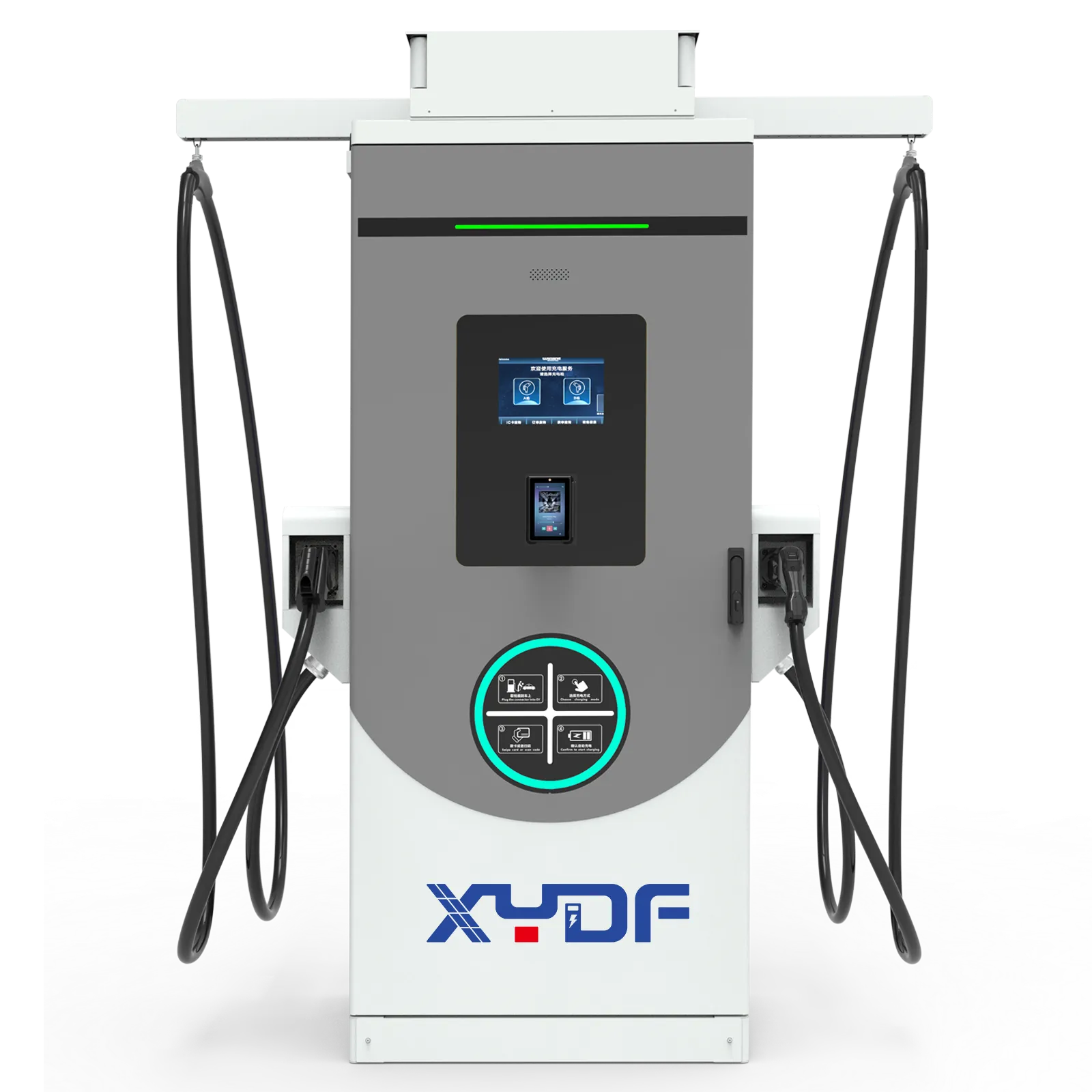
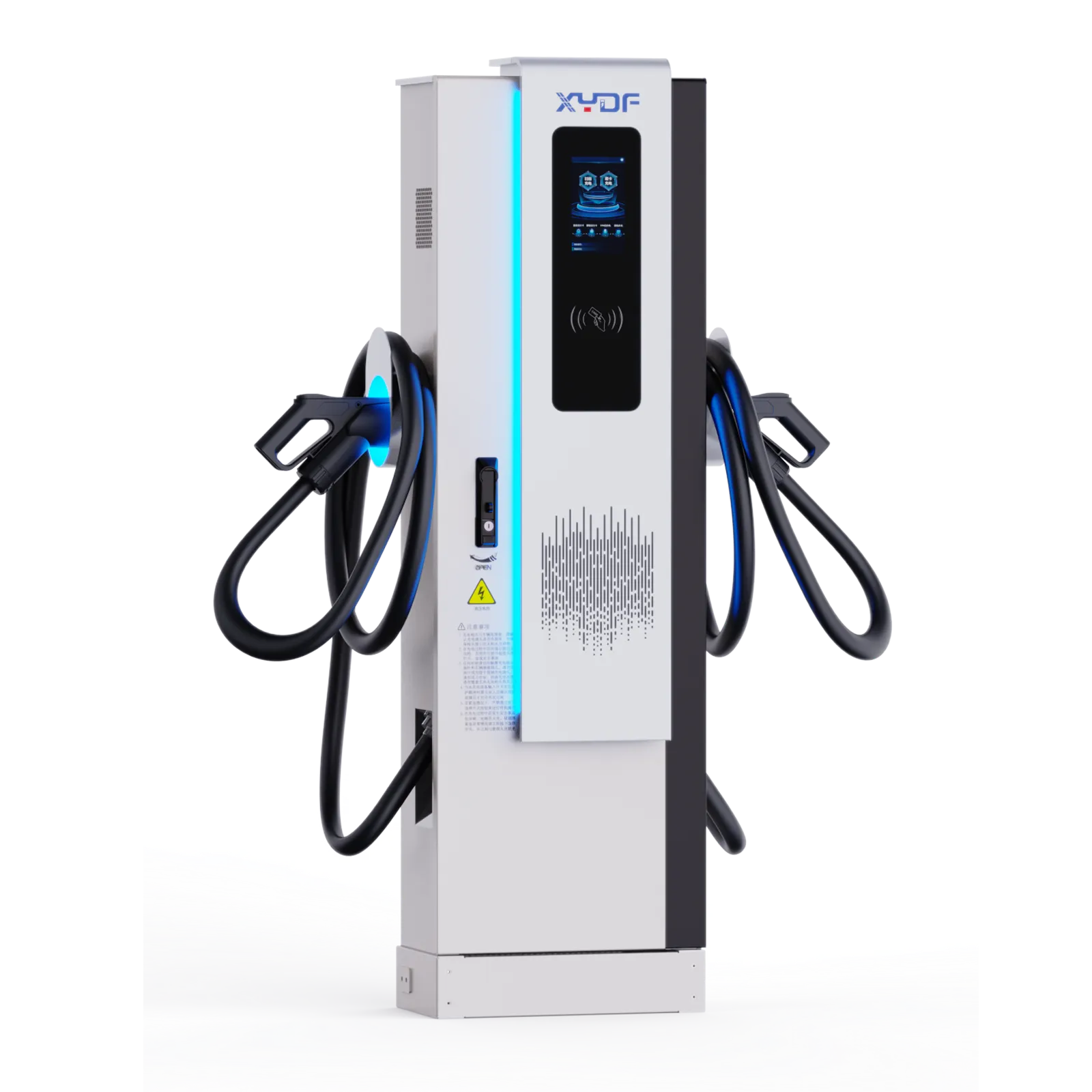
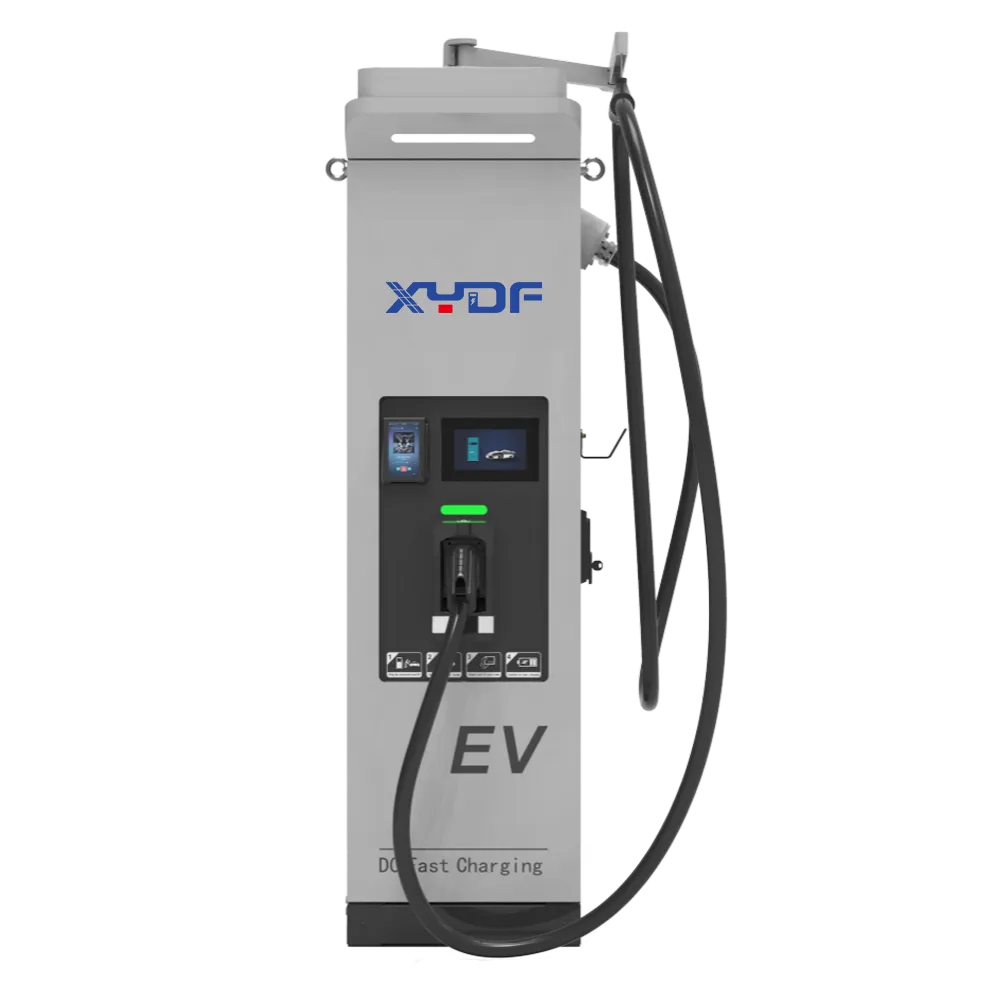
يبغي مناقشة متطلبات اختيار المعدات وسجلات التشغيل معاً.
تأكد من أن كل سجل يشير إلى نفس الجلسة والموقع والموصل.
ضع الطابع الزمني في شكله الأصلي وحدد أساس الوقت قبل حساب المدة.
قارن سجل الطاقة المتاح مع الأدلة التي استخدمتها عملية الشحن.
تطبيق إصدار التعريفة الذي كان ساري المفعول وقت الجلسة الموثقة.
قارن تلك الرسوم المحسوبة مع الإيصال أو مرجع الدفع.
سجل ما إذا كانت النتيجة مشروحة، أو تحتاج إلى مراجعة للتصحيح، أو تفتقر إلى الأدلة.
ال دليل عدادات الشحن التجاري يكون مفيداً عندما يكون السؤال المفتوح هو نطاق القياس نفسه. يتركّز هذا المقال على ربط مسار الأدلة الأوسع حول شكوى فردية.
الجزء 4. لماذا يمكن أن تختلف إيصال السائق عن السعر المتوقع؟
قد لا يفسر عداد القياس وحده المبلغ المعروض على السائق. قد يعتمد المبلغ النهائي على إصدار التعريفة، ووقت تجاوز الجلسة لحد التسعيرة، وما إذا تمت تهيئة قاعدة منفصلة، وما إذا تم تسجيل نتيجة دفع أو تعديل. هذه شروط يجب اختبارها، وليست افتراضات حول وجود خطأ.
استخدم سجل فروق يوضح الملاحظة وطلب الأدلة التالي. على سبيل المثال، عبارة مثل “تم العثور على سجل الطاقة، ولم يتم تحديد إصدار التعريفة بعد” تُعد أكثر فائدة من “قام الشاحن بفرض رسوم زائدة”. فهذا يُبقي الفرق التقنية، والتجارية، ودعم العملاء على دراية بما هو معروف.
ملاحظة
المقارنة الأولى
القرار التالي
إجمالي الإيصال يختلف عن التقدير المتوقع
التعرفة الفعالة وأوقات الجلسة
تأكيد القاعدة قبل مناقشة أي تعديل.
مرجع الدفع مفقود
معرف الجلسة وسجل عملية الدفع
اطلب من المسؤول عن تدفق دفع الأموال تتبع العملية.
أدلة الطاقة غير مكتملة
تسلسل الجلسات وسجل العداد المتاح
الحفاظ على الفجوة والتصعيد للمراجعة التقنية.
الرسوم متنازع عليها
قاعدة الرسوم، سجل الوقت والرؤية
تحقق مما إذا كانت القاعدة تنطبق على تلك الجلسة.
الجزء 5. أين يتناسب اتصال الشاحن في مسار الأدلة؟
قد تكون واجهات الاتصال جزءًا من المسار الذي يتلقى نظام التشغيل من خلاله معلومات جلسة الشحن، لكن المقال لا يفترض بنية معينة. و تحالف الشحن المفتوح مرتبط بـ OCPP، وهو بروتوكول ارتباط مفتوح بنية تحتية لشحن المركبات الكهربائية؛ وينبغي على المشترين الاستفسار عن السجلات المتاحة في الإعداد الذي اختاروه بدلاً من استنتاج الدعم من اسم البروتوكول.
تضيف المادة 20 من قانون البنية التحتية للوقود البديل (AFIR) تمييزاً مفيداً للشحن العام في الاتحاد الأوروبي: يجب على المشغلين توفير البيانات الديناميكية مثل حالة التشغيل، والتوفر، والسعر الفوري من خلال واجهة برمجة تطبيقات (API). ويمكن أن تساعد تلك الحقول في تحديد ما كان مقصوداً أن يراه المستخدمون خدمات البيانات، لكنها لا تثبت بمفردها الطاقة المُسلّمة، أو ترخيص البطاقة، أو نتيجة التسوية. احتفظ ببيانات التعريفة العامة و مطابقة المدفوعات الأدلة كسجلات مترابطة ولكنها منفصلة.
للسبب نفسه، لا تصنف النزاع على أنه عطل في الشاحن لمجرد أن السجلات غير متطابقة. فقد يكمن الخلل في الوصول إلى السجلات، أو التهيئة، أو التسليم، أو تدفق عمل دفع منفصل. وتحدد ملاحظة التصعيد الجيدة الأدلة المفقودة والفريق المسؤول عنها.
الجزء السادس: ماذا يجب على المشتري التجاري أن يطلب قبل الإطلاق؟
قبل أن يبدأ الموقع في خدمة المستخدمين، اسأل كل مزود معني كيف سيجعل المشروع الجلسة قابلة للتتبع. الهدف ليس فرض منصة معينة، بل تجنب اكتشاف السجلات المفقودة فقط بعد تلقي شكوى.
يجب على المشتري توفير
لماذا هذا مهم
اطلب من المزود المحتمل الشرح
منطق السعر المقصود وأي قواعد رسوم إضافية
يحدد السجلات التي يجب مقارنتها
كيف يتم الاحتفاظ بإصدارات التعريفات وأوقات سريانها.
نموذج الموقع والموصل ووصول المستخدم
يحدد نطاق مرجع الجلسة
ما هي المُعرّفات المتاحة للمُشغّل.
سير عمل الإيصال أو الفاتورة المطلوب
يوضح عملية تسلیم الدعم
ما هي مراجع نتائج الدفع التي يمكن الوصول إليها؟.
مسار الموافقة الداخلية للتصحيحات
يحافظ على التعديلات قابلة للمراجعة
من يمكنه طلب التغيير والموافقة عليه وتوثيقه.
توقع الاحتفاظ بالملفات
يدعم التحقيق لاحقاً
ما هي الصادرات والطابع الزمني وأدوار الوصول المتاحة.
إذا كان نطاق المعدات قيد النظر أيضاً، فاستانف نطاق الشواحن السريعة التجارية المباشرة (DC) ومشاركة سيناريو الموقع مع فريق المشروع. لا تنشئ الصفحة العامة وظائف دفع أو تسوية، لذلك يجب التحقق من صحة هذه المتطلبات بشكل منفصل.
الجزء 7. متى تكون هذه العملية مفيدة، ومتى تكون هناك حاجة إلى مراجعة أخرى؟
تتناسب هذه العملية مع المشغلين التجاريين الذين يحتاجون إلى مراجعة أولية قابلة للتكرار لجلسة متنازع عليها واحدة. كما أنها تساعد عندما تستعد الفرق لمتطلبات التسليم، لأنها تحول لغة “بيانات الفوترة” الغامضة إلى سجلات ومسؤوليات محددة.
إنه أقل ملاءمة ليحل محل المشورة القانونية المحلية، أو الضريبية، أو المتعلقة بحماية المستهلك، أو العدادات المعايرة، أو مزودي خدمات الدفع. وحين يشير السجل إلى وقوع حادثة سلامة، أو اشتباه في عملية احتيال، أو مسألة معايرة، أو نزاع تعاقدي، فيرجى الاحتفاظ بالأدلة وإشراك المختص المعني بدلاً من اتخاذ قرار تشغيلي بمفردك.
تستند المسؤوليات التشغيلية الواضحة إلى عملية مراجعة متسقة.
أسئلة شائعة
ما هي الأدلة التي يجب أن تبدأ مراجعة نزاع فواتير شحن المركبات الكهربائية؟
ابدأ بمعرف الجلسة، أو الموقع أو مرجع الموصل، والطوابع الزمنية، وأدلة الطاقة المتاحة، وإصدار التعريفة، ومرجع الدفع أو الإيصال. حافظ على ربط كل بند بنظامه المصدر.
لماذا قد يختلف إيصال الشحن عن السعر المتوقع؟
قد تكون الجلسة خضعت لإصدار تعريفة، أو إطار زمني، أو قاعدة رسوم، أو نتيجة دفع مختلفة عن تلك التي تم افتراضها في التقدير. قارن تلك الشروط قبل الوصول إلى استنتاج.
هل قيمة العداد كافية لحل الشكوى؟
لا، يمكن أن يكون ذلك جزءاً هاماً من المراجعة، ولكن الإجمالي الموجه للعملاء يحتاج أيضاً إلى تقييم سجلات التسعير والمدفوعات المعمول بها.
ما الذي يُستخدم له مُرَفِّع الجلسة؟
يربط سجلات جلسة شحن واحدة بحيث لا يقارن المراجع إيصالاً بوقت أو موصل أو سجل طاقة خاطئ.
كم مرة يجب مطابقة سجلات الشحن التجارية؟
استخدم إيقاع تشغيل يتوافق مع حجم المعاملات الخاص بالموقع وعمر عملية الدعم. النقطة المهمة هي توفر نفس مجموعة الأدلة عند اثارة أي استثناء.
ما الذي يجب أن يتضمنه طلب تقديم العروض (RFQ) الجاهزية للنزاعات المتعلقة بالفواتير؟
اطلب توضيحاً واضحاً لمعرفات الجلسات، والطوابع الزمنية، والوصول إلى بيانات العدادات، والاحتفاظ بإصدارات التعريفات، ومرجعيات نتائج الدفع، وموافقات التصحيح، والوصول إلى عمليات التصدير.
هل يؤكد هذا الدليل وجود ميزة فوطرة لأي شاحن من نوع XYDF؟
لا. إنه يوضح عملية تشغيلية. يجب تأكيد إمكانيات المنتجات والدفع والمنصة والتكامل لتكوين المشروع الفعلي.
نستخدم ملفات تعريف الارتباط (الكوكيز) لضمان عمل هذا الموقع، وبإذنك، لقياس كيفية استخدام الزوار لموقع شحن المركبات الكهربائية الخاص بنا. انظر إلى سياسة الخصوصية للتفاصيل.
 شركة شينيا دونغفانغ لتكنولوجيا الكهرباء المحدودة.