Electric Vehicle Charging Station Reliability: How Uptime Monitoring Prevents Failed Sessions
أغسطس 21,2026
مدونة
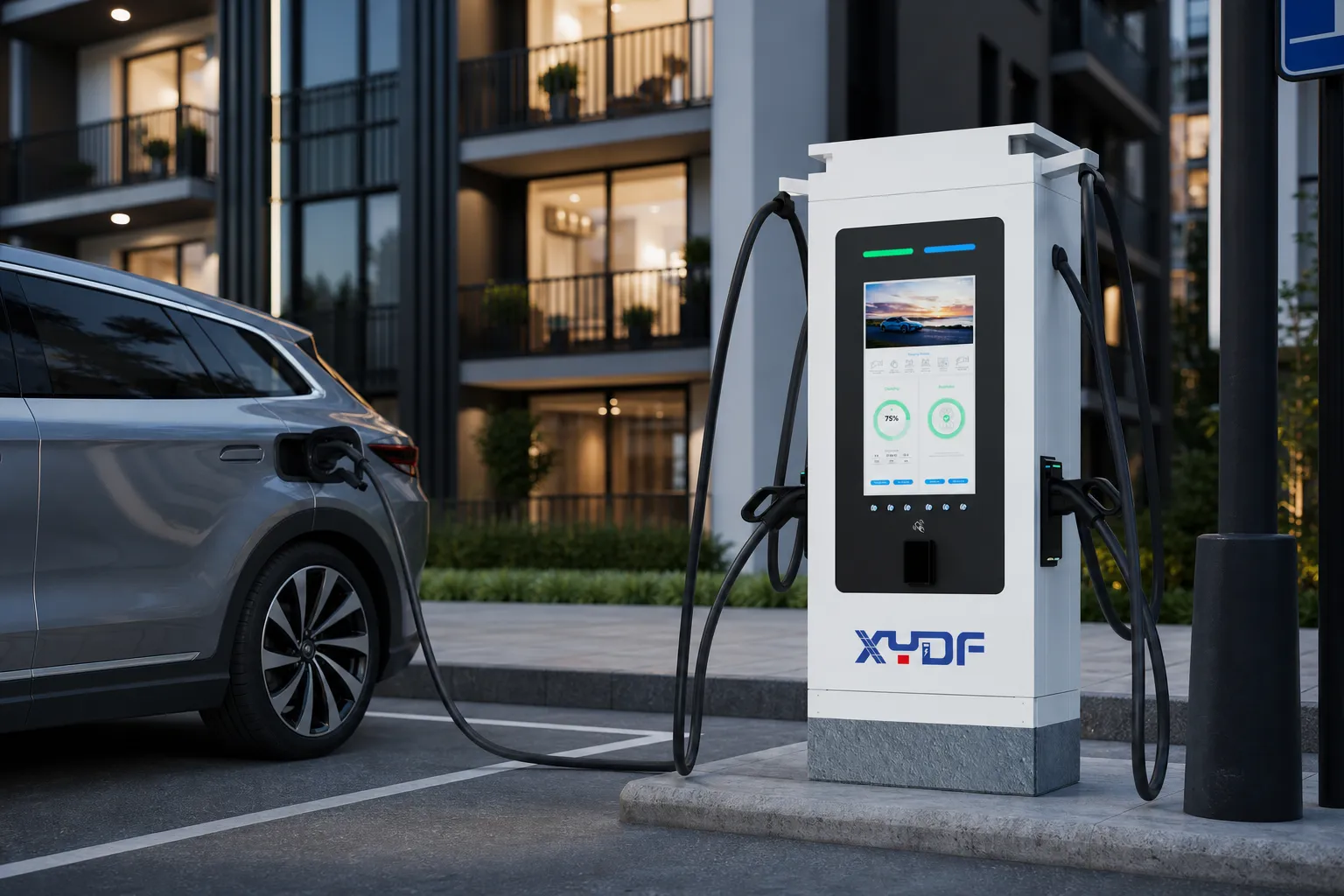
When a charging-network operations manager in Rotterdam opens the morning dashboard, three bays are occupied but two completed no billable session overnight. One driver has already left a support ticket; another has moved to a competitor site. The visible symptom is a failed charge, but the business loss is larger: missed energy revenue, lower driver trust, and a field visit that may not have been necessary. For a public or fleet electric vehicle charging station, reliability is an operating discipline, not a percentage shown in a sales brochure.
Summary: Reliable charging networks combine availability targets, session-level telemetry, clear fault ownership, and planned service. The most useful signals are connector availability, successful-session rate, payment and authorization failures, communication health, and repeat faults. Monitoring turns an intermittent problem into evidence that an operator, service partner, or equipment supplier can resolve before the next driver is affected.
1. Measure the failure that drivers actually experience
A charger can be powered and connected to a backend while still failing the driver journey. Operators should separate physical availability from successful-session rate. Availability asks whether a connector is ready to accept a session. Successful-session rate asks whether authorization, handshake, power delivery, and session close all finished correctly. Both measures are necessary when a site has payment terminals, roaming, load management, and multiple connector standards.
For a practical baseline, record each connector’s state, fault code, network latency, authorization result, energy delivered, and stop reason. A rolling view of these records reveals whether failures cluster by connector, vehicle family, time of day, software release, or site. Uptime monitoring is most valuable when alarms have an owner and a response window, not when the dashboard merely changes colour.
2. Build an alarm model around fault severity
Not every alert requires a truck roll. A sensible alarm model classifies a lost network heartbeat differently from insulation failure, over-temperature, emergency-stop activation, or repeated payment rejection. Critical safety faults should remove the affected connector from service and notify qualified personnel immediately. Recoverable communications faults can trigger an automated reconnect and a time-bound remote investigation. Repeated minor events should create a maintenance work order before they become a visible outage.
High: a connector unavailable during trading hours, a failed firmware update, or repeated session failures.
Medium: intermittent backend connection, card-reader errors, or a single failed authorization.
Low: a cosmetic alert or sensor warning that does not block safe charging.
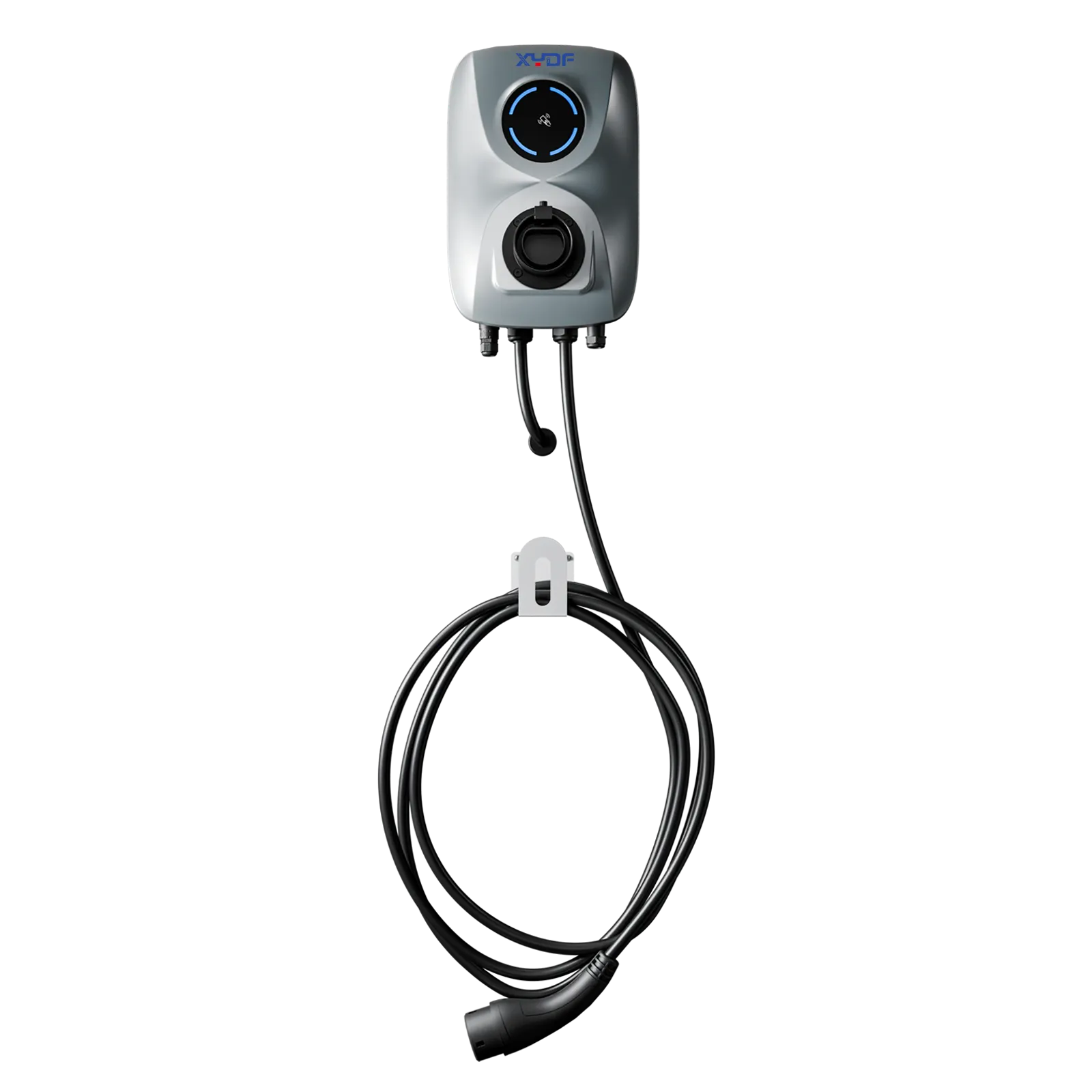
Site-level visibility helps operators distinguish a connector fault from a broader power or communications issue.
3. Use OCPP data to shorten diagnosis time
OCPP provides a structured way for charge points and management systems to exchange status, transaction, meter, and diagnostic information. It does not remove the need for engineering judgment, but it gives support teams a common evidence trail. Compare the last successful transaction with the first failed one: connector status, vehicle-requested current, authorization result, energy meter values, and any fault code often narrow the investigation quickly.
OCPP diagnostics should also be tied to firmware and configuration management. Before a software change is released fleet-wide, test it on representative chargers, confirm a rollback route, and record the version per device. A service team that can see firmware, signal strength, thermal events, and session history remotely can reserve on-site work for physical faults instead of using every alert as a reason to dispatch.
4. Turn repeat faults into preventive maintenance
Field reliability usually degrades through small, repeatable issues: worn connector pins, cable strain, loose gland seals, cooling filters, payment-terminal contamination, or corrosion around exposed hardware. A fixed calendar inspection is useful, but the better approach combines time-based tasks with evidence from sessions and alarms. For example, a connector with rising temperature warnings or multiple latch faults should be inspected ahead of the next scheduled visit.
Preventive maintenance should include visual enclosure checks, cable and connector inspection, torque and earthing verification where required, ventilation and filter cleaning, emergency-stop tests, payment-flow tests, and a record of remedial work. Site teams should photograph recurring physical damage and log its location. This creates a defensible replacement decision and helps planners identify whether bollards, cable management, drainage, or user signage need improvement.
5. Choose hardware and service coverage together
Reliability control
Operational question
Evidence to retain
Remote telemetry
Can the operator see each connector and transaction state?
Status history, alarms, heartbeat records
Power quality and protection
Does the site stay within electrical limits under simultaneous charging?
Can technicians isolate and replace common parts safely?
Service clearances, spares list, work instructions
Parts strategy
How quickly can a failed cable, reader, or module be restored?
Lead times, local stock, escalation contact
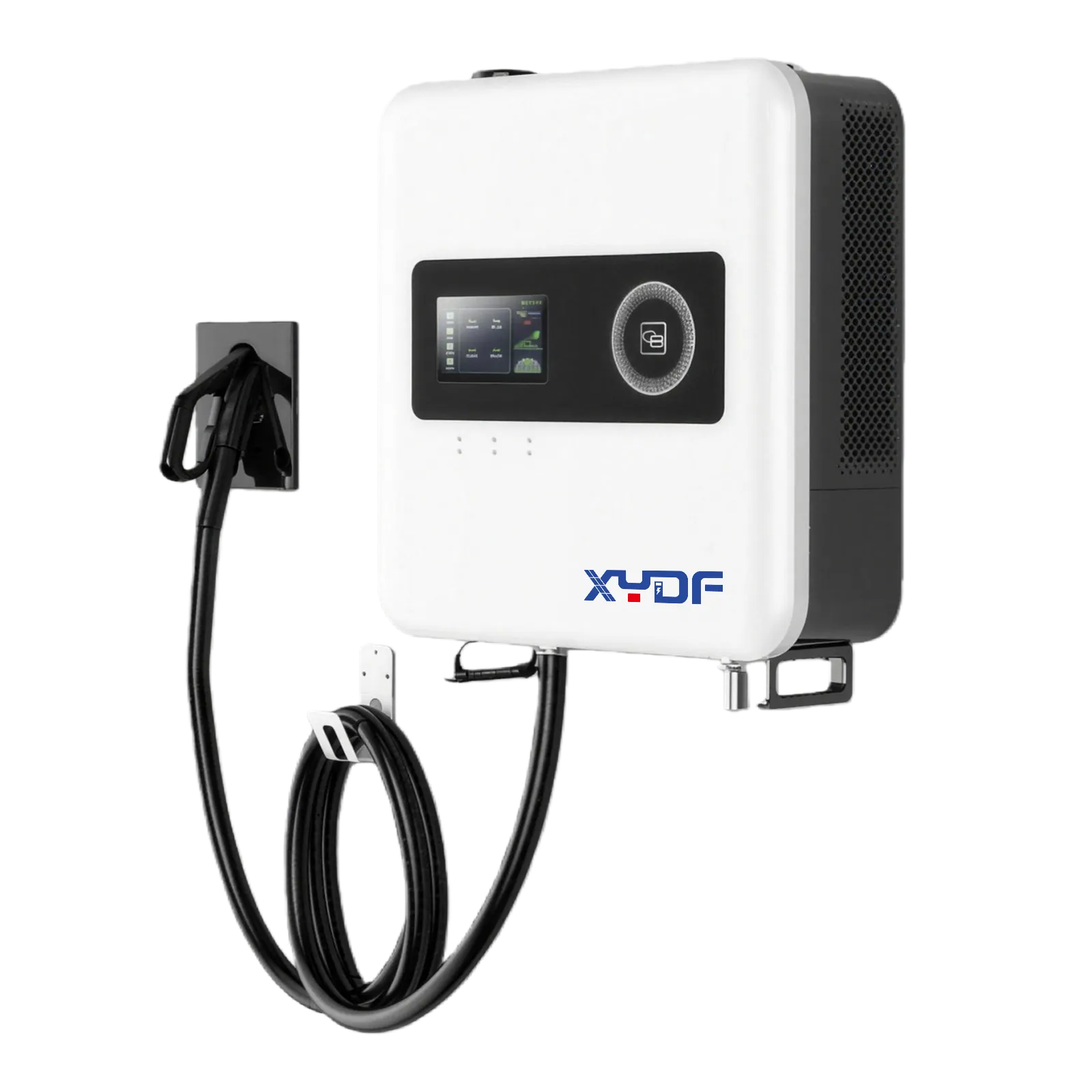
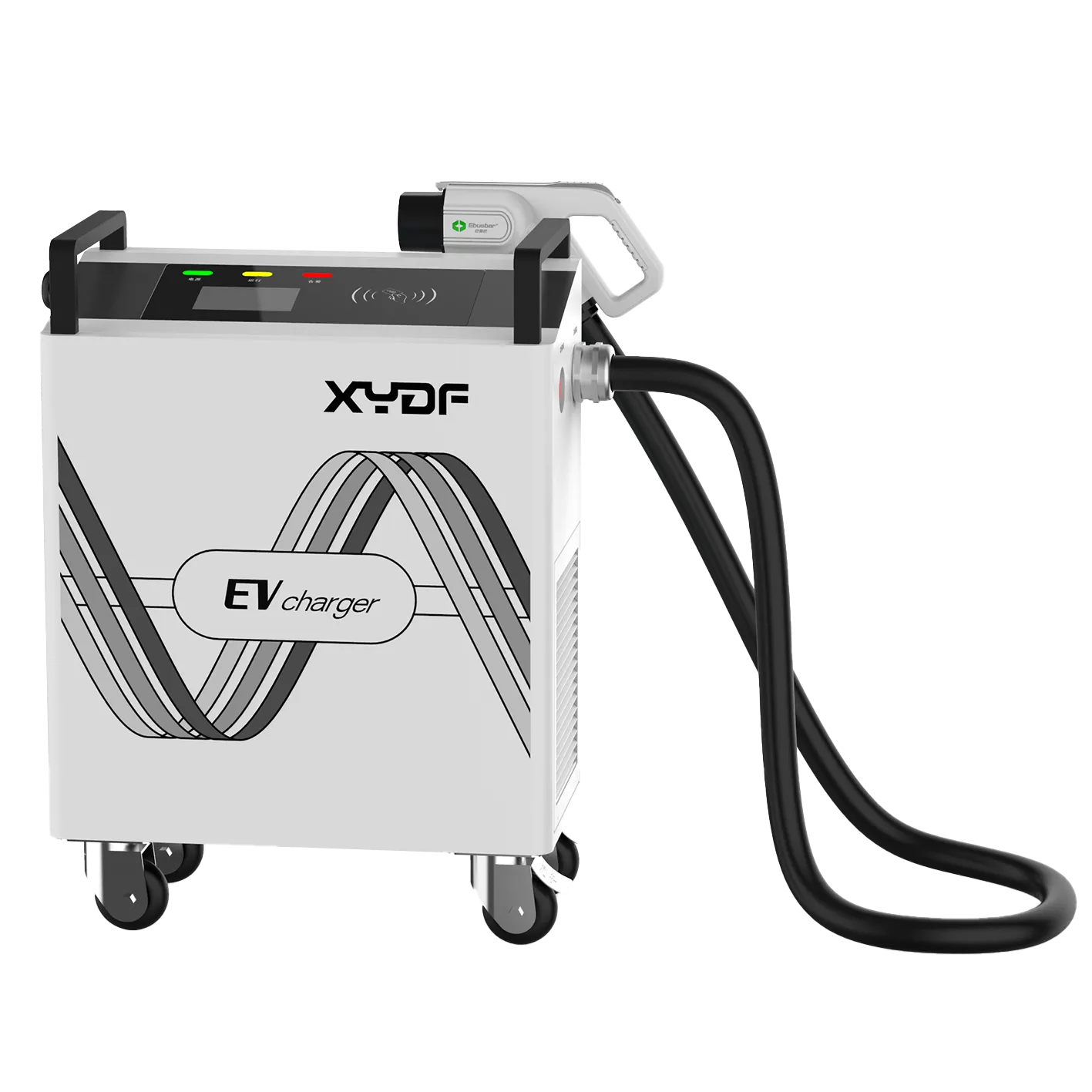
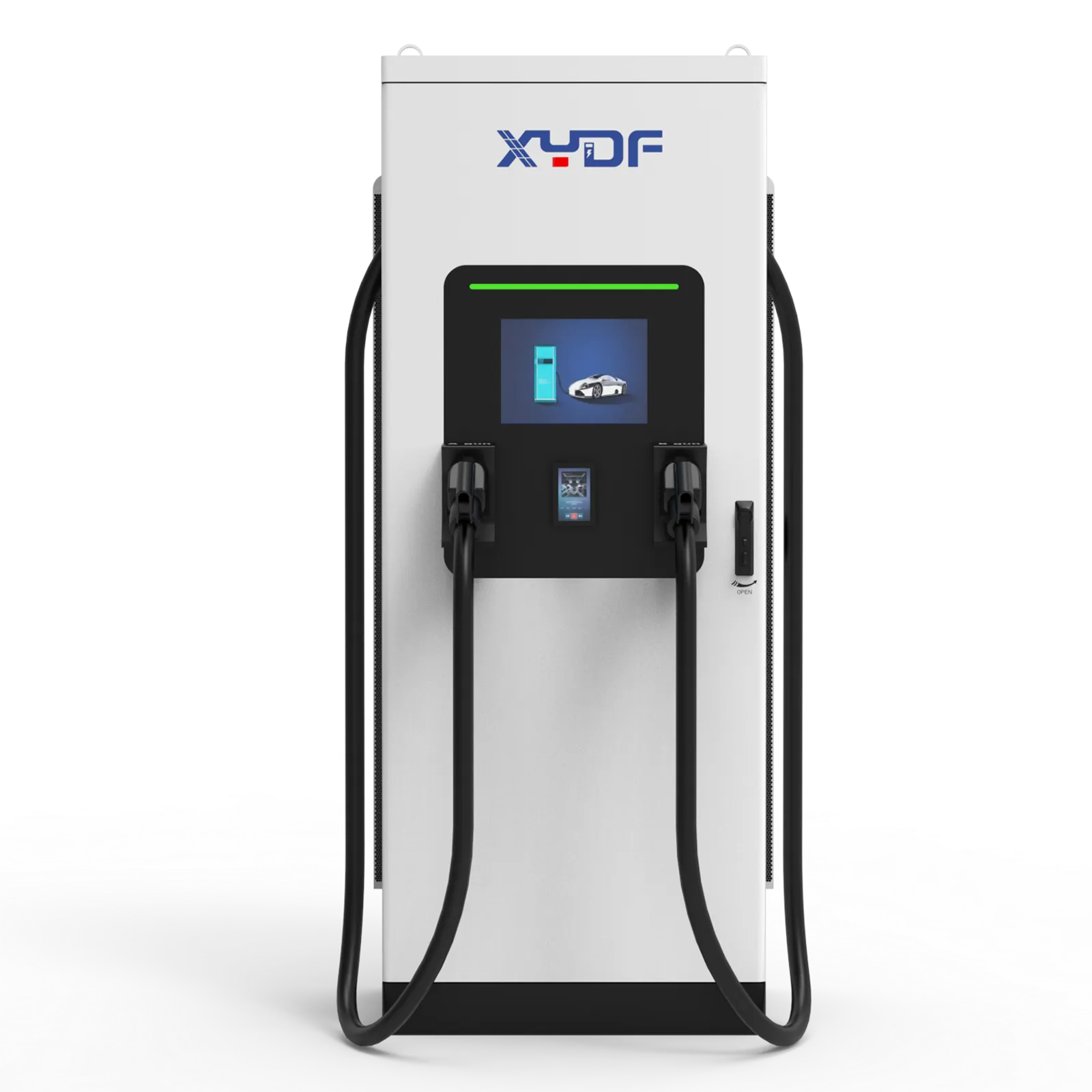
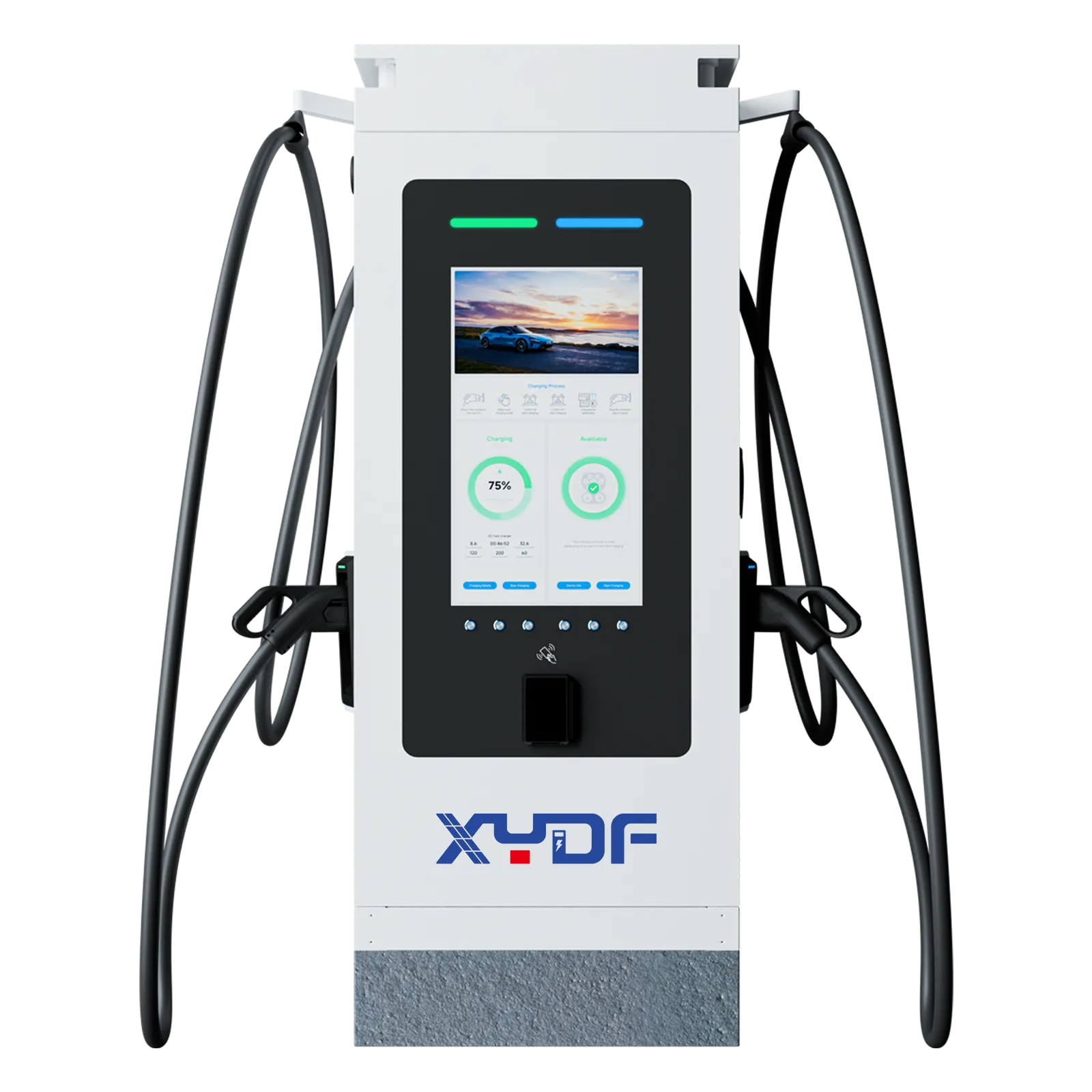
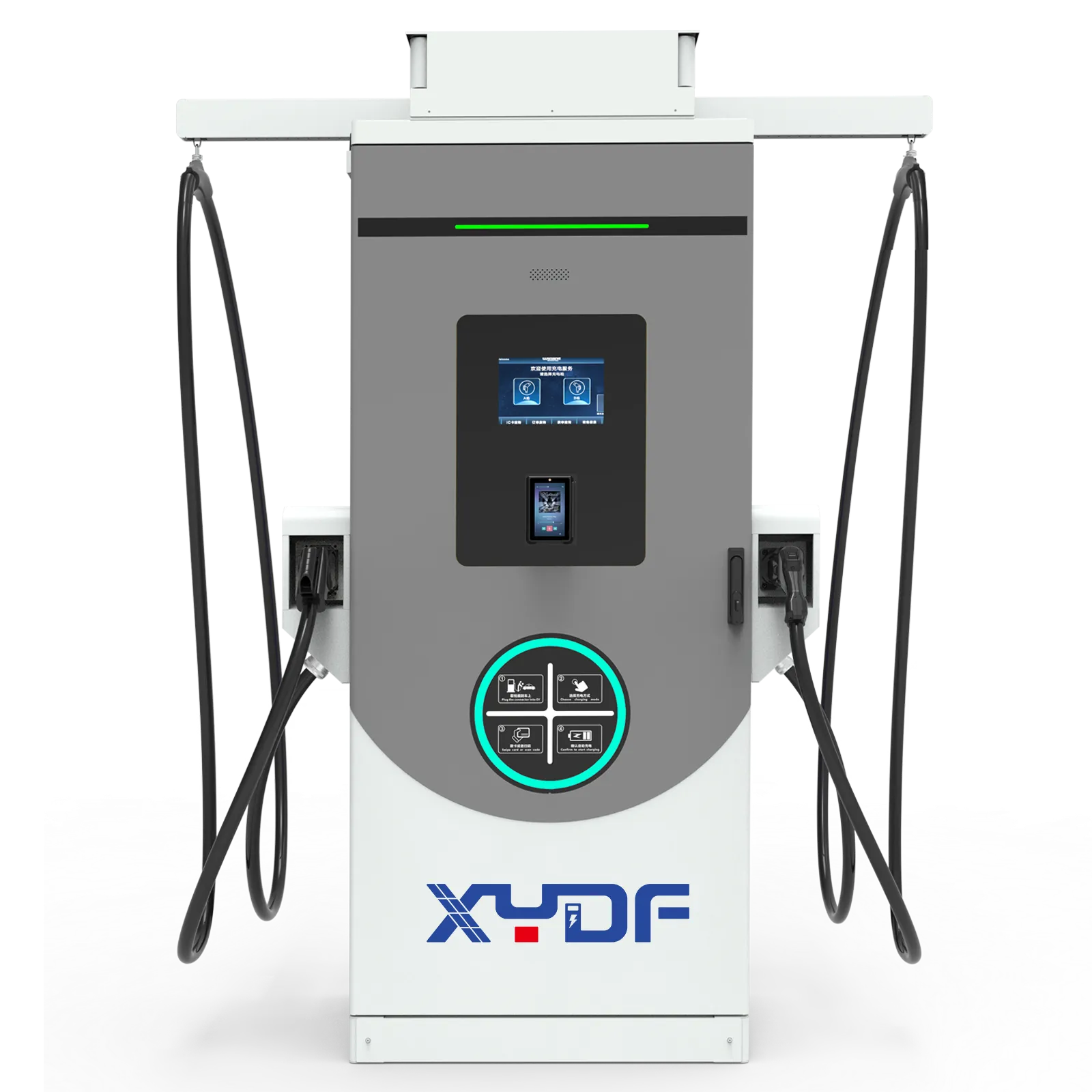
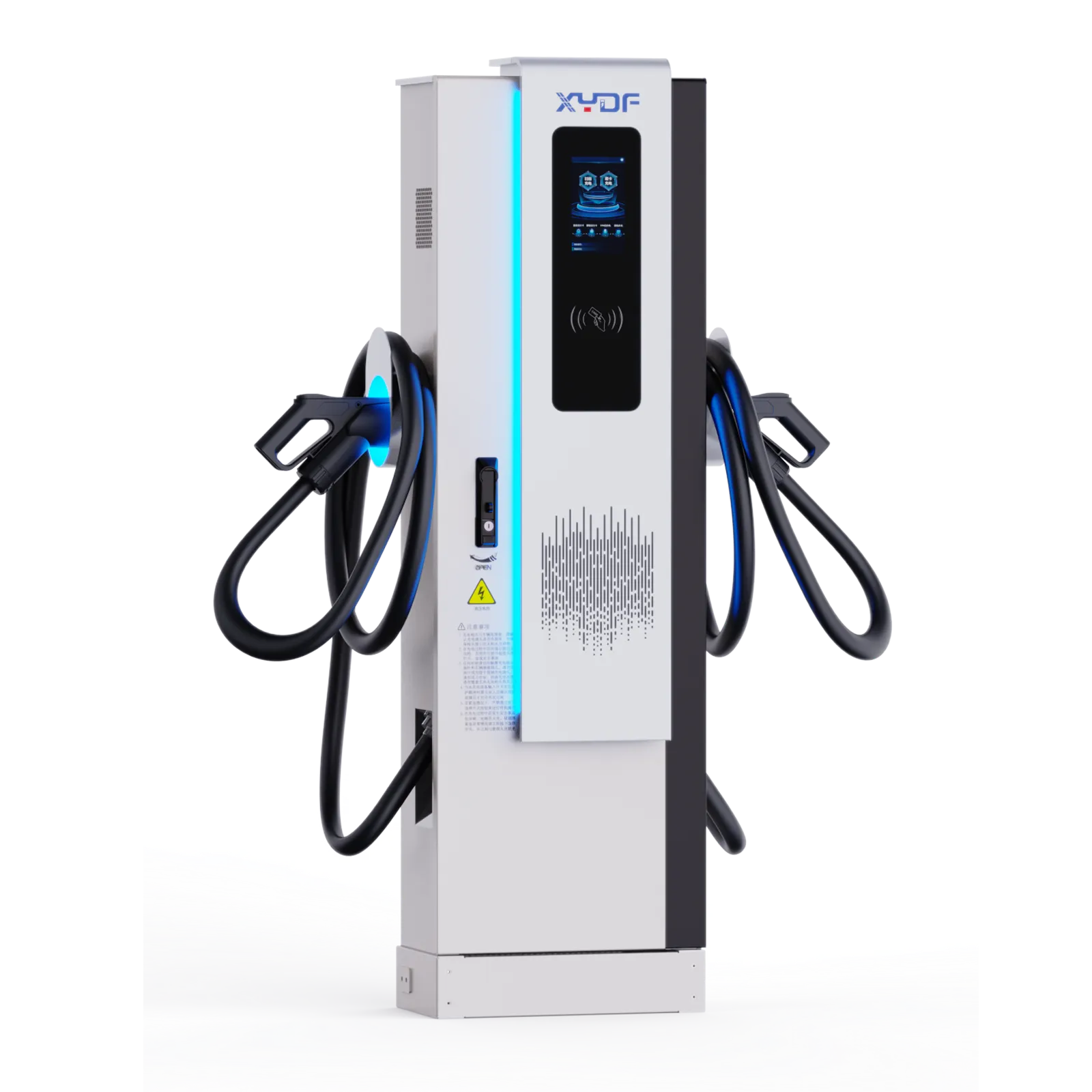
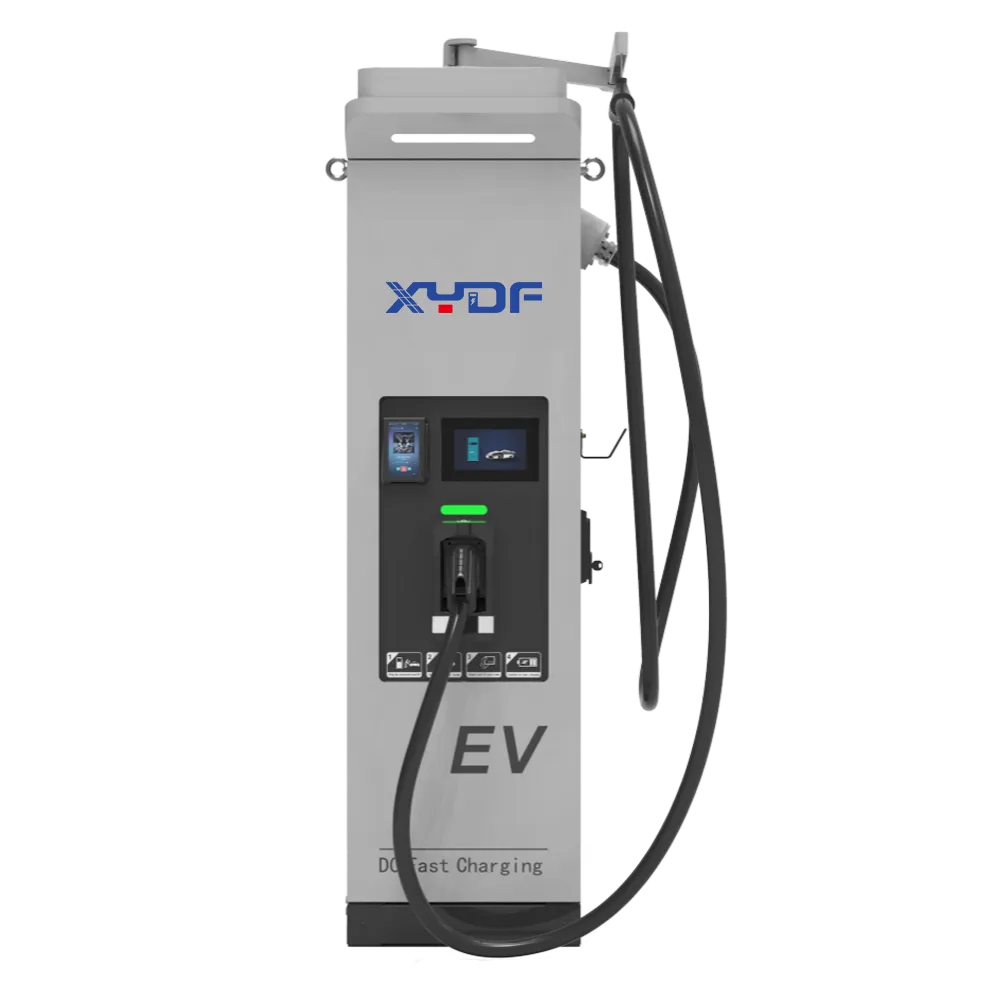
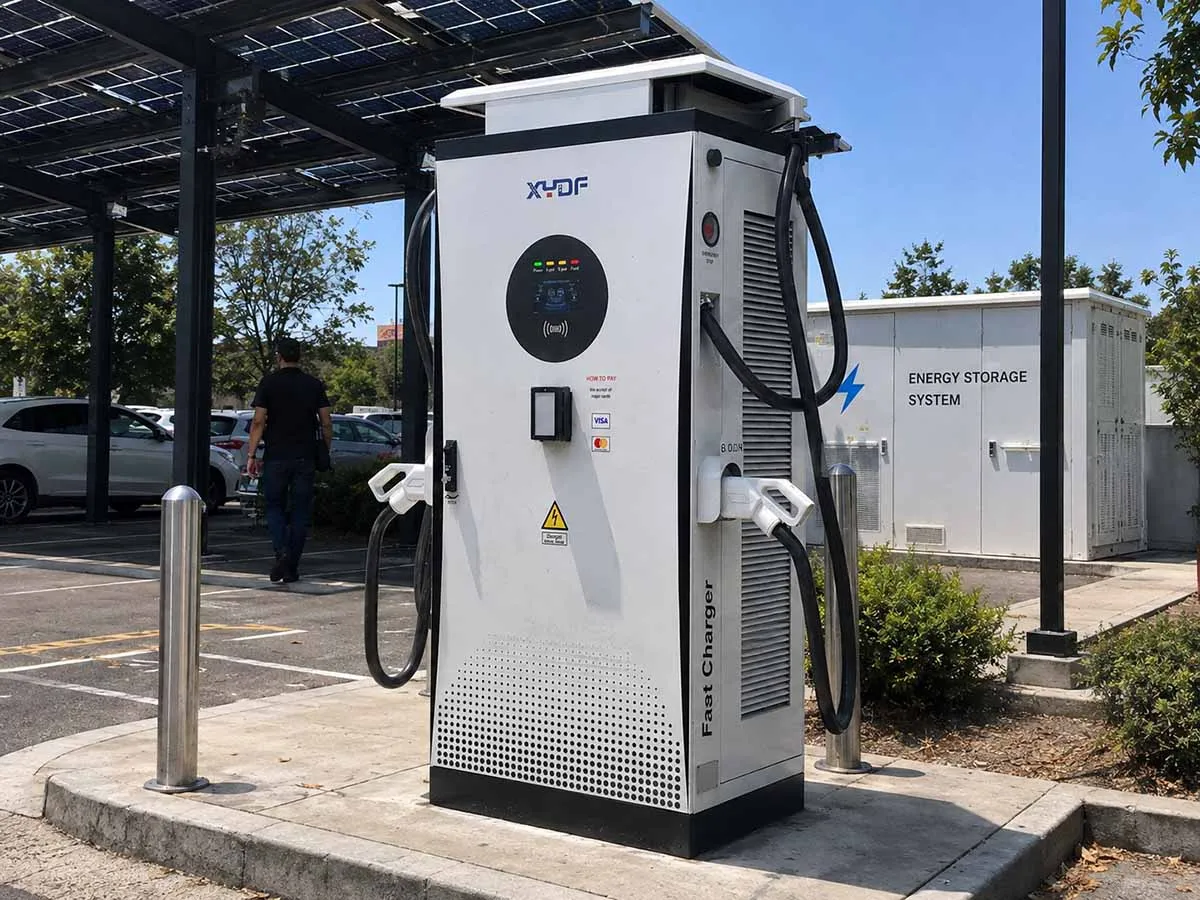
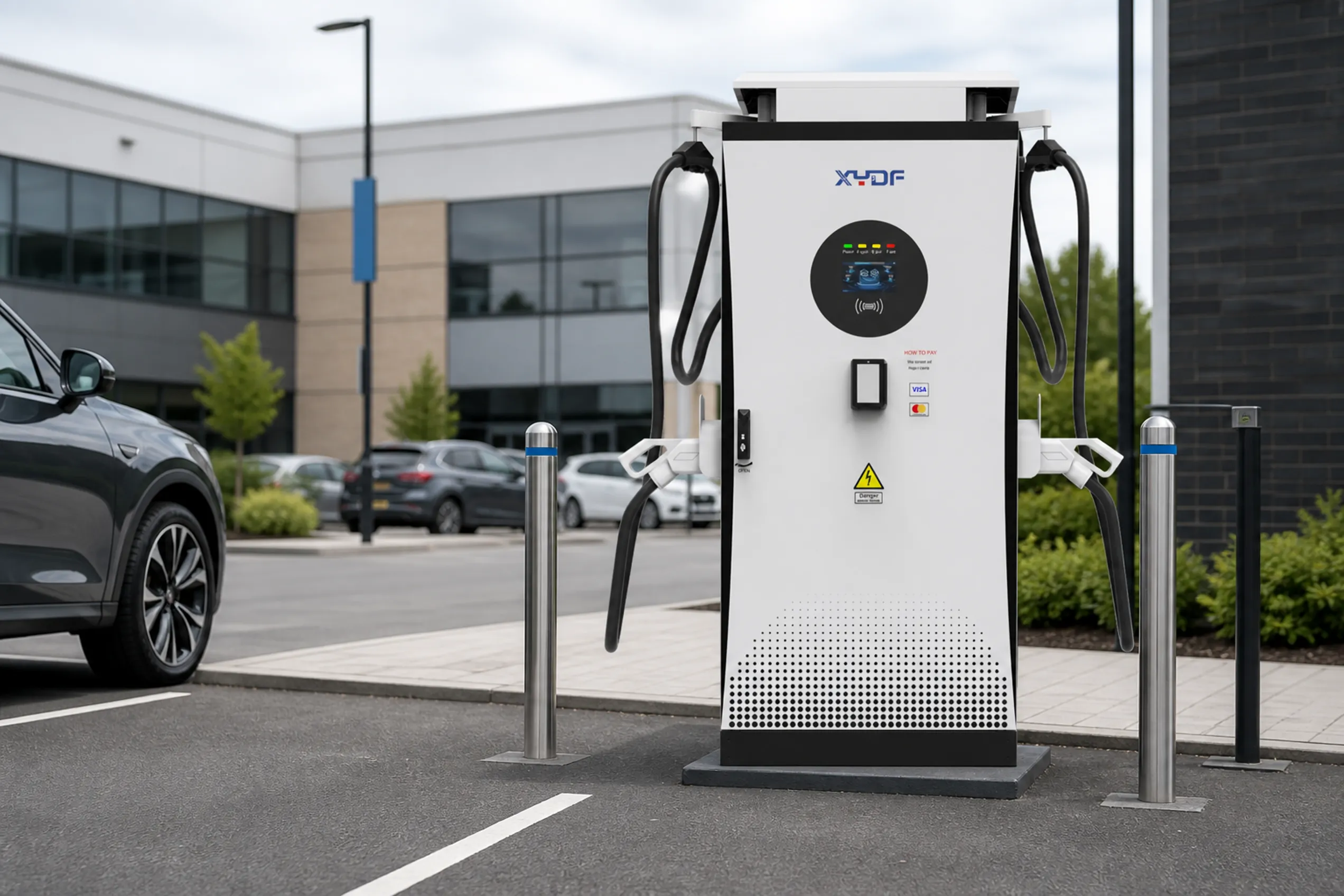
For fast-turnover sites, redundancy matters. A modular شاحن DC سريع can retain partial capacity when one power module needs service, while a multi-port AC site can protect the customer experience through load sharing and spare connectors. The requirement is not to buy the highest rating; it is to match site duty cycle, utility capacity, parts support, and maintenance access to the promised service level.
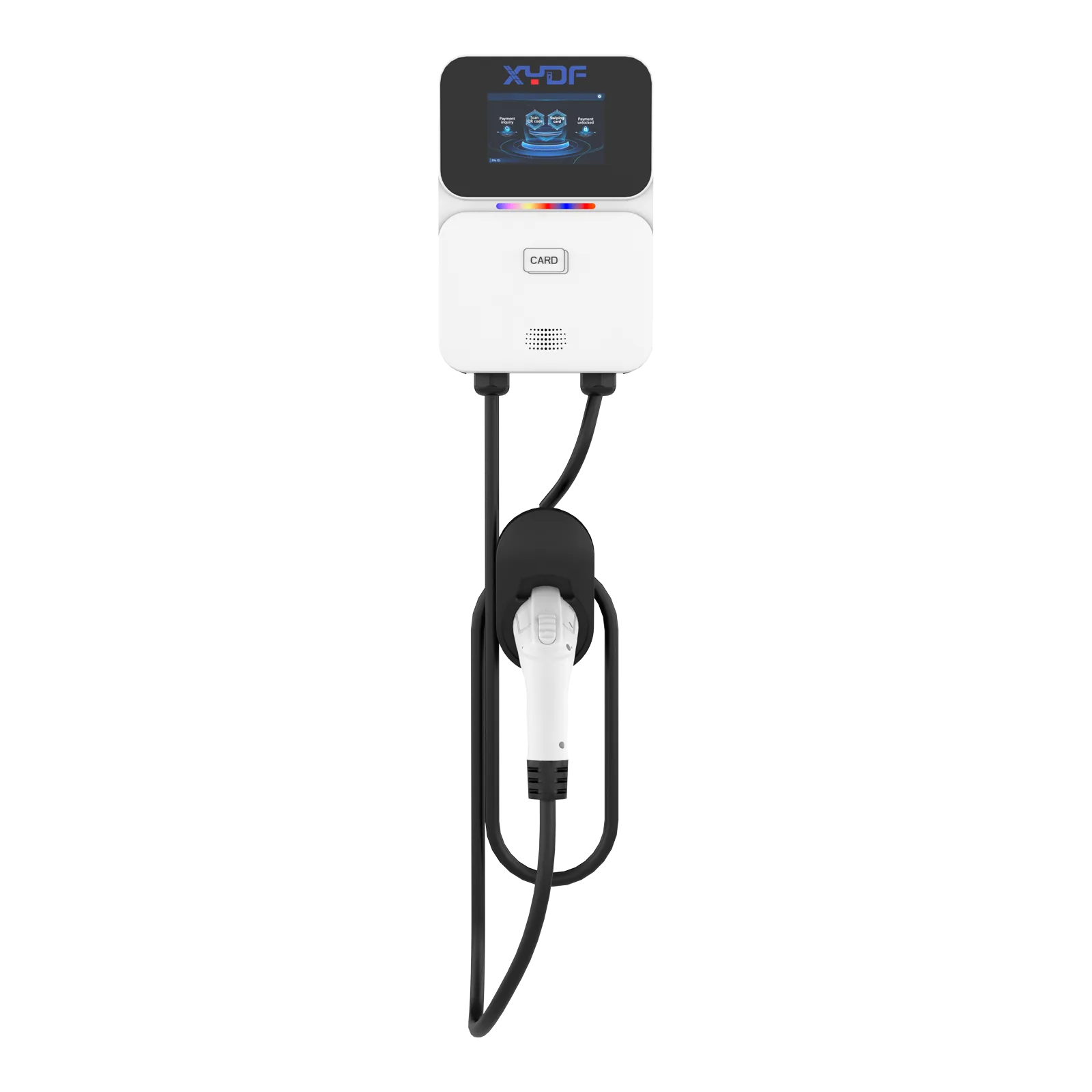
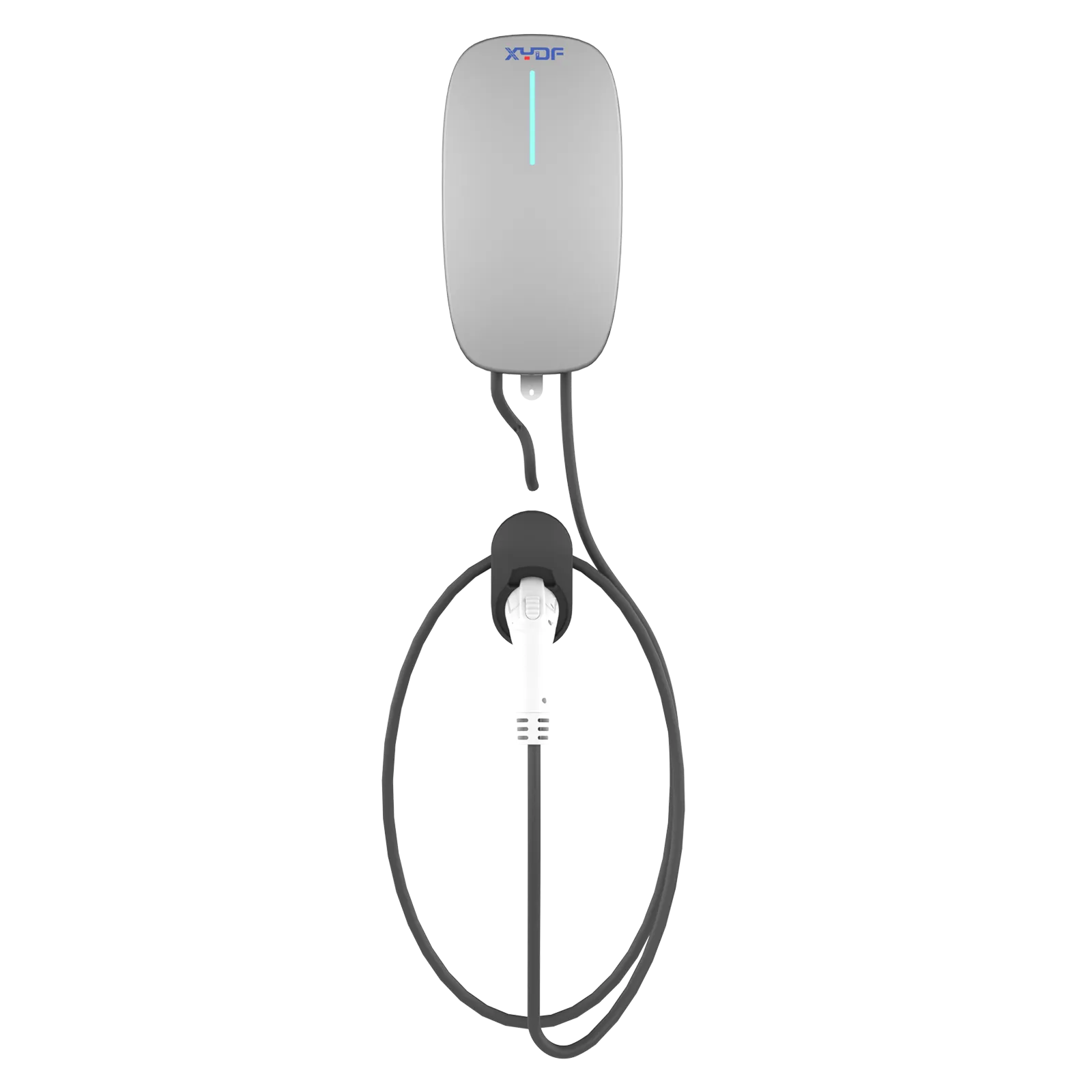
High-utilisation charging sites need clear fault isolation and a recovery plan for each connector.
6. Commission the network before the launch date
Reliability starts before the first public session. Commissioning should test every connector with suitable vehicles or validated test equipment, authorization paths, emergency isolation, backend visibility, meter accuracy, load-management response, notifications, and recovery after a communications interruption. Record the results by connector and retain the configuration baseline. This avoids accepting a site that looks complete but fails under normal operating conditions.
IEC 61851 addresses conductive charging-system requirements, while local electrical rules govern installation, protection, earthing, and inspection. For connected equipment, cybersecurity also belongs in commissioning: unique credentials, controlled remote access, signed updates, and an escalation path for suspected compromise are basic operating requirements.
7. Selection checklist for owners and CPOs
Set separate targets for connector availability and successful-session rate.
Require access to status, transaction, fault, and firmware data rather than a supplier-only portal.
Define fault severity, owner, remote-response time, and site-visit trigger before go-live.
Check spare-part lead times and service clearances for cables, readers, contactors, and cooling components.
Reserve capacity for future connectors without degrading the site’s current service level.
The target depends on the site promise and service model, but operators should measure connector availability and successful-session rate separately. A high target without clear fault ownership or parts coverage is not a reliable operating plan.
Why do EV charging sessions fail when the charger looks online?
Common causes include authorization or roaming errors, connector-latch problems, vehicle communication mismatch, thermal limits, payment failures, and backend interruptions. Transaction and fault logs identify which step failed.
How often should an EV charging station be maintained?
Use local rules, warranty requirements, utilisation, and environmental exposure to set the interval. Add condition-based work when repeated alarms, connector heat, cable wear, or failed sessions indicate an emerging problem.
Does OCPP guarantee charger uptime?
No. OCPP makes status and transaction data more consistent between chargers and management systems. Uptime still depends on site power, hardware quality, configuration, field service, and disciplined escalation.
 شركة شينيا دونغفانغ لتكنولوجيا الكهرباء المحدودة.