جزء من دليل حلول شحن المركبات الكهربائية للأساطيل
ولكن بالنسبة لمشغلي الأساطيل، فإن ما يحدد نجاح المشروع حقًا هو تشغيل المركبات، وقدرة الشبكة، واستراتيجية الشحن، والامتثال التنظيمي، والتشغيل والصيانة، وقابلية التوسع المستقبلية.
تستند هذه المقالة إلى اكس واي دي اف’خبرته في حلول شحن الأسطول عمليات النشر على مدى السنوات الأخيرة، مع تفصيل العوامل الرئيسية التي يجب مراعاتها قبل النشر، مما يساعد على تقليل مخاطر التحديث وتحسين عائدات الاستثمار.
ملخص سريع
- تحديد تكوين الشاحن بواسطة تشغيل المركبة: يجب تحليل حجم الأسطول، وسعة البطارية، وتكرار الشحن اليومي، ووقت التوقف، وخطط التوسع المستقبلية قبل اختيار الأجهزة.
- التنسيق الشبكي هو على الأرجح المرحلة الأطول: قبل الشراء والإنشاء، تأكد من سعة الموقع المتاحة، وحالة المحولات، وهيكل التعريفة، والجدول الزمني لموافقة موزع نظام الكهرباء.
- يجب أن يؤخذ الامتثال التنظيمي في الاعتبار مبكراً: لمشاريع شحن الأسطول الأوروبي، ركز على CE، IEC 61851، MID، OCPP 2.0.1، ISO 15118، ومتطلبات الأمن السيبراني ذات الصلة.
- الشحن الذكي يحدد تكلفة التشغيل على المدى الطويل: إدارة الأحمال الديناميكية، الواجهة الخلفية لنظام إدارة المحتوى (CMS)، الشحن خارج أوقات الذروة، والتحكم في أولوية المركبات يمكن أن تقلل من ذروة الطلب وتحسن جاهزية الأسطول.
- التكلفة الإجمالية للملكية أكثر من تكلفة الجهاز: غالبًا ما تؤثر ترقيات الشبكة، ورسوم الطلب، وتكلفة البرامج، وتكلفة الصيانة، وتكاليف التوسع المستقبلية على عائد الاستثمار أكثر من سعر وحدة الشاحن.
1. تحقيق في تشغيل المركبة قبل اختيار الشواحن
شراء البنية التحتية للشحن لأسطول ليس مجرد شراء لمعدات، بل هو مشروع تشغيلي طويل الأمد. تحتاج أولاً إلى فهم خصائص أسطولك.
- حجم الأسطول
- سعة البطارية
- كم مرة تشحن المركبات في اليوم
- وقت المكوث
- خطة توسيع أسطول المستقبل على مدى 3-5 سنوات
على سبيل المثال، تتطلب شاحنة تجارية خفيفة تسير مسافة 80 ميلاً في اليوم بمعدل 0.35 كيلوواط/ساعة لكل ميل، حوالي 28 كيلوواط/ساعة في اليوم. وبالتالي، تحتاج أسطول من 30 مركبة إلى قدرة شحن تبلغ حوالي 840 كيلوواط/ساعة في اليوم.
لكن السؤال الرئيسي ليس “كم طاقة مطلوبة”، بل “كم عدد الشواحن المطلوبة وفي أي وقت يجب أن تكتمل”.
إذا كان هناك وقت إيقاف ليلي مدته 12 ساعة، فإن متطلبات الطاقة تكون أقل بكثير. إذا كان وقت المناوبة المتاح 4-6 ساعات فقط، فإن شواحن التيار المتردد ذات الطاقة الأعلى أو إدارة الأحمال الذكية مطلوبة. إذا كان وقت التوقف أقل من 90 دقيقة، يصبح شحن التيار المستمر ضروريًا.
| نوع الأسطول |
متوسط وقت الإقامة |
الشاحن الموصى به |
حالة الاستخدام |
| شحن المستودع ليلاً |
8-12 ساعة |
شاحن سيارة كهربائية بتيار متردد 7-22 كيلوواط |
توصيل الميل الأخير، المركبات البلدية، حافلات المدارس |
| عمل متعدد النوبات |
٤-٦ ساعات |
شاحن سيارة كهربائية تيار متردد 11–22 كيلوواط |
النقل المكوكى بالمطار، خدمة الموقع، دوران الخدمات اللوجستية |
| إقامة قصيرة |
أقل من 90 دقيقة |
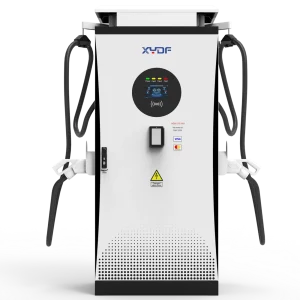
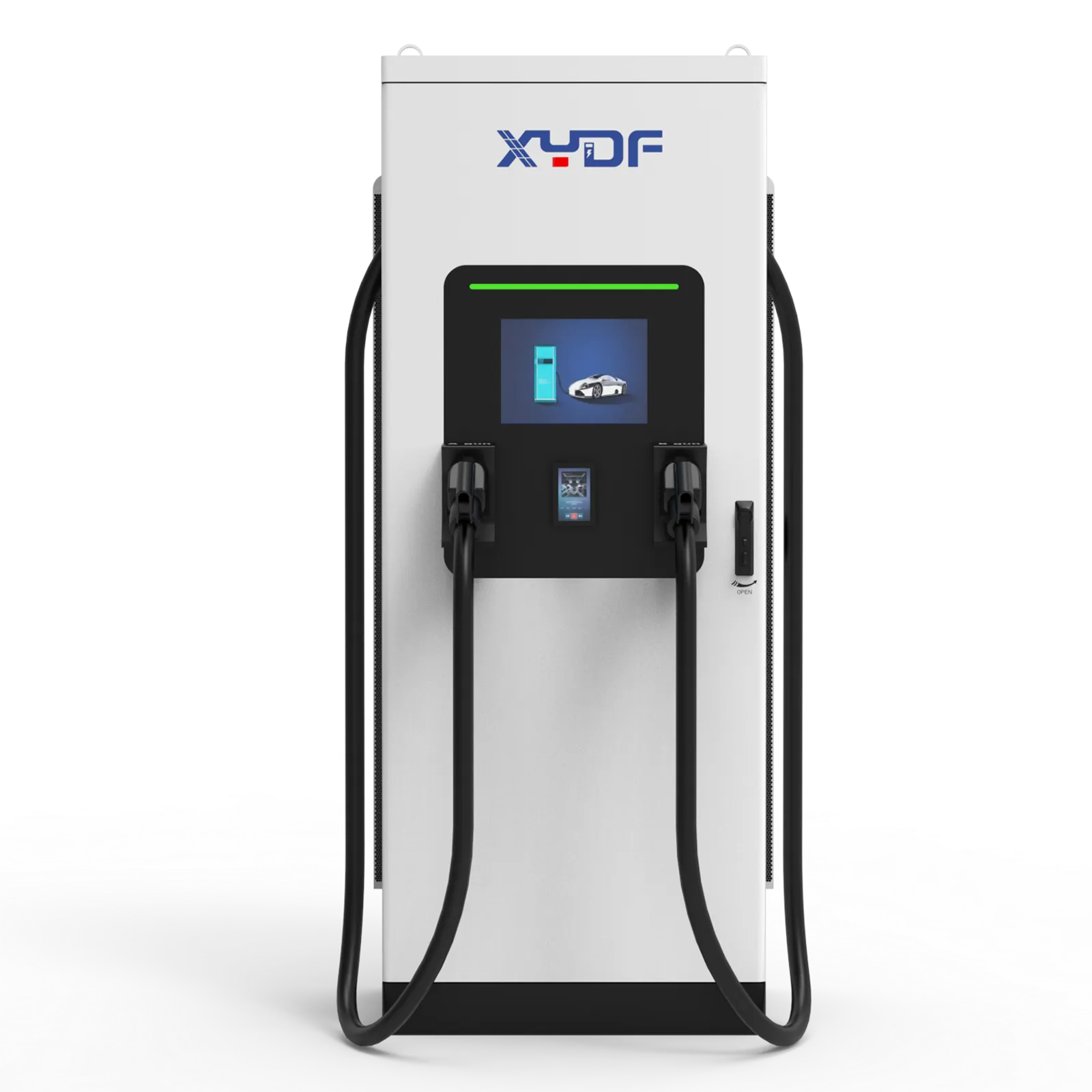
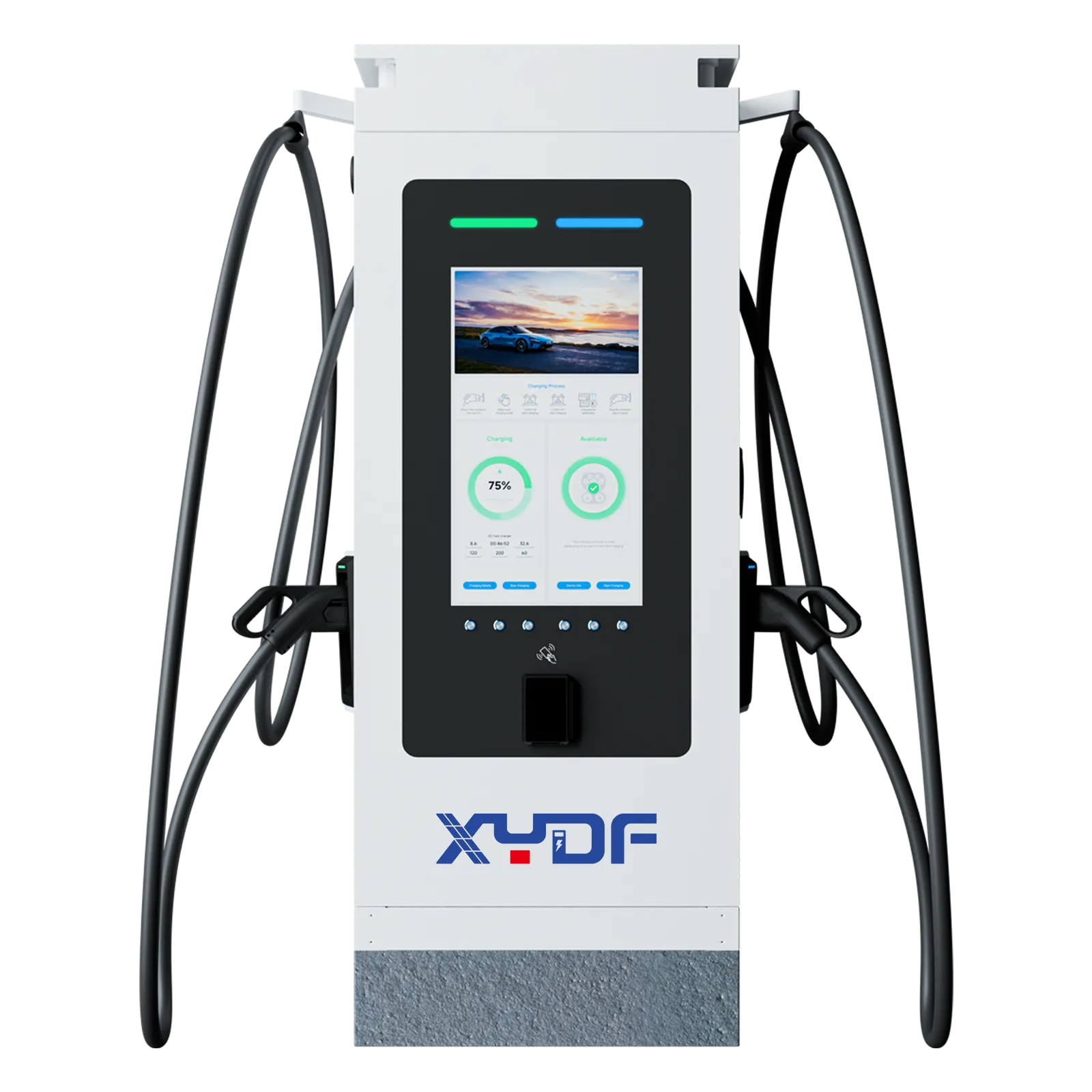
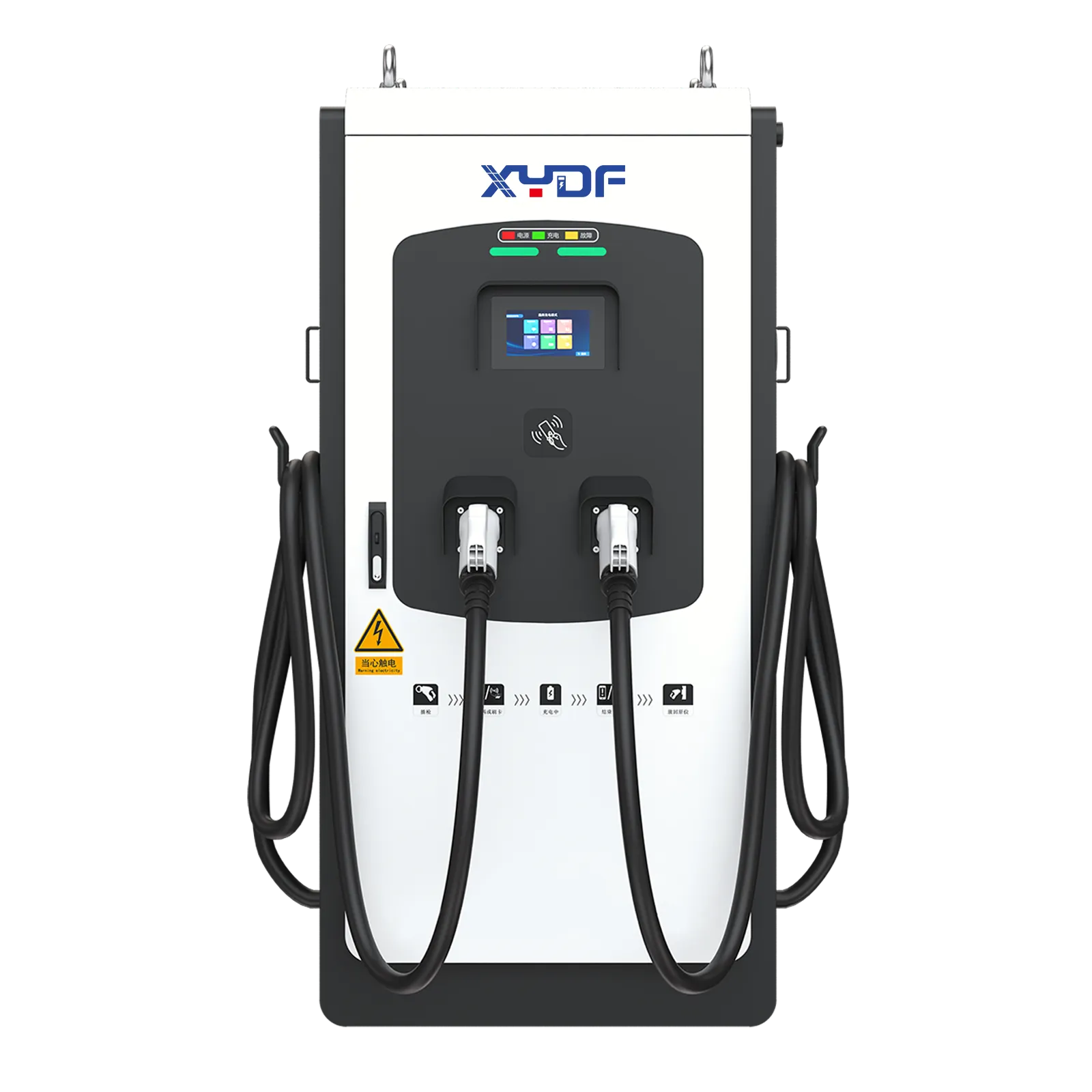
شاحن سريع تيار مستمر 60-180 كيلوواط+ |
مركبات الطوارئ، أساطيل الاستخدام العالي |
| أسطول مختلط |
متغير |
شاحن سريع AC + DC |
مستودعات تجارية، مجمعات لوجستية |
عرض XYDF: يجب أن يبدأ تخطيط شحن الأسطول من نموذج الأسطول، وليس من القدرة المقدرة للشاحن.
2. تنسيق الشبكة هو المرحلة الأكثر استهلاكًا للوقت
يكتشف العديد من المشغلين قيود الشبكة بعد بدء اختيار المعدات أو شرائها أو بنائها. وفي تلك المرحلة، يمكن أن تؤدي قيود المحولات أو قيود الطاقة إلى تأخيرات طويلة وتكاليف إضافية.
- السعة الحالية للموقع
- متطلب ترقية المحول
- ترقية مدخل الخدمة مطلوبة
- الحد الأقصى للحمل
- توفر تعريفات أسطول المركبات الكهربائية
- الموافقة على الشبكة والجدول الزمني للبناء
| خط الشبكة |
التوقيت الموصى به |
الغرض |
| تقييم الحمل الأولي |
مرحلة مبكرة |
تقدير إجمالي الطلب على الشحن |
| طلب تطبيق DSO |
قبل الشراء |
تأكيد السعة المتاحة |
| تأكيد السعة |
٤–٨ أسابيع |
موافقة خطية |
| تأكيد التعرفة |
متوازي |
تقييم تكلفة خارج أوقات الذروة |
| الإنشاء والتشغيل |
٣–١٨ شهراً |
يعتمد على ترقية الشبكة |
إذا أمكن تحويل 80% من عمليات الشحن إلى ساعات خارج أوقات الذروة، فسيكون من الممكن خفض تكلفة الطاقة بشكل كبير. لكن هذا يتوقف على التأكيد المبكر على التعرفة وسعة الشبكة.
يجب ألا يتأخر الامتثال التنظيمي
بالنسبة لمشغلي الأساطيل، لا تقتصر الامتثال على محطات الشحن العامة فقط. يتطلب أي نظام متصل يشمل القياس أو الدفع أو إدارة الطاقة اهتمامًا مبكرًا.
| بند الامتثال |
لماذا هذا مهم |
| م.م |
متطلبات دخول السوق في أوروبا |
| IEC 61851 |
معيار سلامة وشحن التحكم |
| منتصف |
دقة الفوترة وتخصيص التكاليف |
| أو سي بي بي 1.6ج / 2.0.1 |
الترابط الخلفي والإدارة عن بعد |
| ISO 15118 |
جاهز لـ Plug & Charge والشحن ثنائي الاتجاه (V2G) |
٤. الشحن الذكي يقلل تكلفة الأسطول بفعالية
الشحن الذكي هو أحد المزايا الرئيسية لـ حلول شحن الأسطول.
إذا شحنت 30 مركبة في وقت واحد دون تحكم، يمكن أن يزداد الطلب الأقصى بسرعة، مما يؤدي إلى ارتفاع رسوم الطلب وتوتر الشبكة.
- إعطاء الأولوية للمركبات التي تغادر أولاً في الصباح
- تأكد من توفر عدد كافٍ من وحدات التحكم في العمليات (SOC) للمسارات اليومية
- إعطاء الأولوية للمركبات التي لديها انبعاثات منخفضة للكربون
- نقل شحن الكهرباء إلى ساعات الذروة المنخفضة
- الحفاظ على إجمالي طاقة الموقع ضمن حد الشبكة
- مراقبة حالة الشاحن والأعطال عن بعد
| خاصية الشحن الذكي |
قيمة |
| إدارة الحمولة الديناميكية |
يقلل من ذروة الطلب وتكلفة التوسع |
| تحسين خارج أوقات الذروة |
يخفض تكلفة الطاقة |
| التحكم في أولوية المركبات |
يحسن الجاهزية |
| المراقبة عن بعد |
الكشف الأسرع عن الأعطال |
| خلفية OCPP |
تجنب الاحتكار للبائع |
| تكامل أنظمة الأسطول |
يربط بيانات المركبات والطاقة والصيانة |
5. التكلفة الإجمالية للملكية لا تقتصر على تكلفة الأجهزة والتركيب
بالنسبة لمشغلي الأساطيل، فإن الهدف النهائي من البنية التحتية لشحن المركبات الكهربائية هو تقليل التكلفة الإجمالية للملكية (TCO). يشمل النظام الكامل:
- تكلفة أجهزة الشحن
- تكلفة التركيب
- تكلفة ترقية الشبكة
- تكلفة منصة البرمجيات
- تكلفة الصيانة
- رسوم الطلب
- تكلفة التعطل والفشل
- تكلفة التوسع المستقبلي
من بينها، غالبًا ما يتم التقليل من تكاليف توسيع الشبكة وتحديثها المستقبلي.
إذا لم يتم حجز سعة في التصميم الأولي، فقد يتطلب التوسع المستقبلي الحفر وإعادة التوصيلات والحصول على تراخيص جديدة. عادة ما تكون هذه التكاليف أعلى بكثير من التخطيط الأولي. يوصى بحجز البنية التحتية لنمو الأسطول لمدة 3-5 سنوات.
أسئلة متكررة: حل شحن الأسطول
كم يستغرق مشروع شحن أسطول كامل؟
عادة ٤-١٨ شهرًا حسب سعة الشبكة والتصاريح وما إذا كانت هناك حاجة لتحديثات المحولات.
2. هل يجب أن تختار الأساطيل الشحن بالتيار المتردد (AC) أم التيار المستمر (DC)؟
AC مناسب للشحن طوال الليل. يلزم استخدام DC للعمليات ذات الإقامة القصيرة أو الاستخدام المكثف.
3. أي إصدار من OCPP يجب استخدامه؟
إذا كانت المنصة تدعم ذلك، فإن OCPP 2.0.1 موصى به، في حين أن OCPP 1.6 لا يزال مقبولاً في بعض الحالات اعتمادًا على متطلبات المشروع.
٤. هل ISO 15118 مطلوب؟
غير مطلوب دائمًا، ولكن موصى به للمشاريع الأوروبية، أو التمويل العام، أو الاستعداد المستقبلي لـ V2G.
5. هل يجب تركيب المزيد من شواحن السيارات الكهربائية مقدماً؟
ليس بالضرورة. من الأفضل الاحتفاظ بسعة البنية التحتية وتوسيع نطاق الشواحن تدريجياً.
البنية التحتية لشحن الأساطيل ليست مجرد شراء أجهزة، بل هي نظام طويل الأجل يشمل المركبات، والشبكة الكهربائية، والبرمجيات، والعمليات.
يمكن للمشغلين الذين يخططون بشكل صحيح عبر هذه الأبعاد تقليل تكلفة دورة الحياة بشكل كبير وتحسين قابلية التوسع.
اتصل بخبير XYDF لمناقشة حل شحن أسطول مخصص لمستودعك، أو مجمع لوجستي، أو عملية مركبات تجارية.
 شركة شينيا دونغفانغ لتكنولوجيا الكهرباء المحدودة.