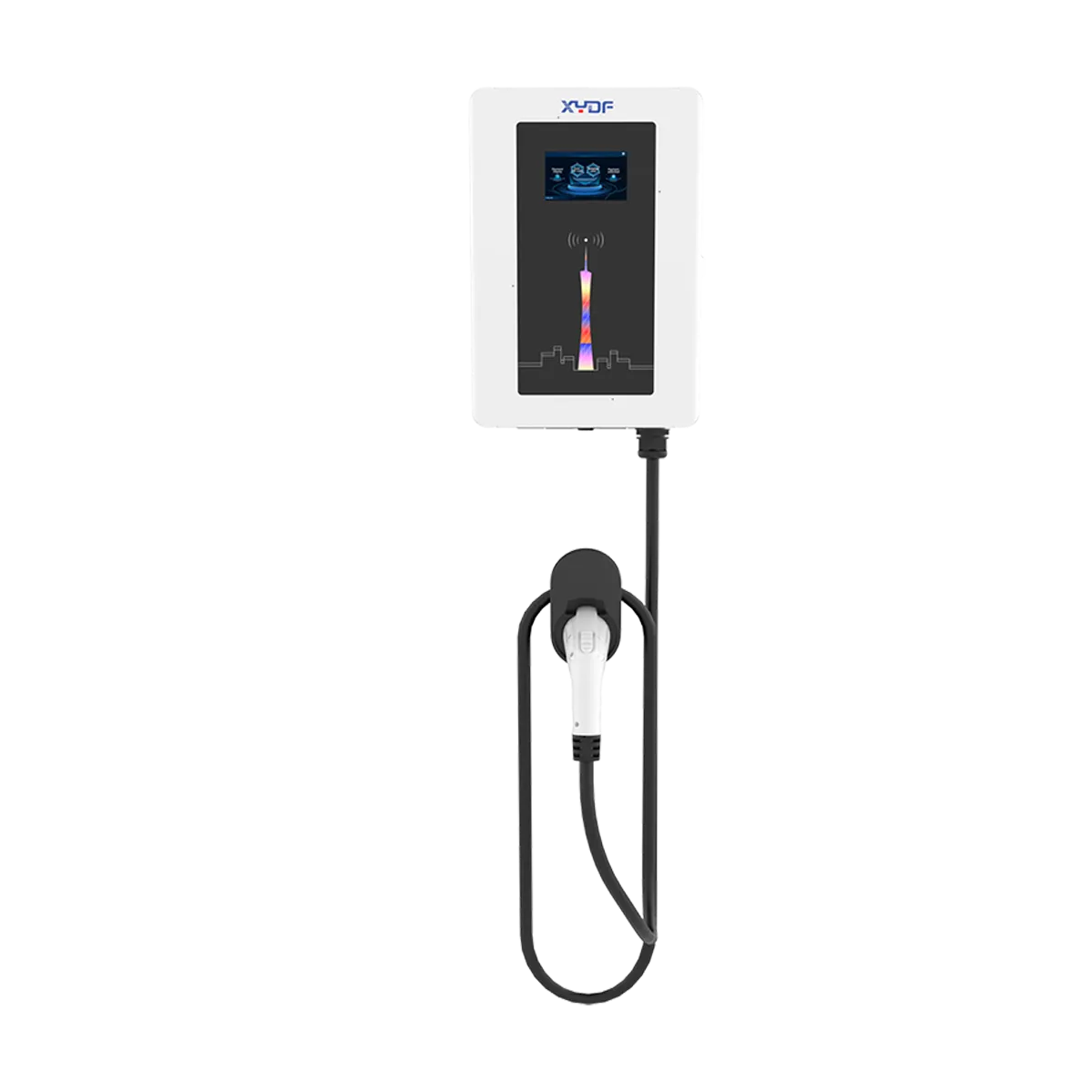
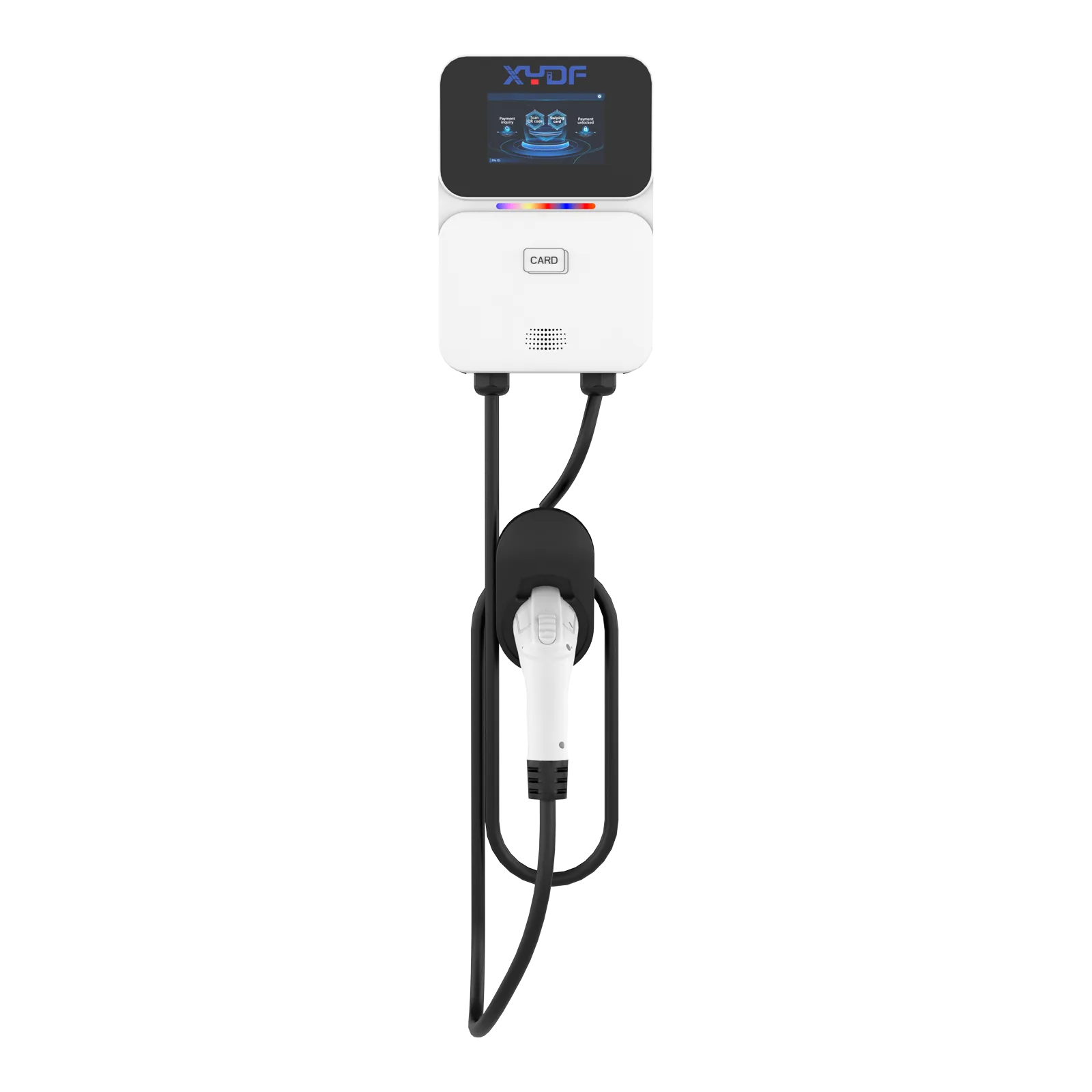
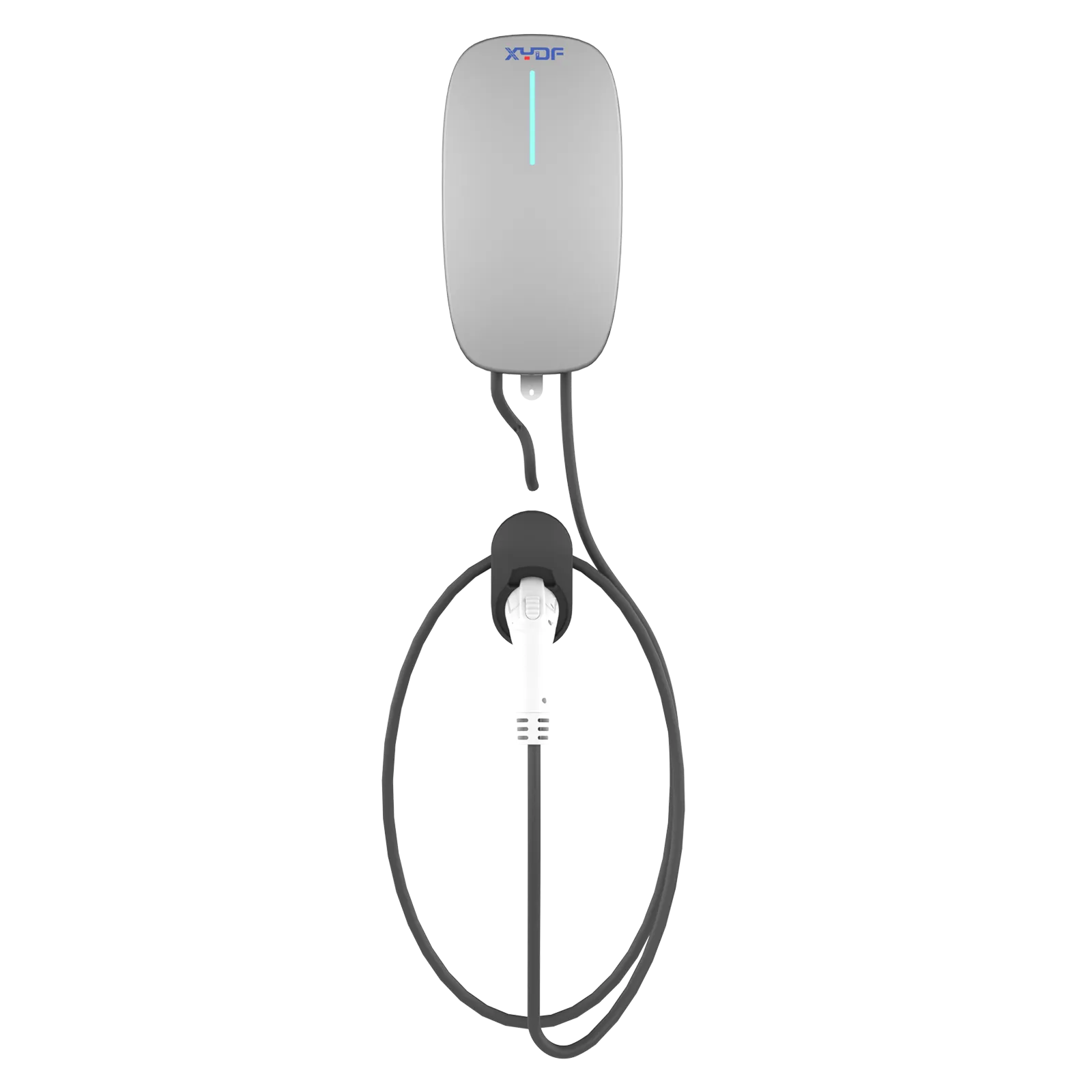
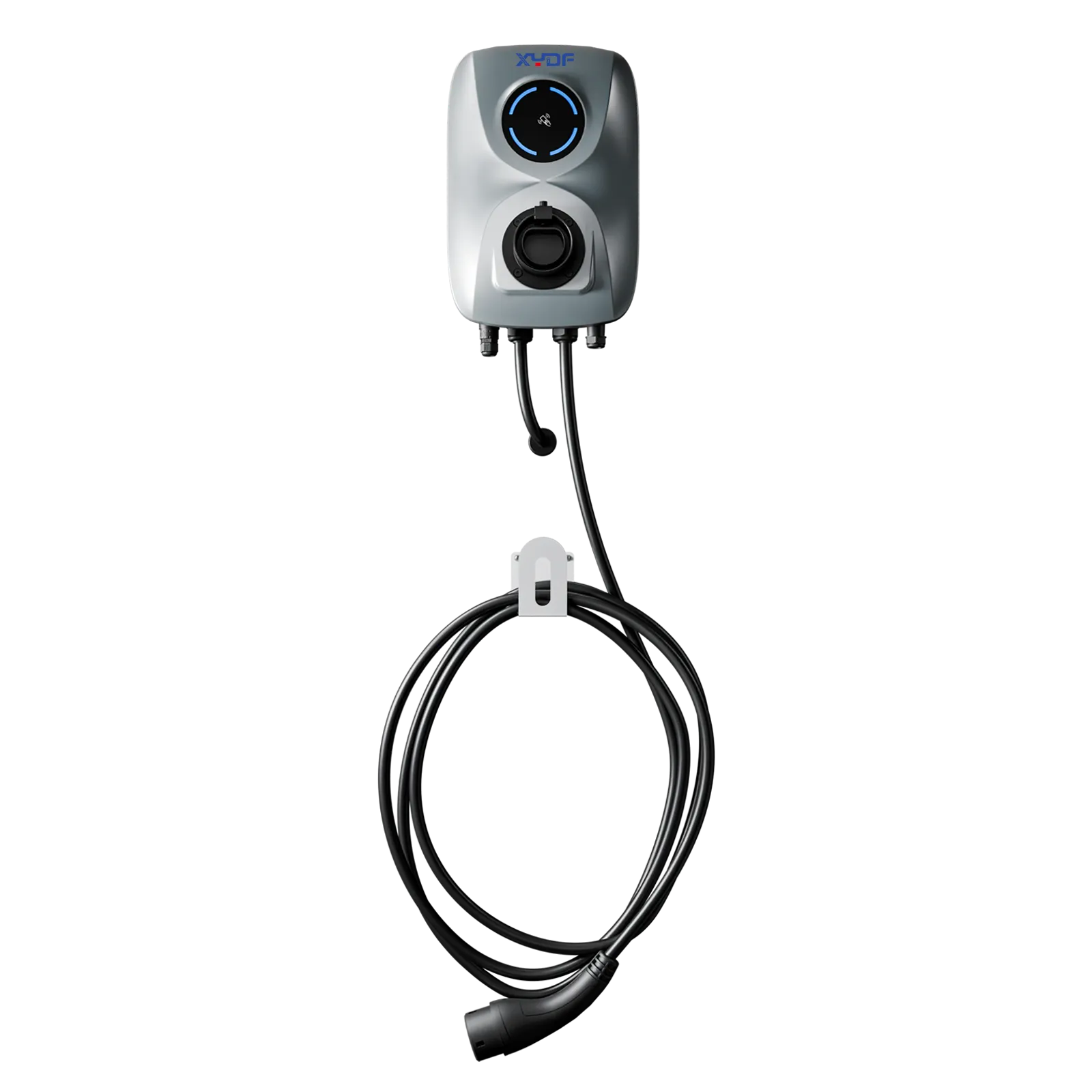
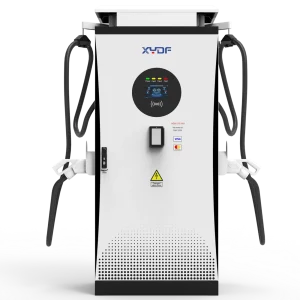
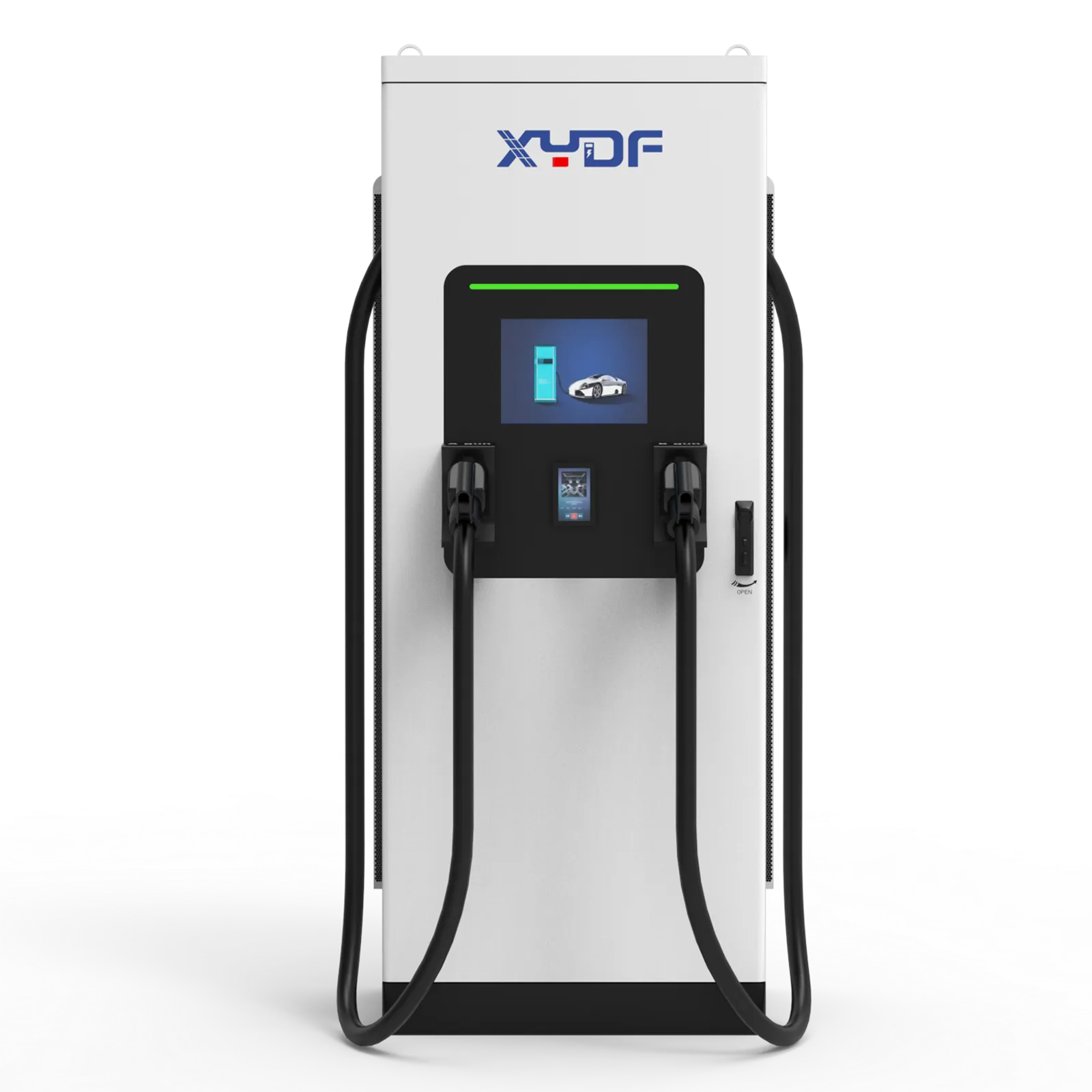
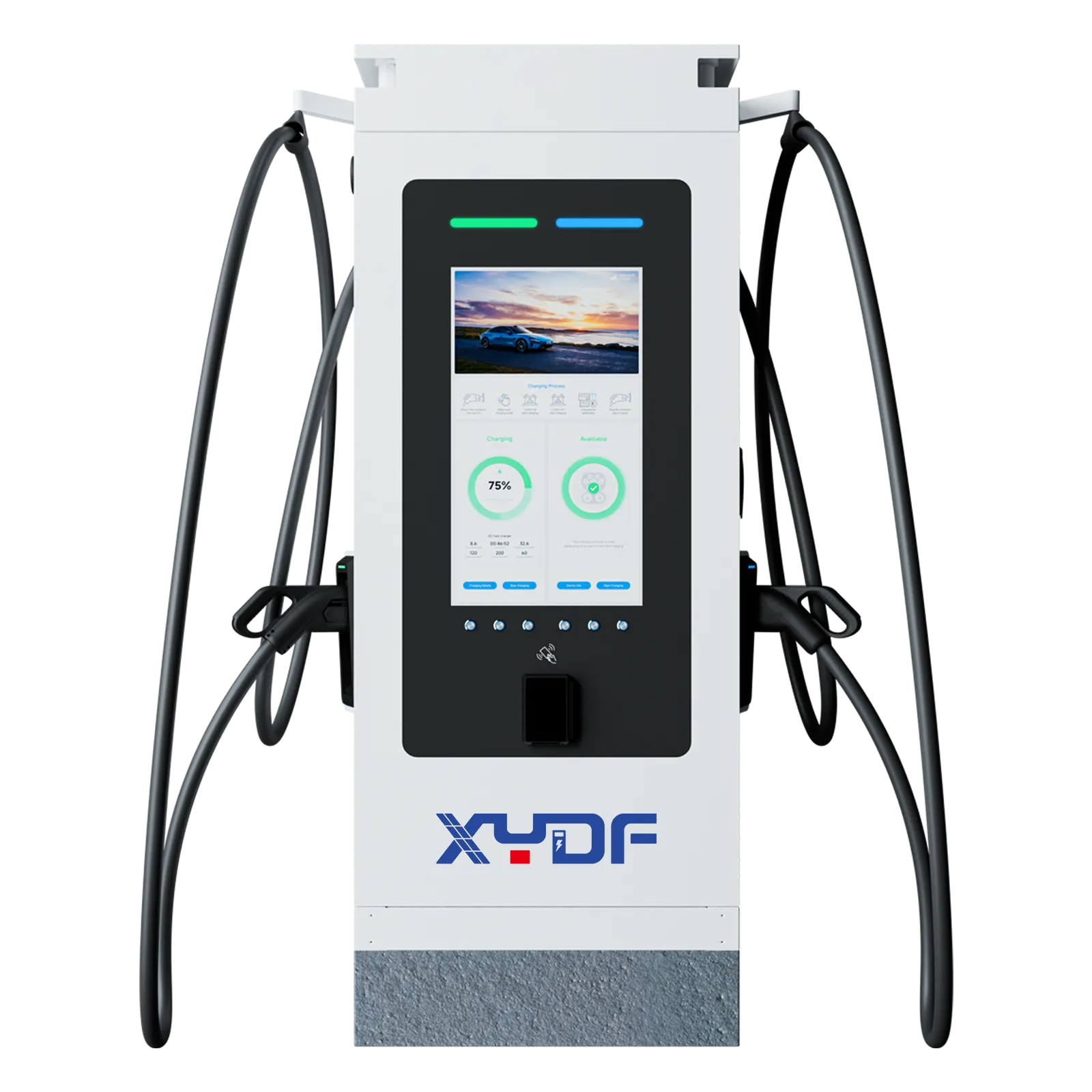
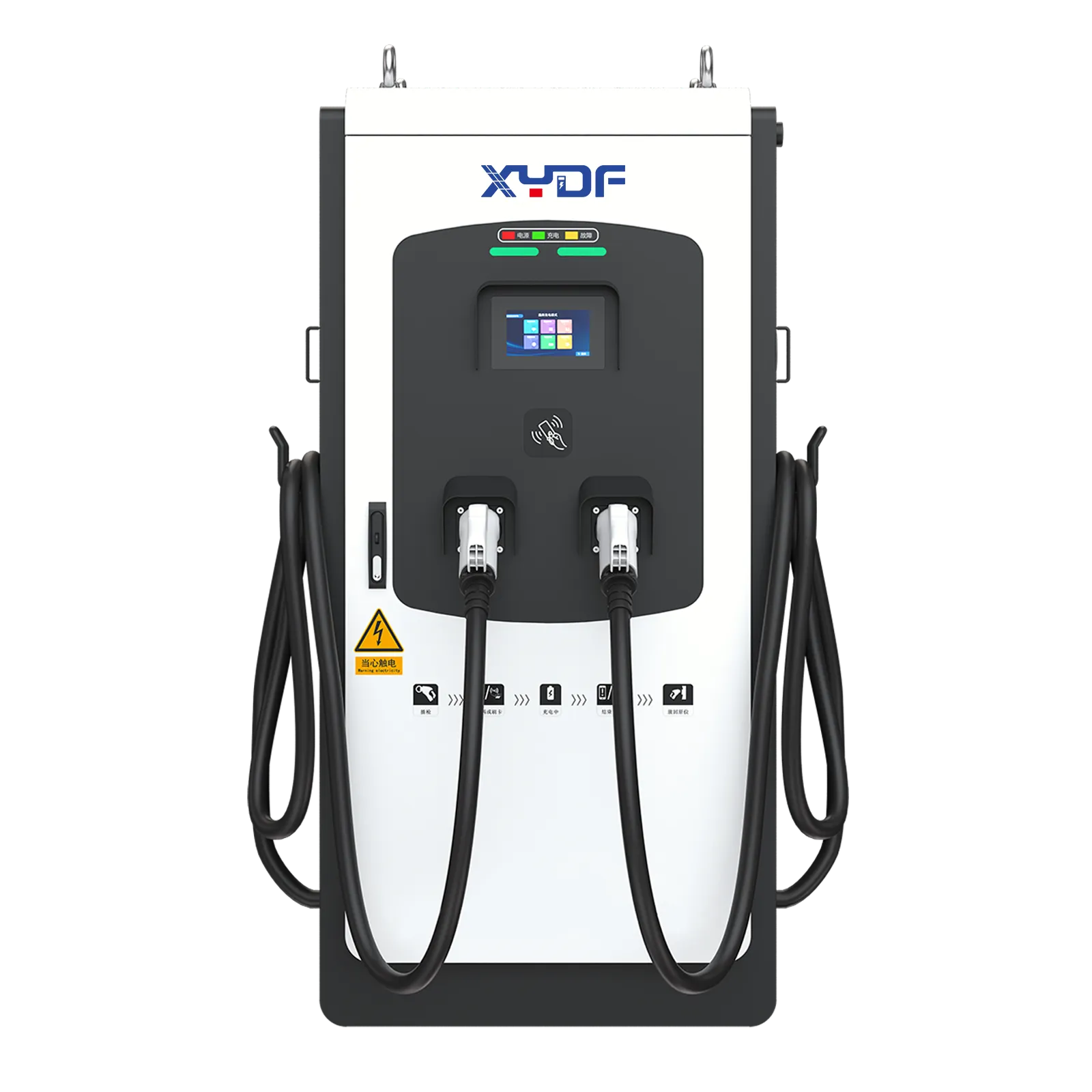
Part of the Fleet EV Charging Solution Guide
But for fleet operators, what really determines project success is vehicle operation, grid capacity, charging strategy, regulatory compliance, operation and maintenance, and future scalability.
This article is based on XYDF’s experience in fleet charging solution deployments over recent years, breaking down the key factors to consider before deployment, helping reduce retrofit risk and improve investment returns.
Quick Summary
- Vehicle operation determines charger configuration: Fleet size, battery capacity, daily charging frequency, dwell time, and future expansion plans should be analyzed before hardware selection.
- Grid coordination is likely the longest stage: Before procurement and construction, confirm available site capacity, transformer conditions, tariff structure, and DSO approval timeline.
- Regulatory compliance must be considered early: For European fleet charging projects, focus on CE, IEC 61851, MID, OCPP 2.0.1, ISO 15118, and related cybersecurity requirements.
- Smart charging determines long-term operating cost: Dynamic load management, CMS backend, off-peak charging, and vehicle priority control can reduce peak demand and improve fleet readiness.
- Total cost of ownership is more than equipment cost: Grid upgrades, demand charges, software cost, maintenance cost, and future expansion costs often impact ROI more than charger unit price.
1. Analyze vehicle operation before selecting chargers
Purchasing charging infrastructure for a fleet is not just hardware procurement, but a long-term operational project. You need to understand your fleet profile first.
- Fleet size
- Battery capacity
- How many times vehicles charge per day
- Dwell time
- Future 3–5 year fleet expansion plan
For example, a light commercial van driving 80 miles per day at 0.35 kWh/mile requires around 28 kWh per day. A fleet of 30 vehicles therefore needs about 840 kWh charging capacity per day.
But the key question is not “how much energy is needed”, but “how many chargers are needed and within what time it must be completed”.
If there is a 12-hour overnight dwell, power requirement is much lower. If only 4–6 hours shift time is available, higher power AC chargers or smart load management is required. If dwell time is under 90 minutes, DC charging becomes necessary.
| Fleet Type |
Typical Dwell Time |
Recommended Charger |
Use Case |
| Overnight depot charging |
8–12 hours |
AC 7–22 kW EV Charger |
Last-mile delivery, municipal vehicles, school buses |
| Multi-shift operation |
4–6 hours |
AC 11–22 kW EV Chager |
Airport shuttle, site service, logistics turnover |
| Short dwell |
<90 minutes |
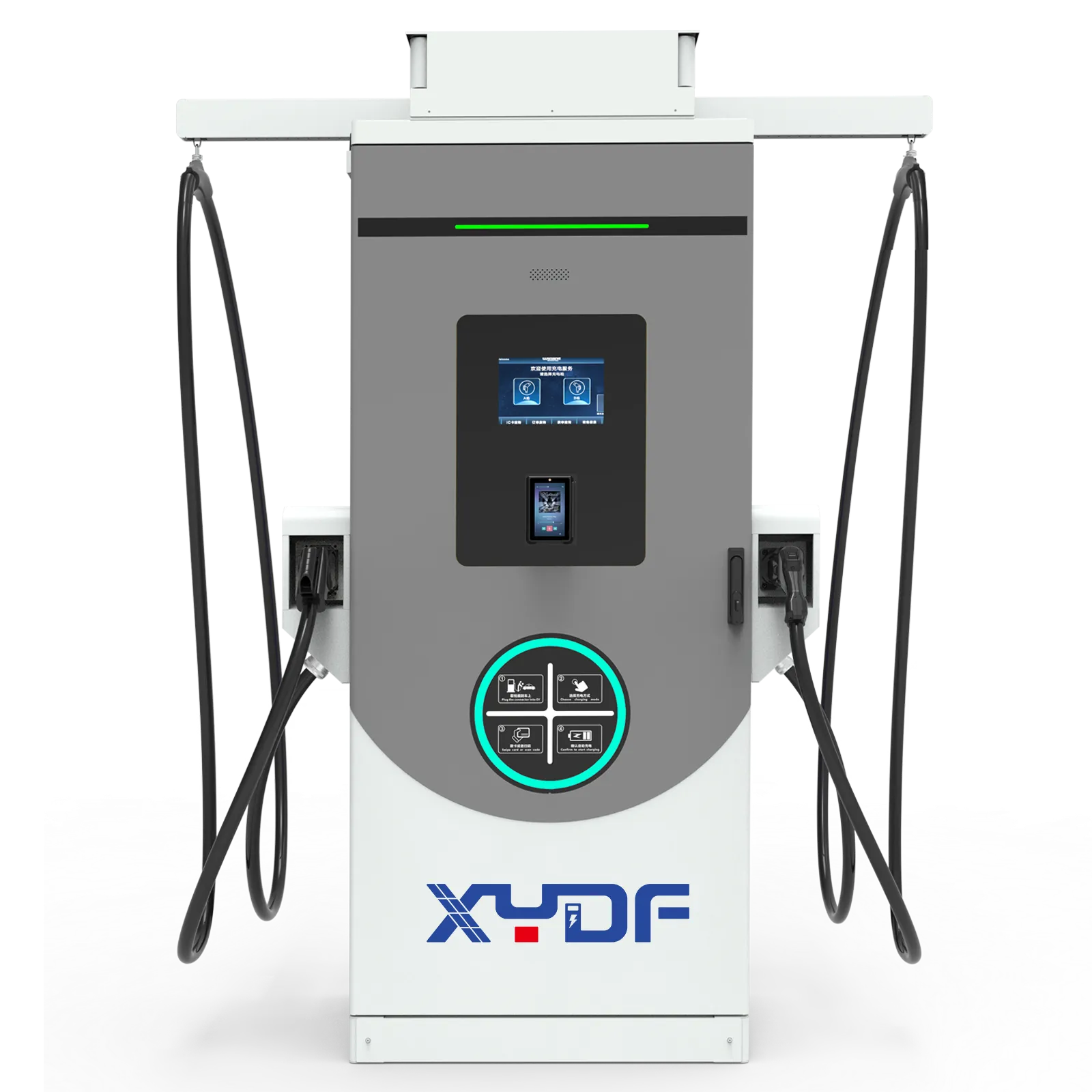
DC 60–180 kW+ Fast Charger |
Emergency vehicles, high-utilization fleets |
| Mixed fleet |
Variable |
AC + DC fast charger |
Commercial depots, logistics parks |
XYDF View: Fleet charging planning should start from the fleet model, not charger power rating.
2. Grid coordination is the most time-consuming stage
Many operators only discover grid limitations after equipment selection, procurement, or construction has started. At that stage, transformer limits or power restrictions can cause long delays and additional cost.
- Current site capacity
- Transformer upgrade requirement
- Service entrance upgrade need
- Peak load limitation
- EV fleet tariff availability
- Grid approval and construction timeline
| Grid Step |
Recommended Timing |
Purpose |
| Initial load assessment |
Early stage |
Estimate total charging demand |
| DSO pre-application |
Before procurement |
Confirm available capacity |
| Capacity confirmation |
4–8 weeks |
Written approval |
| Tariff confirmation |
Parallel |
Evaluate off-peak cost |
| Construction & energization |
3–18 months |
Depends on grid upgrade |
If 80% of charging can be shifted to off-peak hours, energy cost can be significantly reduced. But this depends on early confirmation of tariff and grid capacity.
3. Regulatory compliance must not be delayed
For fleet operators, compliance is not only for public charging stations. Any connected system involving metering, payment, or energy management requires early attention.
| Compliance Item |
Why it matters |
| CE |
Market entry requirement in Europe |
| IEC 61851 |
Charging safety and control standard |
| MID |
Billing and cost allocation accuracy |
| OCPP 1.6J / 2.0.1 |
Backend interoperability and remote management |
| ISO 15118 |
Plug & Charge and V2G readiness |
4. Smart charging can effectively reduce fleet cost
Smart charging is one of the key advantages of a fleet charging solution.
If 30 vehicles charge simultaneously without control, peak demand can increase quickly, leading to higher demand charges and grid stress.
- Prioritize vehicles that depart first in the morning
- Ensure sufficient SOC for daily routes
- Prioritize low SOC vehicles
- Shift charging to off-peak hours
- Keep total site power within grid limit
- Monitor charger status and faults remotely
| Smart Charging Capability |
Value |
| Dynamic load management |
Reduces peak demand and expansion cost |
| Off-peak optimization |
Lowers energy cost |
| Vehicle priority control |
Improves readiness |
| Remote monitoring |
Faster fault detection |
| OCPP backend |
Avoids vendor lock-in |
| Fleet system integration |
Connects vehicle, energy, and maintenance data |
5. Total cost of ownership is not only hardware and installation cost
For fleet operators, the ultimate goal of EV charging infrastructure is reducing TCO (total cost of ownership). A complete system includes:
- Charging hardware cost
- Installation cost
- Grid upgrade cost
- Software platform cost
- Maintenance cost
- Demand charges
- Downtime and failure cost
- Future expansion cost
Among them, grid expansion and future retrofit costs are often underestimated.
If no capacity is reserved in early design, future expansion may require trenching, rewiring, and re-permitting. These costs are usually much higher than initial planning. It is recommended to reserve infrastructure for 3–5 year fleet growth.
FAQ: Fleet Charging Solution
1. How long does a full fleet charging project take?
Typically 4–18 months depending on grid capacity, permitting, and whether transformer upgrades are required.
2. Should fleets choose AC or DC charging?
AC is suitable for overnight charging. DC is required for short dwell or high-utilization operations.
3. Which OCPP version should be used?
If the CMS supports, OCPP 2.0.1 is recommended, while OCPP 1.6 is still acceptable in some cases depending on project requirements.
4. Is ISO 15118 required?
Not always required, but recommended for European projects, public funding, or future V2G readiness.
5. Should more EV chargers be installed upfront?
Not necessarily. It is better to reserve infrastructure capacity and scale chargers gradually.
Fleet charging infrastructure is not just a hardware purchase, but a long-term system involving vehicles, grid, software, and operations.
Operators who plan properly across these dimensions can significantly reduce lifecycle cost and improve scalability.
Contact XYDF’s expert to discuss a customized fleet charging solution for your depot, logistics park, or commercial vehicle operation.
 Xinya Dongfang Electricity Technology Co., Ltd.