 شركة شينيا دونغفانغ لتكنولوجيا الكهرباء المحدودة.


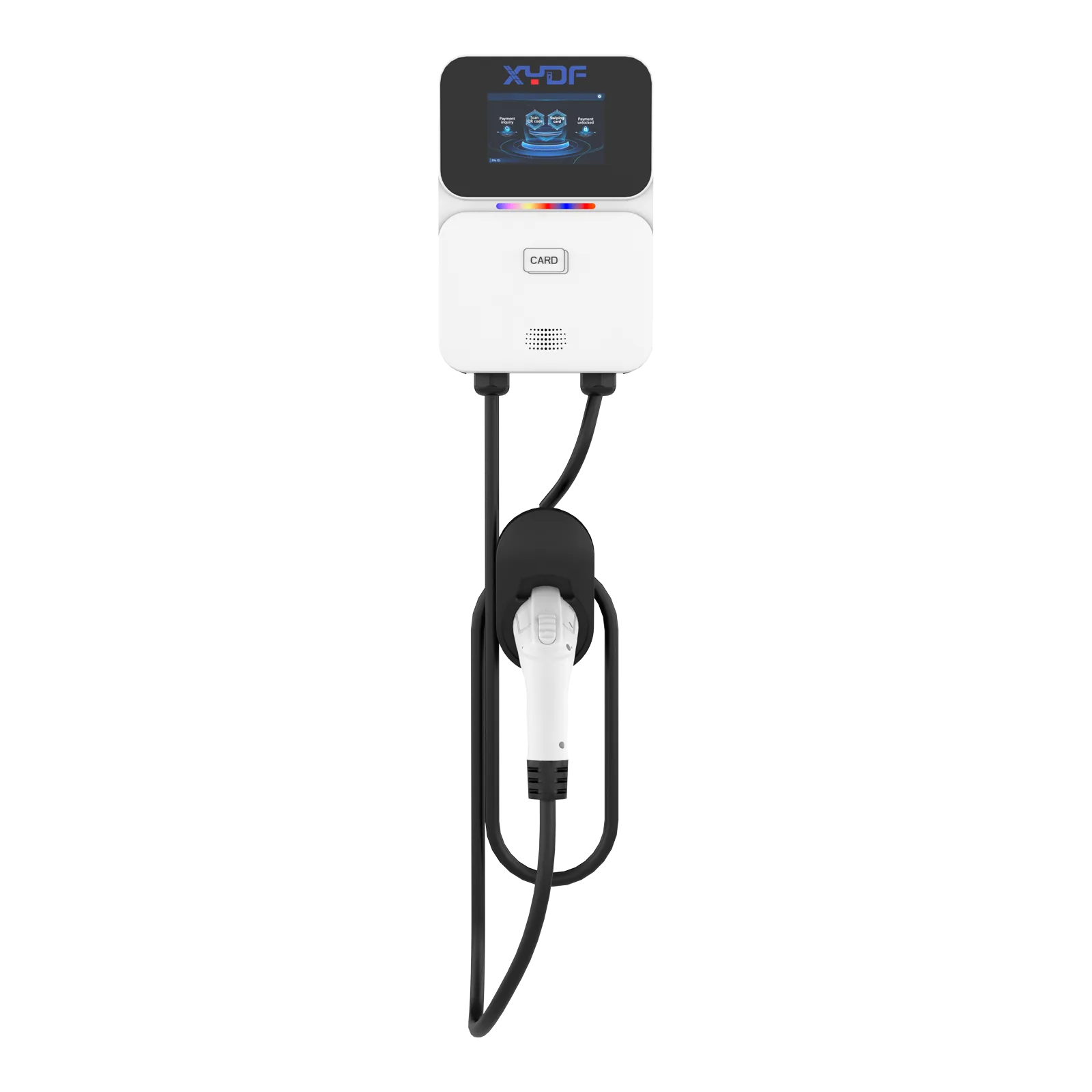


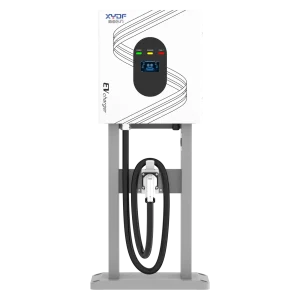

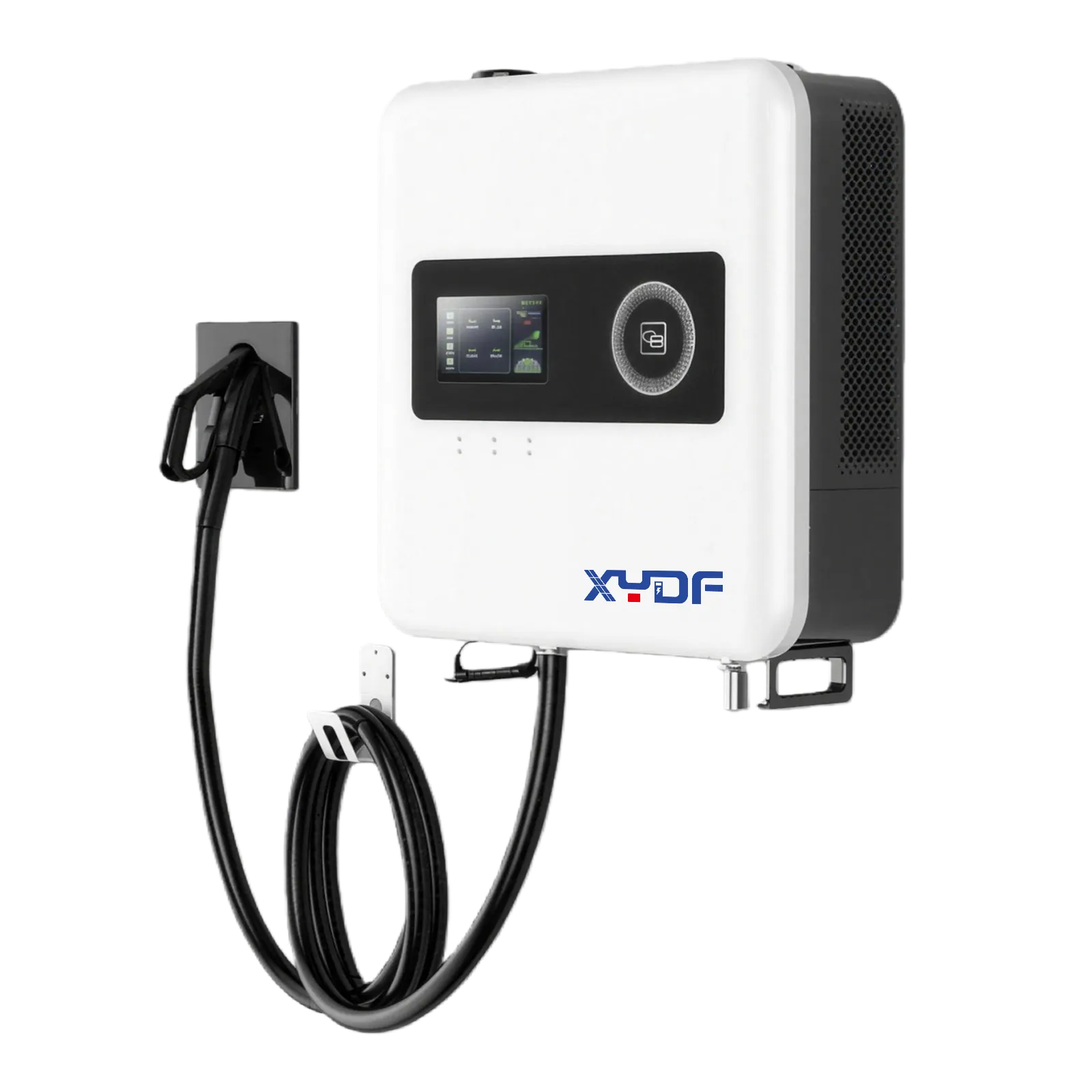
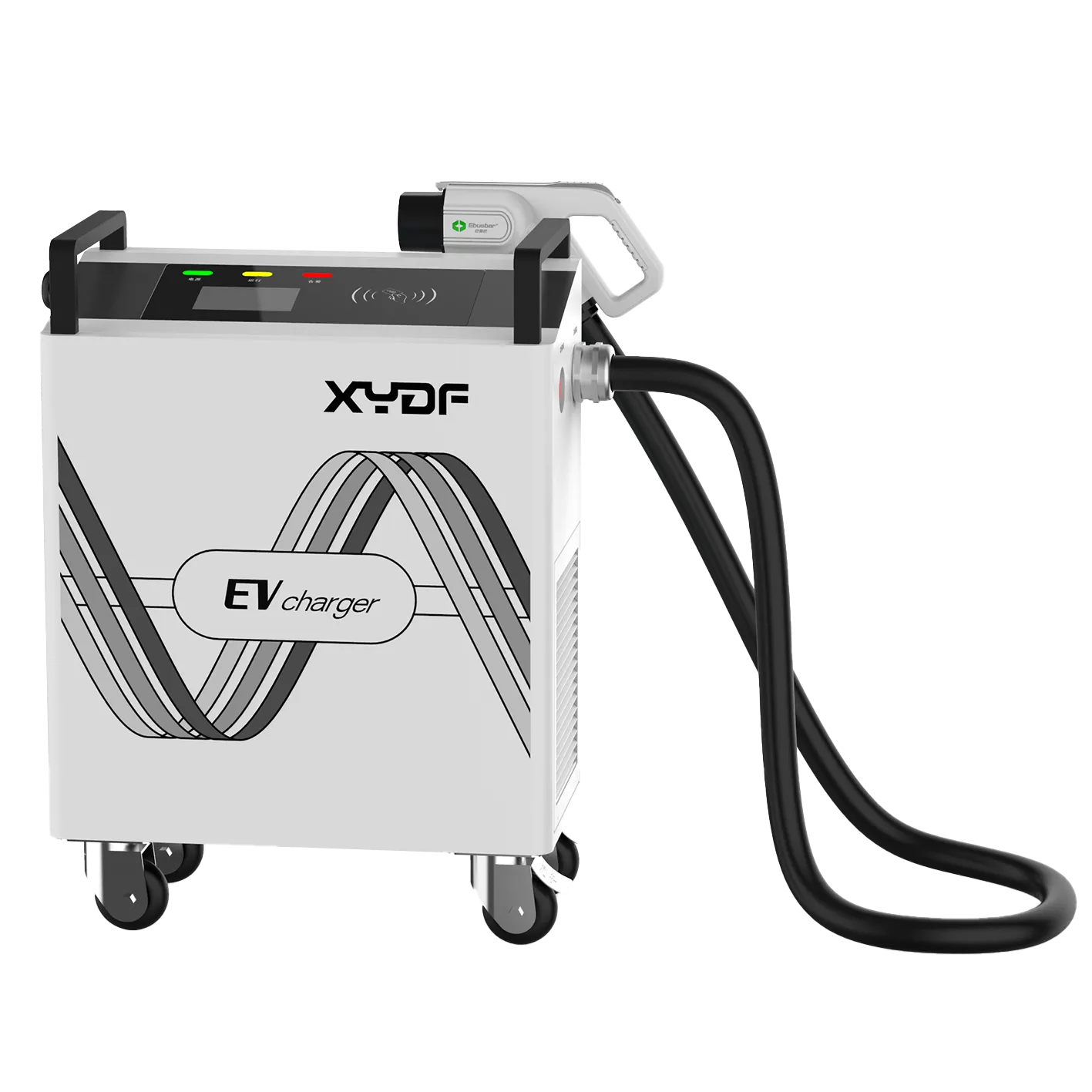
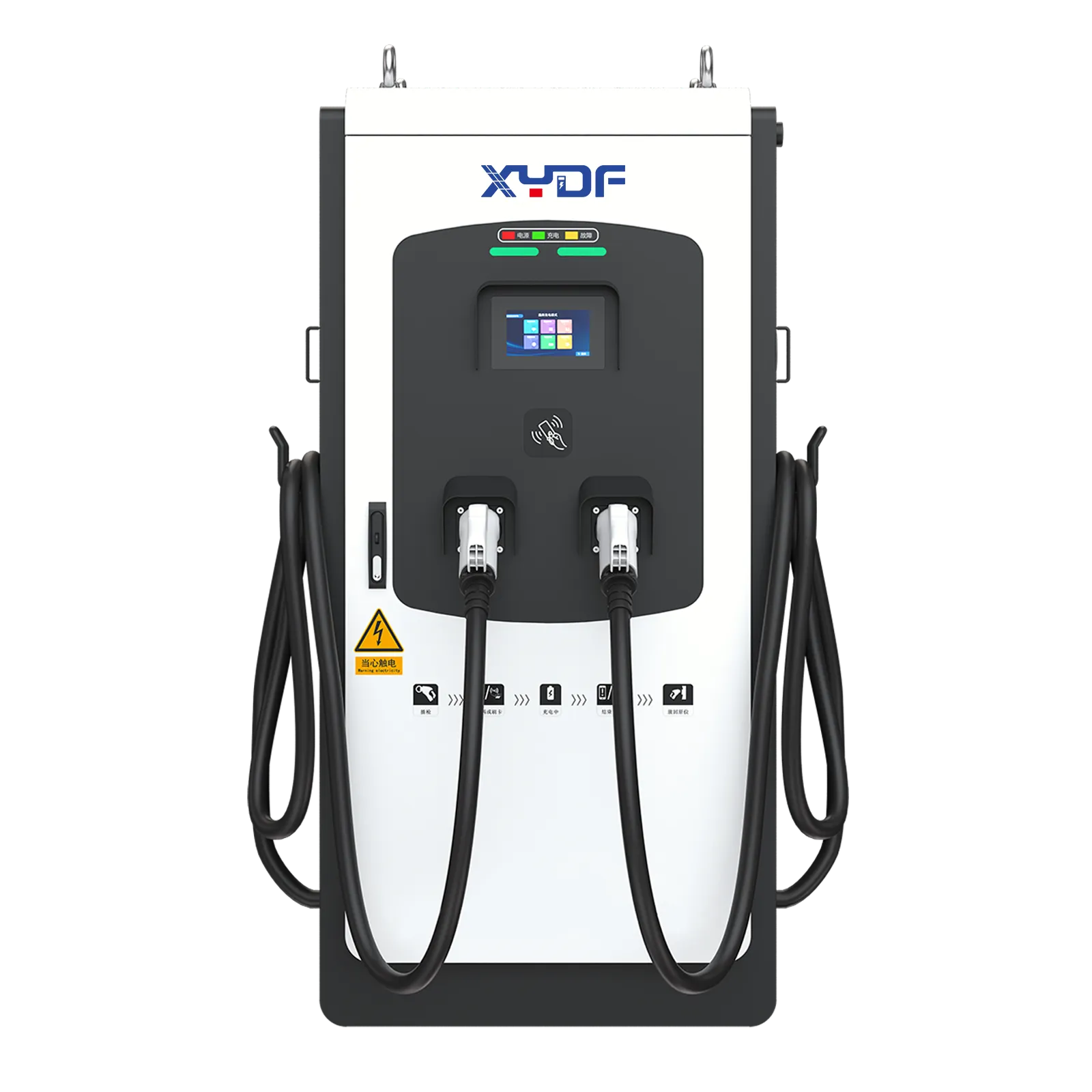
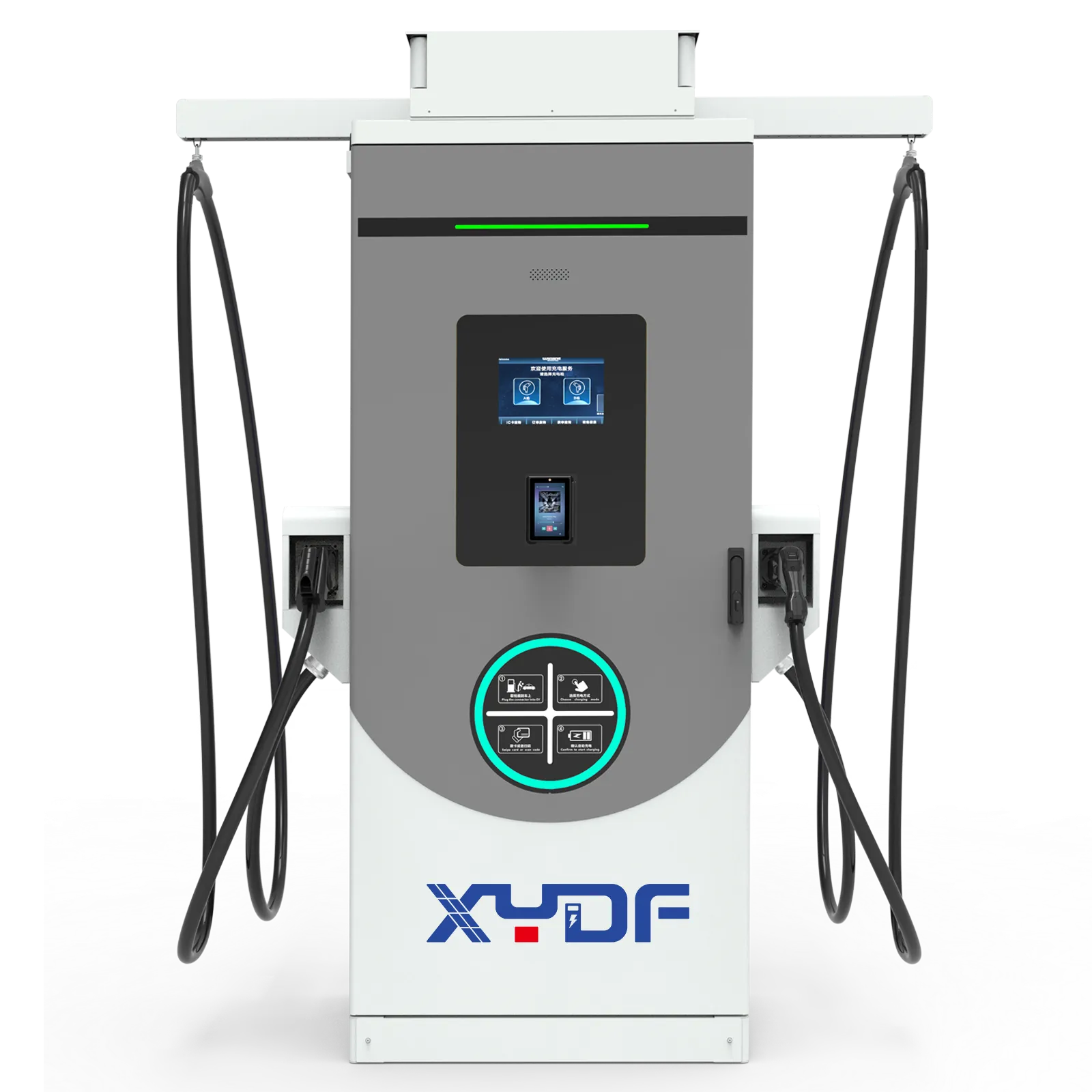
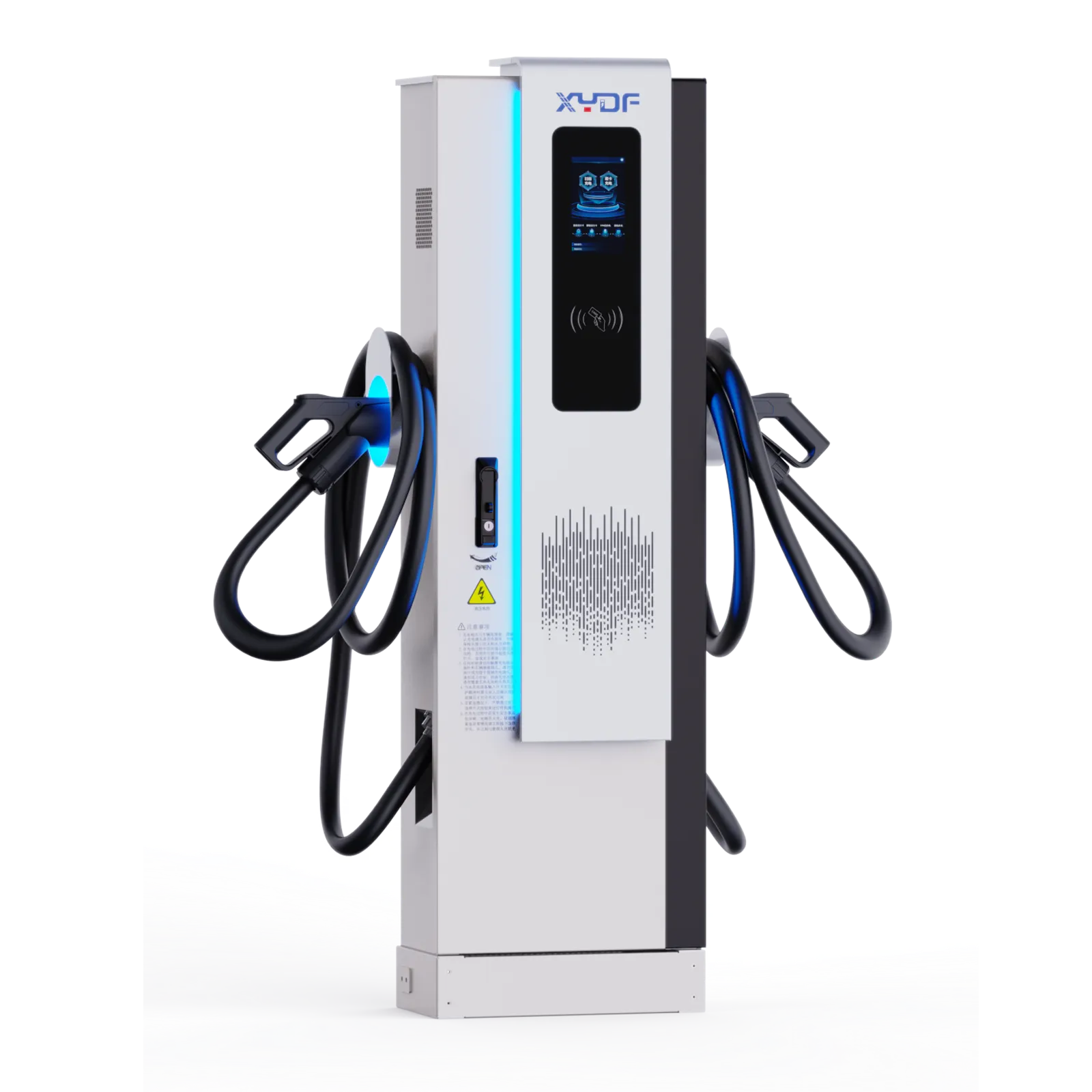
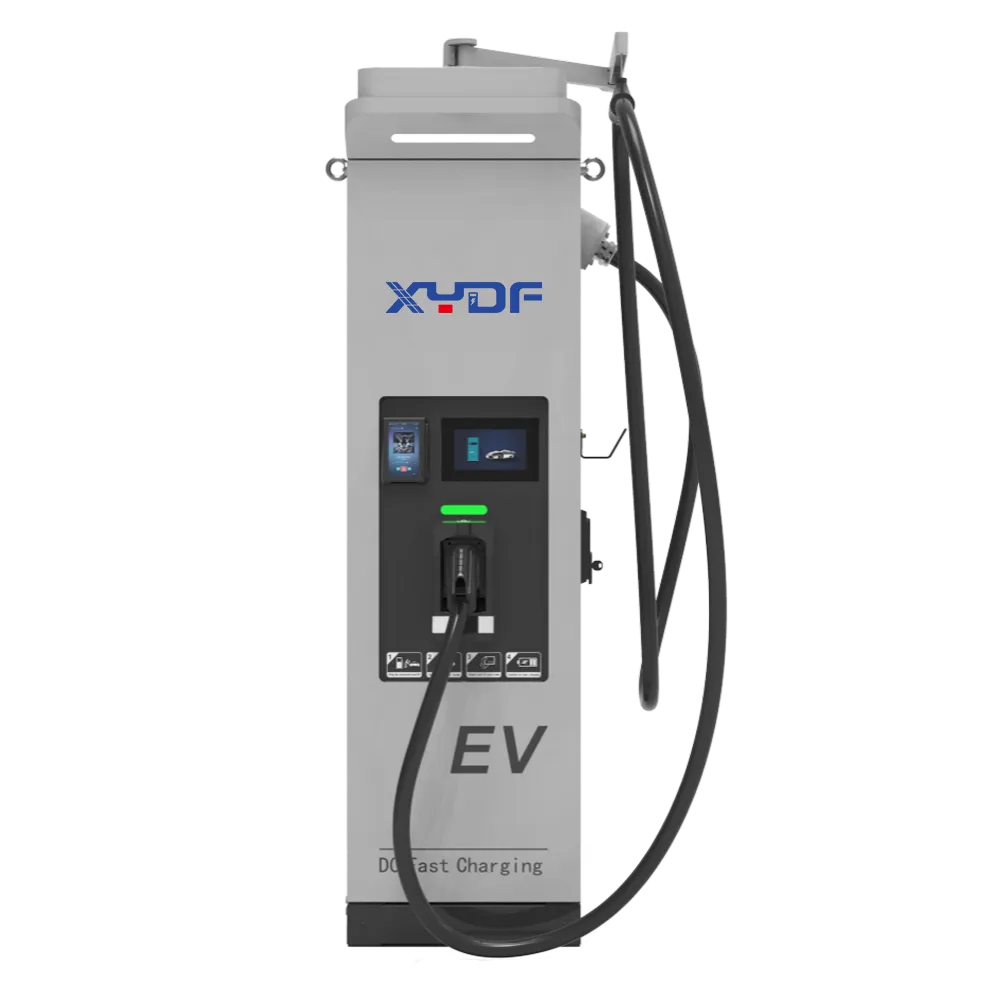
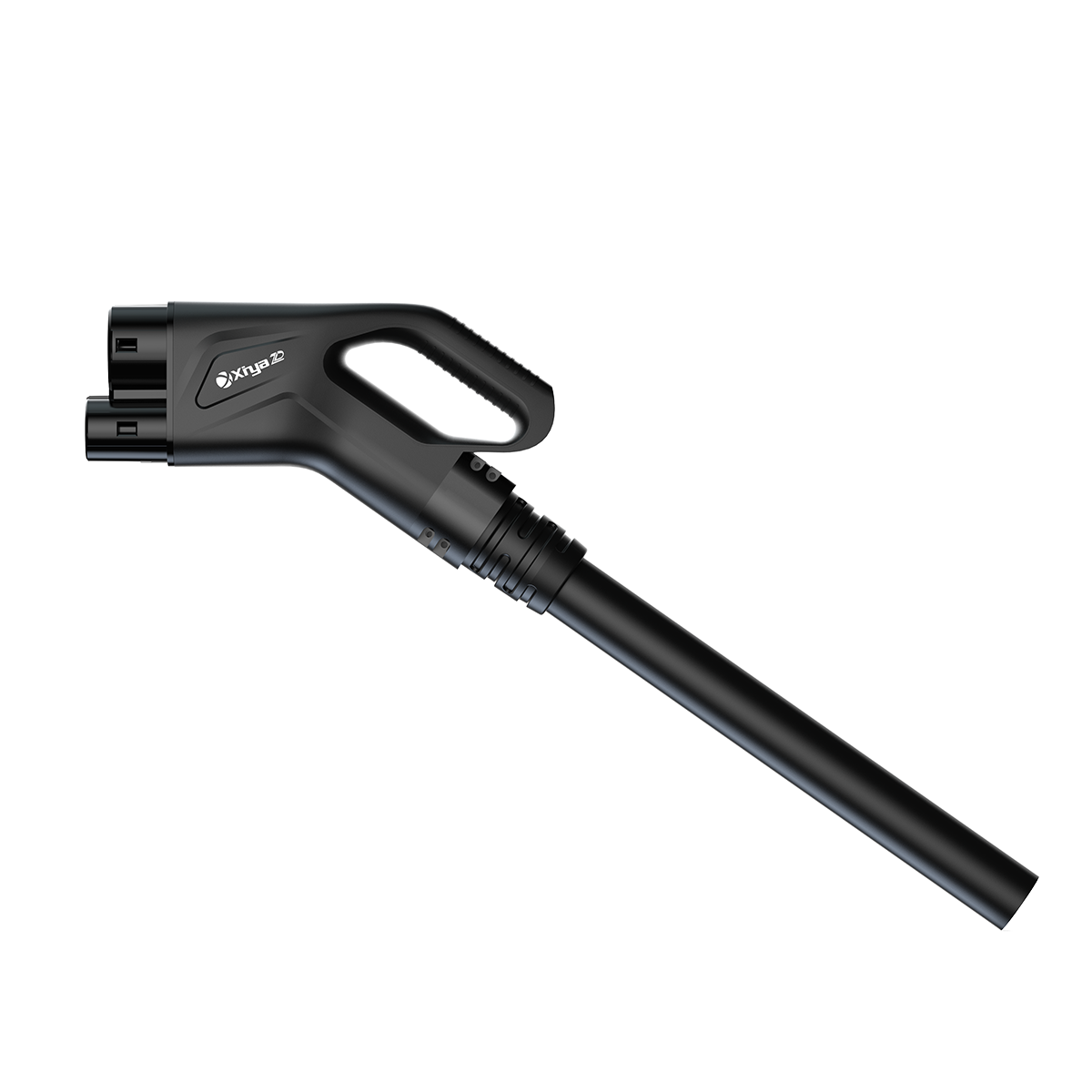
Commercial buyers comparing plug-in and hardwired equipment should start with circuit loading, connector interfaces, local code, service access, and the consequences of an interruption. The right choice depends on the site and operating model rather than a universal ranking.
Summary: A hardwired EV charger is generally preferable for public stations, fleet depots, exposed locations, higher-current AC charging, and installations where uptime matters; a plug-in EV charger can work well for residential, temporary, or pilot applications when it uses a dedicated, correctly sized circuit and a listed commercial-grade receptacle. Under common NEC sizing rules, a 32 A charger requires at least a 40 A circuit, a 40 A charger requires a 50 A circuit, and a 48 A charger normally requires a 60 A hardwired circuit.
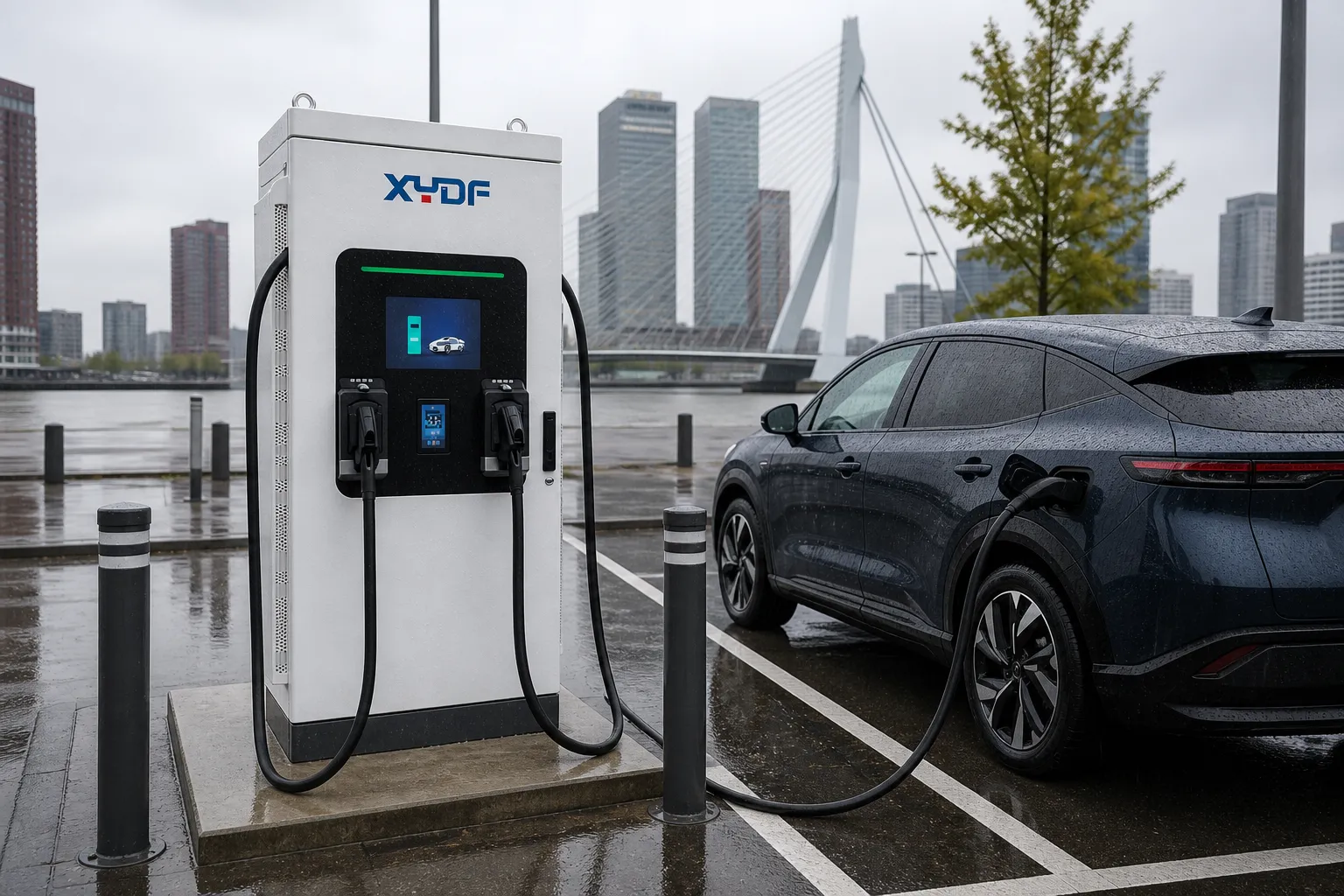
Plug-in and Hardwired EV Charging in Context
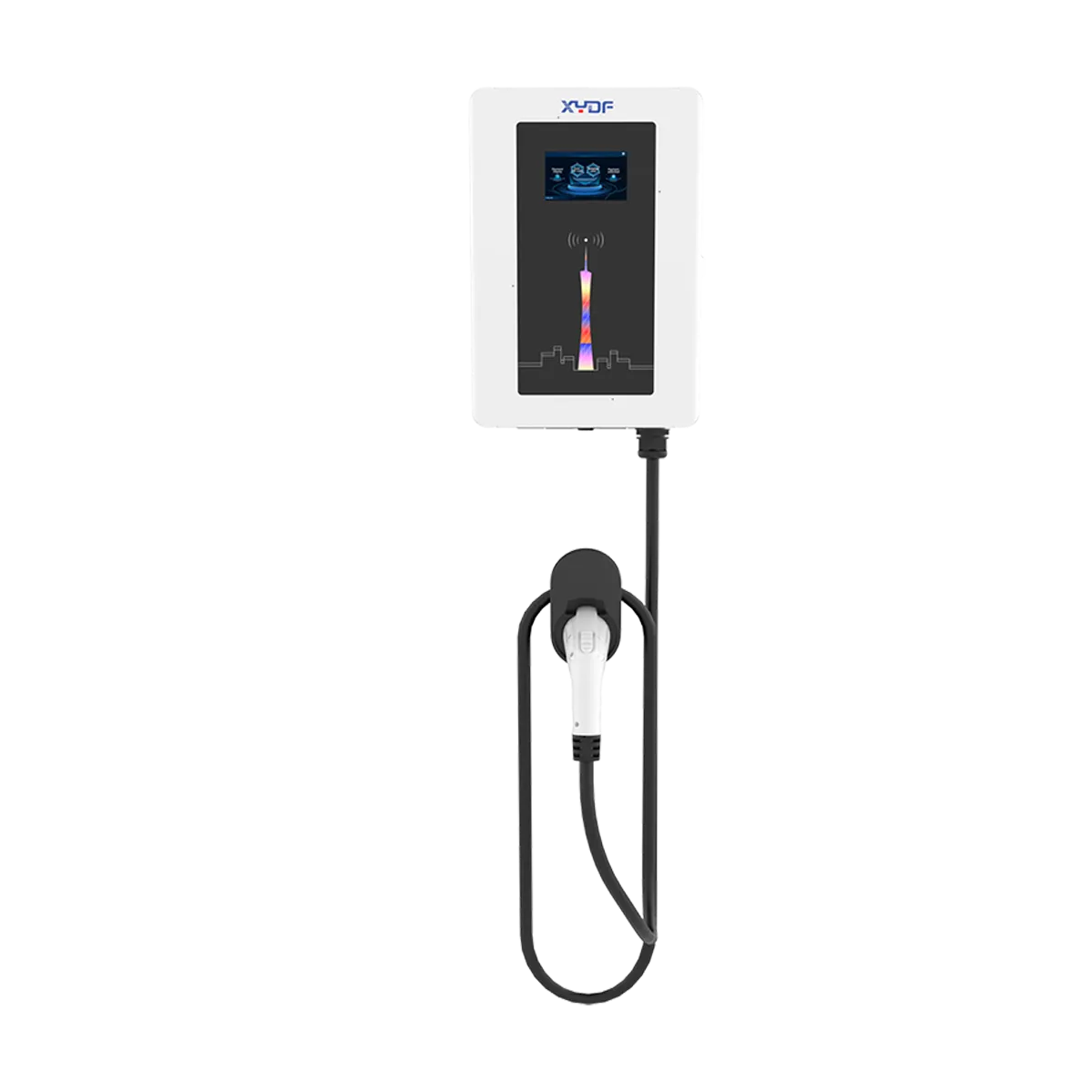
A plug-in EV charging unit connects to the premises wiring through a compatible socket and plug—such as a NEMA 14-50 arrangement in North America or an appropriate industrial socket in some IEC markets. A hardwired charger connects directly to a dedicated branch circuit without a removable supply plug.
This distinction concerns the charger’s connection to the building supply; it does not determine the vehicle-side connector, charging protocol, or network software. Either configuration may use an SAE J1772, NACS, Type 2, or another approved vehicle connector, subject to the target market.
ال charger connection method is becoming more commercially significant as charging infrastructure scales. The International Energy Agency reported that the global stock of public charging points exceeded five million in 2024. At that scale, a connection method affects not only installation convenience but also downtime, maintenance access, tamper resistance, electrical capacity, and total cost of ownership.
Continuous-Load Sizing Changes the Installation
Continuous-load circuit sizing matters because EV charging can operate at its rated current for several hours, so the National Electrical Code treats it as a continuous load. In a typical NEC installation, the circuit must therefore be sized to at least 125% of the charger’s maximum continuous current.
- 32 A charger: 32 × 125% = 40 A minimum branch-circuit rating.
- 40 A charger: 40 × 125% = 50 A minimum branch-circuit rating.
- 48 A charger: 48 × 125% = 60 A minimum branch-circuit rating.
This calculation explains why common 50 A receptacles are normally limited to 40 A continuous EV charging. Buyers seeking 48 A AC output will usually need to hardwire an EV charger to a 60 A circuit, assuming the charger, conductors, protective devices, terminals, and local authority requirements permit that configuration.
The same principle applies outside North America, although conductor calculations must follow the applicable national standard. IEC 60364-5-52 and local wiring rules require engineers to consider current-carrying capacity, ambient temperature, grouping, installation method, conductor material, terminal temperature, and voltage drop—not only the charger’s nominal power.
The Receptacle Adds Another Electrical Interface
A plug-in EV charger introduces a plug-and-receptacle contact interface that a hardwired connection does not need. That interface is not inherently unsafe, but it creates additional points where resistance can increase because of worn contacts, insufficient insertion pressure, corrosion, contamination, poor termination, or incorrect conductor torque.
Because electrical heating increases with the square of current—expressed as P = I²R—even a small increase in contact resistance becomes significant during a long 32 A or 40 A charging session. The installation should therefore use a receptacle listed for the application rather than an inexpensive component selected only by its nominal ampere rating.
A suitable plug-in installation should include:
- A dedicated branch circuit with no unrelated loads
- A receptacle and enclosure approved for the location
- Correct conductor and terminal temperature ratings
- Terminations tightened to the manufacturer’s specified torque
- Required RCD or GFCI protection under the applicable code
- Strain relief that prevents the cable from pulling on the plug
- Inspection for discoloration, looseness, cracking, or heat damage
A hardwire EV charger install eliminates the receptacle contact pair, but it still depends on properly prepared conductors, compatible terminals, correct torque, overcurrent protection, and qualified commissioning.
Mobility and Serviceability vs. Operating Stability
The strongest argument for a plug-in EV charging solution is service flexibility. A compatible charger may be disconnected and replaced without opening the building wiring system, which can benefit residential users, rental properties, demonstration projects, and short-term fleet trials.
Hardwiring provides different operational advantages:
- The charger cannot be casually unplugged or removed.
- There is no exposed supply receptacle to damage or misuse.
- Higher-current configurations may be supported.
- Outdoor sealing can be easier to control.
- The installation often appears cleaner and more permanent.
IEC 61851-1 covers conductive charging equipment with supply voltages up to 1,000 V AC or 1,500 V DC, but it does not make every supply connection interchangeable. The charger’s listing, installation manual, local code, and intended mounting method determine whether cord-and-plug connection, permanent connection, or both are permitted.
Hidden Costs and the ROI Framework
A plug-in connection can reduce initial labor when a suitable outlet already exists. However, the savings may disappear when a project requires a new dedicated circuit, commercial-grade receptacle, weather-resistant enclosure, GFCI protection, cable management, or replacement of an undersized panel.
A practical lifecycle formula is:
TCO = charger cost + circuit installation + receptacle or disconnect equipment + inspections + maintenance + downtime + replacement labor − residual value
For a small residential installation, rapid charger replacement may make plug-in equipment attractive. For a revenue-generating site, the additional failure interface and risk of unauthorized disconnection may make hardwiring the better investment. NEC Article 625 also introduces additional disconnecting requirements for equipment rated over 60 A or more than 150 V to ground, illustrating why higher-power projects need a complete electrical design rather than a simple connection preference.
Hardwired vs. Plug-in EV Charger Comparison
| Decision Factor | Plug-in EV Charger | Hardwired EV Charger | B2B Implication |
|---|---|---|---|
| Typical AC current | Commonly up to 32–40 A with a suitable 40–50 A circuit | Commonly supports 32–48 A or more, subject to listing and circuit design | Higher output often favors hardwiring. |
| Charging efficiency | Comparable when contacts and conductors are correctly sized | Comparable at the same output power | Connection method alone does not create a major efficiency advantage. |
| Initial installation | Potentially simpler if a compliant outlet already exists | Requires direct electrical termination | A new circuit can reduce the plug-in cost advantage. |
| Failure interfaces | Includes plug, receptacle, and their terminations | No supply plug or receptacle | Hardwiring removes one potential heat and wear point. |
| Replacement | Easier to disconnect and exchange | Usually requires a qualified electrician | Plug-in equipment suits pilots and temporary deployments. |
| Tamper resistance | Can be unplugged or removed | Permanent connection | Hardwiring is usually better for public access. |
| Outdoor use | Requires a suitable plug, socket, enclosure, and cable arrangement | Fewer exposed supply-side interfaces | Hardwiring often simplifies weather and security management. |
| Best-fit buyer | Homeowner, landlord, pilot-project operator | CPO, fleet operator, EPC contractor, public-site owner | Operating model should drive the decision. |
Connection Method by Application
| تطبيق | الطاقة النمطية | Preferred Starting Point | Reason |
|---|---|---|---|
| Residential garage | 3.6–11 kW AC | Plug-in or hardwired | Choice depends on mobility, circuit capacity, and local code. |
| Multifamily parking | 7–22 kW AC | Hardwired commonly preferred | Reduces unauthorized removal and receptacle maintenance. |
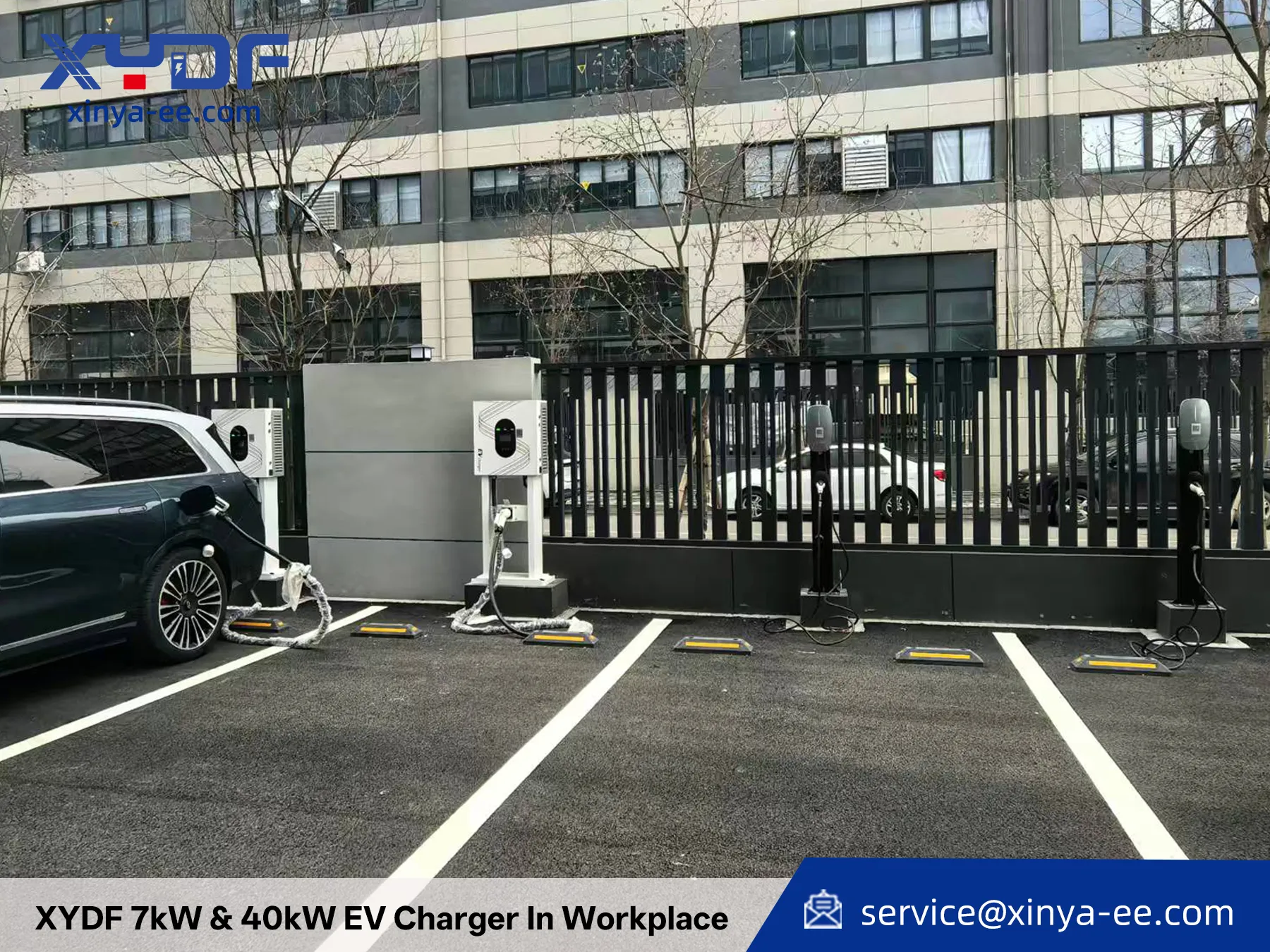
| شحن مكان العمل | 7–22 kW AC | Hardwired | Supports permanent cable management and controlled access. |
| Temporary fleet pilot | 7–11 kW AC | Plug-in may be practical | Equipment can be relocated after the trial. |
| Permanent fleet depot | 11–22 kW AC or higher | Hardwired | Uptime and tamper resistance outweigh portability. |
| Public destination charging | 7–22 kW AC | Hardwired | Better suited to exposed, high-use locations. |
| DC fast-charging station | 30–400 kW+ | Permanent engineered connection | High power requires switchgear, protection, and site-specific design. |
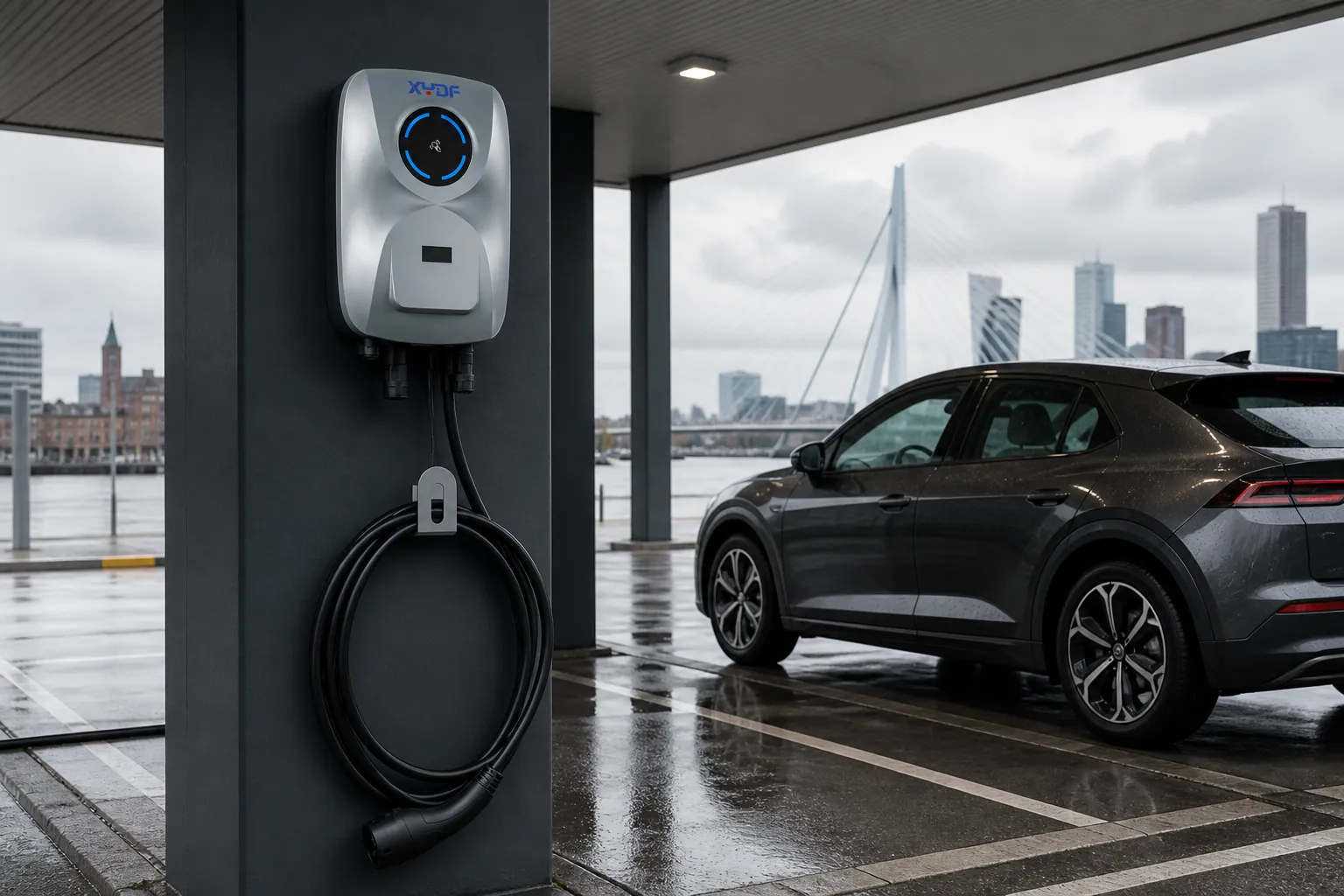
Applicable Standards and Compliance Risks
The correct connection method depends on the charger, location, electrical system, and jurisdiction. Relevant standards include:
- NFPA 70, Article 625: EV power transfer systems in the United States, including circuit loading, connection, protection, and disconnect requirements.
- IEC 61851-1: General requirements for conductive EV charging systems.
- IEC 60364-7-722: Requirements for electrical installations supplying electric vehicles.
- UL 2594: Requirements for AC EV supply equipment in applicable North American markets.
- UL 2231: Personnel-protection systems for EV supply circuits.
- UL 2251: Plugs, receptacles, and couplers used with EV charging systems.
- SAE J1772: Vehicle-side conductive charging requirements; it does not decide whether the charger supply is plugged in or hardwired.
- BS 7671 Section 722: EV charging installation requirements for applicable UK projects.
ISO 15118 and OCPP 2.0.1 may govern vehicle communication and charger-network interoperability, but neither determines the supply connection method. Similarly, CE marking is a regulatory conformity mark rather than automatic evidence of independent certification.
Non-compliant installation can cause failed inspection, nuisance tripping, overheated terminals, fire risk, warranty disputes, delayed commissioning, insurance complications, and expensive electrical retrofits. Buyers should distinguish between equipment designed to a standard, laboratory-tested equipment, third-party certification, and approval for a specific market.
How to Choose Between Plug-in and Hardwired Charging
We recommend five procurement steps:
- Calculate the real charging load. Confirm maximum continuous current, duty cycle, conductor size, voltage drop, protective-device rating, and available panel capacity.
- Check the product instructions. Never convert a plug-in charger to hardwired operation—or add a plug to hardwired equipment—unless the manufacturer provides an approved configuration.
- Evaluate the operating environment. Public access, rain, dust, vandalism, cable strain, and repeated daily use generally favor hardwiring.
- Inspect the entire connection chain. For plug-in equipment, verify the receptacle, enclosure, GFCI or RCD requirements, contact quality, termination torque, and inspection interval.
- Plan for expansion. Consider load management, network connectivity, additional charging points, higher-output vehicles, and future transformer or switchboard upgrades.
XYDF manufactures commercial AC charging equipment for residential, workplace, fleet, and destination-charging applications. Buyers can contact XYDF for model-specific installation and certification documentation. A project may require a plug-in or hardwired configuration depending on the target market; buyers should request model-specific installation instructions, test evidence, and certification documentation before approving the design.
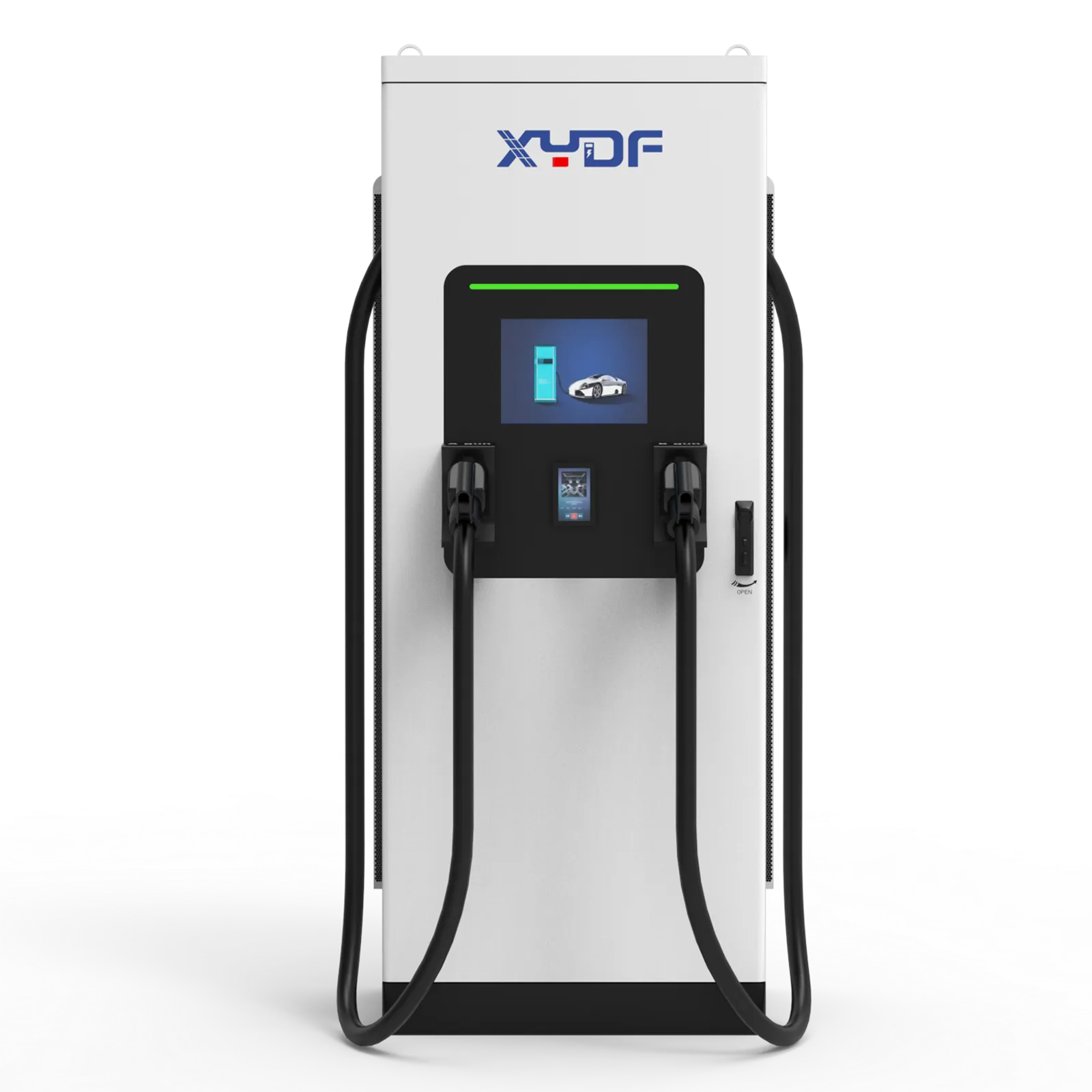
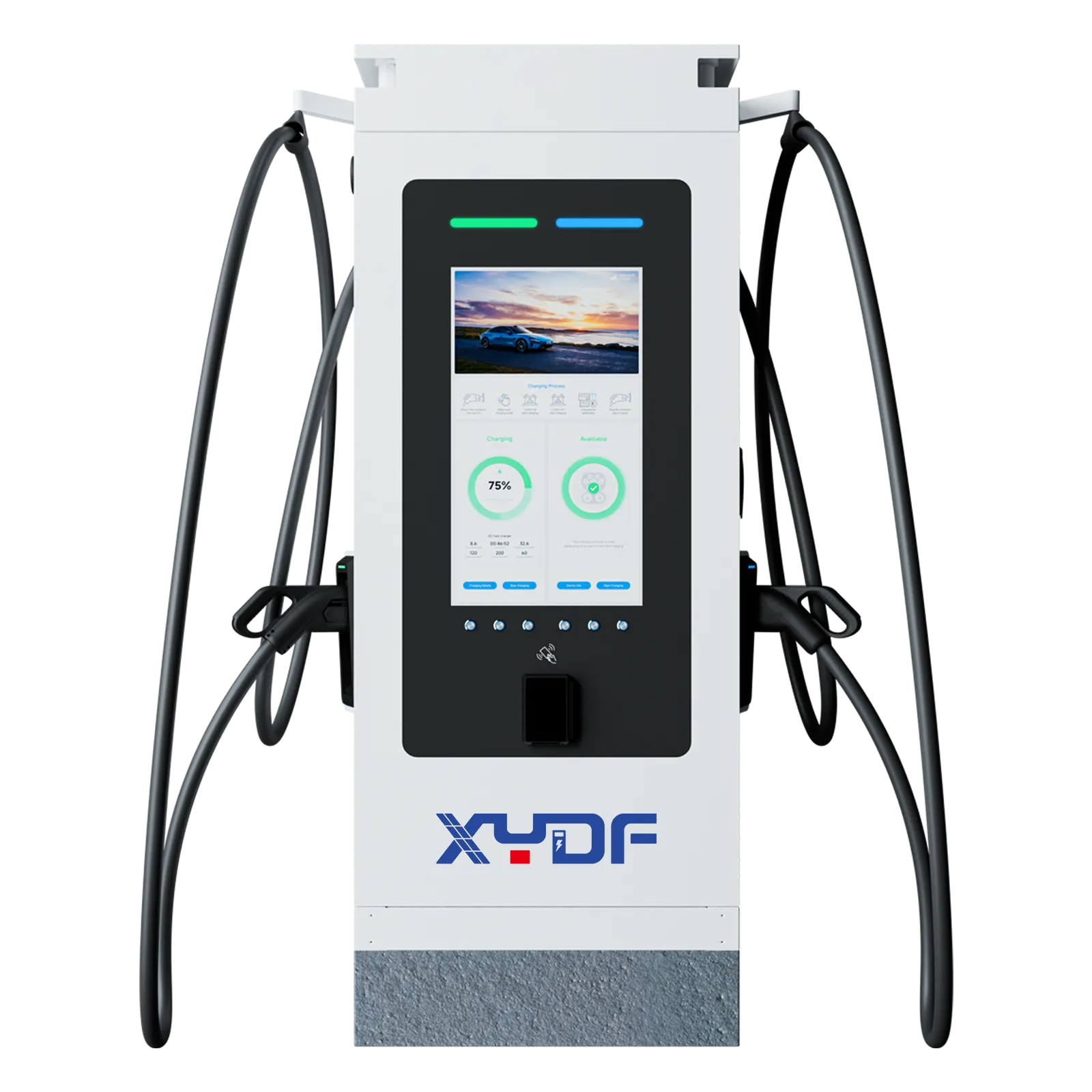
For higher-power sites, XYDF also develops DC fast-charging systems, where permanent connection, switchgear coordination, thermal design, and grid-capacity assessment form part of the complete engineering scope.
أسئلة متكررة
Is 6mm cable ok for 7kW EV charger?
It may be, but conductor area alone is not enough to approve the circuit. A 7 kW single-phase charger at 230 V draws approximately 30.4 A. A 6 mm² copper cable is commonly considered for this load in IEC markets, but its suitability depends on installation method, ambient temperature, grouping, cable length, voltage drop, protective device, and terminal rating. A qualified designer should calculate it under IEC 60364-5-52 or the applicable local wiring rules.
What is the easiest way to install an EV charger?
A plug-in EV charger may be easier when a compliant dedicated outlet and correctly sized circuit already exist. If a new circuit, receptacle, GFCI protection, or panel upgrade is required, hardwiring may involve little additional work and can provide a cleaner permanent installation. Installation should be completed by a qualified electrical professional.
Is it better to hardwire or plug-in an EV charger?
Hardwiring is usually better for commercial, fleet, public, outdoor, or higher-current charging because it reduces tampering and removes the plug-and-receptacle interface. Plug-in equipment is attractive when portability and rapid replacement matter. The best choice depends on current, location, operating hours, maintenance strategy, and local code.
Is hardwired the same as plug-in?
No. A hardwired EV charger connects directly to the premises wiring through permanent terminals. A plug-in charger receives power through a removable plug and compatible receptacle. Both can provide the same vehicle-side charging protocol, but their supply connections, maintenance requirements, and permitted power levels may differ.
Are hardwired EV chargers safer?
A correctly installed hardwired charger removes one potential wear and heat interface, which can benefit high-use installations. However, it is not automatically safe if conductors, terminals, protective devices, or torque settings are incorrect. Both configurations can be safe when listed or certified for the market and installed according to local rules.
How good are plug-in EV chargers?
Plug-in chargers can be reliable and practical for homes, rental properties, trials, and lower-power deployments. Performance is generally comparable to a hardwired unit at the same charging current. Reliability depends heavily on receptacle quality, circuit sizing, insertion pressure, environmental protection, and regular inspection.
What is a plug-in EV charger?
It is an EV supply device that connects to the building’s electrical system through a removable plug and compatible socket rather than permanent wiring. Buyers can review different EV charging product configurations, but the selected connection method must be approved for the exact model and installation market.
المراجع
- NFPA 70 — National Electrical Code
- IEC 61851-1 — Electric Vehicle Conductive Charging System: General Requirements
- UL 2594 — Electric Vehicle Supply Equipment
- International Energy Agency — Global EV Outlook 2025
XYDF builds charging equipment for that long operating horizon—when circuit capacity, connection quality, uptime, and future expansion matter more than a single installation shortcut. Project teams can learn more about its manufacturing and EV charging capabilities before discussing site conditions, power requirements, and market-specific compliance documentation.