 Xinya Dongfang Electricity Technology Co., Ltd.


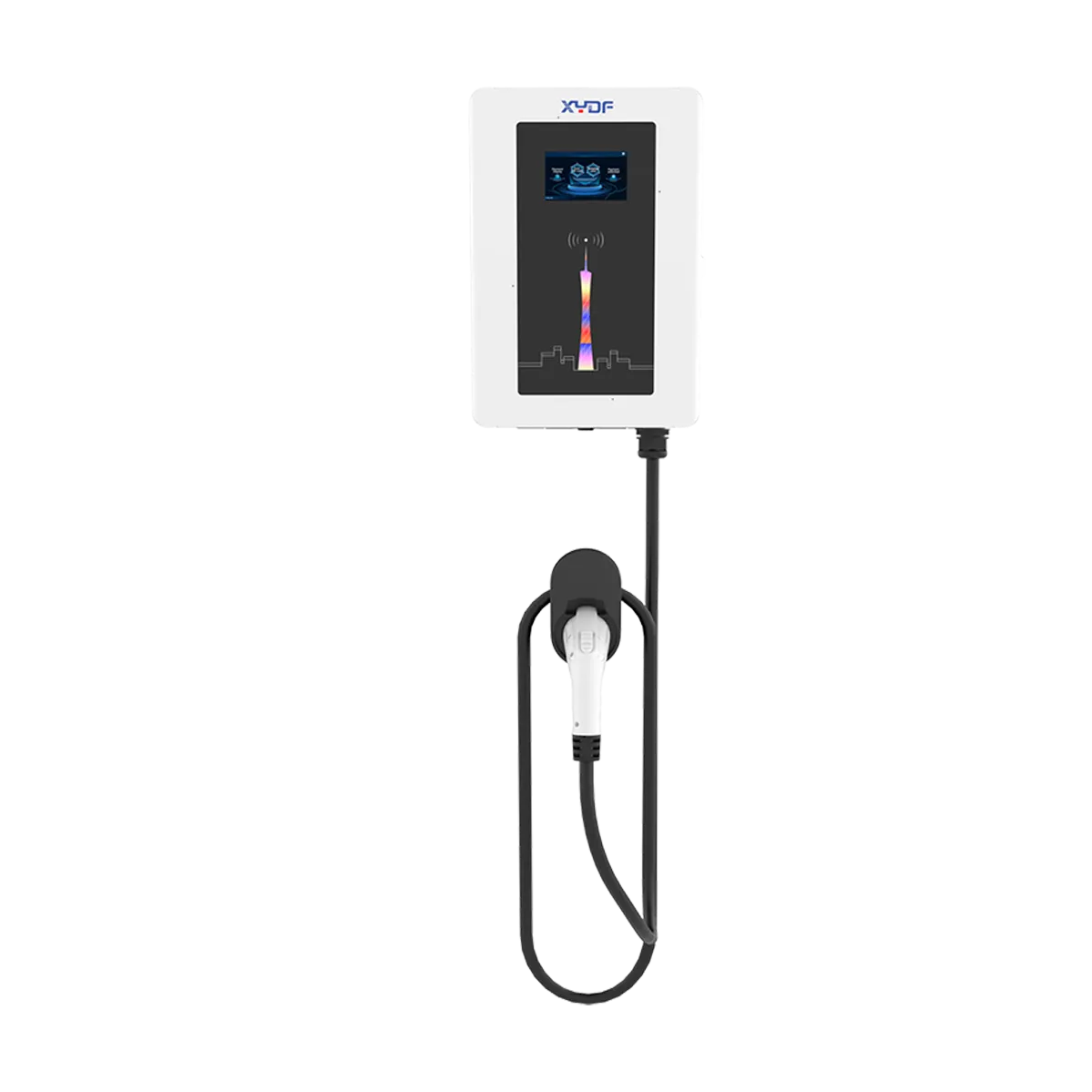
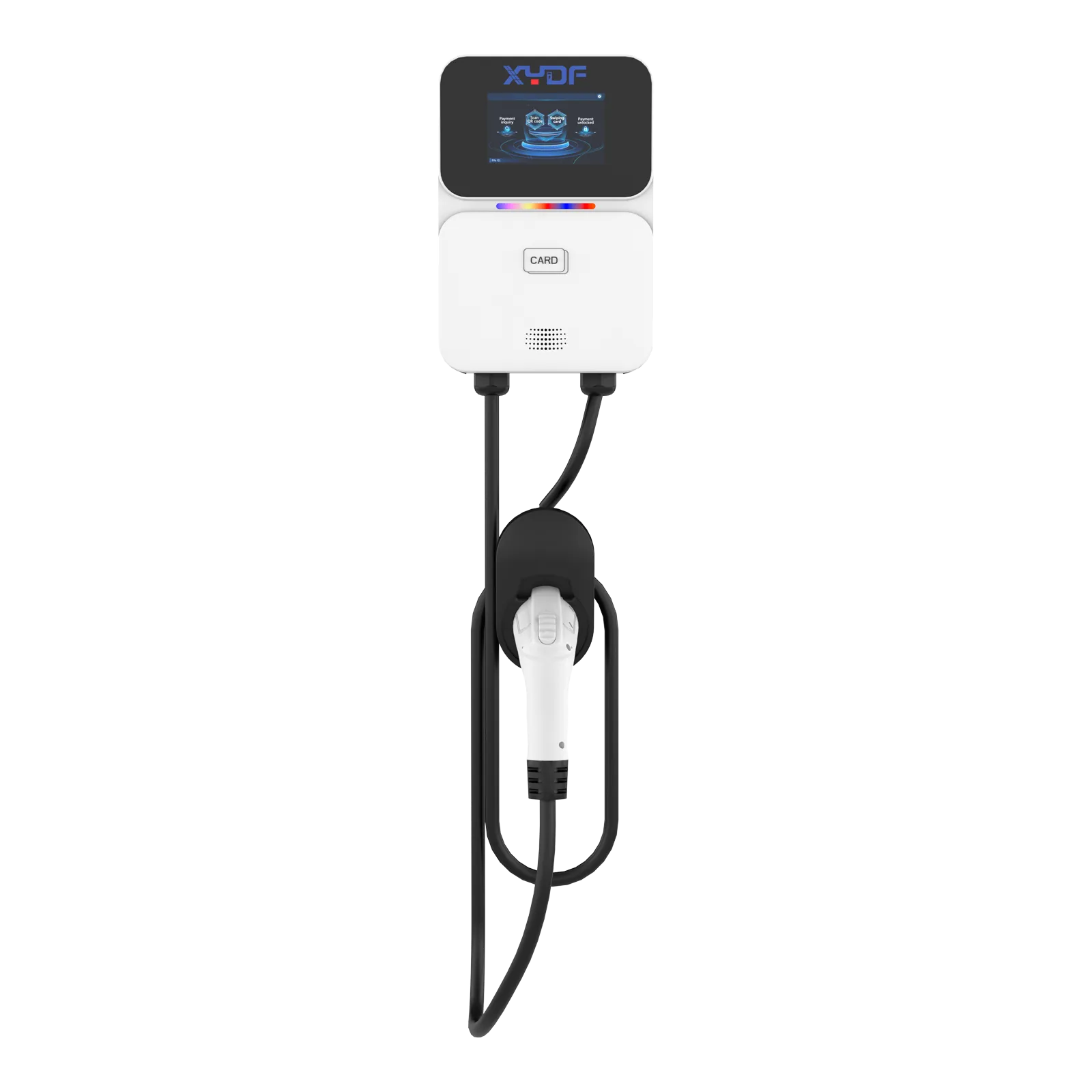
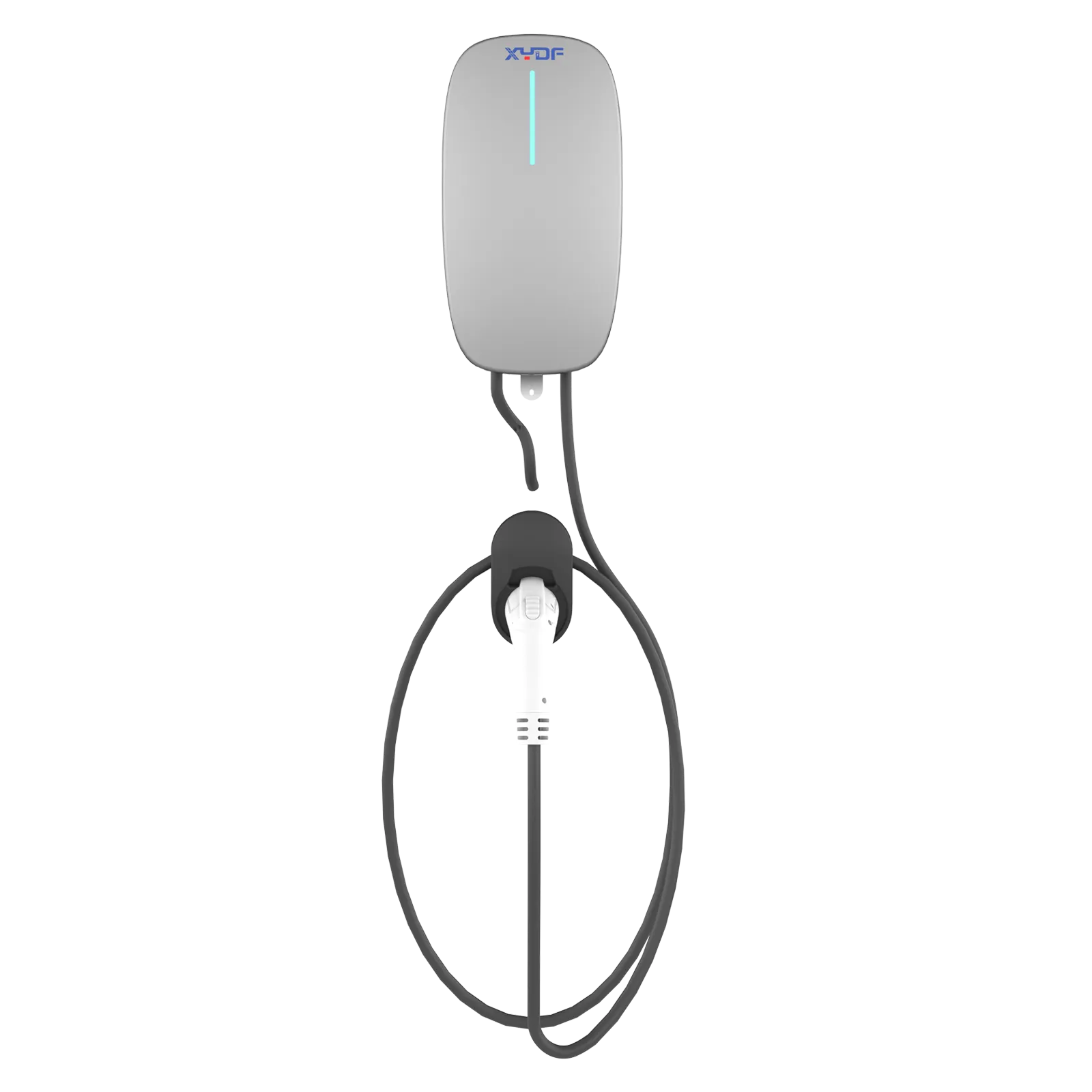



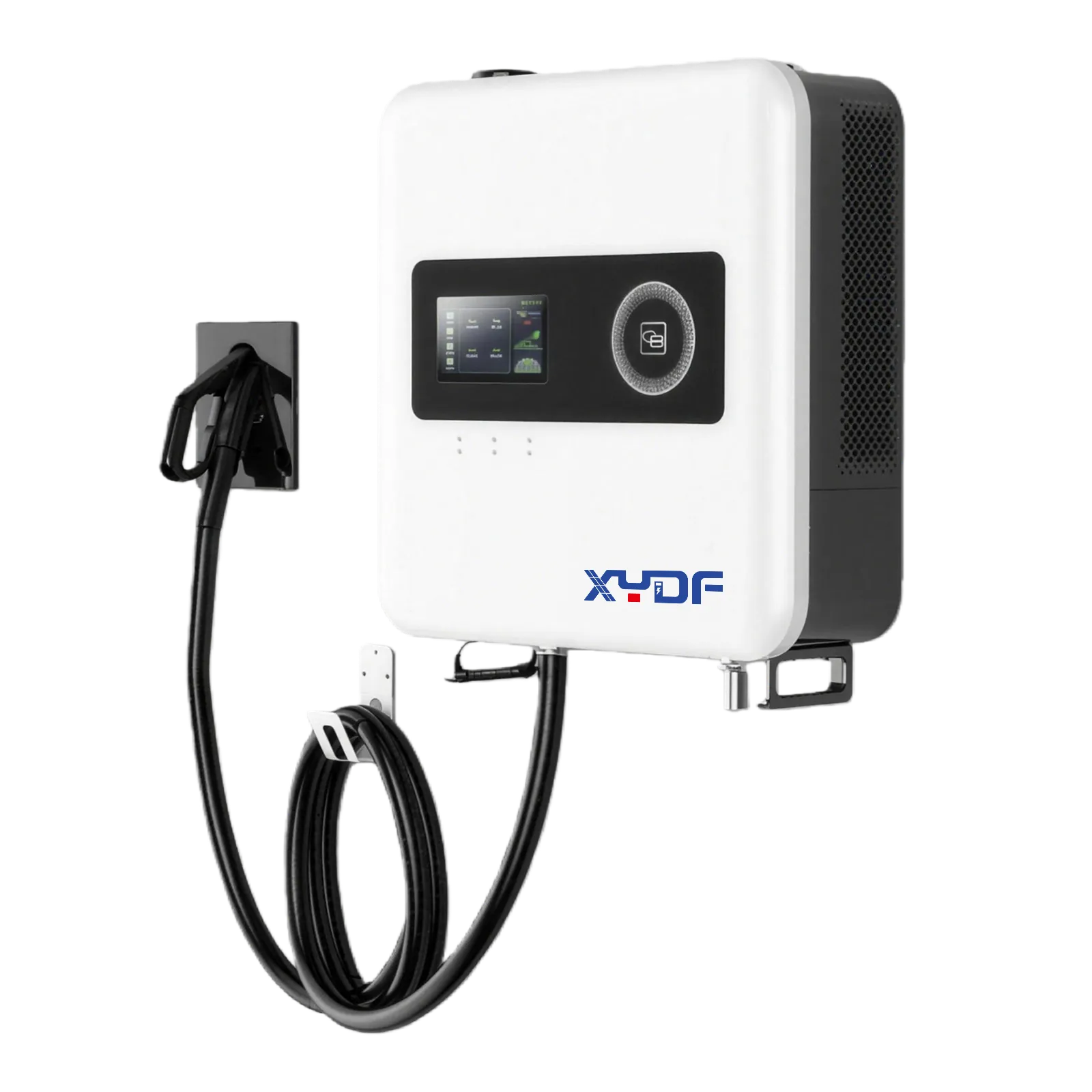
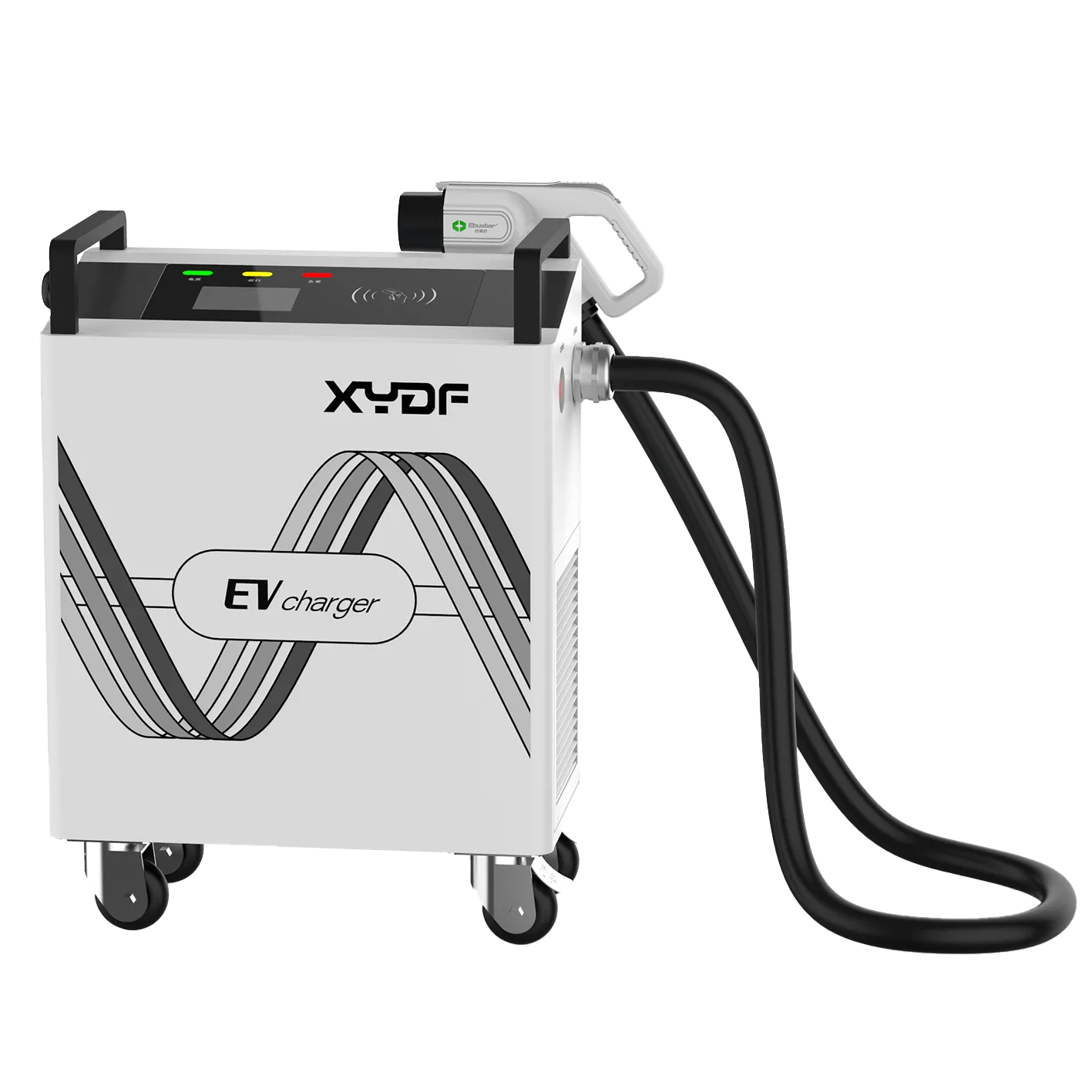
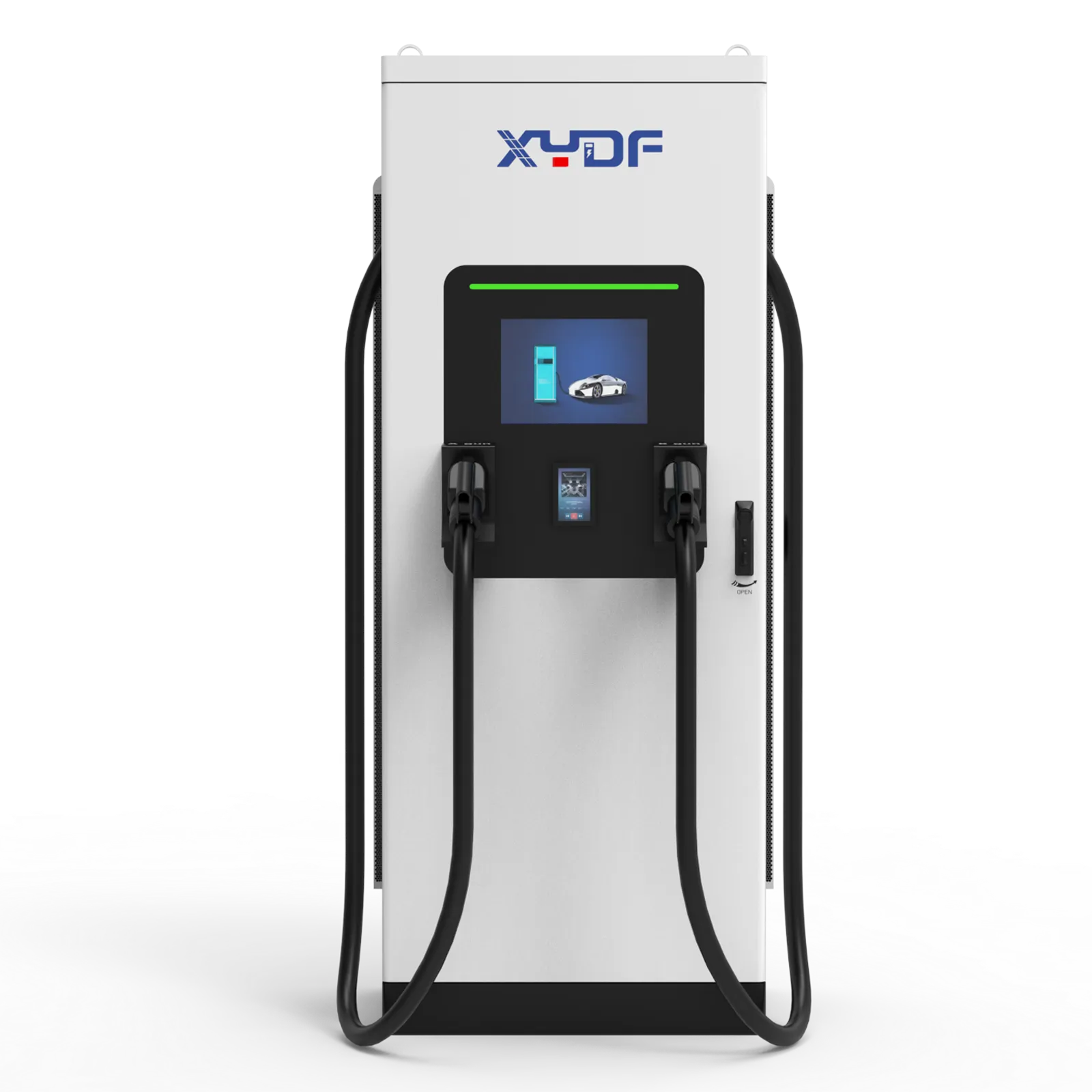
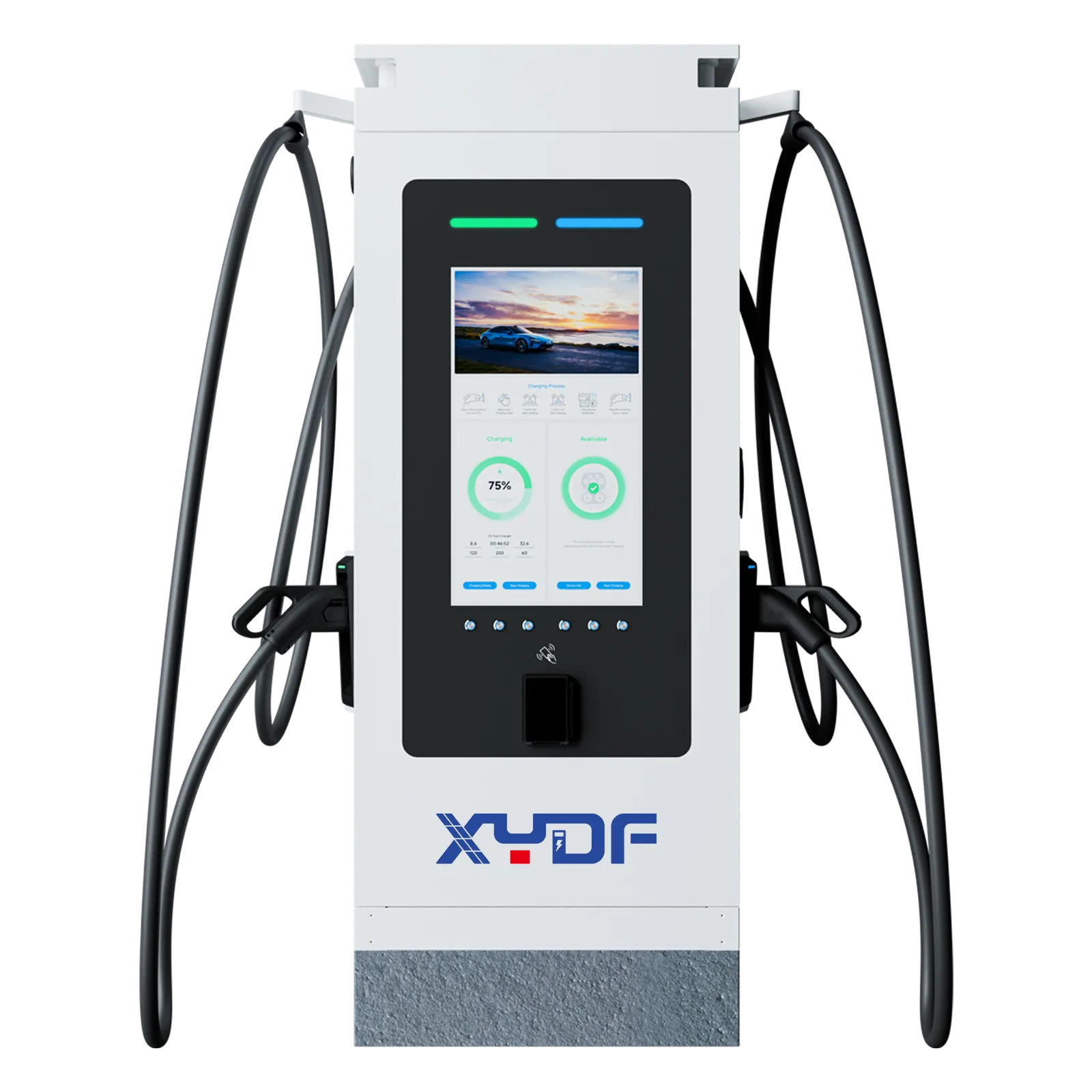
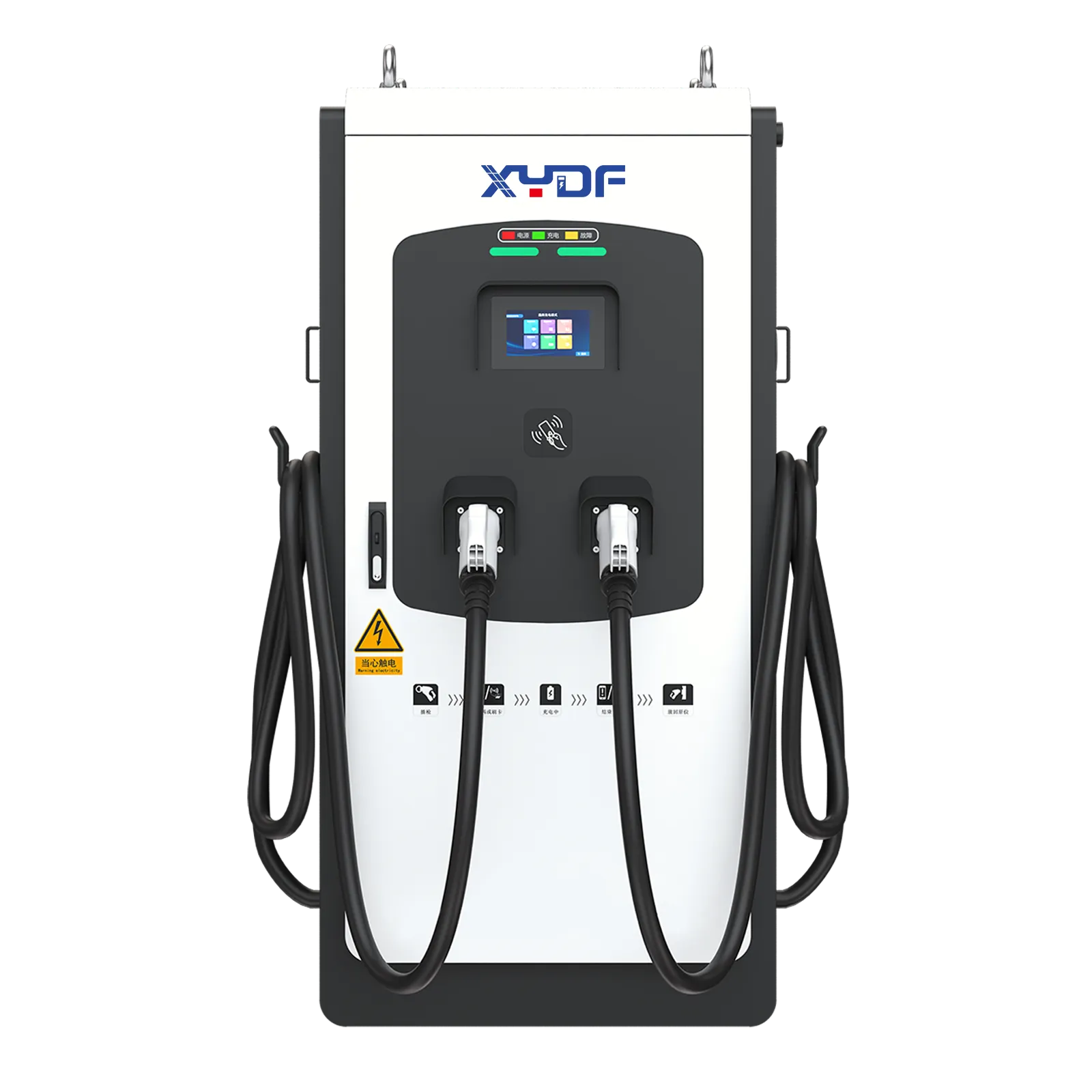
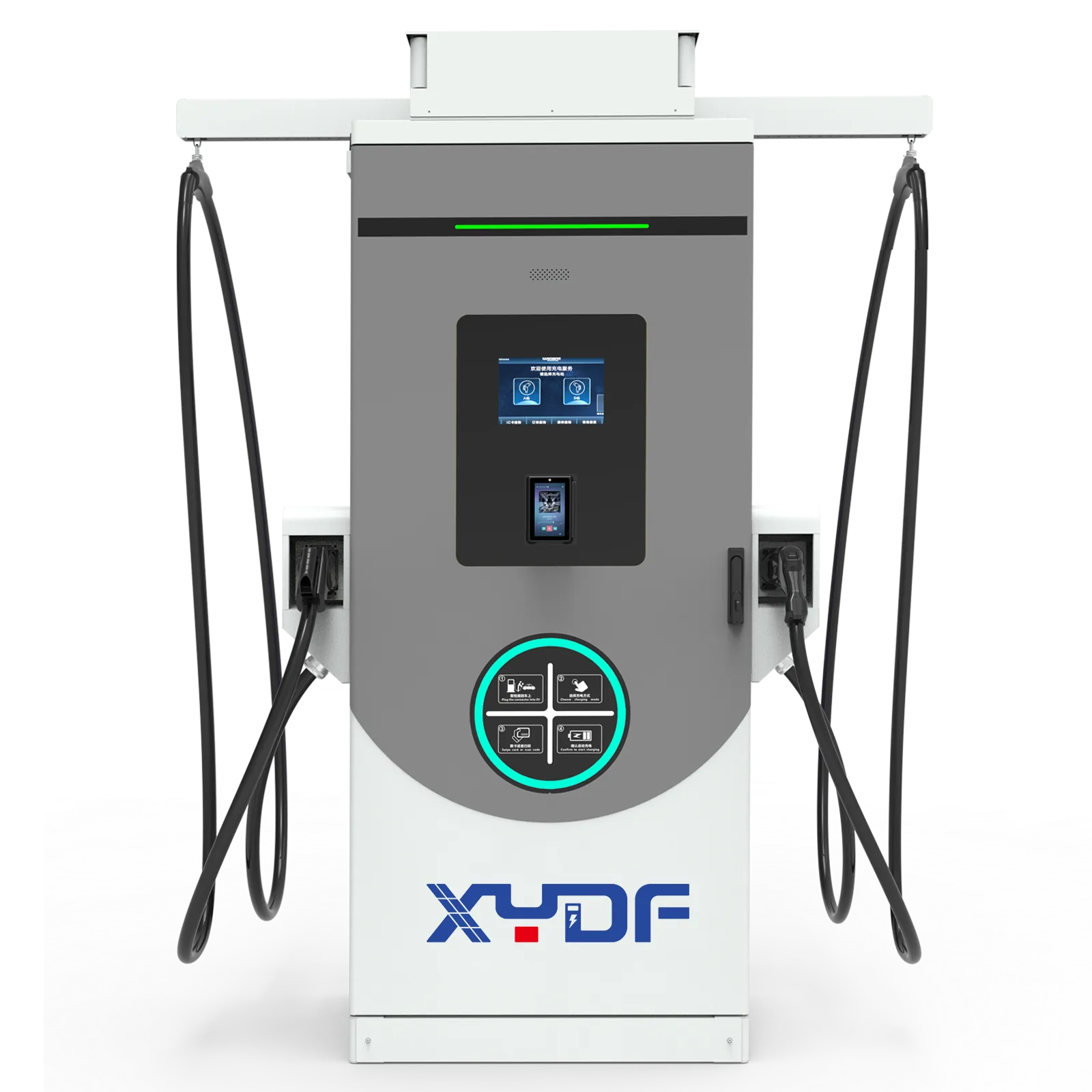
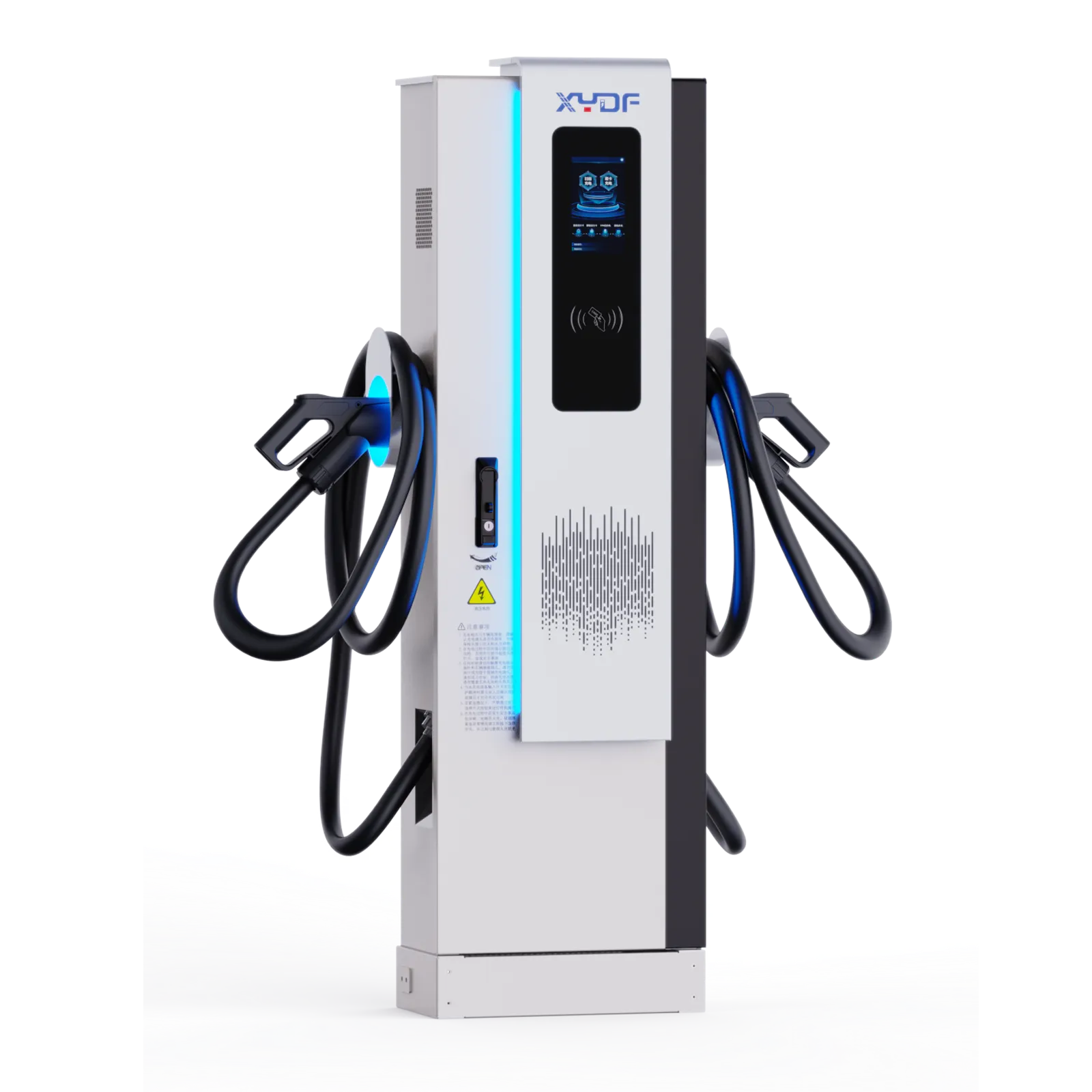
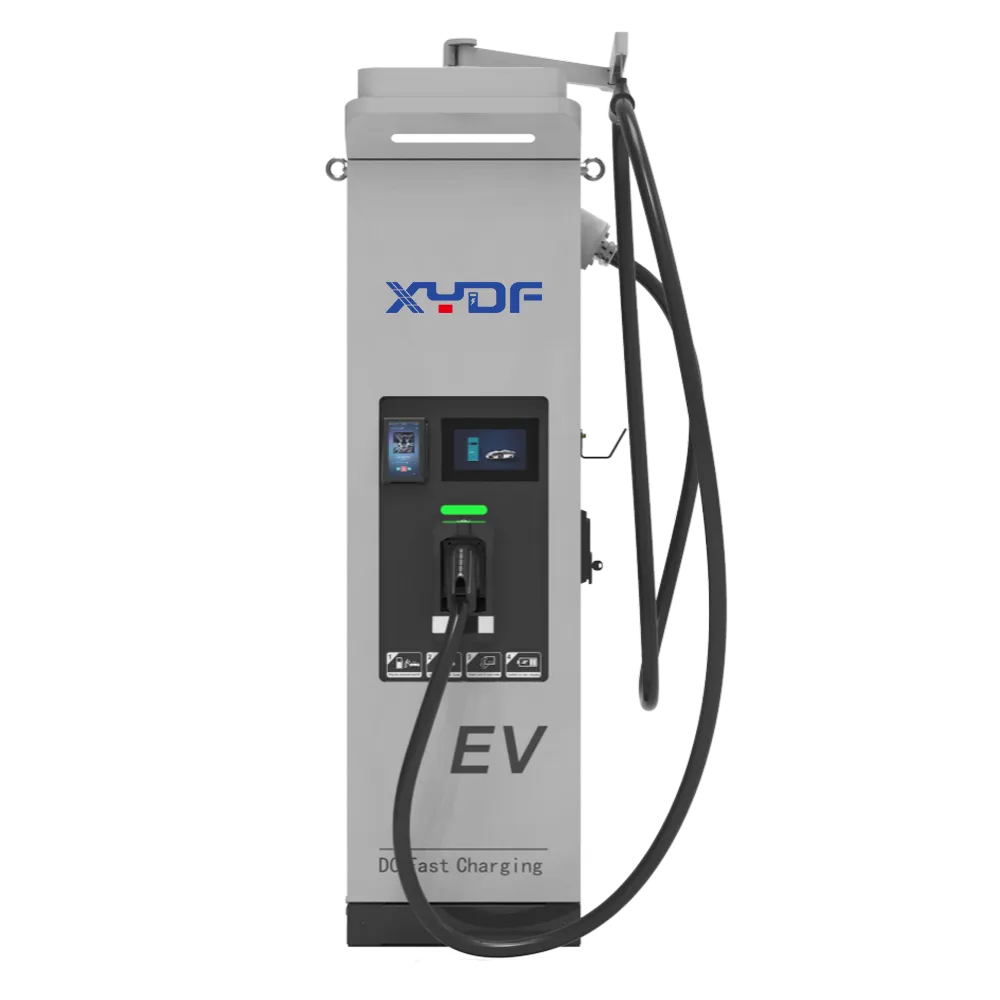
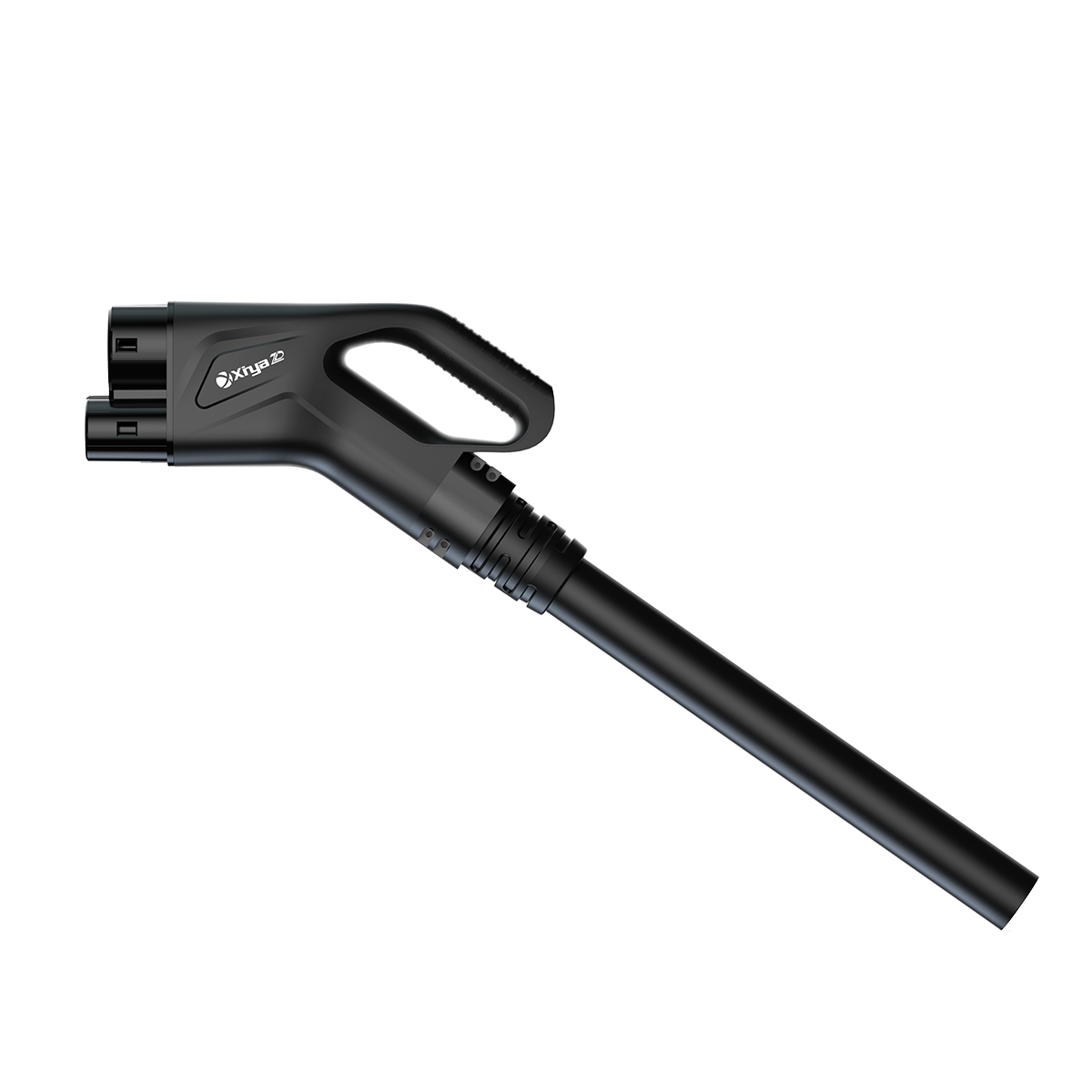
Choosing plug-in versus hardwired EV charging is a supply-connection decision, not a ranking of charging speed or safety. A suitable existing outlet can make a plug-in model practical, while a permanent installation may favor direct wiring. Neither choice resolves an undersized circuit, damaged contacts or a charger configuration that the manufacturer does not permit. Compare the installation and service conditions before choosing the connection method.
The short answer is that a plug-in EV charger receives building power through a compatible supply plug and receptacle, while a hardwired EV charger connects through permanent electrical terminals. The vehicle-side cable and connector are separate. Both methods require a suitable circuit, protective arrangements, site capacity and an approved product configuration. Hardwiring removes the supply plug/receptacle pair but does not remove termination or installation risks; a plug-in wallbox is not automatically a portable device.
Which connection is being compared?
This comparison concerns the building-to-charger supply connection. Tethered versus untethered describes the cable to the vehicle. Protocol version, app functions and vehicle inlet do not determine whether the supply connection is plugged in or permanently wired. Confirm all of these interfaces in the exact model documentation, rather than carrying a claim about one connection across to another.
What electrical conditions must be checked?
Have a qualified electrical professional assess service capacity, other loads, conductor sizing, installation method, protection, earthing, terminal ratings and the permitted continuous charging current. Output current and branch-circuit rating are different quantities. Do not connect a higher-current unit merely because the plug fits.
Local adopted wiring rules and the manufacturer’s instructions control the calculation; a circuit-sizing example from one jurisdiction is not universal. If the model allows output adjustment, record the commissioned limit and how it is protected against unauthorized changes. The DOE home-charging guidance describes the need to assess electrical capacity before selecting a Level 2 installation.
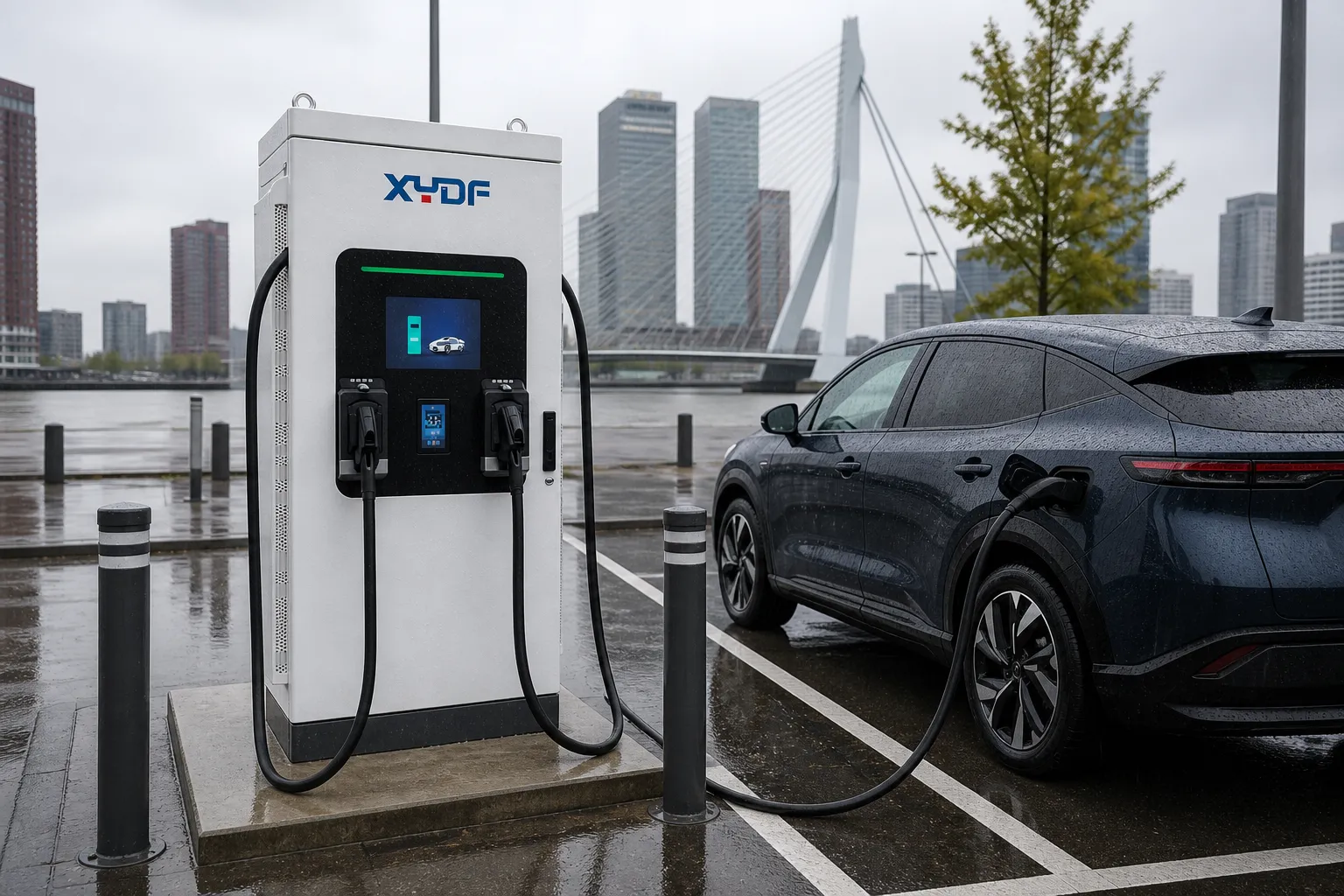
What extra checks does a plug-in installation need?
Check that the plug, receptacle and enclosure are suitable for the application and location. Worn contacts, inadequate insertion, loose terminations, contamination or strain can increase resistance and heating. Use the manufacturer’s specified hardware and termination requirements; do not improvise an adapter, extension or product conversion.
The relation I²R explains why contact resistance matters under a sustained load. It does not make every plug-in arrangement unsafe. Inspect for damage, discoloration, looseness or unusual heat within the approved maintenance scope, and stop use when a defect is suspected. A reduced output setting is not a repair for a damaged contact.
Does hardwiring improve charging speed or reliability?
| Question | Plug-in arrangement | Hardwired arrangement |
|---|---|---|
| Does it set charging speed? | No; supply, configured output and vehicle acceptance still apply | No; the same system limits still apply |
| Which supply interface remains? | Plug, receptacle and associated terminations | Permanent terminations without a supply plug/receptacle pair |
| Can the charger be relocated? | Only if the model and new installation permit it | Requires qualified disconnection and a suitable new installation |
| Is outdoor use permitted? | Depends on the complete connected assembly and location | Also depends on model, entries and installation |
| What can fail? | Contacts, terminations and other equipment components | Terminations and other equipment components |
Compare observed service evidence and the proposed installation rather than claiming that one method is universally safer or more reliable. Removing one contact pair is a design distinction, not a complete reliability result.
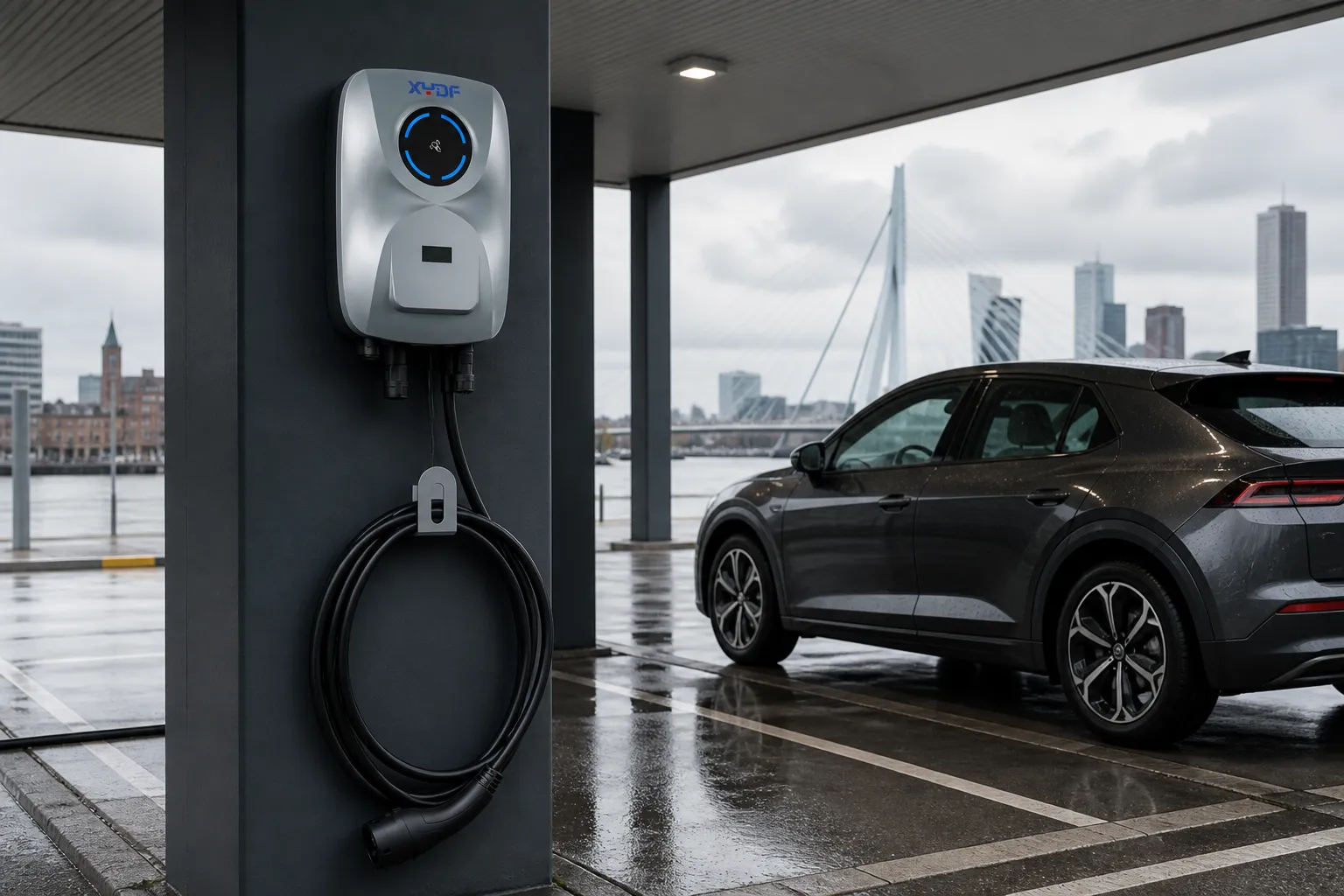
How do installation, maintenance and relocation affect total cost?
| Cost or obligation | What to include in the comparison |
|---|---|
| Existing electrical works | Assessment and remediation, not assumed free reuse |
| New circuit | Wiring route, protection, enclosure or terminals and commissioning |
| Replacement | Approved isolation/disconnection, product configuration and testing |
| Maintenance | Contact or termination checks and the permitted inspection procedure |
| Relocation | New supply, permissions, mounting, route and reapproval where required |
A plug-in option may reduce work when a suitable circuit already exists, but that advantage is not guaranteed when a new installation is needed. For repeated use, include access, unauthorized disconnection risk and service responsibility. The installation cost guide distinguishes equipment price from complete site costs.
How should the buyer make the final choice?
Start with the charger’s approved connection options and the installer’s assessment. Then consider whether equipment must move, who can service it, how cables are supported and what happens after a fault. Do not add a plug to a hardwired-only model or remove a supplied plug unless an approved conversion procedure exists.
Compare the exact AC EV charger configuration and local requirements. For a UK home, the UK home charging guide adds market-specific device checks. IEC 61851-1 describes charging-system requirements, but a standards reference is not installation approval or proof of certification for an individual model.
Frequently asked questions
Is it better to hardwire or plug in an EV charger?
Neither is best for every site. Use the manufacturer-approved configuration and installer assessment, then compare operating conditions, service access and relocation needs.
Are hardwired EV chargers safer?
They remove the supply plug/receptacle pair but still require correctly designed and installed wiring, terminals and protection. No blanket safety guarantee follows from connection method alone.
Is 6mm cable suitable for a 7kW EV charger?
Conductor area alone cannot approve a circuit. The designer must consider material, installation method, grouping, temperature, length, voltage drop, terminals and protective devices under applicable rules.
Can I take a plug-in charger to another property?
Only when the product permits relocation and the new supply and installation are suitable. A compatible-looking receptacle or plug-in label is not sufficient.
Is plug-in the same as tethered?
No. Plug-in concerns the building supply; tethered concerns the attached vehicle charging cable. Confirm both interfaces separately.
References
- U.S. DOE AFDC: home charging and electrical capacity
- IEC 61851-1:2017 — general charging-system requirements
- U.S. DOE AFDC: operation and maintenance responsibilities
Conclusion
Choose the supply connection only after confirming the approved product configuration and electrical installation. Establish available capacity and continuous-current limits first, then compare the receptacle or terminal arrangement, cable support, environmental conditions and service responsibilities. A plug-in unit may be practical on a suitable existing supply, while direct wiring can remove one contact interface in a permanent installation. Neither choice guarantees speed, safety or trouble-free operation, and relocation still needs a suitable new site. Do not convert a product outside its approved instructions or use an app setting to mask defective wiring. XYDF supplies defined AC configurations; request installation documentation with the supply, location and connection preference before deciding whether the offered model meets the project requirements.