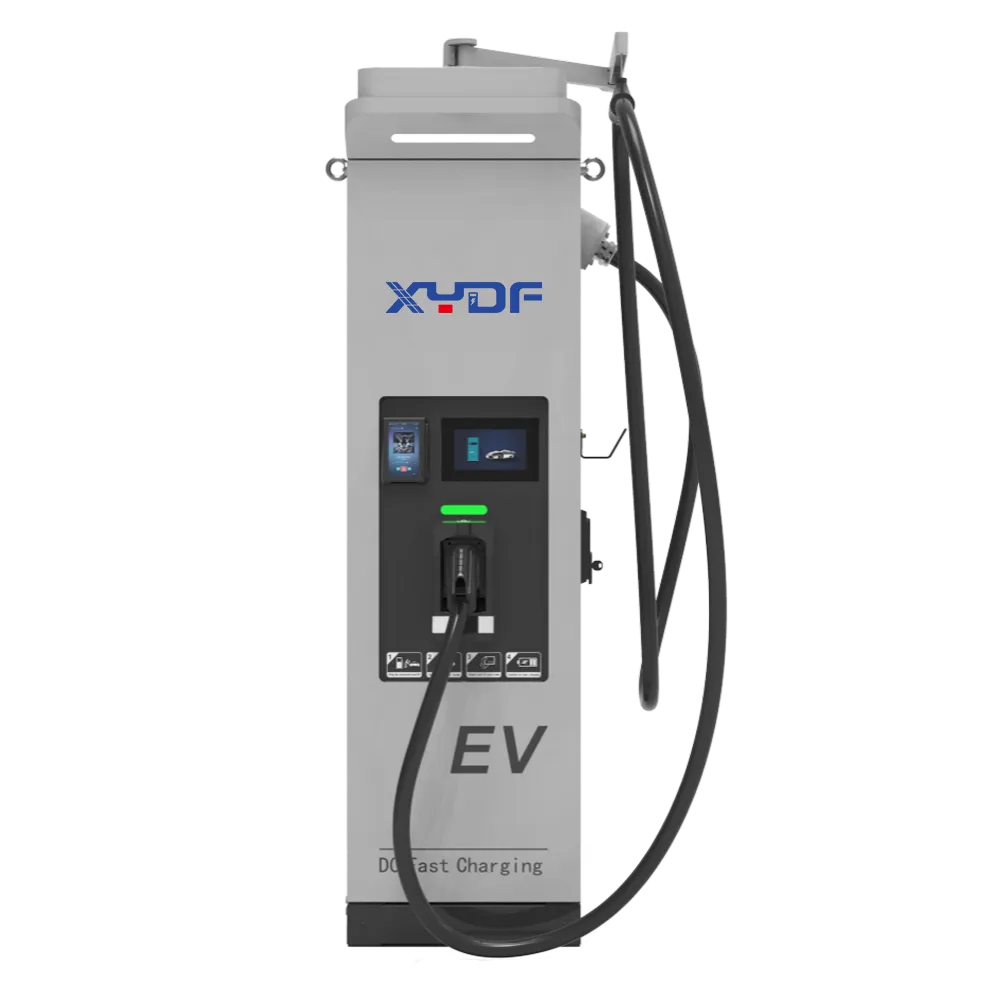
Currently, the market mainly offers two types of DC EV chargers: all in one EV charger and split EV charger. Both All in one EV charger and split EV charger share the same functions, but they differ significantly in structure, installation, scalability, usage, maintenance, and cost.
All in one ev charger
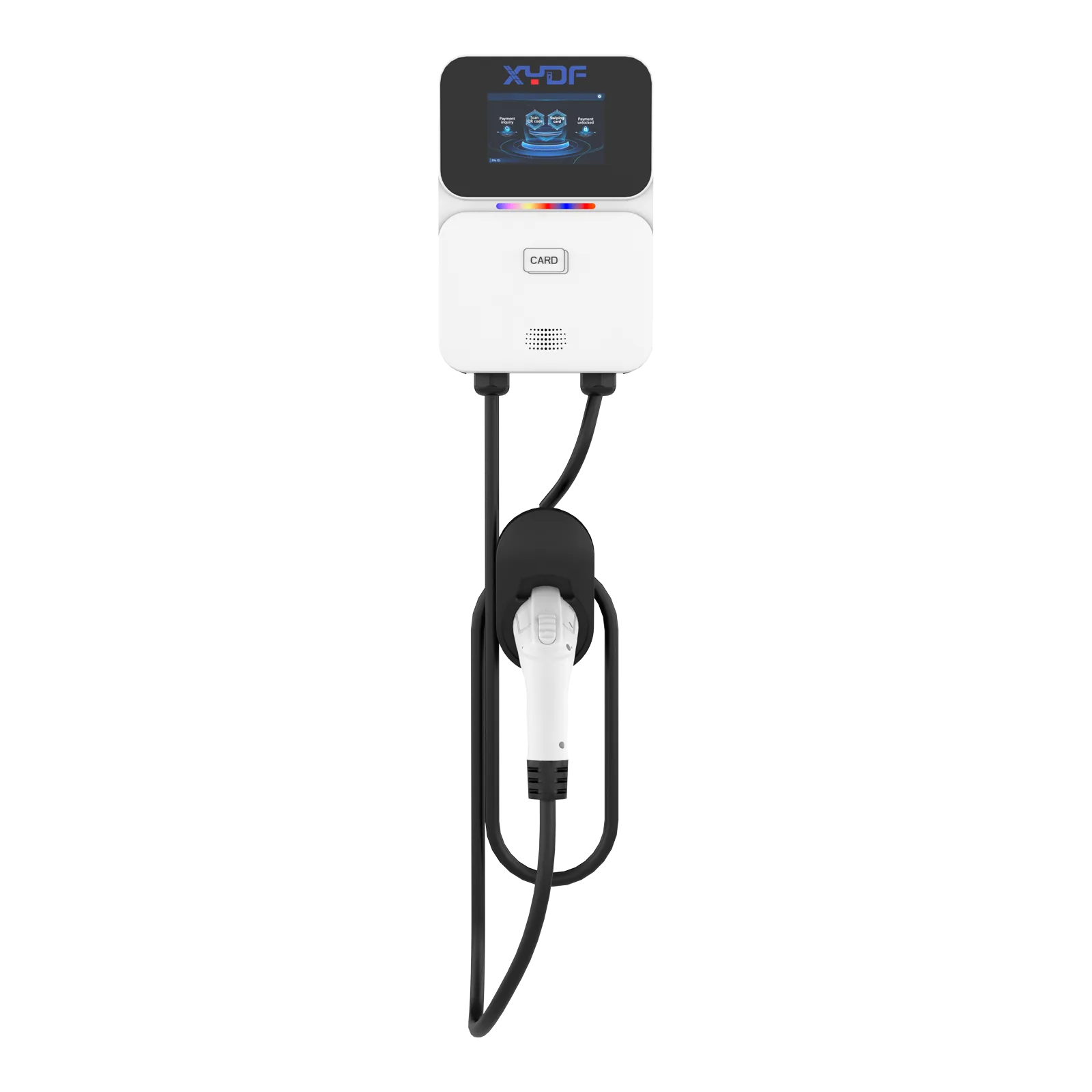
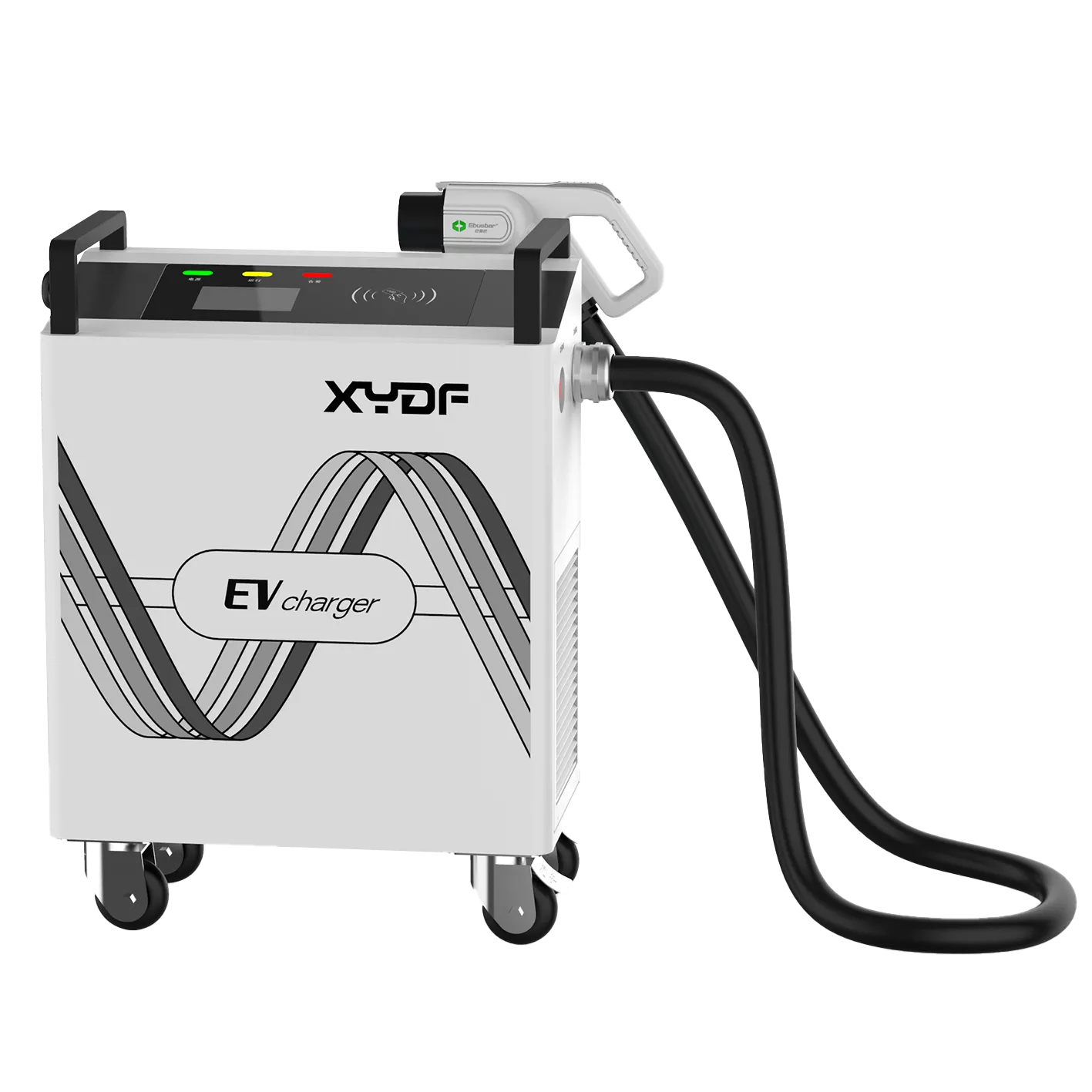
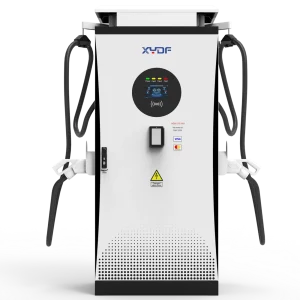
An all in one EV charger combines all main components—power modules, user interface, and charging connectors—into a single cabinet.
Most DC EV chargers we see in daily life are all-in-one units.
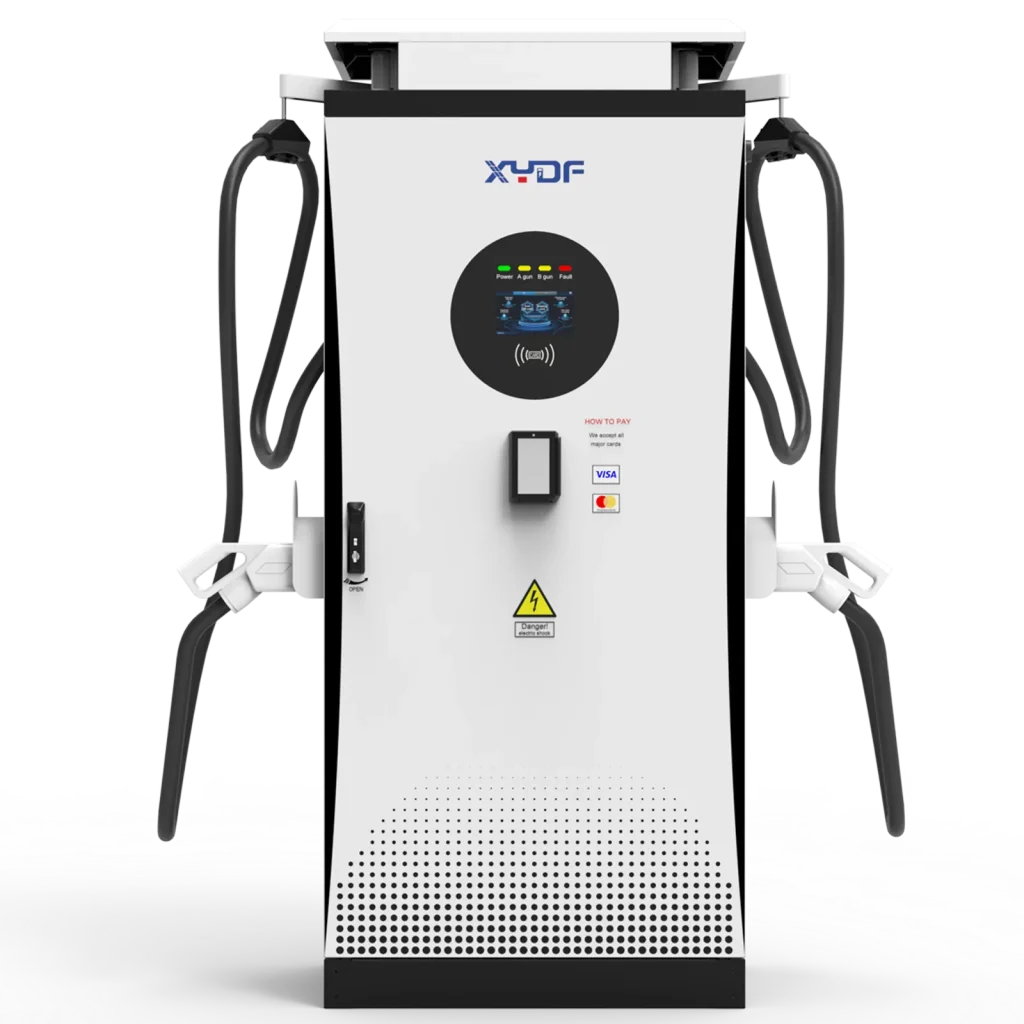
All in one cabient
Split EV charger
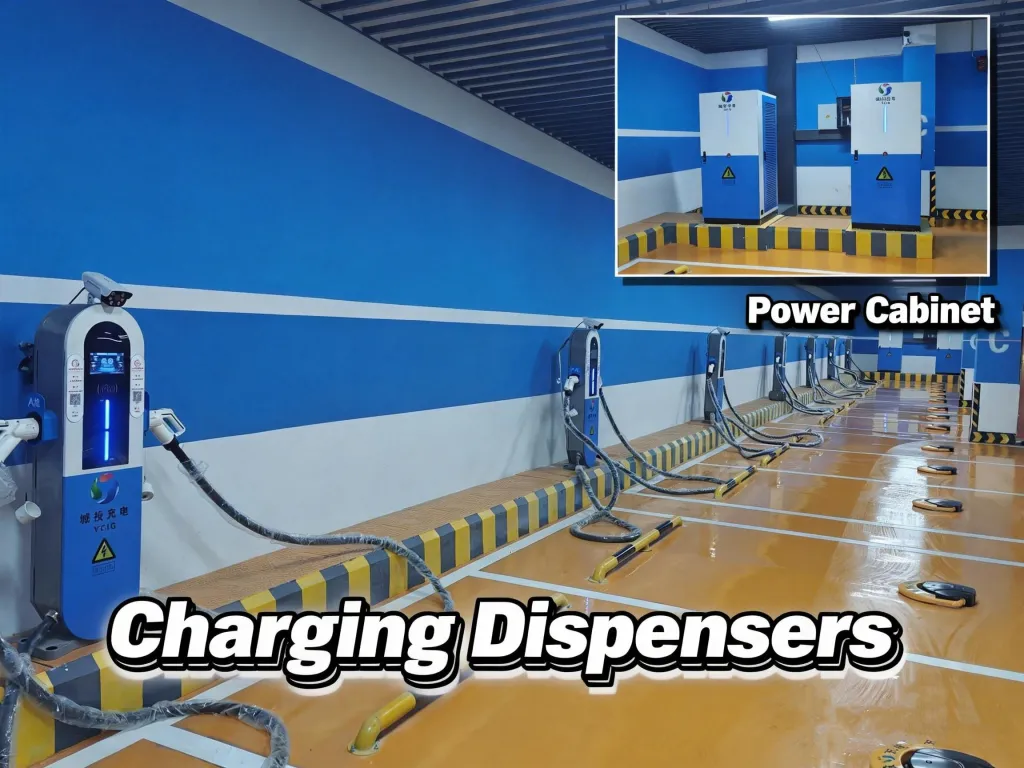
A split EV charger separates the power cabinet from the charging dispensers(charging terminal). The number of charging dispensers is usually two or more.
Split ev charger have several other names: Satellite charger, distributed charging system or split charging station. Technically, a split EV charger functions as a compact charging station.
Features: One power cabinet with multiple smaller charging dispensers.
Before You Install
Compliance Warning: Regardless of the product type, always check local approval procedures and regulations for wiring and site construction before installation or purchase to avoid unnecessary trouble.
Both architectures have distinct strengths depending on your specific needs:
Need tailored advice? Share your specific requirements and constraints with us to find the perfect match for your scenario.



 Xinya Dongfang Electricity Technology Co., Ltd.