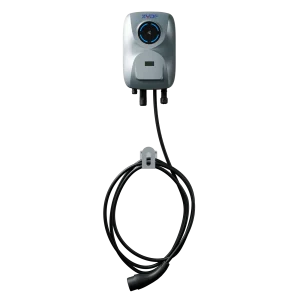
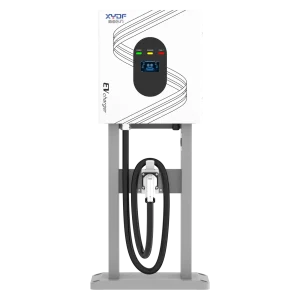
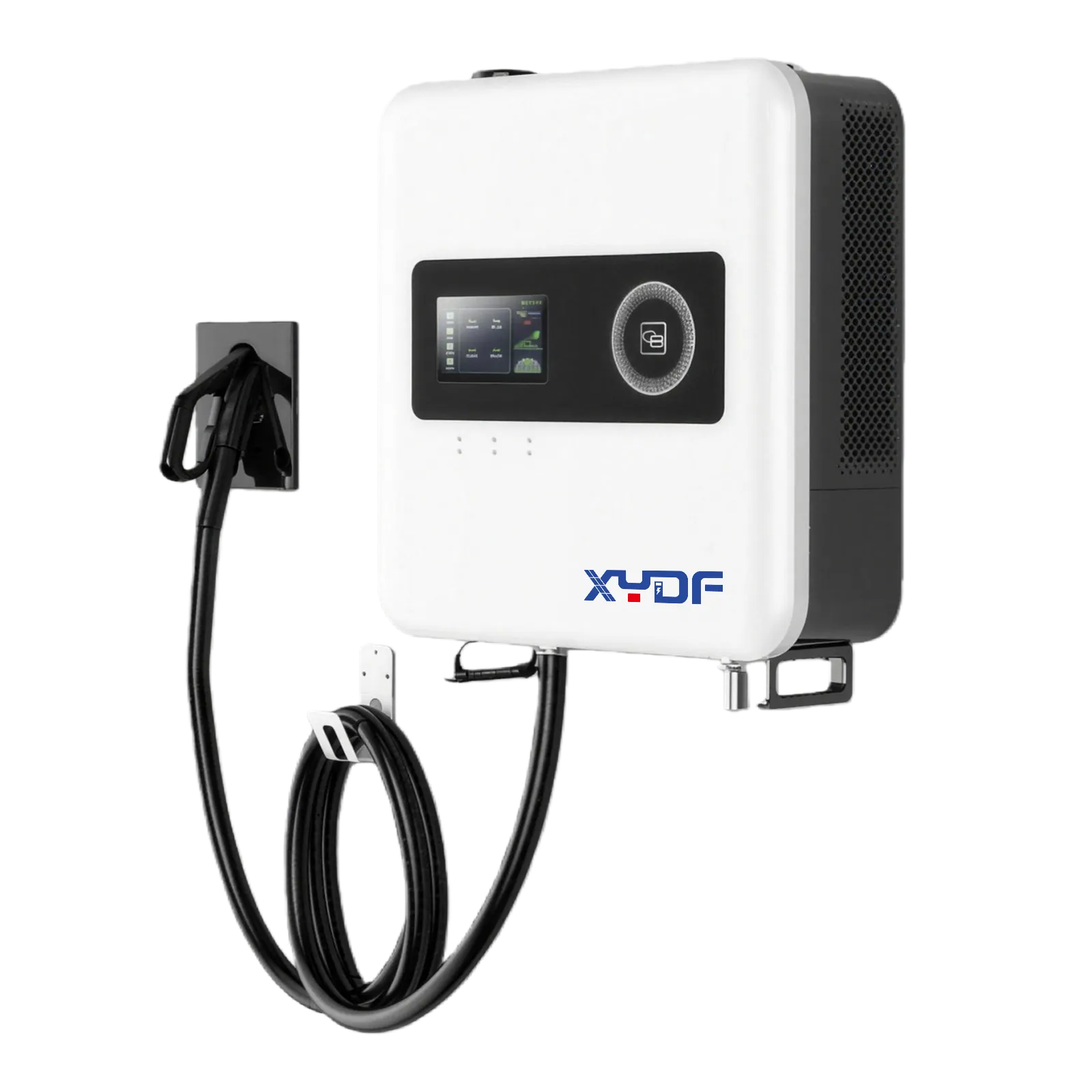
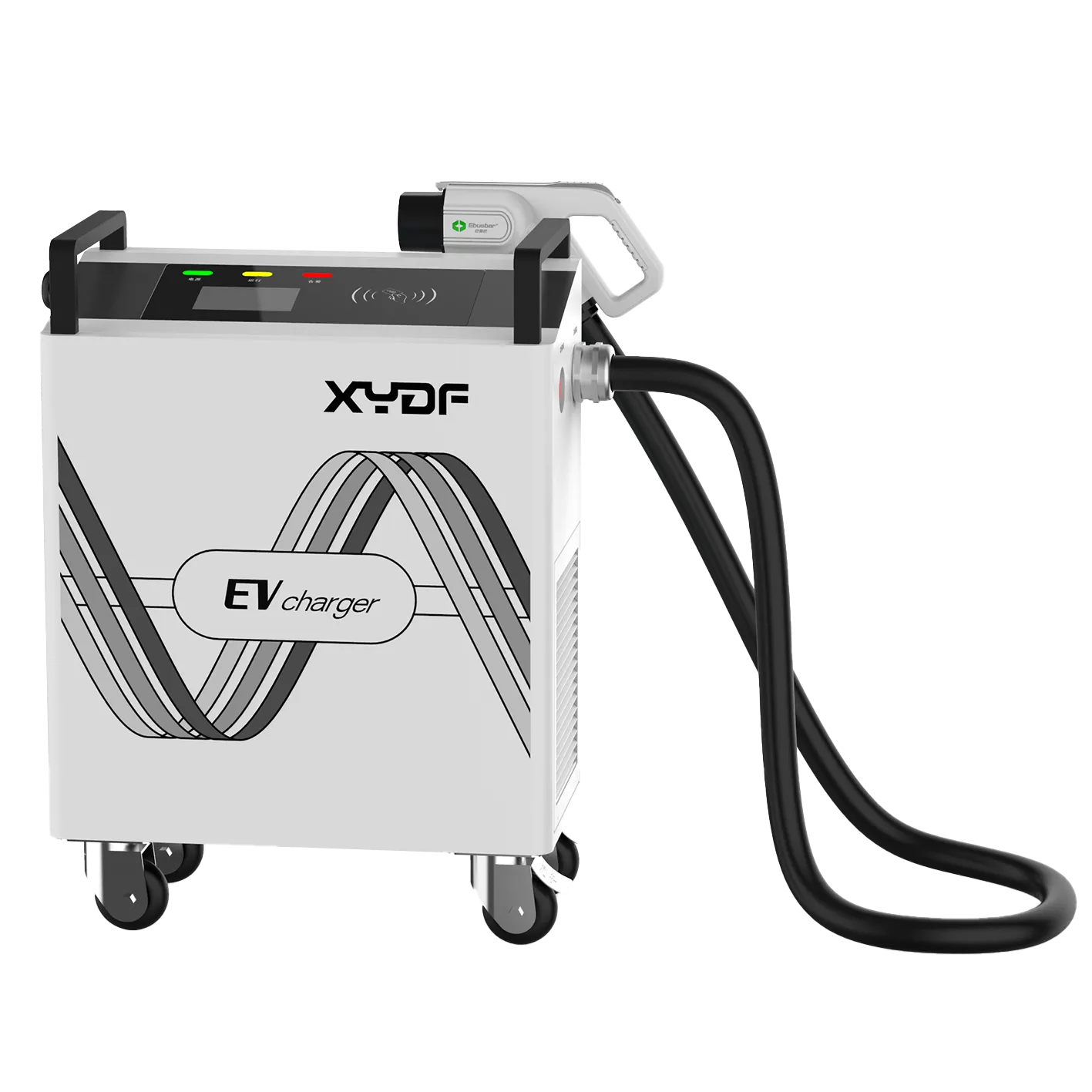
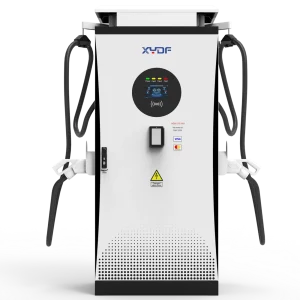
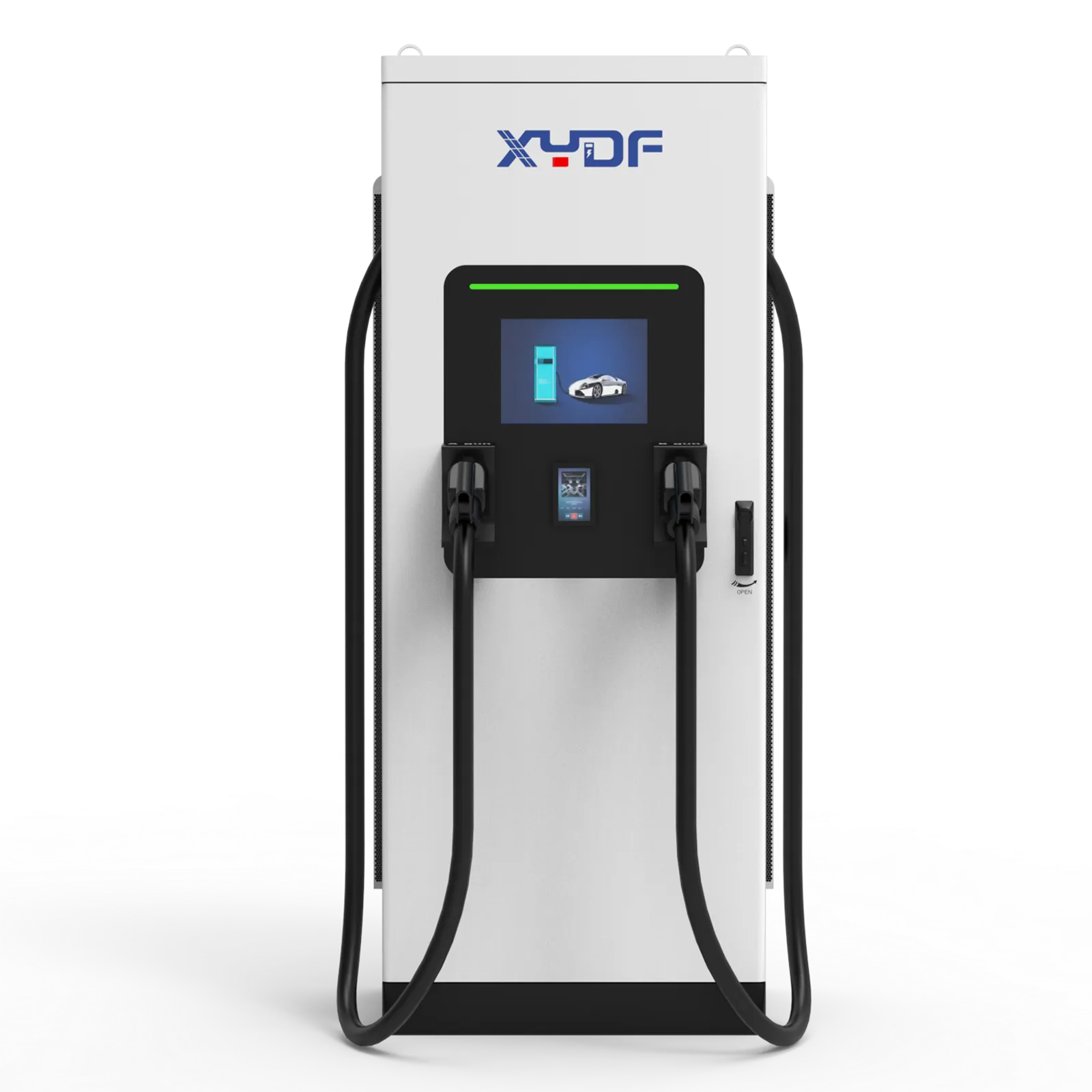
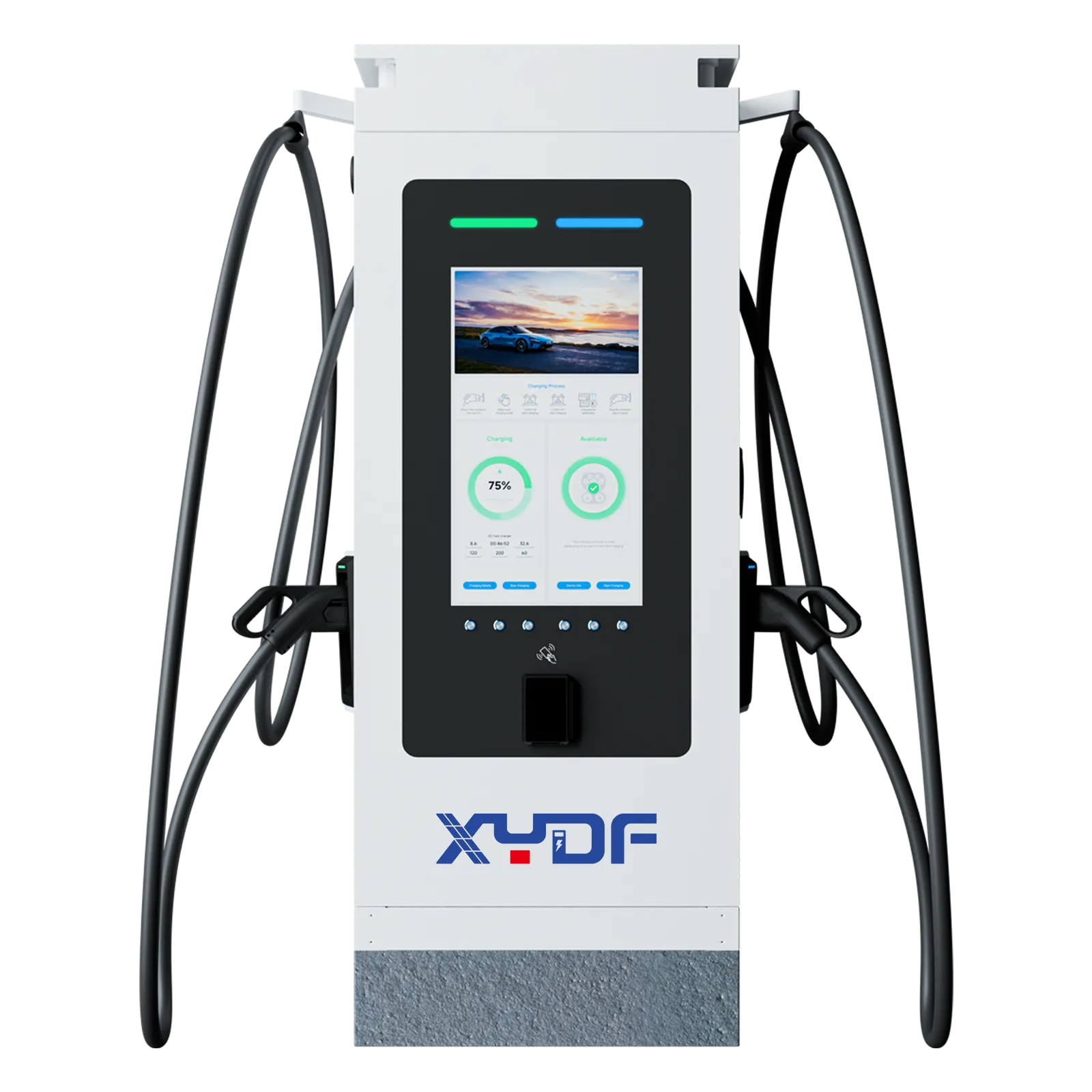
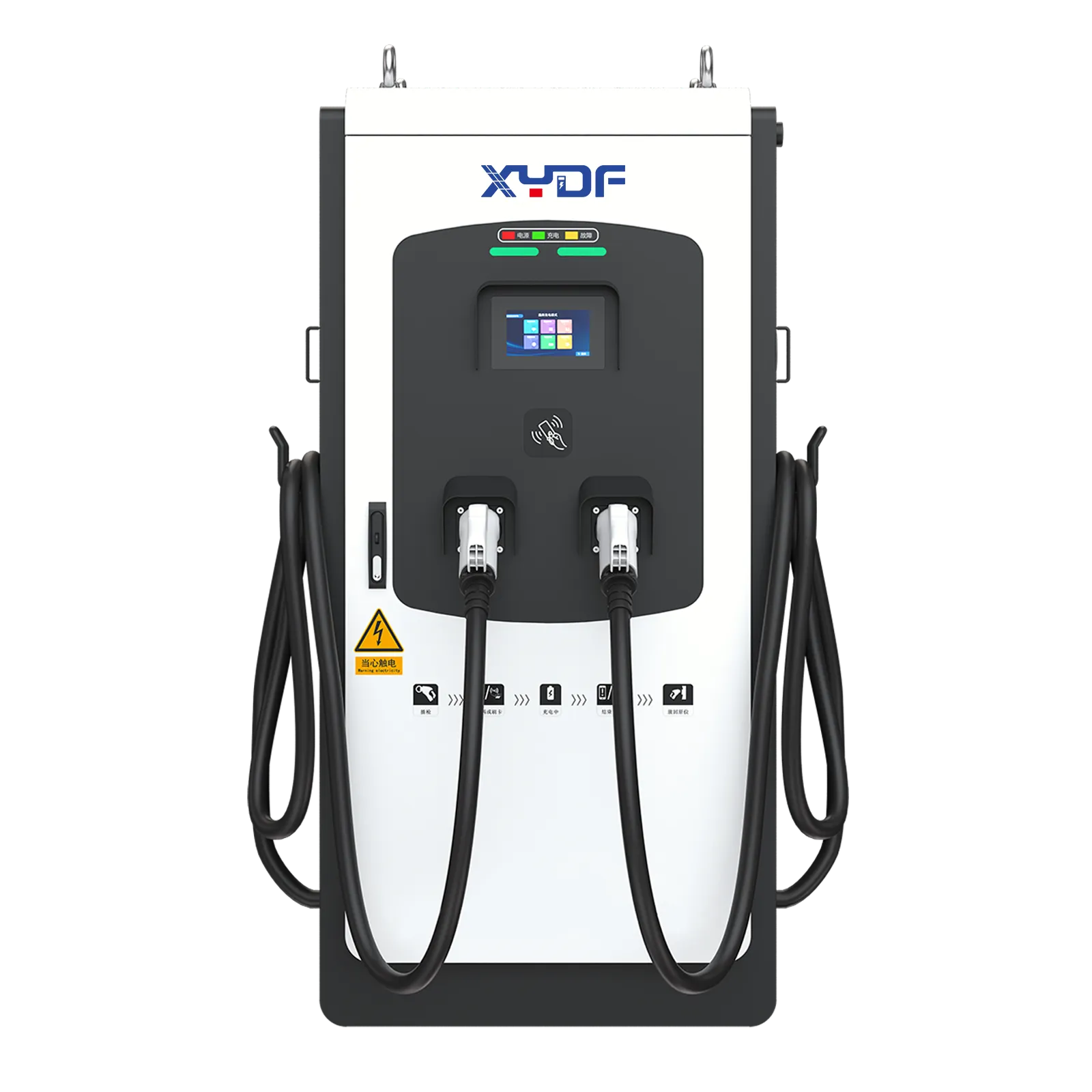
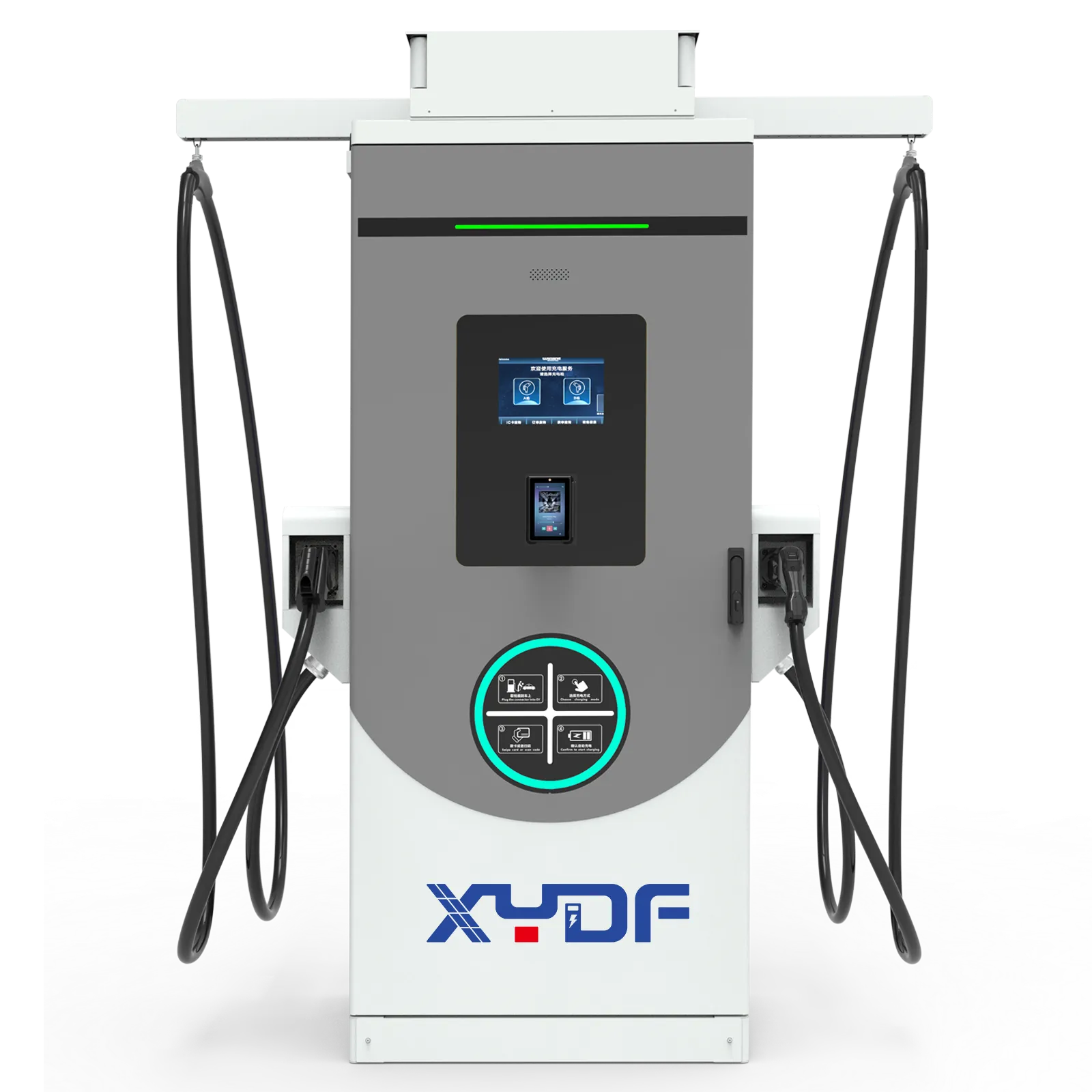
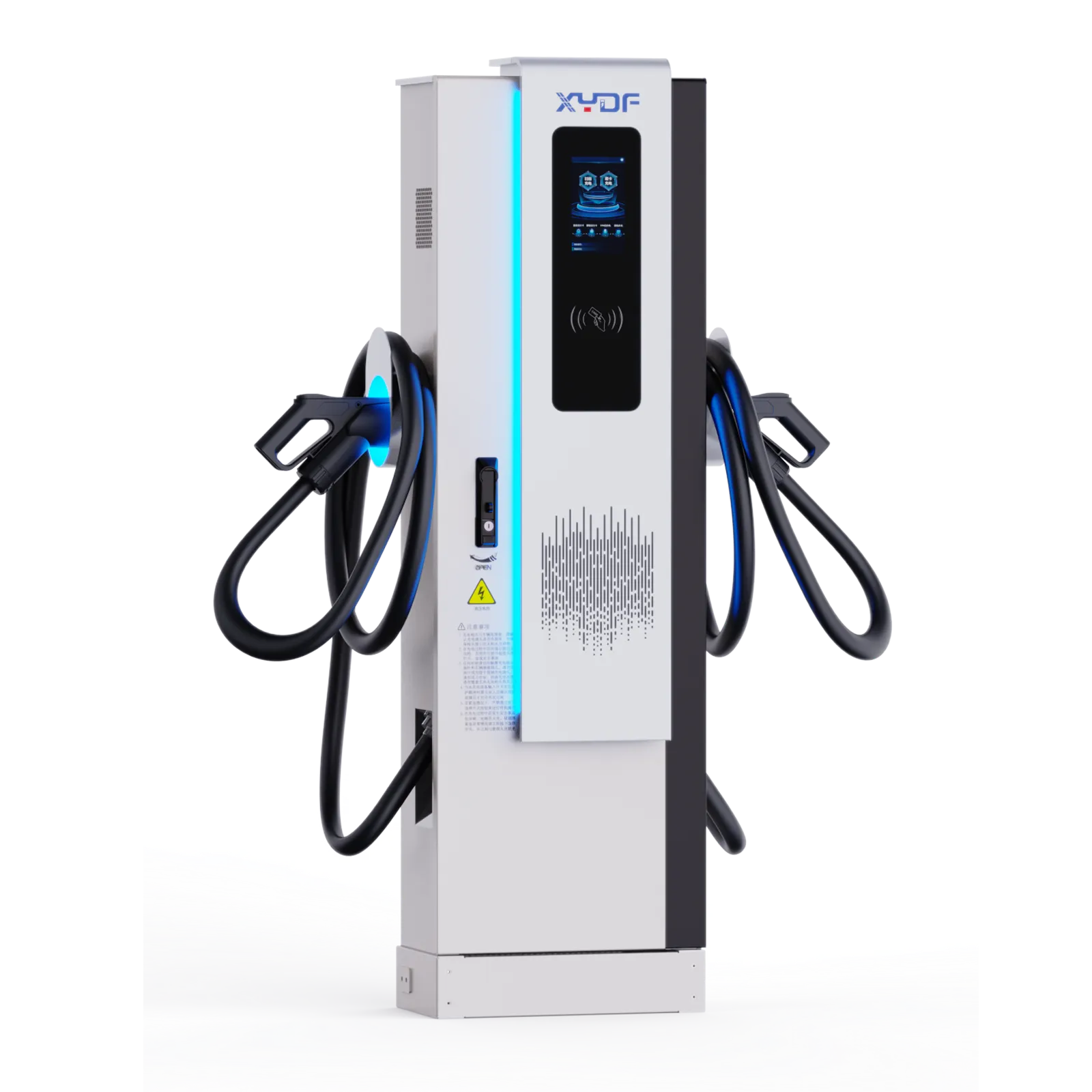
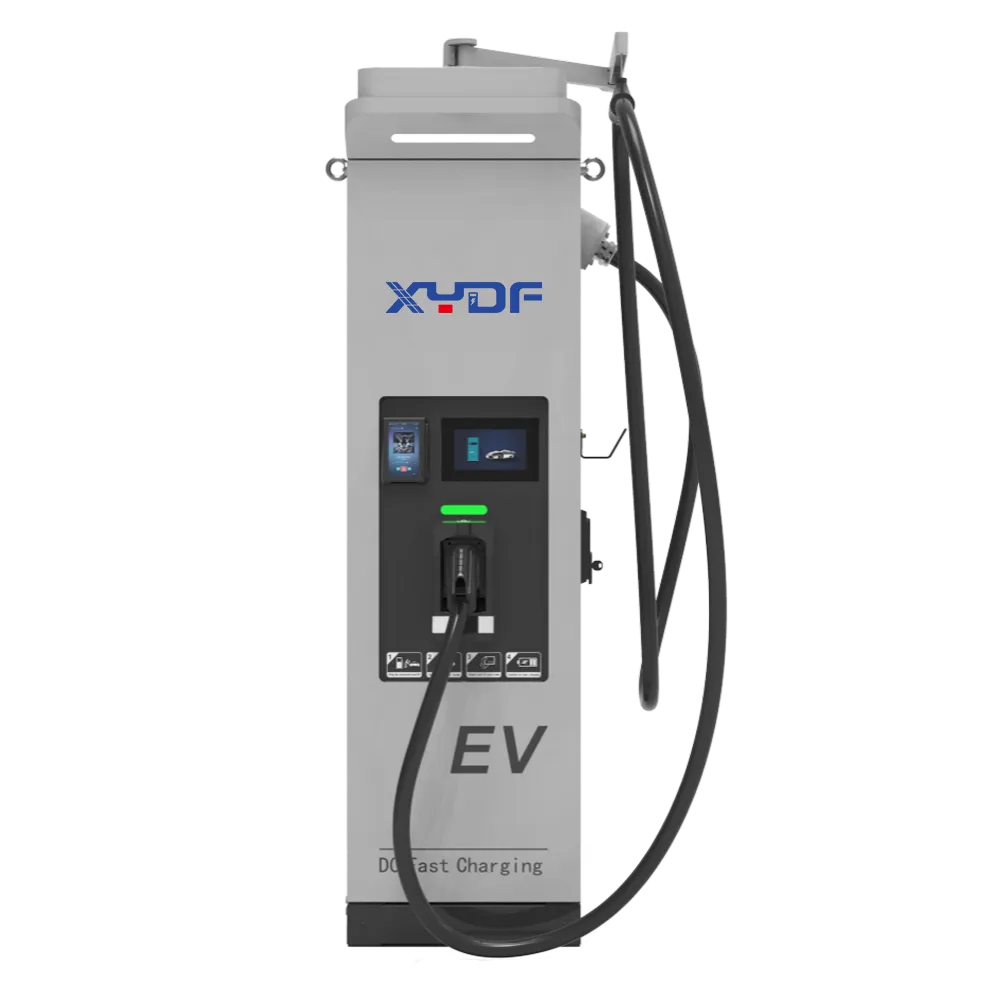
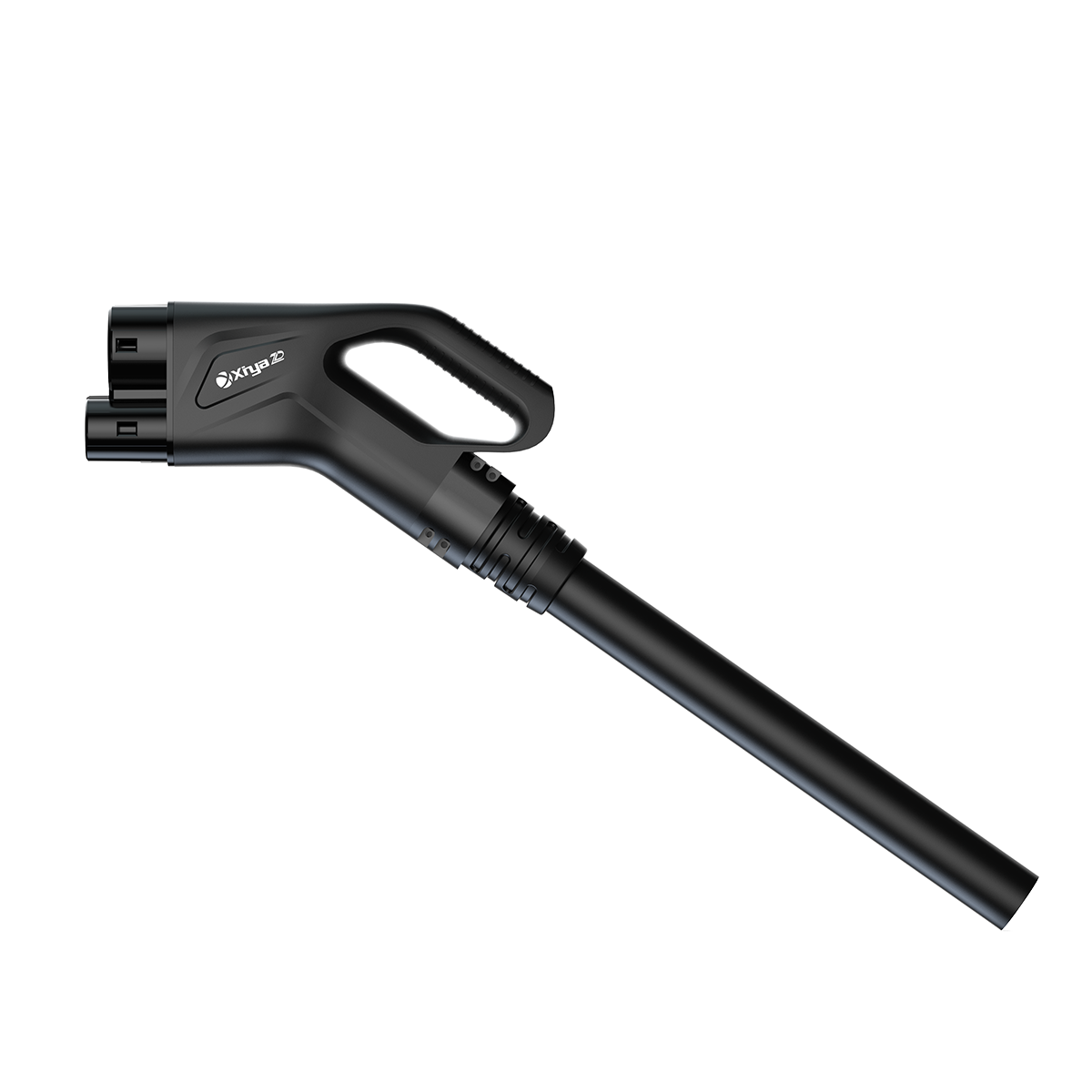
The Electric Car Revolution is providing a cost-effective transportation alternative to the Automobiles of the Past and has also led to the creation of many new Fast Electric Vehicle Charging Stations to meet this demand for faster and more efficient ways to charge EV batteries, which will allow Drivers to spend more time packing their bags and getting back on the road than waiting on an EV to charge while they do so. This article will discuss the fastest available charging options, the benefits of a fast charger and how to choose an appropriate fast charging solution that meets your specific requirements.
To determine the time it takes to charge your Electric Vehicle Charging Station we will use kilowatts (kW) as the measurement of how much power will be applied to your battery. The more kilowatts (kW) will result in a faster charge time. There are typically two groups of fast electric vehicle (EV) charging options:
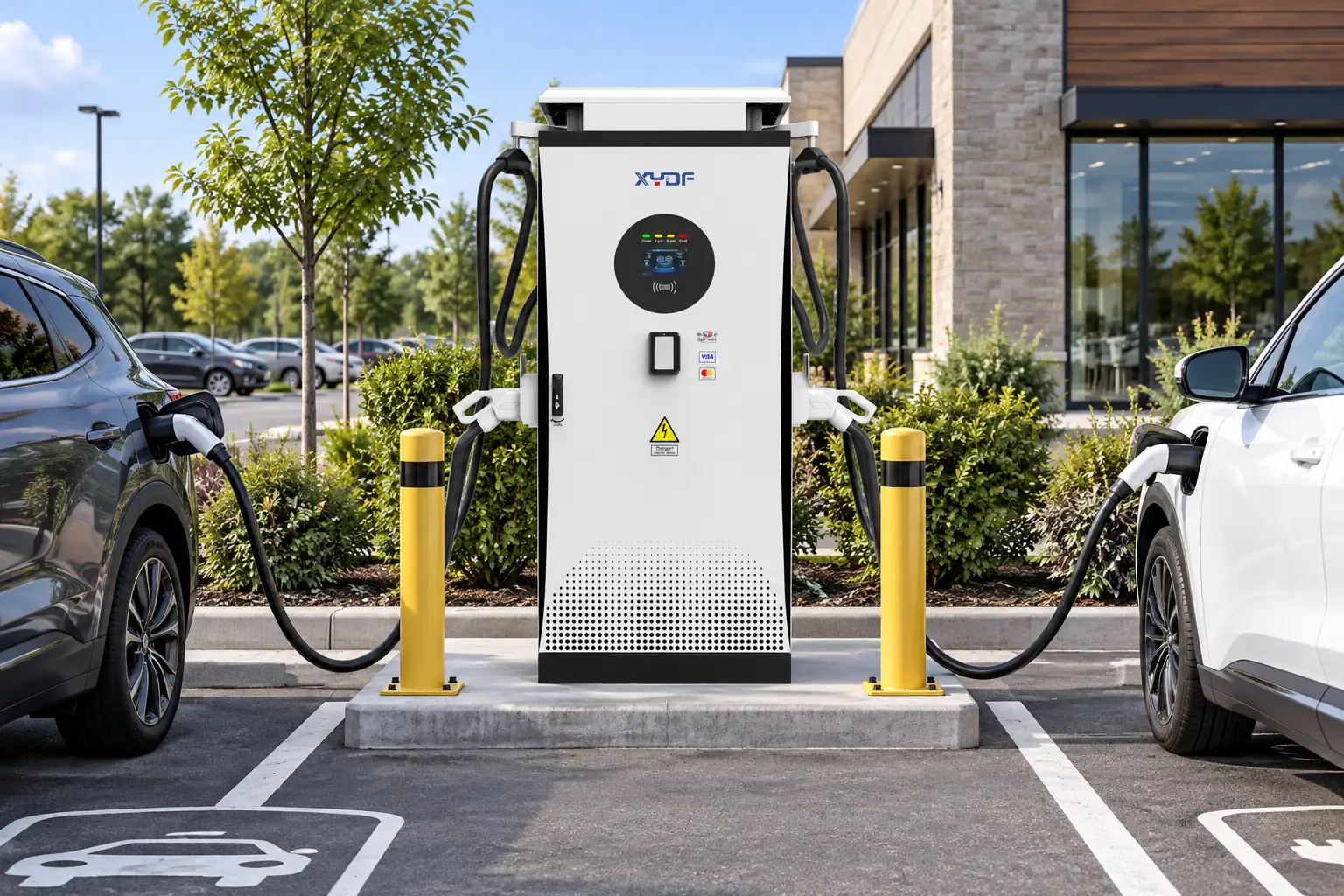
If you are only looking for speed when charging your EV then you should use a Level 3 DC fast charger, and it will typically charge a typical EV battery from 20% to 80% capacity in 20 to 30 minutes; this is manufacturer dependent.
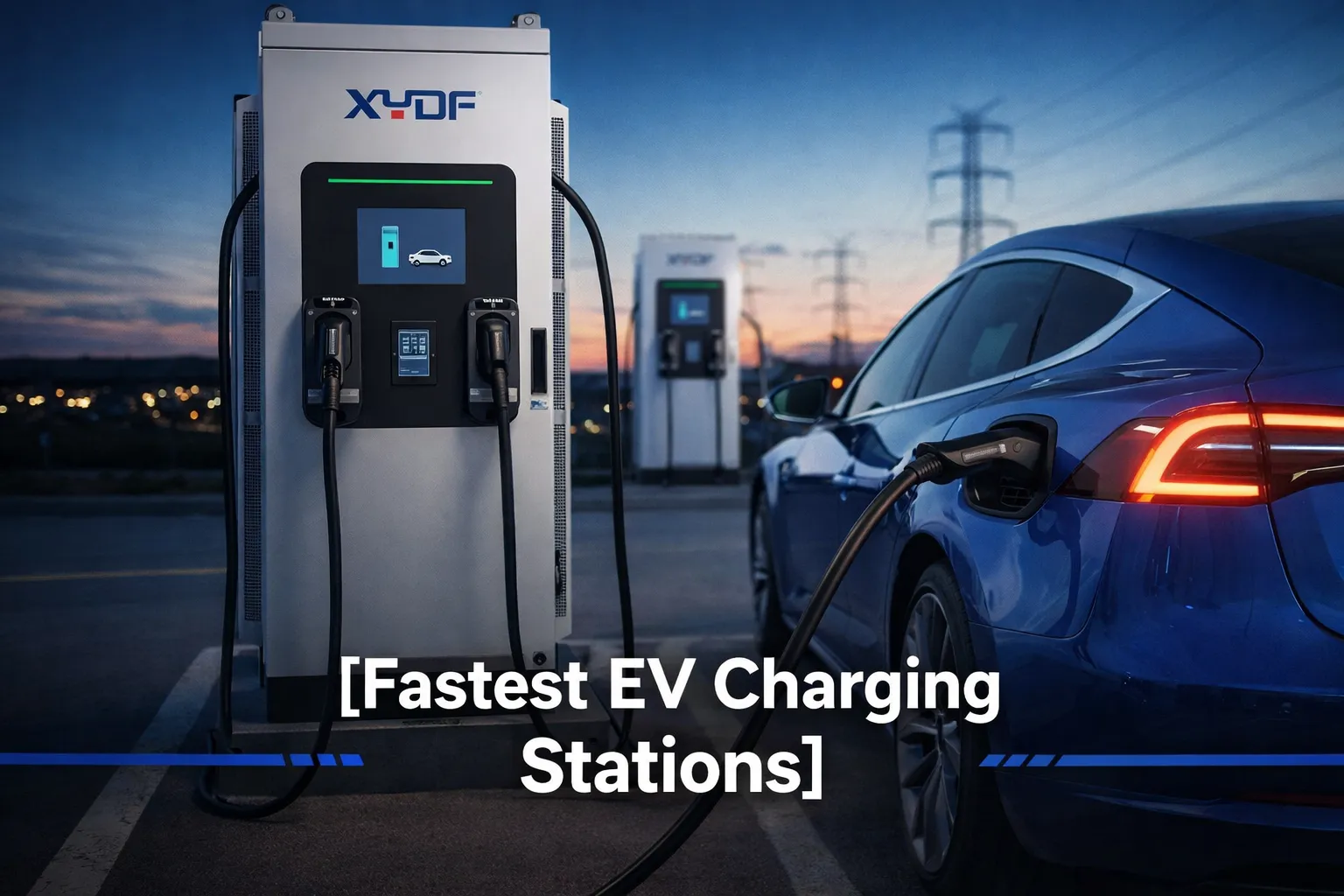
The below is a list of some of the fastest EV charging networks in the world:
These proprietary chargers are able to provide up to 250 kW of charging capacity for compatible Teslas, allowing the battery to charge to approximately 80% in about 15-30 minutes, and there are thousands of Supercharger locations around the globe giving Tesla users significantly better convenience than users of any other EV charger networks.
Electrify America has many 350 kW rated DC fast chargers that can be used to charge many manufacturers’ EVs, thus providing users with a lot of flexibility and convenience. Electrify America has created user-friendly applications that help locate and pay for charging stations.
IONITY is a collective effort by numerous European automobile manufacturers to supply ultra-quick charging facilities across Europe with an ability to support charging speeds of up to 350 kW. The primary objective of IONITY is to develop a seamless connection along highways so as to allow electric vehicle (EV) drivers ease of travel over long distances.
In the United States, EVgo has built a fast and extensive DC fast charger system. EVgo’s charging stations allow drivers to charge their EVs at rates of up to 350 kW. They are strategically positioned in urban centers and along major thoroughfares, which provide convenience for both city residents and long-distance drivers seeking to make use of the available charging infrastructure.
Increased fast charging provides the ability to charge your EV quickly along the way when you are moving. Long wait times for EVs when you arrive at a charging station cause ongoing concern with electric vehicle (EV) drivers having “range anxiety” when traveling. Increasing the number of fast-charging stations would allow for fast charging so that drivers are not stuck waiting at a charging station when they should be driving.

If you want to choose the best fast charging station possible, consider the following:
The speed of charging: You will want to use fast charging stations that have DC fast chargers (50 kW and above).
Compatibility with your vehicle: Many fast charging stations are not compatible with all types of EV connectors. Speak with the manufacturer of your EV to ensure that your vehicle can work with the fast charging station you are considering.
Location: Use fast charging stations that are located along busy highways, in shopping centers within cities, and also near the usual travel routes you take.
Pricing and payment options: Fast charging station networks often use a variety of pricing models including pay-as-you-go, subscription plans, etc.
Amenities: Whenever possible, use fast charging stations that offer customer amenities such as, but not limited to, restrooms, food, and retail shopping within the building or complex.
At the fastest fast charging stations, DC fast chargers can charge your EV from 20% to 80% in roughly 20-30 minutes depending on the model of your vehicle and the speed of the charger.
While fast charging is available for many EVs, compatibility with fast charging is based on the EV’s connector type and charging capability. Prior to making plans for traveling with your EV, make sure that your vehicle will work with the DC fast charger you will be using.
Level 2 charging stations are generally slower charging stations and are appropriate for use in homes or workplaces, whereas DC fast charging stations are designed to charge vehicles at the fastest possible speeds while you are traveling or away from home. DC fast charging stations charge at much higher power rates than Level 2 charging stations can provide.
Yes, DC fast charging stations generally charge a higher price than traditional charging stations due to the speed of charging and technology involved. Many drivers believe that the faster they can get back to driving is worth the extra cost incurred while charging at a faster speed than is available with traditional charging stations.
 Xinya Dongfang Electricity Technology Co., Ltd.