 Xinya Dongfang Electricity Technology Co., Ltd.



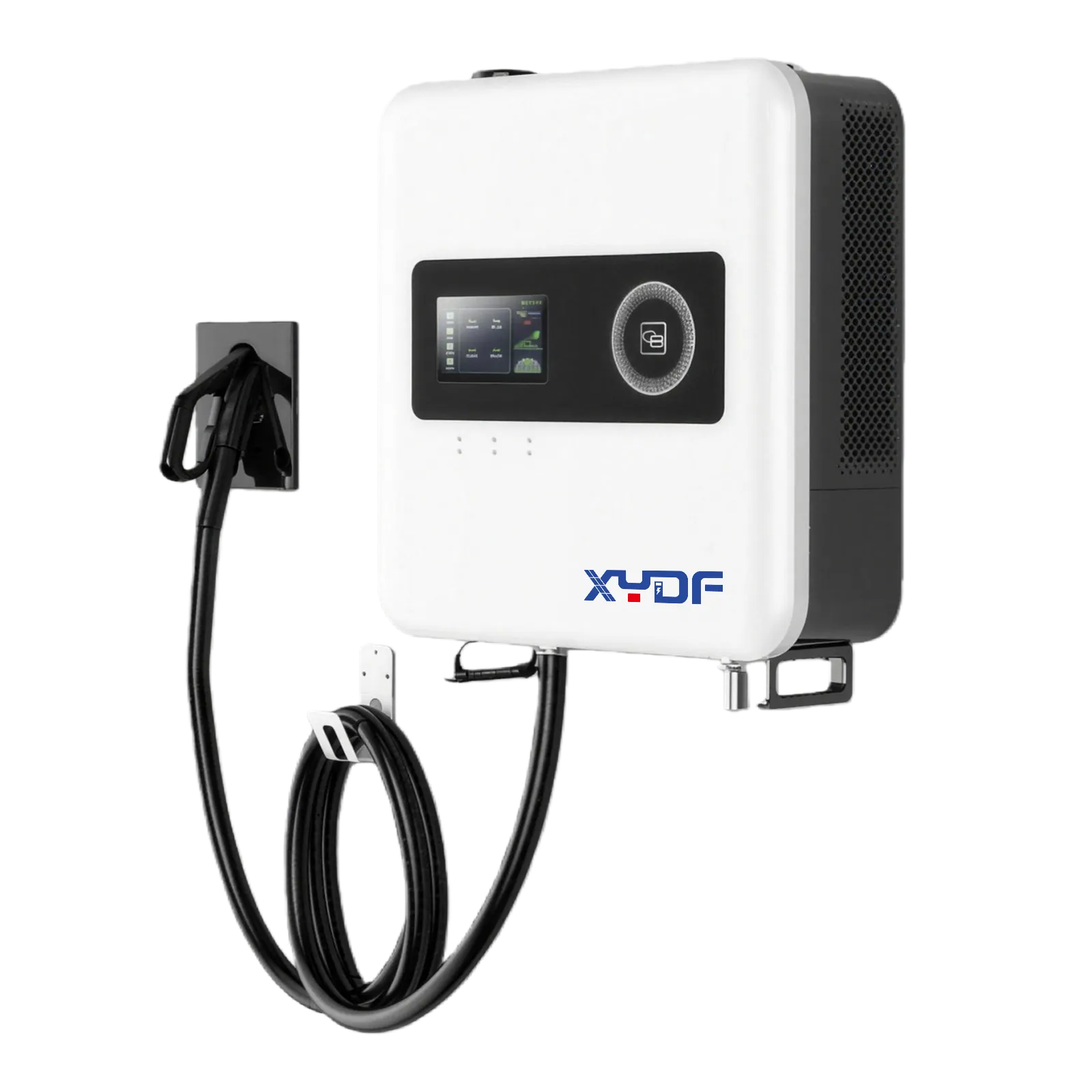
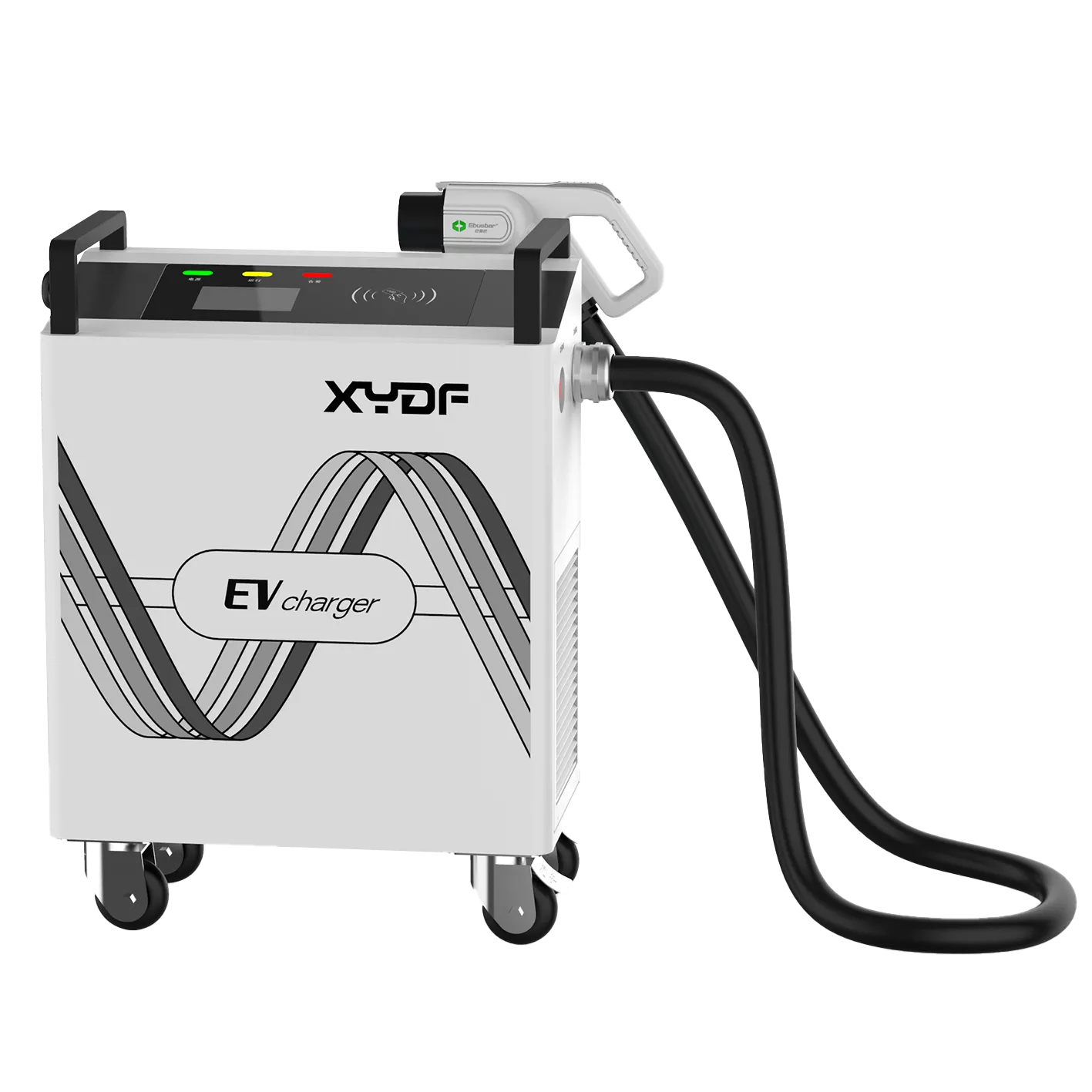
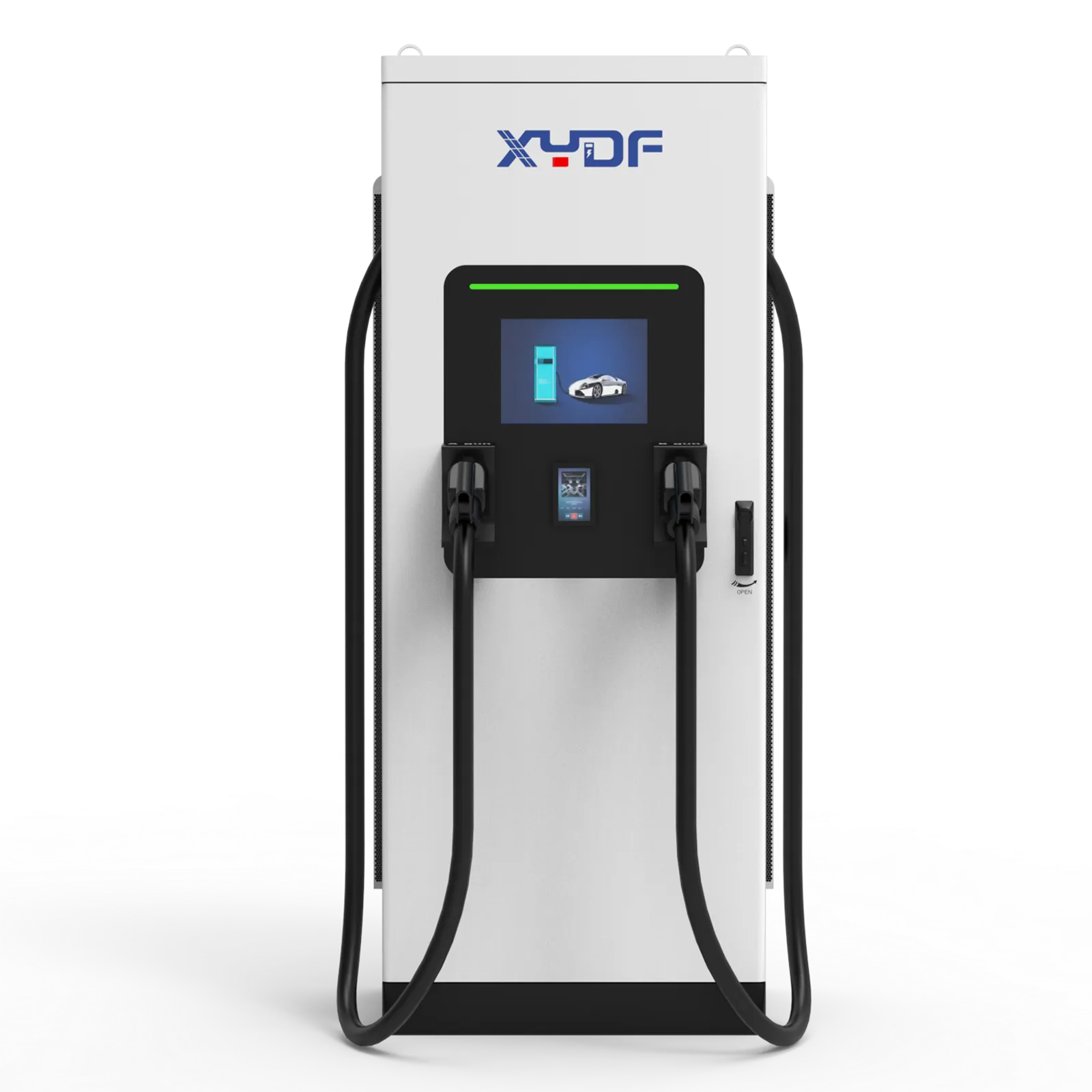
Battery swapping and plug-in charging solve the energy-access problem in different ways, so neither should be selected from queue concerns alone. Swapping may require compatible vehicle and pack designs, prepared inventory, handling space, and clear responsibility for the batteries. Plug-in charging may fit existing vehicles but still depends on dwell time, site power, connector access, and scheduling. Ignoring those boundaries can produce a system that cannot serve the fleet’s routes, leaves assets underused, or creates an ownership and maintenance model no team has accepted. This article compares the options through daily duty cycles, vehicle compatibility, inventory and site workflow, energy management, and operational control. The aim is to identify which questions must be answered before treating swapping or charging as a practical fleet model.
The better answer in the battery swapping vs charging station decision depends on vehicle architecture, route rhythm and battery ownership. Plug-in charging generally fits mixed fleets and fixed packs; swapping can fit high-utilisation routes only when removable packs, trained handling, inventory and a compatible network are contractually supported. Model dispatch hours, labor, battery cycles and grid constraints before committing capital; use U.S. Department of Energy AFDC data as an input, not a universal ROI promise. ISO 15118 covers vehicle–charging communication, not swap-pack dimensions.
What does a fleet gain—and give up—with battery swapping?
A charging depot transfers energy into the vehicle’s own battery. A swap hub installs a charged, compatible pack and charges the depleted one separately. Both need electrical service, controls, safe procedures and maintenance; swapping also needs pack custody, diagnostics and state-of-charge (SoC) balancing.
For fleet EV charging, map arrival and departure windows, mileage, reserve policy, dwell and seasonal peaks. NREL describes managed charging as coordinating charging with grid conditions and fleet needs. A rapid handoff helps only if the vehicle accepts a removable pack and the hub can provide the right SoC.
How do battery inventory and station throughput affect daily operations?
Swap-station design is a flow problem: estimate arrivals per hour, service time, positions, depleted-pack charging capacity, buffer inventory and the quarantine plan. Test the busiest dispatch wave, not the daily average. Spare packs can protect availability but tie up capital, space and warranty exposure; charging depots trade that inventory for dwell space and peak site power.

SoC management matters in both models. Chargers need schedules, load limits and data; swap hubs also need pack identification, temperature and health rules, rotation logic and a “ready for service” threshold. SoC alone does not prove usable range because software, condition, weather and payload matter.
| Dimension | Plug-in charging depot | Battery-swapping hub |
|---|---|---|
| Vehicle fit | Works with fixed-pack vehicles that support the selected charging interface. | Requires a removable-pack architecture and compatible mechanical, electrical and software interfaces. |
| Availability lever | Reduce dwell through power, scheduling and managed charging. | Reduce vehicle dwell by exchanging a ready pack, subject to queue and inventory capacity. |
| Footprint | Parking bays, switchgear, cable reach and service access. | Swap equipment, pack storage, charging racks, safety zones and vehicle alignment space. |
| Primary hidden cost | Demand charges, upgrades, connector maintenance and driver time. | Extra battery inventory, handling labor, diagnostics, warranty administration and degraded-pack reserves. |
| Mixed-fleet flexibility | Usually higher when vehicles share charging standards and site controls. | Lower unless vehicle and battery suppliers agree on interfaces and operating rules. |
Can your vehicles, suppliers and warranty terms support swapping?
There is no verified universal removable-battery standard for mixing packs across suppliers. Mechanical fit, voltage, communications, authentication, thermal limits and warranty terms must align. ISO 15118 covers vehicle–charging communication; it does not standardize swap dimensions. CharIN’s Megawatt Charging System work concerns high-power plug-in charging, not proof of a swapping ecosystem.
Ownership changes the risk ledger. Fleet-owned packs carry residual-value, cycle-life and replacement risk. A provider contract should define usable-energy guarantees, SoC responsibility, fault isolation, end-of-life treatment, warranty exclusions and inspection holds. Base degradation assumptions on the selected vehicle and duty cycle.
How should fleets compare total cost, uptime and labor?
A credible business case includes energy, connection work, EV chargers, civil works, software, maintenance, labor, training, insurance, inventory, finance and downtime. A portable EV charger finance model ROI battery swapping station cost worksheet is useful only when assumptions—vehicles, dispatch waves, tariff, utilization, ownership and residual value—are traceable. Do not omit the battery pool or operating staff.

| If your constraint is… | Study first | Likely direction (subject to evidence) |
|---|---|---|
| Long, predictable depot dwell | Managed charging schedule, connection capacity and bay utilization | Charging depot may be simpler. |
| Short, repeated dispatch windows | Swap queue, buffer packs, handling process and route compatibility | Swapping may be worth testing. |
| Mixed makes or leased vehicles | Interface, software and warranty matrix | Common charging infrastructure often has fewer dependencies. |
| Uncertain battery ownership | Contract allocation of degradation, defects and end-of-life cost | Pause the ROI case until terms are clear. |
A practical procurement checklist for fleet operators
- Map routes, payload, dwell windows and dispatch waves; test the peak hour and a failure day.
- Confirm vehicle architecture, pack removal method, charging inlet, communications and supplier support in writing.
- Size grid connection, switchgear, chargers, swap positions, storage and maintenance access from measured flows.
- Assign battery ownership, SoC data, warranty, degradation, quarantine and emergency responsibilities contractually.
- Run a pilot with uptime, labor minutes, queue length, energy delivered and missed dispatches as acceptance metrics.
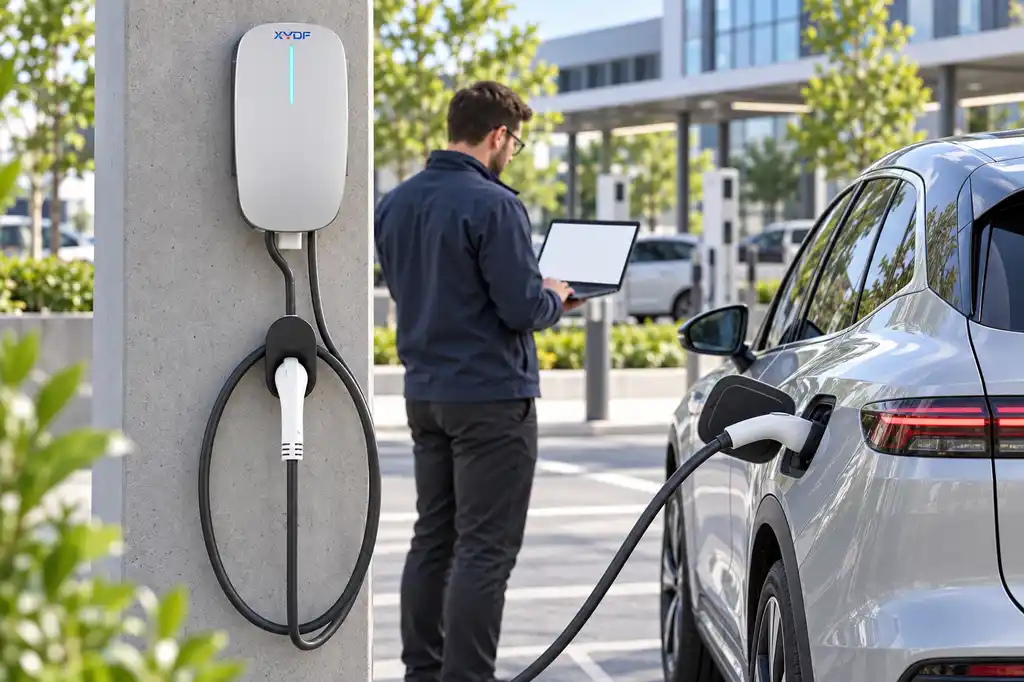
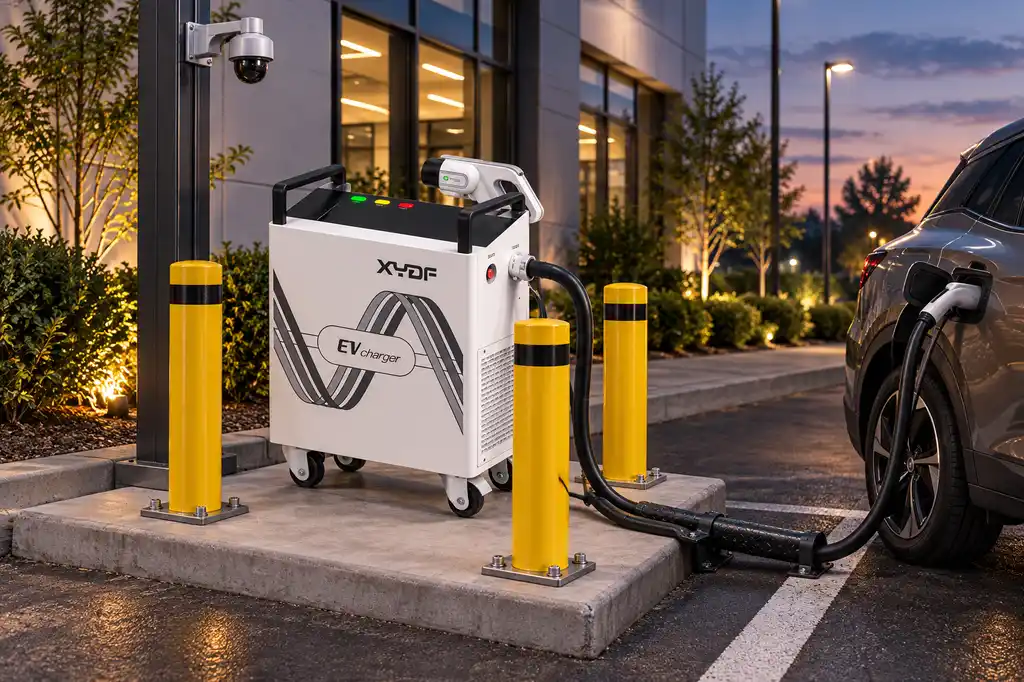
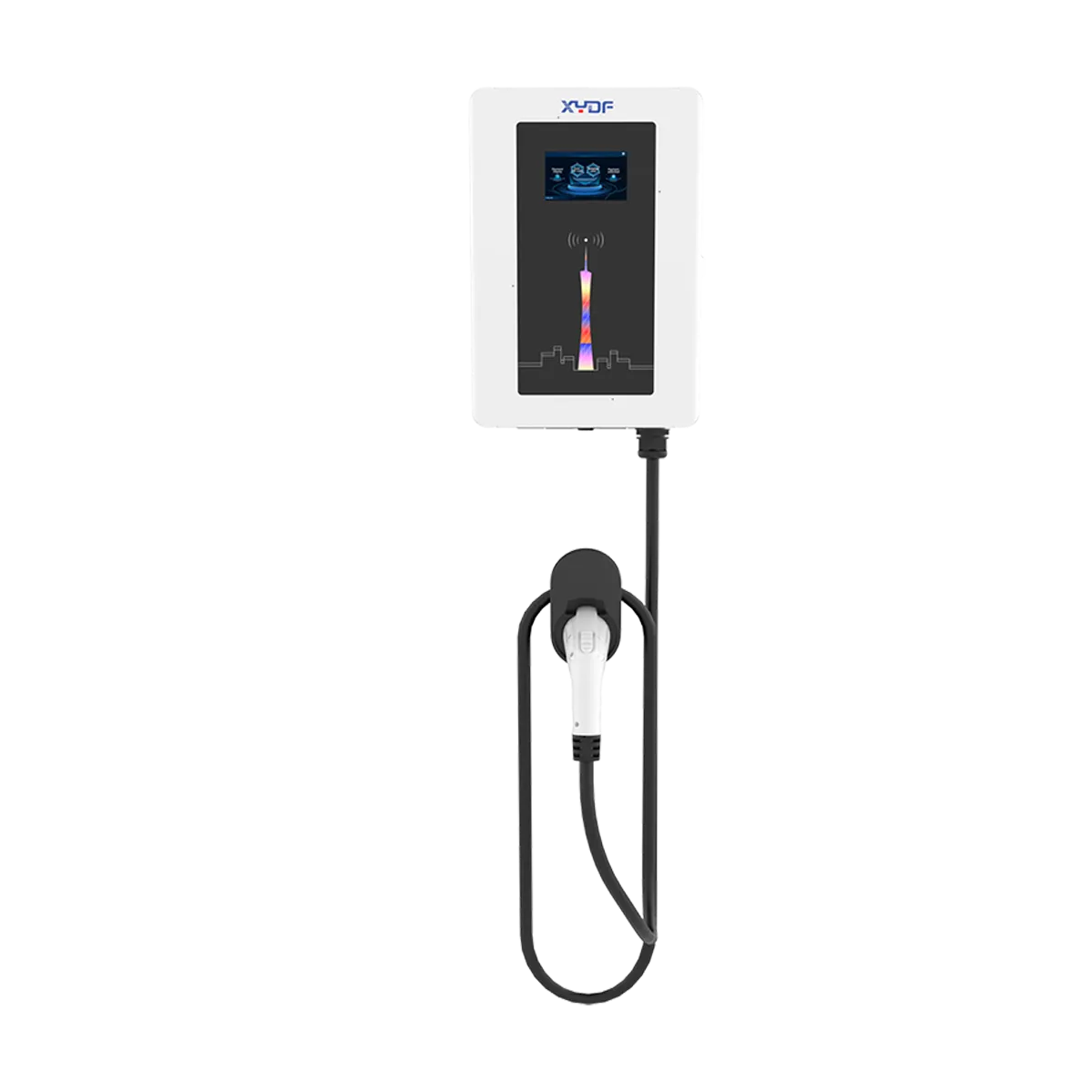
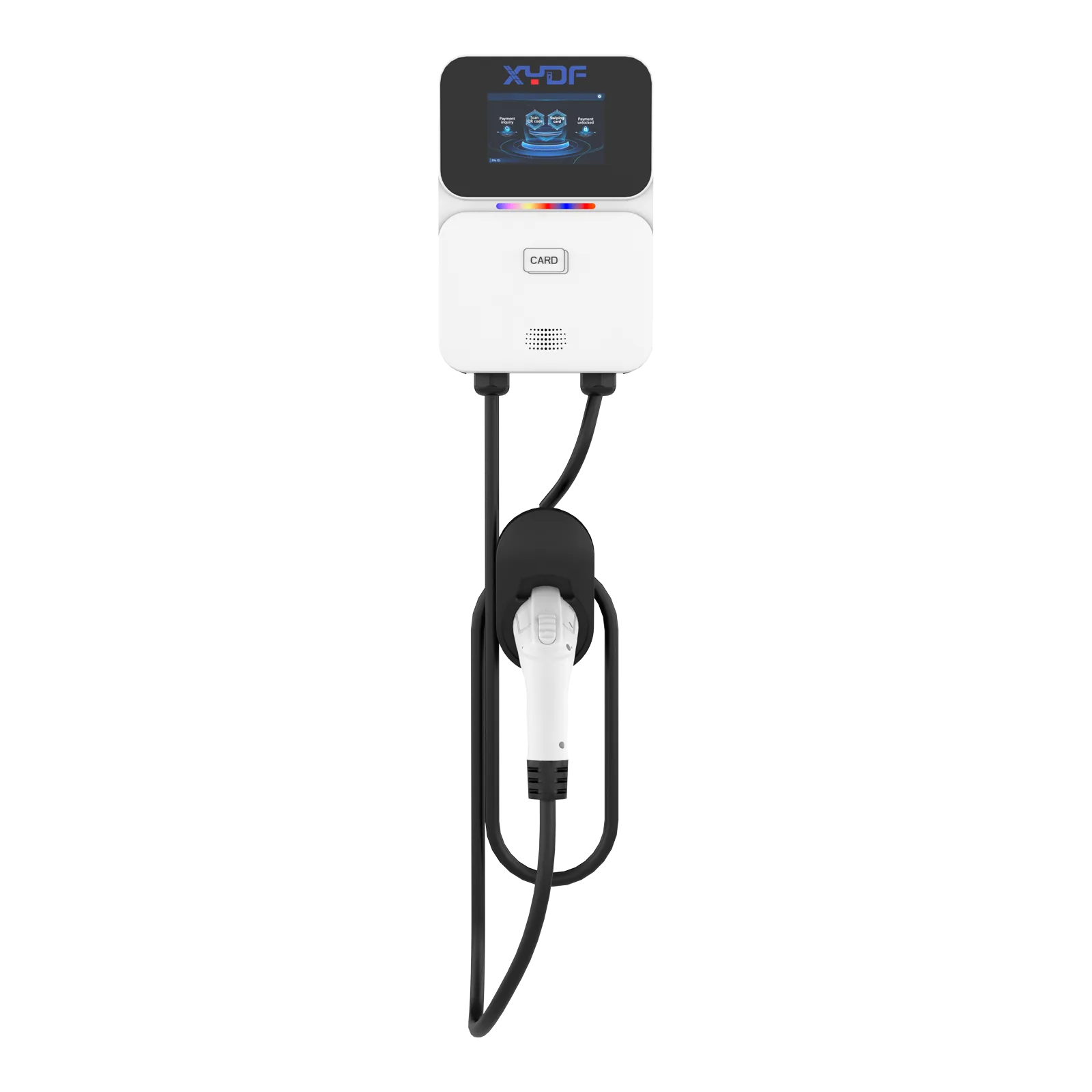
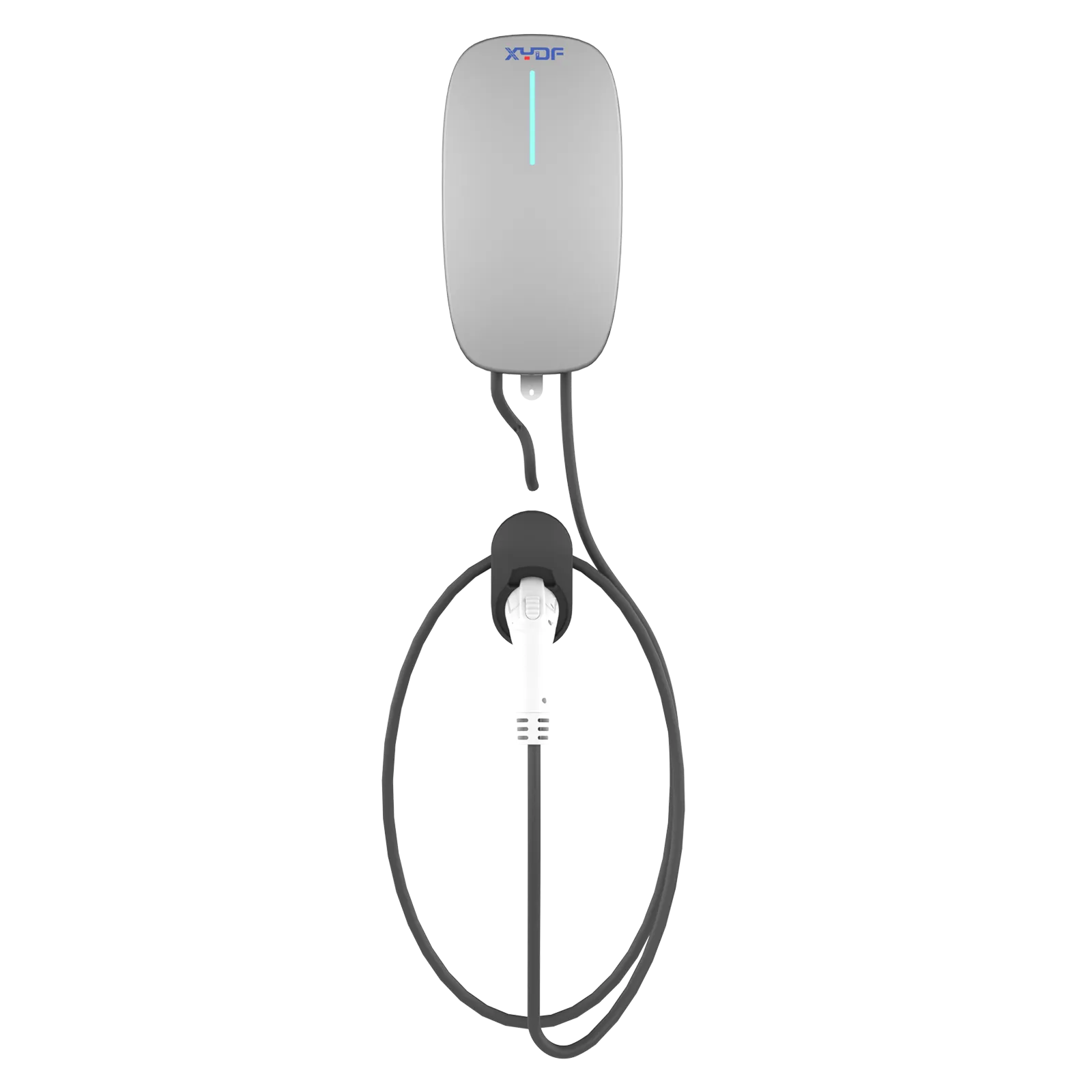
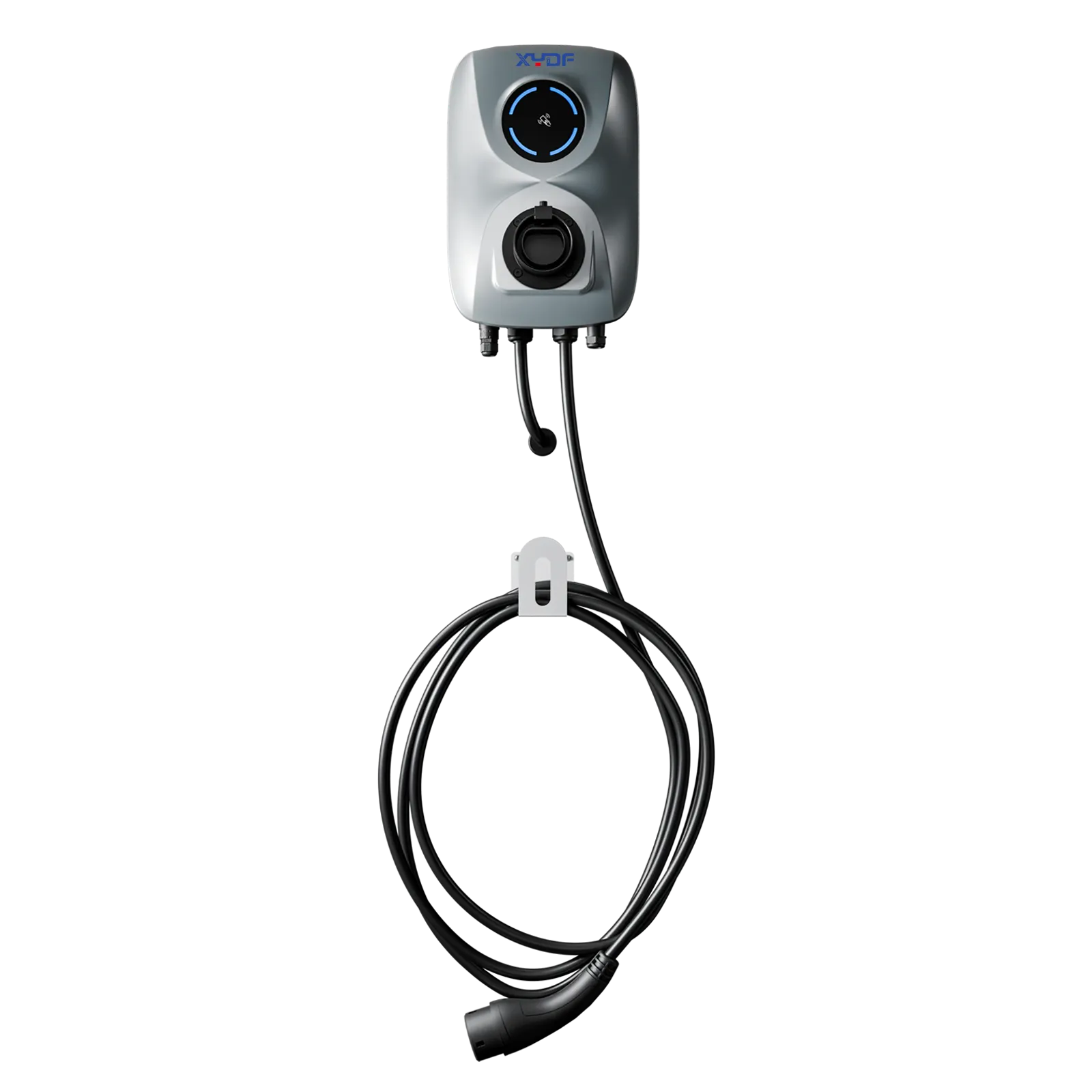
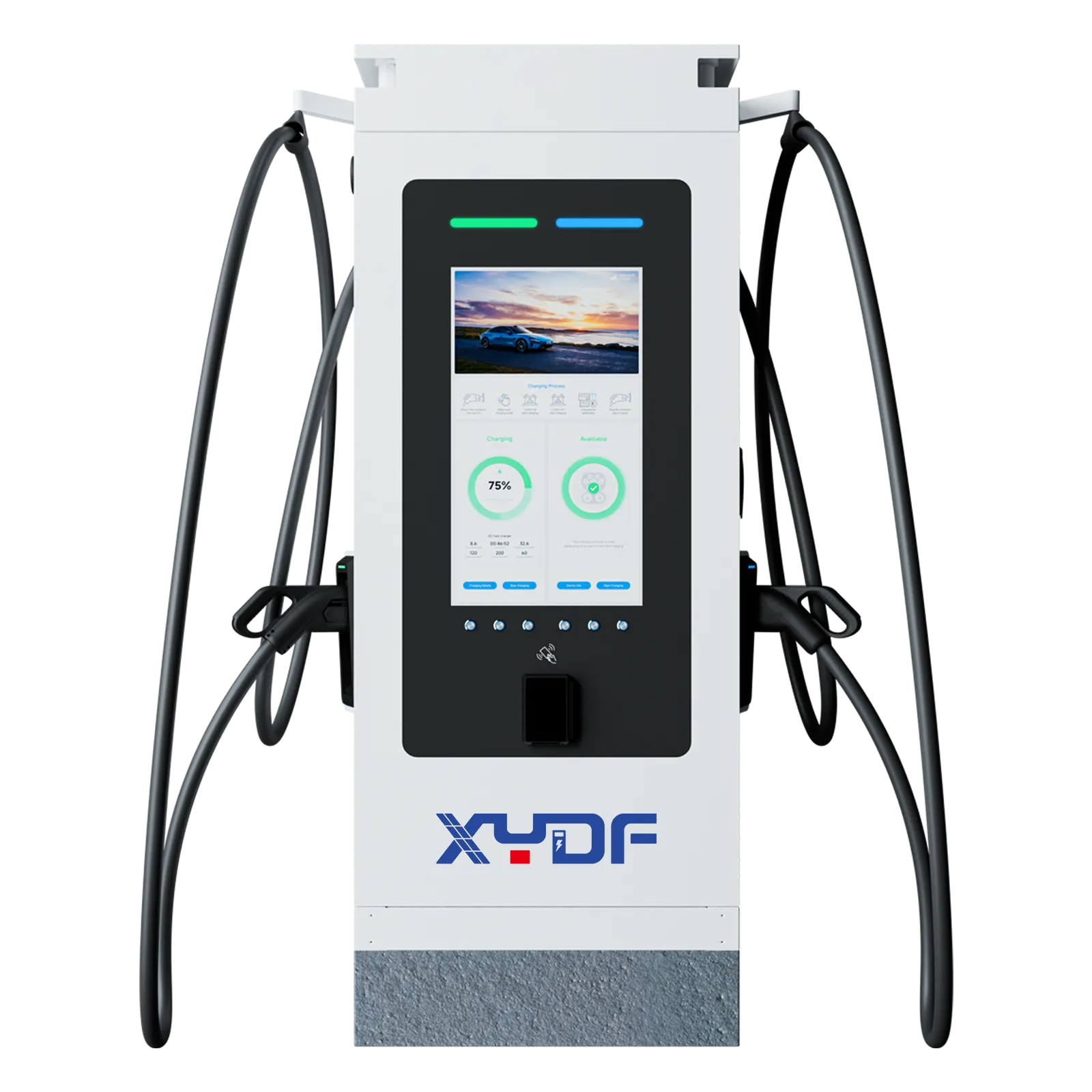
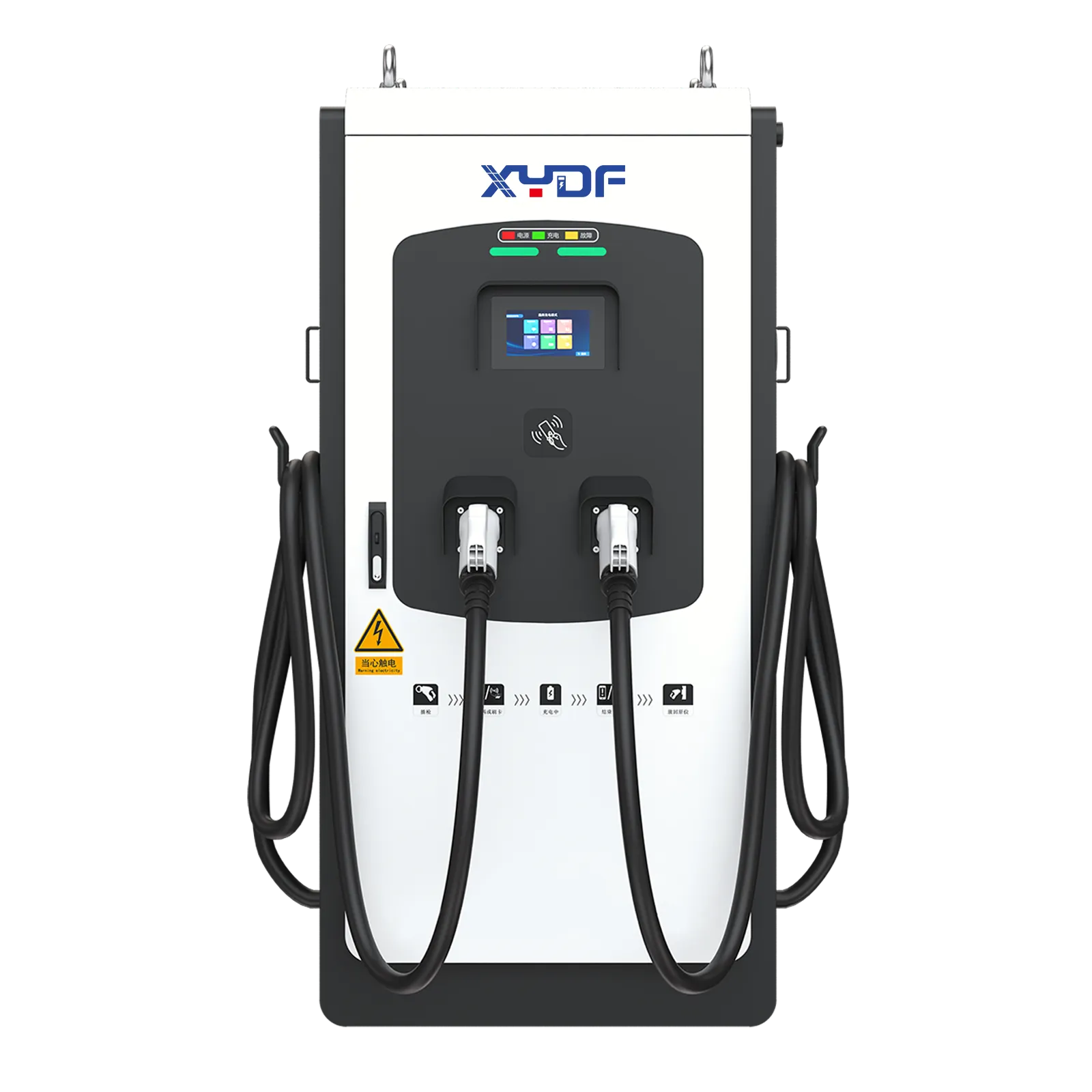
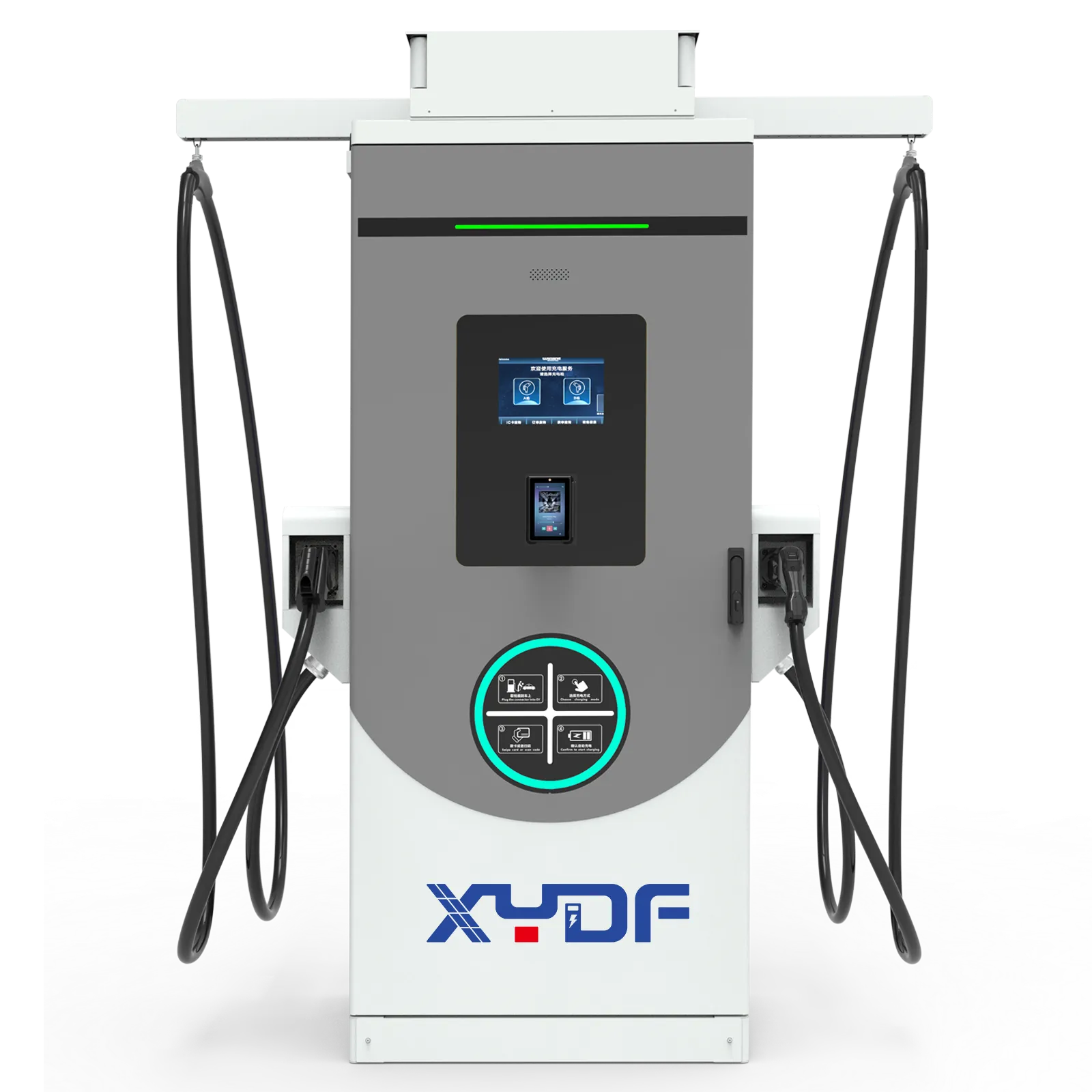
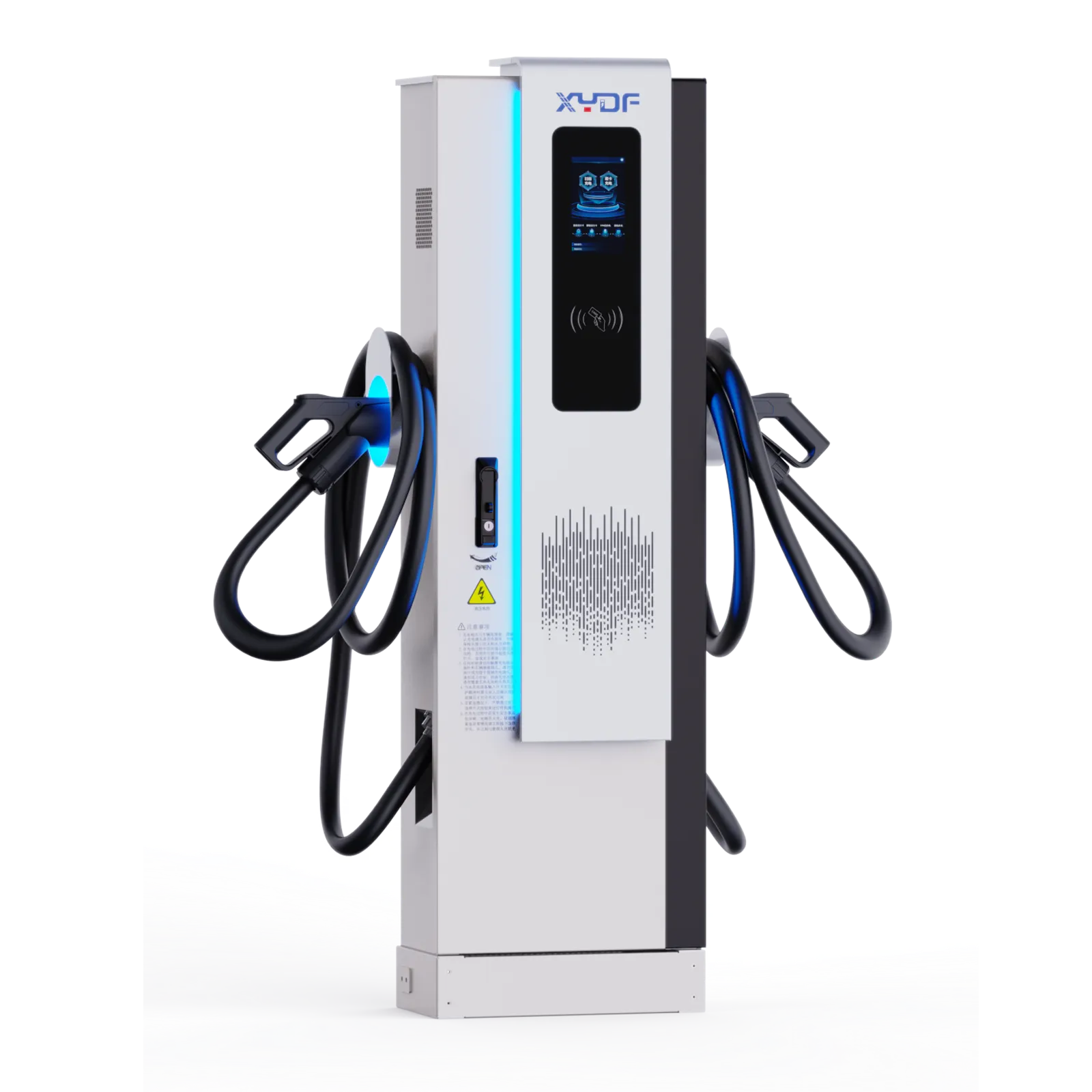
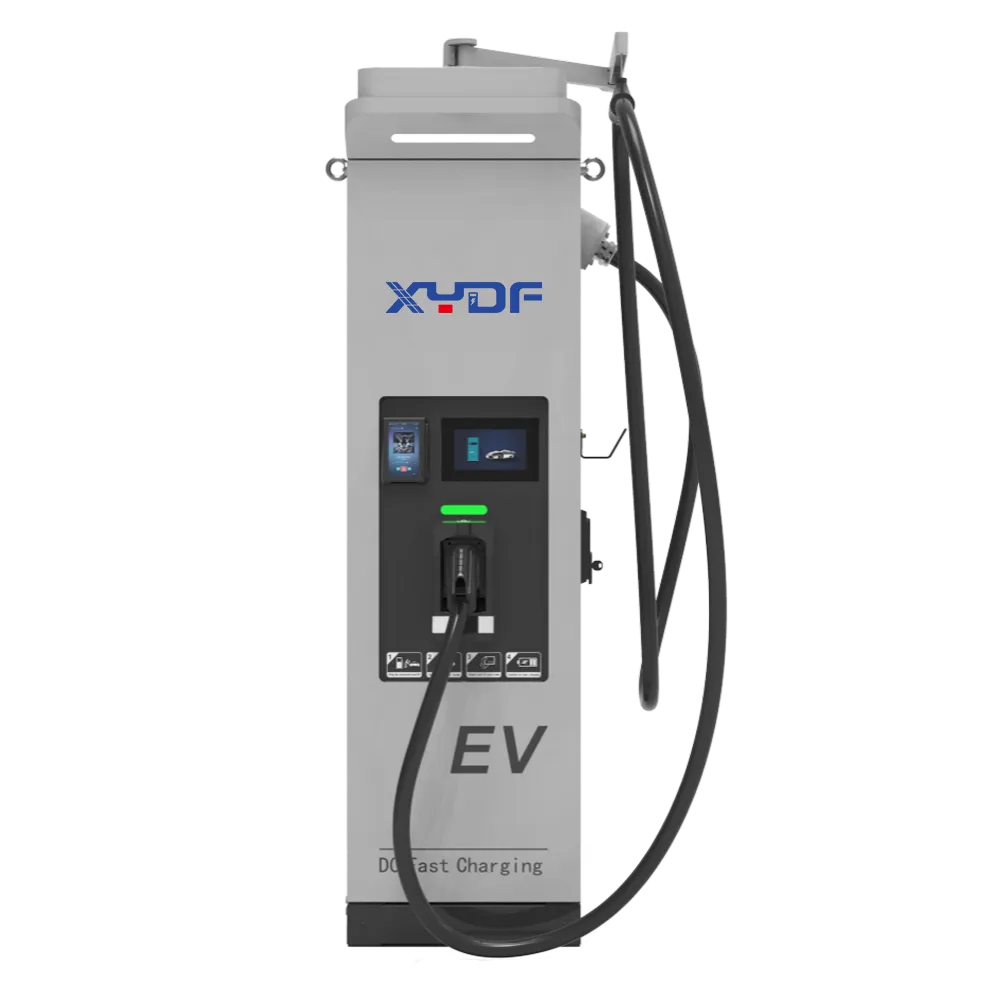
For EV charging for fleet operators, XYDF can help teams compare configurable DC EV chargers and documentation needs; review the DC fast charger range and EV charger product catalogue alongside a site-specific engineering brief.
Questions fleet operators ask about swapping and charging
How does battery swapping compare with EV charging for commercial fleets?
Charging keeps each vehicle with its own battery and usually offers broader compatibility. Swapping can reduce dwell only where removable packs, compatible hubs, trained handling and inventory exist. Compare uptime and total cost.
How long does a battery swap take compared with a fast-charge stop?
There is no universal time. Swap duration depends on alignment, pack design, authentication and queue; fast charging depends on power, temperature, starting SoC and energy required. Measure both on selected vehicles.
What fleet routes are best suited to battery swapping?
Repeatable loops, short dwell windows and a nearby hub may be candidates. Long irregular routes, mixed vehicles or no compatible return hub may favor charging. Validate payload, terrain, weather and reserve requirements.
What are the infrastructure and inventory costs of a battery-swapping station?
Costs include the hub, civil works, electrical service, equipment, safety space, maintenance and usable packs. Inventory follows peak throughput and quarantine policy, so a station price without battery and labor assumptions is incomplete.
Does battery swapping require standardized removable battery packs?
Yes. Interoperability requires agreed mechanical, electrical, thermal and communication interfaces plus compatible warranties. ISO 15118 is not a universal swapping specification; verify supplier compatibility.
How should fleet operators compare total cost, uptime and battery ownership?
Build one model for energy, labor, downtime, connection work, equipment, inventory, finance, warranty and degradation. Test peak demand, pack failure and utilization, then assign each risk to the party able to control it. Contract clarity matters as much as hardware.
References and next step
- U.S. Department of Energy Alternative Fuels Data Center
- NREL: Managed Electric Vehicle Charging
- CharIN: Megawatt Charging System
- ISO 15118 overview
- FHWA: National Electric Vehicle Infrastructure Formula Program
Battery swapping and plug-in charging are different operating models, so the better choice depends on the fleet’s vehicles, route rhythm, dwell time, energy supply, labor, and ownership structure. Start by confirming whether packs are removable and standardized, then model inventory, station throughput, charging demand, battery custody, warranty, degradation, and failure handling. Compare both options against the same dispatch requirement instead of using a single swap time or charger rating as a proxy for total cost. A solution that looks fast at the charger level can still fail when a pack is unavailable, a vehicle is incompatible, or the grid and service model are not ready. After the fleet model is documented, review the XYDF EV charger range and work with XYDF to test whether plug-in infrastructure fits the confirmed duty cycle.