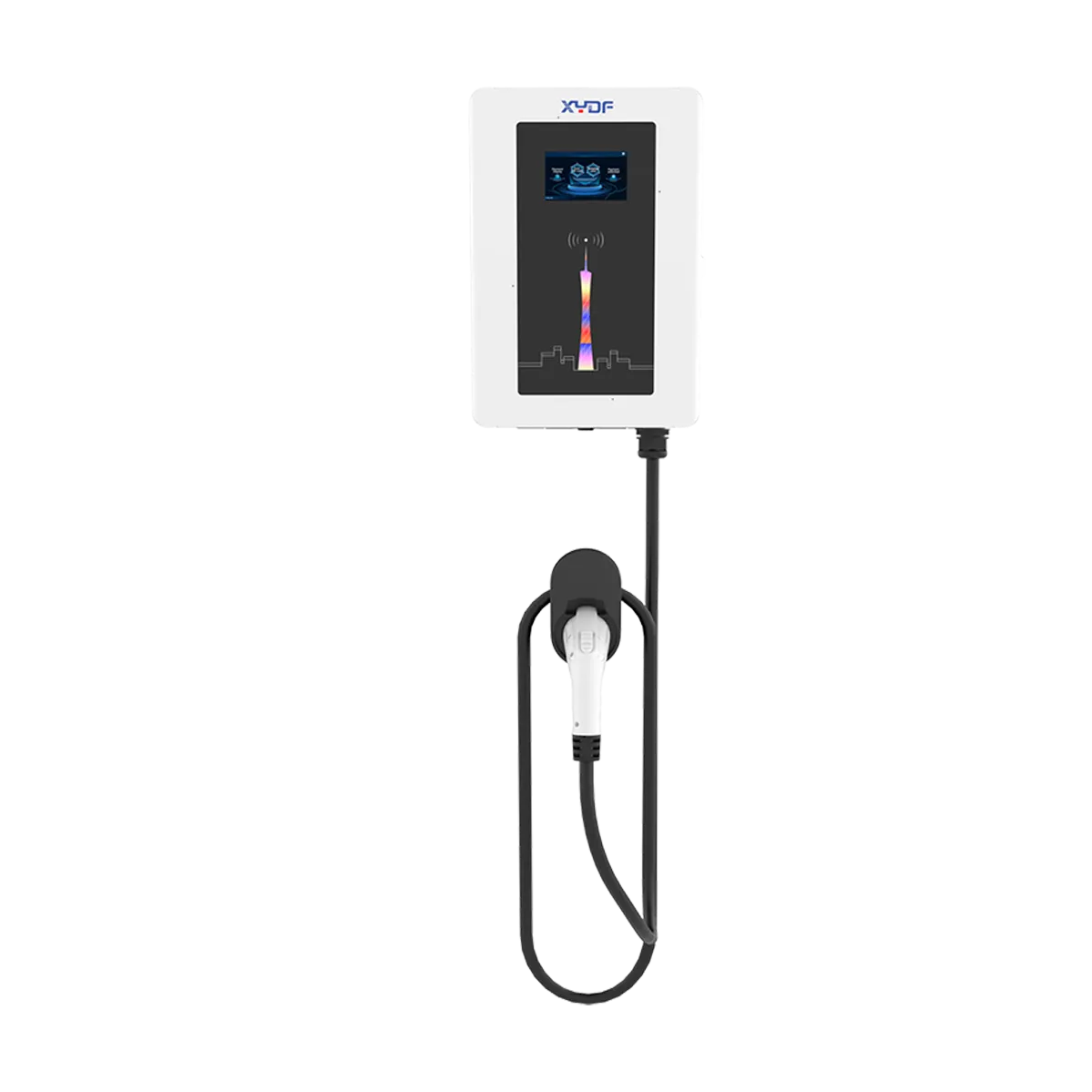
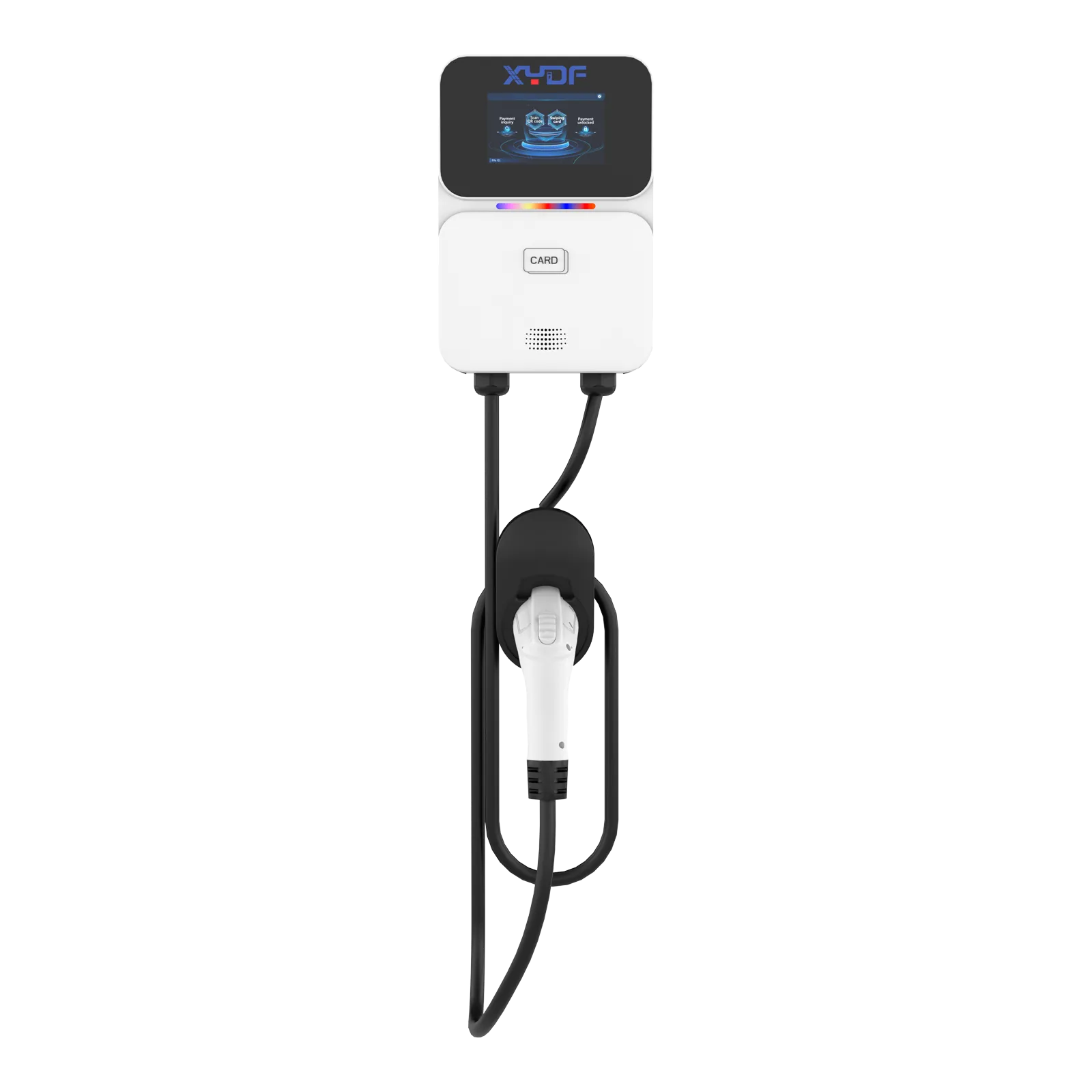
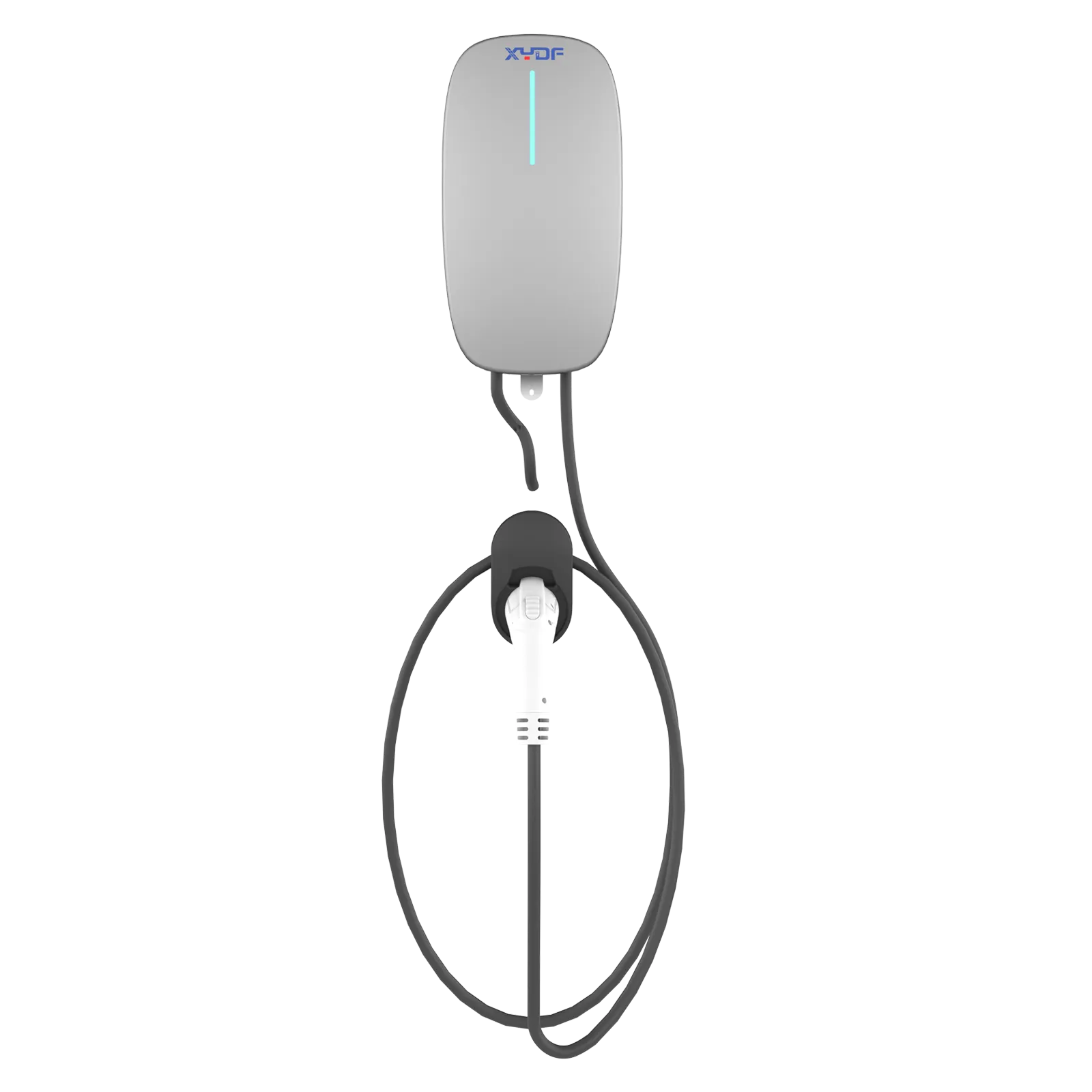
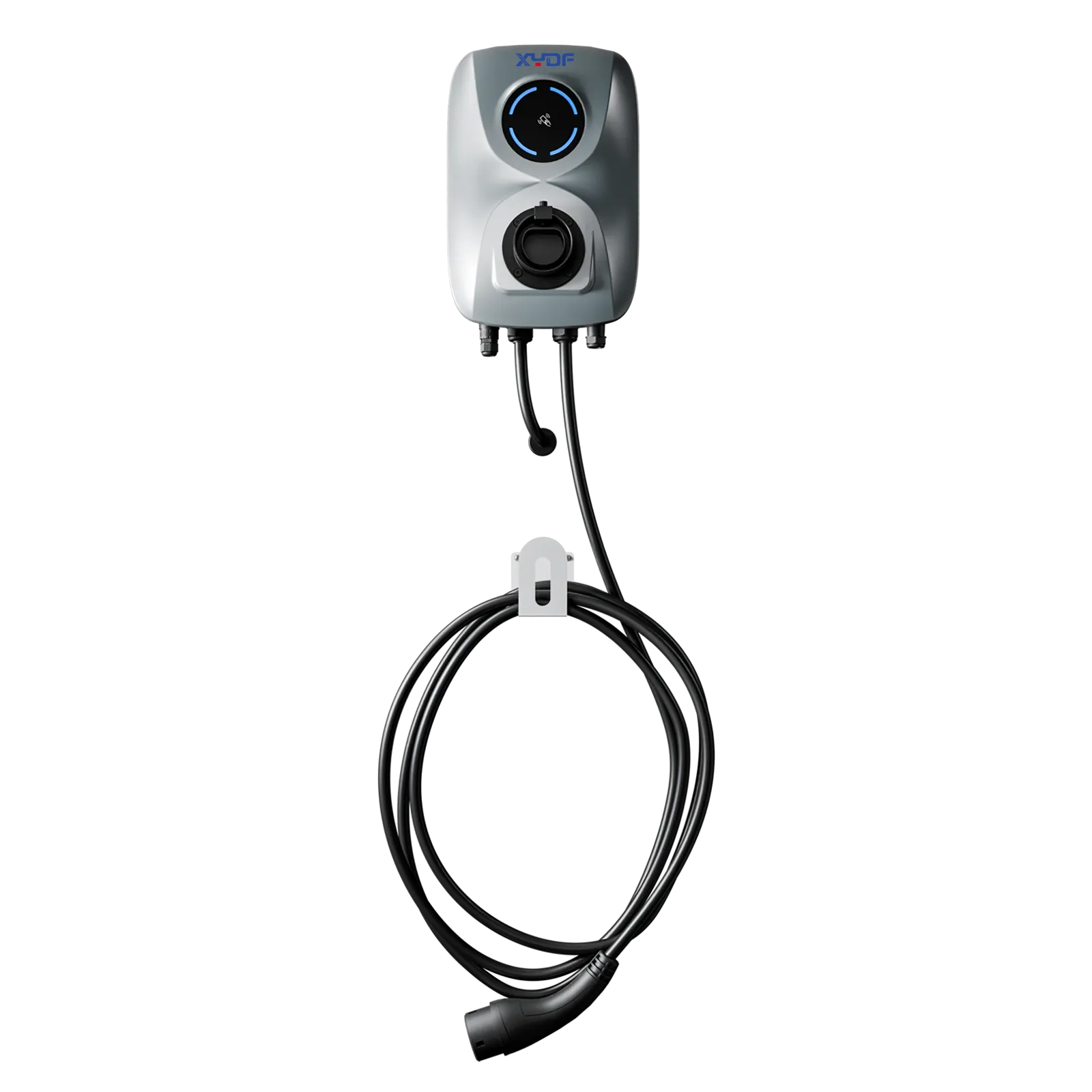
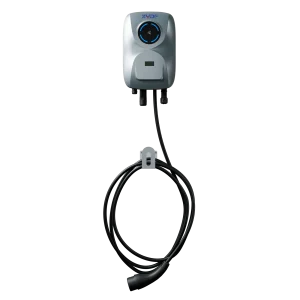
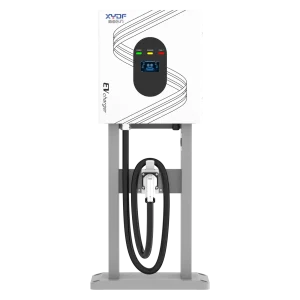
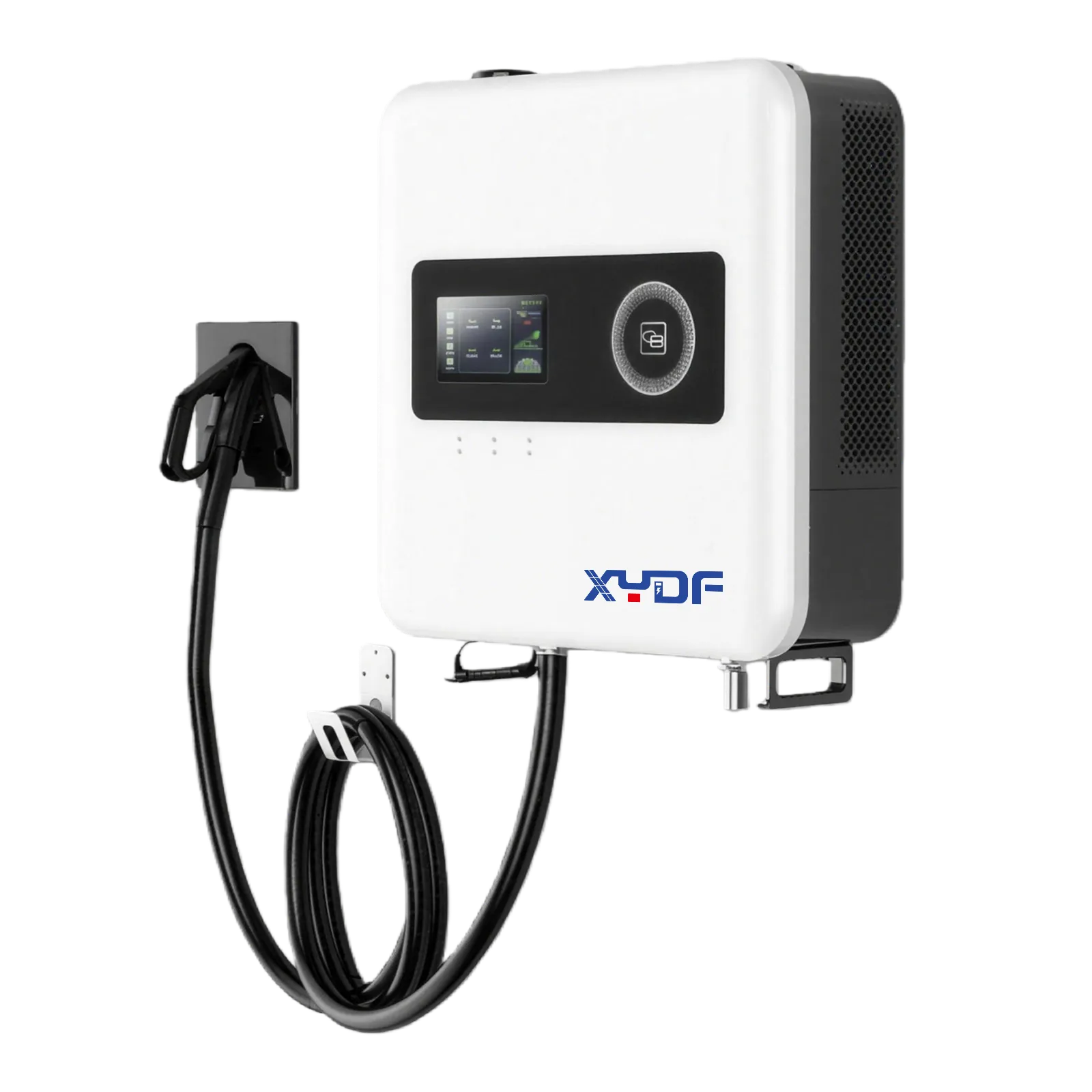
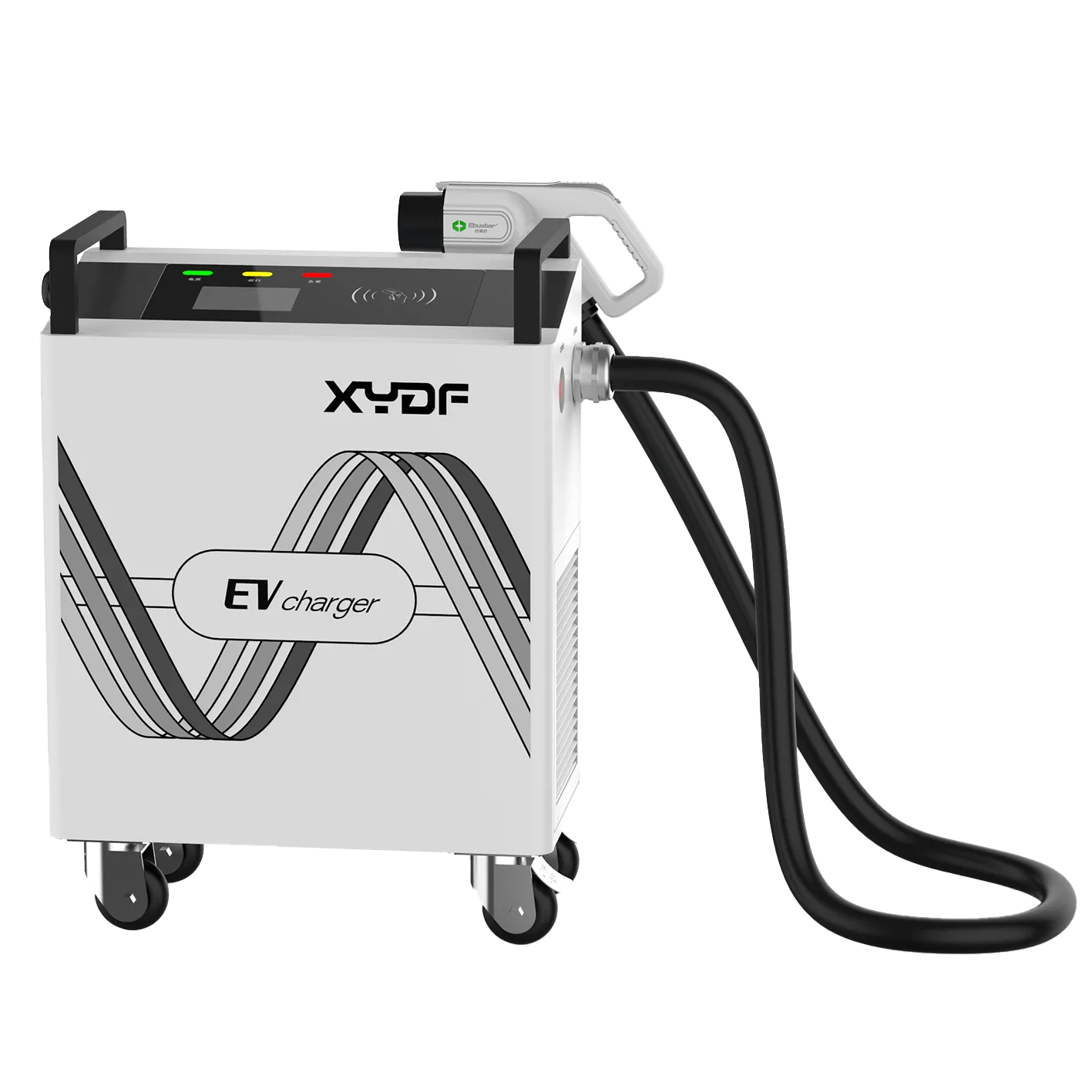
With electric vehicles (EVs) becoming increasingly popular in the UK, having a flexible charging option can make everyday charging more convenient. A portable EV charger can be useful for travel, emergency charging, temporary charging locations, or situations where a fixed charger is not available.
Next, we’ll walk through the key factors to help you choose the best portable EV charger for your needs, including charging speed, power supply, vehicle compatibility, portability, safety features, and actual usage scenarios.
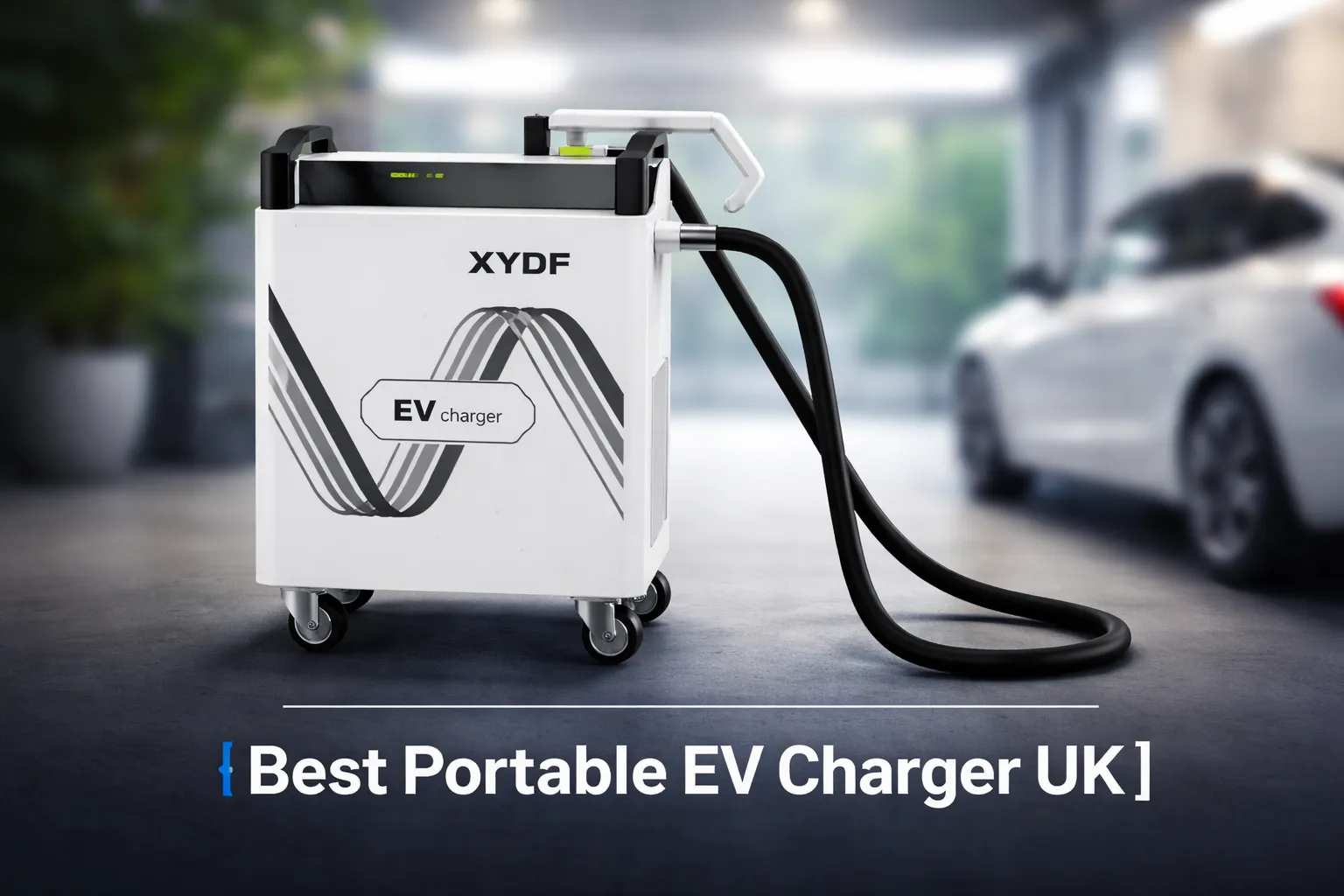
Unlike a fixed wall-mounted charger, a portable charger can be carried in a vehicle and connected when charging is required. Depending on the model, it may use a standard UK socket, a dedicated higher-power AC supply, or a DC power source.
Check input power and vehicle output separately. A portable EV charger does not necessarily contain a battery. A grid-fed portable DC charger may require a suitable AC supply at the operating location; DC describes the power delivered to the vehicle. A battery-supported mobile system also needs a documented stored energy capacity and a way to recharge it. Confirm the exact architecture before expecting equipment that can be moved between sites to provide independent roadside charging.
Portable EV chargers are commonly used for:
Different portable chargers can have very different power ratings, so it is important to choose a model that matches both the vehicle and available electrical supply.
Selecting the right portable EV charger involves more than choosing the highest power rating.
Higher power can provide faster charging, but actual charging speed also depends on the vehicle and available electrical supply. Before choosing a charger, consider:
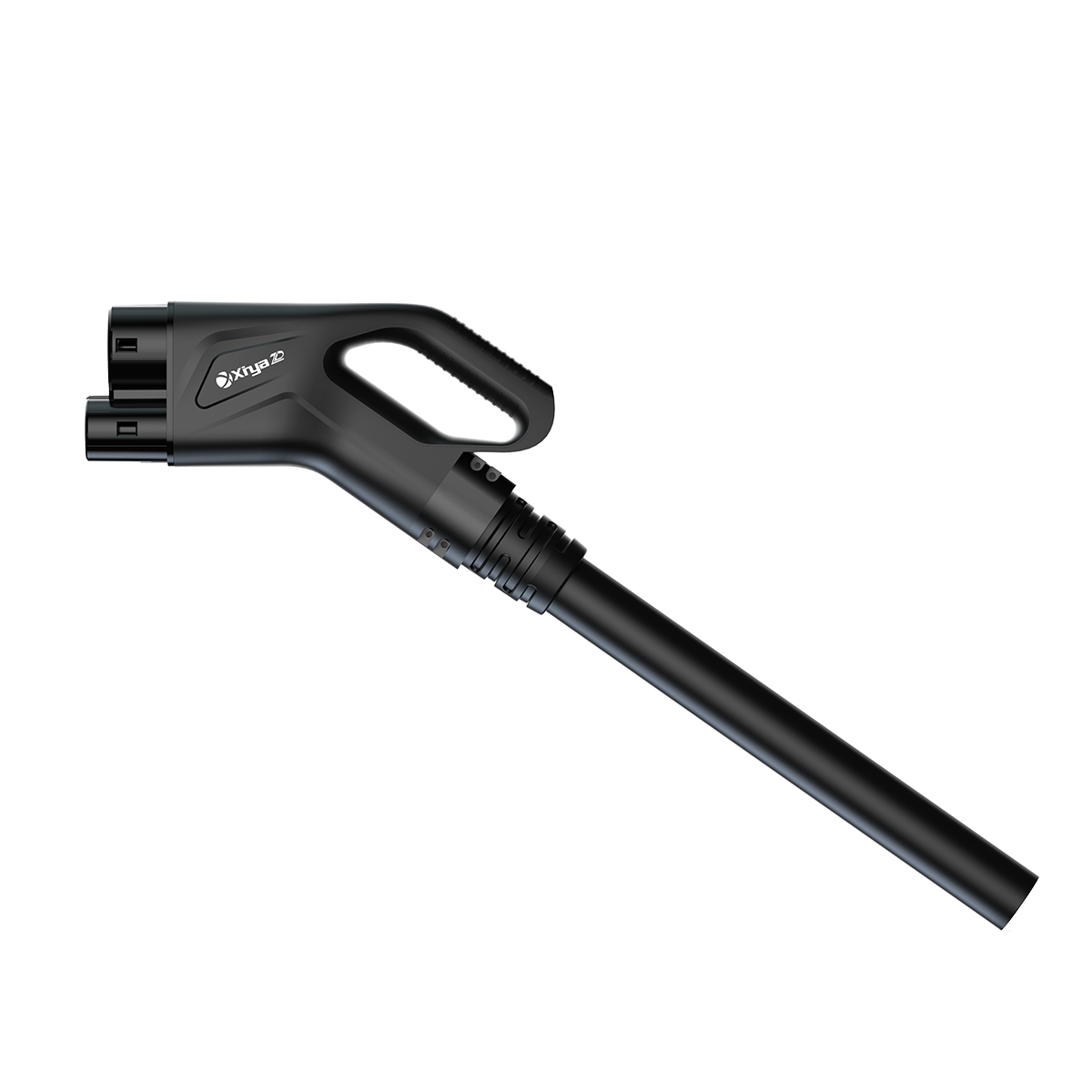
Make sure the charger matches the vehicle’s charging interface and electrical supply. Type 2 is widely used for AC charging in the UK and Europe, while CCS2 is commonly used for DC fast charging. The connector alone does not determine charging speed; the vehicle, charger, and power supply must all be compatible.
Consider the charger’s weight, dimensions, cable length, storage, and mobility. If it will be used outdoors, check its protection against water, dust, and temperature changes.
Safety features may include:
Always follow the manufacturer’s electrical and operating requirements.
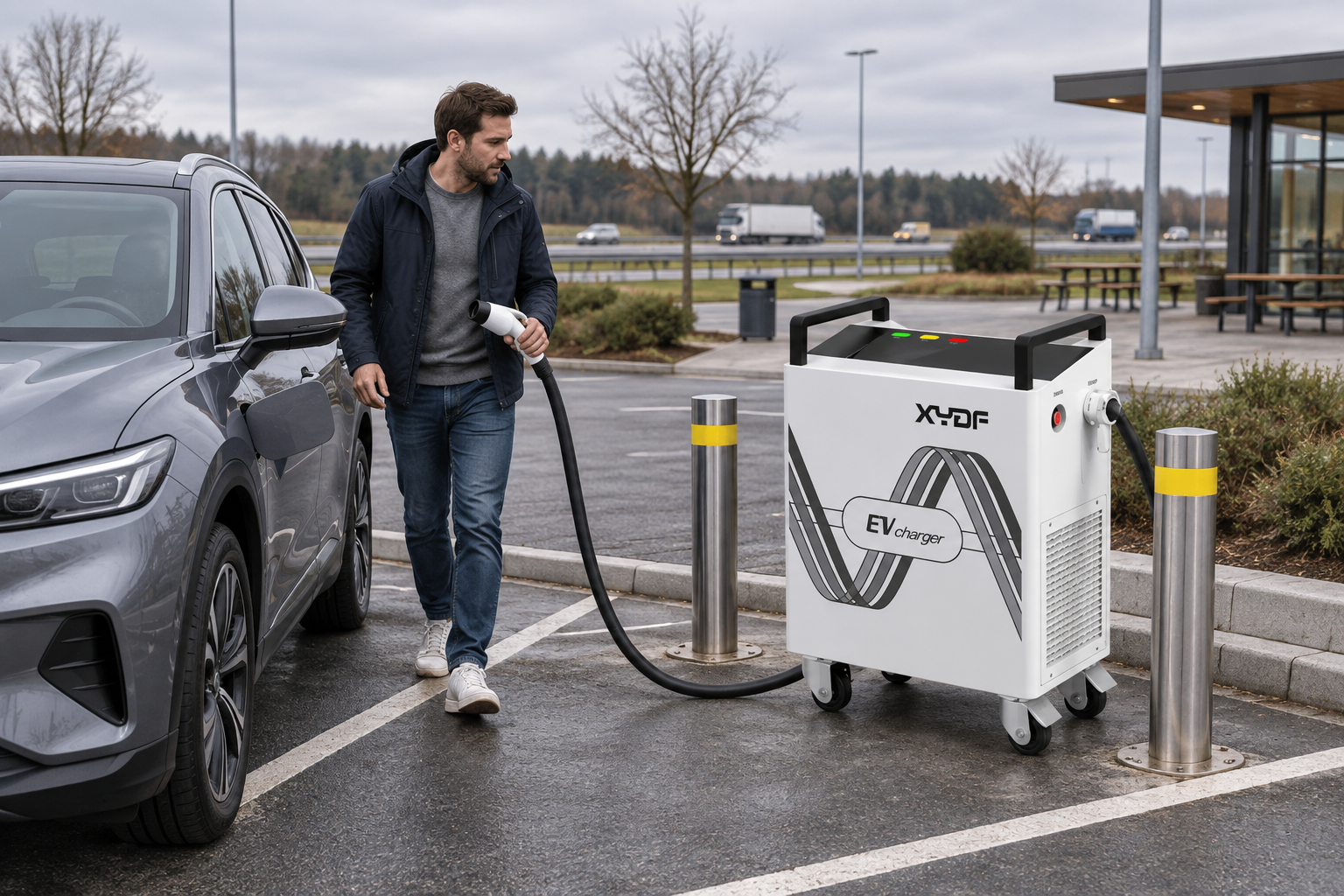
Different portable charging solutions suit different needs:
| Portable Charger Type | Typical Power | Best For |
|---|---|---|
| Portable AC for Emergency & Backup | 2.3–3kW | Emergency and overnight charging |
| Portable AC for Faster Charging | 3.5~7kW | Faster charging with a suitable supply |
| Portable DC Fast Charger | 20–40kW+ | Fleet and commercial applications |
Lower-power portable AC chargers, such as 3-pin models, are suitable for emergency, overnight, or occasional charging. They are slower than dedicated higher-power solutions, so the socket and electrical circuit must be suitable for continuous charging.
Portable AC chargers around 7kW provide faster charging when a suitable dedicated electrical supply is available. They can be useful for travel, workplace parking, and home backup charging. Actual charging speed depends on the vehicle’s onboard AC charger and available power.
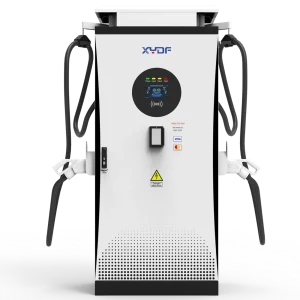
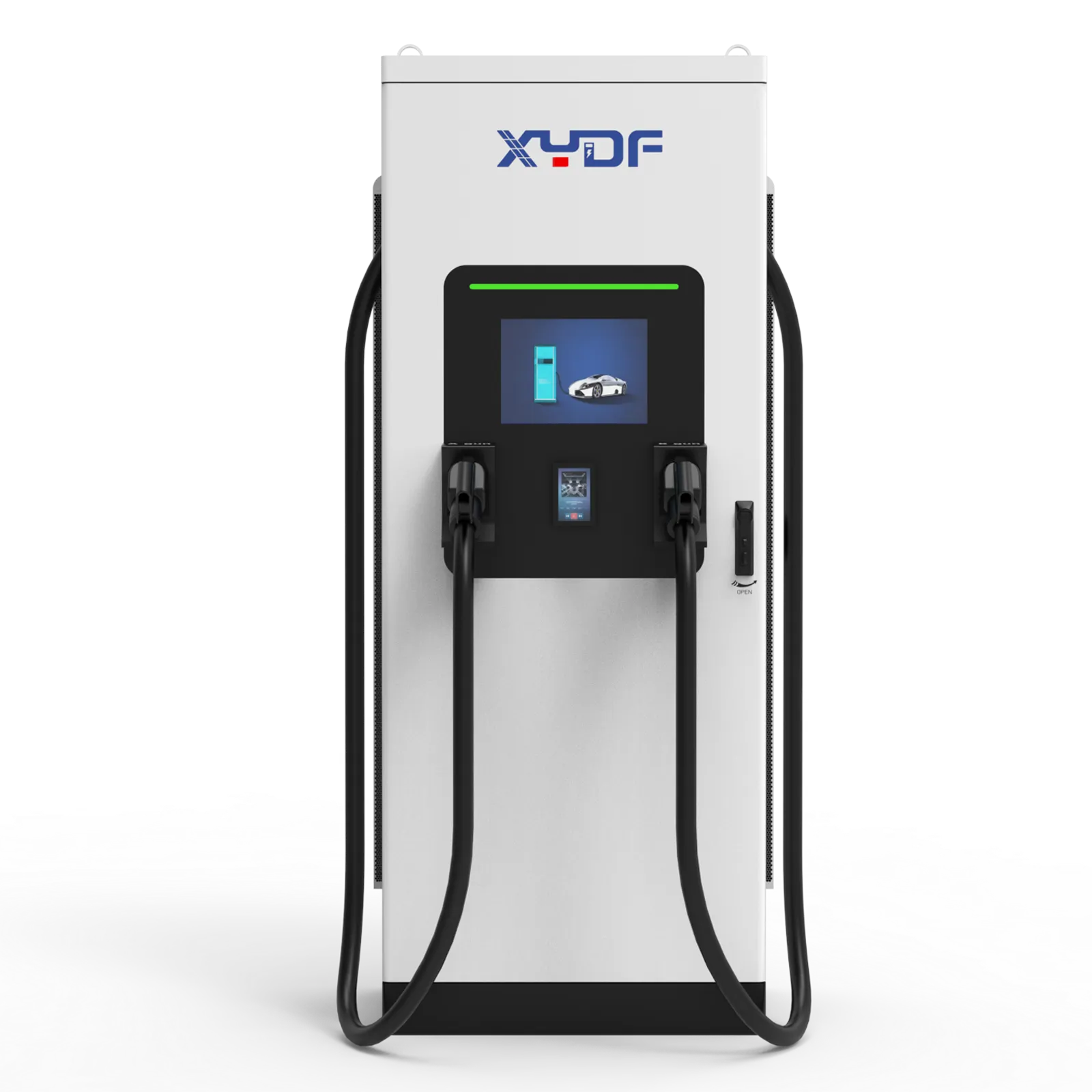
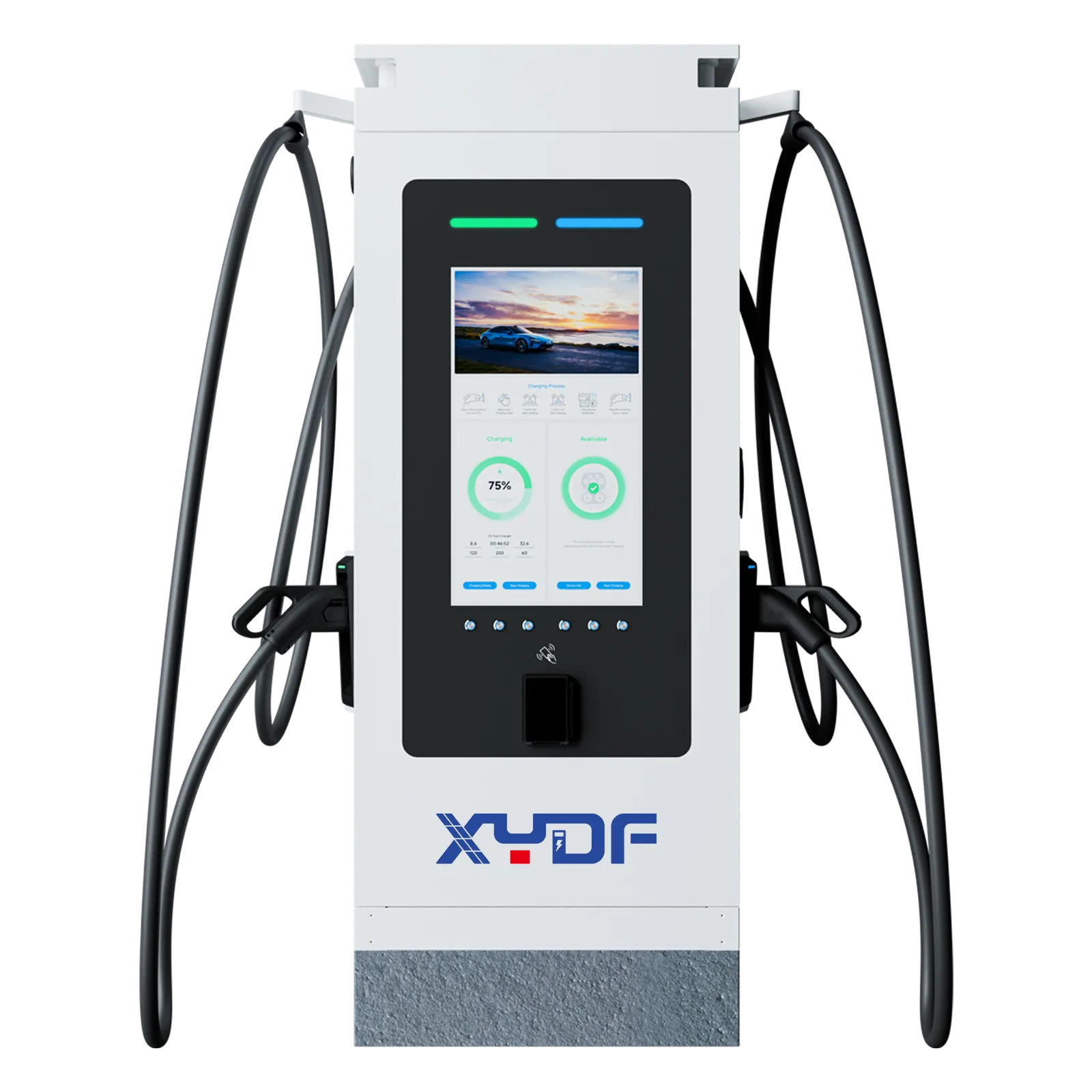
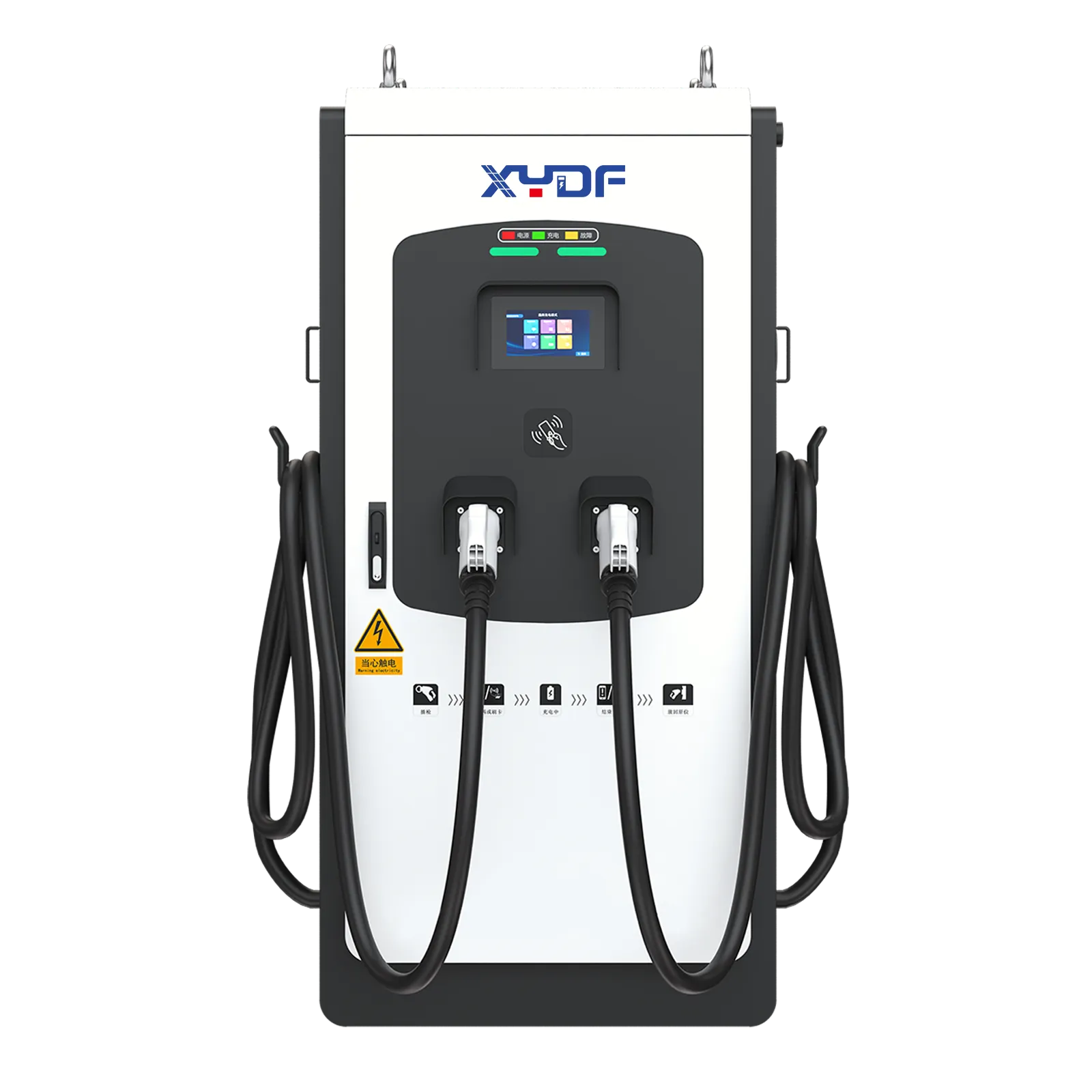
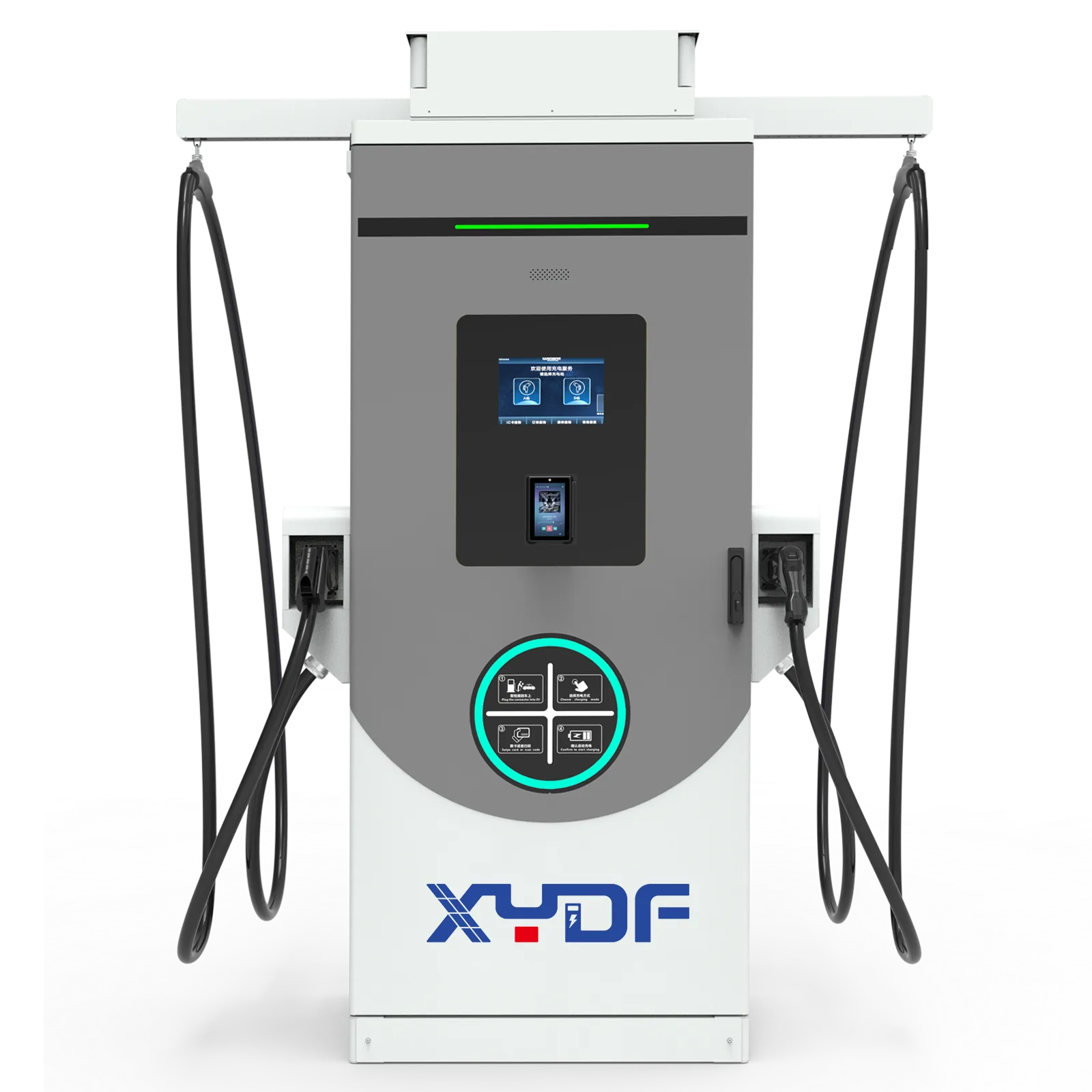
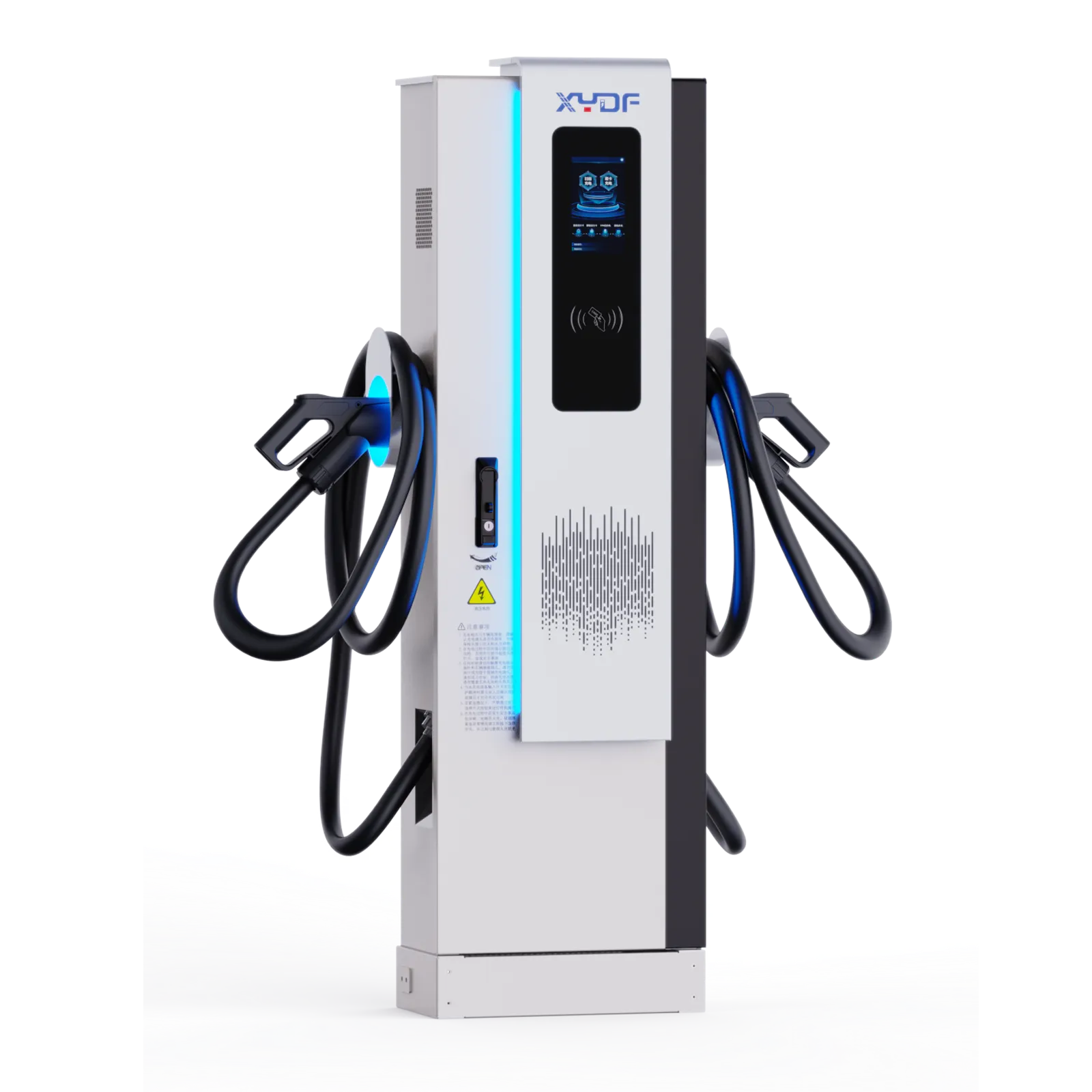
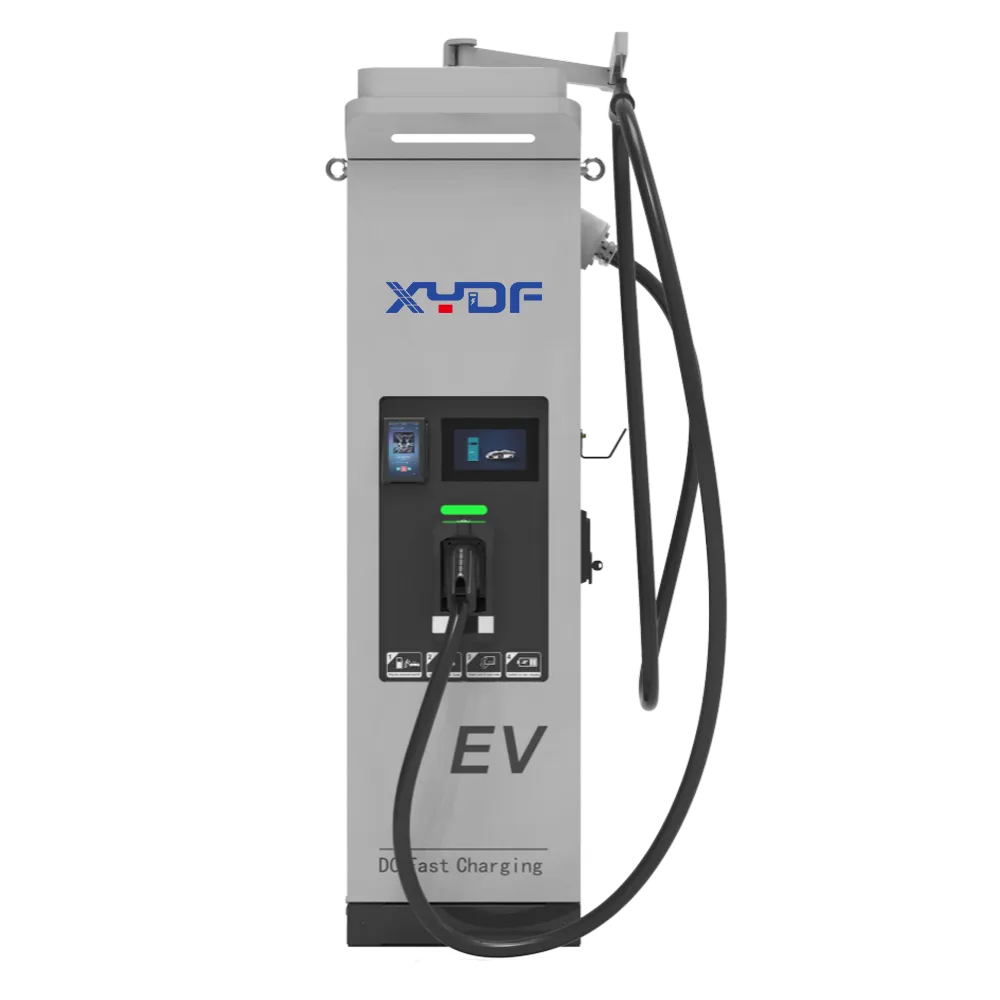
Portable DC fast chargers provide a higher-power alternative for commercial and fleet applications. They can be useful for roadside assistance, temporary charging, vehicle testing, and locations without permanent charging infrastructure.
For commercial applications, XYDF offers 20kW and 40kW portable DC fast charger configurations. The 40kW model supports CCS2, up to 100A output current, 750V DC maximum output voltage, and OCPP 1.6J.
The right portable EV charger depends on how and where you plan to use it. Start by considering whether you need a mobile solution for occasional charging, faster AC charging, or higher-power DC charging for commercial applications.
| Factor | Portable EV Charger | Fixed EV Charger |
|---|---|---|
| Installation | Minimal or temporary | Permanent installation |
| Mobility | Can be moved between locations | Fixed in one location |
| Flexibility | High | Lower |
| Typical use | Travel, backup, temporary charging | Home, workplace, public charging |
| Commercial use | Useful for temporary or mobile applications | Better for permanent charging infrastructure |
For emergency or backup charging, a lower-power portable AC charger may be sufficient if the vehicle can remain parked for several hours or overnight.
For faster portable AC charging, a charger around 7kW can be considered when a suitable dedicated electrical supply is available and the vehicle supports the required AC charging power.
For commercial and fleet applications, a portable DC fast charger may be more appropriate when vehicles need faster energy replenishment or when fixed charging infrastructure is unavailable.
For temporary commercial charging, verify the available input supply before booking equipment. Request the required voltage, phases, current, connection method and site assessment from the supplier and a qualified installer. A location without a permanent charging station may still need electrical preparation to operate a grid-fed unit. Include that work, equipment transport and commissioning in the comparison with a fixed installation.
Ultimately, the best choice should match the vehicle, charging time, electrical supply, mobility requirements, and intended use rather than simply selecting the highest-rated charger.
A: A 7kW portable charger is significantly faster than a typical low-power household charging setup, but it is still AC charging rather than DC fast charging. Actual charging speed also depends on the vehicle’s onboard AC charger.
A: Many portable EV chargers are designed for outdoor use, but the required environmental protection varies by product. Check the charger’s IP rating, operating temperature range, and installation requirements before outdoor use.
A: The required connector depends on the vehicle and charging method. Type 2 is widely used for AC charging in the UK and Europe, while CCS2 is commonly used for DC fast charging. Always check the vehicle manufacturer’s specifications before selecting a charger.
Choosing the best portable EV charger UK depends on how the charger will actually be used.
For emergency and overnight charging, a lower-power portable AC charger may be sufficient. For faster portable AC charging, a 7kW solution can provide more charging capacity when a suitable electrical supply is available. For commercial fleets and temporary fast-charging applications, portable DC fast chargers can provide a much higher level of charging performance.
Before buying, consider the vehicle’s charging capability, required charging time, available electrical supply, connector type, portability, environmental conditions, and safety features.
For commercial users looking for mobile DC charging, XYDF’s 40kW portable DC fast charger solutions can provide an additional option for fleet, roadside, and temporary charging applications.
 Xinya Dongfang Electricity Technology Co., Ltd.