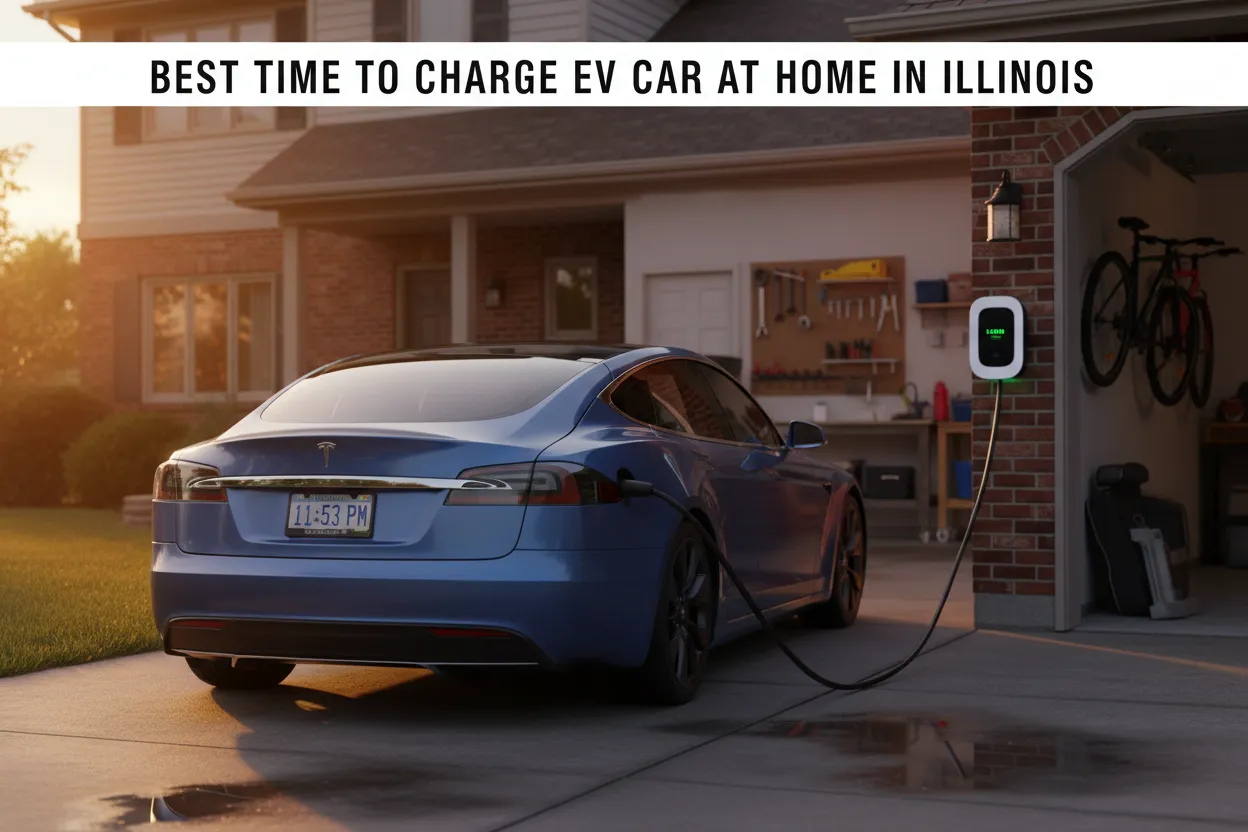
In Illinois, electric rates during the day are different based on TOU (time of use) pricing plans offered by electric utility companies. If your utility follows TOU pricing, it is more economical to charge your EV at night from 9 p.m. to 7 a.m. when the cost per kWh (kilowatt hour) is lower due to lower demand.
Electric companies generally consider 9 PM to 5 AM as off-peak electricity hours, while some electric companies may vary their off-peak periods, so it would be beneficial to check with your own electric company for the exact off-peak period.
During the off-peak hours there is less demand for electricity which allows you to charge your EV at a lower rate compared to charging your EV during peak hours. An example of this would be if your utility company is ComEd; if you were to sign up for the ComEd Hourly Pricing Program, you could save a significant amount of money by charging your EV mainly during off-peak hours.
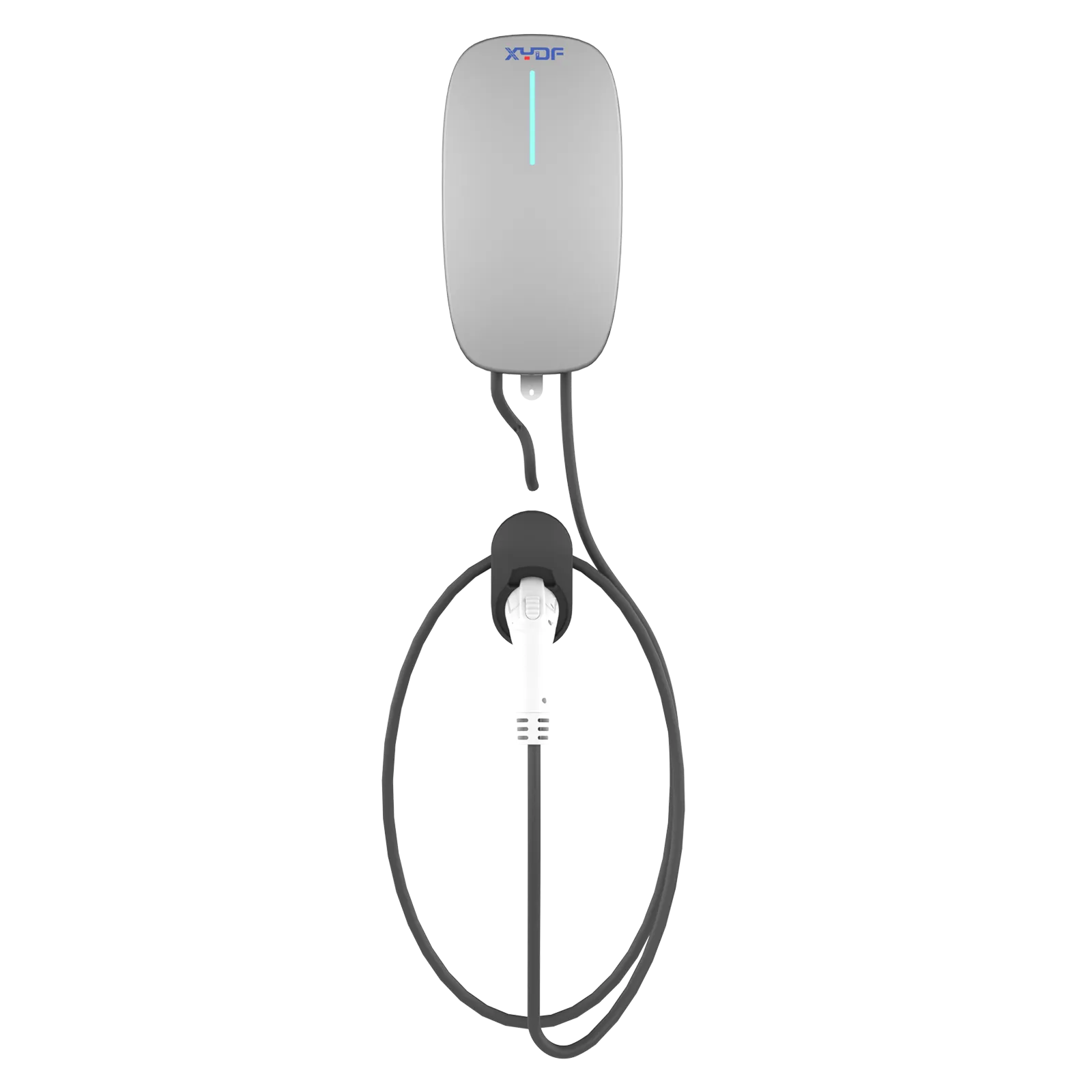
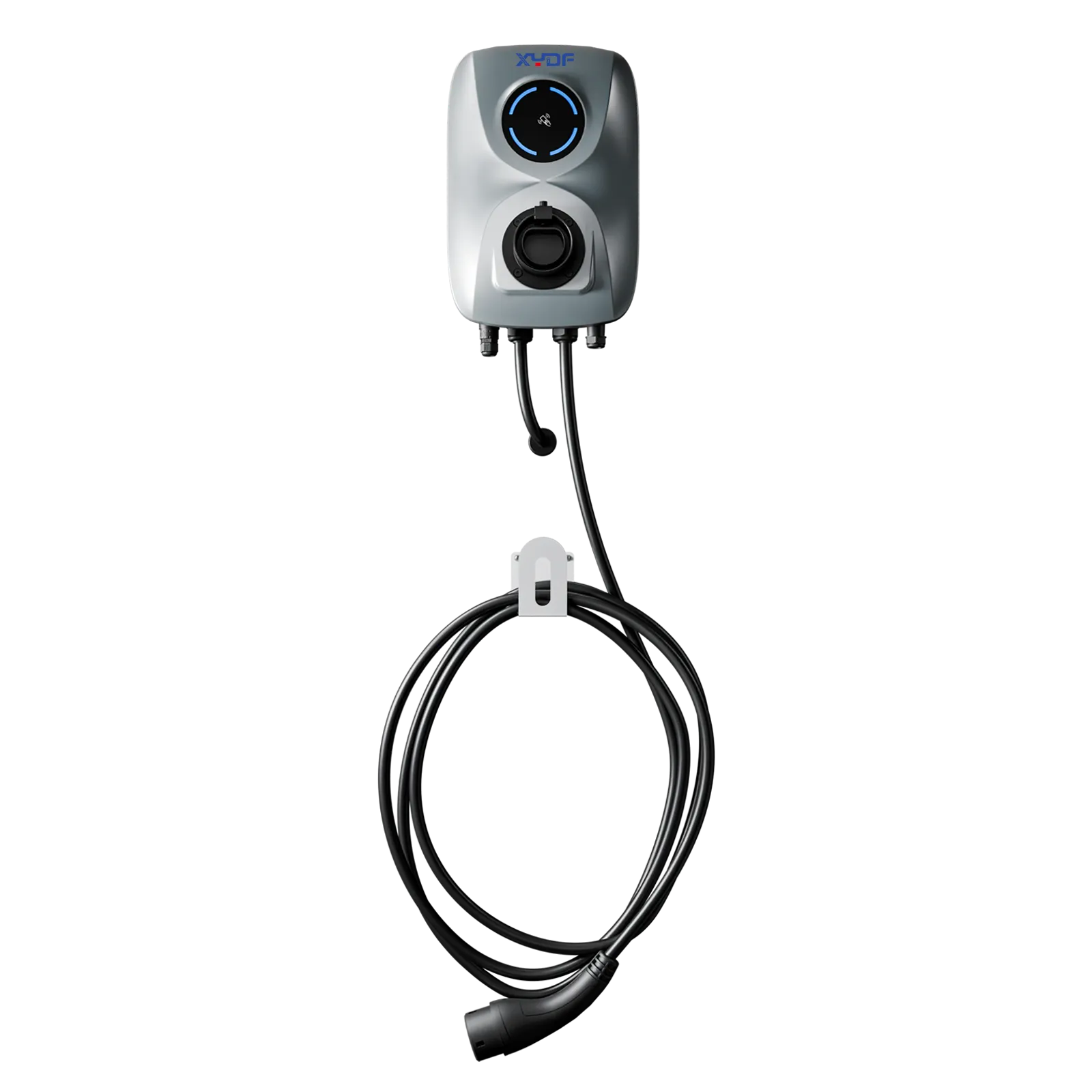
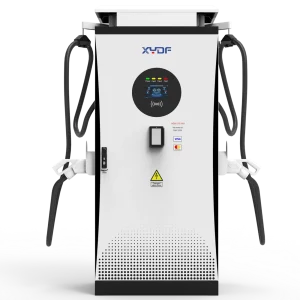
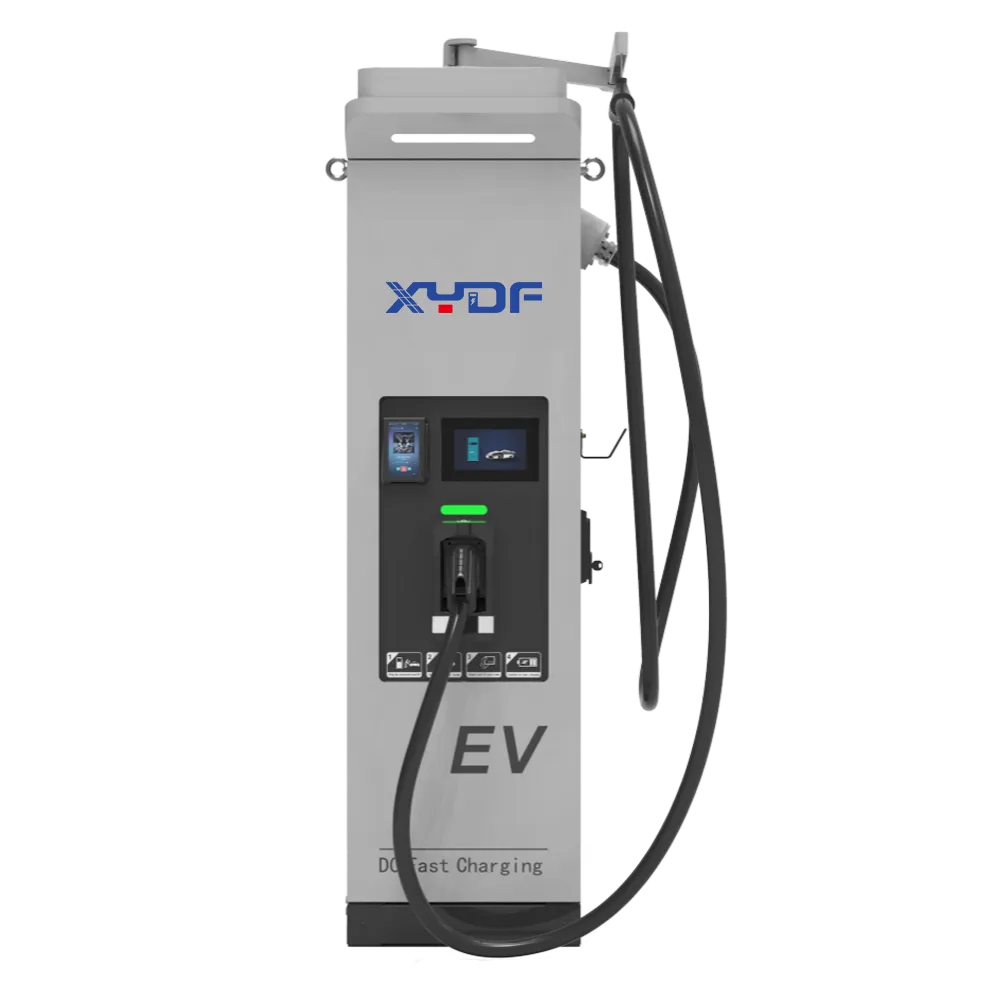
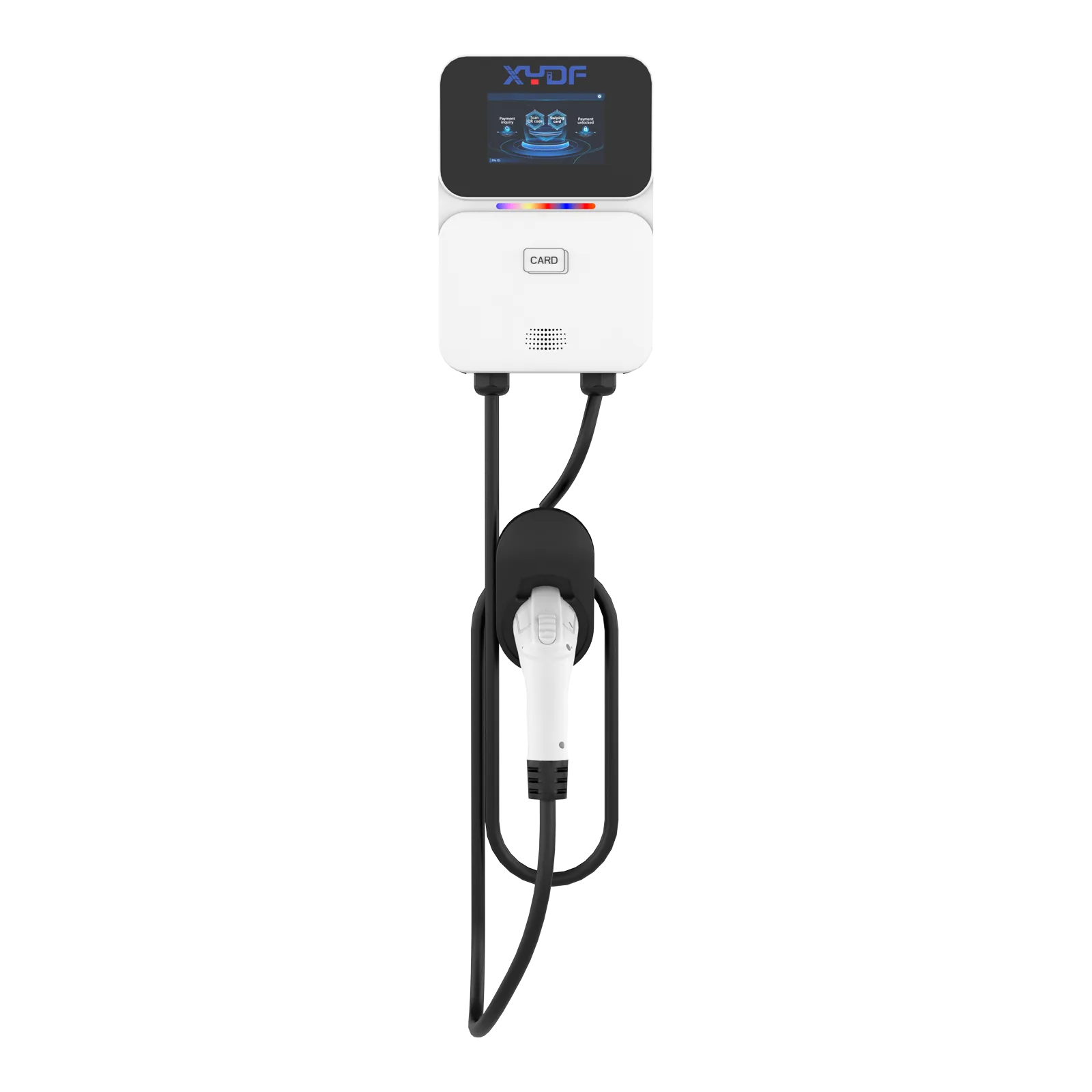
A smart EV charger is a great way to optimize EV charging at home. A smart EV charger can be programmed to charge during off-peak periods without having to plug in your vehicle at abnormal times.
You can reduce your environmental footprint and reduce your costs to charge an EV by utilizing renewable energy sources. For example, pairing solar panels with your EV charging station could significantly reduce your costs to charge your EV. Illinois also makes solar power affordable through the solar incentive program, so this is a viable option.
Your electric company typically will have apps or websites that allow you to view how much energy you use. You can use these tools to identify when you use energy and figure out when is the best time for you to charge your EV. Tools for monitoring typically provide you with the ability to find areas in which to become more cost-efficient and/or effective.
As an Electric Vehicle (EV) driver, an important aspect of owning an EV is knowing all of the things that use the most amount of battery power or cause it to run out of charge the fastest. There are several common or frequent causes of your EV battery running down or not maintaining a charge.
The faster you go (high speed), the more energy you will use; subsequently, your EV battery will lose its charge at a higher rate than if you had maintained a moderate speed, especially on long trips.
Outdoor temperature extremes (hot or cold) play a significant role in how well an EV battery maintains its charge. When lithium-ion batteries are exposed to cold temperatures, the chemical reaction that takes place within the battery becomes slower and less efficient. Likewise, when temperatures rise above the manufacturer’s recommended operating temperature of approximately 80 degrees Fahrenheit, the battery will decrease in charge faster because the battery’s cooling system will have to work harder to maintain acceptable operating temperatures within the battery.
Using your car’s air conditioning or heat excessively will deplete your EV battery faster than if you only used your battery to heat or cool the cabin of the vehicle; during cold months, try using heated seats and steering wheels instead of using the general cabin heater to conserve battery energy.
While EVs can generally be more efficient in city driving than internal combustion engine vehicles, rapid acceleration and deceleration in frequent stop-and-go traffic can quickly deplete your EV battery’s charge. To reduce this depletion of your EV battery, use eco-driving modes whenever possible, and drive as smoothly as possible.
Carrying any significant weight or towing any type of trailer will increase the amount of energy that your EV is using and, therefore, decrease the amount of time until your EV’s battery runs out of charge. For your EV to go further on one charge, you will want to keep your load down to as low as possible.
There is no need to charge your EV every day unless you have a long commute to work. Most EV owners typically charge their cars every few days based on how much they drive. When charging, you should strive to keep the battery between 20%-80% charged and not charge it to 100% each time to help maintain the life of the battery.
You can charge your EV during the day. However, charging during the day will typically cost more than charging during the night when electric costs are lower. Check with the electric company’s plan for specific day vs. night pricing.
Yes! There are many incentives for EV owners in Illinois including rebates and tax credits for buying an EV, or for installing a home charging station. There are also some federal tax credits available as well which can help further offset the costs of owning an EV.
Aside from saving money on the cost of electricity, using an EV in off-peak times will help reduce your carbon footprint because off-peak times tend to use more renewable energy sources like wind and solar.



 Xinya Dongfang Electricity Technology Co., Ltd.