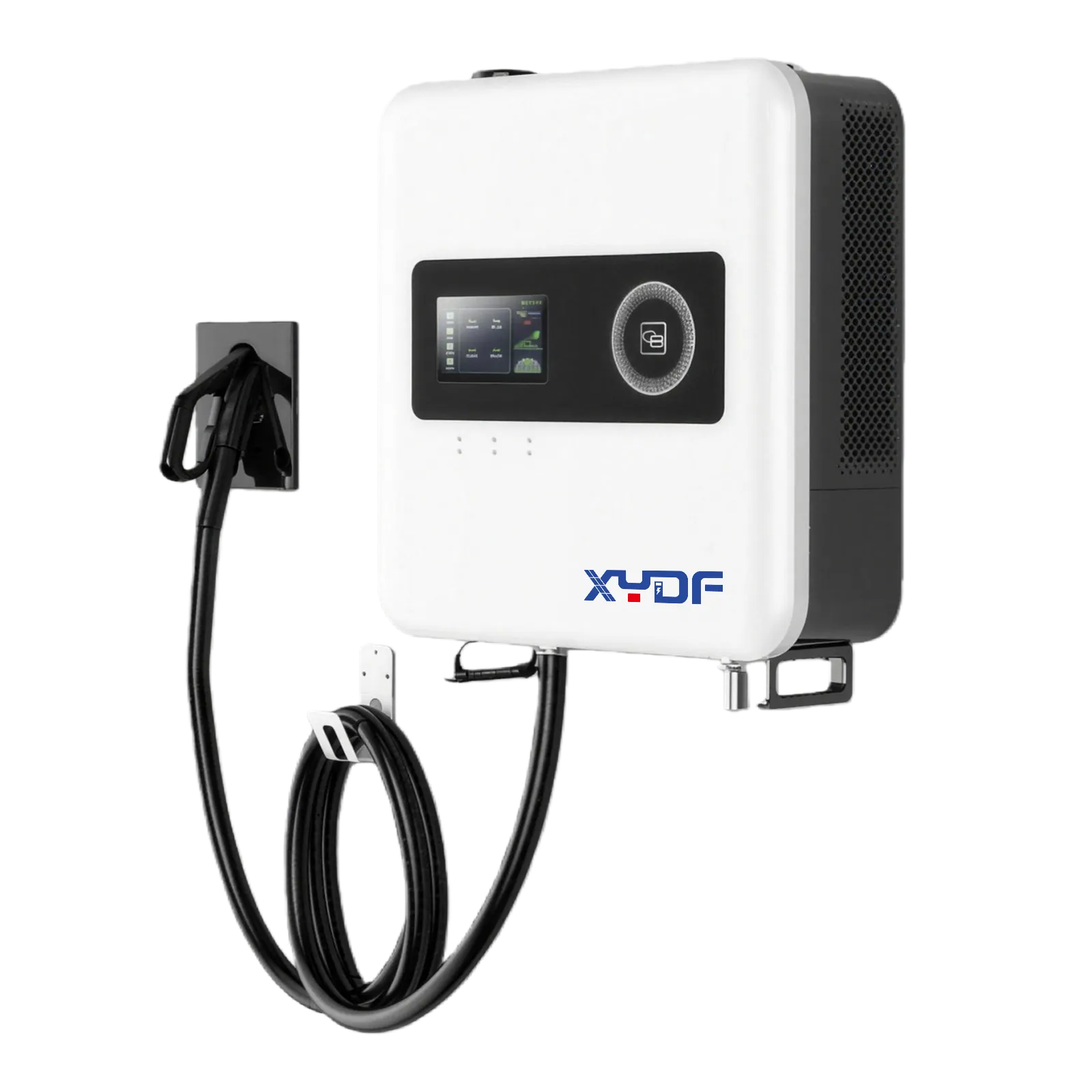
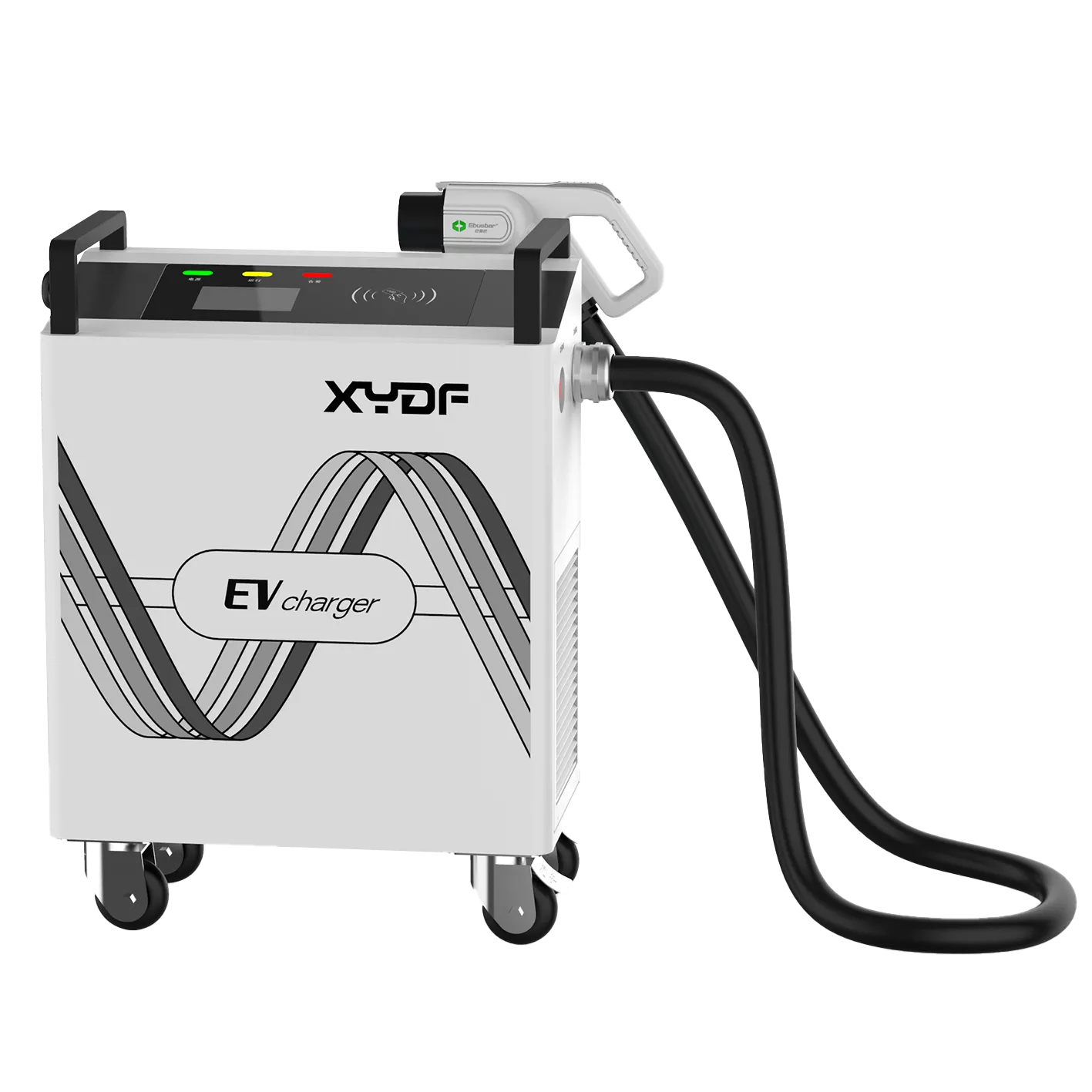
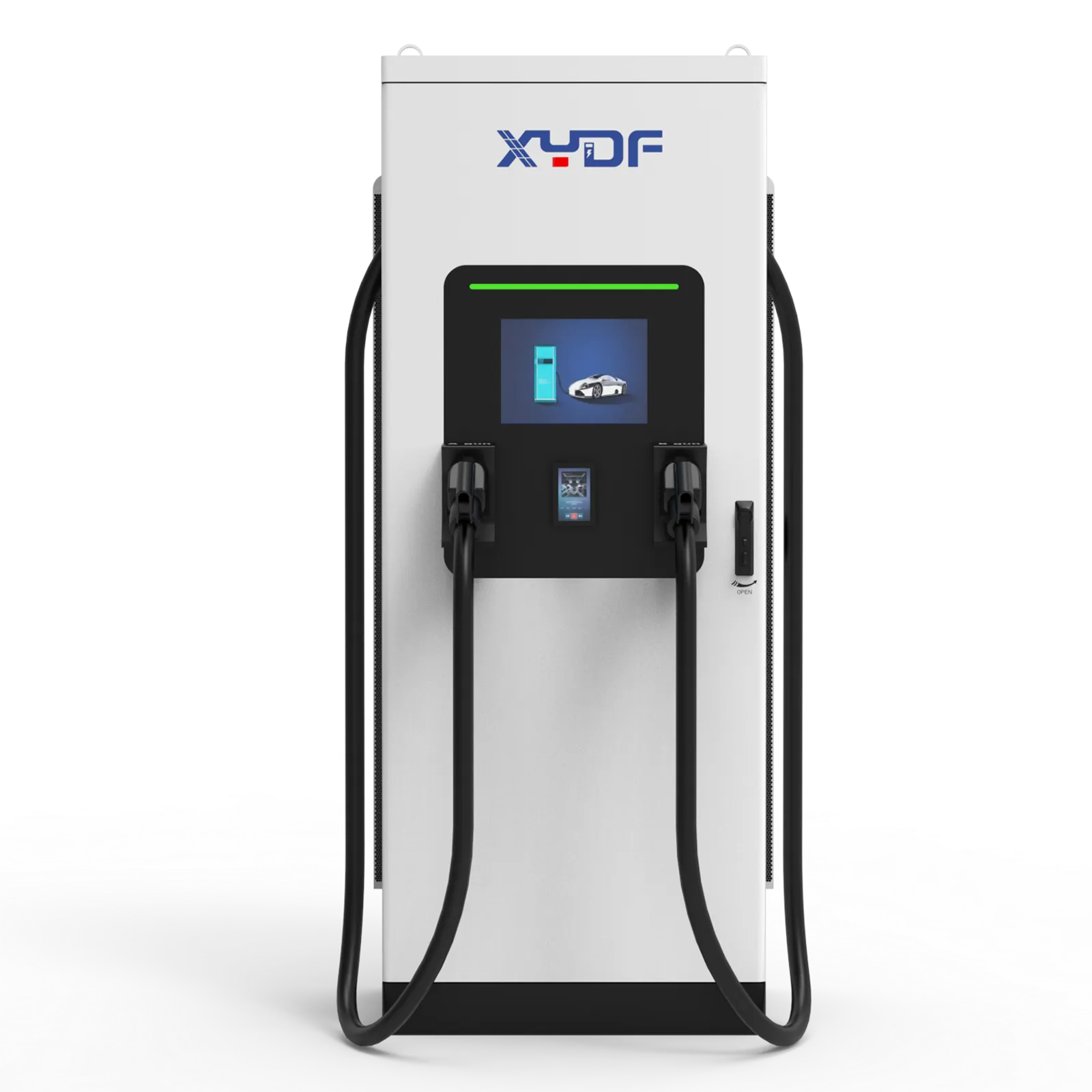
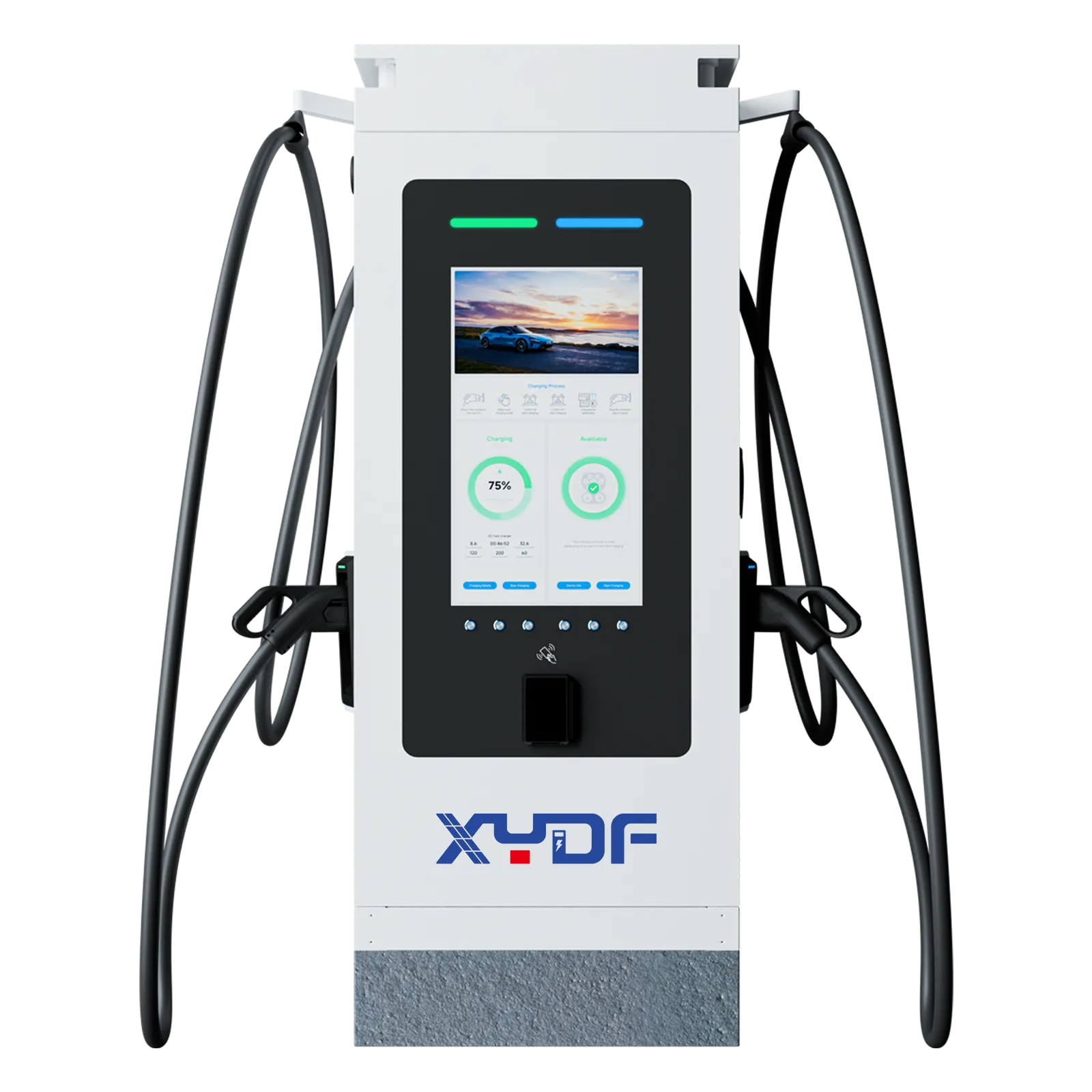
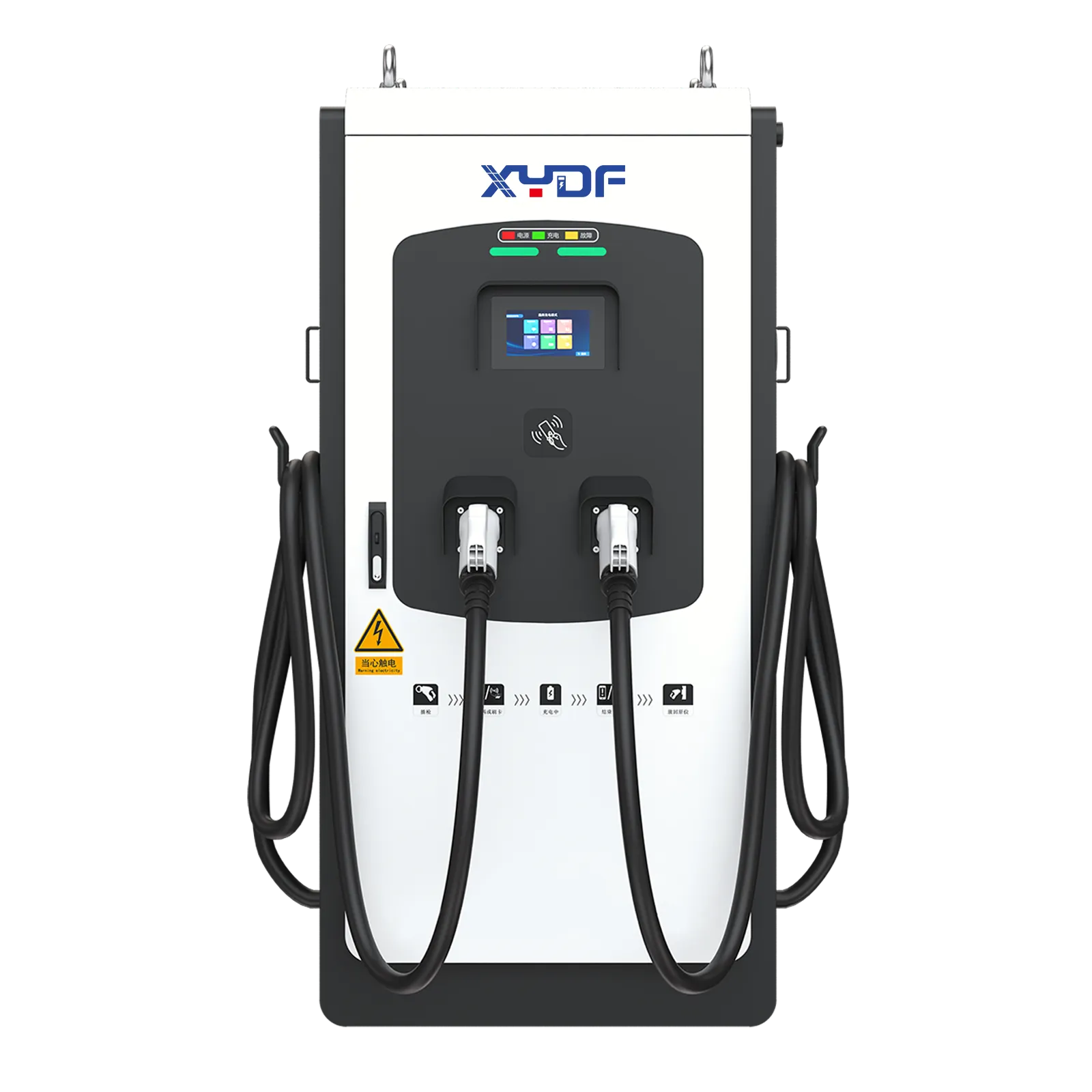
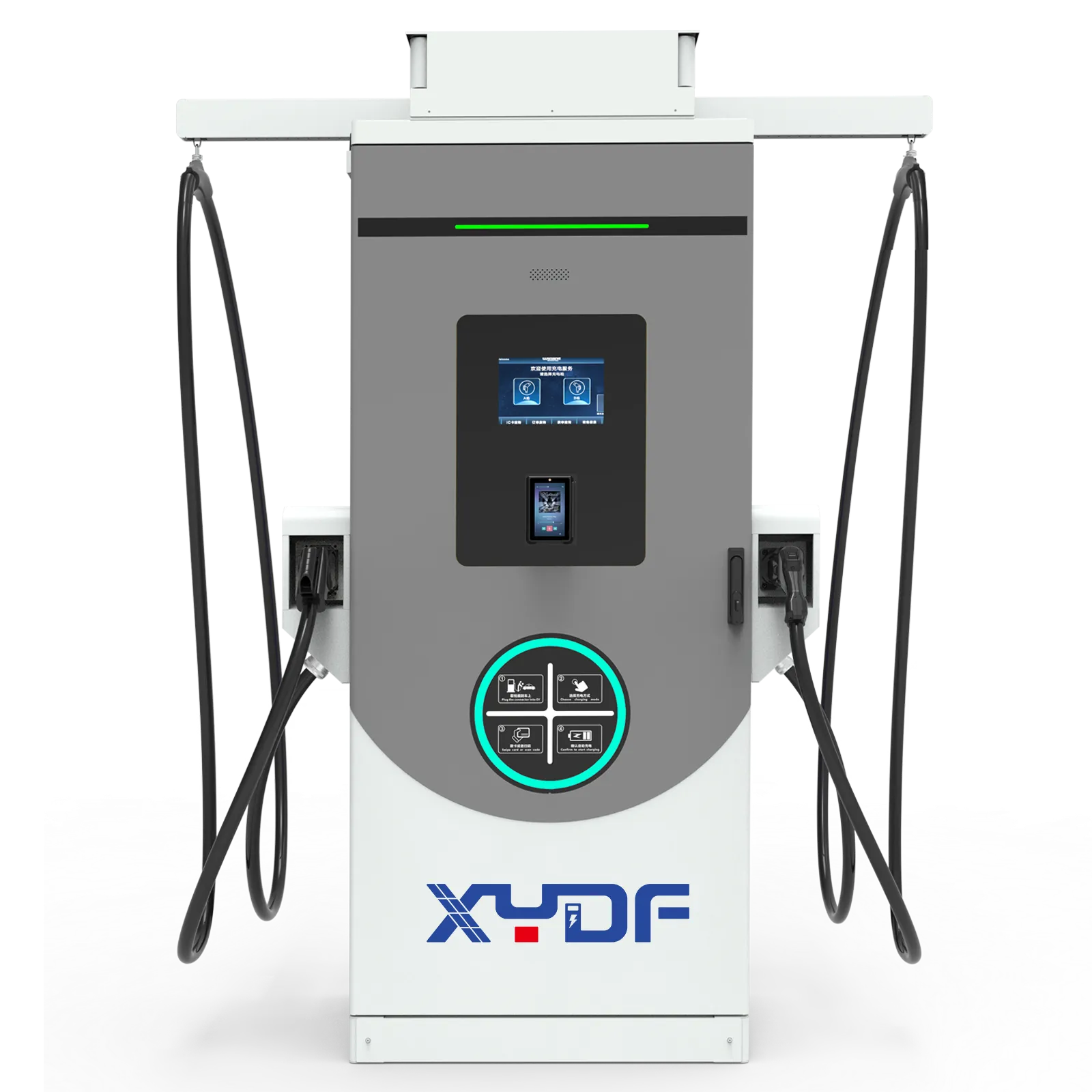
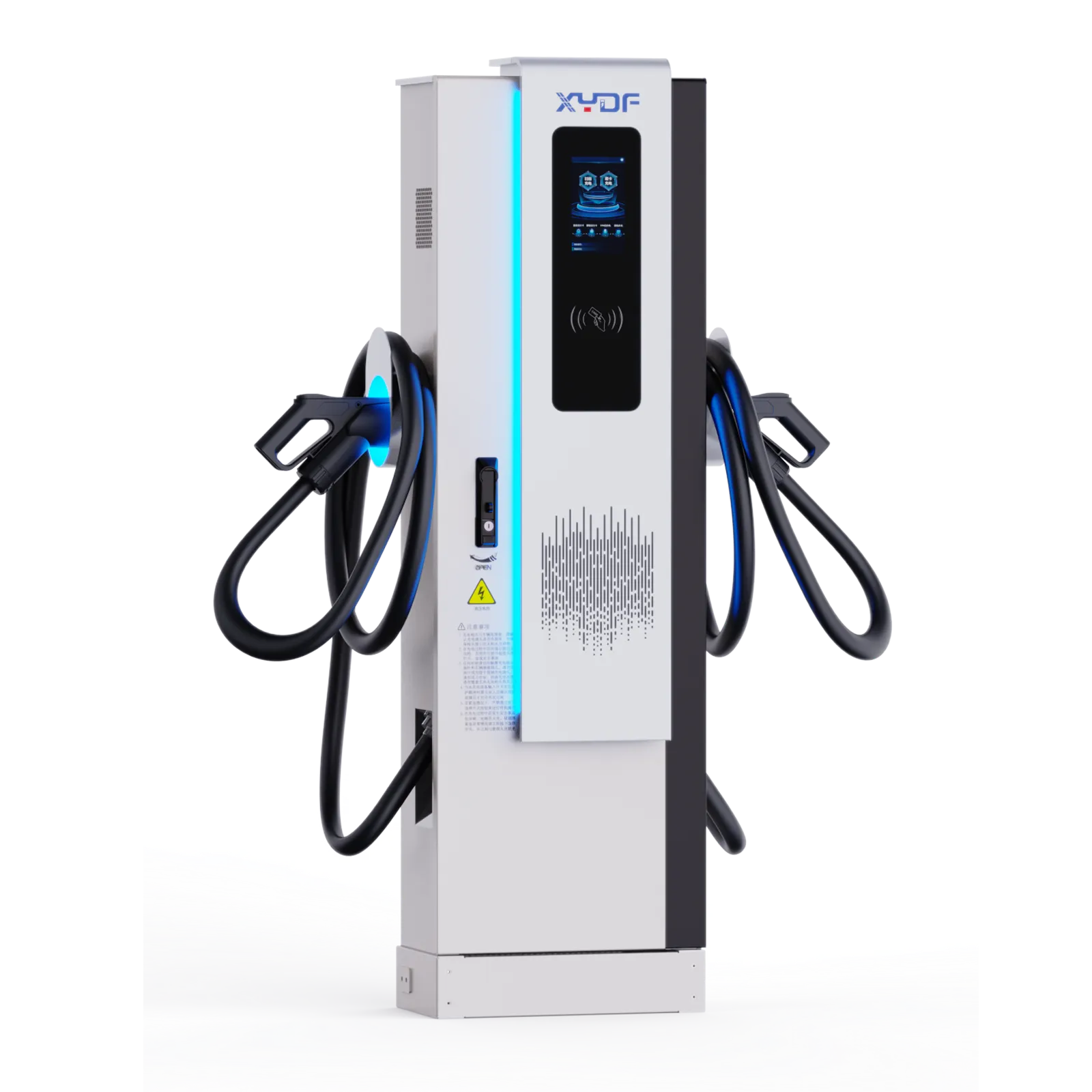
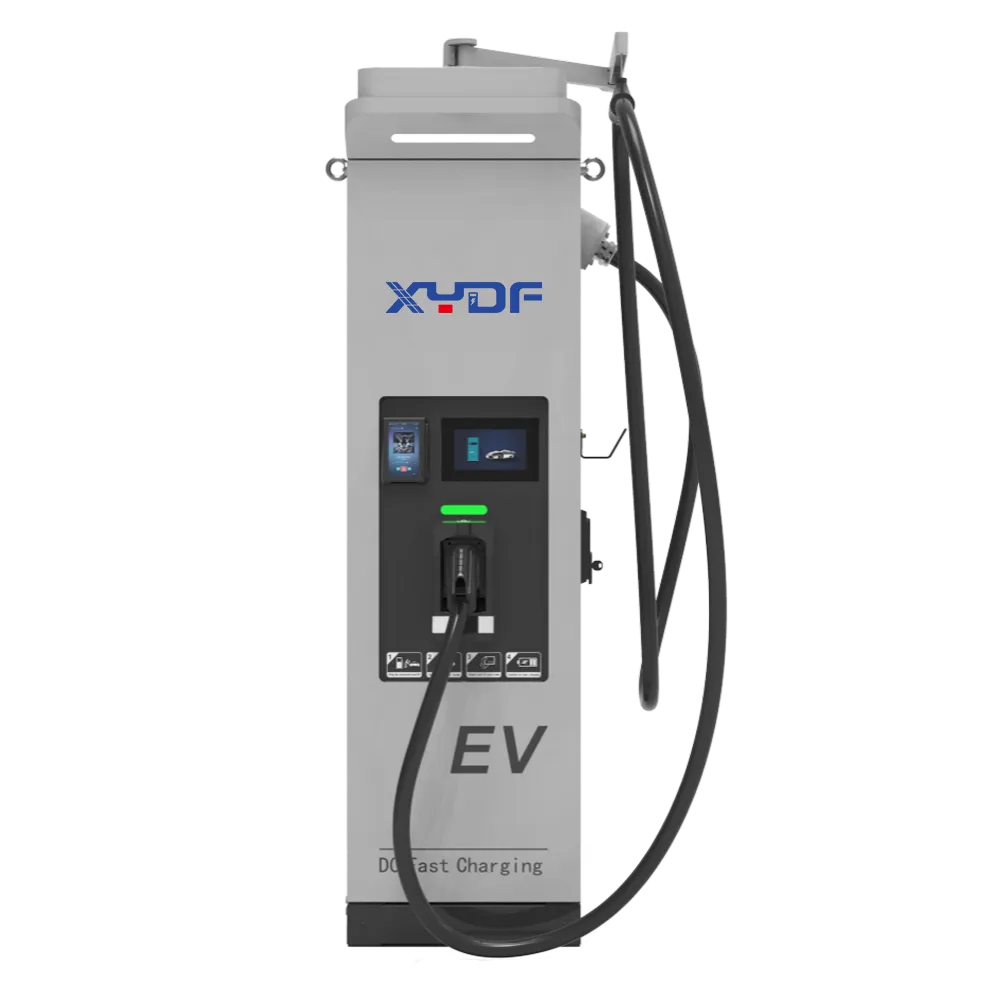
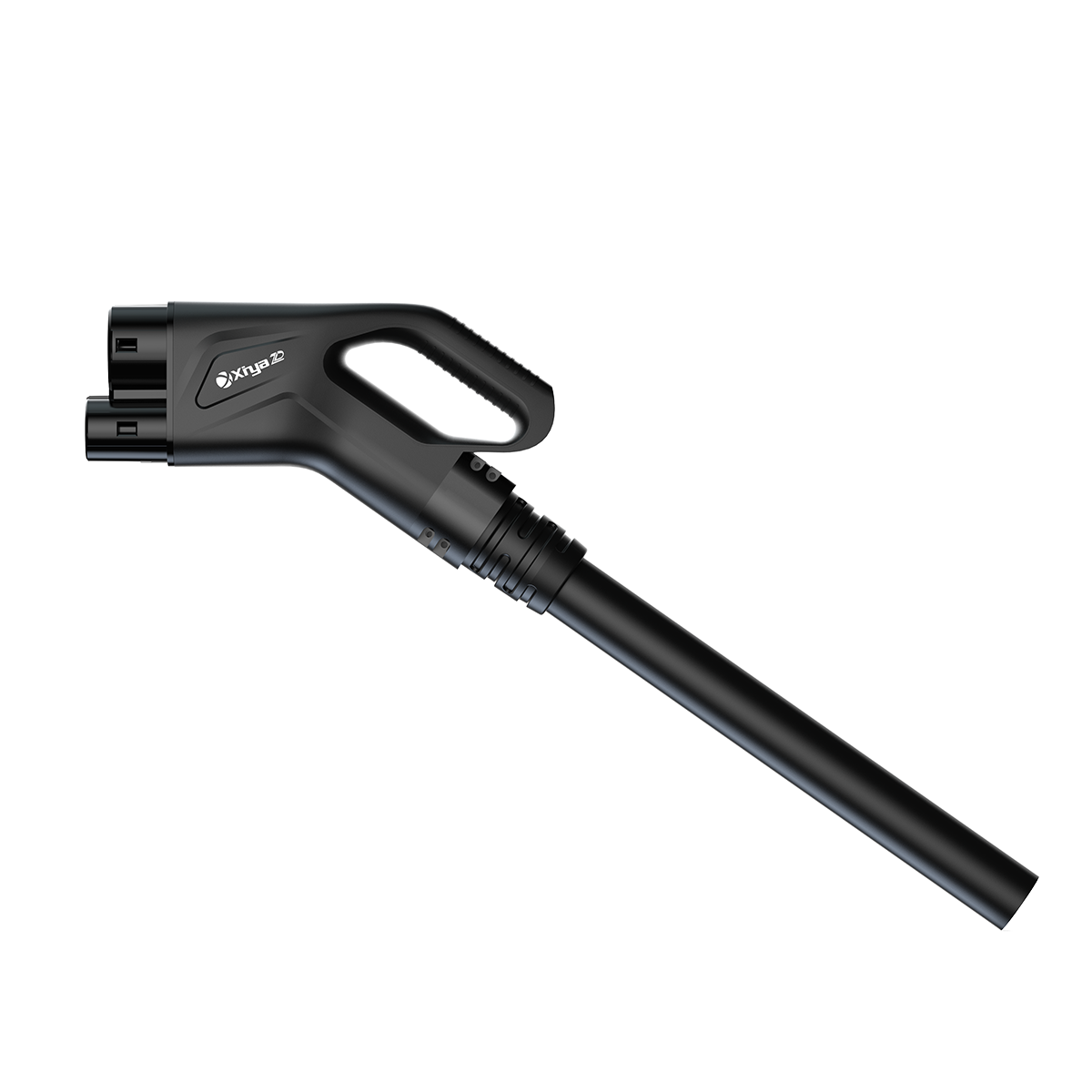
When an electric vehicle runs out of battery power (often referred to as a dead battery), the driver is faced with the dilemma of finding a way to recharge their battery before they can resume their normal daily activities. This is where a portable electric vehicle (EV) charging unit comes into play! As the number of EVs on the road increases, so does the necessity for quick and convenient methods of recharging the batteries of these vehicles. With the continually growing need for a convenient way for EV owners to recharge their batteries, there will be an equally growing need for mobile chargers if or when EVs run out of power on the road. Portable electric vehicle chargers allow electric vehicle owners to recharge their vehicles in any place or time, helping to alleviate range anxiety and provide peace of mind.
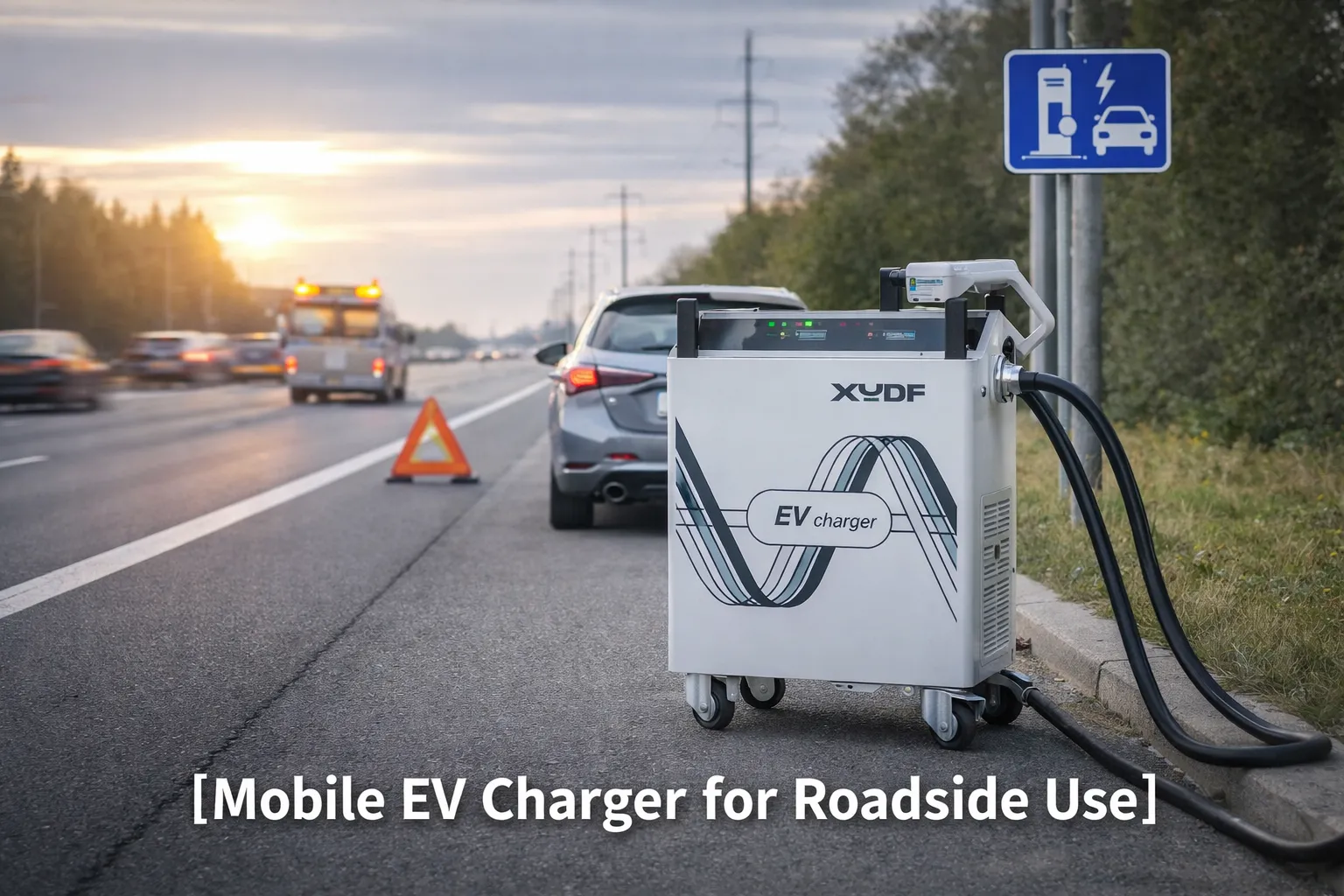
Portable electric vehicle chargers are great options for emergency and short-term use, but they should not be viewed as an alternative to standard electric vehicle charging stations. It is important to have regular access to standard charge points for different reasons:
Charging Time: Standard EV chargers will recharge batteries faster than portable chargers since they mainly provide temporary power.
Power Supply: Standard charging stations typically provide more power so that you can fully charge the battery, while portable charge points can only supply limited power because of their portable use.
Sustainability: Portable EV chargers can be used intermittently like when you are on the go or during a blackout; however, for everyday use, it is better to charge your vehicle with a home or public EV station.
Convenience: Home charging devices maintain continual power supply to the vehicle, while portable charging devices must be set up each time you want to charge your vehicle.
Durability: The portable nature of the mobile charging devices makes them prone to damage from wear and tear. In contrast, stationary devices such as home and public chargers are built for long-term use.
Mobile charging devices are designed to act as a secondary form of charging when charging is not readily available. In order for electric vehicles to operate efficiently and economically, they need daily access to charge points found at public and home EV charging stations since these will provide both renewable and reliable energy sources.
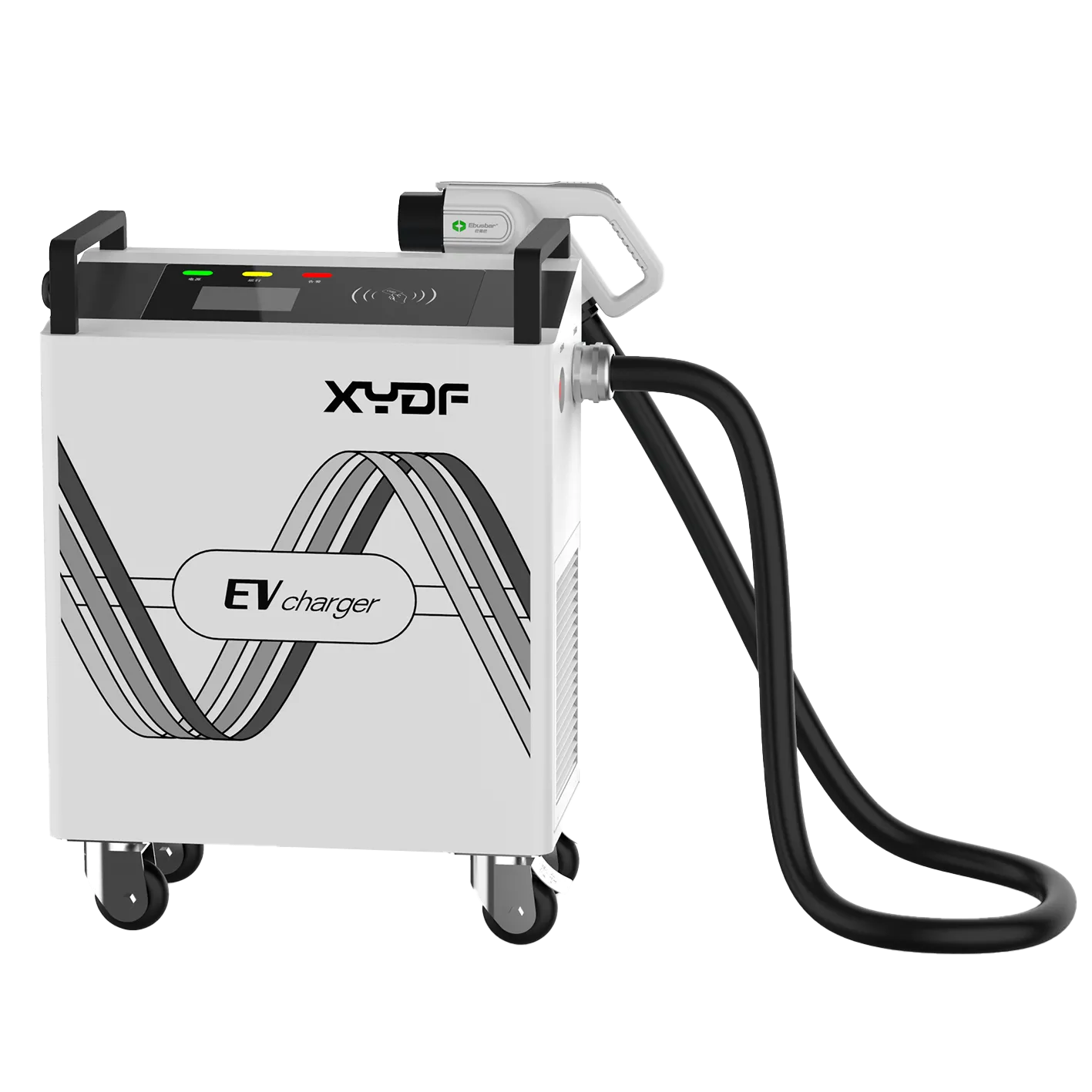
Mobile charging devices provide the same level of voltage as traditional charge stations do, but are typically smaller in size. They connect to a vehicle’s electrical system and provide a power source to the power supply that comes from either an internal battery as well as external power sources such as a portable generator. In addition to this, by 2020 some types of EV chargers will also be able to use solar energy as a means of providing power, making them environmentally friendly and renewable energy sources.
Depending on the situation, a portable charger can serve many different purposes. Some examples include:
When purchasing a portable EV charger, consider the following characteristics:
Charging Speed: Select the charger that allows you to have the least amount of downtime while also providing you with the fastest recharge times possible.
Compatibility: Verify that the connection type on your portable EV charger matches the connection type on your vehicle.
Battery Capacity: A higher capacity charger will potentially allow you to recharge several vehicles before recharging your portable EV charger.
Portability: When making your selection, choose a charger that can be easily transported because it has a lightweight, compact design.
Durability: Select chargers that can withstand a variety of severe weather conditions and rough terrain.
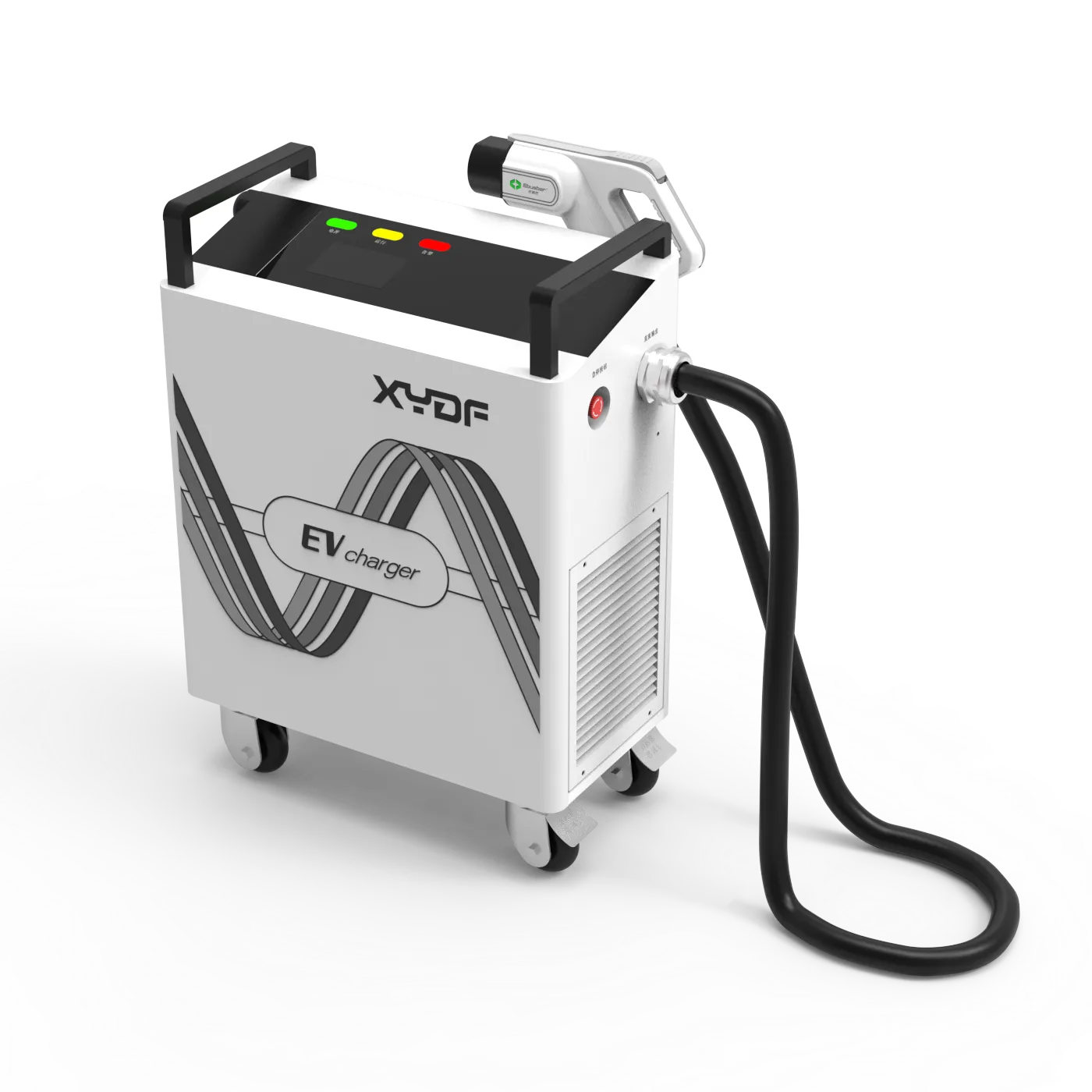
A portable EV charger enables you to charge your vehicle while on the go, whereas conventional EV chargers are installed in a fixed location and provide a higher power output for a more permanent way to charge.
Some portable chargers will allow you to completely recharge an EV while others only partially recharge the EV.
Many portable EV chargers utilize energy-efficient technologies to provide you with an eco-friendly product while others include renewable sources such as solar power. Portable EV chargers are generally considered to be more eco-friendly than other types of chargers.
The costs of portable EV chargers vary based on the model, battery capacity, and other features and generally will start around $300 but can be over $1,000 for high-end models.
Portable EV chargers are an excellent choice for long-distance travel, especially between locations that do not have a lot of EV chargers available.
As the market for electric vehicles continues to grow and develop, the need for advanced portable chargers will continue to be a priority. The development of smaller-sized chargers, faster charging times, and the incorporation of renewable energy sources will drive the demand for higher-quality mobile EV chargers. EV owners will be able to use portable EV chargers for convenience, peace of mind, and will help provide greater travel flexibility for individual EV owners. Portable EV chargers will not replace traditional EV chargers; they are an essential complement to charging options. The only way to guarantee your vehicle is always ready for any future driving needs is to own both a stationary and a portable charger.
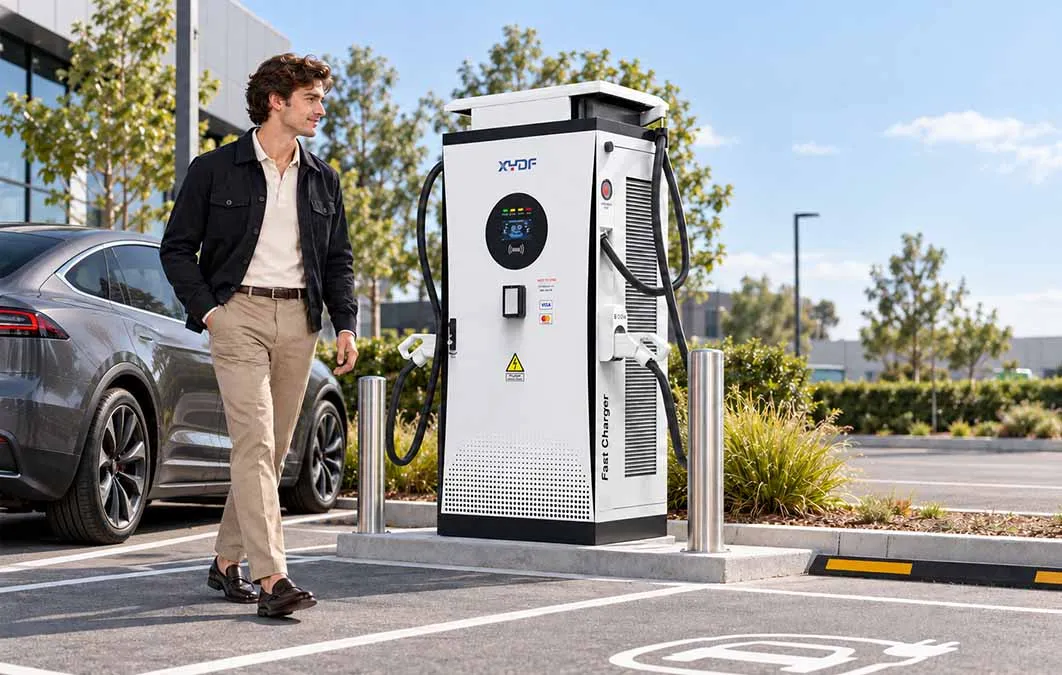
 Xinya Dongfang Electricity Technology Co., Ltd.