 Xinya Dongfang Electricity Technology Co., Ltd.


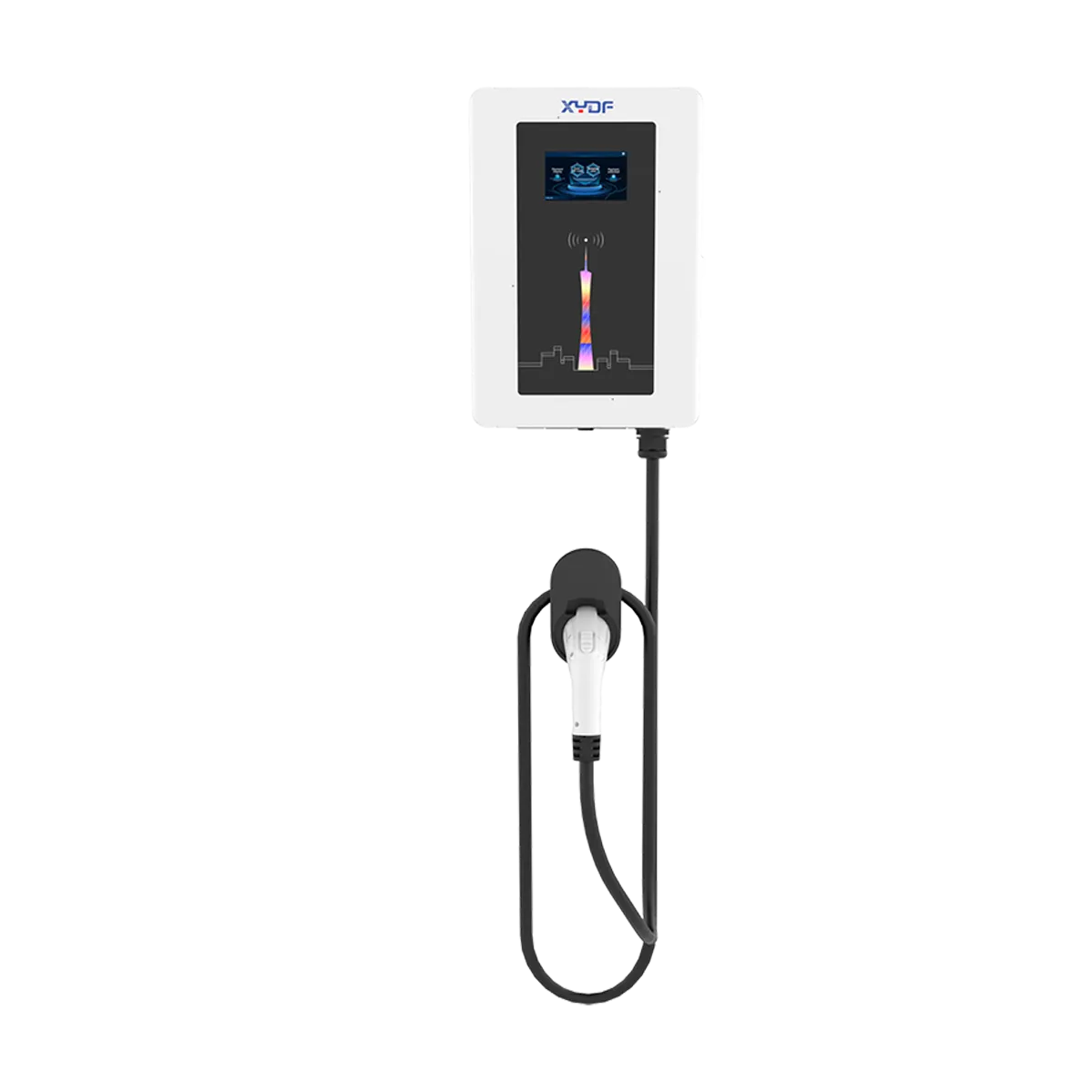
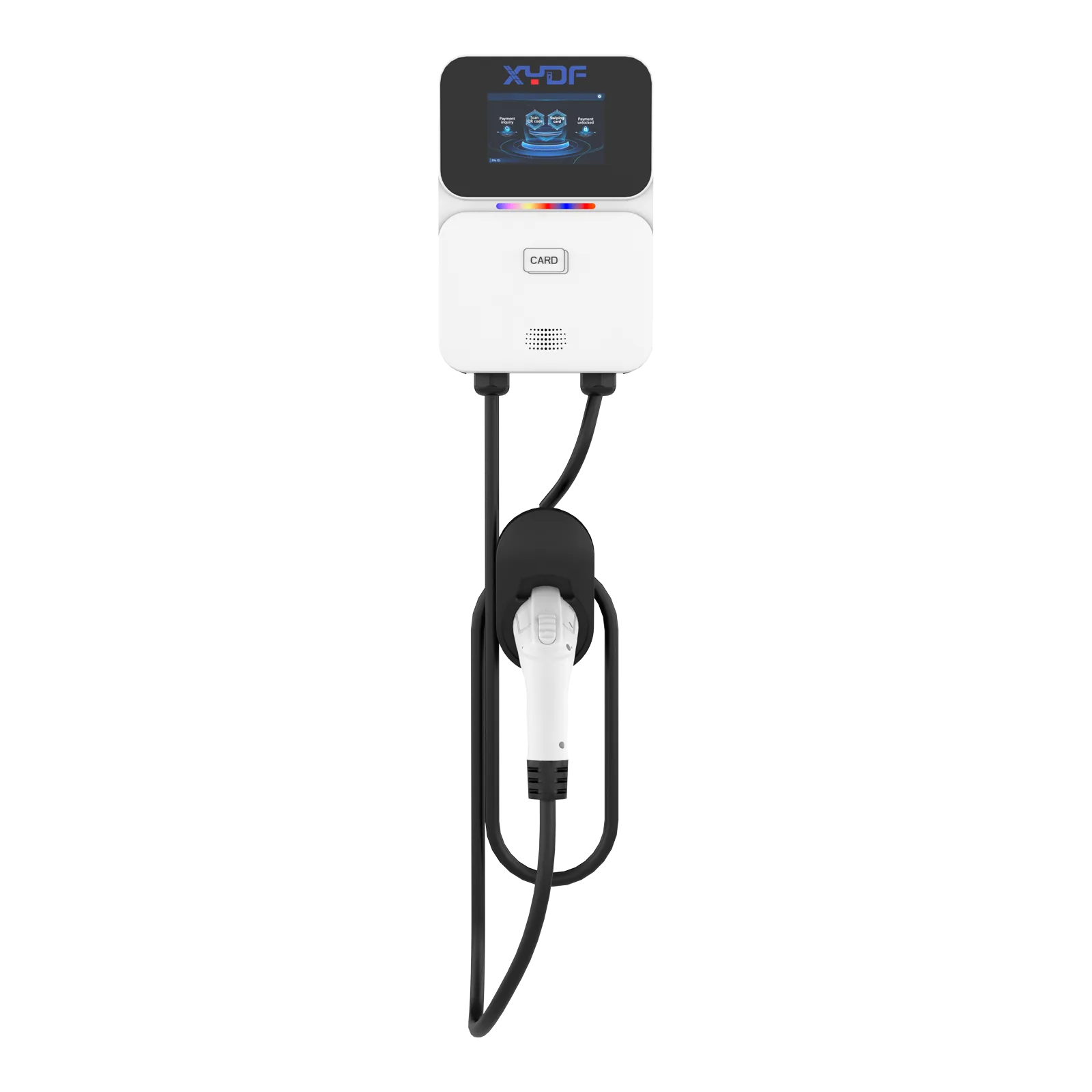
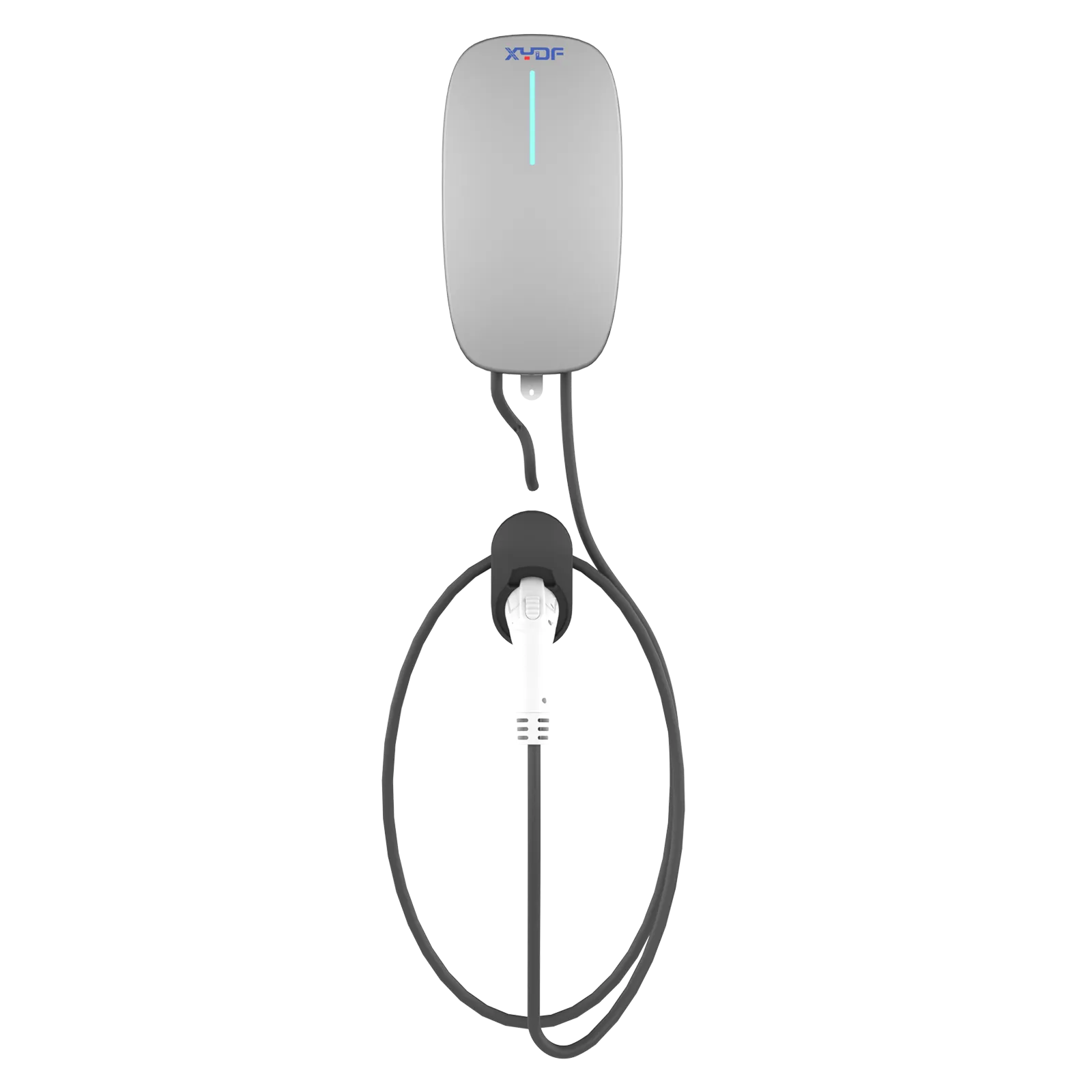
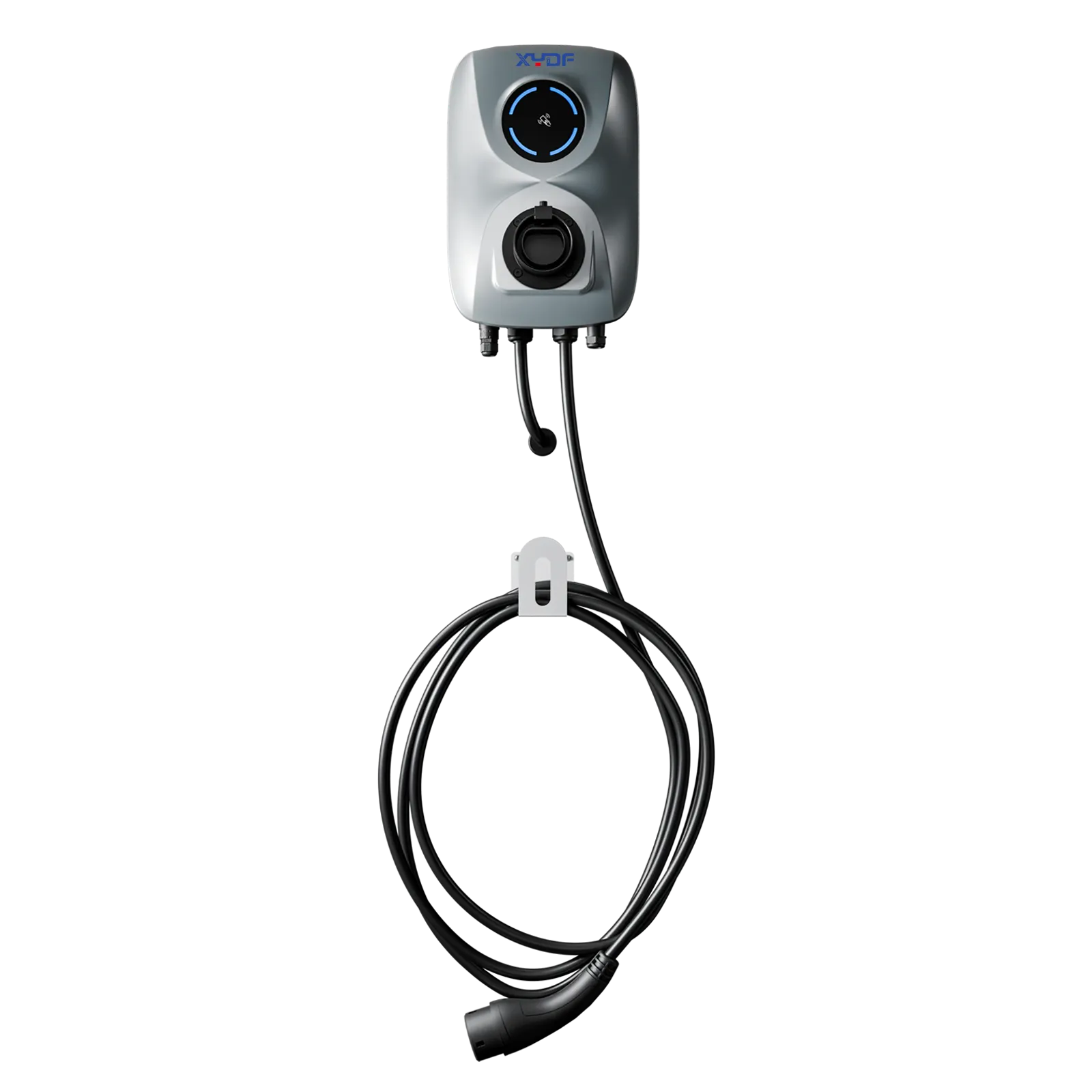

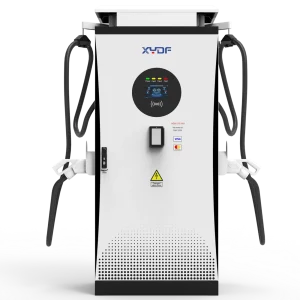
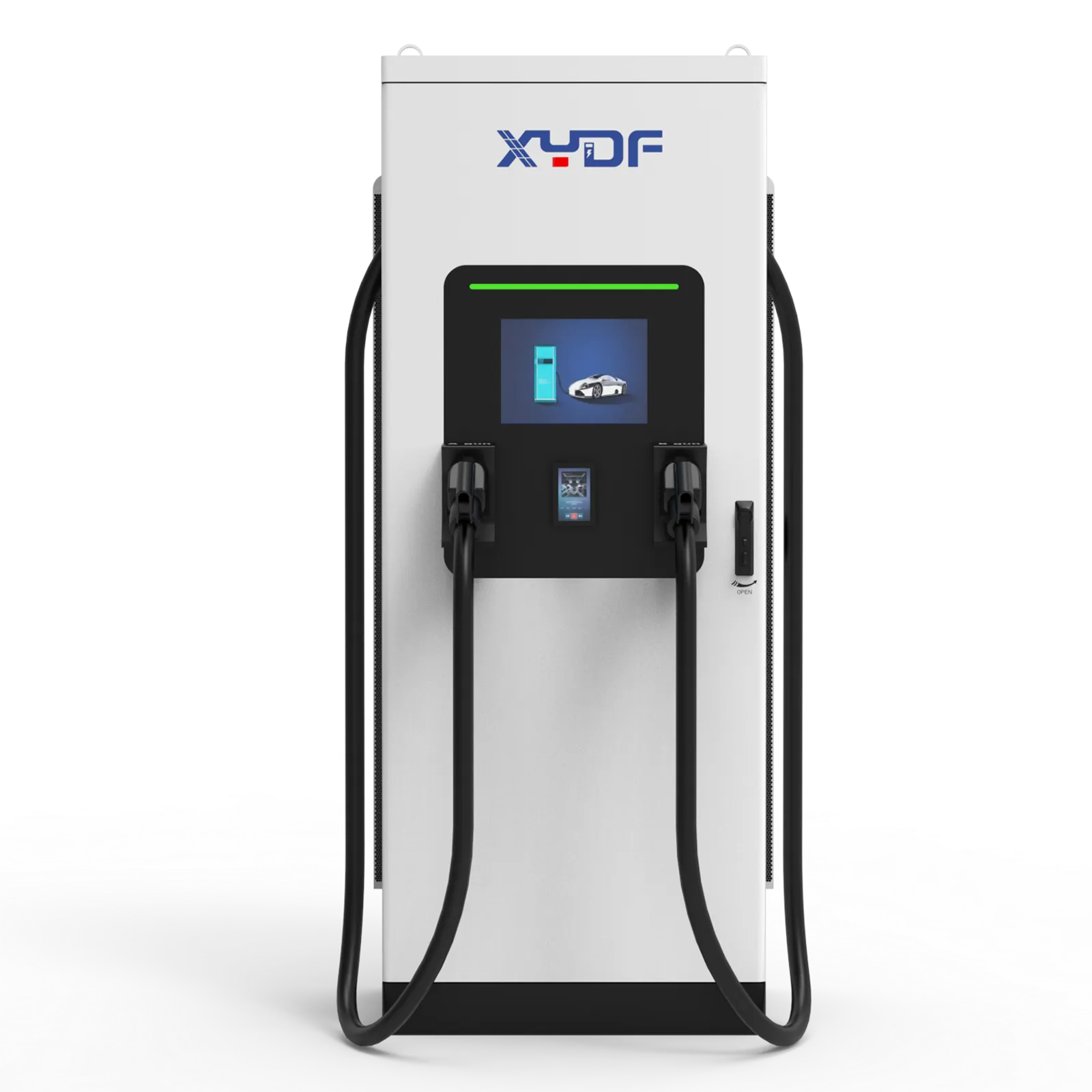
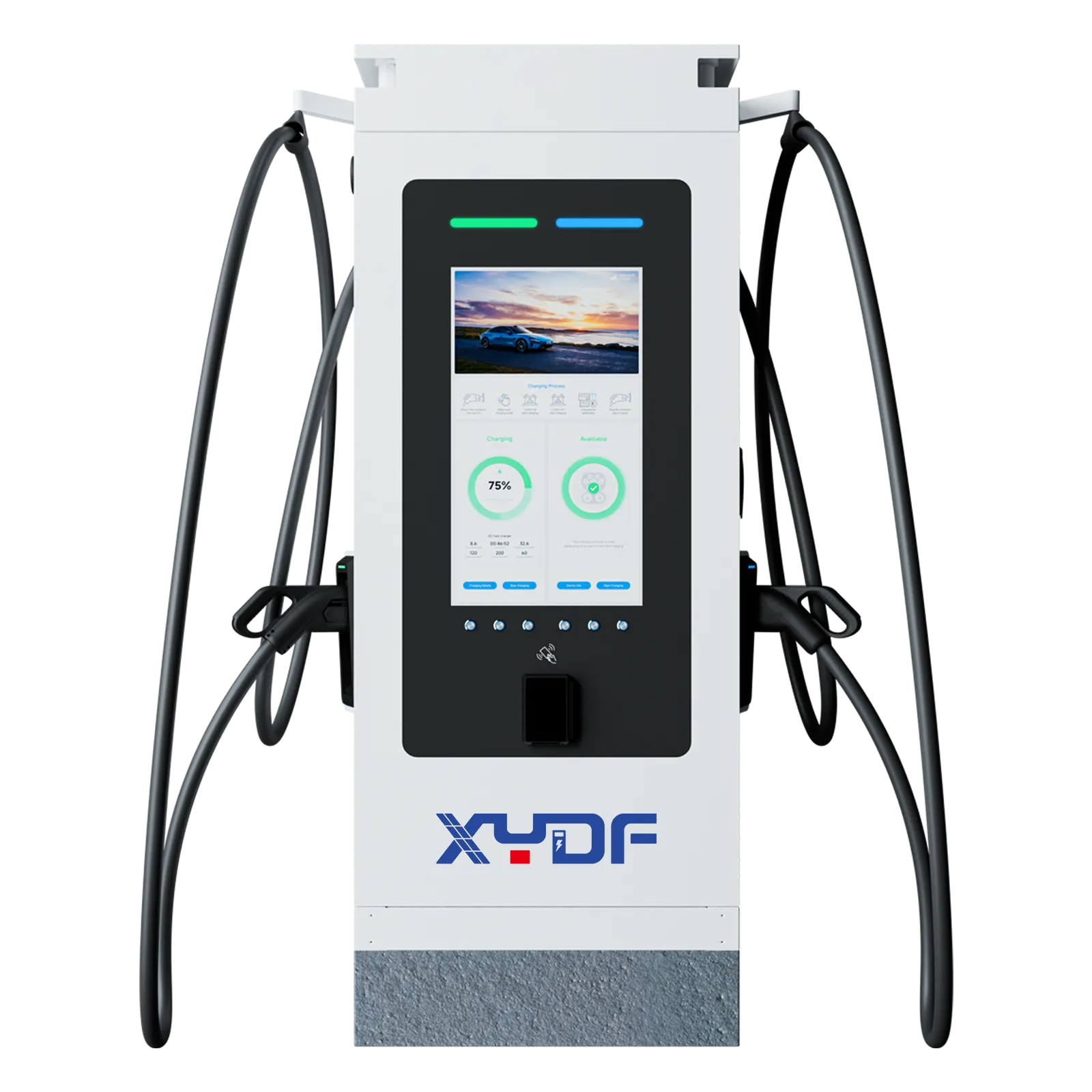
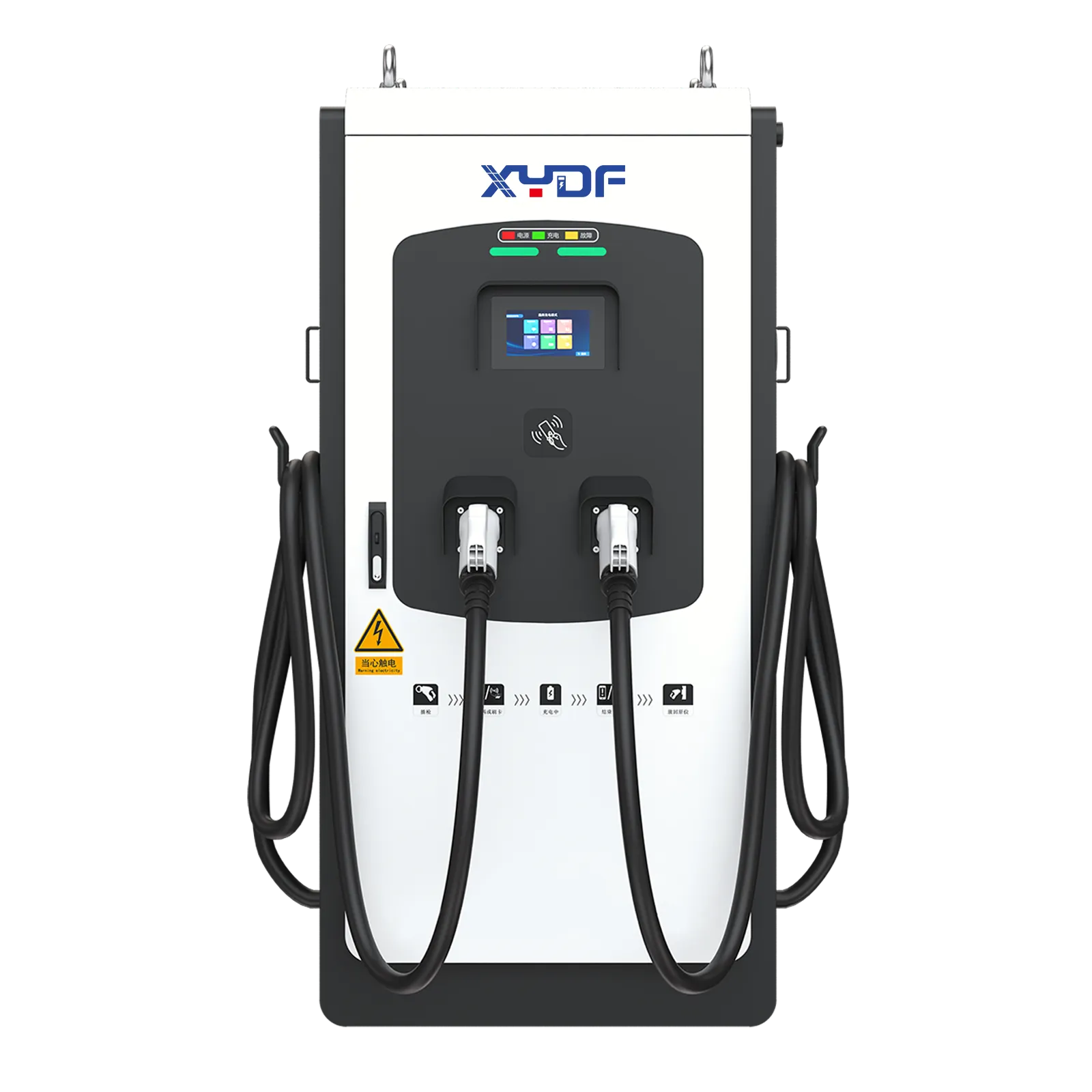
As more and more residents of the state of Illinois move toward electric vehicles (EVs), many are interested in the timing for charging their EVs at home. Besides the obvious financial savings that result from knowing the best hours to charge your EV, there is a positive environmental impact to consider as well. In this article, we will discuss the ideal time to charge your EV at home in Illinois and provide tips to help save money, as well as provide answers to frequently asked questions by EV owners.
What Are Peak and Off-Peak Hours?
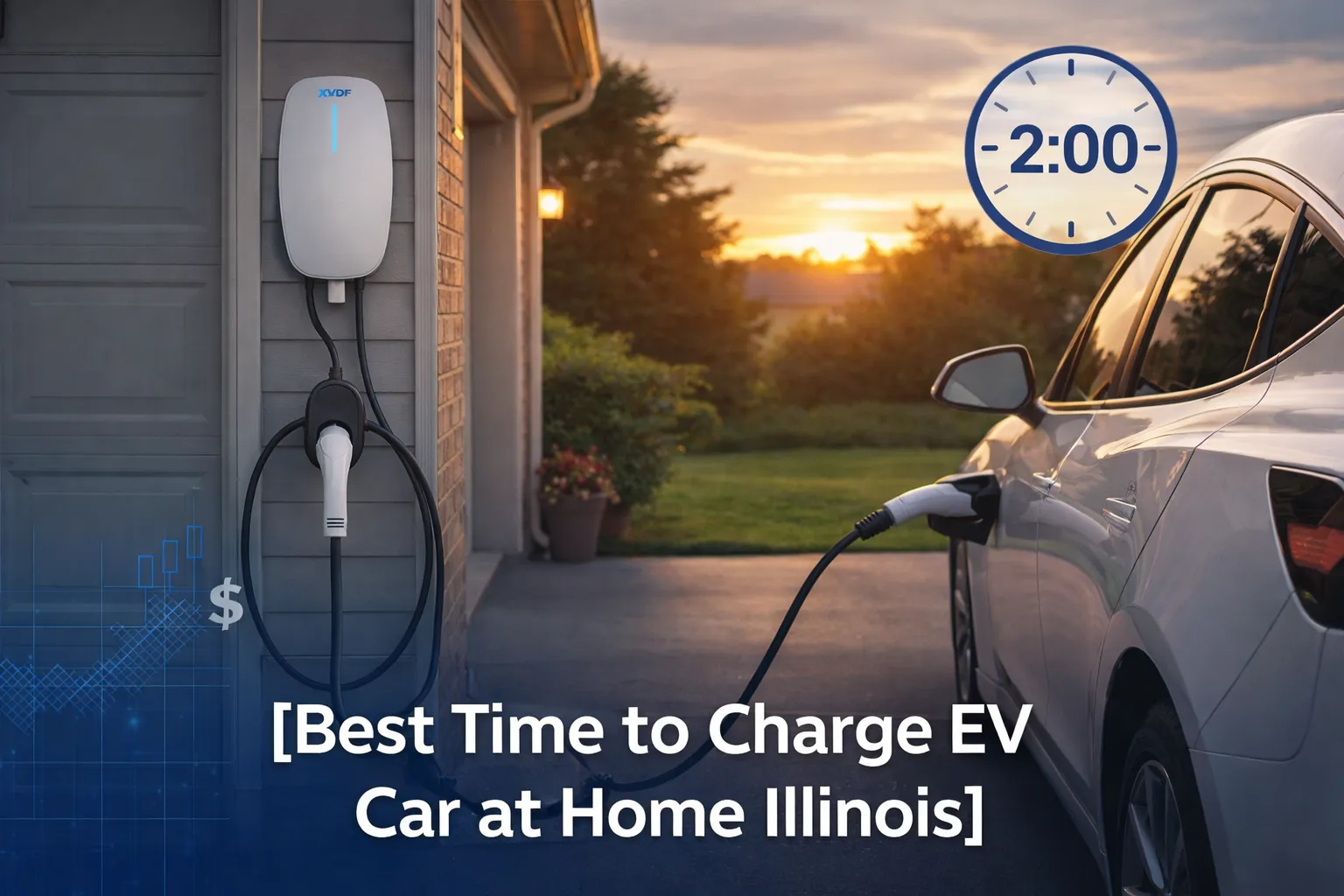
In general, the best time to charge your EV at home in Illinois is during the off-peak hours. Off-peak hours are typically periods of low electricity demand. Most Illinois electric utility companies provide discounted electricity rates to customers that utilize electricity at off-peak times in order to encourage energy use when there is less demand from the electric grid.
For many electric utility providers in Illinois, off-peak hours are usually exposed during late night and early morning. As an example, Commonwealth Edison (ComEd), one of the largest electric utility companies in the state of Illinois, currently has a discounted electricity rate for electricity used from 10 p.m. to 6 a.m. Scheduling EV charging during off-peak times has the potential to lower the overall electricity expenses of owning and operating an electric vehicle.
Benefits of Off-Peak Charging
- Cost Savings: When charging batteries at off-peak times, it may help you save a considerable amount of money over time because your local utility company usually offers much lower off-peak electricity rates compared to peak times.
- Grid Efficiency: Charging an EV during off-peak hours reduces the amount of strain placed upon the electric grid by EVs and helps ensure that there are sufficient electricity supplies available throughout your utility’s territory.
- Environmental Impacts: The use of cleaner energy sources contributes to an EV owner’s carbon footprint; therefore, you will have your carbon footprint reduced when charging at off-peak times due to having cleaner energy supplies available from your utility company.
How to Schedule Off-Peak Charging
Most EVs and EV service providers (charging stations) will allow you to set up a charging schedule. Here are ways to accomplish a charging schedule:
- Check your utility’s off-peak schedule and rates offered on their website.
- Use either your vehicle’s app or in-vehicle settings to set a charging schedule. When setting your charging schedule, make sure to select times that fall under your utility’s off-peak hours.
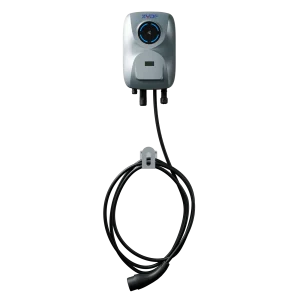
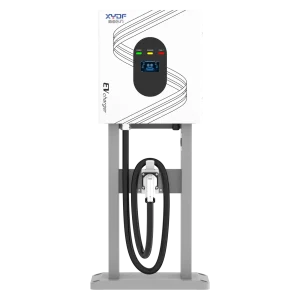
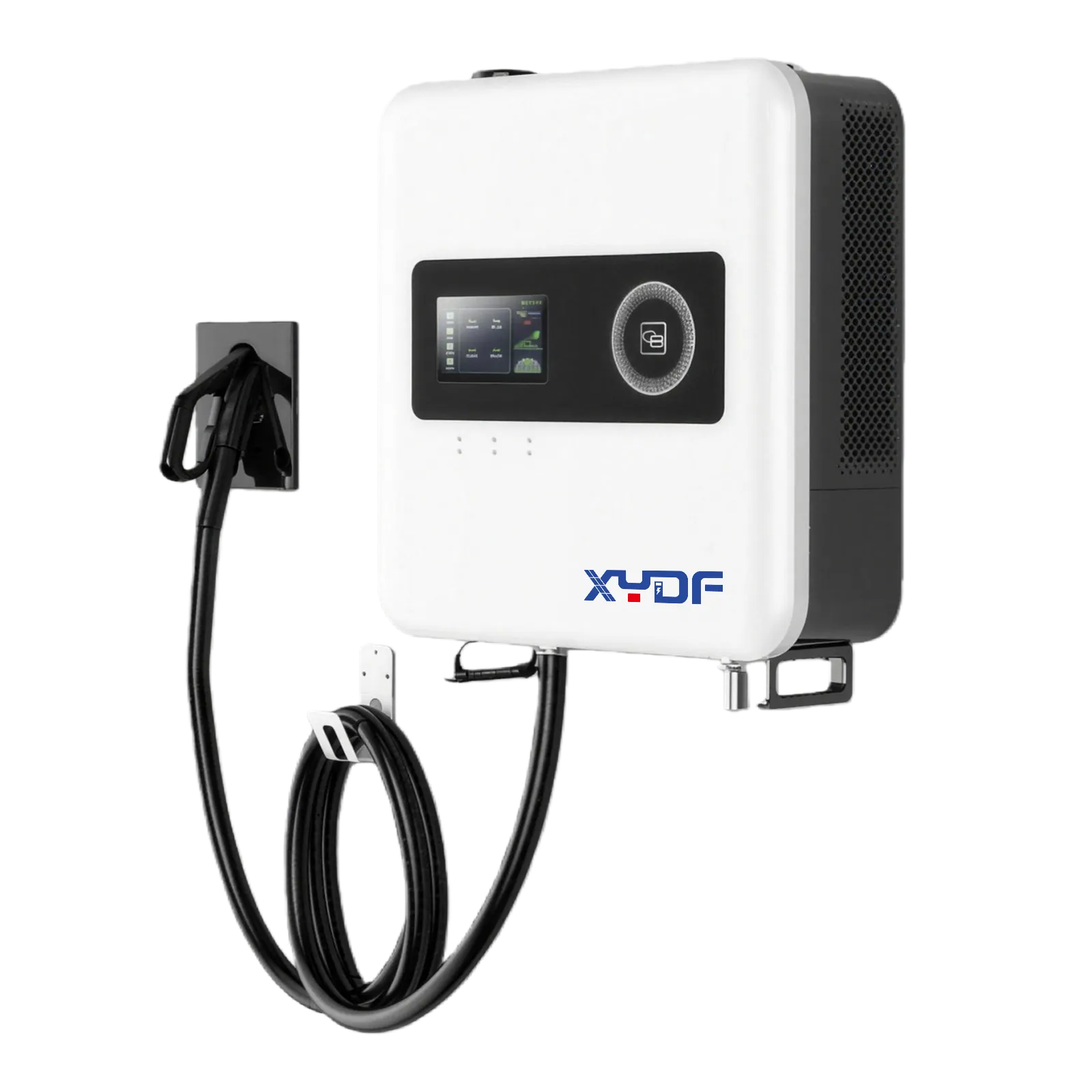
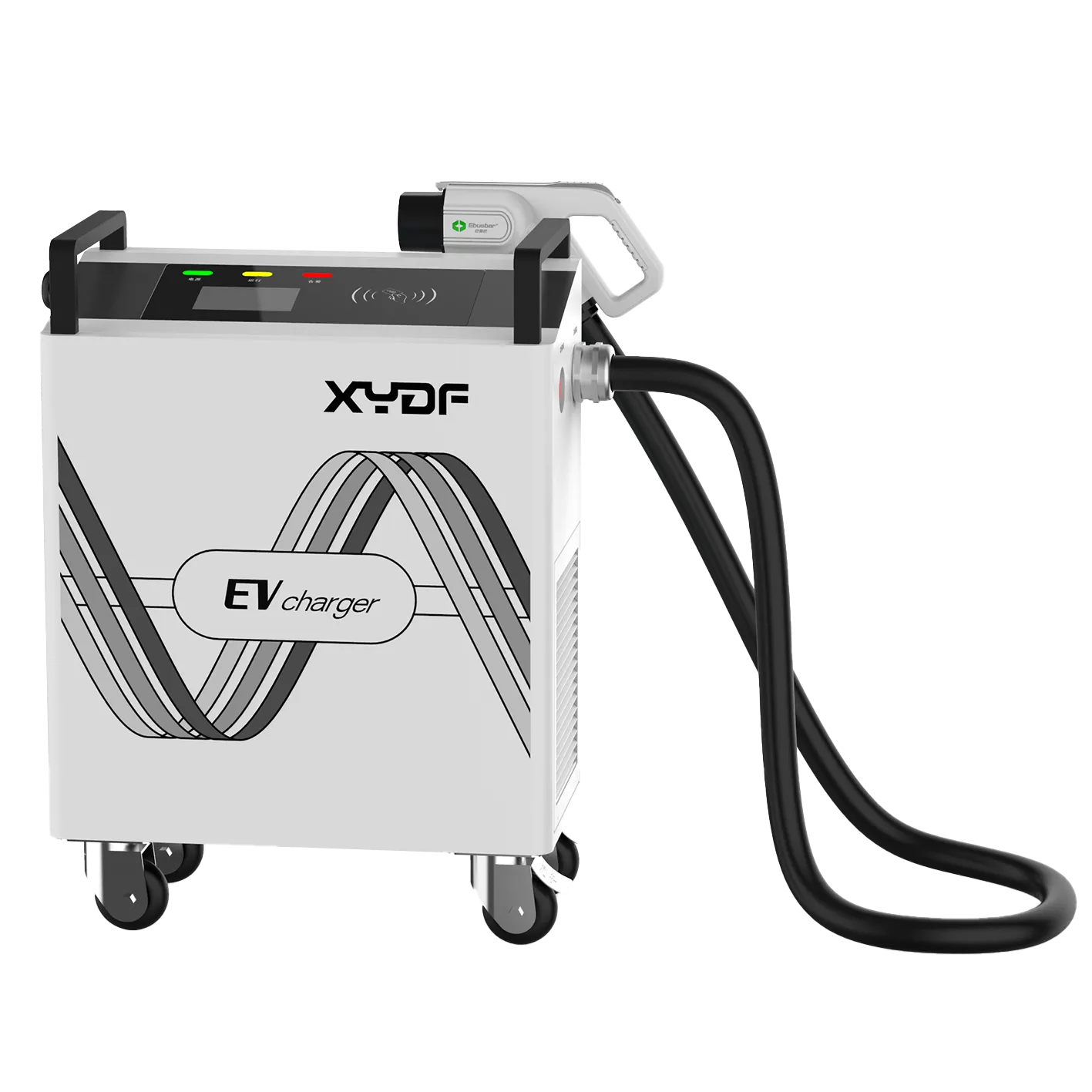
- Consider purchasing a smart charger that gives you the ability to remotely monitor and control your charging operations and help optimize your vehicle’s charging.
How to Choose the Right Utility Plan
In Illinois, several utility companies offer EV owner-specific plans. ComEd, for example, has a residential real-time pricing (RTP) program that enables you to pay for electricity based on hourly prices. When electricity is less expensive during non-peak hours, you can save significantly. Be sure to check with your utility company for these programs and investigate if using either a time-of-use or real-time pricing plan can benefit you.
How Often Should I Charge My Electric Vehicle?
The amount of times you charge your electric vehicle (EV) is determined by your daily driving habits, the size of your battery, and the type of charging station you use. It may be enough for most EV drivers to charge their vehicles several times a week at night. If you have a long commute, charging daily during non-peak usage will likely help. To extend the life of your battery, it is advisable to charge it to 80%; only fully charge if you plan to take a longer trip.
Do Solar Panels Make Sense for Electric Vehicle Owners in Illinois?
Many homeowners in Illinois are now investing in solar energy so they can cut down on what it costs them to charge their electric vehicle. Due to Illinois’ solar renewable energy credits (SRECs) and the federal solar tax credit, once financially viable, solar systems can potentially pay for themselves over time while providing clean, renewable energy for charging your electric vehicle. Adding a solar system to a home with a battery storage system gives homeowners the ability to use or store energy and charge their electric vehicle whenever they want without drawing electricity from the utility.
Other Tips to Save Money While Charging Your Electric Vehicle
- Level 2 Chargers: While they can be more costly than using a standard Level 1 charger, they charge much quicker and therefore are typically going to be more efficient.
- Take Advantage of Utility Incentives: There are many electric vehicle-related rebates available from various utility providers in Illinois. For example, ComEd has a rebate program for Level 2 charger installations.
- Monitor Your Energy Usage: Many EV chargers come equipped with technology that allows you to monitor your energy usage and compare it to other locations or provide you with the best charging information.
Charging your electric vehicle during off-peak usage times in Illinois can provide significant savings for the owner while having a lesser impact on the environment. When you charge your electric vehicle, plan out the time of when you will charge it, use energy-efficient devices (e.g., smart chargers), and utilize any utility-provided discounts or incentives; that way, you maximize your savings and enjoy a more positive experience with your electric vehicle when compared against an internal combustion engine vehicle.