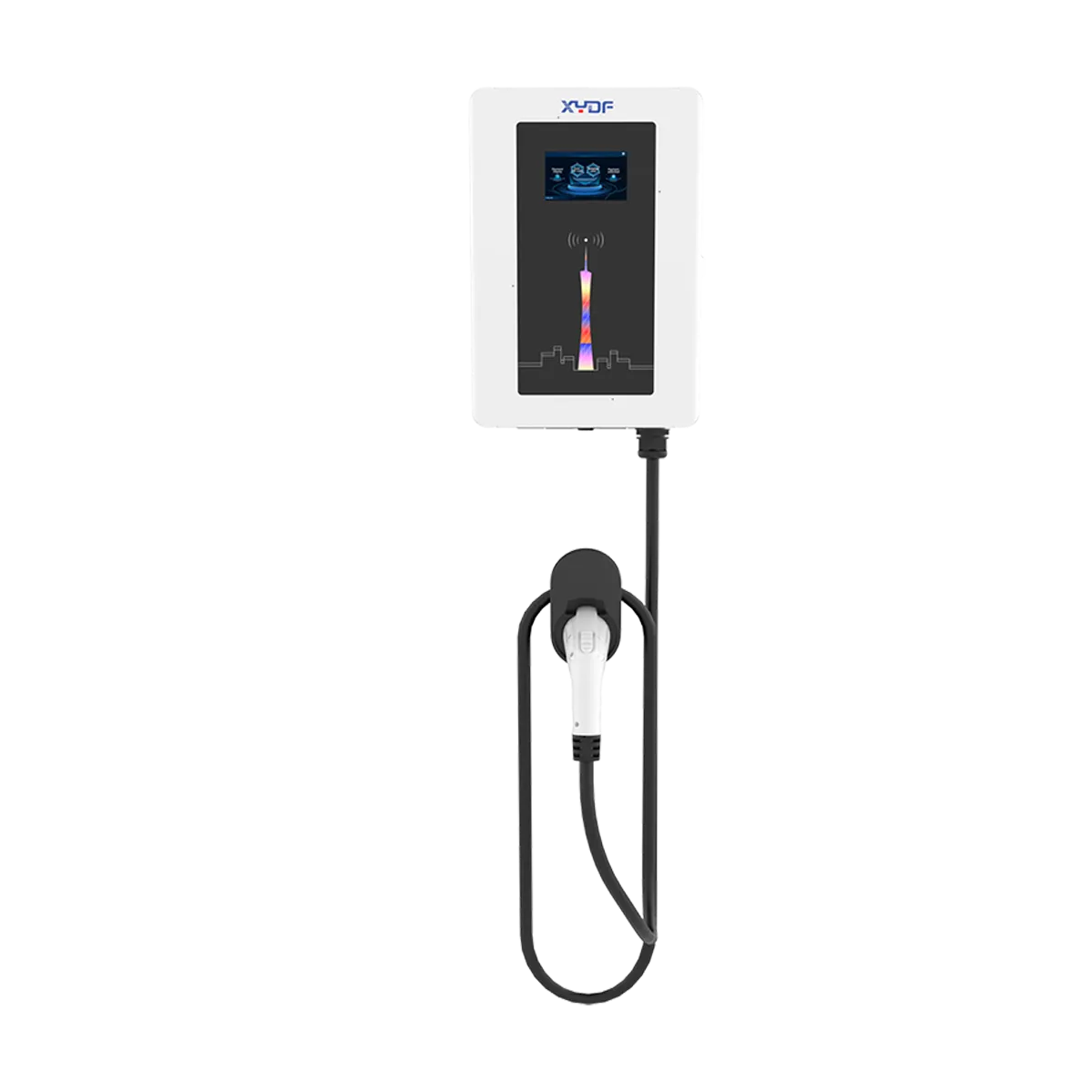
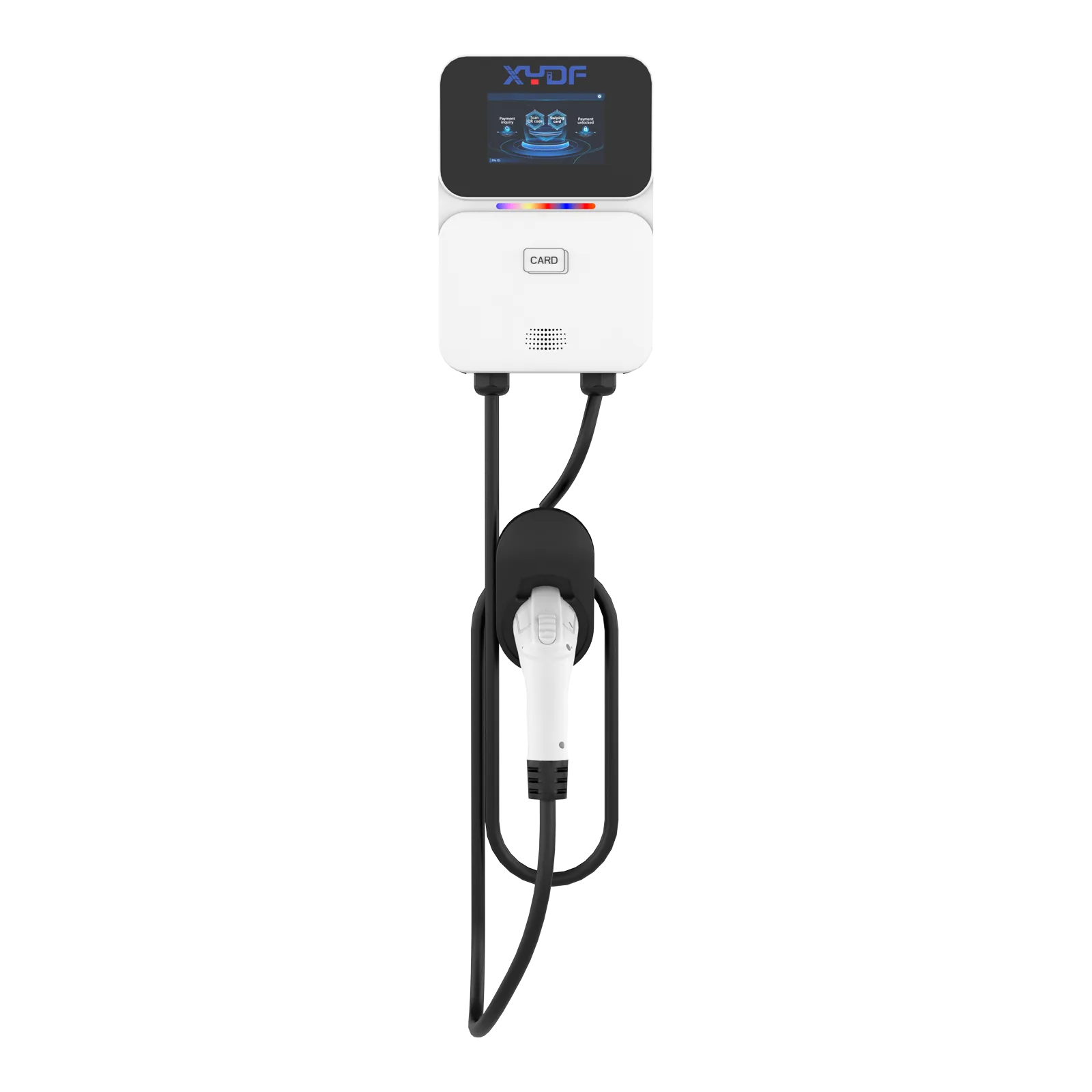
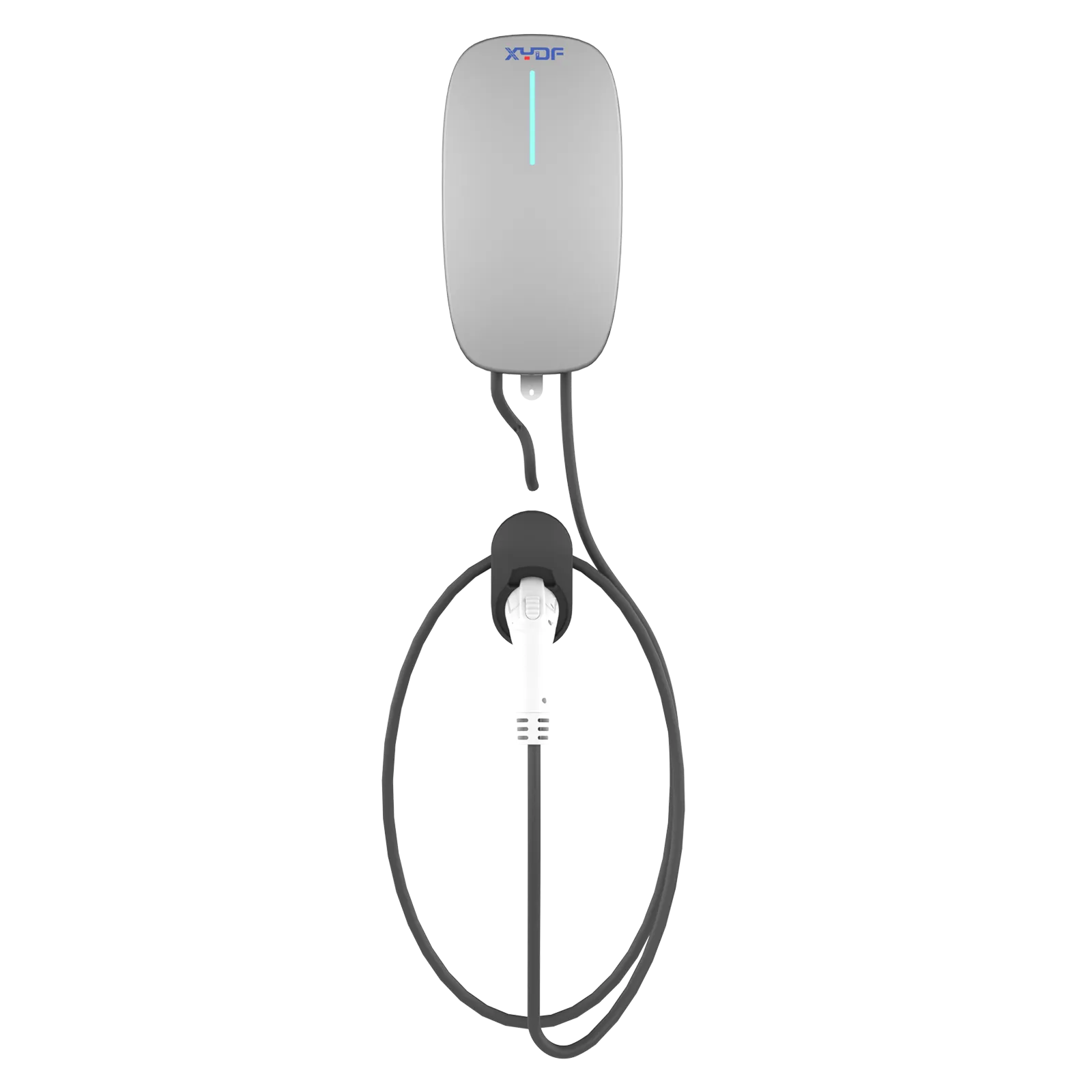
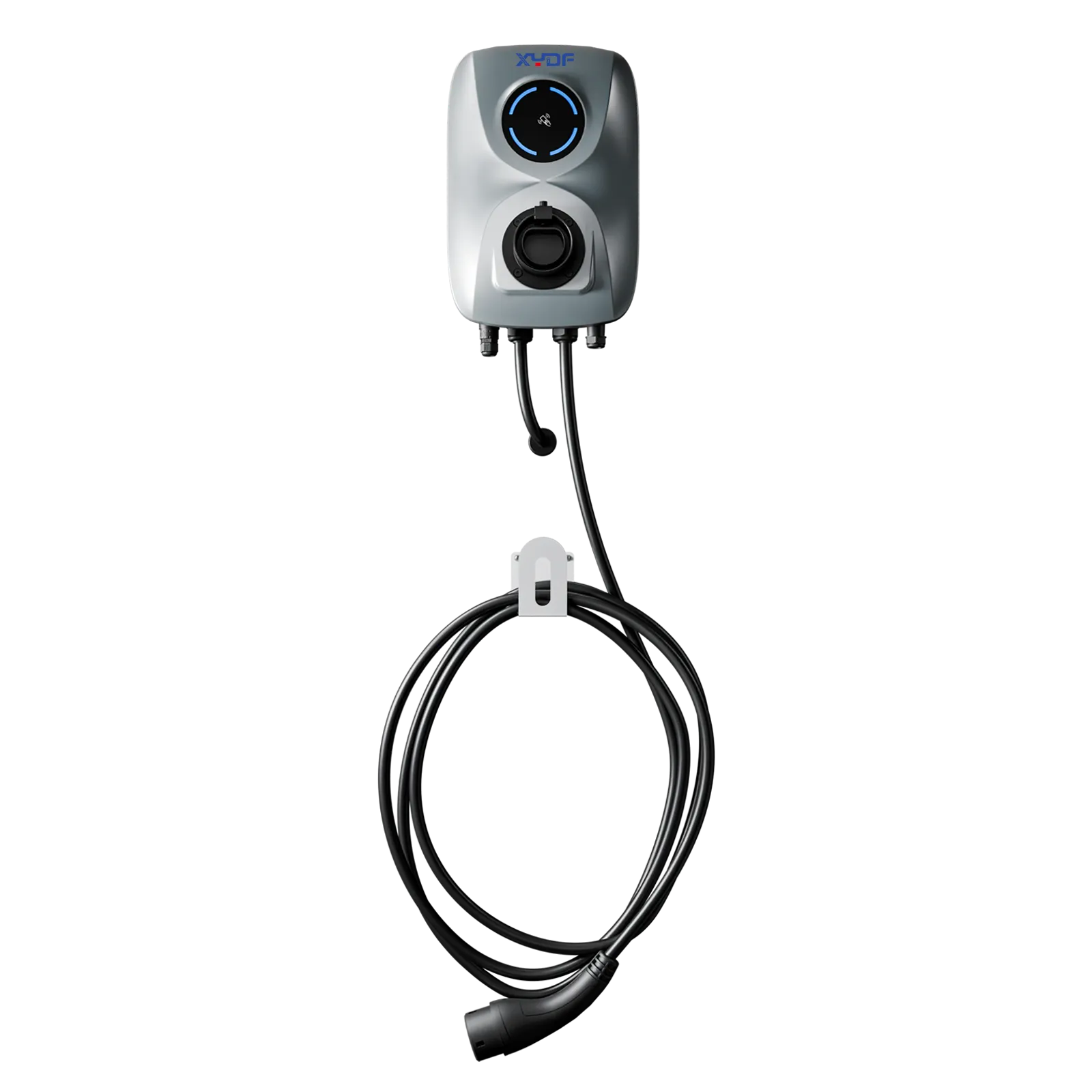
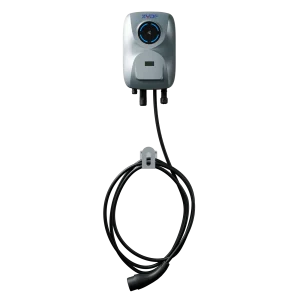
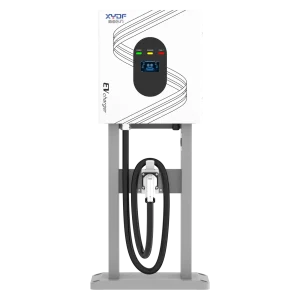
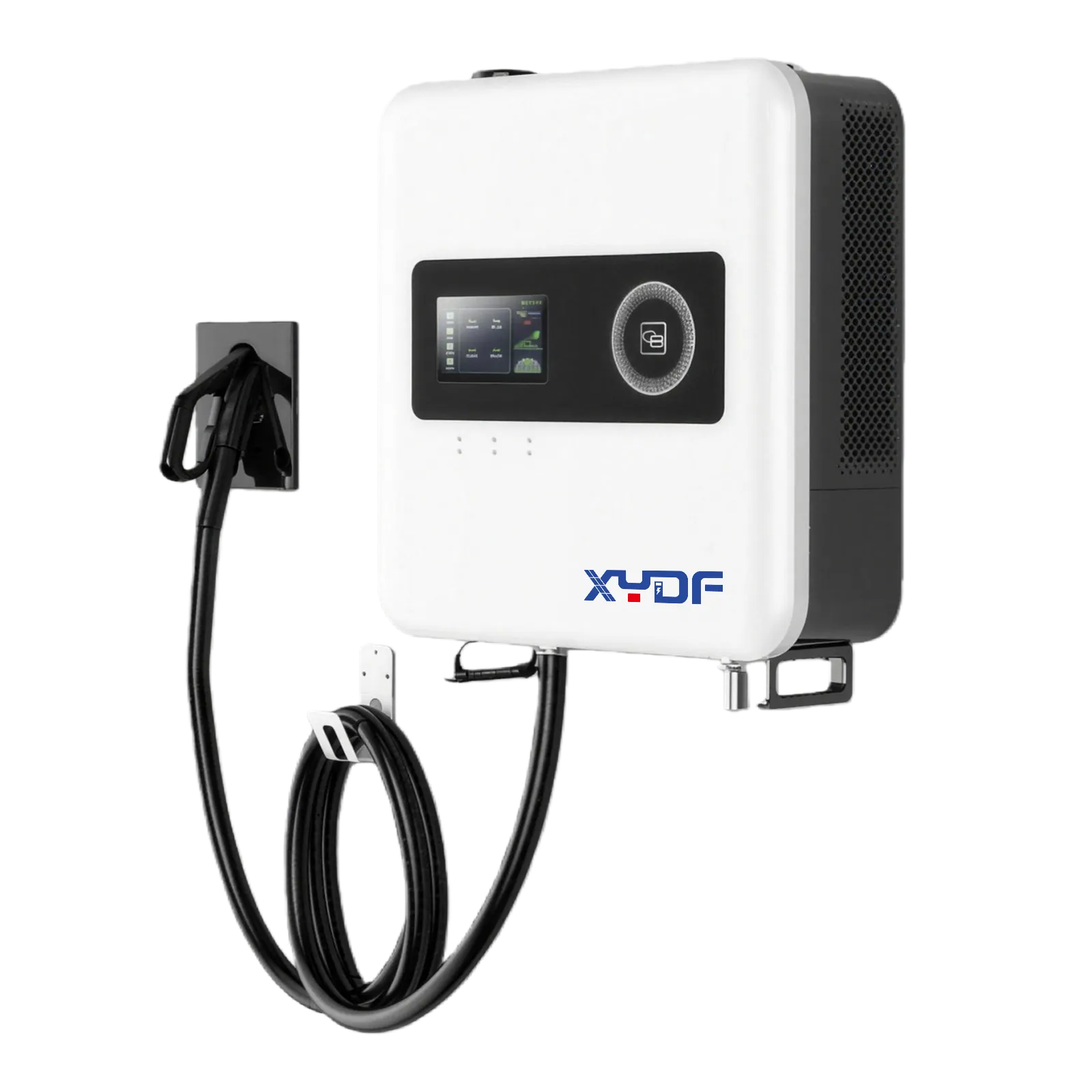
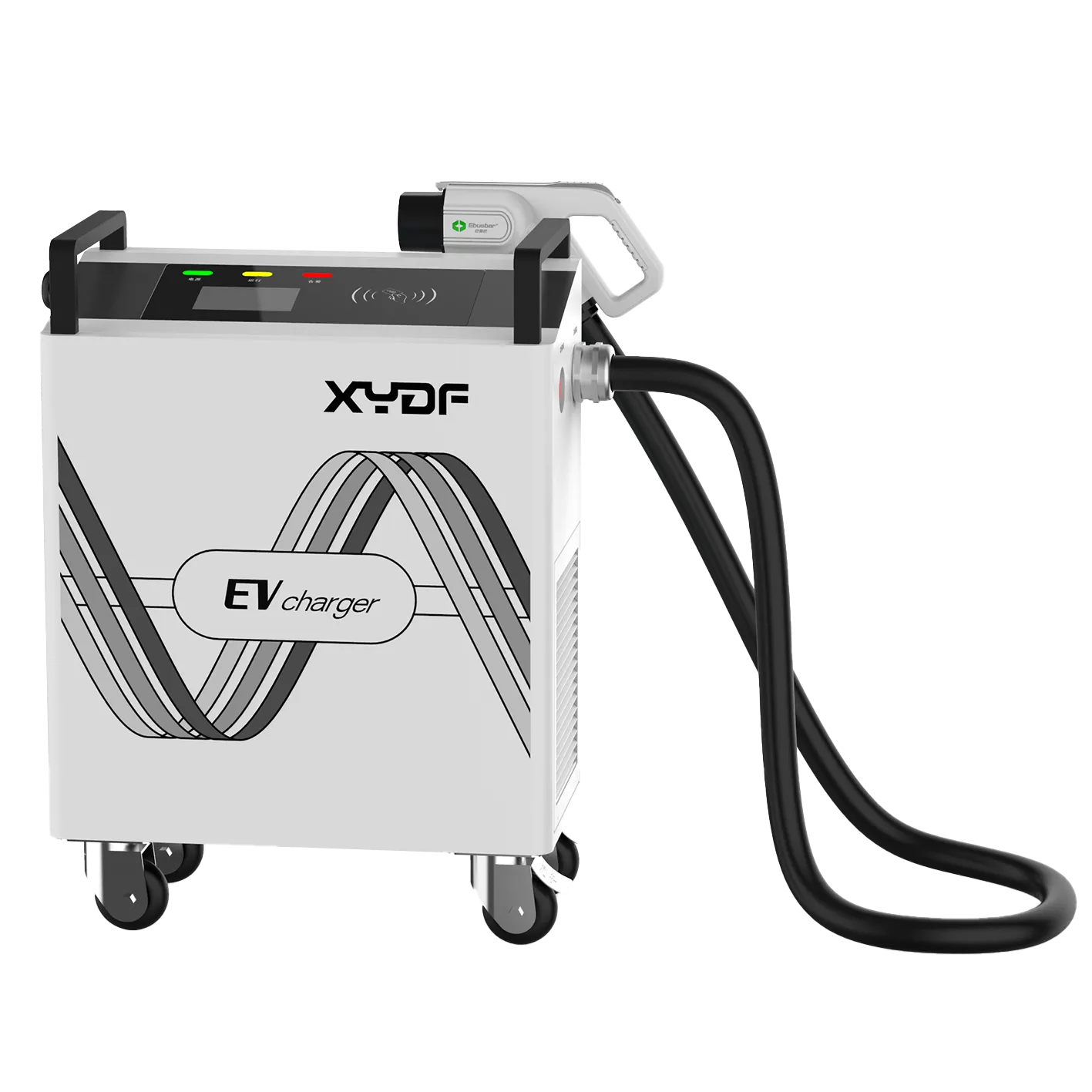
The charges for electric vehicles can come from an AC or DC charge station provided the manufacturer follows several of those in the Electric Vehicle (EV) Charging Industry, including those below. The EV Charging Industry provides guidelines/definitions to EV manufacturers to help them provide EV chargers, thus EV Owners can be confident that they will use the same standard for all manufacturers.
- There are two different types of AC chargers: There are 2 types of Level 1 AC chargers available in Residential Properties and 1 type of Level 2 AC charger available for either home or away from home purposes.
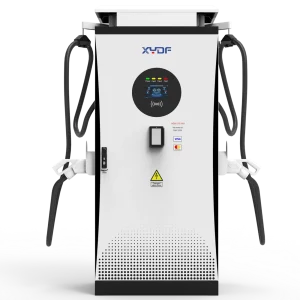
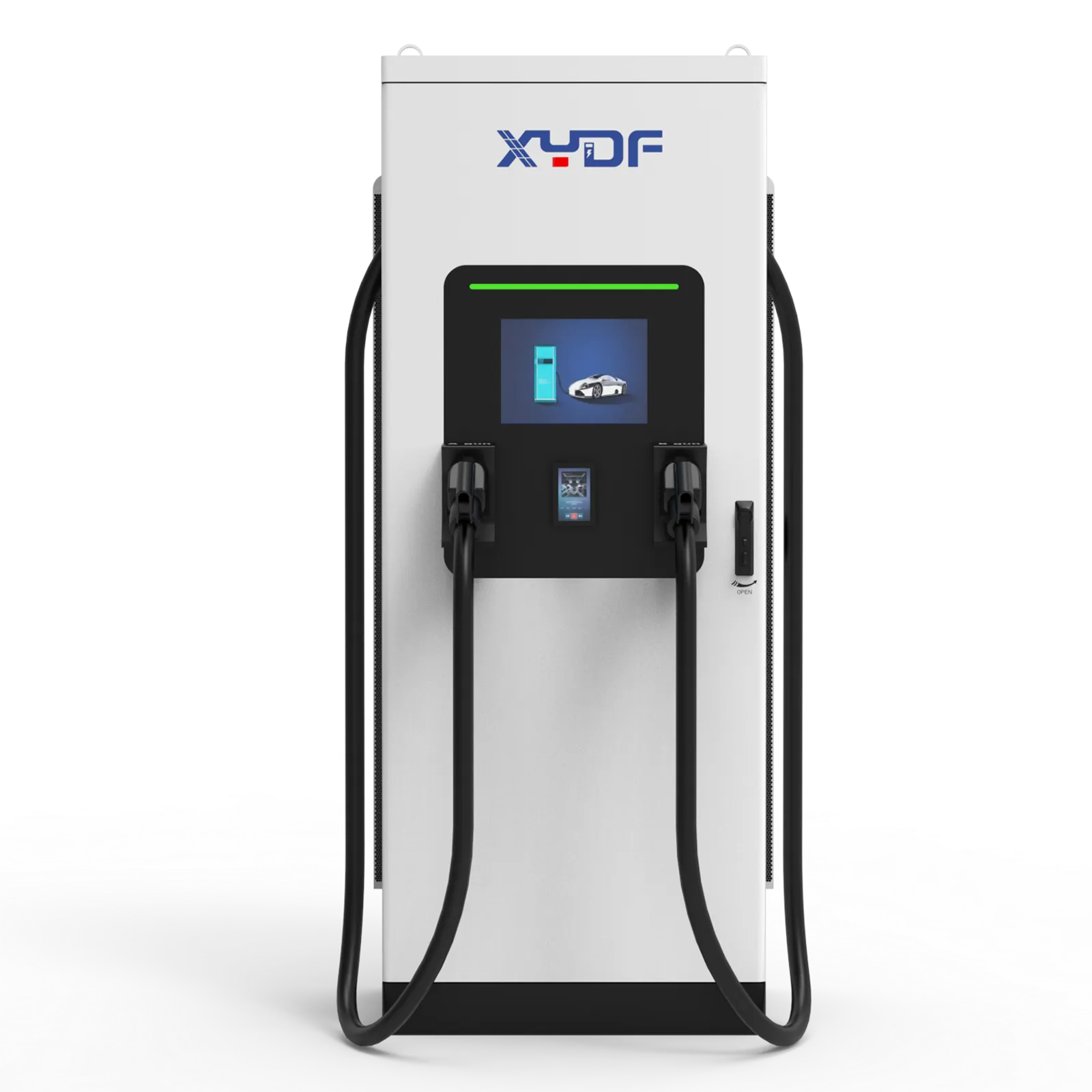
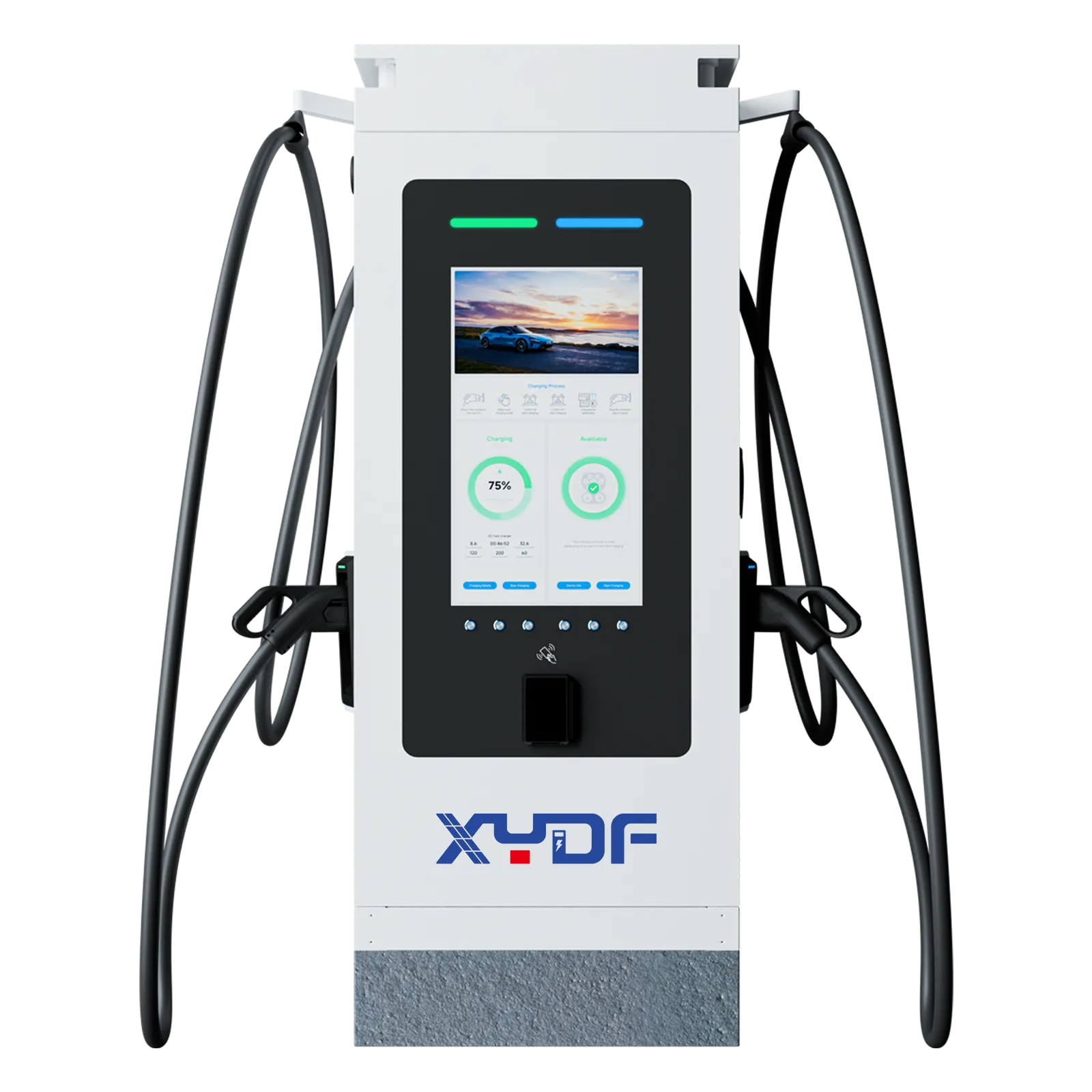
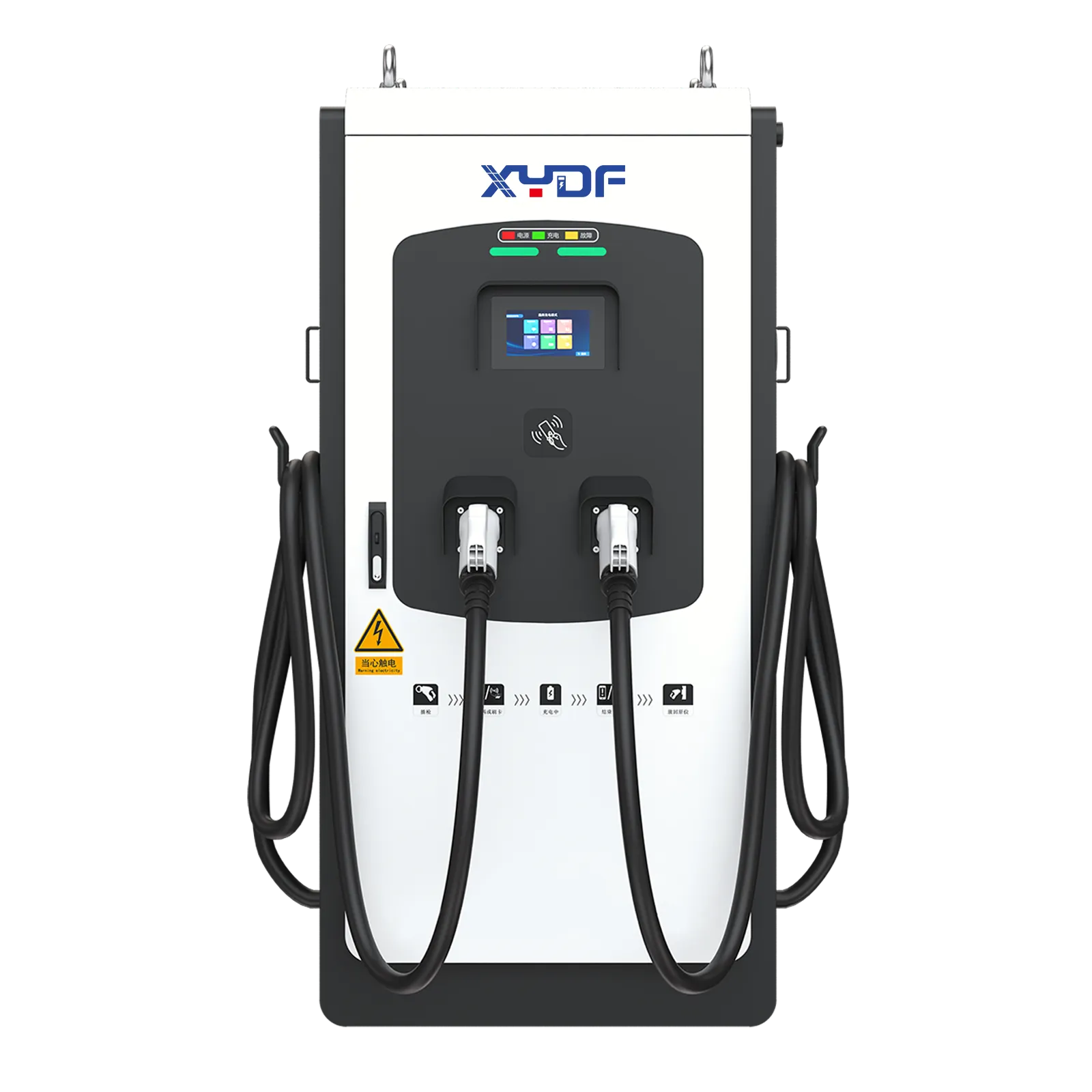
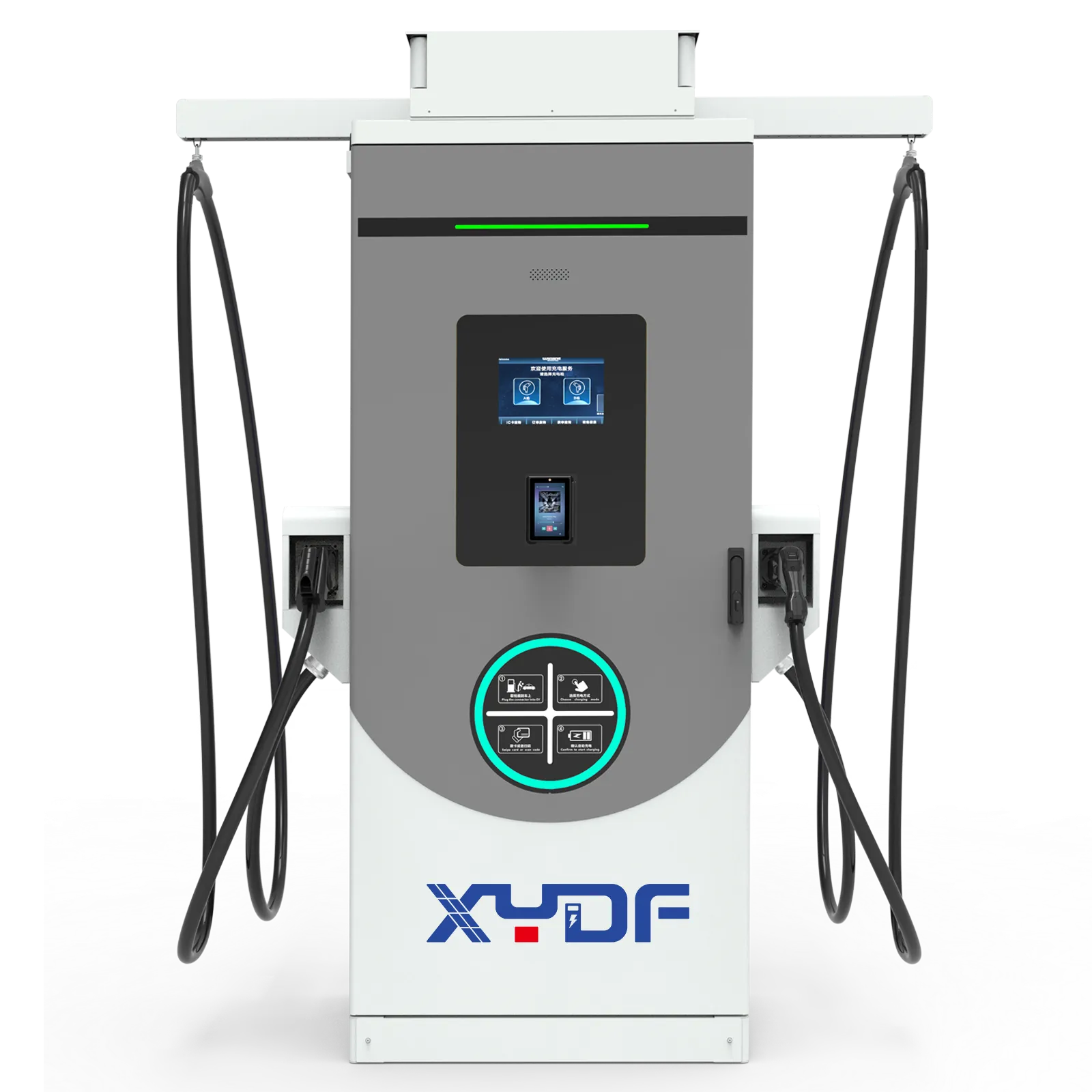
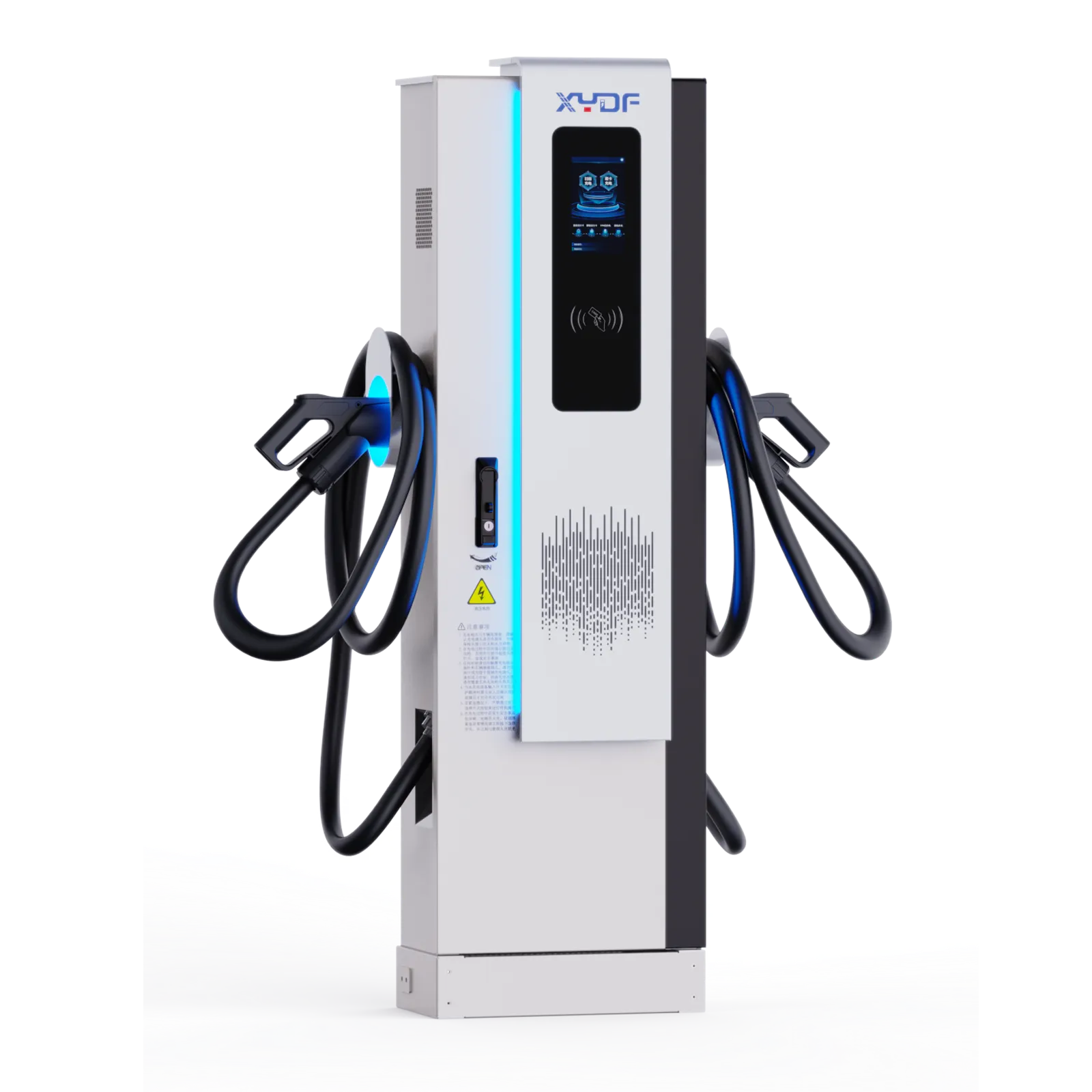
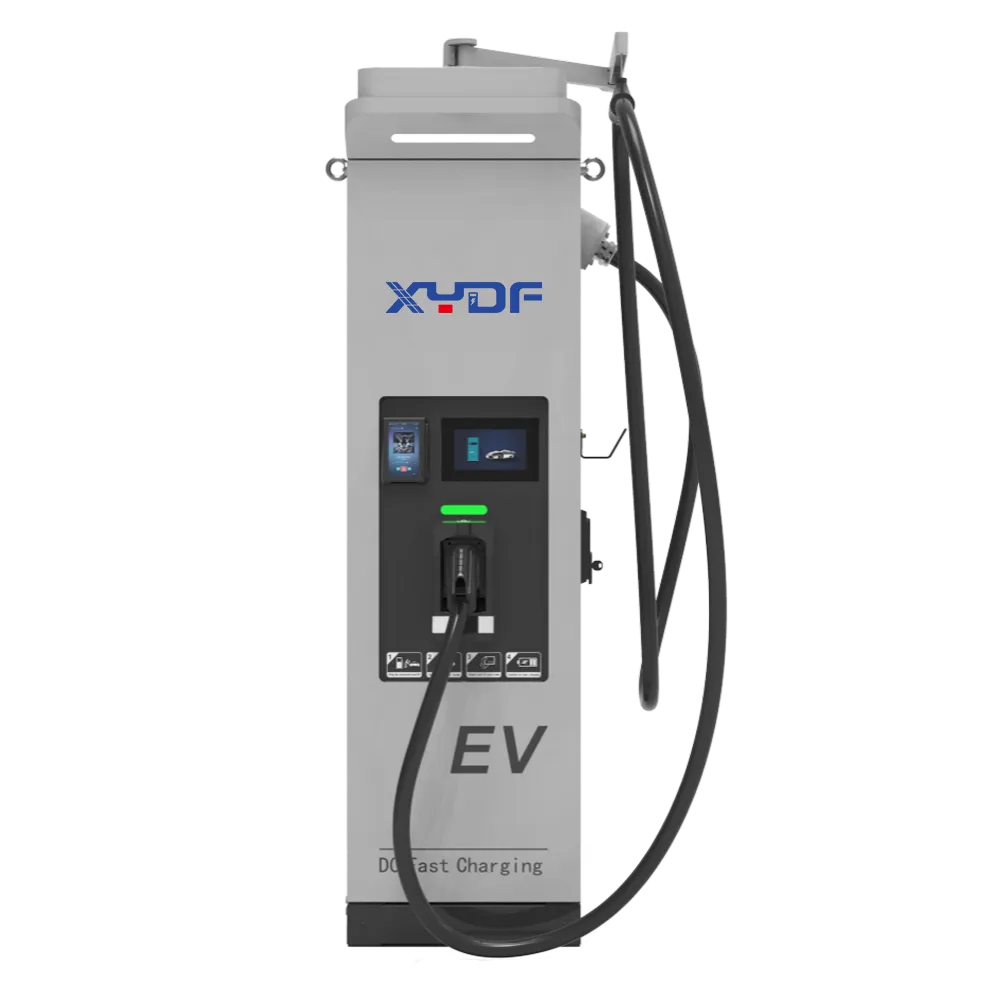
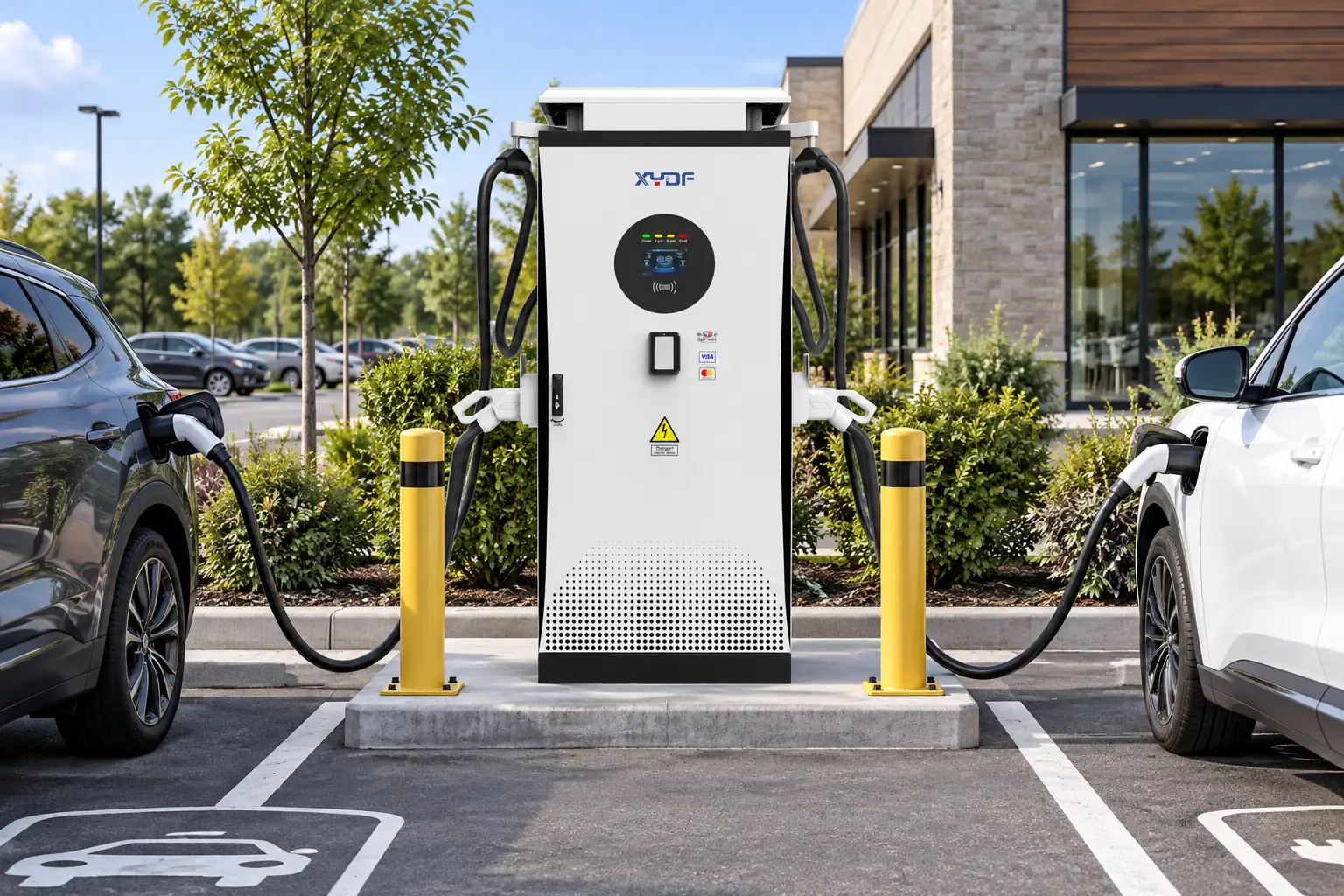
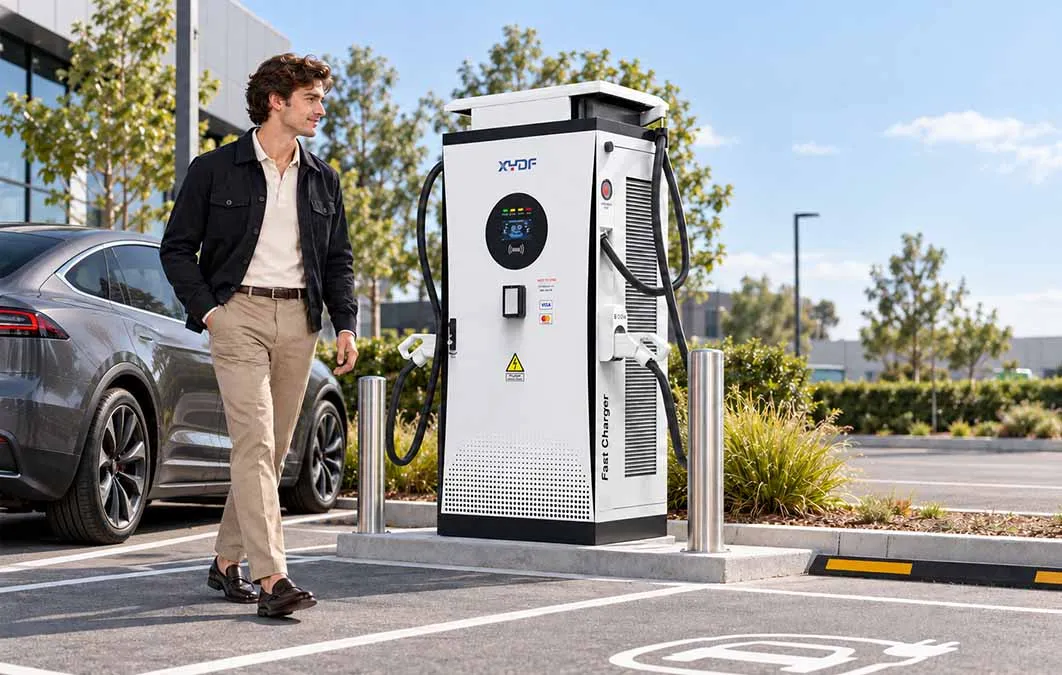
- DC Fast Chargers: Use DC fast charging technology to allow vehicles to be charged at a much faster rate than any other type of standard charging method, as they provide voltage (DC) from the charger to the vehicle.
- Newly developed wireless EV chargers: System uses induction to power the charger. Thus, if a vehicle is sitting positioned just above an induction coil, by being positioned on top of the induction coil the vehicle will automatically start to charge via an induction field. Though it is nice, this is currently not the predominant means of charging available today relative to other charging options such as AC and DC.
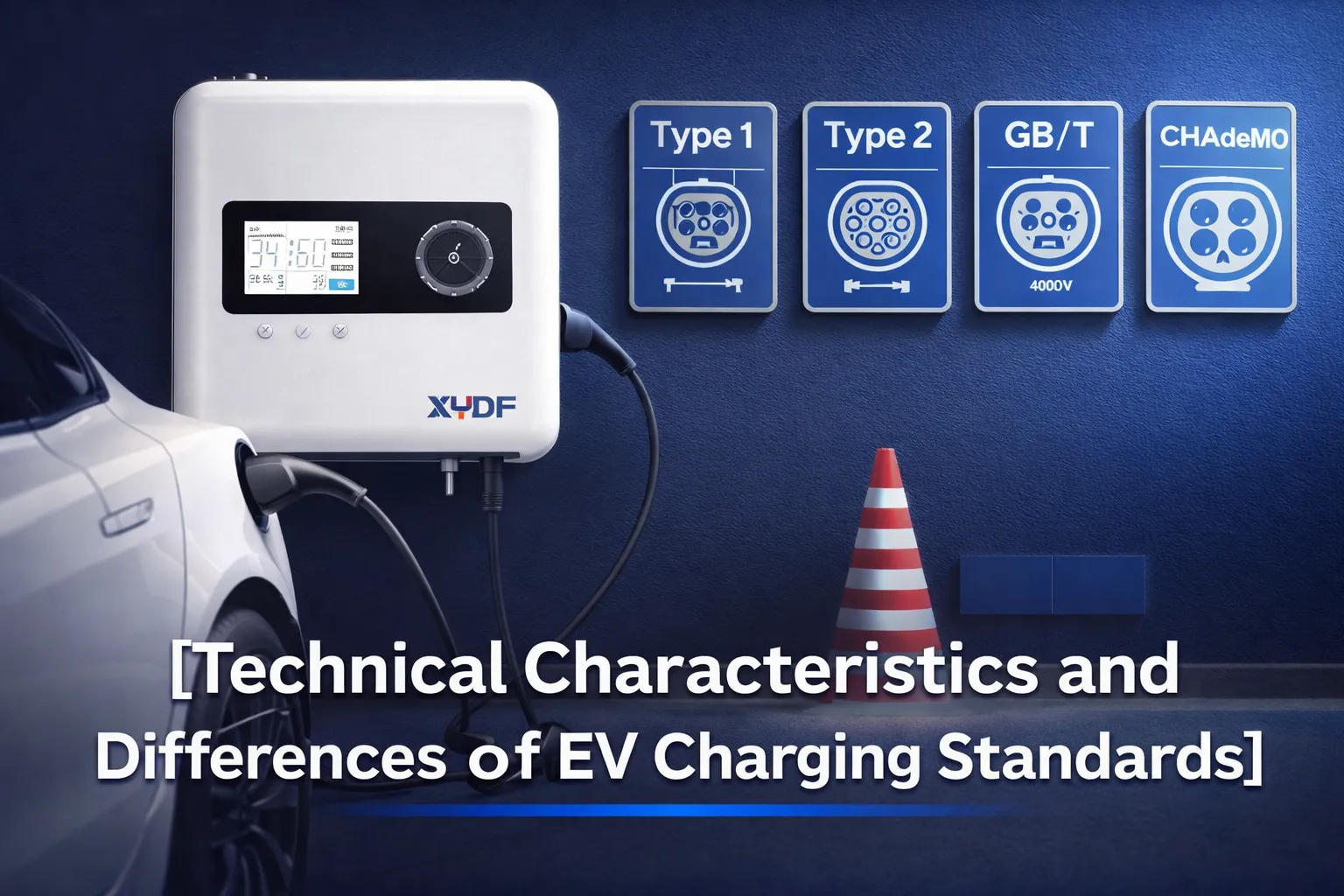
Charging Connectors
These are several different types of connectors that are necessary to support charging compatibility of electric vehicles. Here’s a list of the main charging connectors available today:
- Type 1 (J1772): The Type 1 connector was developed specifically for North America and Japan. It is designed to charge at both Level 1 and Level 2 using a standard outlet or a dedicated circuit. It is primarily used by consumers and light-duty use only.
- Type 2 (Mennekes): The Type 2 connector is the most widely used connector within Europe. Though it is capable of being used for all three levels of AC charging as well as for Level 2, it can also provide three-phase AC charging, making it capable of providing greater power outputs compared with a Type 1 connector.
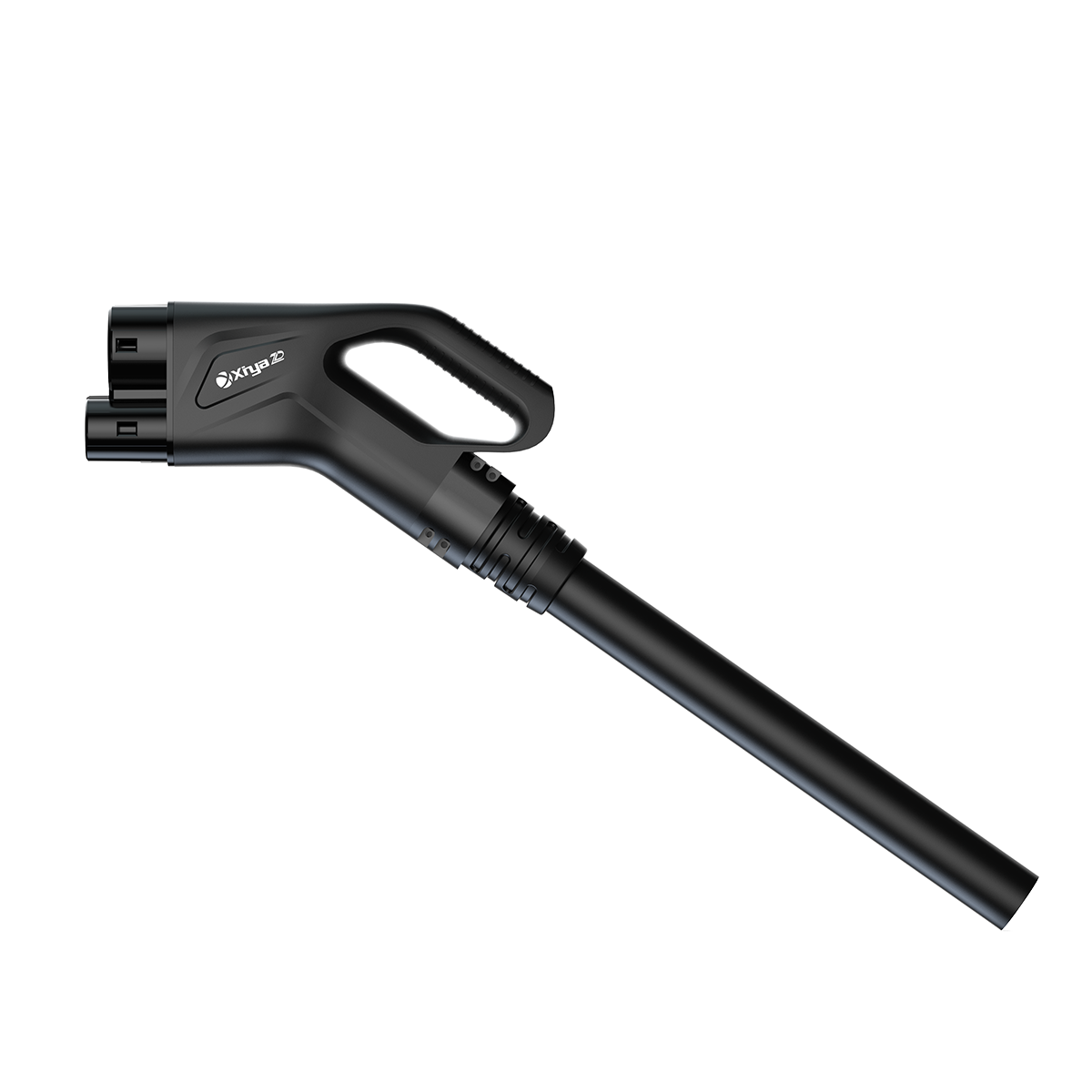
- Combined Charging System (CCS): The CCS is both an AC and DC connector, allowing for both styles of charging. It is the most used EV charging connector used by EV manufacturers around the world. There are two styles of CCS connectors, with CCS1 designed for use in the United States and CCS2 designed for use in Europe.
- CHAdeMO: CHAdeMO is one of the first fast DC charging connectors created for charging electric vehicles, initially developed in Japan. The EV industry has major support for CHAdeMO, but when compared to CCS/Combo charging as an effective new charging standard, CHAdeMO pales in comparison.
- GB/T Connectors: While GB/T connectors can be found throughout China, they also account for both AC and DC charging purposes, and so are currently the most widely used type of electric vehicle charging connector worldwide.
- Tesla Proprietary Connectors: Tesla proprietary connectors can only be used at Tesla Supercharging Stations and with Tesla-designed electric vehicles, but Tesla-designed electric vehicles may also be connected to public chargers using CCS/Combo and CHAdeMO adapters.
Key Technical Differences
The key points that differentiate the various EV charging standards all relate to the specifications of voltage/power, communication protocol, regional considerations, and connector design.
- Voltage and Power: Generally, Level 1 and Level 2 AC connectors deliver lower voltage and power levels (e.g., 7.4 kW) whereas CHAdeMO and CCS/Combo (both have differing levels) deliver only higher voltage/power levels (50-350 kW).
- Communication Protocols: CCS/Combo is intended to provide for two-way, real-time communication between the vehicle and the station; thus, improving charging efficiency. Although CHAdeMO uses a different communication protocol, making it difficult for the station owner to interconnect with legacy charging systems.
- Regional Considerations: North America and Europe have adopted CCS1 and CCS2 respectively as the EV charging standard, whereas GB/T is considered to be the preferred EV charging standard within China. China has several electric vehicle (EV) manufacturers and several large consumers of EVs globally. As such, it is critical for buyers and EV manufacturers to understand the different charging standards in their respective regions.
- Connector Design: A Type 1 connector will be much smaller than a Type 2 connector; however, a Type 1 connector can only charge a vehicle via 1 phase of electricity, whereas a Type 2 connector can charge a vehicle via 3 phases of electricity.
Choosing the Right Charging Standard
When defining which charging standard is right to use, you need to consider the following factors:
- Geography: The charging standard you use will vary depending on the area where you live. Therefore, connector choice can be impacted significantly by the geography where you reside.
- Vehicle Capability: The EV must be able to use all charging connectors.
- Daily versus Long-Distance Charging: When deciding if you will charge your EV every day at home, the Type 1 is probably the best standard of charging connector to use. Making frequent long-distance journeys means utilizing DC fast charge points (CHAdeMO/CCS) will be your most suitable choice.
- Preparing for the Future: CCS compatibility will ensure your vehicle has an appropriate charge point and will allow for any future improvements within the electric vehicle community.
FAQ: Frequently Asked Questions
What technical features of EV charging standards exist?
When dealing with Electric Vehicle (EV) charging standards, the charging standards are not universally compatible with all other Electric Device Charging Standards as there are differences in connector types, voltages, power delivery, and certification of compatibility based on your area. AC charging generally offers slower charging, while DC fast chargers provide significantly quicker charging times.
How do electric vehicle manufacturers decide on the charging standards?
When electric vehicle manufacturers decide on what EV charging standards to utilize, they consider factors such as regional compatibility, ease of implementation, and future-proofing. CCS stands out as the globally compatible standard, whereas Tesla focuses on its proprietary Supercharger network.
Will wireless charging replace traditional AC/DC charging methods?
Wireless EV charging is a promising alternative but is currently less efficient than traditional charging methods. As such, it is unlikely to replace AC/DC charging based on current technology trends.
What connector type is the most versatile?
The CCS connector is among the most versatile, as it supports both AC and DC charging and can be utilized for home use or fast charging at dedicated stations.
Understanding the differences in the technical characteristics of Electric Vehicle Charging Standards is essential for EV purchasers, infrastructure providers, and manufacturers. With several competing standards, it is crucial to select an appropriate standard based on geographic location and vehicle requirements. Keeping updated with technological advancements and regional trends ensures smoother navigation of the evolving EV charging landscape.
 Xinya Dongfang Electricity Technology Co., Ltd.