If you’re an EV owner or a business looking to invest in EV chargers, one of the most common questions you may ask is: Can I charge an EV in the rain? The answer is yes, you can charge your electric vehicle safely in the rain. But it’s critical to understand why, the correct usage methods, and how to look for a quality EV charger to ensure safety and reliability. Rainy weather shouldn’t stop you from keeping EV powered, and with the right equipment and practice, you can charge with complete peace of mind.
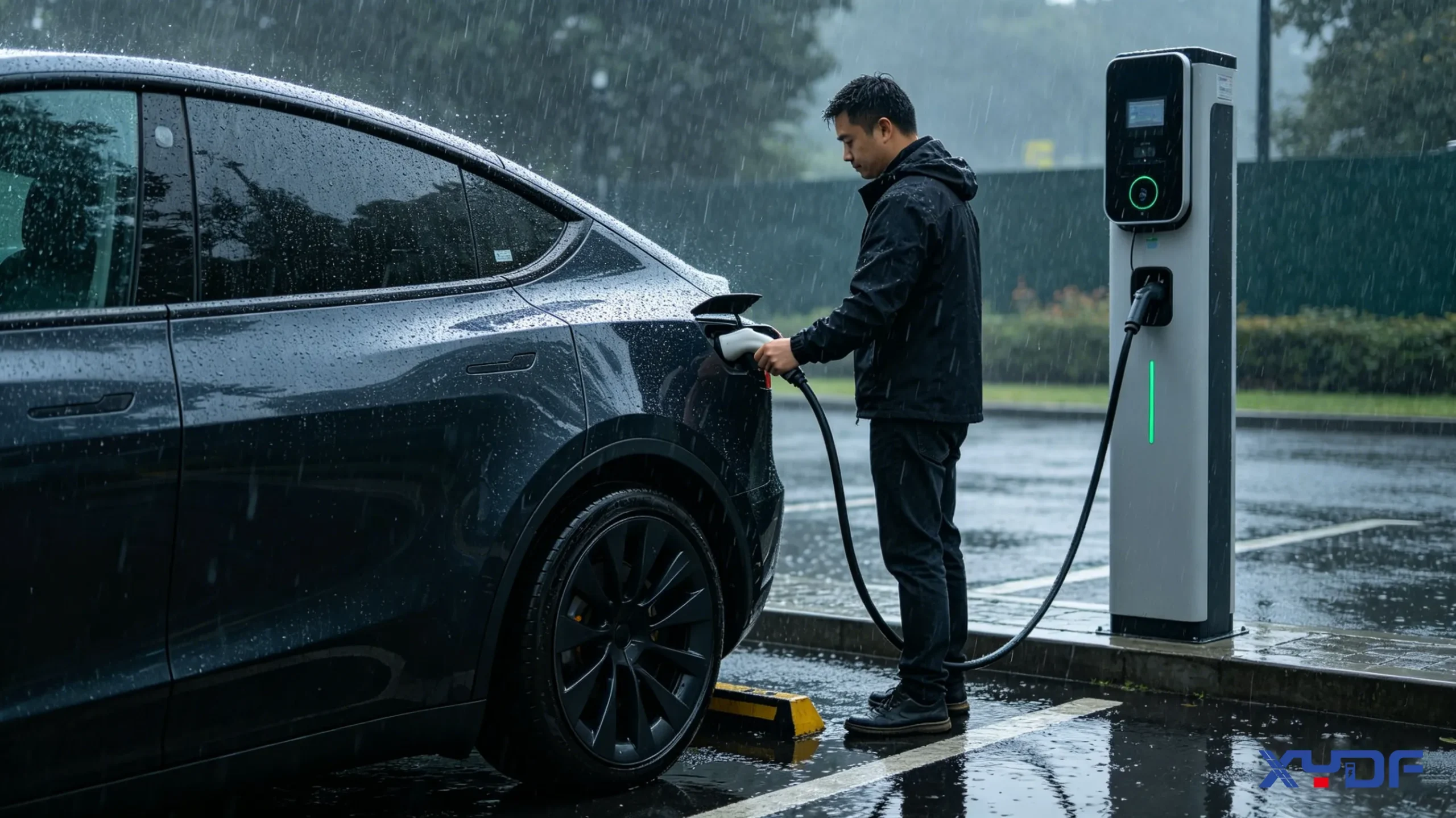
A man is charging an EV in rain.
EV charging systems are designed with safety as the top priority, even in wet conditions. Before you consider the problem of charging in the rain, EV charger standard-setting organizations and engineers have already taken waterproofing into account. Unlike ordinary household electrical outlets, which pose a risk when exposed to water, EV chargers and EV charging ports are built to strict waterproof standards. Most reputable chargers meet at least an IP54 protection rating, which means they’re resistant to splashing water and dust. So it is easy for them to deal with daily rain, sprinkler devices and even light rainfall. Many high-quality EV chargers, like those from trusted manufacturers, go a further step with an IP65 rating, offering protection against temporary submersion in water and making them even more reliable in heavy rain.
To fully understand why rainy-day charging is safe, we have to know how EV charger works. An EV charger is a device that connects your electric vehicle to a power source, and it acts as a “middleman” that regulates power flow, monitors safety, and ensures a stable charge. Beyond basic charging, EV chargers come with smart features like network connectivity, integrated payment systems, and safety mechanisms. They will shut down power automatically if any exceptional situation happens—such as water intrusion. This means even if a short circuit occurs in the charging circuit, the system will stop charging EV immediately to protect you, your vehicle, and the charging equipment.
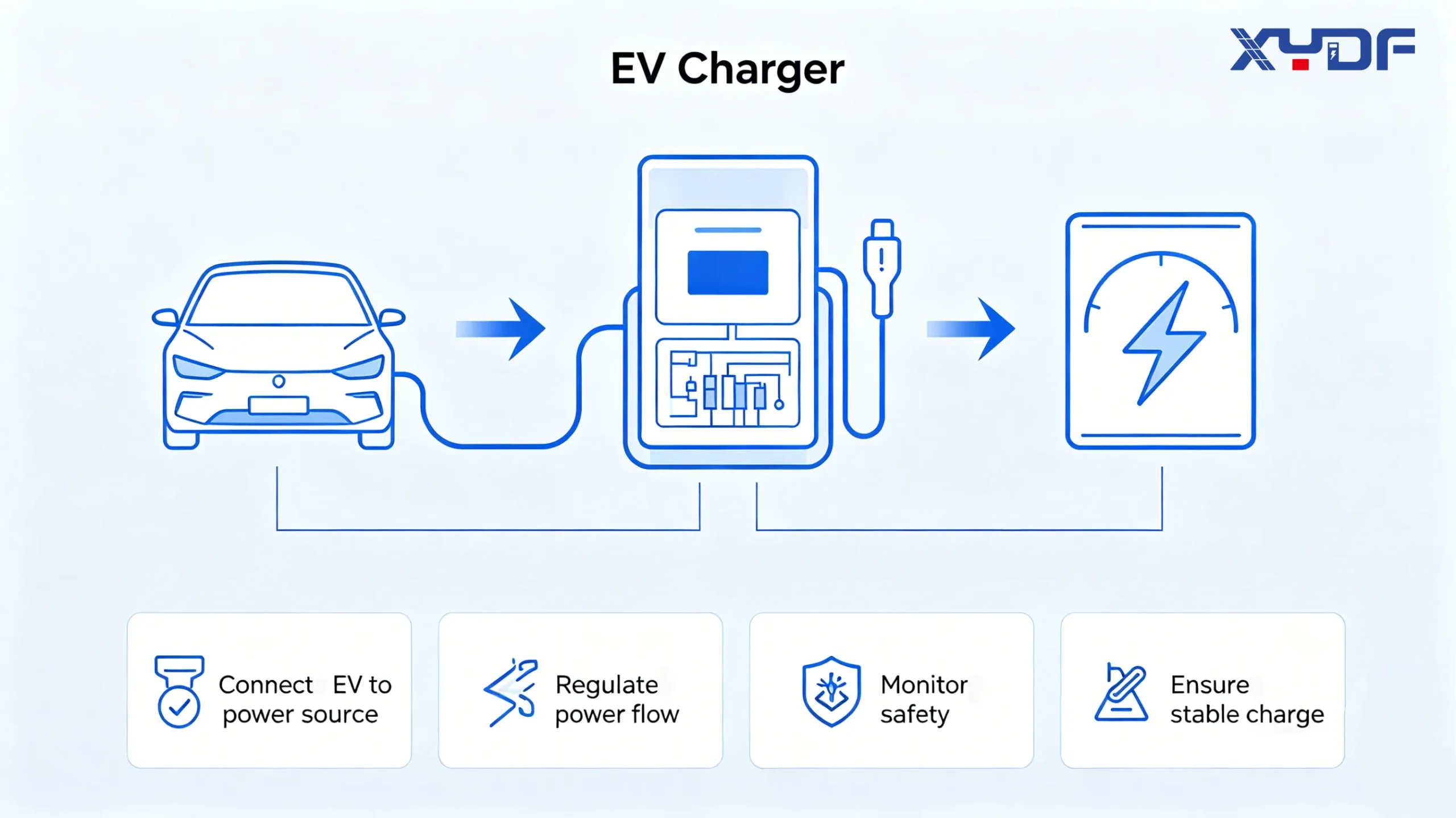
An EV charger acts as a “middleman” that connects your electric vehicle to a power source.
To ensure long-term stable and safe use, we recommend focusing on the following points when choosing an EV charger:
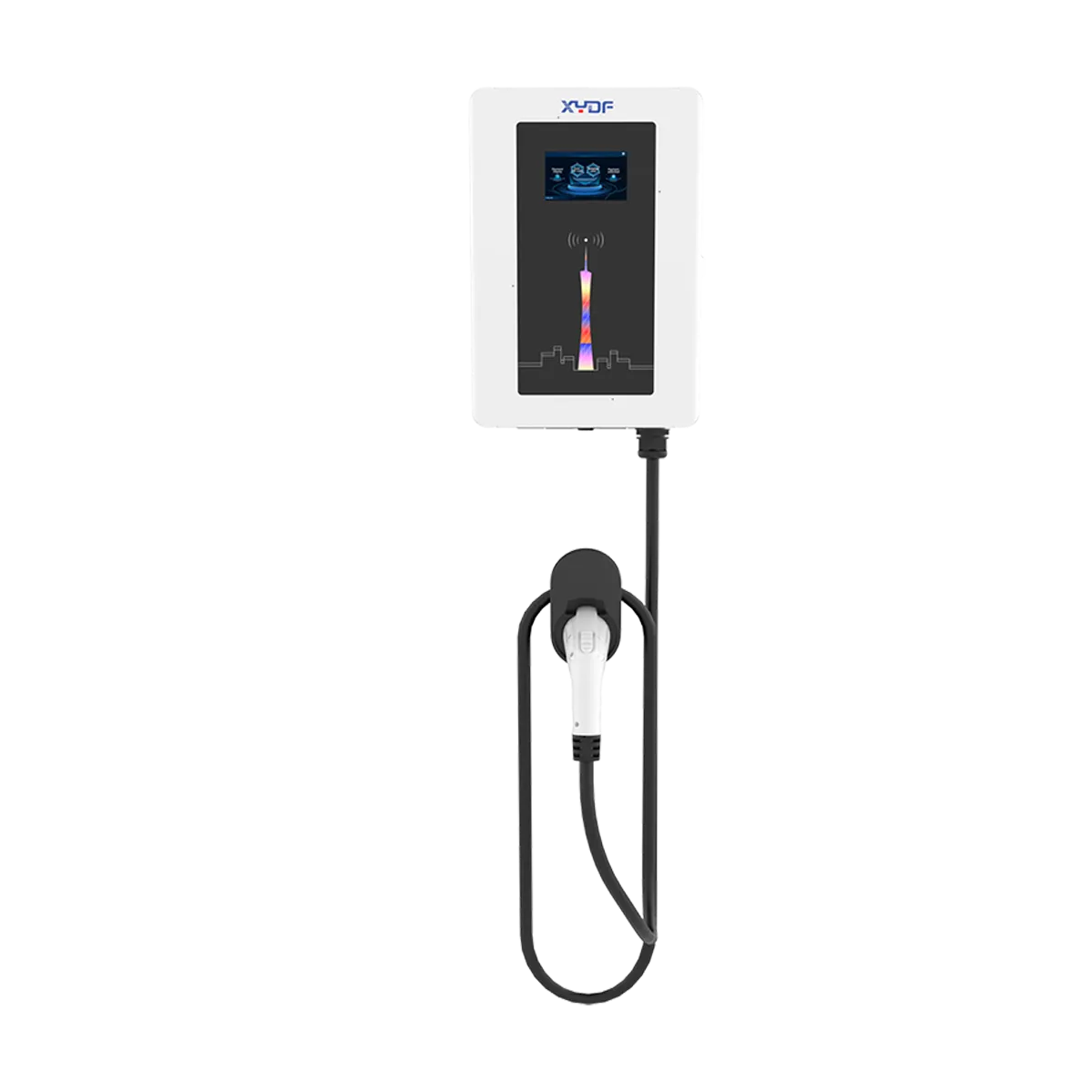
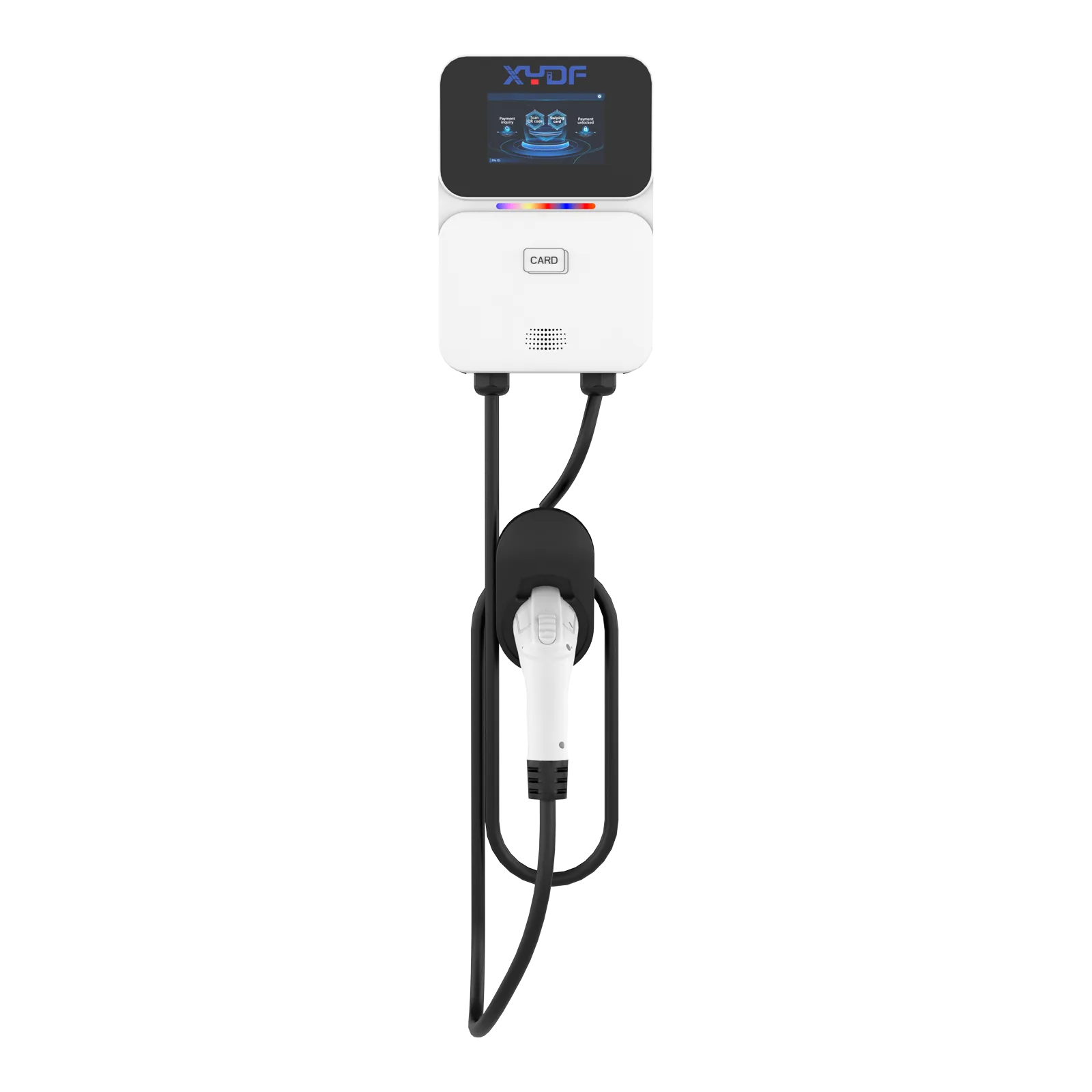
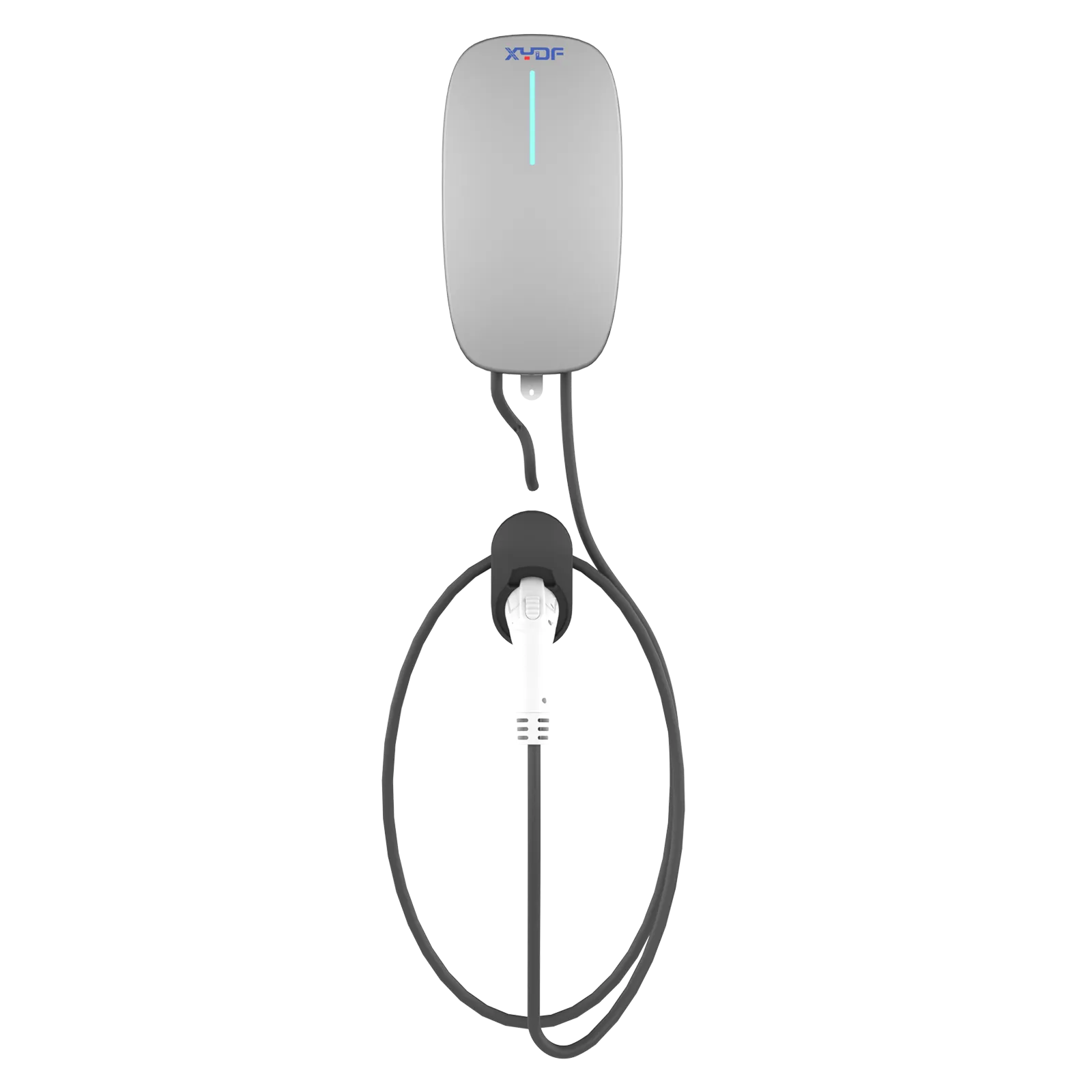
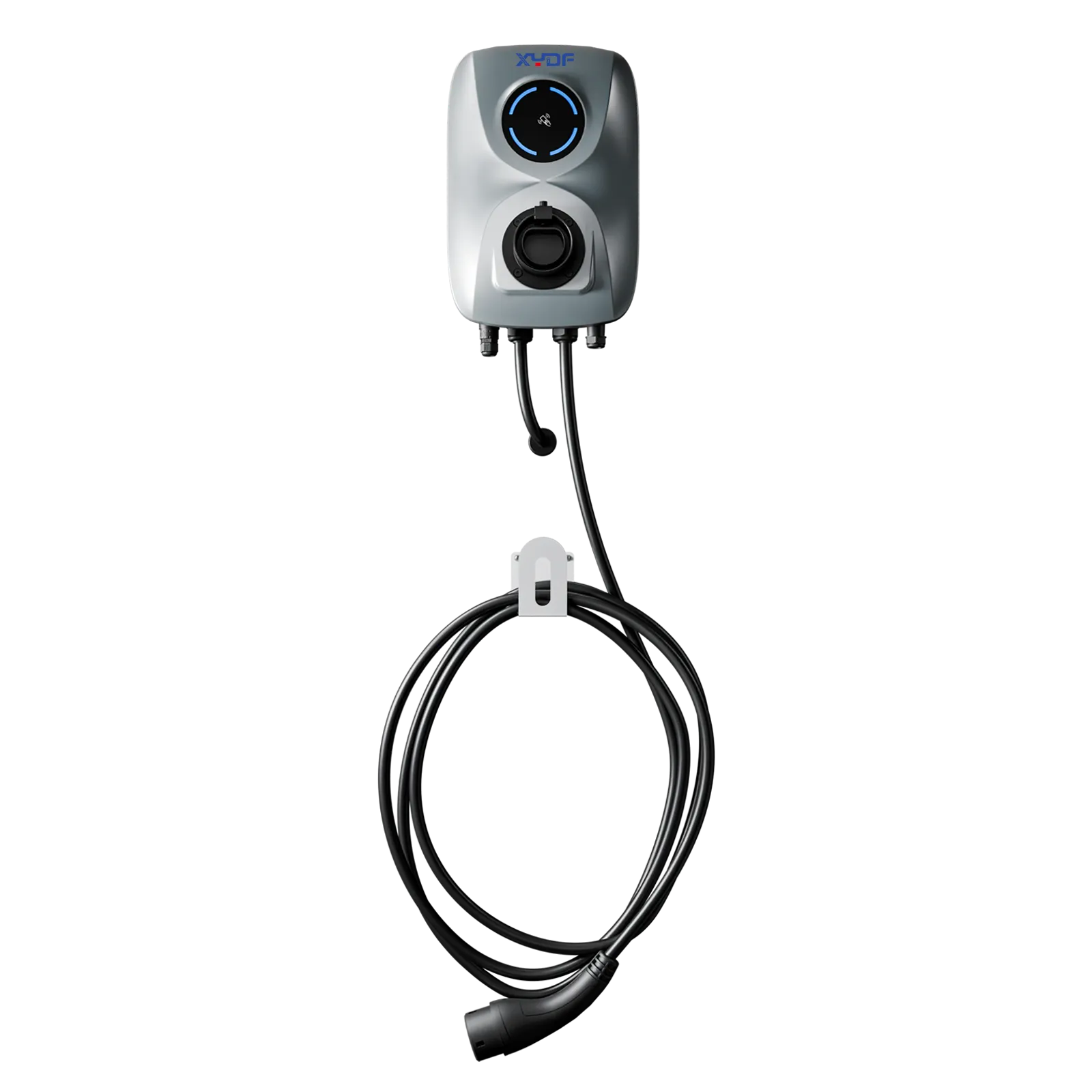
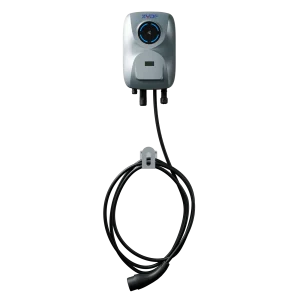
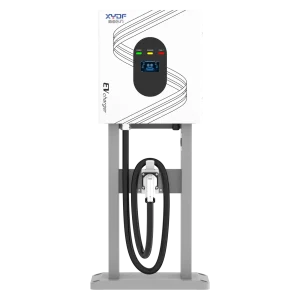
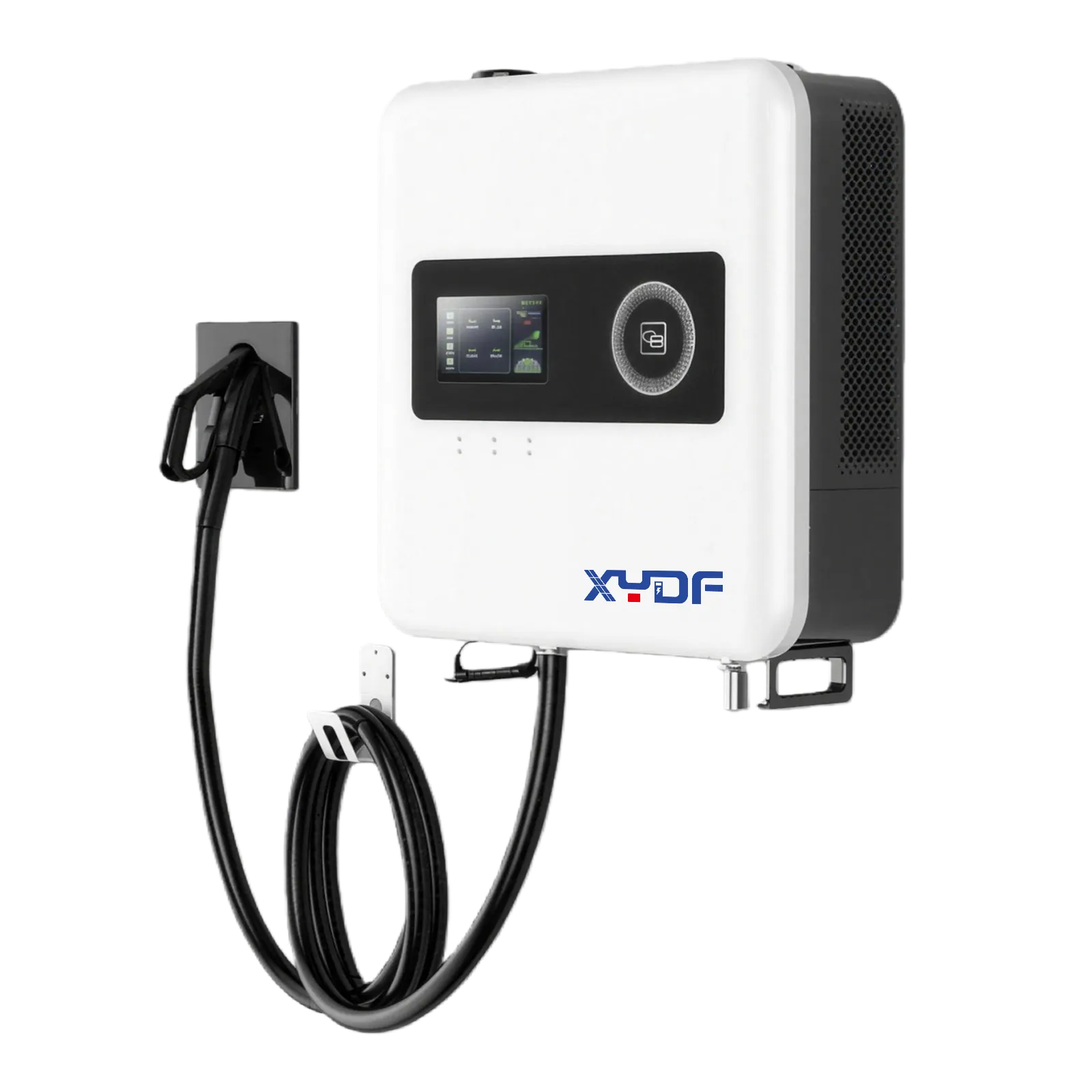
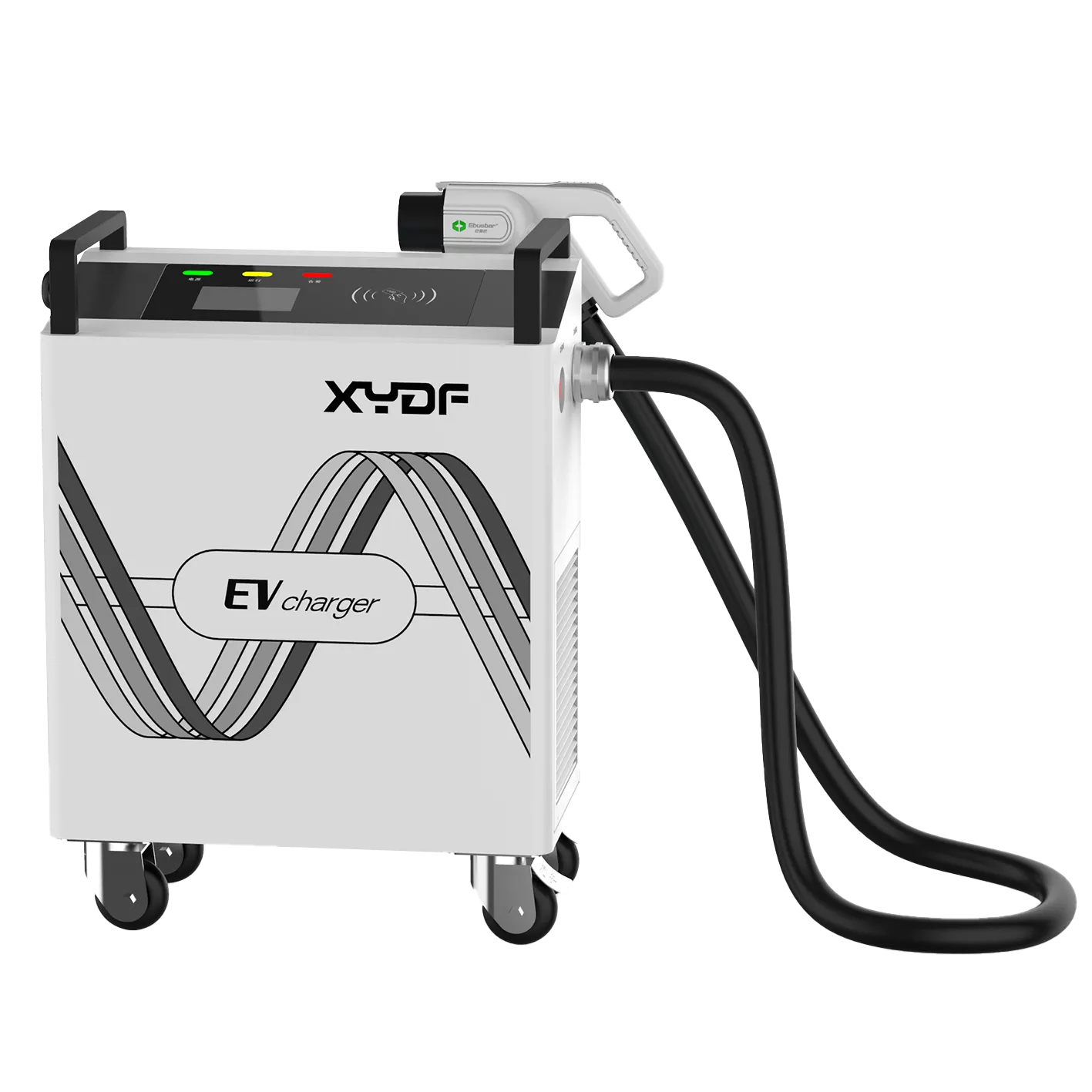
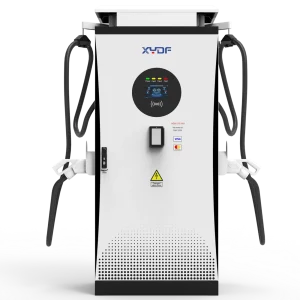
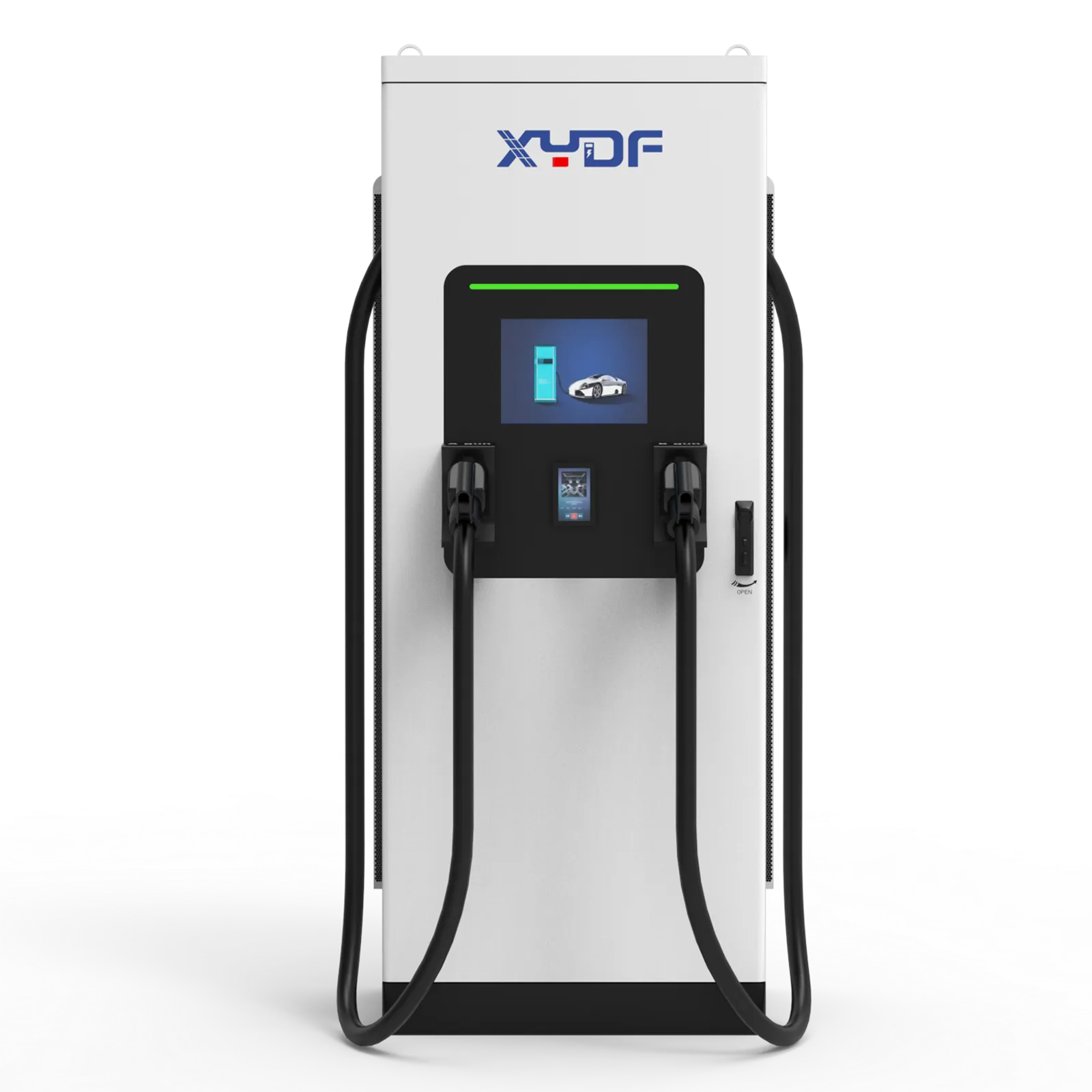
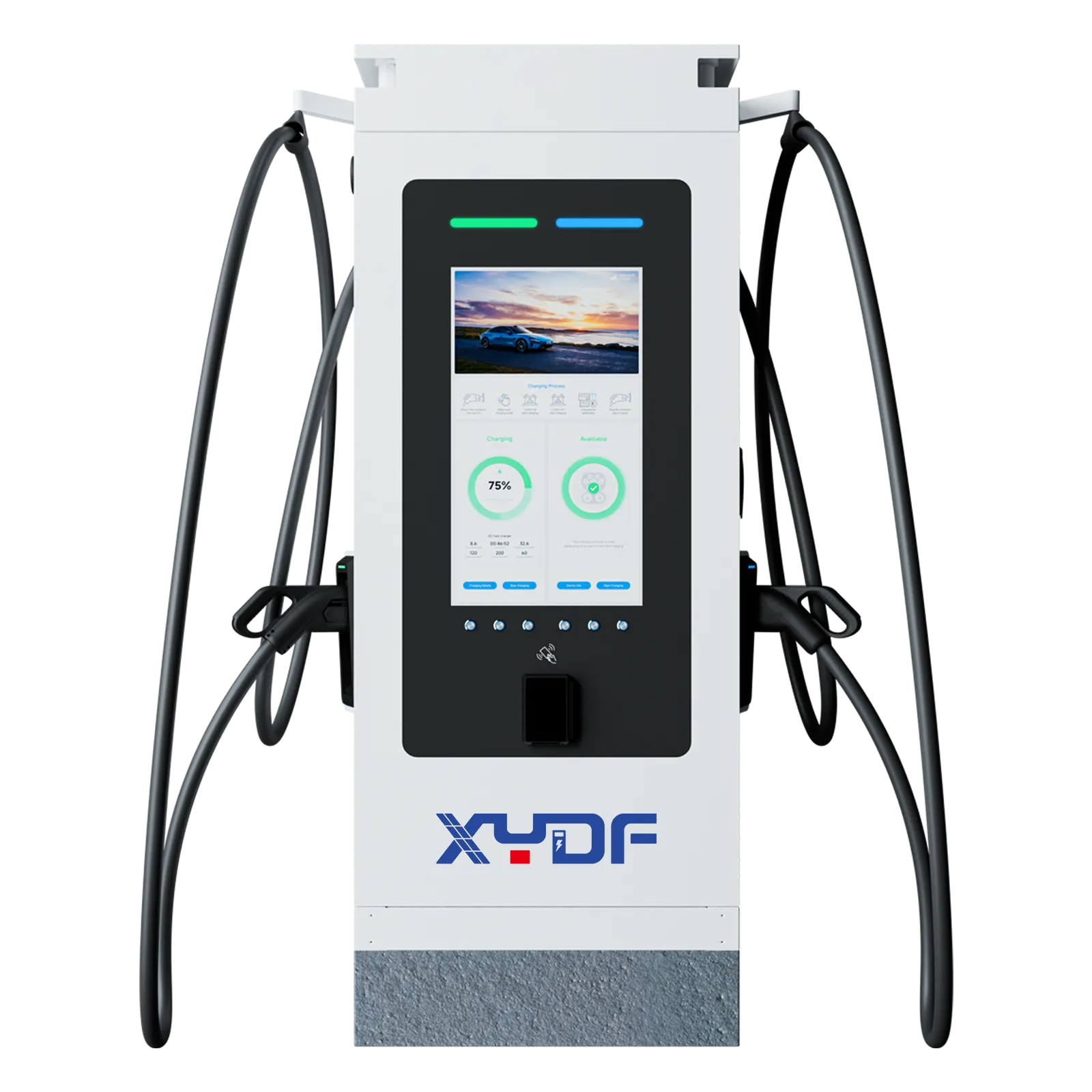
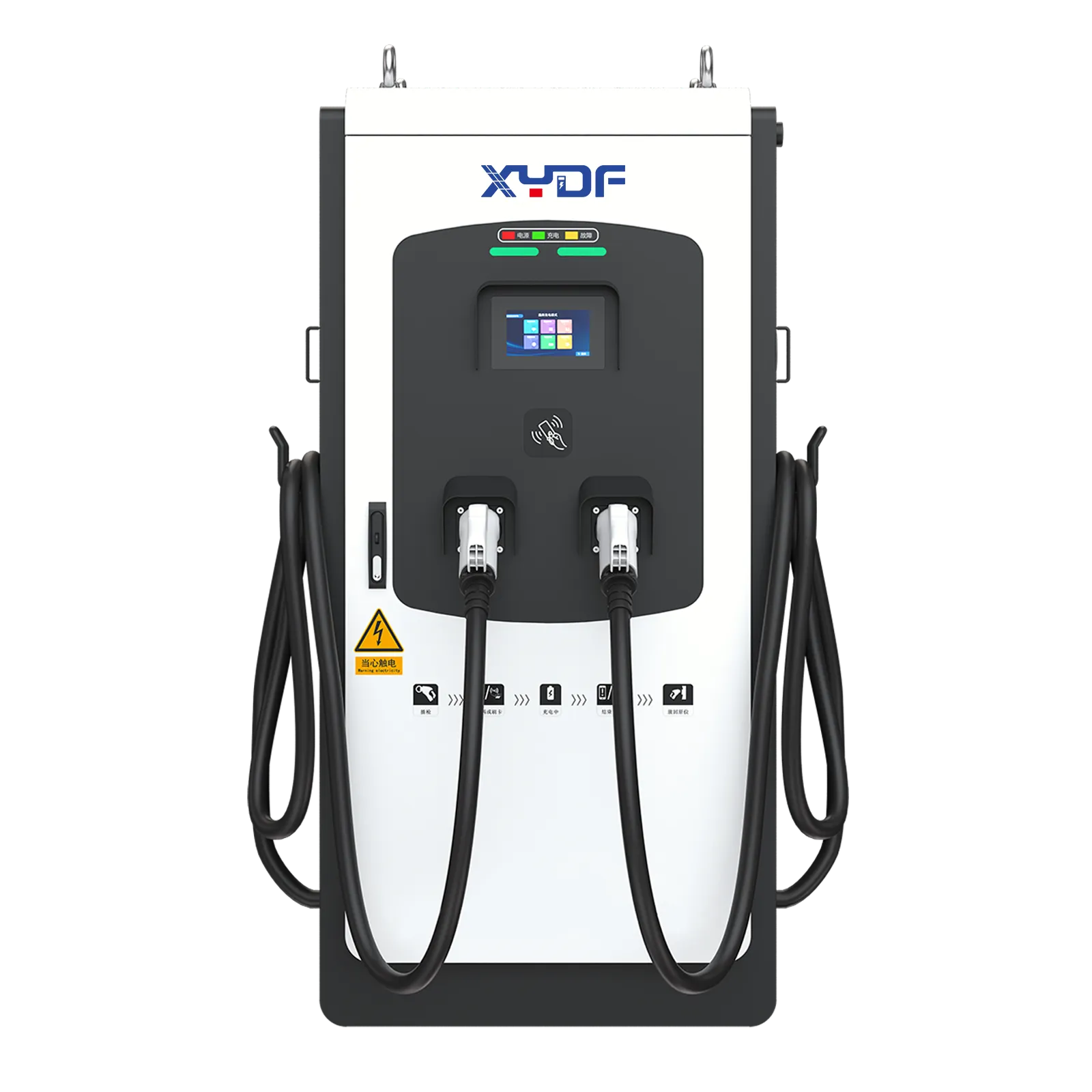
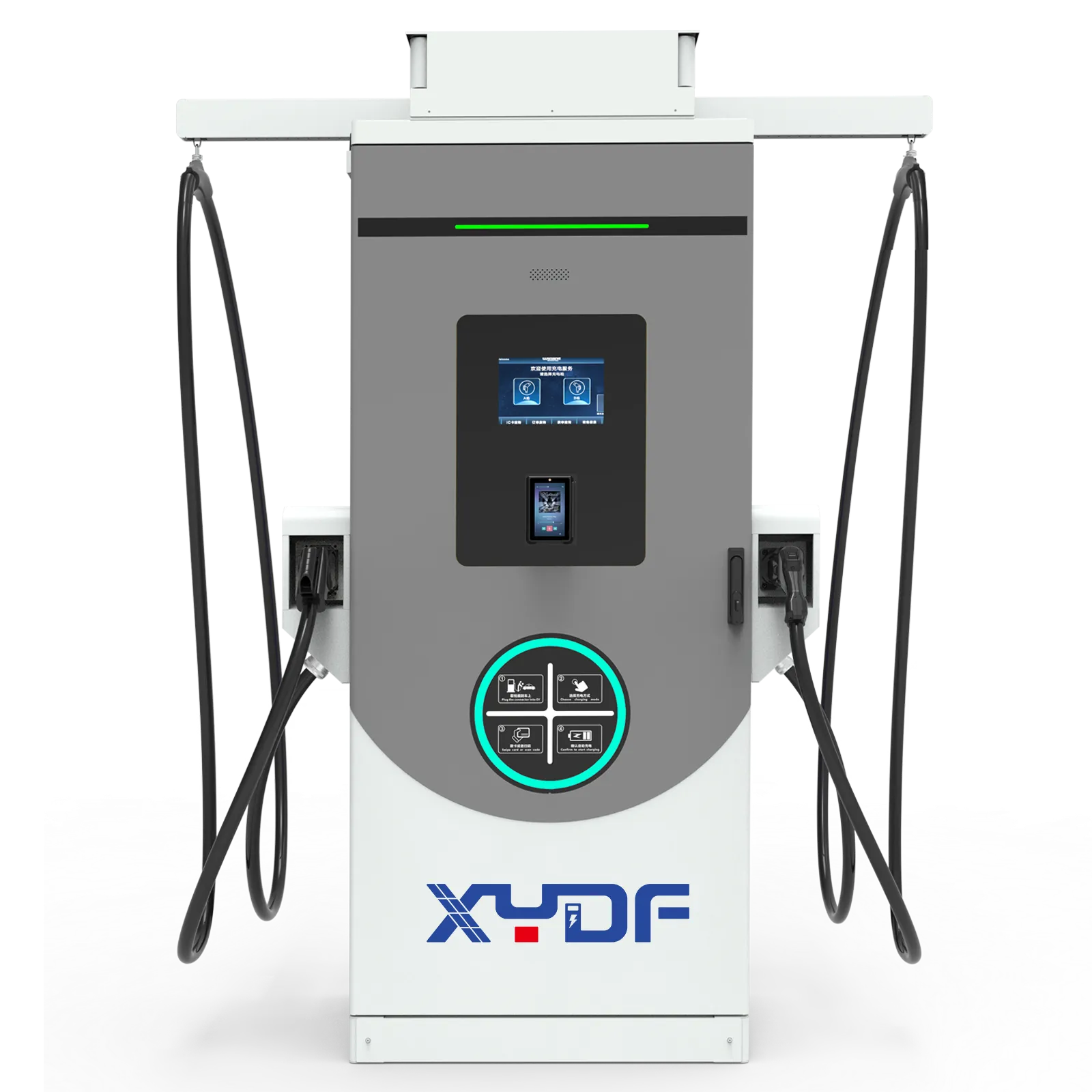
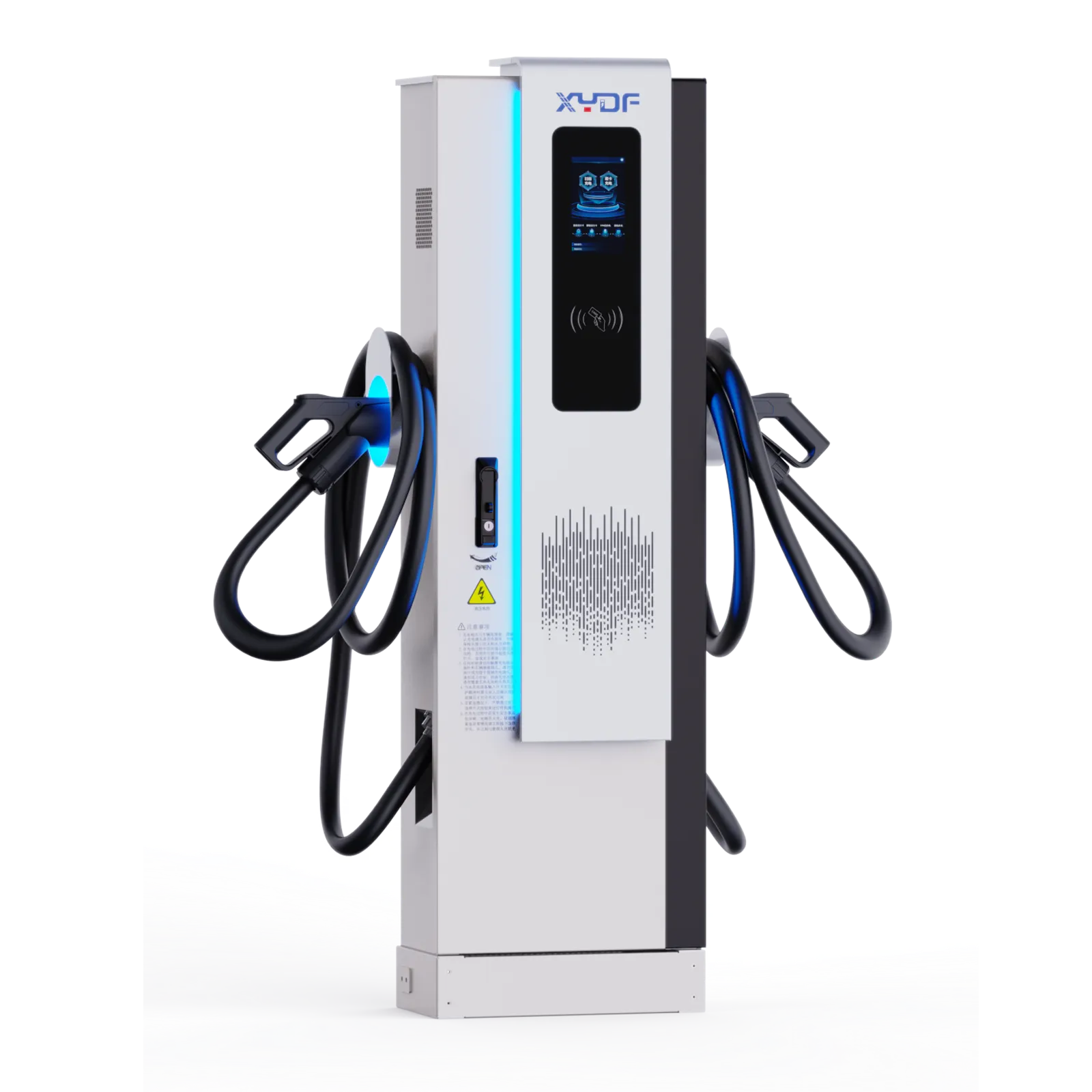
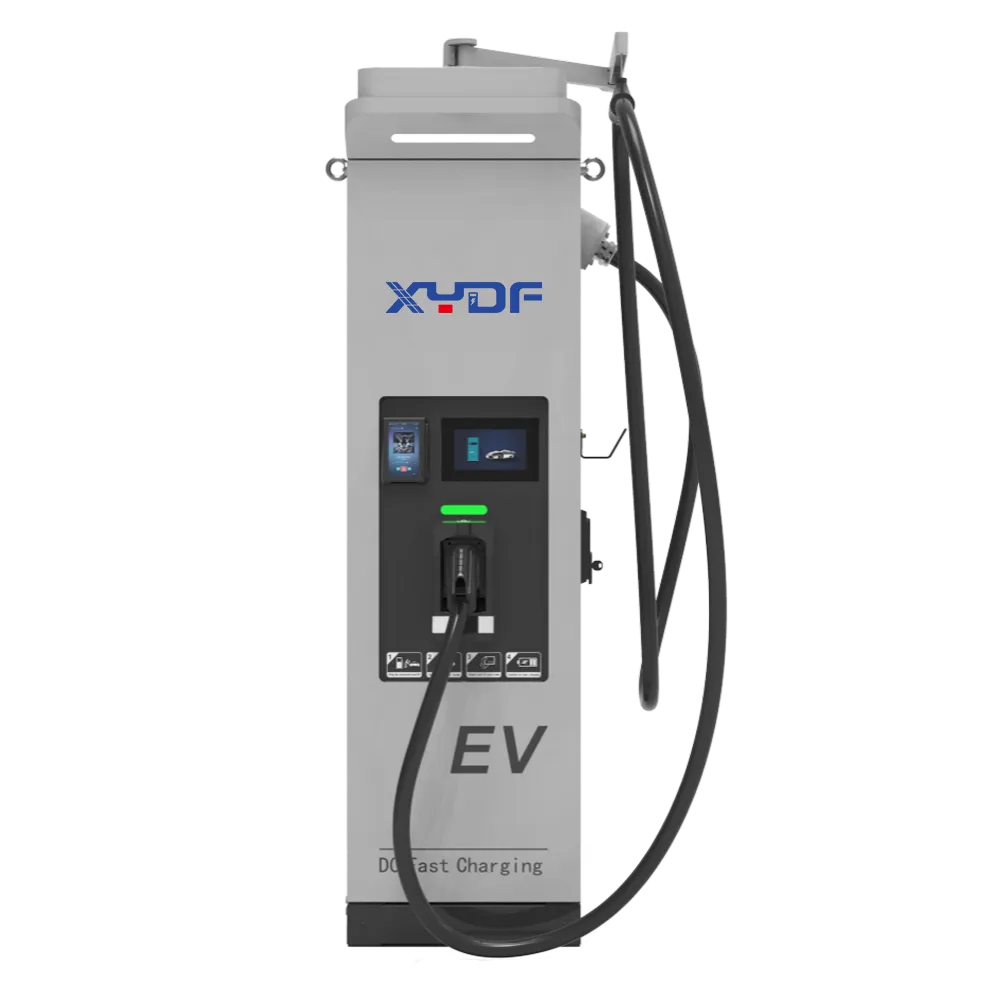
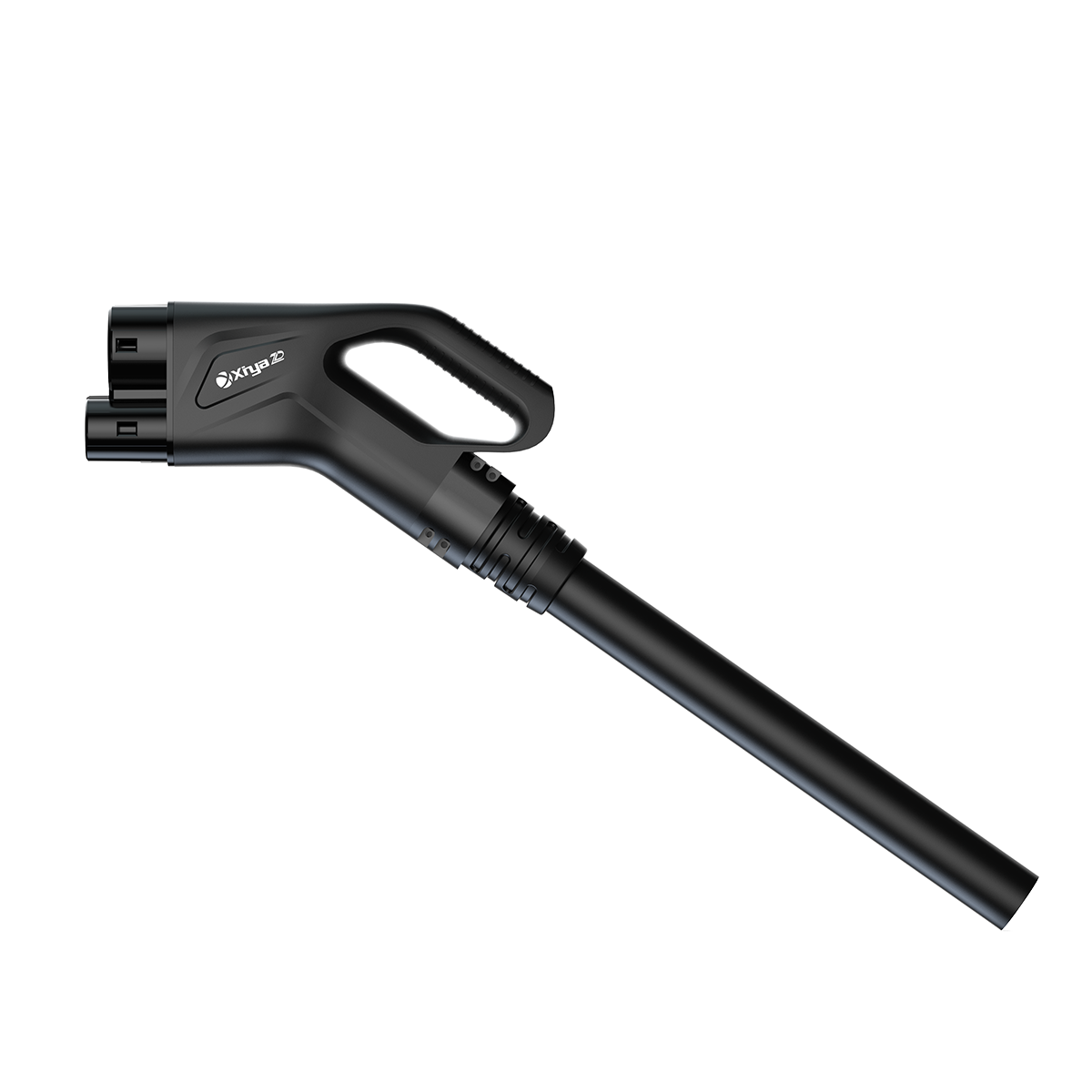
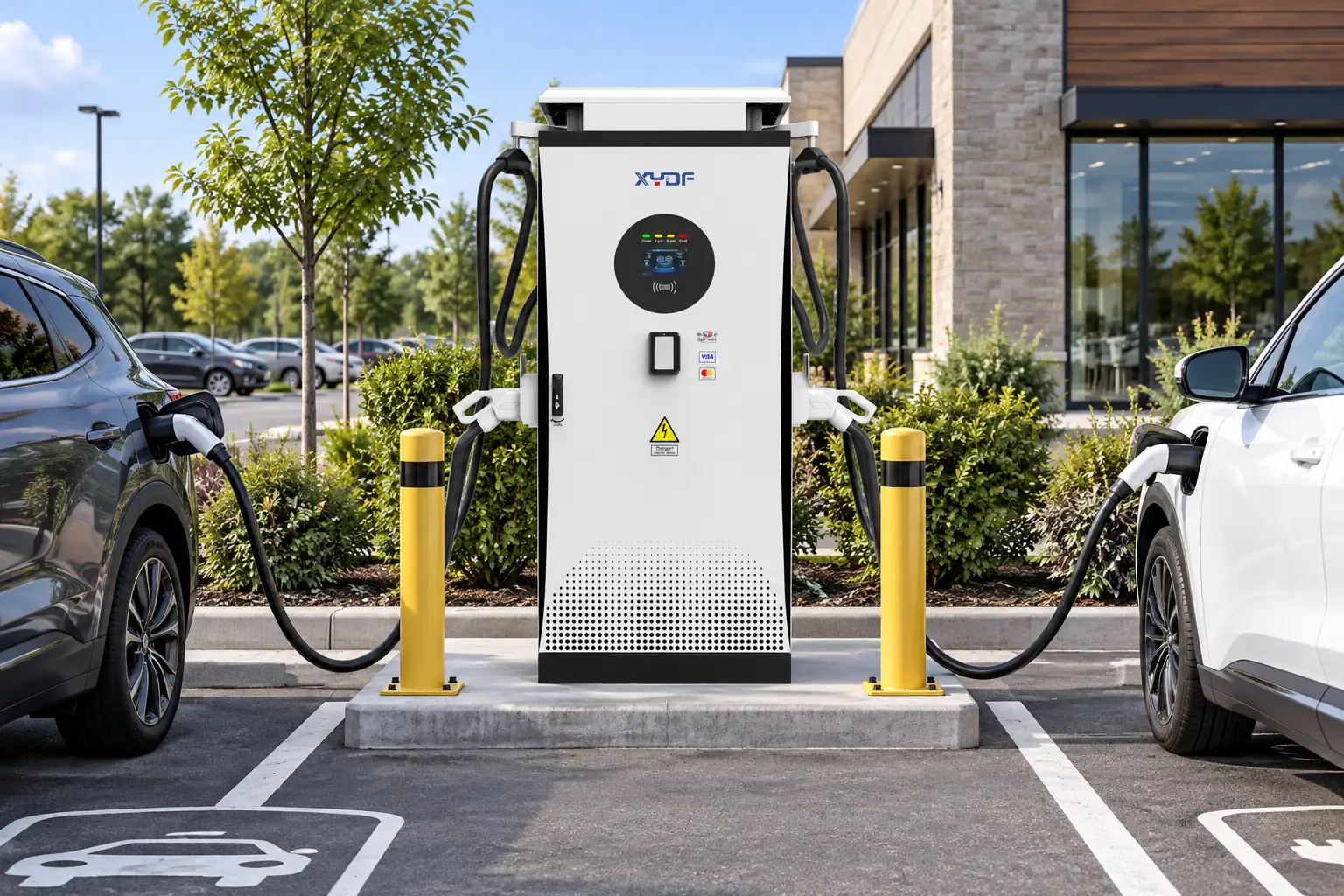
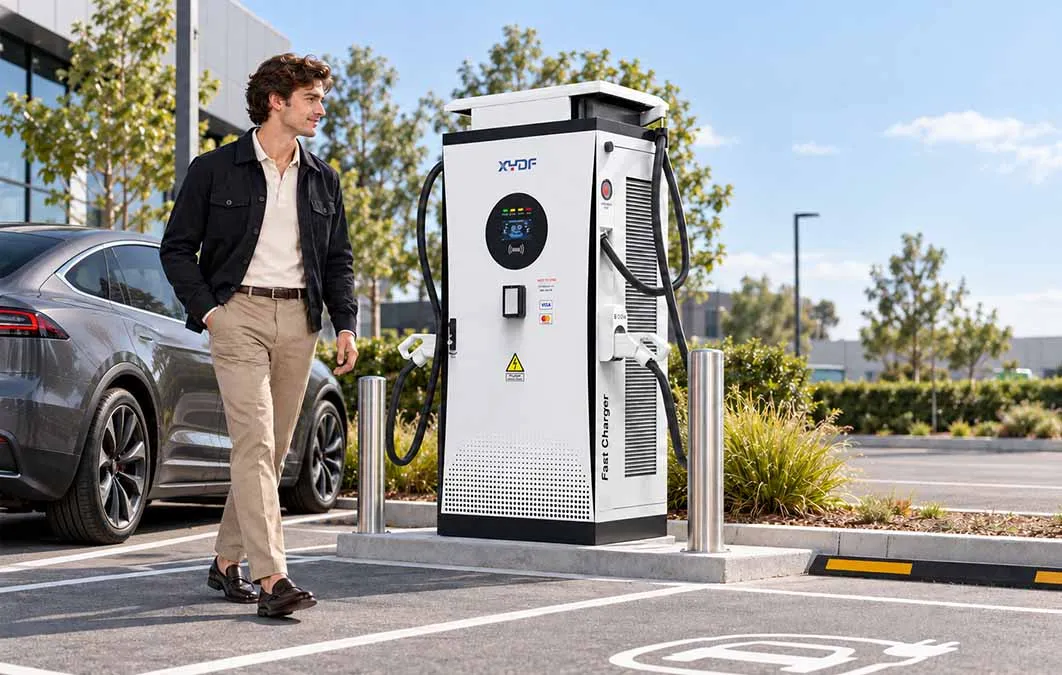
Selecting a reputable manufacturer is non-negotiable when it comes to choose an EV charger, especially if you plan to use the charger outdoors in rainy conditions. One trusted EV charger supplier is XYDF (Xinya Dongfang Electricity Technology Co., Ltd.), a professional EV charger manufacturer. XYDF has built a strong reputation for producing high-quality, weather-resistant EV chargers that meet international standards such as ISO 9001:2015, ISO 14001:2015, ISO 45001:2018. Providing home or commercial charging solutions, XYDF meets the need of most EV charger purchasers.
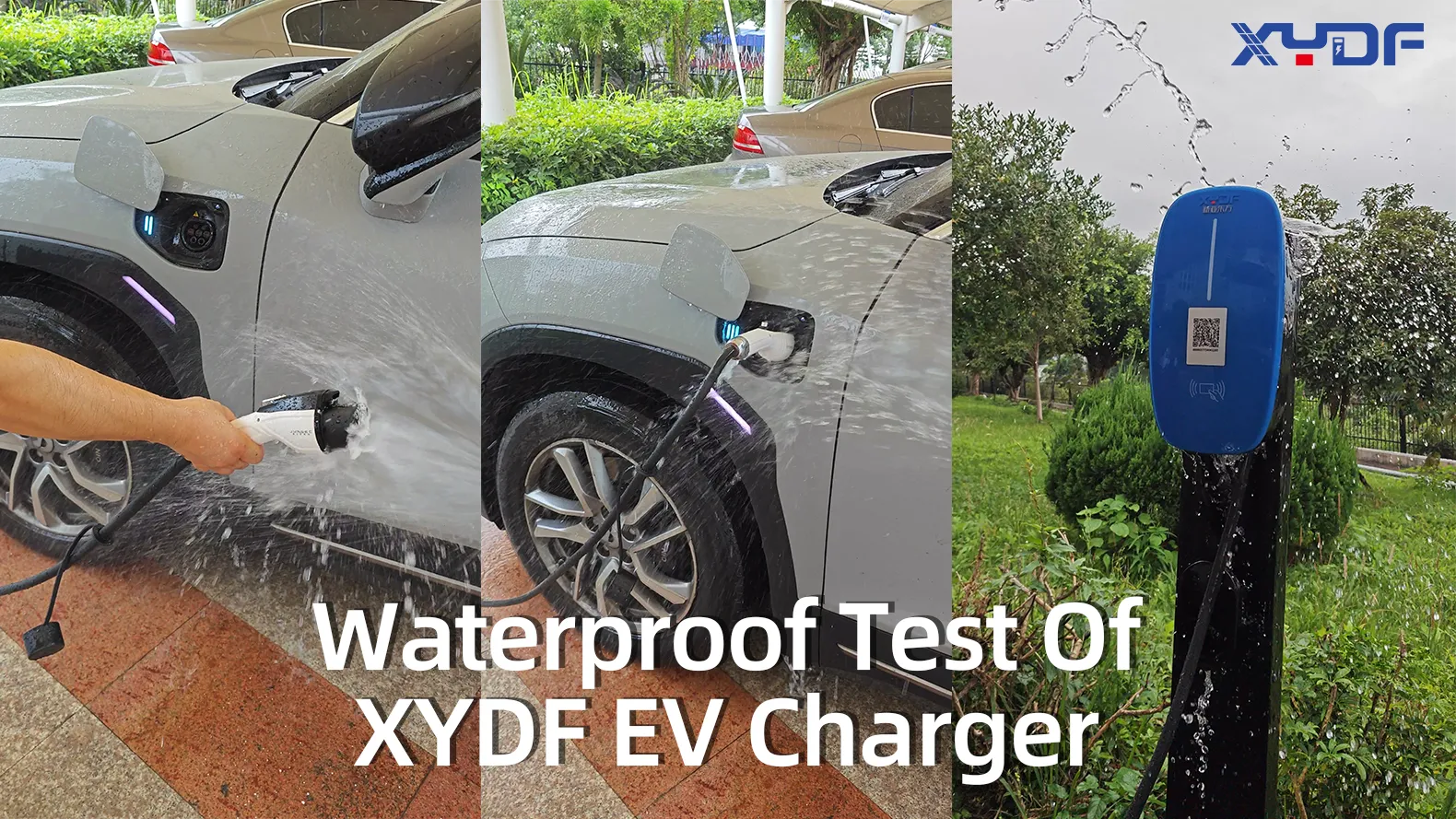
Waterproof Test Of XYDF EV Charger
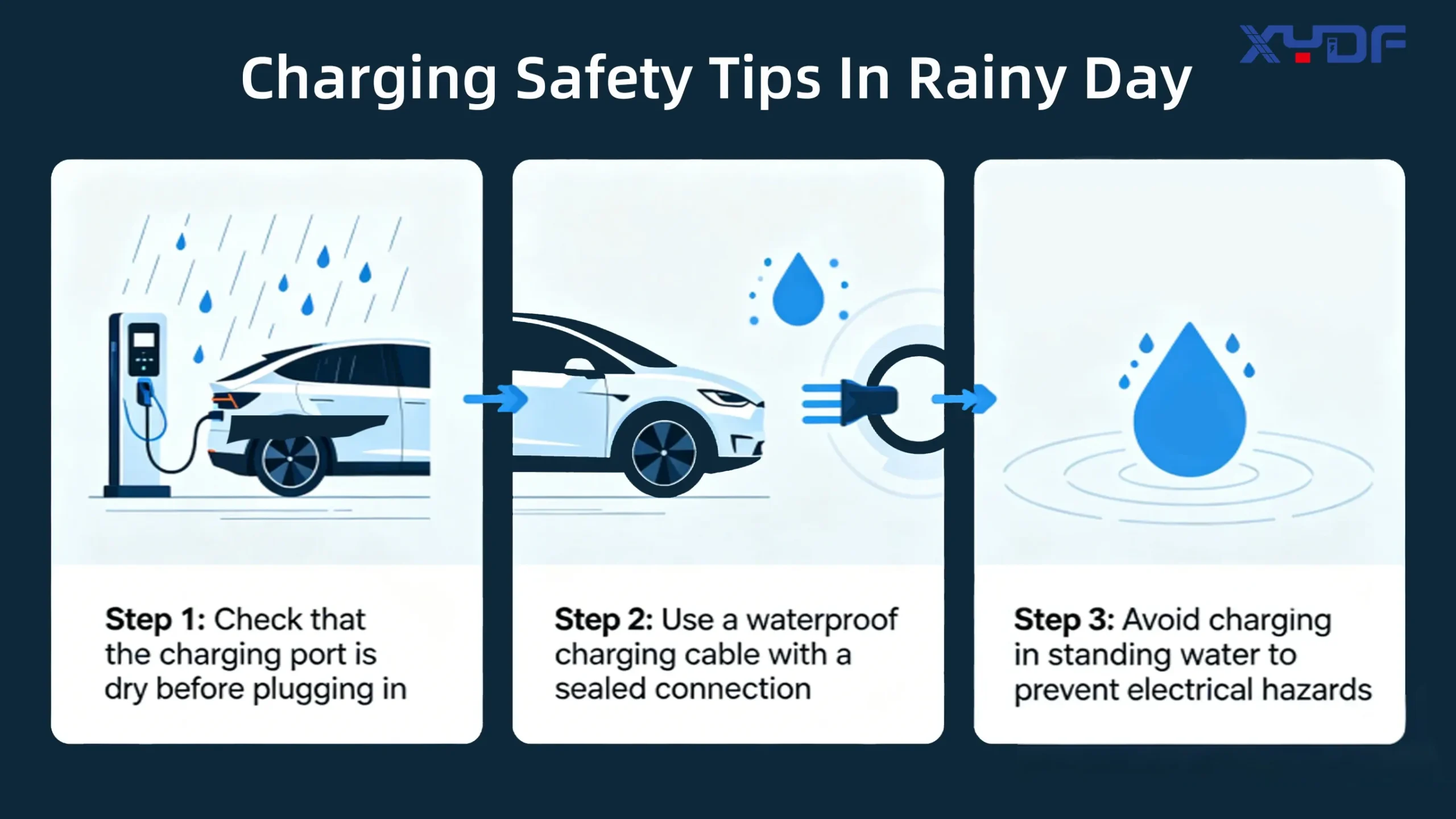
Charging Safety Tips In Rainy Day
To address more of your questions, here’s a quick FAQ section covering common concerns about charging EVs in the rain and EV chargers:
For all EV charger buyers, understanding the safety of rainy-day charging and choosing the right EV charger is important. With trusted manufacturers like XYDF, you can get durable, weather-resistant chargers. With the right equipment and knowledge, you can charge safely and conveniently, rainy weather doesn’t have to be a barrier to EV ownership.
 Xinya Dongfang Electricity Technology Co., Ltd.