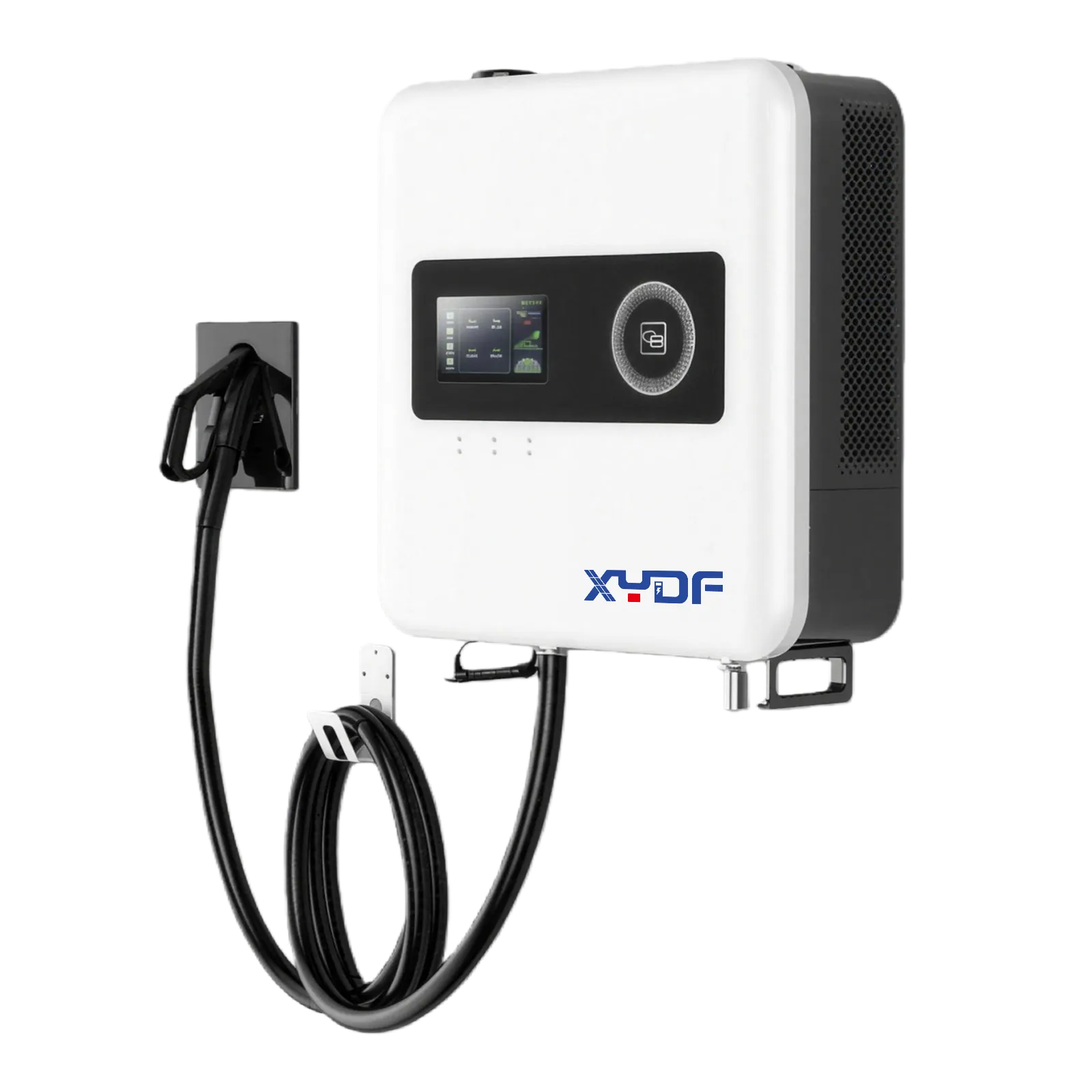
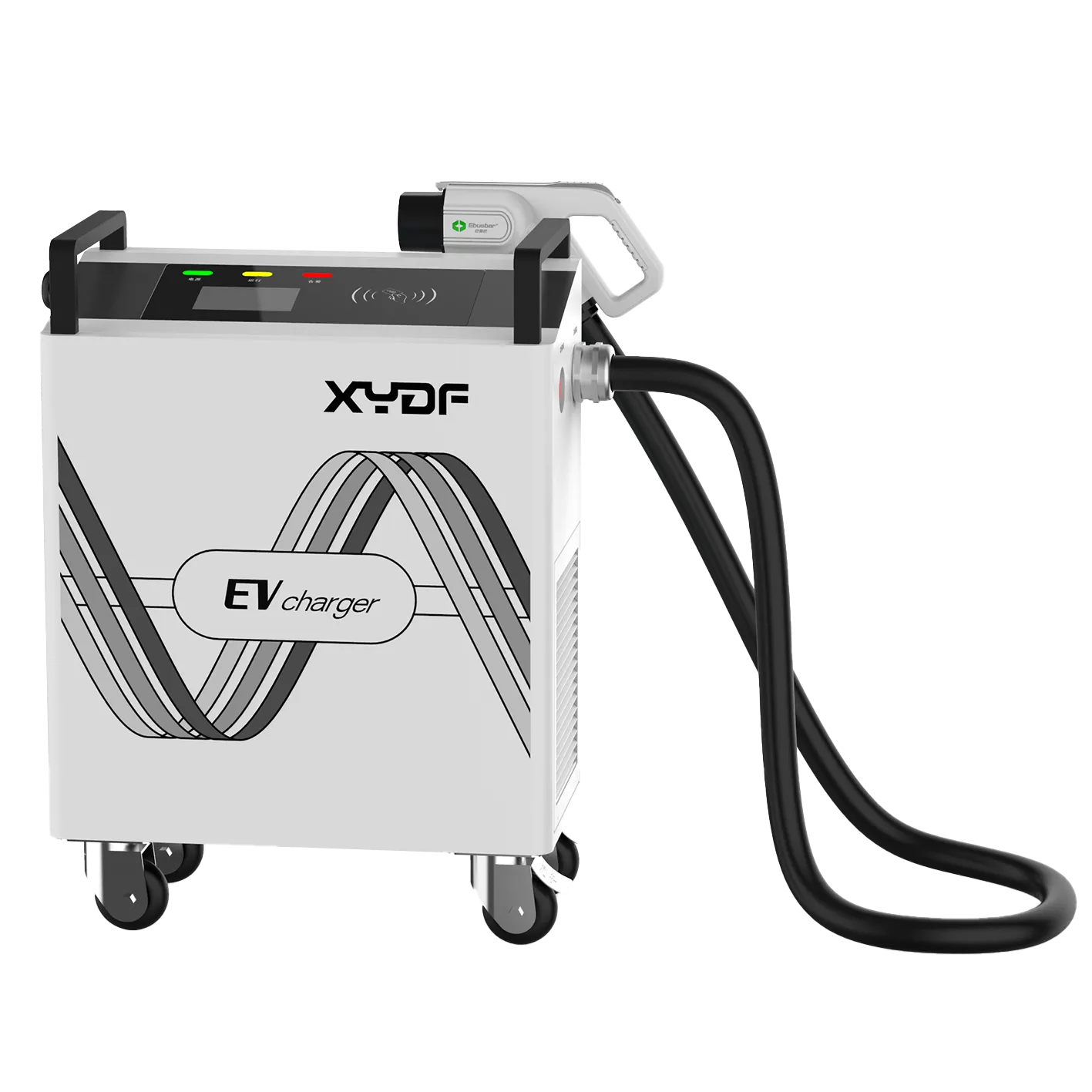
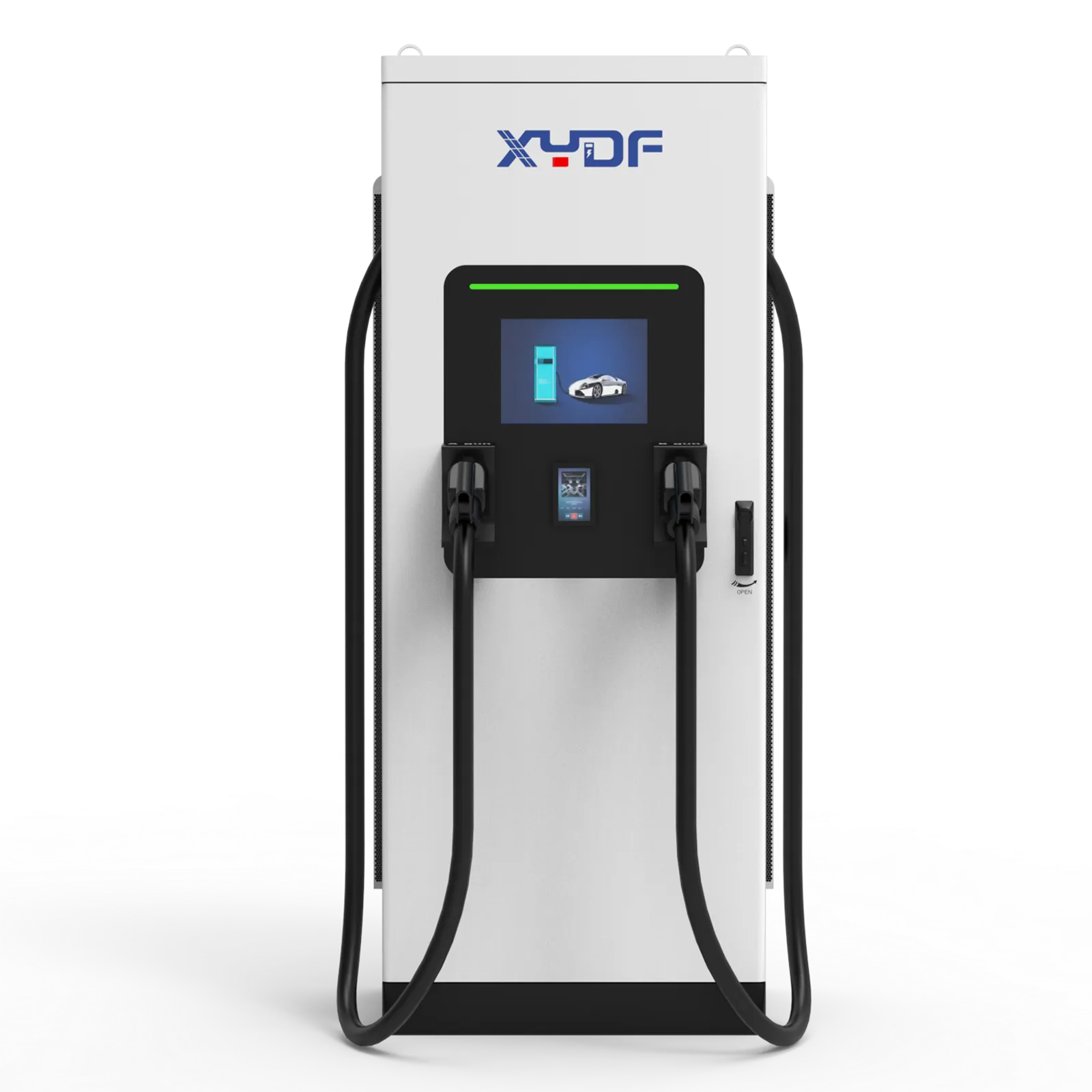
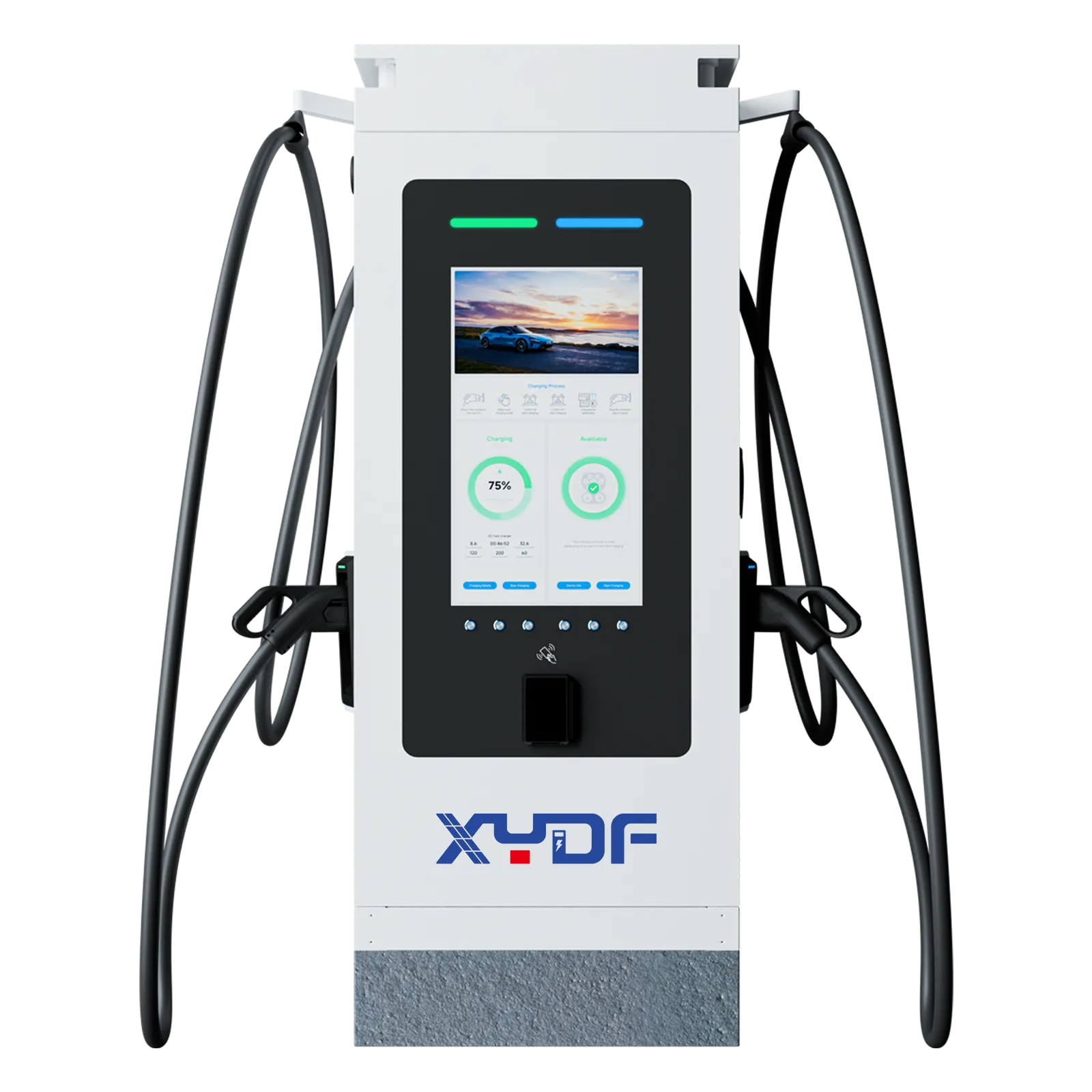
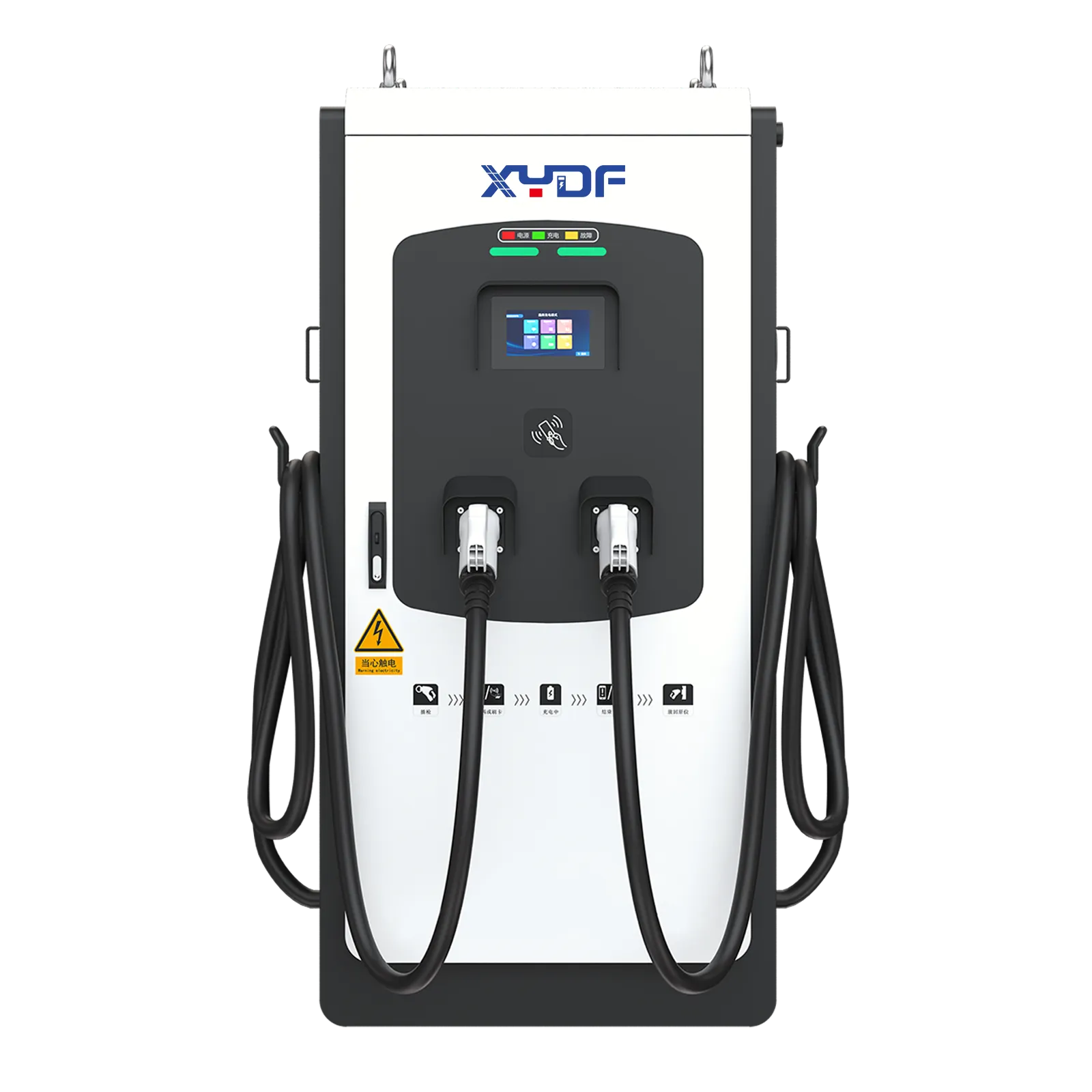
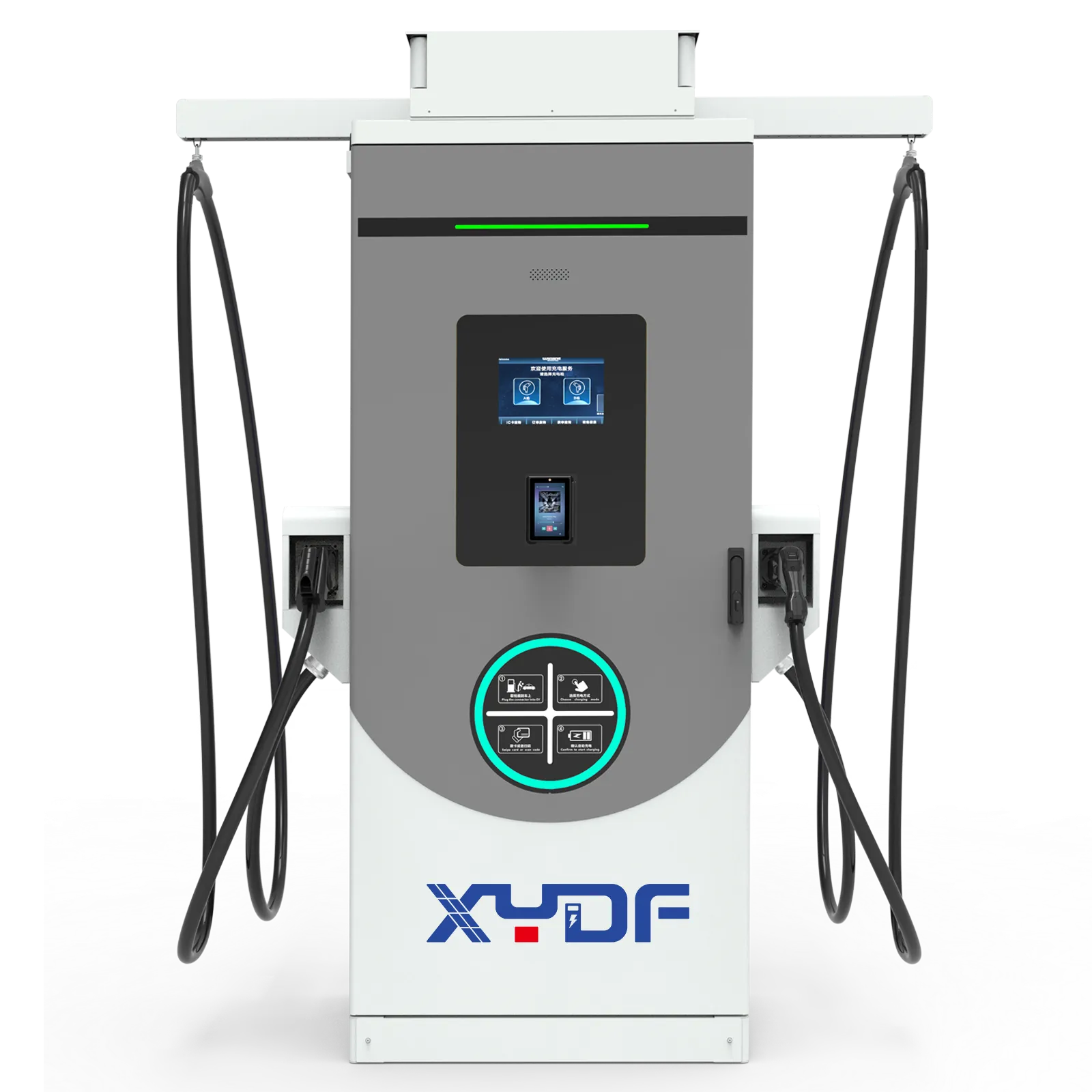
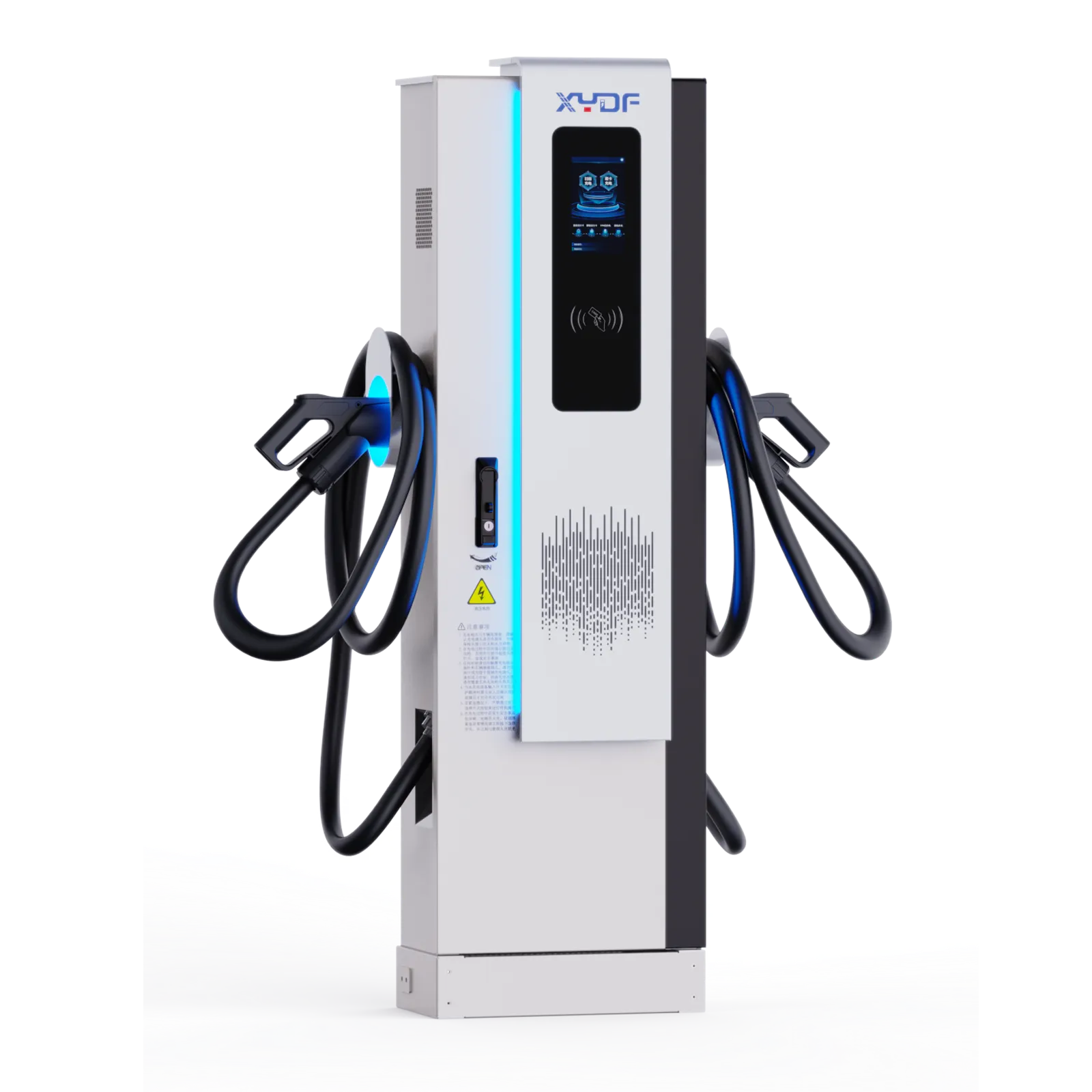
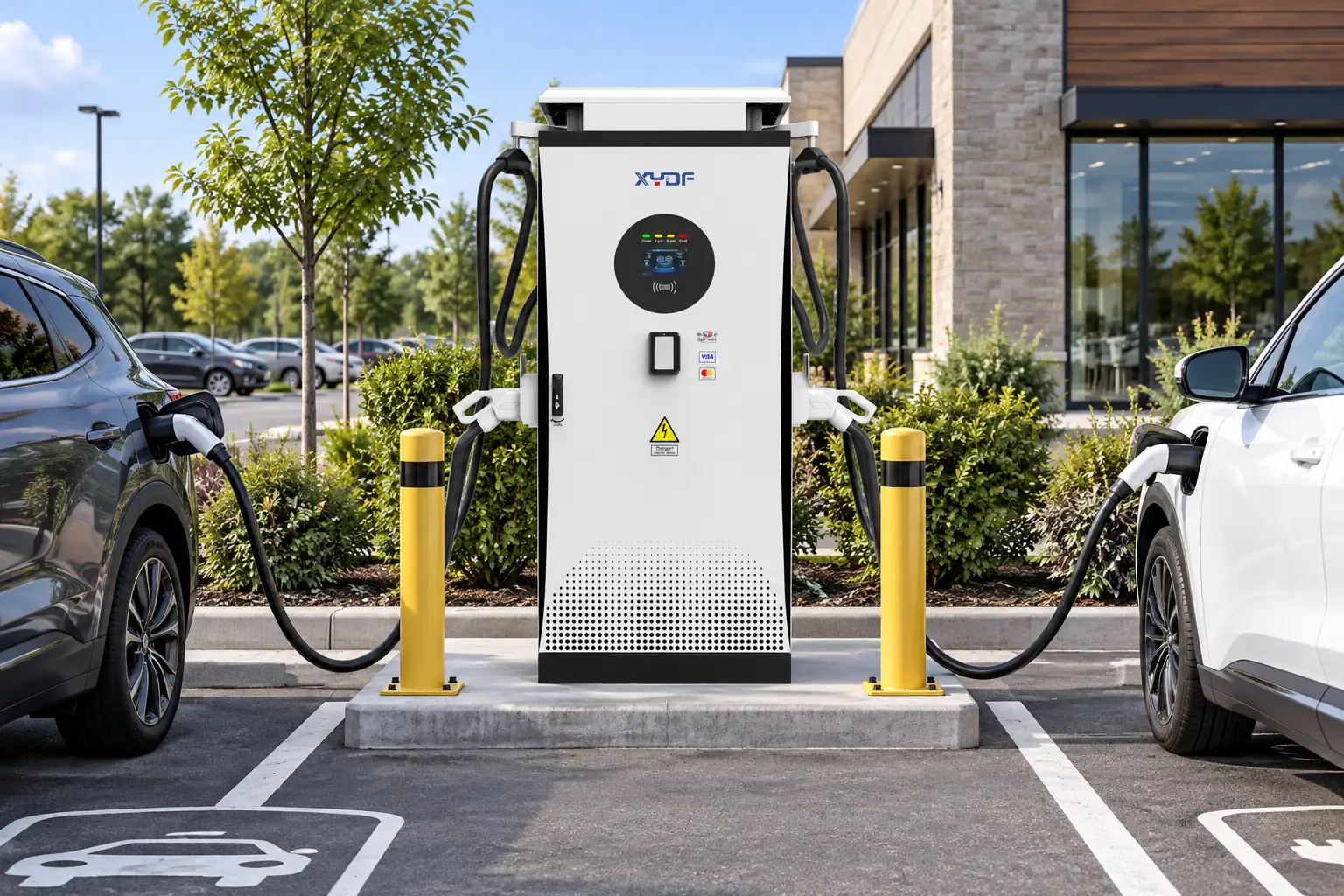
As more people choose electric vehicles (EVs), there is now an increased demand for the effective and efficient design of EV charging stations. There are two major factors in achieving the successful development of charging stations: Meeting the user demand for clean transportation through charging station development And providing a healthy infrastructure to ensure that the demand continues.
In this article you will find an overview of the considerations involved in designing EV charging stations including, but not limited to, standards and components, as well as perspectives on the future of the EV charging station market.
Understanding EV Charging Station Infrastructure
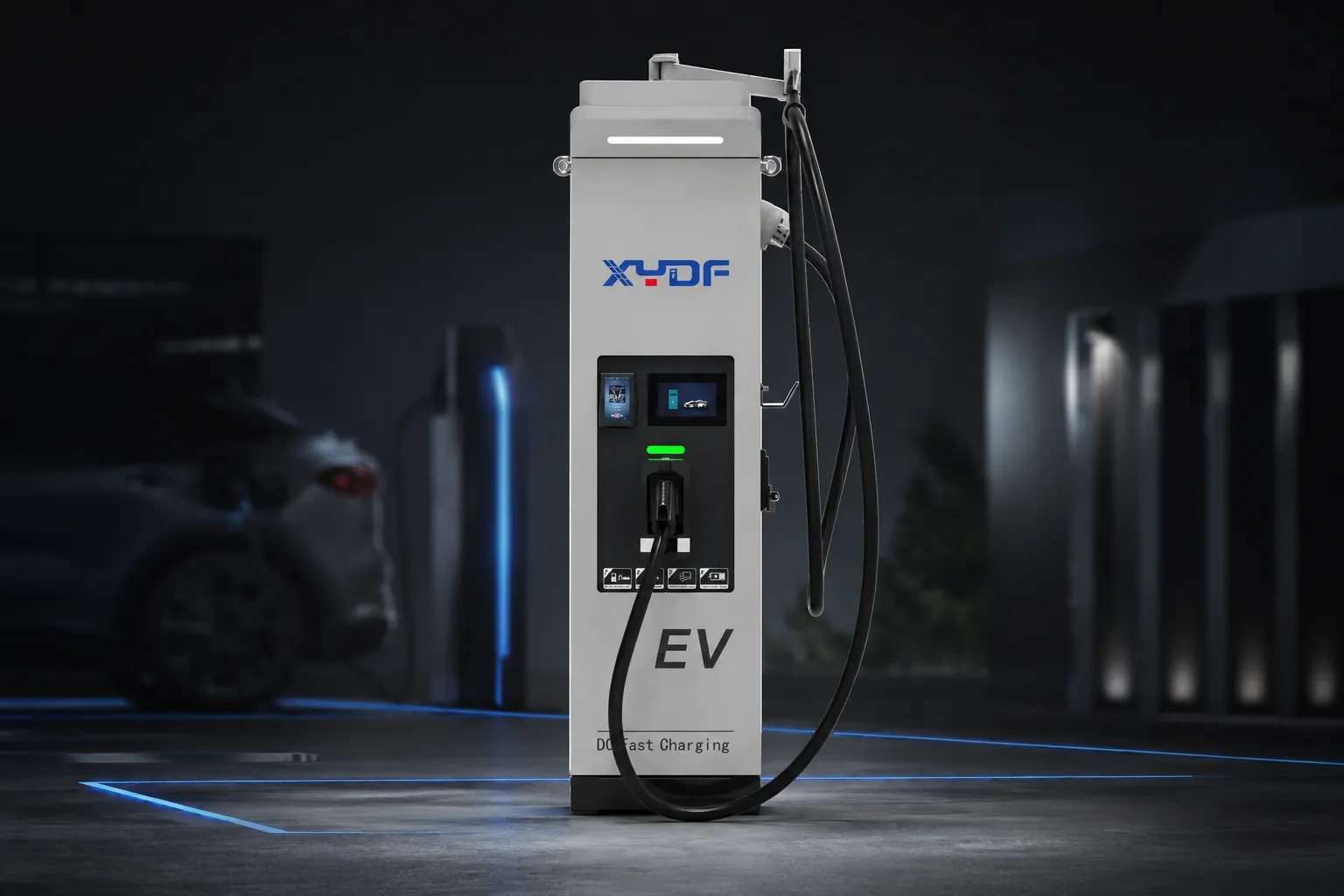
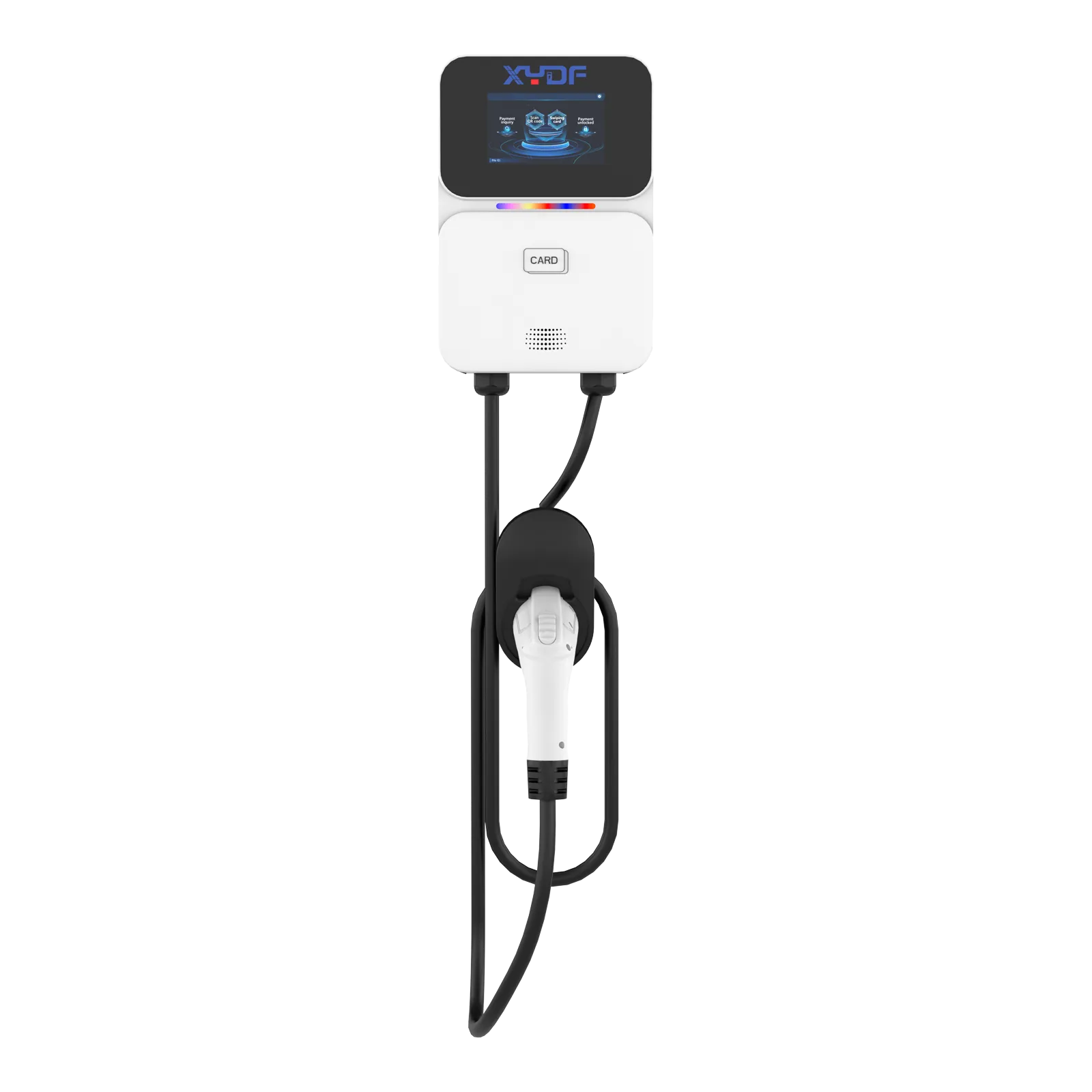
Multiple elements make up the EV charging station network, which allows for optimal charging service from all participating stations serving the end-user. One of these elements in charge station design is the variety of charging stations available (level 1, level 2, DC fast charge), as well as each station’s capabilities. An example would be that you will generally find level 1 (residential) charging stations in homes, whereas nearly all publicly available charging stations will have both a level 2 charging station or a DC fast charging station, thus increasing the chances of an EV being charged quickly by not having to spend more time at the charging stations.
Key Components of EV Charging Stations
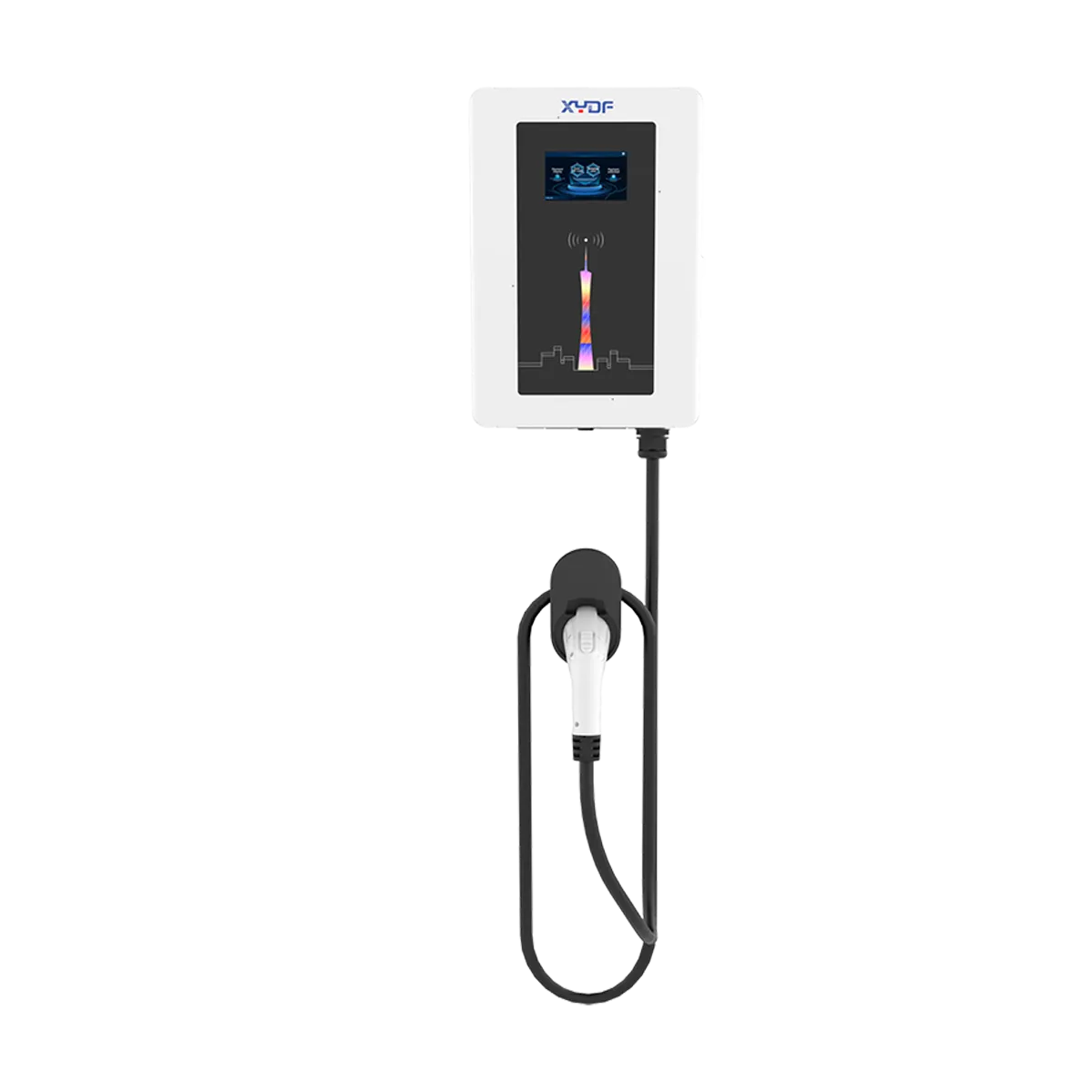
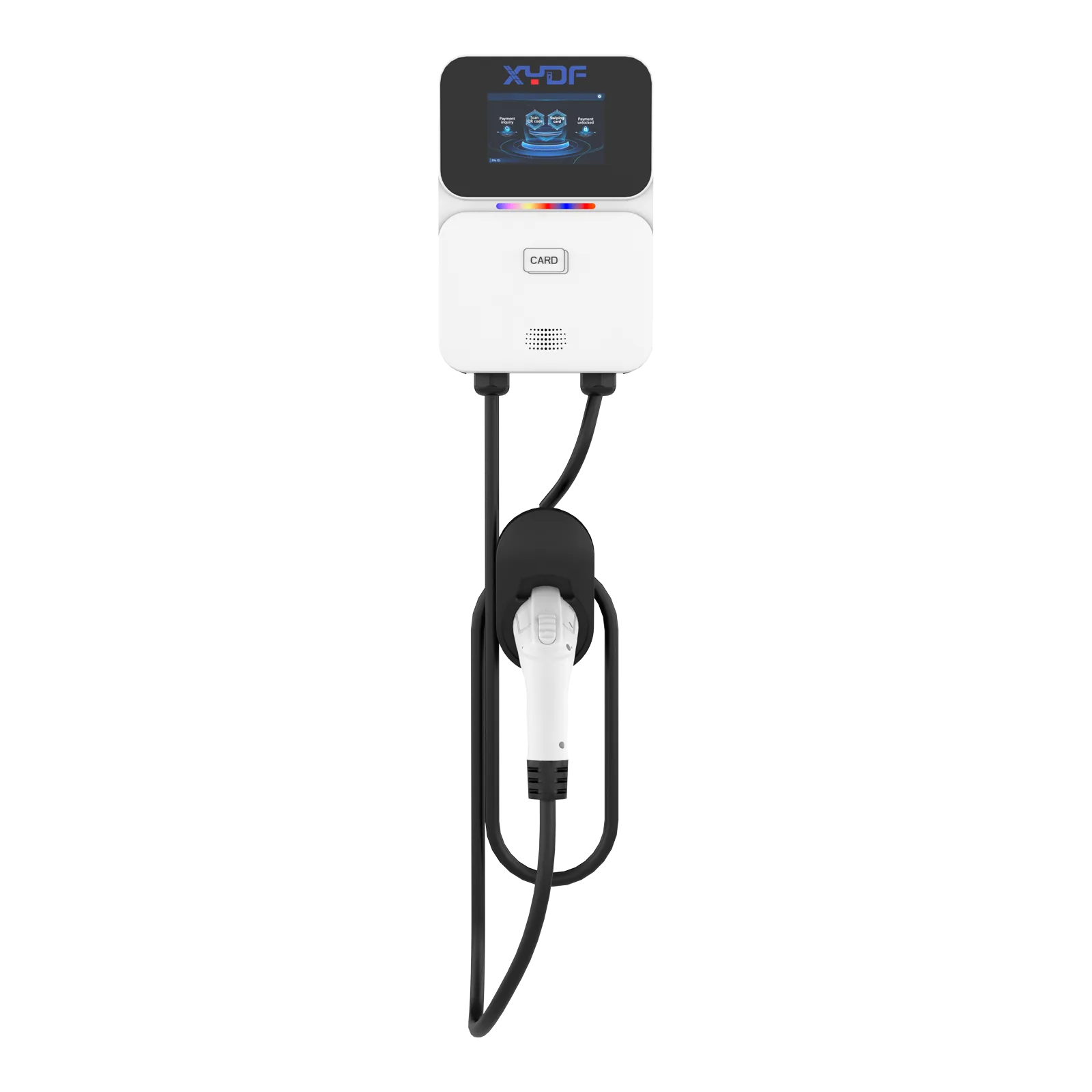
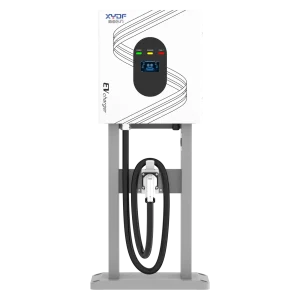
When designing an EV charging station, several components are essential:
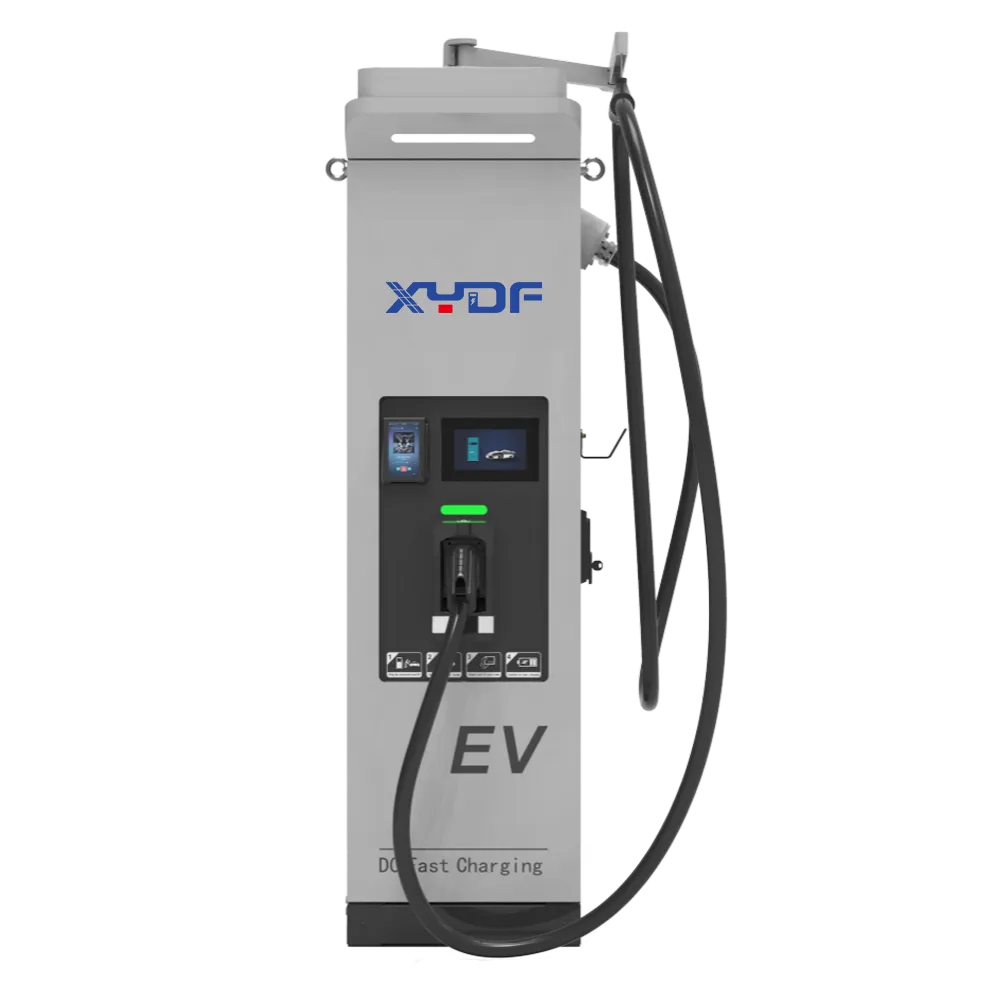
1. Charging Units: There will be a range of charging speeds on different charging units based upon the type of consumer, the density of traffic in the geographic area and the different usage patterns of consumers. High-traffic areas typically require fast charging stations, while slower chargers can be situated where there may be longer wait times for consumers to be served.
2. Power Supply: There must be sufficient electrical capacity available for the expected loads, and coordination should be done with the applicable utility to ensure that there will be a reliable supply of power to the facility.
3. User Interface: Providing a user-friendly interface when charging will improve the overall user experience. Thus, if the charger is simple to navigate around then there is less chance of creating delays or barriers to the user being able to use the charger.
4. Payment Systems: The efficiency of processing payments is currently very important. Providing users with convenient methods for processing payments (e.g., using mobile apps or using contactless payment systems) will give them an enhanced overall user experience.
EV Charging Station Design Standards
To ensure a safe, reliable and compatible use of an electrical vehicle (EV) charging station it is imperative that they are designed according to recognized or existing standards with respect to design specifications. Such standards will include local building codes, local and national electrical codes and general safety regulations.
In 2010, many standards organizations developed and issued guiding documents to help standardize both the connectors and the interface types associated with an EV charging station. These documents help provide enhanced compatibility and interoperability for various EV manufacturers and different chargers as they exist in today’s marketplace.
Future Trends in EV Charging Station Design
As the EV sector continues its expansion, there are also changes occurring in terms of EV charging stations design. New innovations are entering into the EV charging station market at a faster pace and in many cases incorporate renewable energy sources (e.g., solar-powered EV Chargers). The addition of smart technologies is helping to create a more user-friendly experience through greater access to up-to-date information regarding the availability of chargers and EV charging stations. As the use of autonomous vehicles becomes more widespread, we should be reevaluating our approach to EV charging station design and examine the need for flexible design principles.
FAQs
What are the types of EV chargers?
The three main types of electric vehicle (EV) charging station includes Level 1, Level 2, and DC Fast Chargers. The types of charging stations are used for different purposes and can vary based on where the charger is located or how quickly the charging needs to occur.
Are there specific standards for EV charging station design?
It is very important that you follow all of the requirements regarding safety and compatibility as they have been established by many different authorities and organizations over the years.
What is the significance of user interfaces in EV charging station design?
An intuitive user interface that is easy to use increases the overall experience of a customer by increasing customer satisfaction and increasing engagement.
Are EV charging stations compatible with all EV models?
Standard connectors for electric vehicle (EV) charging stations include CCS, CHAdeMO, and Tesla Supercharger. Almost all plug-in electric vehicles (PEVs) work with one of those types of connecting devices; therefore, it is recommended that the owner of an EV be checked to see which type of connection will be needed before purchasing the EV.
How much space is required for setting up an EV charging station?
Space requirements would depend on how many and what type of charging units you have at your facility, however, all installations should allow adequate space for vehicles to maneuver correctly, enough room for technology (equipment), and adequate number of accessible vehicle parking spaces.
Can EV charging stations operate on renewable energy?
One way to add renewable energy systems such as wind turbines or solar panels to the infrastructure of charging stations is to use them in conjunction with the overall sustainability efforts of a charging station.
What permits are required for building an EV charging station?
You might have to get some permits, depending on your location. The most typical kinds of permits are zoning (for land usage), electrical, and compliance with building codes as they concern safety and accessibility.
What are common challenges when designing EV charging stations?
Some of the challenges associated with designing Electric Vehicle charging stations include the ability to provide adequate power; the selection of a charging method that meets or exceeds regulatory requirements; the need to provide a design that meets the user’s requirement(s) and has minimal installation costs.
In conclusion, designing EV charging stations is vital to achieving the ultimate success of EVs. The development of a sustainable, practical, and functional charging station requires all stakeholders to have knowledge of current infrastructure, significant entities, and established codes concerning charging stations. Stakeholders must also continue to implement the latest technologies and innovations to remain current in an ever-changing automotive market.
 Xinya Dongfang Electricity Technology Co., Ltd.