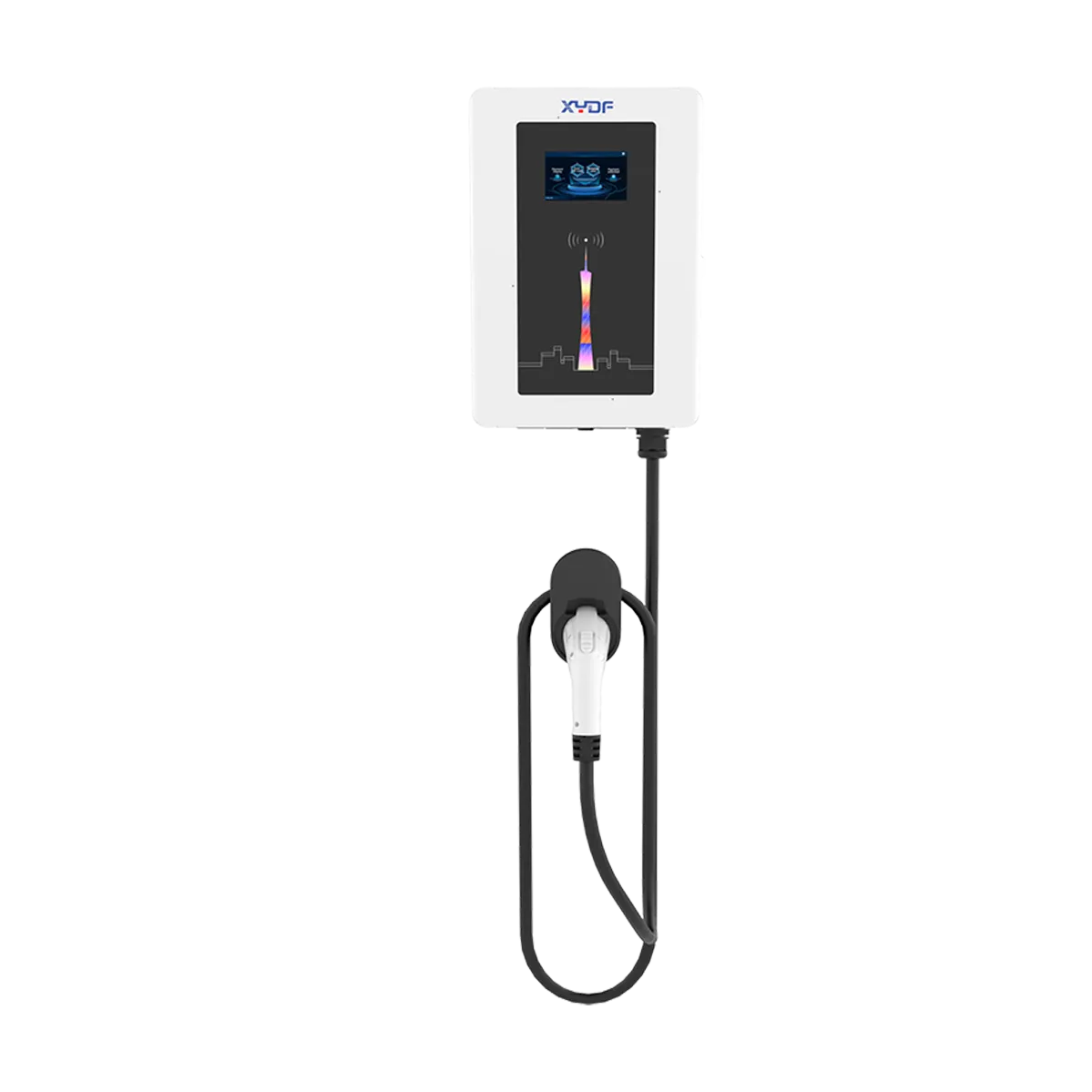
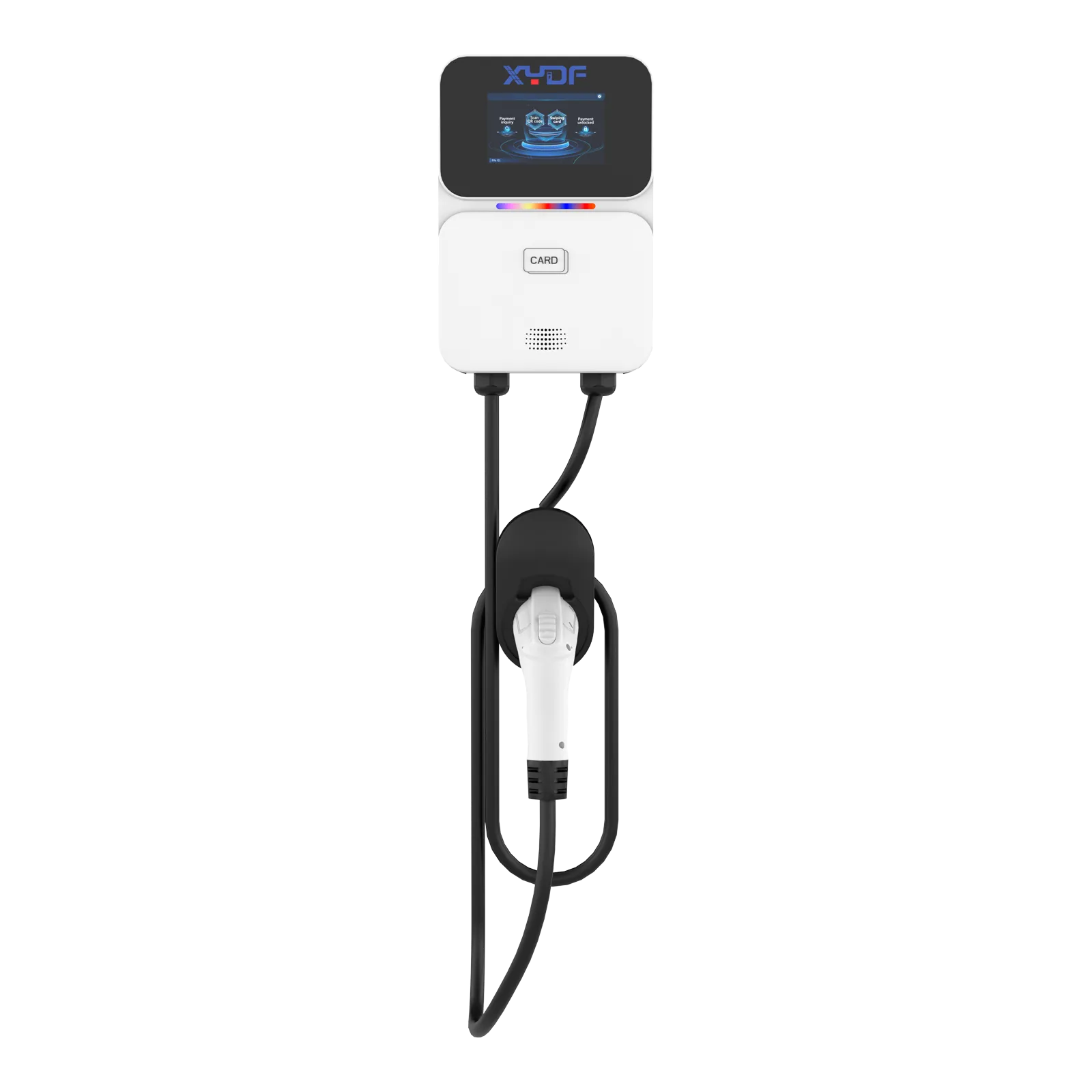
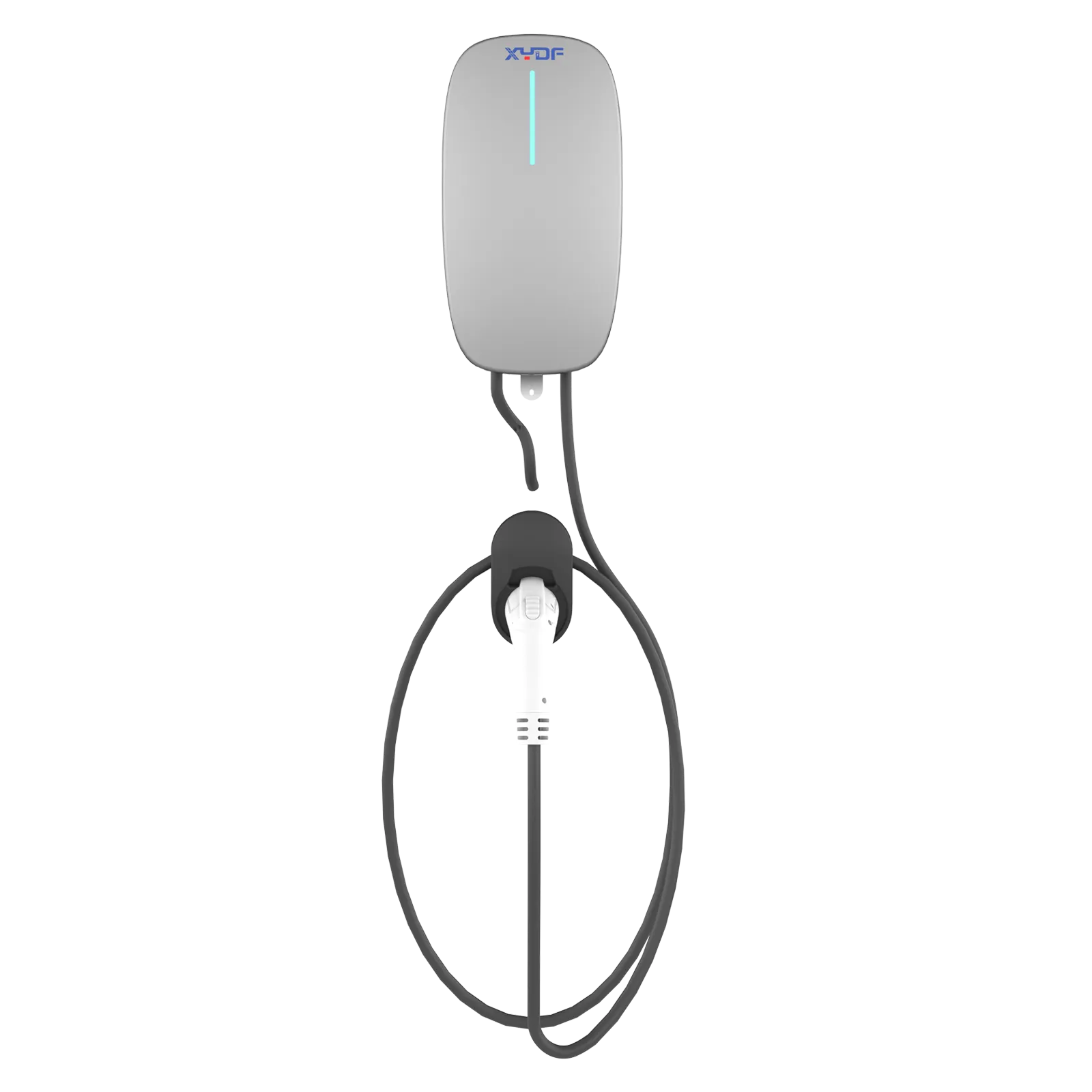
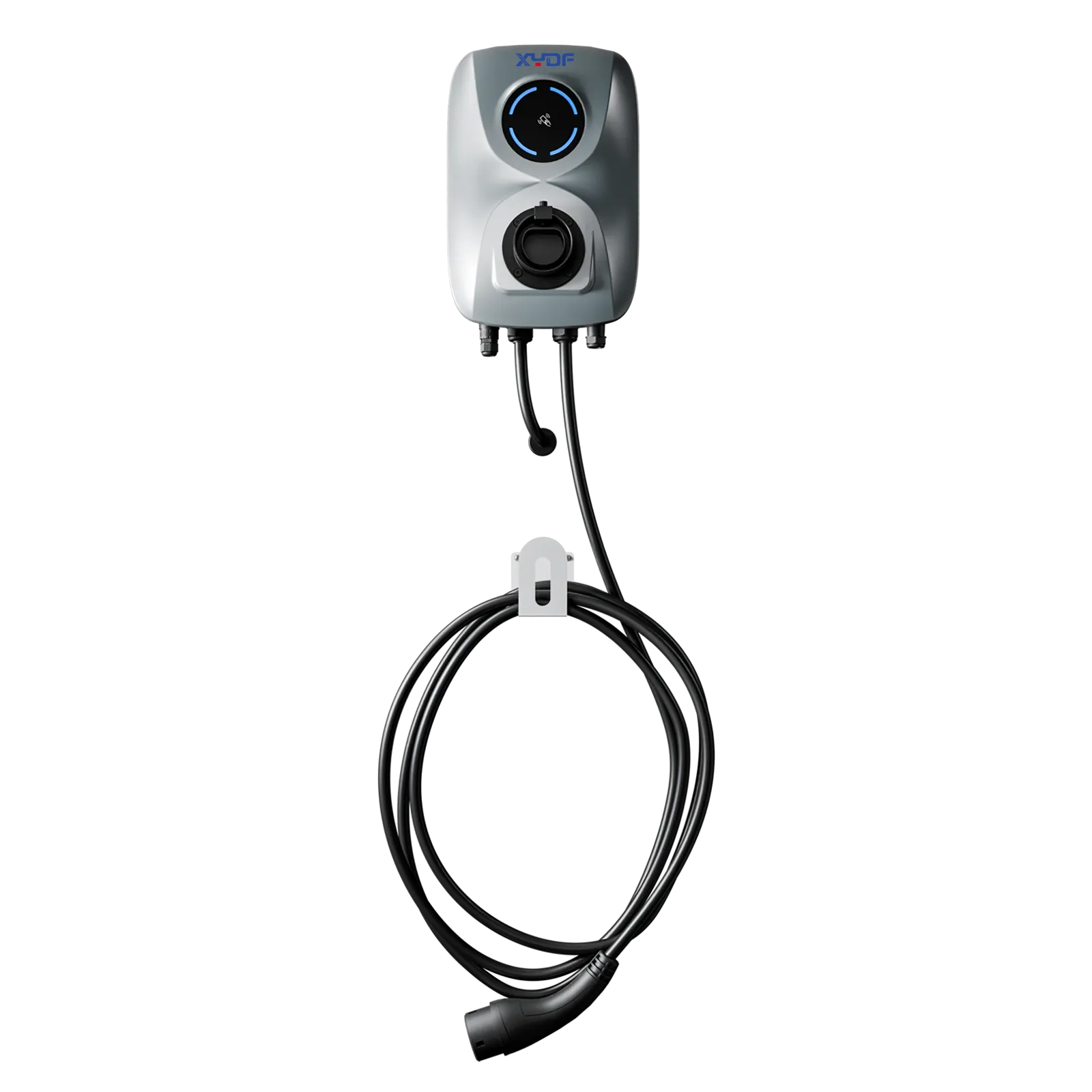
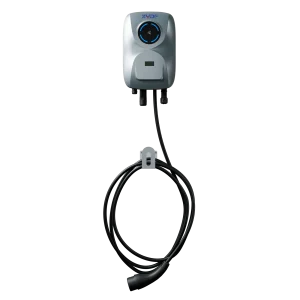
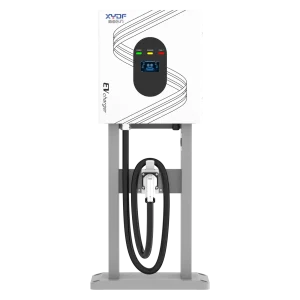
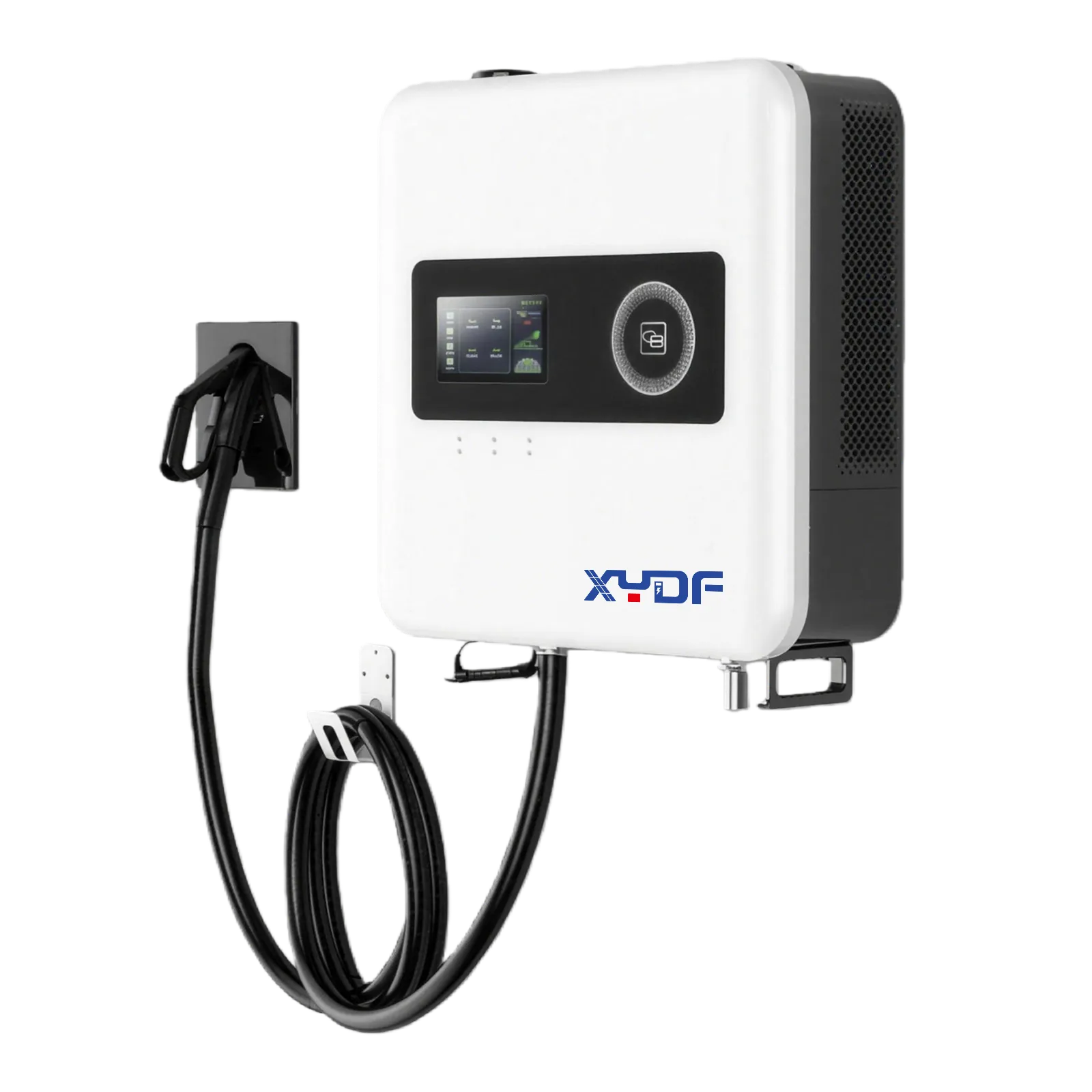
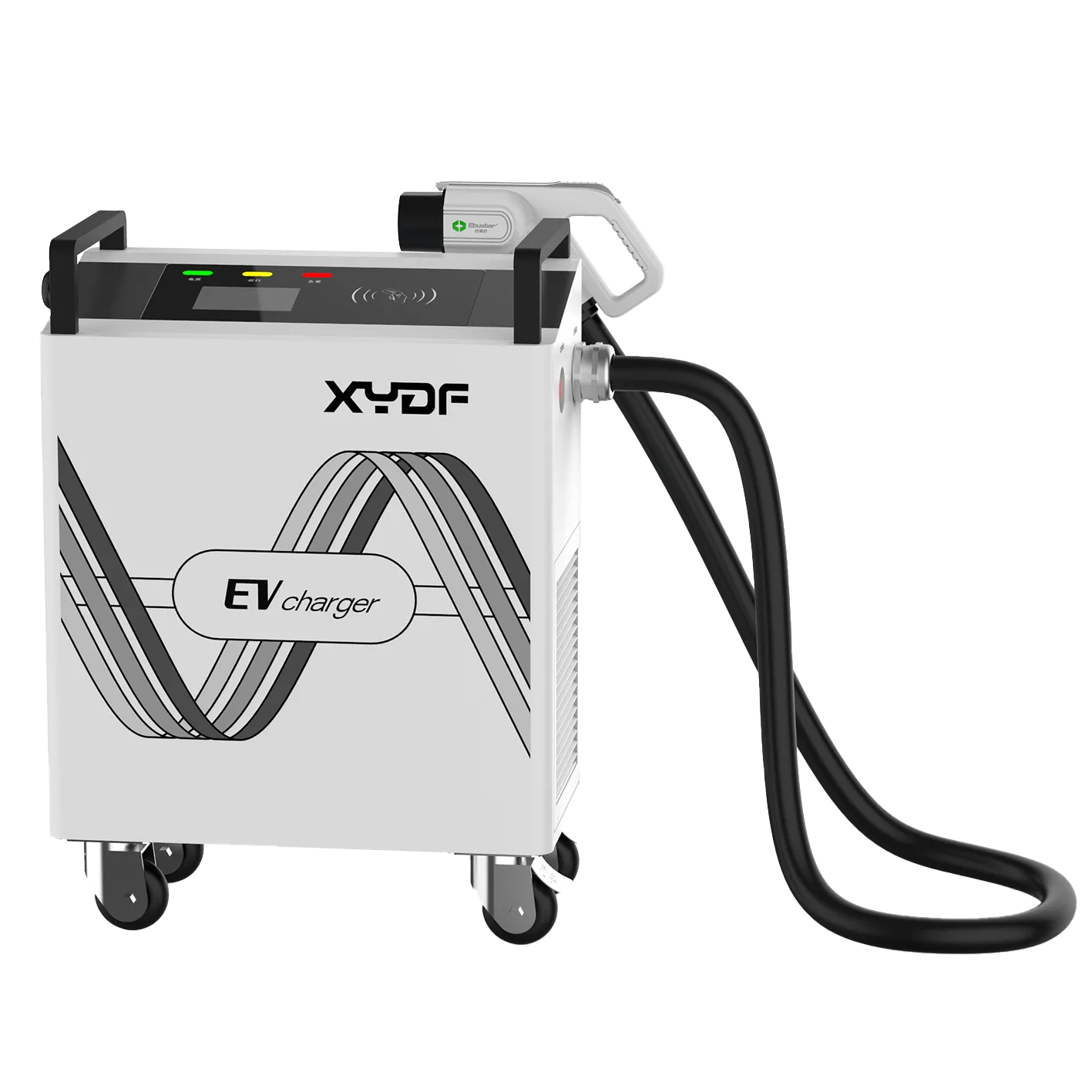
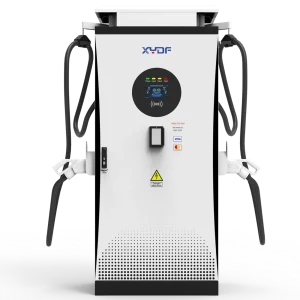
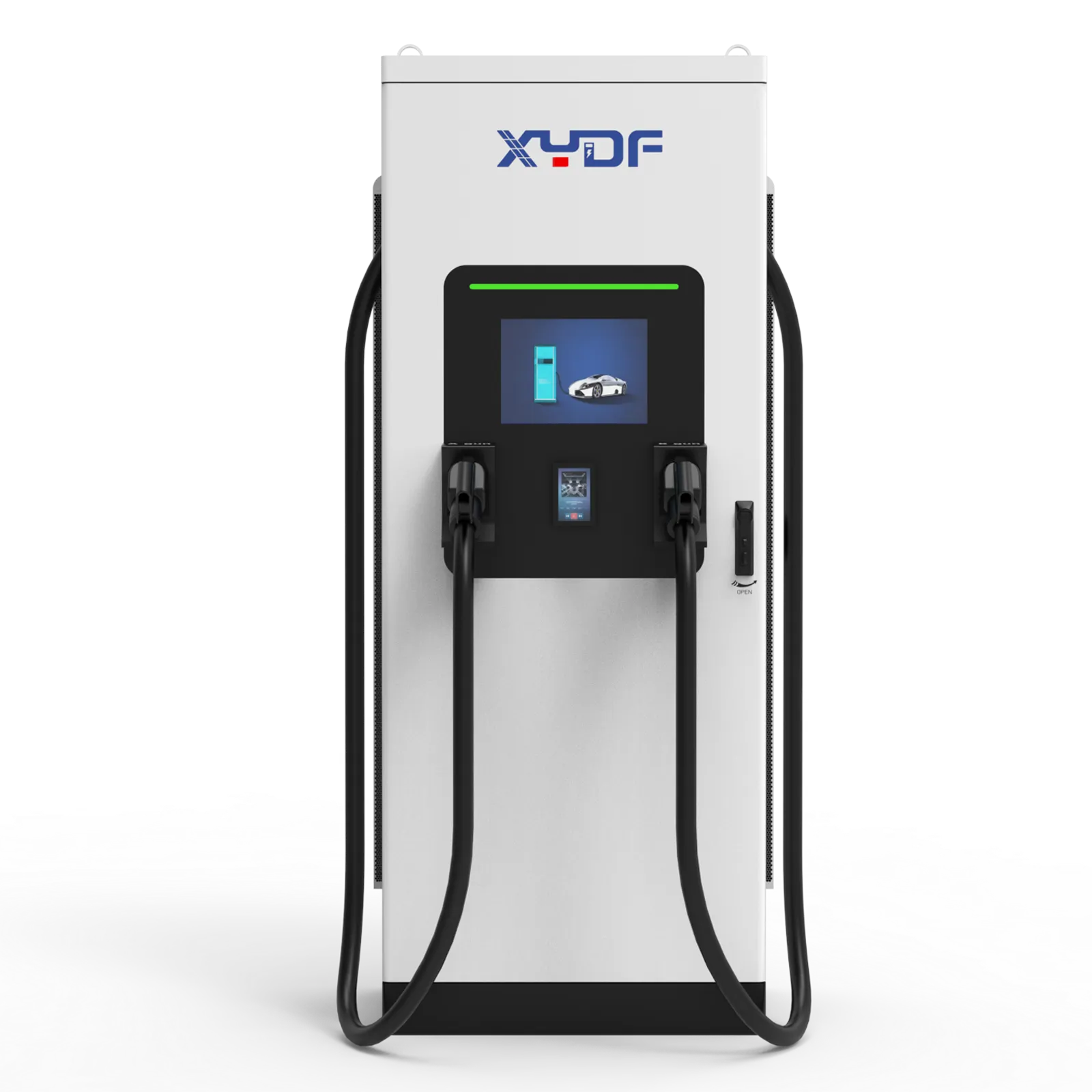
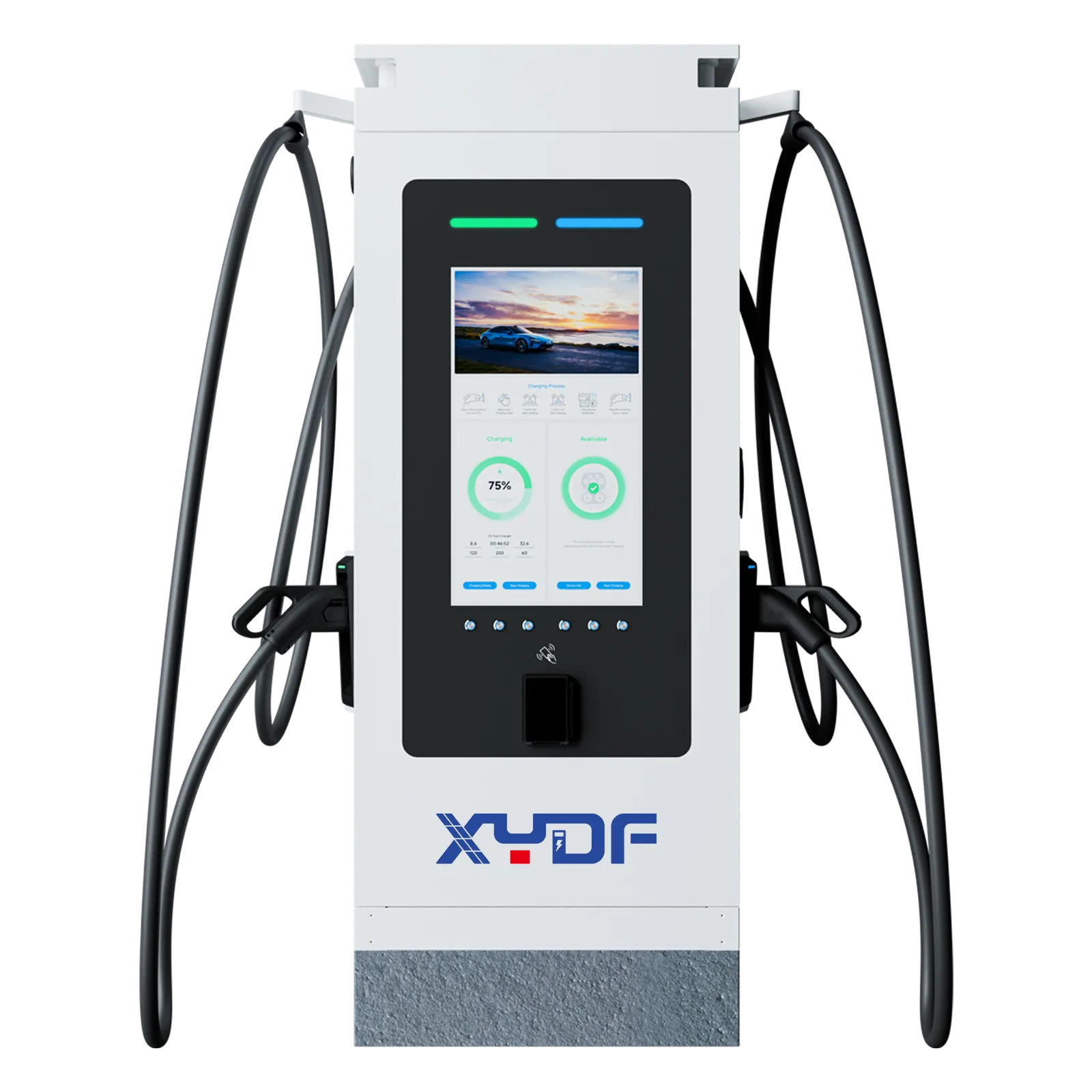
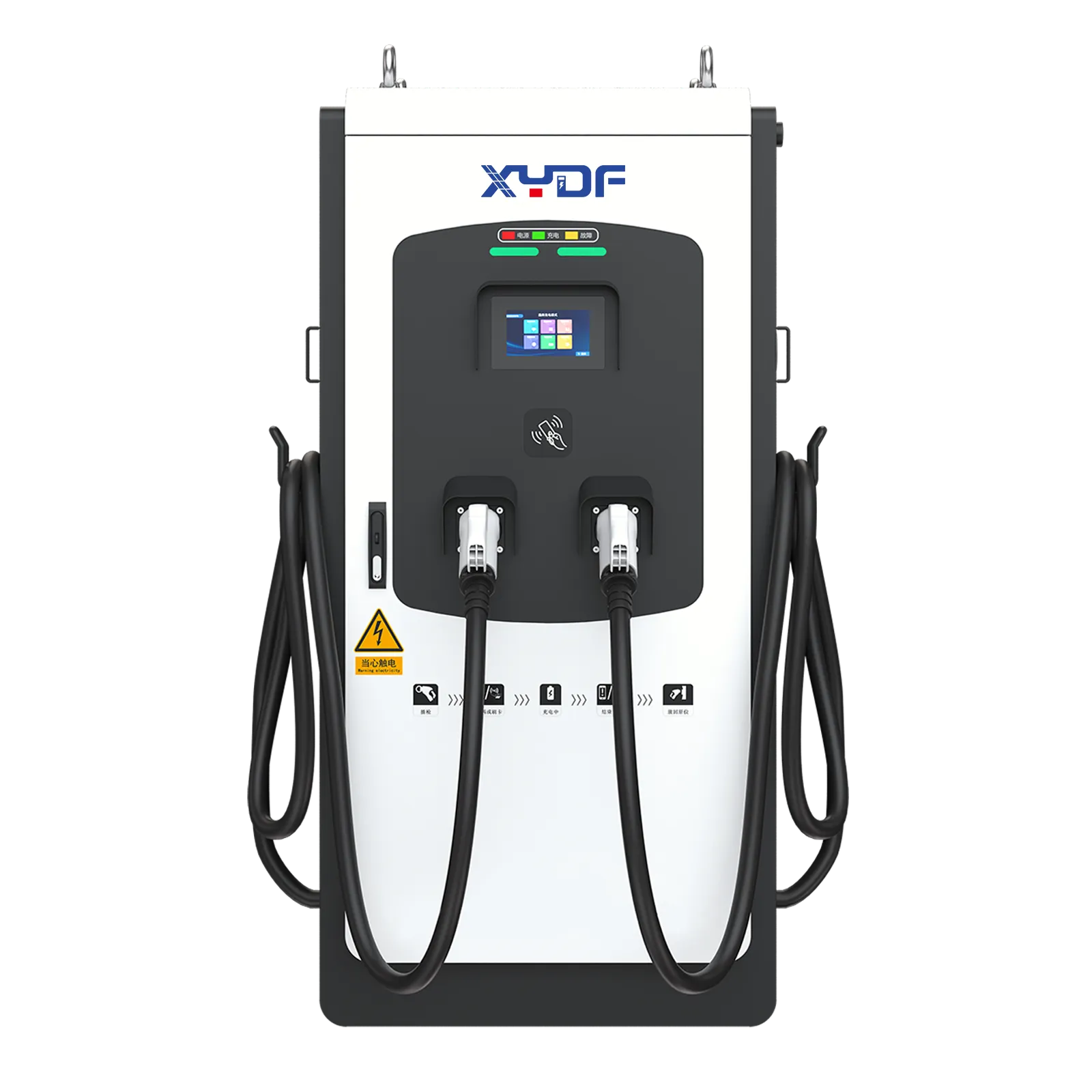
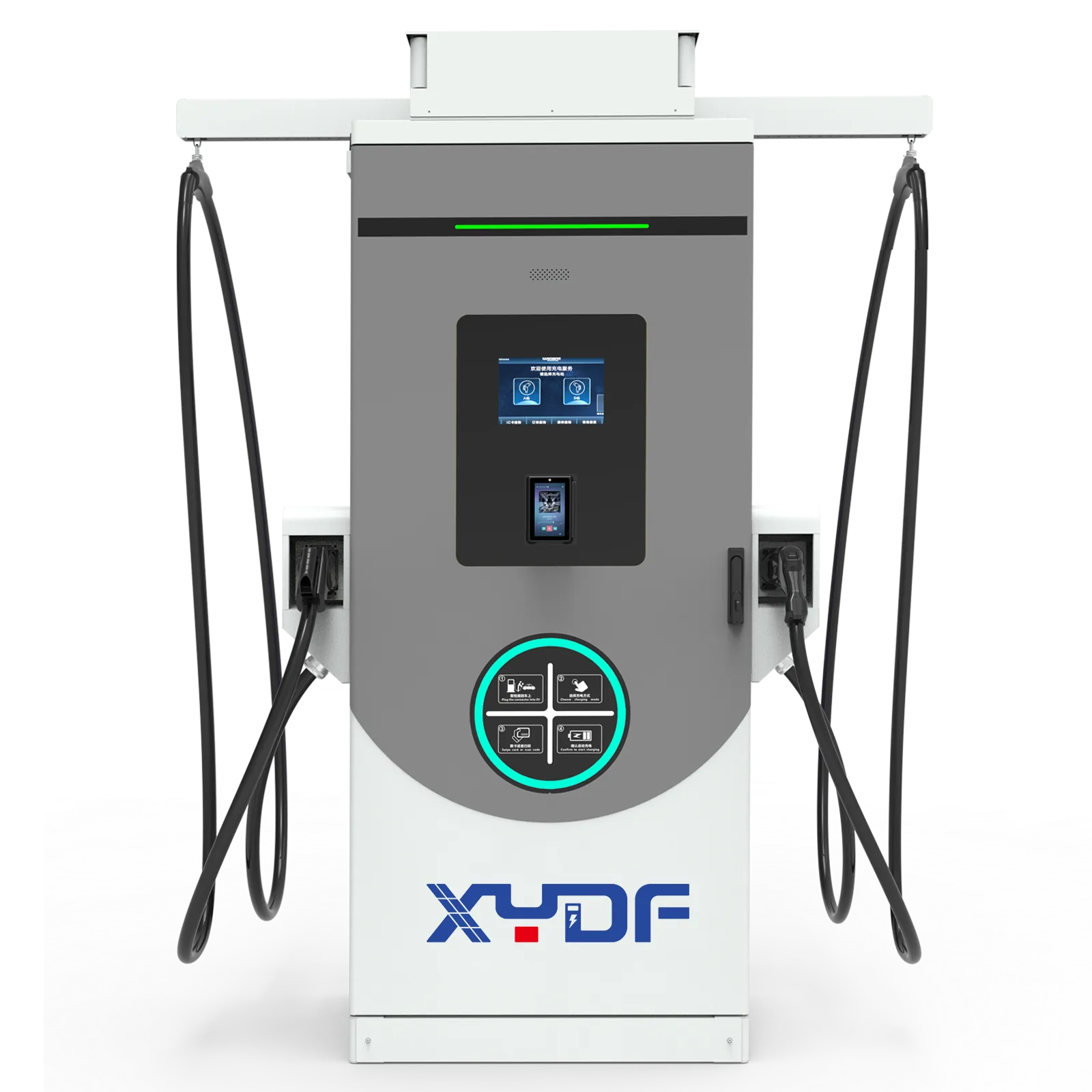
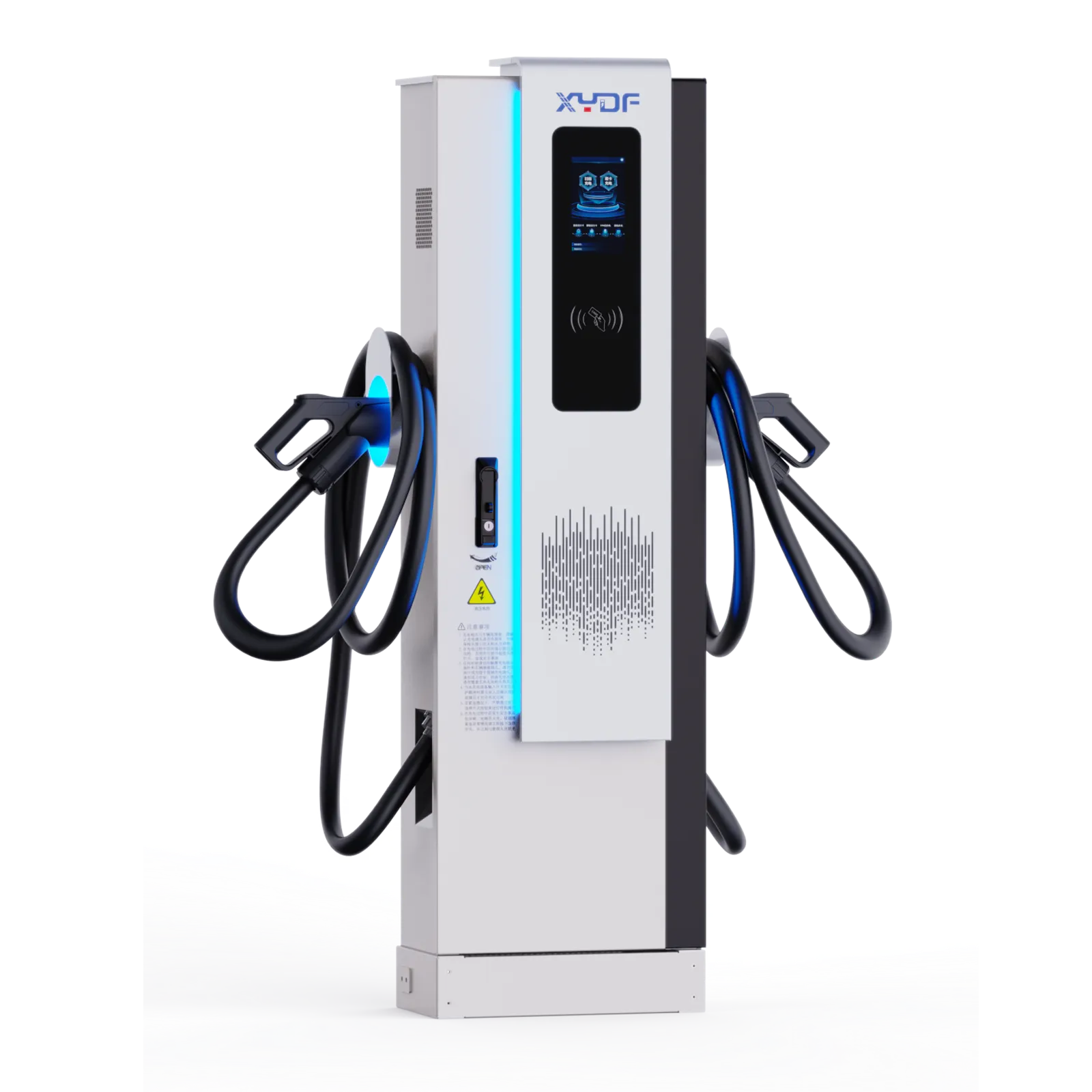
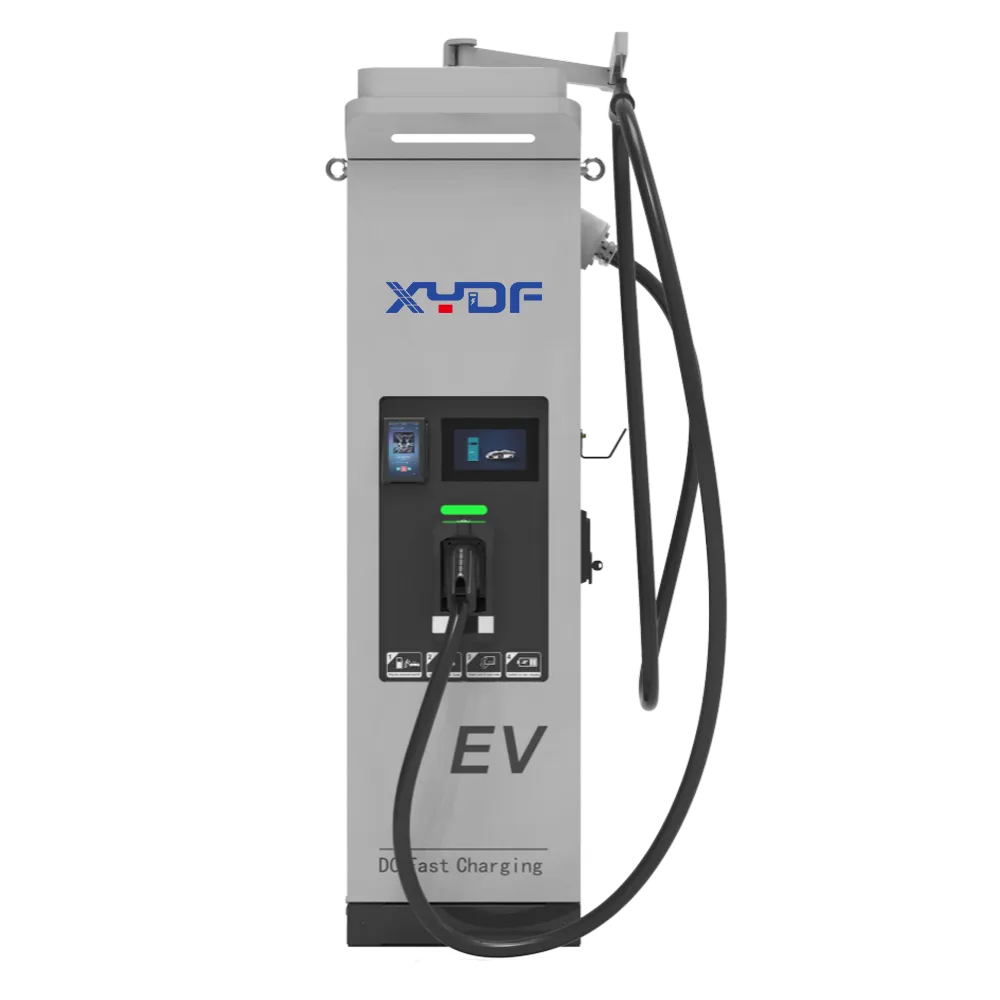
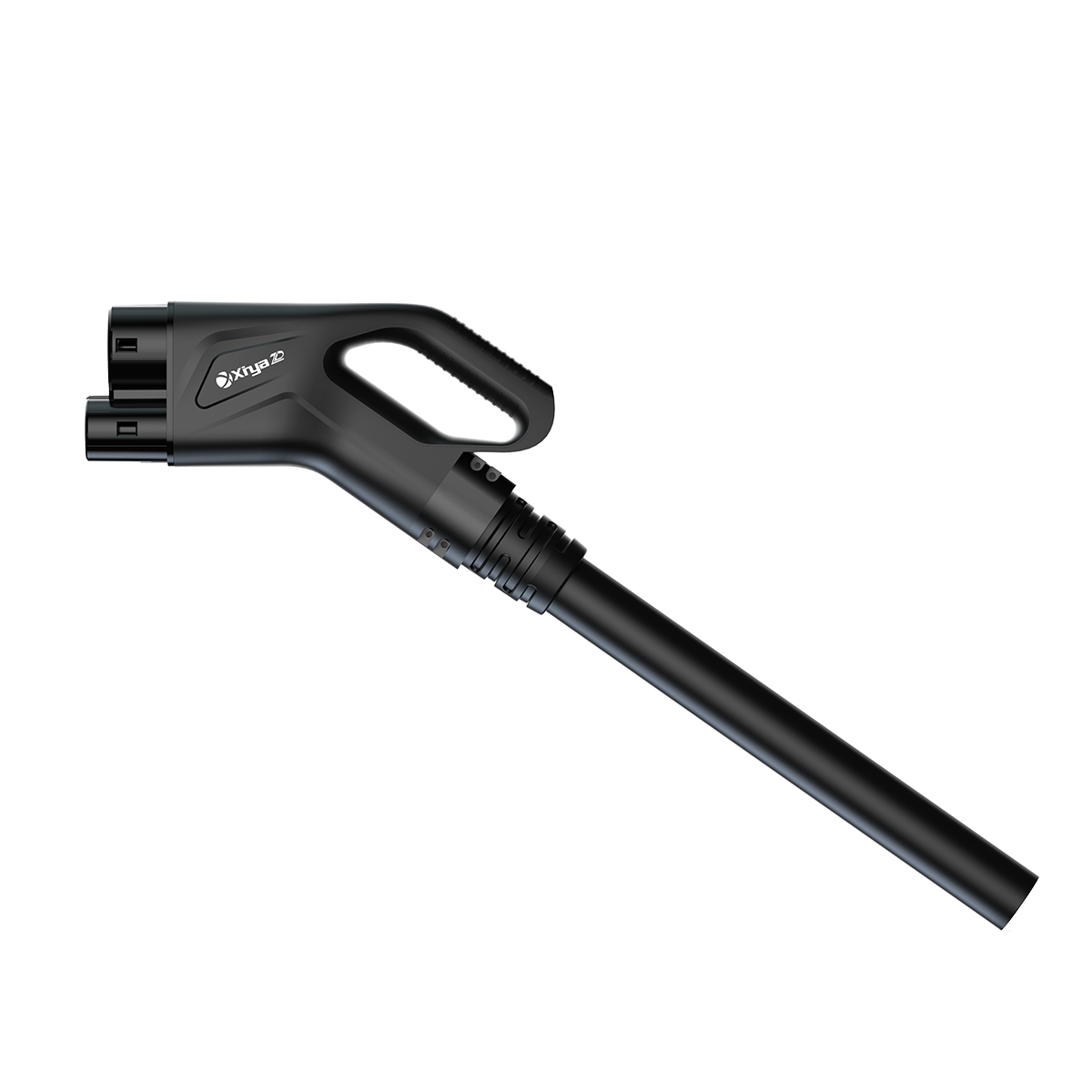
As more electric vehicles take to Australian roads, demand for EV chargers is growing. Getting a charger up and running takes a little more than placing an order. There are site conditions to consider and rules to follow when buying and installing EV chargers. At XYDF, we work through these questions with customers when they choose EV chargers. Here’s what we’d check before ordering a charger for an Australian site.
If you’re still getting familiar with EV chargers, these three articles are a good place to start:
Site power: Start with the property address
For a commercial project, pull together the site’s existing supply capacity, historical peak demand, the number of chargers likely to run at once and any plans to expand. An electrician or electrical consultant can use this information to assess the switchboard, protection devices, cabling and load management, and work out whether you need a new or modified connection from the local distribution network service provider (DNSP).
In Ausgrid’s network area, for example, a connection application requires the property address, applicant and customer details, and technical information about the connection. An electrician or Accredited Service Provider can help with the application. If you need formal written advice, you can submit a preliminary enquiry. Allow separately for any technical assessment and site works when estimating the date the site can go live. [1]
Plan EV charger delivery and network works separately. If you’re buying for multiple sites, check each address individually. When asking for a quote, specify the load you expect at launch and the capacity you may need later so you can compare the cost of a staged build with a single upgrade.
The NSW Government’s guide to making commercial buildings EV ready includes a building energy assessment template for sites such as offices, hotels and car parks. Giving each supplier the same site information makes it easier to see whether their quote covers switchboard upgrades and other charging infrastructure. [2]
Compliance documents: Check the model, supplier and applicable requirements
If the EV charger carries a Regulatory Compliance Mark (RCM), ask who the Australian or New Zealand Responsible Supplier is and which documents support the compliance claim for the exact model quoted.
Under the Electrical Equipment Safety System (EESS), Responsible Suppliers must register for in-scope equipment. Whether the EV charger itself needs to be registered depends on its risk level. Suppliers of equipment outside the EESS scope still have electrical safety responsibilities. Check the equipment definition to determine whether it is in scope, even when the product is marketed for commercial use. [3] [4]
Ask the supplier for the exact model and rating plate details, Responsible Supplier information, a list of applicable standards, relevant reports or certificates, and installation instructions. If the model requires registration, check its record. Match the model and configuration in the documents to the quote.
Energy Safe Victoria has announced a new category for electric vehicle supply equipment (EVSE) that takes effect on 12 February 2028. South Australia also states that residential-type EVSE will require Australian certification and approval for sale from that date. If you expect to purchase an EV charger around then, ask the supplier which requirements apply to the model, its intended use and where it will be sold. [5] [6]
Recommended Reading : Australia EV Charger Certification and Installation Requirements
Charging for electricity: Metering and tariffs
If you bill by the kilowatt-hour, check the National Measurement Institute (NMI) requirements. In-scope equipment manufactured on or after 1 April 2026 that measures active electrical energy for billing or taxation purposes must meet the marking, sealing and accuracy requirements of general certificate of approval NMI 14/4/0. [7]
For public charging, workplace billing or cost sharing in an apartment building, tell the supplier how you plan to charge users. Ask when the EV charger was manufactured, how it measures electricity for billing and what compliance documents the supplier can provide.
Use the site’s actual electricity contract when budgeting. Usage charges are based on the energy consumed (kWh). On a time-of-use tariff, the price per kWh can vary throughout the day. If the contract includes a demand charge, the bill also depends on the peak demand recorded under the contract’s rules. Ask the retailer to confirm the applicable hours, measurement interval and rates before estimating the cost of running several chargers at once. [8] [9]
Look at both the energy vehicles need and when they need it. Some sessions can move to a quieter time. Others have to finish before a vehicle leaves. When setting a site-wide power limit, factor in what it could save on the bill and how it will affect charging times.
State requirements and strata approvals
South Australia’s EVSE installation technical standard sets demand response and communications requirements for equipment within its scope and lists ways to meet them. The October 2026 version excludes public EV charging stations that meet the guideline’s definition. For a site in South Australia, ask the installer whether the standard applies, then check the model’s technical documents and the official equipment list with the supplier. [6] [10]
For apartment buildings, start by agreeing on how common property will be used and how costs will be shared. The Australian Government’s strata guide advises residents to speak with the owners corporation and strata manager. Tenants should first seek their landlord’s approval. If the work affects common property, follow the approval process in your state or territory. [11]
For commercial properties and apartment buildings, work out which account will supply the electricity, whether cables need to cross common property, who will pay for installation and maintenance, and how new users will be added. The arrangements can differ between a shopping centre, a leased office building and a strata property.
Coastal sites: Specify corrosion protection
If you’re buying chargers for a waterfront hotel, a port fleet or an open car park near the coast, tell the supplier about likely salt exposure. During the site inspection, note the distance from the shore, which way the EV chargers will face and how much shelter they will have.
Ask separately about dust and water protection and corrosion resistance. An IP rating covers ingress protection. For corrosion resistance, ask about the enclosure materials and coating, as well as hinges, fasteners, connectors and cable entry points. Check the maintenance schedule, cleaning instructions and warranty terms for coastal use.
If the supplier gives you a salt spray test report, check the test method, duration, pass criteria and parts tested. A test on a coating sample tells you about that sample. Use the results alongside the manufacturer’s conditions for outdoor use when assessing the complete EV charger.
Schneider Electric’s maintenance guidance for switchgear identifies salt mist as a contributor to corrosion and ageing. For a charger, check the test evidence and operating conditions for the model you plan to buy. [12]
Solar and battery storage: Look at when vehicles are parked
The Australian Government’s energy website suggests charging EVs during the day when surplus solar is available. At a commercial site, the opportunity depends on when the panels are generating, how much electricity the building is using and when vehicles are parked. [13]
If an office, hotel or depot already has rooftop solar, put those three sets of data side by side. If vehicles stay on site long enough, you can schedule more charging when there’s surplus generation and still meet the energy each vehicle needs before it leaves.
If vehicles return mainly in the evening or several need a fast charge in a short period, assess whether a battery could shift daytime generation to those hours or reduce peak demand from the grid. Compare the cost of the system, conversion losses, battery degradation and usable capacity with the expected savings on the electricity bill.
When requesting a quote, ask what the meters or sensors measure, how the energy management system sets charger power limits, and whether it has been tested with the proposed inverter, battery and charging management platform. Ask what power limit the charger will use if it loses communications. If the project adds solar or storage, or will export electricity, check the local network connection requirements for those changes.
We suggest working out which vehicles can shift their charging time or power before comparing battery options. If the fleet has a tight schedule, work backwards from when each vehicle has to leave and how much charge it needs.
What to share and ask for when requesting a quote
- Site: Address, use, parking layout, coastal exposure and ownership or lease arrangements.
- Electricity: Existing capacity, historical load, tariff, solar and storage setup, and any connection advice already received.
- Operations: Number of chargers at launch, plans to expand, how long vehicles are parked, daily energy needs, billing method and intended management platform.
- What to request from the supplier: Exact model, applicable compliance documents, suitable operating environments, metering details, integration scope and local after-sales support.
Mark any details still to be assessed so suppliers can quote EV chargers, site works and services separately.
Frequently asked questions
I’ve chosen Type 2 or CCS2. What else should I check in Australia?
Check the electricity supply at the address, applicable product and installation requirements, and any approvals the site needs. If you’ll charge users for electricity, check the metering requirements. For a site in South Australia, check whether its EVSE installation technical standard applies.
Can I use the same charger model at sites in different states?
You can shortlist the same model for several sites. Check the network connection, site conditions and local requirements for each address before ordering. A common EV charger and document checklist makes it easier to compare sites.
Discuss your project with XYDF
XYDF offers AC and DC chargers and integrated solar, battery storage and EV charging solutions. When requesting a quote, share the site address, existing power supply, planned number of chargers and how you intend to operate them. Ask which compliance documents, environmental specifications and integration details are available for the model you’re considering.
AC EV chargers | DC EV chargers | Solar, storage and EV charging solutions | Contact XYDF
 Xinya Dongfang Electricity Technology Co., Ltd.