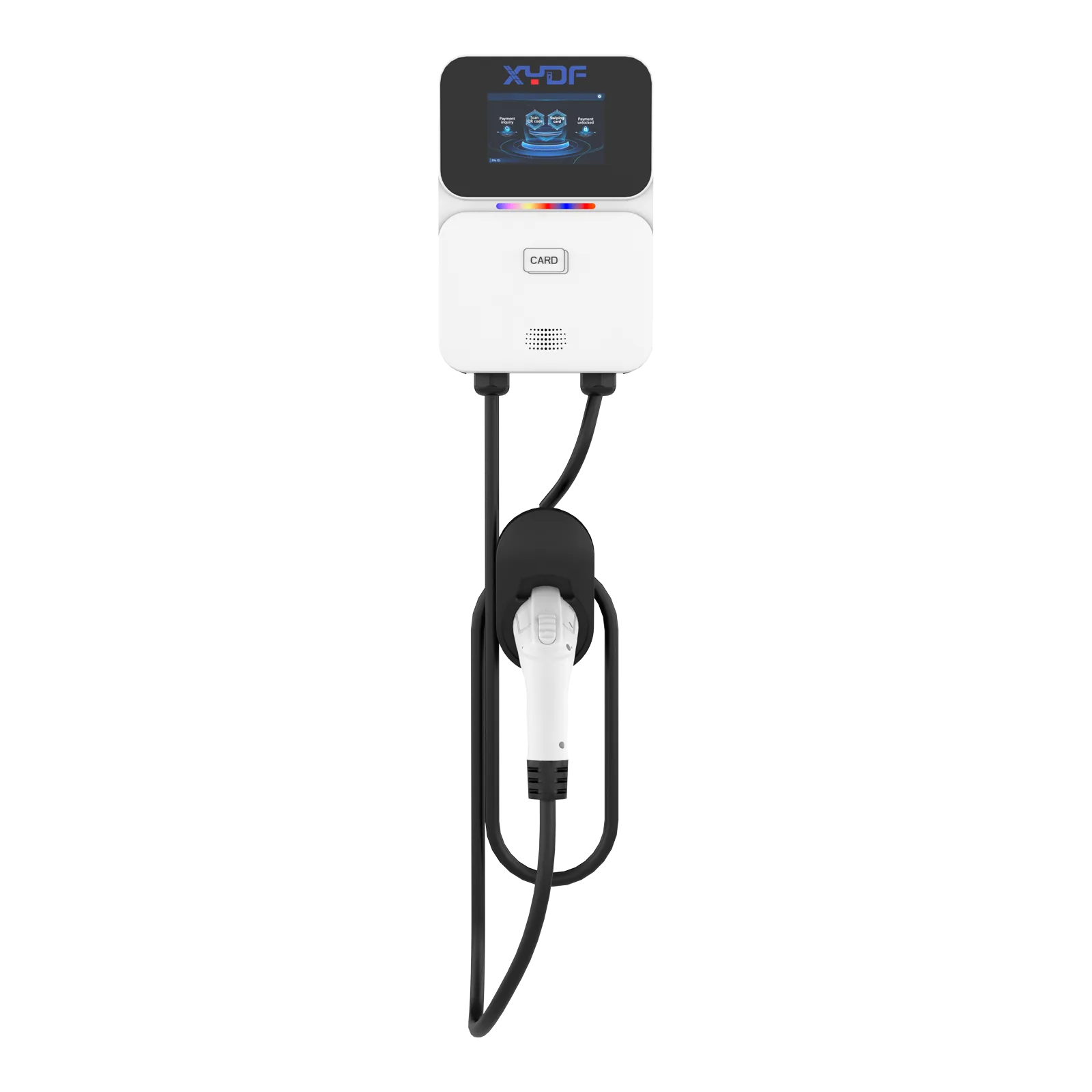
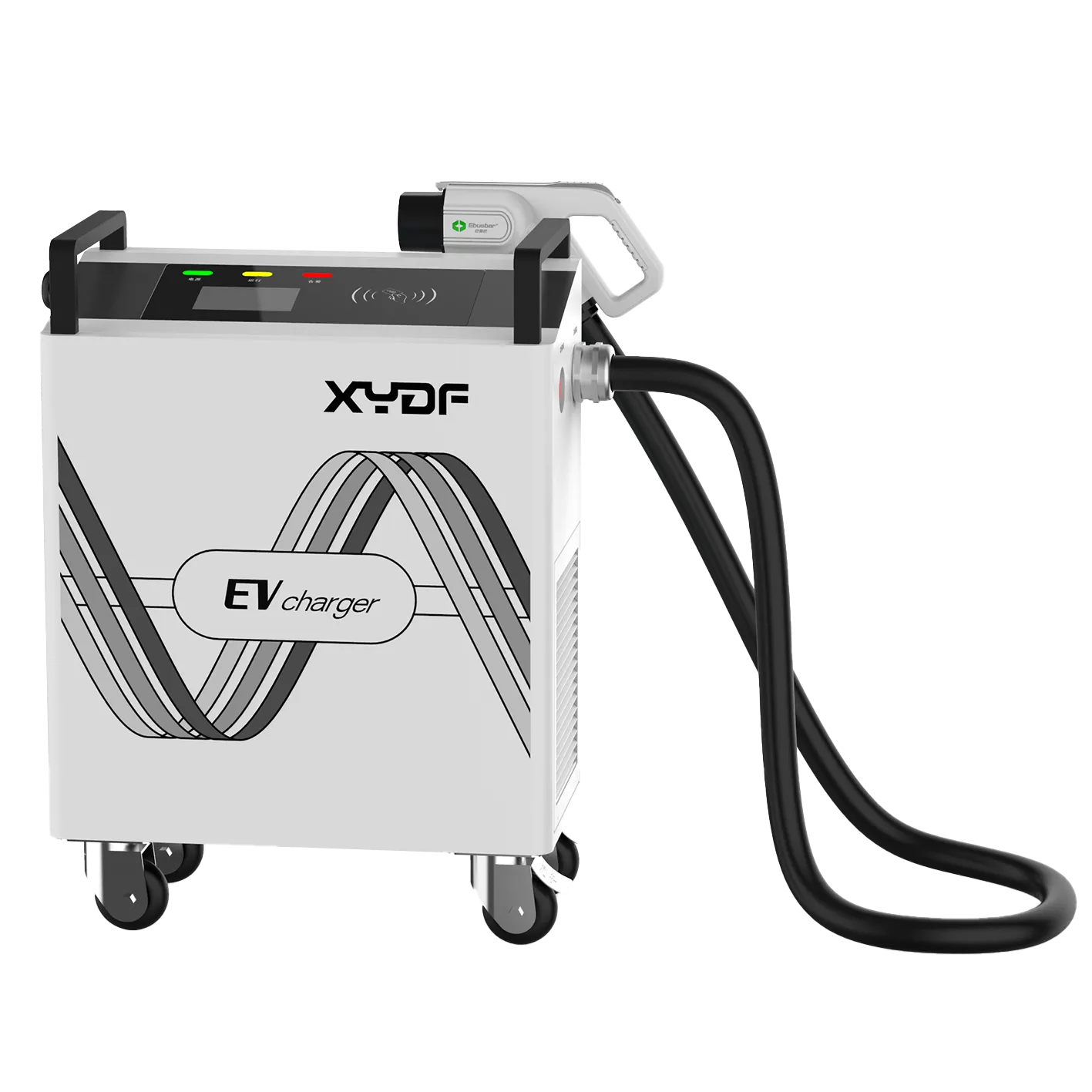
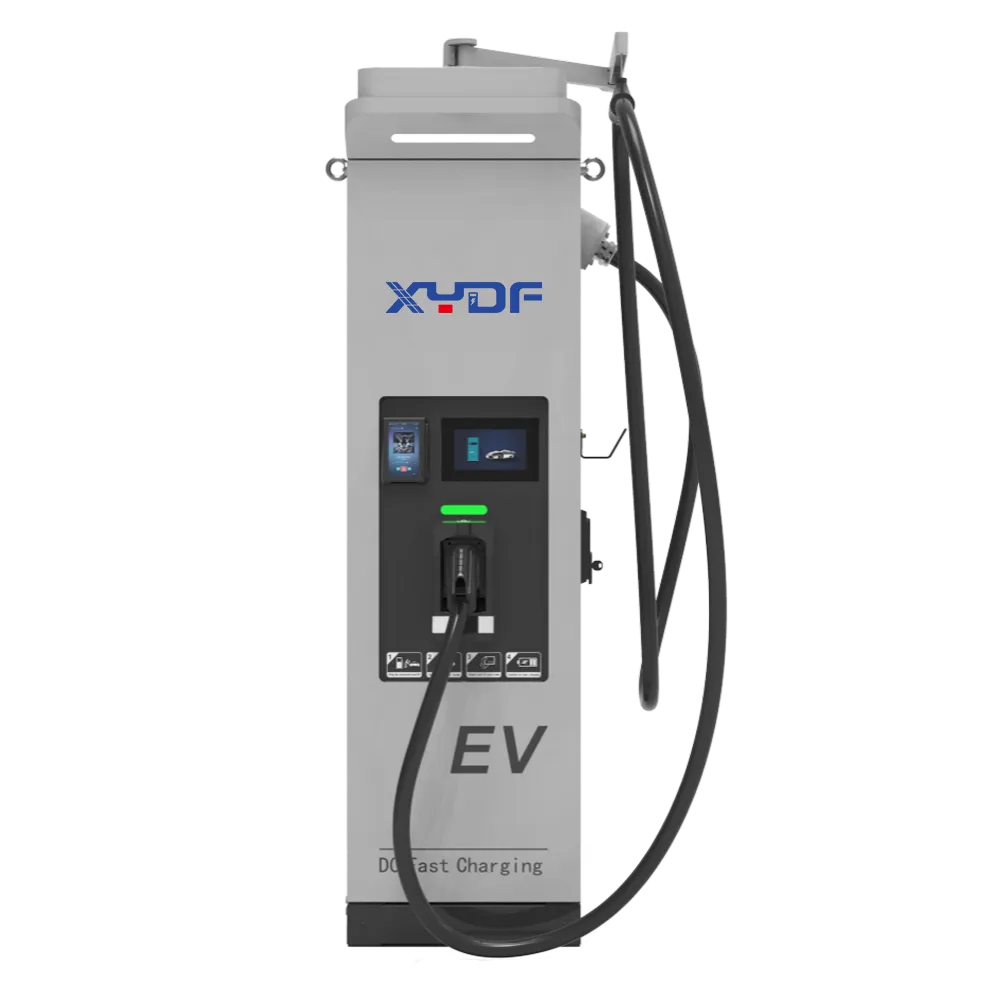
Electric vehicles (EVs) are growing in popularity, making the need to understand EV Charger Electrical Requirements crucial for individuals looking to install or maintain EV charging stations. Staying compliant with safety standards, being energy efficient, and matching your vehicle’s compatibility are essential steps. This guide offers insights into EV charger basics, critical electrical setups, and practical considerations for installation.
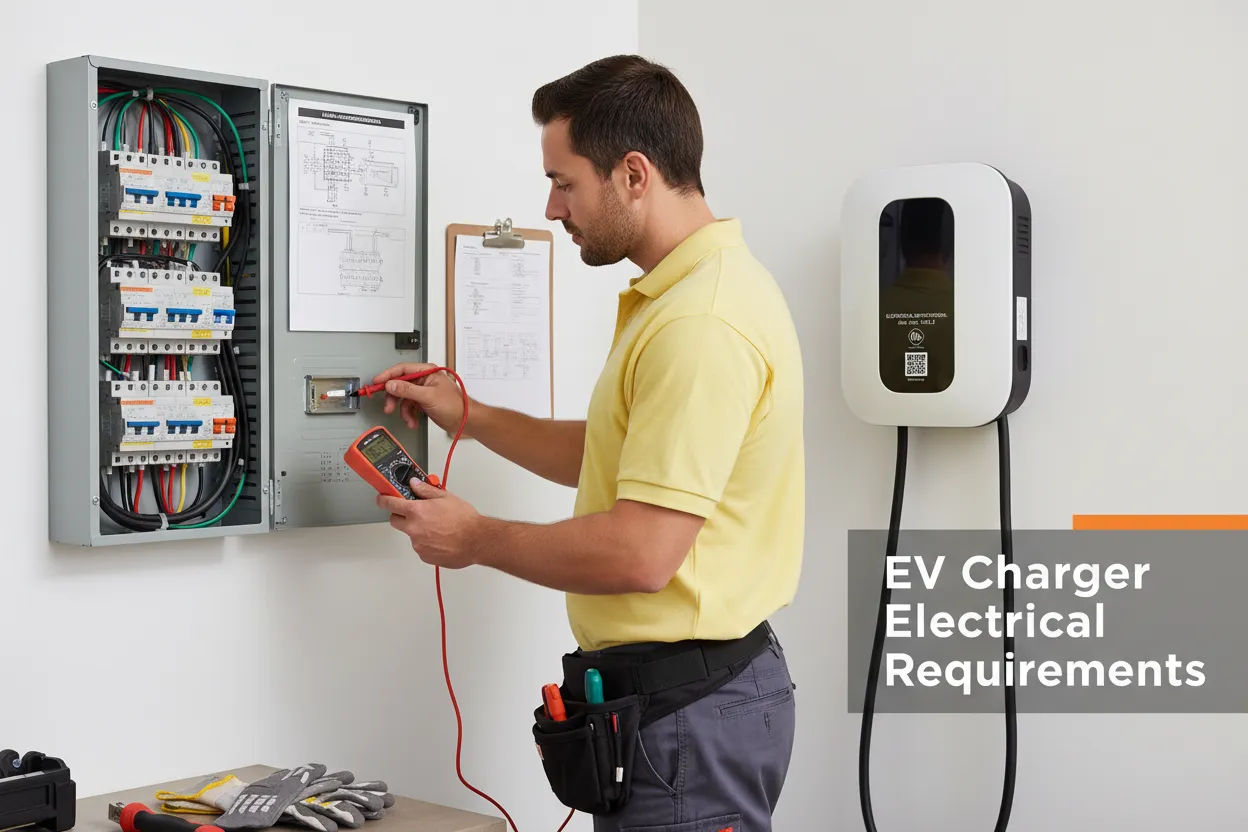
Different EV chargers have varying electrical needs depending on their type, charging speeds, and power supply specifications. Below is a breakdown of these requirements:
EV chargers are categorized into three levels:

A dedicated circuit is essential to prevent system overload. Level 1 chargers typically use 15- or 20-amp circuits, while Level 2 chargers require 40- or 50-amp circuits, depending on the model. Adherence to the National Electrical Code (NEC) and local building standards is mandatory.
Modern homes often feature 200-amp panels, sufficient for EV charger installation. However, older homes with 100-amp panels may require upgrades or load evaluations to avoid electrical issues.
Ground Fault Circuit Interrupter (GFCI) protection is required for chargers installed outdoors or in garages. These devices prevent electrical shocks by detecting ground faults and disconnecting power supply.
Proper installation involves more than understanding power requirements. Additional factors should be accounted for to ensure optimal functionality:
Install the charger near your parking area for convenience and cable efficiency. Outdoor setups require weatherproof units, while indoor ones necessitate adequate ventilation.
Many jurisdictions demand permits for EV charger installation. A licensed electrician can assist with compliance to meet local regulations and maintain safety.
Opt for smart chargers equipped with features like energy monitoring, Wi-Fi connectivity, and remote control to enhance energy efficiency and compatibility with smart-home systems.
Level 2 chargers utilize a 240-volt outlet connected to a dedicated 40- or 50-amp circuit. Outdoor installations may require GFCI protection.
A professional electrician can evaluate your electrical system’s capacity and recommend whether upgrades are necessary for a seamless installation.
Upgrades typically range between $1,000 and $3,000, depending on complexity and location. This investment ensures safe handling of additional electrical loads.
Most areas require permits to comply with local electrical codes. Consult your local authority and electrician for specifics.
As technologies advance, EV charging solutions are evolving to integrate renewable energy and innovative systems. Notable developments include solar-powered chargers and bi-directional units for vehicle-to-home (V2H) or vehicle-to-grid (V2G) solutions.
Adopting energy-efficient chargers and leveraging renewable energy not only reduces environmental impact but also fosters a greener future for transportation infrastructure. Long-term, investing in sustainable equipment ensures compliance, efficiency, and enjoyable EV ownership.
Understanding EV Charger Electrical Requirements equips you to navigate the essential steps of installation while maximizing benefits. From power needs to future-proofing solutions, partnering with a certified electrician helps streamline the process—saving time, cost, and effort for a safe and effective setup.



 Xinya Dongfang Electricity Technology Co., Ltd.