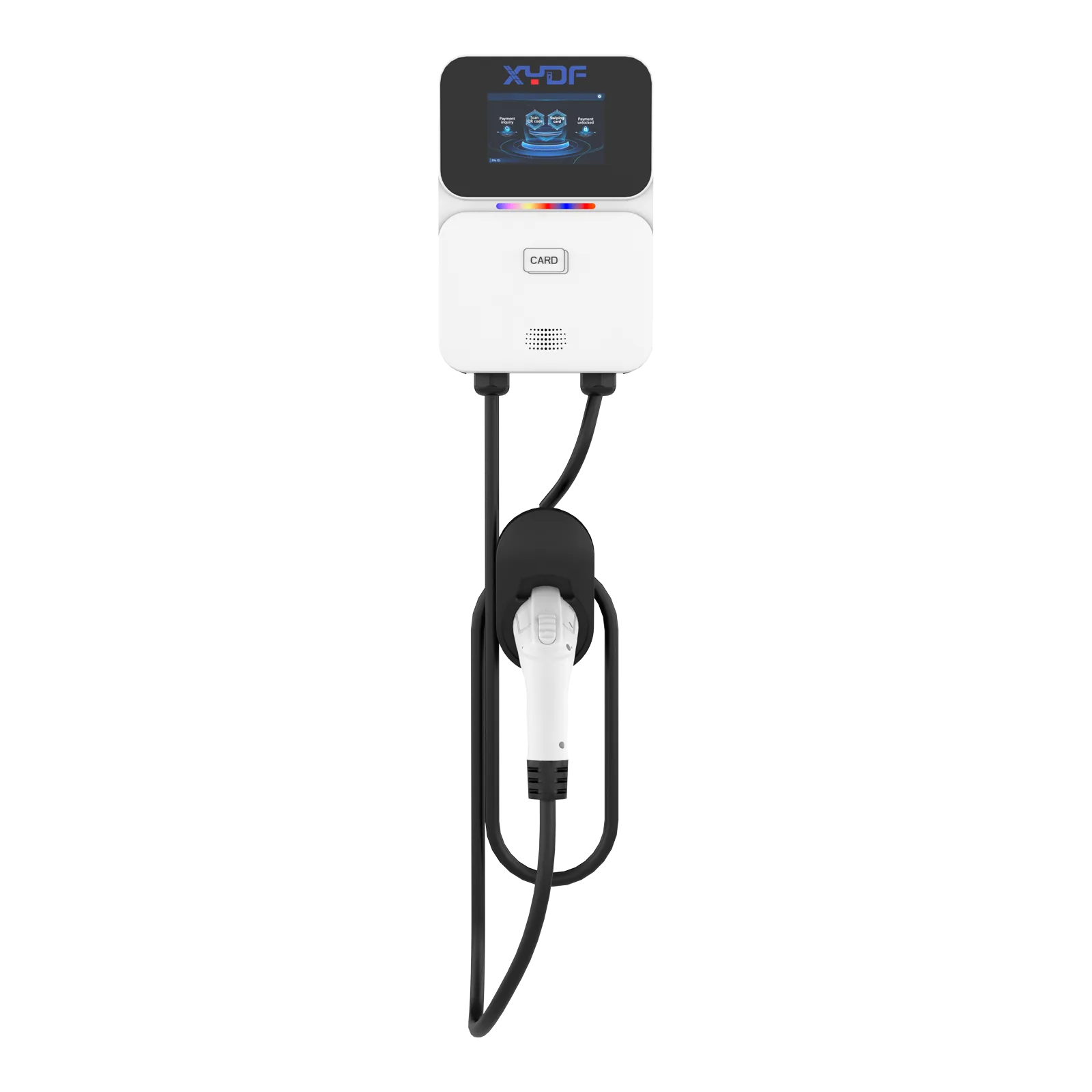
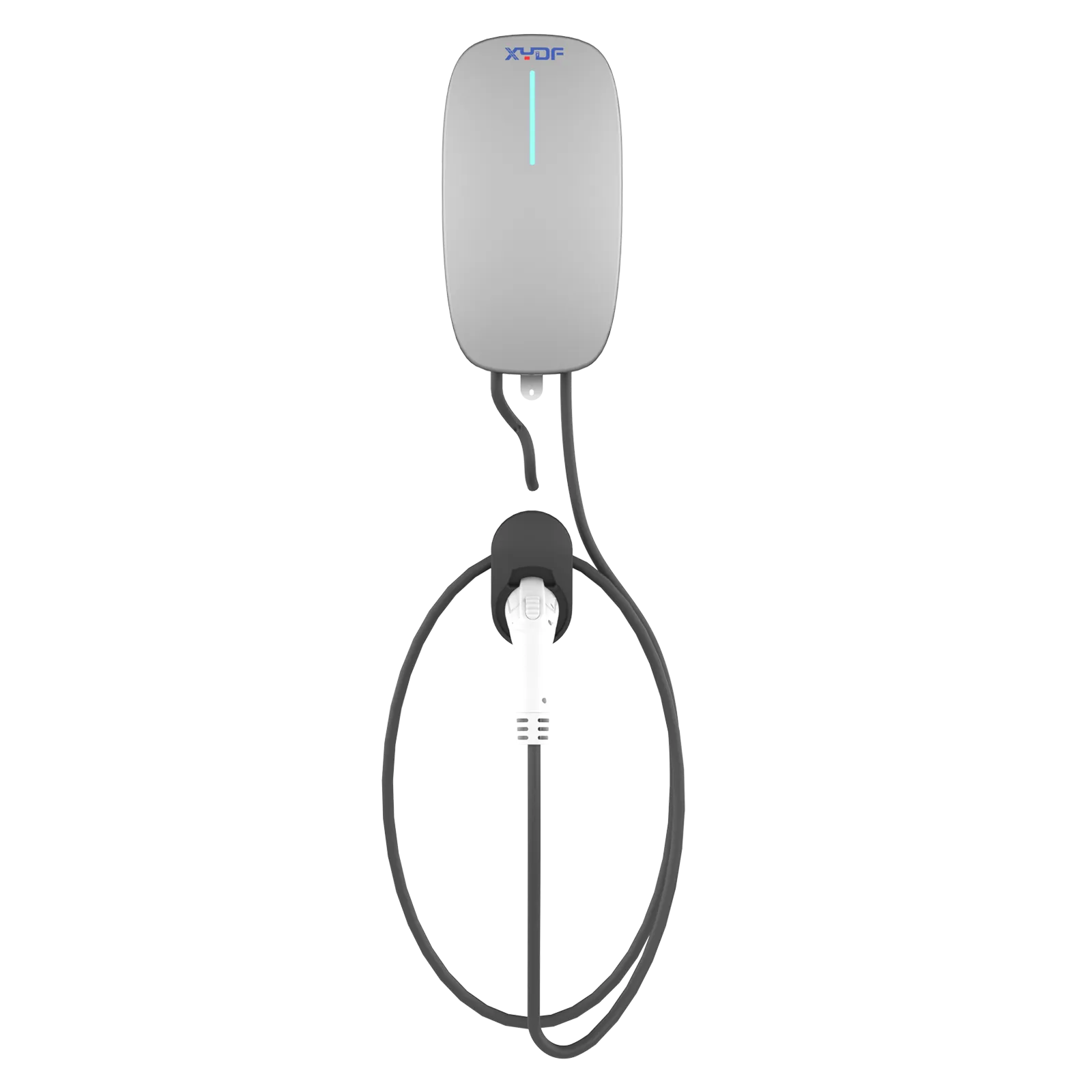
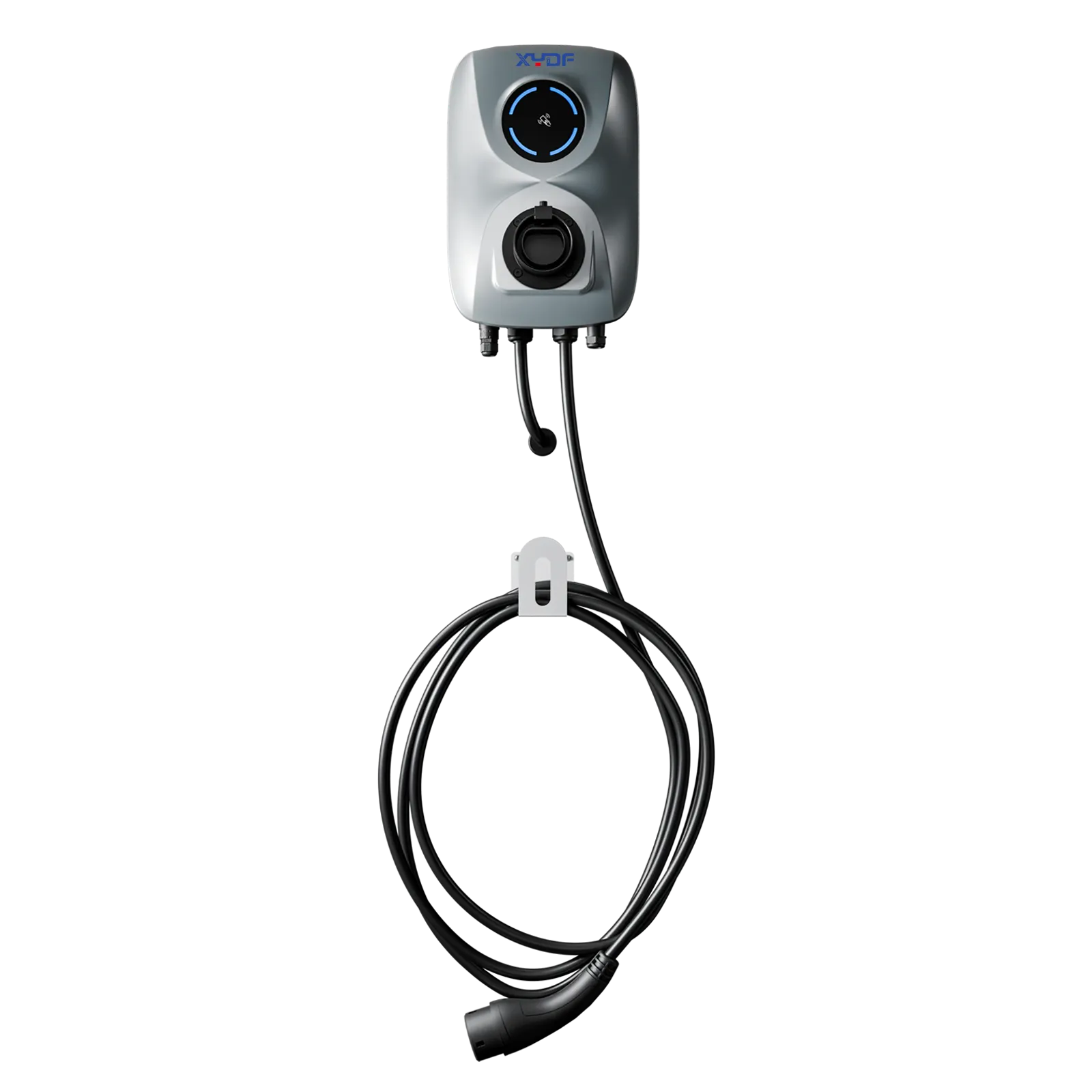
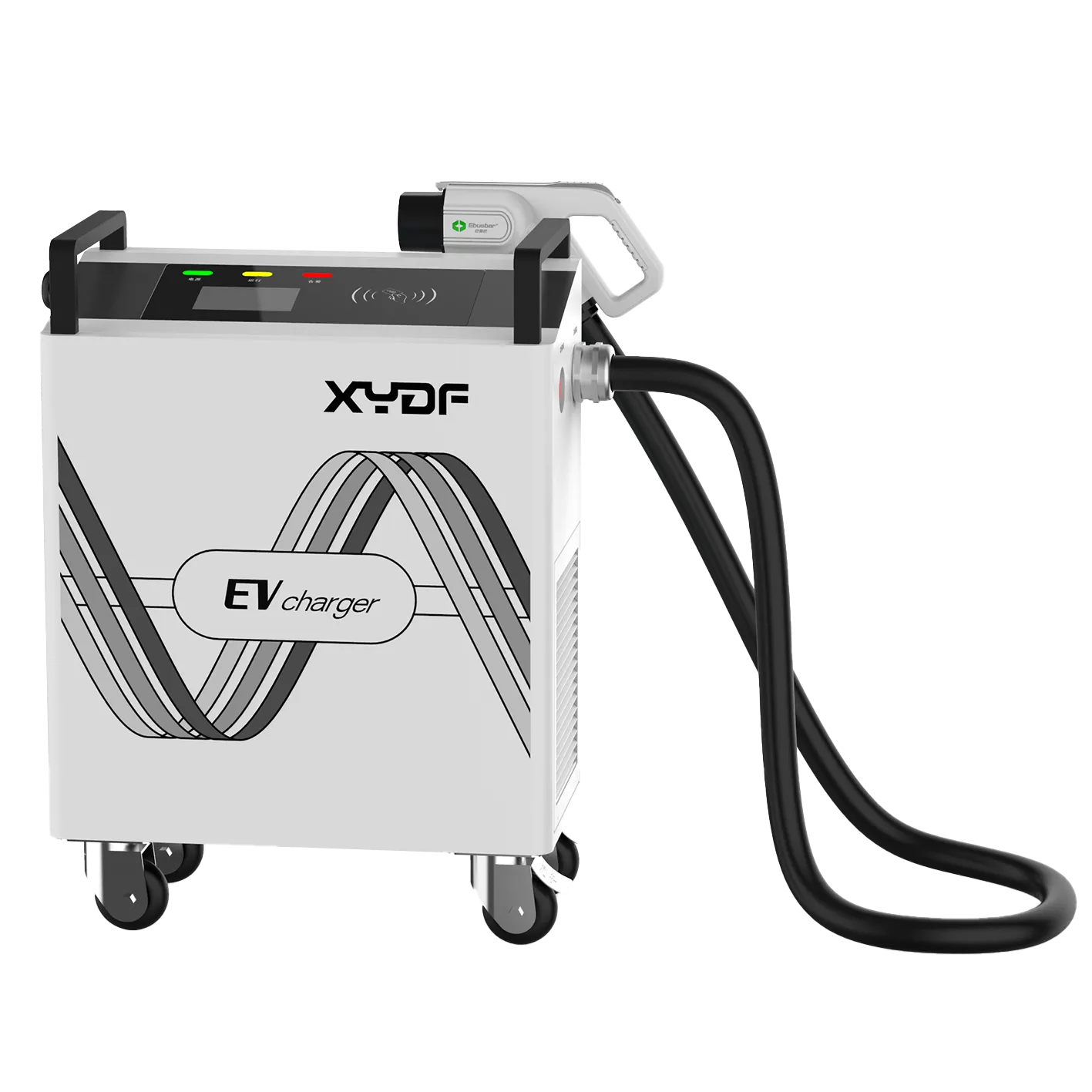
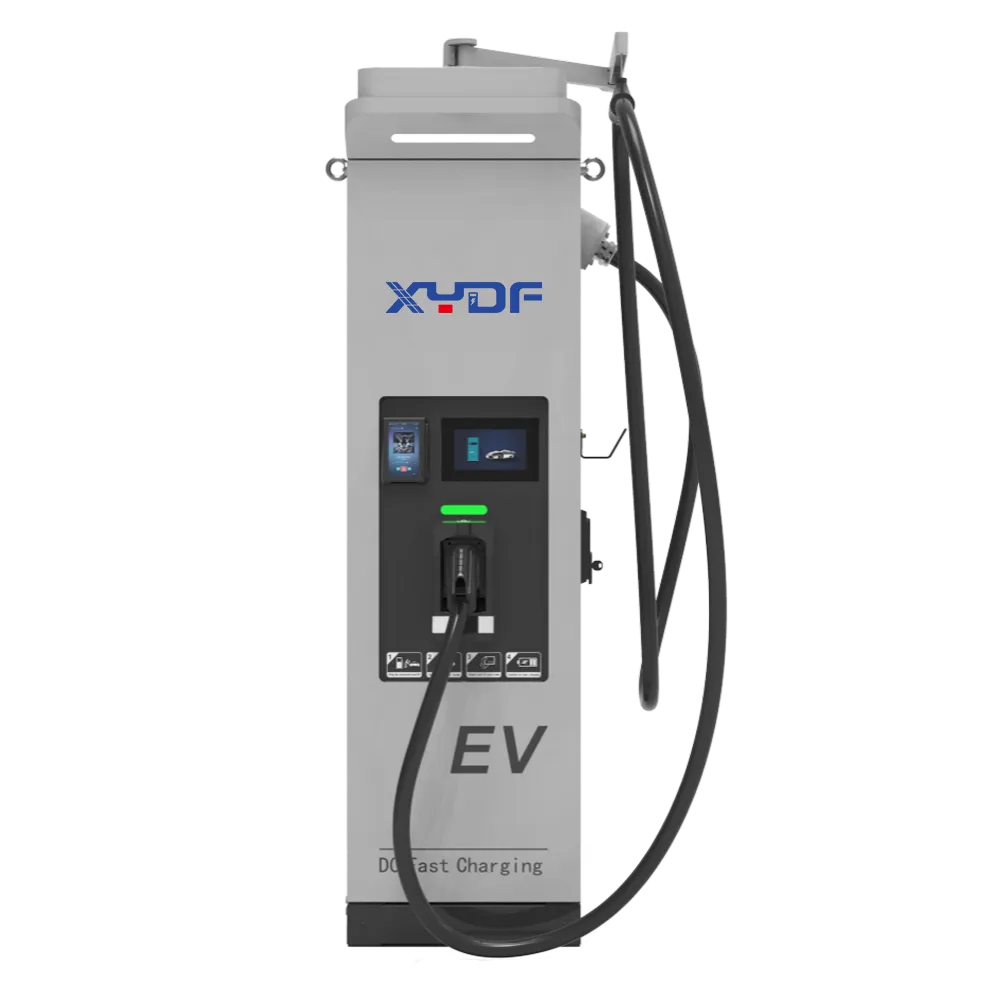
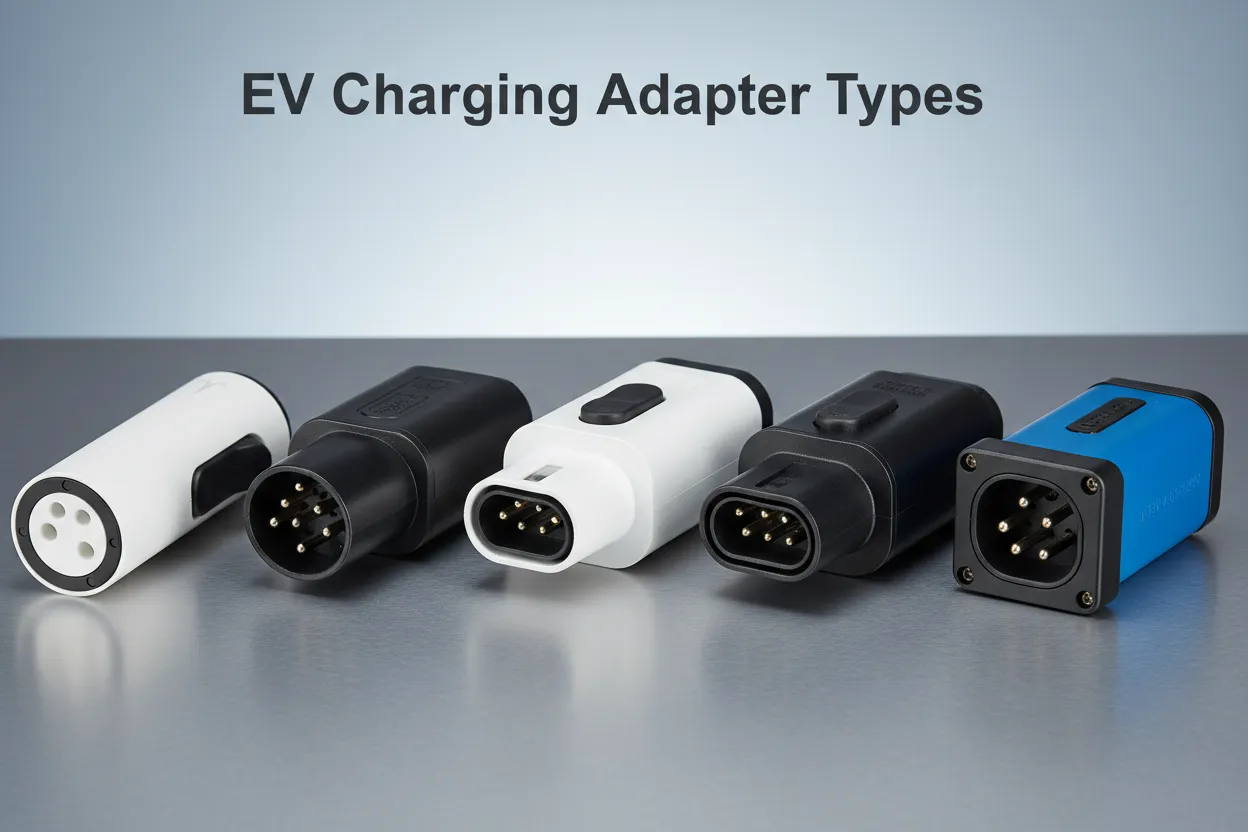
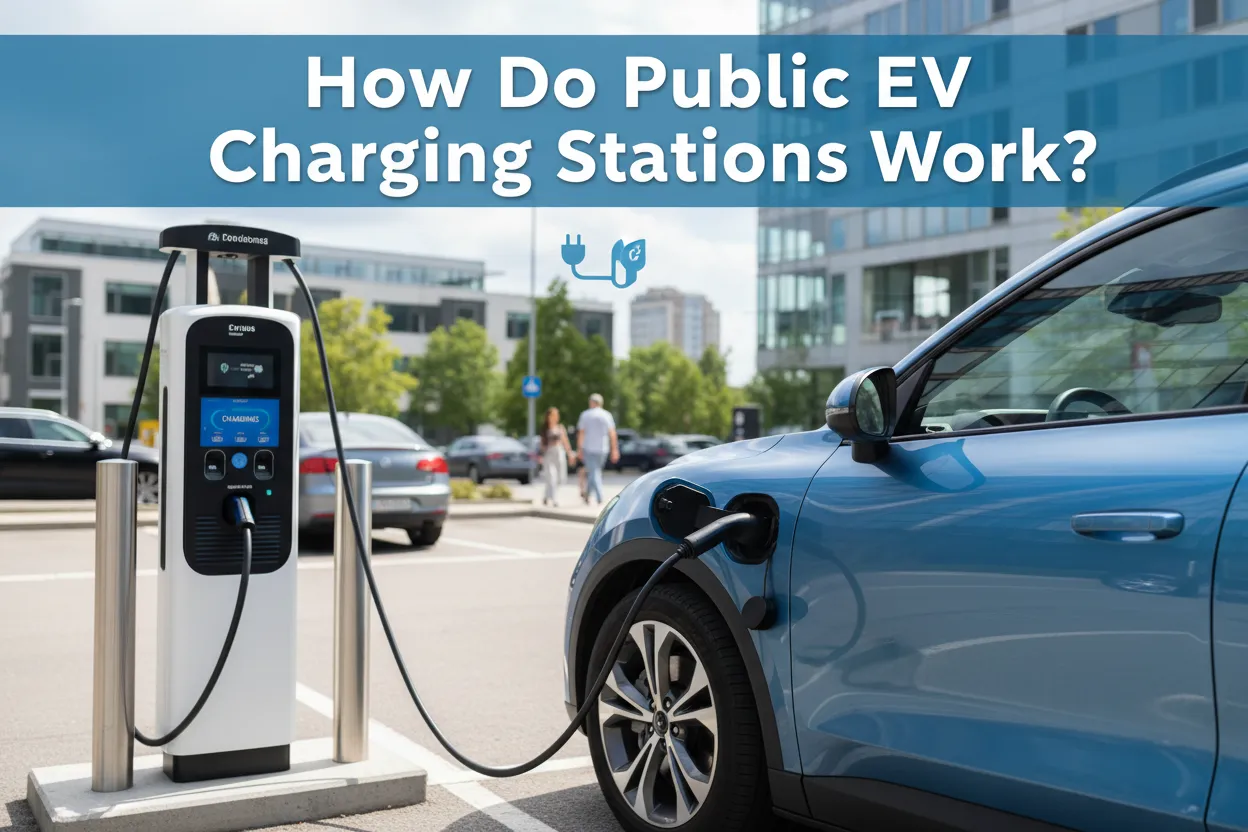
Last winter, a Seattle resident found their outdoor EV charger destroyed in a hailstorm and had to shell out $800 to replace it—without a surge protector, which also knocked out their wireless router for three days. This story illustrates an important fact: EV charger protection is not just for device longevity, but also for reliable charging access when you most need it.
In this article, we will discuss all the points that will help you in protecting your electric vehicle charger, like electric safety, physical safety, software solution, and dealing with specific scenarios. From home charger owners to commercial EV charging stations managers, this piece will help you save on repairs, prevent downtime and make the most of your investment.

Why EV Charger Protection Matters
Threats to EV chargers that may degrade their lifespan or result in immediate failure include:
- Electrical surges due to lightning, grid instability, or malfunctioning equipment
- Weather, vandalism or accidental impact-induced physical damage
- Nonpaying users whose unauthorized charging drains the power grid and jacks up power costs
- Daily use-related wear and tear, such as damaged cables and overheating.
Investing in protection products can help you save up to 70% on repair costs and increase the lifetime of your charger by 3-5 years, so it’s a pretty no-brainer add-on for any EV configuration.
Electrical Protection Methods for EV Chargers
Shield Against Power Surges & Overloads
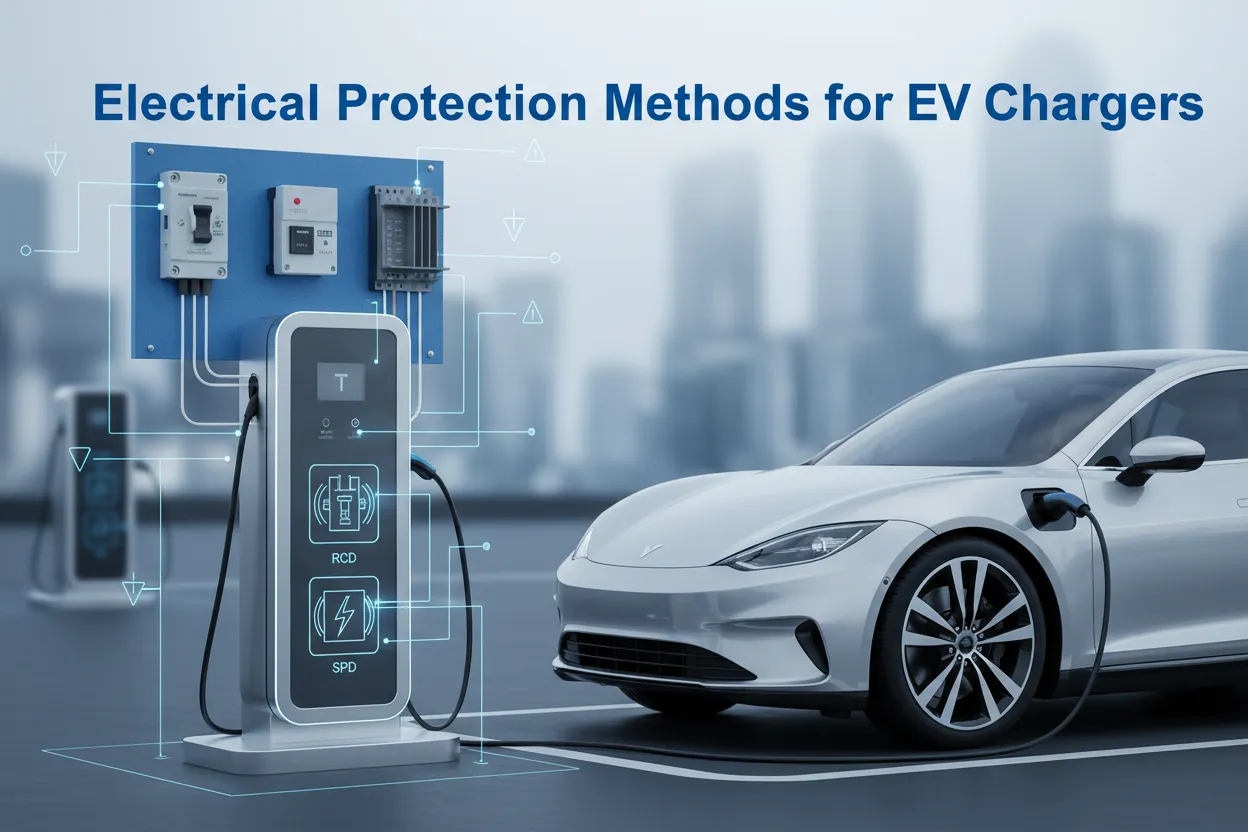
Surge Protection Devices (SPDs) – Place a UL-listed SPD on the line side of the charger at the electrical panel to shunt away voltage surges resulting from lightning strikes or power grid fluctuations. For outdoor units, get a weather-resistant model with at least 40kA surge protection. While trees cost $50-some to hundreds of dollars to install, they’re a small investment compared to replacing an EV charger (which can cost $1,500-$10,000, depending on the type).
Overcurrent and overvoltage protection – Operator’s manual recommends a dedicated breaker appropriate for the charger’s amperage (for example, a 40A breaker for a 32A Level 2 charger). Many newer chargers already have overvoltage protection, but a separate device for added protection always makes sense.
Correct Grounding: Consult with a licensed electrician to make sure your charger is properly grounded, which stops electrical intercepts and minimizes the chance of surges. Particularly for outdoor and commercial charging points.
Physical Protection Strategies
Prevent Damage & Unauthorized Use
Cable Charging Protection: To avoid trip hazards and kinking, both of which can damage the internal wires, use a cable management sleeve or holder on the wall for your charging cable. For outside usage, opt for a UV-proof sleeve to shield it from sun rays.
Charger Enclosures: Protect your charger from rain, snow, and vandalism by placing it inside a sturdy metal or plastic enclosure. Find IP65 or higher waterproof rating for outdoor usage. Some trusted EV charging station brand models come with rugged enclosures, so you don’t have to buy one separately.
Security/Retrieval: For home chargers: Secure your connector with a lock (for example, use a locking cable, like a steel-braided cable with a combination lock). For retail locations: Use your accession control system — for example, RFID cards, app-based authentication or payment terminals — to prevent unauthorized use. Certain chargers also have built-in locks that engage when the charger is not in use.
Software & Network Protection for Smart EV Chargers
Secure Connected Charging Systems
Regular Firmware Updates: Manufacturers issue updates to address security vulnerabilities and enhance performance. Turn on automatic updates in your charger’s app, or visit the manufacturer’s site once a quarter to update manually.
Password Protection: Use a strong and unique password for your charger’s network and mobile app. Don’t use default passwords that are widely known and used by hackers.
Network Segmentation: For business chargers, isolate your charger network from your business network so that you don’t expose your sensitive data to the potential vulnerabilities of public accessing charging stations.
Scenario-Specific EV Charger Protection
Tailor Protection to Your Use Case
Home EV Chargers: Prioritize surge protection and basic anti-theft measures. If your charger is outdoors, add a weatherproof enclosure and ground fault circuit interrupter (GFCI) protection. The cost of these safeguards is minimal compared to the average EV charger price of $1,000-$3,000.
Commercial & Workplace Chargers: Invest in networked access control, heavy-duty enclosures, and regular professional inspections. Consider load balancing software to prevent overloading your electrical system during peak use.
Outdoor Public Charging Stations: Choose chargers with IP67 waterproof ratings, vandal-resistant materials, and 24/7 monitoring. Pair with security cameras to deter theft and vandalism.
Daily Maintenance for Long-Term EV Charger Health
Maintenance is part of protection to keep your charger working well:
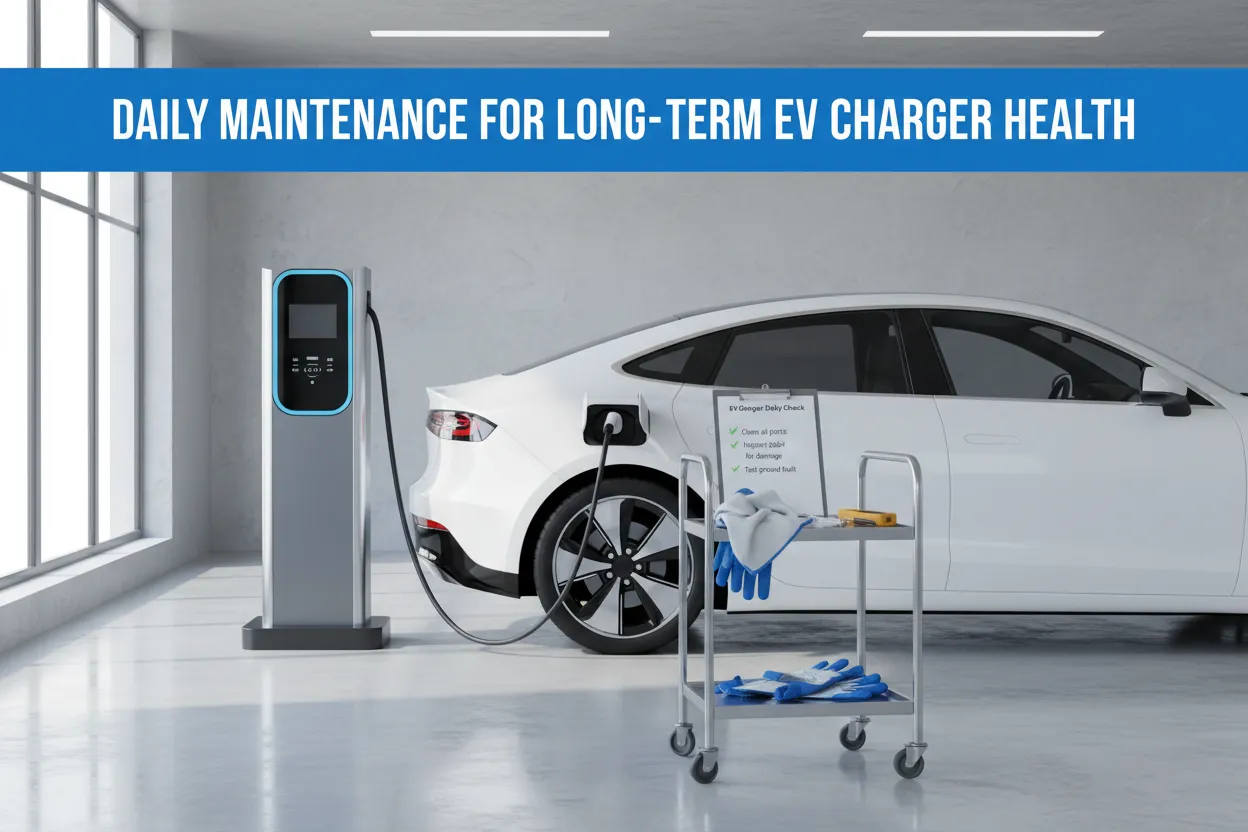
- Clean the charger connector and display once a month with a soft, dry cloth to remove dust and dirt.
- Check charging cables for fraying, cracks, or dropped wires—if you find a damaged cable, replace it immediately to prevent the risk of an electrical incident.
- Check surge protectors in the test annually ensure they’re still working properly.
- Arrange for a professional electrical inspection every 2 to 3 years to test for proper grounding and to ensure your wiring is still sound.
FAQ: Your EV Charger Protection Questions Answered
How to protect your EV charger?
Protect your EV charger by combining electrical safeguards (surge protectors, proper grounding), physical security (enclosures, locking cables), and software controls (password protection, firmware updates). Tailor measures to your scenario—outdoor chargers need weatherproofing, while commercial stations require access control.
Should I charge my EV to 80% or 100%?
For daily use, charging to 80% is recommended to extend your battery’s lifespan, as frequent full charges can strain lithium-ion cells. However, charging to 100% occasionally (e.g., for long trips) is safe and won’t cause significant damage if done sparingly. Most modern EVs include settings to limit charging to 80% automatically.
Is it worth getting a surge protection device for EV charger?
Yes, absolutely. Power surges from lightning or grid fluctuations can damage your charger’s internal components, leading to costly repairs or replacement. A surge protection device costs $50-$200 and can prevent thousands of dollars in damage, making it a highly cost-effective investment.
How do I stop people from using my EV charger?
Prevent unauthorized use by installing a locking cable for home chargers, or using access control systems like RFID cards, app-based authentication, or payment terminals for commercial stations. Some smart chargers also allow you to set schedules or restrict access to specific users via a mobile app.
How to protect your EV charger To protect your EV charger, consider your specific threats: outdoor chargers need protection from the elements and surges, and commercial stations need security and they are built to be tougher. Put money into essential protections such as surge protectors and locking cables, which provide good returns by helping avoid expensive damage.
Periodic maintenance, such as cable checks and firmware upgrades, will also help prolong the life of your charger. With the right combination of electrical, physical and software protections for your specific situation, you can enjoy peace of mind knowing you have reliable, always-on access to charging, lower total cost of ownership, and the highest possible return on your electric vehicle charging investment.
 Xinya Dongfang Electricity Technology Co., Ltd.