 Xinya Dongfang Electricity Technology Co., Ltd.


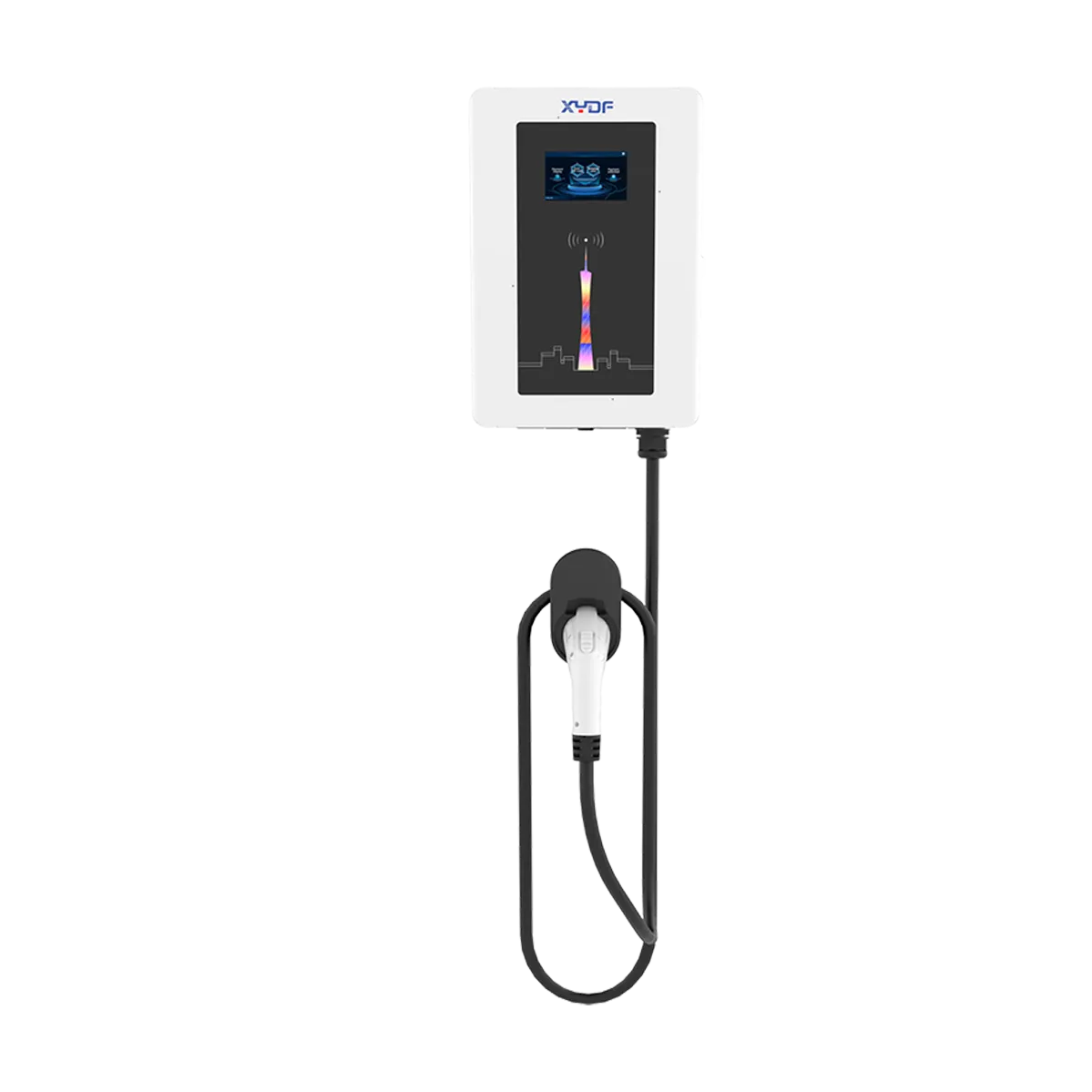
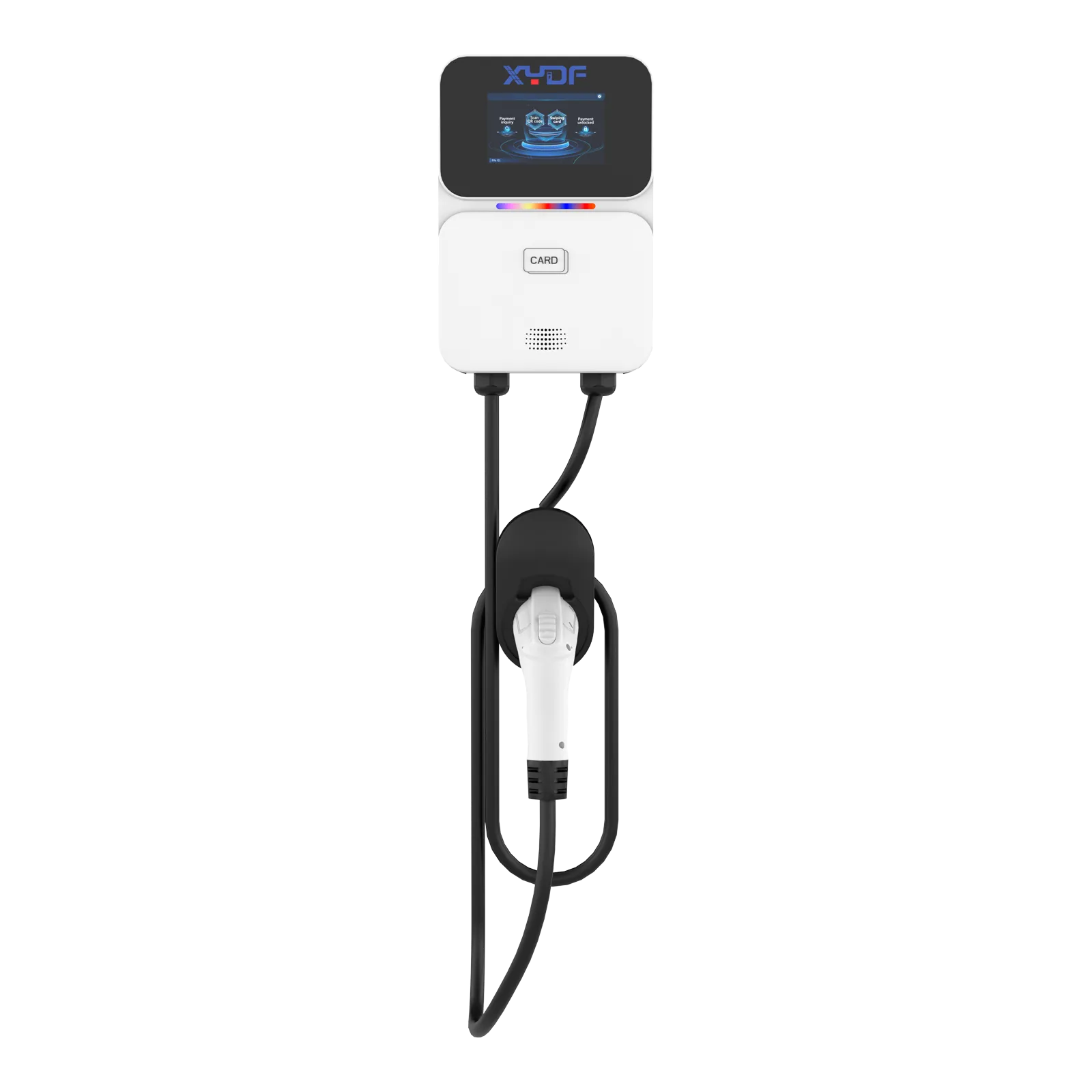

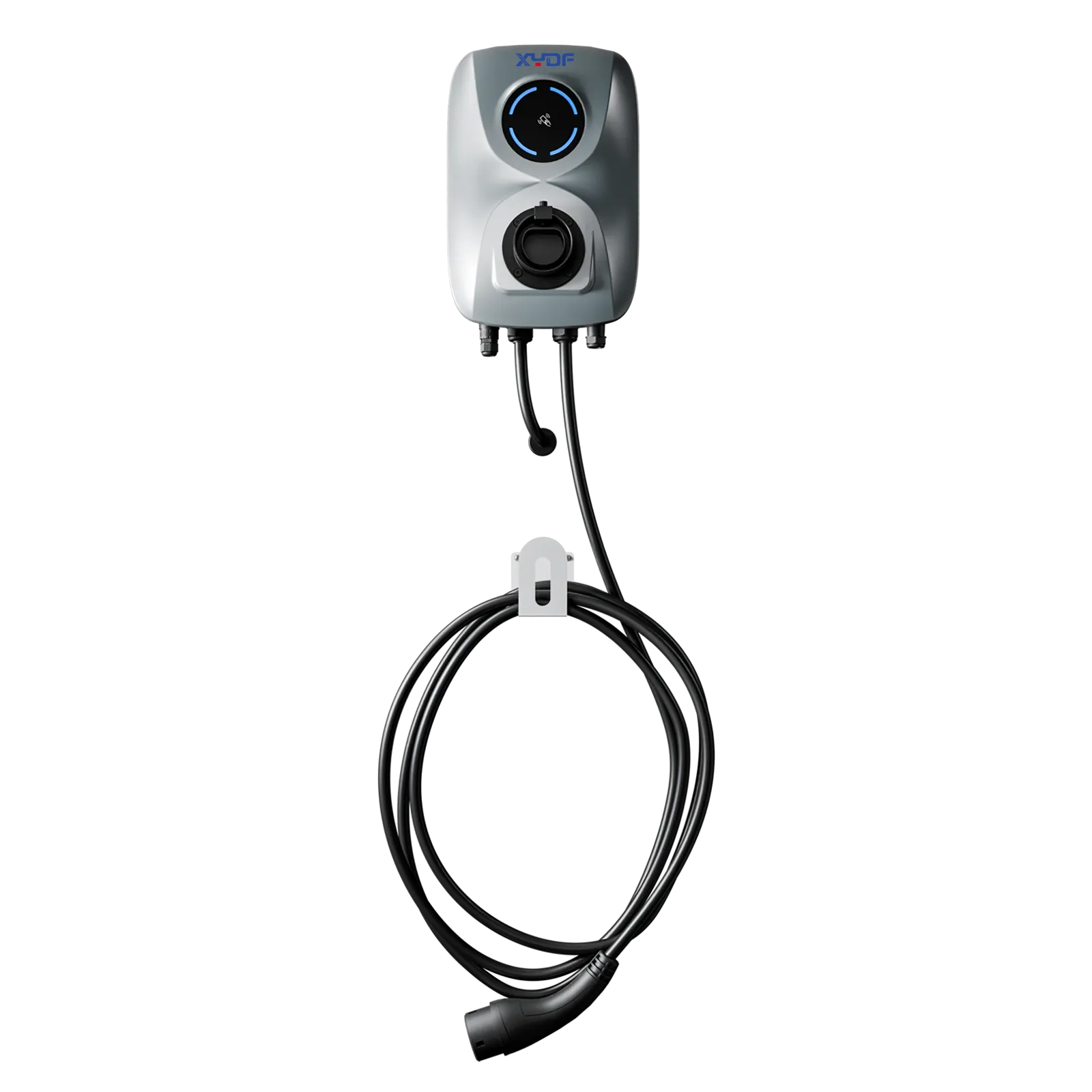


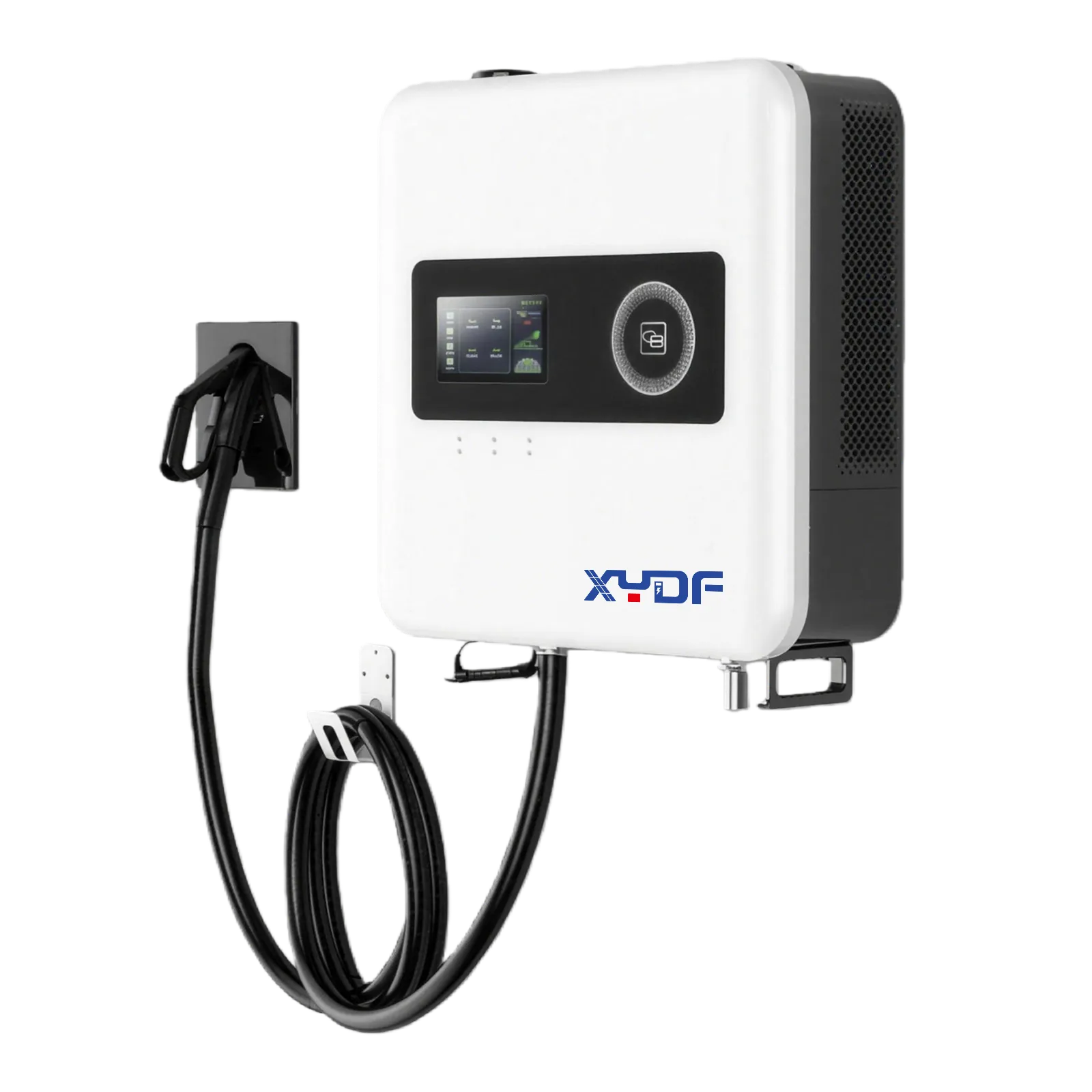
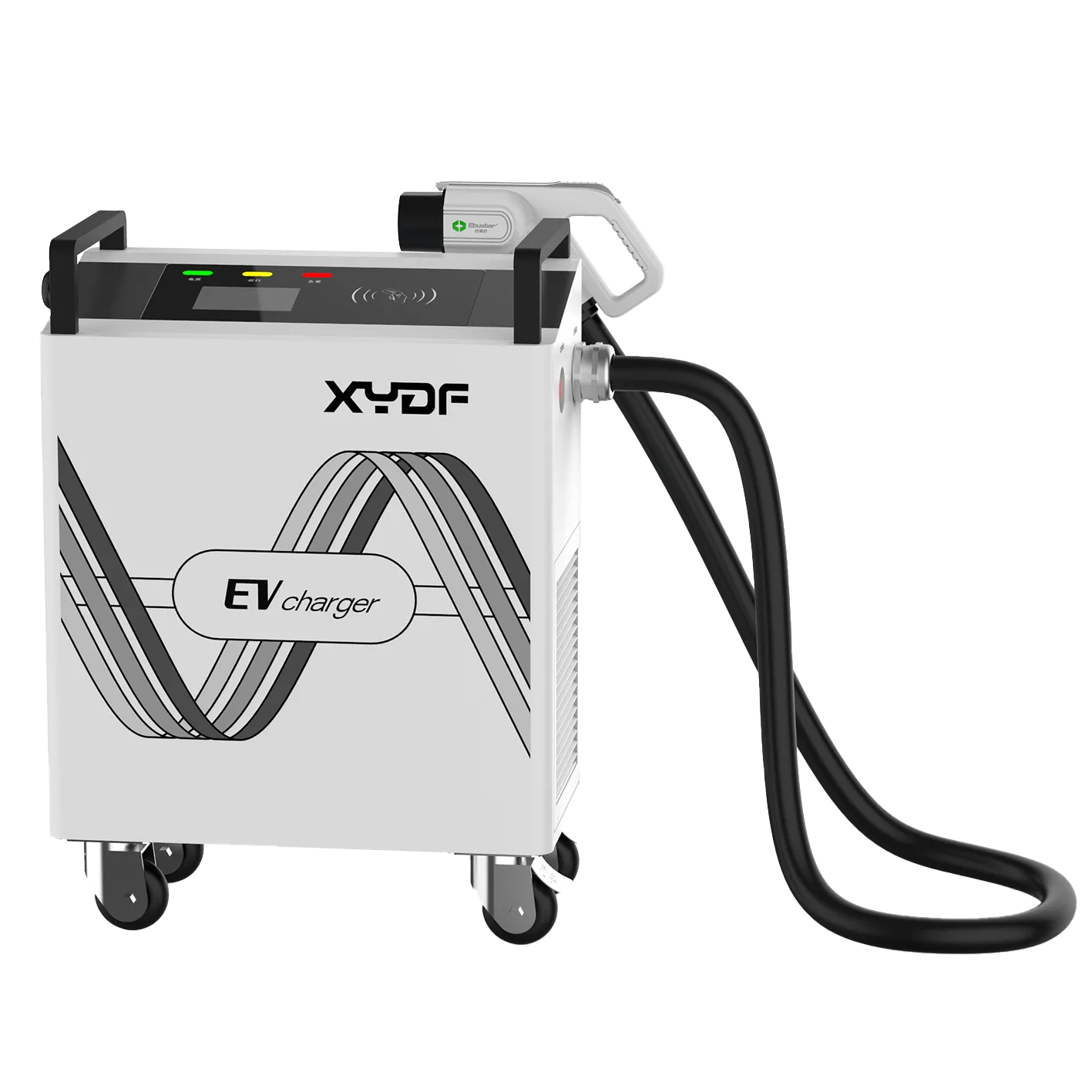
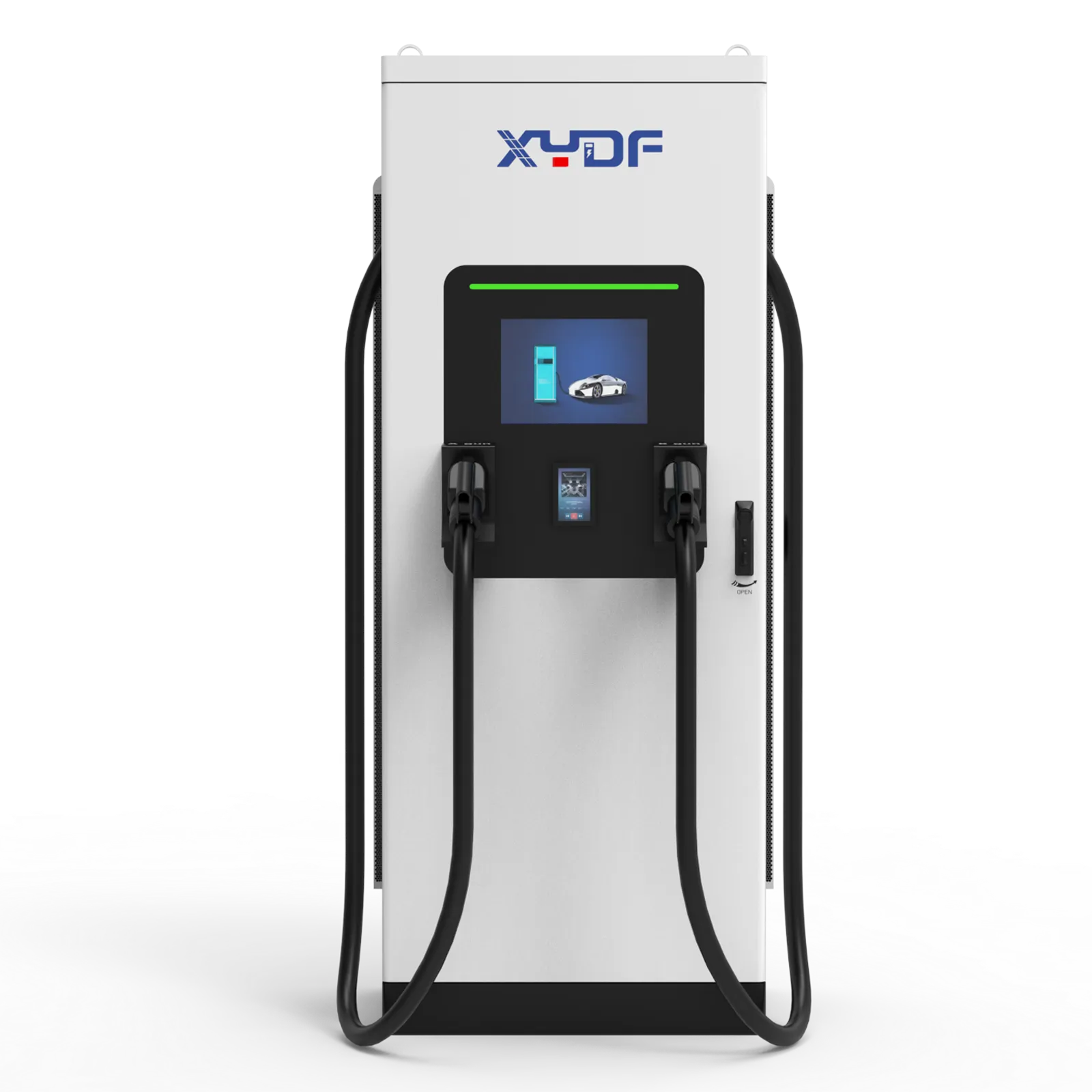
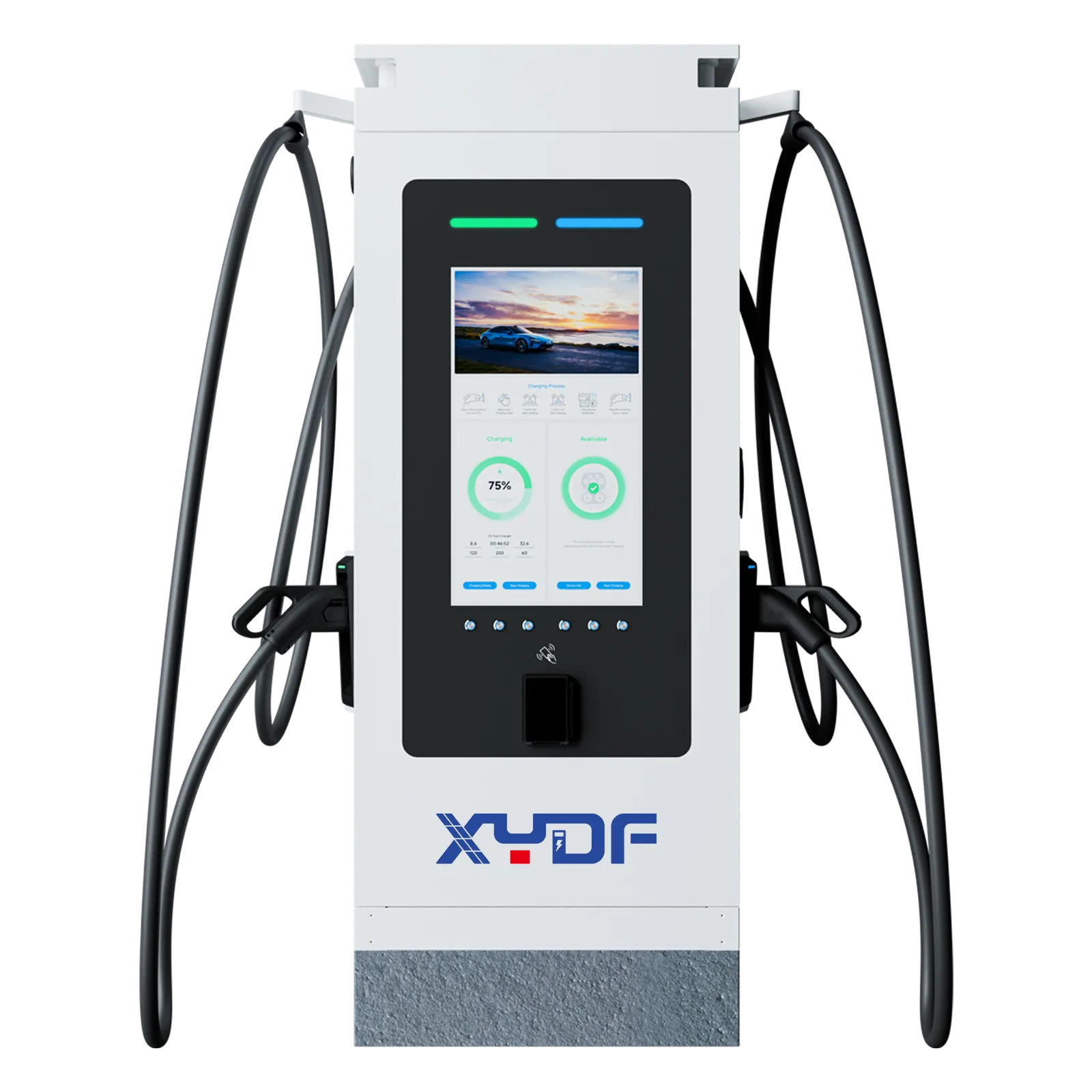
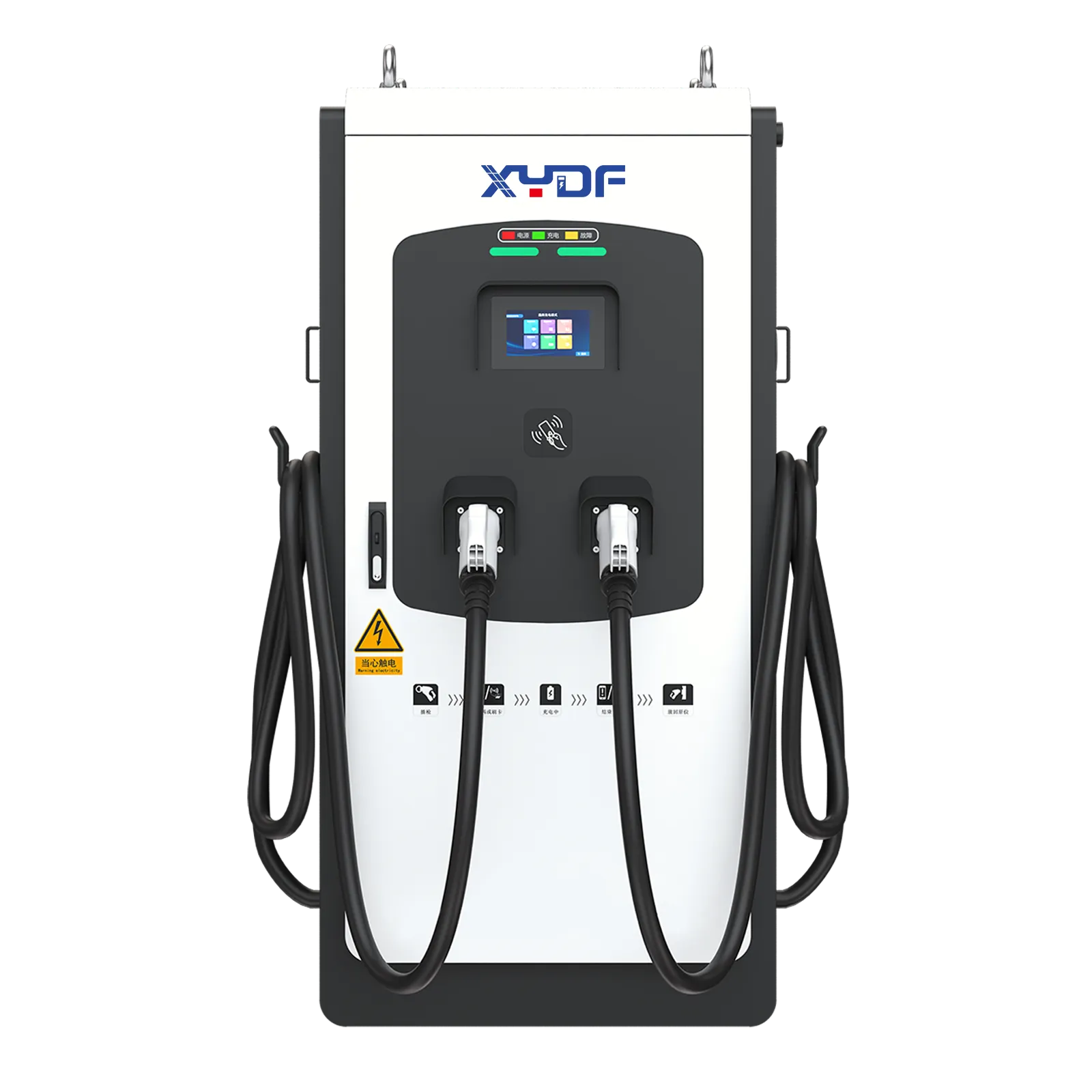
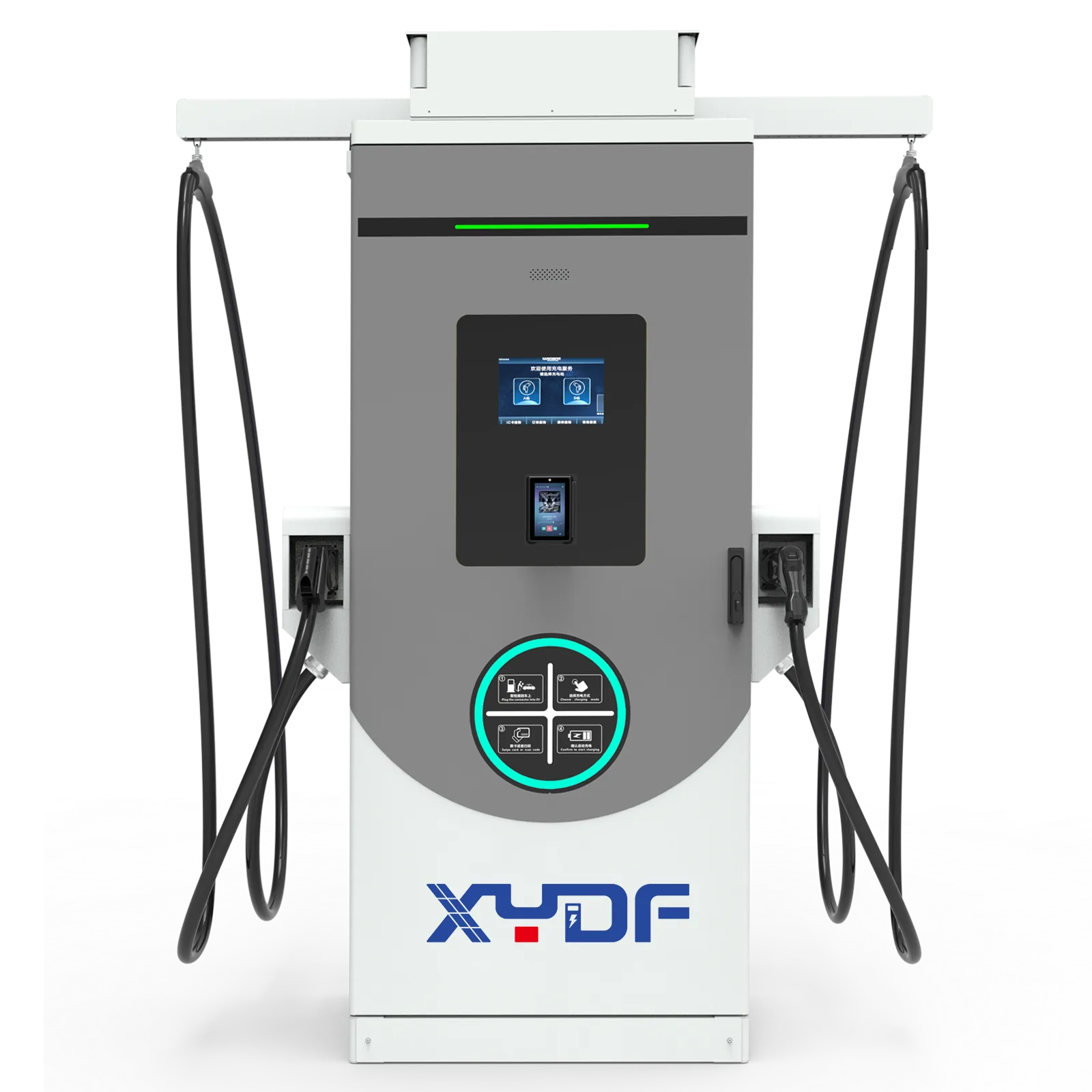
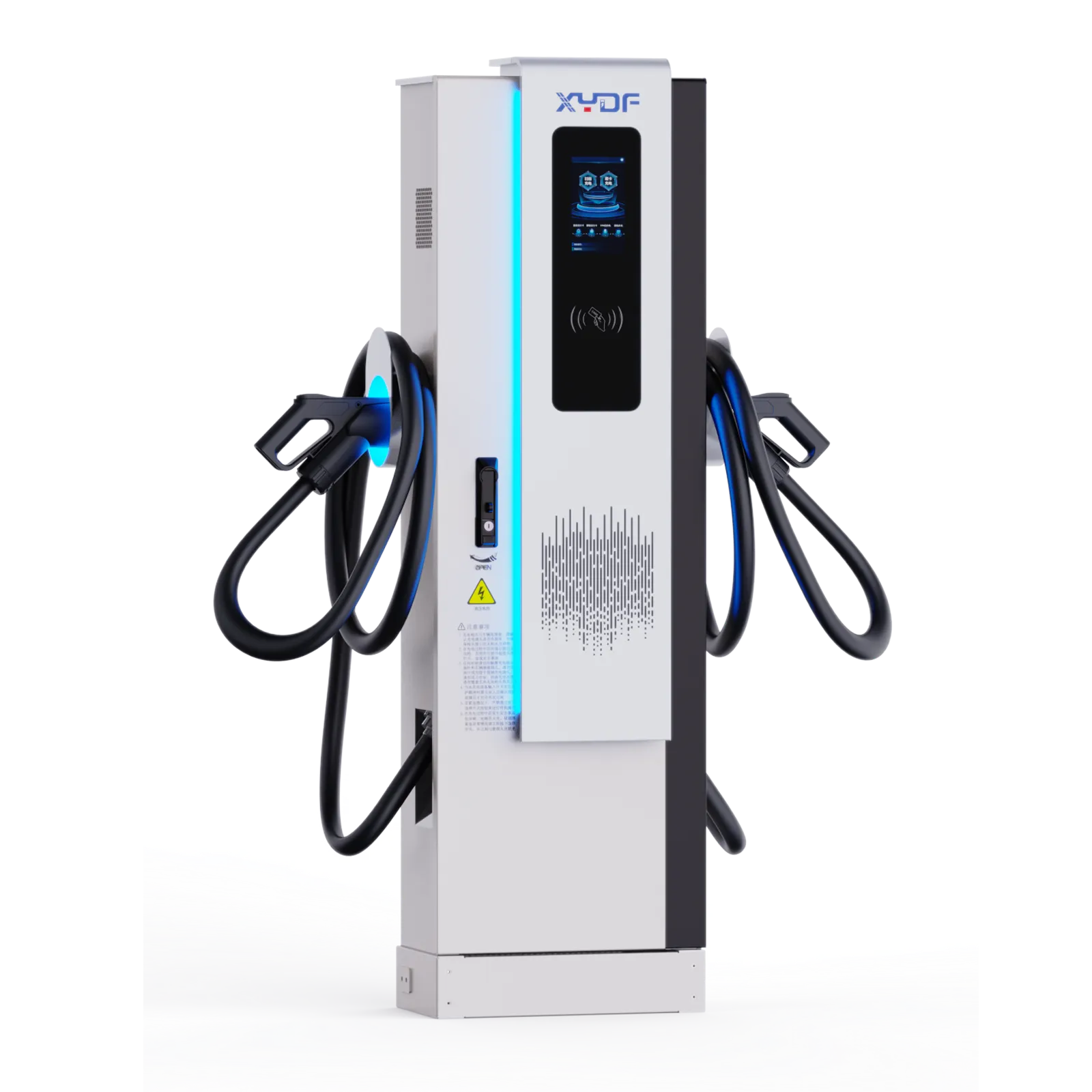
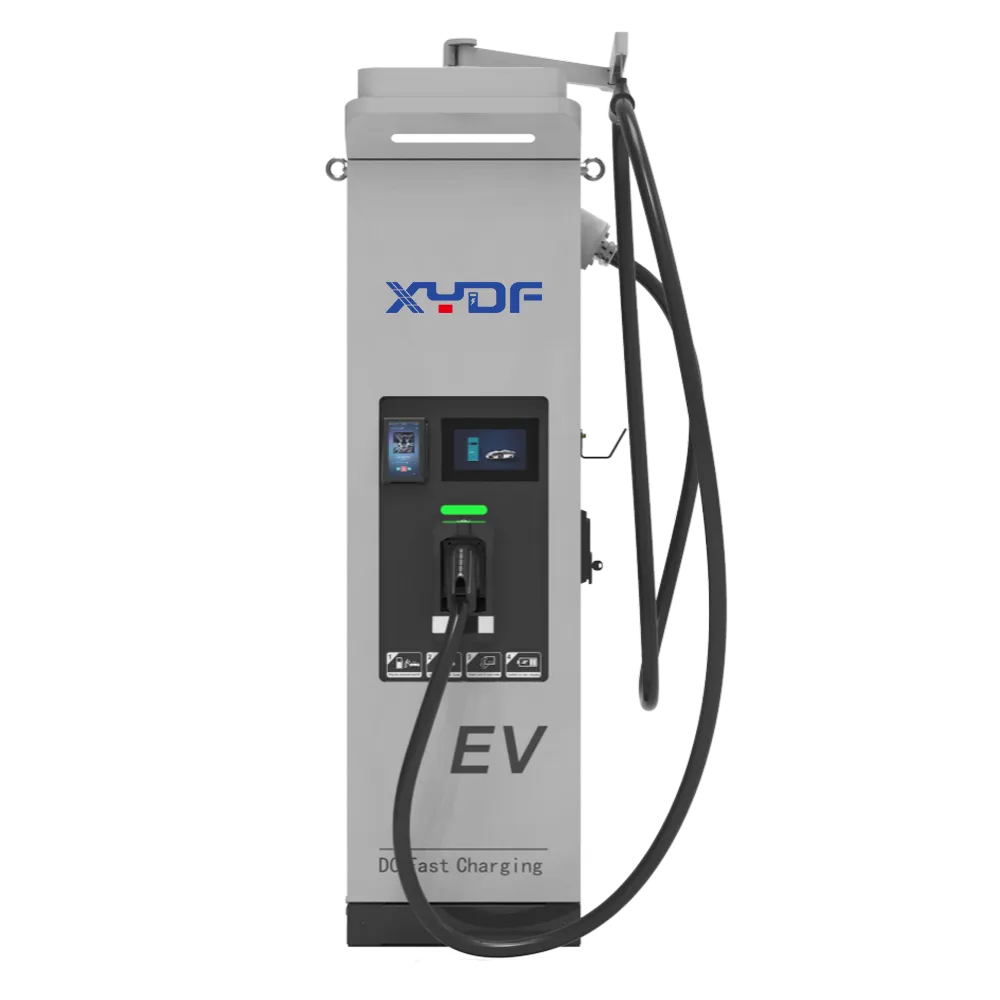

Choosing a home EV charger in the UK starts with the vehicle and electrical supply, not a list of brands. A higher advertised output may add no charging speed if the car cannot accept it or the house lacks the required supply. Installation work, cable reach, tariff scheduling and support can matter more than an extra app feature. This guide explains how to compare those conditions before committing to equipment or an installation quote.
The short answer is that the best home EV charger UK buyers can choose is one that meets their daily energy need within the parking window and can be installed correctly at their property. Check the vehicle inlet and onboard AC limit, single- or three-phase supply, existing demand, parking position and installer scope. A 22kW unit does not deliver 22kW to every car. For private chargepoints sold for use in Great Britain, also check the applicable smart-chargepoint requirements rather than relying on a generic smart label.
When is home charging useful?
Home charging can reduce the need to visit public stations when a vehicle parks near a suitable supply for long enough. Savings depend on the actual tariff and charging schedule; cheap electricity is not automatic. Estimate daily energy replacement rather than promising a full battery every morning. Access permission, tenancy conditions and shared parking can change the feasibility. No increase in property value is assumed here.
Will a 7kW or 22kW charger work at your home?
Compare the vehicle onboard AC charging limit with the proposed circuit and supply. As an illustrative single-phase calculation, 230V × 32A is 7.36kW at the supply, before losses. Three-phase AC charging uses a different power calculation, and a vehicle accepting only a lower AC rate will remain the limiting factor. Ask the installer to confirm service capacity and any load-management arrangement before selecting output.
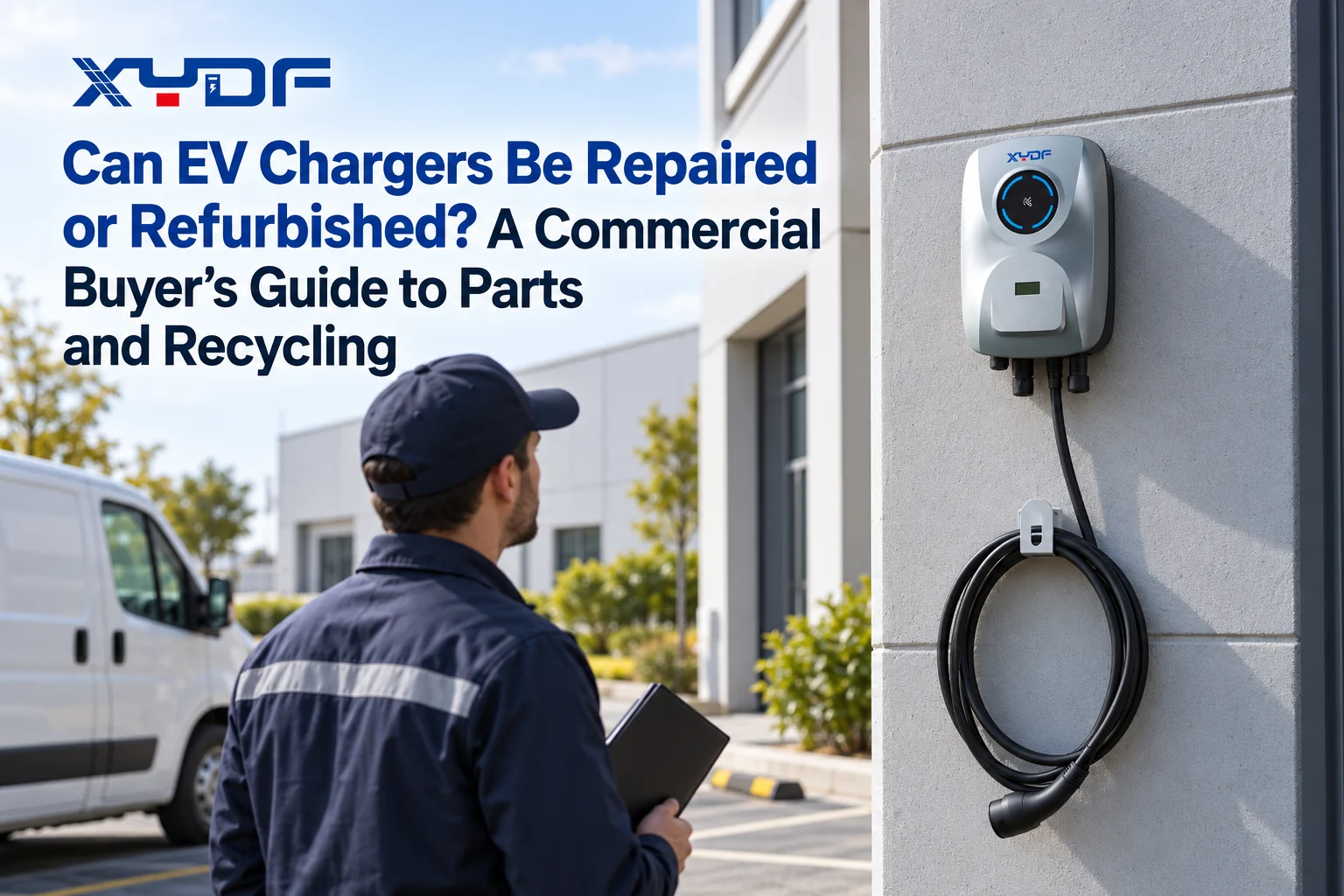
For home EV charger installation, include the cable route, protective devices, earthing arrangement, distribution-board work, permissions and commissioning in the quote. A wallbox price alone is not an installed price. The AC EV charger configuration must match the vehicle and supply, not just the advertised power.

Which features should you compare before buying?
| Requirement | Question to ask | Evidence to request |
|---|---|---|
| Connector and cable | Does the inlet match, and can the cable reach in the normal parking position? | Vehicle manual and exact connector/cable specification |
| Scheduling | Can the charge schedule fit the tariff and departure time? | Supported scheduling functions and local operation instructions |
| Solar or load management | What metering, controls and installation work are required? | Wiring/control design and supported components |
| Outdoor installation | Is the complete installed assembly suitable for this exposure? | Installation manual and enclosure evidence |
| Support | Who handles repair, software faults and warranty claims? | Local support terms, spare-parts and labor coverage |
Wi-Fi, Bluetooth or an app does not by itself prove solar integration or regulatory compliance. Do not assume one brand is the only solar-capable choice. Product-specific functions, current availability and subscription terms need confirmation; this is a requirements-based selection guide, not a hands-on ranking of current models.
What smart-chargepoint rules apply in Great Britain?
The UK smart-chargepoint guidance, updated 23 April 2024 and reviewed for this article on 14 October 2026, applies to specified private domestic and workplace chargepoints sold for use in England, Scotland and Wales. Its scope excludes Northern Ireland and certain products, including non-smart cables and rapid chargepoints. It includes smart functionality, electricity-supplier interoperability, continued charging without a communications network, preset charging hours, randomised delay and security provisions.
Request the statement of compliance and model-specific supporting information from the seller. These device rules do not replace an installer’s assessment or establish that a product is approved for every UK installation.

Can a grant reduce the installation cost?
Do not deduct a universal 75% grant from every household quote. The current chargepoint grant guidance, updated 1 April 2026, sets out separate schemes and eligibility conditions. Applicant type, parking, property and installer requirements matter, as do deadlines and funding availability. Check the live scheme and obtain eligibility confirmation before ordering; a possible grant is not an approved contribution.
How should you compare brands and supplier quotes?
This article is published by XYDF, so any mention of its products has a commercial relationship. Compare all suppliers using the same output, cable, controls, compliance evidence, installed scope and support questions. Names such as myenergi, Tesla, Hypervolt or Easee are not a substitute for checking the current model and market documentation. No universal compatibility, independent quality ranking or current model specification is claimed here.
For B2B projects, distinguish an equipment quotation from installer work and recurring services using a procurement checklist. Review IP ratings against exposure rather than treating IP65 as a guarantee of lifetime, corrosion resistance or overall electrical safety.
Frequently asked questions
How much does a home EV charger cost in the UK?
Obtain a configuration-specific installed quote. Separate the wallbox, cable route, protection, electrical upgrades, commissioning and any recurring charges. Grant eligibility must be confirmed separately; this guide does not claim a current national price band.
Can I charge an EV from a three-pin socket?
Only with equipment approved for that use and a socket and circuit assessed for sustained charging. Follow the vehicle and cable instructions. Do not improvise adapters or extension leads; a dedicated chargepoint may better meet repeated daily demand.
Do I need a 22kW charger at home?
Only if the electrical supply, installed circuit and vehicle AC acceptance support the intended output, and the energy requirement justifies it. A higher rating does not overcome a single-phase supply or lower onboard charger limit.
How should a home charger be maintained?
Follow the model instructions and keep cables and connectors protected from damage. Stop using damaged or overheating equipment and arrange professional assessment. Repairs and electrical checks are not user cleaning tasks.
References
- GOV.UK: Regulations — electric vehicle smart charge points
- GOV.UK: Electric vehicle chargepoint grants
- IEC 60529: enclosure protection classification
Conclusion
Choose a home charger by working backwards from the vehicle’s energy need and parking window. Confirm the onboard AC limit, electrical supply and cable reach first, then compare scheduling, outdoor suitability, installation work and ongoing support. A more powerful wallbox cannot overcome a lower vehicle acceptance limit, and a smart feature does not establish compliance. Check the relevant Great Britain rules and any grant eligibility before signing an order, without assuming that every UK property has the same requirements. XYDF supplies AC EV chargers for specified B2B configurations; discuss the installation requirements with the vehicle, supply, parking arrangement and destination market so equipment and installer responsibilities are clear.